B21, China Town Mall, Midrand

Browse categoriesView all categories
Appliances
View all products →


Beauty & Personal Care
View all products →


Car Parts
View all products →


Computers
View all products →


Construction Material
View all products →
Building Boards & Insulation
Coated & Treated Products
 Flat Products (Sheets, Plates & Coils)
Industrial Hardware & Fasteners
Luxury Wall Panels
Pipeline & Fluid Systems
Pipes & Hollow Sections
PVC Ceilings
PVC Cornices
PVC Suspended Ceilings
PVC Wall Panels
Roofing & Cladding
Roofing & Corrugated Sheets
SPC Flooring
Strips & Bars
Structural Steel & Profiles
Flat Products (Sheets, Plates & Coils)
Industrial Hardware & Fasteners
Luxury Wall Panels
Pipeline & Fluid Systems
Pipes & Hollow Sections
PVC Ceilings
PVC Cornices
PVC Suspended Ceilings
PVC Wall Panels
Roofing & Cladding
Roofing & Corrugated Sheets
SPC Flooring
Strips & Bars
Structural Steel & Profiles
Flat Products (Sheets, Plates & Coils)
Industrial Hardware & Fasteners
Luxury Wall Panels
Pipeline & Fluid Systems
Pipes & Hollow Sections
PVC Ceilings
PVC Cornices
PVC Suspended Ceilings
PVC Wall Panels
Roofing & Cladding
Roofing & Corrugated Sheets
SPC Flooring
Strips & Bars
Structural Steel & Profiles
Consumer Electronics
View all products →


Electrical & Tools
View all products →


Furniture
View all products →


Kids & Toys
View all products →

Machinery
View all products →





Medical Supplies
View all products →


Pet Supplies
View all products →
Phones & Accessories
View all products →


Production Lines
View all products →

Sports & Entertainment
View all products →


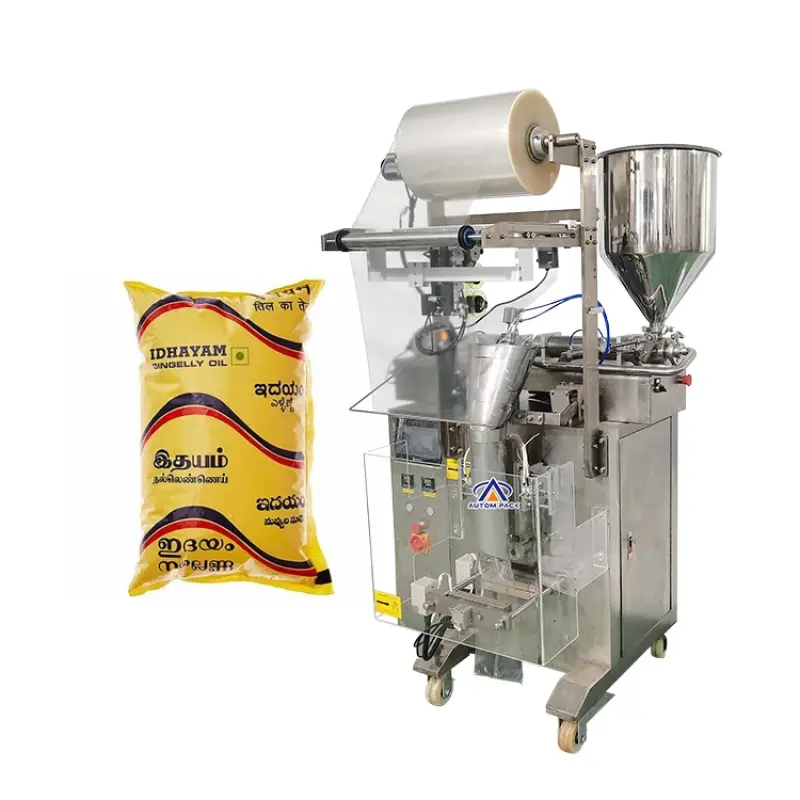
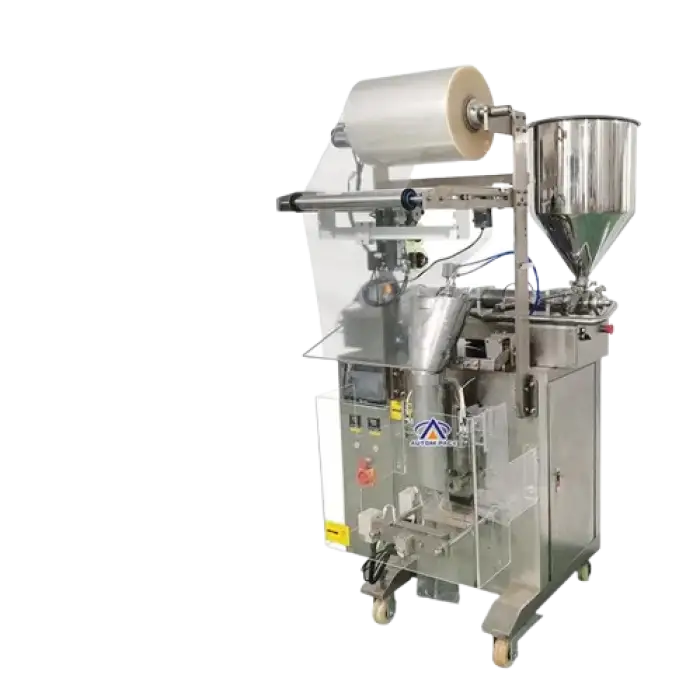
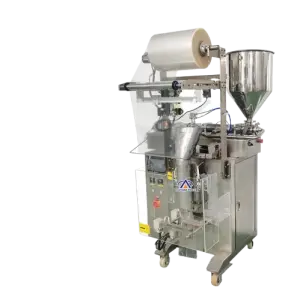
Automatic Feeding Fill and Seal Sachet Food Fruit Jam/Honey/Paste/Ketchup/Mayonnaise Chocolate Liquid Packing Machine
Asset finance available
Do you want funding for this equipment?
Afrimart can connect you with trusted funding partners who specialise in asset finance for businesses like yours. Compare options and apply in minutes — final approval is subject to provider review.
Check funding options
Secure & no obligation

- Section : Machinery
- Category : Multi-Function Packaging Machines
- SKU : 1600225539722

Automatic Feeding Fill and Seal Sachet Food Fruit Jam/Honey/Paste/Ketchup/Mayonnaise Chocolate Liquid Packing Machine
Application
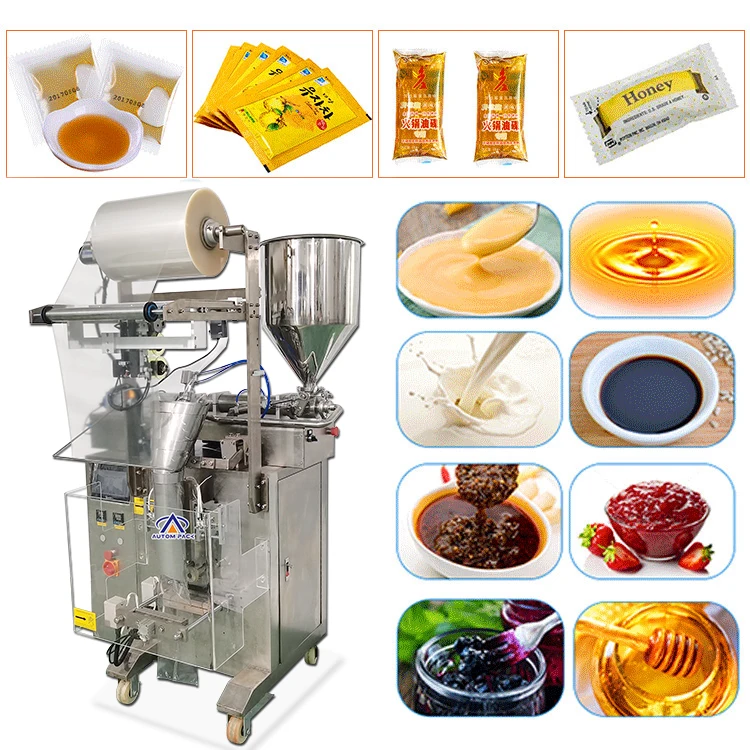
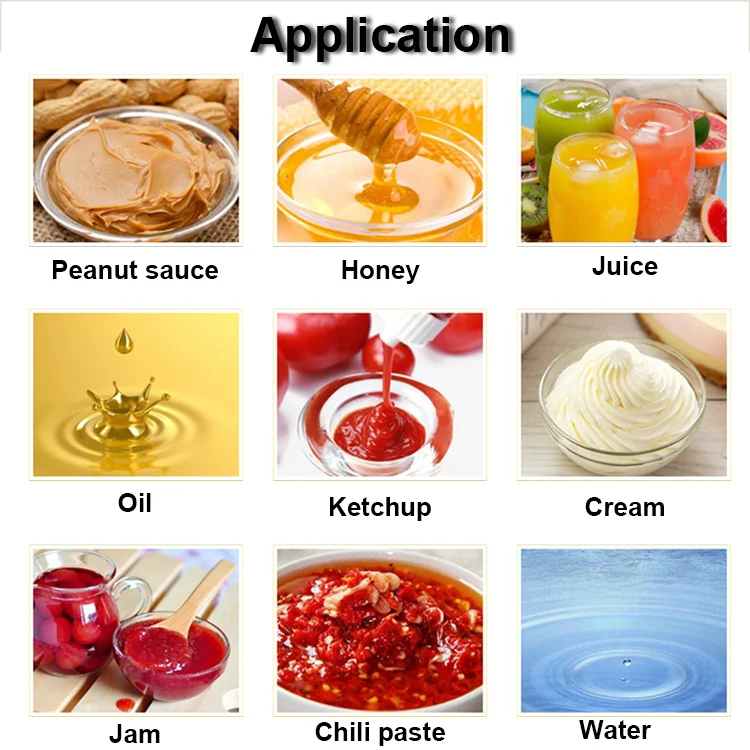
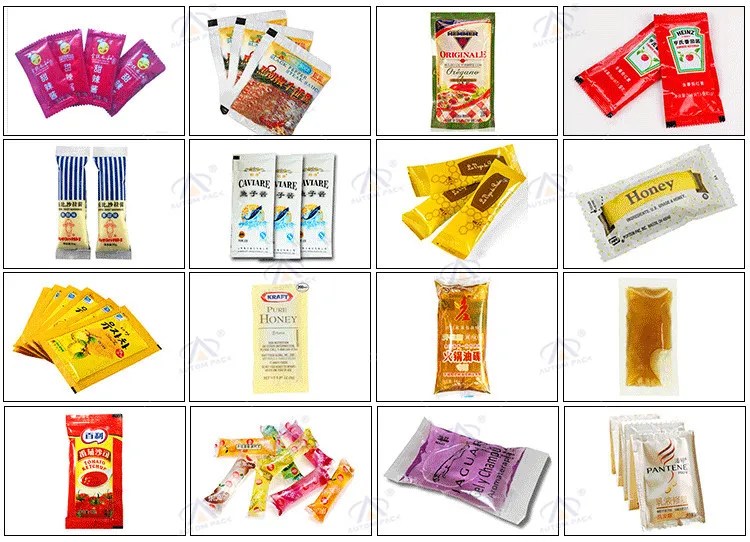
This machine is designed for packing a wide variety of liquids, pastes, and semi-liquid products, such as:
- Liquids: Juice, Milk, Oil, Shampoo, Liquid Detergent.
- Pastes: Honey, Ketchup, Peanut Butter, Garlic Sauce, Toothpaste.
- Granules/Powders: Grain, Snack, Sugar, Spice, Rice, Popcorn, Seeds, Milk Powder, Ground Coffee, Talcum Powder, Detergent Powder.
Description
- High Precision and Efficiency: Ensures accurate weighing and filling without damaging the material.
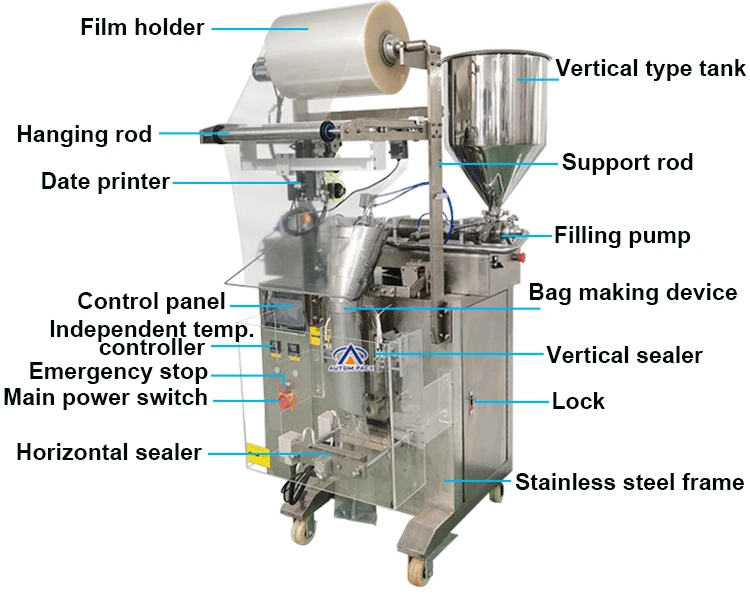
- Full Automation: Handles feeding, measuring, bagging, date printing, charging, and product output automatically.
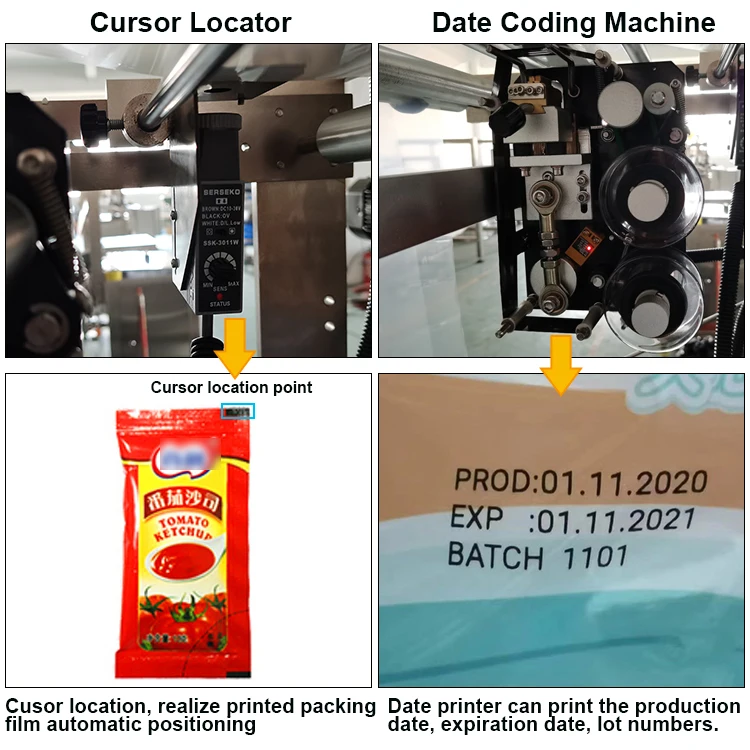
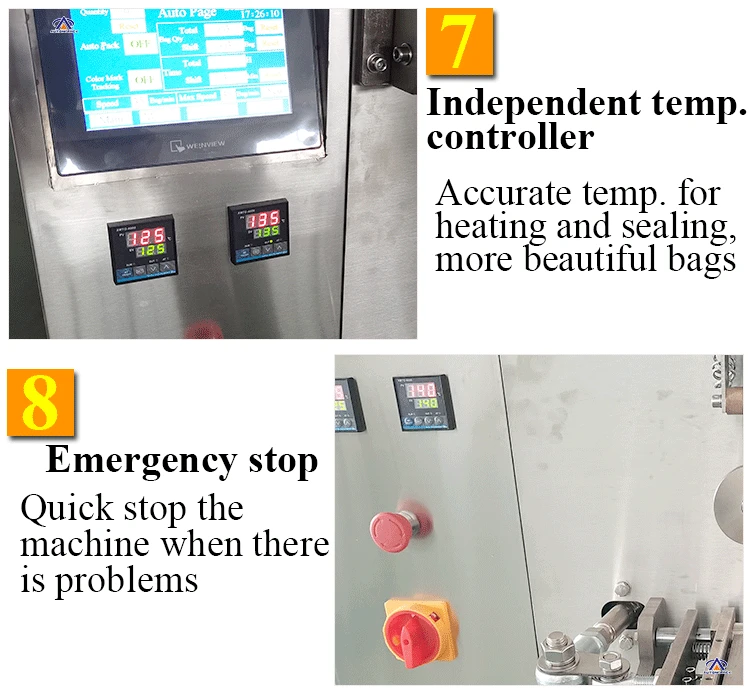
- Photoelectric Eye Technology: Ensures precise cutting and sealing with numerical input for added accuracy.
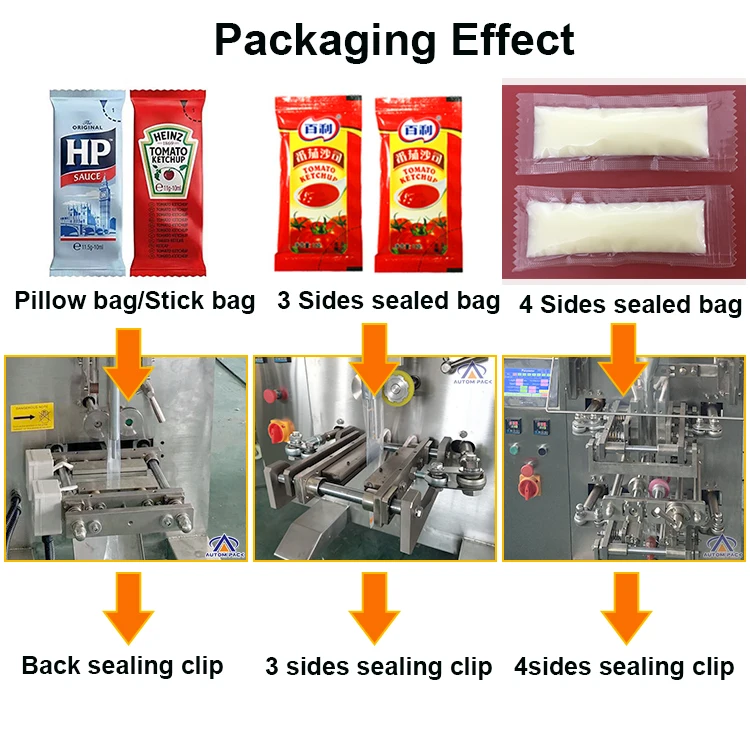
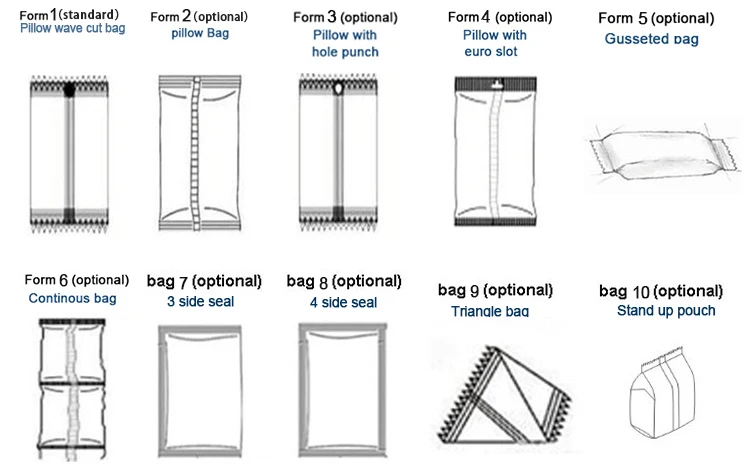
Bag Type Options: Pillow bag, 3/4 sides seal, chain bag, gusseted bag, and more.
Features
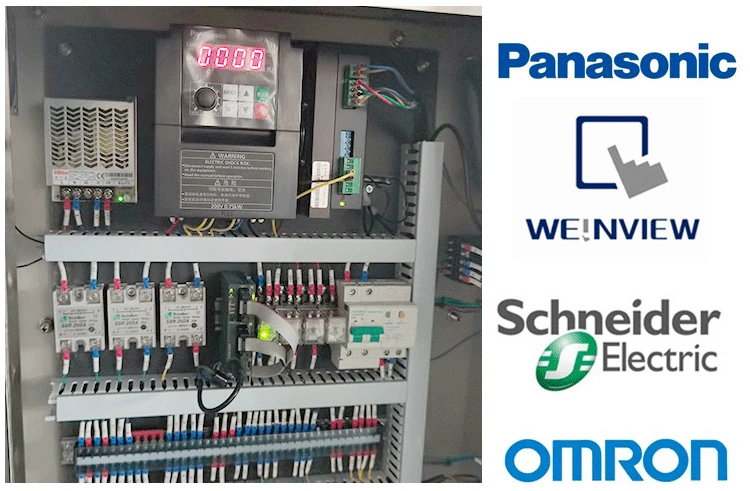
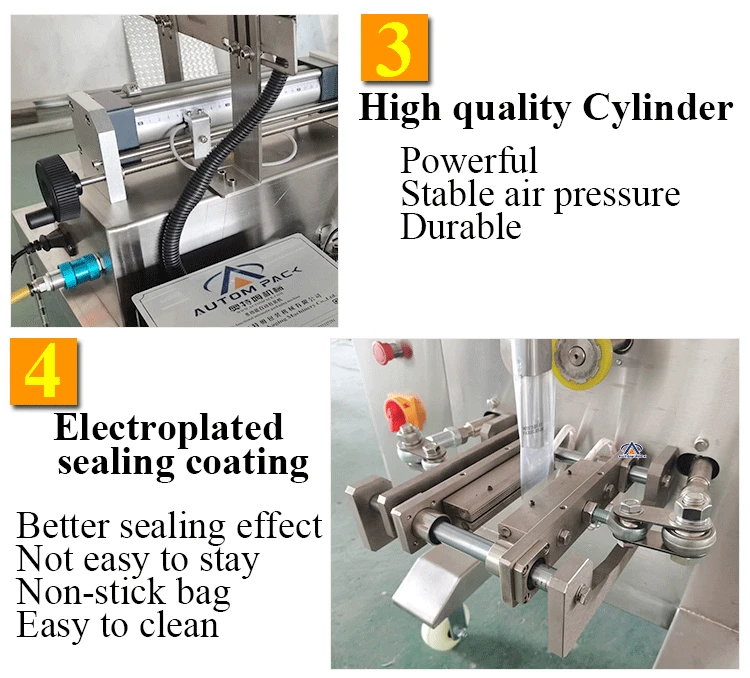
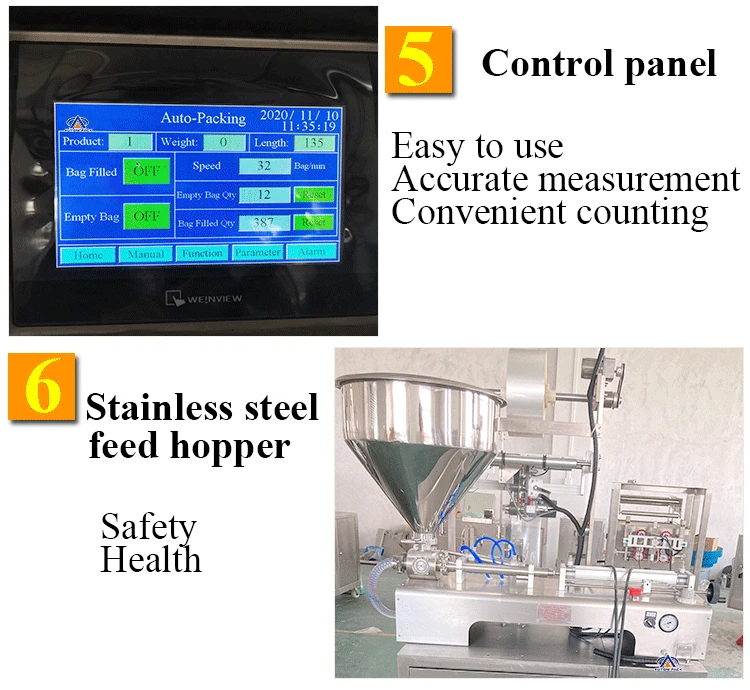
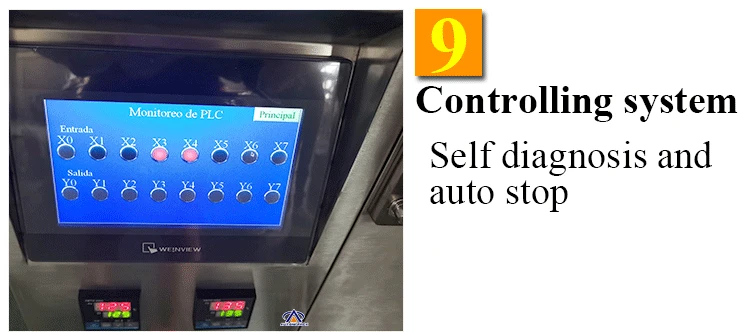
- User-Friendly Controls: Computer PLC control system with automatic alarm functionality.
- Dual-Language Display: Operates in English or Chinese with an intuitive screen interface.
- High Sensitivity Accuracy: Advanced photoelectric eye color tracing for precision packaging.
- Customizable Bag Types: Supports 3-side sealing, 4-side sealing, pillow bags, and stick bags.
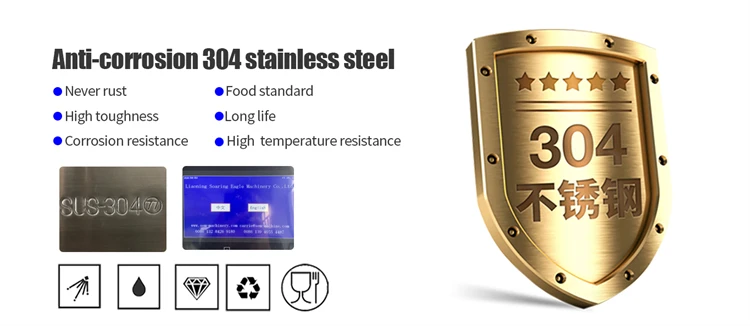
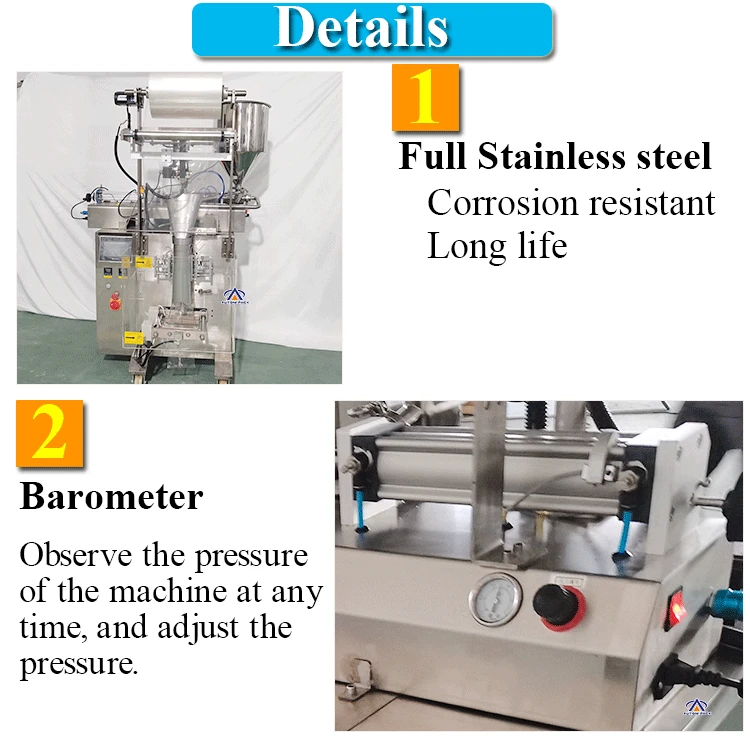
- Durable and Reliable: Uses high-quality components for long-term performance.
- Integrated Automation: Automatically performs weighing, bag making, filling, sealing, cutting, and counting.
- Optional Add-Ons: Includes ribbon code printer and link-bag device for multipurpose packaging needs.
Machine Composition
- Hot Stamp Ribbon Coder
- Batch Cutter
- Vacuum Loader
- On-line Check Weighing with Auto Feedback
Specifications
| Vendor Model | ATM-320L | ATM-380L |
|---|---|---|
| Bag Length | 120-300mm | 180-380mm |
| Bag Width | 50-150mm | 60-180mm |
| Film Roll Diameter | Max. 300mm | Max. 300mm |
| Packing Rate | 30-75 bags/min | 30-75 bags/min |
| Film Thickness | 0.04-0.07mm | 0.04-0.07mm |
| Packing Film Material | OPP/PE, PVC/OPP, CPP/PT, PE, KOP, Aluminum Film, VMCPP, VMPET | |
| Machine Dimensions | L1200×W700×H1900mm | L1100×W800×H2150mm |
| Machine Weight | 300kg | 450kg |
| Alternative Bag Types | Pillow Bag, 3-Side Sealed, 4-Side Sealed, Stick Bag, etc. |
Detailed Images
Automatic Feeding Fill and Seal Sachet Food Fruit Jam/Honey/Paste/Ketchup/Mayonnaise Chocolate Liquid Packing Machine
This machine offers unmatched versatility and efficiency for all your liquid and paste packaging needs. Perfect for food, beverages, and other industries requiring reliable and precise packing solutions!
- Shipping Timeframes: All orders are processed within 2-5 business days (excluding weekends and holidays). After your order has been processed, the estimated delivery time is before 11 Dec, 2026, depending on customs, Please note that due to high demand, some items may experience longer shipping times, which will be communicated at order confirmation email.
- Order Processing Time: Please allow 2-5 business days for us to process your order before it is shipped . Orders placed after 16:00 on Fridays, or during weekends and public holidays, will begin processing on the next business day. Processing times may be extended during peak seasons or sales events.
- Manufacturing Time: Some products needs manufacturing time, the manufacturing process will take approximately 10-30 business days depending on the product. This timeframe may vary depending on the complexity of the product and current demand. but this will be communicated with you during order confirmation.
- Returns and Exchanges: We offer a 30-day return policy for most items. If you are not completely satisfied with your purchase, you may return it within 30 days of receipt for a refund or exchange. Items must be unused, in their original packaging, and accompanied by proof of purchase. Return shipping costs are the responsibility of the customer, unless the item was damaged or defective upon arrival.
1. What types of products can this machine pack?
The machine is designed to pack a wide range of liquids, pastes, semi-liquids and powders — for example: juices, milk, oil, shampoo, liquid detergent, honey, ketchup, peanut butter, garlic sauce, toothpaste, grain, snacks, sugar, spices, rice, popcorn, seeds, milk powder, ground coffee, talcum powder and detergent powder.
2. What bag types and sizes does it support?
Supported bag types include pillow bags, 3-side sealed, 4-side sealed, stick bags, chain bags and gusseted bags. Size ranges depend on model: ATM-320L bag length 120–300 mm and bag width 50–150 mm; ATM-380L bag length 180–380 mm and bag width 60–180 mm.
3. What is the machine's production speed?
Packing rate is 30–75 bags per minute. Actual speed depends on product viscosity, bag size, film type and filling weight.
4. Which film materials and thicknesses are compatible?
Compatible film materials include OPP/PE, PVC/OPP, CPP/PT, PE, KOP, aluminum film, VMPET/VMCPP and similar laminates. Recommended film thickness is 0.04–0.07 mm and maximum roll diameter is 300 mm.
5. What are the main differences between the ATM-320L and ATM-380L models?
Key differences are bag length/width ranges and machine size/weight. ATM-320L: bag length 120–300 mm, width 50–150 mm, machine dimensions L1200×W700×H1900 mm, weight ~300 kg. ATM-380L: bag length 180–380 mm, width 60–180 mm, machine dimensions L1100×W800×H2150 mm, weight ~450 kg. Packing rate and film roll diameter are the same for both models.
6. How does the machine achieve accurate cutting, sealing and filling?
It uses a PLC control system combined with photoelectric-eye color tracing for precise film registration, an automatic weighing/filling system for accurate dosing, and numerical inputs for cutting and sealing parameters to ensure consistent results.
7. Is the machine suitable for food-grade/hygienic operations?
Yes — the machine is intended for food products and is built with materials and designs suited for food packing. For specific certifications (e.g., FDA, CE, HACCP compliance) and food-contact material certificates, request documentation from the supplier.
8. How should I clean and maintain the machine, especially after packing sticky products like jam or honey?
For sticky products, stop the machine and disassemble the product-contact parts as recommended by the manufacturer. Clean using warm water and food-grade detergents/sanitizers, dry thoroughly, check sealing jaws and nozzles for residue, and re-lubricate moving parts per the maintenance schedule. Perform daily cleaning of contact parts and regular inspections of seals and wear items.
9. How long does it take to change over to a different bag size?
Changeover time varies with the degree of size change and operator experience. The machine has programmable settings and quick-adjust features to reduce downtime; small adjustments can take only minutes, while larger format changes may take longer. Training and pre-saved programs speed the process.
10. What optional accessories are available?
Optional additions include a ribbon code (hot stamp) printer, link-bag device, batch cutter, vacuum loader, and online check-weigher with auto-feedback. Many options can be integrated to meet specific application or regulatory needs.
11. What are the electrical, air and installation requirements?
Exact electrical, air pressure and installation requirements depend on model configuration and optional accessories. Typical needs include a stable electrical supply and a compressed air source. Ask the vendor for the specific site-power, air-consumption and foundation/clearance requirements for your chosen configuration.
12. What is the filling and weighing accuracy?
The machine uses high-sensitivity weighing and filling systems to deliver accurate fills; actual accuracy depends on the product characteristics (viscosity, particulate content), chosen dosing system and weight range. For target tolerances for your product, request performance data or a product trial from the supplier.
13. What after-sales support, spare parts and warranty are offered?
After-sales offerings typically include installation assistance, operator training, spare parts supply and technical support. Warranty terms and spare-part agreements vary by supplier and region — request the vendor's standard warranty and service options when ordering.
14. How do I get a quote and what is the lead time?
Contact the supplier or local distributor with your product details (type, viscosity, pack size, film material, required speed and optional features). Lead time depends on stock, customization and shipping; the vendor will provide a quotation and estimated delivery schedule after reviewing your requirements.
Latest Order Arrivals
Discover our latest orders
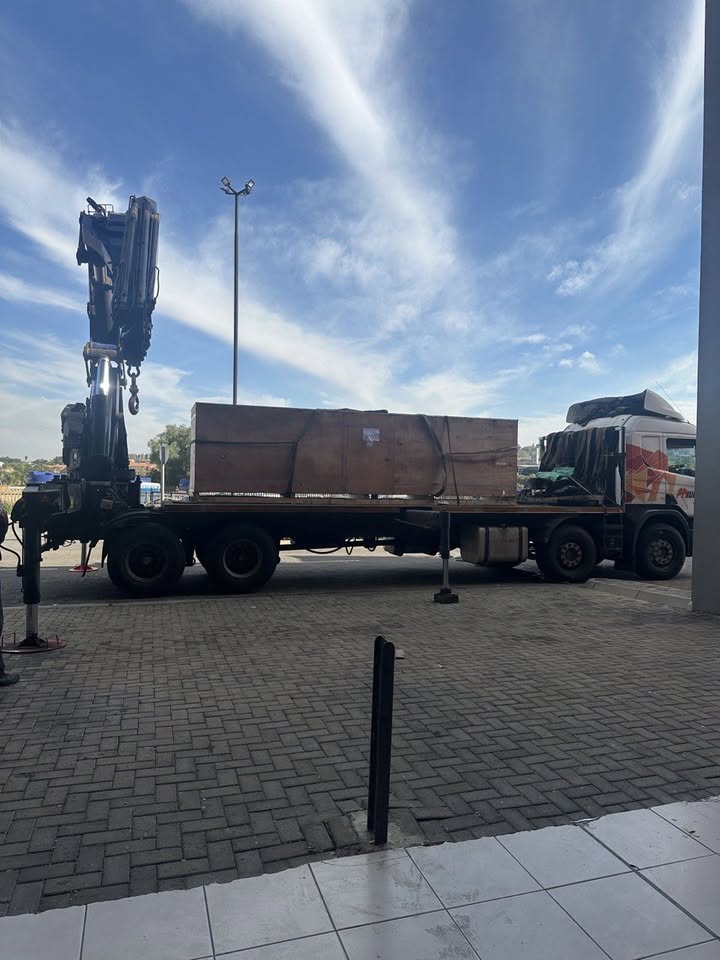
12 Heads Embroidery Machine
Toilet Paper Machine Machine
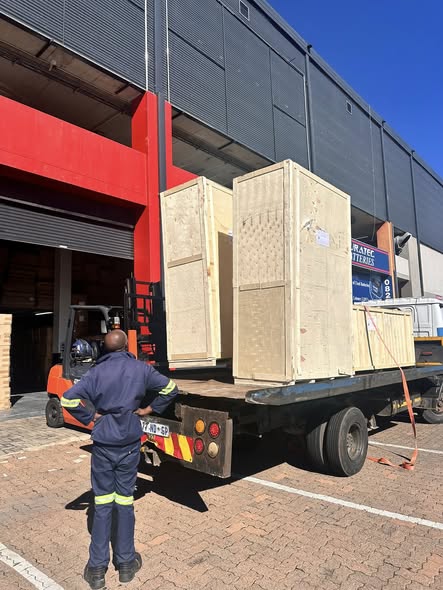
Order Collection
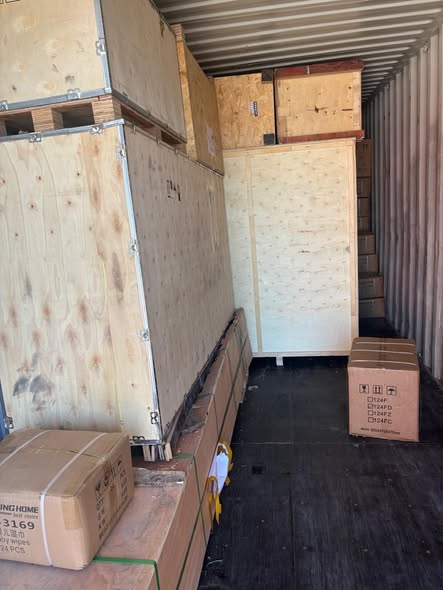
Cross Border Clients
Order cros border countries Collected
Industrial Machine Cllection
Agriculture Processing Machines
Ready for collection
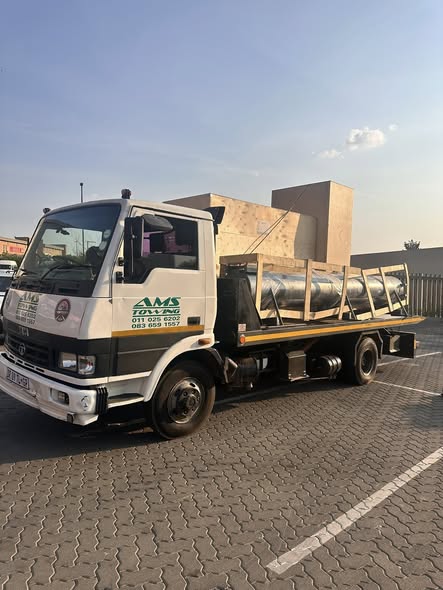
Water Pump Equipment
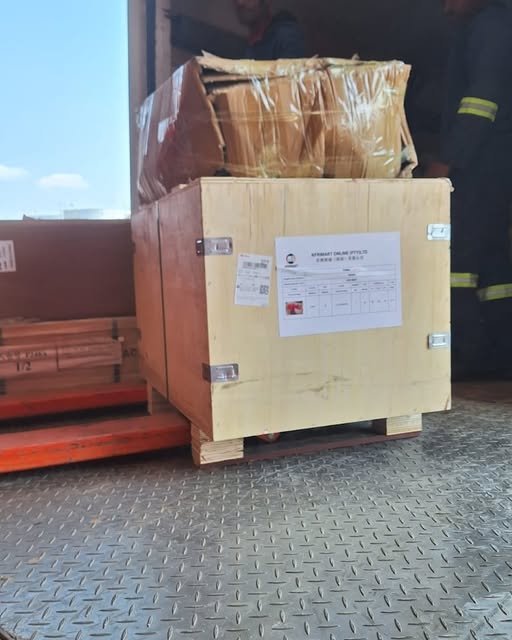
Packaging Machine and accessories
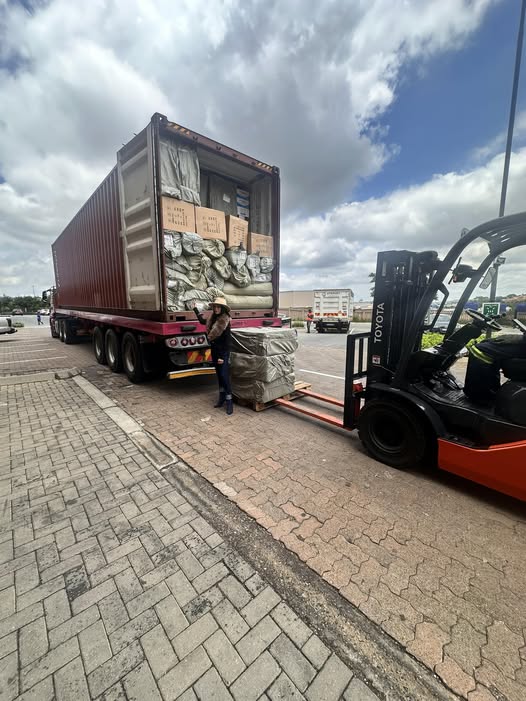
Fabrics Manufacturing Equipment
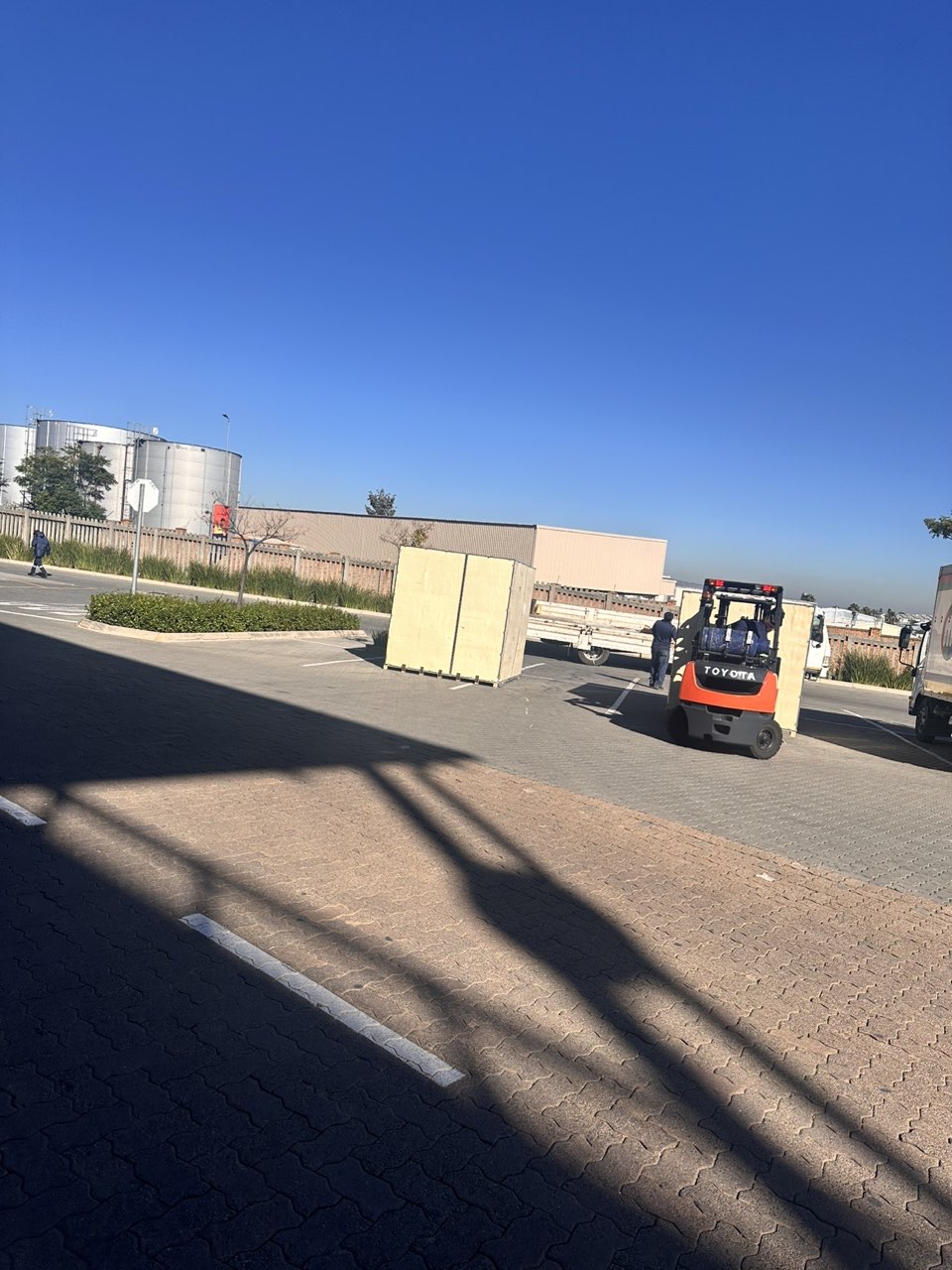
Mining Equipments
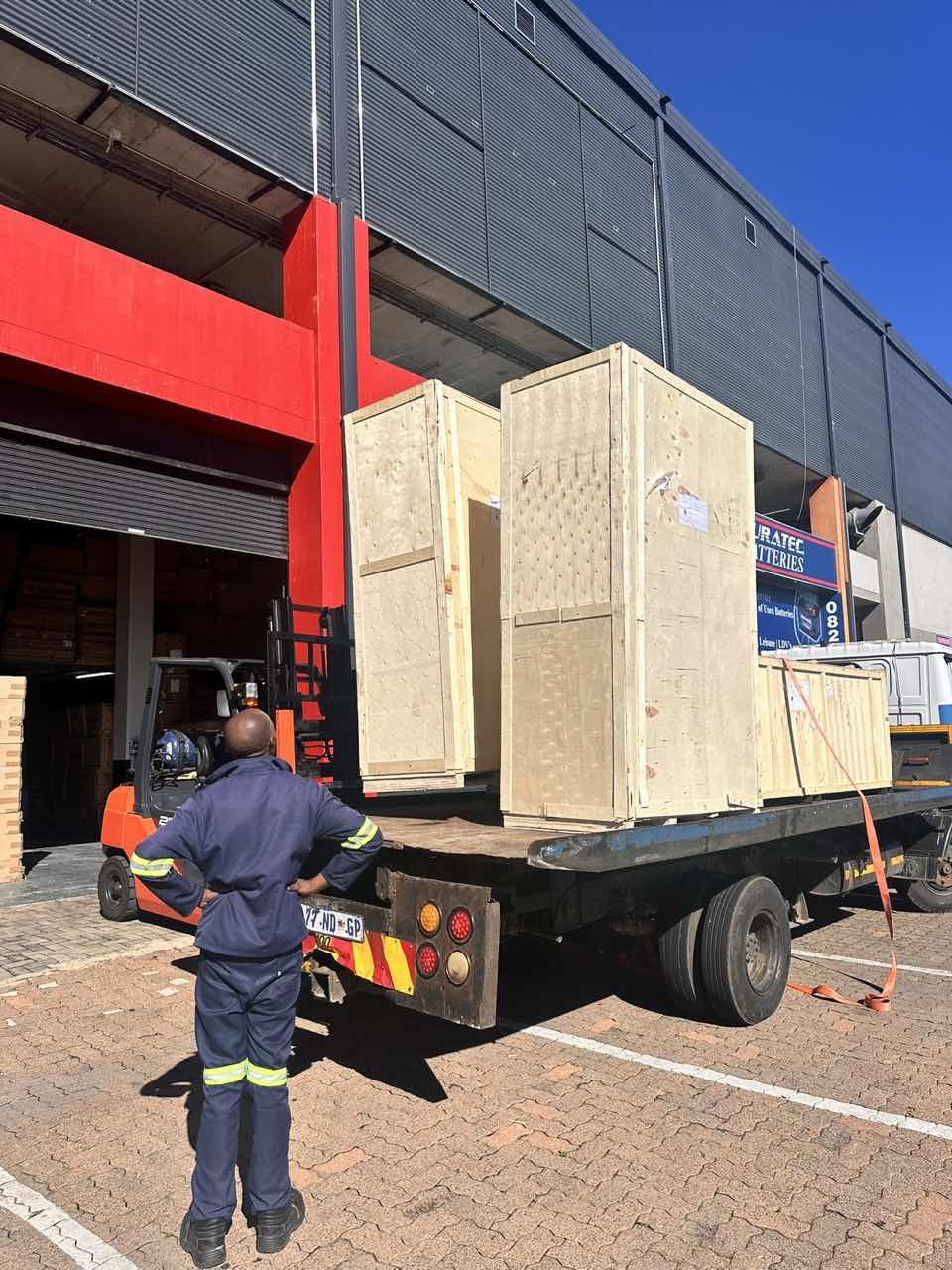
Food Processing Machine
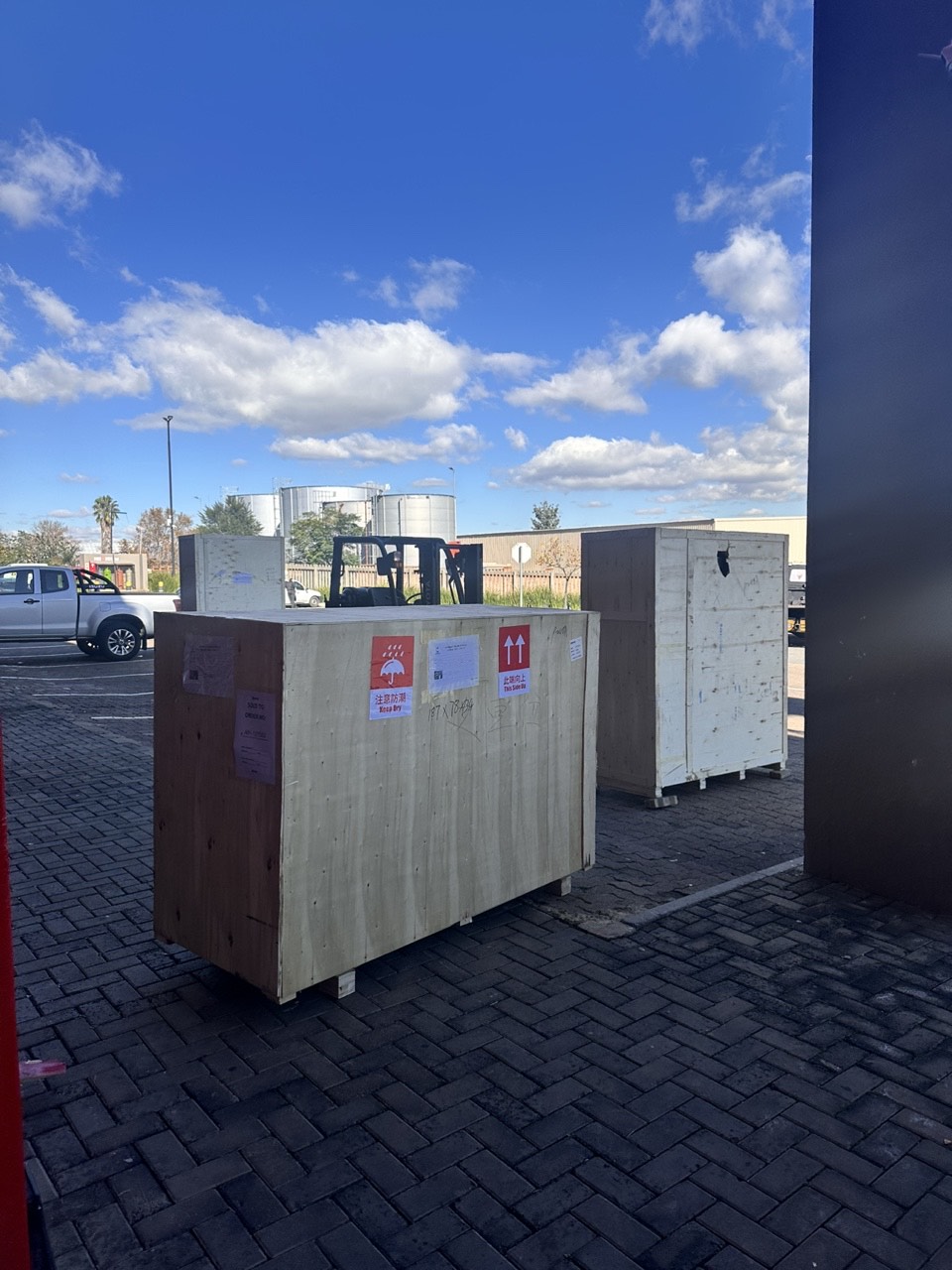
Batch of Orders
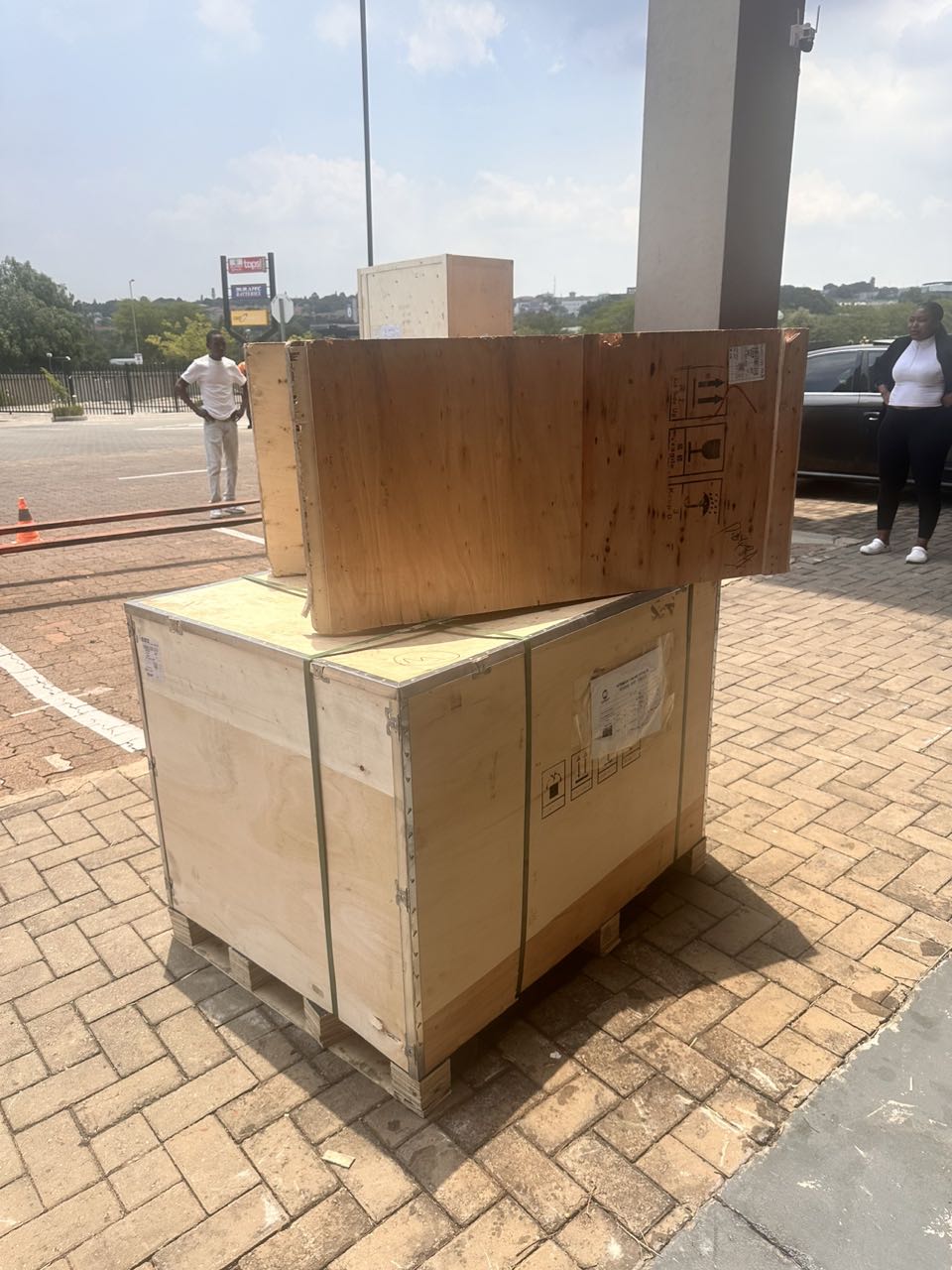
Batch of Orders
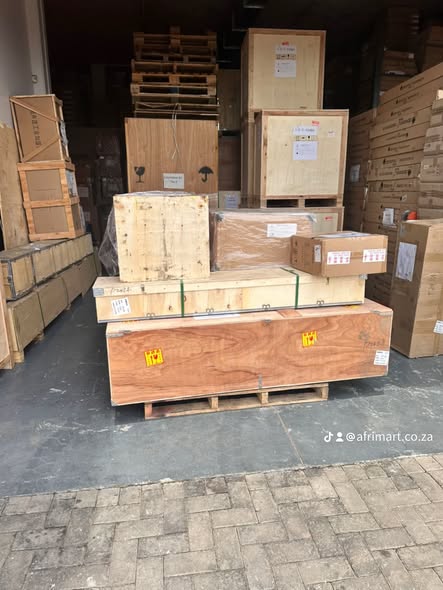
Latest Orders Labelled
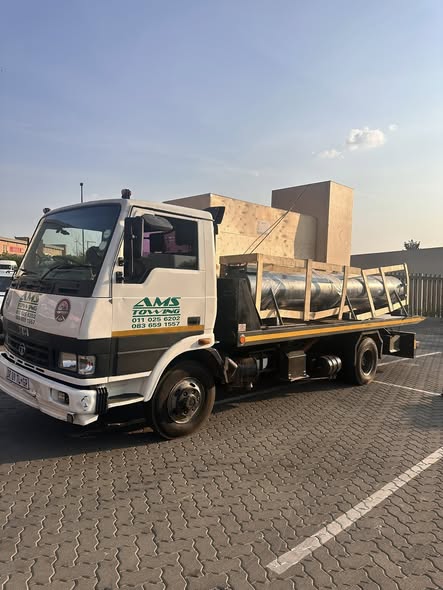
wheel alignment machines
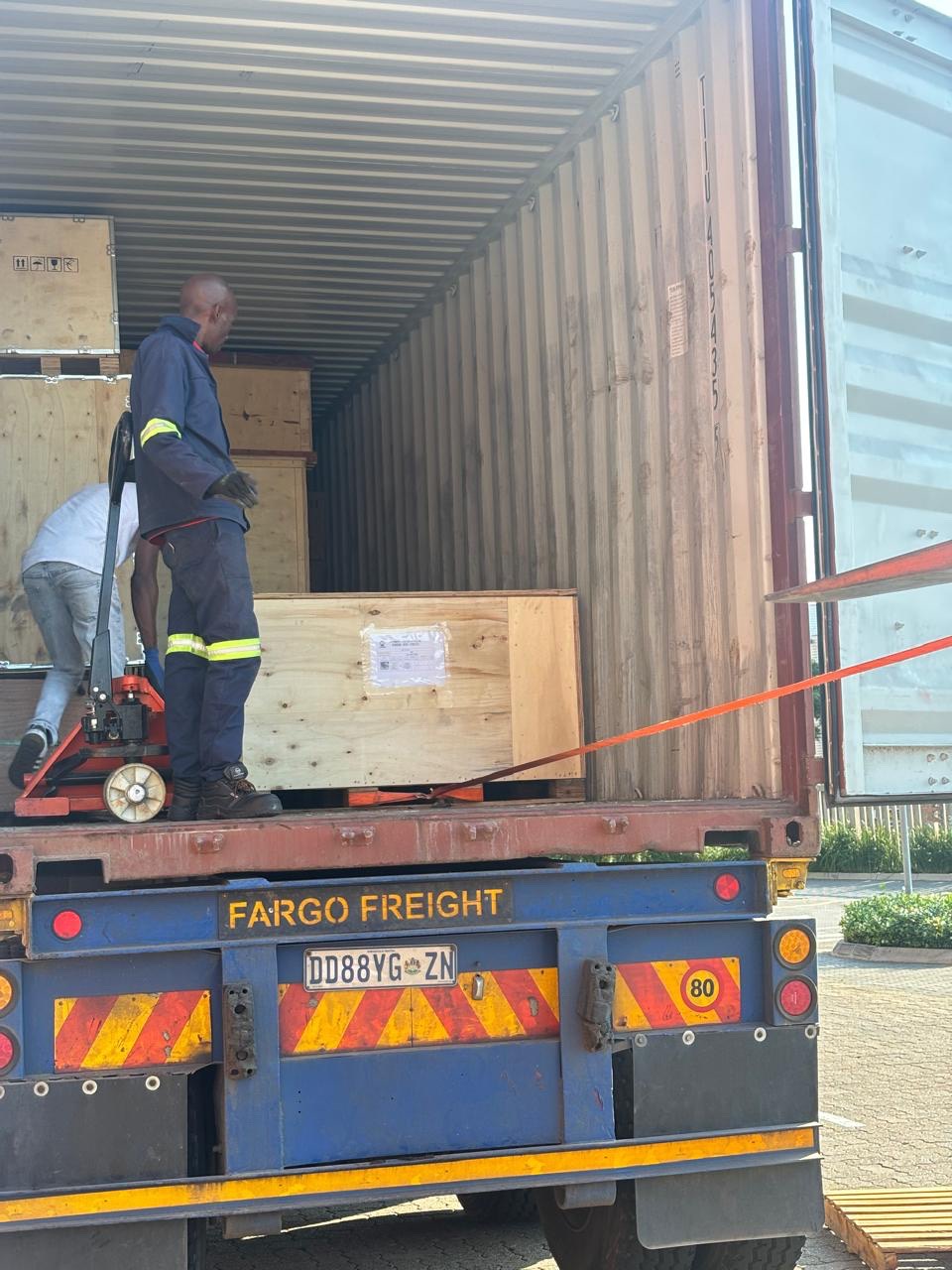
new arrivals
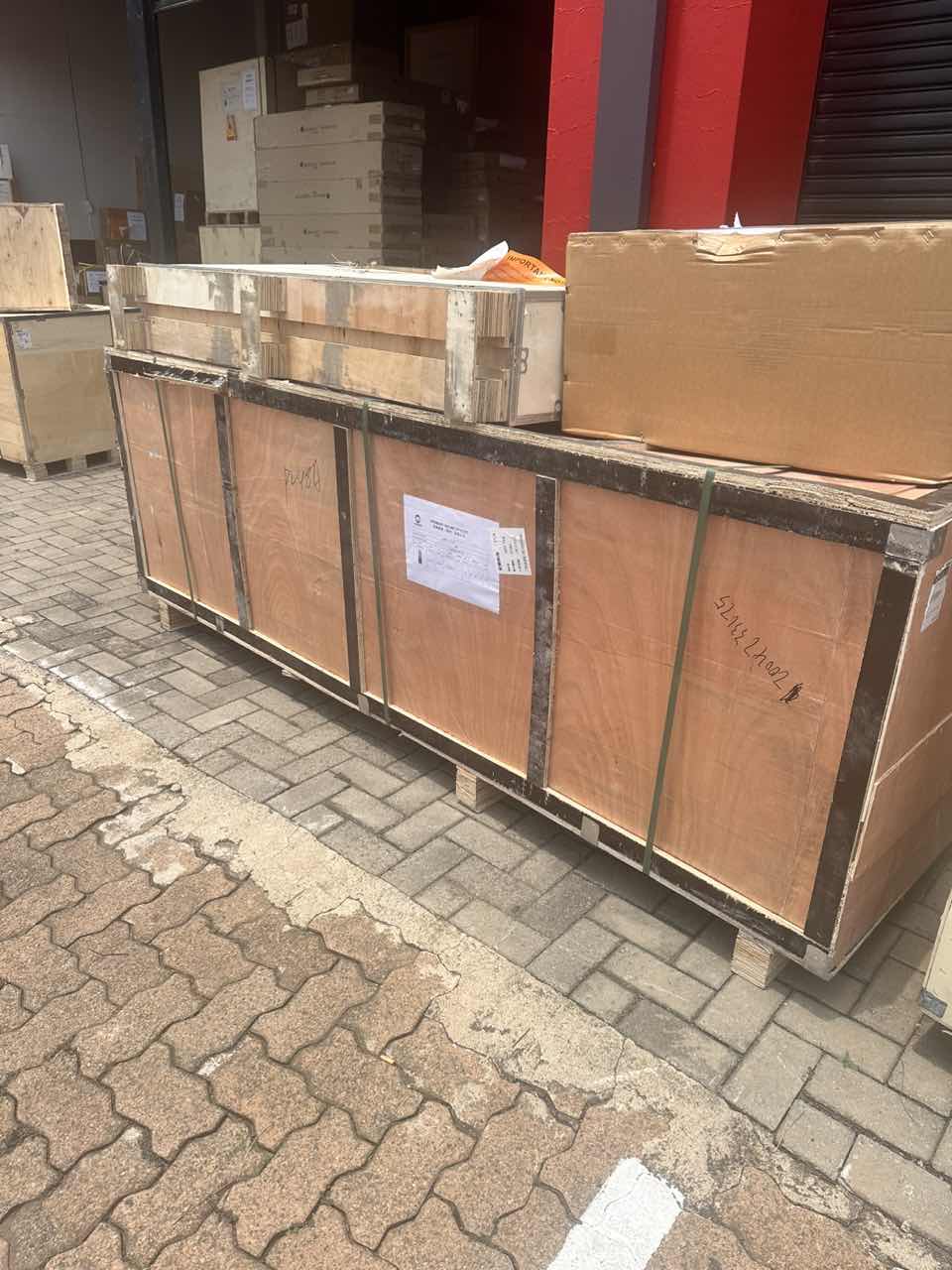
Pre Orders Offloading
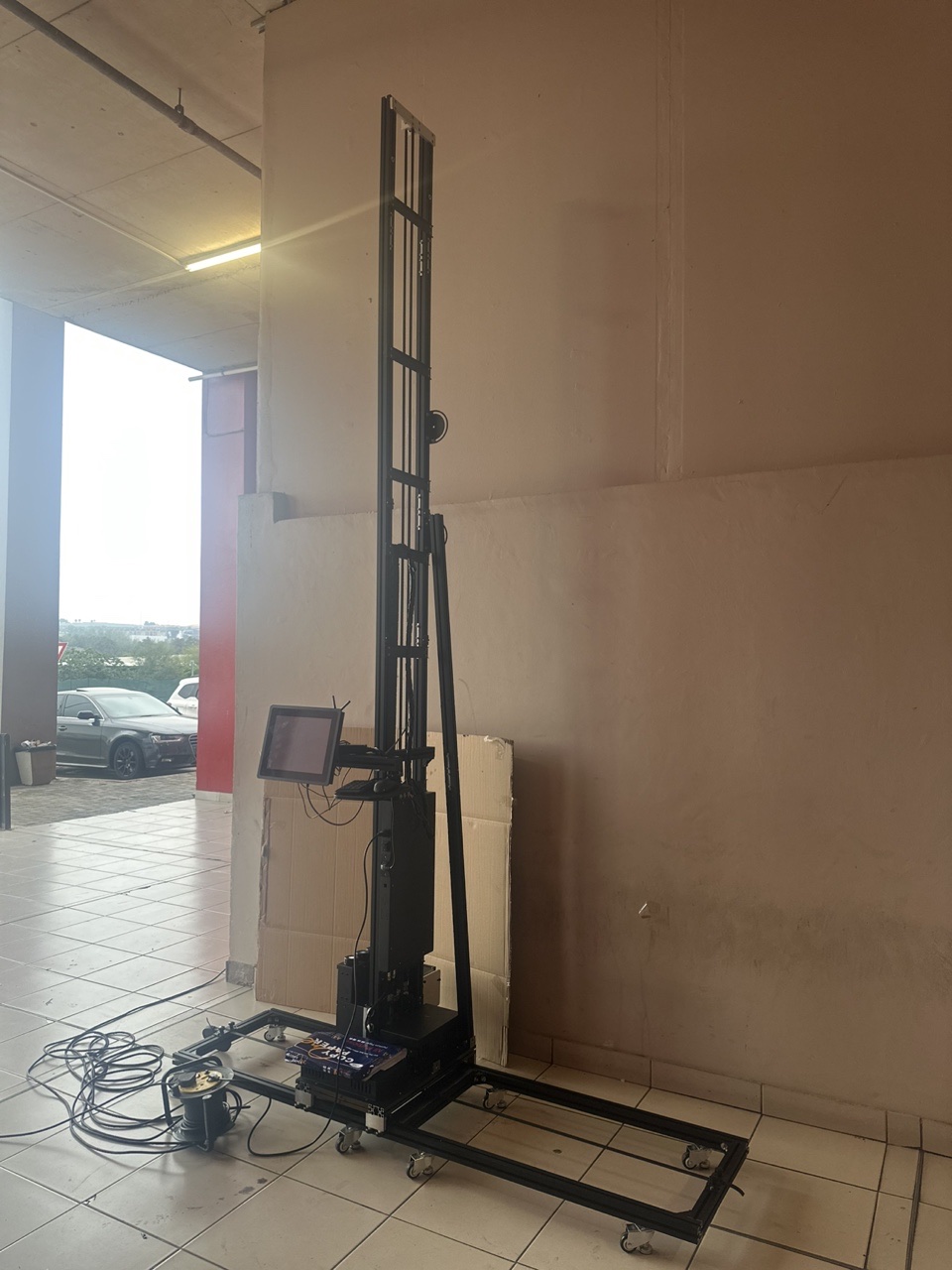
Latest Arrivals
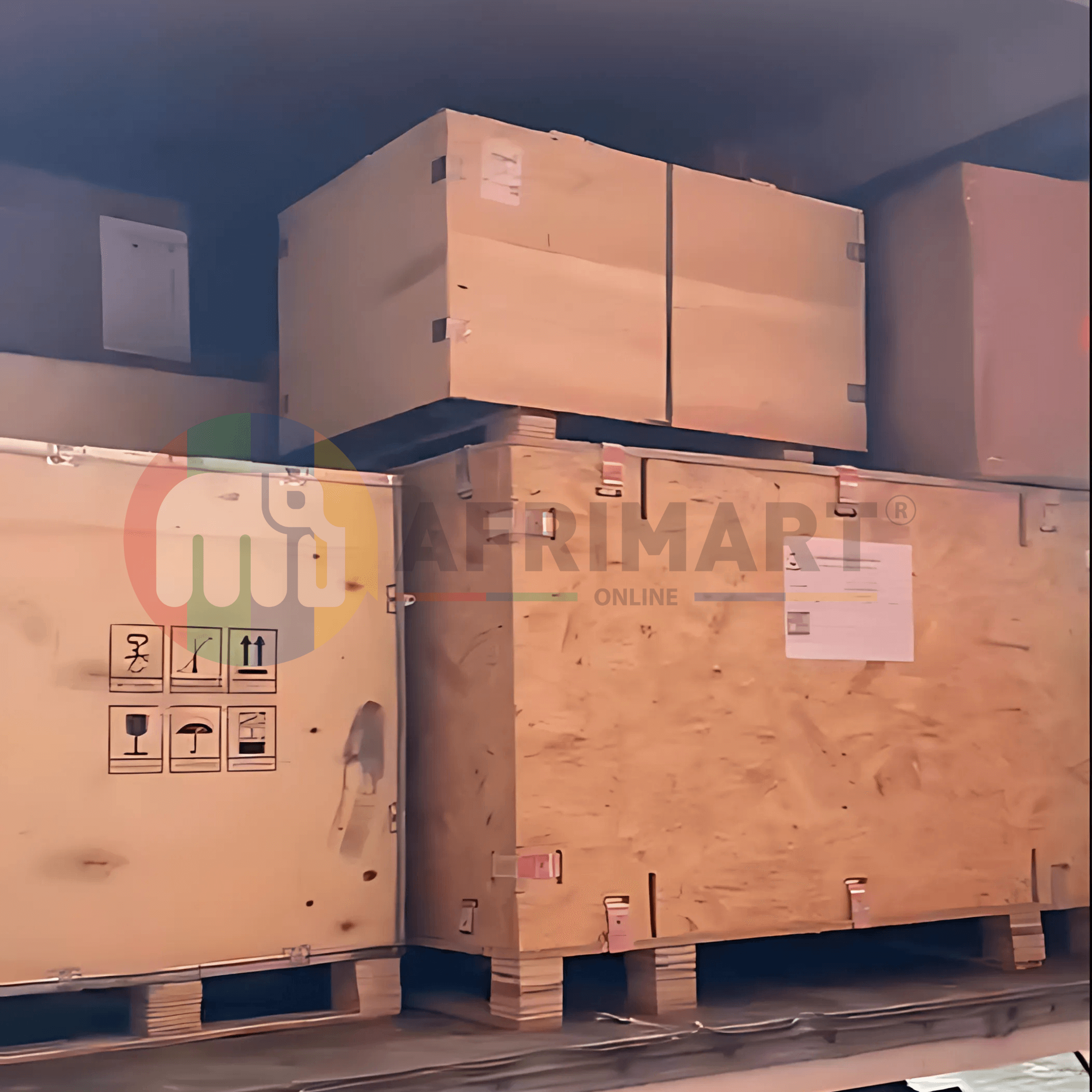
Latest Arrivals
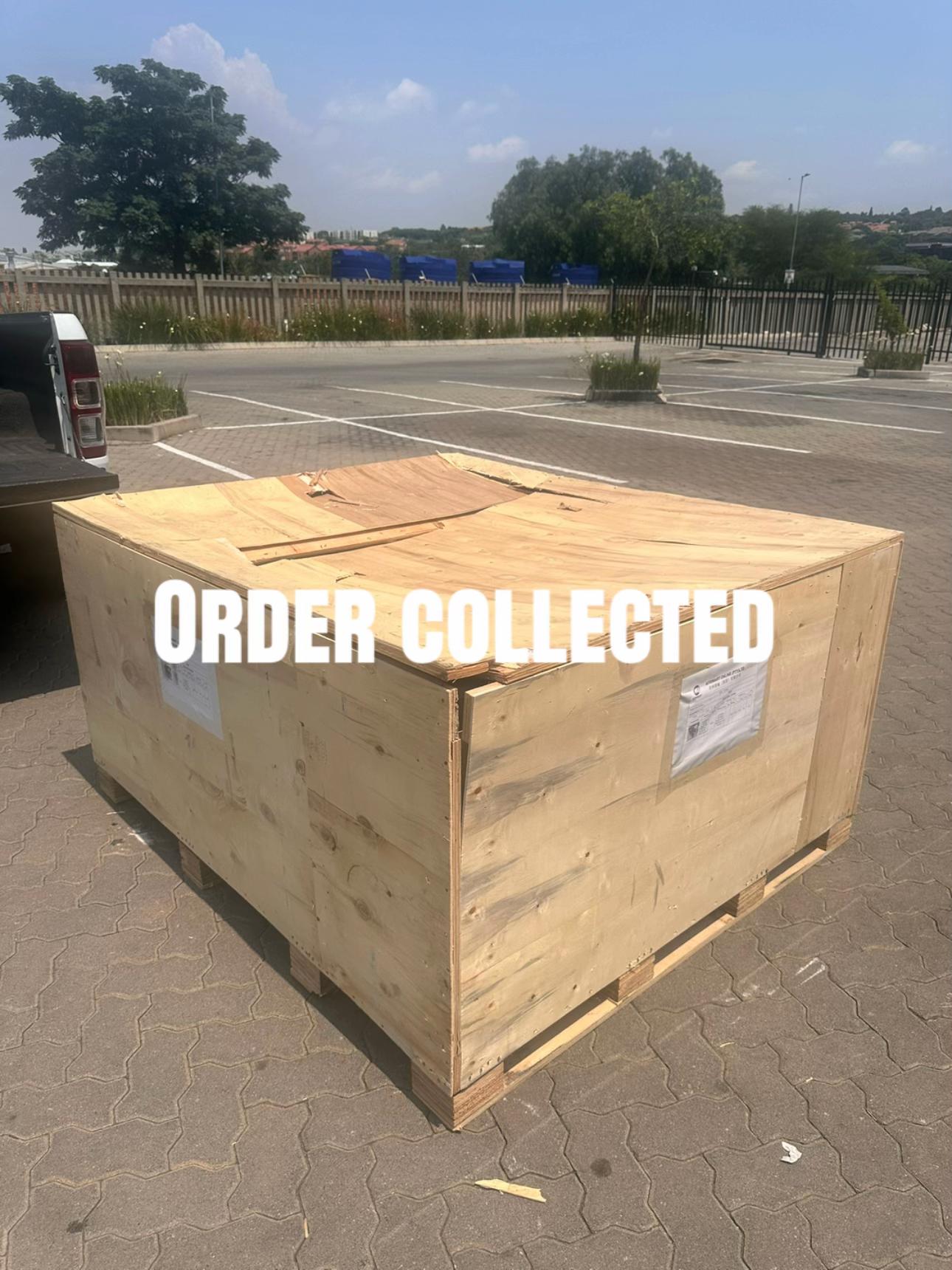
Latest Arrivals
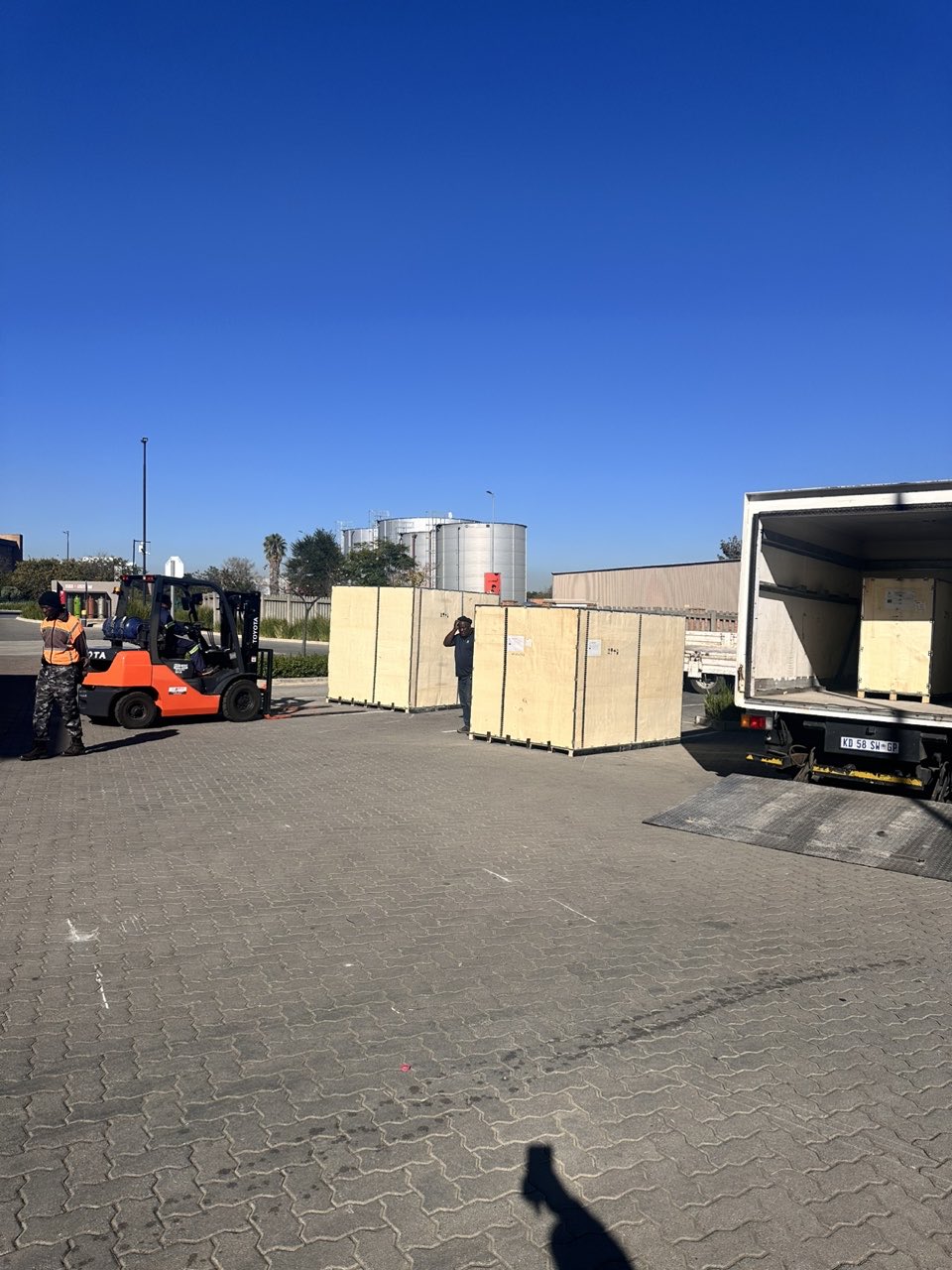
Loading
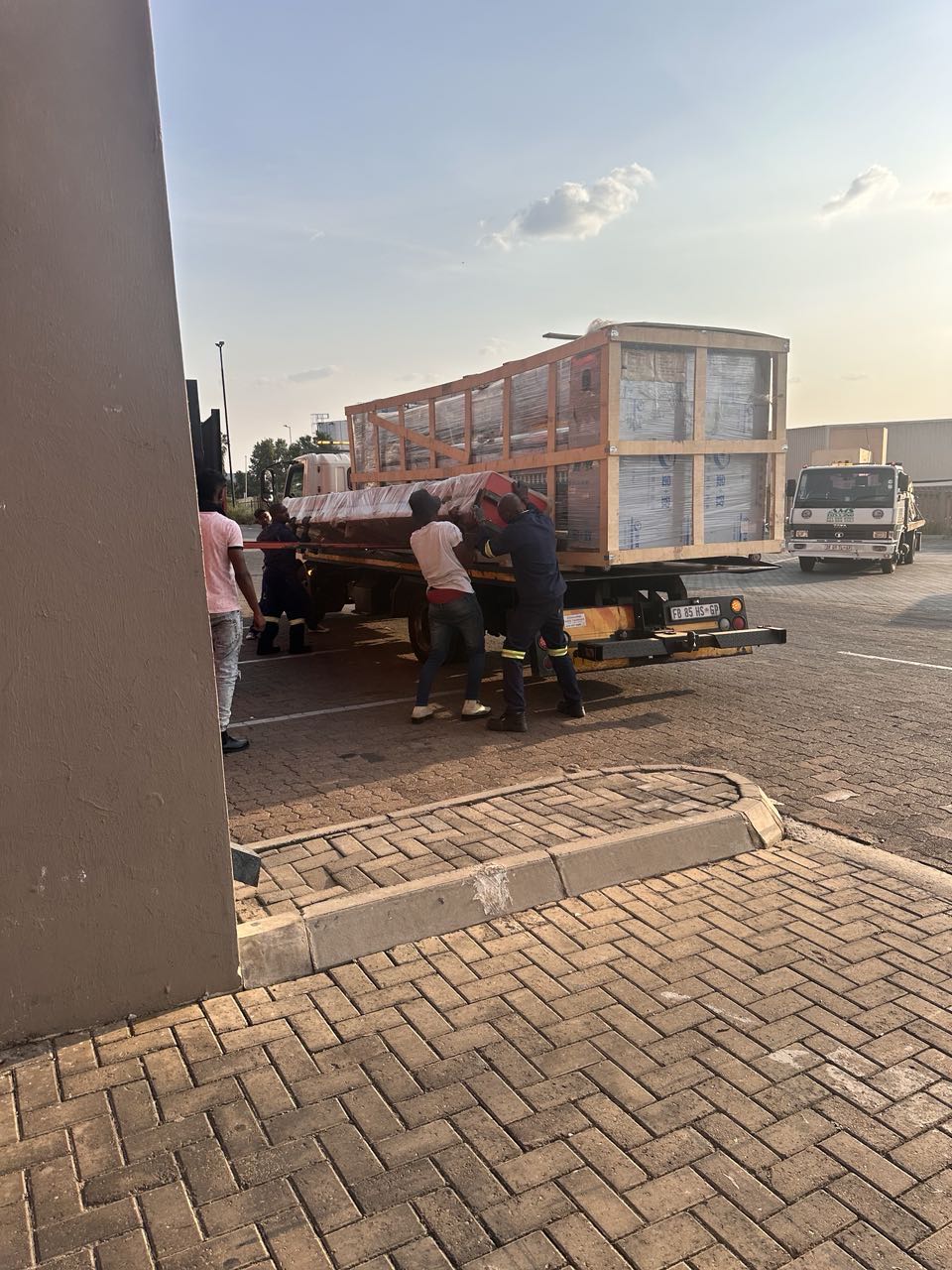
Toilet paper making machine
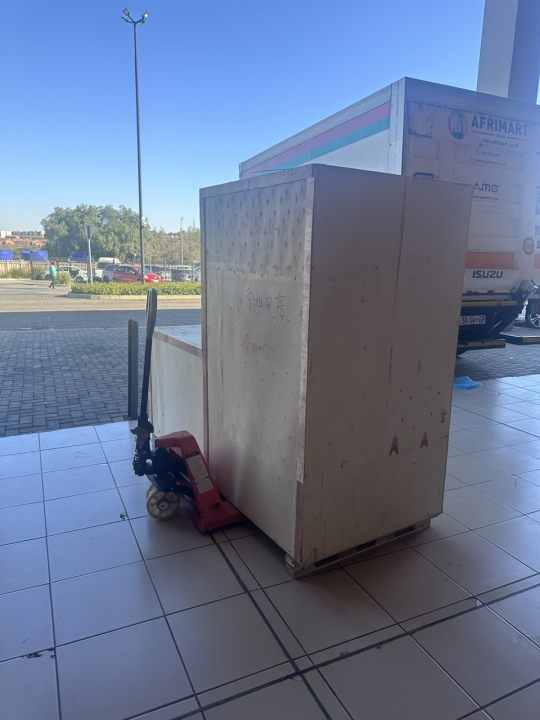
Toilet paper making machine
Toilet paper Rewinding Machine
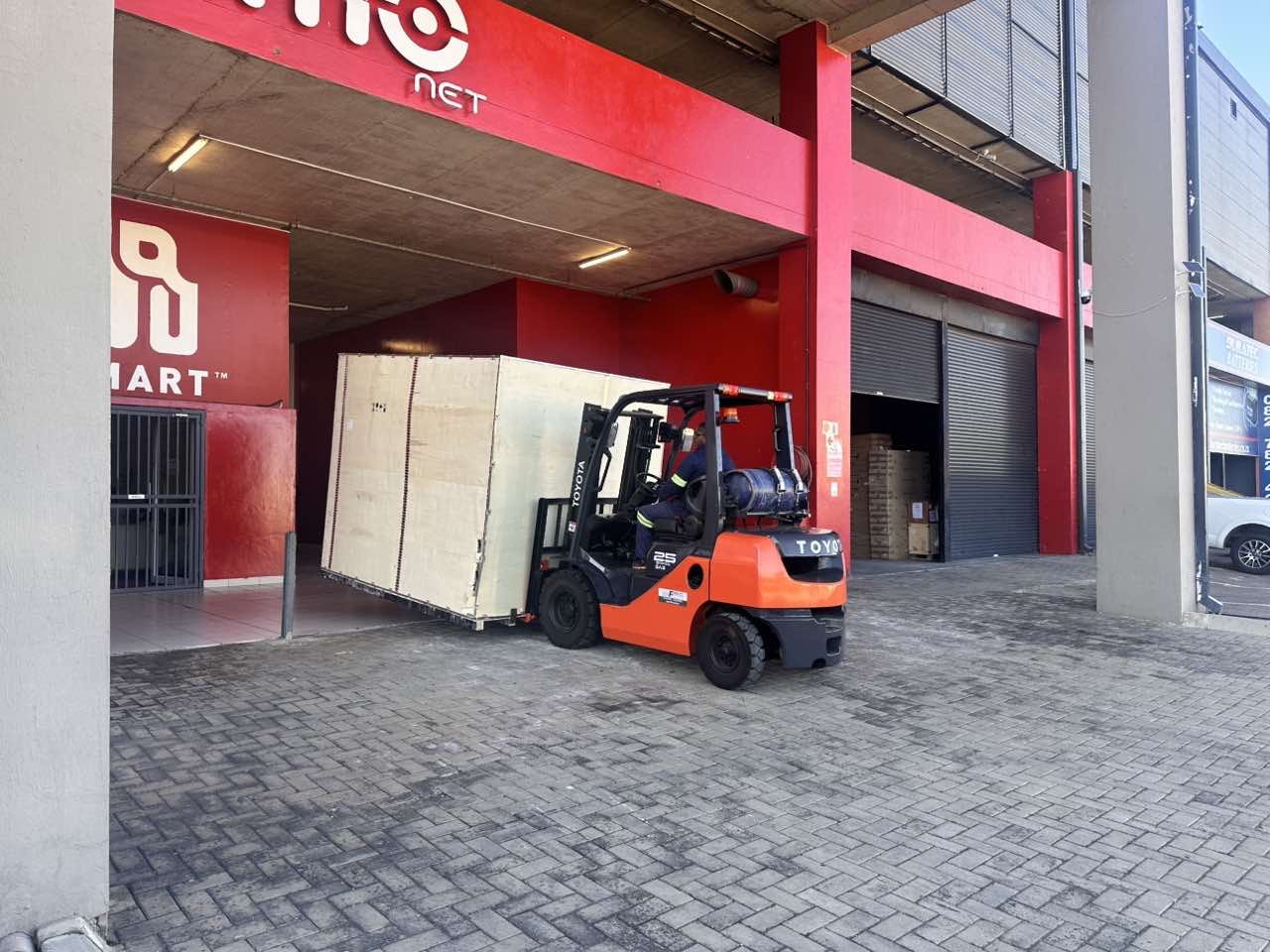
latest arrivals
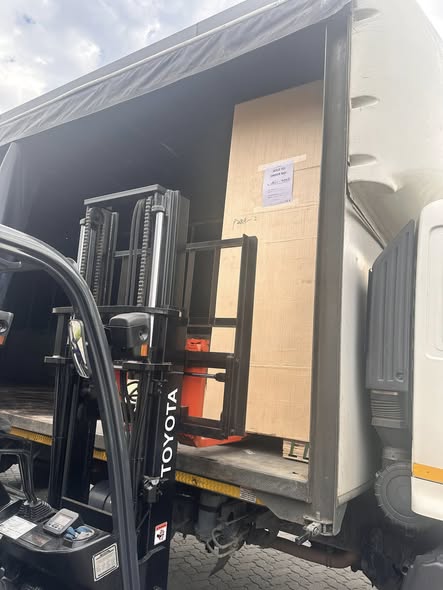
offloading
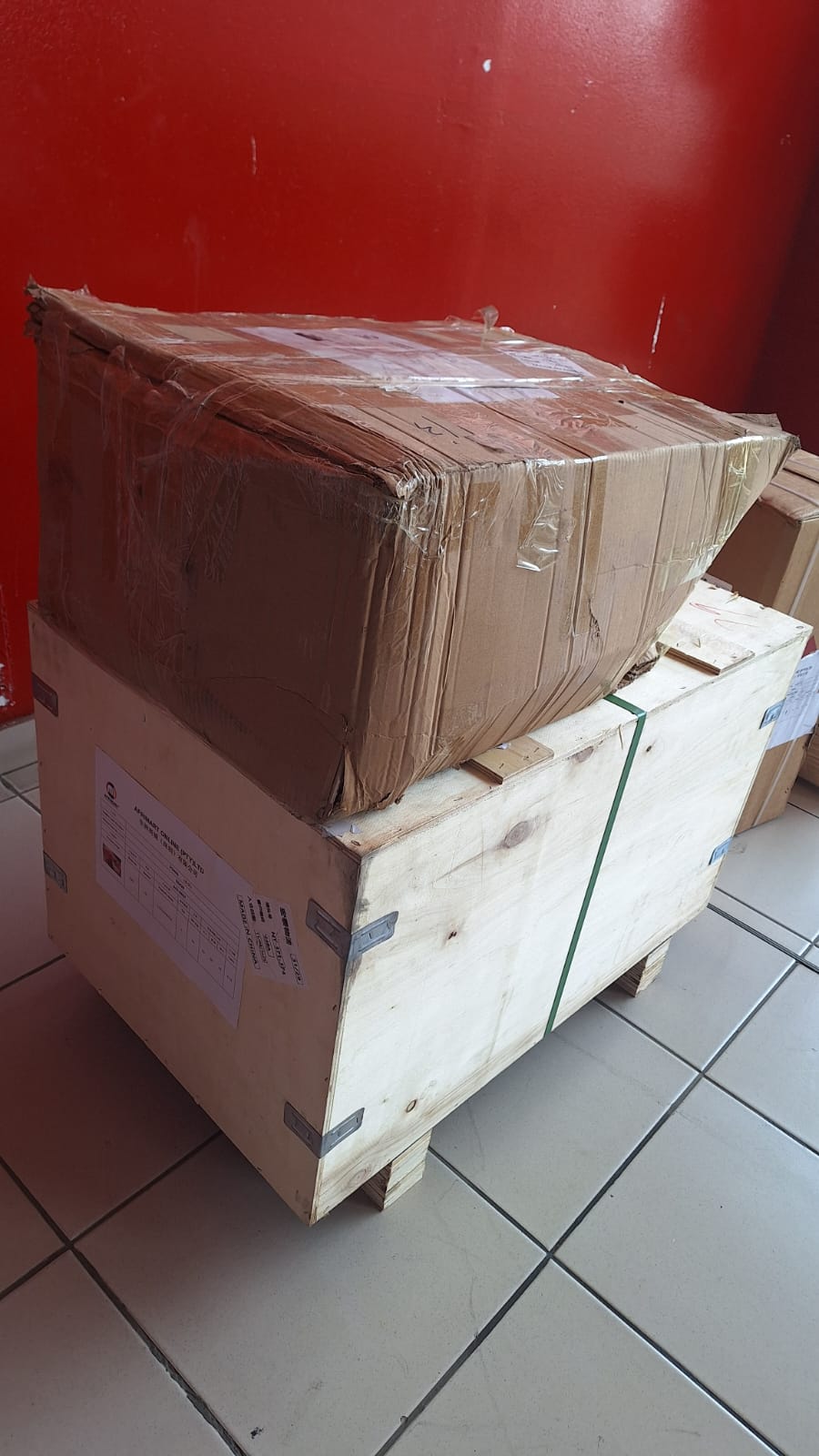
order success
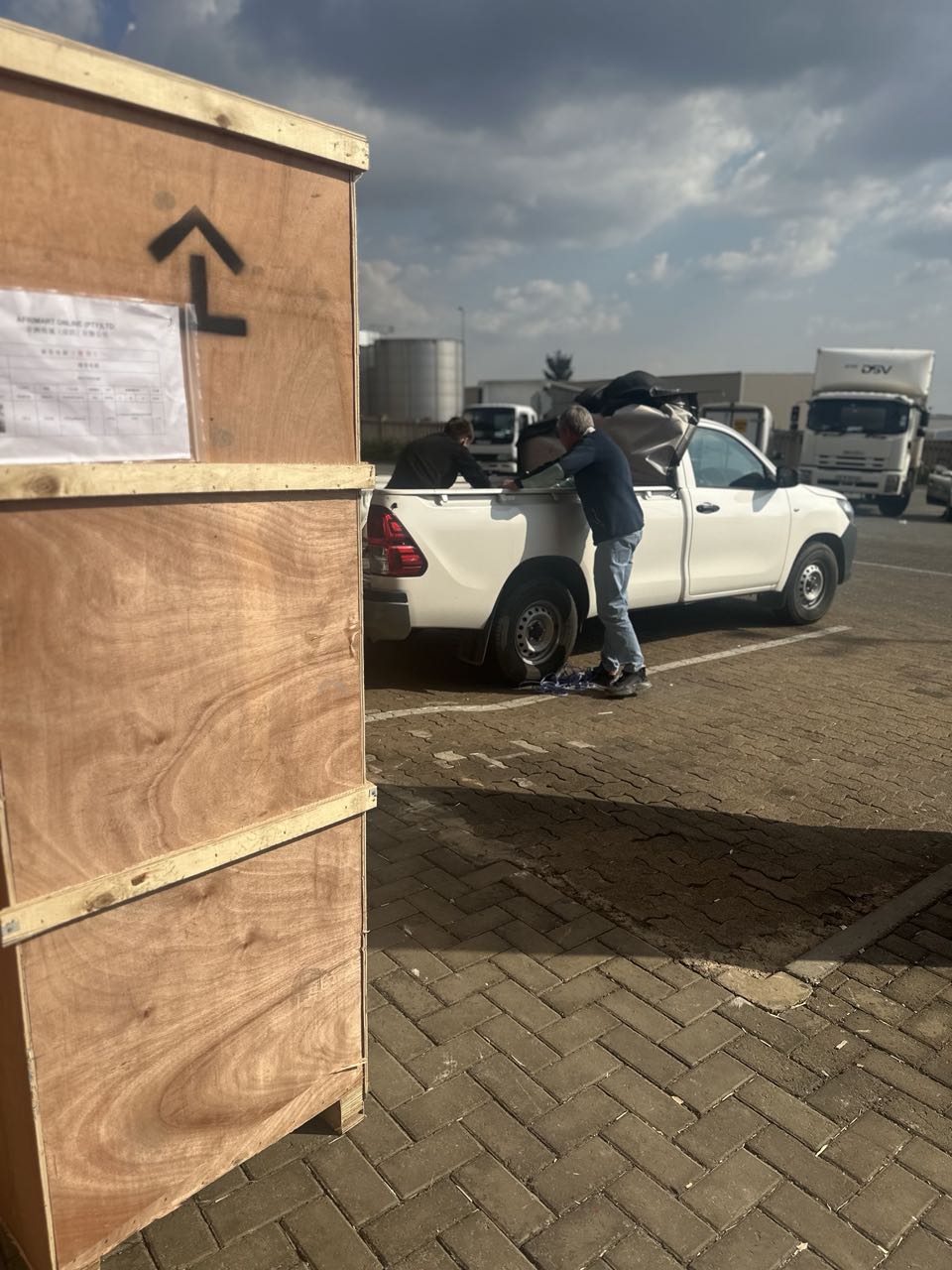
order collection
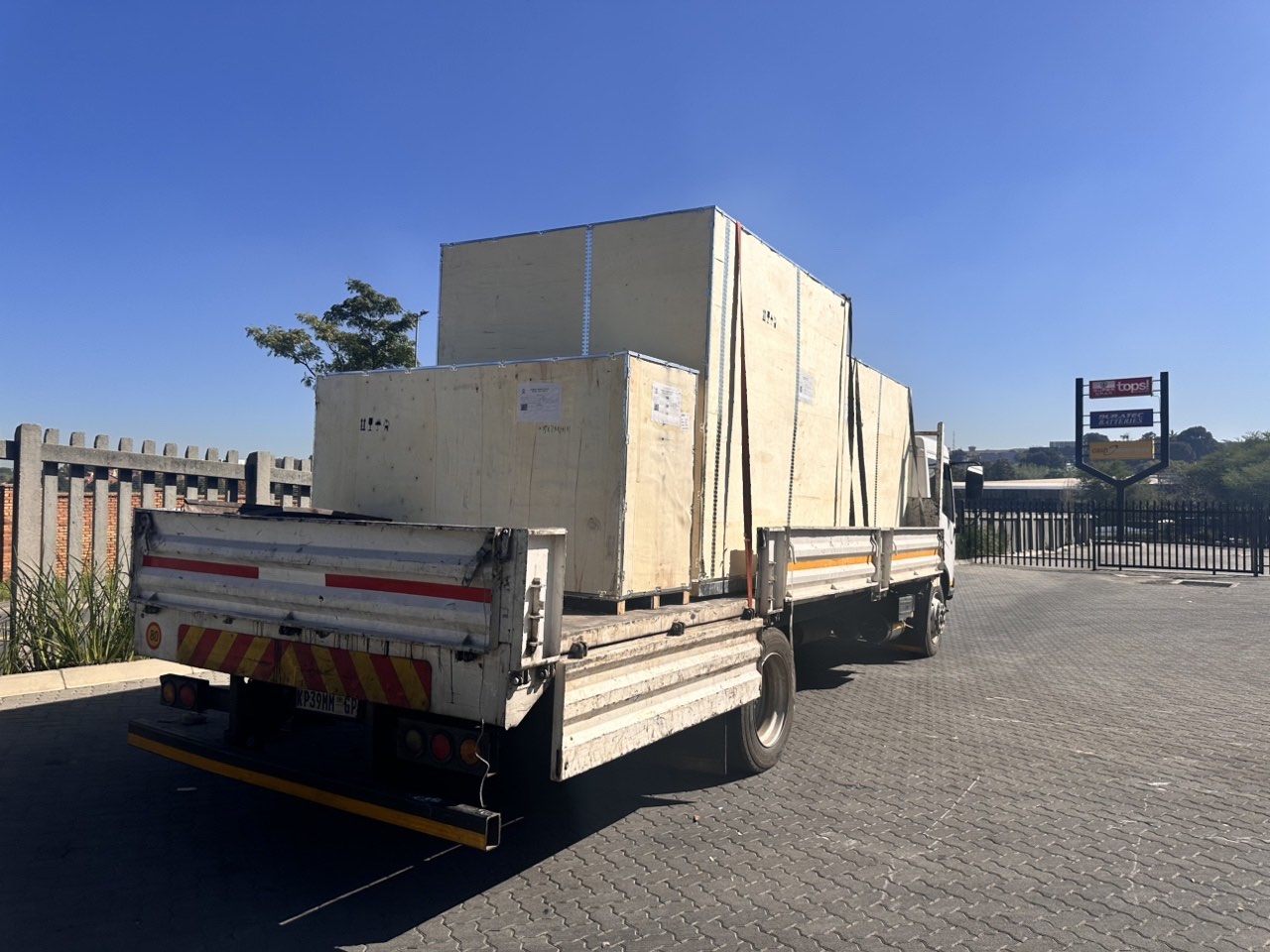
order offloading