B21, China Town Mall, Midrand

 Building Boards & Insulation
 Coated & Treated Products
Decorative Building Materials
EPDM/PVC/TPO Membrane
Coated & Treated Products
Decorative Building Materials
EPDM/PVC/TPO Membrane
 Flat Products (Sheets, Plates & Coils)
Gabion mesh
Geocell
Geogrid
Geomembrane Welding machine
HDPE Geomembrane
HDPE Geomembrane
Hdpe/Pvc Pipe
Industrial Hardware & Fasteners
LDPE LLDPE Geomembrane
Luxury Wall Panels
Nonwoven Geotextile
Other Geosynthetics
Pipe Floater
Pipeline & Fluid Systems
Pipes & Hollow Sections
PVC Ceilings
PVC Cornices
PVC Suspended Ceilings
PVC Wall Panels
Roofing & Cladding
Roofing & Corrugated Sheets
Rubber Hose
SPC Flooring
Strips & Bars
Structural Steel & Profiles
Flat Products (Sheets, Plates & Coils)
Gabion mesh
Geocell
Geogrid
Geomembrane Welding machine
HDPE Geomembrane
HDPE Geomembrane
Hdpe/Pvc Pipe
Industrial Hardware & Fasteners
LDPE LLDPE Geomembrane
Luxury Wall Panels
Nonwoven Geotextile
Other Geosynthetics
Pipe Floater
Pipeline & Fluid Systems
Pipes & Hollow Sections
PVC Ceilings
PVC Cornices
PVC Suspended Ceilings
PVC Wall Panels
Roofing & Cladding
Roofing & Corrugated Sheets
Rubber Hose
SPC Flooring
Strips & Bars
Structural Steel & Profiles
 Camera & Photo
 Chargers, Batteries & Power Supplies
 Commercial Equipment
 Home Audio & Video
 Portable Audio
 Printing Equipment
 Professional Audio
 Security & Protection
 Testing Equipment
 Advertising Boards
 Advertising Inflatables
 Advertising Light Boxes
 Commercial Fryers
 Computer Hardware & Software
 Digital Signage and Displays
 Display Racks
 Food Trucks
 Ice Cream Machines
 Interactive Boards
 Photo Booths
 Projectors & Presentation Equipments
 Refrigeration Equipment
 Supermarket Shelves
 Vending Machines
 Bedroom Furniture
 Commercial Furniture
 Decorations
 Dining Room Furniture
 Kitchen Furniture
 Living Room Furniture
 Office Furniture
 Agriculture Machinery
 Apparel Machinery
 Chemical Machinery
 Cleaning Equipment
 Construction Machinery
 Environmental Machinery
 Food & Beverage Machinery
 Industrial Machinery
 Machine Tool Equipment
 Machinery Accessories
 Material Handling
 Packaging Machines
 Brick Making Machinery
 Concrete Mixers
 Concrete Pumps
 Crushers
 Drilling Rigs
 Engineering & Construction Machinery
 Excavators
 Gas Generation Equipment
 Loaders
 Mineral Separators
 Mining Machinery
 Mortar Spray Machines
 Other Construction Machinery
 Road Machinery
 Stone Machinery
 Tile Making Machinery
 Truck Cranes
 Baking Equipments
 Beverage & Wine Machines
 Cake machine
 Donut machines
 Fermenting Equipment
 Fish Processing Machines
 Flour & Rice Mills
 Flour Mill
 Food Sterilizers
 Fruit & Vegetable Processing Machines
 Fruit & Vegetable Processing Machines
 Fryers
 Ice Cream Machines
 Juice Extractors
 Meat Processing Machinery
 Meat Slicers
 Other Food Processing Machinery
 Popcorn machine
 Snack Machines
 Vegetable Cutters
 Vegetable Washing Equipments
 Apparel & Textile Machinery
 CNC industrial Machinery
 Industrial Compressors & Parts
 Industrial Robots
 Industry Laser Equipment
 Machine Tool Equipment
 Manufacturing Machinery
 Metal & Metallurgy Machinery
 Paper Production Machinery
 Plastic & Rubber Processing Machinery
 Welding Equipment
 Woodworking Machinery
 Animal & Veterinary
 Household Medical Devices
 Medical Consumables
 Professional Medical Devices
 Testing Instrument
 Bone Surgical Instruments
 Burns Surgery Instruments
 Clinical Analytical Instruments
 Clinics Apparatuses
 Dental Chair
 Dental Consumables
 Dental Equipments
 Dental Handpiece
 Diagnostic Apparatuses
 Emergency & Clinics Apparatuses
 General Assay & Diagnostic Apparatuses
 Hospital Beds
 Hospital Chairs
 Hospital Trolley
 Implants & Interventional Materials
 Medical Cryogenic Equipments
 Medical Imaging Equipment
 Medical Optical Instruments
 Medical Ultrasound Instruments
 Medical X-ray Equipments
 Obstetrics & Gynecology Equipments
 Oral Therapy Equipments
 Physical Therapy Equipment
 Radiology Equipment & Accessories
 Rehabilitation Equipment
 Stethoscope
 Surgical Instruments
 Transfusion, Dialysis & Circulation Machines
 Vacuum Suction Devices
 Visual Acuity Examination Supplies
 Featured Accessories
 Mobile Phones
 Phone Accessories
 Screen Protector Machines
 Tablets
 Telecommunications
 Broadcast Intercom Systems
 Camera Modules
 Communication Antennas
 Corded Telephones
 Development Boards, Kits
 Enterprise Firewalls
 Enterprise Switches
 Fiber Optic Equipment
 Fixed Wireless Terminals
 Other Telecommunications Products
 PBX
PBX
 Signal conversion Boards
 Telecom Parts
 Wireless Infrastructure Equipment
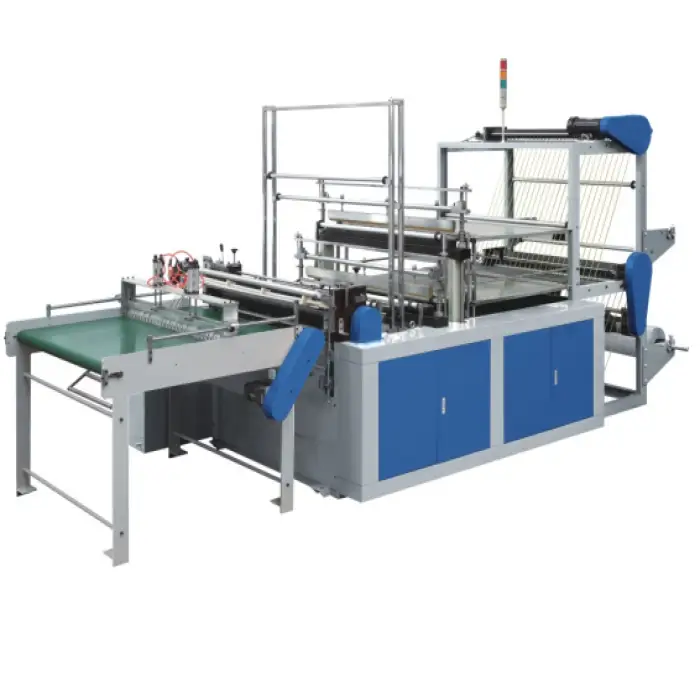
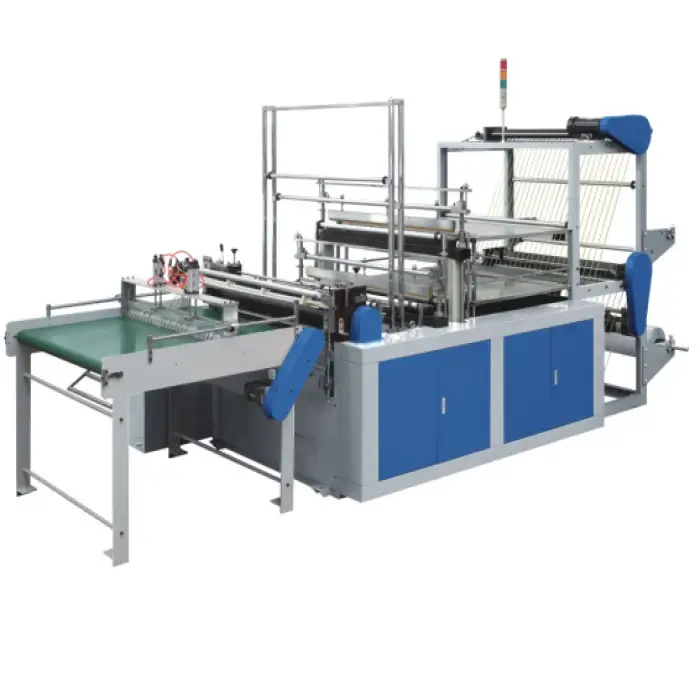
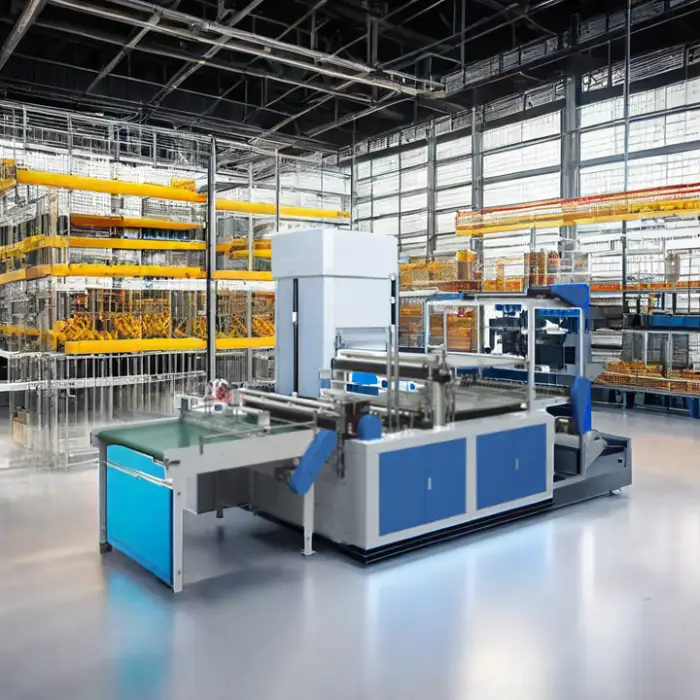
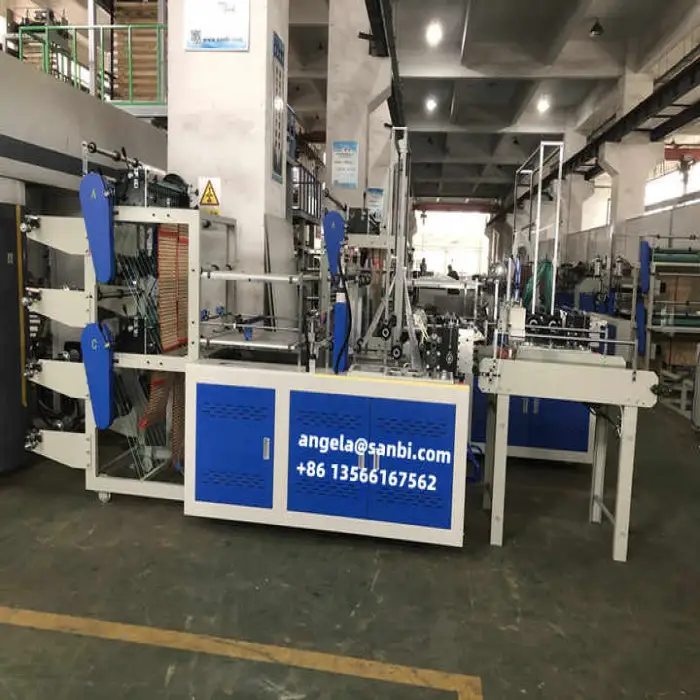
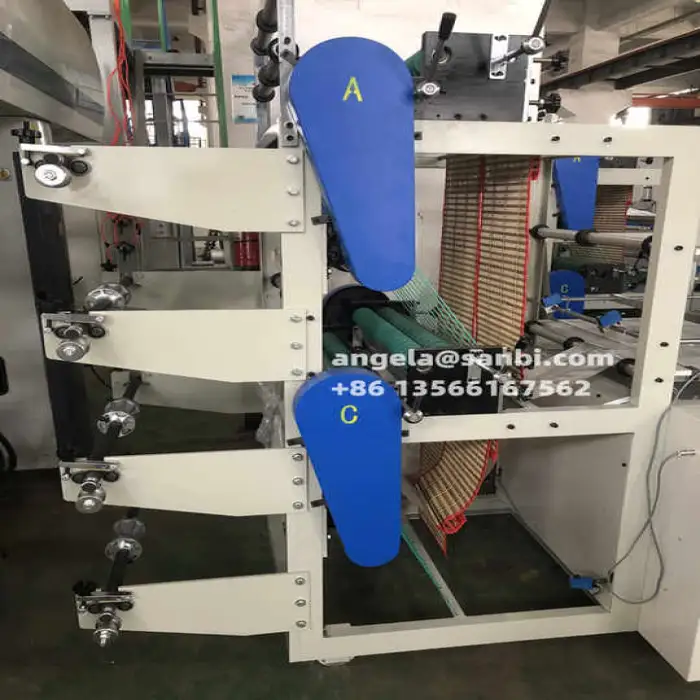
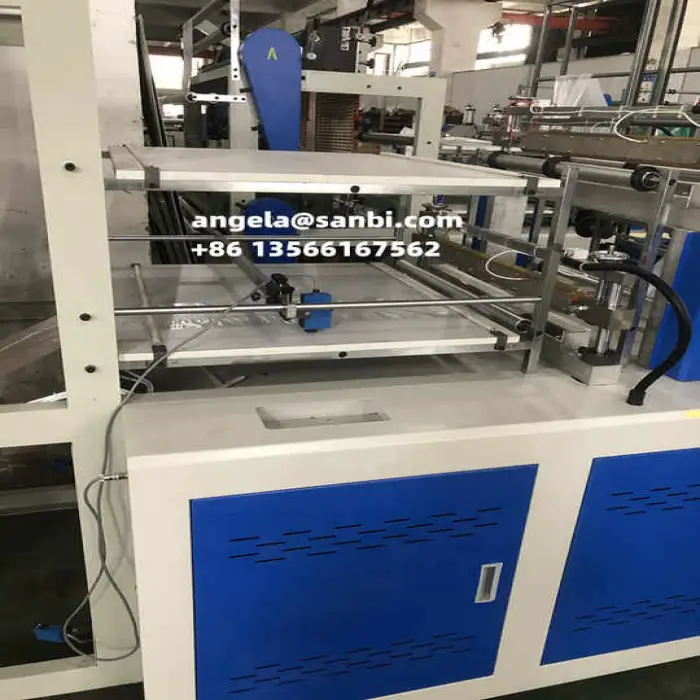
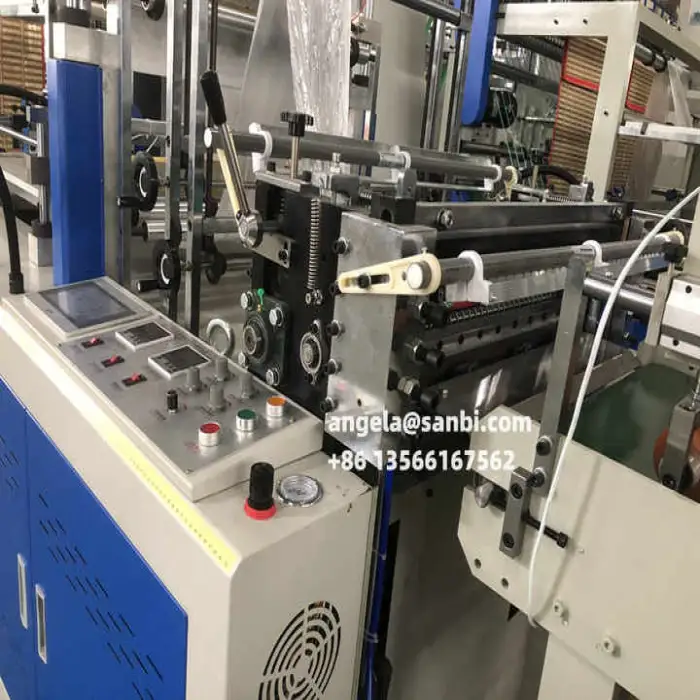
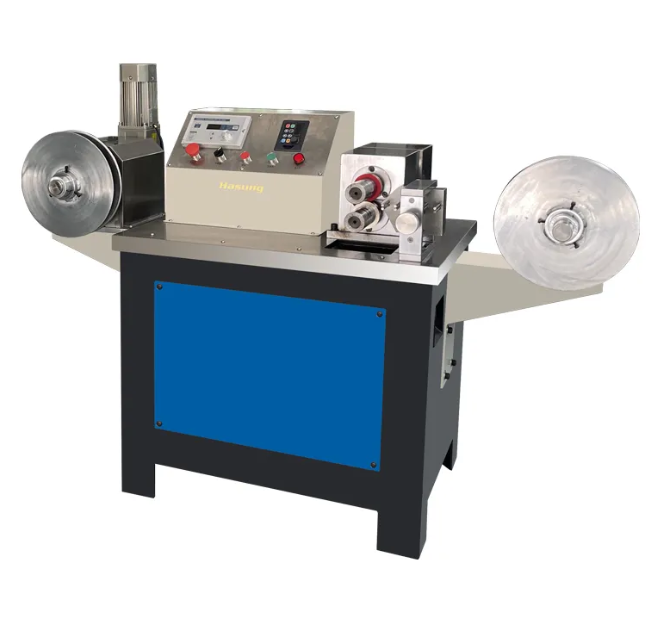
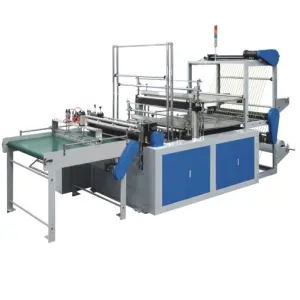
The Automatic Bottom Sealing Cold Cutting Plastic HDPE Bag Making Machine is designed for efficiency and reliability. It produces high-quality shopping bags at a remarkable speed. This machine is perfect for various industries and offers great value for your investment.
Select a product option to continue.
Explore funding with Afrimart's partners. Subject to provider approval.

The Automatic Bottom Sealing Cold Cutting Plastic HDPE Bag Making Machine is designed for efficiency and reliability. It produces high-quality shopping bags at a remarkable speed. This machine is perfect for various industries and offers great value for your investment.
| Attribute | Details |
|---|---|
| Voltage | 220V |
| Frequency | 50HZ SINGLE PHASE |
| Max Speed | 400 pcs/min |
| Bag Type | Shopping Bag |
| Max Bag Width | 550/750/950 mm |
| Max Bag Length | 1200 mm / 1500 mm |
| Cutting Type | Bottom Sealing Cold Cutting |
| Speed | 30-130 pcs/min x 4 lines |
| Weight | 700 kg |
| Color | Blue with White |
| Certification | CE, ISO9001:2010 |
The Automatic Bottom Sealing Cold Cutting Plastic HDPE Bag Making Machine is the perfect solution for businesses looking to enhance their bag production process. With its advanced features and user-friendly design, it makes bag manufacturing fast and efficient.
No approved technical specifications are available yet. Please refer to the product description or contact our team.
Bottom sealing cold cutting is a bag forming method where the bottom of the bag is sealed (joined) and then the film is cut without heat (mechanical/cold cutting). It produces strong bottom-sealed shopping bags with minimal thermal stress on the film.
The machine is designed primarily for shopping bags (bottom-sealed style). Depending on configuration and tooling, it can produce a variety of bottom-sealed HDPE and similar plastic shopping bags. Contact the supplier for options like handle types or special finishing.
The machine is suitable for HDPE and various similar plastic films. Exact compatibility (film grade, thickness, additives such as slip/anti-block) depends on the model and tooling—please consult the manufacturer with your film specifications for confirmation.
The rated maximum speed is up to 400 pieces per minute. The specification also lists 30–130 pcs/min per line across 4 lines; combined throughput depends on per-line settings and production parameters but will not exceed the machine's rated max of 400 pcs/min. Actual output varies with bag size, material and operator settings.
Maximum bag widths are available in three options: 550 mm, 750 mm or 950 mm. Maximum bag lengths are offered as 1200 mm or 1500 mm. Confirm the specific model/configuration when ordering.
Standard power requirement is 220 V, 50 Hz, single phase. Verify final electrical installation details with the supplier or electrician before commissioning.
This machine carries CE certification and is manufactured to ISO 9001:2010 quality management standard.
The machine weight is approximately 700 kg. Required floor space and layout vary by model and optional equipment—request a site layout and dimensional drawing from the supplier to plan installation.
Yes. The machine includes a computerized control system for easy operation and an automatic conveyor for efficient bag handling.
Typical maintenance includes regular cleaning, periodic lubrication of moving parts, inspection and replacement of cutting blades and wear items, checking sensors and electrical connections, and scheduled preventive servicing per the OEM manual.
Spare parts and after-sales support are generally available from the manufacturer or authorized dealers. It is recommended to stock common wear parts (blades, belts, sensors) and to arrange a parts/support agreement with the supplier.
Most suppliers offer operator training, either at the factory or onsite during installation and commissioning. Confirm training scope and availability with your vendor.
The machine is CE-certified, which implies standard safety features and compliance. Exact protective devices (emergency stop, guards, interlocks) depend on configuration—ask the supplier for the machine's safety feature list.
Yes. Common customizations include different bag widths/lengths, additional finishing stations, printing/registration interfaces, and custom conveyors. Discuss your production needs with the manufacturer to specify available upgrades.
Delivery, installation and commissioning services are typically provided by the supplier or dealer. They will arrange transport, install the machine, perform electrical and mechanical setup, run test batches and train operators. Confirm responsibilities, lead times and any on-site requirements when placing your order.
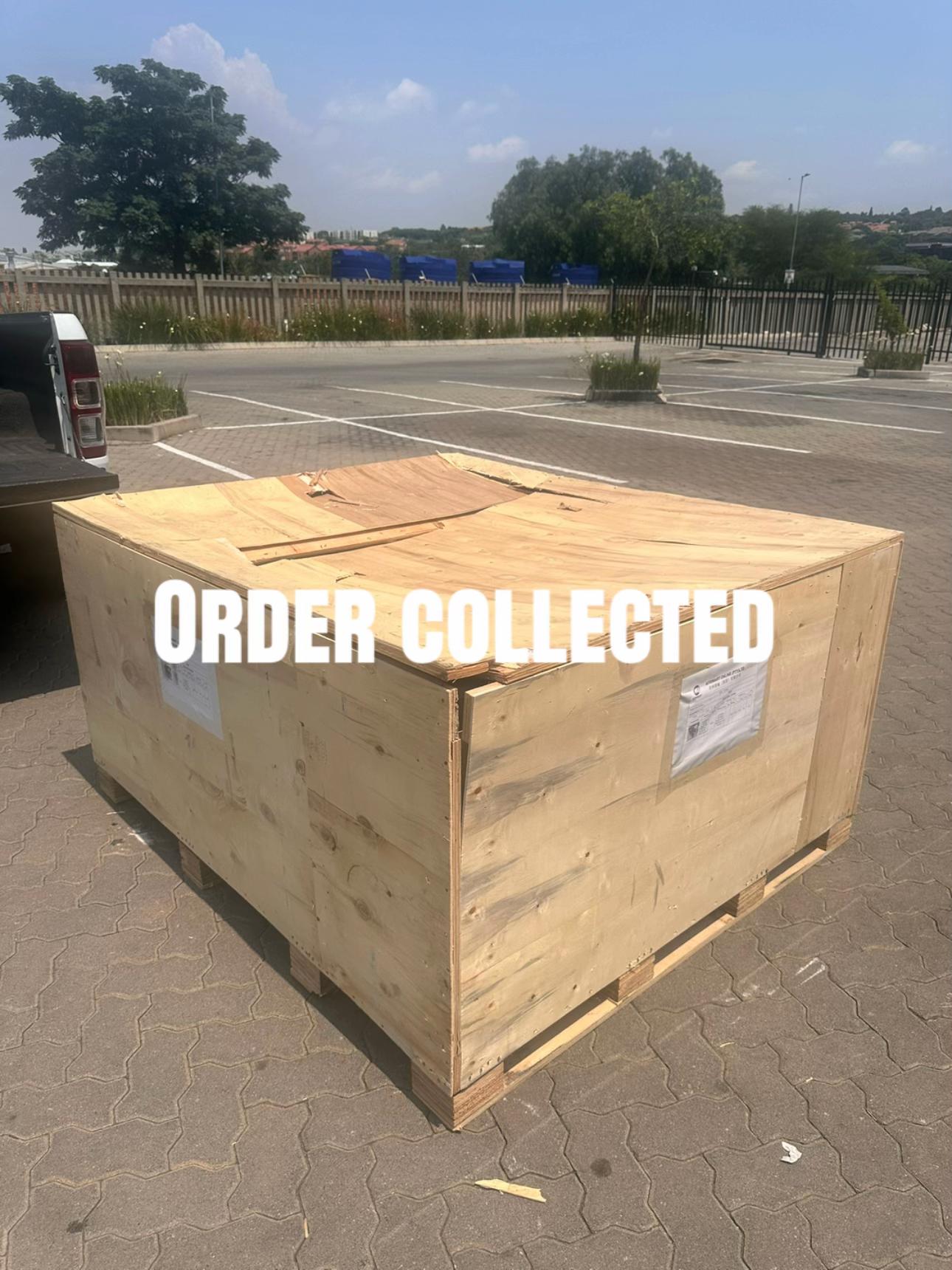
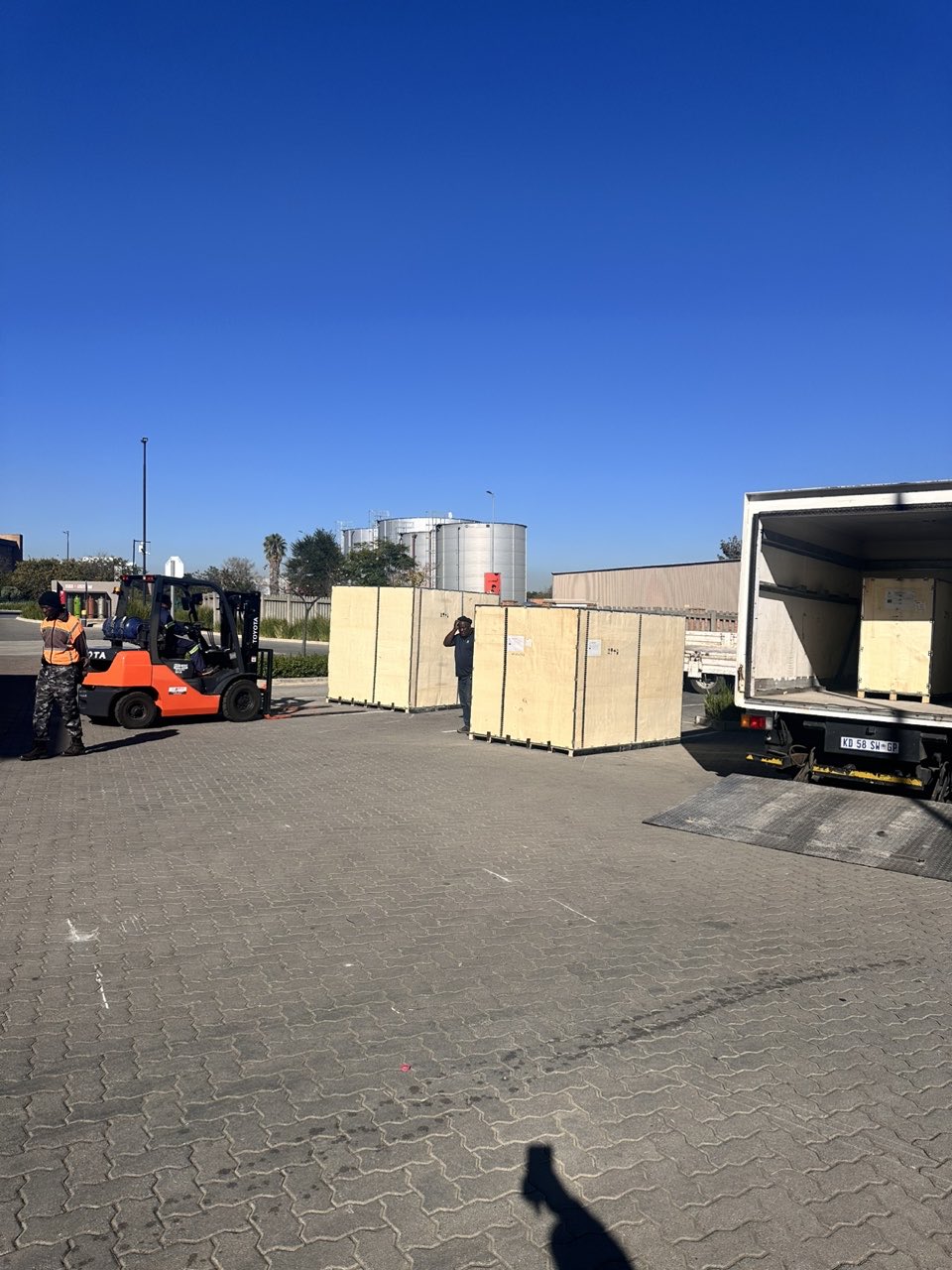
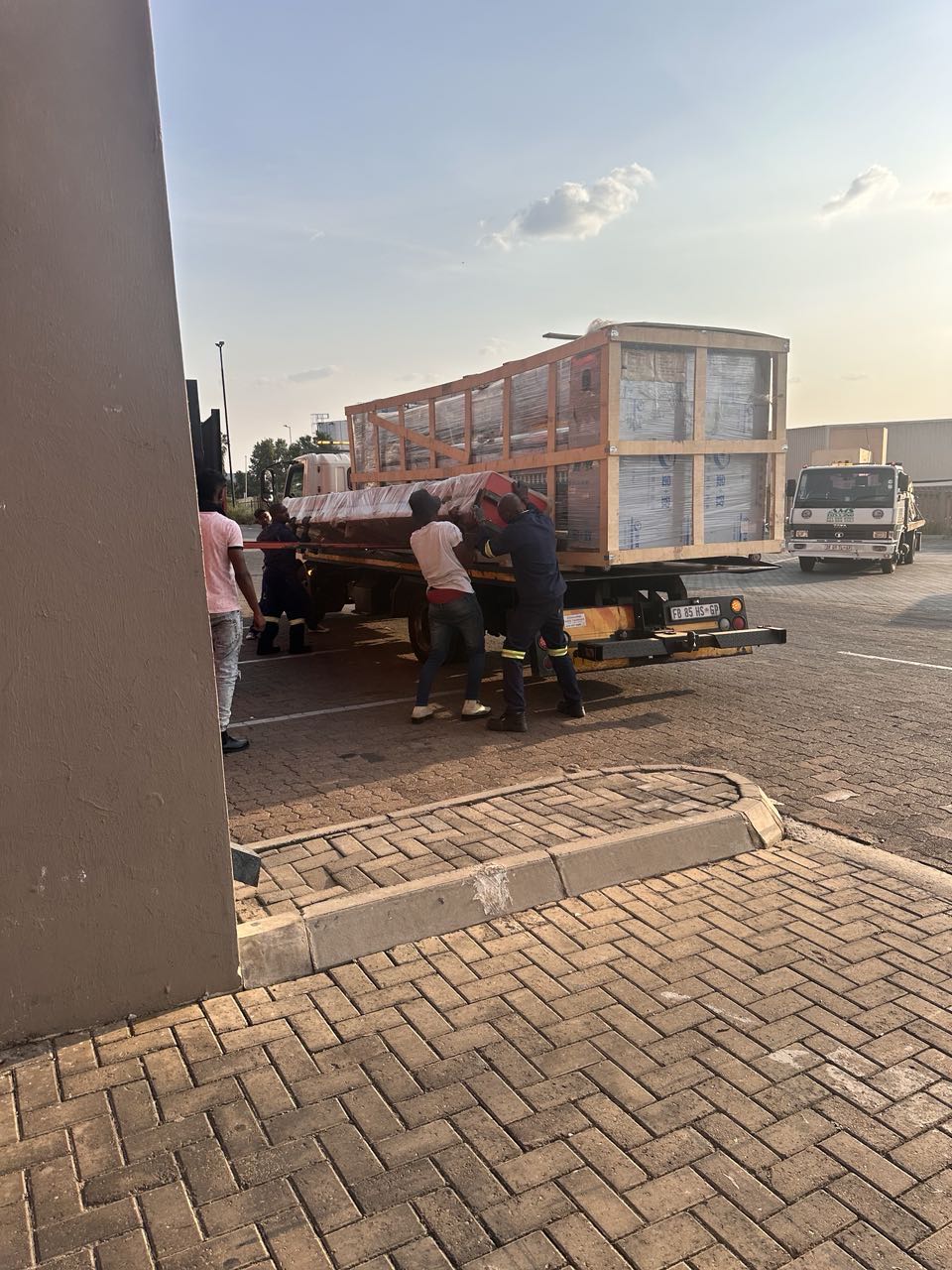
Discover our latest orders