B21, China Town Mall, Midrand

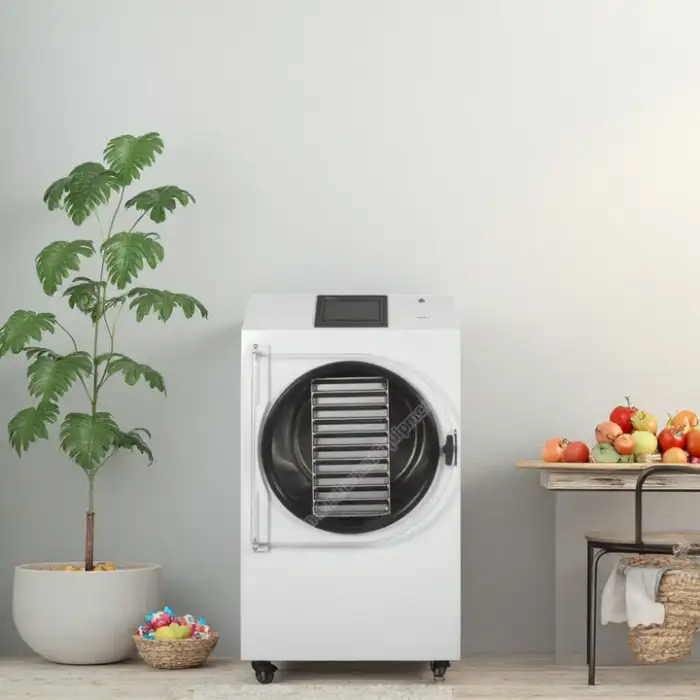
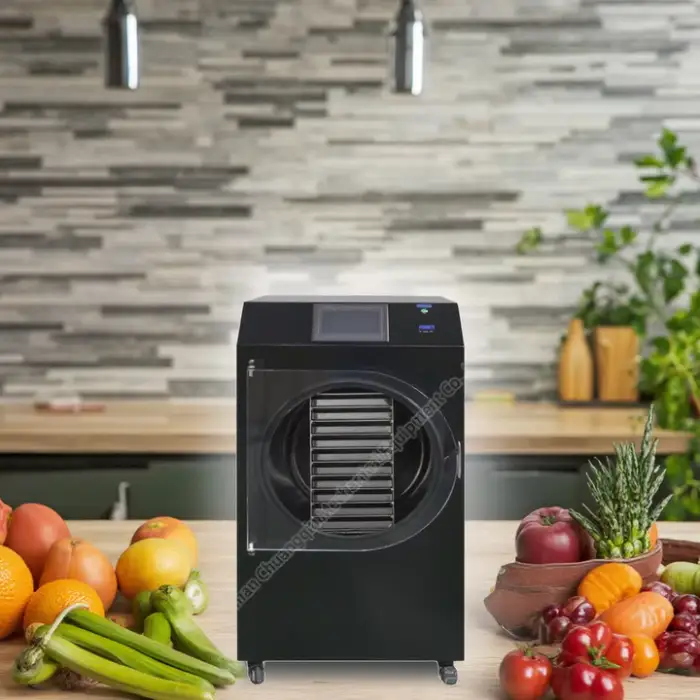
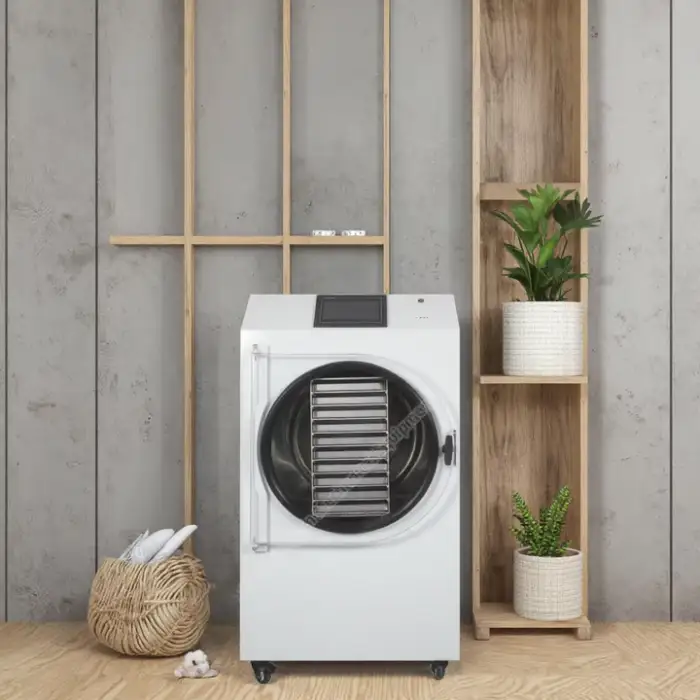
8 Trays Freeze Dryer Industrial Freeze Dryer 20kg Freeze Drying Machine
Asset finance available
Do you want funding for this equipment?
Afrimart can connect you with trusted funding partners who specialise in asset finance for businesses like yours. Compare options and apply in minutes — final approval is subject to provider review.
Check funding options
Secure & no obligation

- Section : Machinery
- Category : Chemical Machinery
- SKU : 1601314310669

8 Trays Freeze Dryer Industrial Freeze Dryer 20kg Freeze Drying Machine
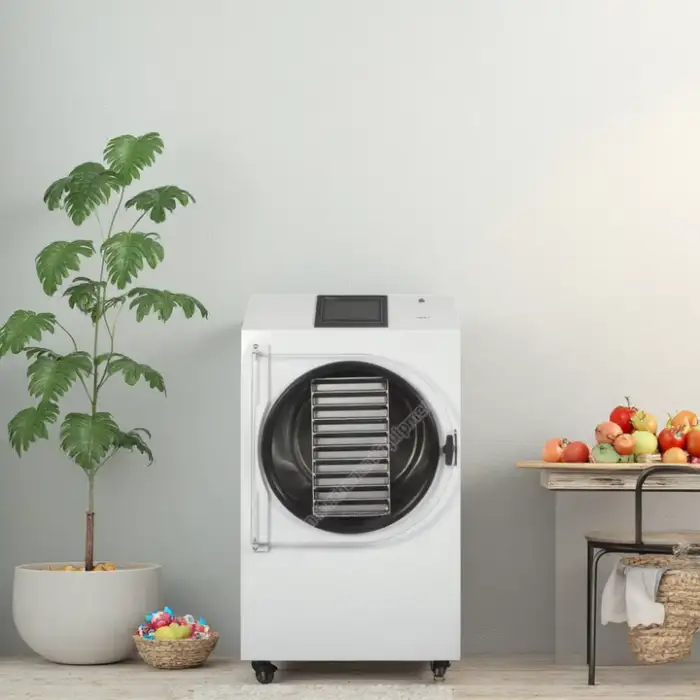
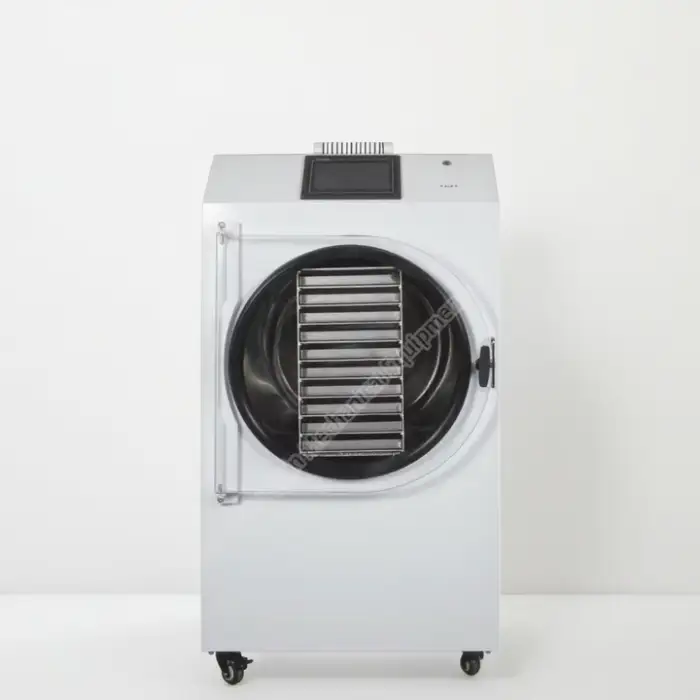
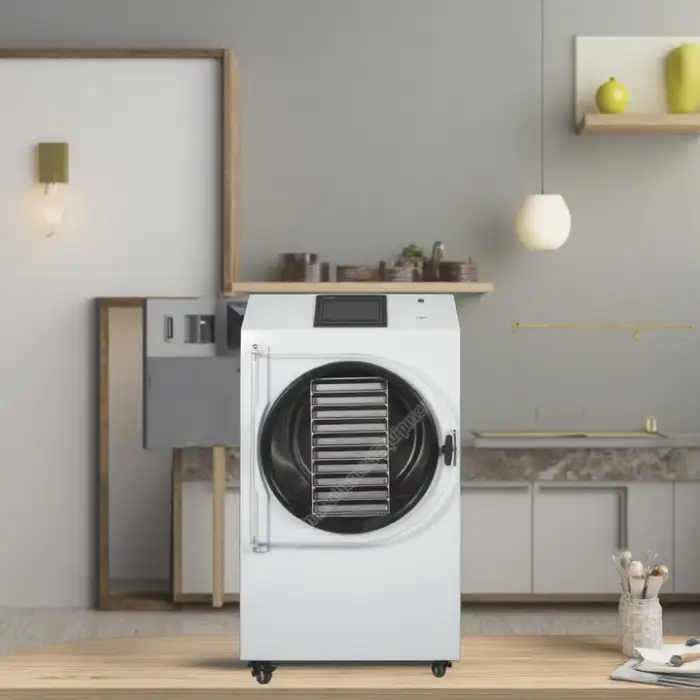
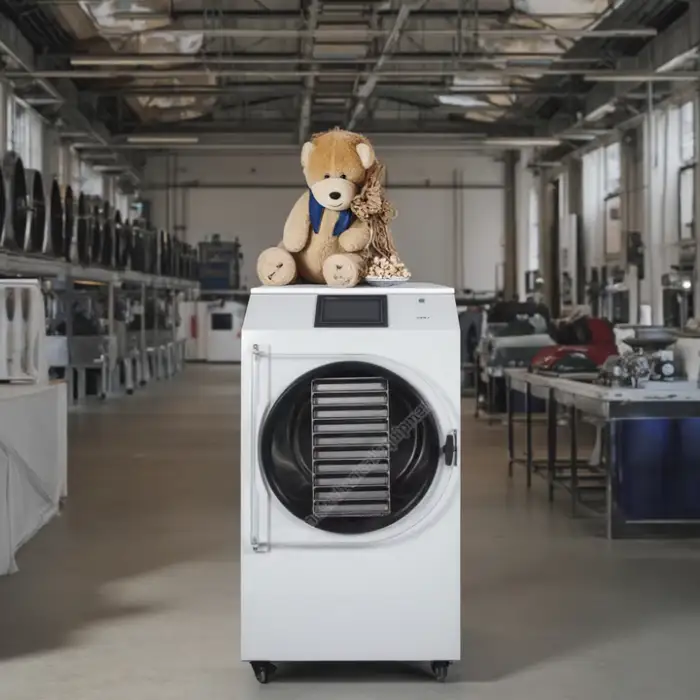
The 8 Trays Freeze Dryer Industrial Freeze Dryer is a powerful machine designed for efficient freeze drying. With a capacity of 20kg, this freeze drying machine is perfect for various applications in industries such as food, pharmaceuticals, and chemicals. Its advanced technology ensures high-quality results while maintaining competitive pricing. This machine is built to last, featuring durable materials and efficient operation.
Specifications
| Attribute | Details |
|---|---|
| Type | Vacuum Drying Equipment |
| Power (W) | 2300W |
| Voltage | 220V 50Hz |
| Core Components | MOTOR |
| Heating Method | Electric Heating |
| Material | SUS304 |
| Weight (kg) | 130 |
| Selling Units | Single item |
Key Features
- 8 trays for large capacity drying
- Efficient vacuum drying technology
- Durable SUS304 material for longevity
- Electric heating for consistent results
- Compact design suitable for industrial use
Applications
- Food preservation and processing
- Pharmaceutical product drying
- Chemicals processing
- Laboratory sample preparation
- Research and development in various industries
Product Info Gallery
- Shipping Timeframes: All orders are processed within 2-5 business days (excluding weekends and holidays). After your order has been processed, the estimated delivery time is before 20 Nov, 2026, depending on customs, Please note that due to high demand, some items may experience longer shipping times, which will be communicated at order confirmation email.
- Order Processing Time: Please allow 2-5 business days for us to process your order before it is shipped . Orders placed after 16:00 on Fridays, or during weekends and public holidays, will begin processing on the next business day. Processing times may be extended during peak seasons or sales events.
- Manufacturing Time: Some products needs manufacturing time, the manufacturing process will take approximately 10-30 business days depending on the product. This timeframe may vary depending on the complexity of the product and current demand. but this will be communicated with you during order confirmation.
- Returns and Exchanges: We offer a 30-day return policy for most items. If you are not completely satisfied with your purchase, you may return it within 30 days of receipt for a refund or exchange. Items must be unused, in their original packaging, and accompanied by proof of purchase. Return shipping costs are the responsibility of the customer, unless the item was damaged or defective upon arrival.
1. What is the drying capacity of the 8 Trays Freeze Dryer?
The machine has a nominal capacity of 20 kg per batch and includes 8 trays to accommodate larger volumes. Actual throughput depends on the product type, initial moisture content and freeze-drying cycle parameters.
2. What power and electrical requirements does this freeze dryer have?
This model requires 2300 W and operates on 220 V, 50 Hz. Verify local electrical compatibility and supply capacity before installation.
3. What materials are used in parts that contact the product?
Product-contact components and the chamber are made from SUS304 stainless steel, which is widely used for food and pharmaceutical equipment due to its corrosion resistance and cleanability.
4. Does the unit include a vacuum pump or is it required separately?
The specification lists this as vacuum drying equipment, but the listing does not explicitly state whether a vacuum pump is included. Confirm with the supplier whether a vacuum pump and required accessories are supplied or need to be purchased separately.
5. What heating method and controls are used?
The unit uses electric heating to provide consistent shelf temperature control for sublimation. Specifics on temperature range and control interface vary by configuration—check the product manual or ask the vendor for control details.
6. How long does a typical freeze-drying cycle take?
Cycle time depends heavily on the product type, pre-freezing quality, sample thickness, and moisture content. Typical cycles can range from several hours for thin samples to 24–48+ hours for bulk or high-moisture products. Run small test batches to determine optimal cycles for your material.
7. Is this machine suitable for food and pharmaceutical applications?
Yes. With SUS304 construction and vacuum freeze-drying technology, the unit is intended for food preservation, pharmaceutical product drying, chemical processing, laboratory sample prep and R&D. Confirm any regulatory or validation requirements for pharmaceutical production with the supplier.
8. What maintenance is required to keep the freeze dryer running reliably?
Regular maintenance typically includes cleaning trays and chamber surfaces, inspecting and replacing door seals as needed, defrosting and cleaning condensers, checking vacuum lines and fittings, and routine service of the vacuum pump (if present). Follow the manufacturer’s maintenance schedule for best results.
9. How do I clean and sanitize the trays and chamber?
Use food-grade or pharmaceutical-grade cleaning agents compatible with stainless steel (SUS304). Remove trays for washing, sanitize and thoroughly dry before reassembly. Avoid abrasive cleaners that can damage surfaces. Follow any supplier-provided cleaning protocols.
10. What are the machine dimensions and shipping weight?
The product weight is listed as 130 kg. Specific external dimensions and shipping package size are not provided in the description—request detailed dimensional and packing information from the vendor to plan installation and transport.
11. Can the freeze dryer process liquids, pastes or delicate items?
Yes—liquids and pastes can be freeze-dried, but they usually require appropriate sample trays, pre-freezing and possibly special supports (e.g., vials or trays with wells) to prevent run-off. Delicate items often benefit from controlled shelf heating and slower primary drying to preserve structure.
12. What packaging and storage conditions are recommended for freeze-dried products?
For long-term stability, package products in moisture and oxygen barrier materials (e.g., foil pouches, laminated bags) and store in a cool, dry place away from light. Adding desiccants or vacuum/modified atmosphere packaging improves shelf life. Expected shelf life varies by product and packaging—test under intended storage conditions.
13. Are certifications and safety approvals included (CE, ISO, UL, etc.)?
Certifications are not specified in the provided description. If you require CE, ISO, UL or other regulatory documentation, ask the supplier for certification evidence and any validation paperwork needed for your industry.
14. Is the machine suitable for laboratory use or only industrial production?
The compact design and 20 kg capacity make it suitable for small-scale industrial production, pilot-scale work, R&D and laboratory sample preparation. For high-throughput industrial manufacturing, verify that the capacity and cycle times meet your production requirements.
15. What warranty, spare parts and after-sales support are available?
Warranty terms, availability of spare parts and after-sales service are not included in the listing. Before purchase, confirm warranty duration, what it covers, lead times for spare parts and local service options with the seller or manufacturer.
Latest Order Arrivals
Discover our latest orders
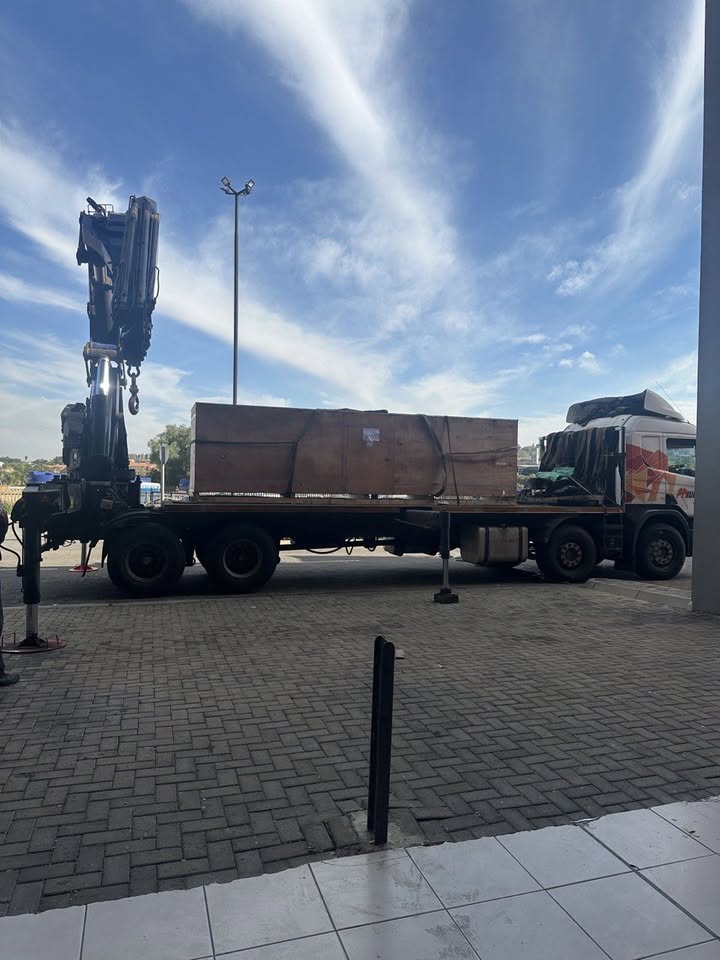
12 Heads Embroidery Machine
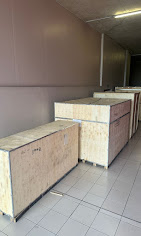
Toilet Paper Machine Machine
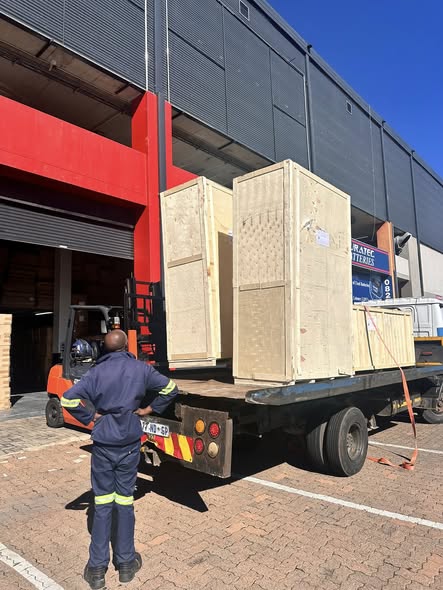
Order Collection
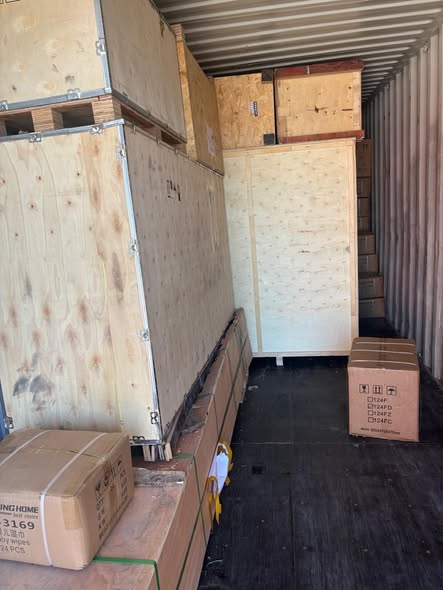
Cross Border Clients
Order cros border countries Collected
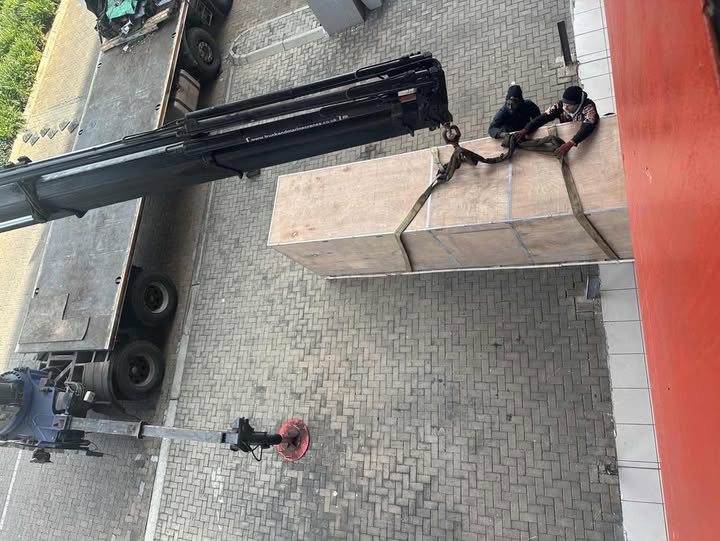
Industrial Machine Cllection
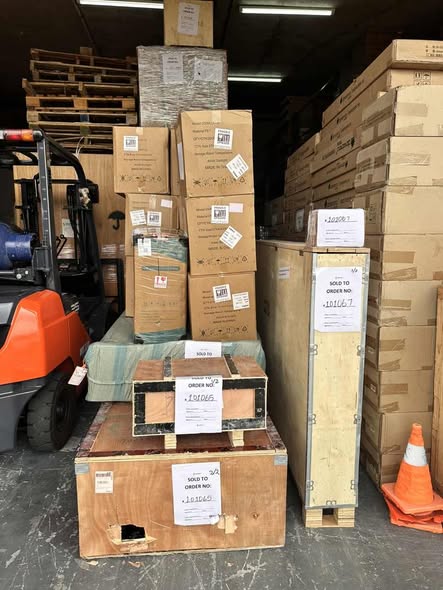
Agriculture Processing Machines
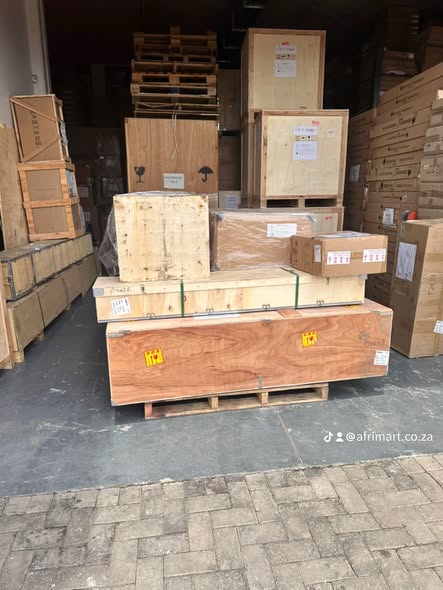
Ready for collection
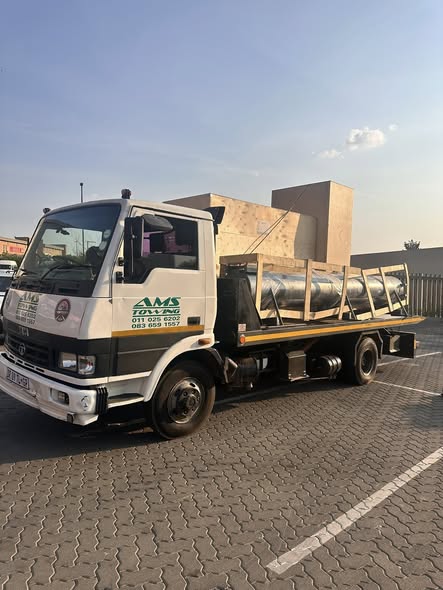
Water Pump Equipment
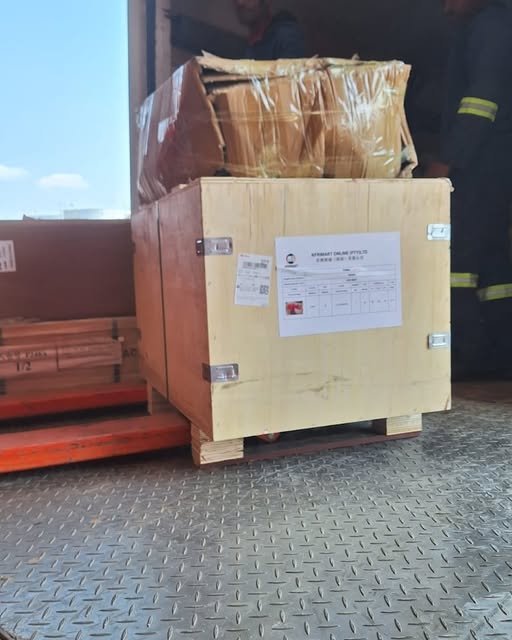
Packaging Machine and accessories
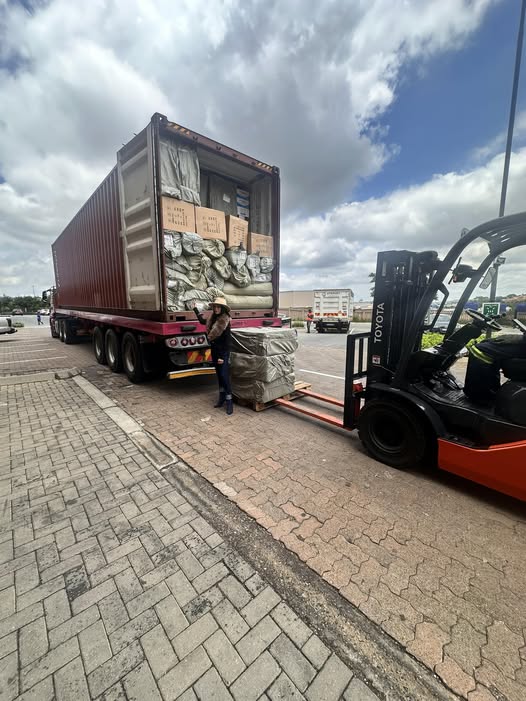
Fabrics Manufacturing Equipment
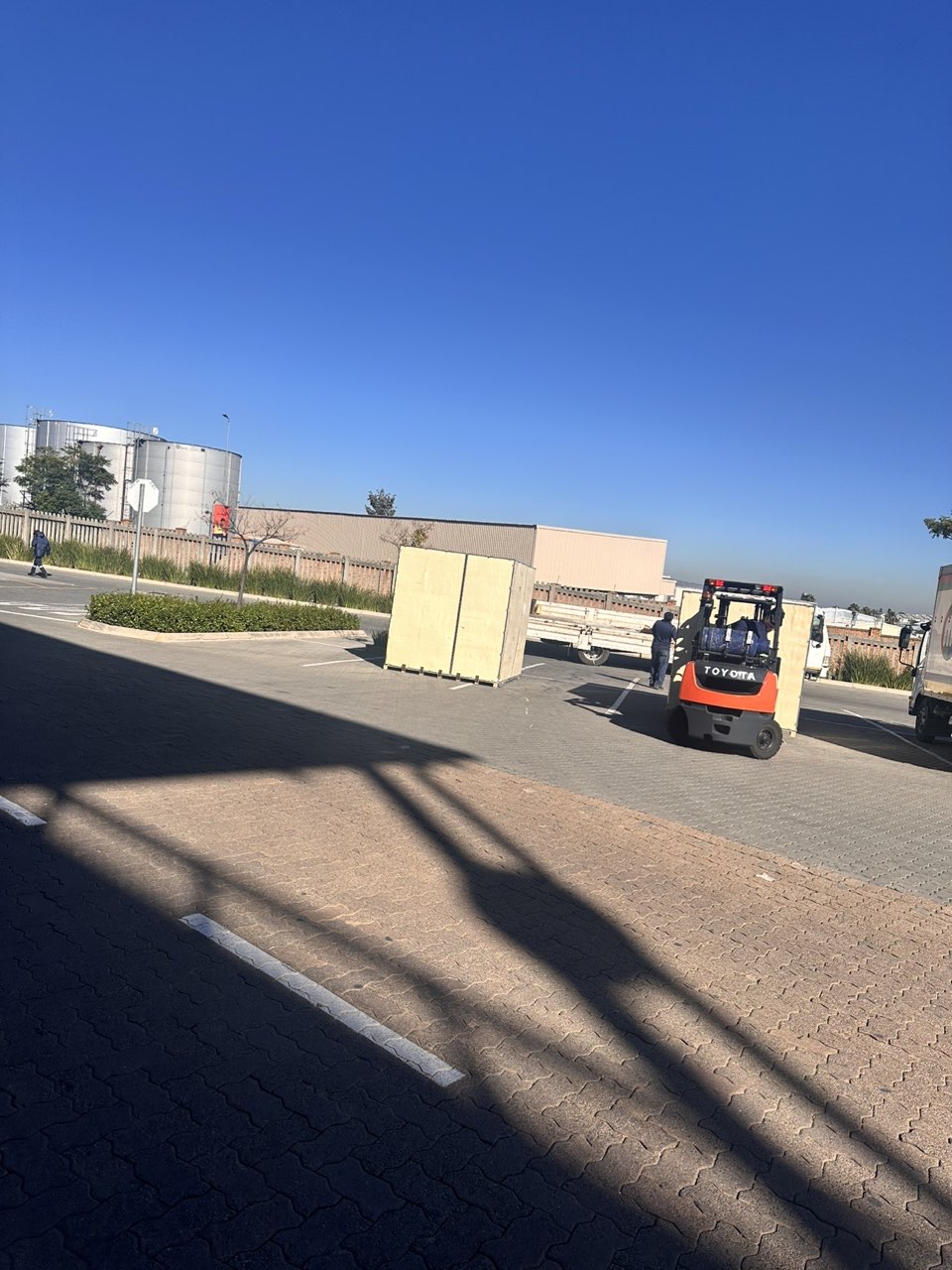
Mining Equipments
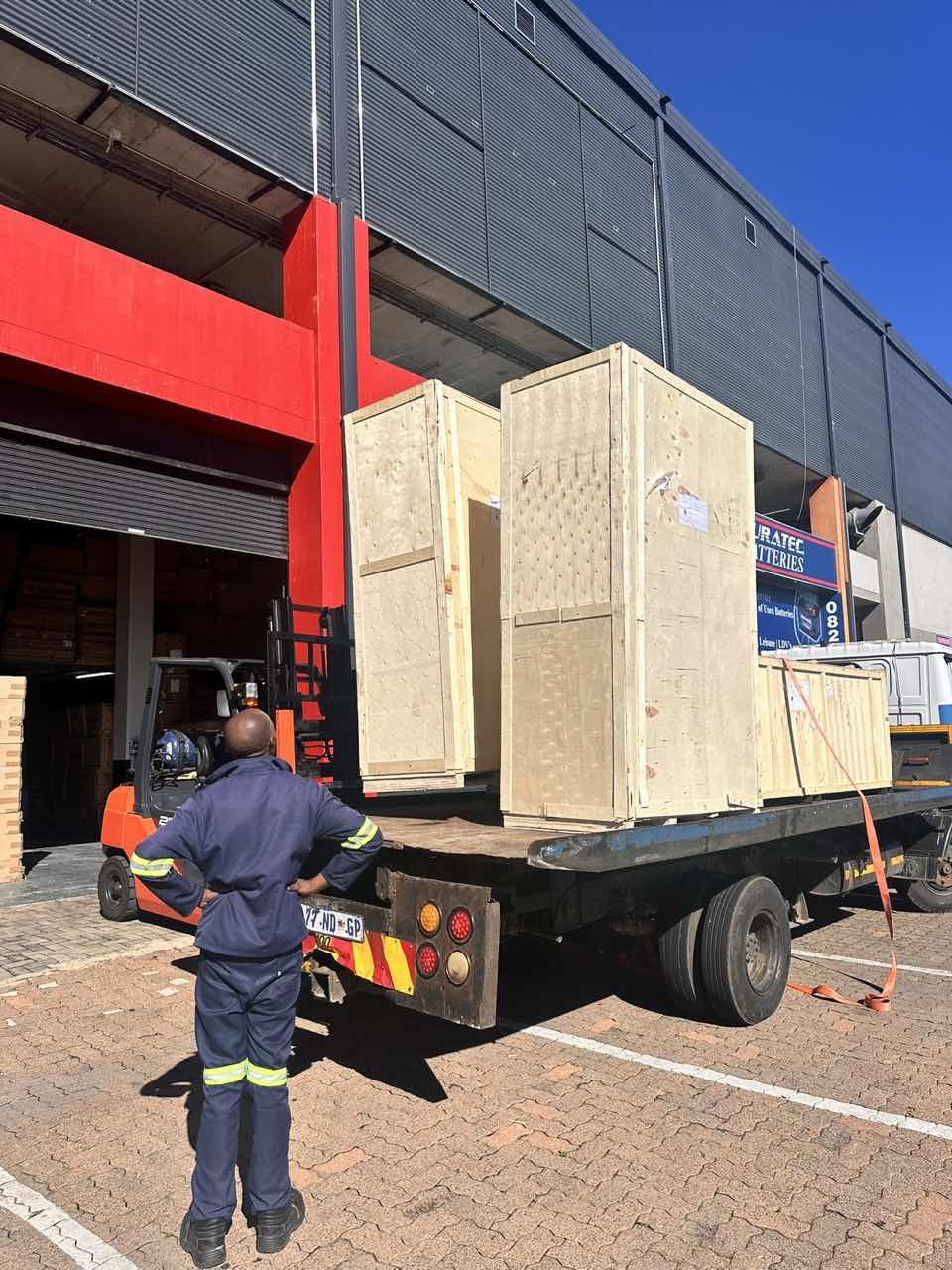
Food Processing Machine
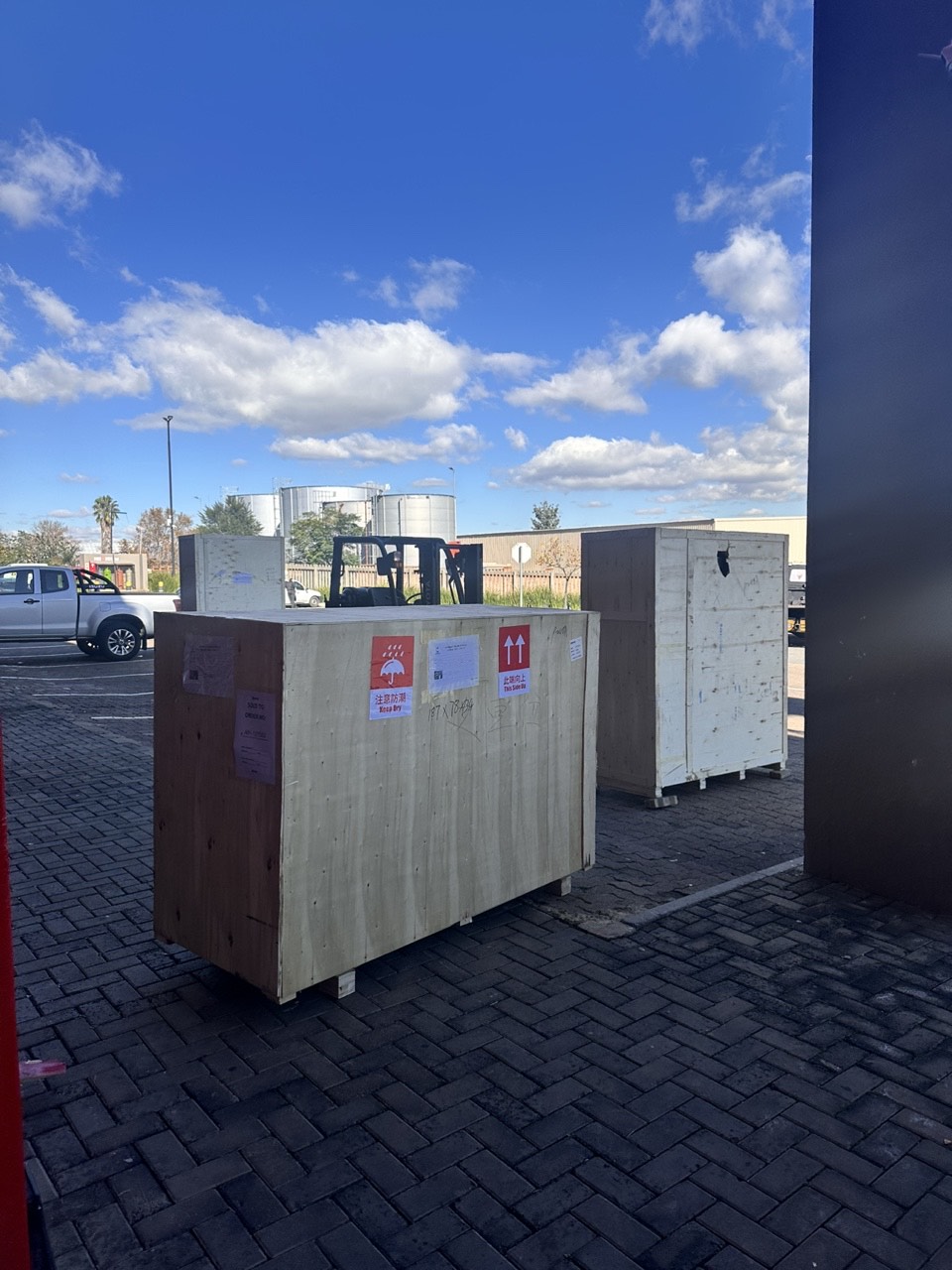
Batch of Orders
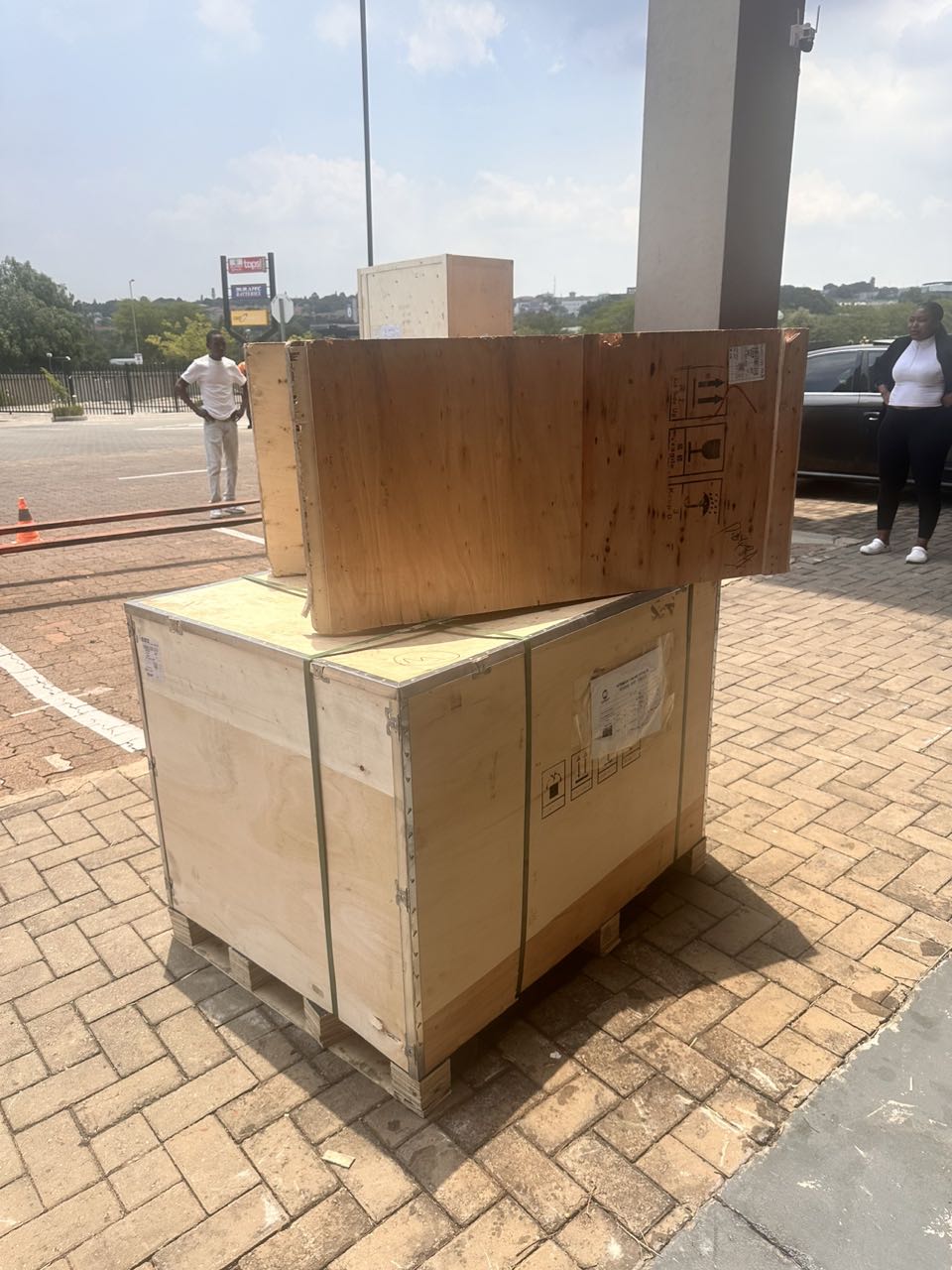
Batch of Orders
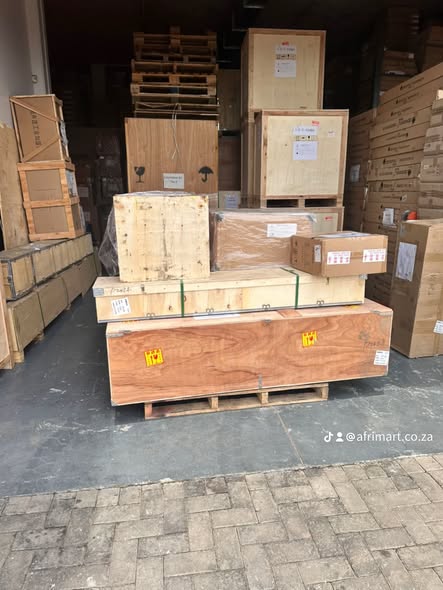
Latest Orders Labelled
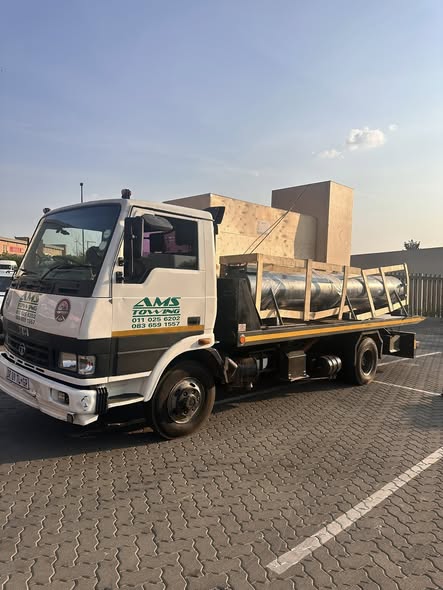
wheel alignment machines
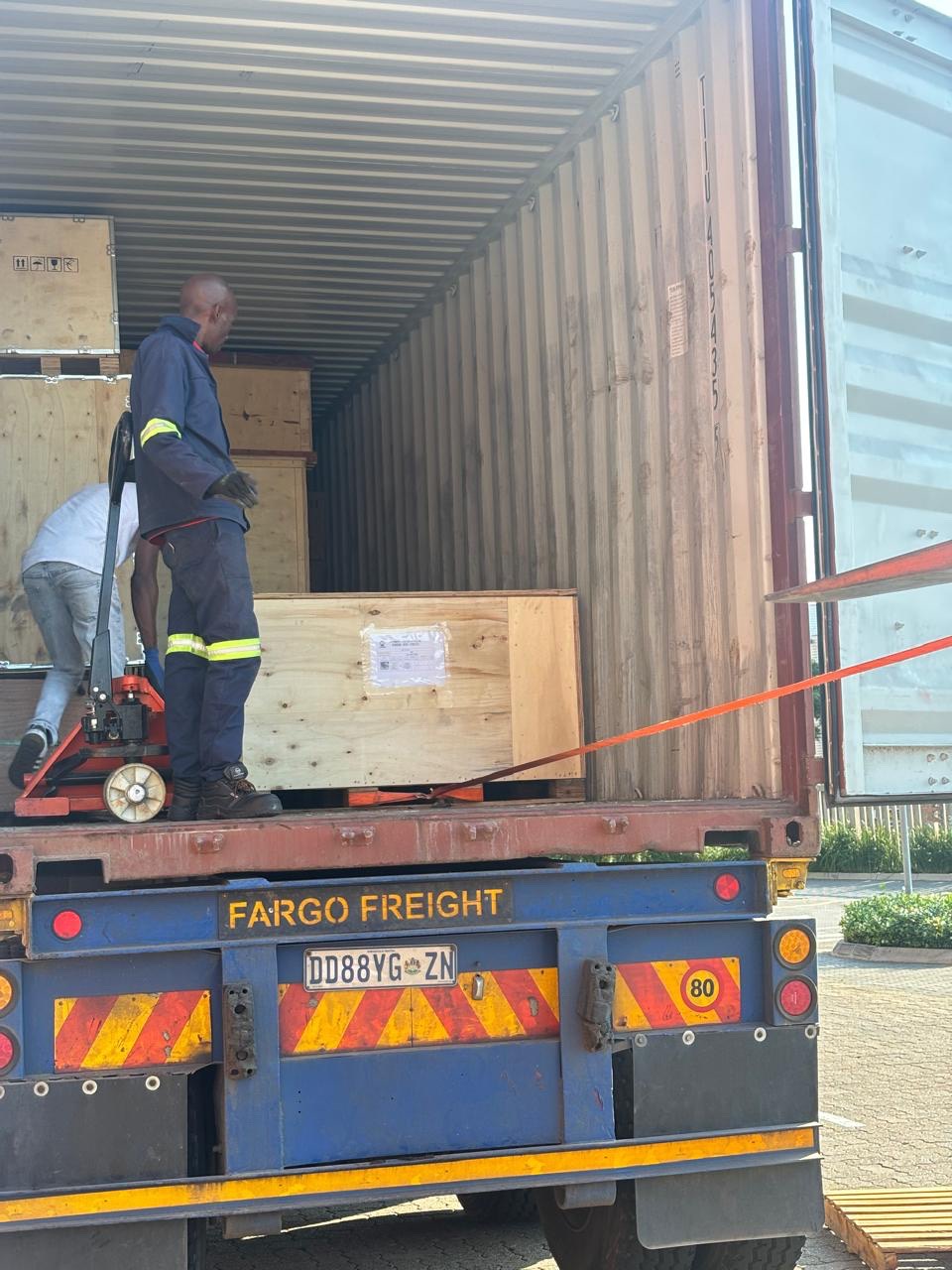
new arrivals
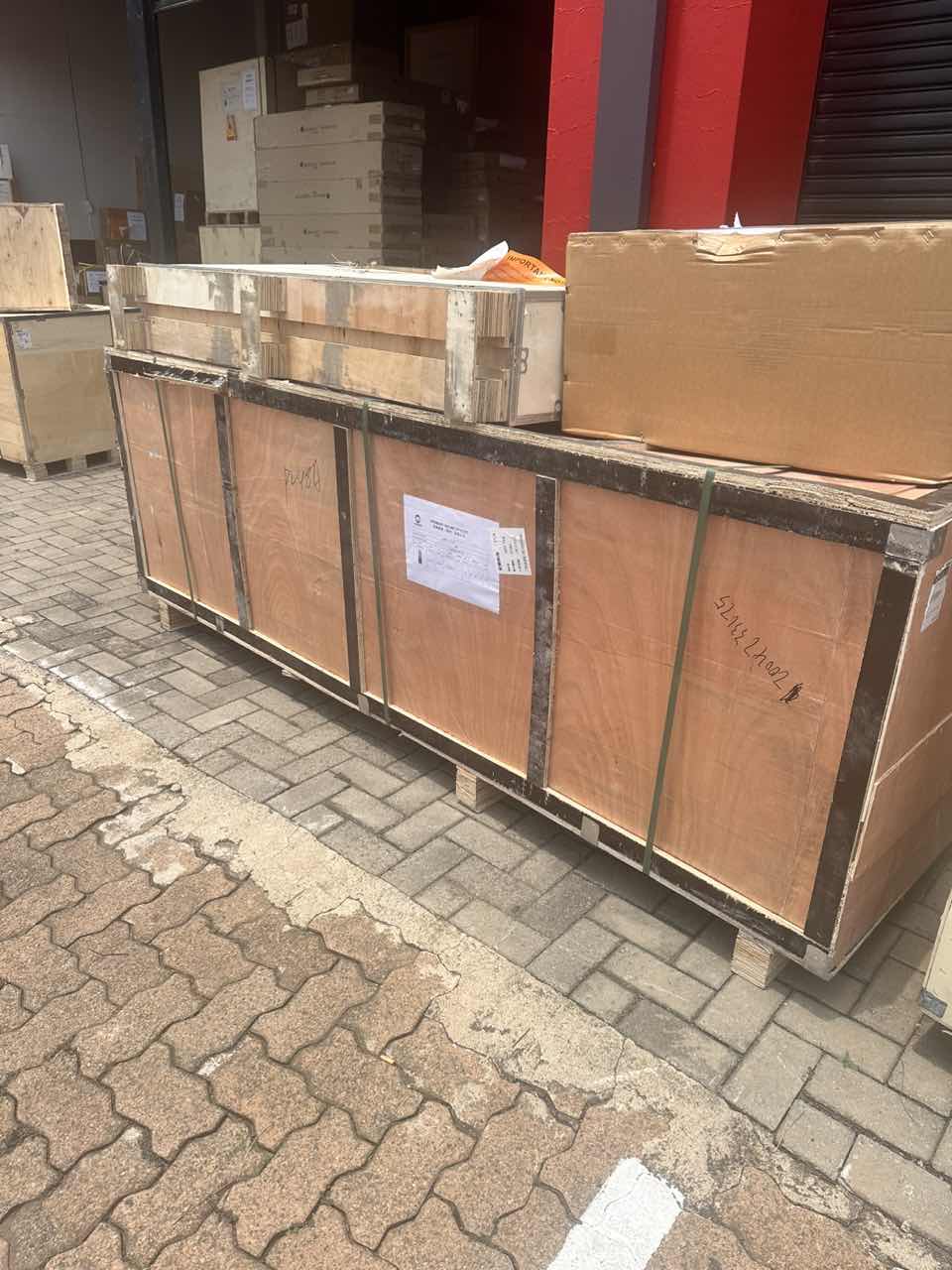
Pre Orders Offloading
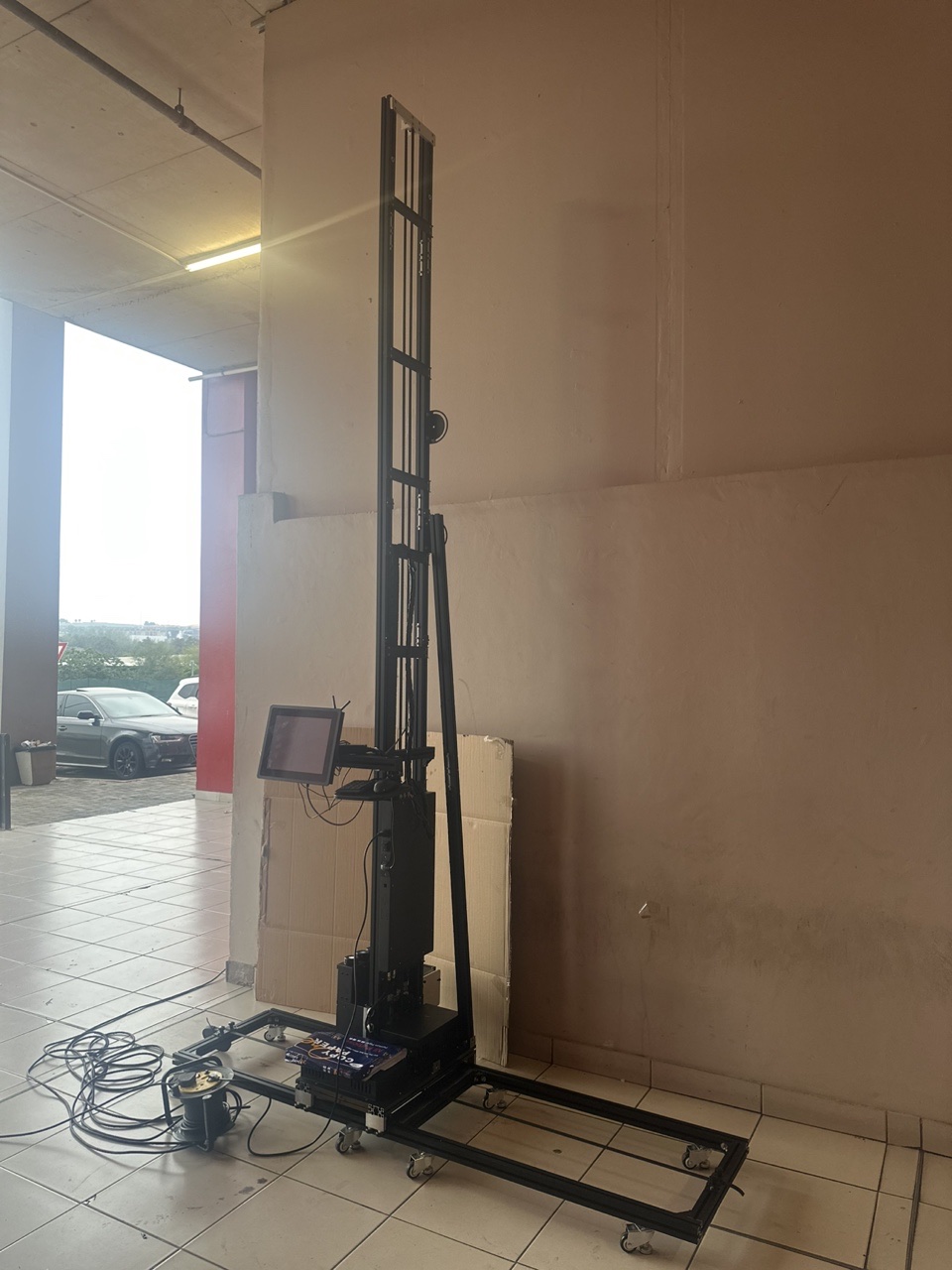
Latest Arrivals
Latest Arrivals
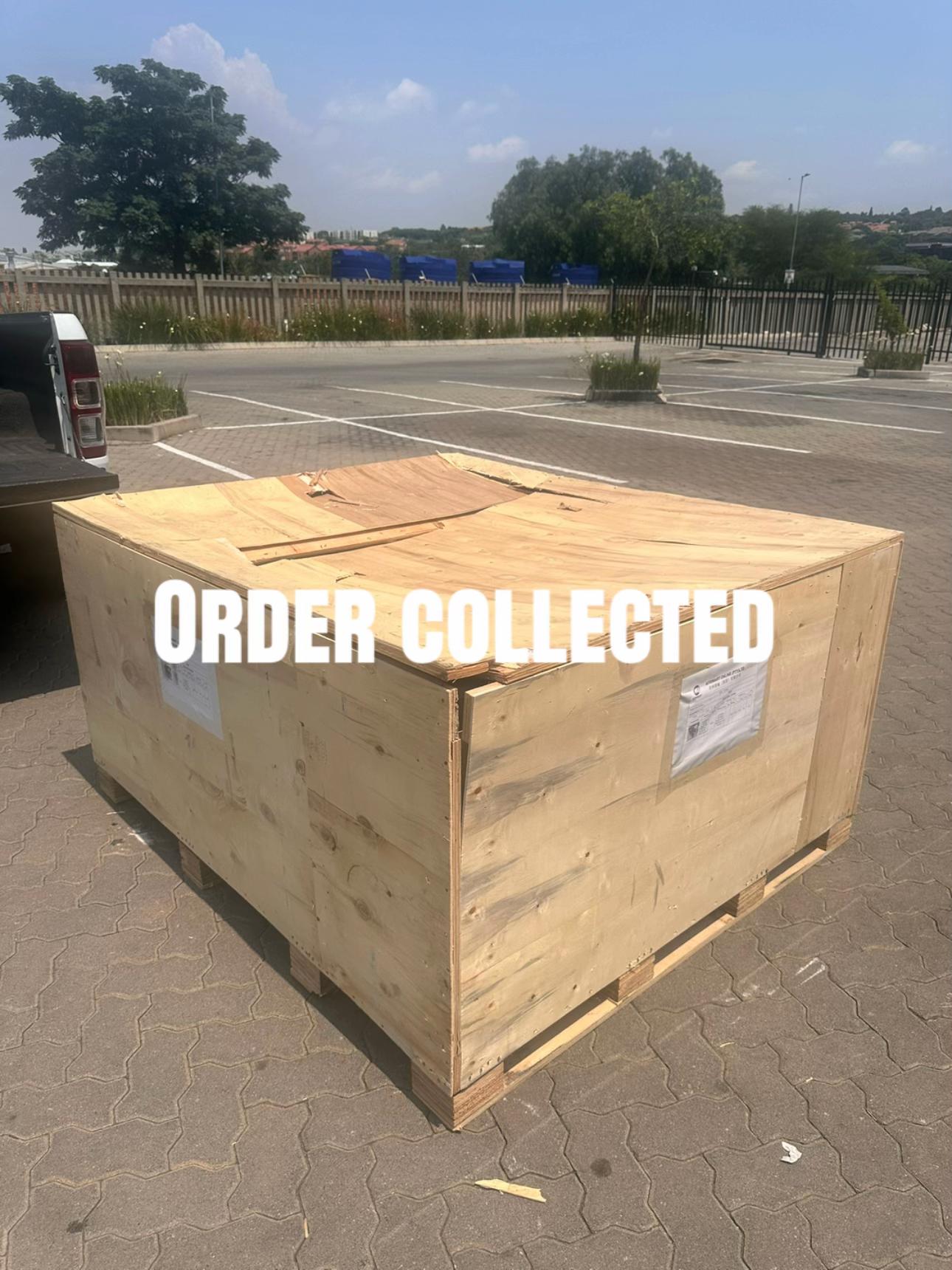
Latest Arrivals
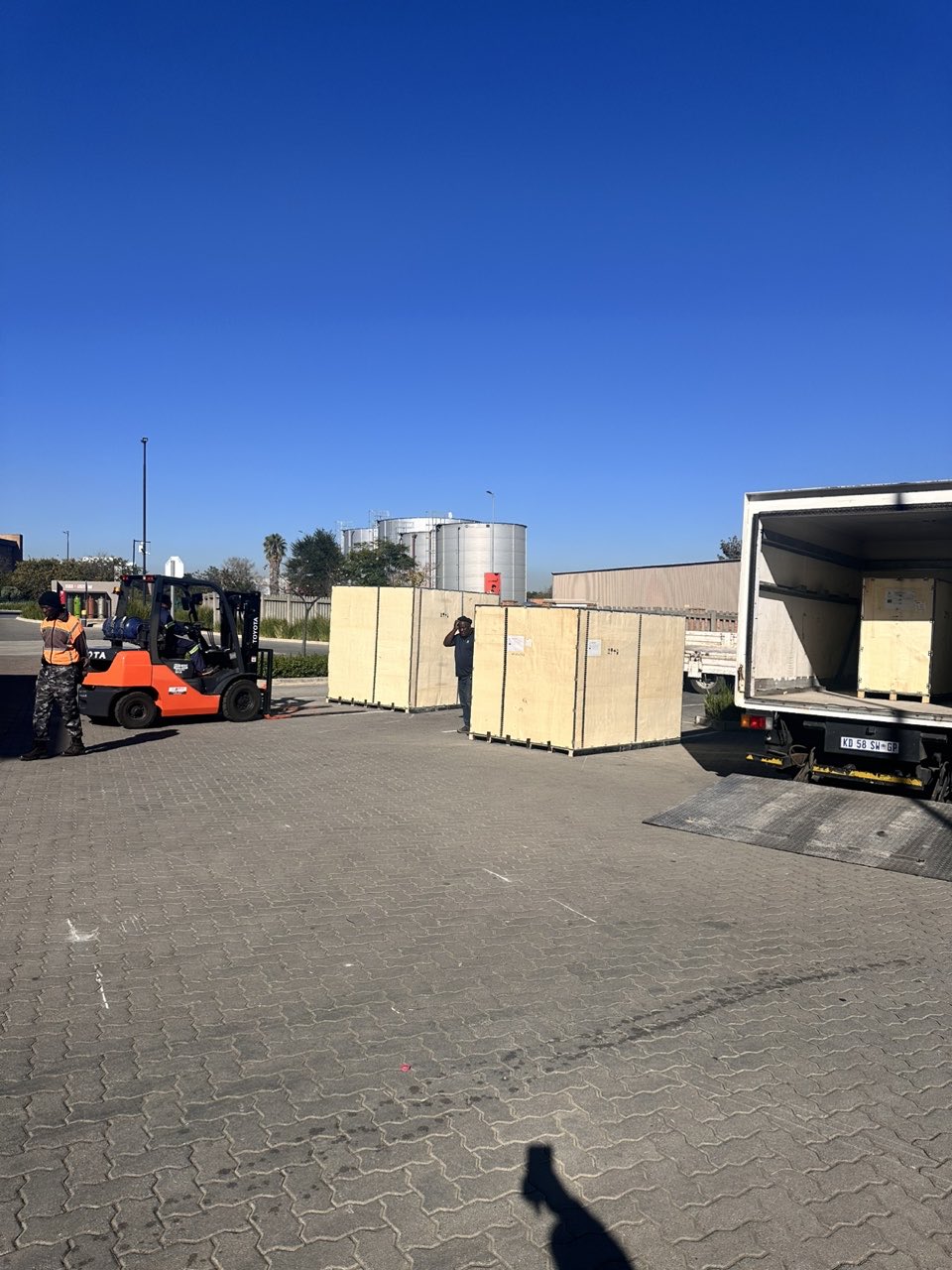
Loading
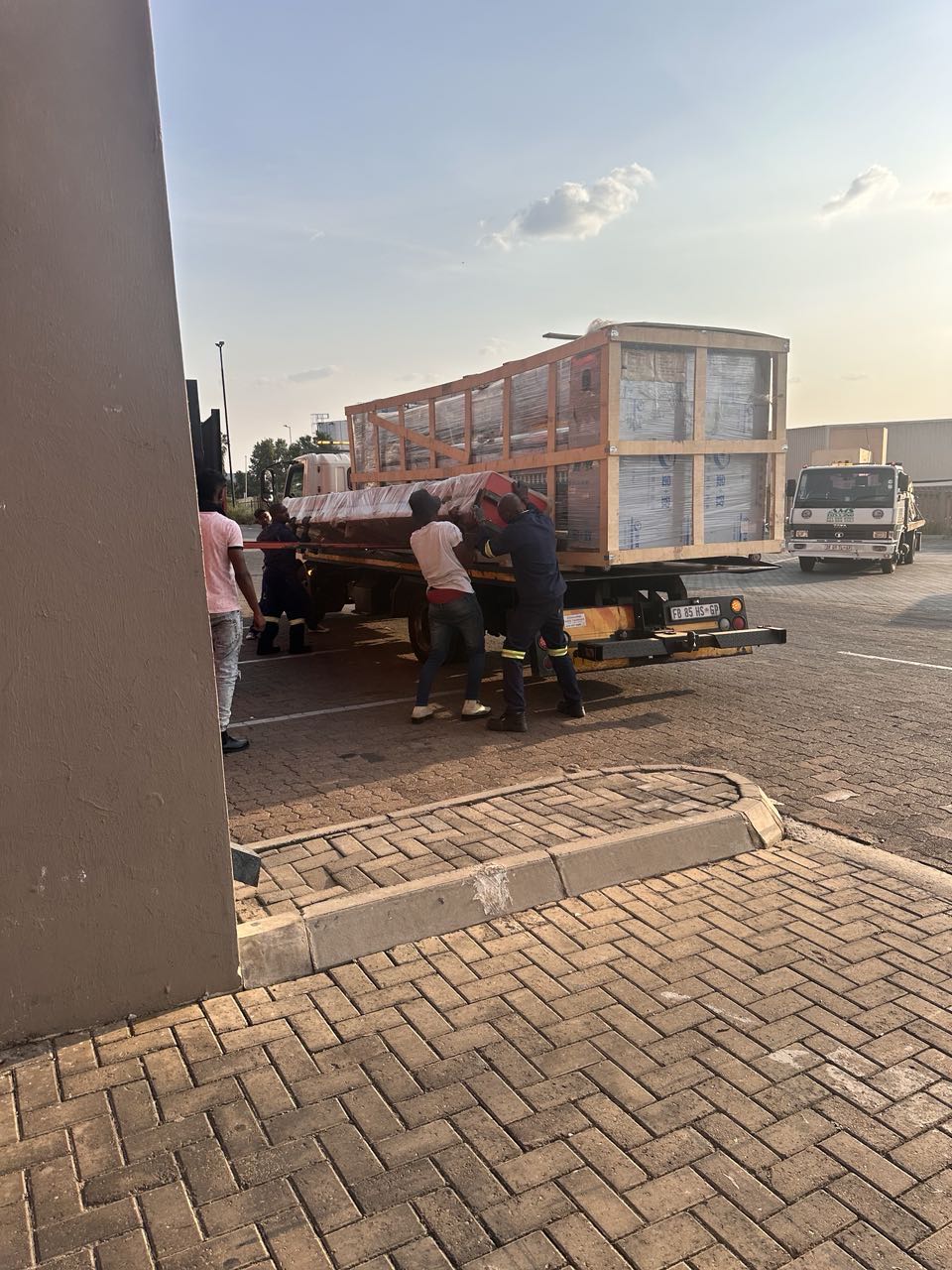
Toilet paper making machine
Toilet paper making machine
Toilet paper Rewinding Machine
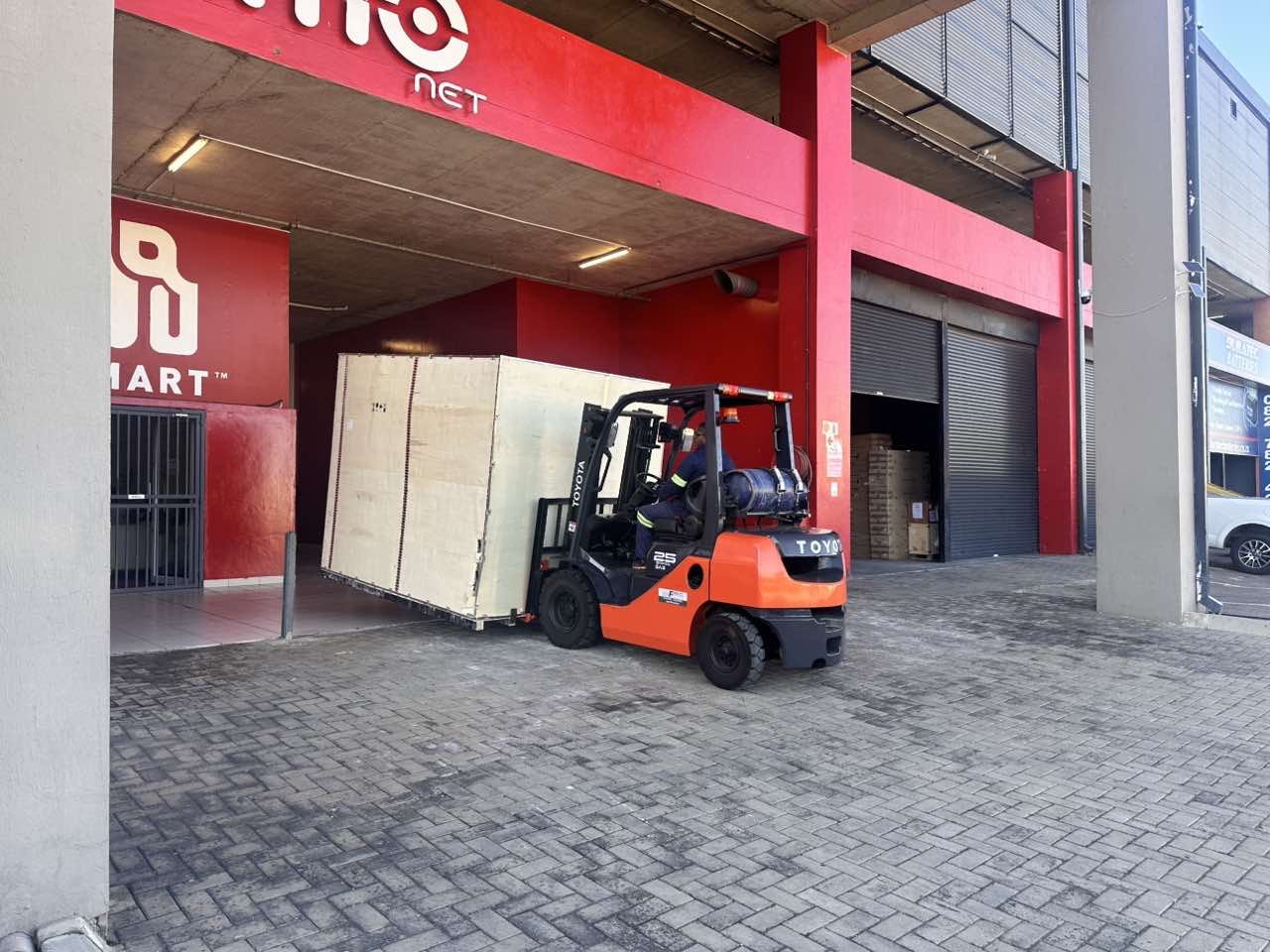
latest arrivals
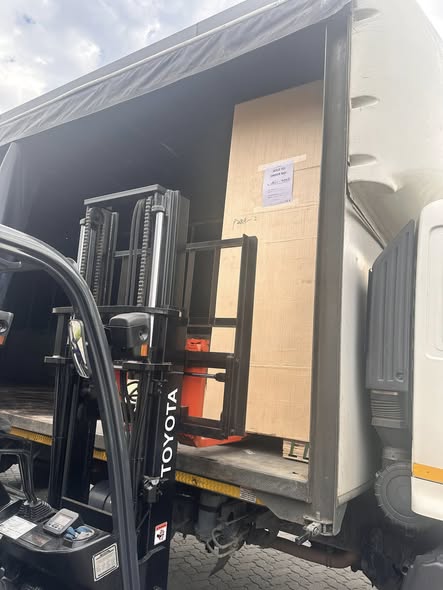
offloading
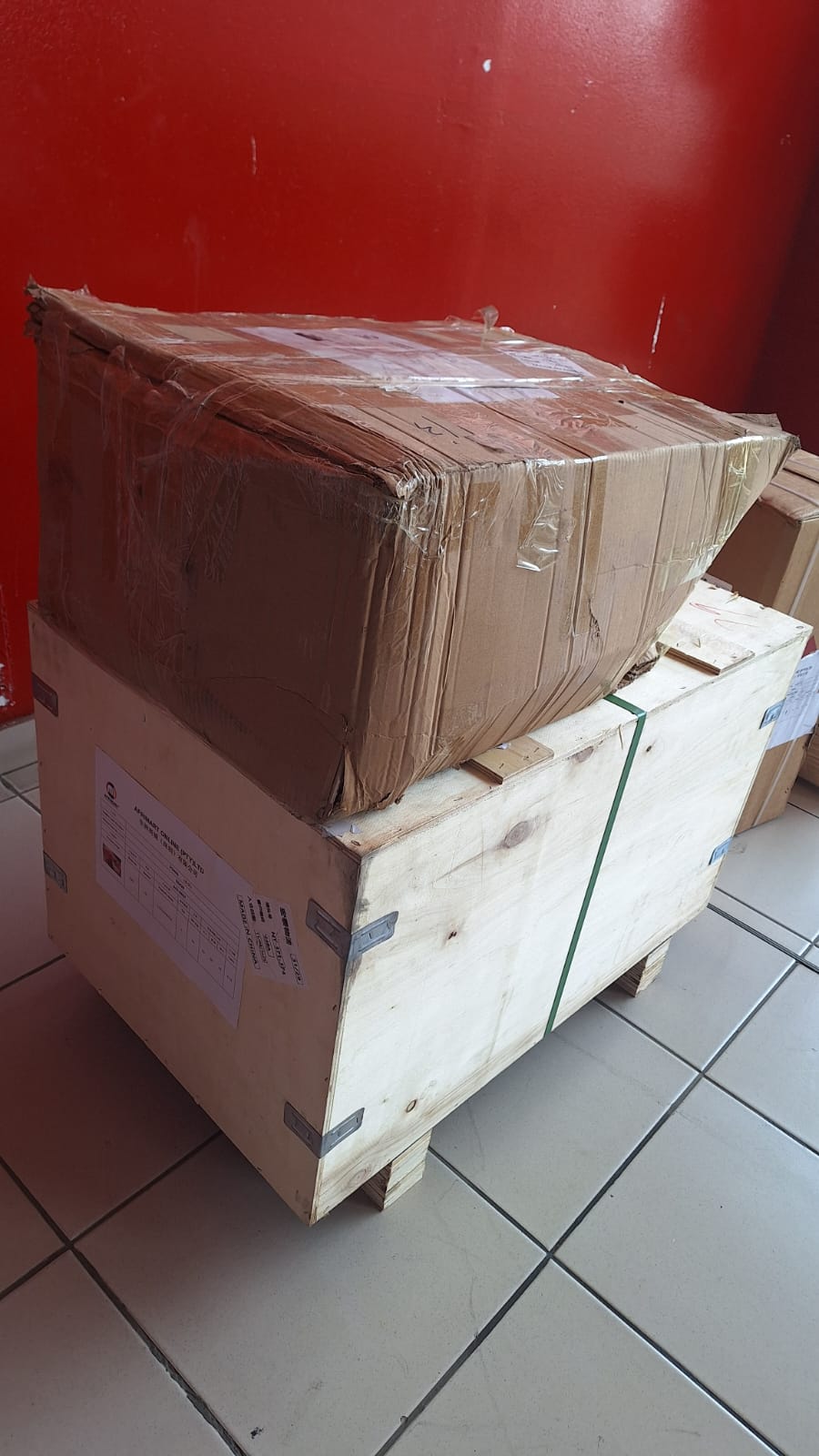
order success
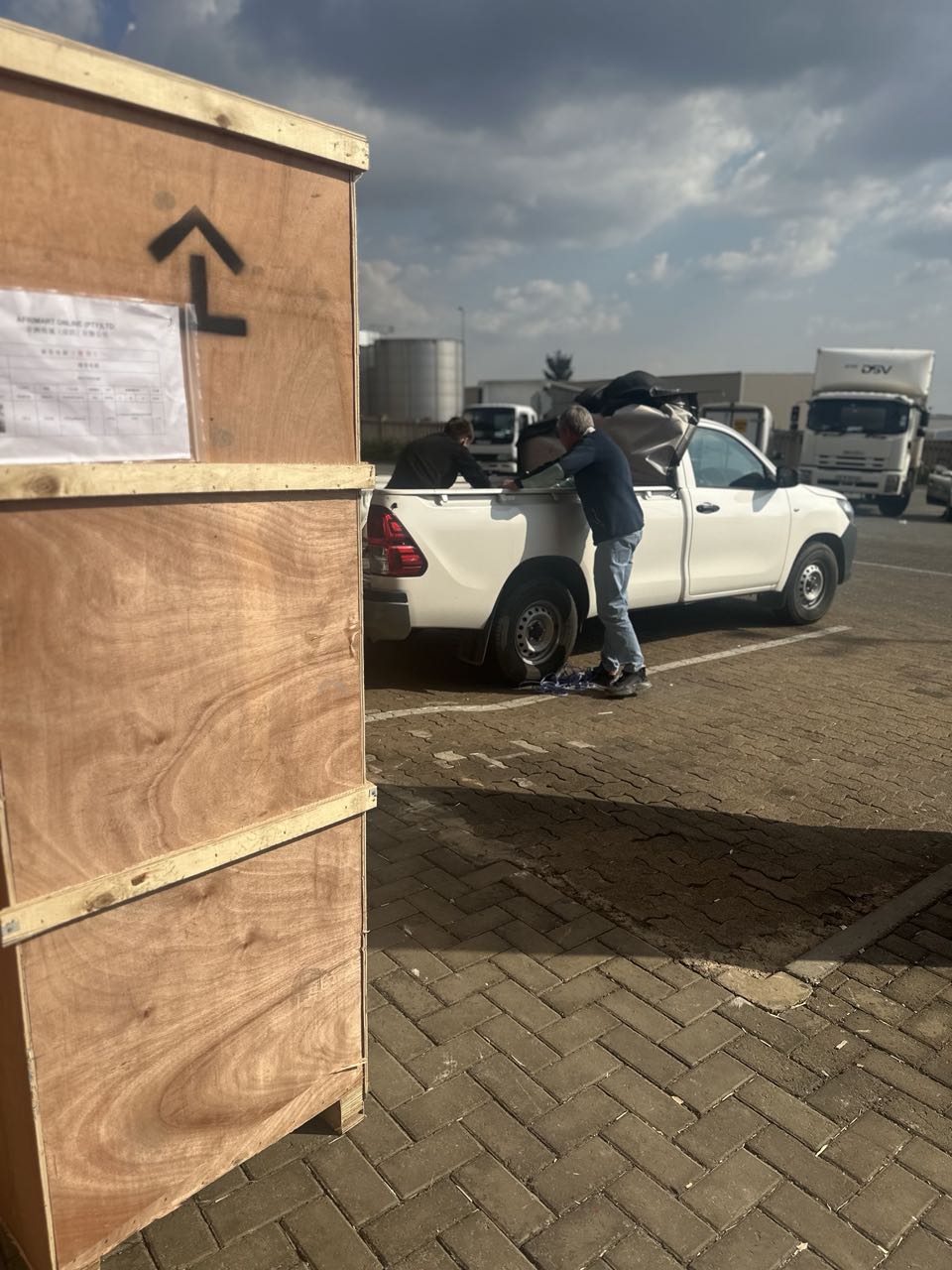
order collection
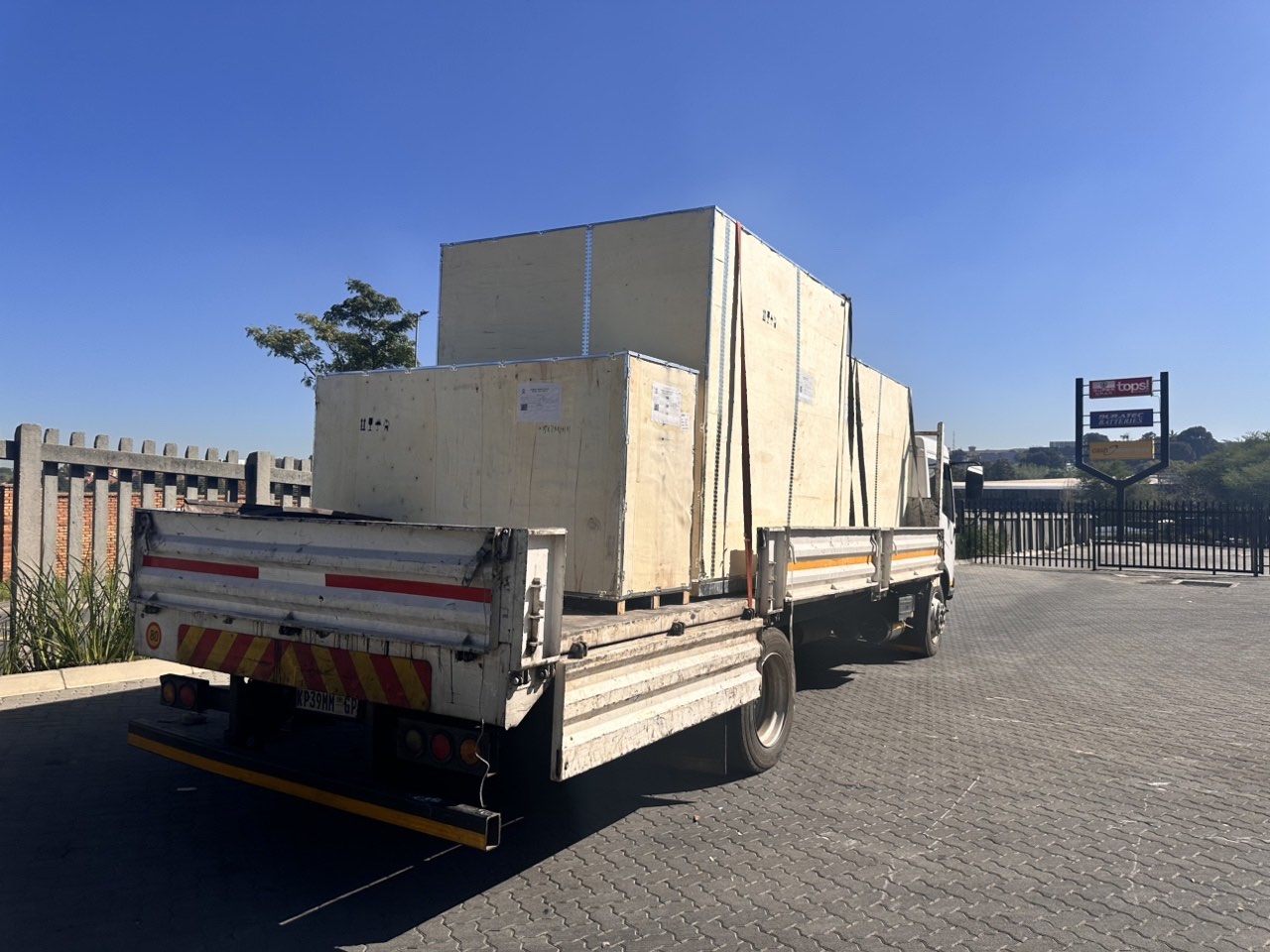
order offloading