B21, China Town Mall, Midrand

 Building Boards & Insulation
 Coated & Treated Products
Decorative Building Materials
EPDM/PVC/TPO Membrane
Coated & Treated Products
Decorative Building Materials
EPDM/PVC/TPO Membrane
 Flat Products (Sheets, Plates & Coils)
Gabion mesh
Geocell
Geogrid
Geomembrane Welding machine
HDPE Geomembrane
HDPE Geomembrane
Hdpe/Pvc Pipe
Industrial Hardware & Fasteners
LDPE LLDPE Geomembrane
Luxury Wall Panels
Nonwoven Geotextile
Other Geosynthetics
Pipe Floater
Pipeline & Fluid Systems
Pipes & Hollow Sections
PVC Ceilings
PVC Cornices
PVC Suspended Ceilings
PVC Wall Panels
Roofing & Cladding
Roofing & Corrugated Sheets
Rubber Hose
SPC Flooring
Strips & Bars
Structural Steel & Profiles
Flat Products (Sheets, Plates & Coils)
Gabion mesh
Geocell
Geogrid
Geomembrane Welding machine
HDPE Geomembrane
HDPE Geomembrane
Hdpe/Pvc Pipe
Industrial Hardware & Fasteners
LDPE LLDPE Geomembrane
Luxury Wall Panels
Nonwoven Geotextile
Other Geosynthetics
Pipe Floater
Pipeline & Fluid Systems
Pipes & Hollow Sections
PVC Ceilings
PVC Cornices
PVC Suspended Ceilings
PVC Wall Panels
Roofing & Cladding
Roofing & Corrugated Sheets
Rubber Hose
SPC Flooring
Strips & Bars
Structural Steel & Profiles
 Camera & Photo
 Chargers, Batteries & Power Supplies
 Commercial Equipment
 Home Audio & Video
 Portable Audio
 Printing Equipment
 Professional Audio
 Security & Protection
 Testing Equipment
 Advertising Boards
 Advertising Inflatables
 Advertising Light Boxes
 Commercial Fryers
 Computer Hardware & Software
 Digital Signage and Displays
 Display Racks
 Food Trucks
 Ice Cream Machines
 Interactive Boards
 Photo Booths
 Projectors & Presentation Equipments
 Refrigeration Equipment
 Supermarket Shelves
 Vending Machines
 Bedroom Furniture
 Commercial Furniture
 Decorations
 Dining Room Furniture
 Kitchen Furniture
 Living Room Furniture
 Office Furniture
 Agriculture Machinery
 Apparel Machinery
 Chemical Machinery
 Cleaning Equipment
 Construction Machinery
 Environmental Machinery
 Food & Beverage Machinery
 Industrial Machinery
 Machine Tool Equipment
 Machinery Accessories
 Material Handling
 Packaging Machines
 Brick Making Machinery
 Concrete Mixers
 Concrete Pumps
 Crushers
 Drilling Rigs
 Engineering & Construction Machinery
 Excavators
 Gas Generation Equipment
 Loaders
 Mineral Separators
 Mining Machinery
 Mortar Spray Machines
 Other Construction Machinery
 Road Machinery
 Stone Machinery
 Tile Making Machinery
 Truck Cranes
 Baking Equipments
 Beverage & Wine Machines
 Cake machine
 Donut machines
 Fermenting Equipment
 Fish Processing Machines
 Flour & Rice Mills
 Flour Mill
 Food Sterilizers
 Fruit & Vegetable Processing Machines
 Fruit & Vegetable Processing Machines
 Fryers
 Ice Cream Machines
 Juice Extractors
 Meat Processing Machinery
 Meat Slicers
 Other Food Processing Machinery
 Popcorn machine
 Snack Machines
 Vegetable Cutters
 Vegetable Washing Equipments
 Apparel & Textile Machinery
 CNC industrial Machinery
 Industrial Compressors & Parts
 Industrial Robots
 Industry Laser Equipment
 Machine Tool Equipment
 Manufacturing Machinery
 Metal & Metallurgy Machinery
 Paper Production Machinery
 Plastic & Rubber Processing Machinery
 Welding Equipment
 Woodworking Machinery
 Animal & Veterinary
 Household Medical Devices
 Medical Consumables
 Professional Medical Devices
 Testing Instrument
 Bone Surgical Instruments
 Burns Surgery Instruments
 Clinical Analytical Instruments
 Clinics Apparatuses
 Dental Chair
 Dental Consumables
 Dental Equipments
 Dental Handpiece
 Diagnostic Apparatuses
 Emergency & Clinics Apparatuses
 General Assay & Diagnostic Apparatuses
 Hospital Beds
 Hospital Chairs
 Hospital Trolley
 Implants & Interventional Materials
 Medical Cryogenic Equipments
 Medical Imaging Equipment
 Medical Optical Instruments
 Medical Ultrasound Instruments
 Medical X-ray Equipments
 Obstetrics & Gynecology Equipments
 Oral Therapy Equipments
 Physical Therapy Equipment
 Radiology Equipment & Accessories
 Rehabilitation Equipment
 Stethoscope
 Surgical Instruments
 Transfusion, Dialysis & Circulation Machines
 Vacuum Suction Devices
 Visual Acuity Examination Supplies
 Featured Accessories
 Mobile Phones
 Phone Accessories
 Screen Protector Machines
 Tablets
 Telecommunications
 Broadcast Intercom Systems
 Camera Modules
 Communication Antennas
 Corded Telephones
 Development Boards, Kits
 Enterprise Firewalls
 Enterprise Switches
 Fiber Optic Equipment
 Fixed Wireless Terminals
 Other Telecommunications Products
 PBX
PBX
 Signal conversion Boards
 Telecom Parts
 Wireless Infrastructure Equipment
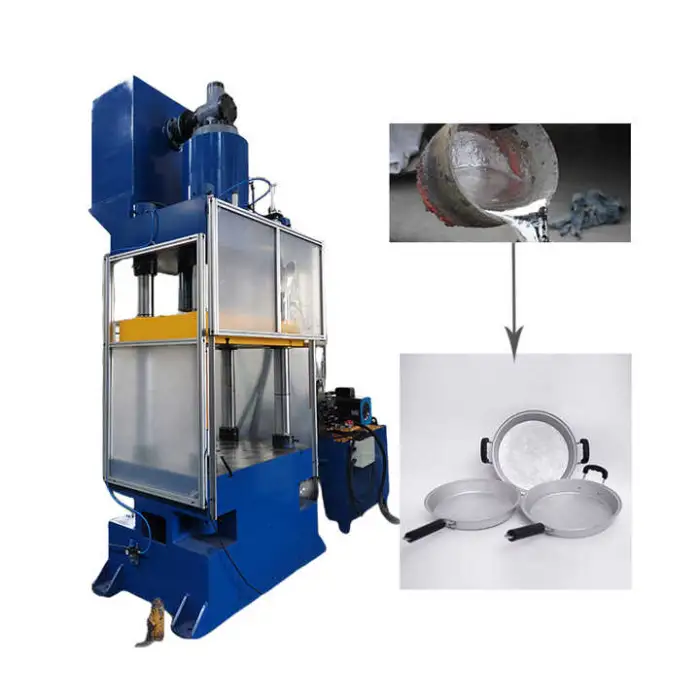
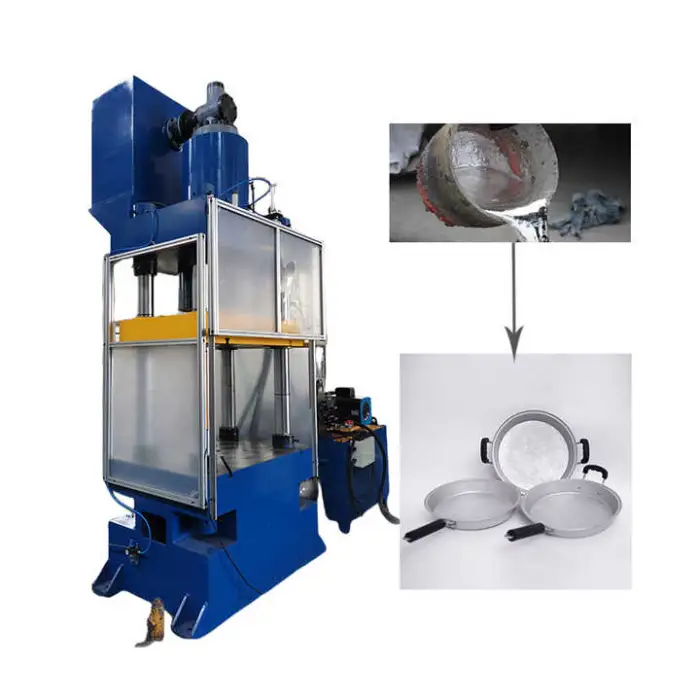
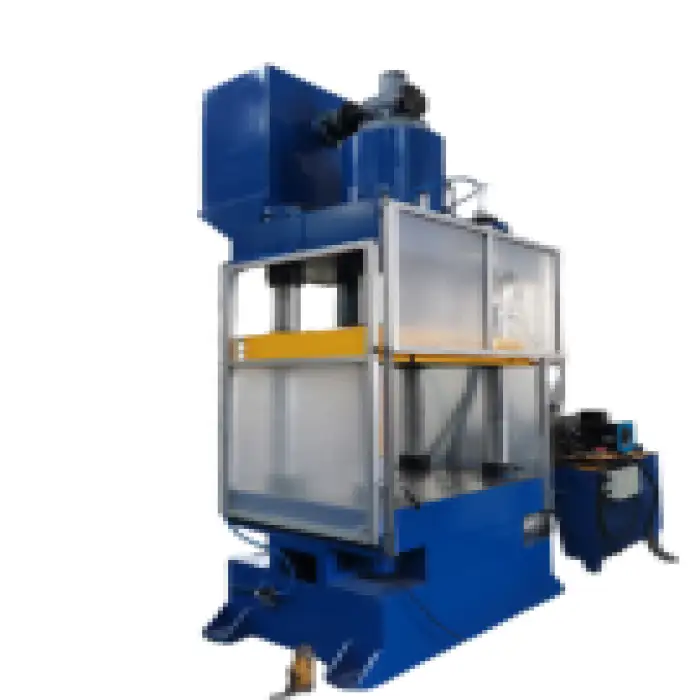
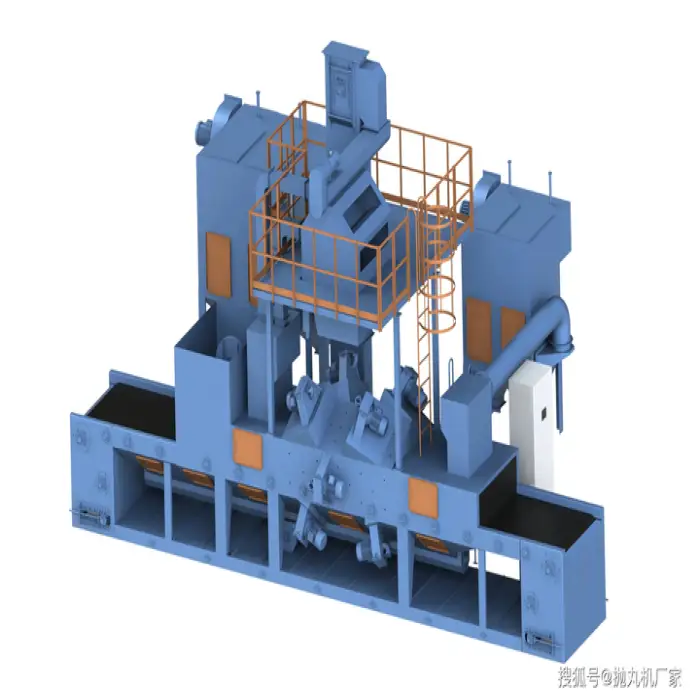
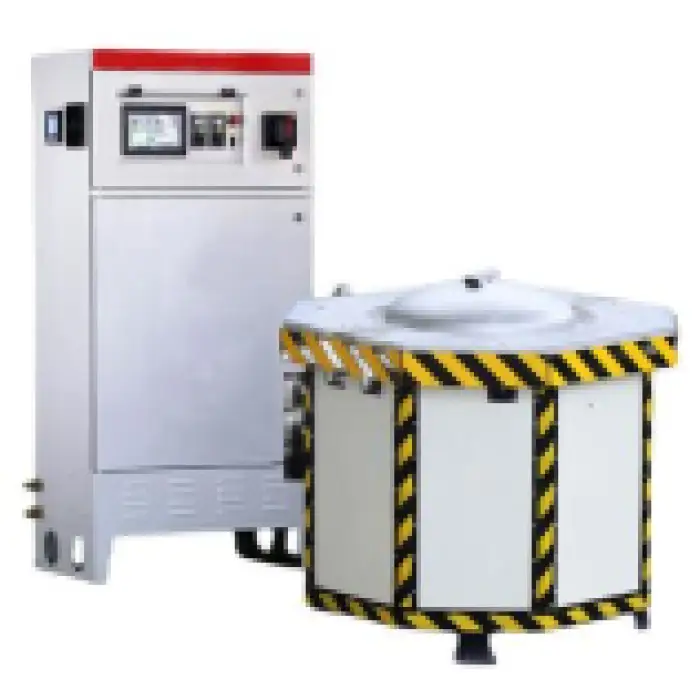
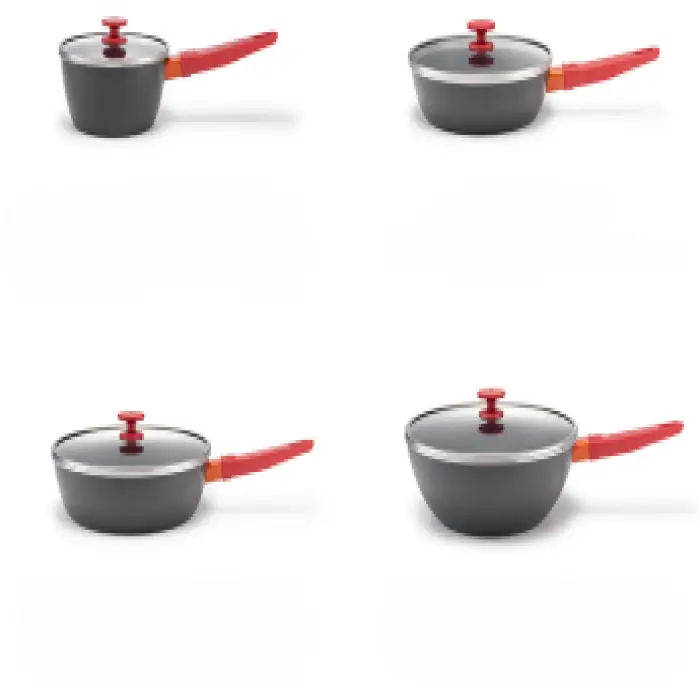
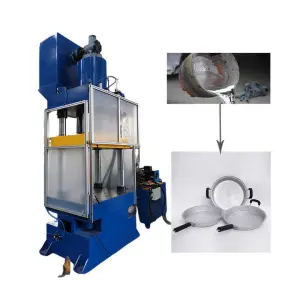
The 600 Ton Low Cost Liquid Aluminum Die Casting Machine is perfect for making frying cookware pans and aluminum pots. This machine is designed for durability and efficiency. It offers high-quality casting at a competitive price, making it a valuable addition to your pr...
Select a product option to continue.
Explore funding with Afrimart's partners. Subject to provider approval.

The 600 Ton Low Cost Liquid Aluminum Die Casting Machine is perfect for making frying cookware pans and aluminum pots. This machine is designed for durability and efficiency. It offers high-quality casting at a competitive price, making it a valuable addition to your production line. With advanced features, it ensures precision and reliability in the casting process.
| Attribute | Details |
|---|---|
| Machine Type | Hot Chamber Die Casting Machine |
| Power (kw) | 15 |
| Voltage | 220V/380V |
| Weight (kg) | 20000 |
| Max Thickness of Die Block (mm) | 20 |
| Min Thickness of Die Block (mm) | 20 |
| Ejection Force (kn) | 400 |
| Ejection Stroke (mm) | 800 |
| Working Pressure | 25mpa |
| Opening Height | 1300mm |
| Power | 15 kW |
|---|
The 600 Ton Low Cost Liquid Aluminum Die Casting Machine is designed for high-volume production of frying cookware pans, aluminum pots and other cast aluminium parts requiring precision and repeatability.
Yes — the machine is marketed for liquid aluminum die casting of frying pans and aluminium pots. Confirm alloy compatibility and process parameters with the supplier before production to optimize results.
It is a hot chamber die casting machine. (Note: hot-chamber systems are typically used for low-melting alloys; please verify with the manufacturer that your aluminium alloy and process are compatible.)
Rated power is 15 kW. Voltage options are 220V or 380V — confirm the required configuration (single- or three-phase) with the supplier and local electrical installer.
The machine weight is 20,000 kg. A reinforced foundation, appropriate lifting equipment (crane/forklift) and sufficient workshop space are required for installation; request final footprint and foundation drawings from the supplier.
The specified minimum and maximum die block thickness are both 20 mm, indicating the machine is designed around a 20 mm die block thickness. Confirm with the manufacturer if other die block configurations are needed.
Ejection force is 400 kN and the ejection stroke is 800 mm, providing strong and long travel ejection suitable for a wide range of part sizes and complex cores.
Working pressure is 25 MPa. Adequate working pressure is important to ensure proper metal flow into the die, fill thin sections, and achieve dense, high-quality castings.
Opening height is 1300 mm. This determines the maximum die assembly and tooling thickness that can be accommodated between the platens.
The machine comes with a machinery test report and video outgoing inspection to demonstrate performance and condition prior to shipment.
Yes — the product listing indicates overseas service support is available. Confirm the scope, cost and response times for commissioning, training and after-sales maintenance with the supplier.
Production rate depends on part geometry, cycle time, die design and cooling strategy. The machine is suitable for high-volume production; provide sample parts and target cycle time to the supplier for a specific throughput estimate.
Routine maintenance typically includes inspection and servicing of hydraulic systems, lubrication, checking ejection components, die alignment, cleaning of metal contact surfaces, and preventive checks on heaters and controls. Follow the manufacturer's maintenance schedule.
Spare parts and tooling are generally available through the manufacturer or authorized distributors. Confirm lead times, recommended spares and tooling interface details when placing an order.
Standard safety measures (guarding, emergency stops, interlocks) should be integrated; the supplier offers overseas service support and can typically provide operator and maintenance training — confirm training scope and any certification offered prior to purchase.
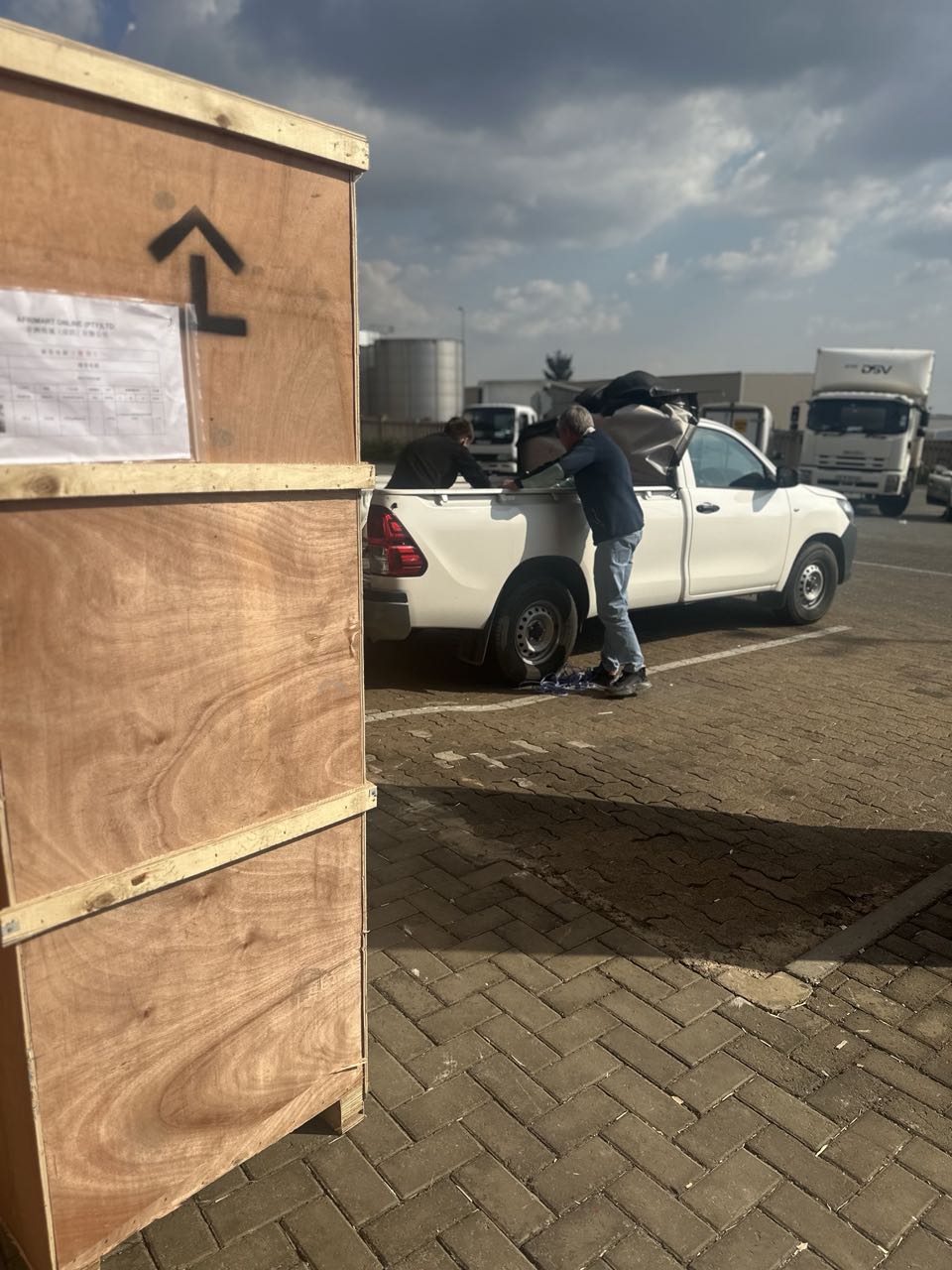
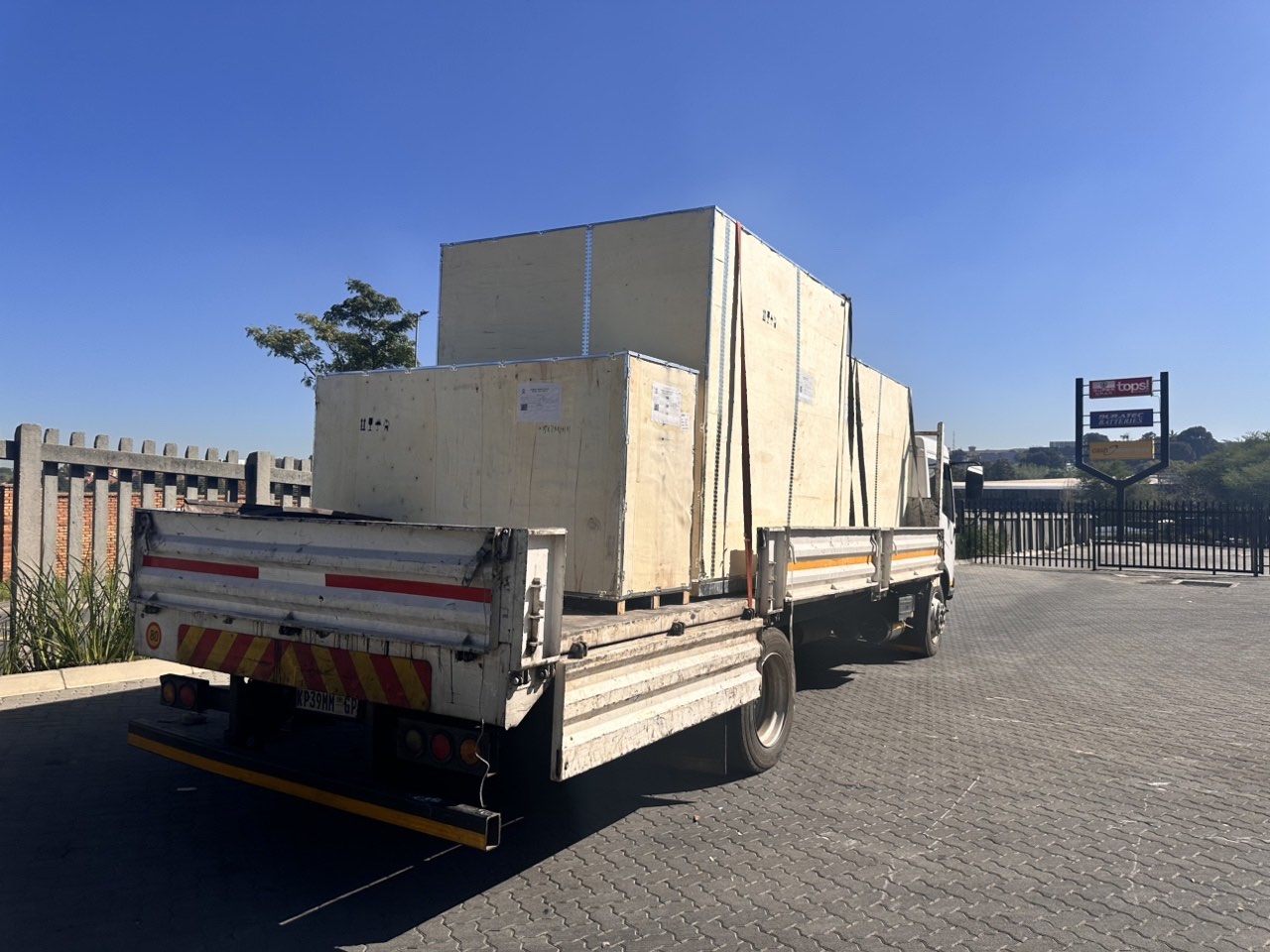
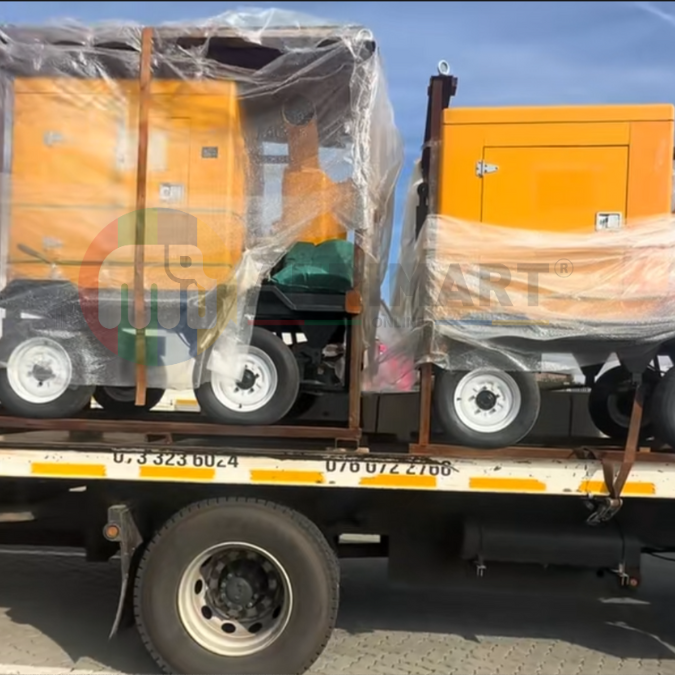
Discover our latest orders