B21, China Town Mall, Midrand

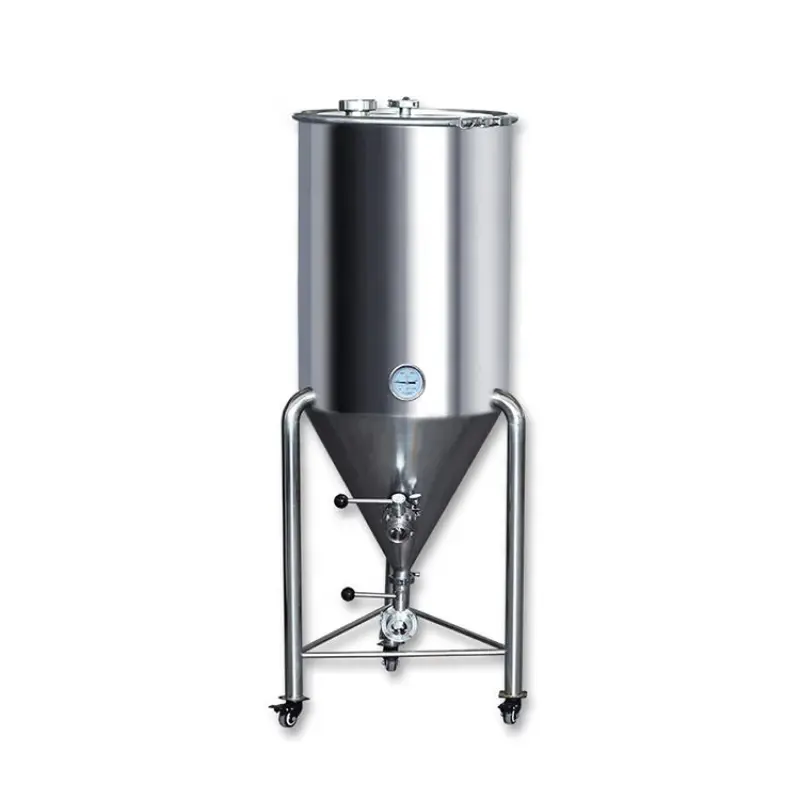
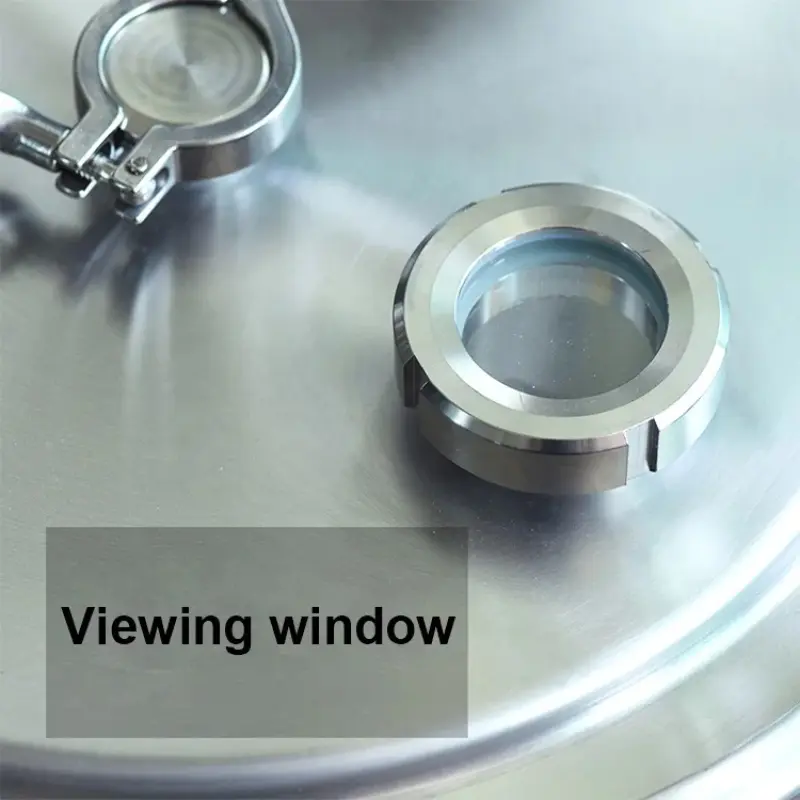
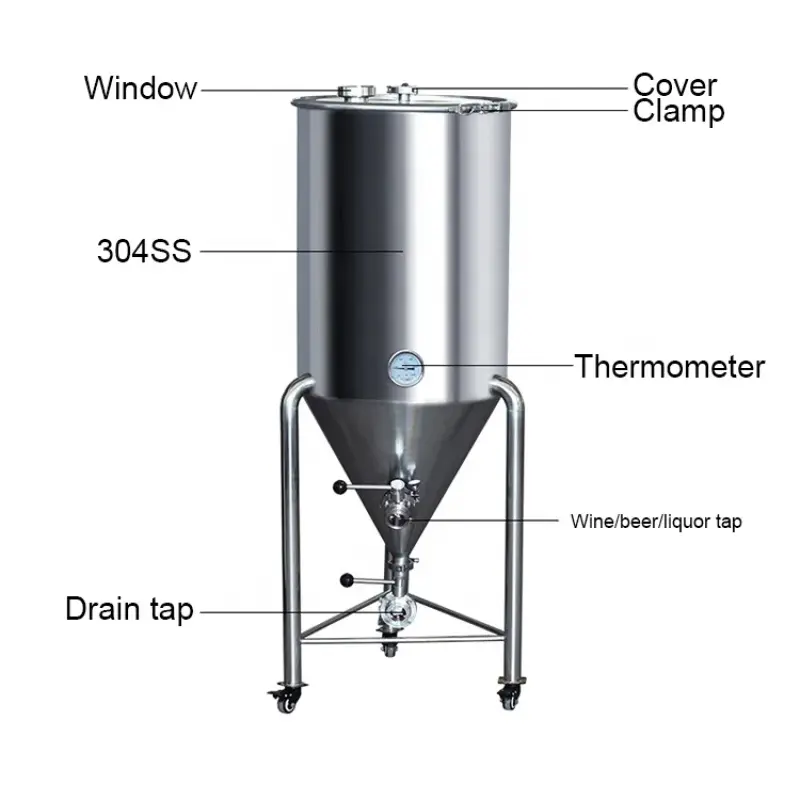
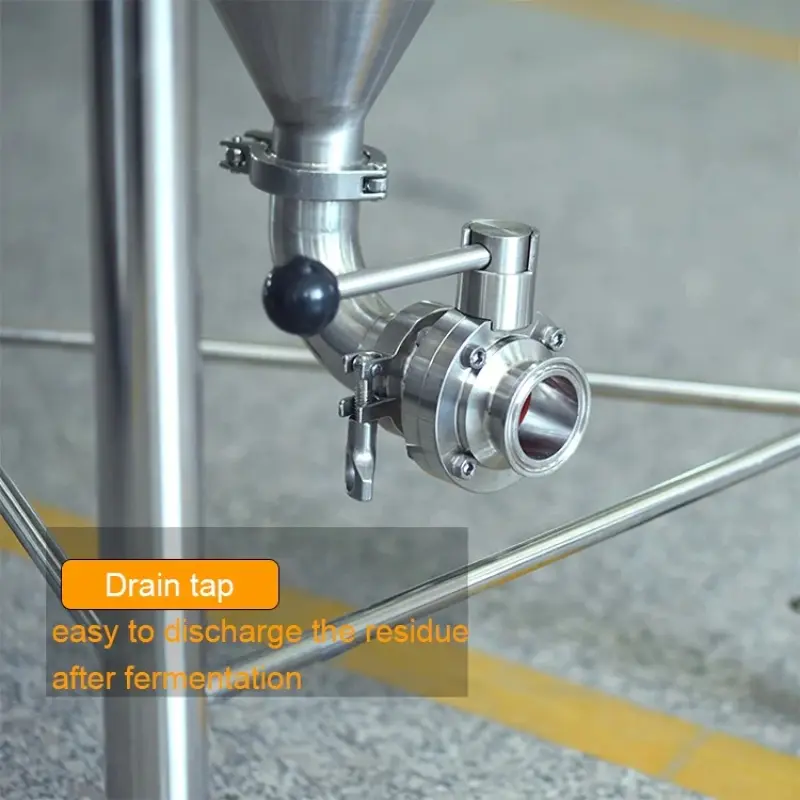
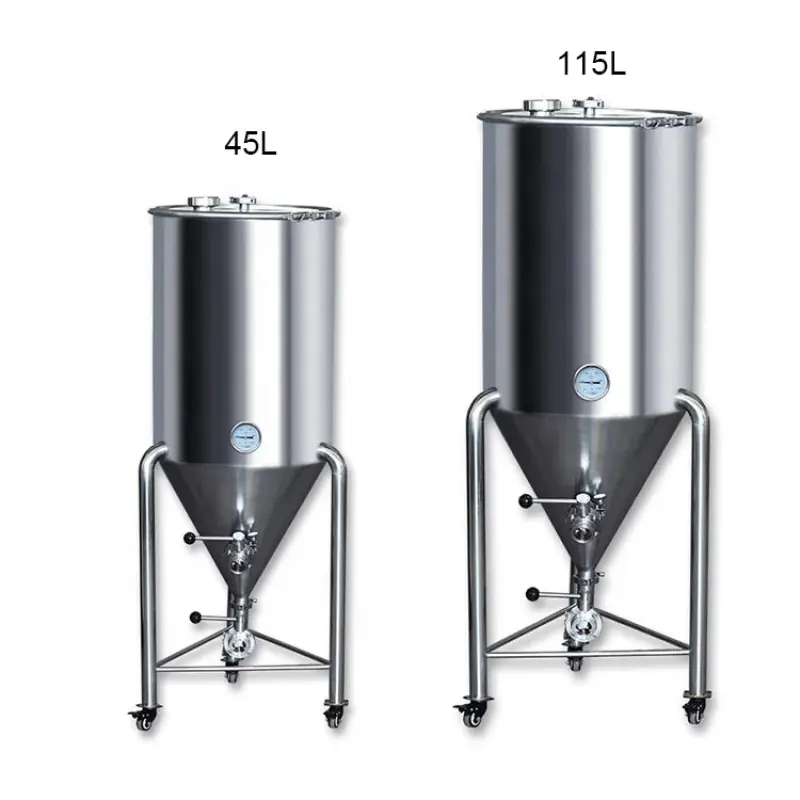
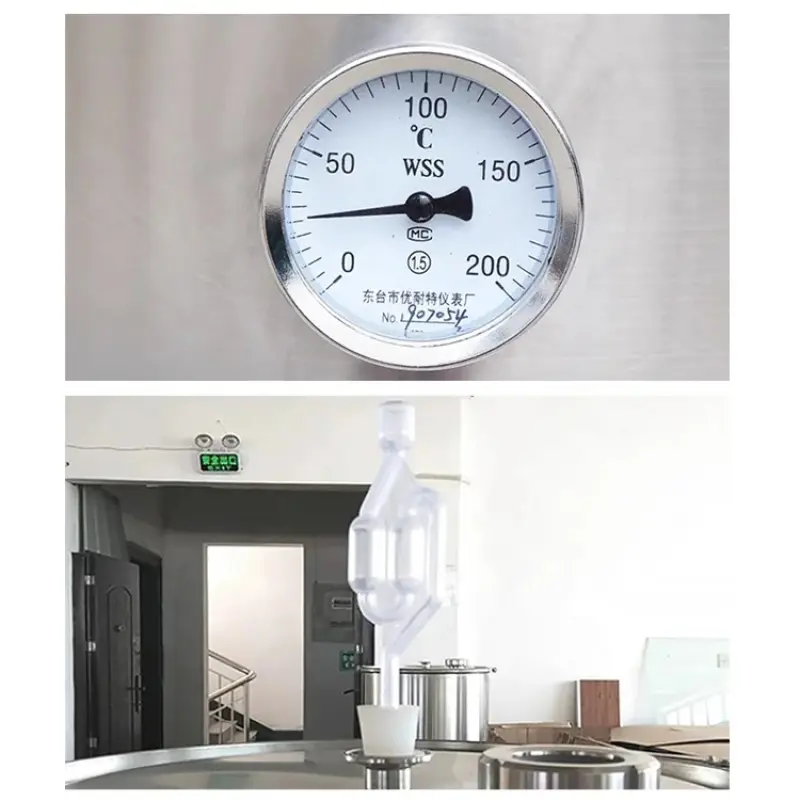
45L 115L Beer Brewing Equipments Stainless steel fermentation tank 304 SS Conical Fermenter

Capacity:
- Section : Machinery
- Category : Food & Beverage Machinery
- SKU : 1600909372619

| Model | DB-45 | DB-115 |
| Material | 304SS | 304SS |
| Capacity | 45L | 115L |
| Dimension | Dia 45*124cm | Dia 50*100cm |
| Weight | 20kg | 26kg |
| Suitable for | Wine, beer, whiskey |
Product Description


- Shipping Timeframes: All orders are processed within 2-5 business days (excluding weekends and holidays). After your order has been processed, the estimated delivery time is before 11 Dec, 2026, depending on customs, Please note that due to high demand, some items may experience longer shipping times, which will be communicated at order confirmation email.
- Order Processing Time: Please allow 2-5 business days for us to process your order before it is shipped . Orders placed after 16:00 on Fridays, or during weekends and public holidays, will begin processing on the next business day. Processing times may be extended during peak seasons or sales events.
- Manufacturing Time: Some products needs manufacturing time, the manufacturing process will take approximately 10-30 business days depending on the product. This timeframe may vary depending on the complexity of the product and current demand. but this will be communicated with you during order confirmation.
- Returns and Exchanges: We offer a 30-day return policy for most items. If you are not completely satisfied with your purchase, you may return it within 30 days of receipt for a refund or exchange. Items must be unused, in their original packaging, and accompanied by proof of purchase. Return shipping costs are the responsibility of the customer, unless the item was damaged or defective upon arrival.
1. What models and capacities are available for this conical fermenter?
This product is available in two models: DB-45 with a 45 L capacity and DB-115 with a 115 L capacity.
2. What material is the fermenter made from?
Both models are made from 304 stainless steel (304 SS), a food-grade, corrosion-resistant stainless commonly used in brewing equipment.
3. What are the physical dimensions and weights of each model?
DB-45: approximately Dia 45 x 124 cm, weight ~20 kg. DB-115: approximately Dia 50 x 100 cm, weight ~26 kg.
4. What beverages can I ferment in this tank?
These conical fermenters are suitable for fermenting beer, wine, and whiskey (distilling uses require compliance with local laws). They are designed for typical alcoholic fermentations.
5. Is the fermenter jacketed or does it include temperature control?
The standard description does not list an integrated jacket or cooling system. You can use external temperature control methods (e.g., glycol jacket retrofit, cooling jacket accessory, immersion chillers) or ask the seller about optional jacketed/custom versions.
6. Can I use this unit as a pressurized fermenter/carbonation vessel?
The listing does not specify a pressure rating. Do not use it for pressurized fermentation or carbonation unless the seller confirms a pressure rating or supplies pressure-rated fittings and certification. Spunding or carbonation should only be done with verified pressure-capable equipment.
7. What fittings, valves, and ports are included?
The product description does not specify included fittings. Typical conical fermenters include a bottom drain/valve, racking port, sampling valve, and airlock/bung port, but you should confirm with the supplier which fittings and sizes are supplied or available as options.
8. How do I harvest yeast and rack beer from this conical fermenter?
The conical shape funnels yeast and trub to the bottom. After primary fermentation slows, close the inlet, open the bottom valve (or dedicated dump port) to remove trub/harvest yeast, then rack beer from the racking port above the trub layer to a packaging keg or conditioning vessel.
9. How full should I fill the fermenter for safe fermentation?
Leave headspace for krausen and CO2. A common recommendation is to fill to about 70–80% of total capacity for vigorous fermentations. For wine or less vigorous ferments you may fill higher, but always allow headspace for foaming.
10. How should I clean and sanitize the stainless steel fermenter?
Rinse with hot water after use, then clean with a brewery-safe alkaline cleaner (e.g., PBW or caustic solution) to remove organic residues. Rinse thoroughly and sanitize with an acid sanitizer (e.g., Star San) prior to use. Avoid chlorine-based cleaners on stainless to prevent pitting and discoloration.
11. Is 304 stainless steel suitable for long-term contact with beer and wine?
Yes. 304 stainless steel is widely used in the brewing and food industries and is suitable for long-term contact with beer, wine, and spirits when properly cleaned and maintained.
12. Can I retrofit or add accessories like a thermometer, spunding valve, or CIP arm?
Many fermenters can be fitted with additional ports and accessories. Check with the supplier for available port sizes and customization options (thermowells, spunding valves, sample valves, CIP spray balls). Ensure any modifications maintain sanitary welds and seals.
13. How should the fermenter be installed and supported?
Place the fermenter on a level, sturdy surface that can support its full weight when filled. Use the built-in legs, stand, or a purpose-built rack. Avoid tilting when full; follow the supplier's installation guidance for stability and access to valves.
14. Do these fermenters come with certifications or food-safety documentation?
The description lists 304 SS material, which is commonly food-grade, but it does not list specific certifications. If you require certificates (e.g., material test report, FDA contact, or EU/CE compliance), request documentation from the supplier before purchase.
15. What warranty, shipping, and support information should I expect?
Warranty, shipping packaging, and after-sales support vary by seller. Confirm warranty length, what it covers (material/ workmanship), shipping weight/packaging, and availability of replacement parts or technical support with the vendor prior to purchasing.
Latest Order Arrivals
Discover our latest orders

12 Heads Embroidery Machine

Toilet Paper Machine Machine

Order Collection

Cross Border Clients

Order cros border countries Collected

Industrial Machine Cllection

Agriculture Processing Machines

Ready for collection

Water Pump Equipment

Packaging Machine and accessories

Fabrics Manufacturing Equipment

Mining Equipments

Food Processing Machine

Batch of Orders

Batch of Orders

Latest Orders Labelled

wheel alignment machines

new arrivals

Pre Orders Offloading

Latest Arrivals

Latest Arrivals

Latest Arrivals

Loading

Toilet paper making machine

Toilet paper making machine

Toilet paper Rewinding Machine

latest arrivals

offloading

order success

order collection

order offloading