B21, China Town Mall, Midrand

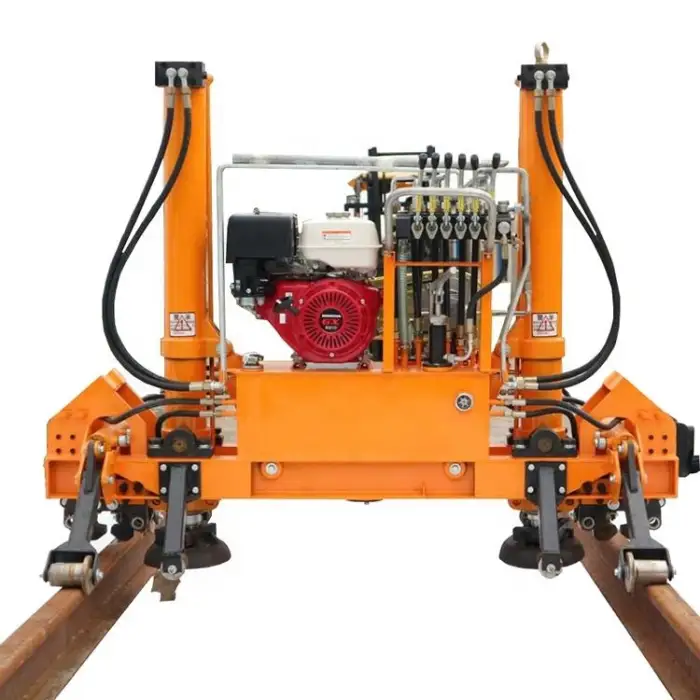
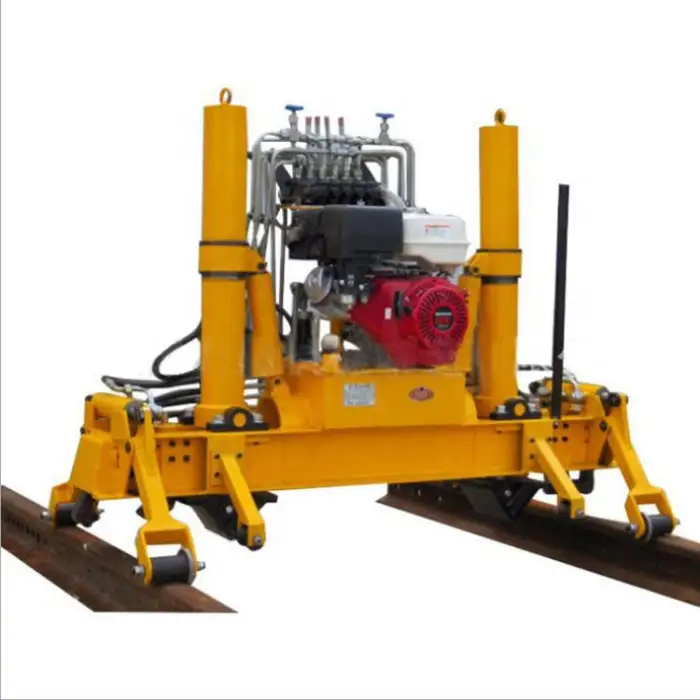
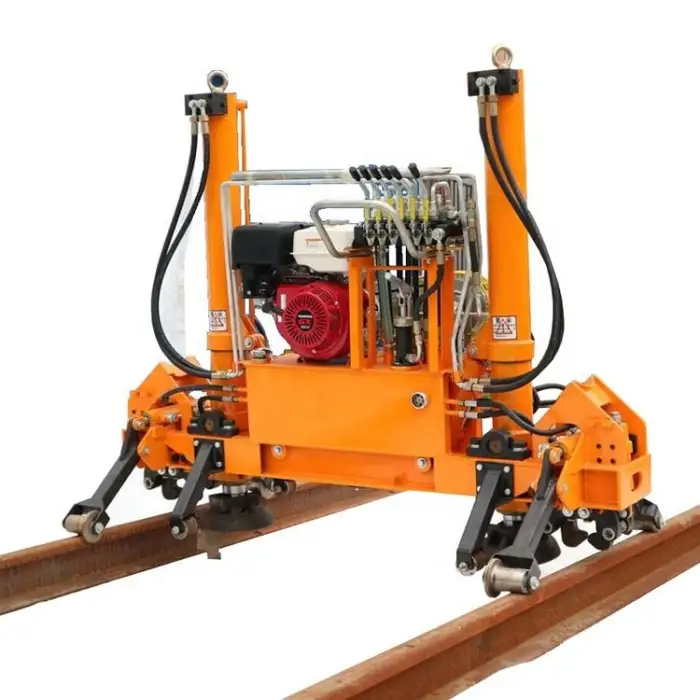
350N Hydraulic Track/Rail Lifting and Lining Machine
Asset finance available
Do you want funding for this equipment?
Afrimart can connect you with trusted funding partners who specialise in asset finance for businesses like yours. Compare options and apply in minutes — final approval is subject to provider review.
Check funding options
Secure & no obligation
- Section : Machinery
- Category : Industrial Machinery
- SKU : 1600579535485

350N Hydraulic Track/Rail Lifting and Lining Machine
The 350N Hydraulic Track/Rail Lifting and Lining Machine is a powerful tool designed for efficient lifting and aligning of railway tracks. With its robust engine and high lifting force, this machine is perfect for various track maintenance tasks. Its advanced hydraulic system ensures smooth operation, making it an essential equipment for railways and construction sites.
Specifications
| Attribute | Details |
|---|---|
| Model | YQBJ-300*200 |
| Engine Power | 9.6 kW |
| System Working Pressure | 19.5 MPa |
| Maximum Lifting Force | 150 kN × 24 |
| Maximum Starting Distance | 800 mm |
| Maximum Derailment Force | 115 kN |
| Track Clearance | 200 mm/time |
| Hand Pump Handle Operating Force | 200 N • m |
| Dimensions | 1920 × 850 × 1310 (mm) |
| Weight (excluding lower track frame) | 470 kg |
Key Features
- Powerful 9.6 kW engine for efficient operation.
- High lifting capacity of 150 kN for heavy tracks.
- Compact size for easy maneuverability.
- Advanced hydraulic system for smooth lifting and lining.
- User-friendly hand pump for easy operation.
Applications
- Railway track installation and maintenance.
- Track alignment and lifting tasks.
- Emergency derailment recovery operations.
- Construction and repair of rail systems.
- Support for infrastructure projects involving railways.
Product Info Gallery
- Shipping Timeframes: All orders are processed within 2-5 business days (excluding weekends and holidays). After your order has been processed, the estimated delivery time is before 30 Nov, 2026, depending on customs, Please note that due to high demand, some items may experience longer shipping times, which will be communicated at order confirmation email.
- Order Processing Time: Please allow 2-5 business days for us to process your order before it is shipped . Orders placed after 16:00 on Fridays, or during weekends and public holidays, will begin processing on the next business day. Processing times may be extended during peak seasons or sales events.
- Manufacturing Time: Some products needs manufacturing time, the manufacturing process will take approximately 10-30 business days depending on the product. This timeframe may vary depending on the complexity of the product and current demand. but this will be communicated with you during order confirmation.
- Returns and Exchanges: We offer a 30-day return policy for most items. If you are not completely satisfied with your purchase, you may return it within 30 days of receipt for a refund or exchange. Items must be unused, in their original packaging, and accompanied by proof of purchase. Return shipping costs are the responsibility of the customer, unless the item was damaged or defective upon arrival.
1. What is the 350N Hydraulic Track/Rail Lifting and Lining Machine?
The 350N Hydraulic Track/Rail Lifting and Lining Machine (Model YQBJ-300*200) is a hydraulic-powered machine designed for lifting, aligning (lining) and performing maintenance on railway tracks, as well as for emergency derailment recovery and other rail construction tasks.
2. What are the key specifications of this machine?
Key specifications include: Model YQBJ-300*200; engine power 9.6 kW; system working pressure 19.5 MPa; listed maximum lifting force 150 kN × 24; maximum starting distance 800 mm; maximum derailment force 115 kN; track clearance 200 mm per operation; hand pump handle operating torque 200 N·m; dimensions 1920 × 850 × 1310 mm; weight 470 kg (excluding lower track frame).
3. What does '150 kN × 24' (maximum lifting force) mean?
The specification '150 kN × 24' indicates multiple lifting units or points each rated at 150 kN as specified by the manufacturer. It likely refers to a modular/combined lifting configuration. For an exact interpretation of the total combined capacity and configuration, consult the manufacturer or technical manual.
4. Which rail types and gauges is this machine compatible with?
The machine is designed for standard railway track installation, maintenance and recovery tasks. Compatibility with specific rail profiles and gauges depends on the lower track frame and accessories used. Confirm compatibility with your rail profile and gauge with the supplier or in the technical documentation before use.
5. How is the machine powered and how does the hydraulic system operate?
The unit is powered by a 9.6 kW engine driving an advanced hydraulic system operating at up to 19.5 MPa. The hydraulic system powers the lifting and lining functions for smooth, controlled movements. A user-operated hand pump with 200 N·m torque is provided for manual control where required.
6. What basic steps should be followed to operate the machine safely?
Basic operation steps: (1) Position and stabilize the machine on level track; (2) Secure the rail and install any required supporting fixtures; (3) Start the engine and check hydraulic pressure gauges; (4) Engage the lifting/lining functions slowly while monitoring loads; (5) Perform alignment adjustments; (6) Lower and re-secure the track before clearing the machine. Always follow the official operation manual and site safety procedures.
7. What safety precautions should operators follow?
Safety precautions: only trained personnel should operate the machine; wear proper PPE (helmet, gloves, safety boots, eye protection); never exceed rated capacities; keep clear of pinch points and suspended loads; inspect hydraulic hoses and fittings before use; use stable supports and track blocks; relieve hydraulic pressure before maintenance; follow local railway safety rules and lockout/tagout procedures.
8. What routine maintenance does the machine require?
Routine maintenance includes: daily visual checks for leaks or damage; check and top up hydraulic fluid and engine oil per schedule; replace filters as recommended; inspect hoses, seals and fittings; check fasteners and structural parts; exercise controls and test safety devices; perform scheduled engine servicing. Follow the manufacturer maintenance manual for intervals and fluid specifications.
9. What is the maximum vertical movement per cycle?
The listed track clearance is 200 mm per operation (200 mm/time). For multi-stage lifts or combined operations consult the technical manual or manufacturer for safe operating procedures and limits.
10. What does 'maximum starting distance 800 mm' refer to?
The 'maximum starting distance 800 mm' refers to the maximum initial travel or stroke range the unit can achieve as specified by the manufacturer. For details about stroke configuration and how it applies to your specific setup, refer to the product manual or contact the manufacturer.
11. Can this machine be used for emergency derailment recovery?
Yes — the machine is suitable for derailment recovery operations, but such use must be performed by trained rail recovery teams following established emergency procedures, safety protocols and any site-specific rules.
12. How should the machine be transported and stored?
Transport using appropriate lifting equipment or vehicle rated for the unit weight (470 kg excluding lower frame) and secure with certified tie-downs. Use designated lifting points and protect hydraulic components. For storage: clean the machine, drain or stabilize hydraulic pressure per instructions, store in a dry covered area, and follow manufacturer guidance for long-term preservation.
13. What accessories or spare parts are typically available?
Common accessories and spare parts may include lower track frames/adapters for different rail profiles, hydraulic hoses and fittings, spare seals and valves, chocks and slings, and service kits. Availability varies by supplier — contact the manufacturer or dealer to confirm compatible accessories and recommended spare parts.
14. What training or certifications are recommended for operators?
Operators should receive training in hydraulic equipment operation, railway track maintenance and site-specific safety procedures. Training should cover safe lifting practices, machine controls, emergency shut-down, inspection and basic maintenance. Some regions may require certified heavy equipment operator qualifications or railway-specific credentials.
15. Is warranty or technical support included?
Warranty terms and technical support vary by manufacturer and supplier and are not specified here. Contact the supplier or manufacturer for warranty details, service plans and availability of technical support and authorized service centers.
Latest Order Arrivals
Discover our latest orders
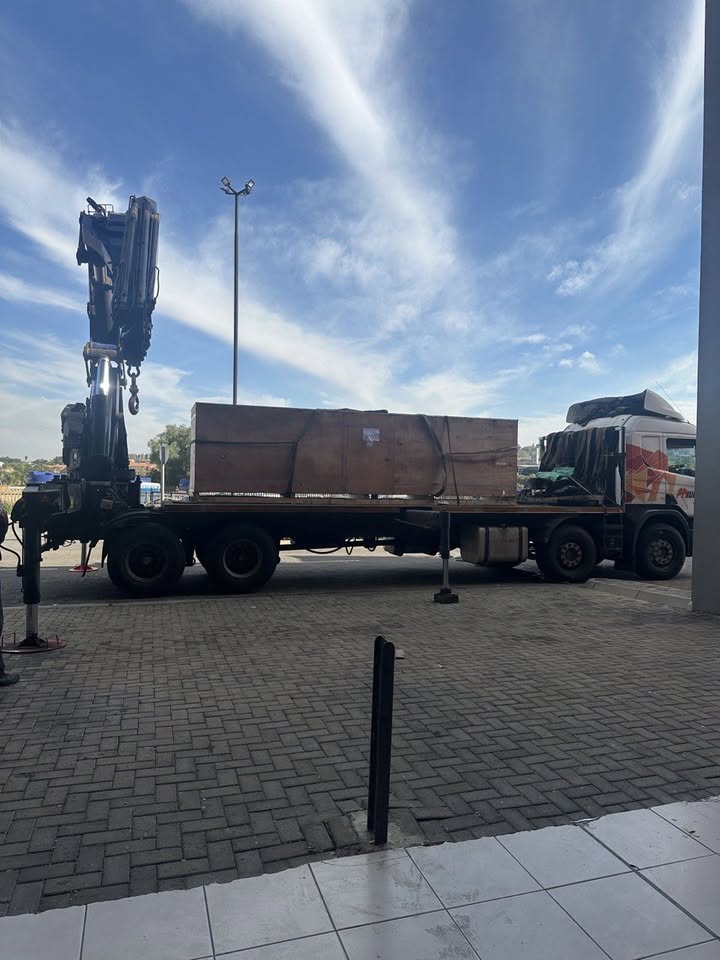
12 Heads Embroidery Machine
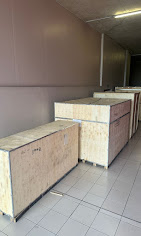
Toilet Paper Machine Machine
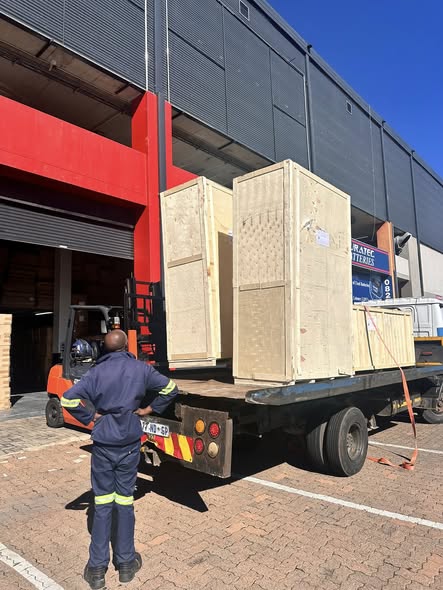
Order Collection
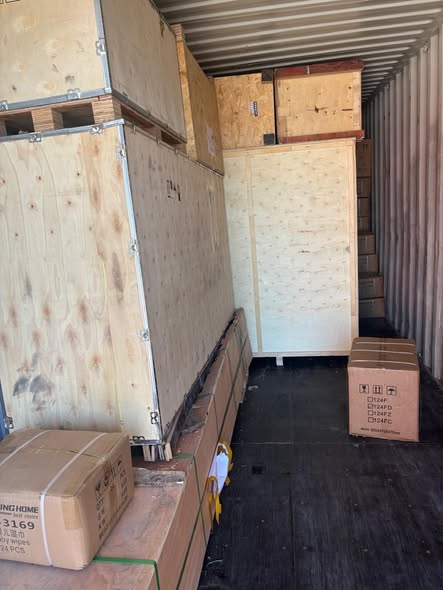
Cross Border Clients
Order cros border countries Collected
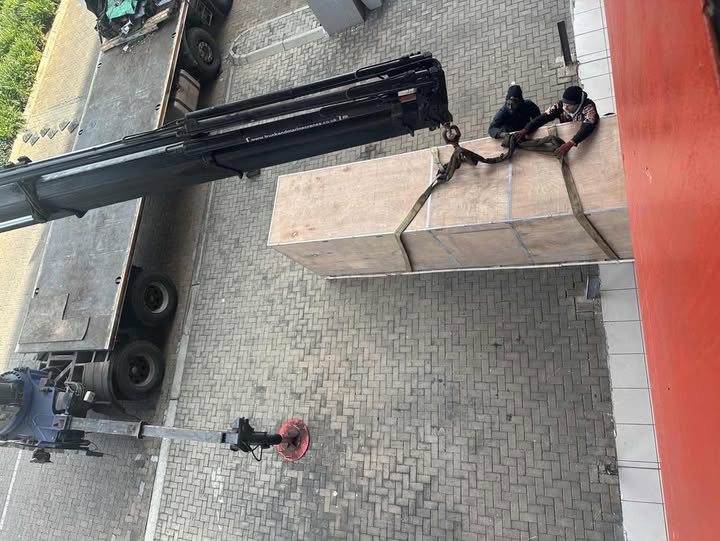
Industrial Machine Cllection
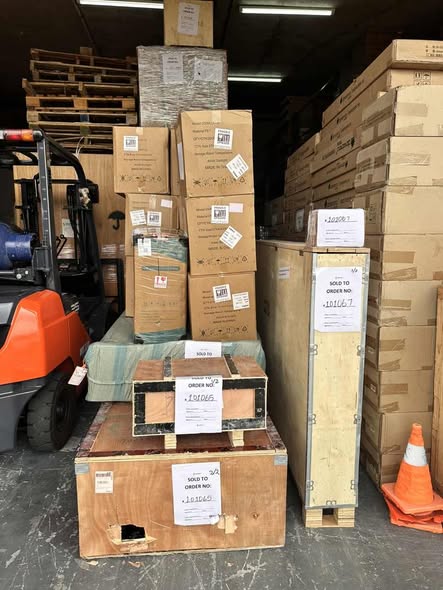
Agriculture Processing Machines
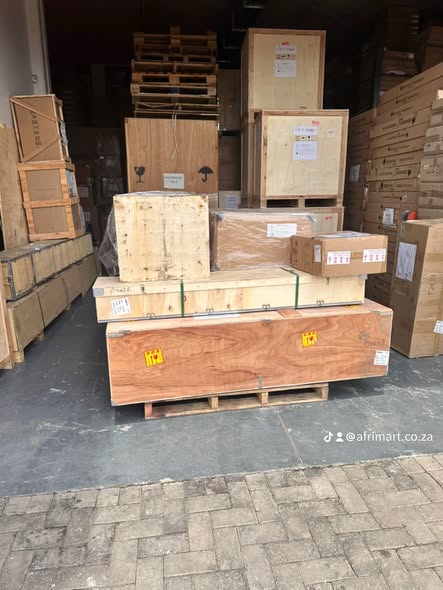
Ready for collection
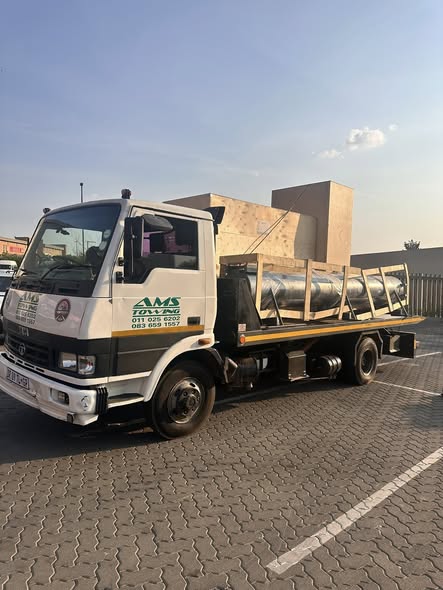
Water Pump Equipment
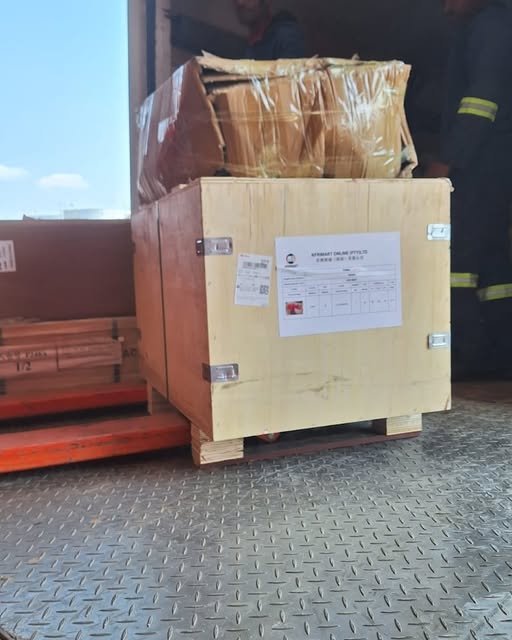
Packaging Machine and accessories
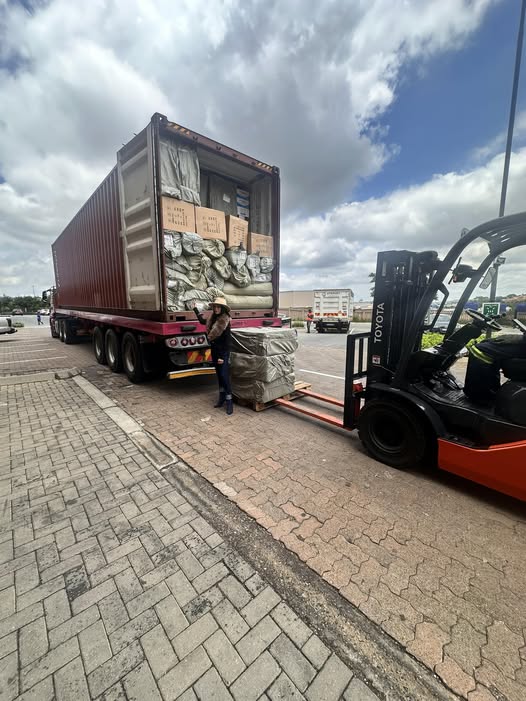
Fabrics Manufacturing Equipment
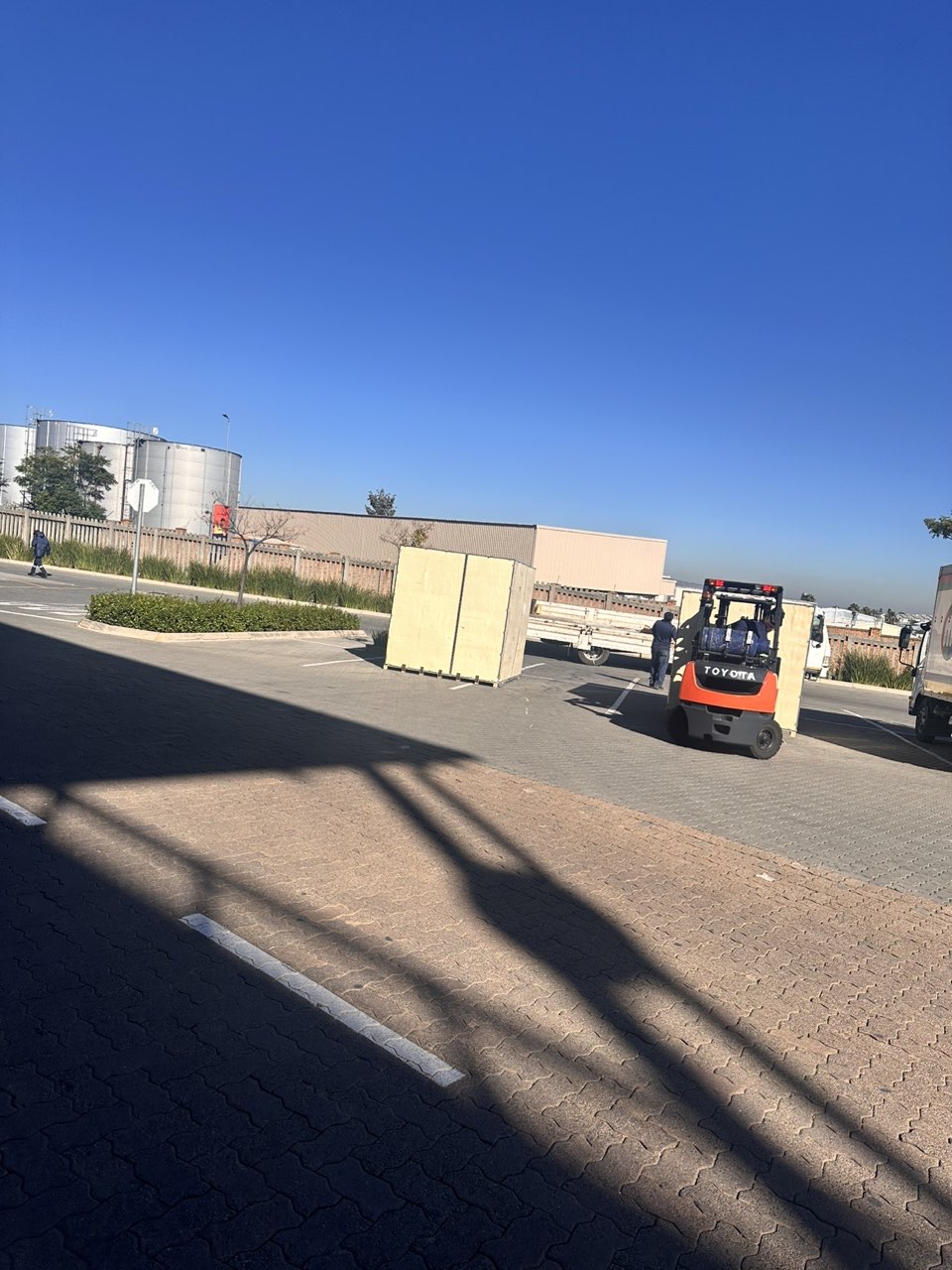
Mining Equipments
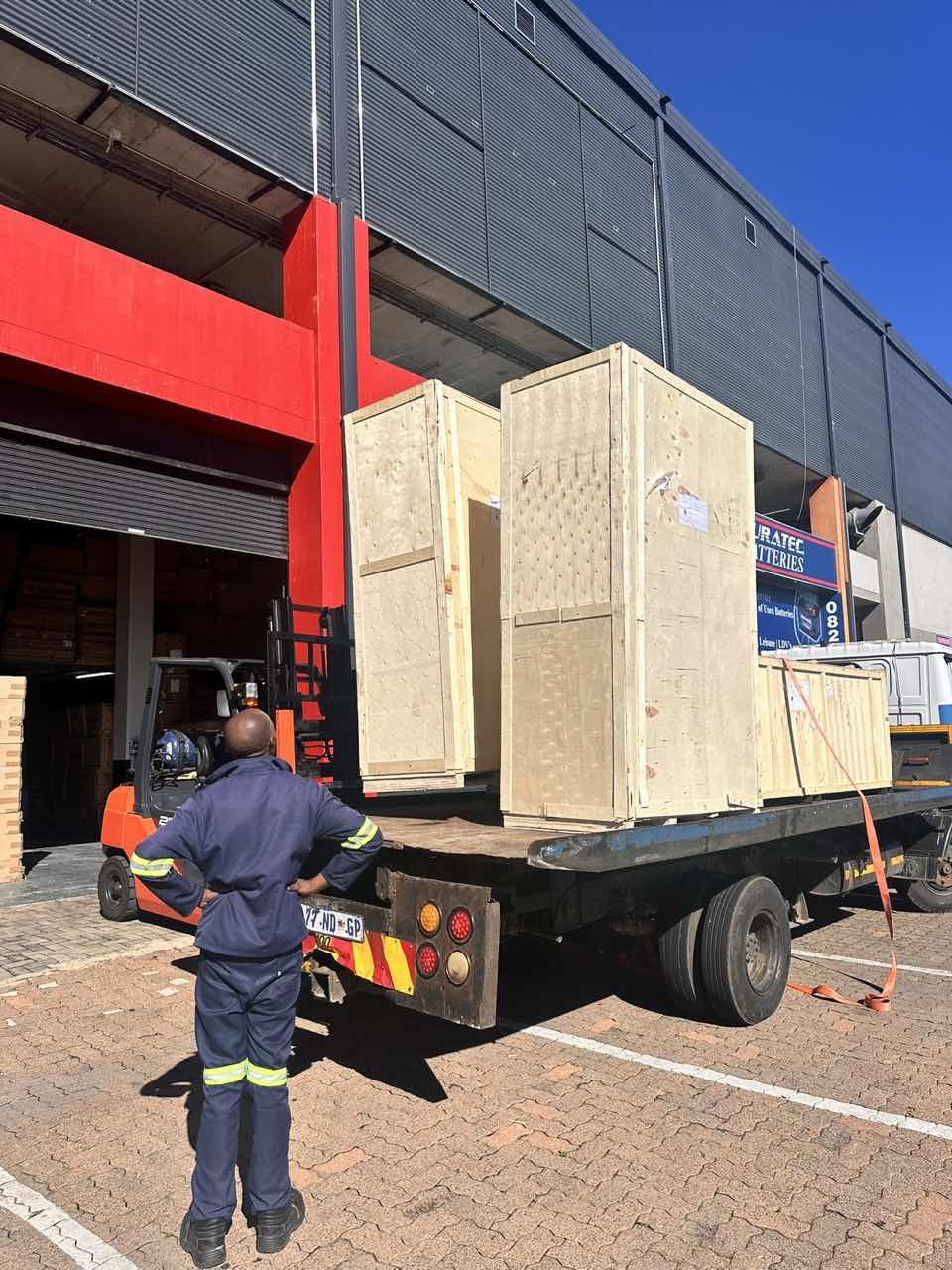
Food Processing Machine
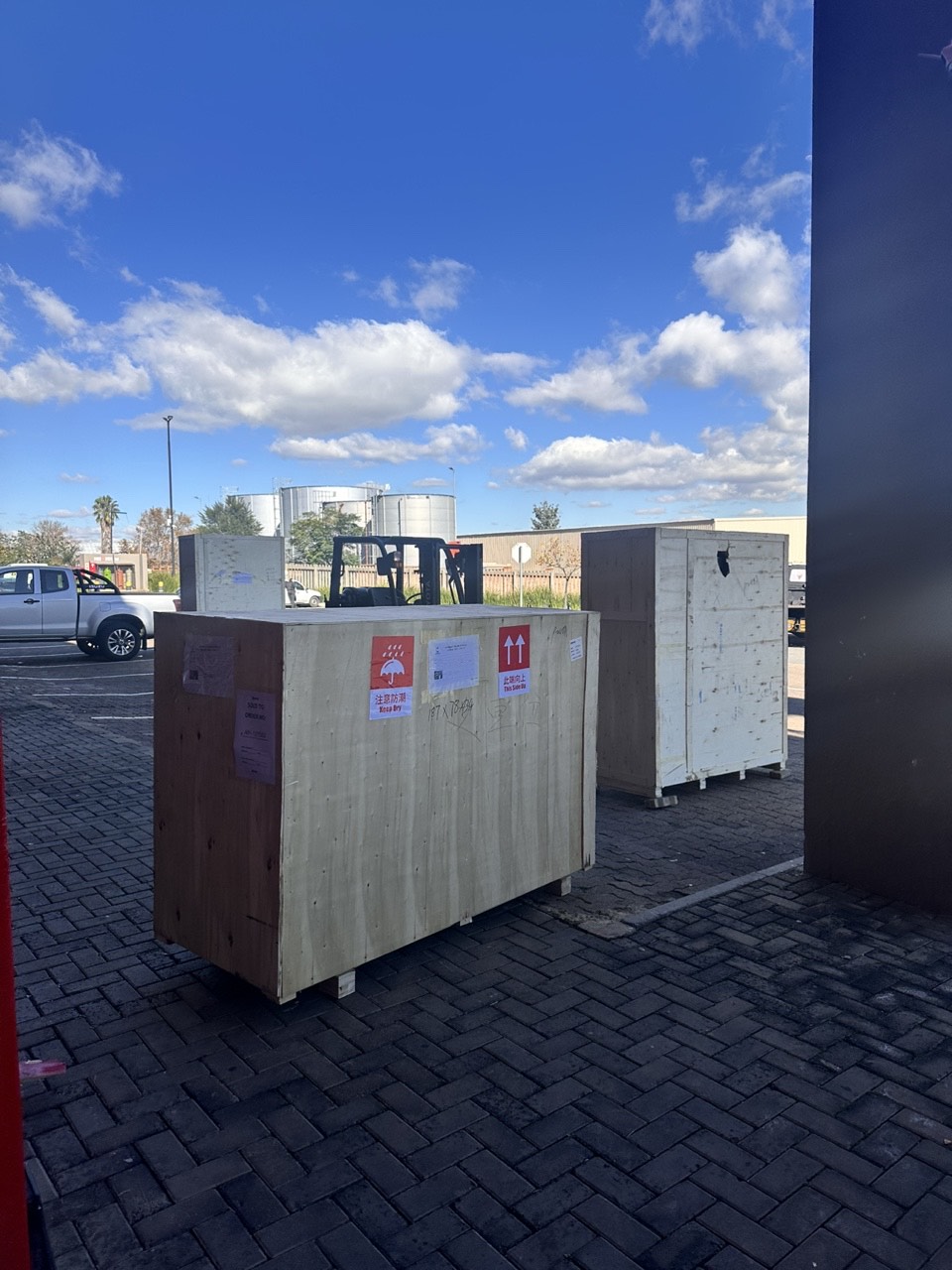
Batch of Orders
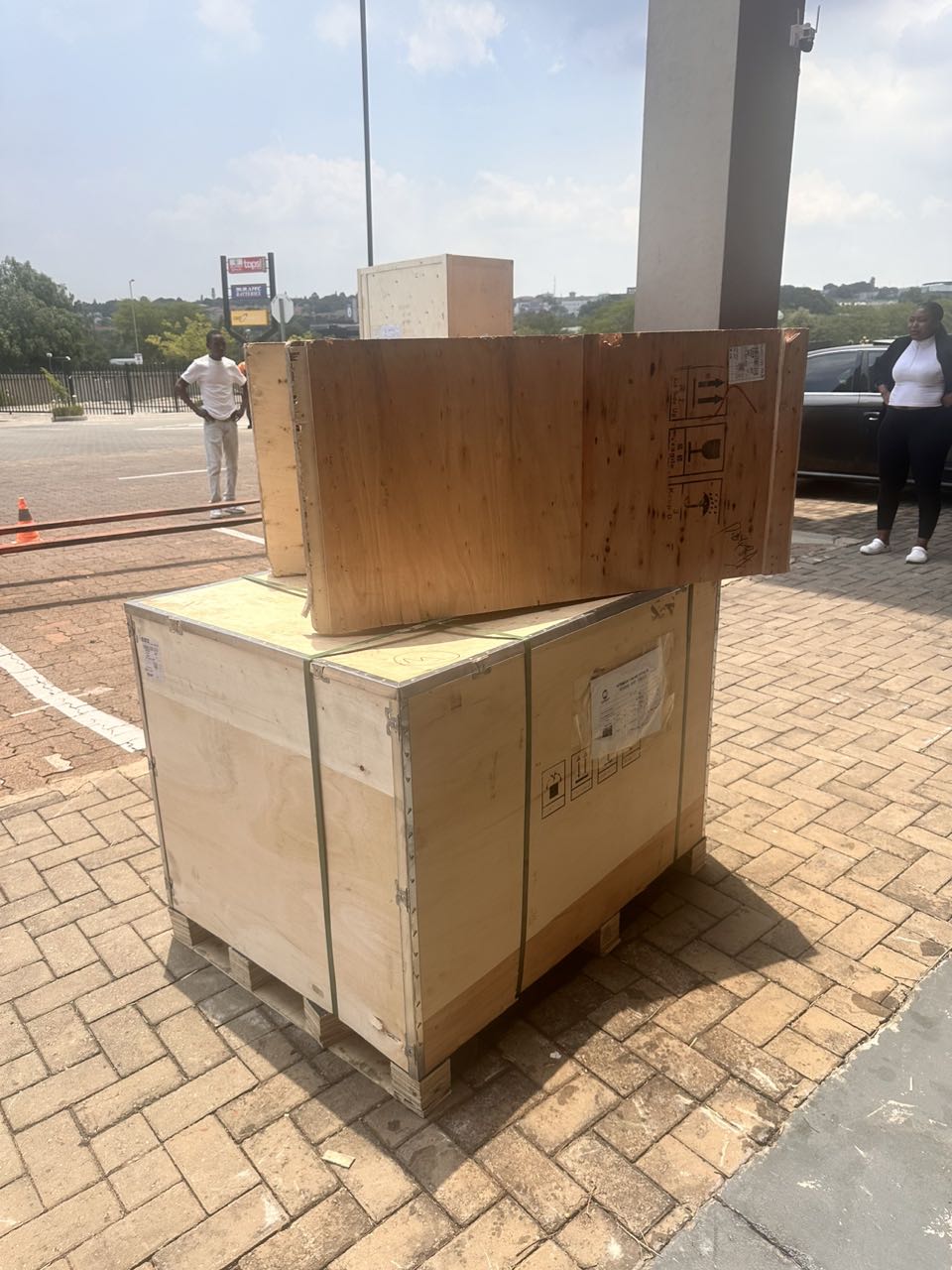
Batch of Orders
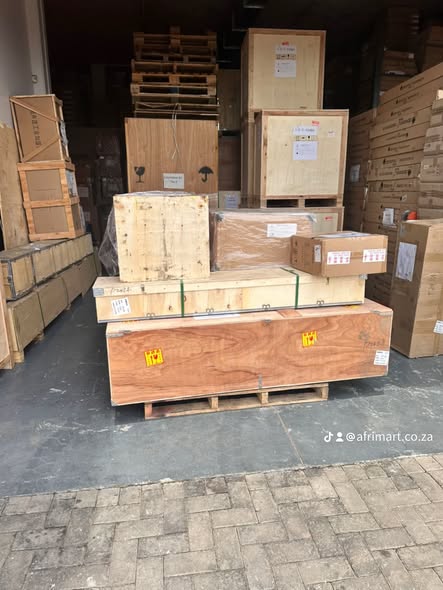
Latest Orders Labelled
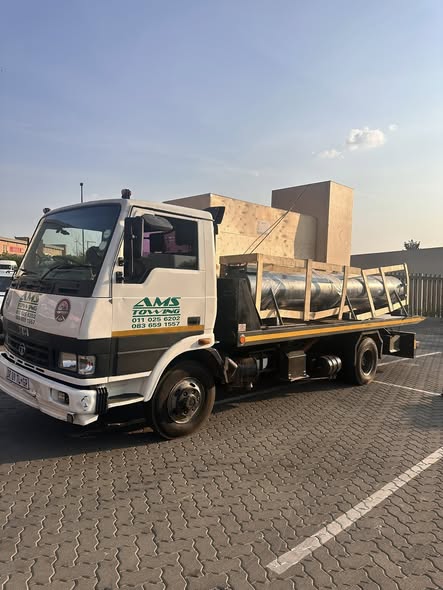
wheel alignment machines
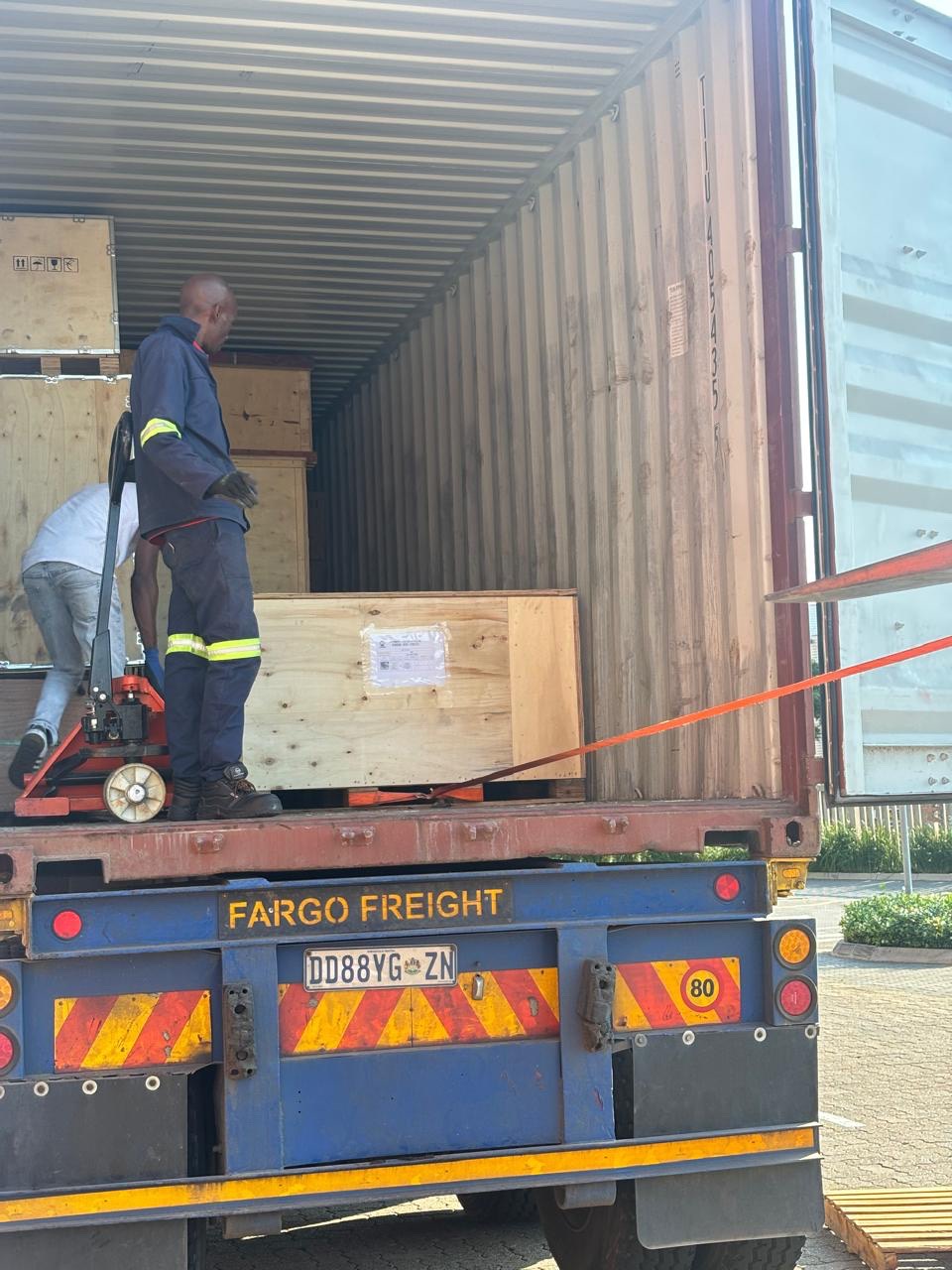
new arrivals
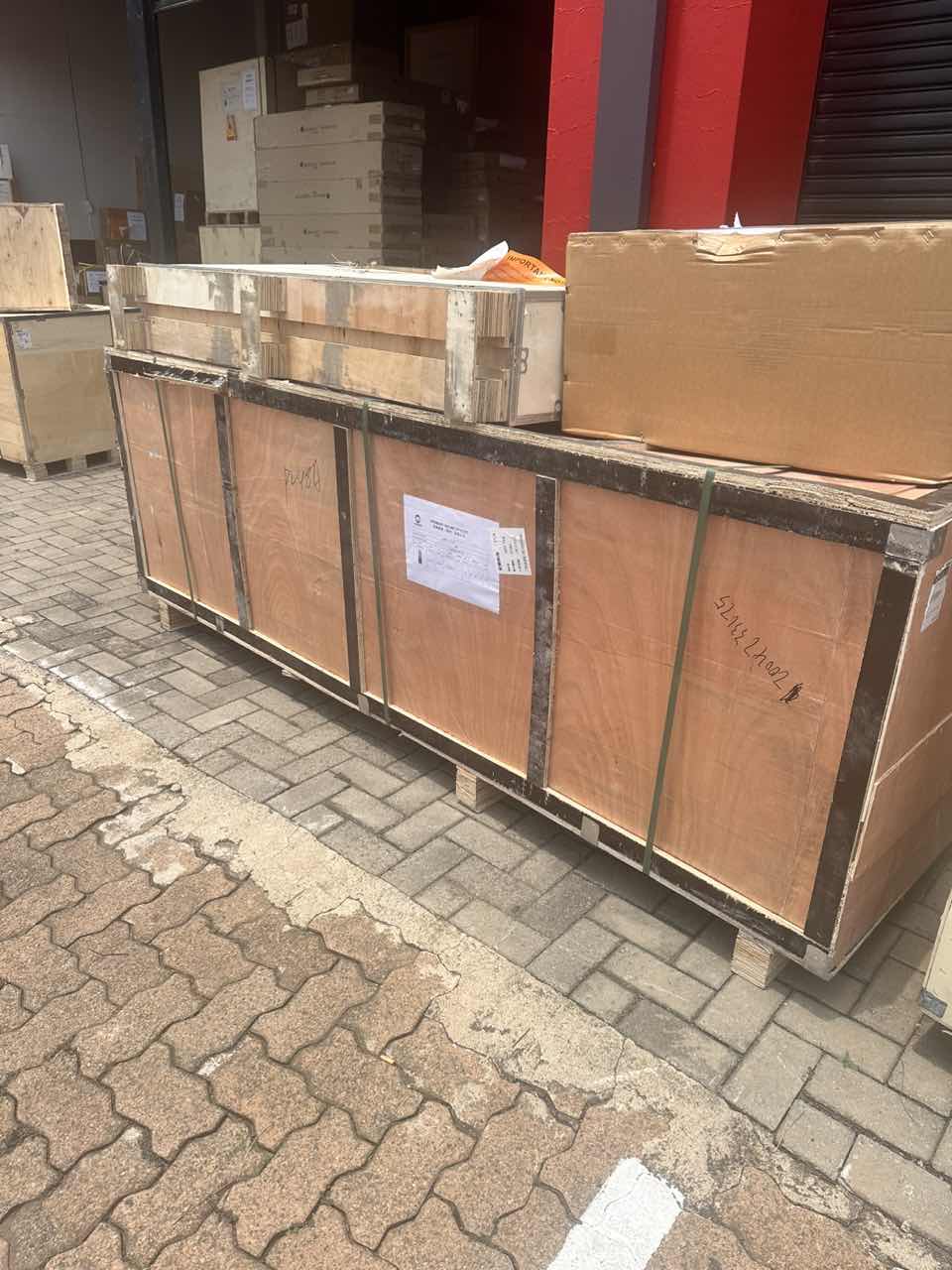
Pre Orders Offloading
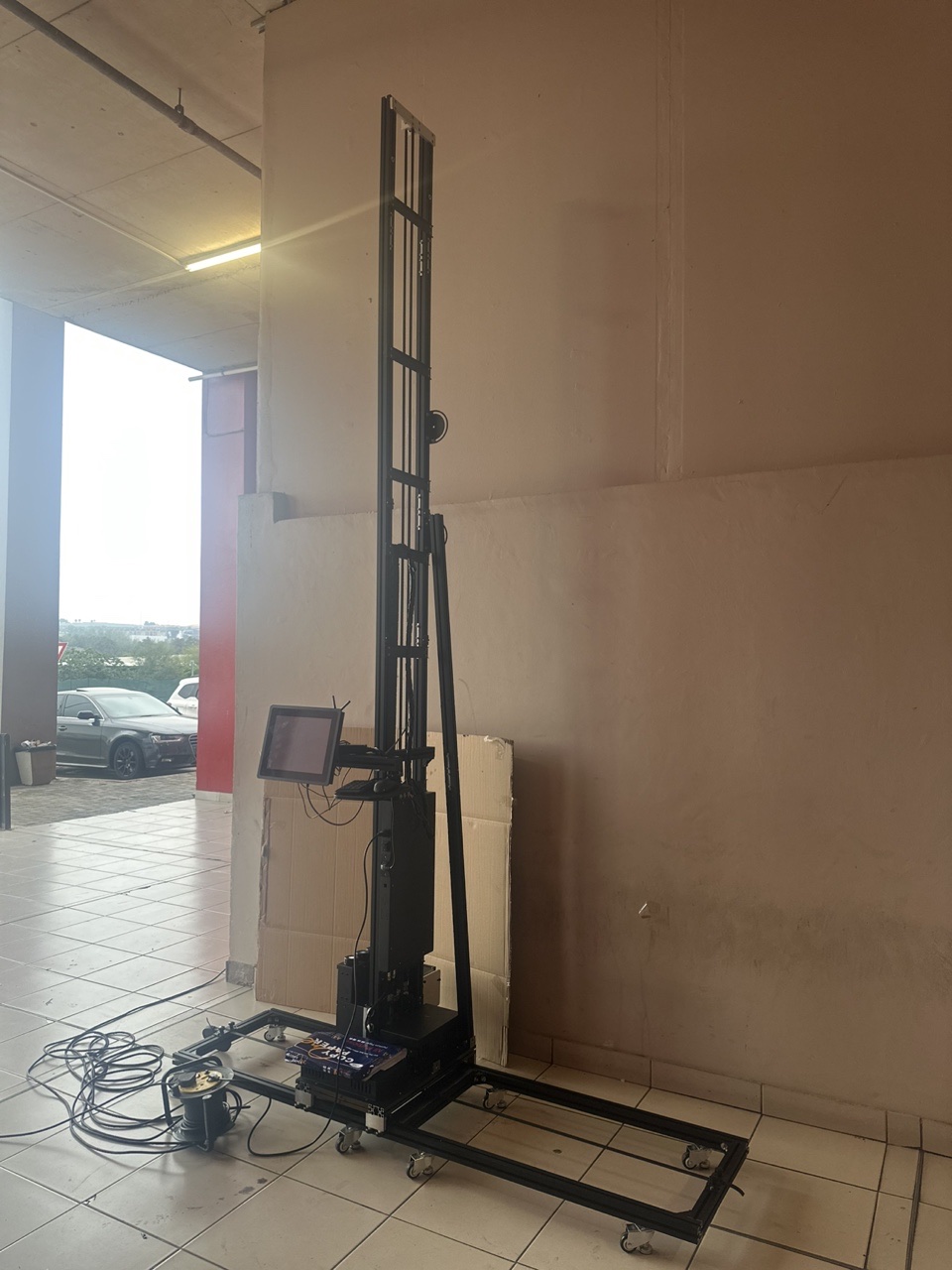
Latest Arrivals
Latest Arrivals
Latest Arrivals
Loading
Toilet paper making machine
Toilet paper making machine
Toilet paper Rewinding Machine
latest arrivals
offloading
order success
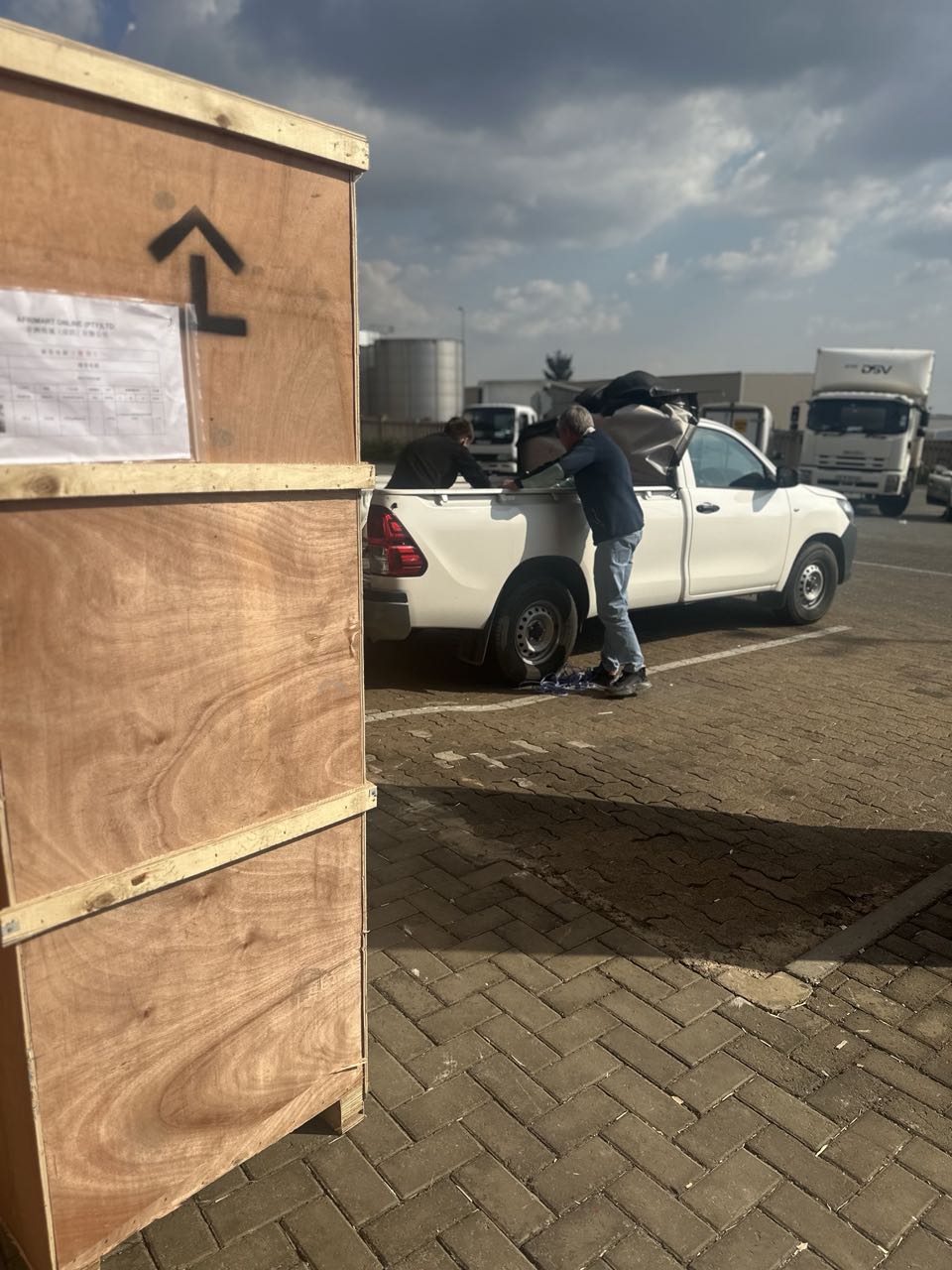
order collection
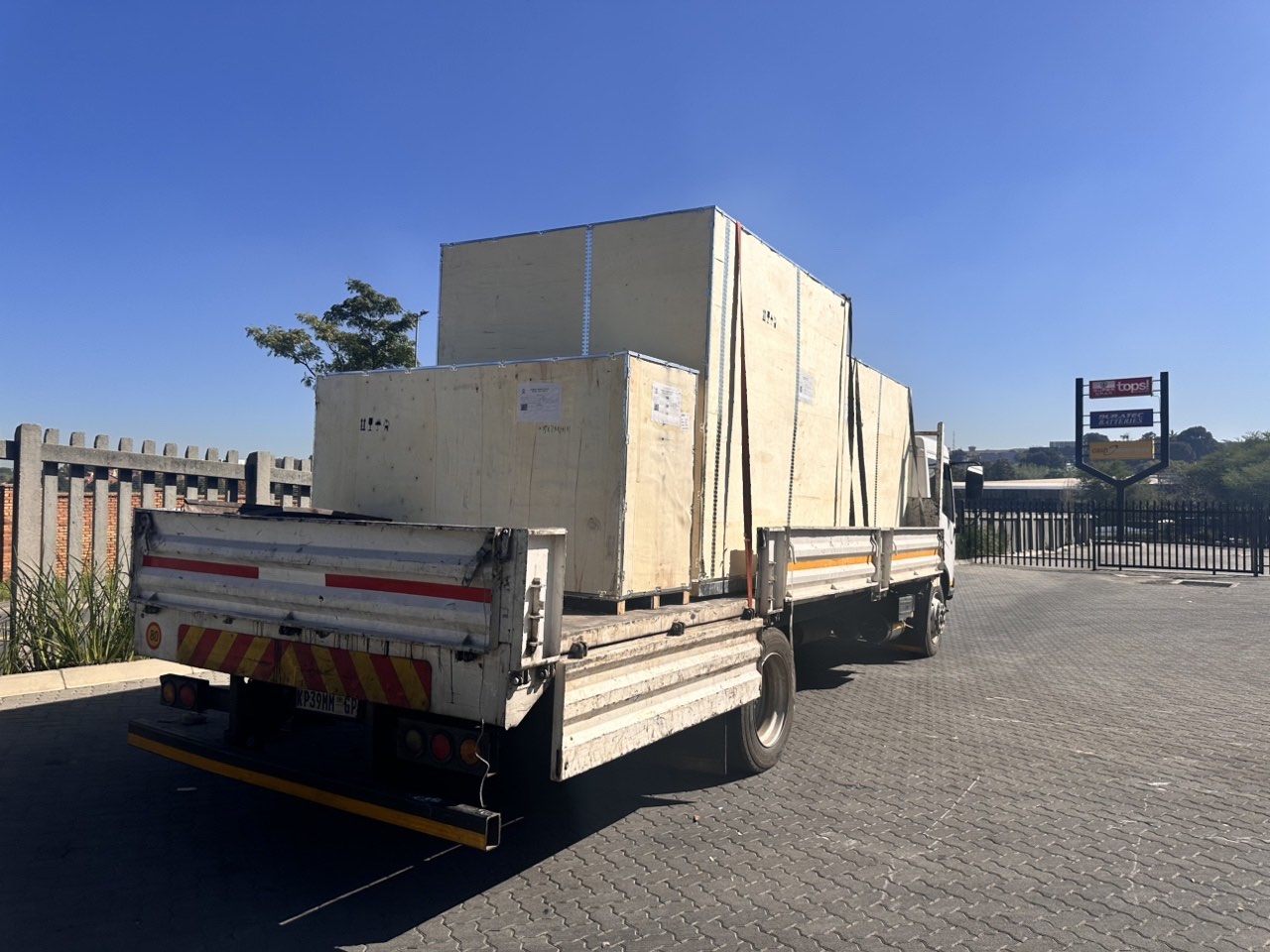
order offloading