B21, China Town Mall, Midrand

 Building Boards & Insulation
 Coated & Treated Products
Decorative Building Materials
EPDM/PVC/TPO Membrane
Coated & Treated Products
Decorative Building Materials
EPDM/PVC/TPO Membrane
 Flat Products (Sheets, Plates & Coils)
Gabion mesh
Geocell
Geogrid
Geomembrane Welding machine
HDPE Geomembrane
HDPE Geomembrane
Hdpe/Pvc Pipe
Industrial Hardware & Fasteners
LDPE LLDPE Geomembrane
Luxury Wall Panels
Nonwoven Geotextile
Other Geosynthetics
Pipe Floater
Pipeline & Fluid Systems
Pipes & Hollow Sections
PVC Ceilings
PVC Cornices
PVC Suspended Ceilings
PVC Wall Panels
Roofing & Cladding
Roofing & Corrugated Sheets
Rubber Hose
SPC Flooring
Strips & Bars
Structural Steel & Profiles
Flat Products (Sheets, Plates & Coils)
Gabion mesh
Geocell
Geogrid
Geomembrane Welding machine
HDPE Geomembrane
HDPE Geomembrane
Hdpe/Pvc Pipe
Industrial Hardware & Fasteners
LDPE LLDPE Geomembrane
Luxury Wall Panels
Nonwoven Geotextile
Other Geosynthetics
Pipe Floater
Pipeline & Fluid Systems
Pipes & Hollow Sections
PVC Ceilings
PVC Cornices
PVC Suspended Ceilings
PVC Wall Panels
Roofing & Cladding
Roofing & Corrugated Sheets
Rubber Hose
SPC Flooring
Strips & Bars
Structural Steel & Profiles
 Camera & Photo
 Chargers, Batteries & Power Supplies
 Commercial Equipment
 Home Audio & Video
 Portable Audio
 Printing Equipment
 Professional Audio
 Security & Protection
 Testing Equipment
 Advertising Boards
 Advertising Inflatables
 Advertising Light Boxes
 Commercial Fryers
 Computer Hardware & Software
 Digital Signage and Displays
 Display Racks
 Food Trucks
 Ice Cream Machines
 Interactive Boards
 Photo Booths
 Projectors & Presentation Equipments
 Refrigeration Equipment
 Supermarket Shelves
 Vending Machines
 Bedroom Furniture
 Commercial Furniture
 Decorations
 Dining Room Furniture
 Kitchen Furniture
 Living Room Furniture
 Office Furniture
 Agriculture Machinery
 Apparel Machinery
 Chemical Machinery
 Cleaning Equipment
 Construction Machinery
 Environmental Machinery
 Food & Beverage Machinery
 Industrial Machinery
 Machine Tool Equipment
 Machinery Accessories
 Material Handling
 Packaging Machines
 Brick Making Machinery
 Concrete Mixers
 Concrete Pumps
 Crushers
 Drilling Rigs
 Engineering & Construction Machinery
 Excavators
 Gas Generation Equipment
 Loaders
 Mineral Separators
 Mining Machinery
 Mortar Spray Machines
 Other Construction Machinery
 Road Machinery
 Stone Machinery
 Tile Making Machinery
 Truck Cranes
 Baking Equipments
 Beverage & Wine Machines
 Cake machine
 Donut machines
 Fermenting Equipment
 Fish Processing Machines
 Flour & Rice Mills
 Flour Mill
 Food Sterilizers
 Fruit & Vegetable Processing Machines
 Fruit & Vegetable Processing Machines
 Fryers
 Ice Cream Machines
 Juice Extractors
 Meat Processing Machinery
 Meat Slicers
 Other Food Processing Machinery
 Popcorn machine
 Snack Machines
 Vegetable Cutters
 Vegetable Washing Equipments
 Apparel & Textile Machinery
 CNC industrial Machinery
 Industrial Compressors & Parts
 Industrial Robots
 Industry Laser Equipment
 Machine Tool Equipment
 Manufacturing Machinery
 Metal & Metallurgy Machinery
 Paper Production Machinery
 Plastic & Rubber Processing Machinery
 Welding Equipment
 Woodworking Machinery
 Animal & Veterinary
 Household Medical Devices
 Medical Consumables
 Professional Medical Devices
 Testing Instrument
 Bone Surgical Instruments
 Burns Surgery Instruments
 Clinical Analytical Instruments
 Clinics Apparatuses
 Dental Chair
 Dental Consumables
 Dental Equipments
 Dental Handpiece
 Diagnostic Apparatuses
 Emergency & Clinics Apparatuses
 General Assay & Diagnostic Apparatuses
 Hospital Beds
 Hospital Chairs
 Hospital Trolley
 Implants & Interventional Materials
 Medical Cryogenic Equipments
 Medical Imaging Equipment
 Medical Optical Instruments
 Medical Ultrasound Instruments
 Medical X-ray Equipments
 Obstetrics & Gynecology Equipments
 Oral Therapy Equipments
 Physical Therapy Equipment
 Radiology Equipment & Accessories
 Rehabilitation Equipment
 Stethoscope
 Surgical Instruments
 Transfusion, Dialysis & Circulation Machines
 Vacuum Suction Devices
 Visual Acuity Examination Supplies
 Featured Accessories
 Mobile Phones
 Phone Accessories
 Screen Protector Machines
 Tablets
 Telecommunications
 Broadcast Intercom Systems
 Camera Modules
 Communication Antennas
 Corded Telephones
 Development Boards, Kits
 Enterprise Firewalls
 Enterprise Switches
 Fiber Optic Equipment
 Fixed Wireless Terminals
 Other Telecommunications Products
 PBX
PBX
 Signal conversion Boards
 Telecom Parts
 Wireless Infrastructure Equipment
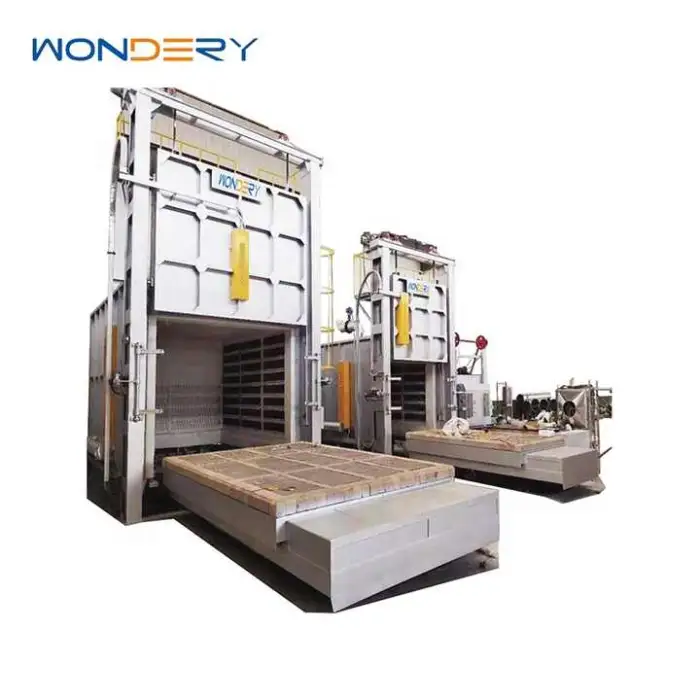
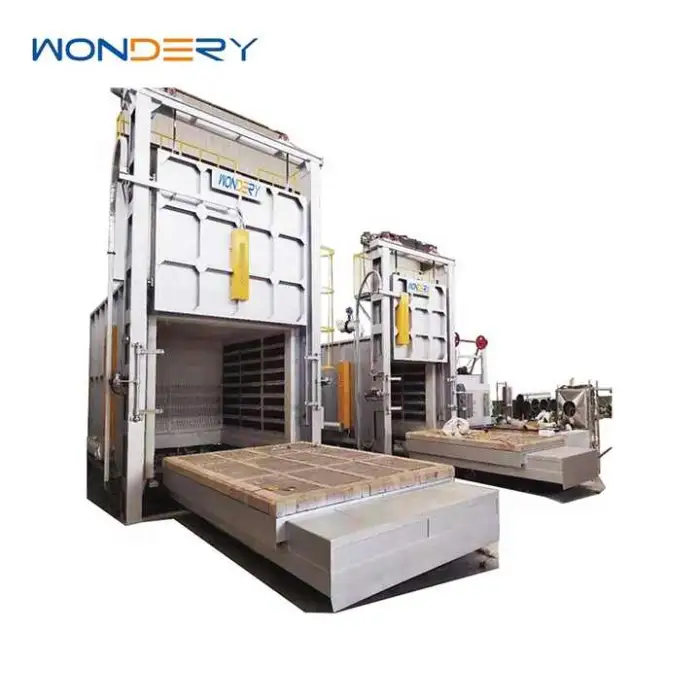
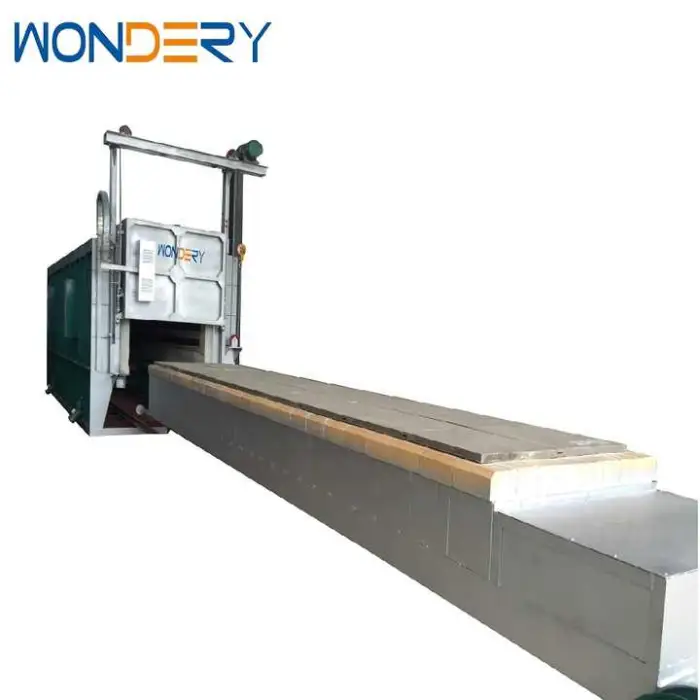
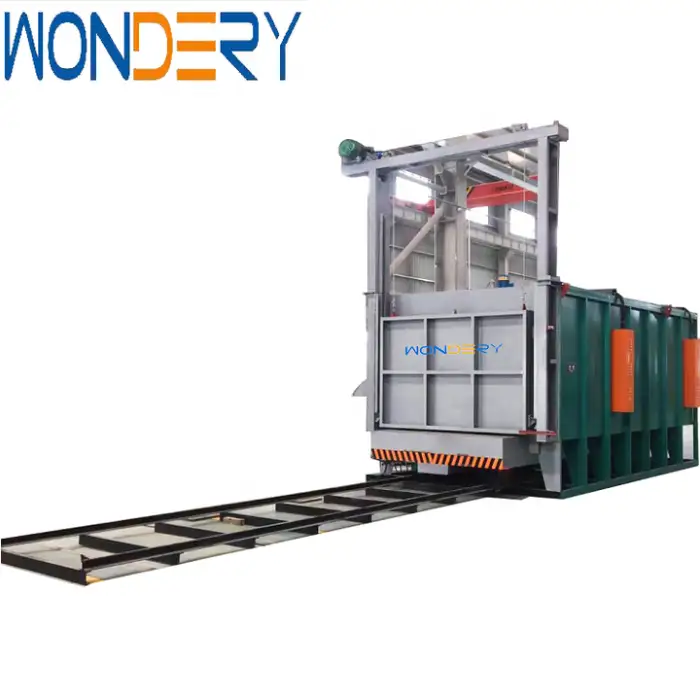
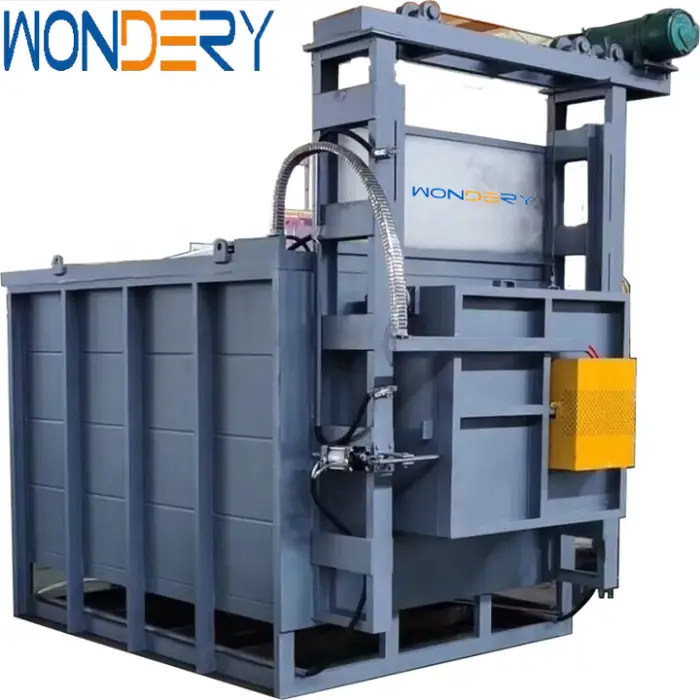
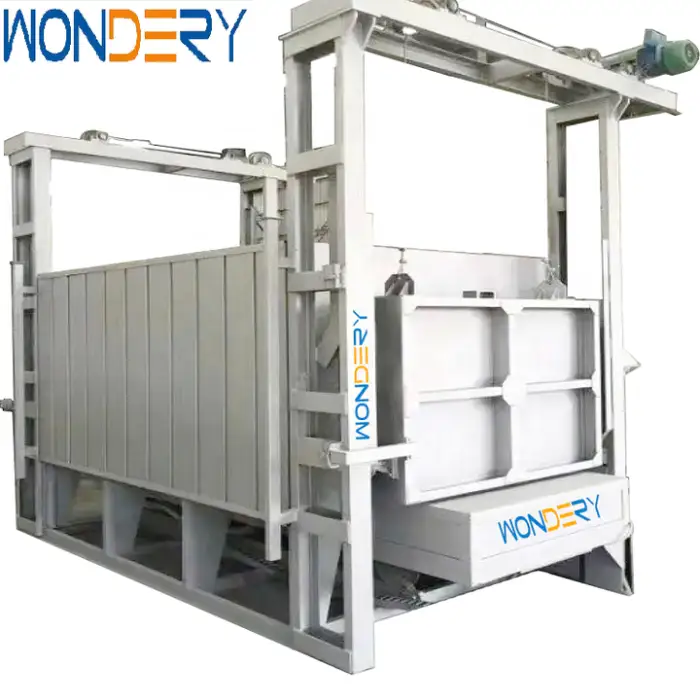
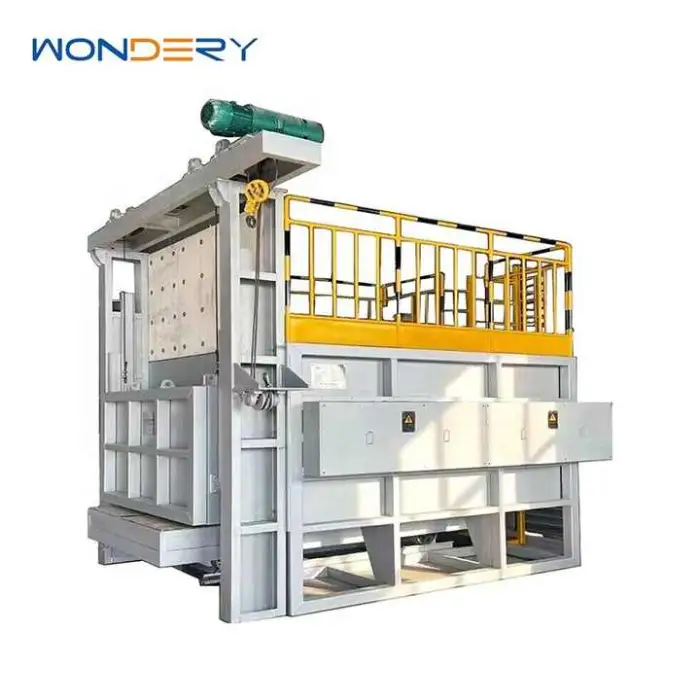
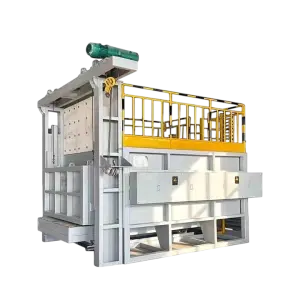
The 350KW High Temperature Quenching Process Industrial Car Bottom Trolley Type Furnace Oven is designed for efficient heat treatment processes. This advanced furnace offers precise temperature control and is perfect for various industrial applications. With its reliabl...
Select a product option to continue.
Explore funding with Afrimart's partners. Subject to provider approval.

The 350KW High Temperature Quenching Process Industrial Car Bottom Trolley Type Furnace Oven is designed for efficient heat treatment processes. This advanced furnace offers precise temperature control and is perfect for various industrial applications. With its reliable components and robust design, it ensures optimal performance and durability.
| Attribute | Details |
|---|---|
| Power | 350 KW |
| Furnace Type | Trolley Type Furnace |
| Weight | 10 T |
| Voltage | Onsite Condition |
| Heating Elements | 0Cr25AL5 |
| Control System | Siemens S7-200 PLC |
| Bogie Protection System | Limit switch at both ends |
| Refractory Lining | Silicate aluminum fiber precompressed blocks |
| Core Components | PLC, Bearing, Gearbox, Motor, Gear |
| Power | 350 kW |
|---|
It is a trolley-type car-bottom industrial furnace designed for high-temperature heat treatment and quenching-process workflows. The unit features a bottom trolley (car) for loading, a 350 kW electric heating system, a Siemens S7-200 PLC control system, silicate aluminum fiber refractory lining, and robust mechanical components (bearing, gearbox, motor, gears).
350 kW is the electrical heating power rating of the furnace and indicates its maximum installed heating capacity. Actual energy consumption and heating rates depend on process parameters (temperature setpoint, load mass, cycle duration) and site electrical supply.
Car-bottom trolley type means the furnace uses a movable trolley (car) that rides into and out of the furnace chamber from the bottom, carrying the workpieces. This design enables easy loading/unloading of heavy parts and consistent positioning for heat treatment cycles.
This product is designed for high-temperature quenching processes. The exact maximum operating temperature depends on the configured heating elements and insulation. Please contact the manufacturer/supplier with your required process temperature so they can confirm suitable configuration and ratings.
Temperature and process sequencing are managed by a Siemens S7-200 PLC. The PLC controls heating elements through PID loops and programmable recipes to achieve precise temperature profiles. Specific control accuracy depends on the installed thermocouples and controllers; consult the supplier for guaranteed tolerance values.
The furnace uses electric resistance heating elements with composition 0Cr25Al5 (an alloy commonly used for high-temperature electric heating). Elements are replaceable; lifetime depends on operating temperature, cycle frequency, and maintenance.
The furnace uses precompressed silicate-aluminum fiber blocks as refractory lining. This material provides high-temperature insulation, fast thermal response, reduced heat loss, and relatively light weight compared with cast refractories—helpful for quick heating cycles and energy efficiency.
Mechanical protections include limit switches at both ends of the bogie travel to prevent overrun. The PLC can be configured with interlocks, emergency stop functions, and sequence safety. Additional safety features (door interlocks, over-temperature protection, flue and ventilation controls) are typically available—ask the supplier for full safety specification and options.
Installation requires a suitable onsite power supply compatible with a 350 kW heater (confirm voltage and phase on order), proper grounding, and adequate ventilation/exhaust. A robust foundation is needed to support the unit (spec shows approx. 10 T weight—confirm exact weight and dimensions). A crane or forklift is usually required for placement and commissioning. The supplier will provide detailed site-prep and utility requirements.
Load capacity and internal chamber dimensions depend on the specific model/configuration. The provided spec lists weight ~10 T (please confirm). For precise payload, tray size, and clearances, request the dimensional drawing and load-rating data from the manufacturer.
Typical applications include heat treatment and quenching of metals and components in automotive, aerospace, heavy machinery, tooling, and general metalworking industries—especially where high-temperature, controlled heating cycles and handling of heavy parts are required.
Routine maintenance includes periodic inspection of heating elements, thermocouples, refractory condition, gearbox and bogie bearings, lubrication of moving parts, checking limit switches and PLC I/O, and electrical connections. Frequency depends on usage but common practice is daily visual checks, monthly mechanical/electrical inspections, and annual comprehensive servicing.
Yes. Core components listed (heating elements, PLC modules, bearings, gearbox, motor, gears, limit switches, refractory blocks) are serviceable and replaceable. Contact the supplier for spare-parts kits, recommended spares, local service partners, and availability lead times.
Yes—trolley furnaces are often customized for chamber size, load capacity, maximum temperature, control features (advanced recipe control, HMI, data logging), and automation (material handling, quench integration). Provide your process requirements to the manufacturer to receive a tailored configuration and quote.
Provide required maximum temperature, typical and maximum load weight and dimensions, cycle times or throughput, available electrical supply (voltage/phase), desired control features (profiles, data logging), installation constraints (clearances, foundation), and any safety or regulatory requirements. The manufacturer will use this to recommend a model and supply a quotation.
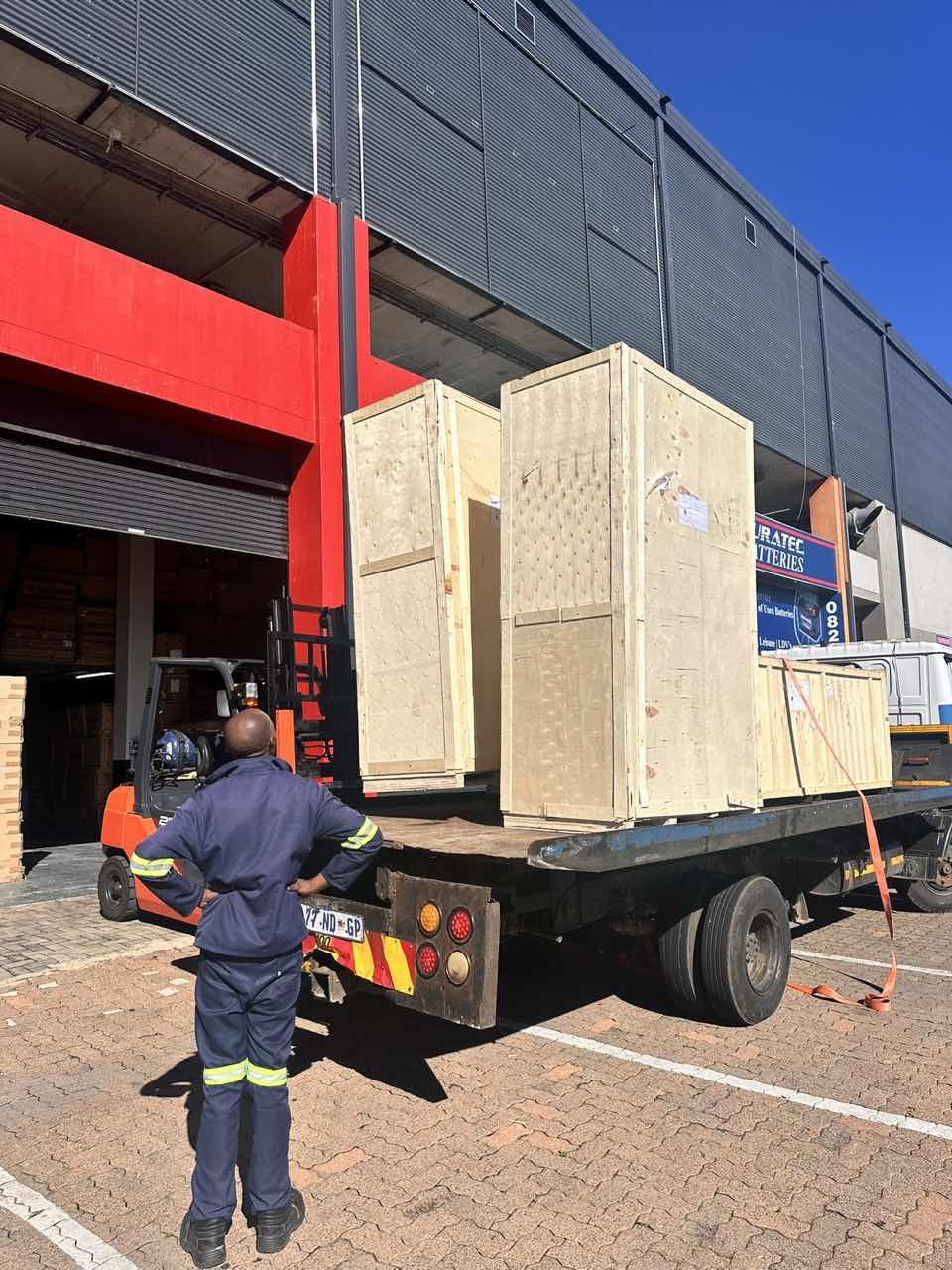
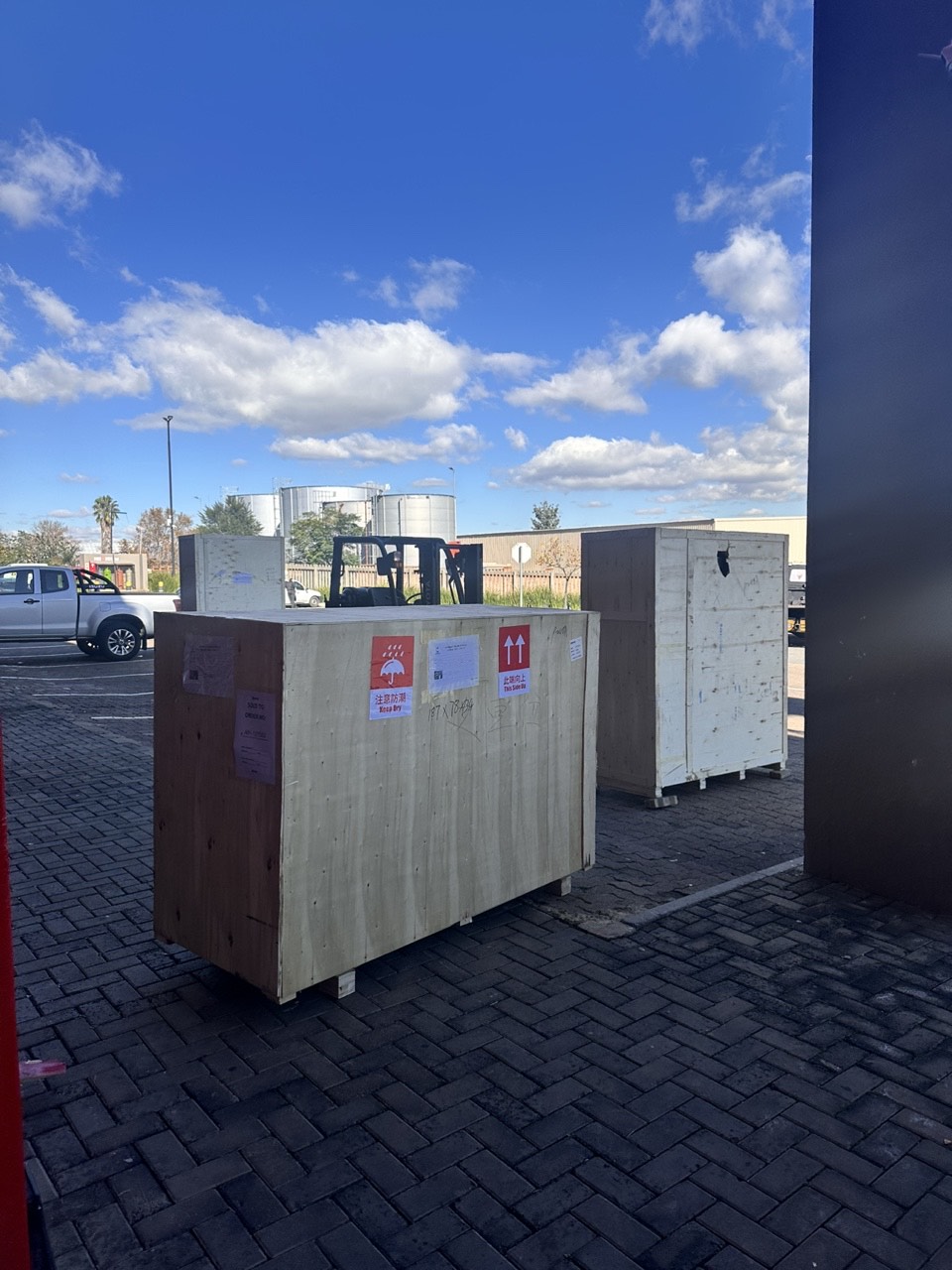
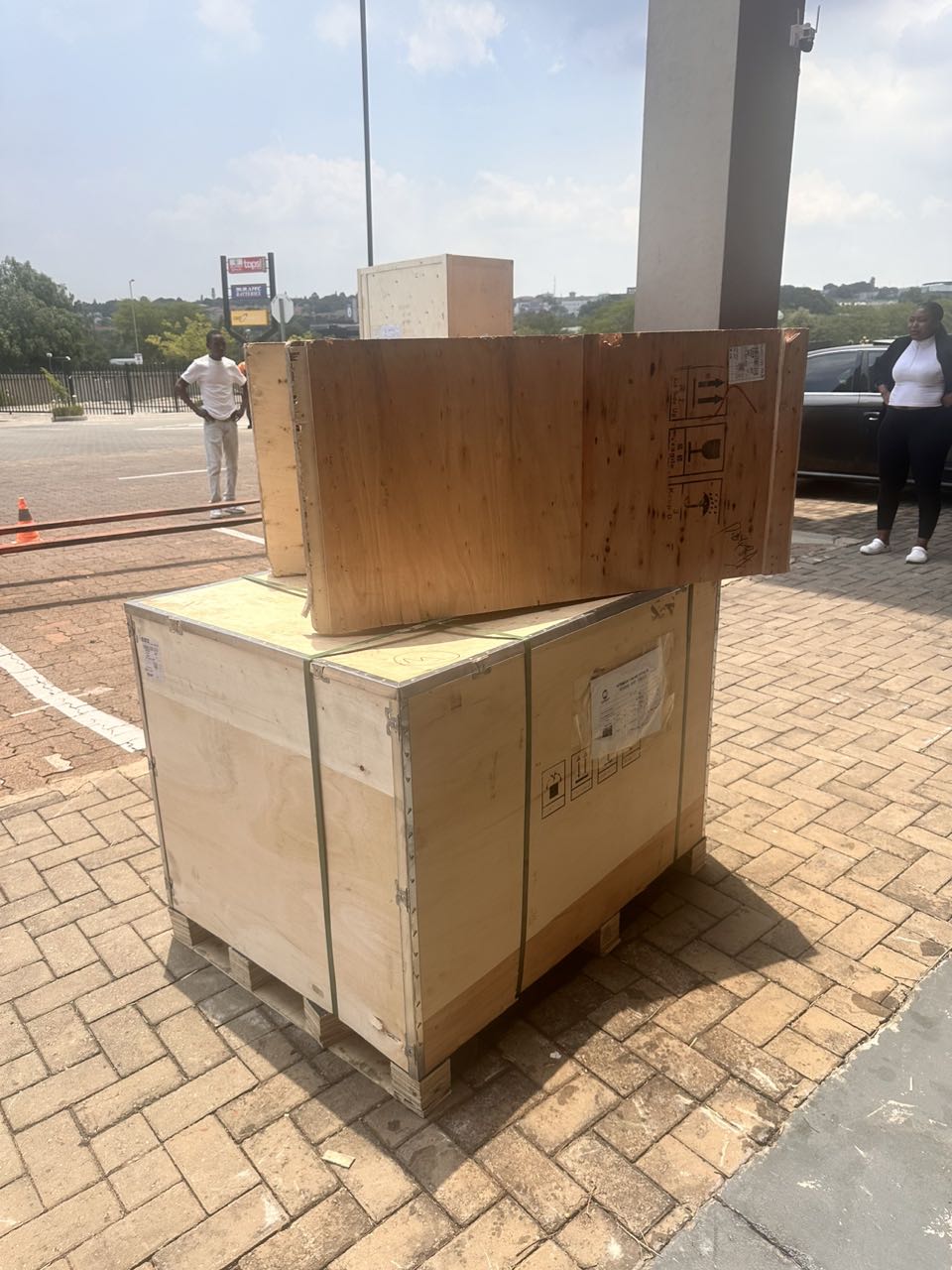
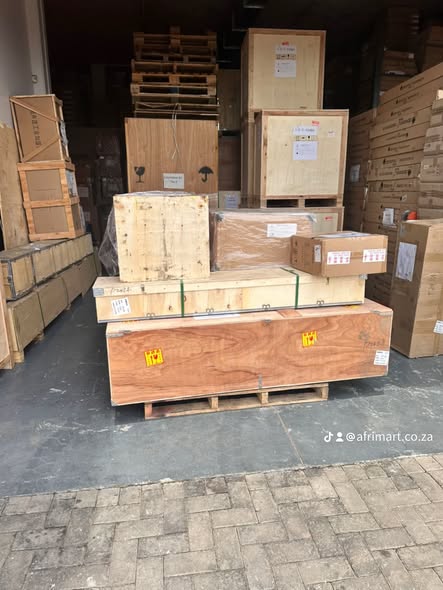
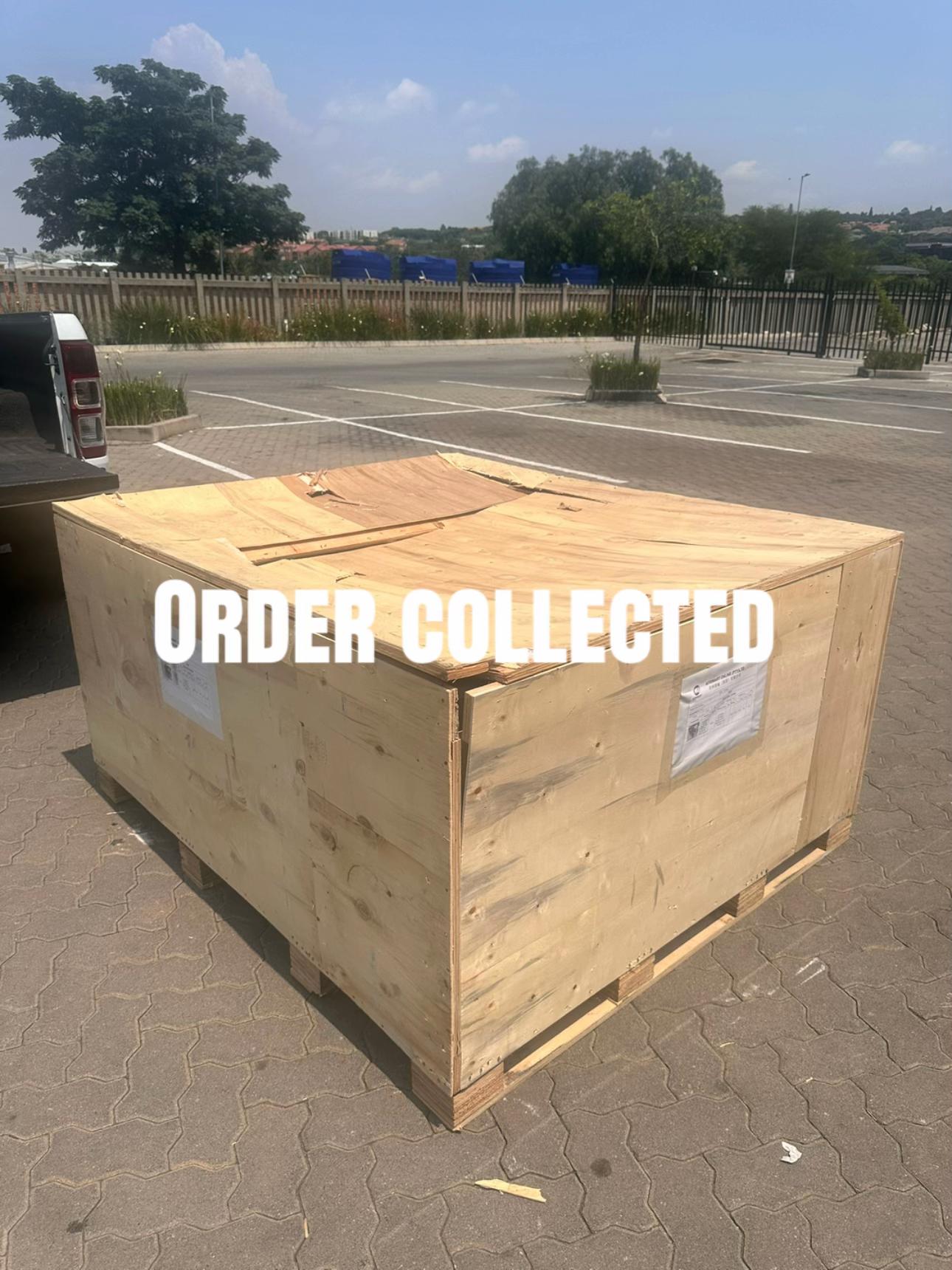
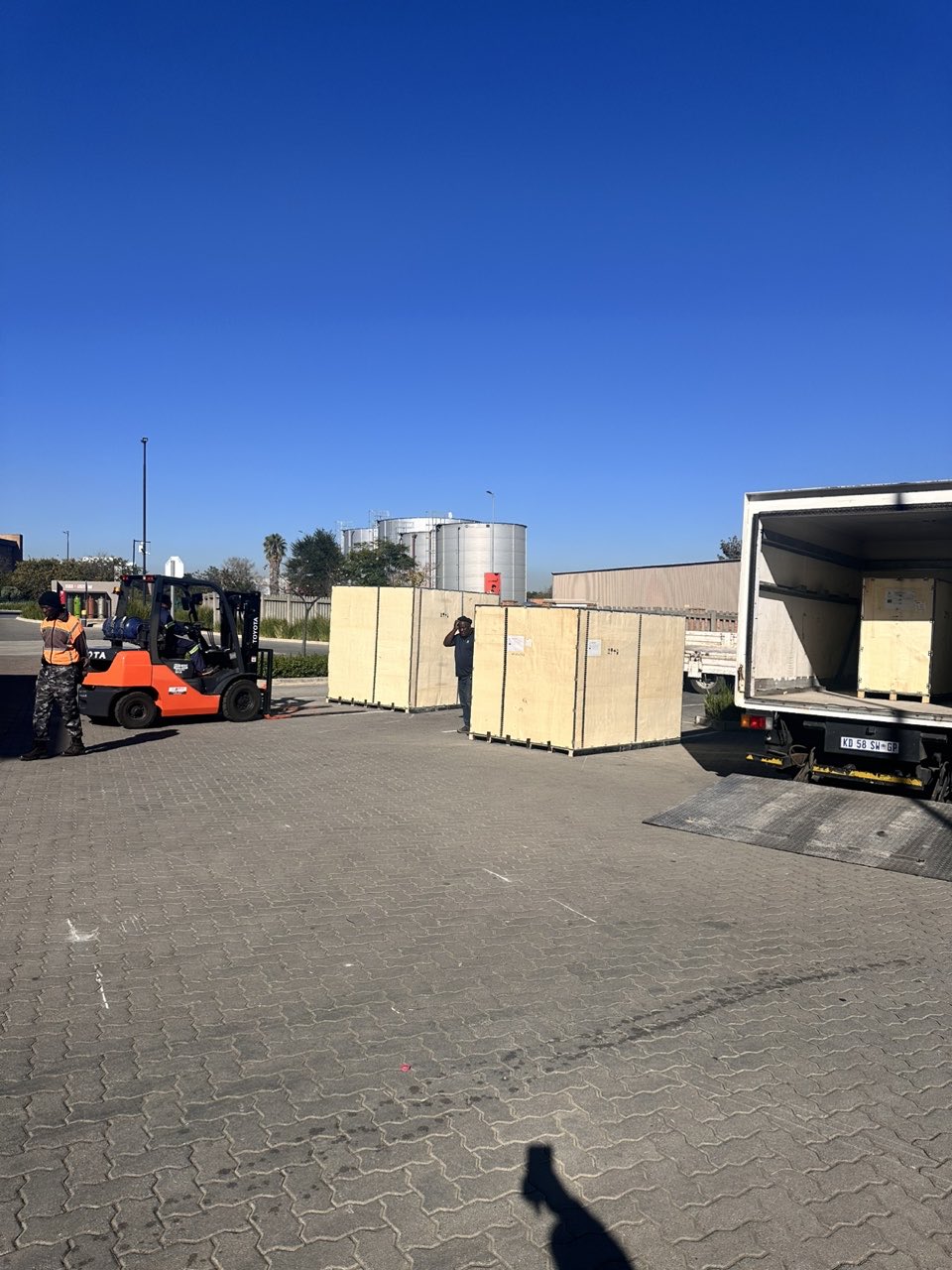
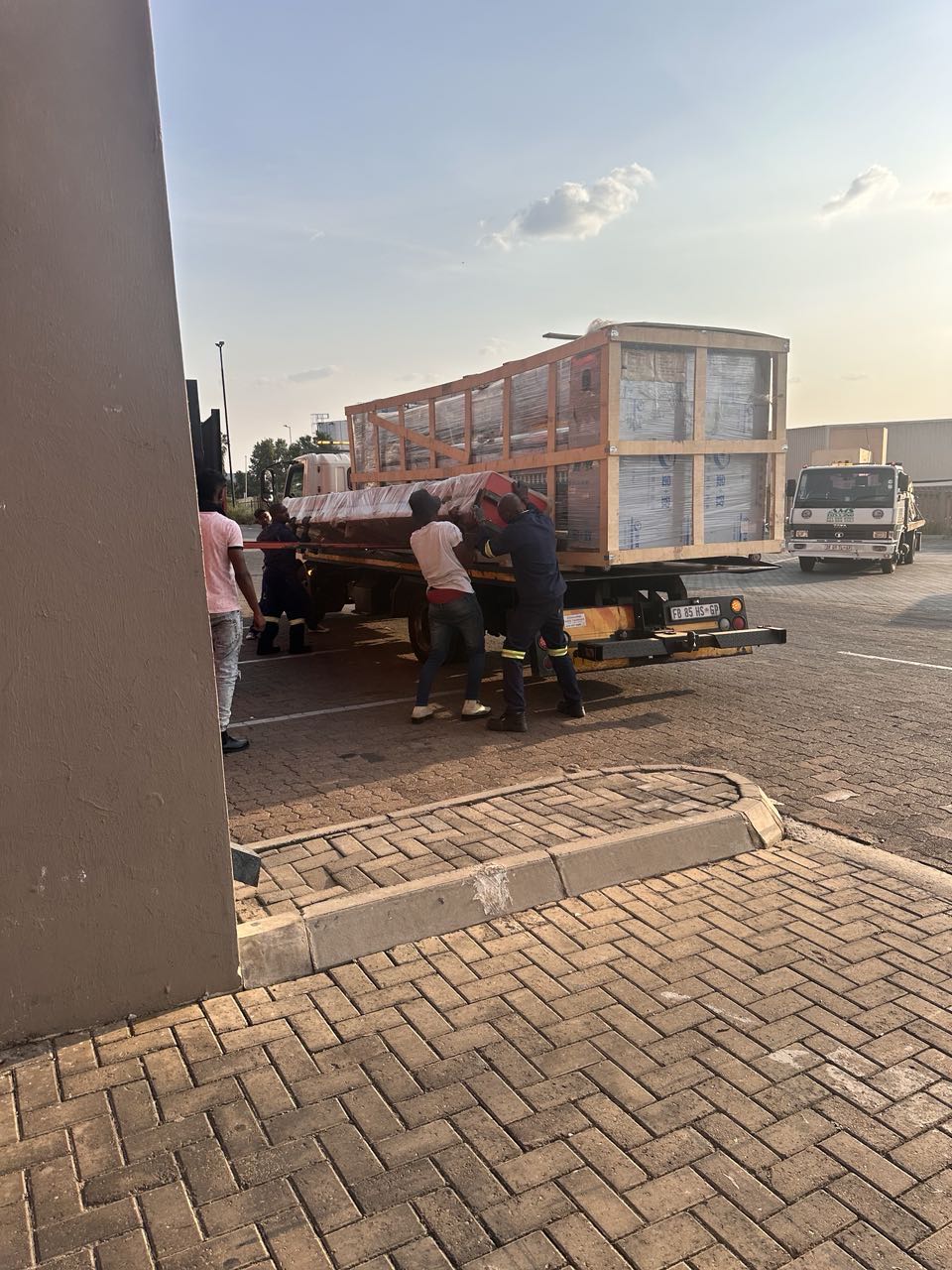
Discover our latest orders