B21, China Town Mall, Midrand

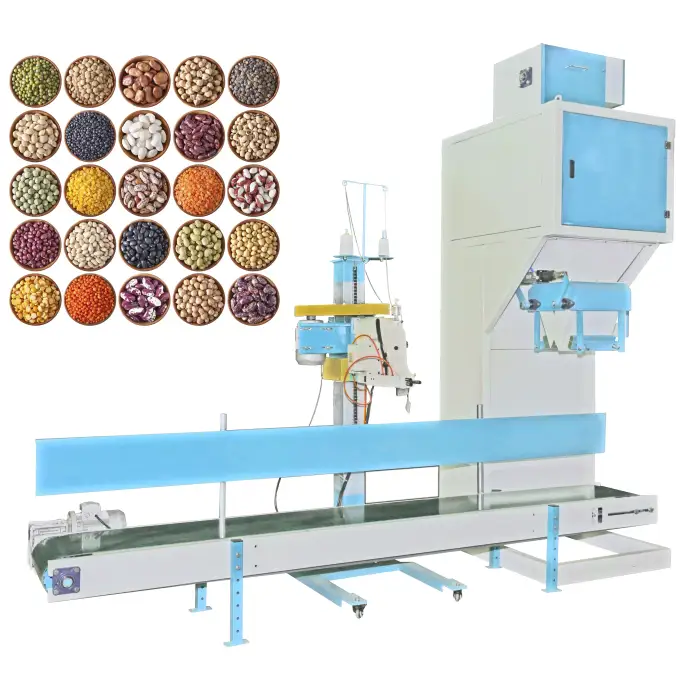
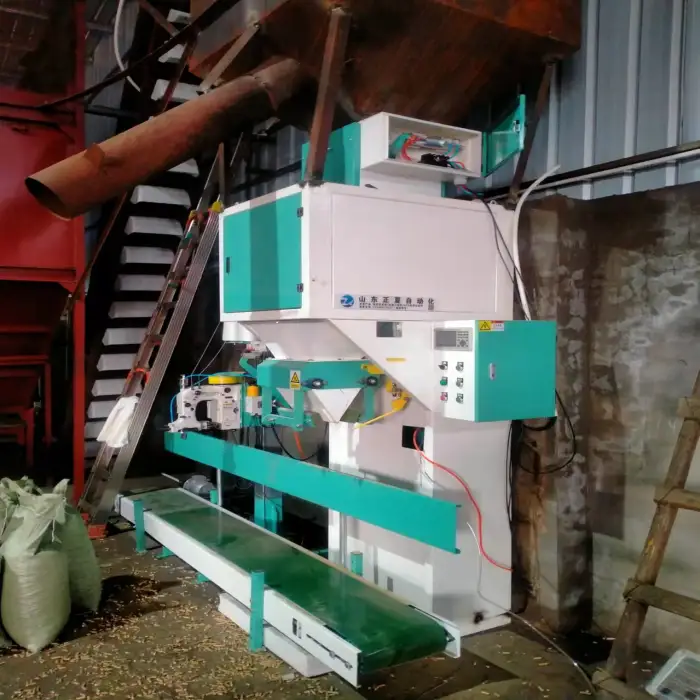
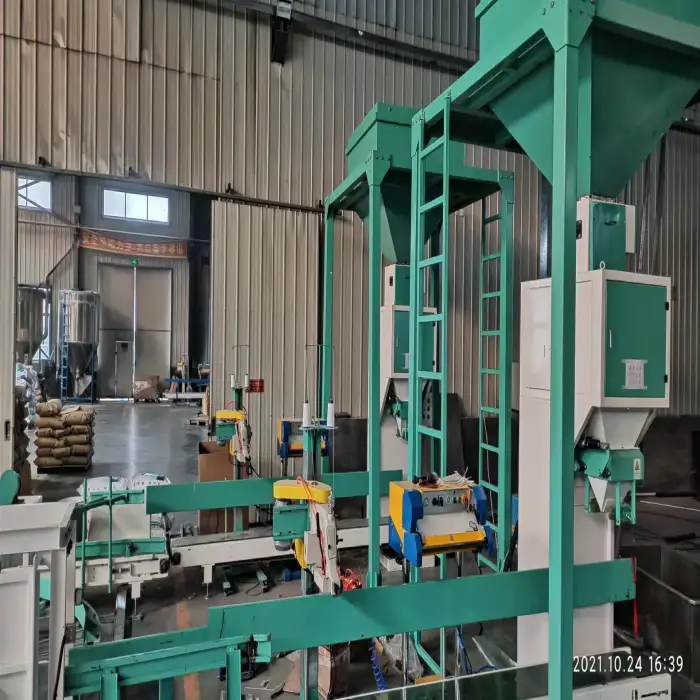
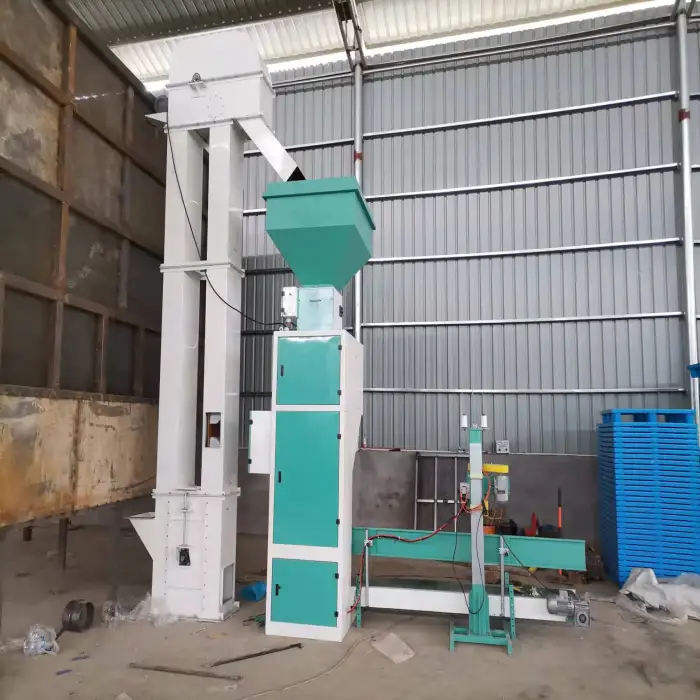
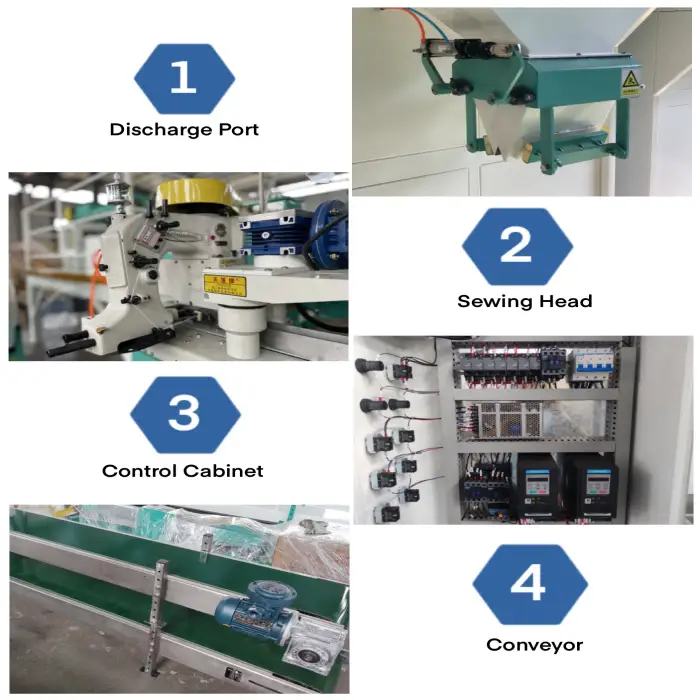
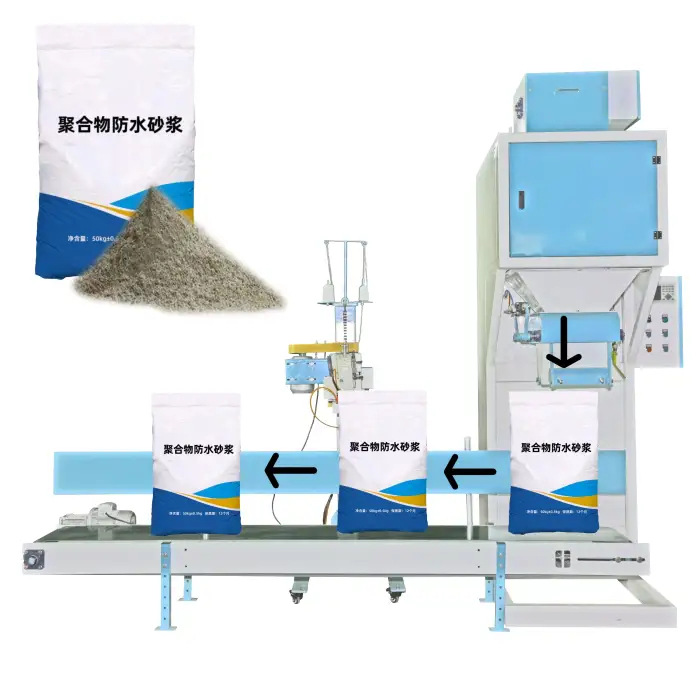
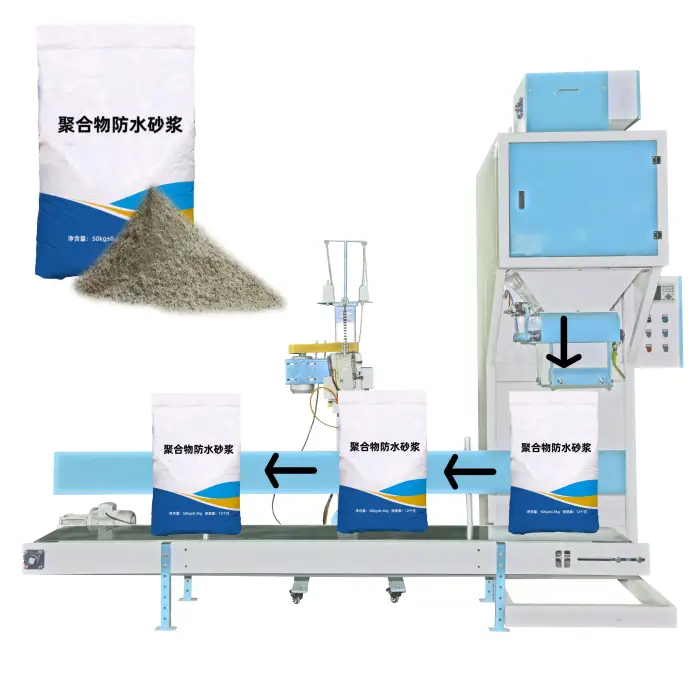
25kg 30kg Sand Bagging Machine 5kg Woven Sand Bag Bagger Pack Packaging Machine Fertilizer Soil Packing Machine
Asset finance available
Do you want funding for this equipment?
Afrimart can connect you with trusted funding partners who specialise in asset finance for businesses like yours. Compare options and apply in minutes — final approval is subject to provider review.
Check funding options
Secure & no obligation
- Section : Machinery
- Category : Packaging Machines
- SKU : 1600832048125

25kg 30kg Sand Bagging Machine - 5kg Woven Sand Bag Bagger Pack Packaging Machine
This 25kg 30kg Sand Bagging Machine is a smart solution for your packaging needs. It is designed to fill, wrap, and seal various materials such as sand, fertilizer, and more. With its semi-automatic operation, this machine is user-friendly and efficient. You can rely on it for consistent and high-quality packaging.
Specifications
| Specification | Details |
|---|---|
| Packaging Weight Range | 10 – 50 kg (adjustable) |
| Packaging Speed | ≥ 3 bags per minute |
| Weighing System | Automatic computer weighing and metering |
| Control Interface | Touchscreen LCD display |
| Bag Handling | Automatic bag pushing and sliding |
| Discharge Method | Air flotation discharge |
| Air System | Integrated air storage tank |
Key Features
- Easy to Operate
- Pneumatic or Electric Driven Options
- High Production Speed (300-400 bags/h)
- Suitable for Various Packaging Types
- Reliable and Durable Components
Applications
- Packaging of Sand
- Fertilizer Bagging
- Food Product Packing
- Chemical Packaging
- Medical Supplies Packaging
Product Info Gallery
- Shipping Timeframes: All orders are processed within 2-5 business days (excluding weekends and holidays). After your order has been processed, the estimated delivery time is before 20 Nov, 2026, depending on customs, Please note that due to high demand, some items may experience longer shipping times, which will be communicated at order confirmation email.
- Order Processing Time: Please allow 2-5 business days for us to process your order before it is shipped . Orders placed after 16:00 on Fridays, or during weekends and public holidays, will begin processing on the next business day. Processing times may be extended during peak seasons or sales events.
- Manufacturing Time: Some products needs manufacturing time, the manufacturing process will take approximately 10-30 business days depending on the product. This timeframe may vary depending on the complexity of the product and current demand. but this will be communicated with you during order confirmation.
- Returns and Exchanges: We offer a 30-day return policy for most items. If you are not completely satisfied with your purchase, you may return it within 30 days of receipt for a refund or exchange. Items must be unused, in their original packaging, and accompanied by proof of purchase. Return shipping costs are the responsibility of the customer, unless the item was damaged or defective upon arrival.
1. What materials can this sand bagging machine handle?
The machine is designed to fill, wrap and seal bulk granular and powdered materials including sand, fertilizer, soil, some food products, chemicals and medical supplies. It accepts common packaging materials such as woven plastic bags, paper bags and plastic film.
2. What bag sizes and weights are supported?
It is built for common woven bag sizes including 5 kg, 25 kg and 30 kg bags. With appropriate hopper/filler and tooling adjustments it can also accommodate other bag sizes within a similar volume/weight range.
3. What is the production capacity?
Capacity depends on the selected model and product characteristics. Available speed options are 5, 10, 15, 20, 25 and 40 bags per minute (equivalent to roughly 300–2,400 bags per hour). Typical high-speed models are often quoted around 300–400 bags/hour for coarse materials under standard conditions.
4. What filling accuracy can I expect?
Packing accuracy is specified at ±40–100 g, depending on the product flow properties, bag size, and the selected weighing/filling configuration.
5. What power and drive options are available?
The machine is available in pneumatic or electric drive configurations. Electric versions support 220 V or 380 V, 50 Hz, 3-phase supply. Pneumatic options require a compressed air supply (typical industrial machines use about 0.6–0.8 MPa/6–8 bar, but confirm exact requirements with the supplier).
6. How does the machine seal the bags?
This model uses a sewing type sealing for woven and multi‑layer bags. Wrapping and additional sealing/finishing stations are available depending on the packaging material and customer requirements.
7. Is the machine fully automatic?
No — it is semi‑automatic. Operators typically load empty bags, initiate the fill cycle and remove finished bags. Semi‑automatic operation provides a balance of automation and flexibility for different bag types and materials.
8. What are the machine dimensions and weight?
Overall machine dimensions are approximately 4300 mm (L) × 1000 mm (W) × 3050 mm (H), and the unit weight is around 700 kg.
9. What certifications does the machine have?
The machine is CE certified. For other local certifications or compliance (e.g., food‑grade contact requirements), please discuss specific needs with the supplier.
10. Can the machine handle fragile or dust‑y materials?
It can handle a wide range of granular and powdered materials. Fragile or highly dusty materials may require special feed systems, dust collection or cushioning measures — these can be discussed so the supplier can recommend appropriate options.
11. What maintenance is required?
Regular maintenance includes routine cleaning of hoppers and chutes, checking/adjusting sewing heads and seals, lubricating moving parts per the manual, inspecting electrical and pneumatic connections, and replacing wear parts (belts, knives, sewing needles) as needed.
12. Are spare parts and after‑sales support available?
Yes. Replacement parts and technical support are available from the manufacturer/supplier. It’s recommended to keep consumables (needles, sewing thread, belts) on hand and to arrange a spare‑parts agreement for faster service.
13. Can the machine be customized for my product or bag type?
Yes. The machine can be configured for different filling heads, bag holders, sewing heads and infeed/outfeed arrangements. Share your product specifications (particle size, bulk density, bag dimensions) with the supplier to get a tailored solution.
14. What installation, commissioning and operator training are provided?
Suppliers typically provide installation guidance, commissioning and basic operator training. On‑site installation and extended training packages may be available for an additional fee—confirm scope and costs with your sales contact.
15. What about warranty, lead time and shipping?
Warranty terms, lead times and shipping options vary by supplier and destination. Contact the manufacturer or your sales representative for current lead times, shipping quotes and warranty details (standard industry warranties are often offered, but confirm exact coverage and duration).
Latest Order Arrivals
Discover our latest orders

12 Heads Embroidery Machine

Toilet Paper Machine Machine

Order Collection

Cross Border Clients

Order cros border countries Collected

Industrial Machine Cllection

Agriculture Processing Machines

Ready for collection

Water Pump Equipment

Packaging Machine and accessories

Fabrics Manufacturing Equipment

Mining Equipments

Food Processing Machine

Batch of Orders

Batch of Orders

Latest Orders Labelled

wheel alignment machines

new arrivals

Pre Orders Offloading

Latest Arrivals

Latest Arrivals

Latest Arrivals

Loading

Toilet paper making machine

Toilet paper making machine

Toilet paper Rewinding Machine

latest arrivals

offloading

order success

order collection

order offloading