B21, China Town Mall, Midrand

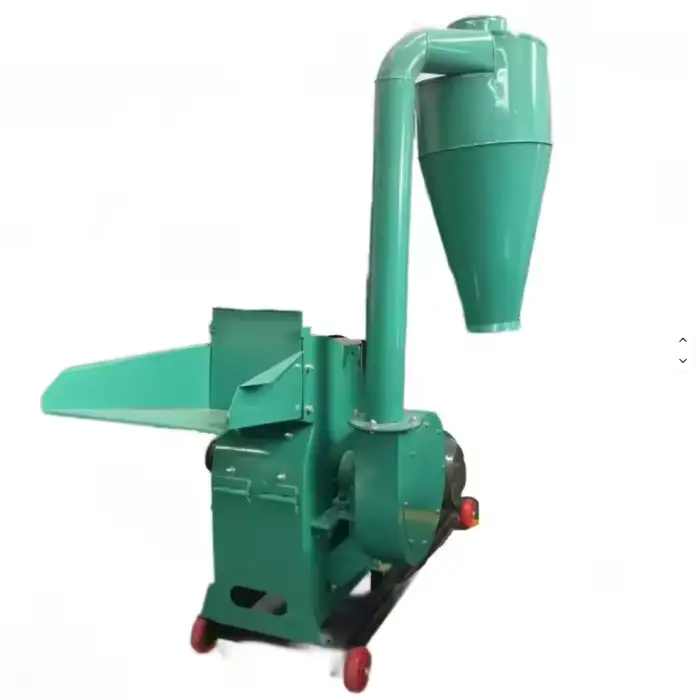
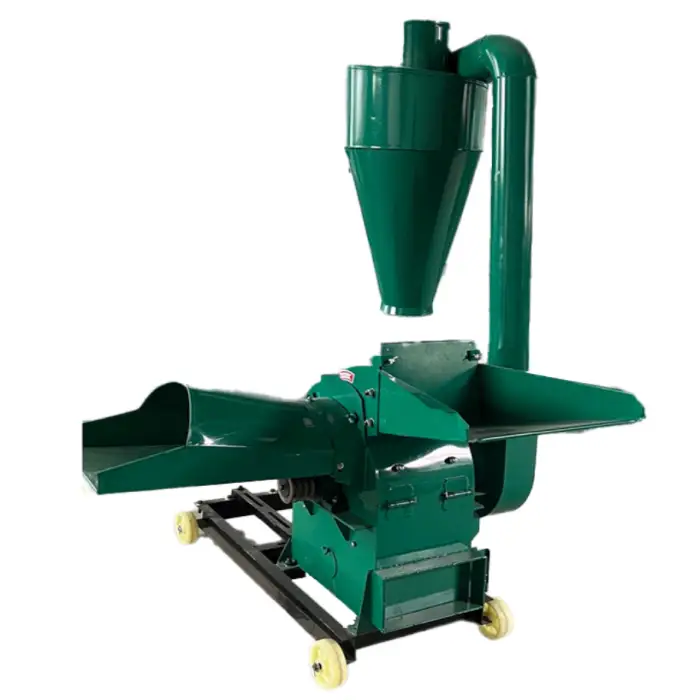
1ton Feed Production Line
Asset finance available
Do you want funding for this equipment?
Afrimart can connect you with trusted funding partners who specialise in asset finance for businesses like yours. Compare options and apply in minutes — final approval is subject to provider review.
Check funding options
Secure & no obligation

- Section : Production Lines
- Category : Production Lines
- SKU : 1601020887675

1ton Feed Production Line
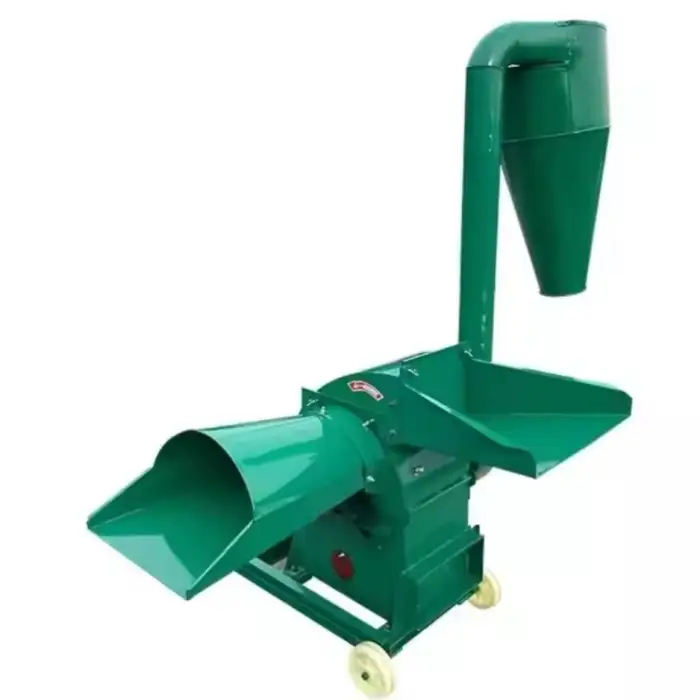
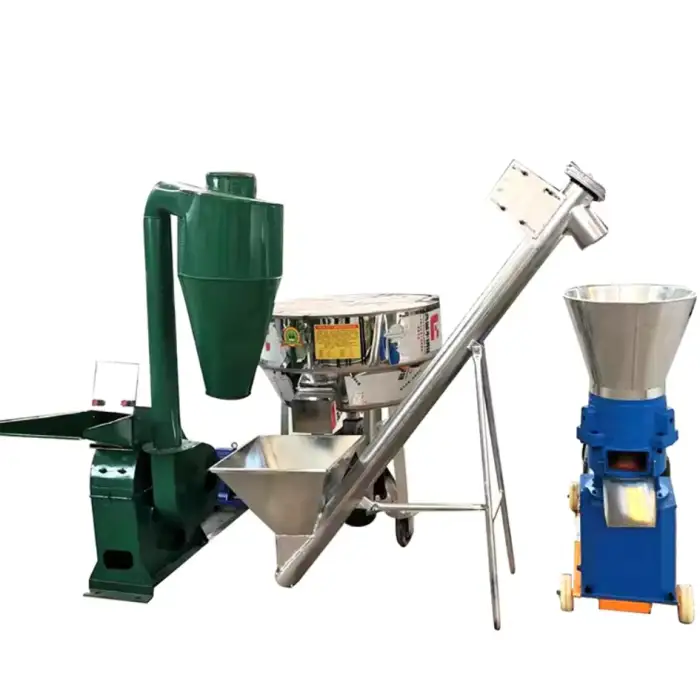
The 1ton Feed Production Line is a complete solution for producing high-quality feed. This machine helps you create animal feed efficiently and effectively. With powerful motors and reliable machines, you can produce up to 1000 kg of feed per hour. It is designed for easy use and maintenance, making it a great choice for farms and feed manufacturers.
Specifications
| Attribute | Details |
|---|---|
| Hammer Mill Model | 420 Single-entry |
| Hammer Mill Power | 380V 11kW 50Hz |
| Vertical Mixer Model | 500KG |
| Vertical Mixer Power | 220/380V 50Hz 3kW |
| Vertical Mixer Dimensions (LWH) | 1300x1000x2350 mm |
| Vertical Mixer Weight | 270 kg |
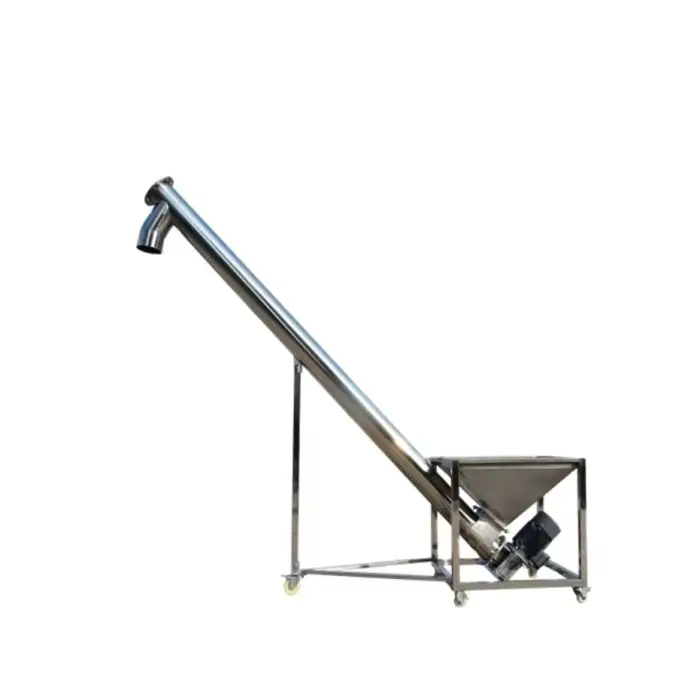
| Feed Conveyor Height | 3 m |
| Pipe Diameter | 219 mm |
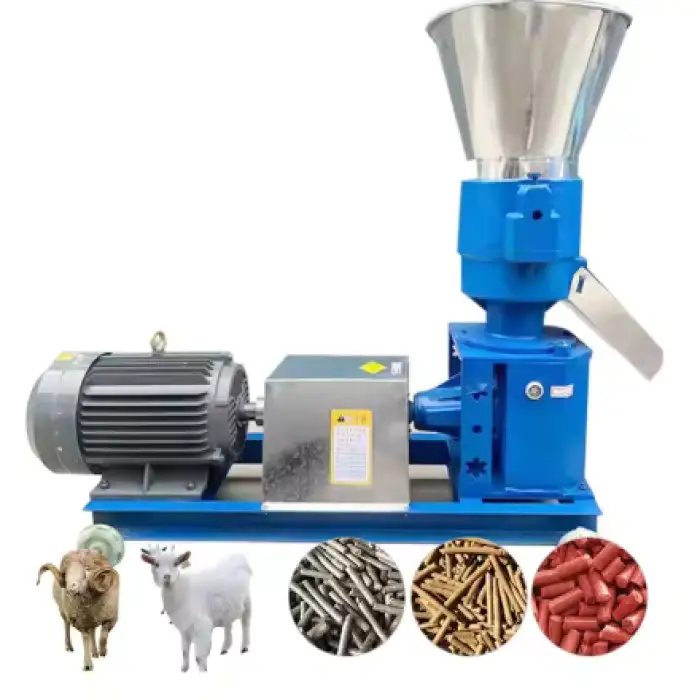
| Feed Pellet Making Machine Capacity | 1000 kg/h |
| Particle Diameter | 4 mm |
| Feed Pellet Motor Power | 22 kW 380V 50Hz |
Key Features
- High production capacity of 800-1000 kg/h.
- Includes a powerful hammer mill for efficient grinding.
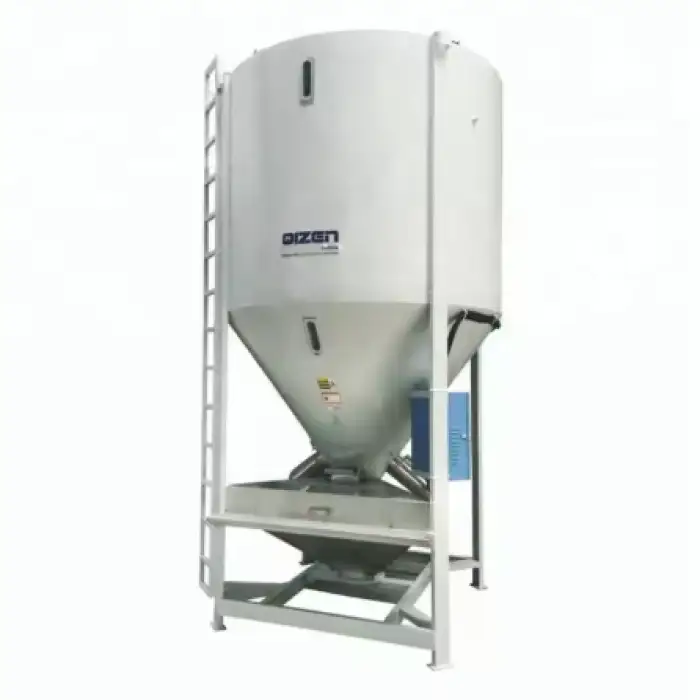
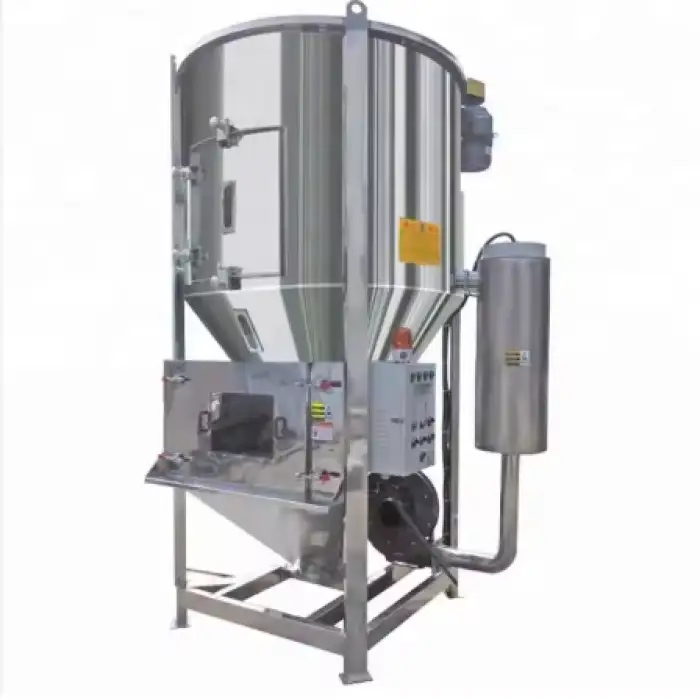
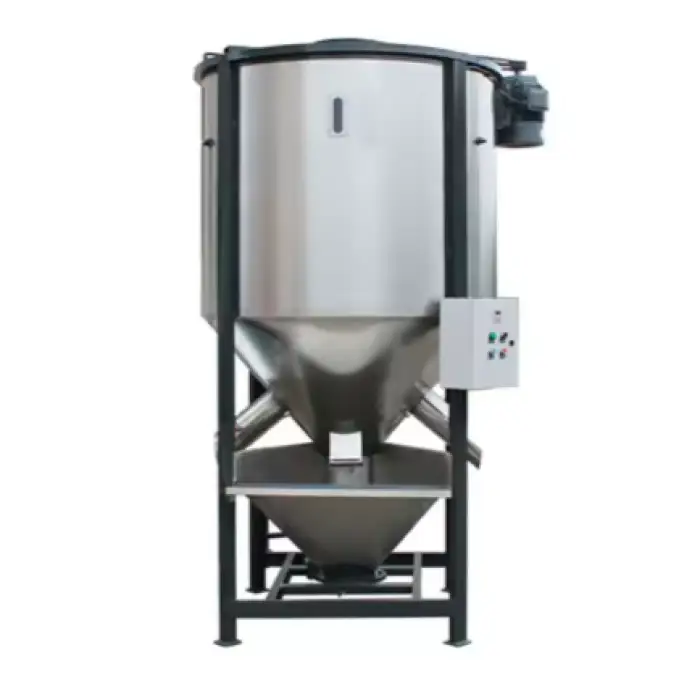
- Equipped with a vertical mixer for thorough mixing.
- Durable construction with pure copper wire motors.
- Two screen options (3MM and 5MM) for different particle sizes.
Applications
- Production of livestock feed for farms.
- Manufacturing of pet food.
- Creating feed for poultry and aquaculture.
- Used in commercial feed production facilities.
- Ideal for small to medium-sized feed businesses.
Product Info Gallery
- Shipping Timeframes: All orders are processed within 2-5 business days (excluding weekends and holidays). After your order has been processed, the estimated delivery time is before 05 Dec, 2026, depending on customs, Please note that due to high demand, some items may experience longer shipping times, which will be communicated at order confirmation email.
- Order Processing Time: Please allow 2-5 business days for us to process your order before it is shipped . Orders placed after 16:00 on Fridays, or during weekends and public holidays, will begin processing on the next business day. Processing times may be extended during peak seasons or sales events.
- Manufacturing Time: Some products needs manufacturing time, the manufacturing process will take approximately 10-30 business days depending on the product. This timeframe may vary depending on the complexity of the product and current demand. but this will be communicated with you during order confirmation.
- Returns and Exchanges: We offer a 30-day return policy for most items. If you are not completely satisfied with your purchase, you may return it within 30 days of receipt for a refund or exchange. Items must be unused, in their original packaging, and accompanied by proof of purchase. Return shipping costs are the responsibility of the customer, unless the item was damaged or defective upon arrival.
1. What is the production capacity of the 1ton Feed Production Line?
The line has a production capacity of approximately 800–1,000 kg (0.8–1 ton) of feed per hour. Actual output depends on raw material type, moisture content, and operation settings.
2. What power supply and motor specifications are required?
Key motor specs: Hammer mill 380V 11 kW (50 Hz), Vertical mixer 220/380V 3 kW (50 Hz), Pellet motor 22 kW 380V (50 Hz). Total installed motor power is about 36 kW (excluding conveyor motor). Check your local power availability and wiring before installation.
3. What types of feed can this production line make?
The line is suitable for producing livestock feed, poultry feed, aquaculture feed, and pet food. It can process common raw materials such as corn, wheat, soybean meal, grass, straw, fish meal and other grains and byproducts.
4. What pellet or particle sizes can the system produce?
The pellet making machine produces pellets with a particle diameter of 4 mm. The hammer mill offers two screen options (3 mm and 5 mm) to control grinding fineness prior to pelleting.
5. What are the main components included in the 1ton Feed Production Line?
Main components: Hammer Mill (Model 420 single-entry), Vertical Mixer (Model 500KG), Feed Conveyor (pipe diameter 219 mm, height 3 m), Feed Pellet Making Machine (capacity up to 1000 kg/h), and associated drive motors and frames.
6. What are the dimensions and weight of the vertical mixer and conveyor details?
Vertical Mixer dimensions: 1300 x 1000 x 2350 mm (L x W x H). Vertical Mixer weight: 270 kg. Feed conveyor height is 3 m and pipe diameter is 219 mm. Overall footprint depends on the final layout.
7. What site and installation requirements are there?
A level, firm concrete floor and adequate workshop space are recommended. You will need appropriate electrical supply to match motor voltages and a safe layout with space for material input/output. Professional installation and commissioning are recommended; contact the supplier for layout drawings and on-site installation support.
8. What routine maintenance is required?
Typical maintenance includes daily cleaning of dust and residues, regular inspection and tightening of bolts, weekly or periodical lubrication of bearings, monitoring and replacing worn hammers/screens/belts, and scheduled professional inspections. Follow supplier maintenance instructions for best results.
9. Are spare parts available and which wear parts should I keep in stock?
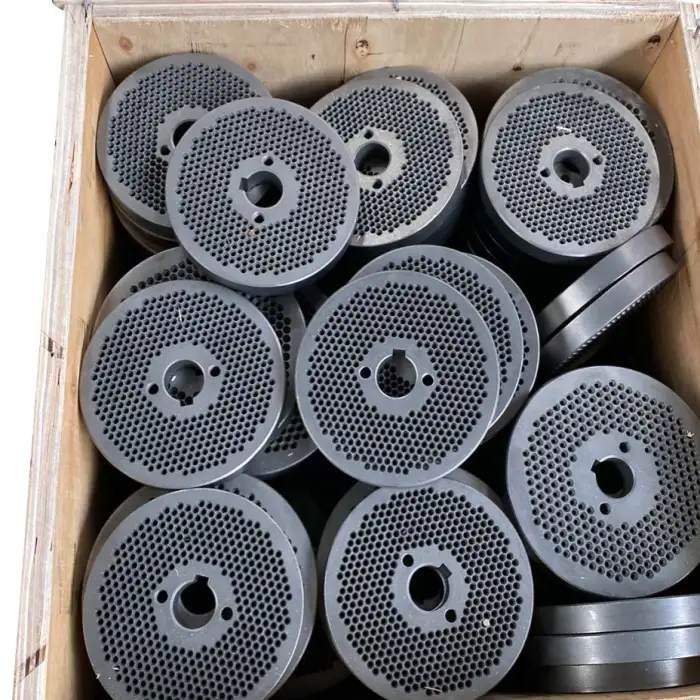
Wear parts commonly needed include hammer mill hammers, grinding screens, pellet die/ring and rollers, belts and bearings. Spare parts availability varies by supplier—ask your vendor for recommended spare parts lists, lead times and pricing.
10. What safety and environmental controls are recommended?
Use appropriate guards on moving parts, provide operator training, and supply personal protective equipment (hearing, dust masks, gloves). To control dust and improve air quality, install a dust collector or cyclone. Consider sound insulation where noise is a concern.
11. Is training and after-sales support provided?
Specific training and after-sales support (installation, commissioning, operator training) depend on the supplier. Contact the vendor to confirm what support, training, warranties and spare-part services are included or available for purchase.
12. Can the production line be customized or scaled?
Yes—many suppliers offer customization options such as different screen sizes, alternative pellet diameters, voltage options for different regions, and capacity scaling. Contact the supplier to discuss customization and upgrade options.
13. How many operators are needed to run the line?
Typical small-to-medium setups require 1–2 trained operators for feeding raw materials, monitoring equipment and handling finished product. Staffing can vary with automation level and plant layout.
14. What is the approximate energy consumption during operation?
The main electrical consumption is driven by the motors—roughly 36 kW combined for the hammer mill, mixer and pellet motor (excluding conveyor and auxiliary equipment). Actual energy use depends on load factor, operating cycles and additional equipment such as dust collectors.
15. Where is this production line best used?
The 1ton Feed Production Line is ideal for small to medium-sized farms, commercial feed manufacturers and pet-food producers, as well as aquaculture and poultry operations requiring on-site or small-scale commercial feed production.
Latest Order Arrivals
Discover our latest orders

12 Heads Embroidery Machine

Toilet Paper Machine Machine

Order Collection

Cross Border Clients

Order cros border countries Collected

Industrial Machine Cllection

Agriculture Processing Machines

Ready for collection

Water Pump Equipment

Packaging Machine and accessories

Fabrics Manufacturing Equipment

Mining Equipments

Food Processing Machine

Batch of Orders

Batch of Orders

Latest Orders Labelled

wheel alignment machines

new arrivals

Pre Orders Offloading

Latest Arrivals

Latest Arrivals

Latest Arrivals

Loading

Toilet paper making machine

Toilet paper making machine

Toilet paper Rewinding Machine

latest arrivals

offloading

order success

order collection

order offloading