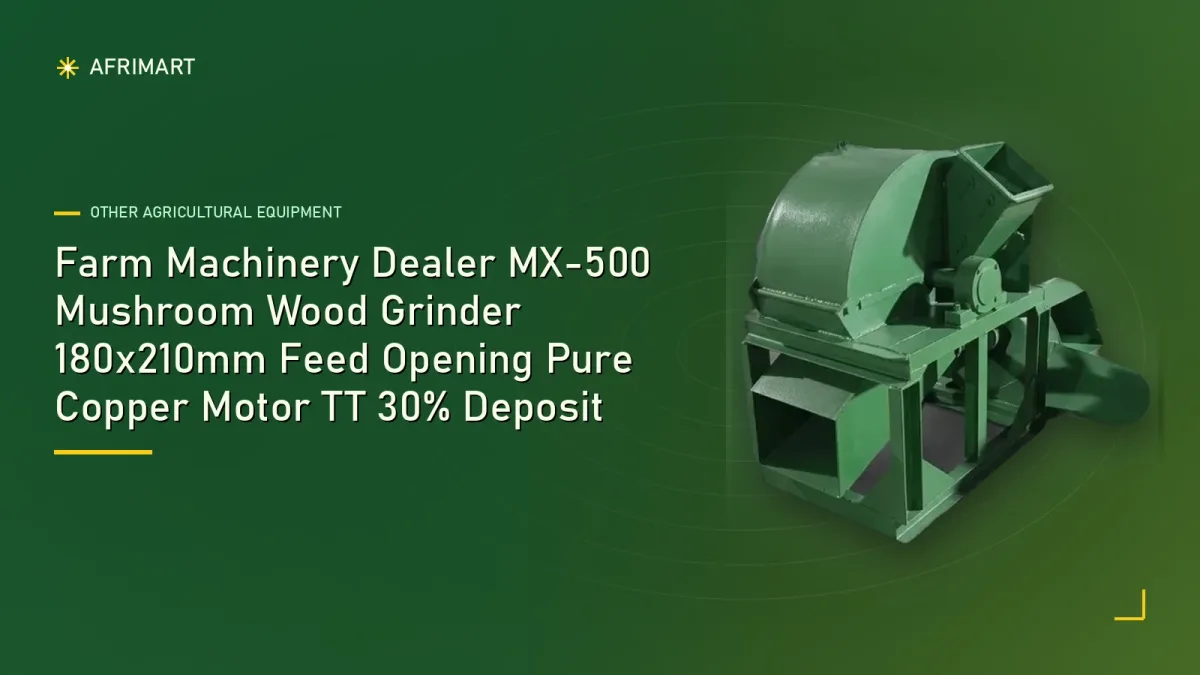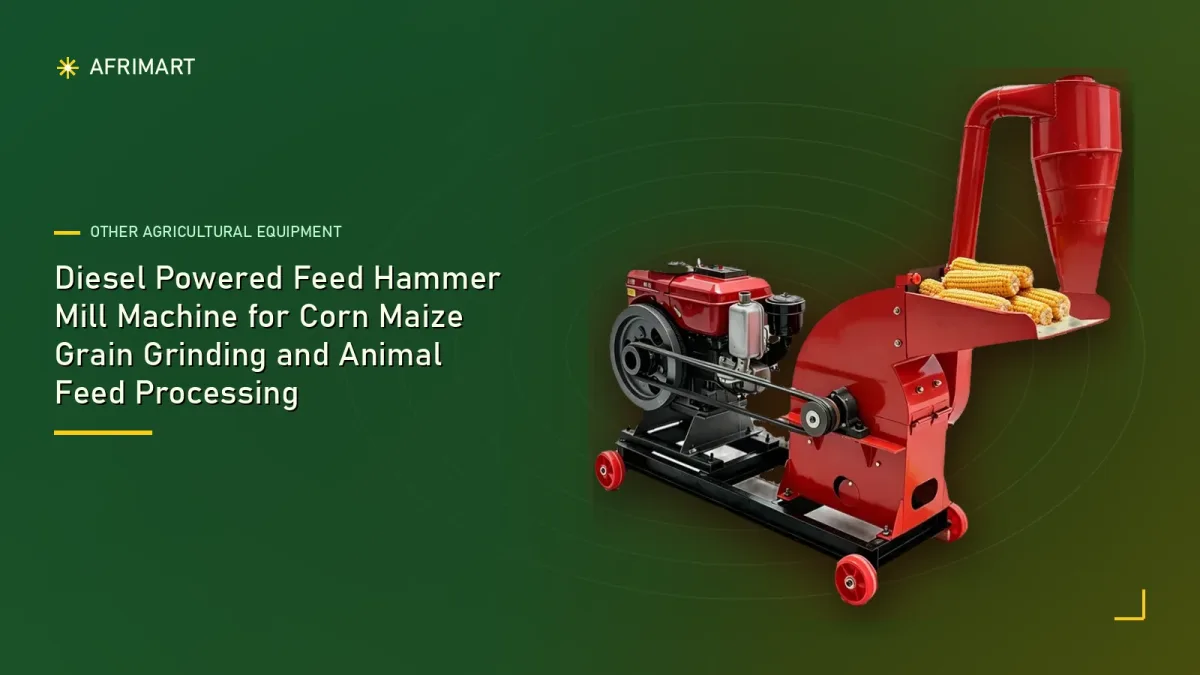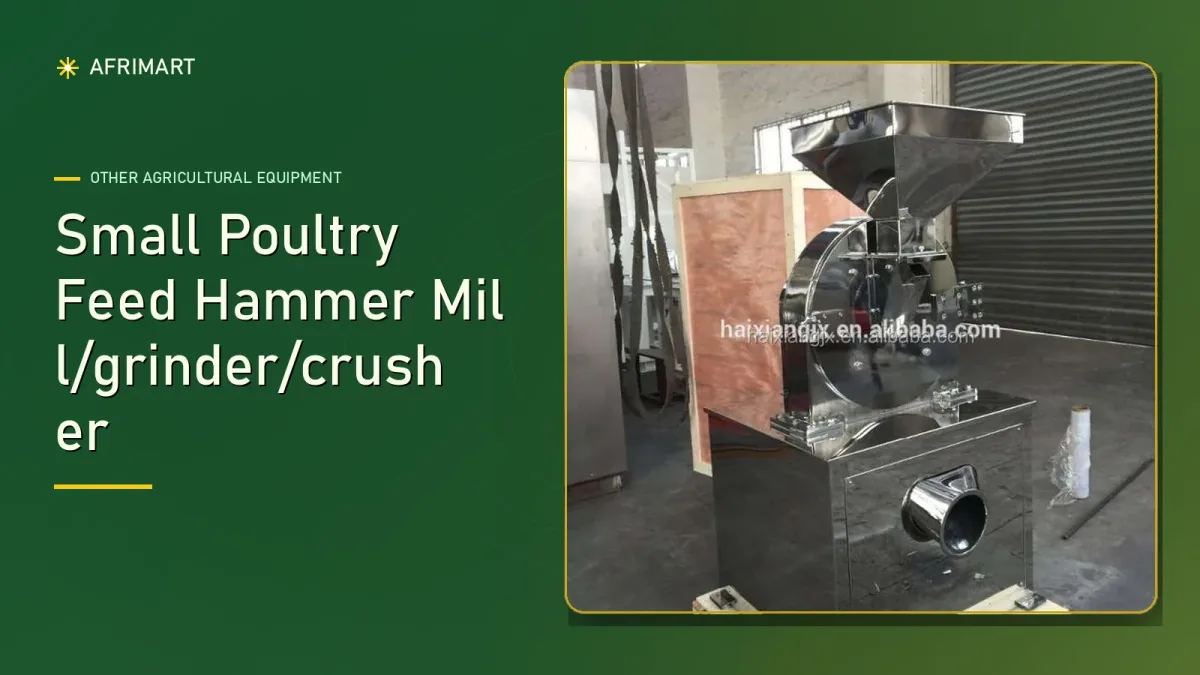

































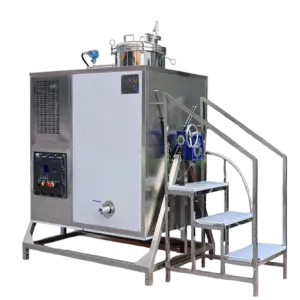









































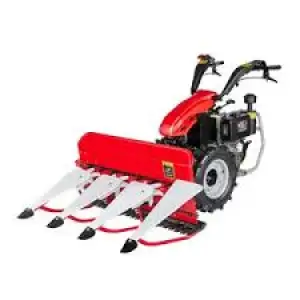
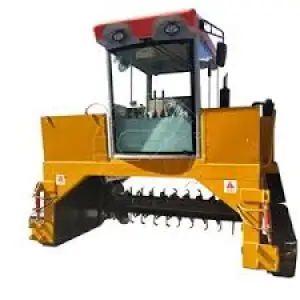
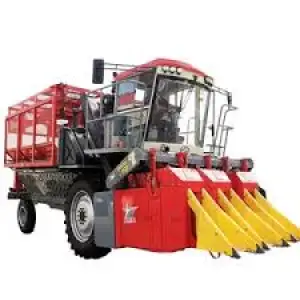
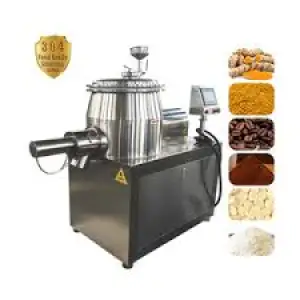
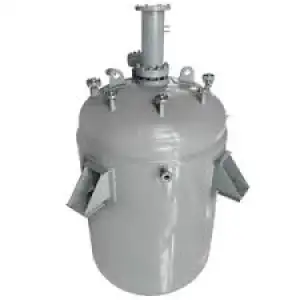
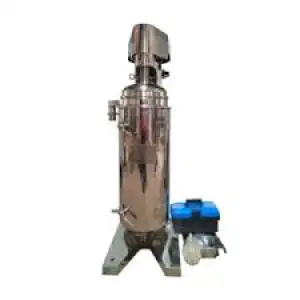
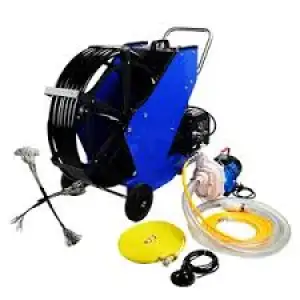
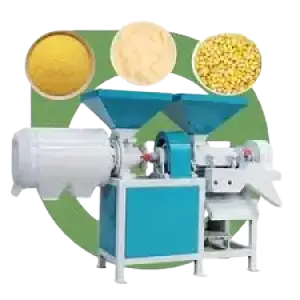
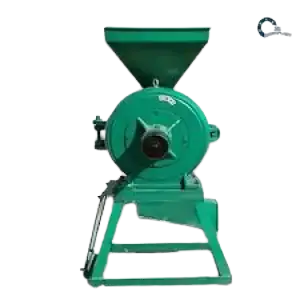

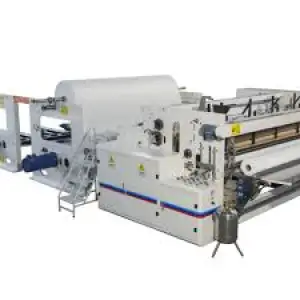
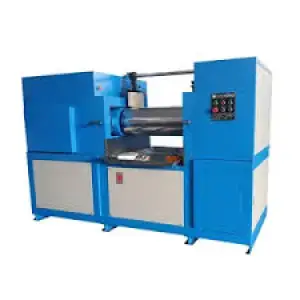
































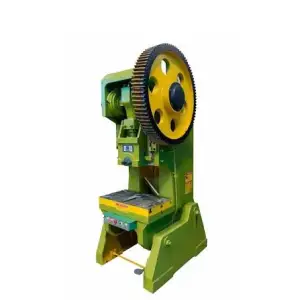






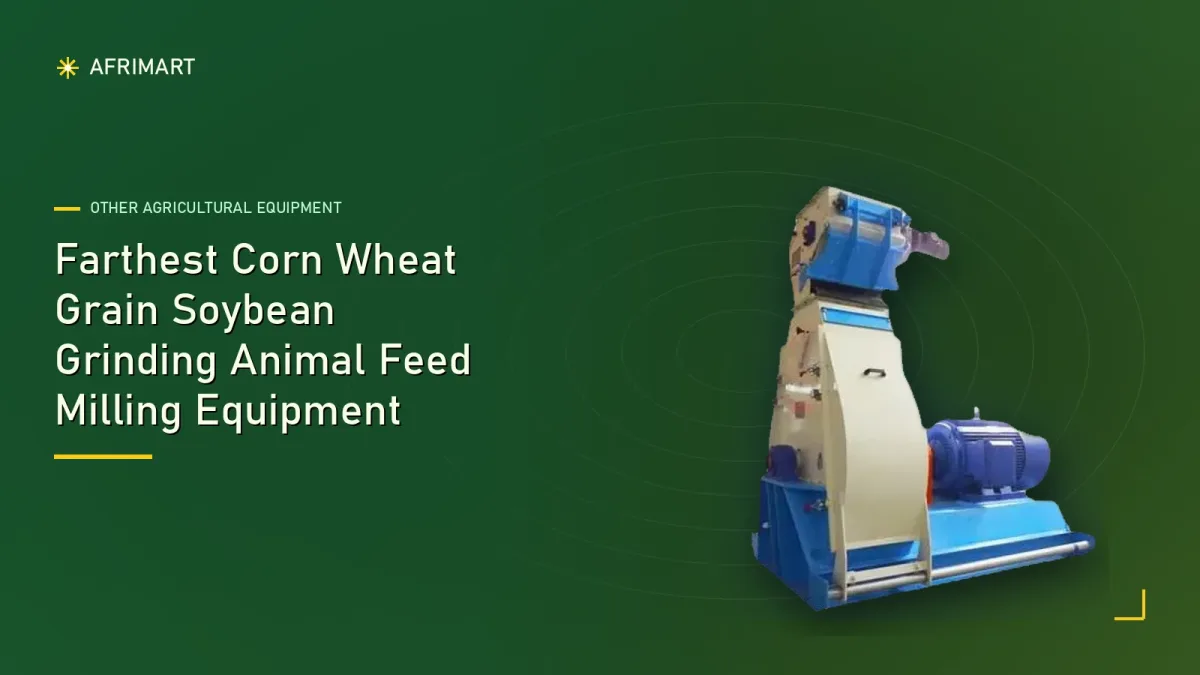
The Farthest Corn Wheat Grain Soybean Grinding Animal Feed Milling Equipment is a mill machine designed to grind grains, straw, corn, wheat and soybean into animal feed. It is aimed at farms and feed-processing operations that need fast throughput, with a verified capacity of 20 ton/h, 380V electric operation, and construction in 304 stainless steel and alloy steel.
At a glance
Best suited to: Farms and feed-processing operations that need high-productivity animal feed milling
Input material: Grains, straw, corn, wheat, soybean
Final product: Ground animal feed with customizable pellet size
Rated capacity: 20 ton/h
Voltage: 380V
Construction material: 304 stainless steel and alloy steel
What is Farthest Corn Wheat Grain Soybean Grinding Animal Feed Milling Equipment?
Farthest Corn Wheat Grain Soybean Grinding Animal Feed Milling Equipment is an electric mill machine for processing agricultural raw materials into animal feed. It is designed to handle grains, straw, corn, wheat and soybean, then produce feed output with a selectable pellet size.
For buyers, the important distinction is that this equipment is described as a milling machine for feed preparation. It processes feed raw materials into animal feed, but the product page does not describe a full feed plant with every upstream and downstream stage such as raw-material dosing, drying, cooling, bagging or storage. Buyers planning a complete production line should therefore treat this machine as one core processing unit and confirm the full line scope before ordering.
The machine is verified as new equipment from the FAR brand, built from 304 stainless steel and alloy steel. It uses an electric engine, a Siemens (China) motor, two rollers, six blades and one mold. The listed colour is blue and white, and the machine carries CE and ISO certification as stated on the product page.
How does Farthest Corn Wheat Grain Soybean Grinding Animal Feed Milling Equipment work?
The machine works by feeding agricultural materials into a mechanically driven milling system that uses its rollers, blades and mold to process them into animal feed. Based on the verified product information, the operating sequence can be understood as follows:
Material feeding
Grains, straw, corn, wheat or soybean are introduced into the mill machine for processing. The listing identifies these materials as the intended feed raw materials, which helps buyers match the unit to common farm and feed-mill inputs.
Electric drive and rotor action
The machine runs on an electric engine with a Siemens (China) motor and uses 380V power. A rotor with a verified diameter of 1200 mm drives the internal milling action that supports high-throughput processing.
Mechanical processing through rollers and blades
The product is fitted with 2 rollers and 6 blades. These are the key verified processing components named in the listing, and they are central to how the machine breaks down feed materials into a usable form.
Forming through the mold
The machine includes 1 mold, and the pellet size is described as customizable. This indicates that the final feed output can be selected to suit the intended animal-feeding requirement, subject to the offered configuration.
Discharge of processed feed
After processing, the machine outputs animal feed at the selected pellet size. The listing gives an output figure of 10-50 t/h and also states a capacity of 20 ton/h; because these two figures may refer to different configurations or operating conditions, buyers should request written clarification on which value applies to the exact machine being quoted.
The product page does not specify whether auxiliary items such as feeders, conveyors, hoppers, dust collection, control panel layout, discharge handling or cooling equipment are supplied with the machine. Buyers should confirm the complete configuration and scope of supply before placing an order.
Where is Farthest Corn Wheat Grain Soybean Grinding Animal Feed Milling Equipment used?
Commercial livestock farms
Large livestock operations can use this machine to prepare feed from grains, corn, wheat, soybean and straw on site. This can support more direct control over feed preparation and may reduce reliance on pre-processed feed where farms prefer to handle core milling in-house.
Integrated feed-production units
Businesses that combine crop production with animal rearing can use the machine to convert farm outputs into feed input for poultry, cattle, pigs or other livestock. The verified 20 ton/h capacity makes it relevant where throughput matters more than small-batch processing.
Animal feed processing businesses
Feed businesses serving surrounding farms may use a mill machine like this as part of a dedicated feed-preparation line. The customizable pellet size is relevant where different customers require different feed formats for different animal categories.
Agro-processing enterprises handling mixed raw materials
The listing names grains, straw, corn, wheat and soybean, which gives processors flexibility across multiple agricultural inputs. That matters in African markets where raw-material availability can vary by season, region and crop cycle.
Cooperative farming groups
Farmer cooperatives and shared production centres can use a high-capacity unit to process feed for multiple members. A machine with electric operation and overseas service support may suit organised groups that want centralised feed preparation instead of many smaller, less efficient units.
Rural and peri-urban feed hubs
Feed hubs located near production areas can use the machine to prepare feed close to livestock users. This can support faster supply to nearby farms and reduce repeated handling of unprocessed raw materials.
Projects focused on agricultural value addition
Development projects and private investors looking at agricultural value addition may consider this type of equipment where the goal is to convert local crop materials into animal feed. The machine’s construction in 304 stainless steel and alloy steel also supports buyers who want a robust specification for repeated industrial use.
Operations needing service support across borders
The product page states that engineers are available to service machinery overseas, alongside free replacement parts and online technical support. For buyers in African markets where after-sales support is a major procurement concern, this can be a practical reason to shortlist the machine for further evaluation.
Technical specifications
The following specifications are taken from the Afrimart listing for the FAR brand machine under Afrimart SKU 1601968128976.
| Specification | Verified value | Buyer note |
|---|---|---|
| Brand | FAR | Useful when requesting a like-for-like quotation or technical clarification. |
| Afrimart SKU | 1601968128976 | Include this reference in quotation requests to avoid confusion with other feed machines. |
| Product name | Farthest Corn Wheat Grain Soybean Grinding Animal Feed Milling Equipment | Use the full product name in procurement documents and RFQs. |
| Type | Mill Machine | Confirms the equipment category; it should not be assumed to include a complete feed plant. |
| Capacity | 20 ton/h | Treat this as the principal stated capacity figure; confirm whether it is rated, nominal or best-case throughput. |
| Output | 10-50 t/h | This differs from the 20 ton/h capacity figure, so buyers should request written clarification for the quoted configuration. |
| Feed raw material | Grains, Straw, Corn, Wheat, Soybean | Confirm whether your actual raw-material mix, condition and preparation fall within the intended use. |
| Engine type | Electric Engine | Buyers should confirm starting method, protection requirements and power-cable scope. |
| Phase | Single Phase | The listing also states 380V; buyers should confirm the exact supply arrangement because this is commercially important. |
| Voltage | 380V | Verify site compatibility, especially where local utility standards differ by country or facility. |
| Motor | Siemens (China) | Confirm motor rating plate details and whether local service support is available for the supplied motor. |
| Pellet size | Customizable | Request the actual pellet-size range available for the offered mold or configuration. |
| Number of molds | 1 | Important for understanding the supplied tooling scope and changeover flexibility. |
| Number of rollers | 2 | A key processing component that helps define the machine’s mechanical setup. |
| Number of blades included | 6 | Buyers should ask whether blades are supplied installed, as spares, or as part of the machine assembly. |
| Material | 304 Stainless Steel, Alloy Steel | Relevant to durability, corrosion resistance and cleanability in feed-processing environments. |
| Diameter of rotor | 1200 mm | A significant mechanical dimension; request drawings to understand maintenance access and layout impact. |
| Dimension (LWH) | According to the model | The published dimensions vary by model, so buyers should obtain confirmed dimensional drawings for the quoted unit. |
| Weight | 1000 kg | Confirm whether this is net operating weight or shipping weight before transport and foundation planning. |
| Colour | Blue and White | Useful for visual identification only; it is not a technical performance parameter. |
| Condition | New | Confirms that the listing is for new equipment rather than refurbished machinery. |
| Certification | CE ISO | Buyers should request the exact certificate documents and scope relevant to the supplied machine. |
| Warranty | 1 Year | Confirm what the warranty covers, any exclusions, and whether wear parts are included. |
| Service provided | Engineers available to service machinery overseas | Important for installation and after-sales planning, especially on cross-border projects. |
| Extra support | Free replacement parts and online technical support | Ask Afrimart to define which parts are free, for what period, and under what support terms. |
Specifications may vary according to the selected configuration and must be confirmed in Afrimart’s current written quotation.
What are the main operational benefits?
High-throughput feed preparation
The stated 20 ton/h capacity makes the machine relevant for operations that need more than small-batch feed processing. Where raw-material supply and downstream handling are properly matched, higher throughput can support shorter production cycles.
Material flexibility for common agricultural inputs
The verified raw-material list includes grains, straw, corn, wheat and soybean. This supports operations that process more than one agricultural input rather than relying on a single crop stream.
Configurable feed output
The listed customizable pellet size gives buyers a degree of output flexibility. That matters where one site may produce feed for different animals or feeding stages and therefore needs a specific finished size.
Durable material construction
Construction in 304 stainless steel and alloy steel supports durability and resistance to demanding operating conditions. For feed processors, this material choice is also relevant where hygiene, corrosion resistance and long service life influence procurement decisions.
Defined mechanical processing components
The machine includes 2 rollers, 6 blades and 1 mold, giving buyers a clear starting point for technical comparison. These verified components also help maintenance teams understand the basic wear-part and service profile of the machine.
Industrial-scale electric operation
The unit uses an electric engine, a Siemens (China) motor and 380V power. Electric drive can suit facilities that already have stable industrial electricity and want a feed-processing machine that integrates into an existing powered production area.
After-sales support for project delivery
The listing states engineers available to service machinery overseas, plus free replacement parts and online technical support. For buyers in many African markets, support availability is often as important as the machine specification itself.
Why does this equipment matter for African industry?
Animal feed is a critical link in livestock productivity, and many African businesses are working to strengthen local agricultural value chains rather than depend only on externally processed inputs. A machine that can process grains, corn, wheat, soybean and straw into animal feed supports this broader shift towards local value addition.
Its relevance is practical rather than abstract.
In grain-producing regions, processors may want to convert part of their crop output into livestock feed close to where it is grown. In mixed-farming areas, farms may use a feed mill to connect crop production and animal production more directly. In livestock-intensive areas, commercial users may need larger-volume feed preparation with more control over output size and raw-material mix.
Africa is not one operating environment, so procurement priorities vary. In some markets, stable electrical infrastructure makes an electric 380V machine straightforward to integrate. In others, buyers will need to check utility quality, cable sizing and installation planning more carefully before committing. Likewise, the importance of overseas service support may be higher in countries where specialist machinery technicians are less readily available locally.
The machine also matters where agricultural enterprises are trying to use locally available materials more effectively. The verified input list includes straw as well as grain-based materials, which may be relevant for operations that want to derive feed value from a broader raw-material base, provided the exact suitability of their formulation is confirmed for the quoted machine.
In short, this type of feed milling equipment supports local processing capacity, feed preparation closer to end use, and more structured agro-industrial operations where throughput and equipment support both matter.
What should buyers confirm before ordering?
- Required hourly throughput for the actual production plan
- Whether the quoted machine is based on the 20 ton/h figure or the 10-50 t/h output range
- Exact raw materials to be processed: grains, straw, corn, wheat, soybean
- Raw-material condition, cleanliness and preparation method
- Required finished feed format and pellet size
- Mold specification supplied with the machine
- Whether additional molds are available for other pellet sizes
- Exact power-supply arrangement for the listed 380V and single-phase specification
- Motor rating plate details for the Siemens (China) motor
- Starting current, protection and site electrical compatibility
- Full machine dimensions for the selected model
- Net weight versus shipping weight for handling and foundation planning
- Rotor access and maintenance clearance around the machine
- Infeed, discharge and material-handling arrangement
- Whether hopper, feeder, conveyor or discharge accessories are included
- Dust control and housekeeping requirements for the installation area
- Operator safety features and guarding included in the supplied scope
- Commissioning support and availability of overseas service engineers
- List of consumables, wear parts and recommended opening spares
- Scope of free replacement parts and timing of supply
- Warranty terms, exclusions and claim procedure
- Delivery destination, country-specific import documentation and lead time
- Operator training and online technical support arrangements
- CE and ISO certificate documents relevant to the actual machine supplied
The most consequential unresolved point in the published data is the difference between the stated 20 ton/h capacity and 10-50 t/h output figures. Buyers should request a formal technical datasheet and written quotation that clearly states the rated throughput for the exact configuration being offered.
How to source Farthest Corn Wheat Grain Soybean Grinding Animal Feed Milling Equipment through Afrimart
Afrimart can help buyers confirm whether this feed milling machine matches the intended application and prepare a quotation for the correct configuration. This is especially important where throughput, pellet size, utilities and the supplied accessories must be aligned with a real production site.
To receive a useful quotation, buyers should provide:
- Required capacity
- Intended application
- Input materials
- Project location and country
- Available utilities
- Required accessories
- Installation and training requirements
- Target project date
For project enquiries, support requests or formal procurement documentation, buyers may also use [email protected].
Frequently asked questions
What is Farthest Corn Wheat Grain Soybean Grinding Animal Feed Milling Equipment used for?
It is used for processing agricultural materials into animal feed. The verified input materials are grains, straw, corn, wheat and soybean, and the machine is described as a mill machine with customizable pellet size, making it relevant for farms and feed-processing operations that need structured feed preparation.
What capacity does this animal feed milling machine have?
The product page states a capacity of 20 ton/h. It also lists output of 10-50 t/h, so buyers should not assume those figures mean the same thing. The correct approach is to request a written quotation and technical confirmation for the exact configuration being considered.
Can this machine process corn, wheat and soybean?
Yes. The verified feed raw materials include corn, wheat and soybean, as well as grains and straw. Buyers should still confirm their exact raw-material condition and intended feed formulation, because the product page does not define moisture level, particle size at intake or any required pre-processing stage.
Is this feed milling equipment electric or diesel?
It is electric. The listing specifies an electric engine, 380V voltage and a Siemens (China) motor. Buyers should verify the exact site power arrangement because the page also states single phase, and that combination should be checked carefully against the installation location and local power supply.
What output size can the machine produce?
The listing states that pellet size is customizable. That means buyers can specify the feed size they need, but the published information does not give the actual pellet-size range. Before ordering, request the mold specification and the available pellet sizes for the machine configuration being quoted.
What is the machine made from?
The machine is made from 304 stainless steel and alloy steel. This is a useful combination for buyers looking for durability and a robust build in feed-processing service. It is still sensible to confirm which assemblies are stainless steel and which are alloy steel if material selection is important for your site conditions.
Does Afrimart offer installation or technical support for this machine?
The product listing states that engineers are available to service machinery overseas. It also includes online technical support and free replacement parts. Buyers should ask Afrimart to define the exact commissioning scope, travel terms, training provision and which parts are included under the support offer.
How do I request a quotation for this feed milling machine?
The best way is to send a project-specific enquiry through the Afrimart product page. Include your required capacity, intended raw materials, project country, available utilities, required accessories, and whether you need installation or training. Using the exact product name and Afrimart SKU 1601968128976 helps Afrimart prepare the correct quotation.
Sources and technical review
Afrimart product page: Farthest Corn Wheat Grain Soybean Grinding Animal Feed Milling Equipment
https://afrimart.co.za/product/farthest-corn-wheat-grain-soybean-grinding-animal-feed-milling-equipment
International Organization for Standardization (ISO)
https://www.iso.org/
European Commission, CE marking overview
https://single-market-economy.ec.europa.eu/single-market/ce-marking_en