B21, China Town Mall, Midrand

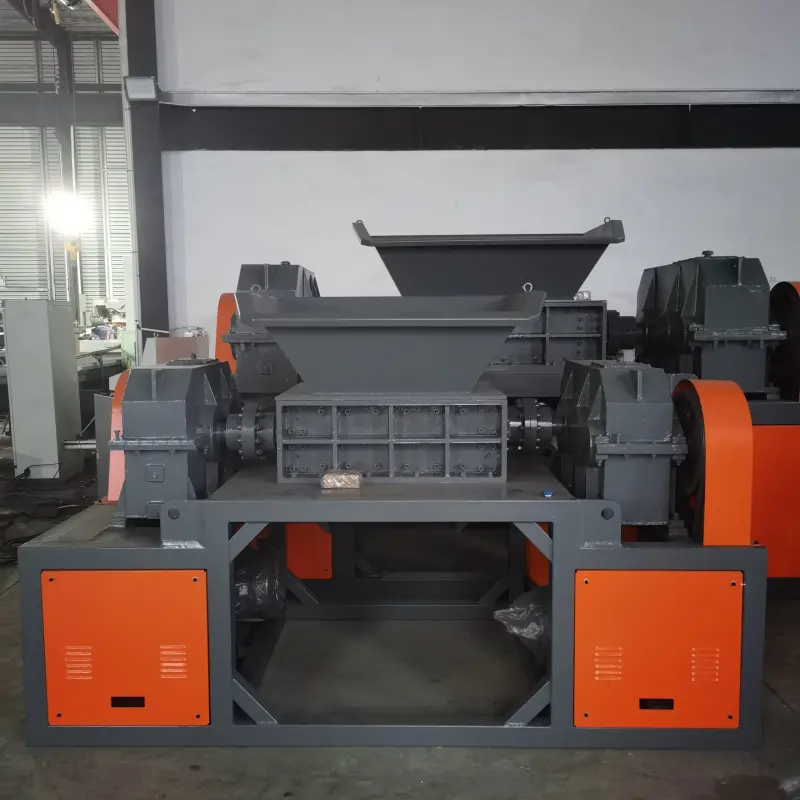
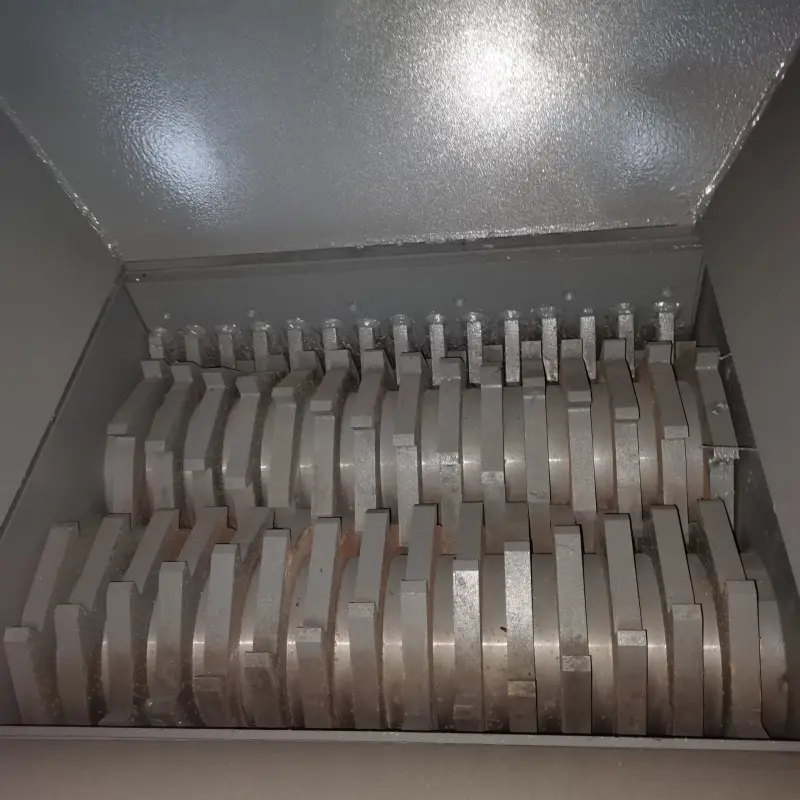
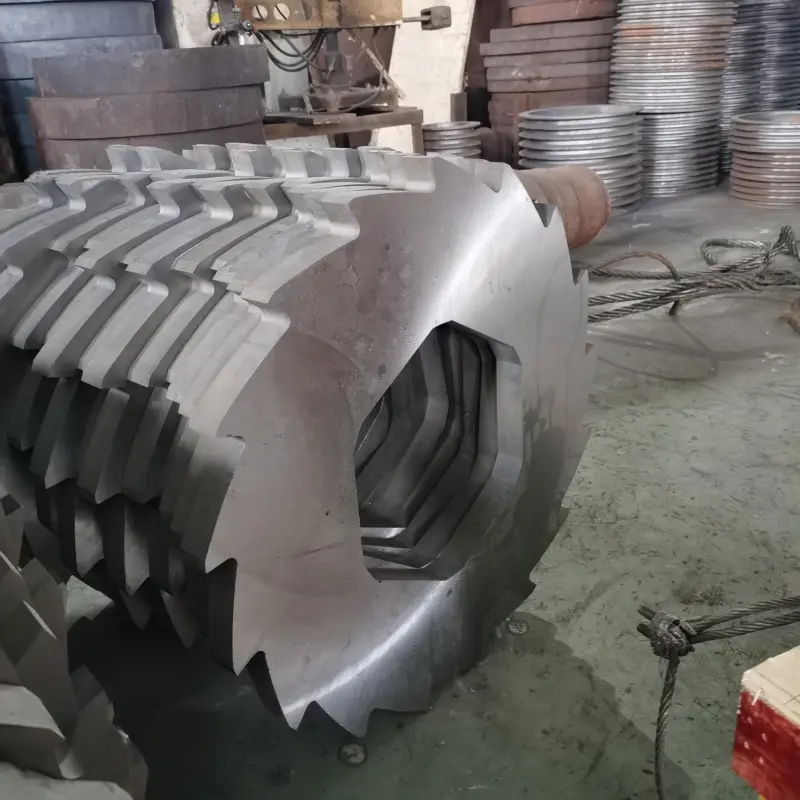
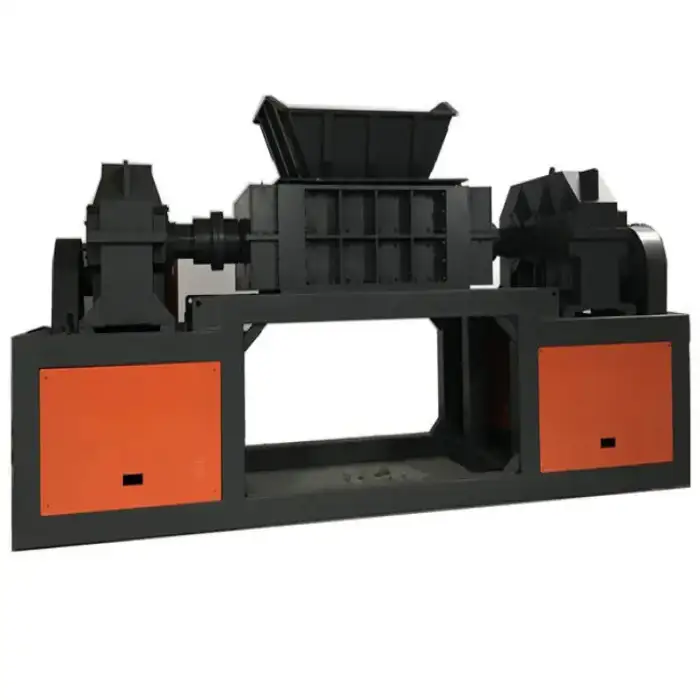
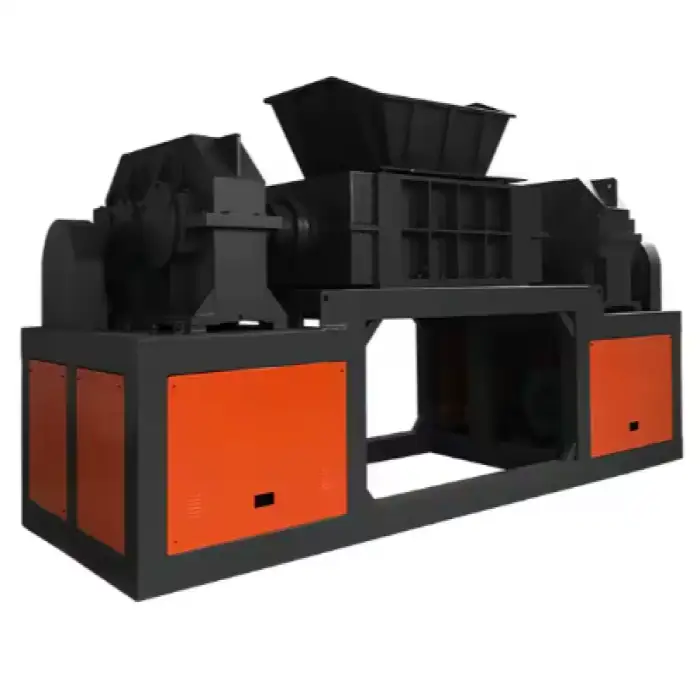
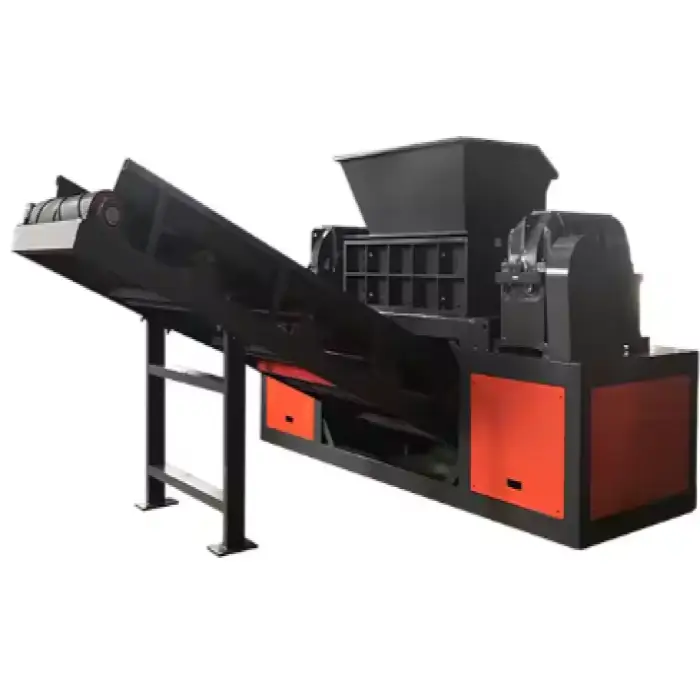
Waste Tire Recycling Shredder Machine
Asset finance available
Do you want funding for this equipment?
Afrimart can connect you with trusted funding partners who specialise in asset finance for businesses like yours. Compare options and apply in minutes — final approval is subject to provider review.
Check funding options
Secure & no obligation

- Section : Machinery
- Category : Crushers
- SKU : 1600726299225

Waste Tire Recycling Shredder Machine
The Waste Tire Recycling Shredder Machine is a powerful and versatile solution for managing waste materials. Designed to handle a wide range of plastics and tires, this shredder ensures efficient recycling while maintaining high safety and reliability standards. Its compact yet robust design is perfect for various industrial and universal applications.
Key Features of the Waste Tire Recycling Shredder Machine:
- Wide Material Compatibility: Shreds PVC, PET, ABS, PP/PE, and other plastic types, as well as tires, for versatile recycling applications.
- High Production Capacity: Processes between 100–2000 kg/h, meeting diverse operational needs.
- Durable Construction: Built with premium components, including bearings and a PLC system, for extended lifespan.
- Compact and Customizable Dimensions: Tailored sizing for seamless integration into any workspace.
- Enhanced Efficiency: Features a multifunctional design for optimal performance and reliability.
- Powerful Voltage Options: Operates at 380V or customized settings to match user requirements.
- Universal Application: Suitable for various industries with a focus on efficient waste material recycling.
- Long-Lasting Performance: Offers a 2-year warranty for durability and peace of mind.
This Waste Tire Recycling Shredder Machine is an excellent choice for anyone looking to recycle waste plastics and tires efficiently. With its high capacity and reliable features, it ensures smooth operations for years to come.
Product Info Gallery
| Model | Motor power | Chamber size(mm) | Application |
| 600 | 22kw+22kw | 600x510 | Hard disk e-waste |
| 800 | 37kw+37kw | 800x650 | Hard plastic material |
| 1000 | 45kw+45kw | 1000*820 | Leather cloth factory waste materials |
| 1200 | 55kw+55kw | 1200*1100 | Shredding of paper factory waste,Wire and copper wire |
| 1400 | 75kw+75kw | 1400x1200 | Wood pallet/Car/motorcycle/shredder |
| 1600 | 90kw+90kw | 1600x1400 | Home appliance refrigerator washing machine shredder |
| 1800 | 132kw+132kw | 1800*1600 | Tire rubber shredder |
| 2000 | 154kw+154kw | 2000*1800 | large steel scrap |

- Shipping Timeframes: All orders are processed within 2-5 business days (excluding weekends and holidays). After your order has been processed, the estimated delivery time is before 04 Aug, 2026, depending on customs, Please note that due to high demand, some items may experience longer shipping times, which will be communicated at order confirmation email.
- Order Processing Time: Please allow 2-5 business days for us to process your order before it is shipped . Orders placed after 16:00 on Fridays, or during weekends and public holidays, will begin processing on the next business day. Processing times may be extended during peak seasons or sales events.
- Manufacturing Time: Some products needs manufacturing time, the manufacturing process will take approximately 10-30 business days depending on the product. This timeframe may vary depending on the complexity of the product and current demand. but this will be communicated with you during order confirmation.
- Returns and Exchanges: We offer a 30-day return policy for most items. If you are not completely satisfied with your purchase, you may return it within 30 days of receipt for a refund or exchange. Items must be unused, in their original packaging, and accompanied by proof of purchase. Return shipping costs are the responsibility of the customer, unless the item was damaged or defective upon arrival.
1. What materials can the Waste Tire Recycling Shredder Machine process?
The machine shreds a wide range of materials including tires, PVC, PET, ABS, PP/PE and other plastics, e‑waste (hard disks), leather, fabric, paper factory waste, wire and copper cable, wood pallets, car and motorcycle bodies, home appliances (refrigerators, washing machines), tire rubber and large steel scrap.
2. What is the production capacity of the shredder?
Production capacity depends on the model and material hardness, and ranges from about 100 kg/h up to 2000 kg/h. Exact throughput will vary by feed consistency and chosen rotor/blade configuration.
3. What power options and motor sizes are available?
Standard electrical configuration is 380V, with customized voltage options available. Motor power varies by model—examples include dual-motor configurations such as 22 kW+22 kW (600 model), 37 kW+37 kW (800), 45 kW+45 kW (1000), up to 154 kW+154 kW (2000 model).
4. How do I choose the right model for my application?
Select a model based on the material type, feed size and desired throughput. Lighter materials and smaller throughput suit compact models (e.g., 600–1000), while heavy-duty applications like large tires, appliances or steel scrap require larger models (1400–2000). Contact sales with your material specs for a recommendation.
5. Can the machine be customized to fit my workspace?
Yes. Chamber dimensions, rotor configurations, inlet/outlet layouts and electrical options can be customized so the shredder integrates into your production line or available floor space.
6. What safety features are included?
The shredder includes PLC control, emergency stop, safety interlocks and robust guarding. Additional safety options such as light curtains, access locks and soundproof enclosures can be added per site requirements.
7. What kind of control system does the machine use?
It is equipped with a PLC control system for reliable operation, easy parameter adjustment and integration with upstream/downstream equipment.
8. What maintenance is required and how often should blades be serviced?
Perform daily visual inspections and cleaning, weekly lubrication checks for bearings, and monthly inspections of belts, fasteners and electrical connections. Blade life depends on material and duty cycle; inspect blades regularly and sharpen or replace when wear reduces performance. Replaceable wear parts are available.
9. Does the warranty cover wear parts like blades?
The machine carries a 2‑year warranty against manufacturing defects. Normal wear parts such as cutting blades, screens and belts are typically excluded from the warranty; check the warranty terms or discuss spare parts packages with sales.
10. Can this shredder handle metal contamination in feedstock?
Small metal residues (nails, clips) can be processed depending on the model, but heavy or large steel scrap requires the appropriate heavy‑duty model. We recommend pre-separating large metal items and installing magnets or metal detectors upstream to protect blades and bearings.
11. What is the typical output particle size and can it be adjusted?
Output size depends on rotor, blade and screen configuration. The machine can be set up to produce various fragment sizes suitable for direct recycling or downstream granulation. Specific size requirements can be achieved through custom screening and cutting arrangements.
12. Can the shredder be integrated with other recycling equipment?
Yes. It is designed to integrate with conveyors, magnetic separators, air classifiers, granulators, washing lines and balers to form a complete recycling line.
13. What are the installation and power supply requirements?
Requirements vary by model. Typical installation needs include a flat concrete foundation, three-phase power (standard 380V or customer-specified), proper grounding and space for maintenance access. We provide detailed installation drawings and can support site assessment.
14. How loud is the machine and are noise reduction options available?
Noise levels depend on model, material and operation. The machine is engineered for industrial environments; soundproof enclosures, acoustic panels and anti-vibration mounts are available as options to reduce noise at the source.
15. What lead time and shipping options are available?
Lead times depend on model, customization and order size; typical delivery times range from several weeks to a few months. We offer worldwide shipping and can provide packaging, freight quotes and assistance with customs documentation.
Latest Order Arrivals
Discover our latest orders
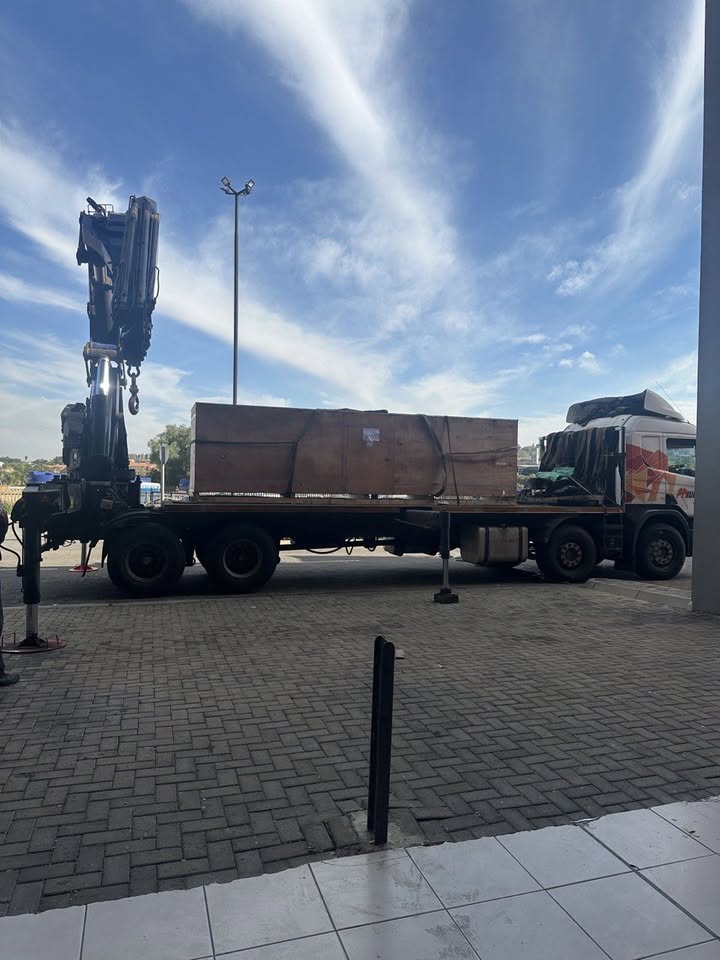
12 Heads Embroidery Machine
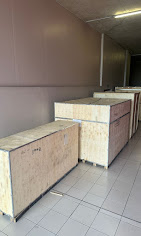
Toilet Paper Machine Machine
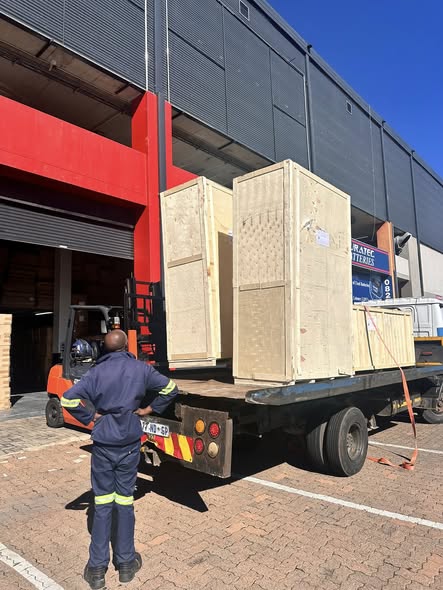
Order Collection
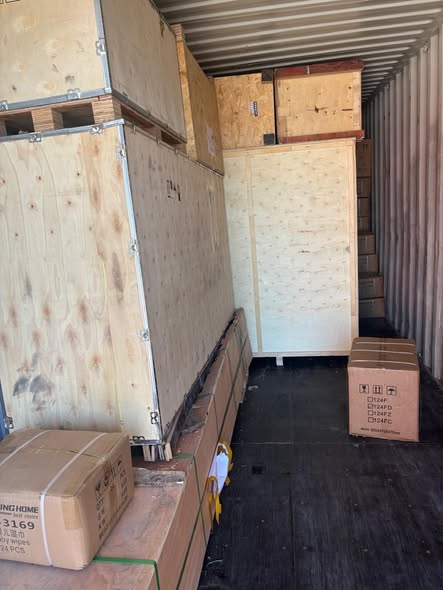
Cross Border Clients
Order cros border countries Collected
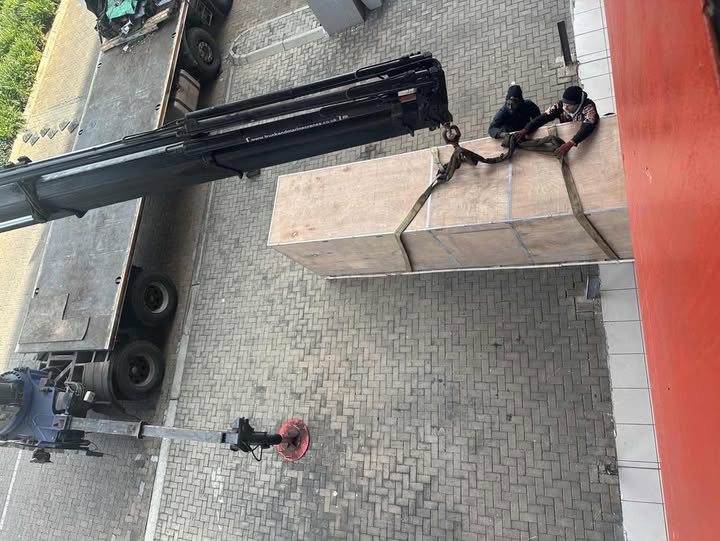
Industrial Machine Cllection
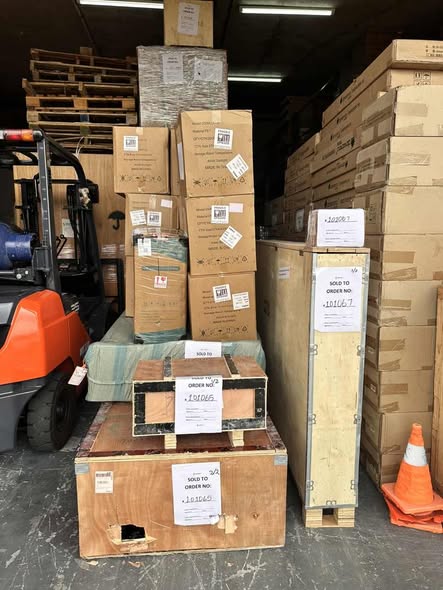
Agriculture Processing Machines
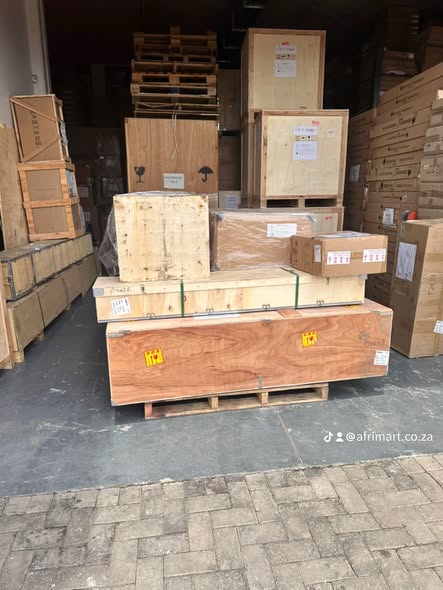
Ready for collection
Water Pump Equipment
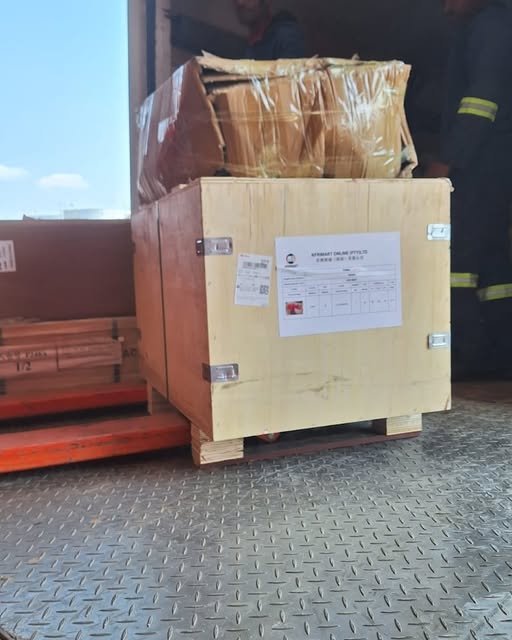
Packaging Machine and accessories
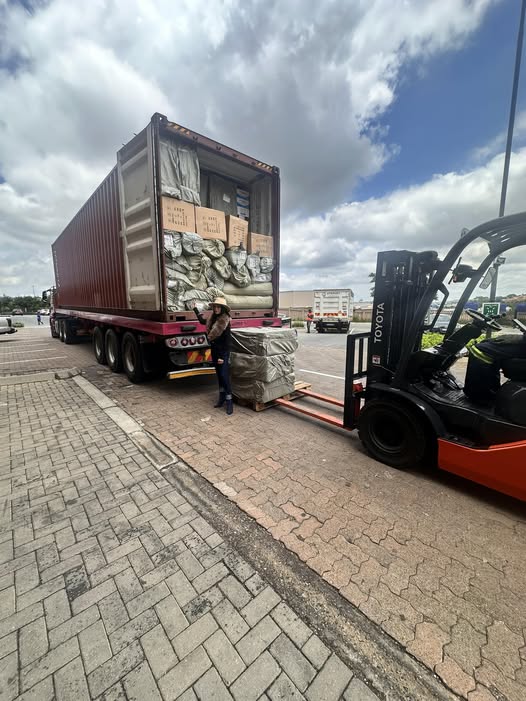
Fabrics Manufacturing Equipment
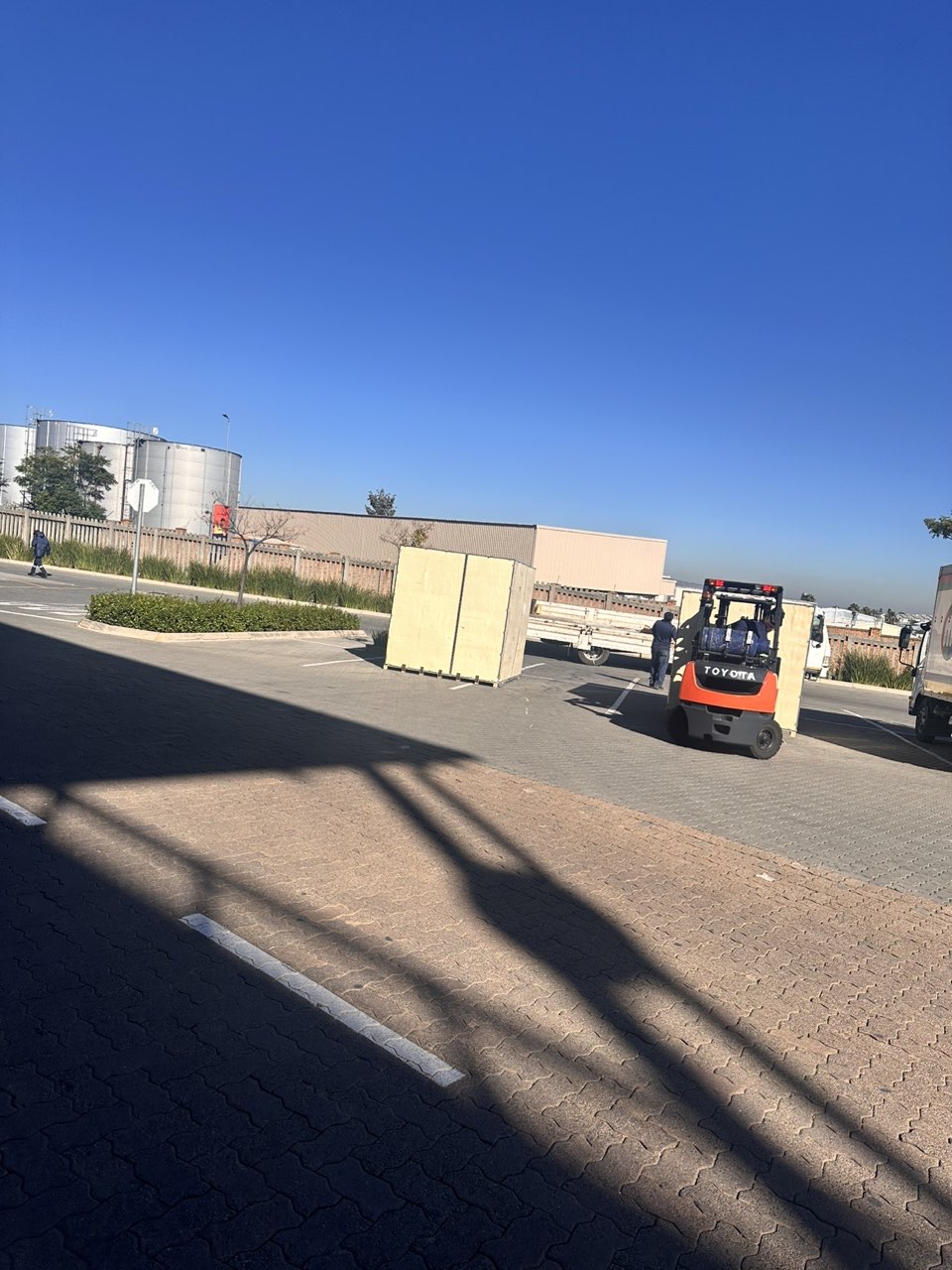
Mining Equipments
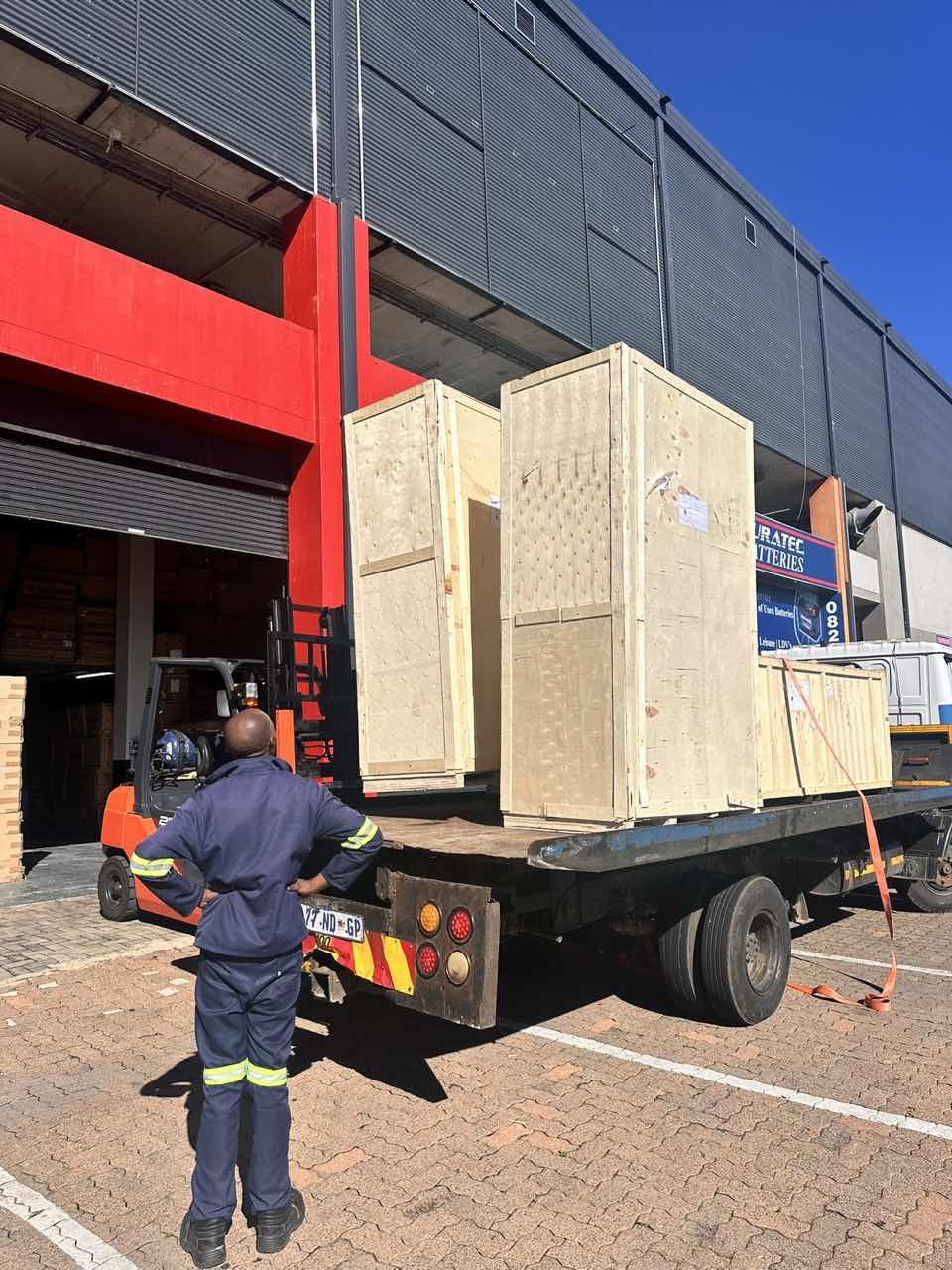
Food Processing Machine
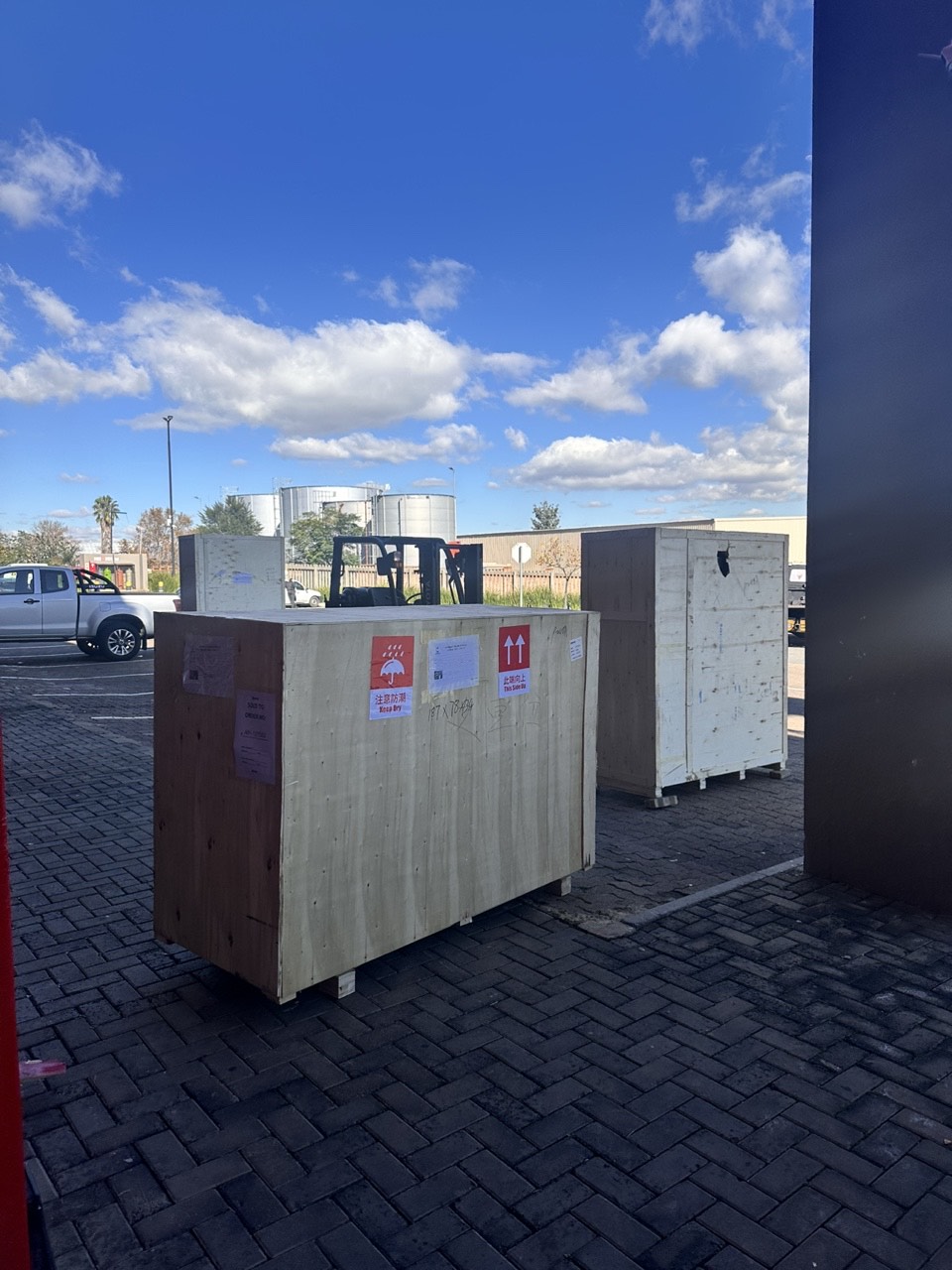
Batch of Orders
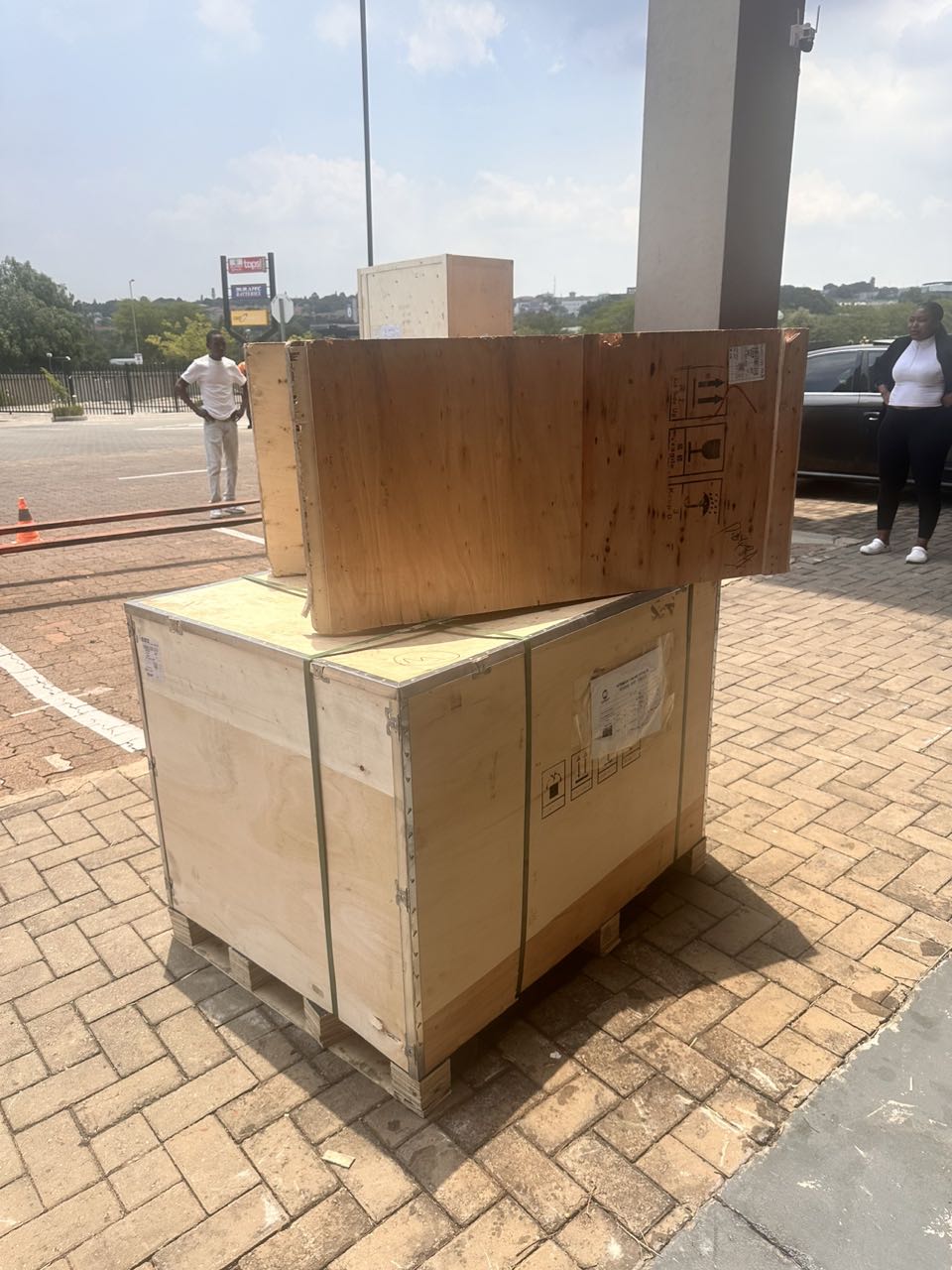
Batch of Orders
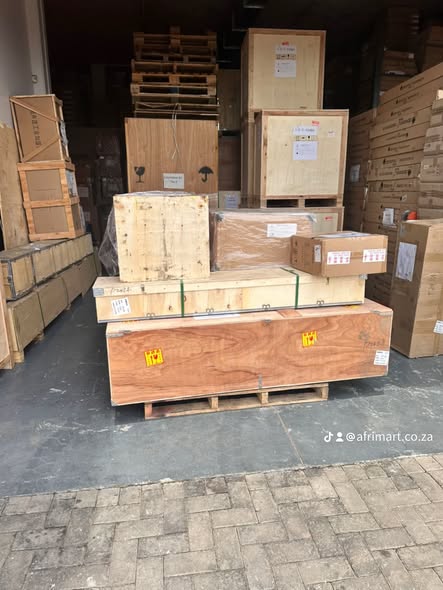
Latest Orders Labelled
wheel alignment machines
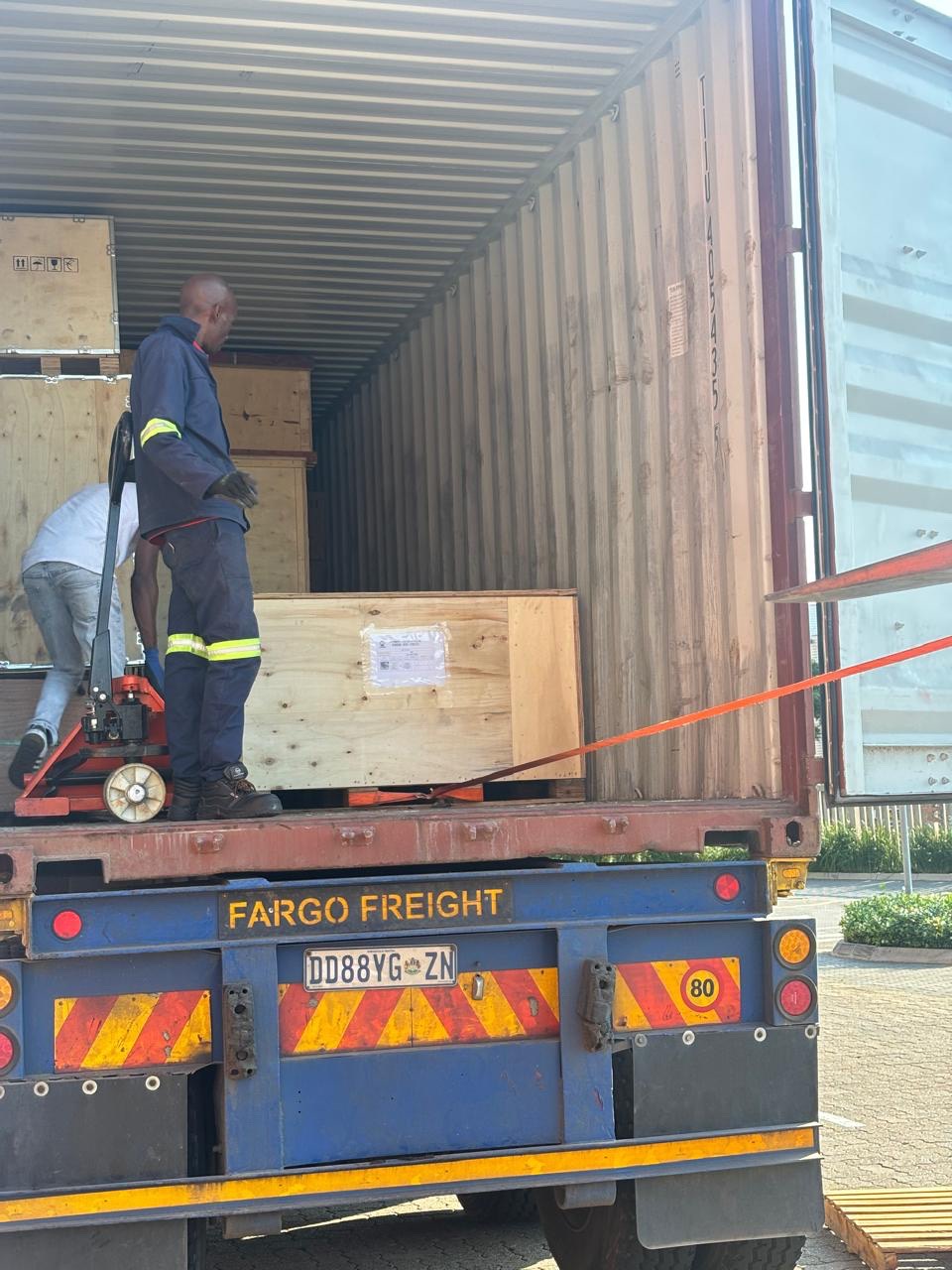
new arrivals
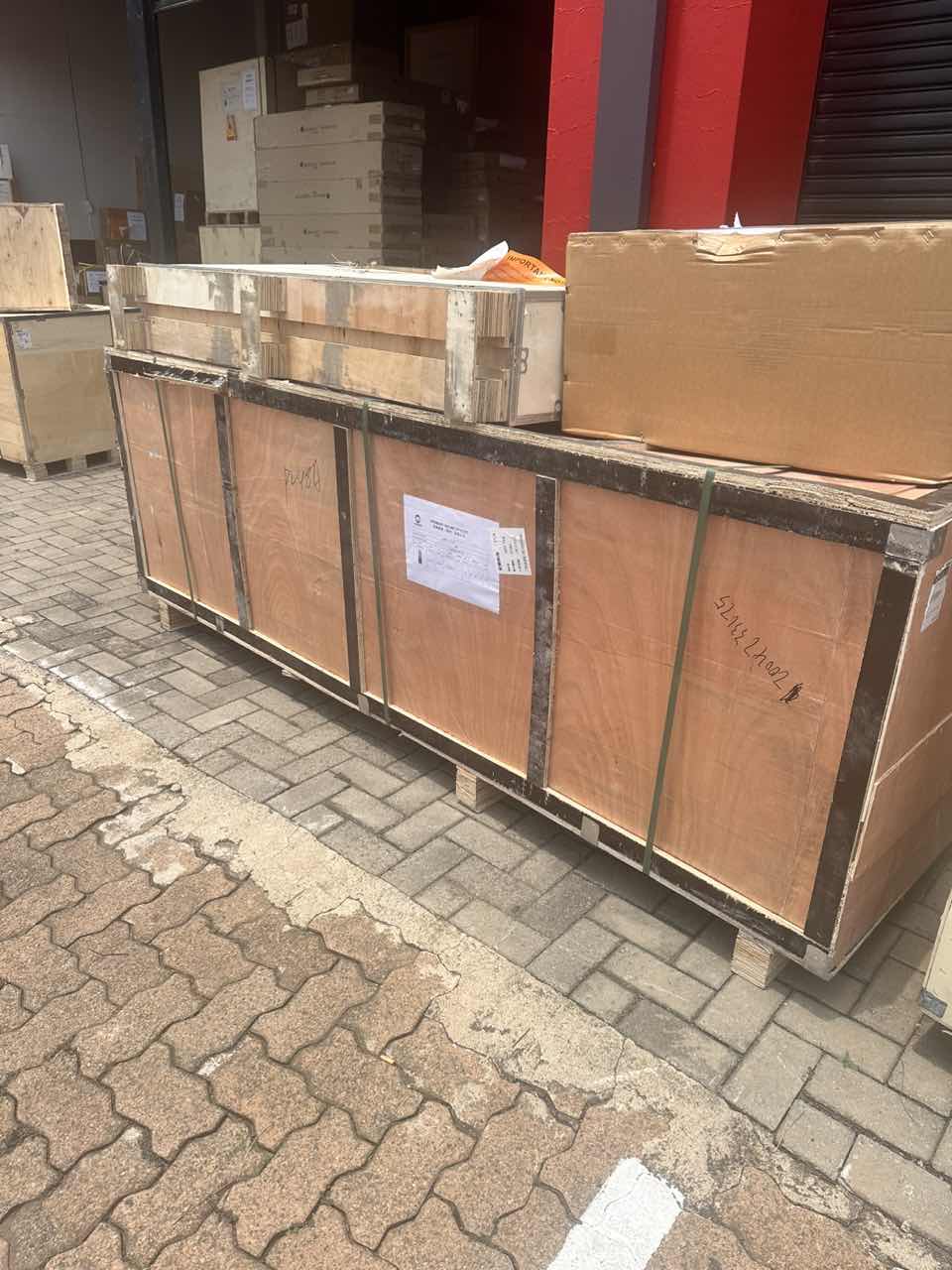
Pre Orders Offloading
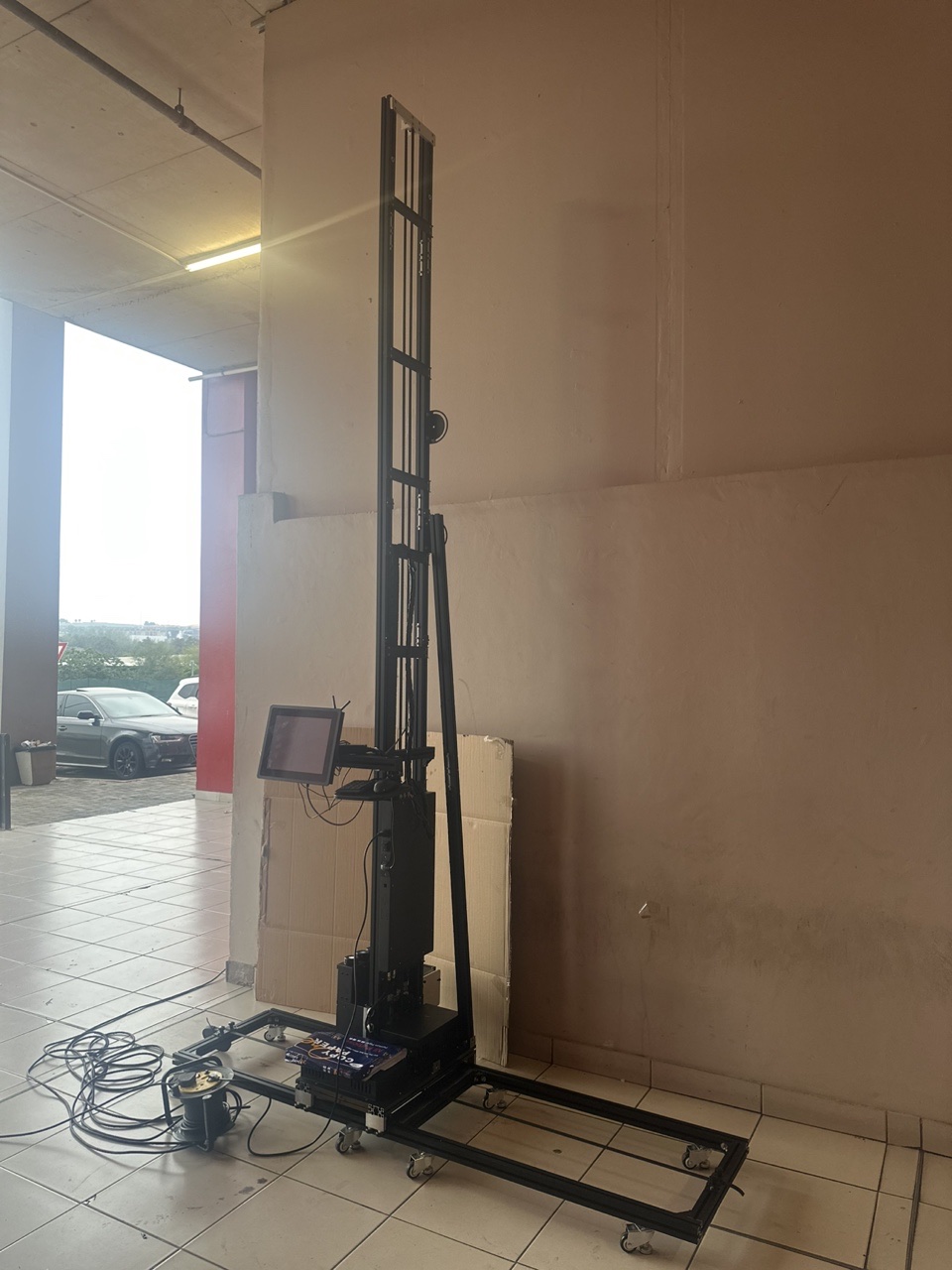
Latest Arrivals
Latest Arrivals
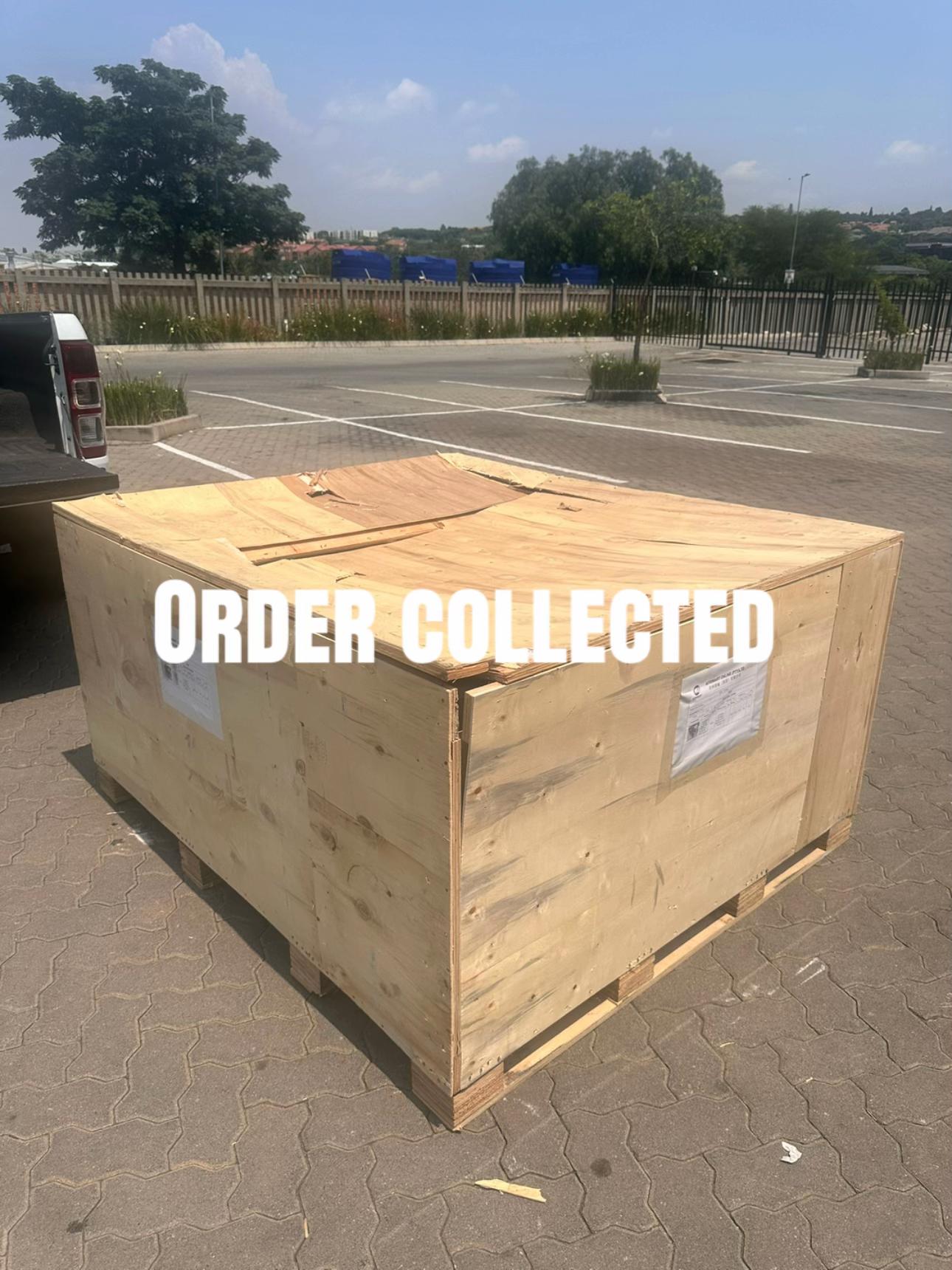
Latest Arrivals
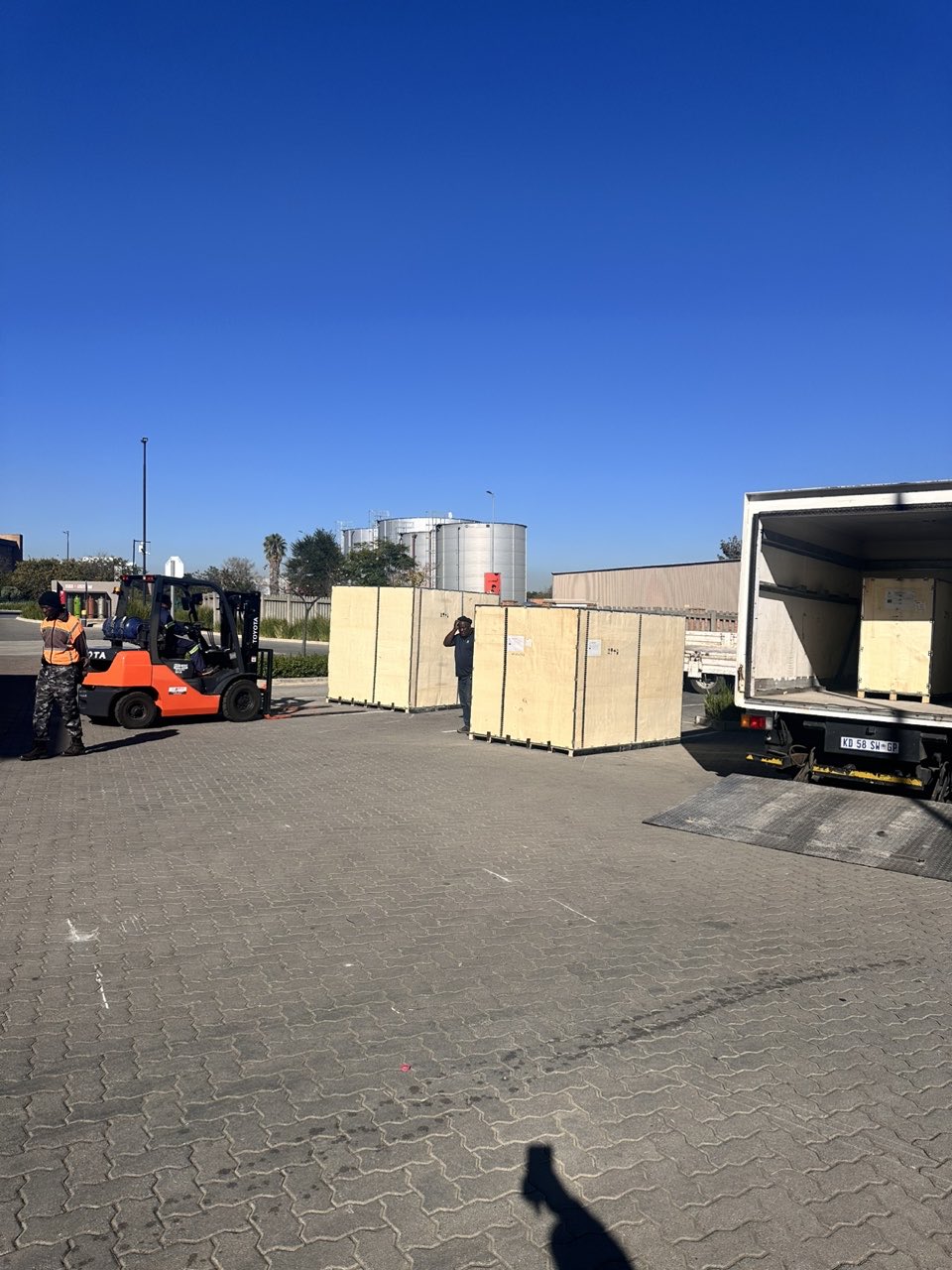
Loading
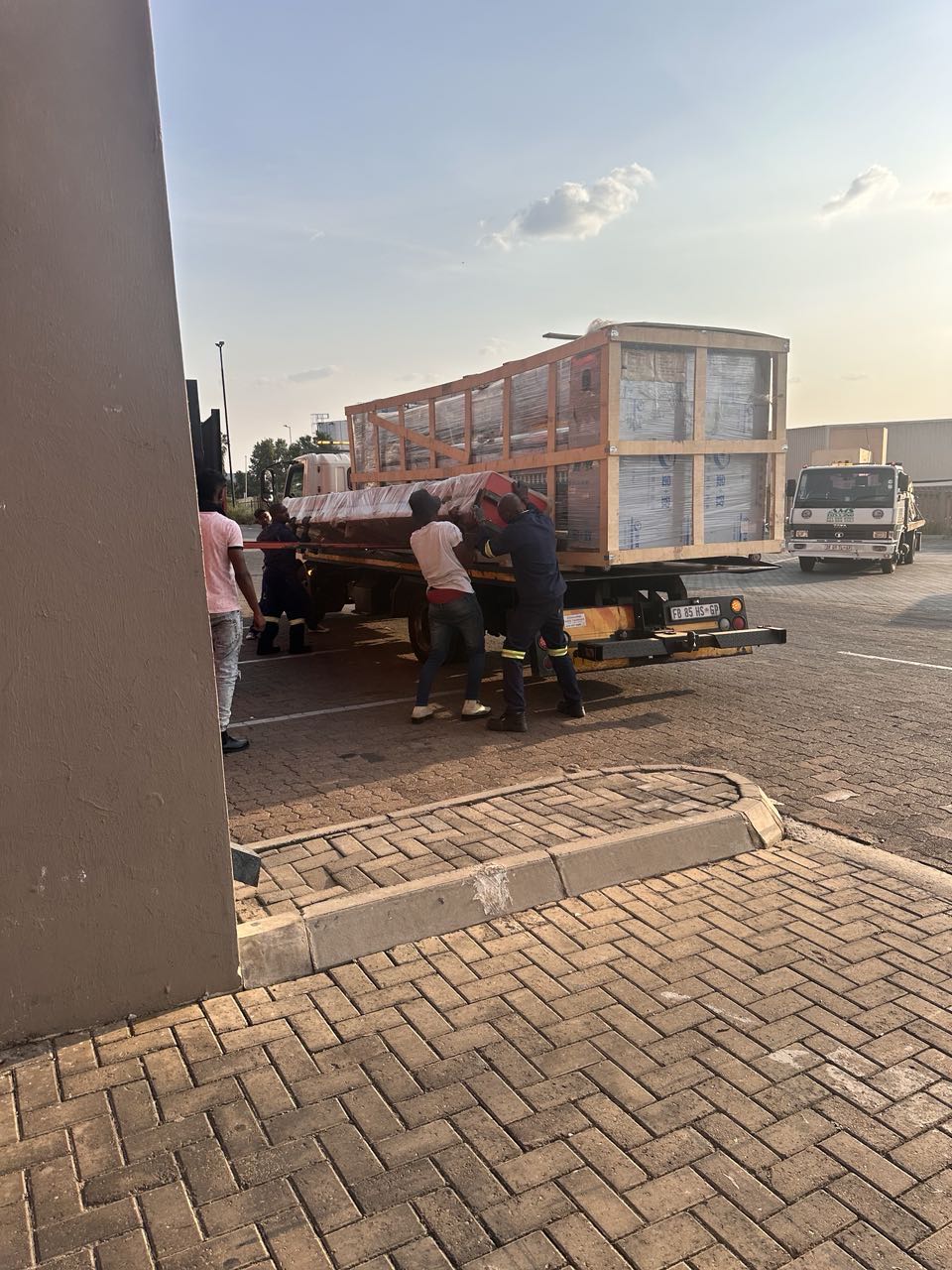
Toilet paper making machine
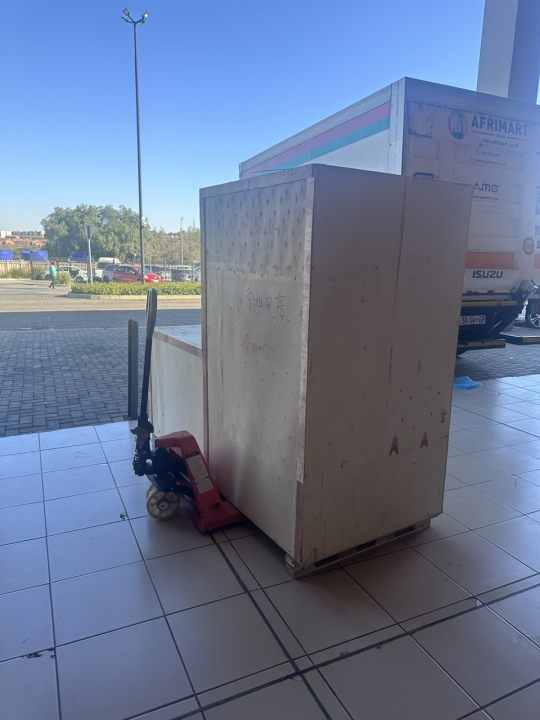
Toilet paper making machine
Toilet paper Rewinding Machine
latest arrivals
offloading
order success
order collection
order offloading