B21, China Town Mall, Midrand

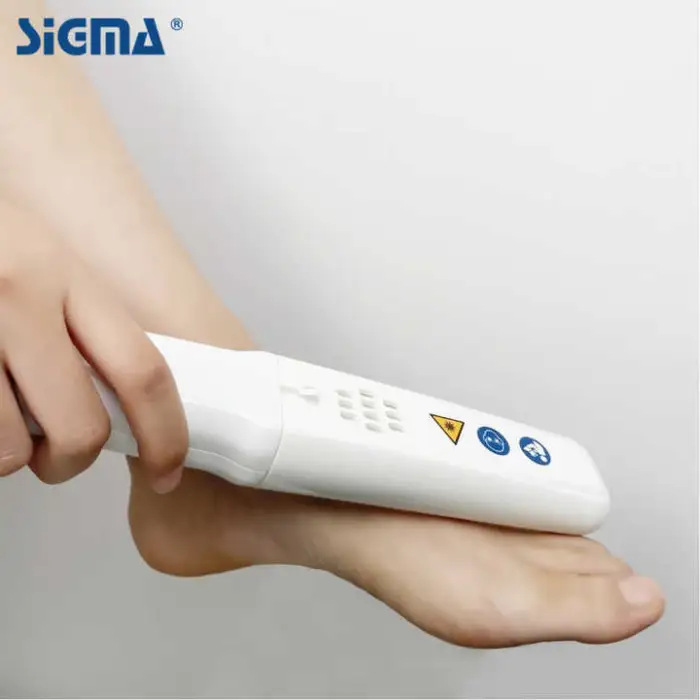
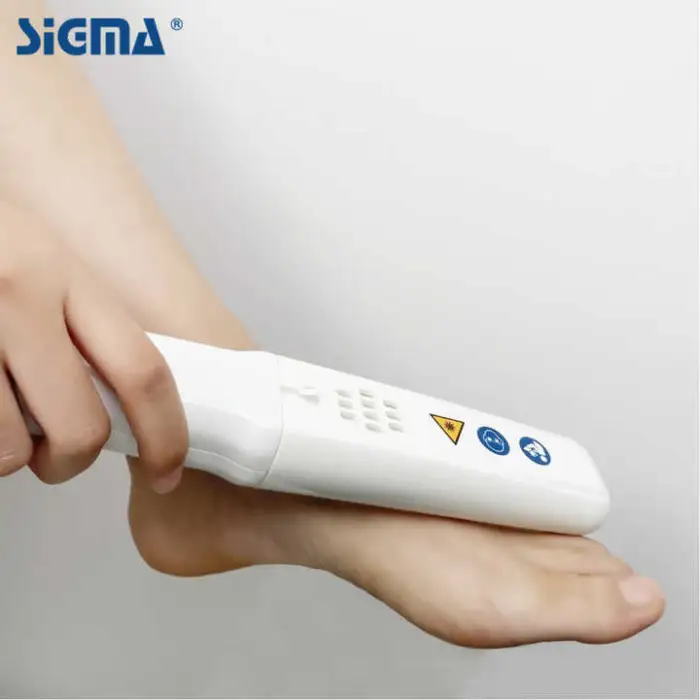
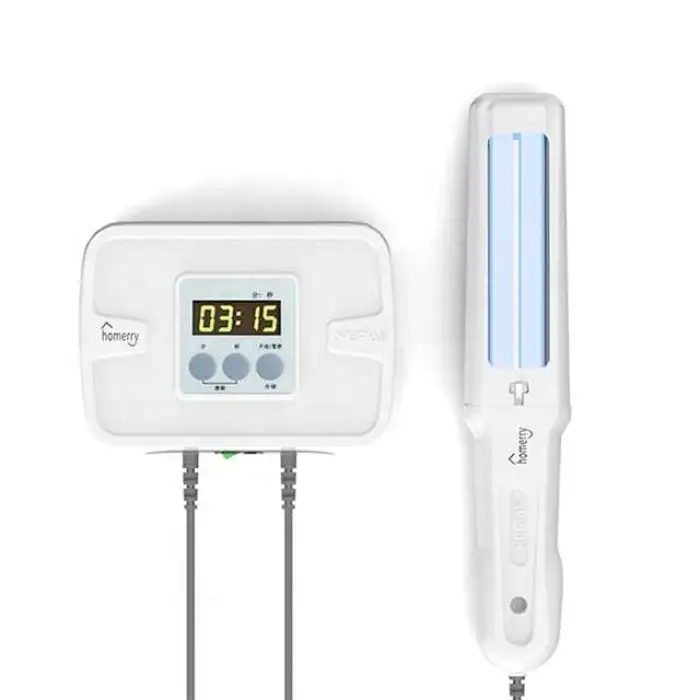
Vitiligo Machine 311nm UVB Phototherapy Equipment for Psoriasis Treatment

- Section : Appliances
- Category : Food Processors
- SKU : 1600169228765

Vitiligo Machine 311nm UVB Phototherapy Equipment for Psoriasis Treatment
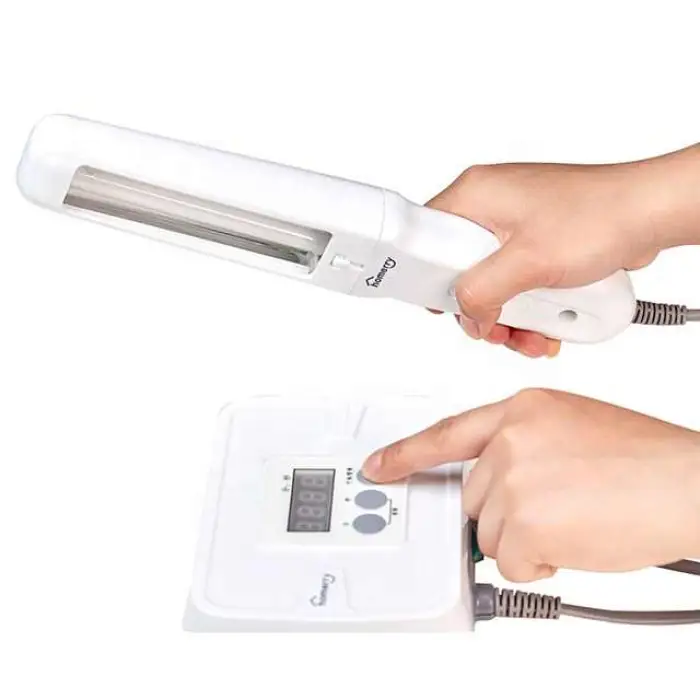
The Vitiligo Machine 311nm UVB Phototherapy Equipment is designed to help treat skin conditions like psoriasis, vitiligo, and eczema. This advanced device uses a specific wavelength of light to target affected areas. It is user-friendly and suitable for both professional and home use, providing effective relief from skin issues.
Specifications
| Attribute | Details |
|---|---|
| Service | Online technical support |
| Instrument classification | Class II |
| Brand Name | SIGMA |
| Model Number | SH1B |
| Wavelength | 311nm Narrowband UVB |
| Irradiation area | 11x2cm |
| Type | With LCD Timer |
| Lamp specification | 1pc UV bulb |
| Packaging Details | Cardboard box with foam |
| Single package size | 51X35X15 cm |
| Single gross weight | 2.200 KG |
Key Features
- Narrowband UVB light therapy at 311nm for targeted treatment.
- LCD timer for easy tracking of treatment sessions.
- Lightweight and portable design for home or clinical use.
- Effective for multiple skin conditions including vitiligo and psoriasis.
- Class II medical device with online technical support available.
Applications
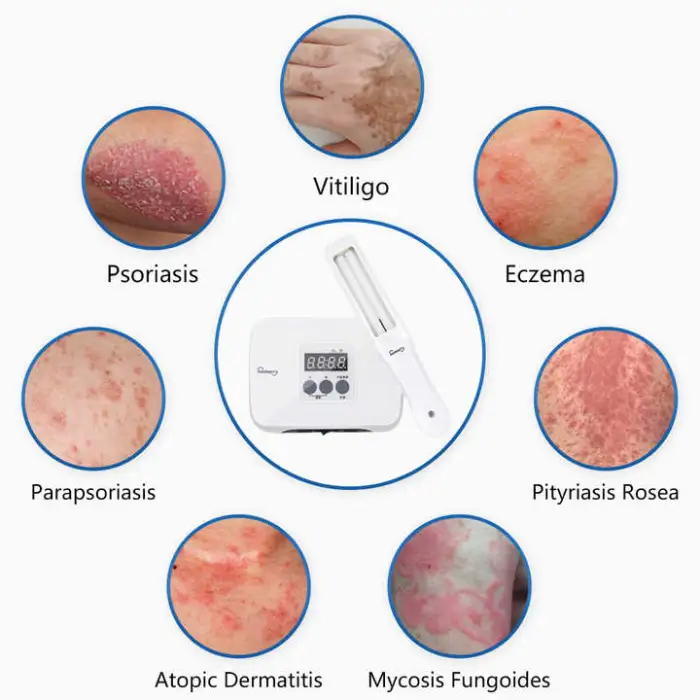
- Treatment of vitiligo and skin discoloration.
- Management of psoriasis outbreaks.
- Relief for eczema and atopic dermatitis (AD).
- Support for mycosis fungoides (MF) treatment.
- Assistance in healing pityriasis rosea.
Choose the Vitiligo Machine 311nm UVB Phototherapy Equipment for an effective and convenient solution to your skin treatment needs.
Product Info Gallery
- Shipping Timeframes: All orders are processed within 2-5 business days (excluding weekends and holidays). After your order has been processed, the estimated delivery time is before 03 Feb, 2026, depending on customs, Please note that due to high demand, some items may experience longer shipping times, which will be communicated at order confirmation email.
- Order Processing Time: Please allow 2-5 business days for us to process your order before it is shipped . Orders placed after 16:00 on Fridays, or during weekends and public holidays, will begin processing on the next business day. Processing times may be extended during peak seasons or sales events.
- Manufacturing Time: Some products needs manufacturing time, the manufacturing process will take approximately 10-30 business days depending on the product. This timeframe may vary depending on the complexity of the product and current demand. but this will be communicated with you during order confirmation.
- Returns and Exchanges: We offer a 30-day return policy for most items. If you are not completely satisfied with your purchase, you may return it within 30 days of receipt for a refund or exchange. Items must be unused, in their original packaging, and accompanied by proof of purchase. Return shipping costs are the responsibility of the customer, unless the item was damaged or defective upon arrival.
1. What is a 311nm Narrowband UVB phototherapy device and how does it work?
Narrowband 311nm UVB phototherapy delivers a specific wavelength of ultraviolet B light that reduces inflammation and modulates immune activity in the skin. It is used to stimulate repigmentation in vitiligo and reduce plaques and itching in psoriasis and other inflammatory dermatoses.
2. Which skin conditions can this Vitiligo Machine treat?
The device is intended for treatment of vitiligo and skin discoloration, management of psoriasis outbreaks, relief of eczema/atopic dermatitis, support in mycosis fungoides therapy, and assistance in healing conditions such as pityriasis rosea. Use should be guided by a treating clinician.
3. Is this device suitable for home use or only for clinics?
The unit is designed to be lightweight and portable for both professional and home use. However, initial treatment protocols, dosing and safety instructions should be provided by a dermatologist or trained clinician before home use.
4. How often and how long should treatment sessions last?
Treatment frequency and duration depend on the condition, skin type, and prescribed dose. Clinically, narrowband UVB is commonly administered multiple times per week, but you must follow a dermatologist's individualized protocol. The device includes an LCD timer to track each session.
5. What safety precautions should I follow during treatment?
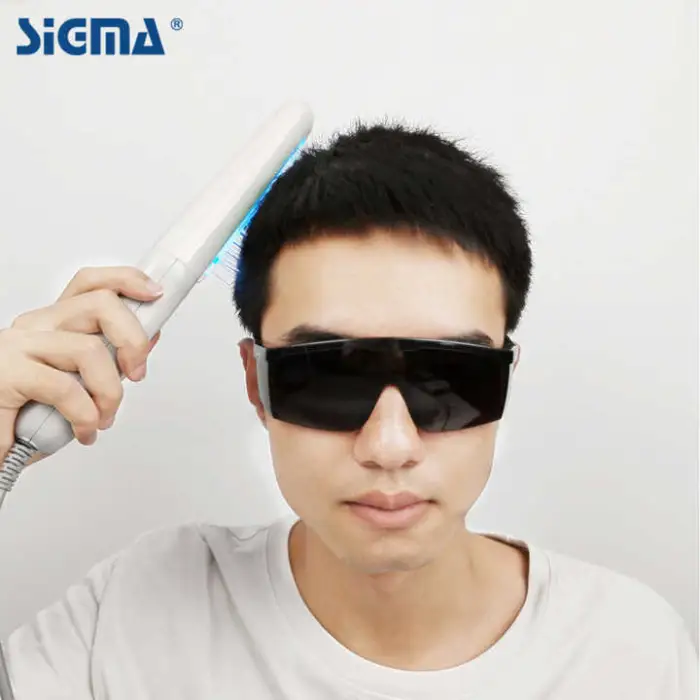
Always protect the eyes with appropriate UV-blocking goggles, avoid direct exposure to unaffected skin unless directed, cover or shield sensitive areas, do not treat open wounds, and avoid use with photosensitizing medications unless cleared by your physician. Follow all clinician instructions.
6. What are the possible side effects of 311nm UVB therapy?
Common short-term effects include redness, itching, and mild burns if doses are too high. Long-term risks may include photoaging and an increased risk of skin cancer after extensive UV exposure. Discuss risk–benefit with your dermatologist.
7. Who should not use this device?
Patients with known photosensitivity disorders, active skin cancer, a history of severe reactions to UV therapy, or those taking photosensitizing drugs should not use the device without specialist approval. Pregnant or breastfeeding patients should consult their healthcare provider before use.
8. Can children use the device?
Children can sometimes be treated with narrowband UVB but only under the supervision and prescription of a pediatric dermatologist. Dosing and protocols differ from adults.
9. What are the key specifications of this model (SH1B)?
Model SH1B (brand SIGMA) features a 311nm narrowband UVB wavelength, an irradiation area of 11 x 2 cm, 1 UV bulb, an LCD timer, Class II instrument classification, online technical support, single package size 51 x 35 x 15 cm and gross weight about 2.2 kg.
10. How do I maintain and clean the device?
Unplug the device before cleaning. Wipe external surfaces and the lamp cover with a soft, dry or slightly damp cloth; avoid liquid ingress into electronic components. Do not attempt internal repairs—contact technical support for servicing.
11. How do I replace the UV bulb and where can I get spare parts?
This unit uses a single replaceable UV bulb. For bulb replacements, compatible parts and instructions should be obtained through the manufacturer or authorized supplier. Contact the online technical support specified by the seller for guidance and approved parts.
12. Does the device come with warranty and technical support?
The product listing indicates online technical support is available. Warranty terms are not specified in this listing—check with the seller or manufacturer for warranty length, coverage details, and how to access support.
13. How long until I see results from treatment?
Response time varies by condition, lesion size, location, skin type and treatment frequency. Some patients may notice improvement after several weeks to a few months. Your dermatologist will set expectations based on your specific case.
14. Can larger areas of skin be treated with this device?
The irradiation area is 11 x 2 cm, so treating larger surfaces will require sequential applications to adjacent areas. Your clinician can advise on technique, overlap and total treatment time to ensure uniform coverage.
15. How does narrowband 311nm UVB compare to PUVA or other phototherapies?
Narrowband 311nm UVB is often preferred for many inflammatory and pigmentary conditions because it is effective with a favorable safety profile compared with PUVA (psoralen plus UVA), which requires a photosensitizing medication and has different side-effect considerations. Discuss options with your dermatologist to determine the most appropriate therapy.
Latest Order Arrivals
Discover our latest orders
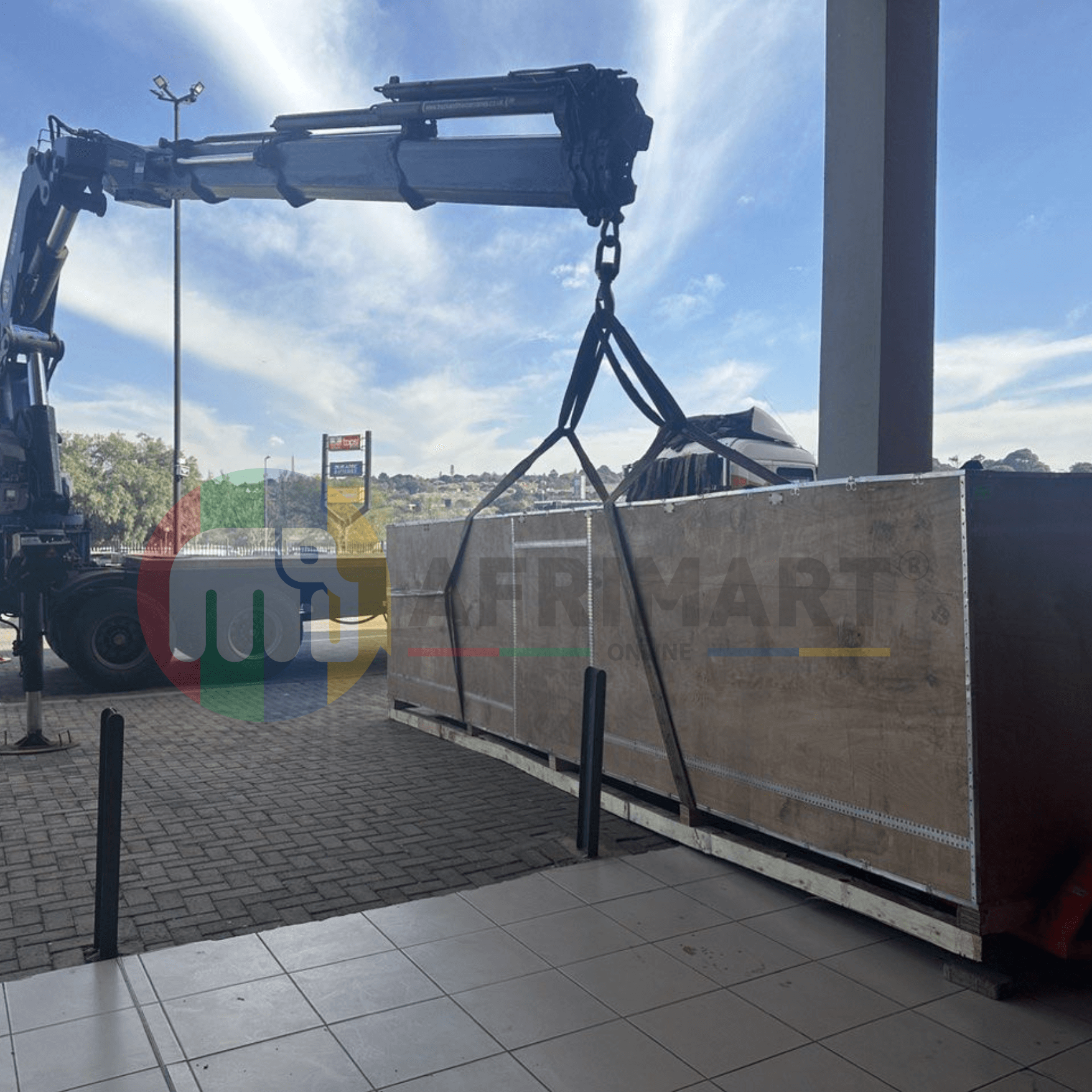
12 Heads Embroidery Machine
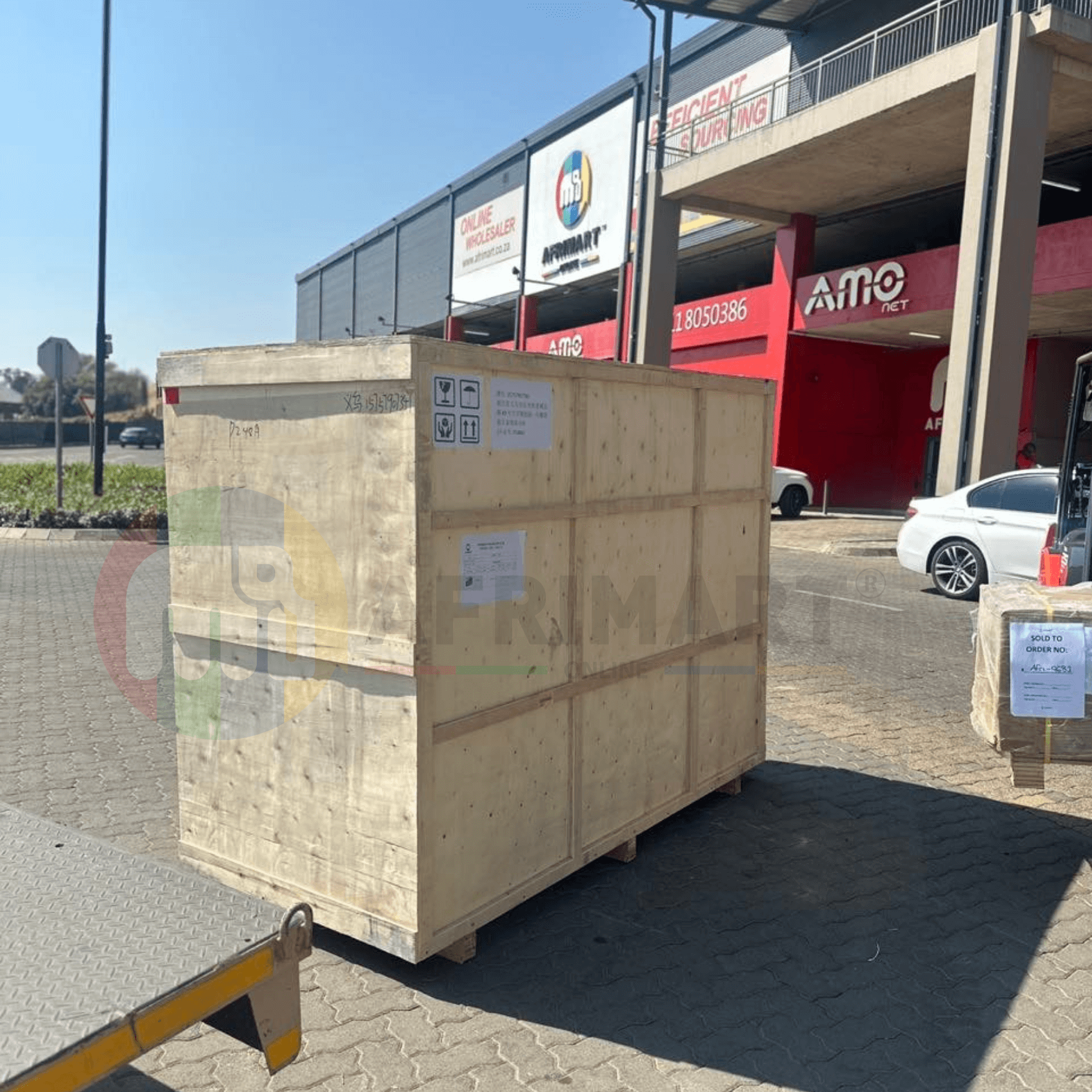
Dewatering Pump Machine
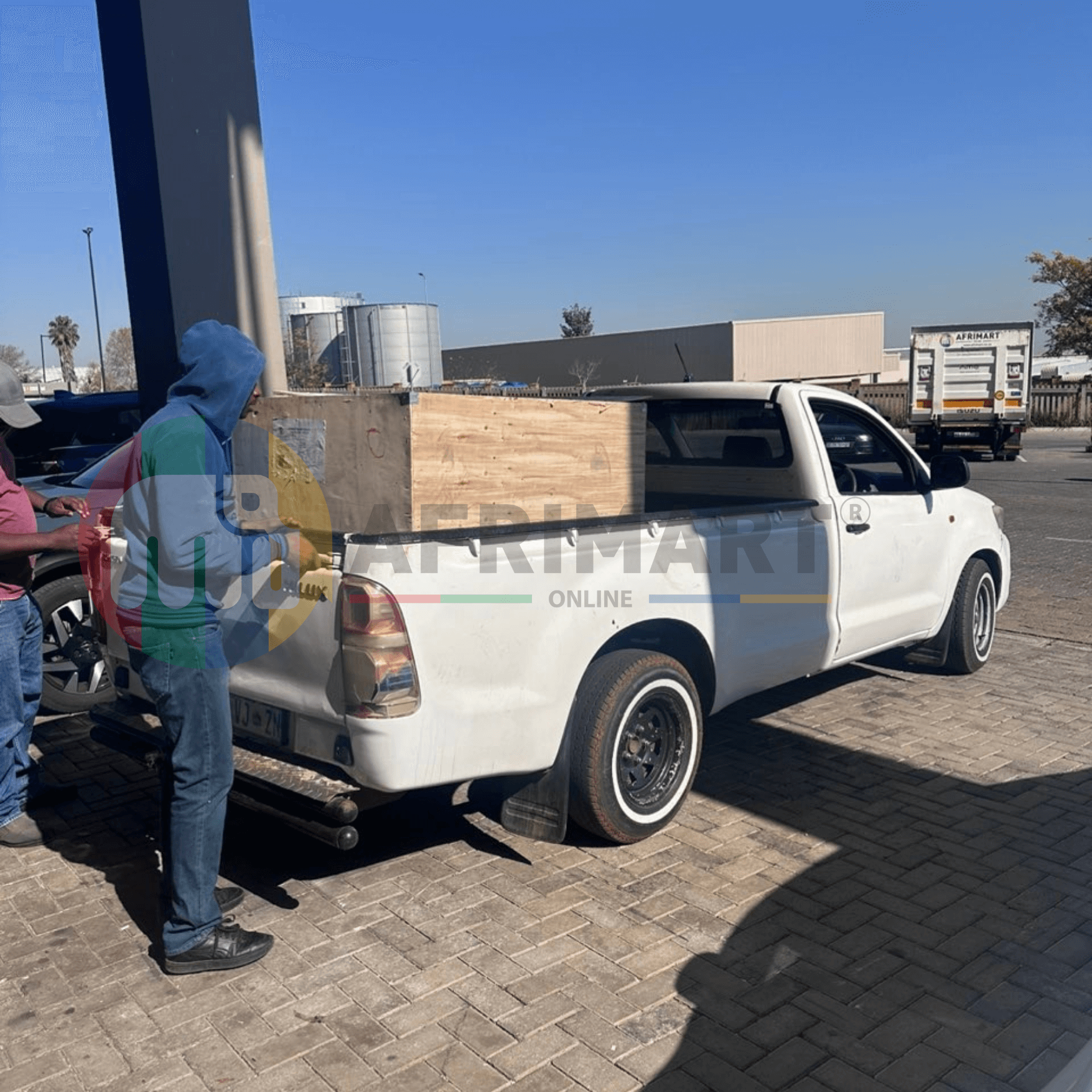
Order Collection
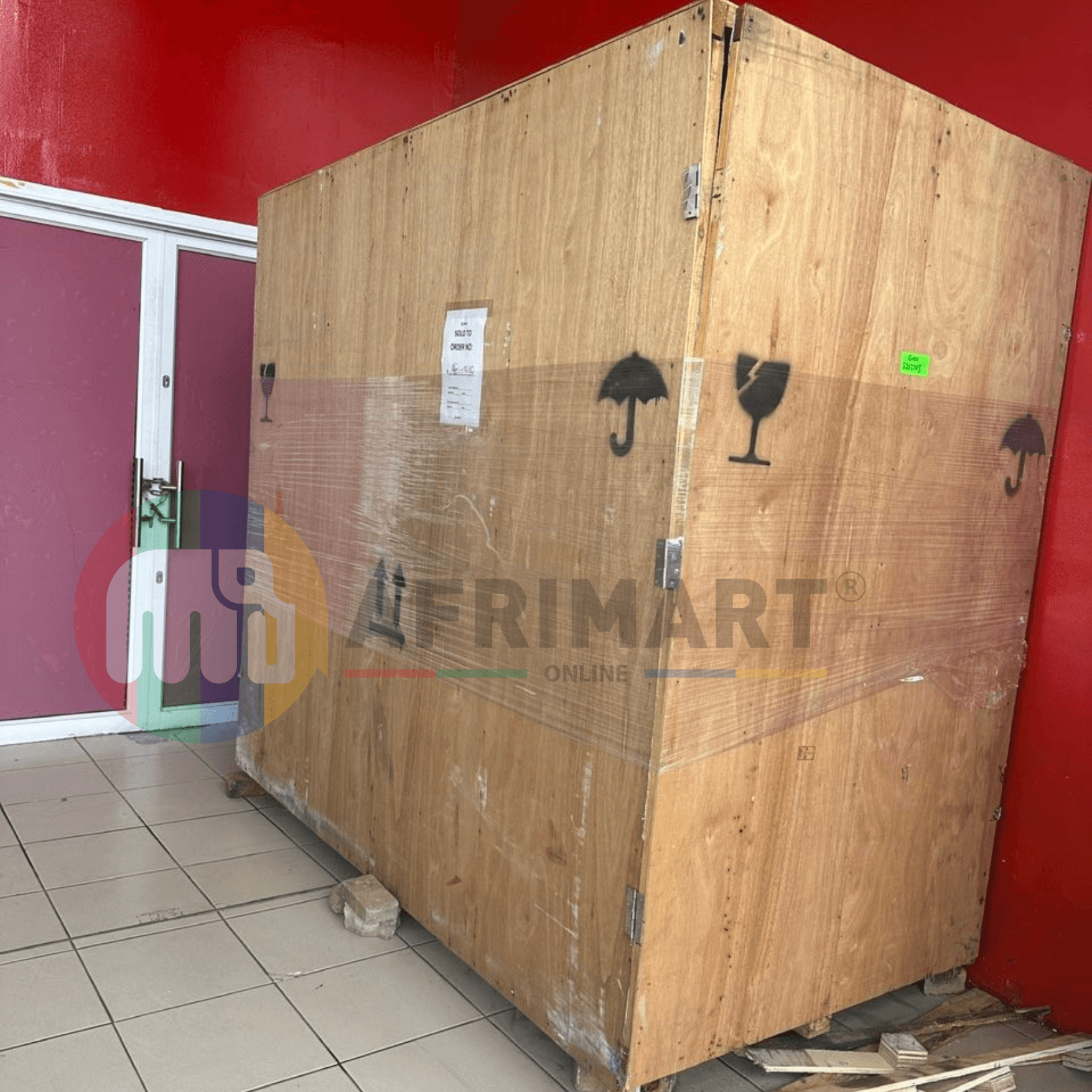
Portable Water Drilling Rig
Order Usefully Collected
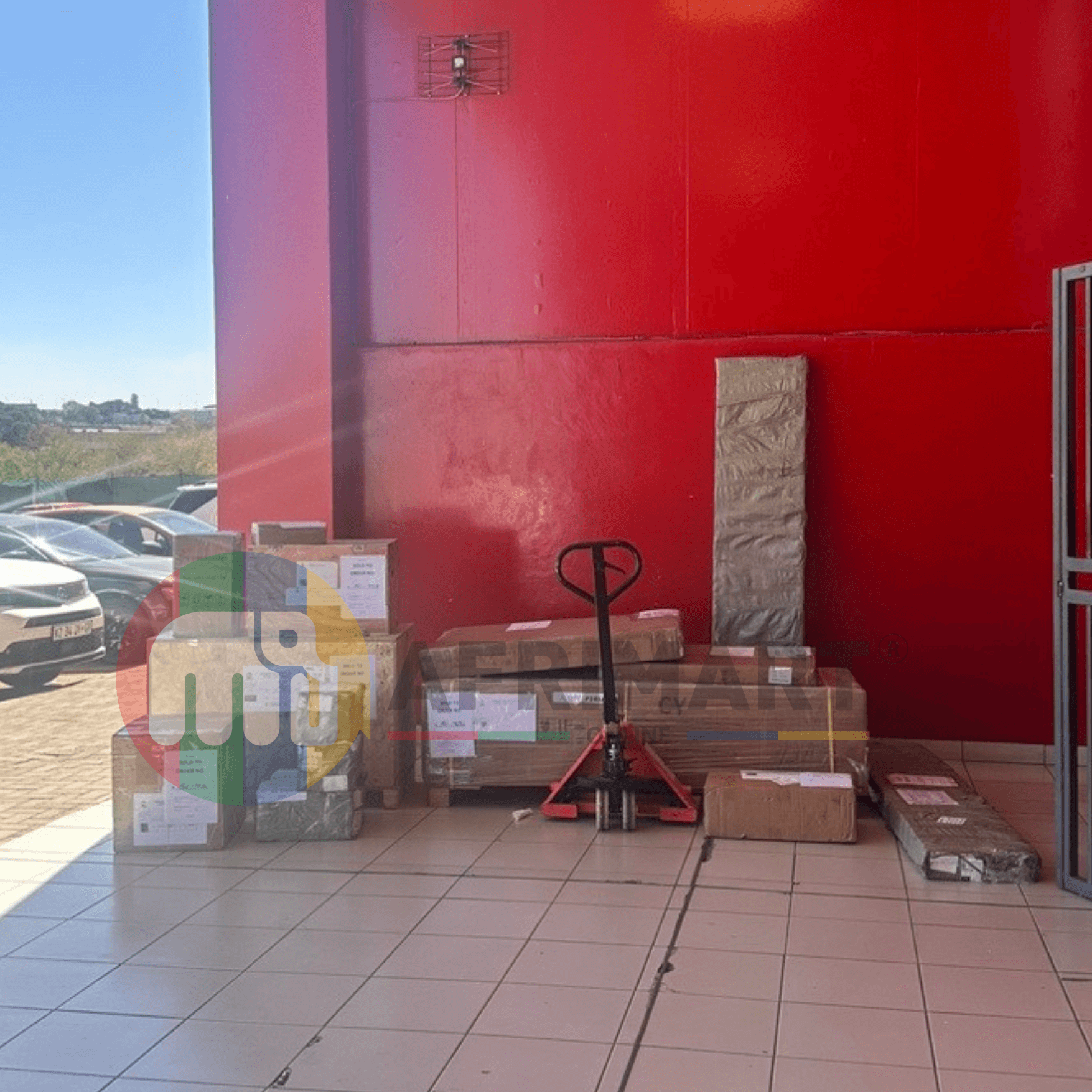
Batch of Orders
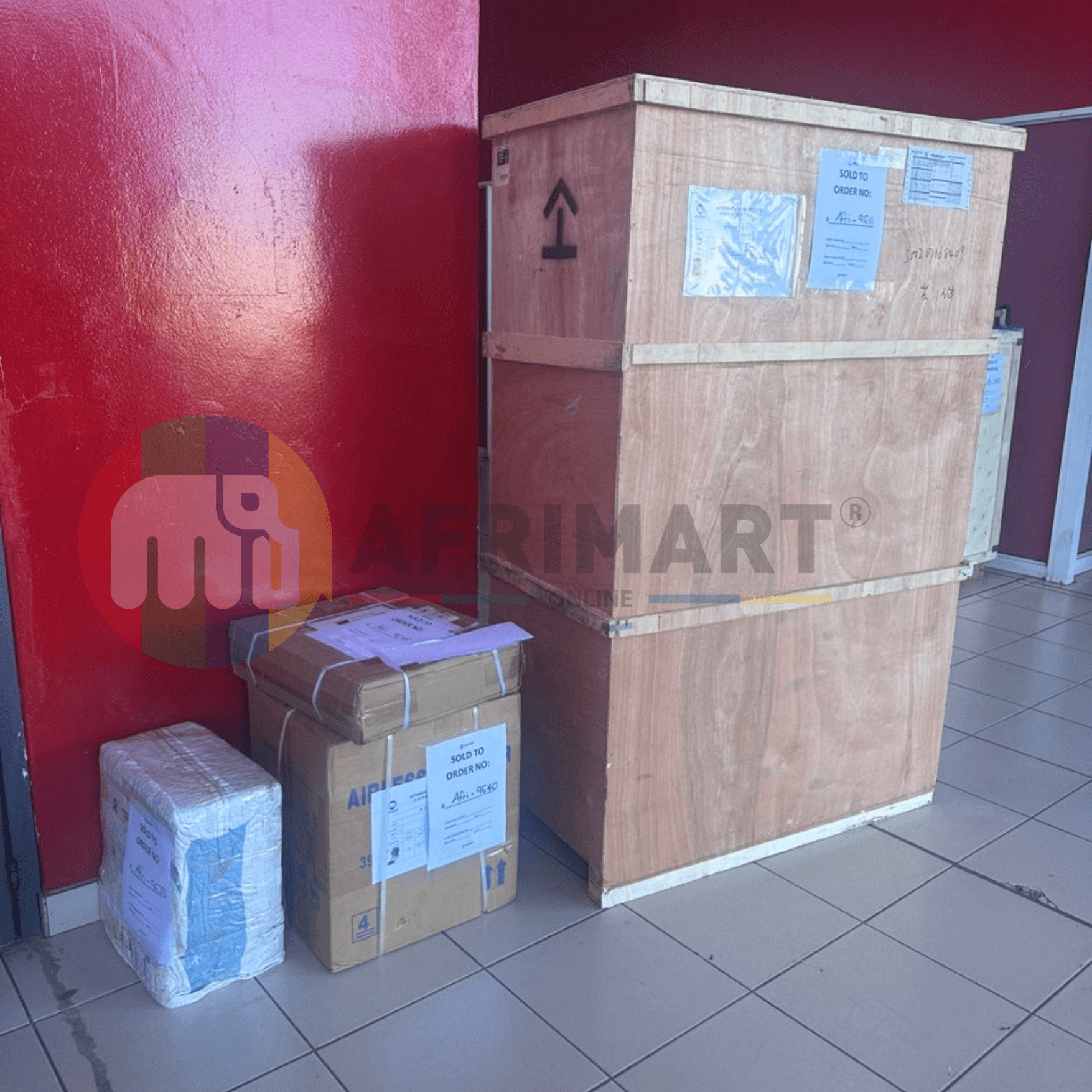
Agriculture Processing Machines
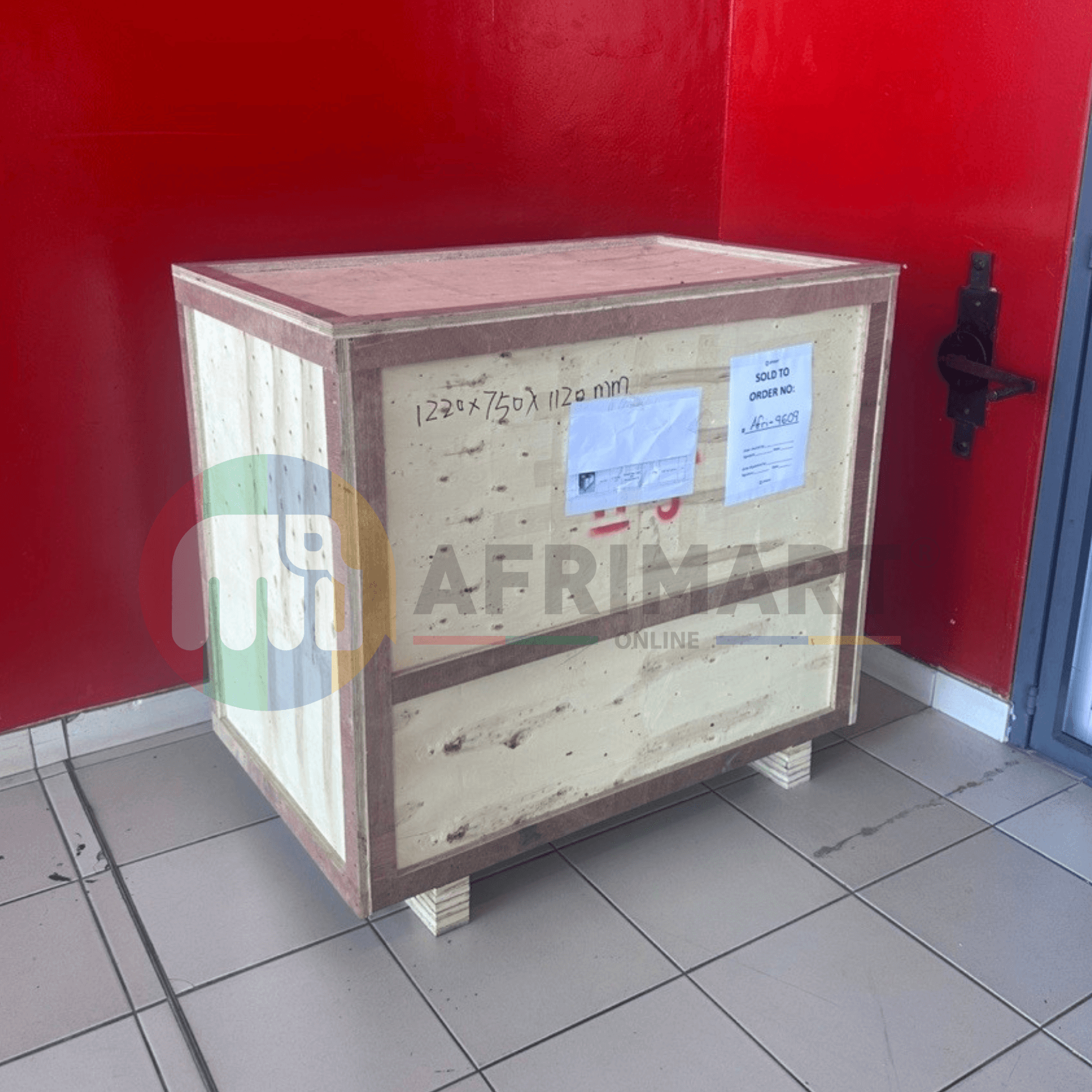
Meat Grinder Machine
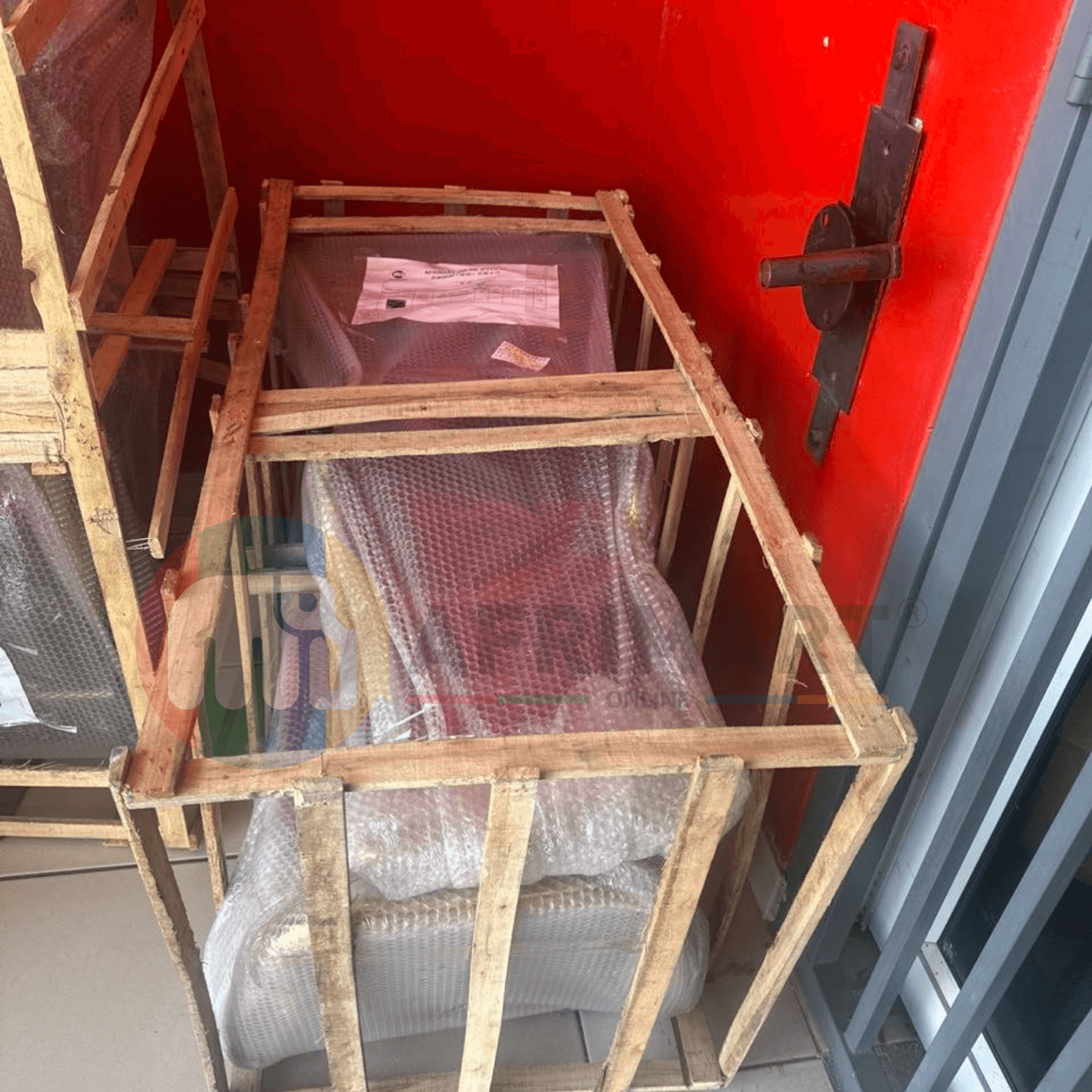
Water Pump Equipment
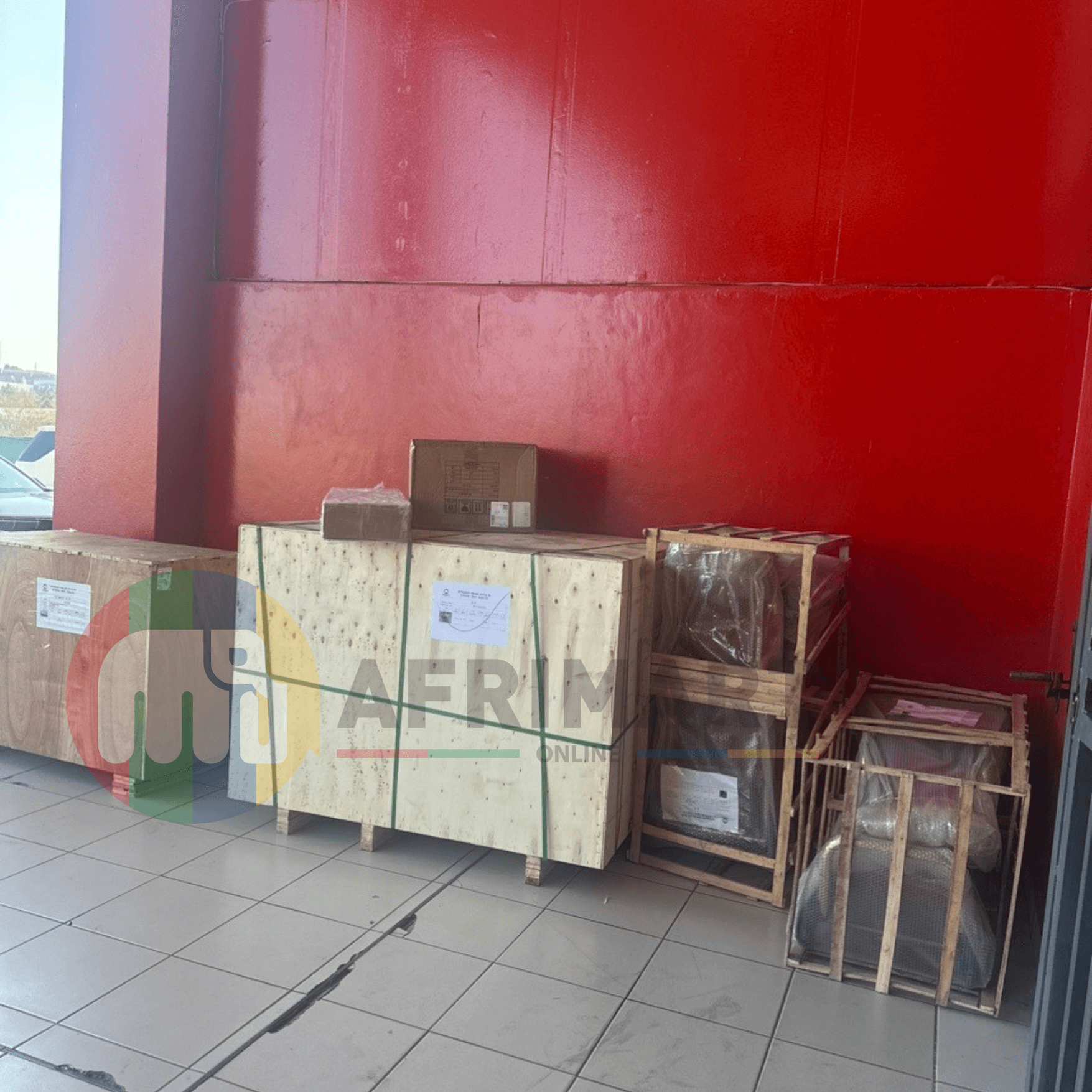
Packaging Machine and accessories
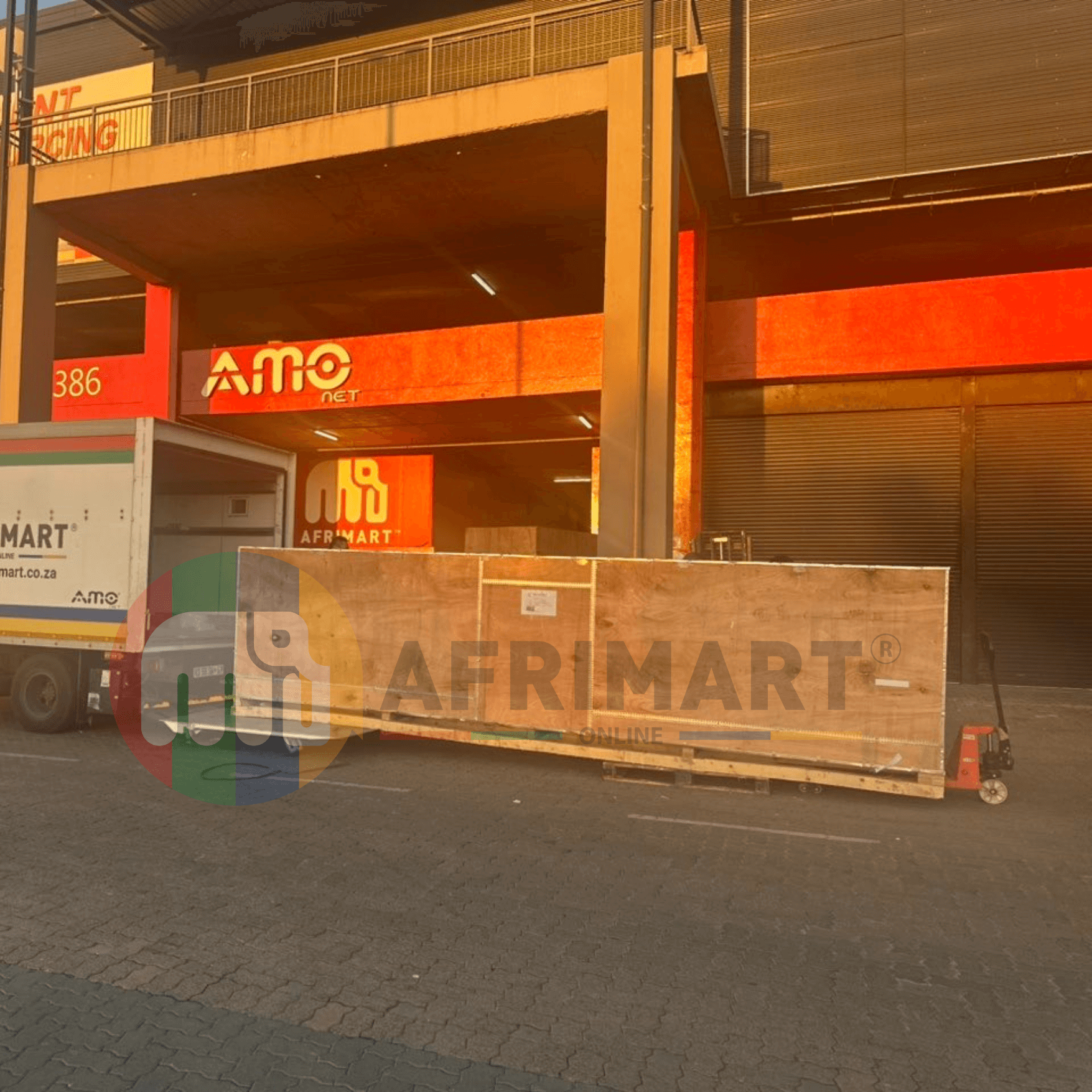
Fabrics Manufacturing Equipment
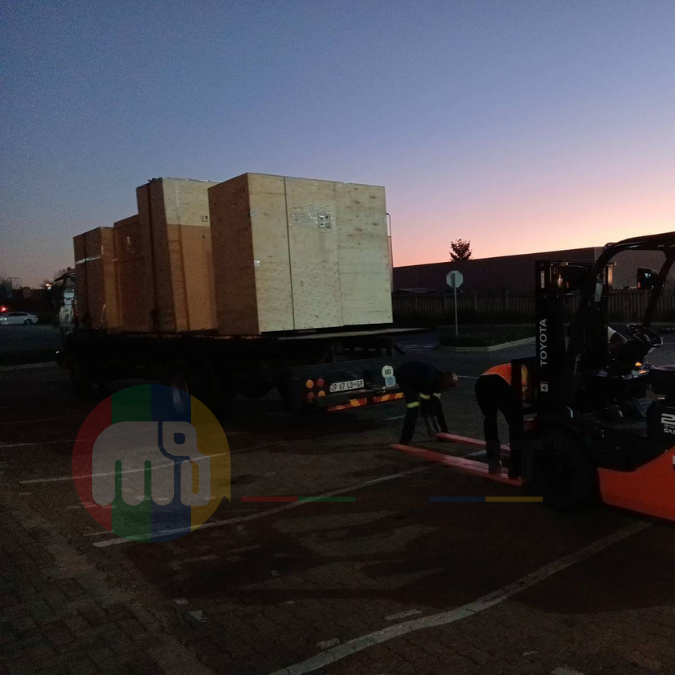
Mining Equipments
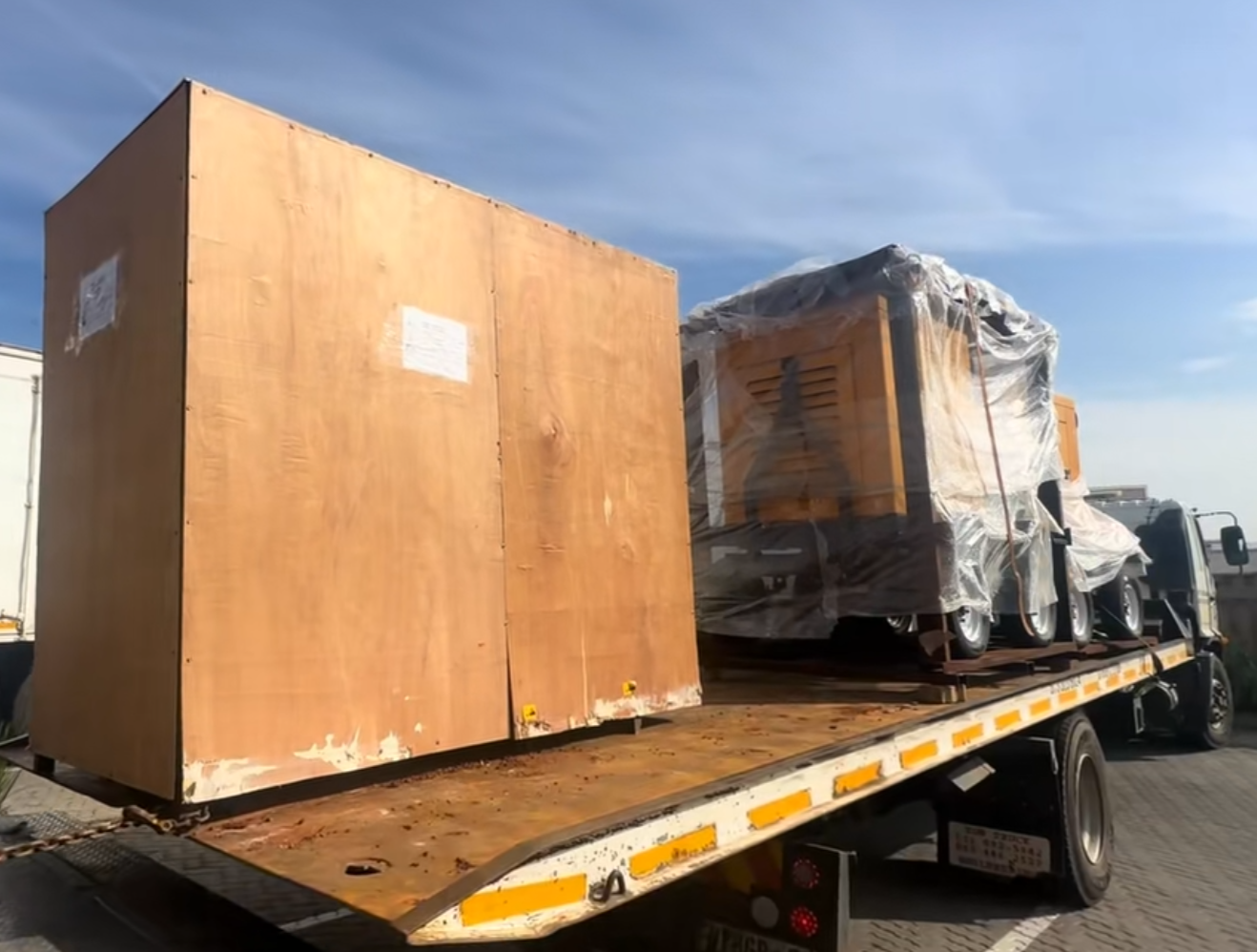
Food Processing Machine
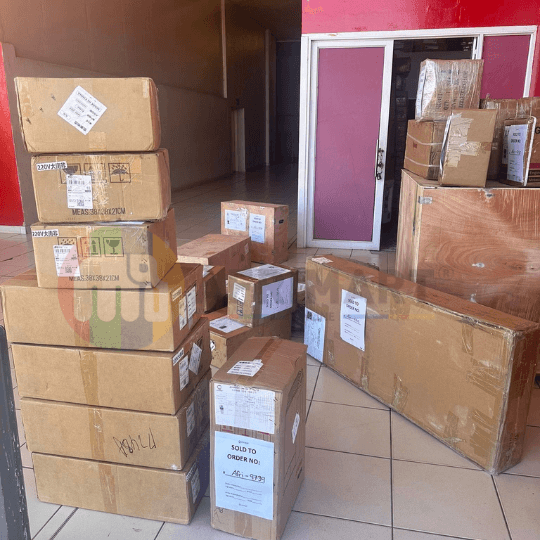
Batch of Orders
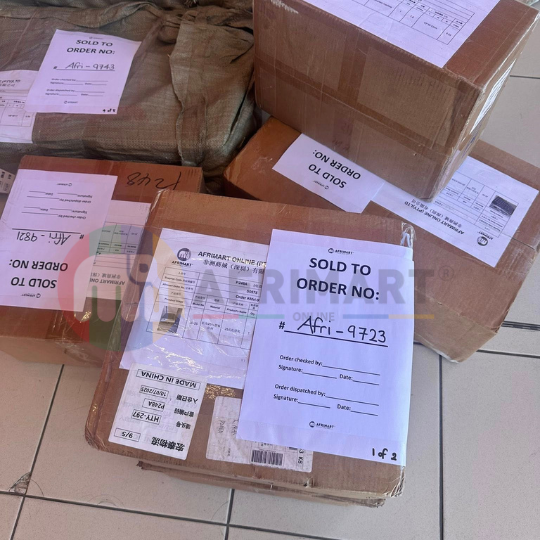
Batch of Orders
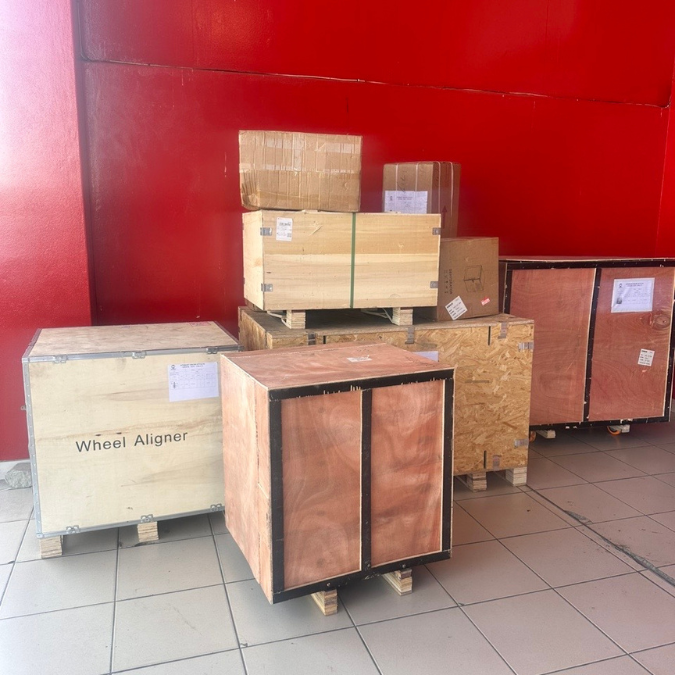
Latest Orders Labelled
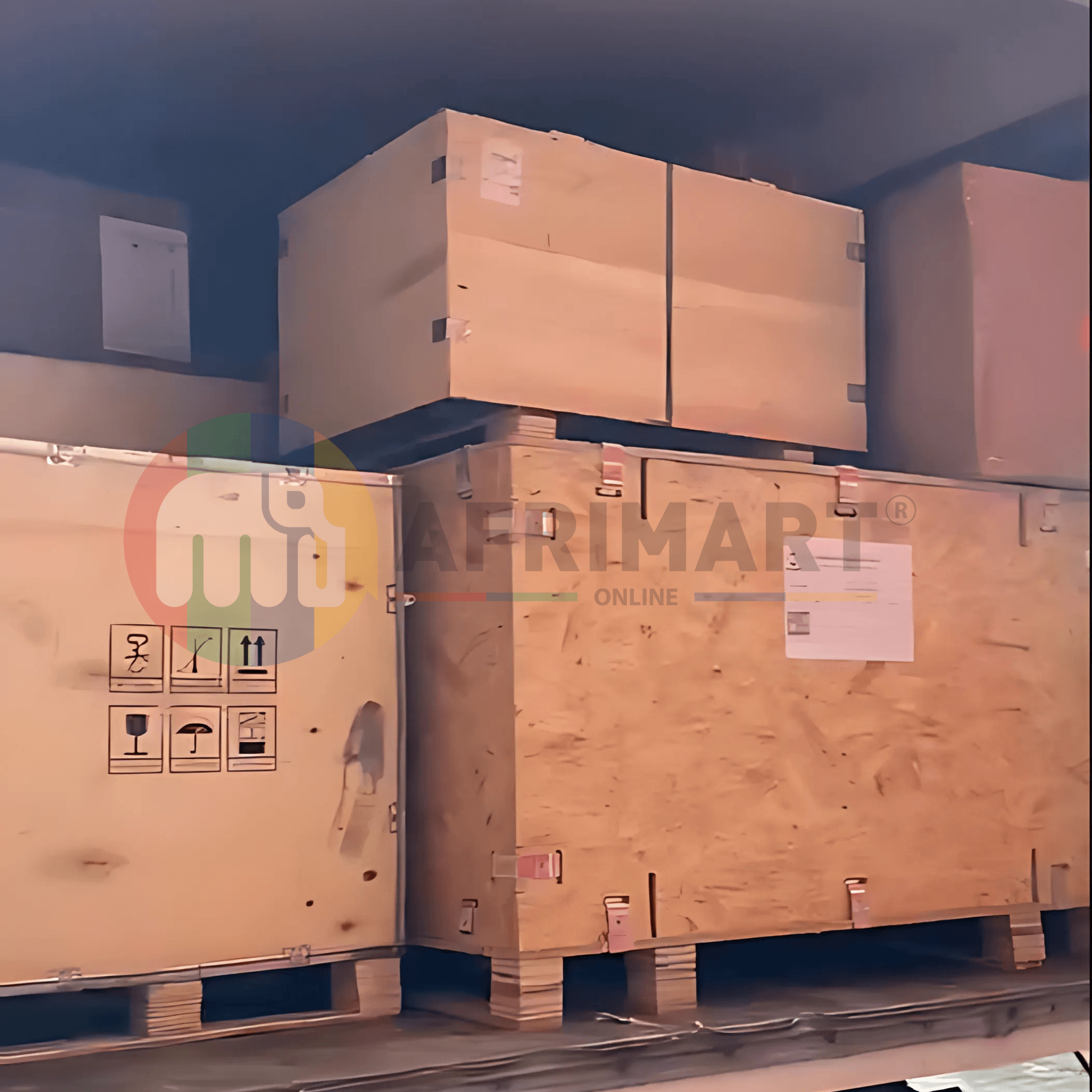
wheel alignment machines
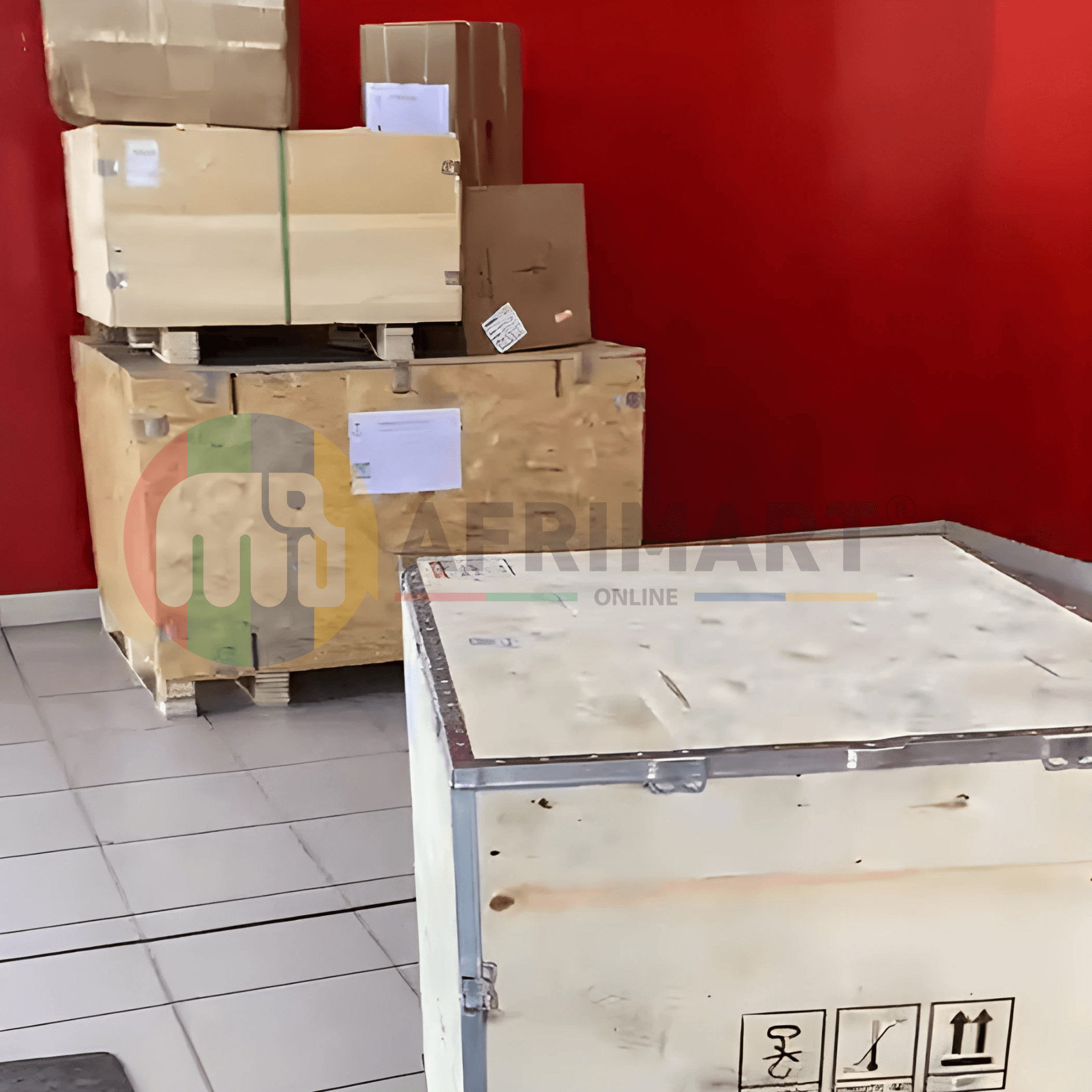
new arrivals
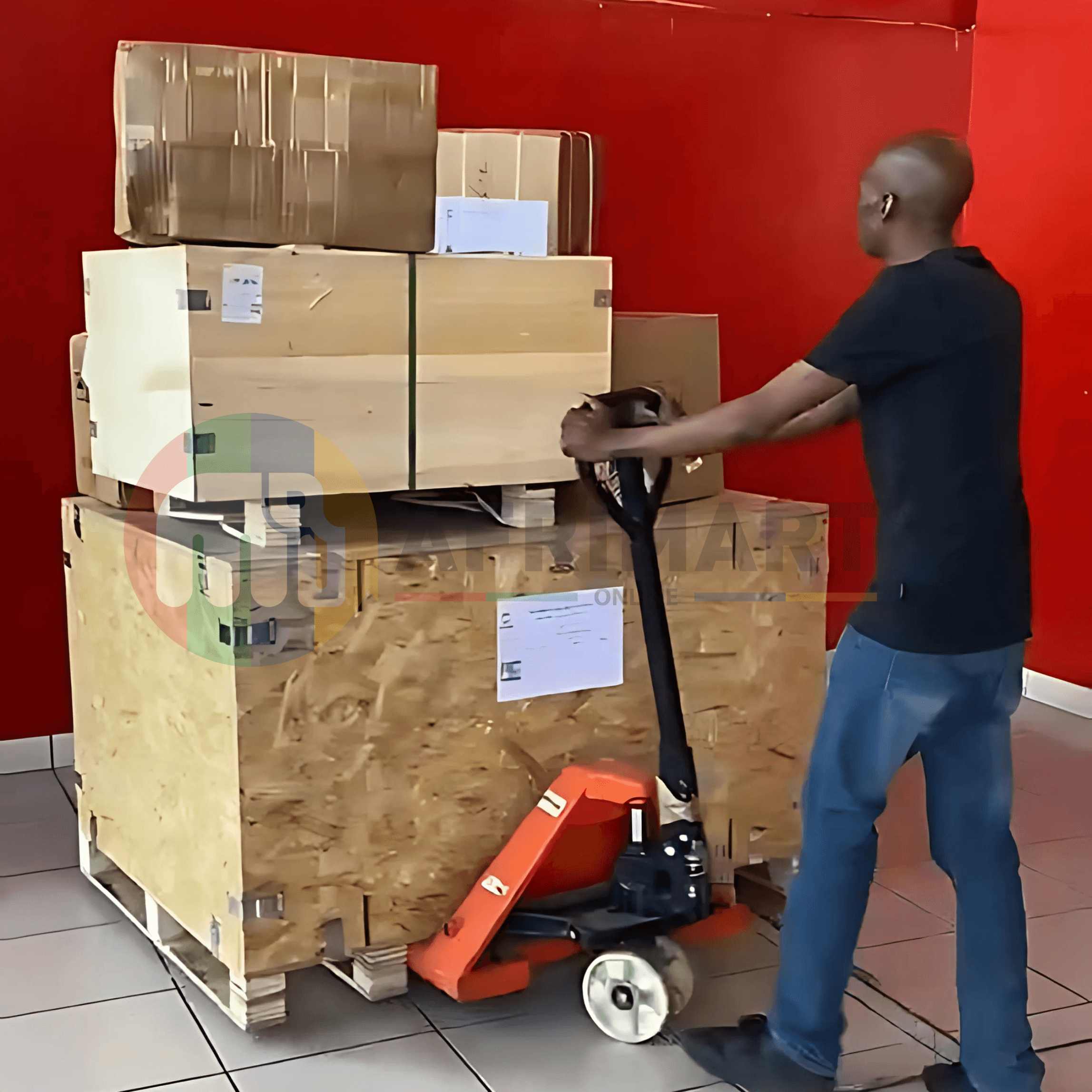
Pre Orders Offloading
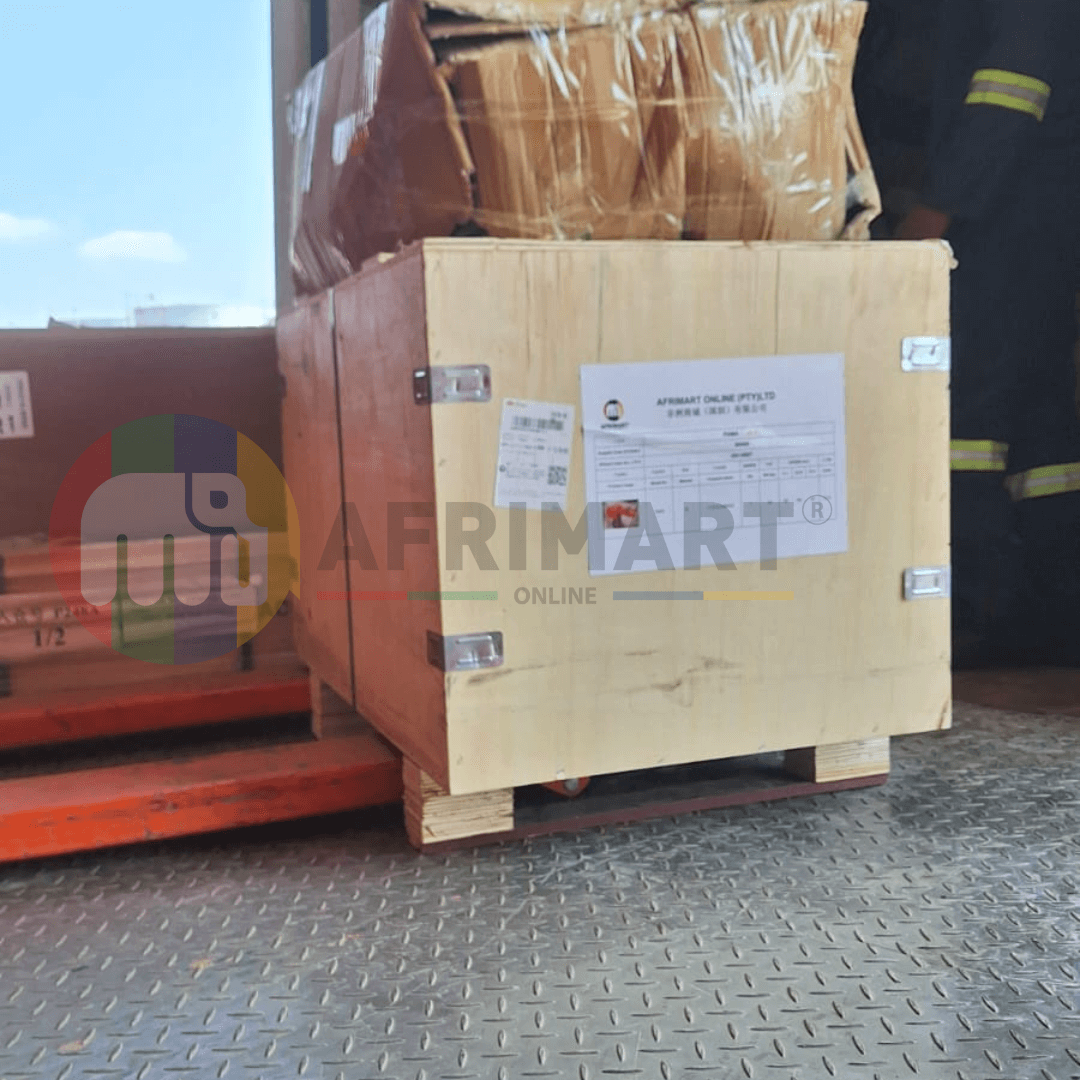
Latest Arrivals
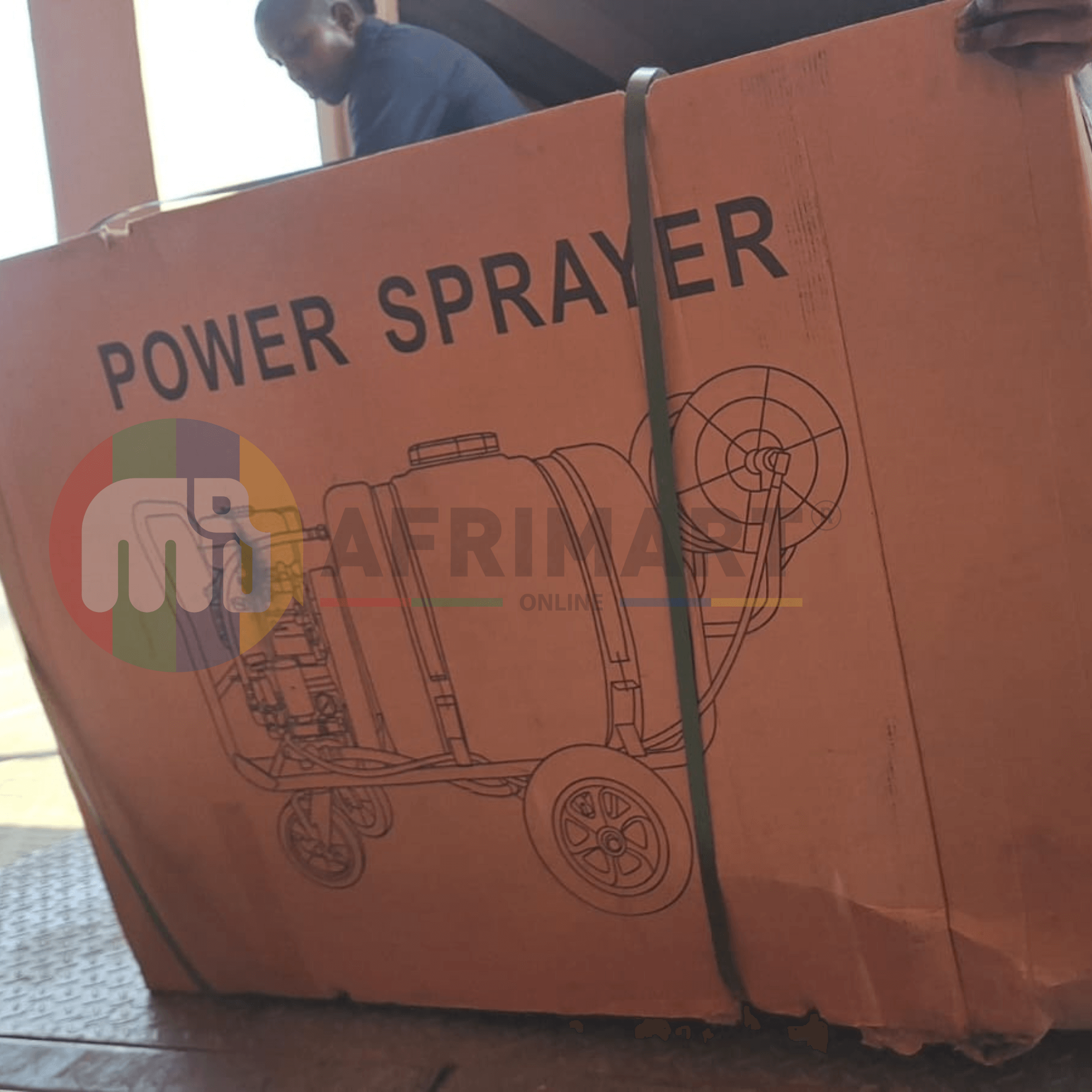
Latest Arrivals