B21, China Town Mall, Midrand

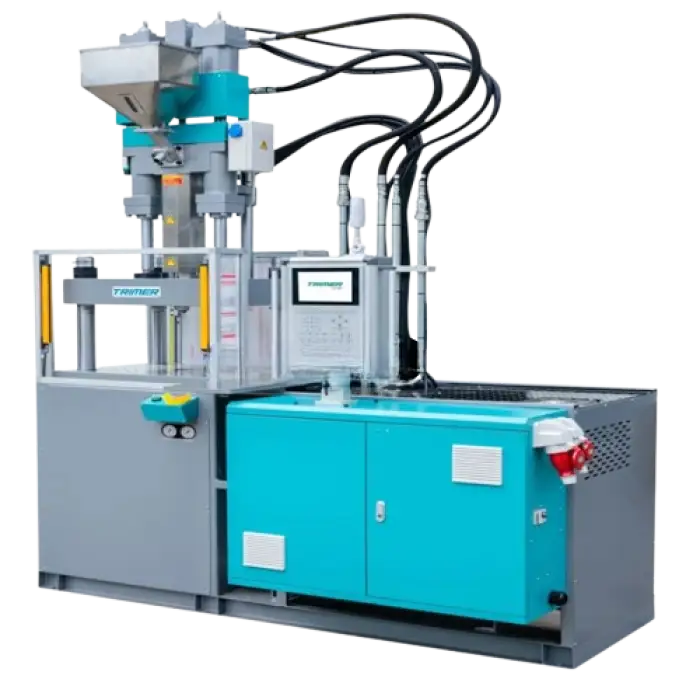
Vertical Injection Molding Machine for Floss Picks Table Injection Molding Machine 15 Tons 1 Axis Toothbrush Machine

- Section : Machinery
- Category : Plastic & Rubber Processing Machinery
- SKU : 1601124253574

Vertical Injection Molding Machine for Floss Picks Table Injection Molding Machine 15 Tons 1 Axis Toothbrush Machine
The Vertical Injection Molding Machine for Floss Picks is a powerful and efficient tool designed for making high-quality plastic products. This machine is perfect for producing items like floss picks and toothbrushes. With its energy-saving features and advanced technology, it helps you work smarter and faster.
Specifications
| Attribute | Details |
|---|---|
| Machine Type | Hybrid, Hydraulic, Electric |
| Core Components | Motor, PLC, Pressure Vessel, Screw |
| Number of Injectors | 2 |
| Video Outgoing Inspection | Provided |
| Style | Vertical |
| Machinery Test Report | Provided |
| Plastic Processed | PP, PC, ABS, PET, PVC, FRPP/PVC, EVA, HDPE, EPS, PA, Polystyrene, PE, LDPE, HDPE/PP, PE/PP |
| Key Selling Points | Energy Saving |
| Plasticizing Capacity (g/s) | 30 |
| Injection Weight (g) | 30 |
| Injection Rate (g/s) | 80 |
| Selling Units | Single Item |
| Single Package Size | 120X150X200 cm |
| Single Gross Weight | 1000.000 KG |
Key Features
- Hybrid design for versatile use.
- Energy-efficient operation.
- Two injectors for increased productivity.
- Processes a wide range of plastics.
- Compact vertical style saves space.
Applications
- Production of floss picks.
- Manufacturing toothbrushes.
- Creating various plastic items.
- Used in dental care products.
- Suitable for small to medium-sized plastic parts.
Product Info Gallery
- Shipping Timeframes: All orders are processed within 2-5 business days (excluding weekends and holidays). After your order has been processed, the estimated delivery time is before 03 Aug, 2026, depending on customs, Please note that due to high demand, some items may experience longer shipping times, which will be communicated at order confirmation email.
- Order Processing Time: Please allow 2-5 business days for us to process your order before it is shipped . Orders placed after 16:00 on Fridays, or during weekends and public holidays, will begin processing on the next business day. Processing times may be extended during peak seasons or sales events.
- Manufacturing Time: Some products needs manufacturing time, the manufacturing process will take approximately 10-30 business days depending on the product. This timeframe may vary depending on the complexity of the product and current demand. but this will be communicated with you during order confirmation.
- Returns and Exchanges: We offer a 30-day return policy for most items. If you are not completely satisfied with your purchase, you may return it within 30 days of receipt for a refund or exchange. Items must be unused, in their original packaging, and accompanied by proof of purchase. Return shipping costs are the responsibility of the customer, unless the item was damaged or defective upon arrival.
1. What is this Vertical Injection Molding Machine used for?
This machine is designed for producing small to medium plastic parts such as floss picks and toothbrushes, and can also make other dental-care and similar plastic items that fit within its mold and clamping capacity.
2. Which plastic materials can the machine process?
It processes a wide range of thermoplastics including PP, PC, ABS, PET, PVC, FRPP/PVC, EVA, HDPE, EPS, PA, Polystyrene, PE, LDPE, HDPE/PP and PE/PP.
3. What does '15 Tons' mean in the product name?
'15 Tons' refers to the machine's clamping force (the maximum mold-clamping capacity). This capacity is suitable for small- to medium-sized molds commonly used for floss picks and toothbrush components.
4. What does '1 Axis' mean for this toothbrush/floss pick machine?
‘1 Axis’ indicates the machine has a single primary motion/control axis for the injection/clamping cycle—suitable for straightforward, single-action molding operations common in dental-product manufacturing.
5. What does 'Hybrid, Hydraulic, Electric' machine type mean?
The hybrid design combines hydraulic power for strong clamping and injection force with electric components (servo systems and PLC) for improved control and energy efficiency, balancing performance and energy savings.
6. How many injectors does the machine have and why is that useful?
The machine has two injectors. This can increase productivity (parallel or staggered production), allow multi-shot or multi-material setups in some applications, or provide redundancy to improve throughput.
7. What are the machine's plasticizing capacity, injection weight, and injection rate?
Plasticizing capacity is 30 g/s, injection weight is 30 g per shot, and the maximum injection rate is 80 g/s. For example, theoretical fill time = injection weight / injection rate = 30 g ÷ 80 g/s ≈ 0.375 s; actual cycle time will also include cooling, mold open/close, and handling times.
8. What are the main components and control systems included?
Core components include motor, PLC (programmable logic controller), pressure vessel and screw. The machine also features video outgoing inspection and a supplied machinery test report for quality verification.
9. What are the advantages of the vertical style?
Vertical machines save floor space, simplify insert loading/unloading and overmolding of pre-placed inserts, and are well suited for small parts and high-precision insert molding often used in dental products.
10. Is the machine energy efficient?
Yes. One of the key selling points is energy saving—achieved through its hybrid design and electric control systems that reduce unnecessary energy consumption compared with older all-hydraulic designs.
11. What is included with the purchase (shipping, documentation, inspection)?
The unit is sold as a single item. The seller provides a machinery test report and video outgoing inspection documentation. Shipping package size is listed as 120 x 150 x 200 cm and the single gross weight is 1000 kg. Confirm final packing and logistics details with the supplier.
12. What site and installation requirements should I prepare?
Specific power, air, and foundation requirements are not listed here—please request the machine's site-preparation sheet from the supplier. Generally you will need a level, sturdy floor, correct electrical supply and grounding, adequate ventilation, and compressed air if peripheral equipment requires it.
13. What maintenance and service are recommended?
Regular maintenance includes keeping the screw and barrel clean, scheduled lubrication of moving parts, periodic inspection of seals and hydraulic components, and PLC/motor checks. Follow the supplier's maintenance schedule and keep key spare parts on hand for minimized downtime.
14. How do I know if my mold/tooling is compatible with this machine?
Compatibility depends on mold size, projected area, runner/hot-runner layout and required clamping force. Because this machine has a 15-ton clamp and is designed for small-to-medium parts, most dental molds are compatible—however, provide your mold drawings to the supplier to confirm fit and cooling/hydraulic/pneumatic connections.
15. Can you help estimate production output or cycle time for my part?
Cycle time depends heavily on part design, wall thickness, cooling requirements, and mold configuration. Using the machine specs (30 g shot, 80 g/s injection rate) you can estimate fill time (~0.375 s), but total cycle time will be longer due to cooling and handling. Send part drawings, material, and desired cavity count to the supplier and we can help estimate realistic cycle time and hourly output.
Latest Order Arrivals
Discover our latest orders

12 Heads Embroidery Machine

Toilet Paper Machine Machine

Order Collection

Cross Border Clients

Order cros border countries Collected

Industrial Machine Cllection

Agriculture Processing Machines

Ready for collection

Water Pump Equipment

Packaging Machine and accessories

Fabrics Manufacturing Equipment

Mining Equipments

Food Processing Machine

Batch of Orders

Batch of Orders

Latest Orders Labelled

wheel alignment machines

new arrivals

Pre Orders Offloading

Latest Arrivals

Latest Arrivals

Latest Arrivals

Loading

Toilet paper making machine

Toilet paper making machine

Toilet paper Rewinding Machine

latest arrivals

offloading

order success

order collection

order offloading