B21, China Town Mall, Midrand

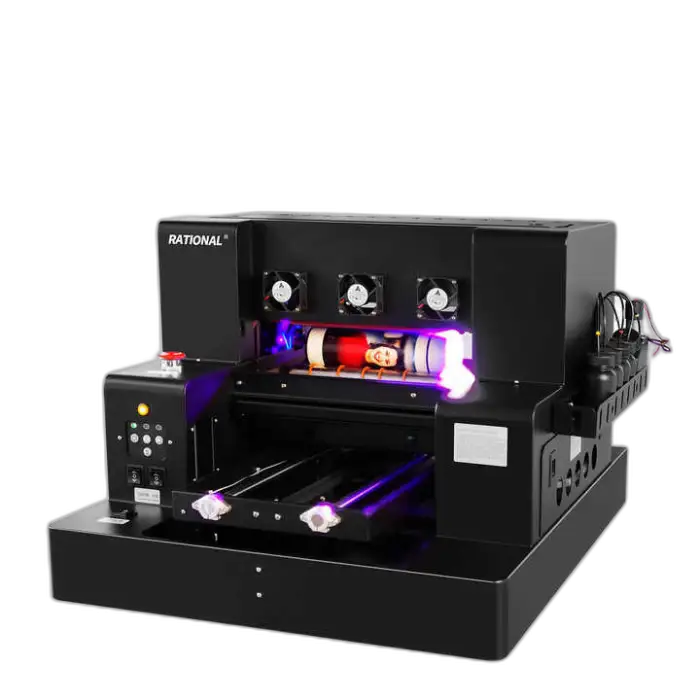
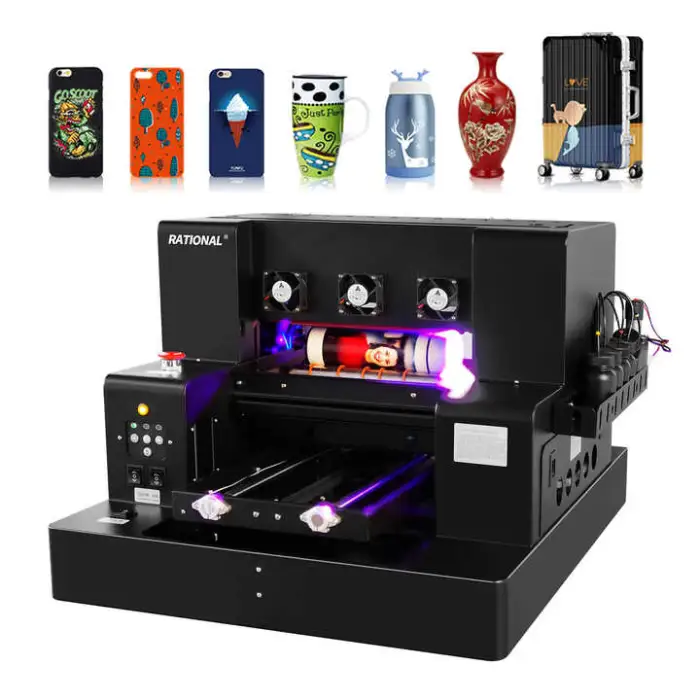
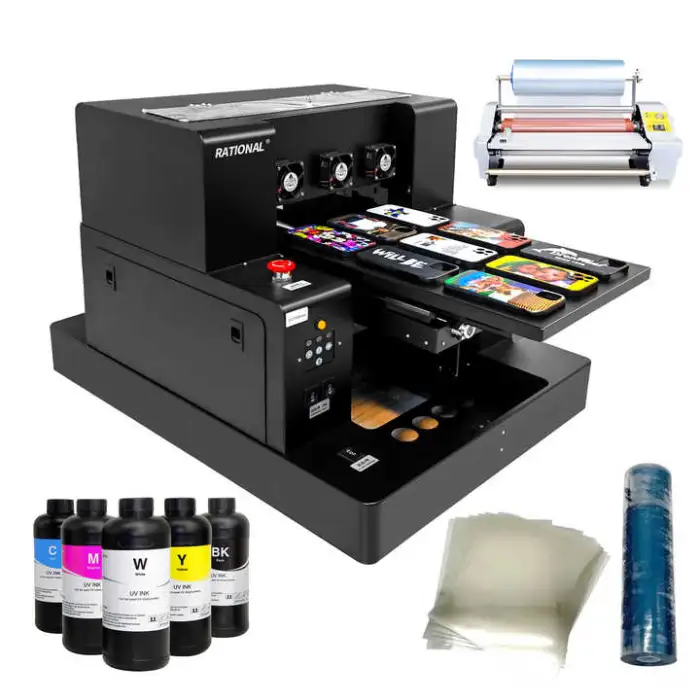
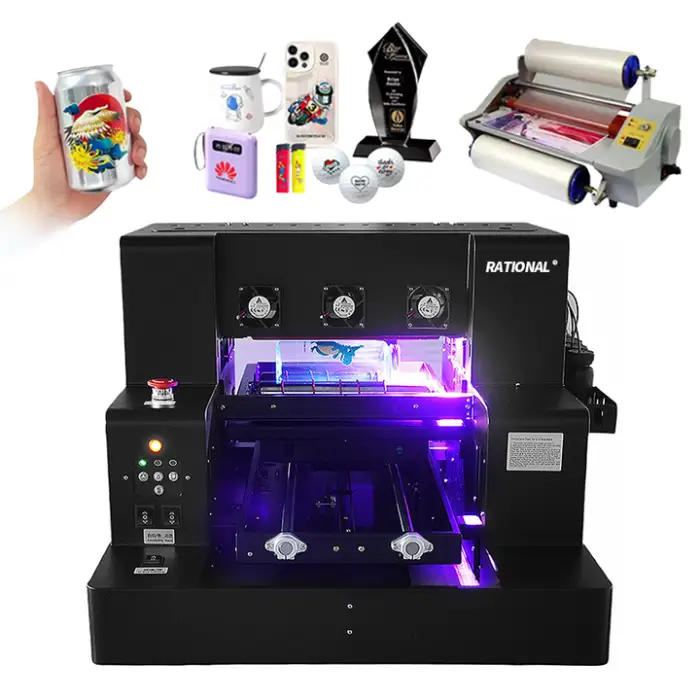
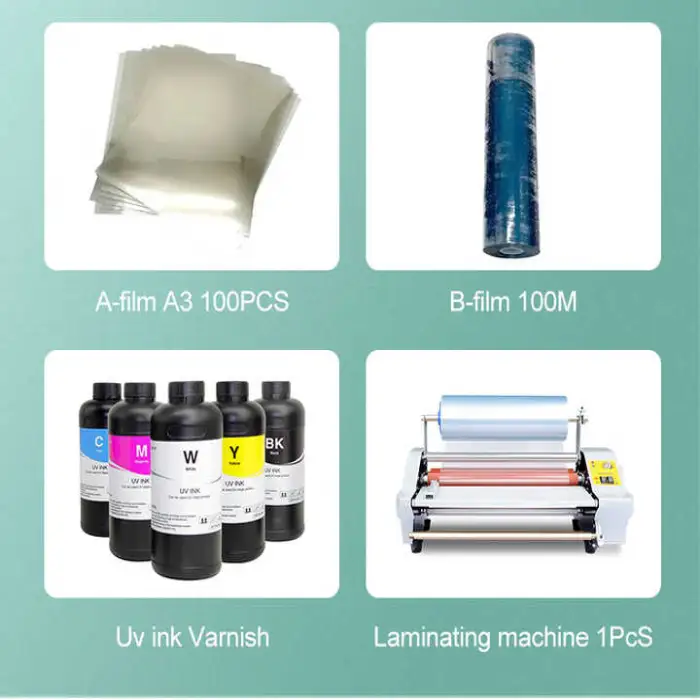
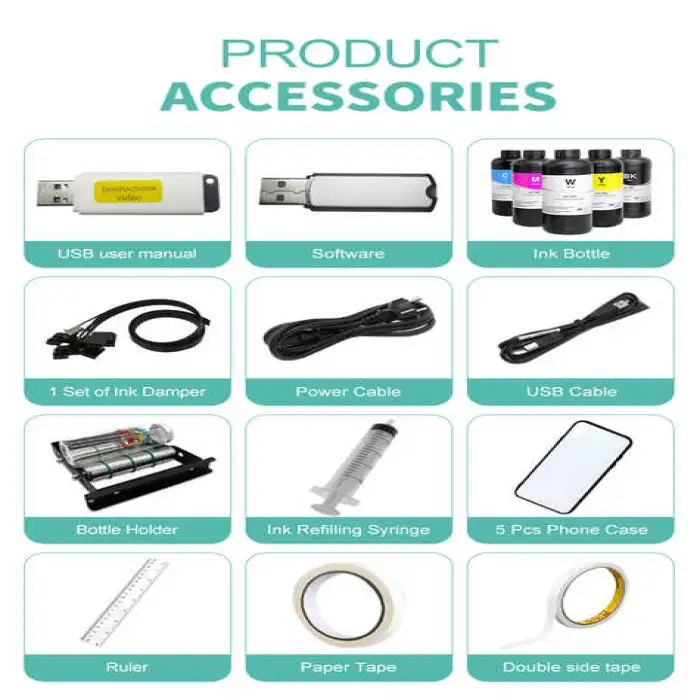
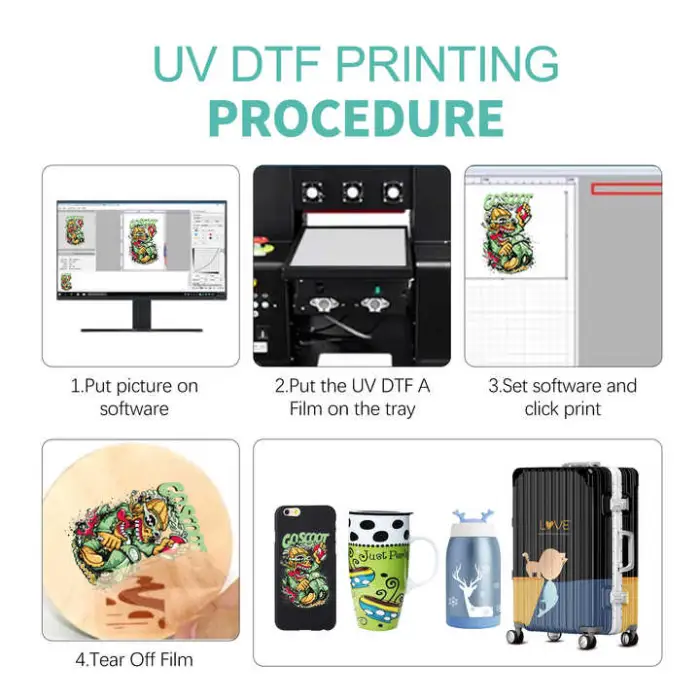
UV DTF Printer for Phone case Pen Acrylic Leather Wood Glass Bottle Sticker Multi Color Inkjet Printers A3 A4 UV Printer Machine

- Section : Consumer Electronics
- Category : DTF Printers
- SKU : 1601399568338

UV DTF Printer for Phone Case, Pen, Acrylic, Leather, Wood, Glass, Bottle, Sticker - Multi Color Inkjet Printers A3 A4
The UV DTF Printer is a versatile and powerful printing machine designed for various materials. It can print on phone cases, pens, acrylics, leather, wood, glass, and more. With this printer, you can create stunning, colorful designs with ease. Its compact size and portable features make it perfect for both home and professional use.
Specifications
| Attribute | Details |
|---|---|
| Type | Inkjet Printer |
| Color & Page | Multicolor |
| Resolution | 600DPI, 9600dpi, 2400DPI, 4800DPI, 1200DPI |
| Special Feature | Portable, Touch Screen, Auto-Duplex |
| Automatic Grade | Automatic |
| Print Head | XP600, Epson L805 |
| Control Type | Push button, iOS, Android, RING, iris |
| Ink Type | UV Ink |
| Print Speed | 15ppm, 24ppm, 40ppm |
| Power Mode | Power Supply |
| Printer Function Type | All-in-one, Scanning, Print, Color, Copy |
| Voltage | 220v / 110v |
| Dimensions (L*W*H) | 92*69*64.5cm |
| Weight | 58kg |
| Connectivity | USB |
| Print Media | Labels, Paper, Banner paper, Glossy photo paper, Card stock |
Key Features
- High-resolution printing with multiple DPI options.
- Portable design for easy transport and use.
- Touch screen for simple operation.
- Automatic duplex printing saves time and paper.
- Compatible with various materials including leather, wood, and glass.
Applications
- Creating custom phone cases.
- Printing on promotional pens.
- Designing unique gifts with acrylic and glass.
- Producing personalized stickers.
- Crafting custom labels for products.
Product Info Gallery
- Shipping Timeframes: All orders are processed within 2-5 business days (excluding weekends and holidays). After your order has been processed, the estimated delivery time is before 21 Jun, 2026, depending on customs, Please note that due to high demand, some items may experience longer shipping times, which will be communicated at order confirmation email.
- Order Processing Time: Please allow 2-5 business days for us to process your order before it is shipped . Orders placed after 16:00 on Fridays, or during weekends and public holidays, will begin processing on the next business day. Processing times may be extended during peak seasons or sales events.
- Manufacturing Time: Some products needs manufacturing time, the manufacturing process will take approximately 10-30 business days depending on the product. This timeframe may vary depending on the complexity of the product and current demand. but this will be communicated with you during order confirmation.
- Returns and Exchanges: We offer a 30-day return policy for most items. If you are not completely satisfied with your purchase, you may return it within 30 days of receipt for a refund or exchange. Items must be unused, in their original packaging, and accompanied by proof of purchase. Return shipping costs are the responsibility of the customer, unless the item was damaged or defective upon arrival.
1. What materials can this UV DTF printer print on?
The printer supports a wide range of materials including phone cases, pens, acrylic, leather, wood, glass, bottles, stickers, labels, glossy photo paper, card stock and banner paper. For unusual substrates or textured surfaces, check with the supplier for recommended settings and fixtures.
2. What print sizes and formats does it support?
The product line supports A3 and A4 media formats (as stated in the name). It also handles various label and photo paper sizes; for very large or custom sizes verify the specific model capabilities with the seller.
3. What print resolutions and quality options are available?
Multiple DPI options are supported, including 600 DPI, 1200 DPI, 2400 DPI, 4800 DPI and up to 9600 DPI—allowing you to choose higher quality or faster throughput depending on the job.
4. Which print heads does the machine use?
The printer is available with XP600 and Epson L805 print head options. The exact print head in your unit will depend on the model variant you purchase.
5. What kind of ink does it use and how durable is the output?
This machine uses UV-curable inks. UV inks cure quickly (with UV exposure) and generally provide good scratch and fade resistance on compatible substrates. Follow the manufacturer's curing and post-treatment recommendations for best durability.
6. Is there built-in curing or do I need an external UV lamp?
UV ink requires UV curing. Some models include built-in UV curing; others may require an external curing unit. Confirm with the seller whether your specific model includes an integrated UV lamp or if an external unit is required.
7. What connectivity and control options are available?
The printer supports USB connectivity and multiple control interfaces including push-button control and mobile control via iOS and Android. The specification also lists control types such as RING and iris—check your model documentation for exact control app/setup instructions.
8. How fast does it print?
Print speeds vary by mode and resolution. Listed speeds are approximately 15 ppm, 24 ppm and 40 ppm depending on settings and the complexity of the job. Higher-resolution prints will be slower than draft-mode jobs.
9. Does the printer support duplex (double-sided) printing?
Yes — automatic duplex (auto-duplex) is listed as a feature for suitable flexible media such as paper or card stock. Duplex printing on rigid substrates depends on fixture availability and media handling; check the user manual or vendor for guidance.
10. Is the printer portable?
The design is described as portable, but the unit weighs about 58 kg and measures roughly 92 x 69 x 64.5 cm. It is transportable for small workshops or trade shows but requires two people or handling equipment to move safely.
11. What software and file formats are supported?
The printer is compatible with standard image and layout workflows. Common file types such as JPEG, PNG, TIFF and PDF are typically supported; many users run RIP or design software for color management. Ask the seller which software, drivers and RIP are supplied or recommended with your model.
12. What routine maintenance is required?
Routine maintenance includes regular print head cleaning cycles, using recommended/compatible UV inks and replacement parts, keeping print heads capped when idle, checking and cleaning platen and feeders, and following the operator manual for scheduled servicing to avoid clogging or damage.
13. Are there any safety or environmental precautions?
Handle UV inks with gloves and avoid skin contact. Use the printer in a well-ventilated area and follow the material safety data sheets (MSDS) for inks. If the unit has an external curing lamp, avoid direct UV exposure and use appropriate shielding and PPE as recommended.
14. What power requirements does the printer have?
The unit supports common voltages of 110 V and 220 V. Verify the specific voltage configuration for your region and the model you purchase to ensure safe operation.
15. What warranty and support are included?
Warranty terms and after-sales support vary by seller and region. Confirm warranty length, included spare parts, technical support availability and shipping/return policies with the vendor before purchase. Many suppliers also offer consumables and replacement parts separately.
Latest Order Arrivals
Discover our latest orders
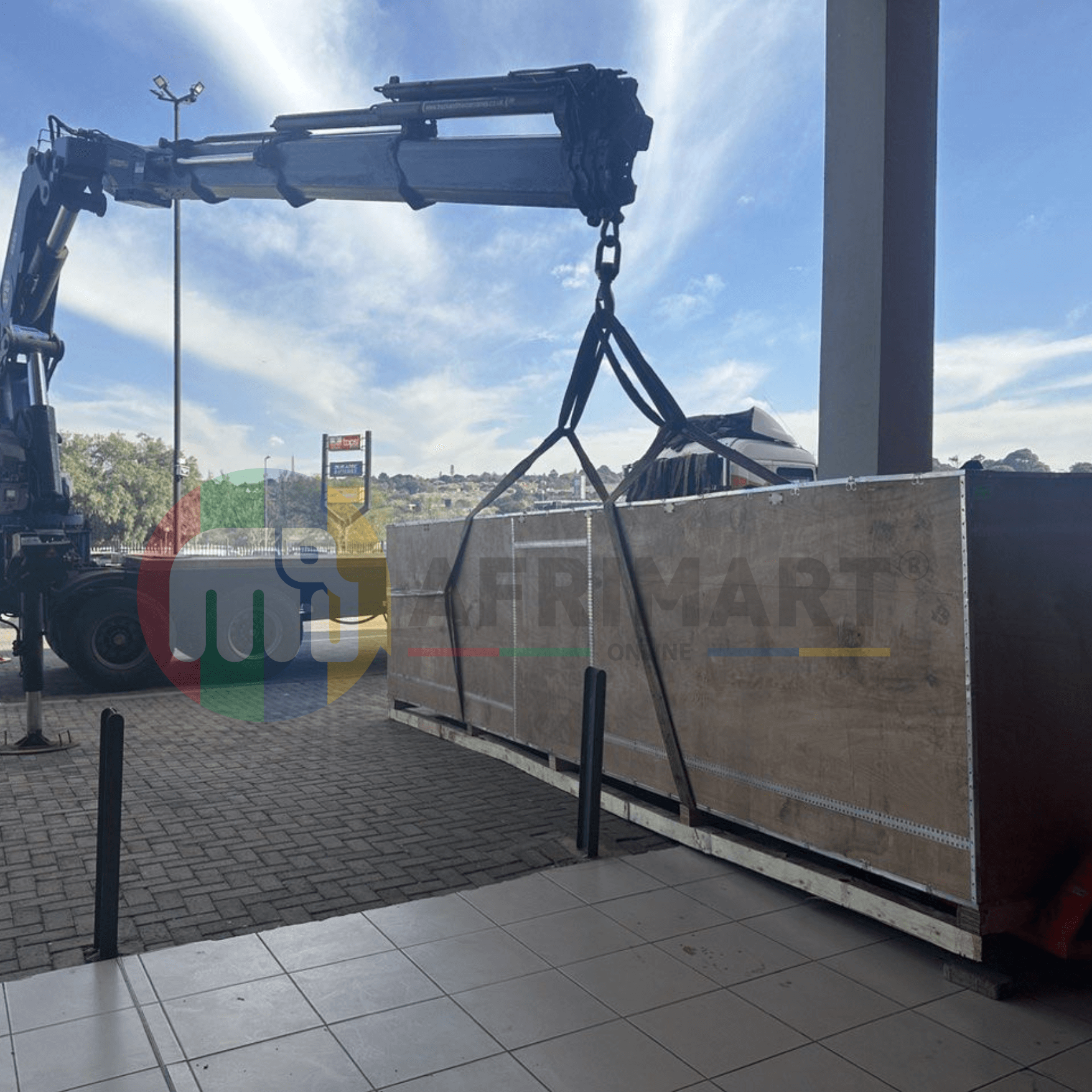
12 Heads Embroidery Machine
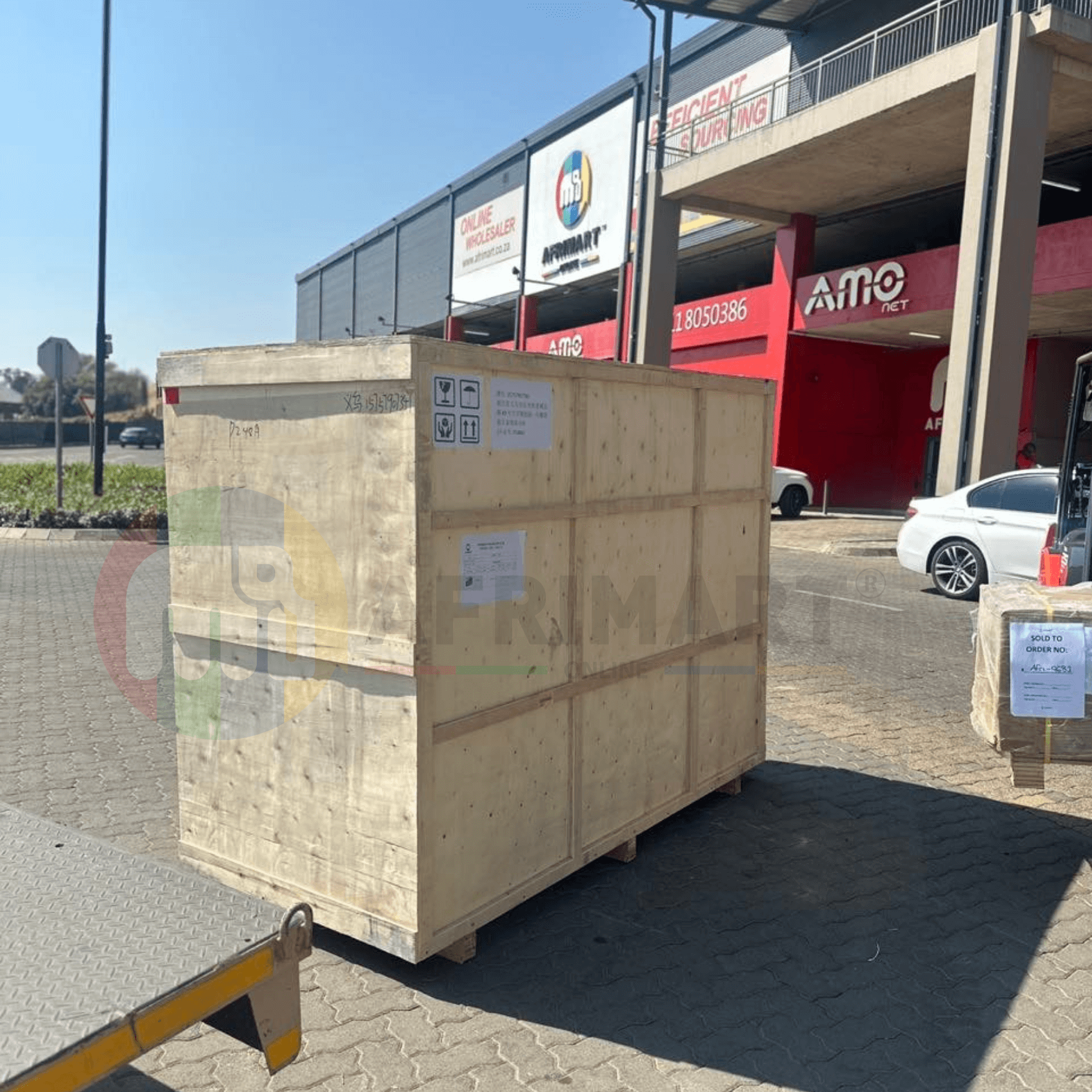
Dewatering Pump Machine
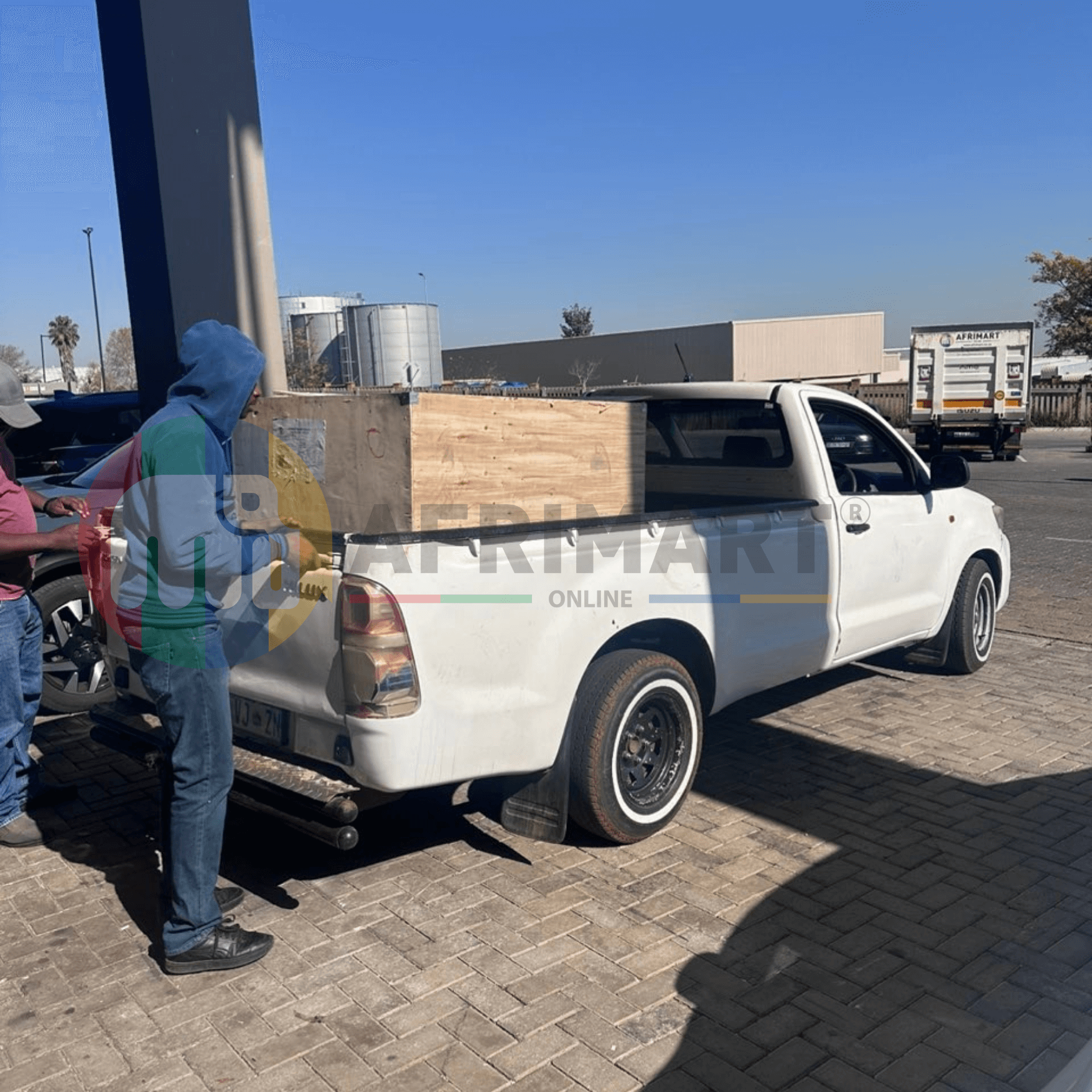
Order Collection
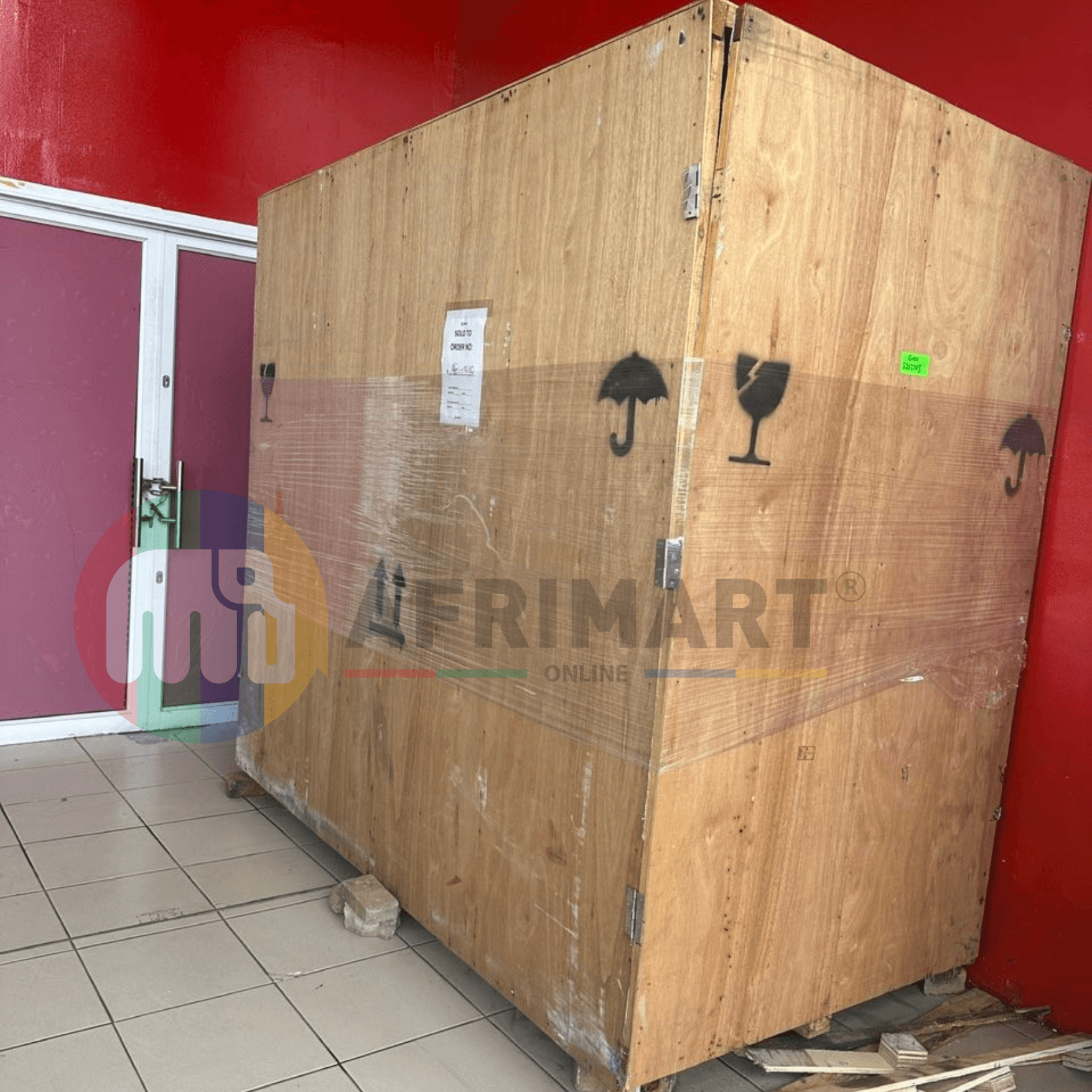
Portable Water Drilling Rig
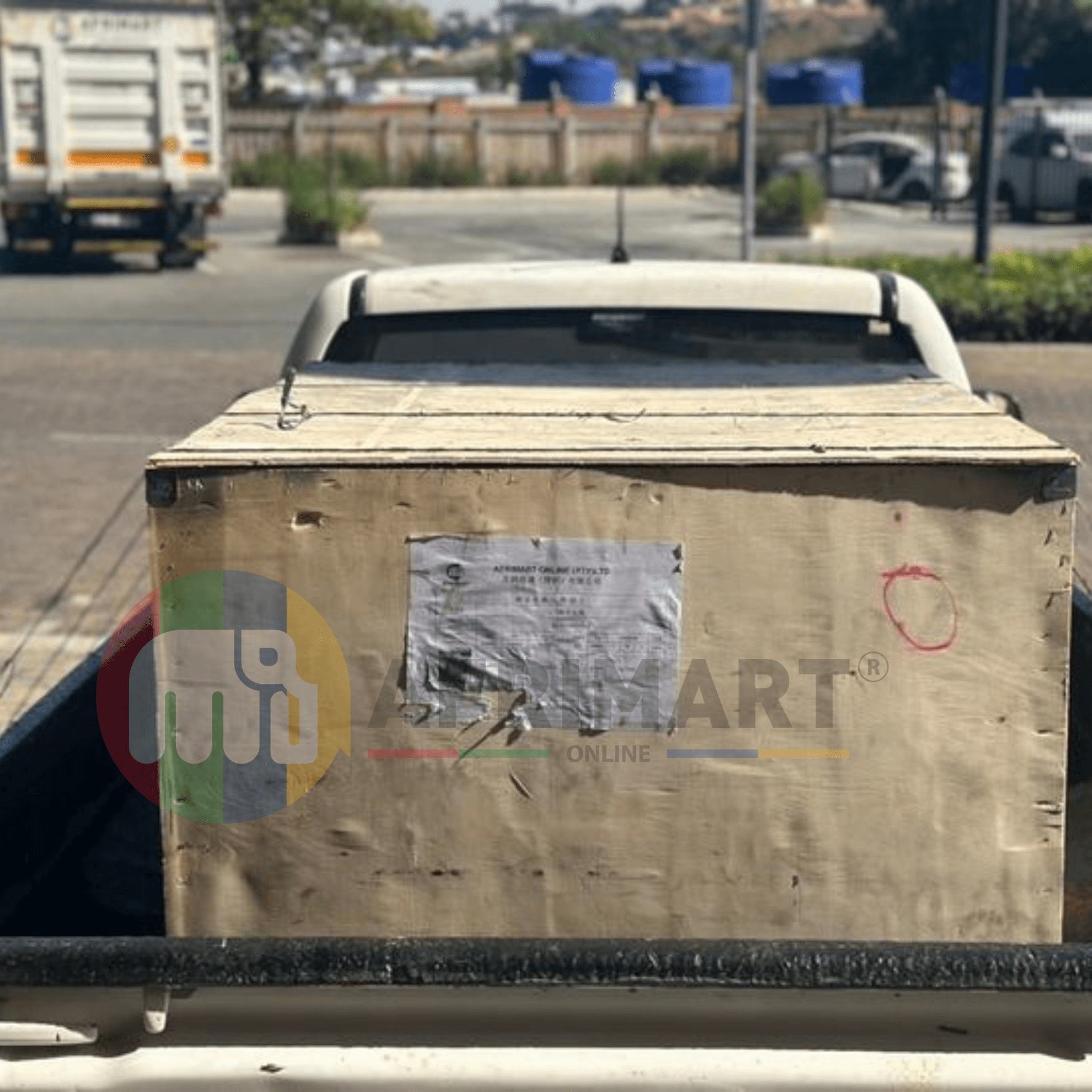
Order Usefully Collected
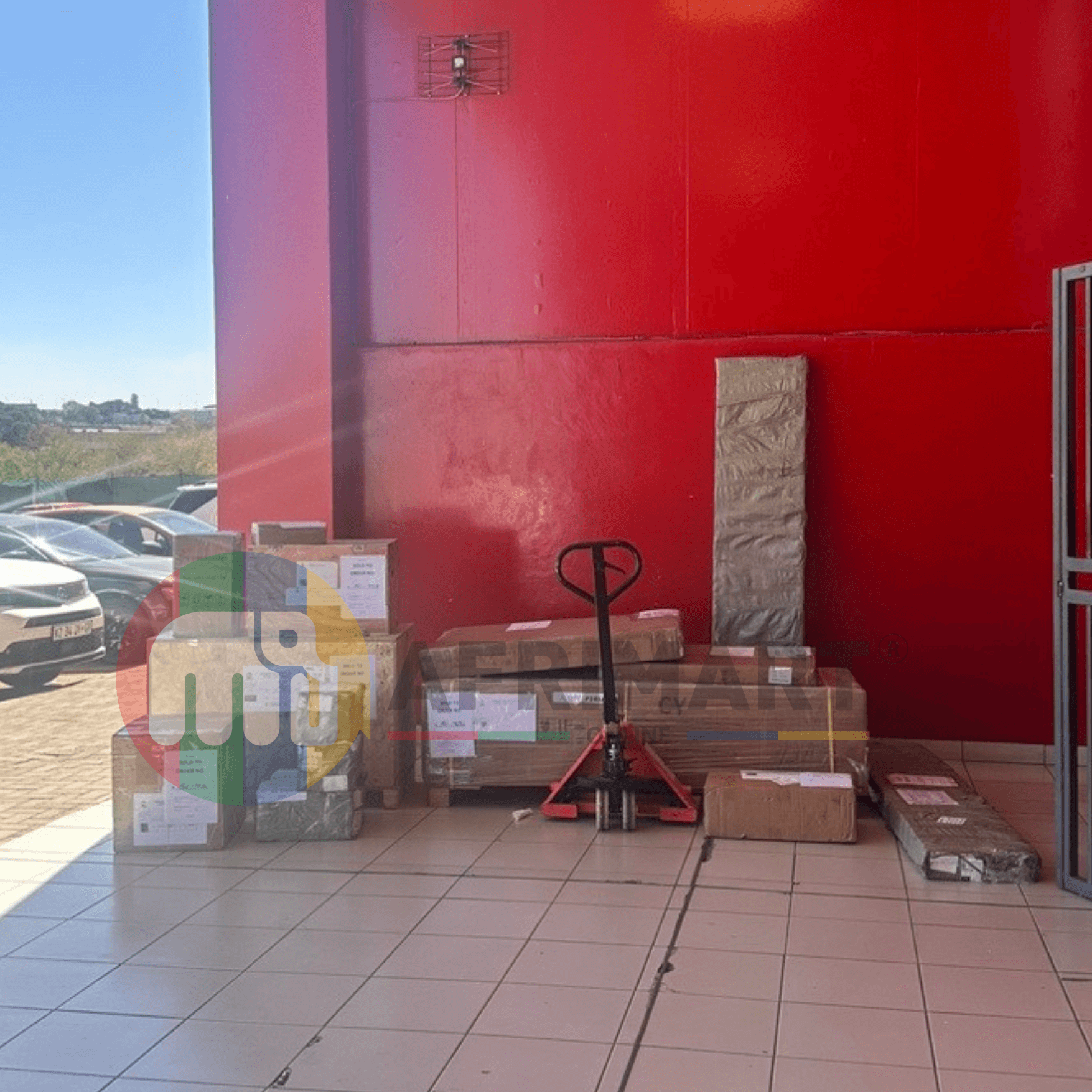
Batch of Orders
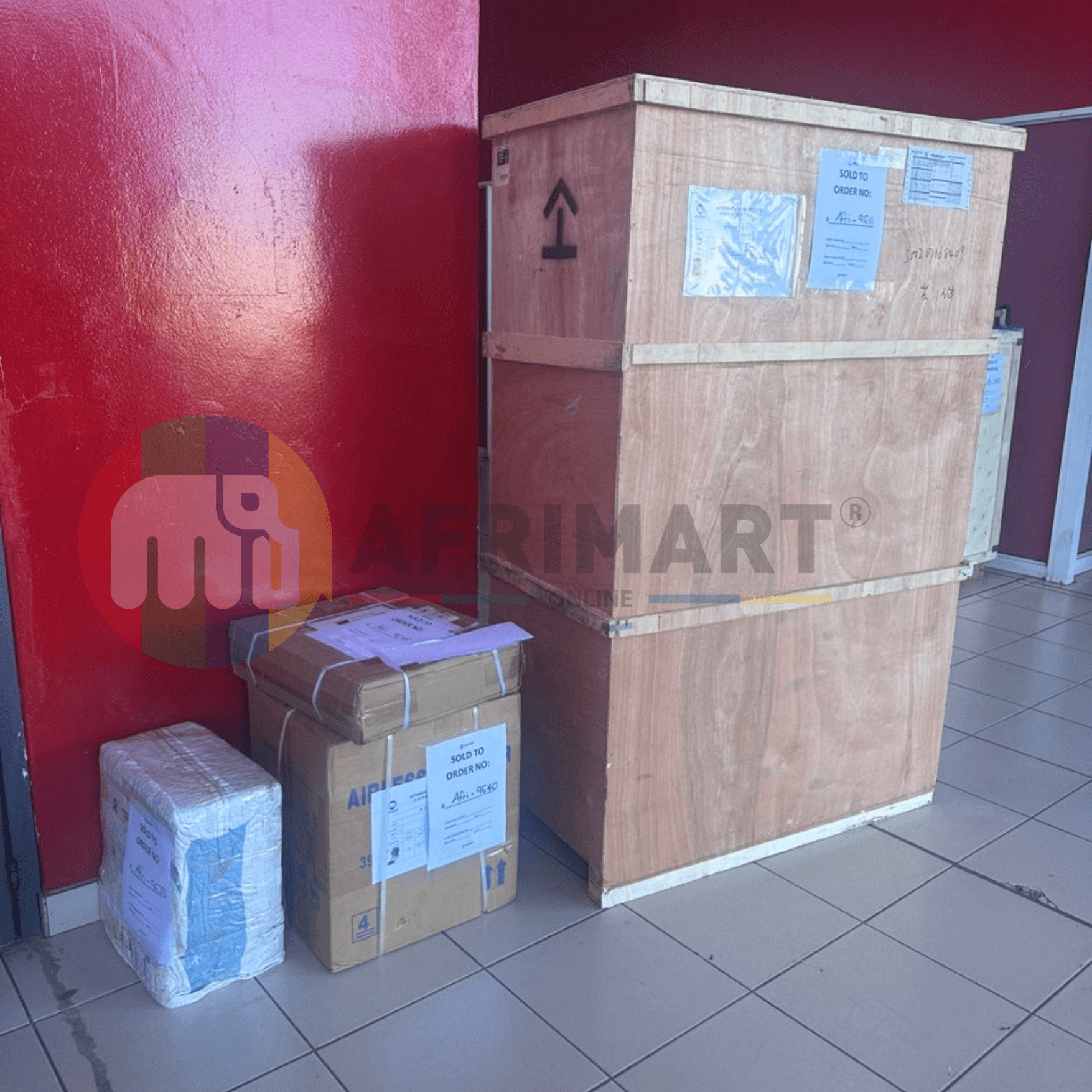
Agriculture Processing Machines
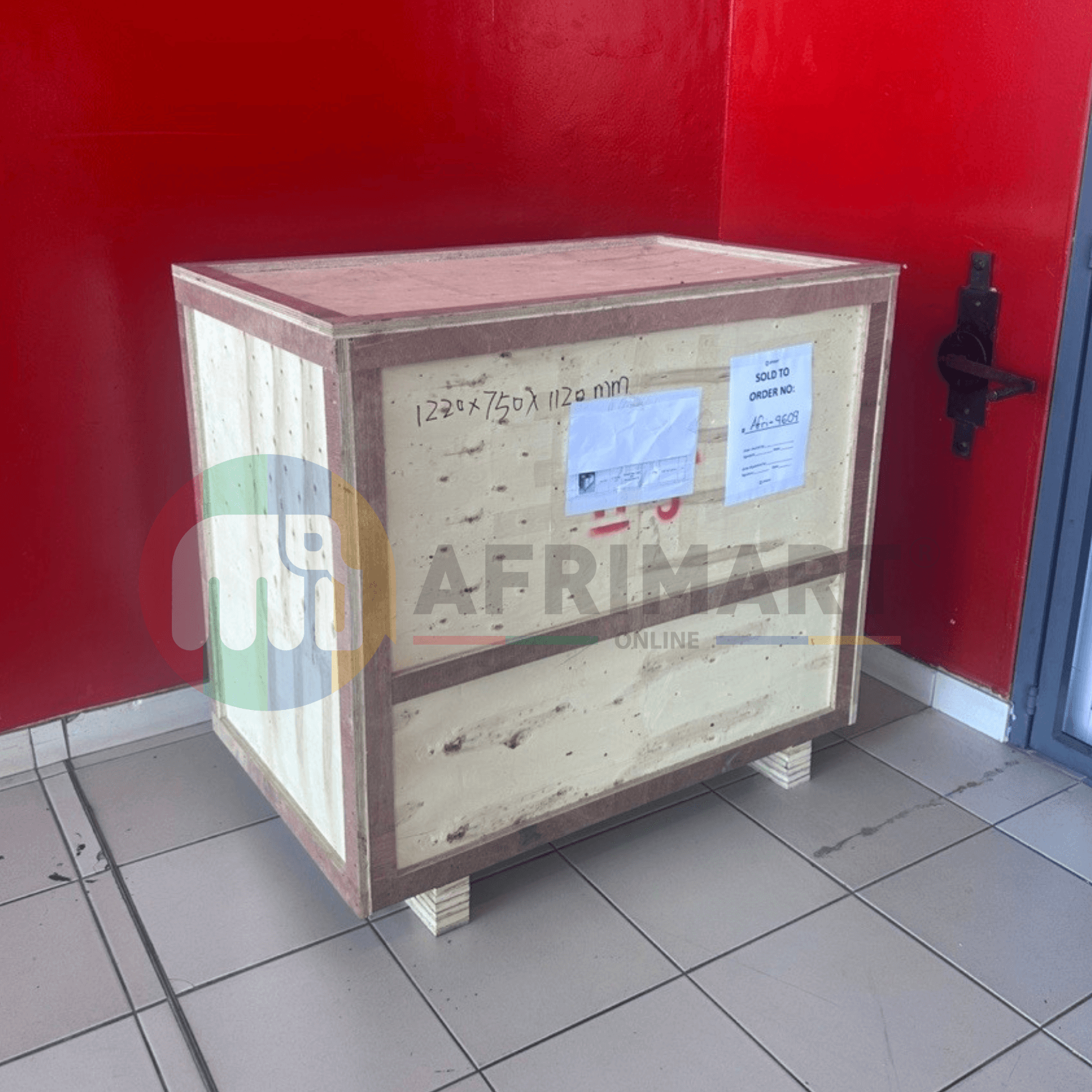
Meat Grinder Machine
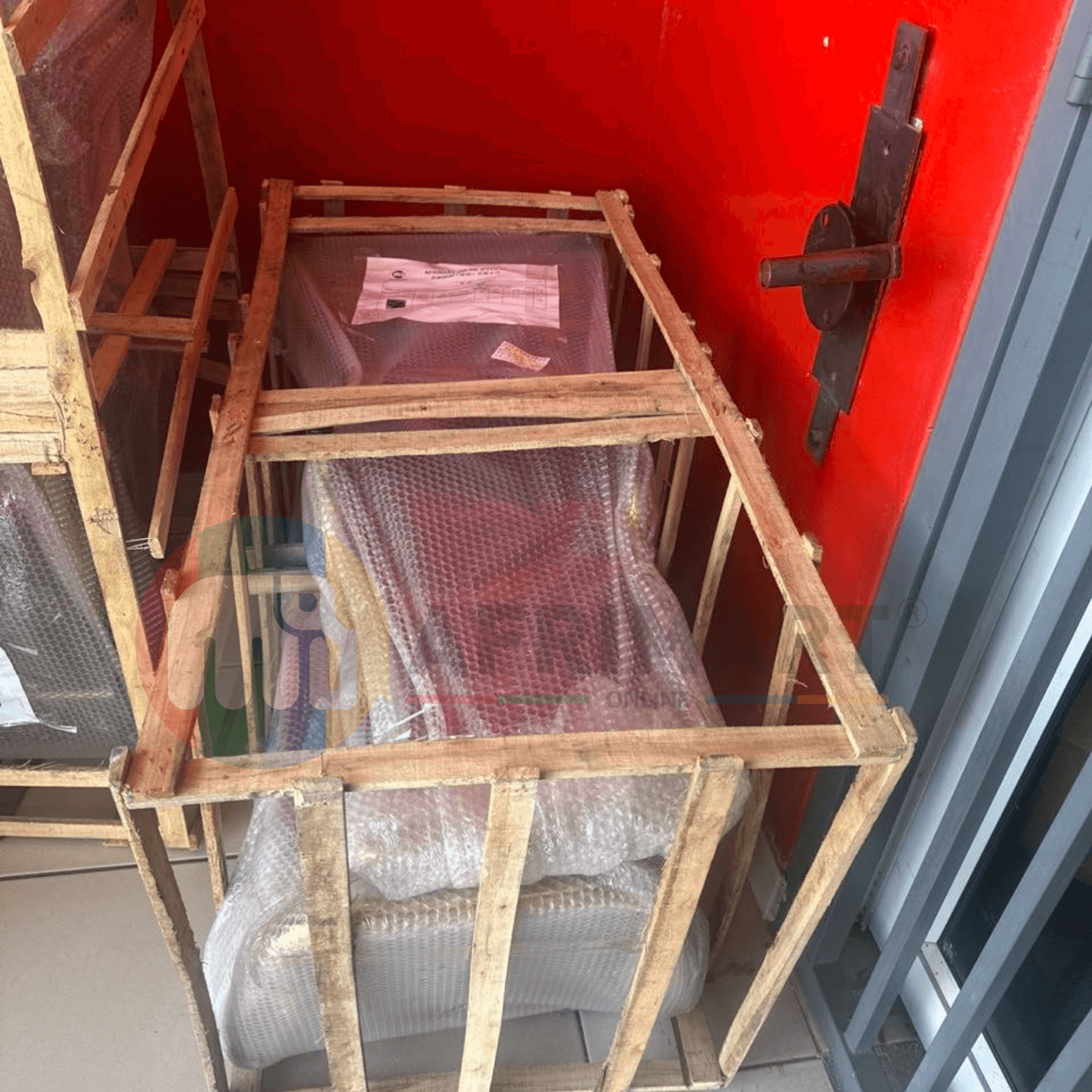
Water Pump Equipment
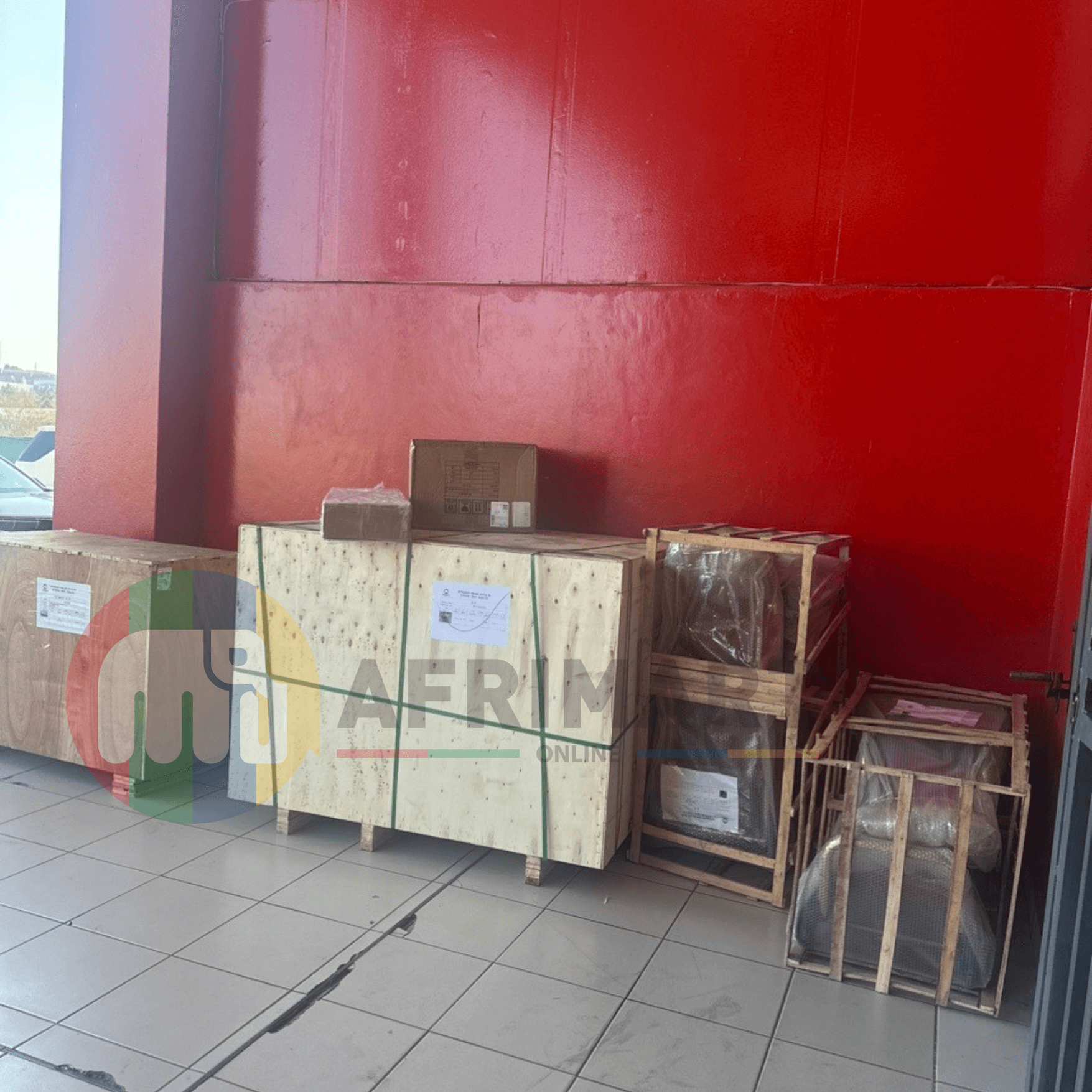
Packaging Machine and accessories
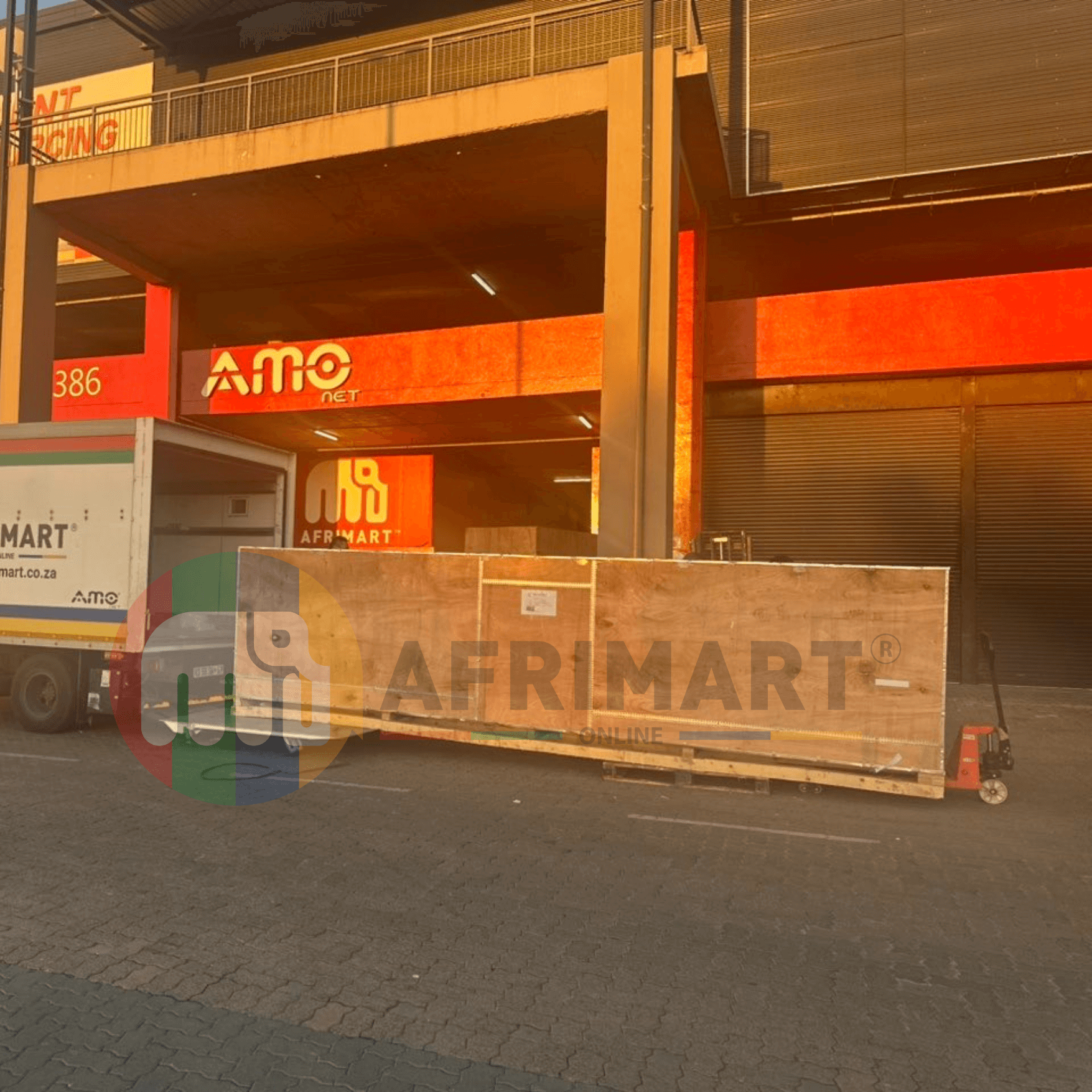
Fabrics Manufacturing Equipment
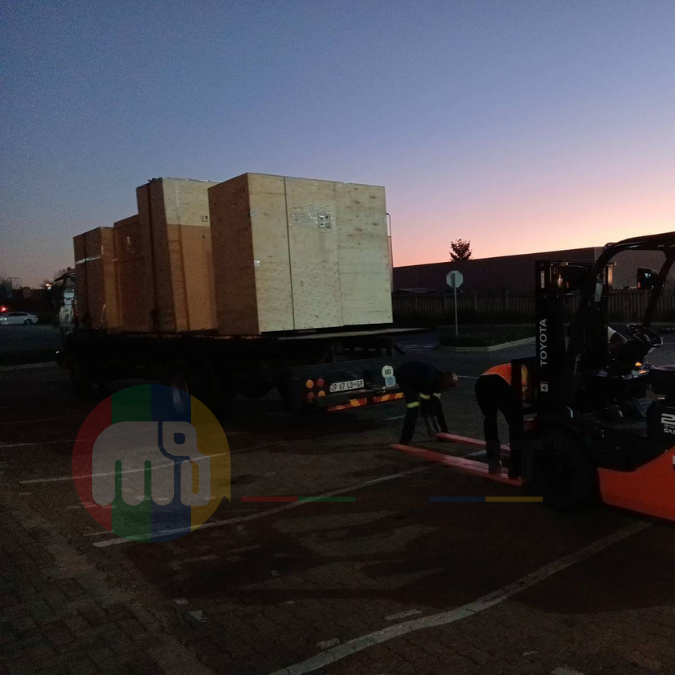
Mining Equipments
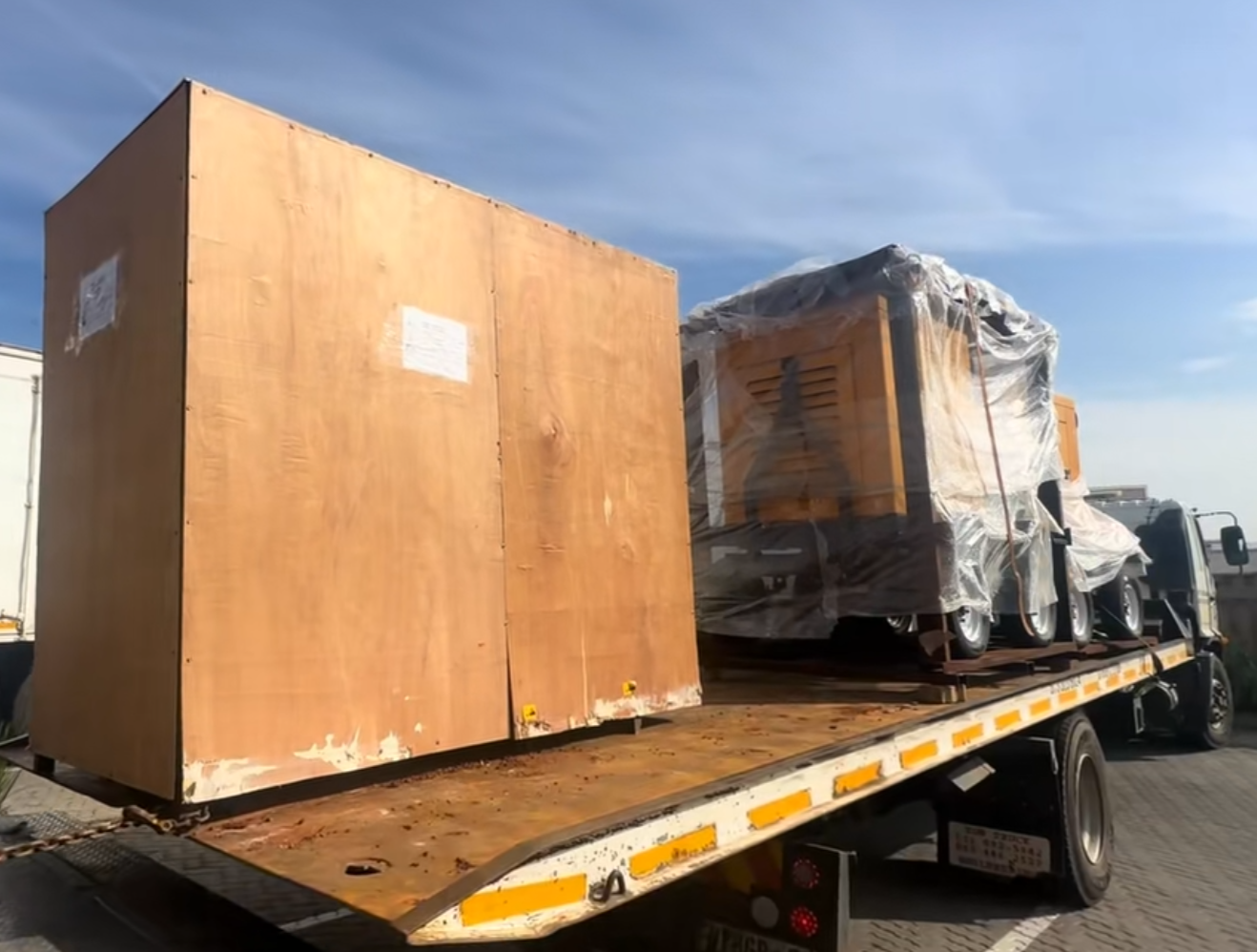
Food Processing Machine
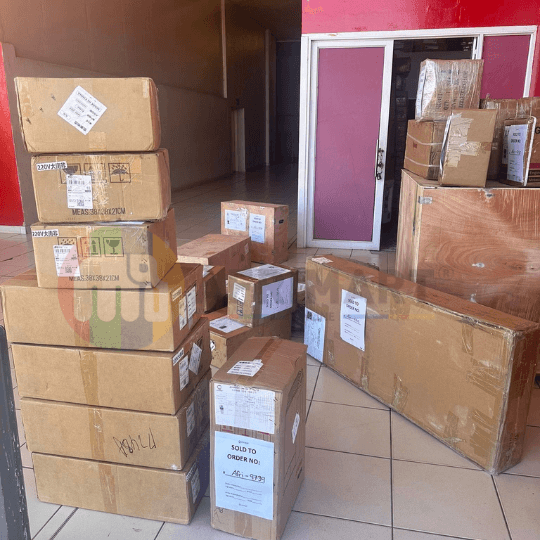
Batch of Orders
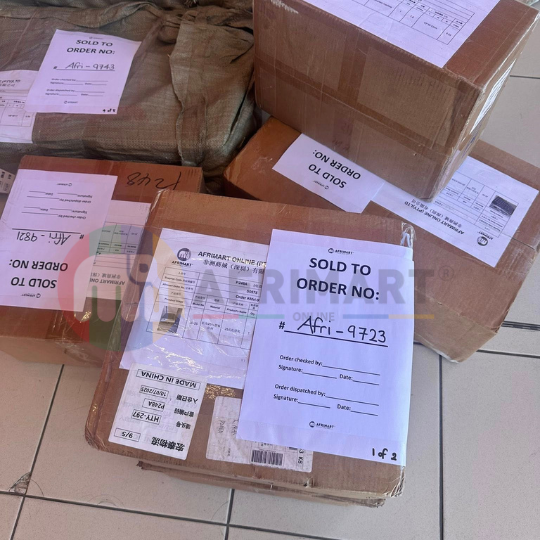
Batch of Orders
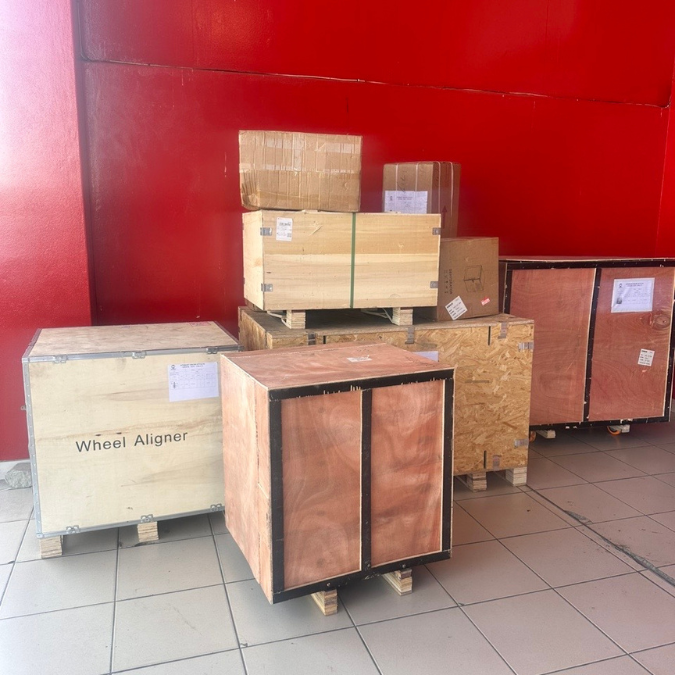
Latest Orders Labelled
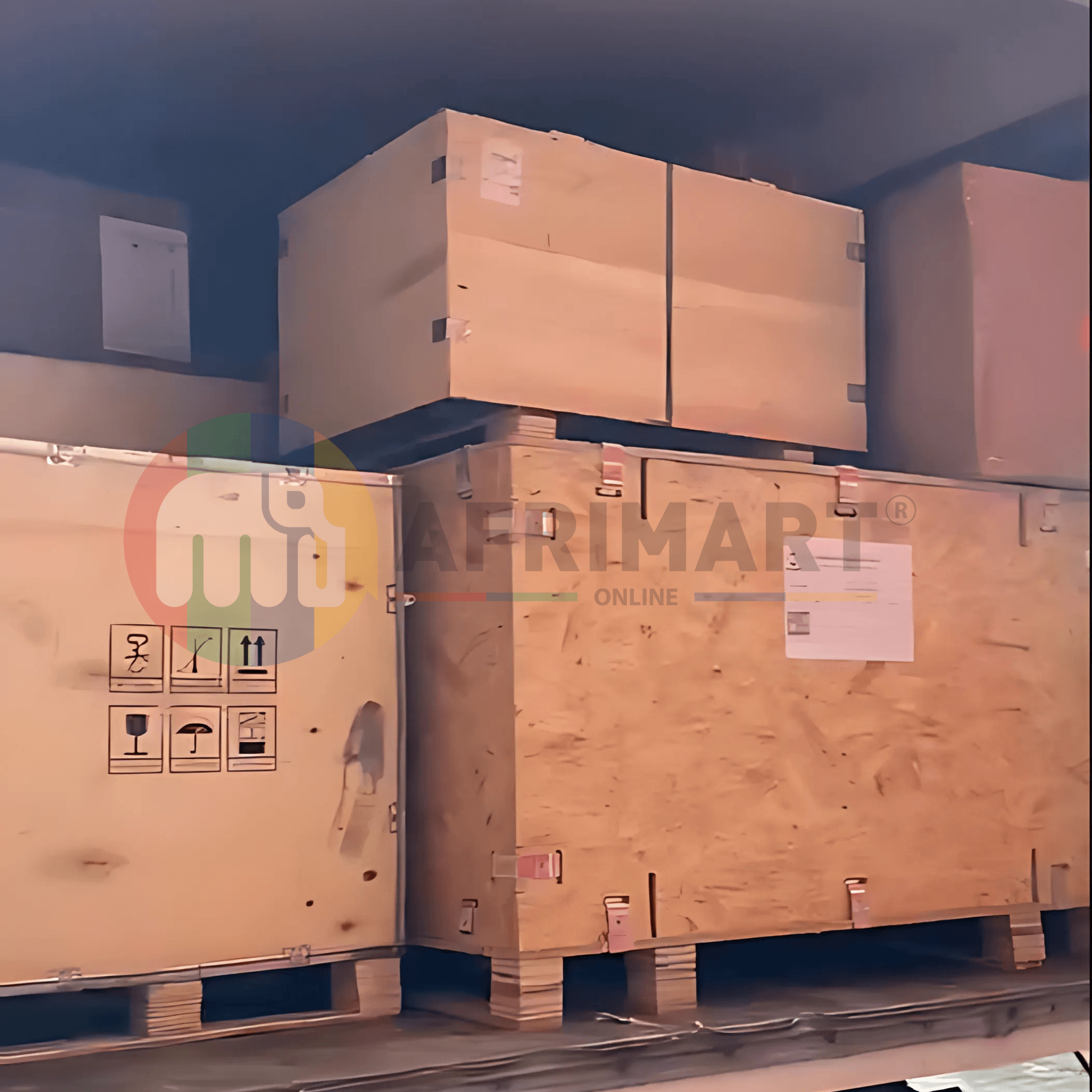
wheel alignment machines
new arrivals
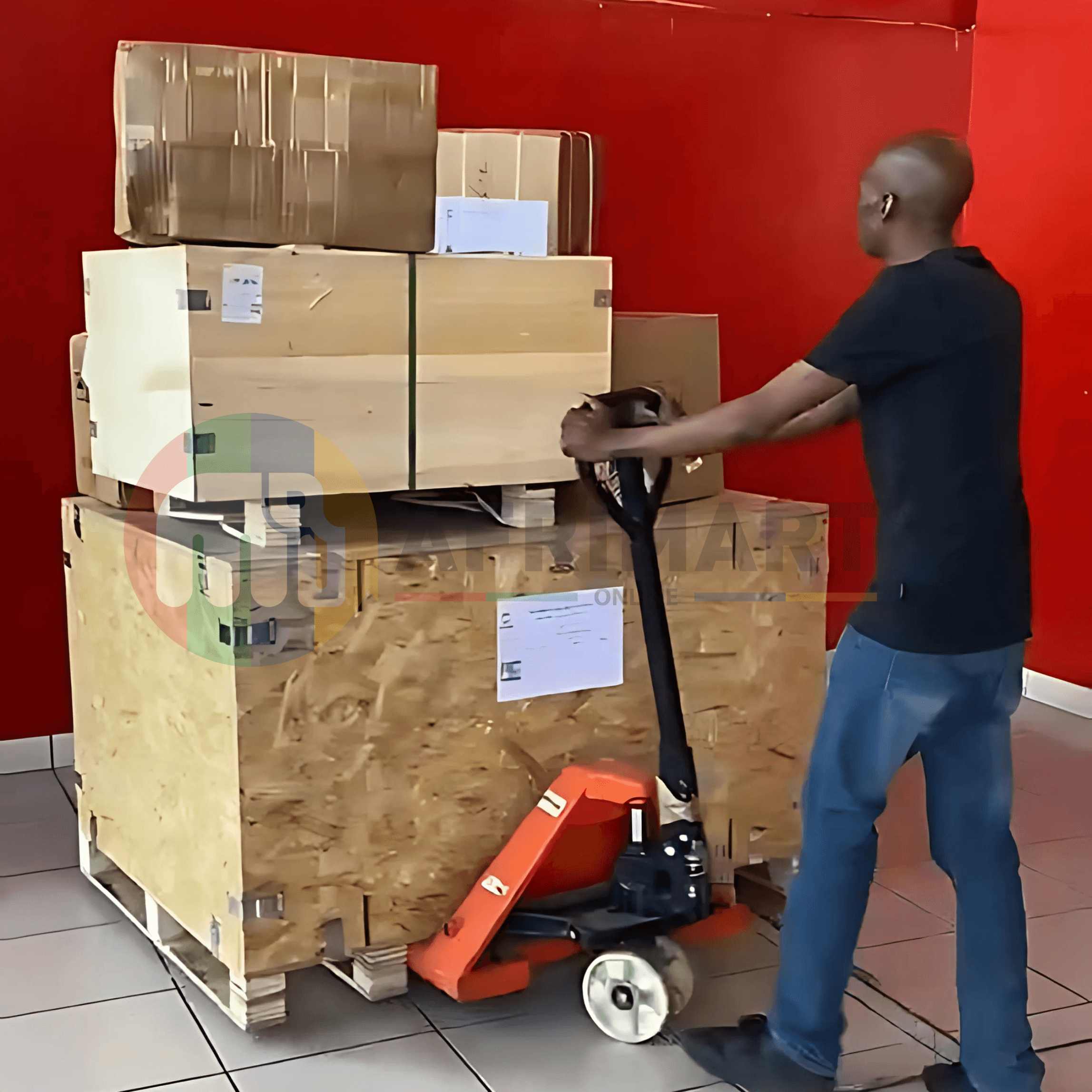
Pre Orders Offloading
Latest Arrivals
Latest Arrivals
Latest Arrivals
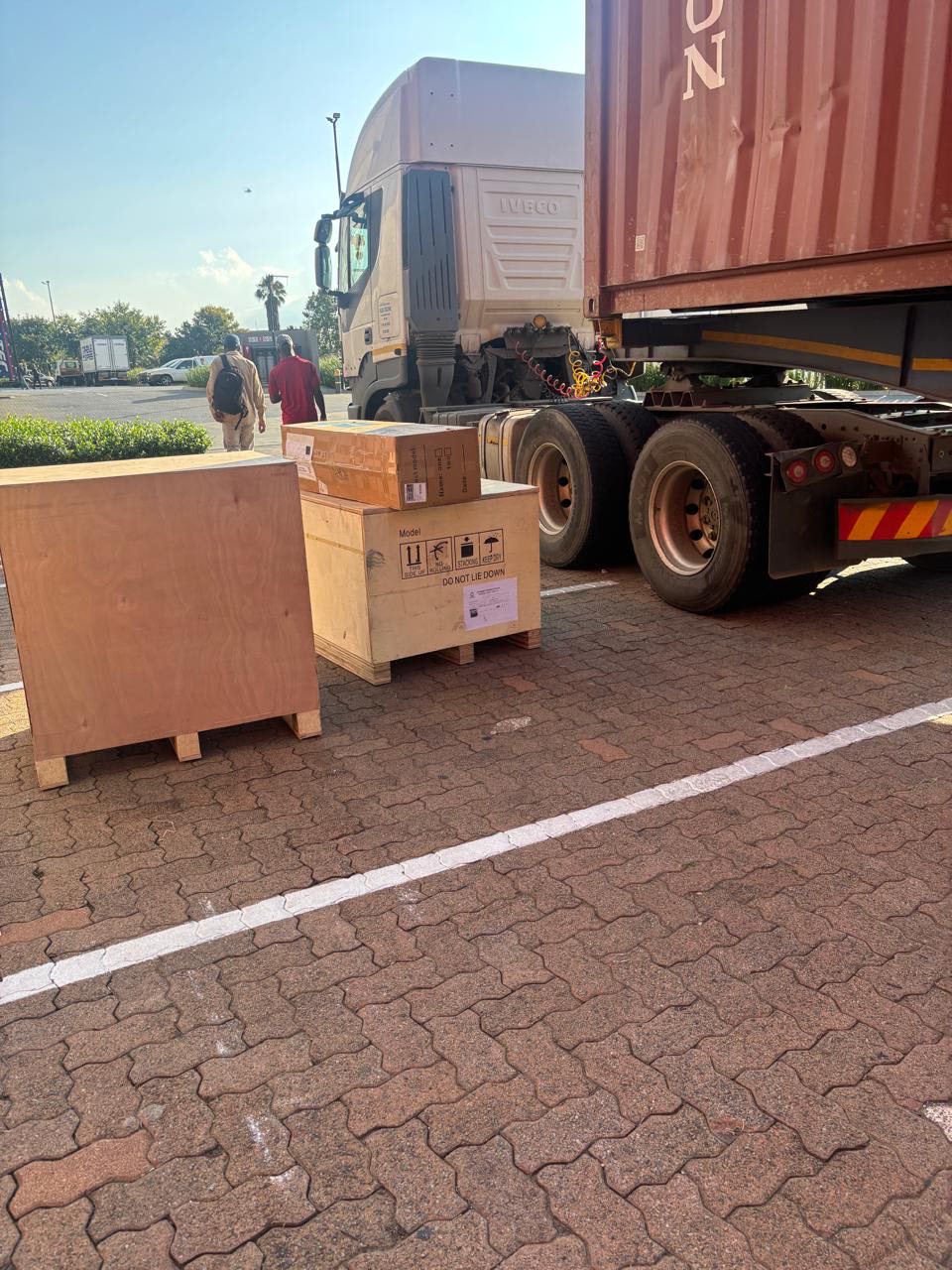
26 January 2026
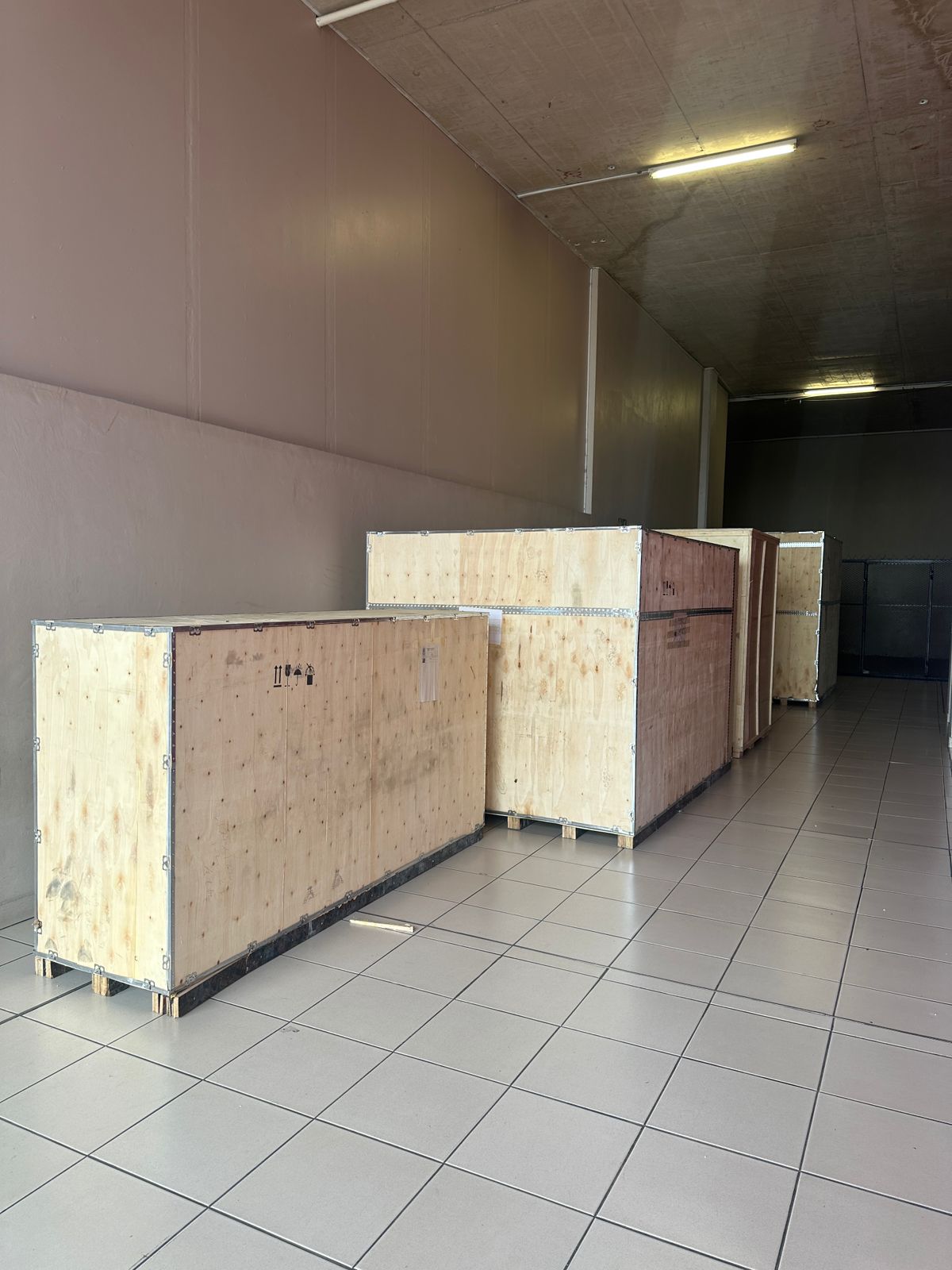
Toilet paper making machine
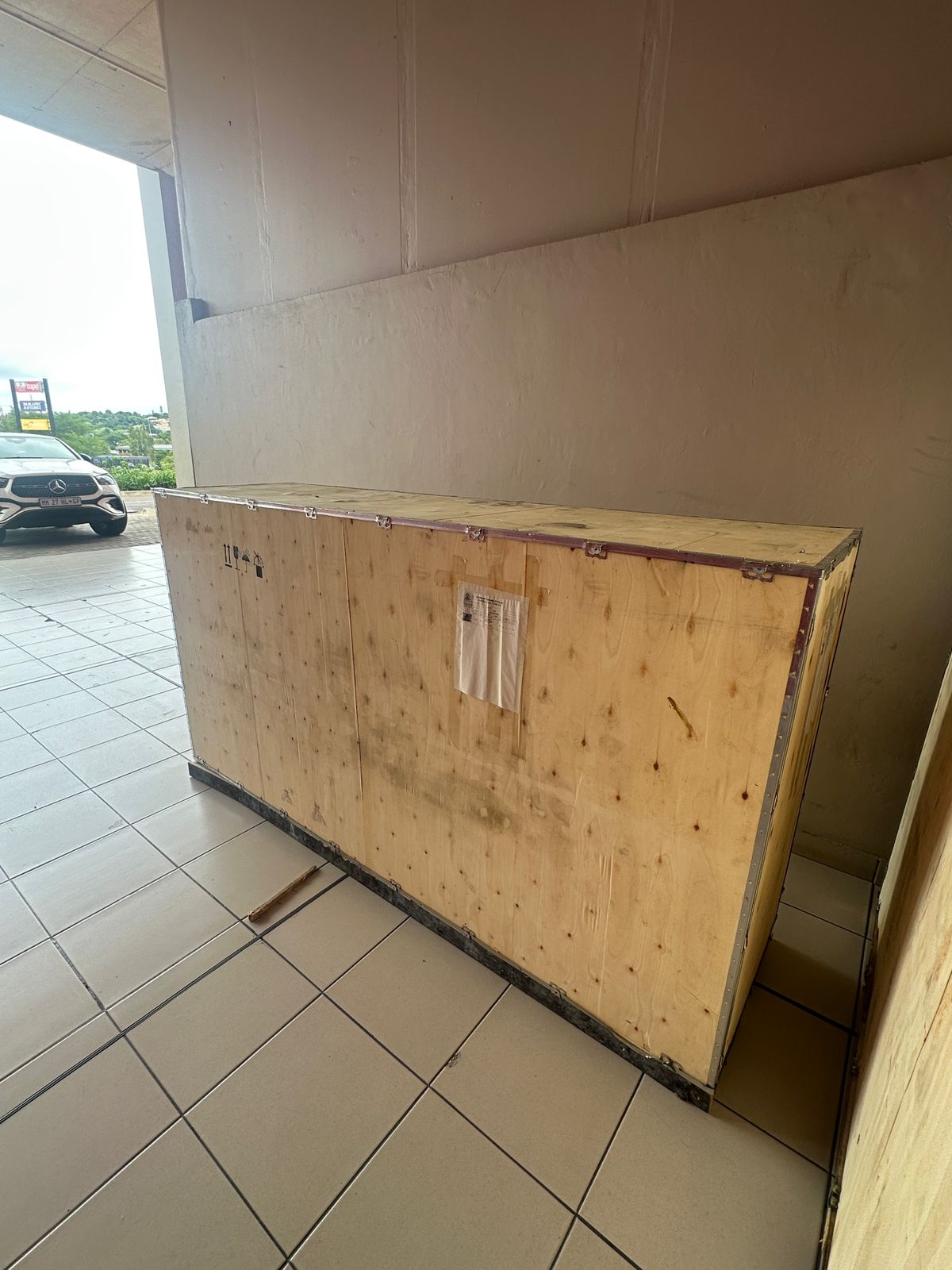
Toilet paper making machine
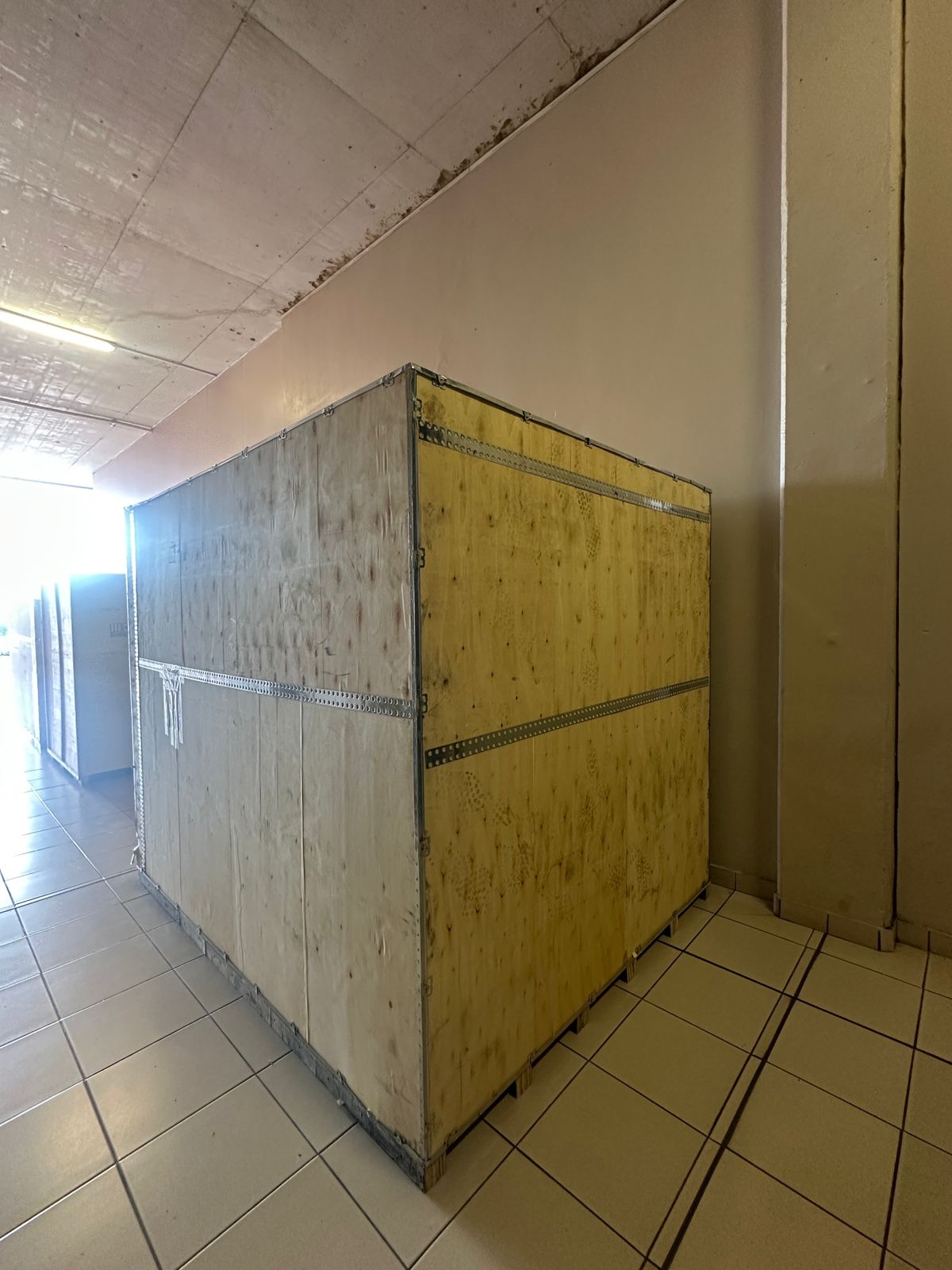
Toilet paper Rewinding Machine
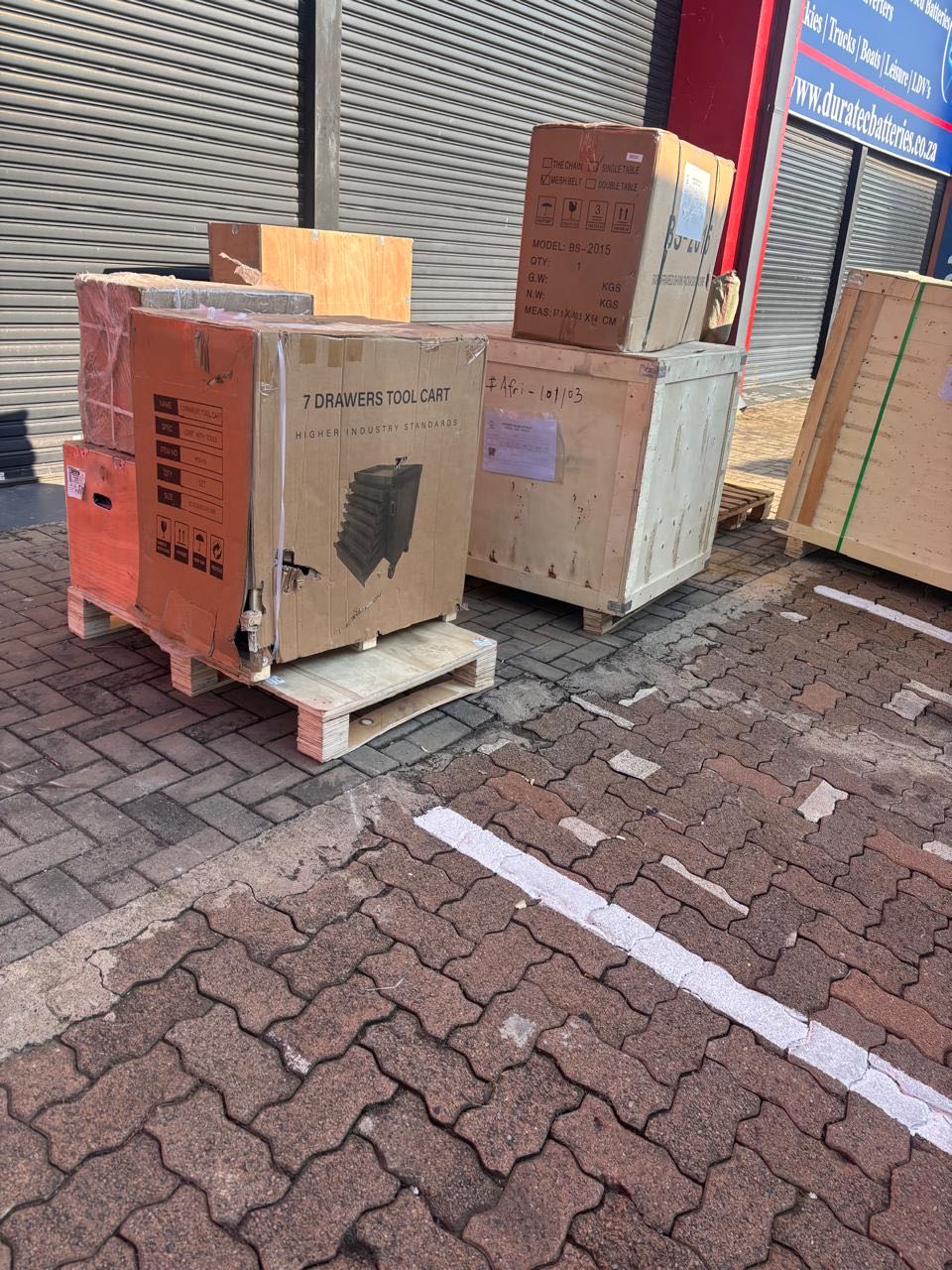
latest arrivals
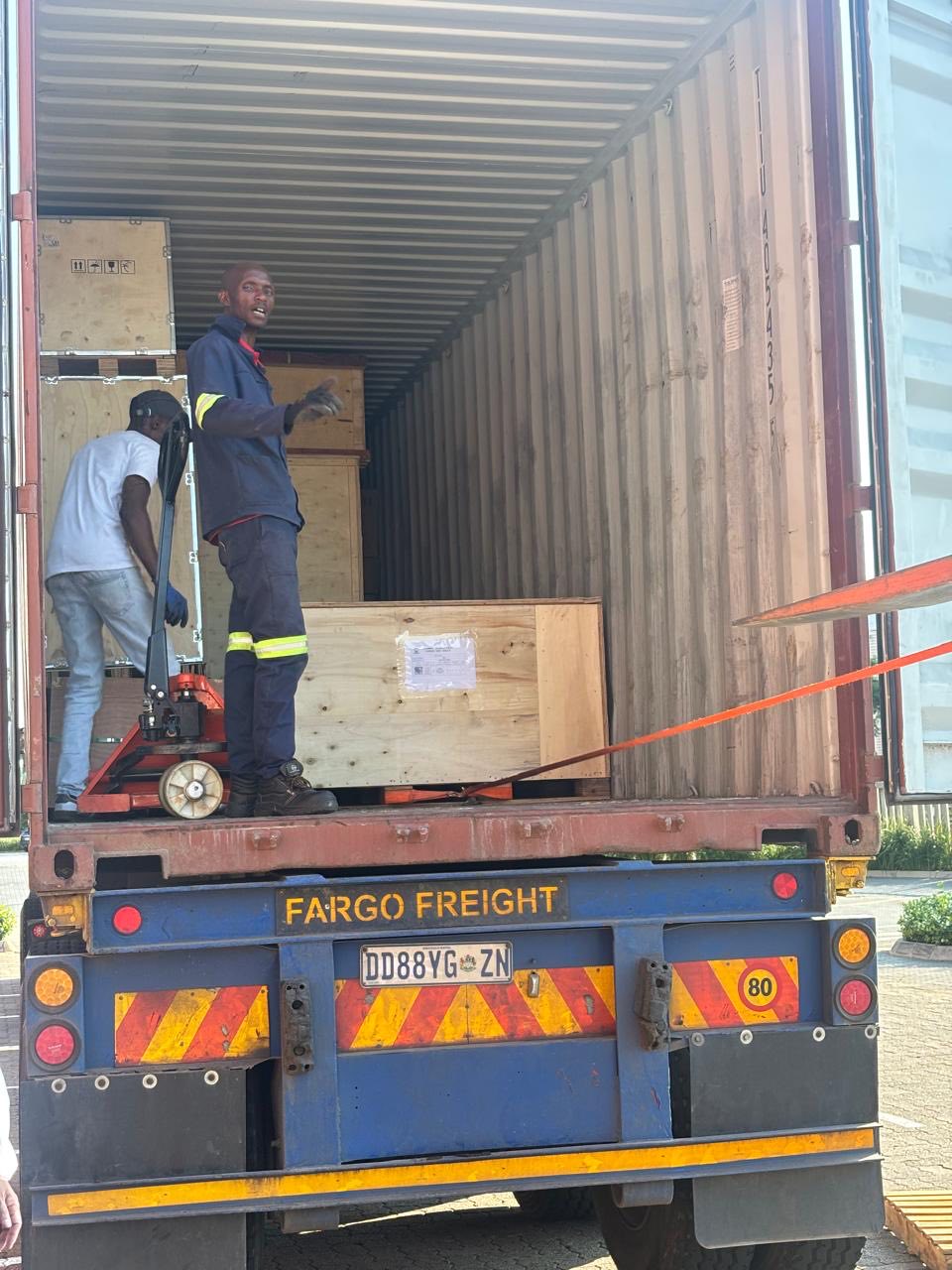
offloading
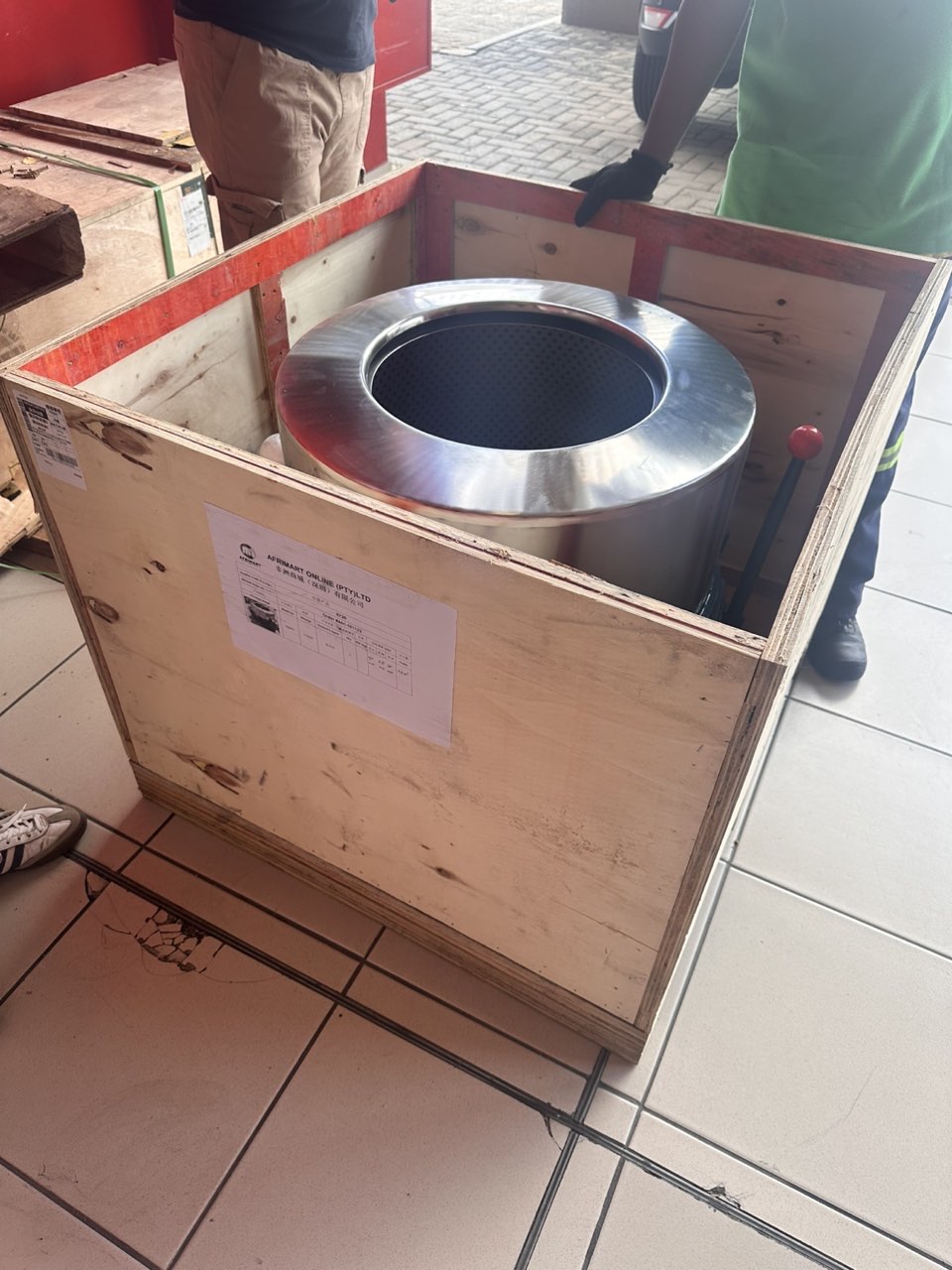
order success
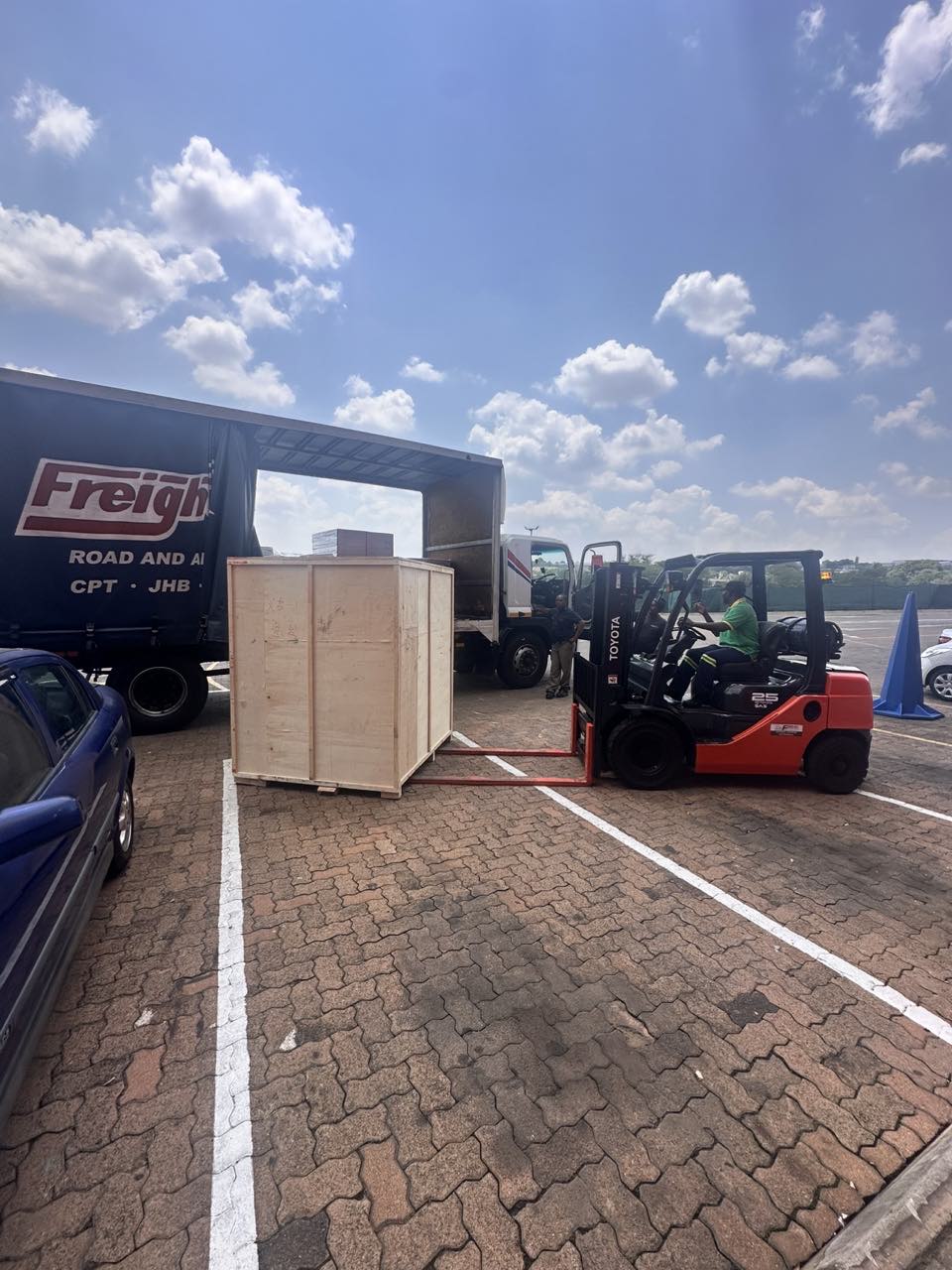
order collection
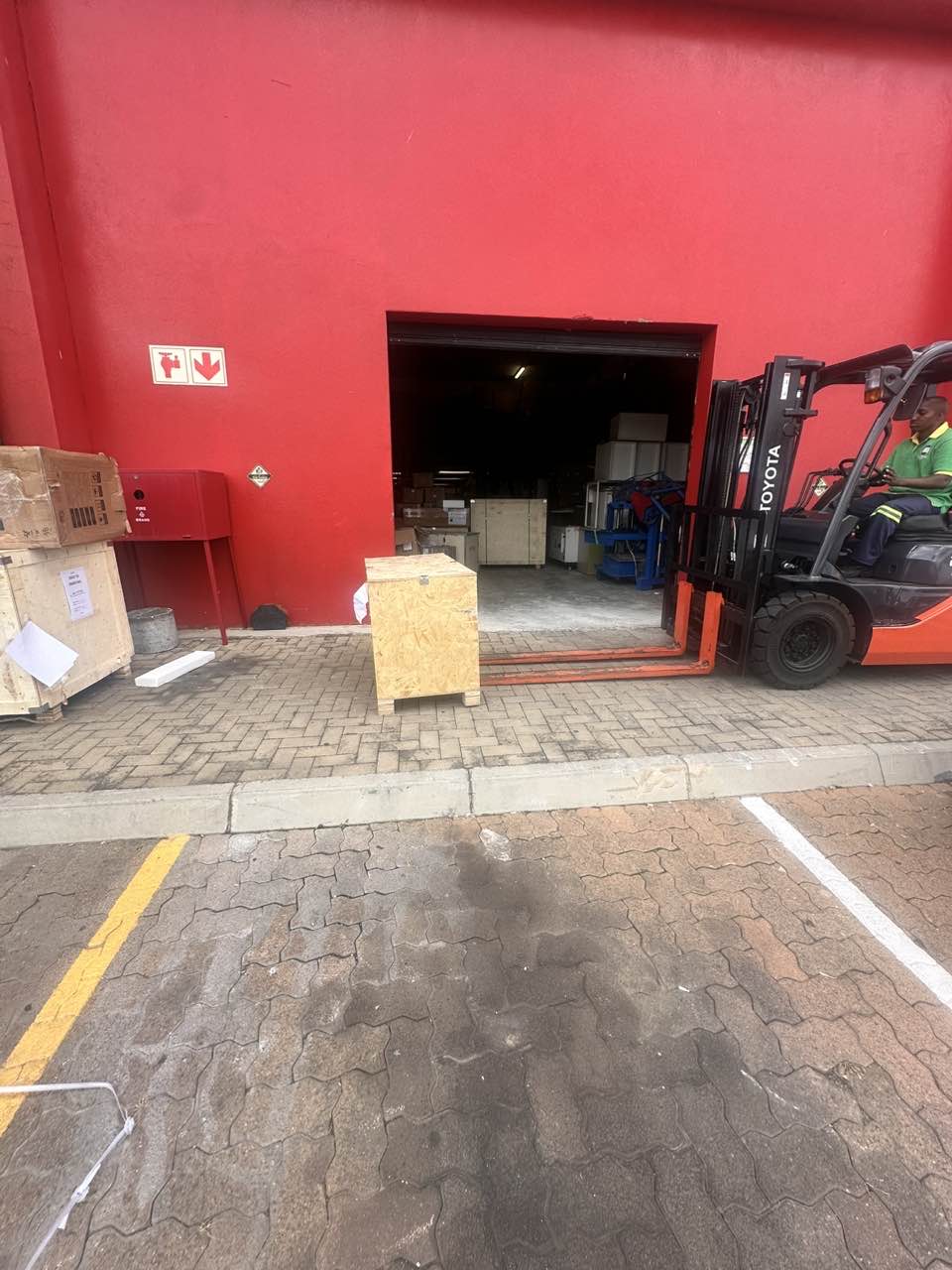
order offloading