B21, China Town Mall, Midrand

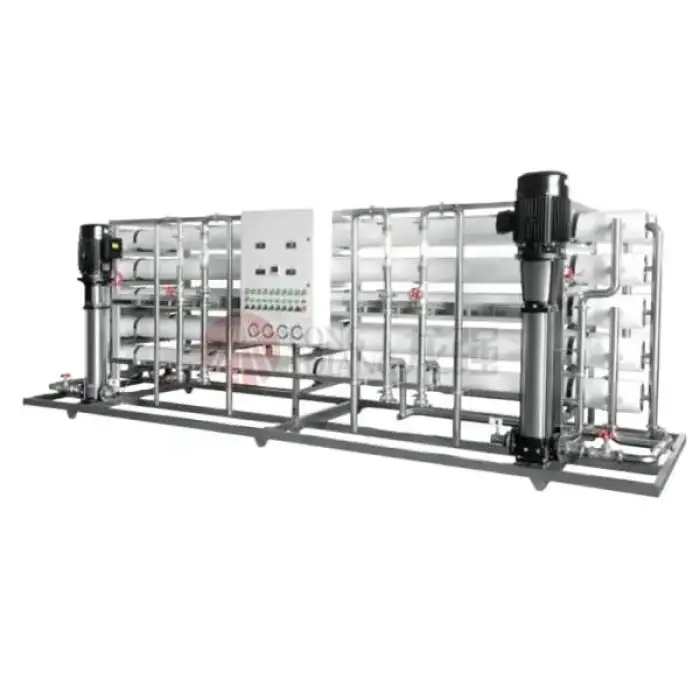
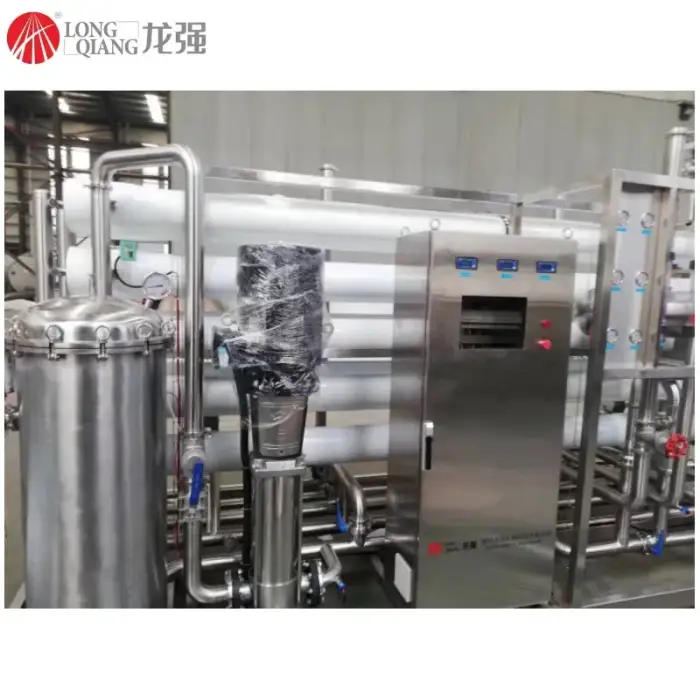
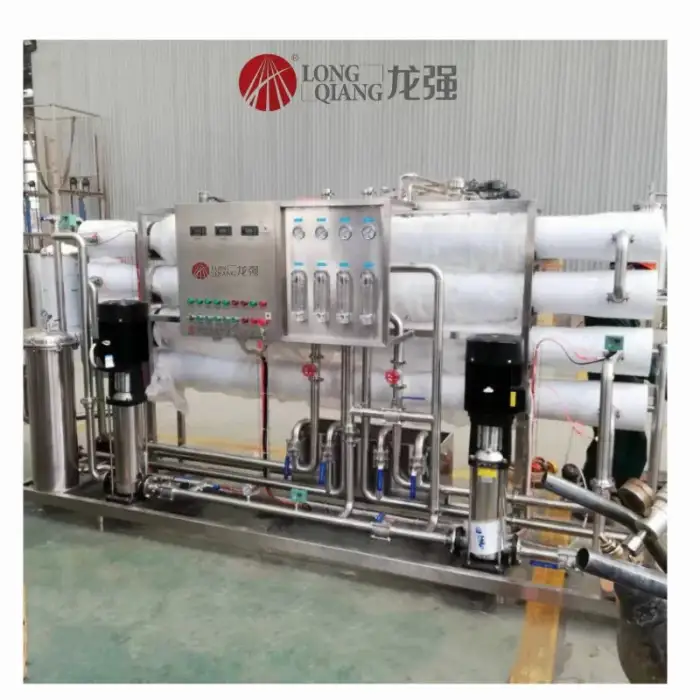
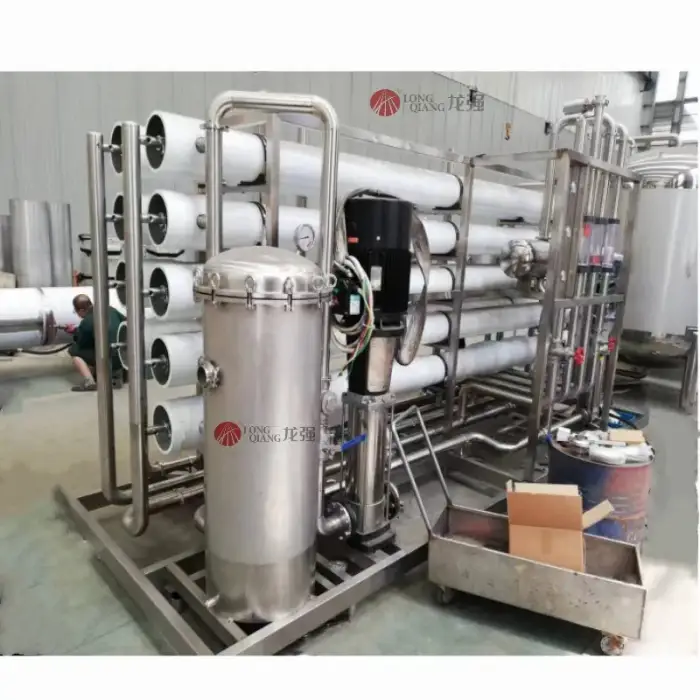
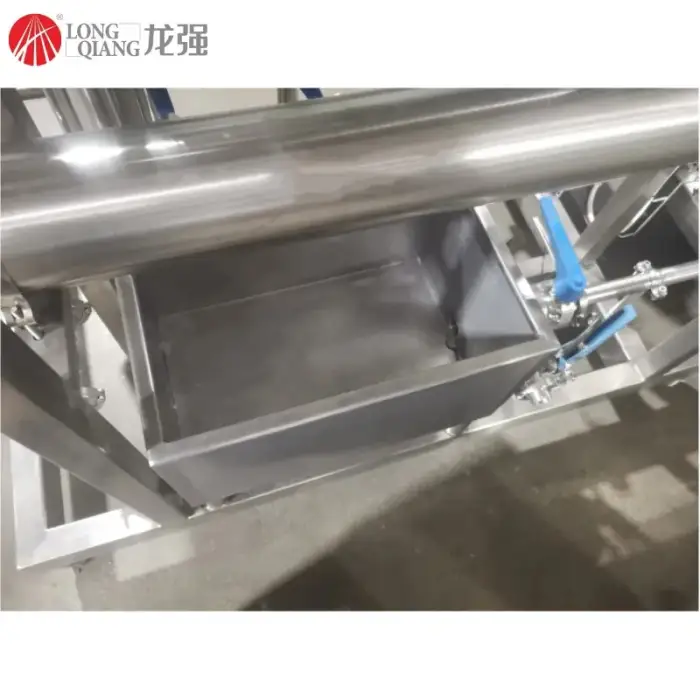
Underground water purified Reverse Osmosis System Treatment Plant for building drinkable potable Machine equipment
Asset finance available
Do you want funding for this equipment?
Afrimart can connect you with trusted funding partners who specialise in asset finance for businesses like yours. Compare options and apply in minutes — final approval is subject to provider review.
Check funding options
Secure & no obligation
- Section : Machinery
- Category : Industrial Machinery
- SKU : 1600854668486

- Shipping Timeframes: All orders are processed within 2-5 business days (excluding weekends and holidays). After your order has been processed, the estimated delivery time is before 11 Aug, 2026, depending on customs, Please note that due to high demand, some items may experience longer shipping times, which will be communicated at order confirmation email.
- Order Processing Time: Please allow 2-5 business days for us to process your order before it is shipped . Orders placed after 16:00 on Fridays, or during weekends and public holidays, will begin processing on the next business day. Processing times may be extended during peak seasons or sales events.
- Manufacturing Time: Some products needs manufacturing time, the manufacturing process will take approximately 10-30 business days depending on the product. This timeframe may vary depending on the complexity of the product and current demand. but this will be communicated with you during order confirmation.
- Returns and Exchanges: We offer a 30-day return policy for most items. If you are not completely satisfied with your purchase, you may return it within 30 days of receipt for a refund or exchange. Items must be unused, in their original packaging, and accompanied by proof of purchase. Return shipping costs are the responsibility of the customer, unless the item was damaged or defective upon arrival.
1. What is a Reverse Osmosis (RO) water treatment system?
A Reverse Osmosis water treatment system purifies water by removing dissolved salts, harmful materials, organic impurities, heavy metals, bacteria, and viruses through a semi-permeable membrane.
2. How does the Reverse Osmosis process work?
The RO process involves several stages: raw water is pumped into a multi-media filter, then it goes through an active carbon filter, a water softener, a micro filter, and finally through the RO system, where purified water is produced and stored.
3. What is the capacity of the RO systems available?
The available models range in capacity from 1000 liters per hour (RO-1000) to 10000 liters per hour (RO-10000).
4. What materials are used in the RO system?
The RO system is constructed using high-quality materials such as stainless steel for filters and includes components like a raw water pump, sand filter, active carbon filter, and a reverse osmosis membrane.
5. Is the RO water treatment system energy efficient?
Yes, the RO system is designed to have lower energy consumption while providing high-quality purified water, making it energy efficient.
6. What contaminants can the RO system remove?
The RO system can remove over 97% of soluble salts, 99% of microbes, particulates, and organic substances, ensuring high-quality drinking water.
7. Does the system require regular maintenance?
Yes, the RO system requires regular maintenance, including filter replacements and system checks, to ensure optimal performance and water quality.
8. Can the RO system operate without power?
The reverse osmosis plant is equipped with protective features to handle power issues, but it does require electricity for operation.
9. What is the role of the UV sterilizer in the system?
The UV sterilizer is used to eliminate any remaining bacteria and viruses in the purified water, ensuring it meets safety standards for drinking.
10. Is installation included with the purchase of the RO system?
Installation services are available and can be provided overseas, ensuring proper setup and commissioning of the RO system.
11. What kind of control system does the RO plant use?
The RO plant is equipped with a PLC and touch screen control system for easy operation and monitoring of the water treatment process.
12. What safety features does the RO system have?
The RO system has multiple safety features including protection against power loss, electrical surges, leaks, short circuits, and more.
13. How does the water softener work in the RO system?
The water softener, also known as an ion exchanger, removes calcium and magnesium ions from the water, which helps to prevent scaling on the RO membrane.
14. What is the expected lifespan of the RO system?
With proper maintenance, the RO system can have a long lifespan, typically lasting many years depending on usage and care.
15. What certifications does the RO system have?
The commercial reverse osmosis system is produced according to ISO standards, ensuring it meets quality and safety requirements.
Latest Order Arrivals
Discover our latest orders
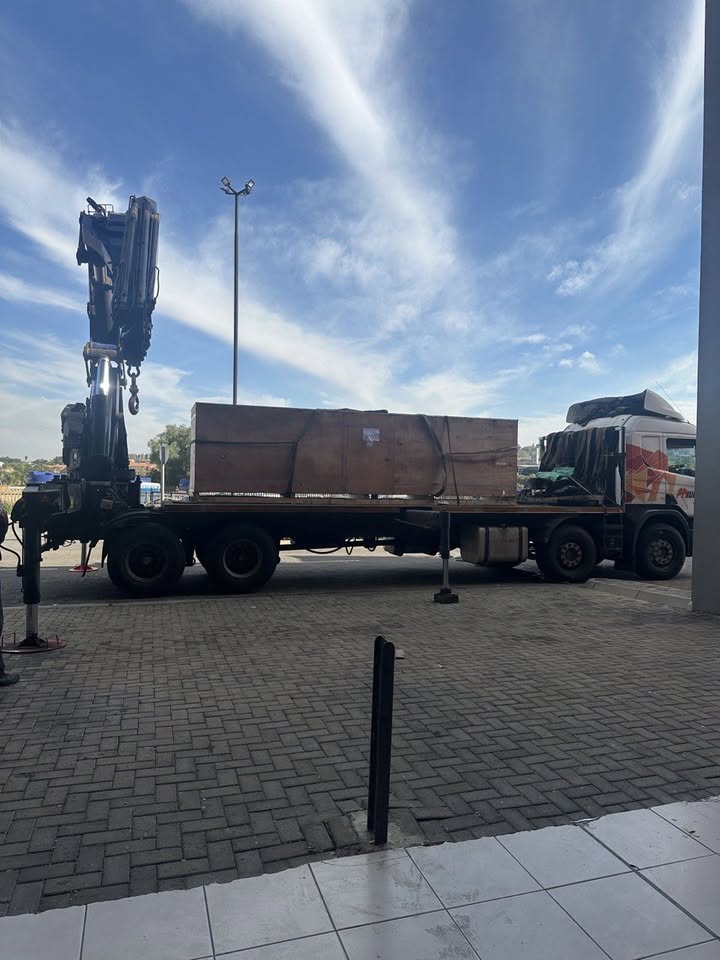
12 Heads Embroidery Machine
Toilet Paper Machine Machine
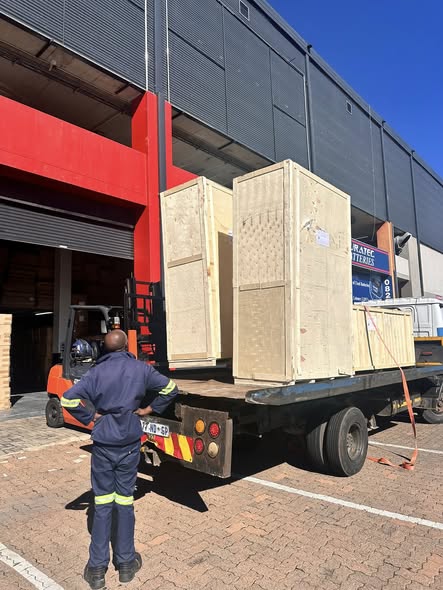
Order Collection
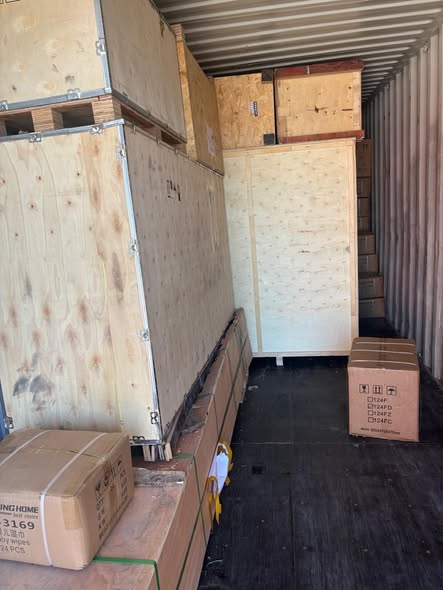
Cross Border Clients
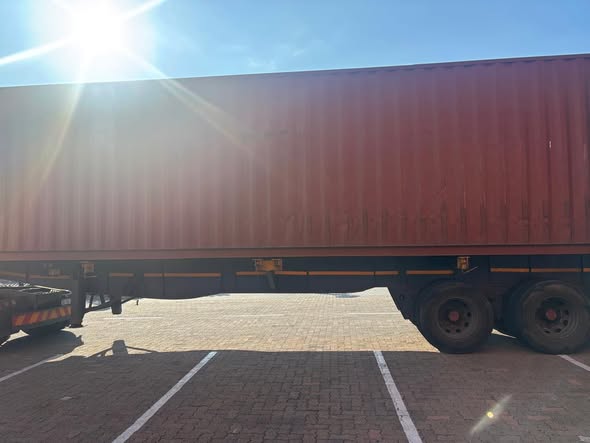
Order cros border countries Collected
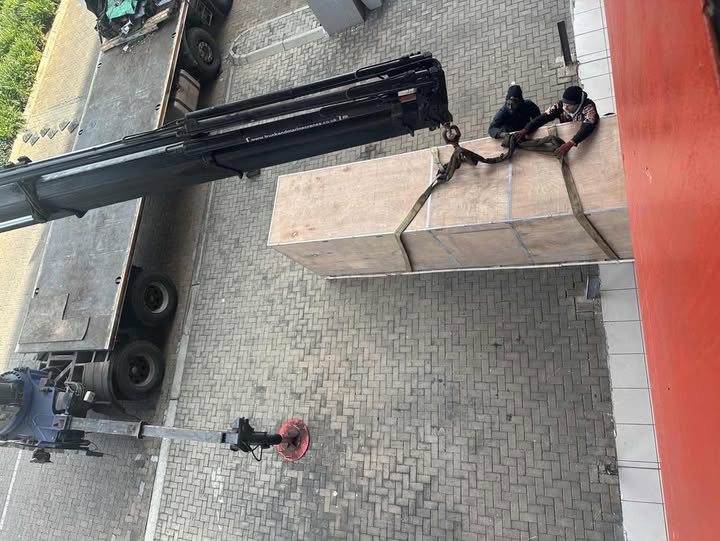
Industrial Machine Cllection
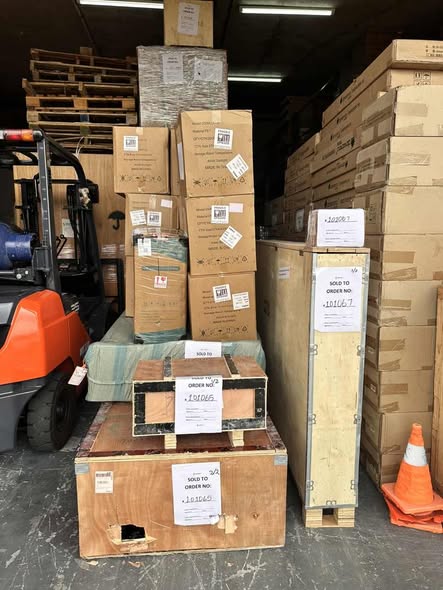
Agriculture Processing Machines
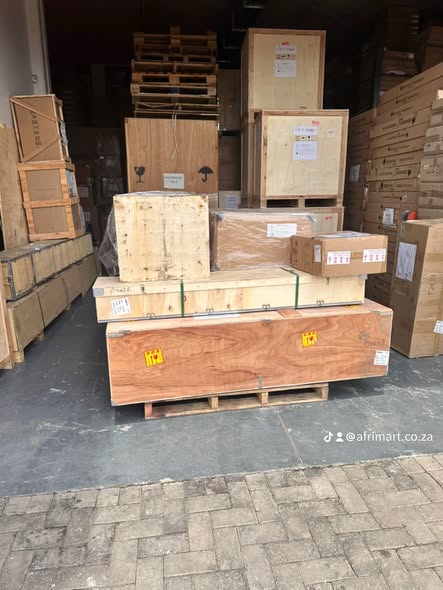
Ready for collection
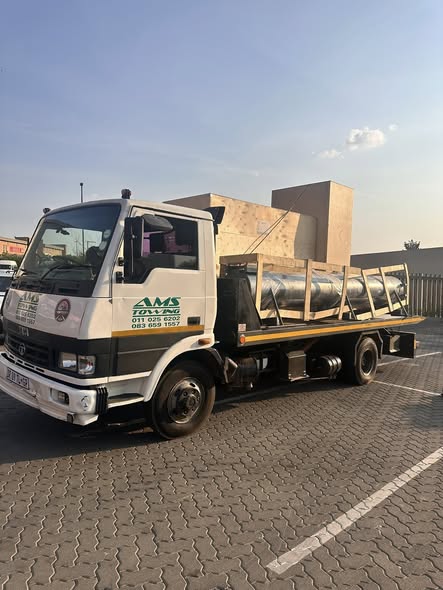
Water Pump Equipment
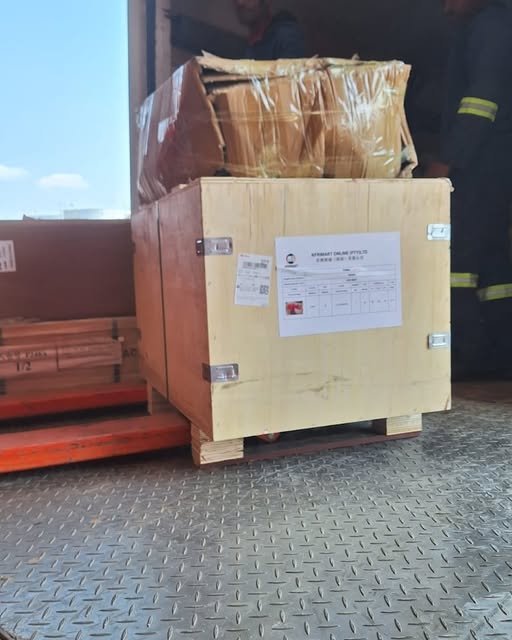
Packaging Machine and accessories
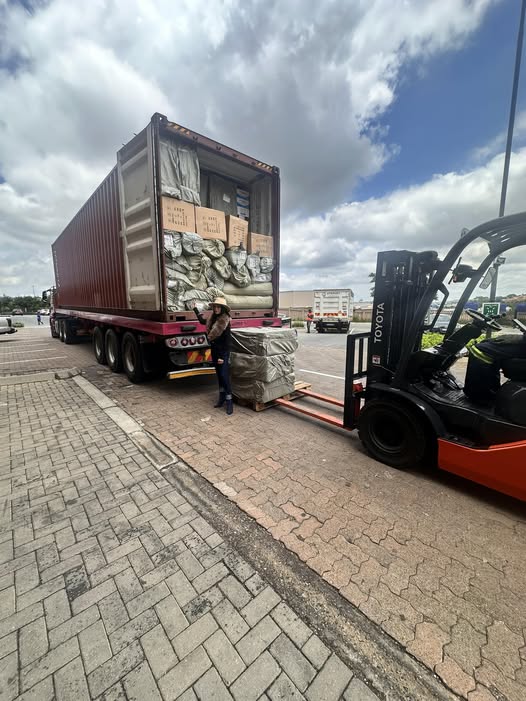
Fabrics Manufacturing Equipment
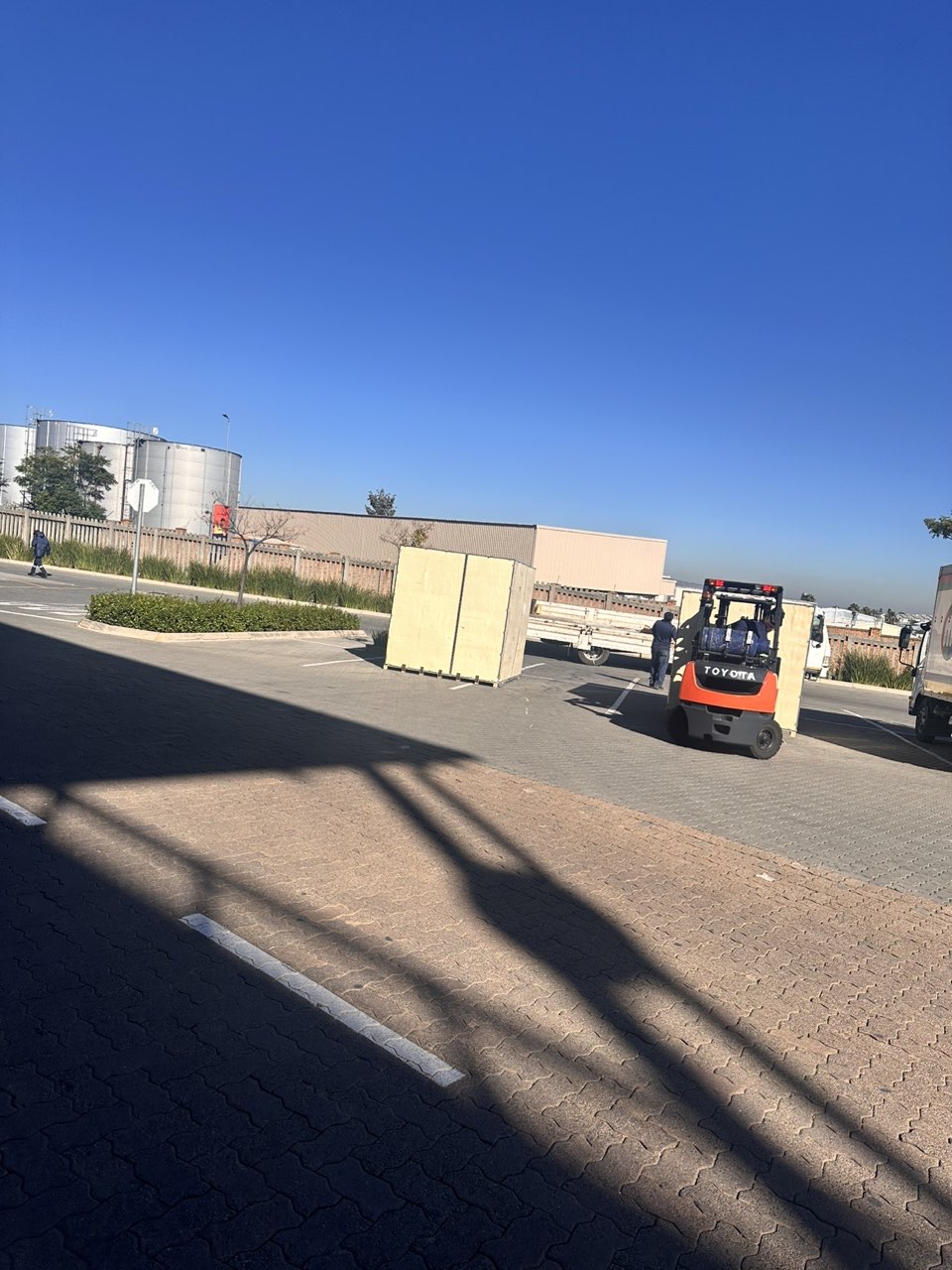
Mining Equipments
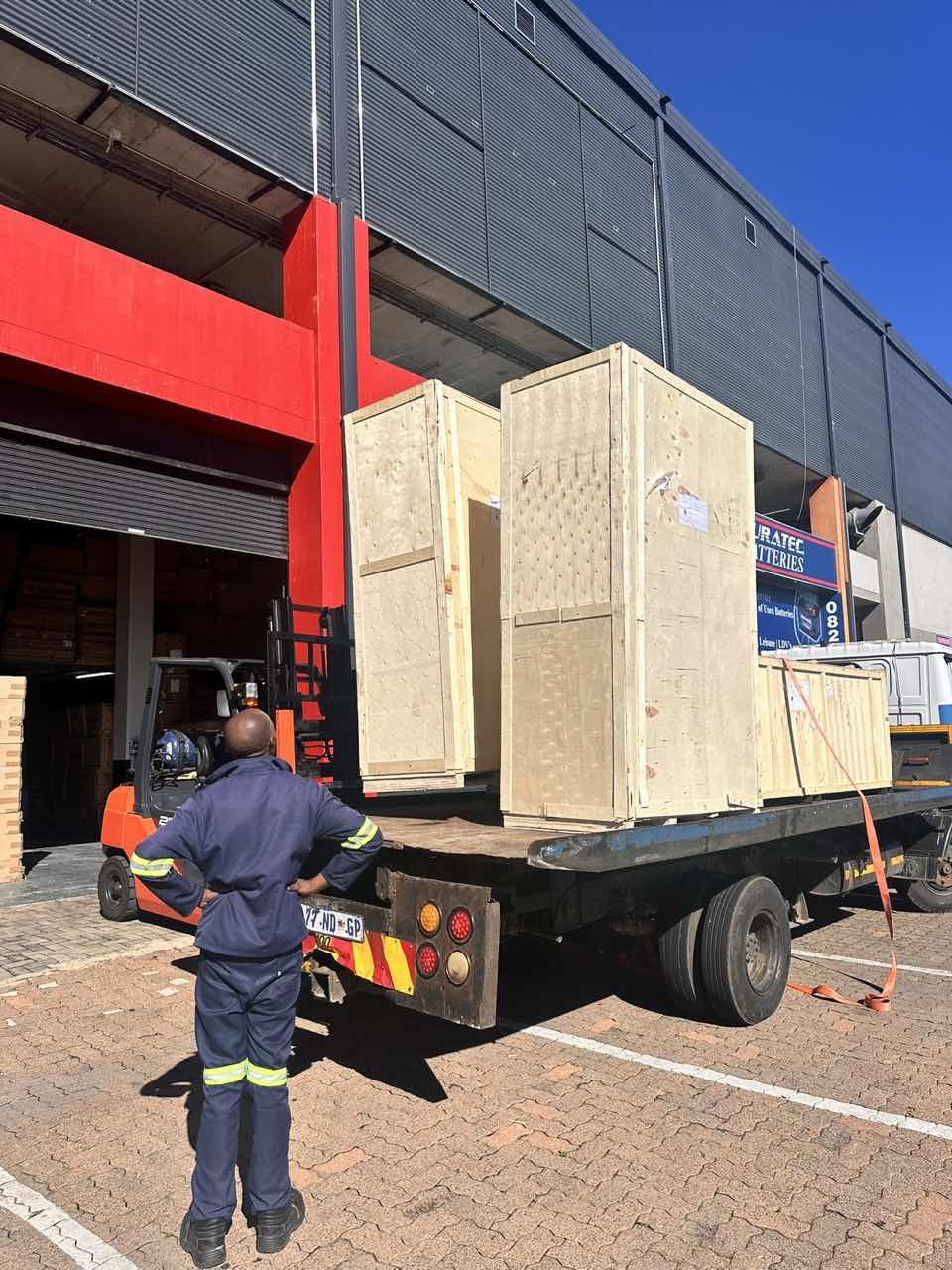
Food Processing Machine
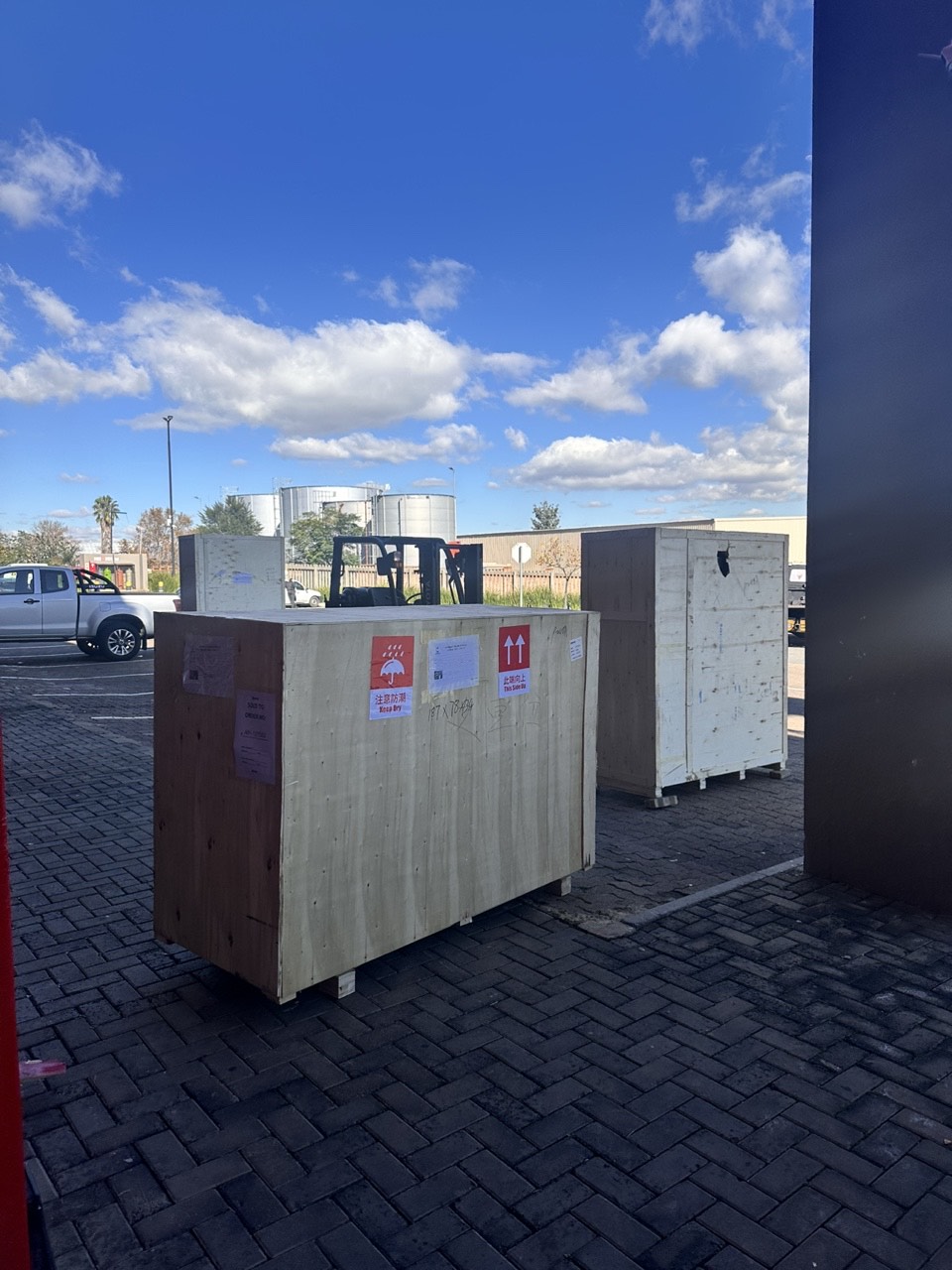
Batch of Orders
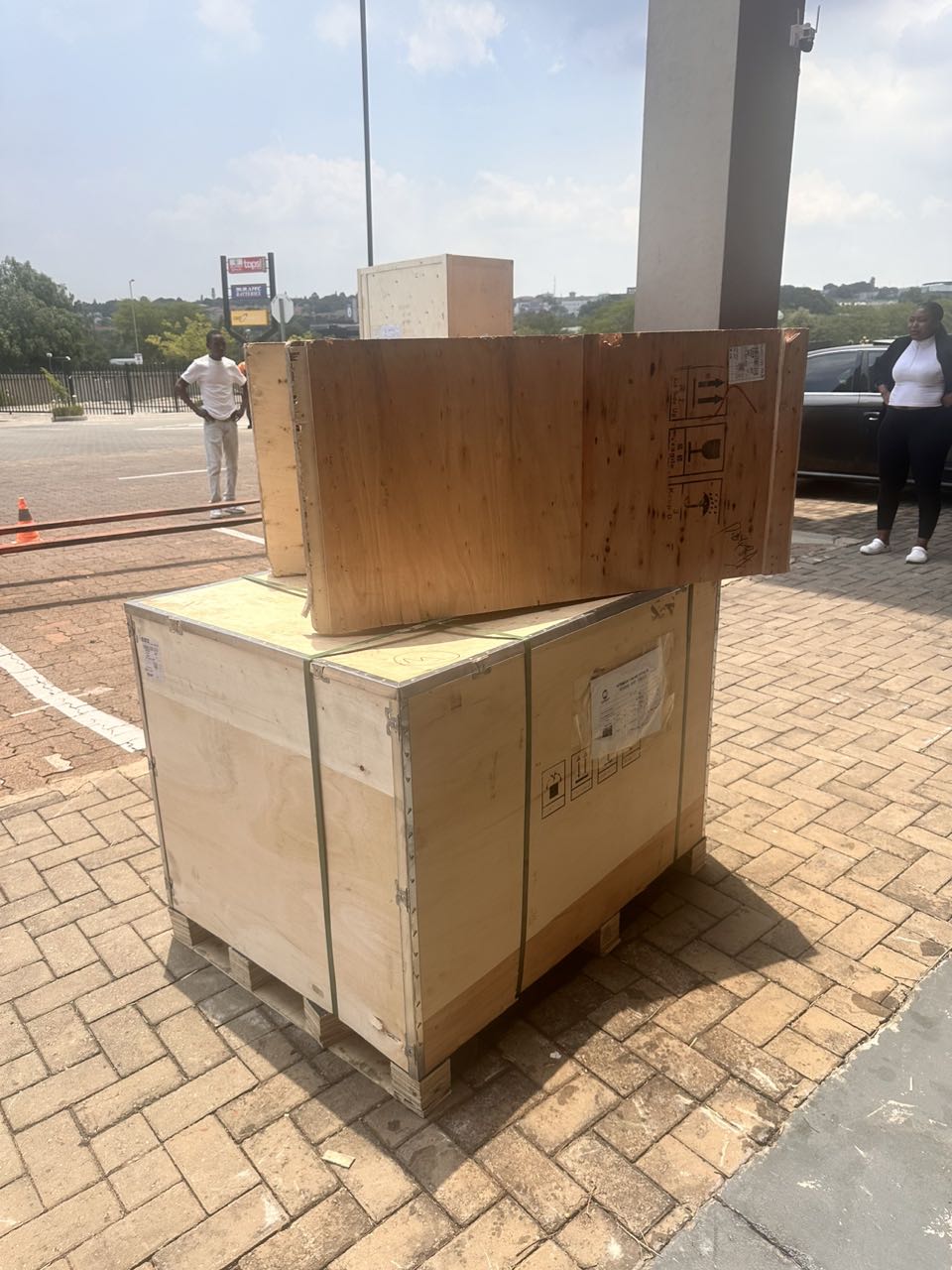
Batch of Orders
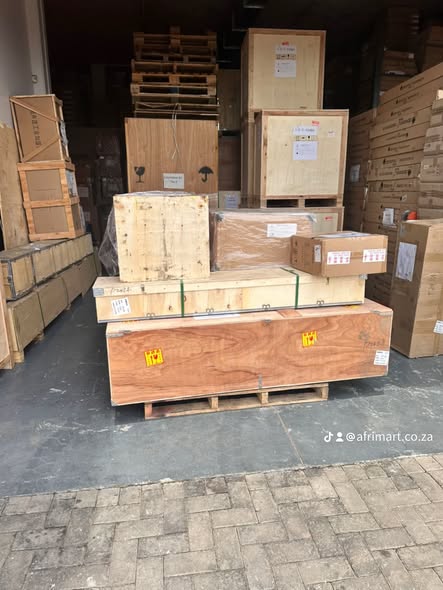
Latest Orders Labelled
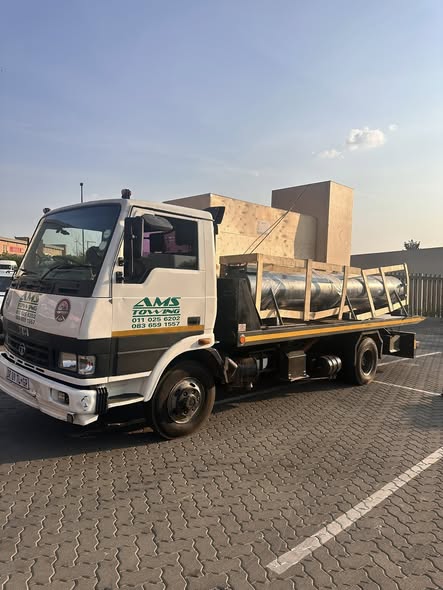
wheel alignment machines
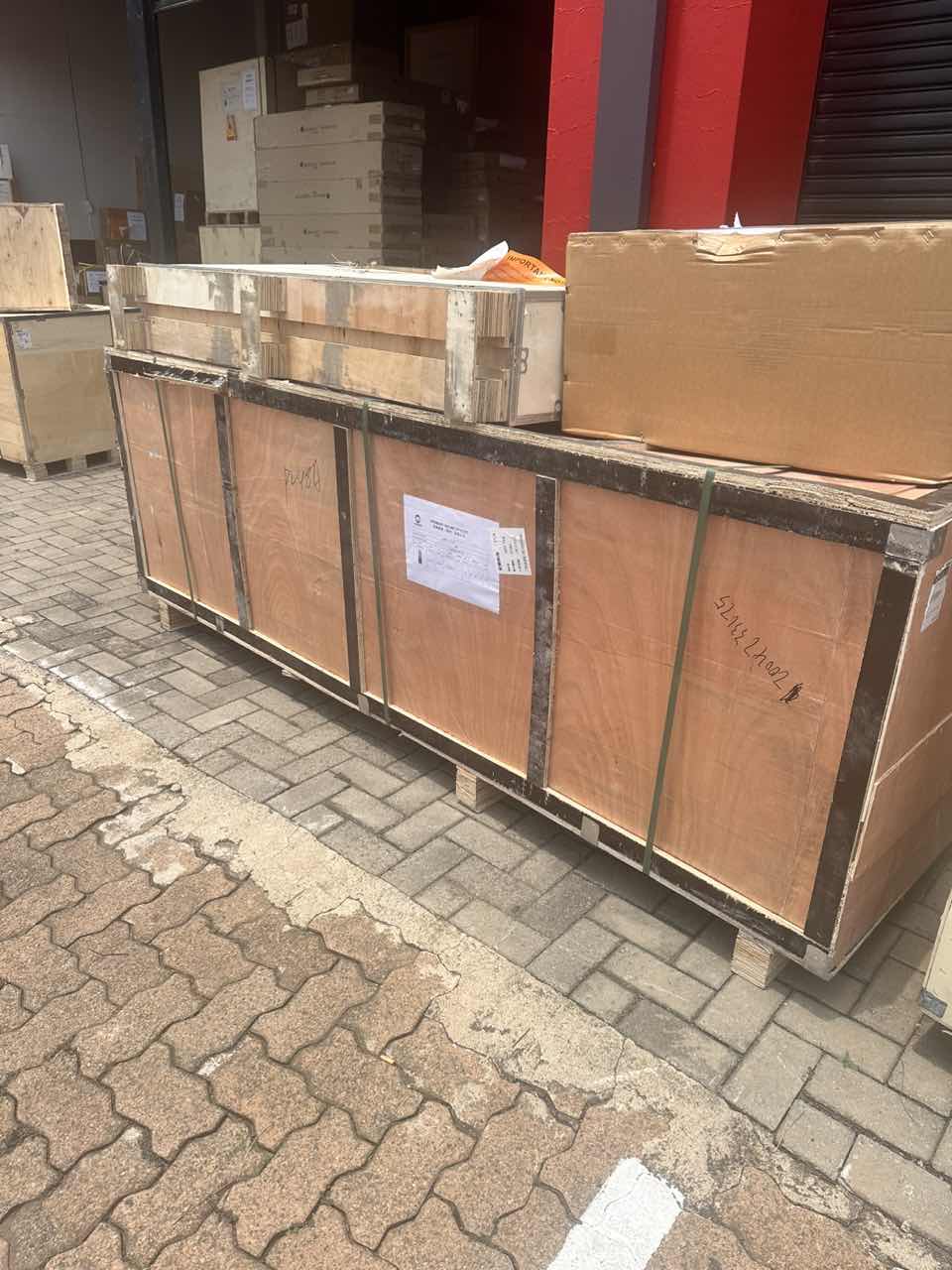
new arrivals
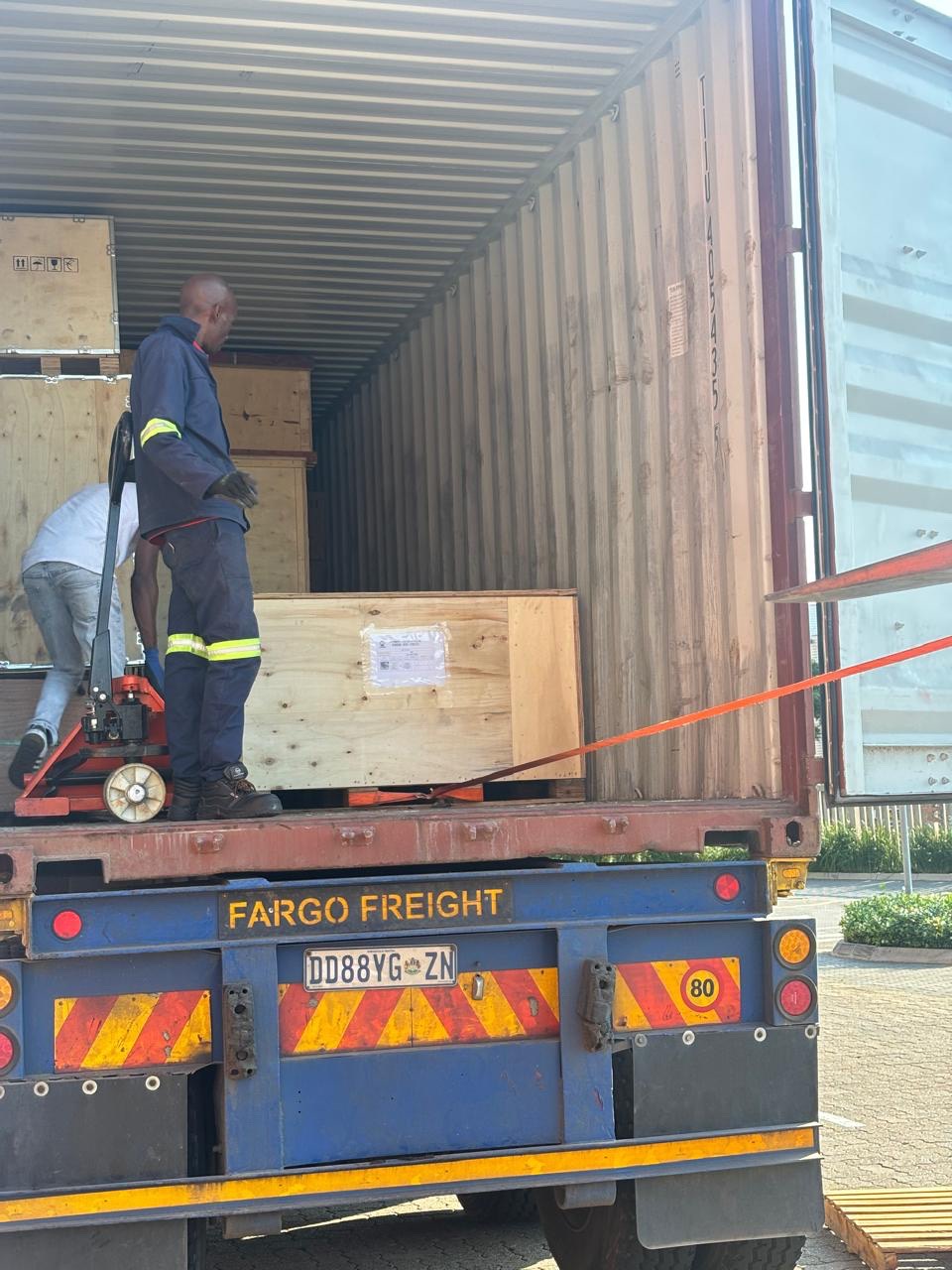
Pre Orders Offloading
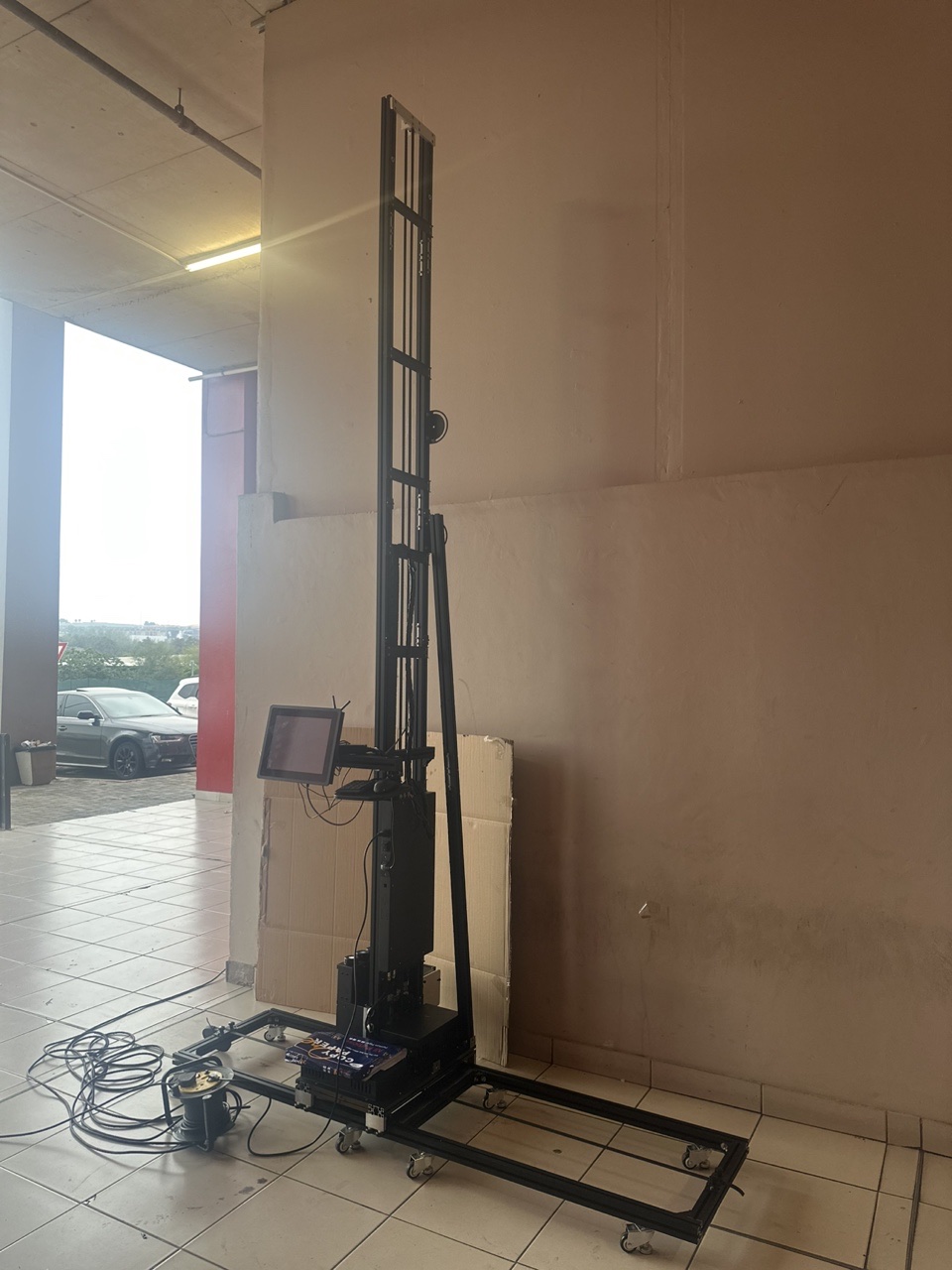
Latest Arrivals
Latest Arrivals
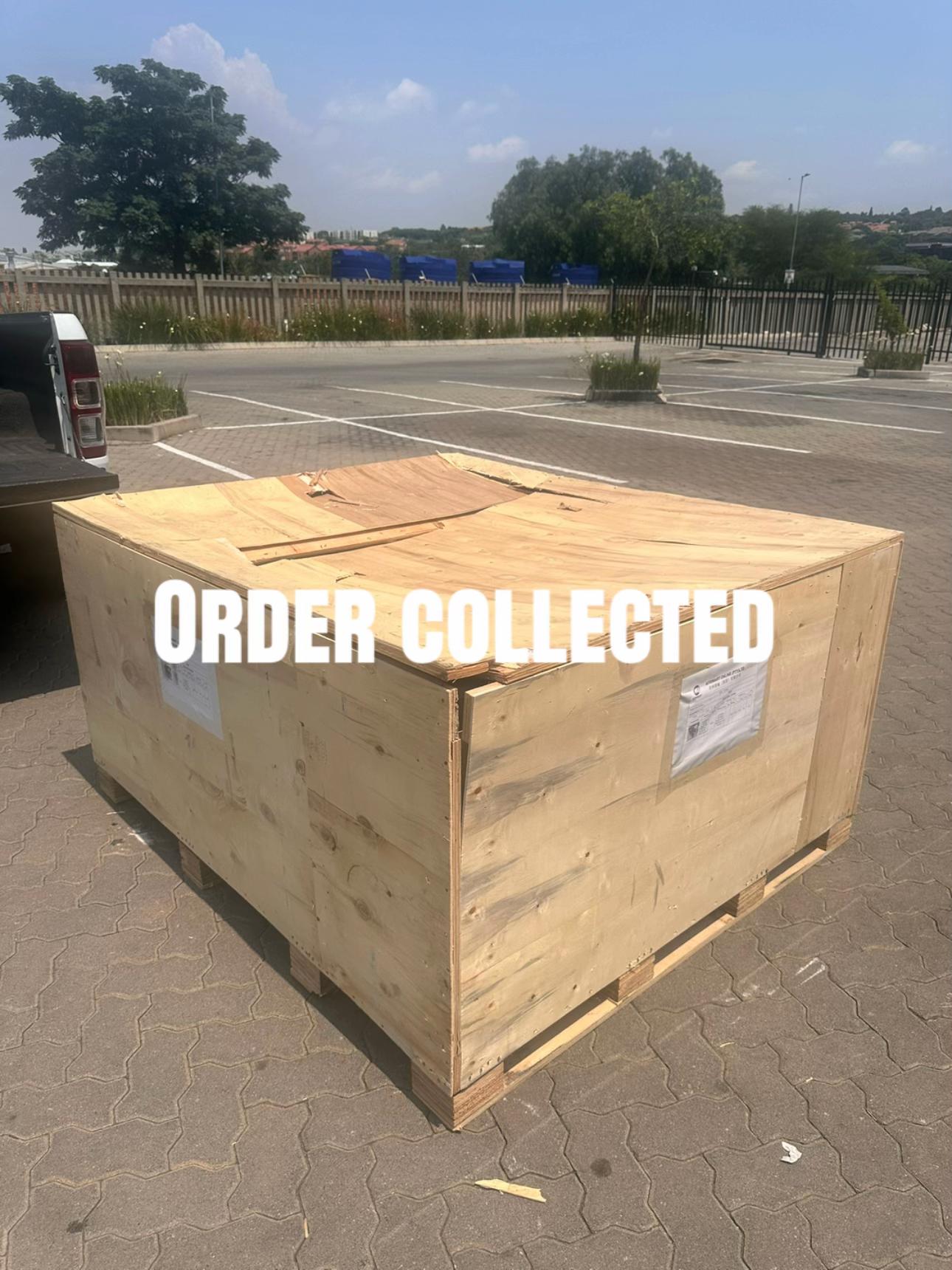
Latest Arrivals
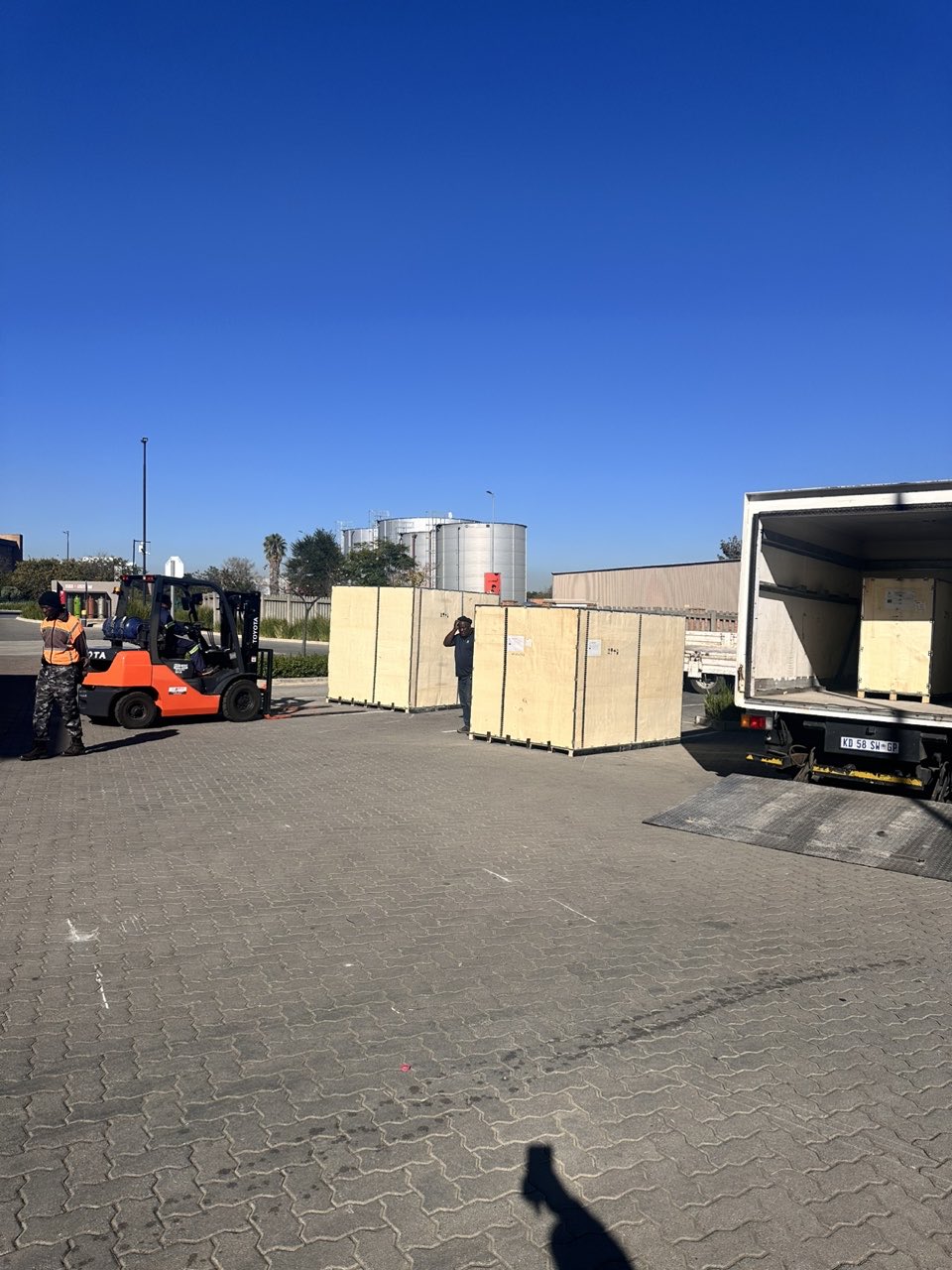
Loading
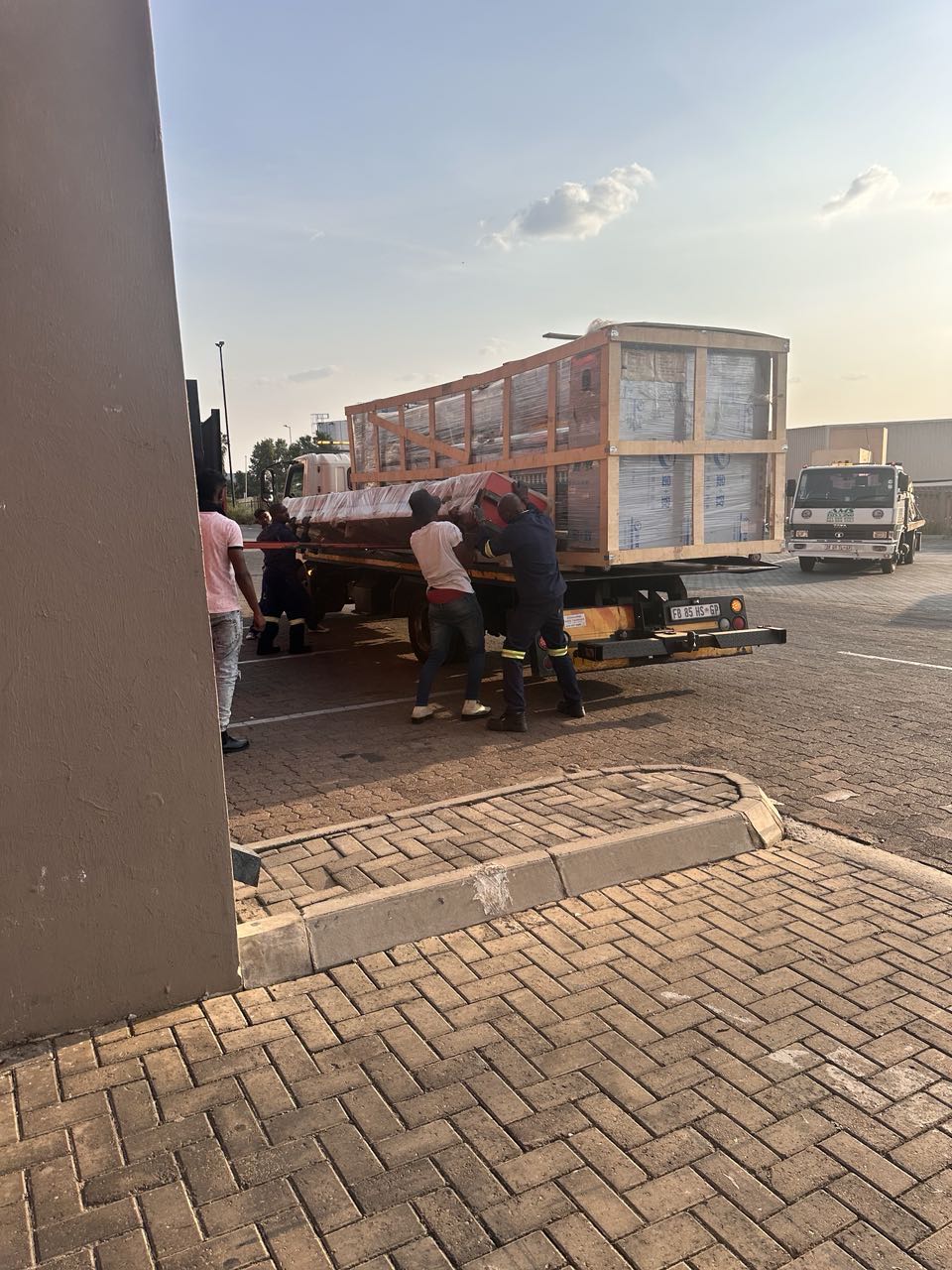
Toilet paper making machine
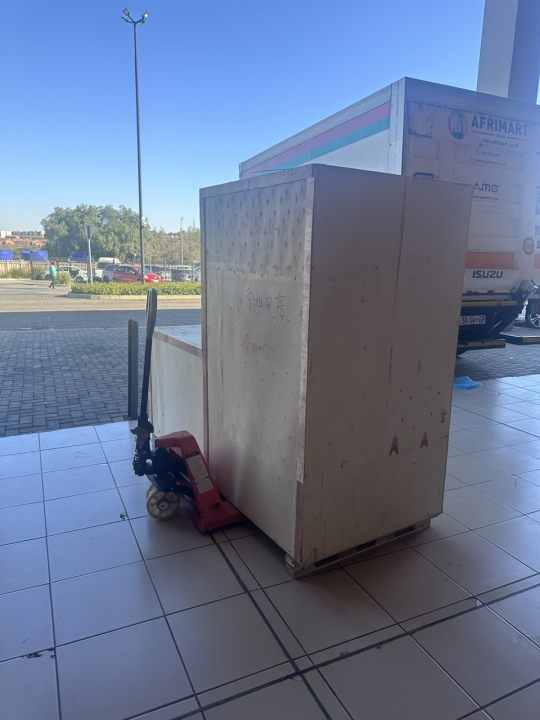
Toilet paper making machine
Toilet paper Rewinding Machine
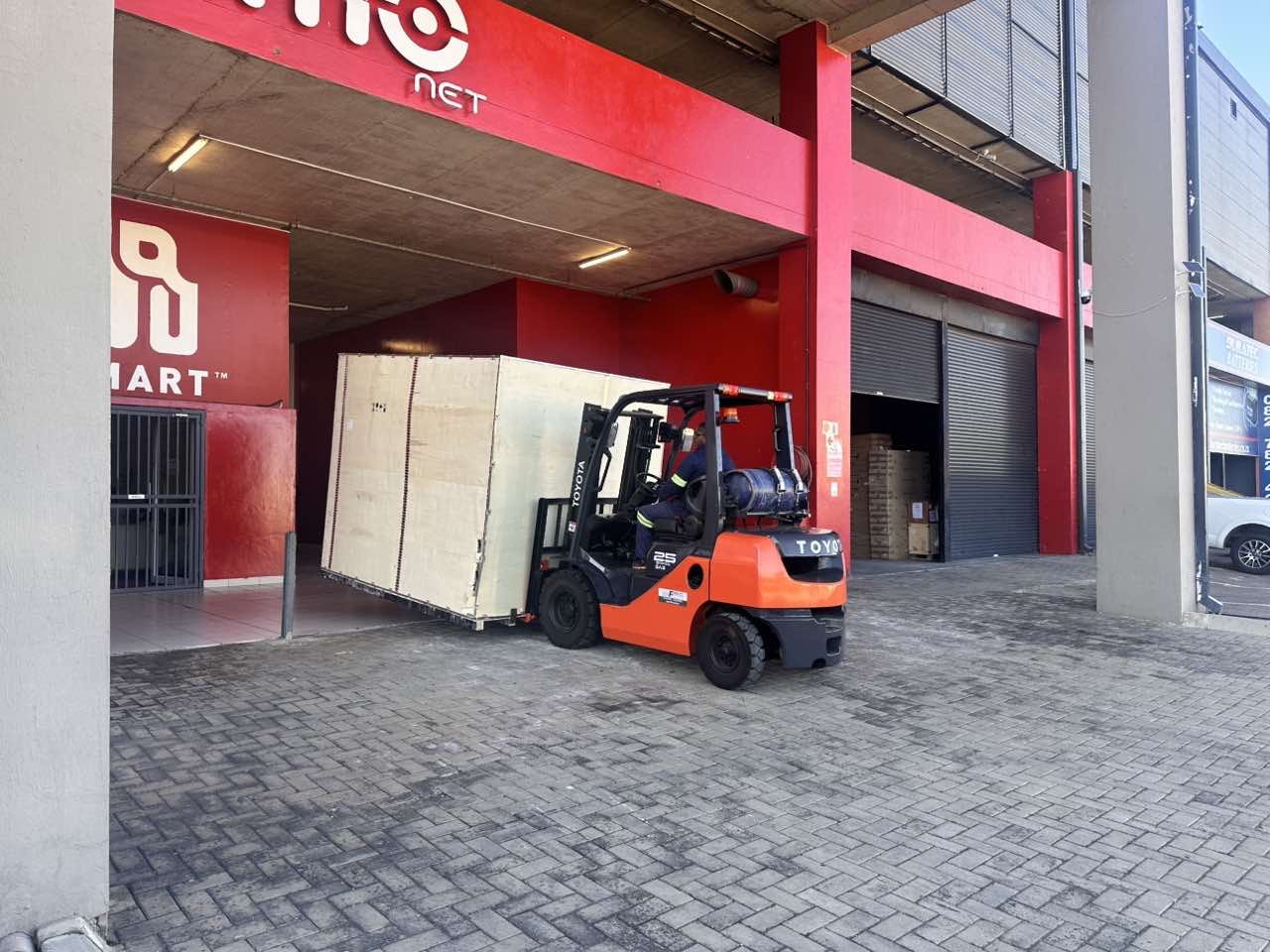
latest arrivals
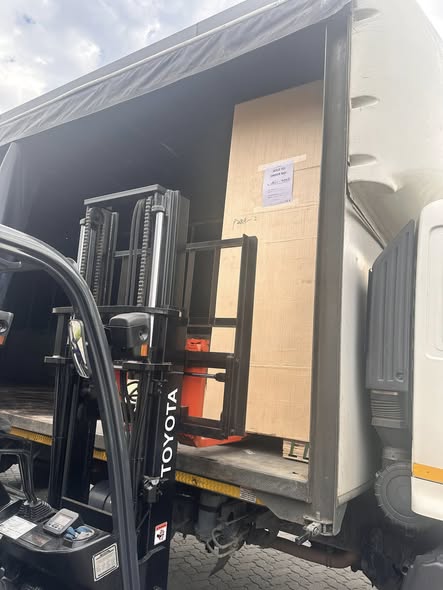
offloading
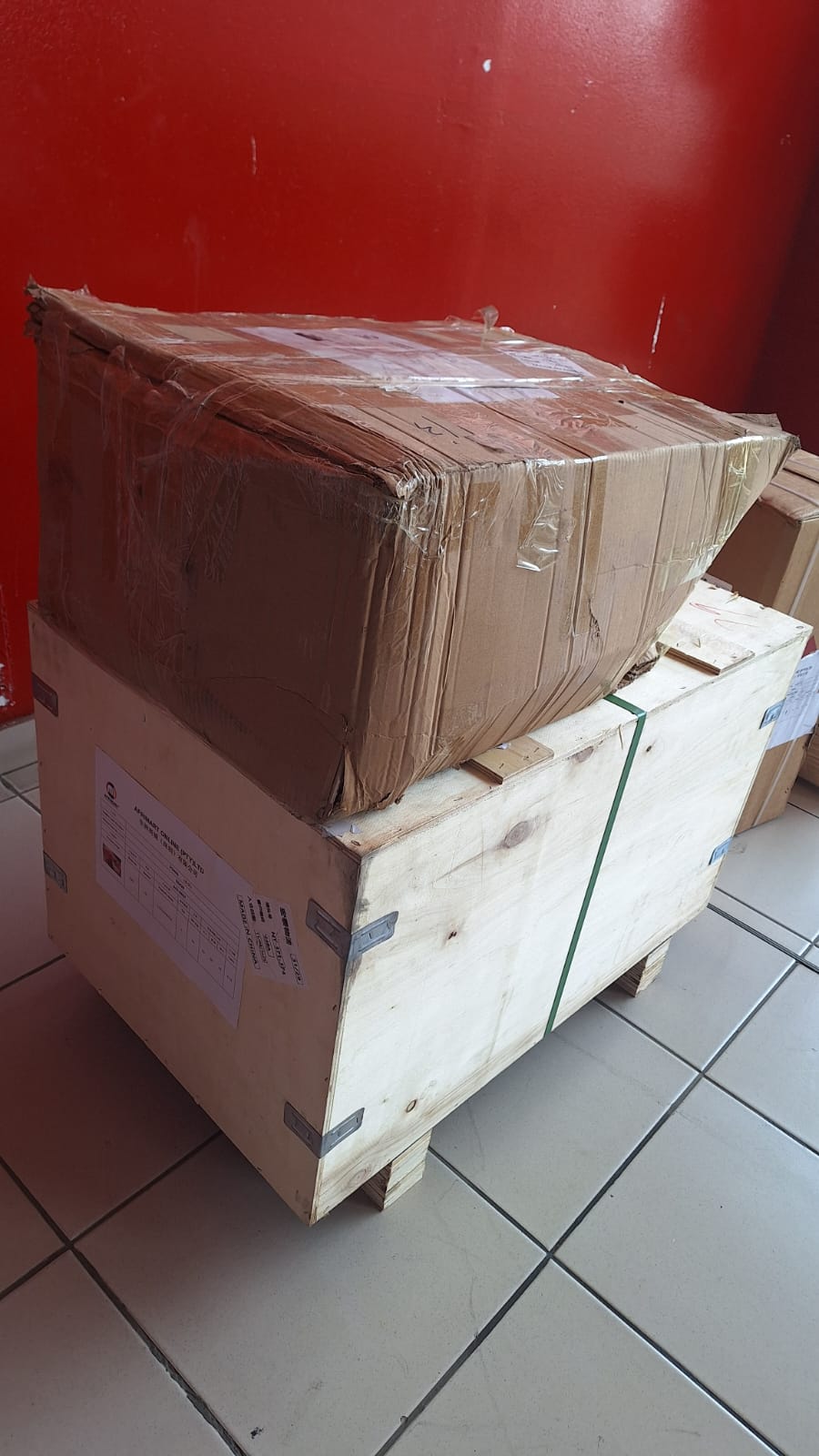
order success
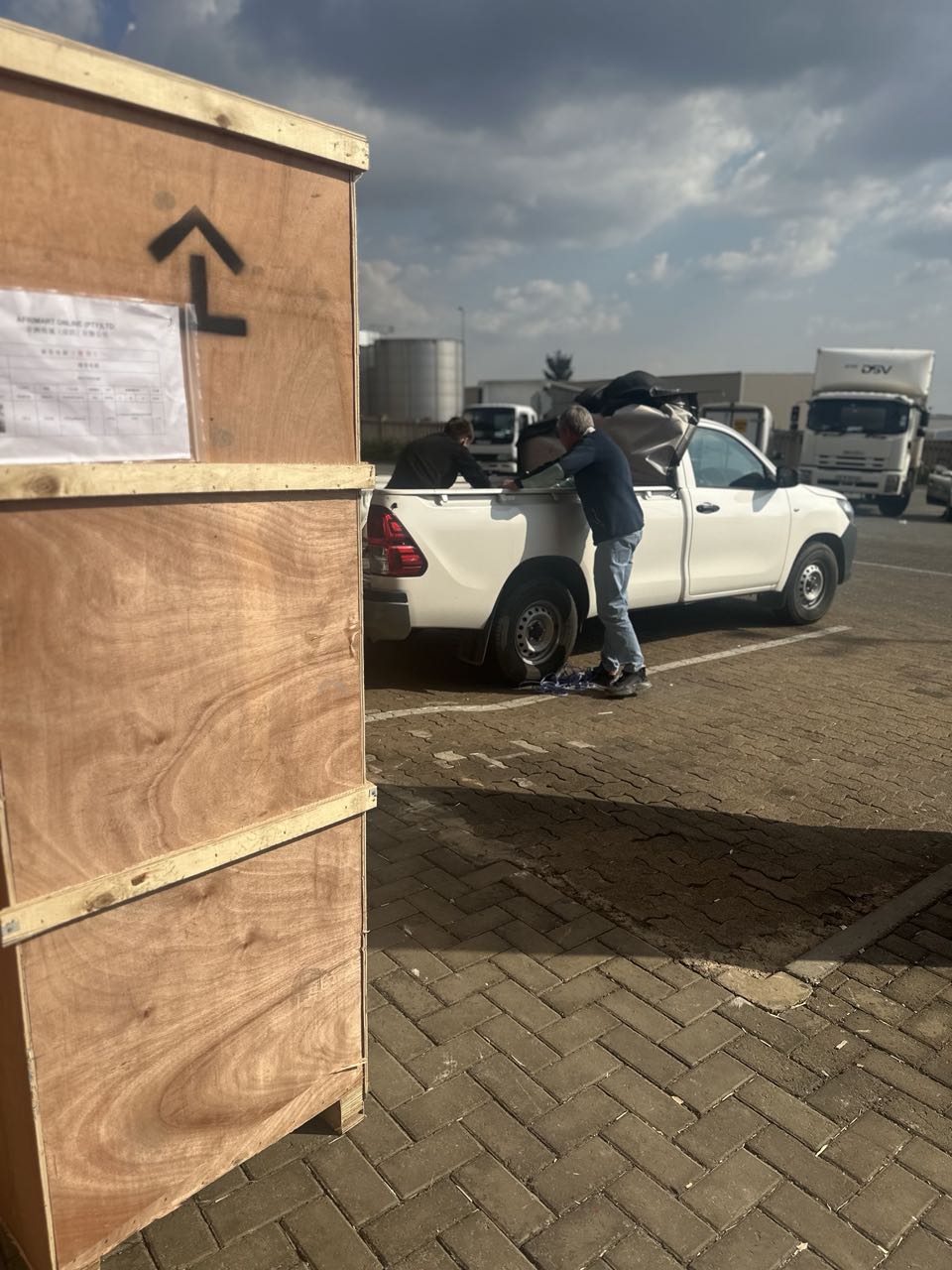
order collection
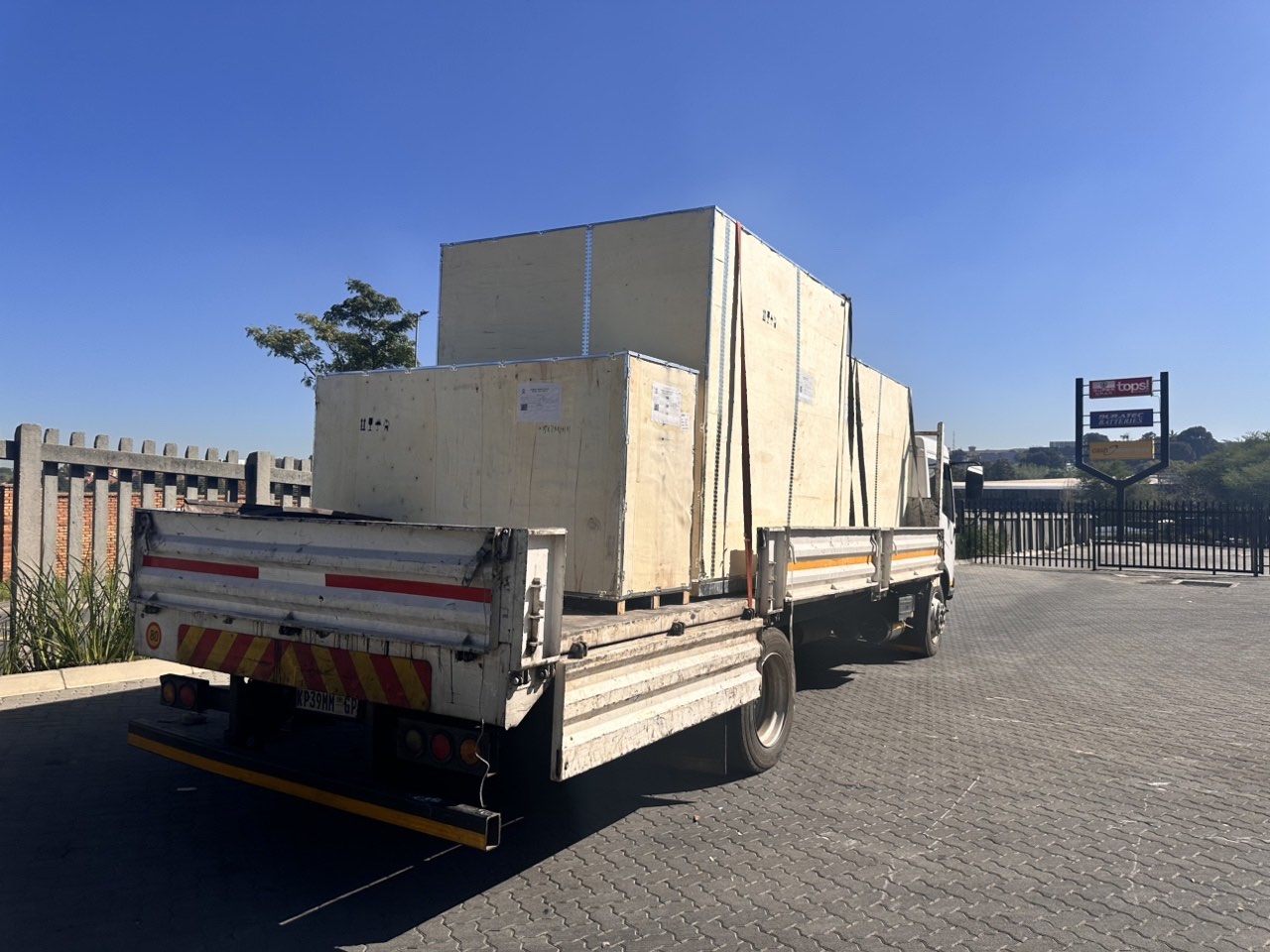
order offloading