B21, China Town Mall, Midrand

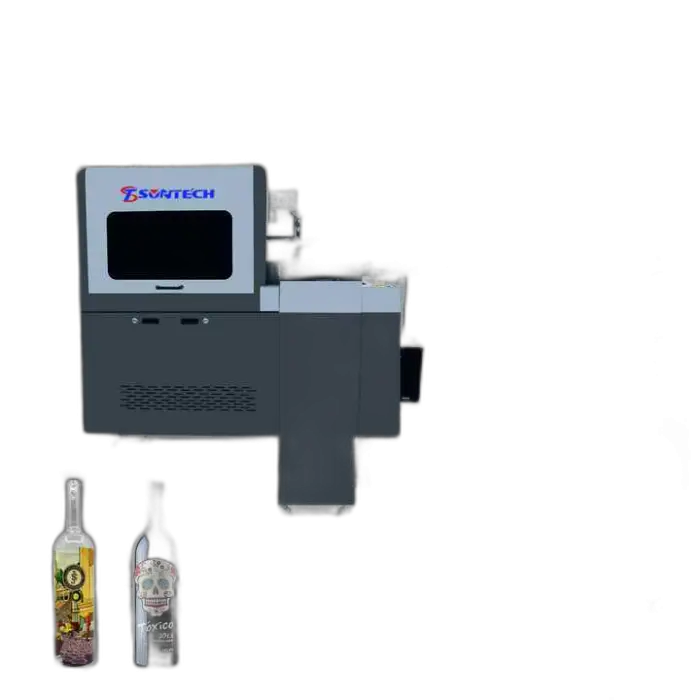
Type Cylindrical Printing Machine Print Cylinders Uv Digital Bottle Printer for Tumbler Candle

- Section : Consumer Electronics
- Category : Printing Equipment
- SKU : 1600910224546

Type Cylindrical Printing Machine Print Cylinders UV Digital Bottle Printer for Tumbler Candle
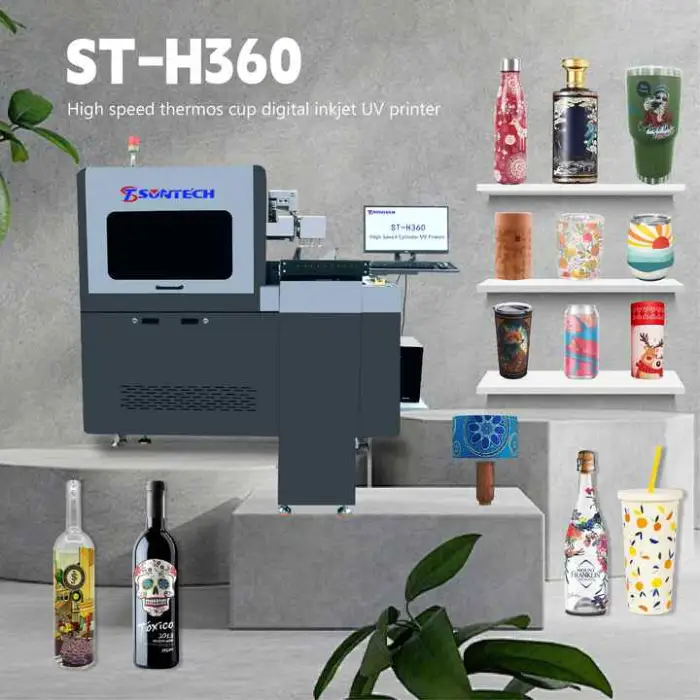
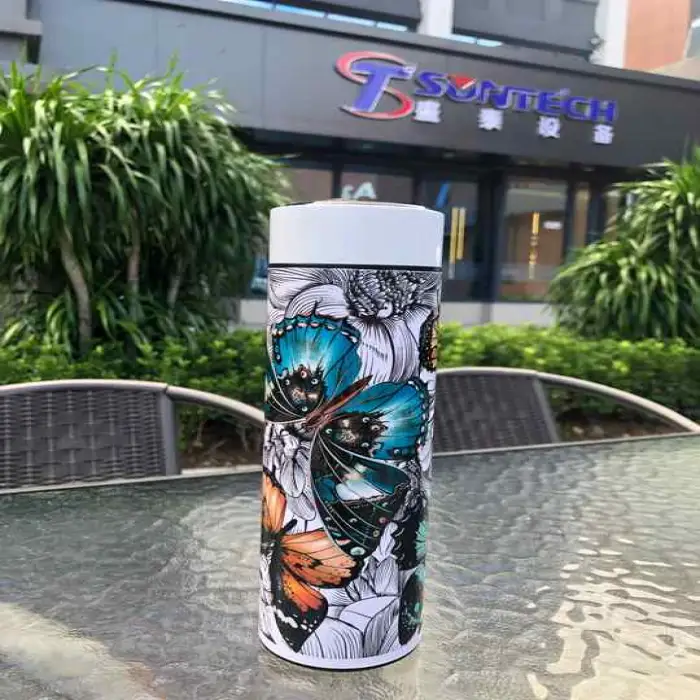
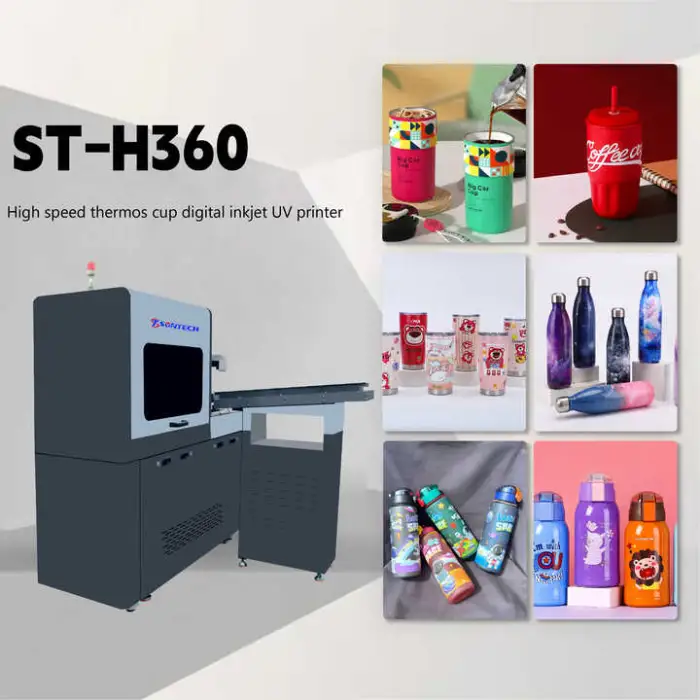
The 2023 Type Cylindrical Printing Machine is a versatile UV digital printer designed for printing on various cylindrical objects. It is perfect for tumblers, candles, and more. This automatic printer offers high-quality printing with ease, making it an essential tool for businesses and hobbyists alike.
Specifications
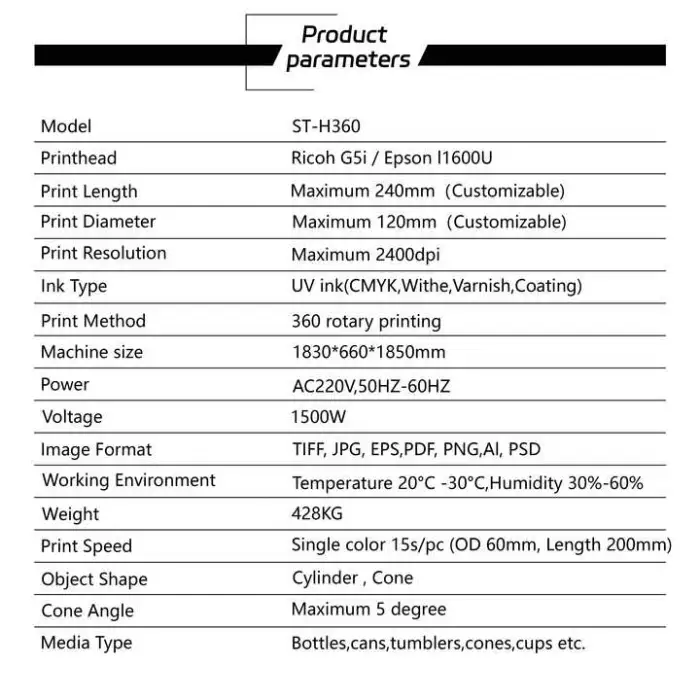
| Attribute | Details |
|---|---|
| Type | Inkjet Printer |
| Color & Page | Single Color |
| Automatic Grade | Automatic |
| Condition | New |
| Plate Type | Handheld Printer |
| Ink Type | UV Ink |
| Printing Size | 23-120mm |
| Voltage | 110V/220V |
| Dimensions (L*W*H) | 1812*660*1820MM |
| Weight | 300 KGS |
| Selling Units | Single item |
Key Features
- High-quality UV printing for vibrant colors
- Automatic operation for easy use
- Compact design fits in various workspaces
- Handheld printing option for added flexibility
- Wide printing size range from 23mm to 120mm
Applications
- Printing on tumblers and bottles
- Custom labels for products
- Decoration for candles
- Personalized gifts and items
- Creating promotional materials
Product Info Gallery
- Shipping Timeframes: All orders are processed within 2-5 business days (excluding weekends and holidays). After your order has been processed, the estimated delivery time is before 30 May, 2026, depending on customs, Please note that due to high demand, some items may experience longer shipping times, which will be communicated at order confirmation email.
- Order Processing Time: Please allow 2-5 business days for us to process your order before it is shipped . Orders placed after 16:00 on Fridays, or during weekends and public holidays, will begin processing on the next business day. Processing times may be extended during peak seasons or sales events.
- Manufacturing Time: Some products needs manufacturing time, the manufacturing process will take approximately 10-30 business days depending on the product. This timeframe may vary depending on the complexity of the product and current demand. but this will be communicated with you during order confirmation.
- Returns and Exchanges: We offer a 30-day return policy for most items. If you are not completely satisfied with your purchase, you may return it within 30 days of receipt for a refund or exchange. Items must be unused, in their original packaging, and accompanied by proof of purchase. Return shipping costs are the responsibility of the customer, unless the item was damaged or defective upon arrival.
1. What is the Type Cylindrical Printing Machine used for?
It's a UV digital inkjet printer designed to print directly onto cylindrical items such as tumblers, bottles and certain types of candle containers. It supports both automatic printing and a handheld printing option for irregular or hard-to-fixture items.
2. What materials can this printer print on?
Typical compatible materials include coated stainless steel tumblers, glass, ceramics, many rigid plastics and coated surfaces. Printing directly on wax candles can be challenging — test first and consider primers or printing on containers/labels for best results.
3. What is the printable size range?
The printer accepts cylindrical objects with a printable range of approximately 23 mm to 120 mm (diameter). Confirm your specific product dimensions against the machine's chuck and fixtures before ordering.
4. What type of ink and color capability does it have?
This model uses UV-curable ink (UV ink). According to the specification, it is configured for single-color printing. For multi-color/CMYK capability, check with the vendor for alternate configurations or models.
5. Is the machine fully automatic or manual?
The unit offers automatic operation for production runs and also includes a handheld printing option for added flexibility when printing unusual shapes or performing touch-ups.
6. What are the electrical requirements?
The printer supports 110 V or 220 V power. Verify your local plug type and electrical supply; professional installation is recommended for correct wiring and grounding.
7. What are the machine dimensions and weight?
Overall dimensions are 1812 × 660 × 1820 mm (L × W × H) and the machine weight is approximately 300 kg. Make sure you have sufficient floor space and a stable surface for installation.
8. Which file formats and software does it support?
Most cylindrical UV printers accept standard image formats (JPG, PNG, TIFF) and common vector/PDF files through included control software or RIP. Ask the supplier which software package and file types are bundled with this specific model.
9. How durable are the prints and how is curing handled?
UV inks cure rapidly under UV light to produce durable, scratch- and fade-resistant prints on compatible surfaces. Final durability depends on substrate, ink adhesion, and any post-treatment; abrasion and solvent resistance will vary.
10. What routine maintenance is required?
Regular maintenance typically includes printhead cleaning, cap and wiper upkeep, periodic nozzle checks, and following the manufacturer's flushing schedule. Use only recommended cleaning solutions and procedures to avoid damage.
11. What consumables and spare parts should I expect to replace?
Common consumables are UV ink cartridges or bottles, printheads (eventually), wipers, capping seals, and filters. Keep an inventory of critical consumables to minimize downtime and ask the supplier for a parts list and availability.
12. How fast does the printer work / what is production throughput?
Exact speed depends on image complexity, resolution, object diameter and production workflow. The automatic modes increase throughput versus handheld use. Request sample prints and vendor speed specifications for your typical jobs.
13. What safety and environmental considerations are there?
Use appropriate PPE when handling inks and cleaning fluids. Although many UV systems use LED curing (lower ozone), ensure adequate ventilation and avoid direct UV exposure to skin and eyes. Follow local regulations for waste ink and solvent disposal.
14. Is installation and training provided?
Installation and training policies vary by supplier. Because this is a heavy, technical piece of equipment, professional installation and on-site or remote operator training are strongly recommended. Confirm these services when purchasing.
15. What warranty and technical support are available?
Warranty length and support options (phone, remote, on-site) differ by vendor and region. Ask the seller for full warranty terms, what parts/labor are covered, and the availability of replacement parts and service contracts before buying.
Latest Order Arrivals
Discover our latest orders
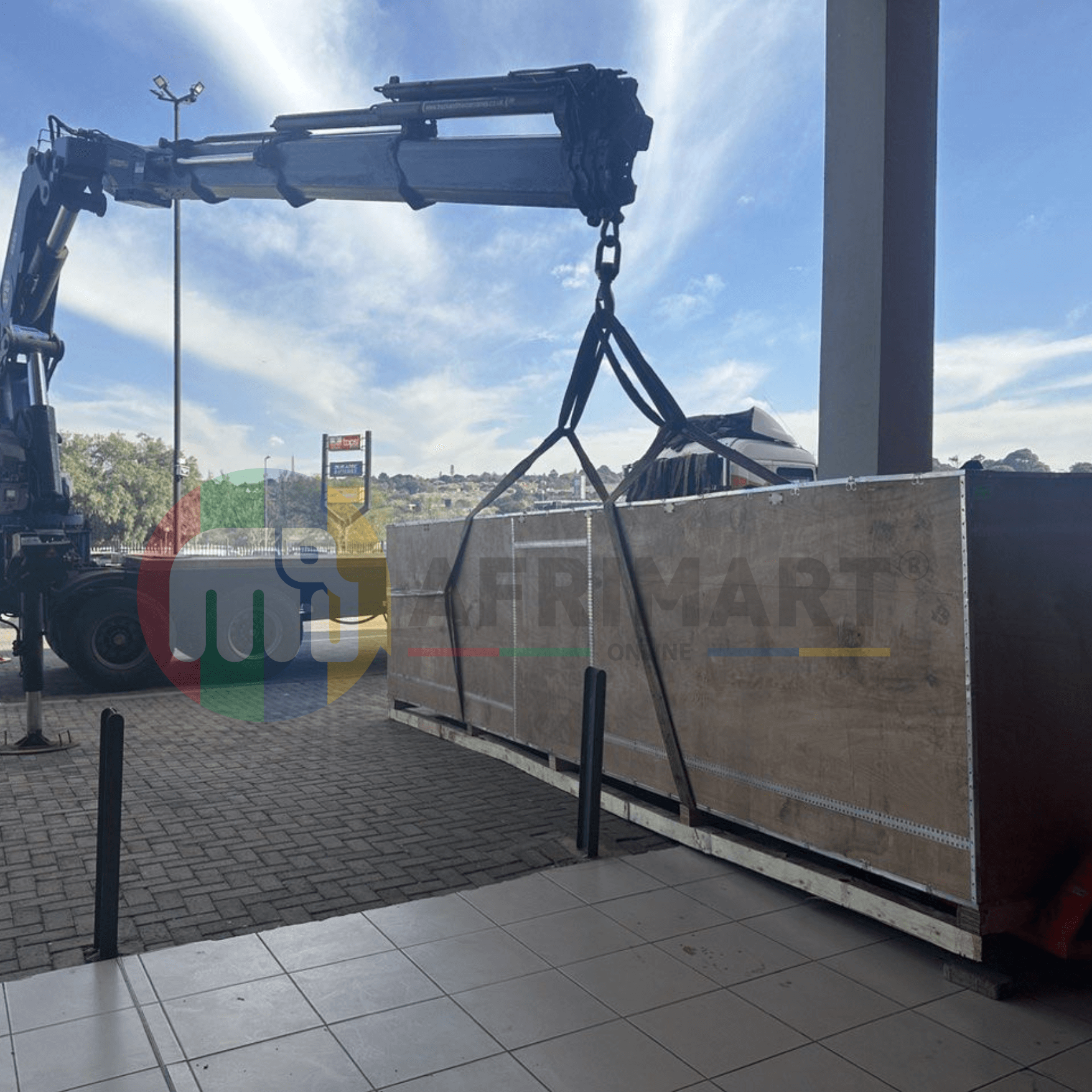
12 Heads Embroidery Machine
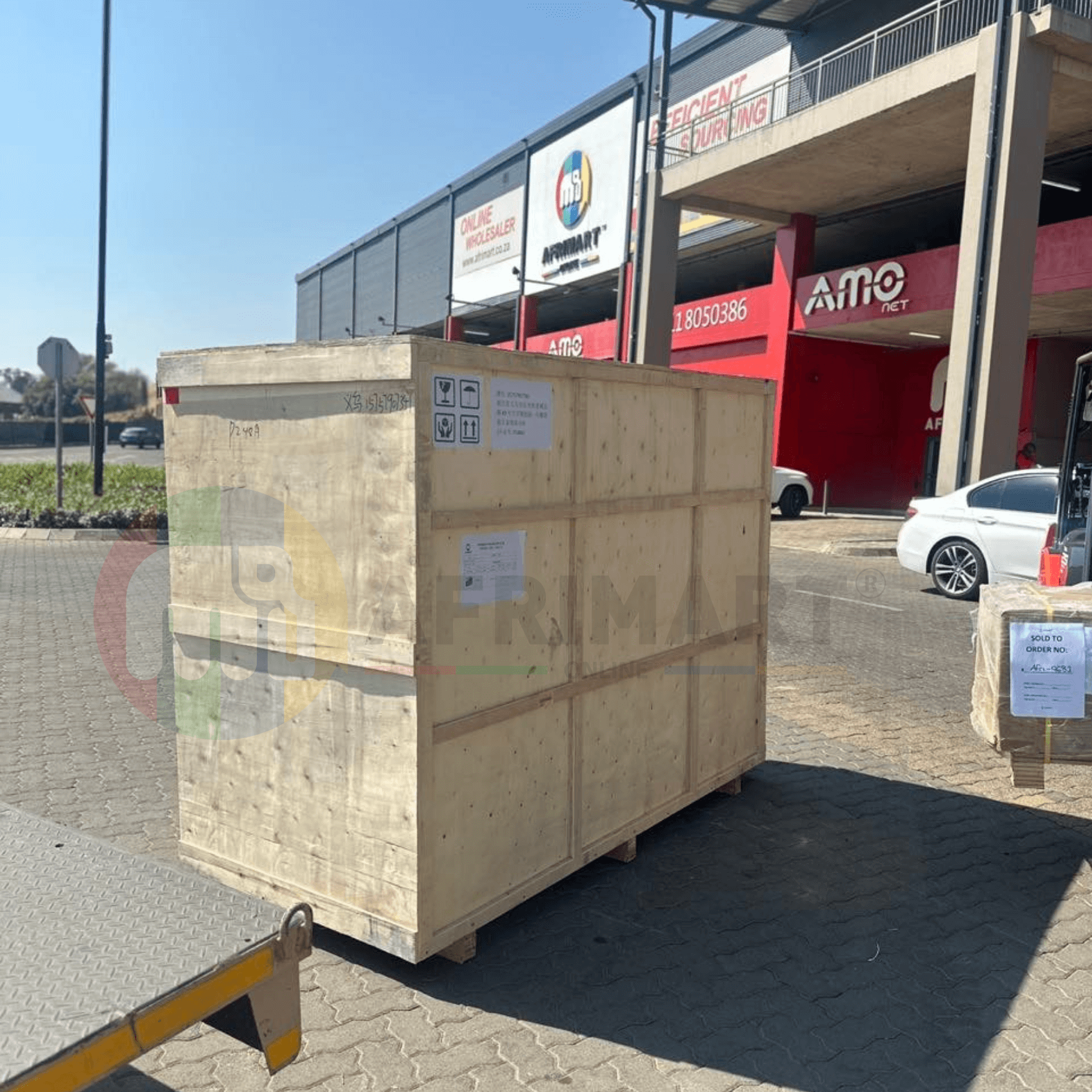
Dewatering Pump Machine
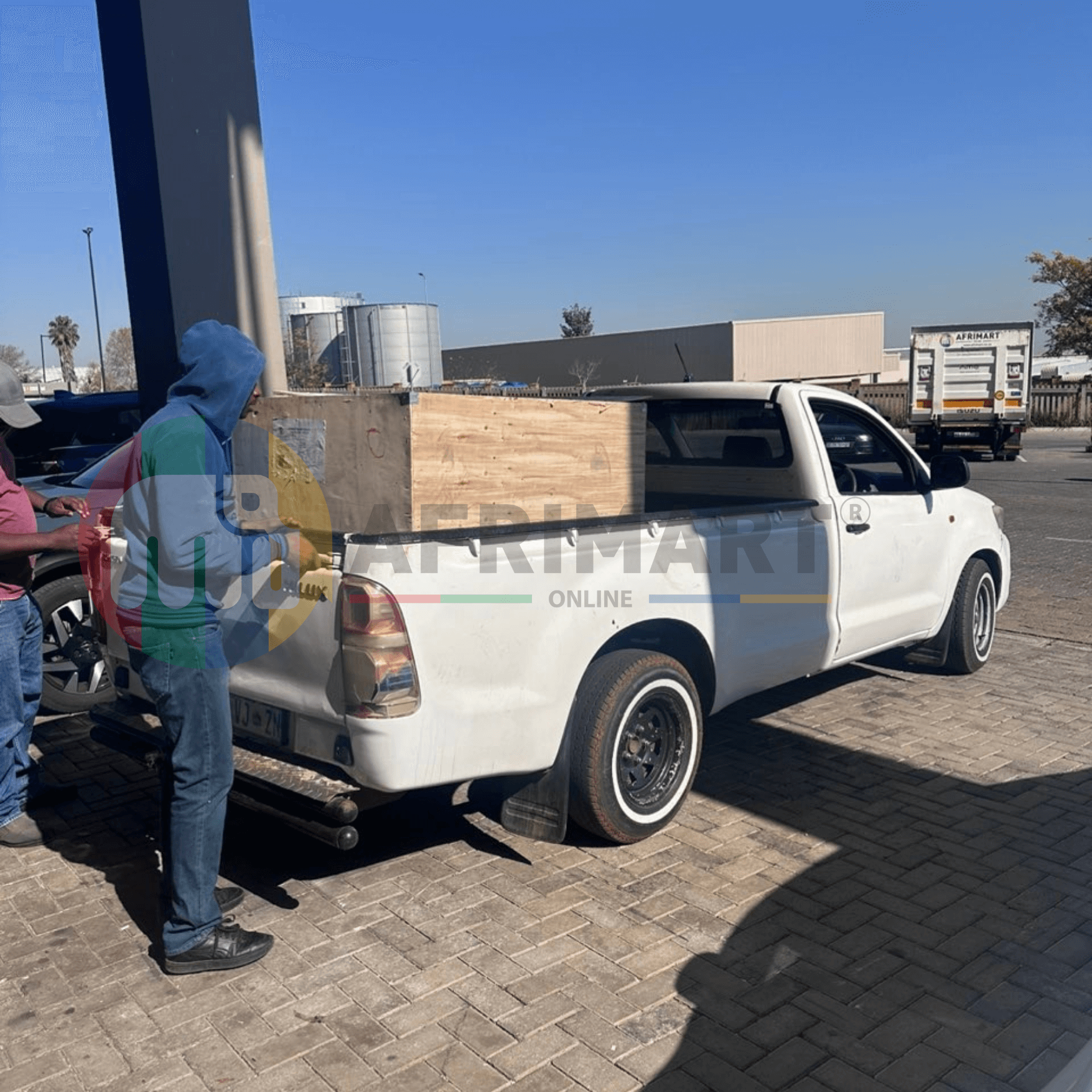
Order Collection
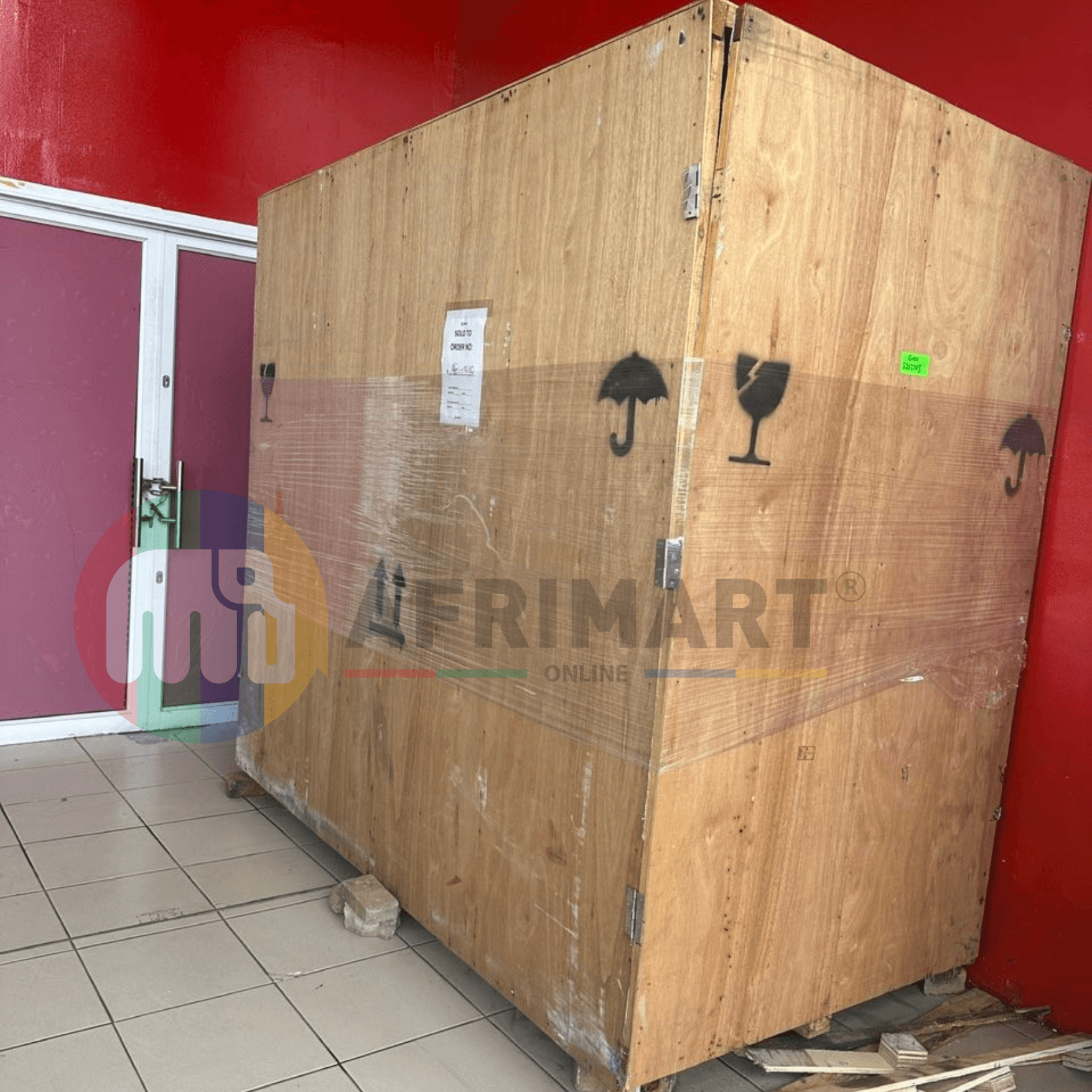
Portable Water Drilling Rig
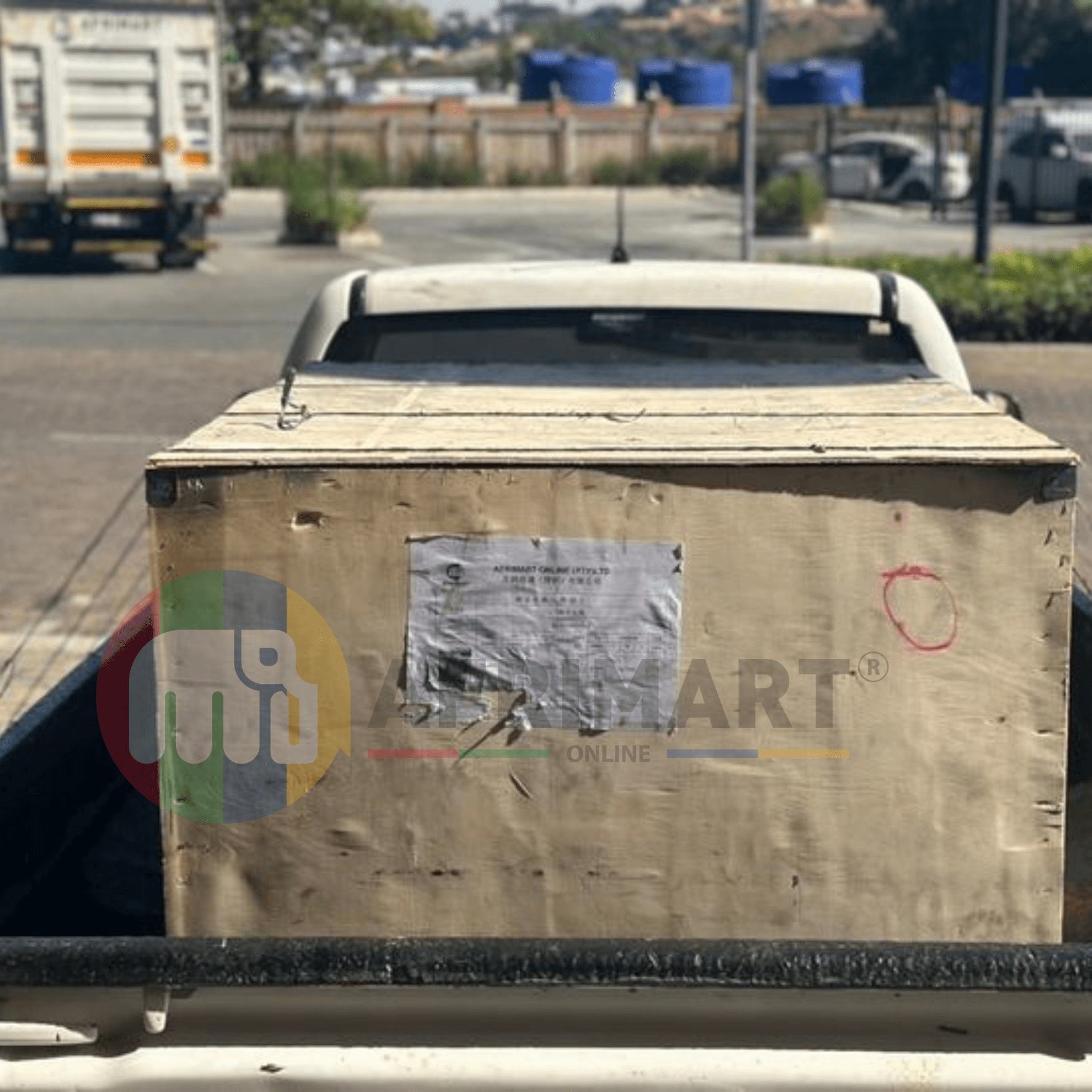
Order Usefully Collected
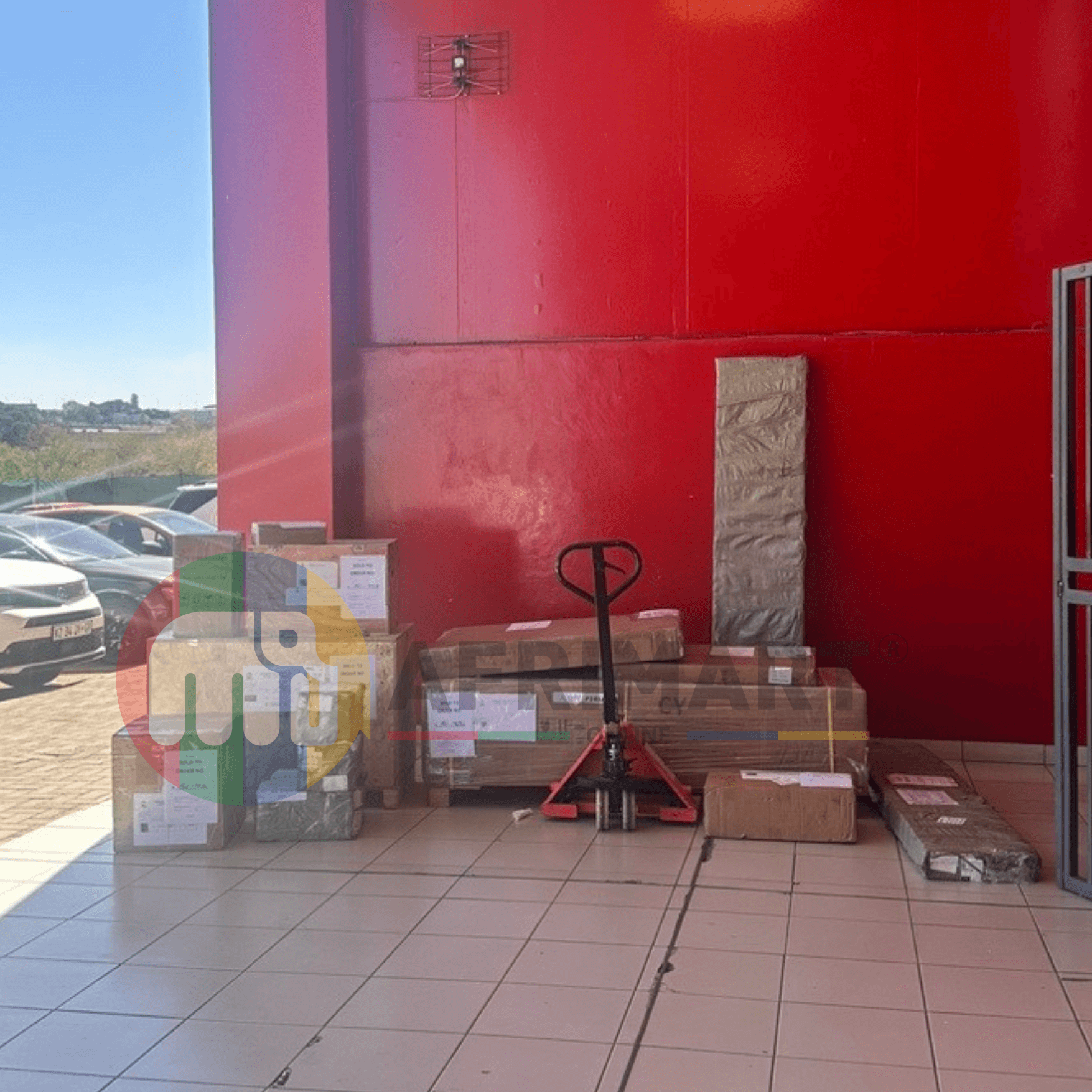
Batch of Orders
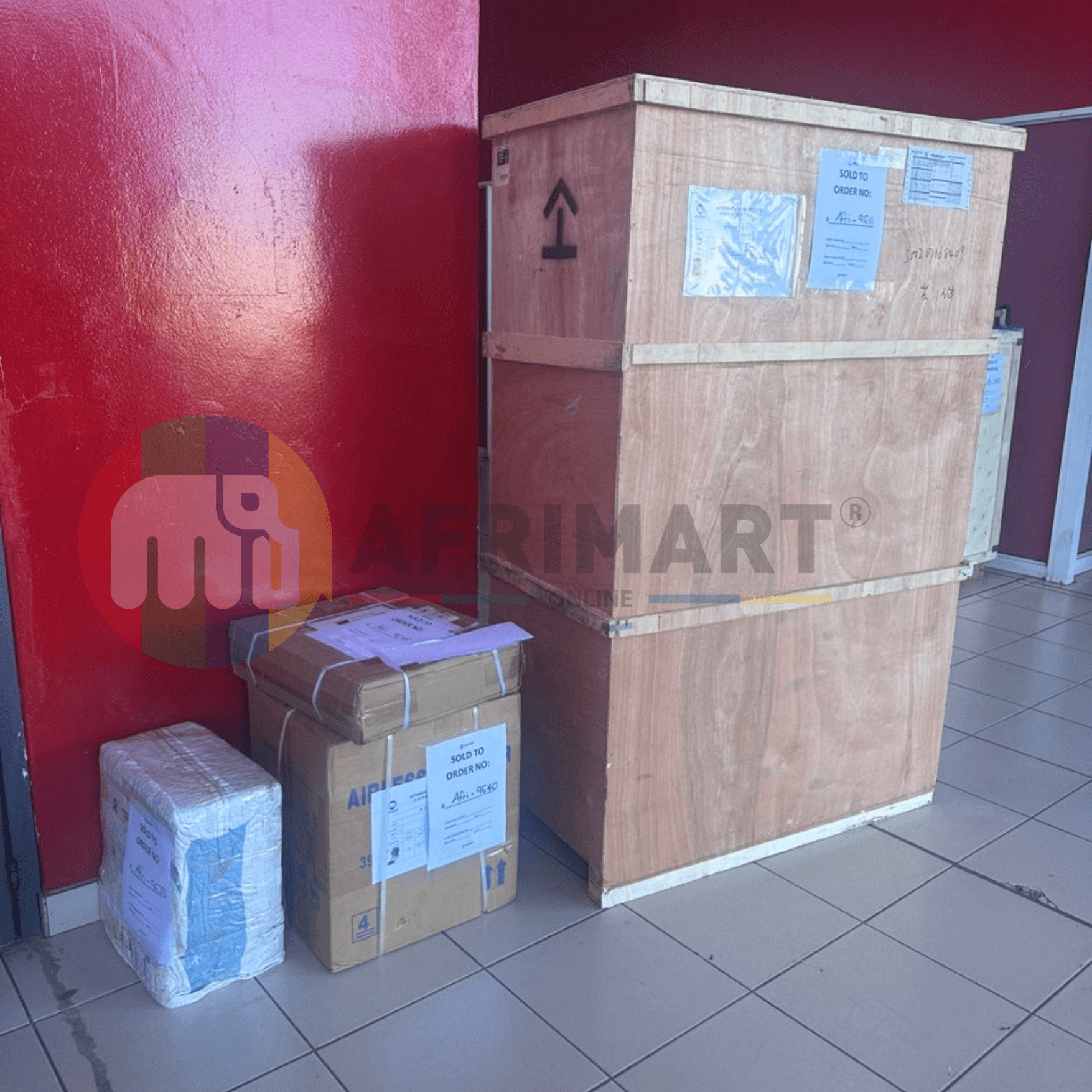
Agriculture Processing Machines
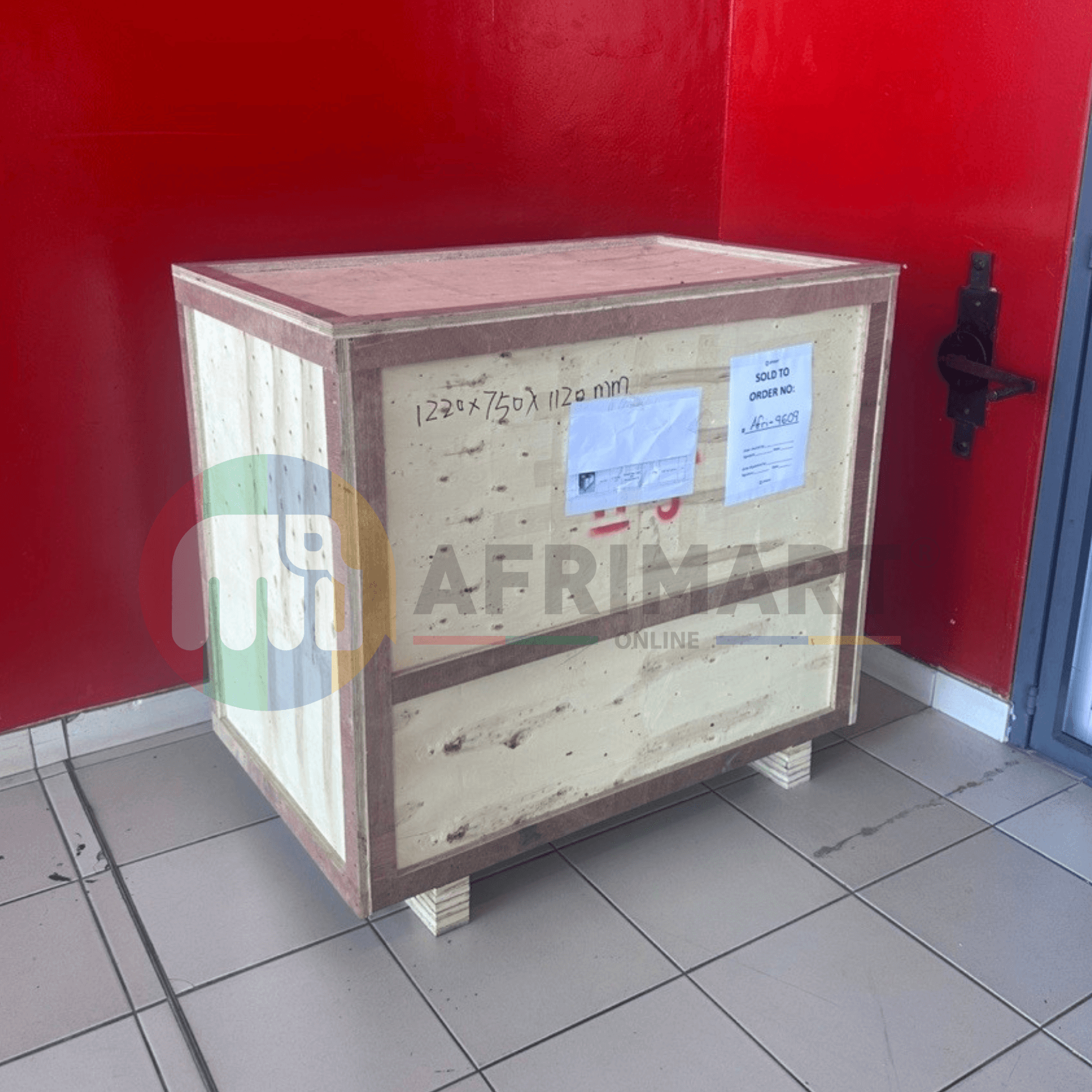
Meat Grinder Machine
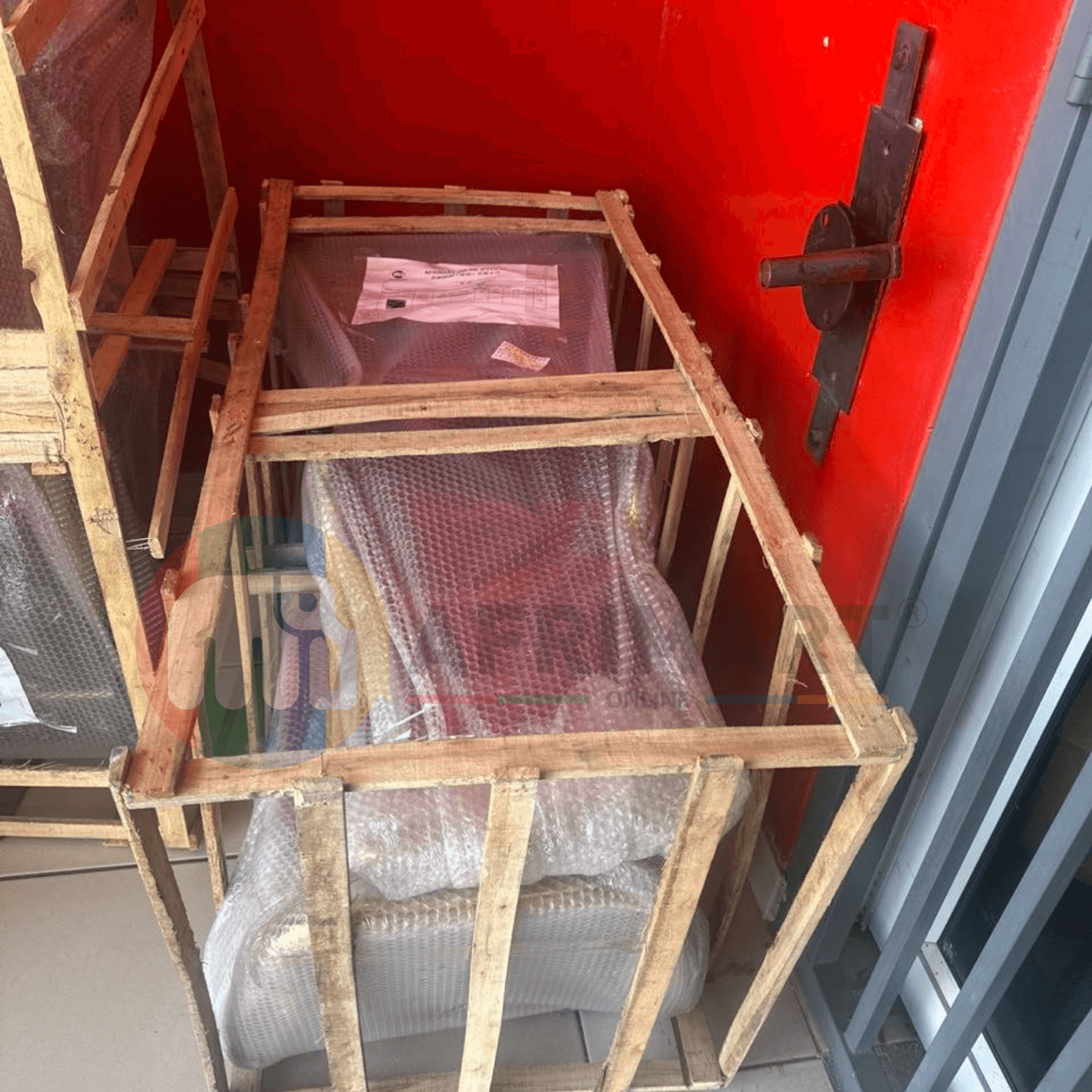
Water Pump Equipment
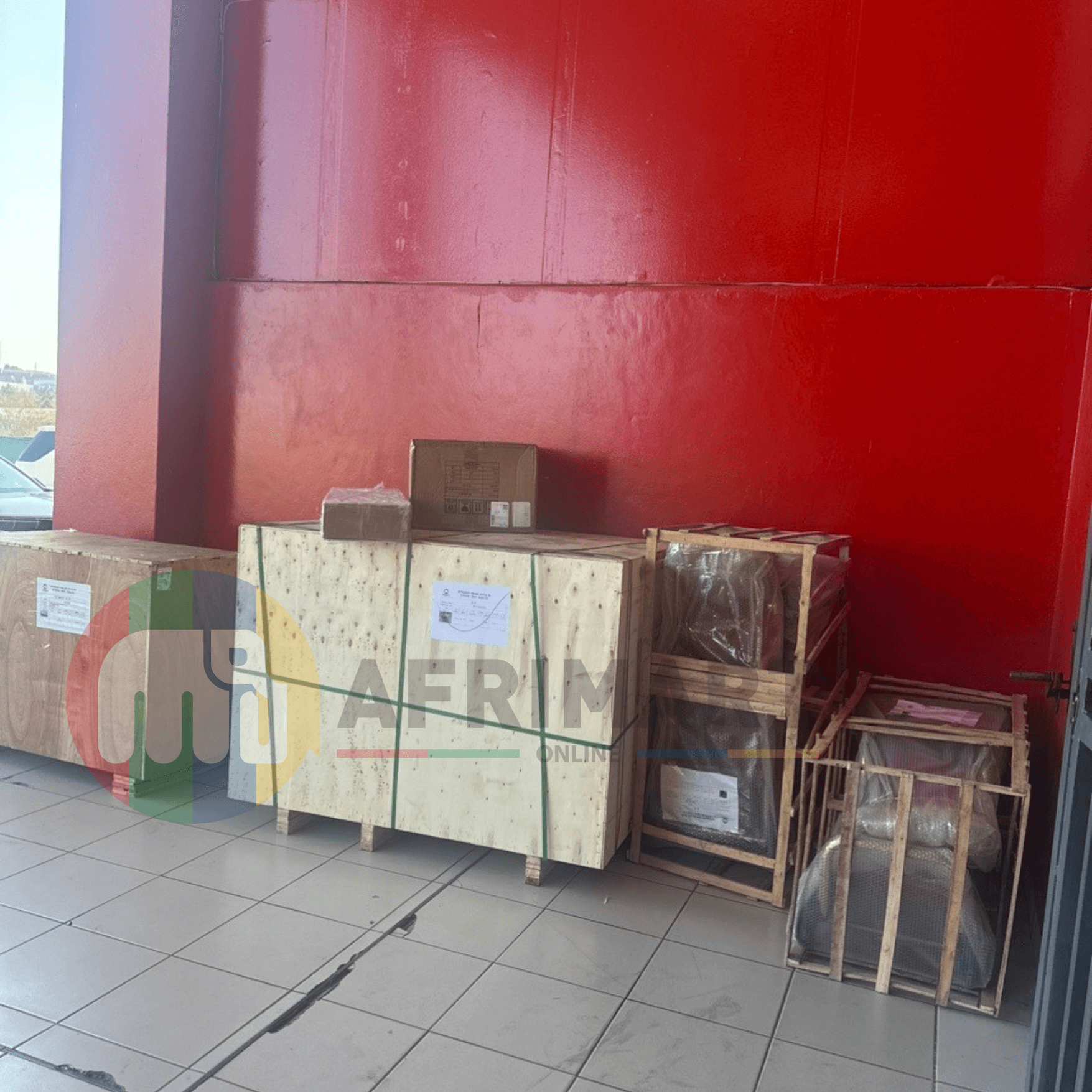
Packaging Machine and accessories
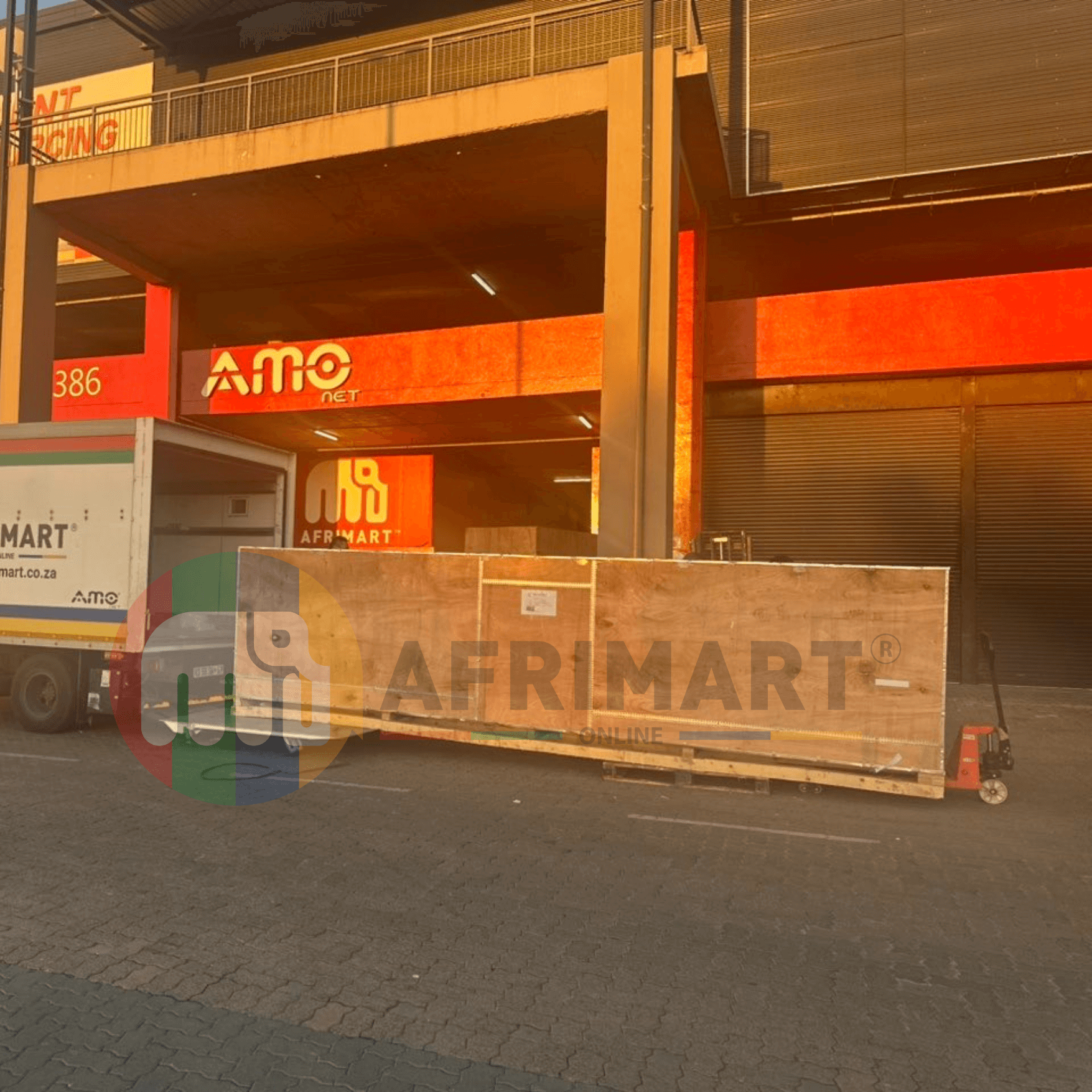
Fabrics Manufacturing Equipment
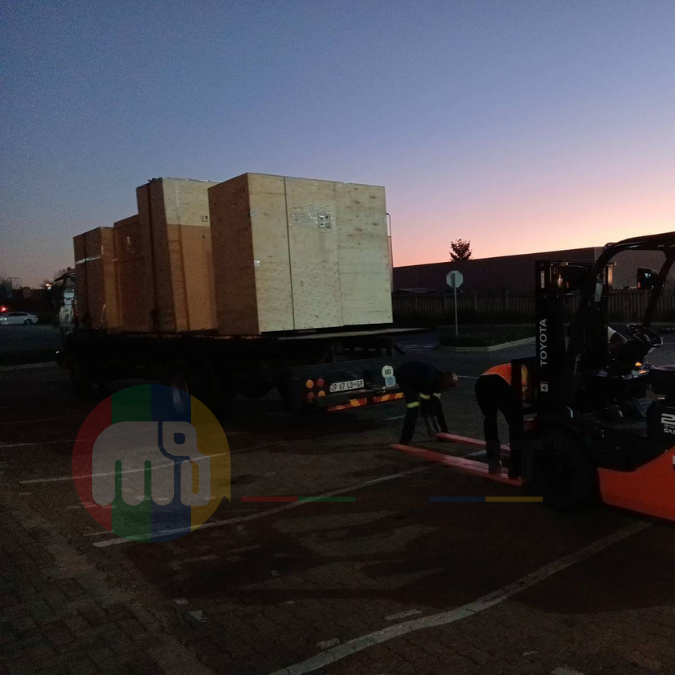
Mining Equipments
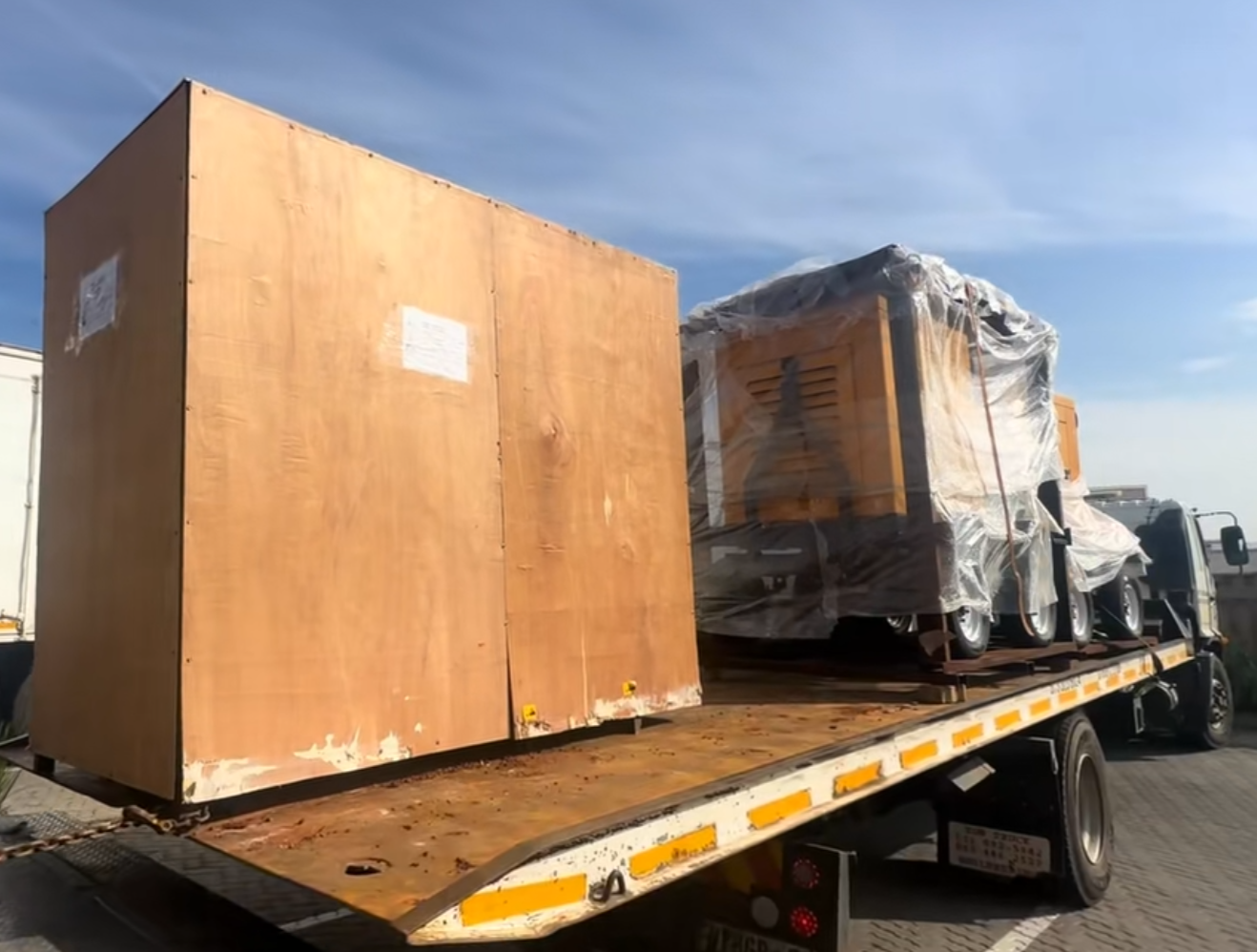
Food Processing Machine
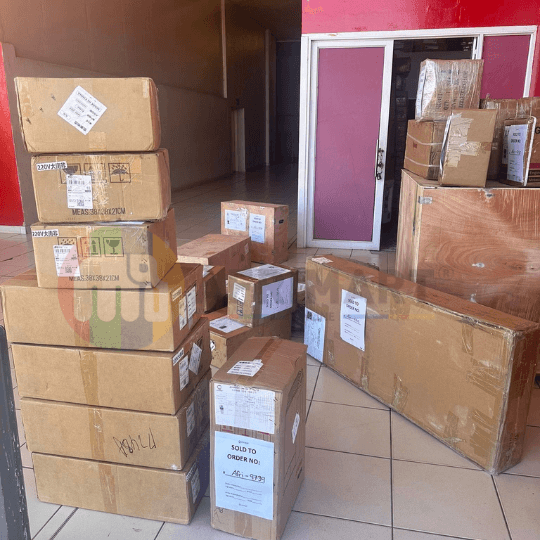
Batch of Orders
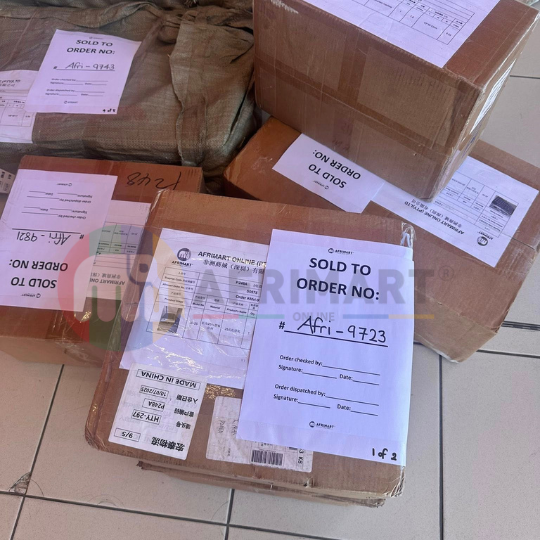
Batch of Orders
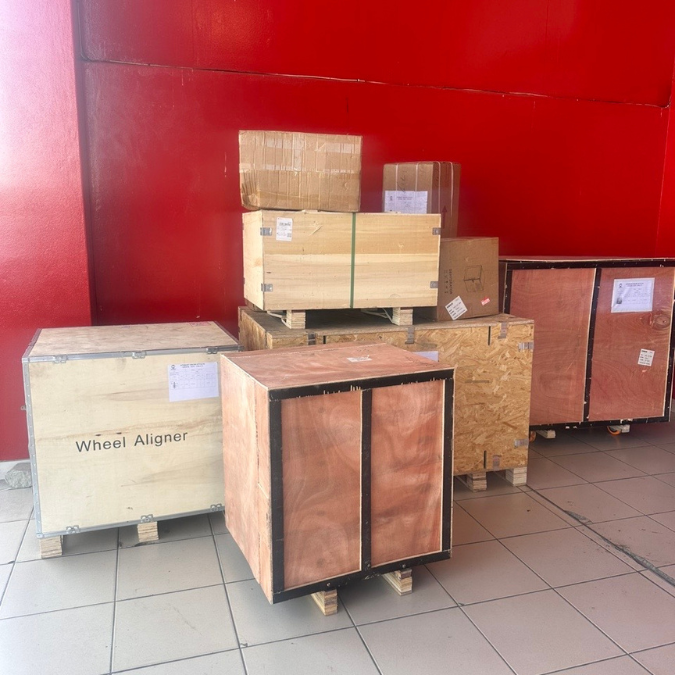
Latest Orders Labelled
wheel alignment machines
new arrivals
Pre Orders Offloading
Latest Arrivals
Latest Arrivals
Latest Arrivals
26 January 2026
Toilet paper making machine
Toilet paper making machine
Toilet paper Rewinding Machine
latest arrivals
offloading
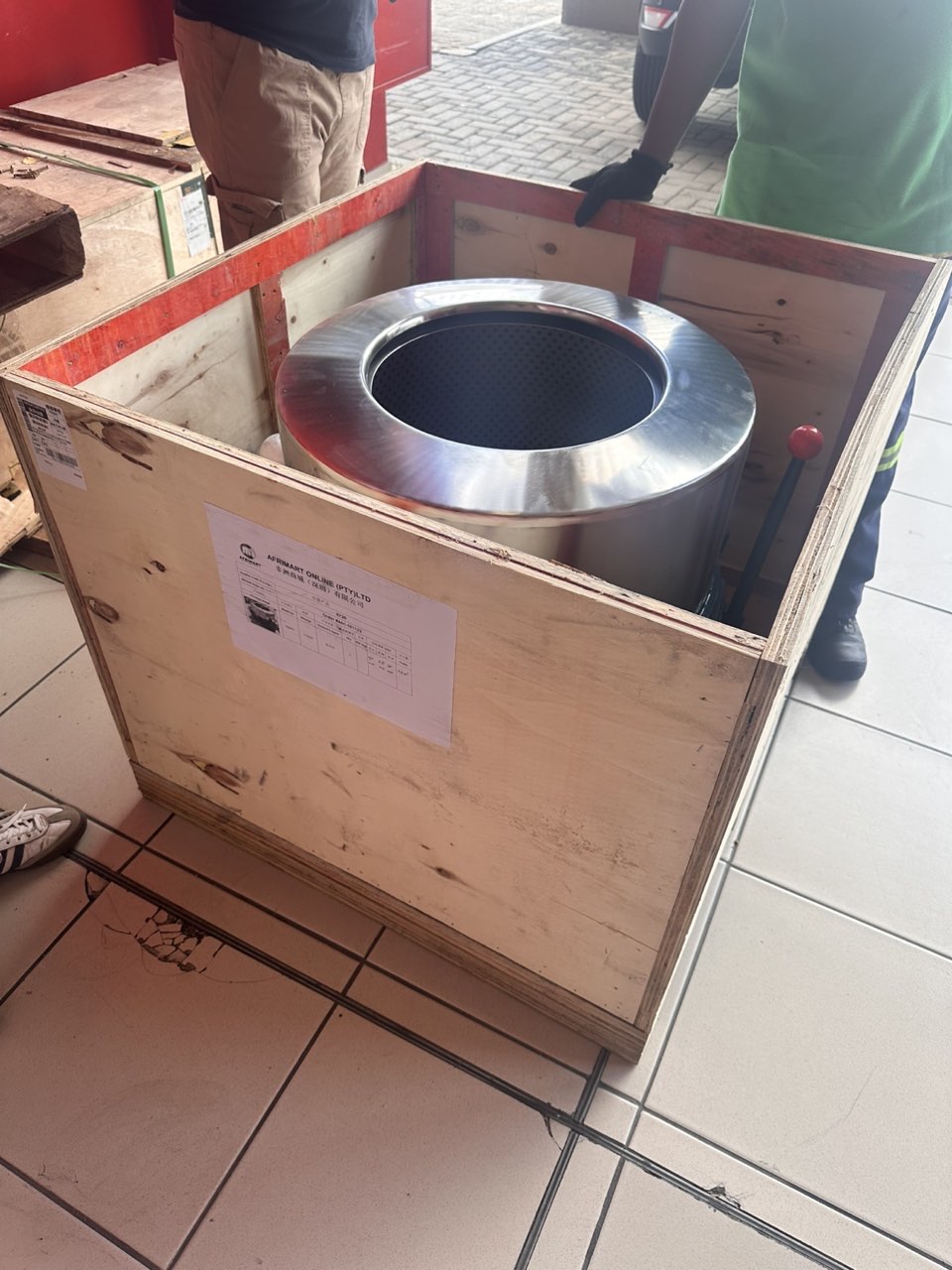
order success
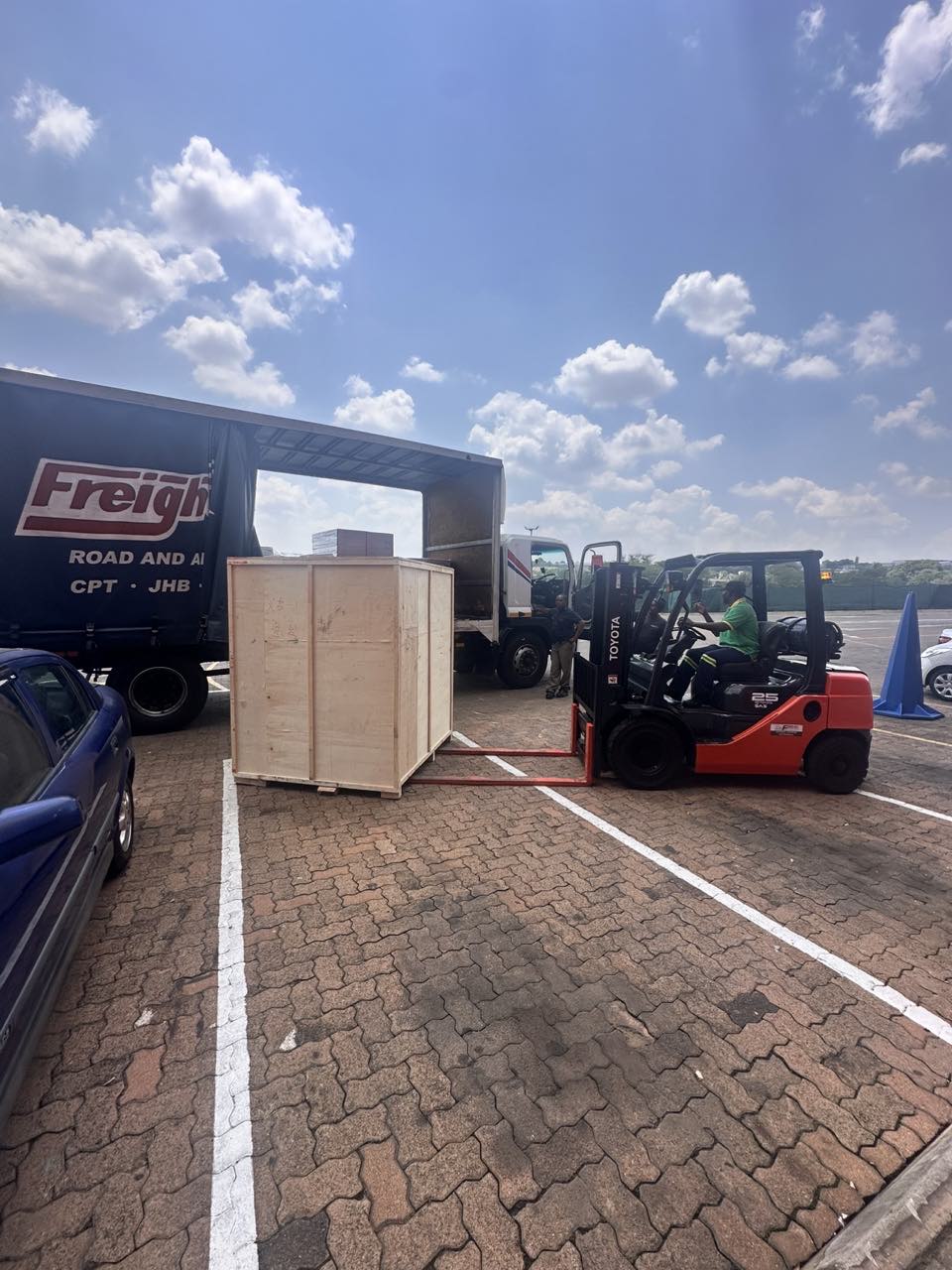
order collection
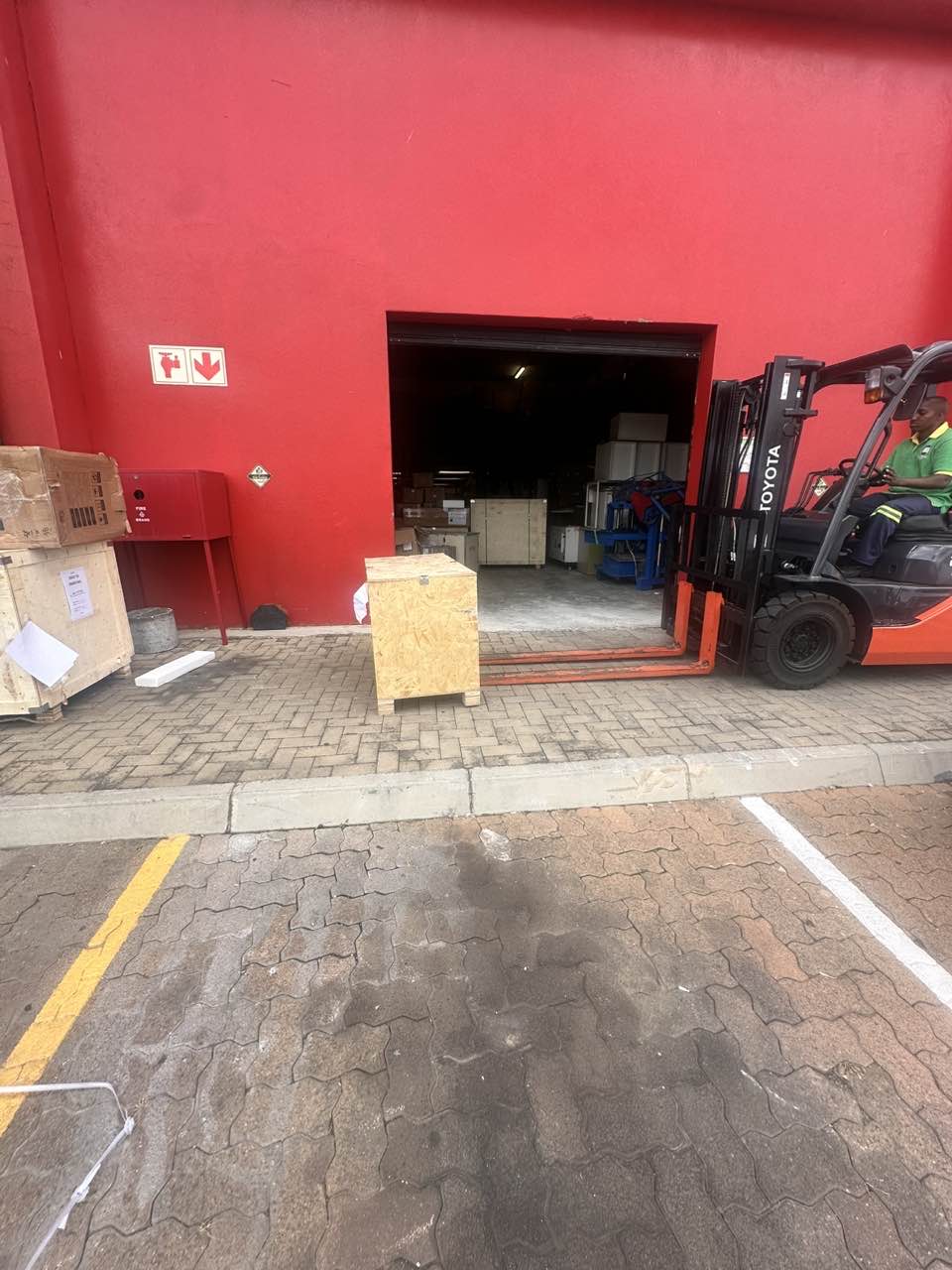
order offloading