B21, China Town Mall, Midrand




- Shipping Timeframes: All orders are processed within 2-5 business days (excluding weekends and holidays). After your order has been processed, the estimated delivery time is before 04 Aug, 2026, depending on customs, Please note that due to high demand, some items may experience longer shipping times, which will be communicated at order confirmation email.
- Order Processing Time: Please allow 2-5 business days for us to process your order before it is shipped . Orders placed after 16:00 on Fridays, or during weekends and public holidays, will begin processing on the next business day. Processing times may be extended during peak seasons or sales events.
- Manufacturing Time: Some products needs manufacturing time, the manufacturing process will take approximately 10-30 business days depending on the product. This timeframe may vary depending on the complexity of the product and current demand. but this will be communicated with you during order confirmation.
- Returns and Exchanges: We offer a 30-day return policy for most items. If you are not completely satisfied with your purchase, you may return it within 30 days of receipt for a refund or exchange. Items must be unused, in their original packaging, and accompanied by proof of purchase. Return shipping costs are the responsibility of the customer, unless the item was damaged or defective upon arrival.
1. What are training costs?
Training costs refer to the expenses associated with developing and implementing training programs for employees or individuals. This can include materials, instructor fees, facilities, and more.
2. Why should I consider training costs for my business?
Investing in training costs can enhance employee skills, improve productivity, reduce turnover, and ultimately lead to higher profits for your business.
3. How can I calculate training costs?
To calculate training costs, consider direct expenses such as materials and instructor fees, as well as indirect costs like employee time spent in training and lost productivity.
4. Are training costs tax-deductible?
In many cases, training costs can be tax-deductible as a business expense. It's advisable to consult with a tax professional to understand the specific regulations applicable to your situation.
5. What factors influence training costs?
Factors that can influence training costs include the type of training, the number of participants, the duration of the training, the location, and the expertise of the instructors.
6. Can training costs vary by industry?
Yes, training costs can vary significantly by industry due to different regulatory requirements, the complexity of skills needed, and the availability of training resources.
7. How can I reduce training costs?
You can reduce training costs by utilizing online training resources, conducting in-house training sessions, or leveraging existing employee expertise to train others.
8. Are there grants available to cover training costs?
Yes, various government and nonprofit organizations offer grants and funding opportunities to help businesses cover training costs. Research options available in your area.
9. What is the return on investment (ROI) for training costs?
The ROI for training costs can be measured by improvements in employee performance, increased productivity, reduced turnover, and overall business growth resulting from enhanced skills.
10. How often should I invest in training costs?
It's advisable to regularly invest in training costs to keep your employees updated on industry trends, tools, and best practices, ideally at least annually.
11. What types of training should I invest in?
Investing in essential skills training, leadership development, compliance training, and technical skills relevant to your industry can provide significant benefits.
12. Can training costs be included in a budget?
Absolutely, training costs should be included in your annual budget as a necessary investment in your workforce and business development.
13. How do I measure the effectiveness of training costs?
You can measure the effectiveness of training costs by evaluating employee performance before and after training, gathering feedback, and monitoring key performance indicators.
14. Is it better to hire external trainers or use in-house resources?
It depends on your specific needs. External trainers may offer specialized expertise, while in-house resources can be more cost-effective and tailored to your company culture.
15. What should I include in a training budget?
A training budget should include costs for materials, instructor fees, venue rental, travel expenses, and any technology needed for training delivery.
Latest Order Arrivals
Discover our latest orders
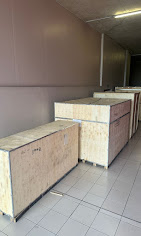
12 Heads Embroidery Machine
Toilet Paper Machine Machine
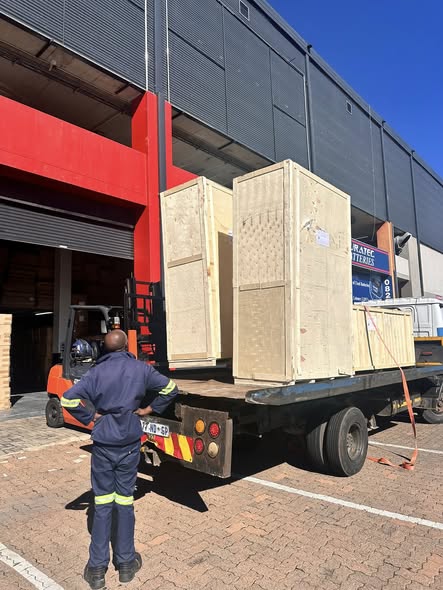
Order Collection
Cross Border Clients
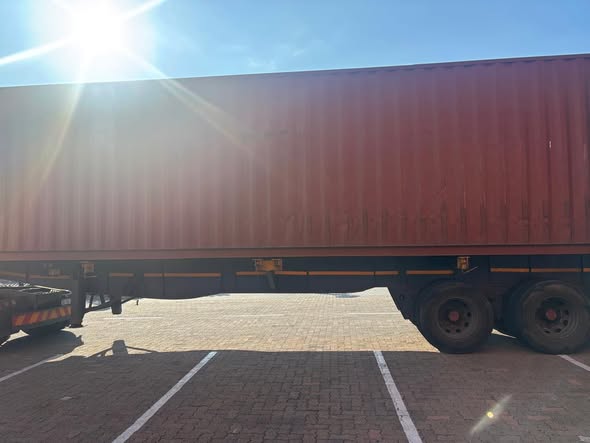
Order cros border countries Collected
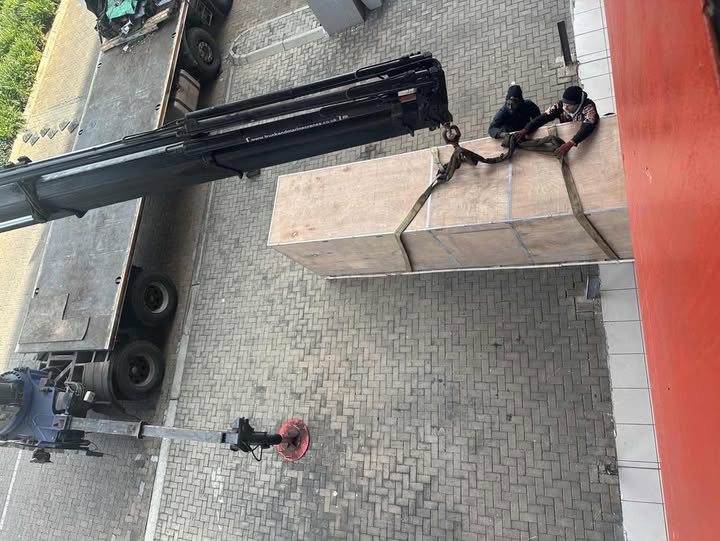
Industrial Machine Cllection
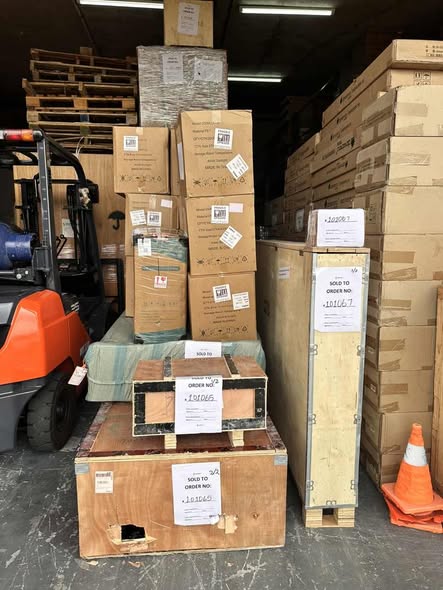
Agriculture Processing Machines
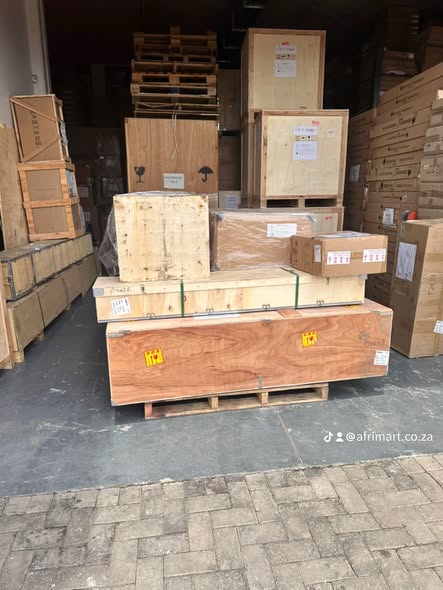
Ready for collection
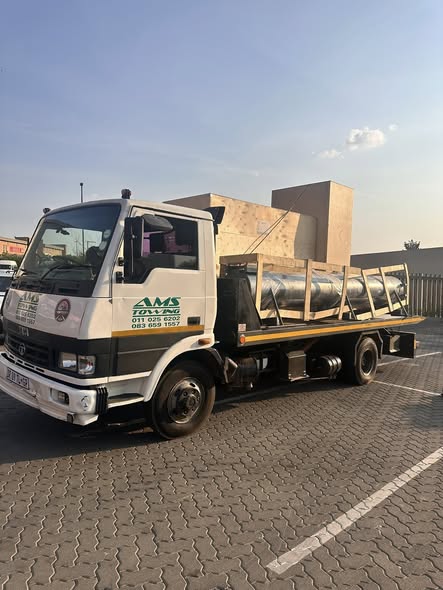
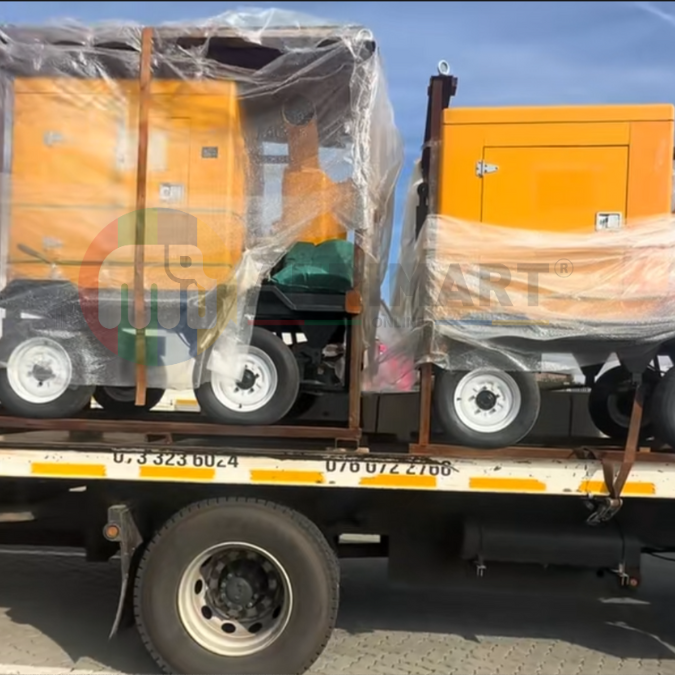
Water Pump Equipment
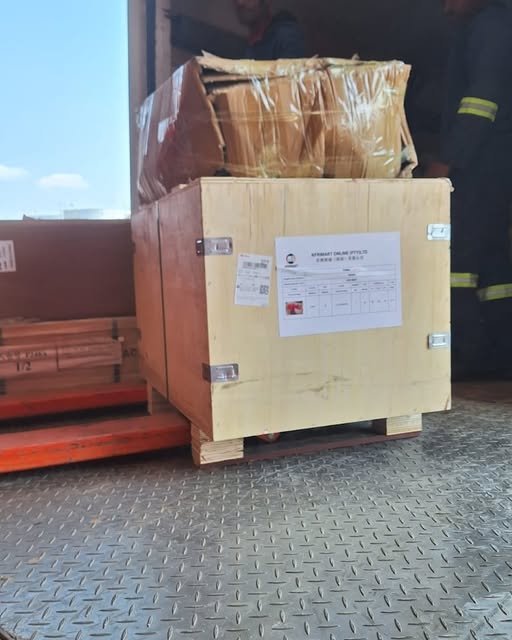
Packaging Machine and accessories
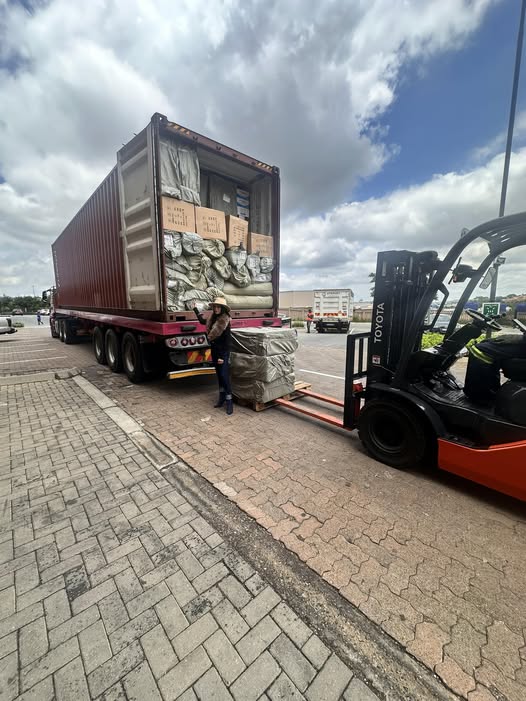
Fabrics Manufacturing Equipment
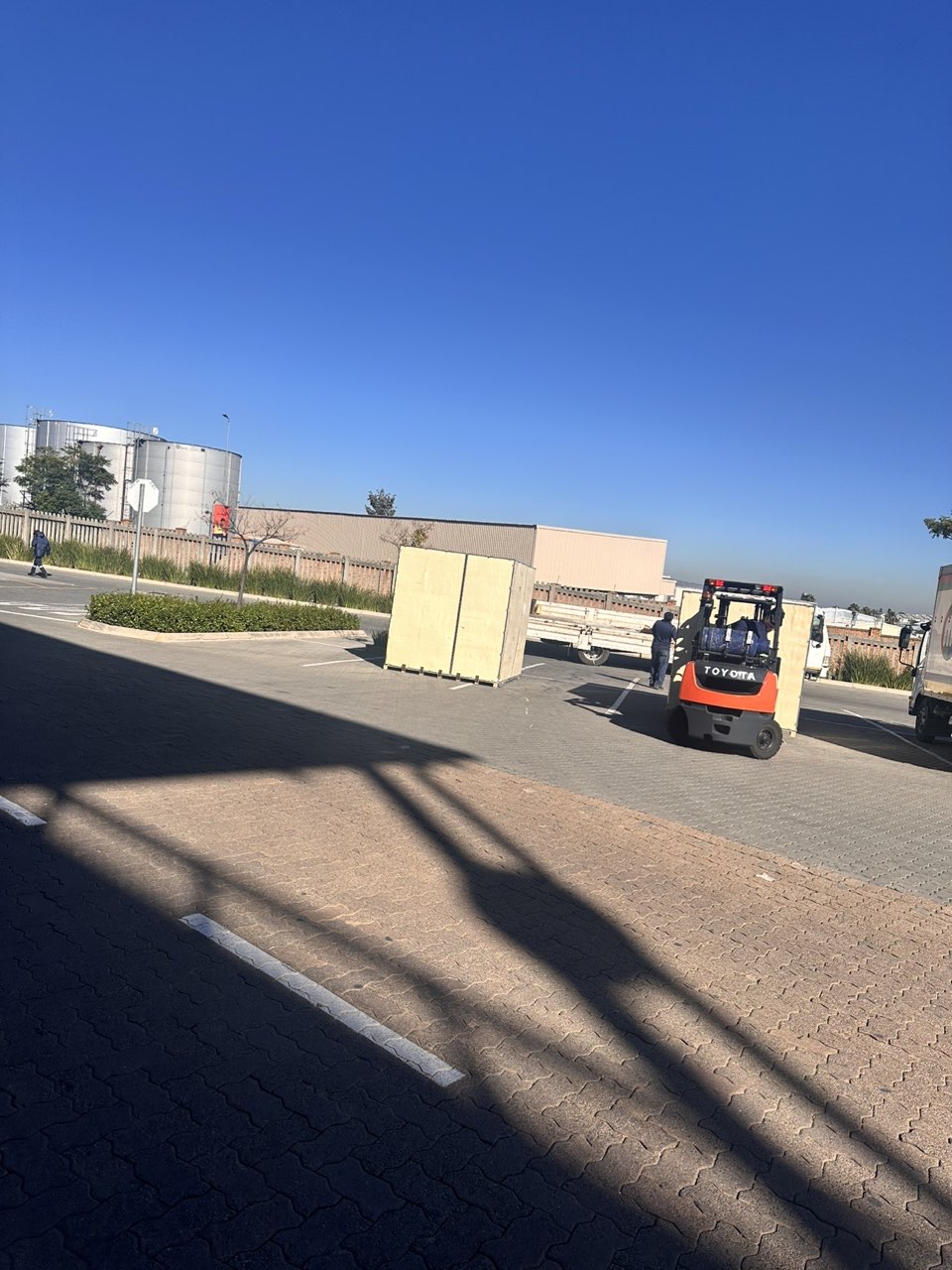
Mining Equipments
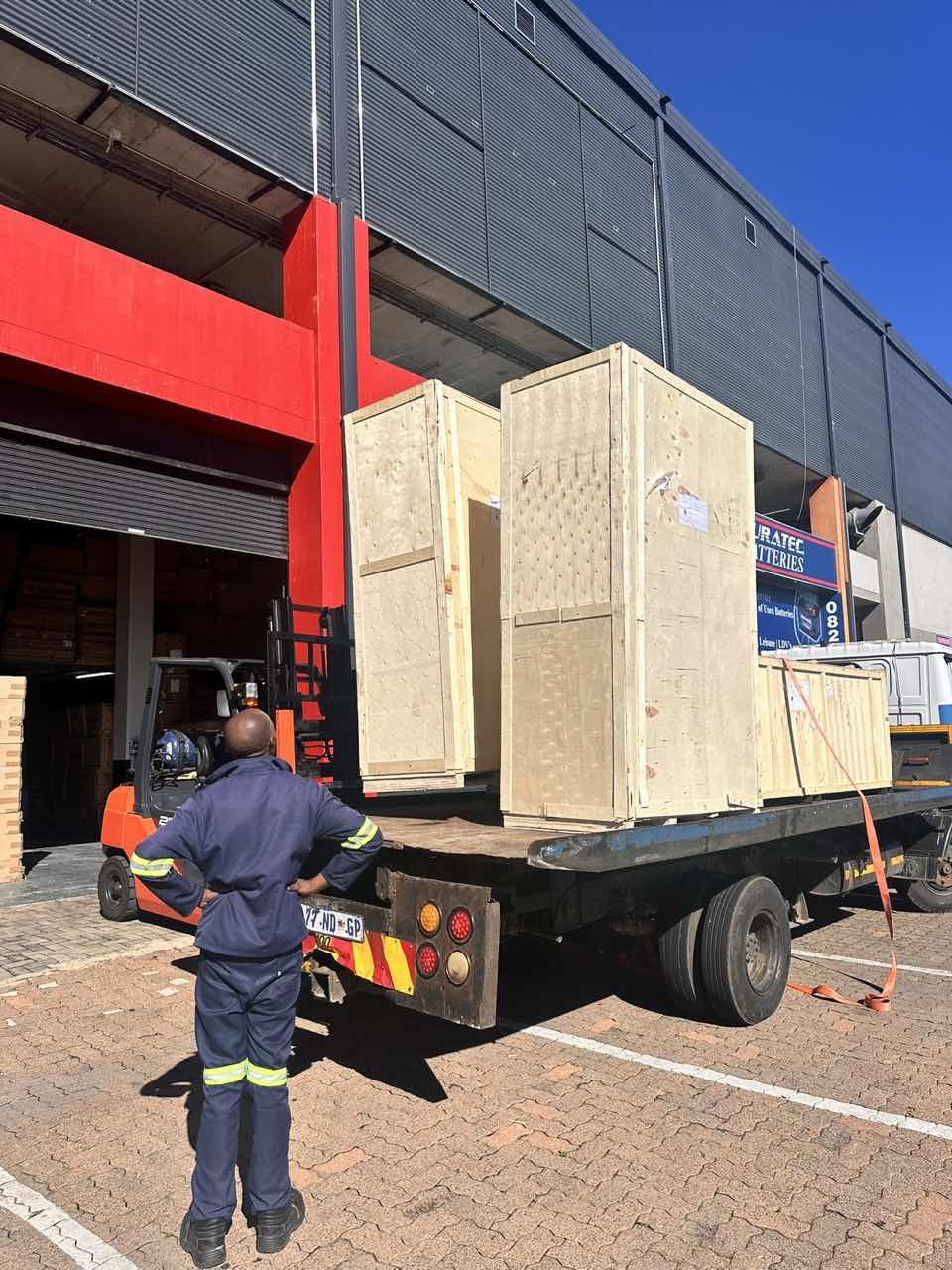
Food Processing Machine
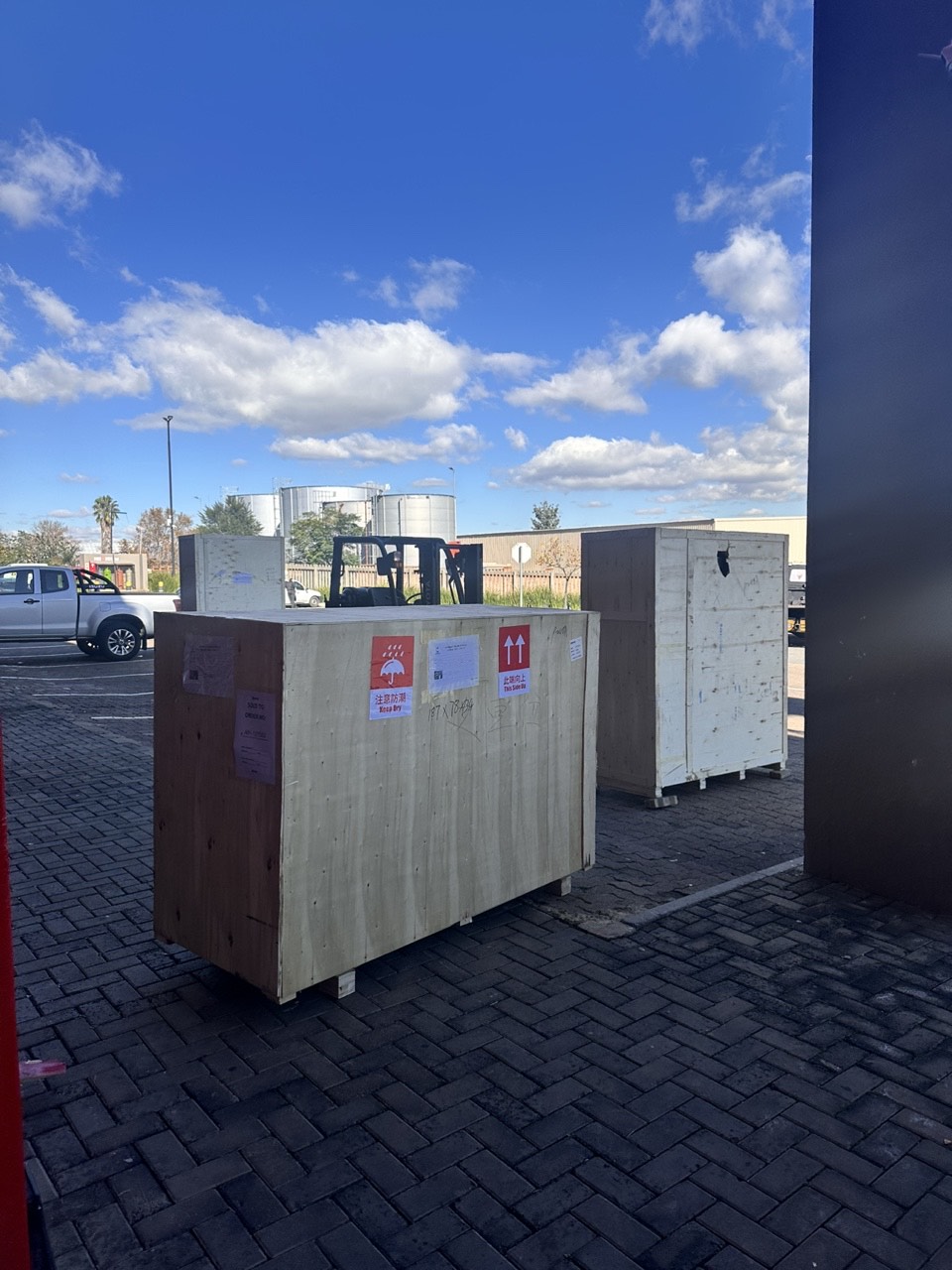
Batch of Orders
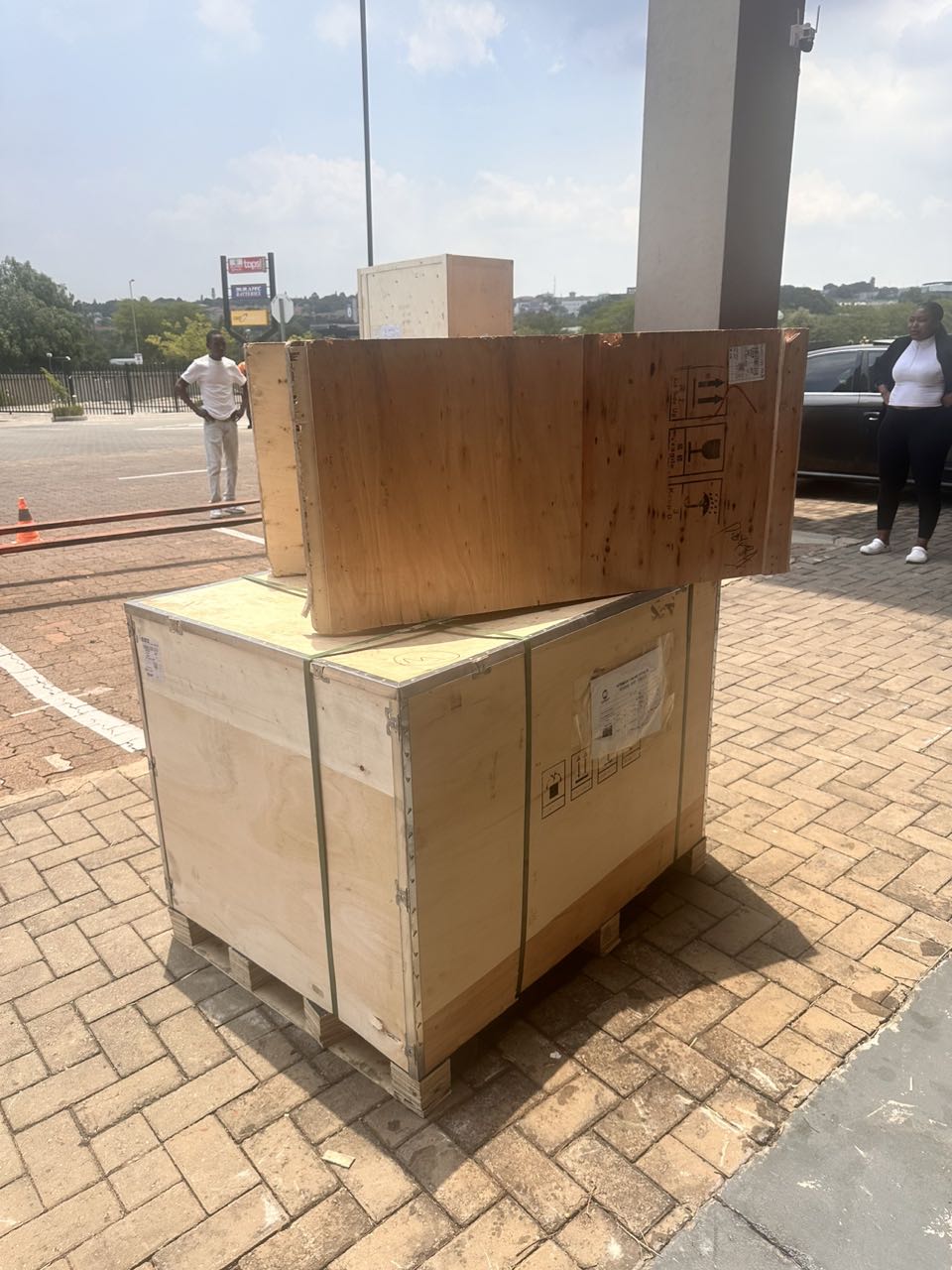
Batch of Orders
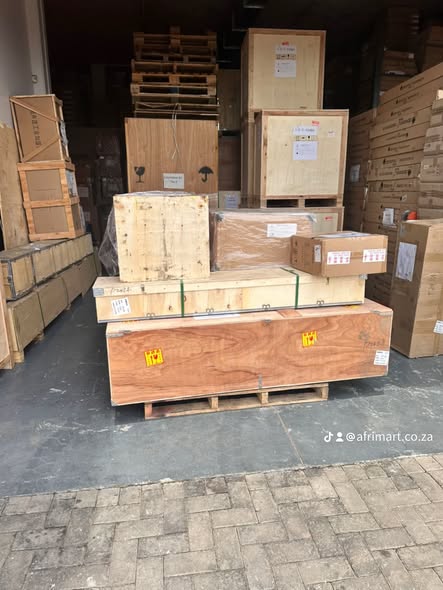
Latest Orders Labelled
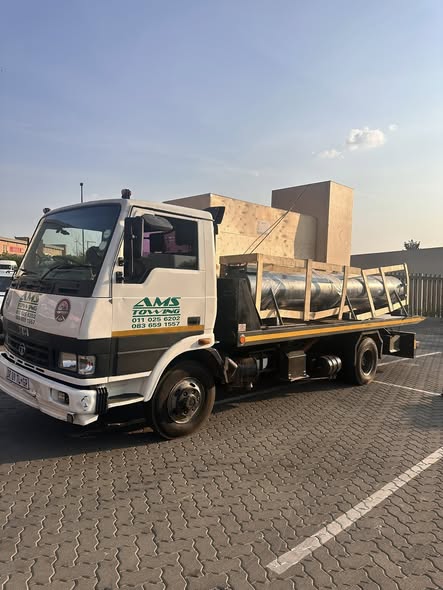
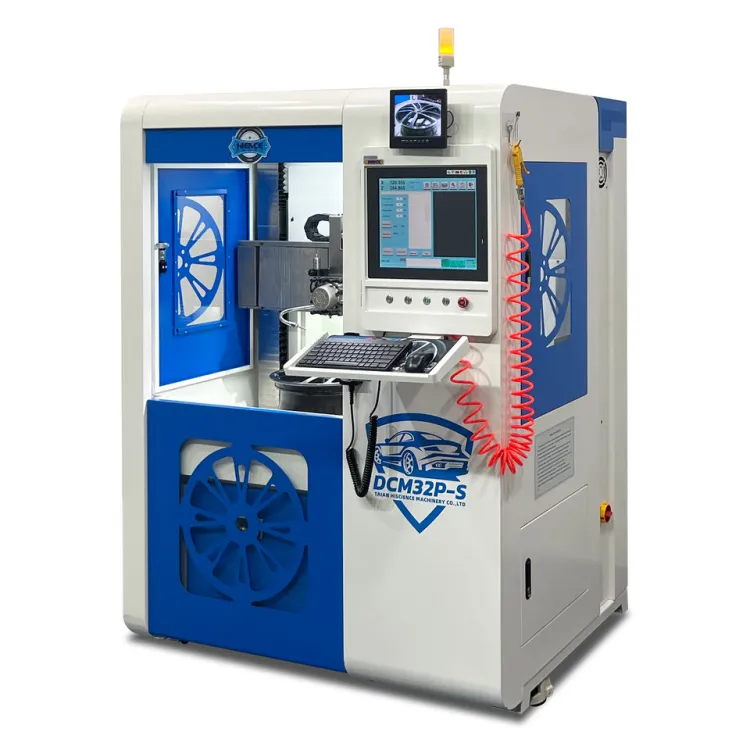
wheel alignment machines
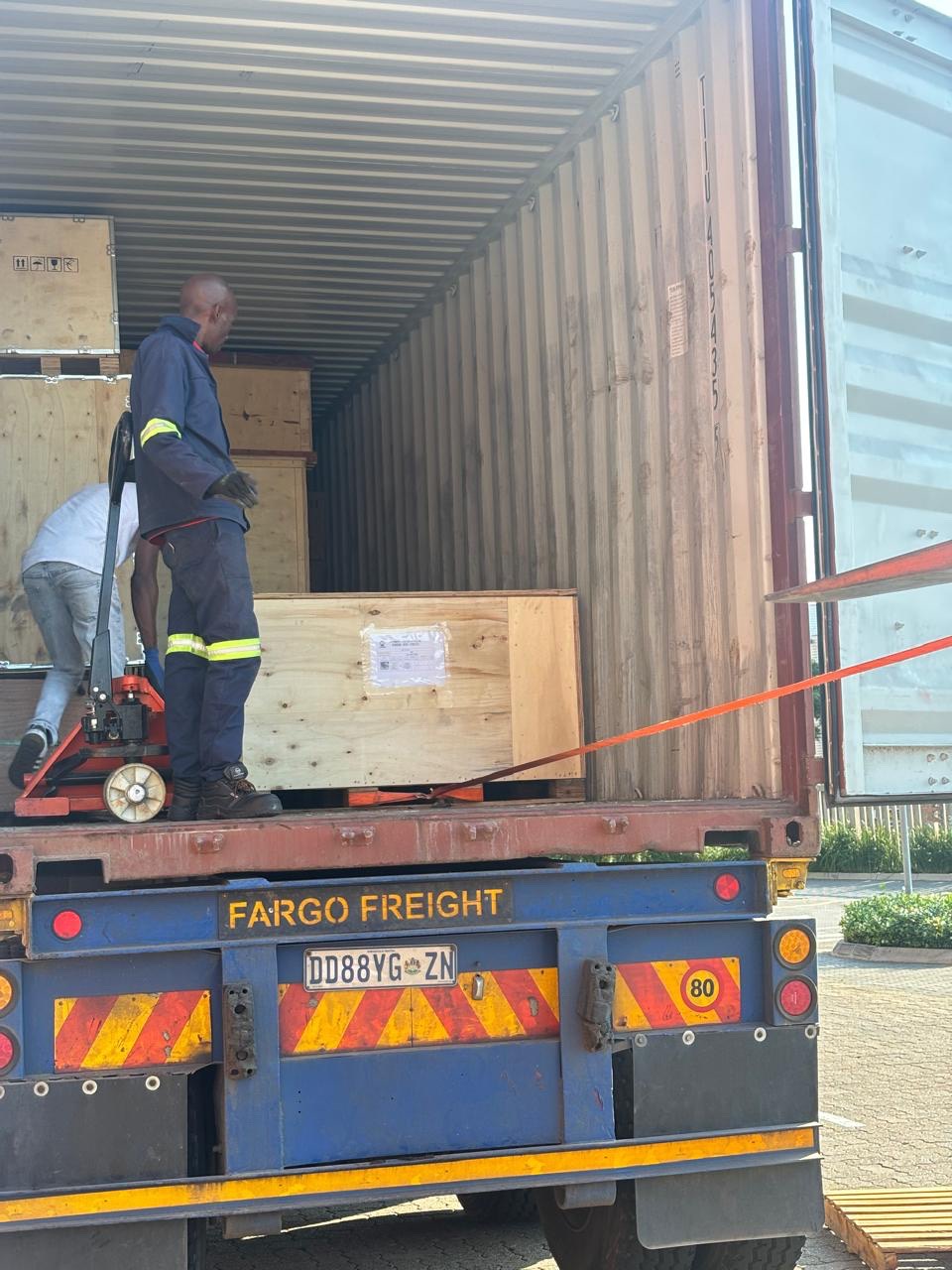
new arrivals
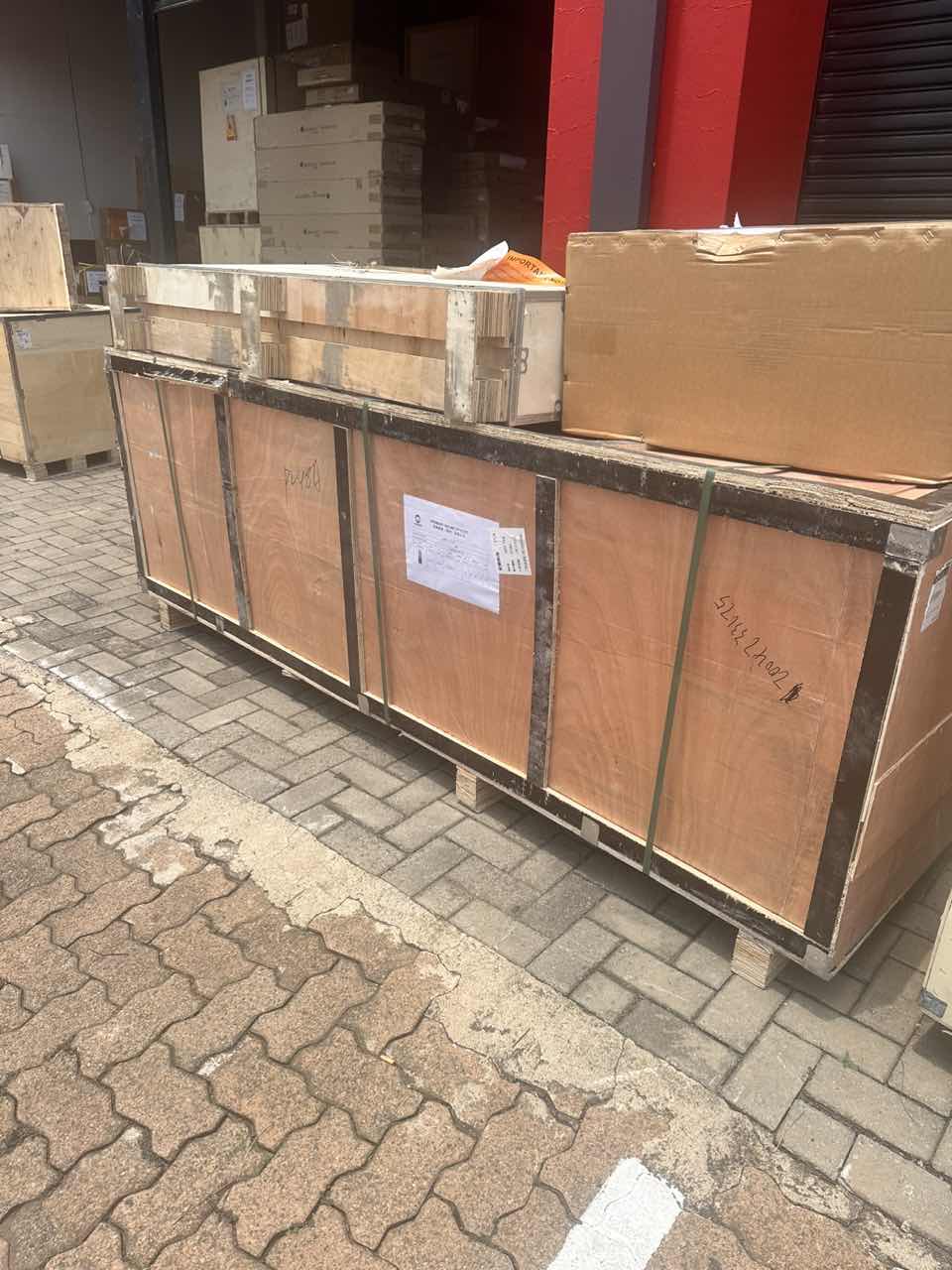
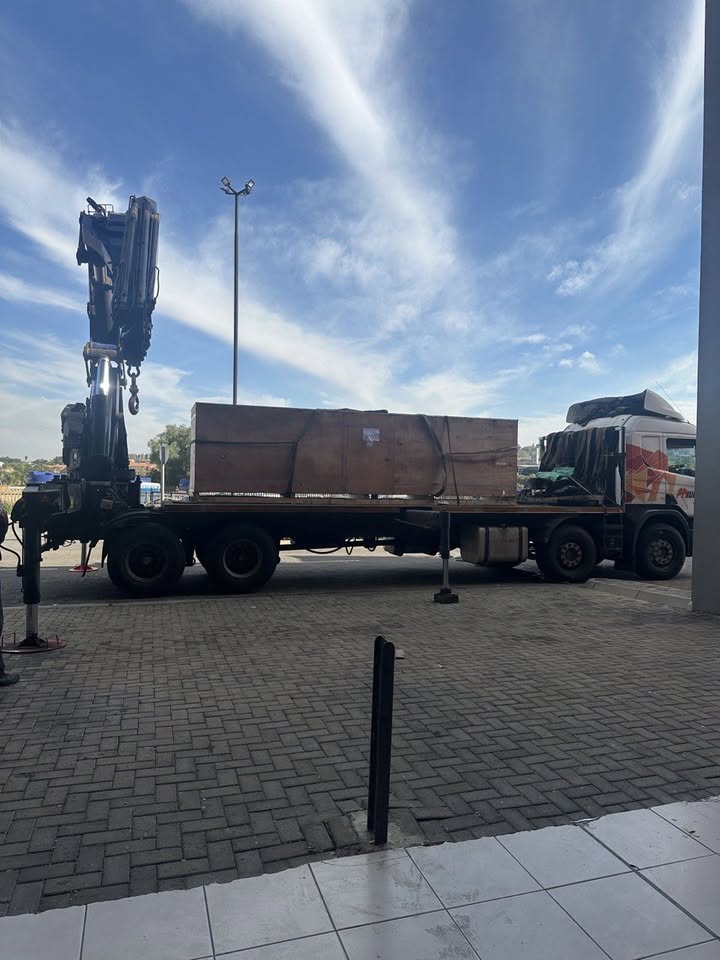
Pre Orders Offloading
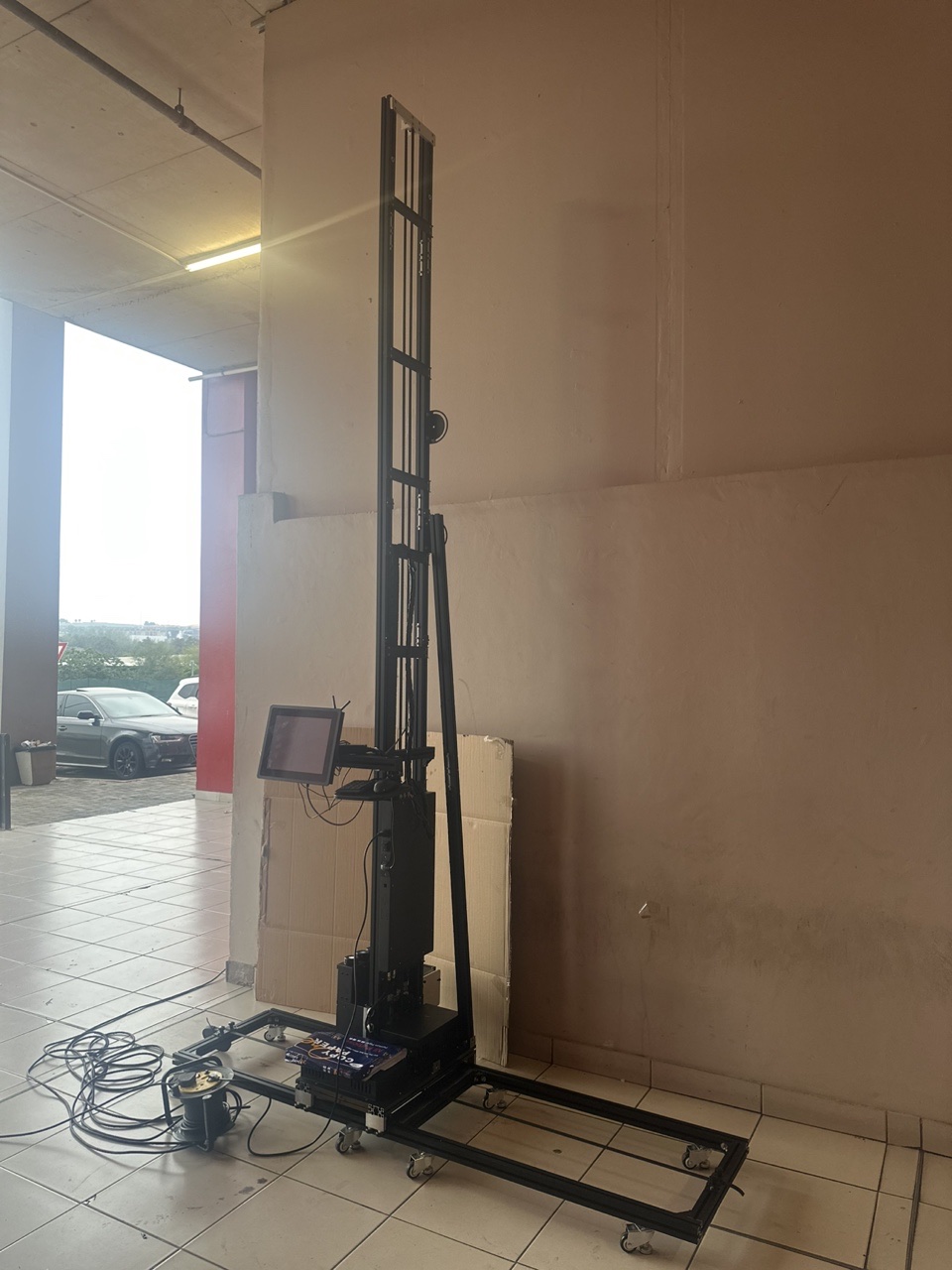
Latest Arrivals
Latest Arrivals

Latest Arrivals
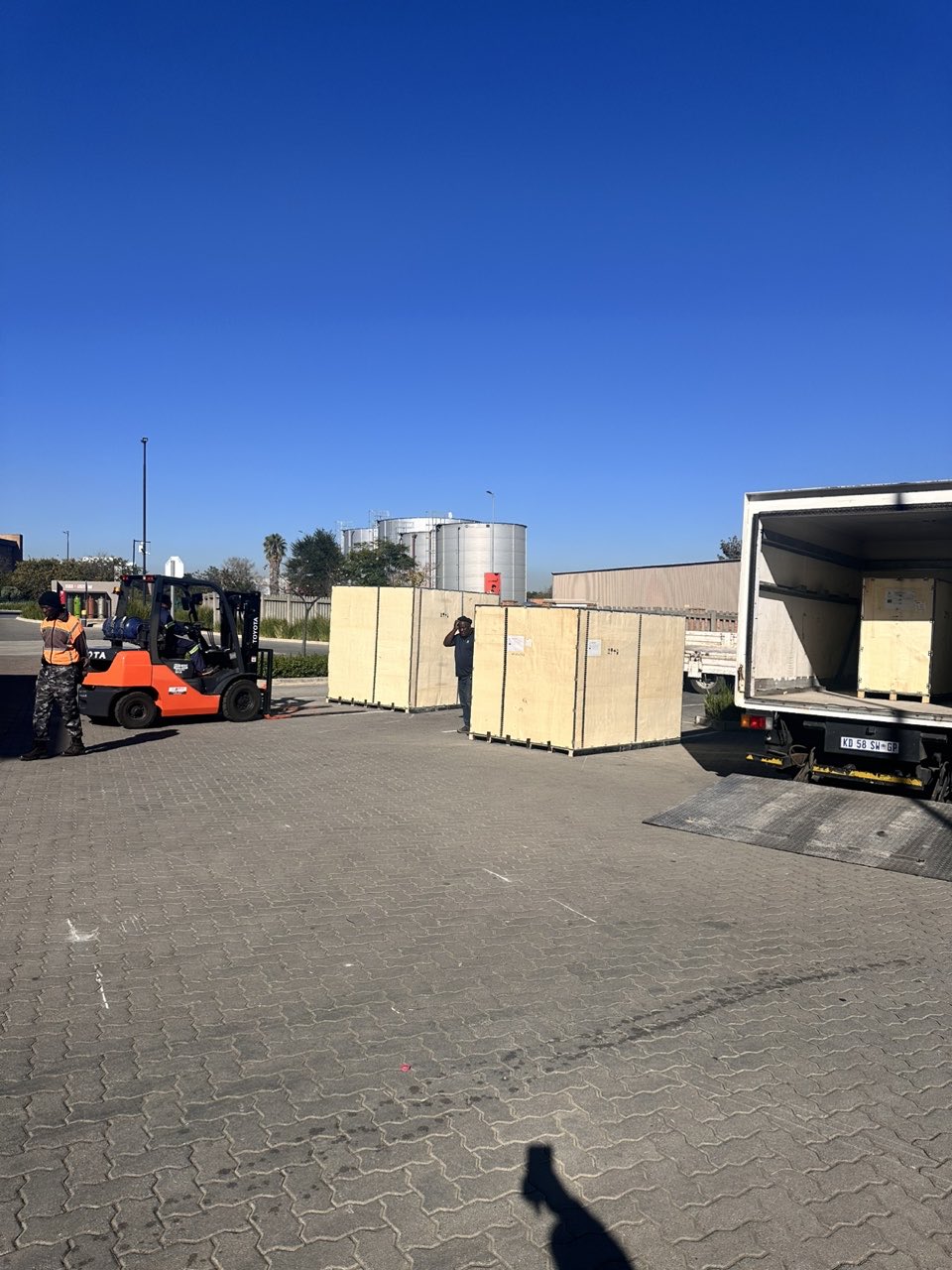
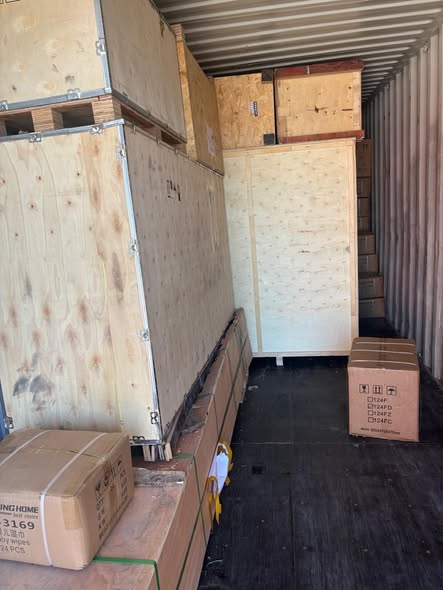
Loading
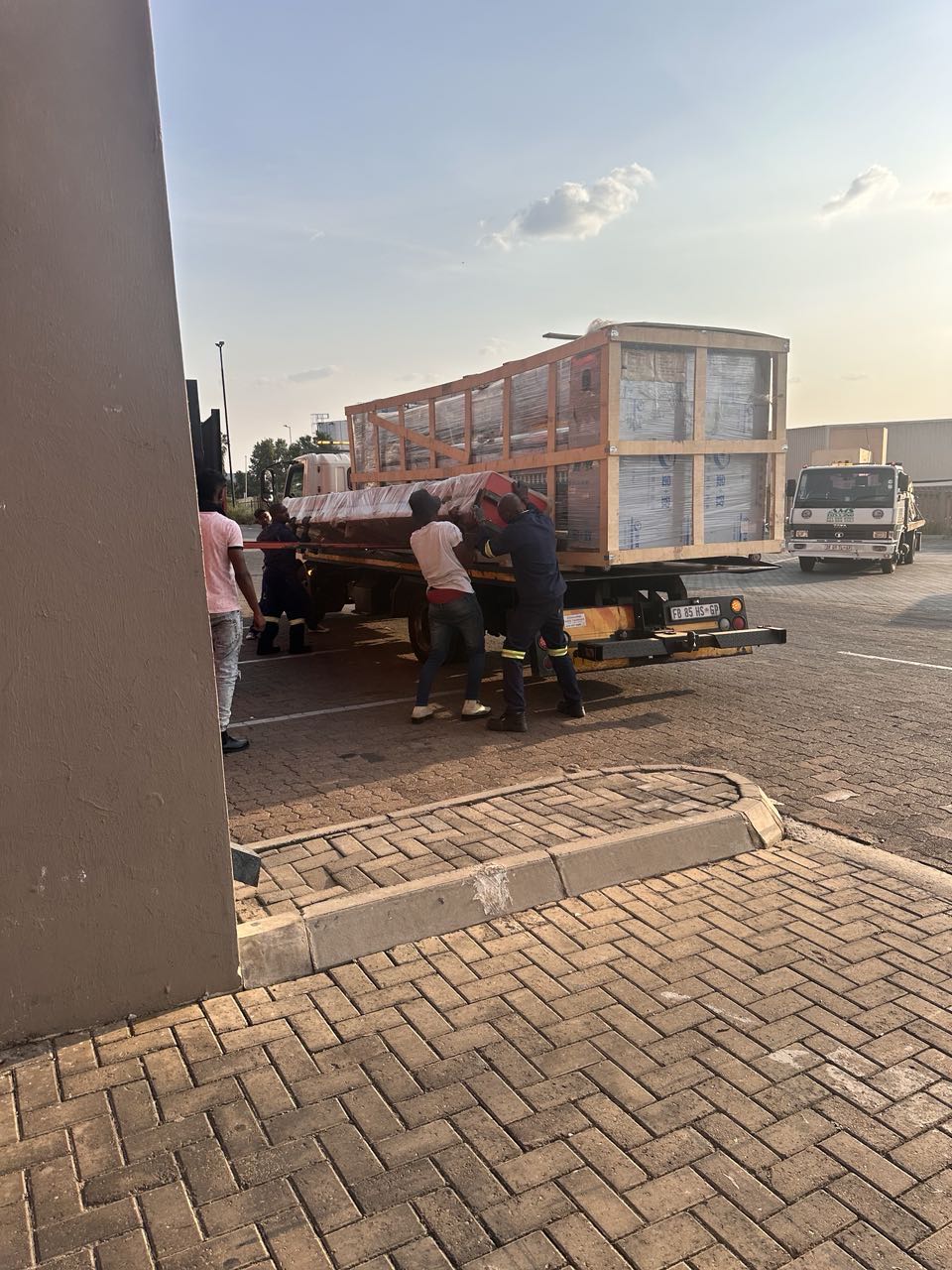
Toilet paper making machine
Toilet paper making machine
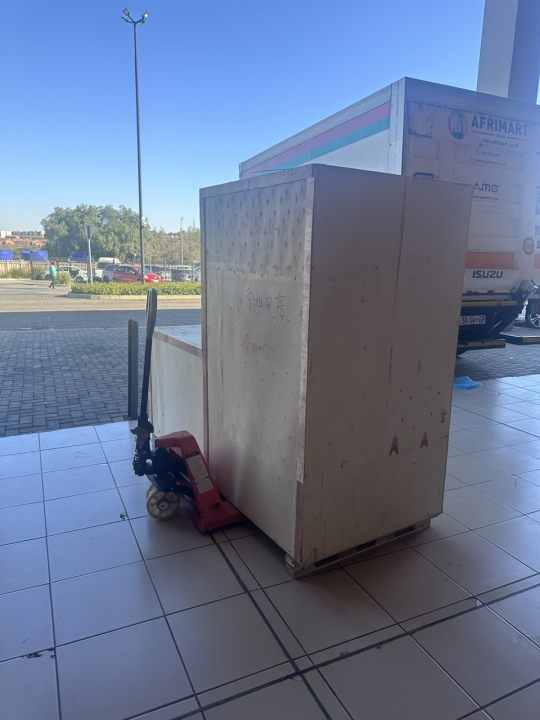
Toilet paper Rewinding Machine
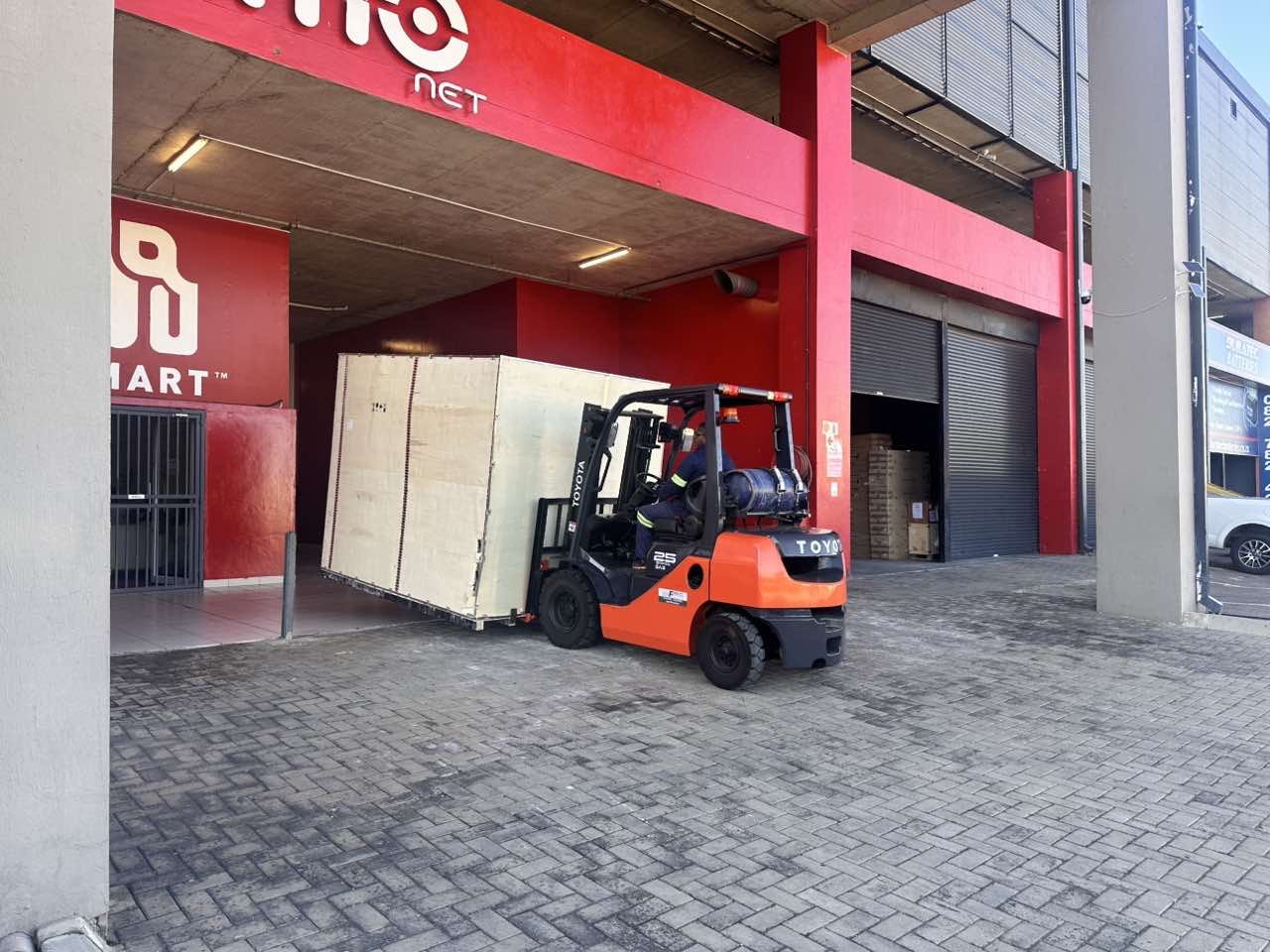
latest arrivals
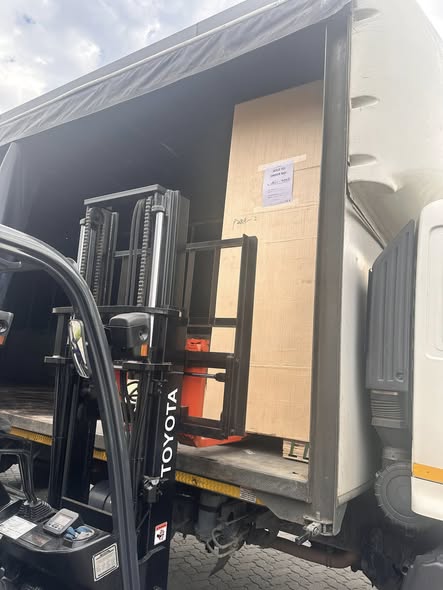
offloading
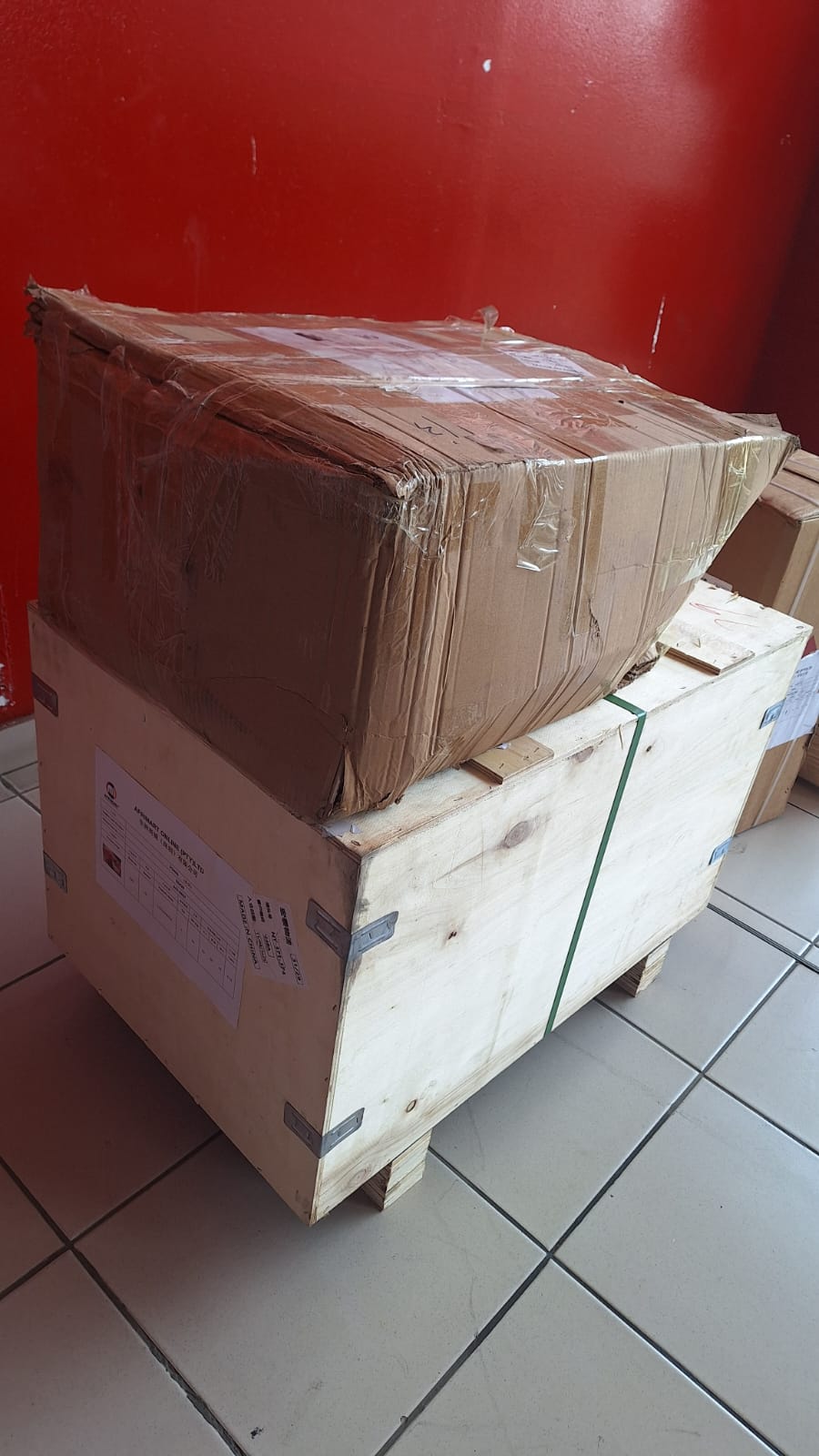
order success

order collection
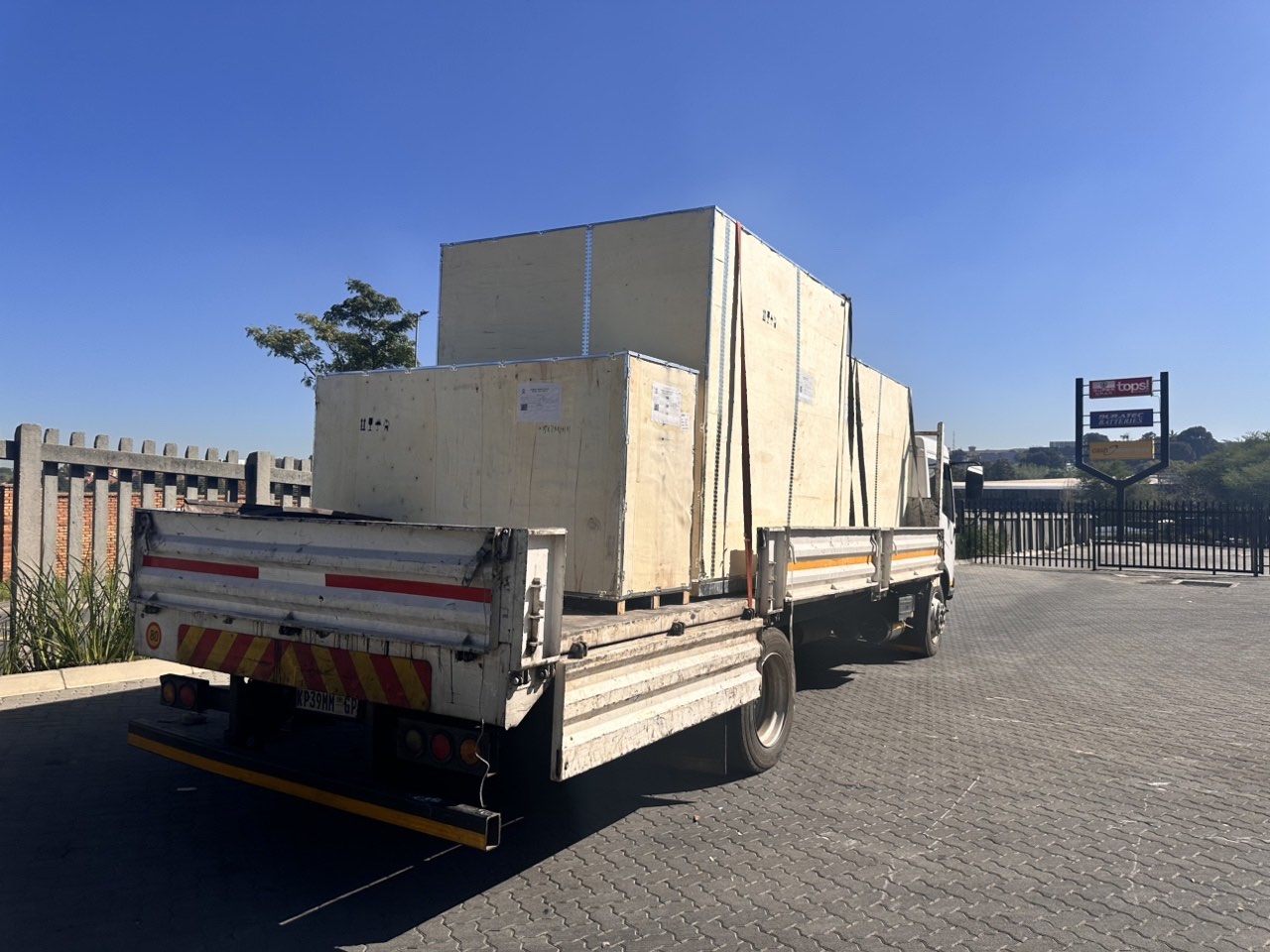
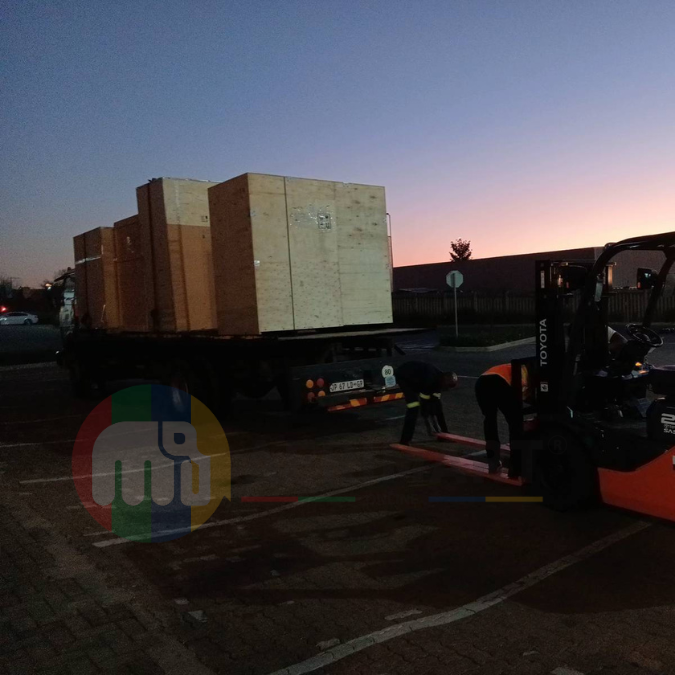
order offloading