B21, China Town Mall, Midrand


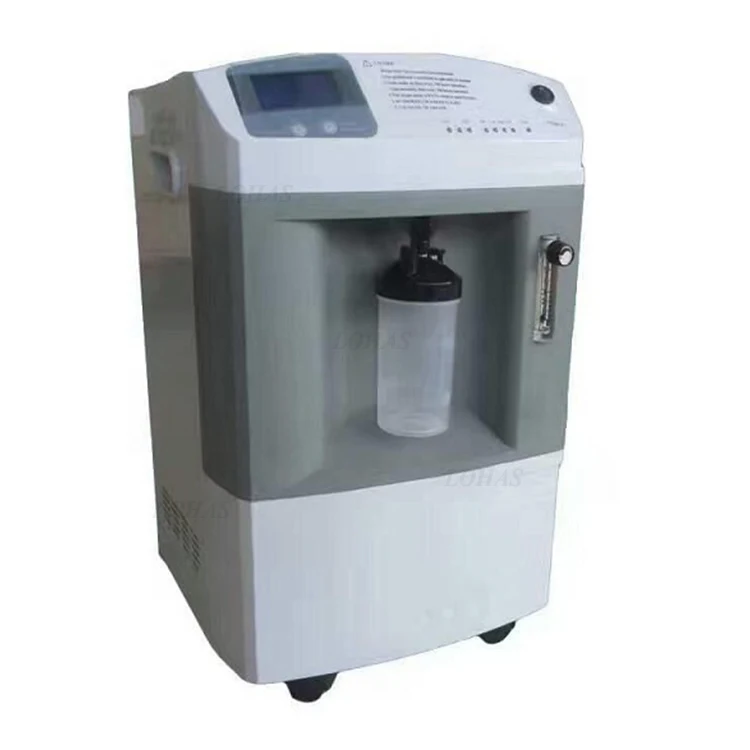
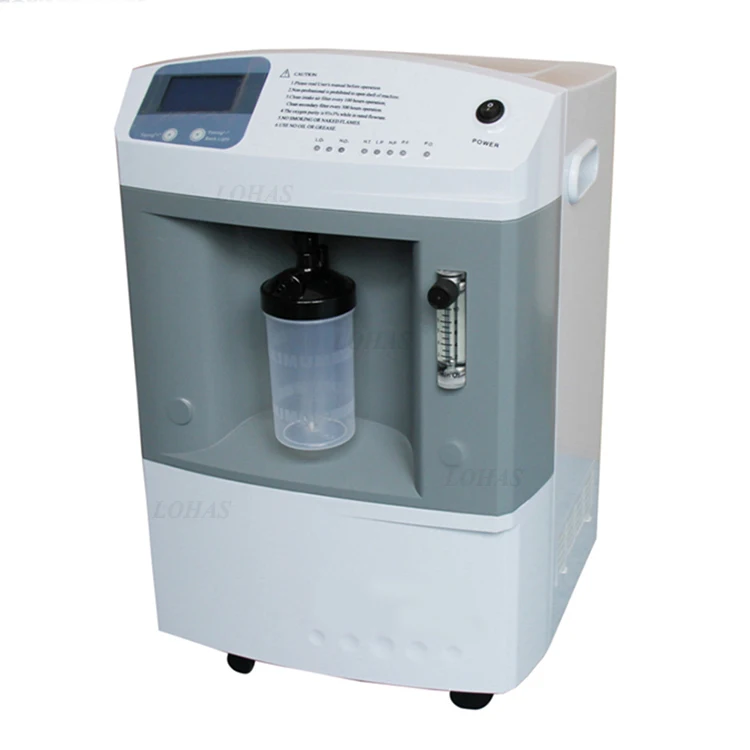
TOLOHAS LHJ5 Oxygen Concentrator

- Section : Medical Supplies
- Category : Emergency & Clinics Apparatuses
- SKU : 1600075398929

TOLOHAS LHJ5 Oxygen Concentrator
The TOLOHAS LHJ5 Oxygen Concentrator is an advanced medical device designed to deliver continuous oxygen at varying flow rates. With a purity of 93% (±3%) and a flow rate of up to 10LPM, this oxygen concentrator is perfect for homecare, clinical, and hospital settings.
Product Introduction
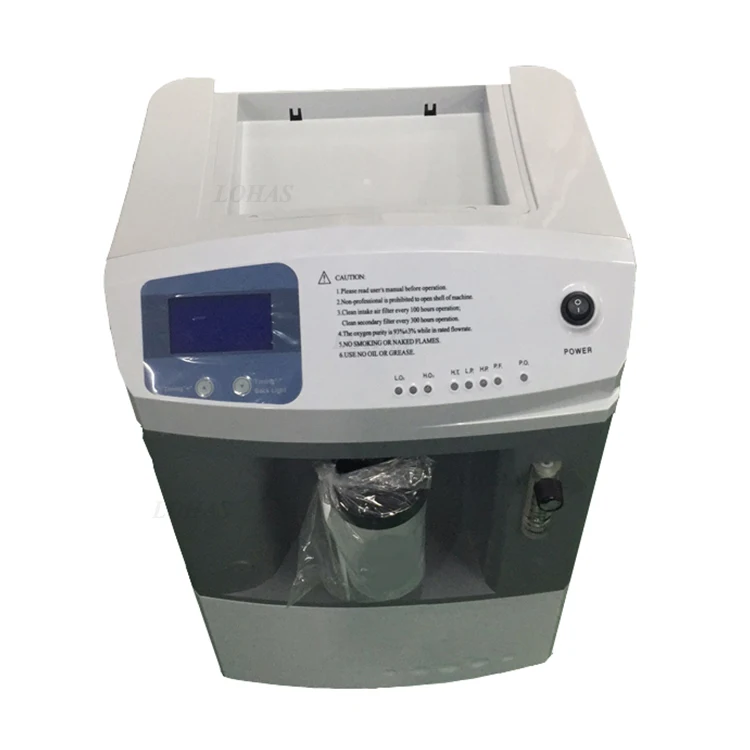
The TOLOHAS LHJ5 Oxygen Concentrator features a sound level of ≤50db and power consumption of ≤550W, ensuring silent operation and energy efficiency. With multiple alarms for power failure, high/low pressure, and temperature, the unit prioritizes safety. Its compact design allows easy mobility with a net weight of 26KG and dimensions of 365x375x600mm.
Key Features and Benefits
- Flow Rate Options: Choose from 0-5LPM, 0-8LPM, or 0-10LPM for customized oxygen delivery.
- High Oxygen Purity: Delivers a 93% oxygen purity for effective and reliable therapy.
- Safety Alarms: Includes alarms for power failure, high/low pressure, and temperature, ensuring safe operation.
- Silent Operation: The ≤50db sound level ensures a quiet environment for patients.
- Energy Efficient: ≤550W power consumption helps reduce electricity costs.
Technical Specifications
- Material: Metal, Plastic
- Instrument Classification: Class II
- Safety Standard: None
- Place of Origin: Guangdong, China
- Brand Name: TOLOHAS
- Model Number: LHJ5
- Power Source: Electric
- Shelf Life: 1 Year
- Quality Certification: CE
- Name: Oxygen Concentrator
- Flow Rate: 0-5LPM / 0-8LPM / 0-10LPM
- Purity: 93% (±3%)
- Outlet Pressure: 0.04-0.07MPA
- Sound Level: ≤50db
- Power Consumption: ≤550W
- Alarm: Power failure alarm, High & Low pressure alarm, Temperature alarm
- Net Weight: 26KG
- Size: 365x375x600mm
Applications
- Homecare: Provides reliable oxygen therapy for patients at home.
- Clinical Use: Suitable for clinical environments where controlled oxygen flow is necessary.
- Hospitals: Ideal for patient care in medical facilities, ensuring proper oxygen delivery.
Product Info Gallery
The LHJ5 0-5L/Min oxygen concentrator we provide is classified into the ordinary type and the low-noise type. The two types of
oxygen gas generators have the same parameters except that the low-noise type one has smaller size, lighter weight and makes lower noises while working. Price of the low-noise type one is slightly higher than the ordinary type one. Our oxygen concentrating
machine is energy-saving and safe to use. The optional dual-flow configuration allows two users to inhale oxygen at the same time
by sharing one machine.
If you are interested in this product, contact us now
Product Paramenters
Applications
Comparing with other model products, this 0-5L/Min oxygen concentrator has wider application scope. It can be used for the following applications.
1. Medical treatment.
Our product can be used for adjuvant treatment for respiratory system diseases, cardio vascular and cerebral vascular system diseases, chronic obstructive pulmonary disease, carbon monoxide poisoning and other hypoxia diseases. It is suitable for clinics, community hospitals, township health clinics, etc.
2. Home health care.
With our oxygen concentrator you can enjoy oxygen therapy at home without going to the clinic or hospital on purpose.
3. Oxygen cocktail preparation.
Combining a mixer, this oxygen producing machine can be used to produce oxygen cocktail and make oxygen "edible".
4. Veterinary use.
This product is also suitable for small-sized animals to inhale oxygen.
| Flow Rate | 0-5LPM/0-8LPM/0-10LMP |
| Outlet Pressure | 0.04-0.07MPA |
| Power Consumption | ≤550W |
| Net Weight | 26KG |
Details Images

- Shipping Timeframes: All orders are processed within 2-5 business days (excluding weekends and holidays). After your order has been processed, the estimated delivery time is before 03 Aug, 2026, depending on customs, Please note that due to high demand, some items may experience longer shipping times, which will be communicated at order confirmation email.
- Order Processing Time: Please allow 2-5 business days for us to process your order before it is shipped . Orders placed after 16:00 on Fridays, or during weekends and public holidays, will begin processing on the next business day. Processing times may be extended during peak seasons or sales events.
- Manufacturing Time: Some products needs manufacturing time, the manufacturing process will take approximately 10-30 business days depending on the product. This timeframe may vary depending on the complexity of the product and current demand. but this will be communicated with you during order confirmation.
- Returns and Exchanges: We offer a 30-day return policy for most items. If you are not completely satisfied with your purchase, you may return it within 30 days of receipt for a refund or exchange. Items must be unused, in their original packaging, and accompanied by proof of purchase. Return shipping costs are the responsibility of the customer, unless the item was damaged or defective upon arrival.
1. What flow rate options are available for the TOLOHAS LHJ5 Oxygen Concentrator?
The LHJ5 is available in three flow-rate configurations: 0–5 LPM, 0–8 LPM, and 0–10 LPM. An optional dual-flow configuration is available to allow two users to inhale oxygen from one machine simultaneously.
2. What is the oxygen purity delivered by the LHJ5?
The unit delivers oxygen at 93% purity with a tolerance of ±3%.
3. How loud is the TOLOHAS LHJ5 during operation?
The specified sound level is ≤50 dB. There is also a low-noise variant of the model that produces even less noise and is slightly smaller and lighter.
4. What are the power requirements and energy consumption?
The LHJ5 is mains-powered (electric) with a power consumption of ≤550 W.
5. What safety features and alarms does the unit include?
Built-in alarms include power-failure alarm, high/low pressure alarm, and temperature alarm to alert users to abnormal conditions.
6. What are the physical dimensions and weight of the concentrator?
The net weight is 26 kg and the unit dimensions are 365 × 375 × 600 mm.
7. What is the outlet pressure of the oxygen concentrator?
The outlet pressure is specified at 0.04–0.07 MPa.
8. Where is the TOLOHAS LHJ5 intended to be used?
It is designed for homecare, clinical, and hospital settings. Additional applications listed by the manufacturer include oxygen cocktail preparation and veterinary use for small animals.
9. Is the LHJ5 certified?
The product listing notes CE certification. Instrument classification is Class IIS. Any additional safety-standard details should be confirmed with the supplier or in the product manual.
10. What maintenance is required?
Regular maintenance generally includes cleaning or replacing external filters per the user manual, checking alarms, and following the manufacturer's schedule for internal service (e.g., sieve-bed checks/replacements). For specific intervals and procedures, consult the supplied manual or service center.
11. Can the concentrator be used for two patients at once?
Yes — an optional dual-flow configuration allows two users to share one machine, each receiving oxygen simultaneously. Confirm configuration and accessories when ordering.
12. Does the LHJ5 have a battery for portable use?
No internal battery is specified. The unit is mains-electric. For portable or off-grid use, discuss external power solutions or alternative models with the supplier.
13. What is the product shelf life and warranty information?
The product listing indicates a shelf life of 1 year. Specific warranty terms are not provided in the description — please contact the seller or manufacturer for warranty coverage and duration.
14. How do I start and set the oxygen flow safely?
Basic operation: place the unit on a stable surface, connect to mains power, attach nasal cannula or mask to the outlet, and adjust the flow control to the prescribed LPM. Always follow the user manual and a healthcare provider's instructions for prescription flow rates and safe use.
Latest Order Arrivals
Discover our latest orders
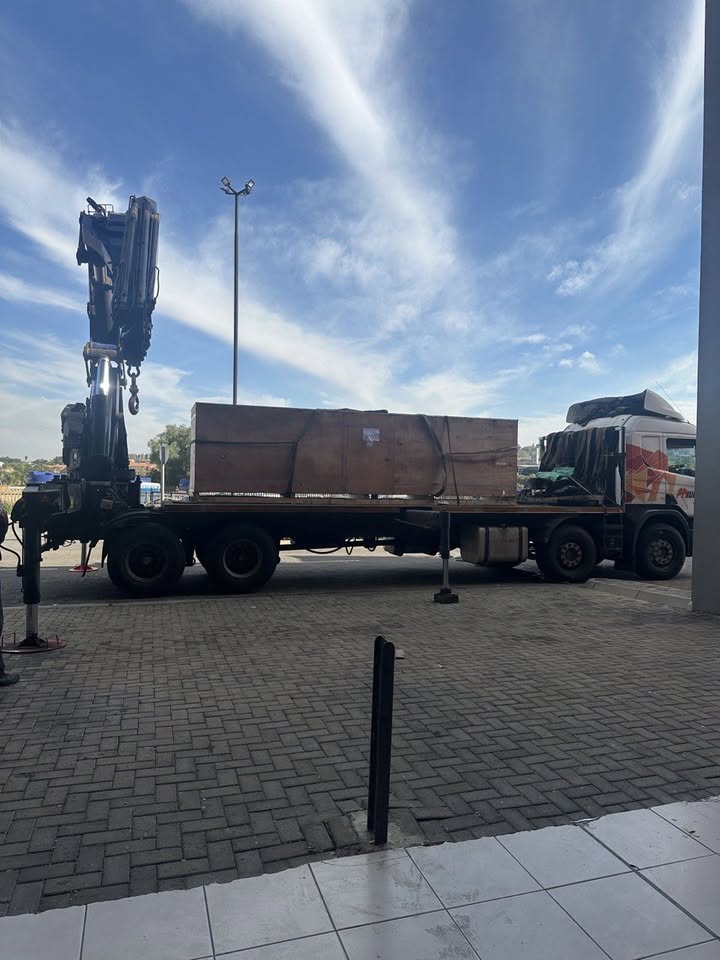
12 Heads Embroidery Machine
Toilet Paper Machine Machine
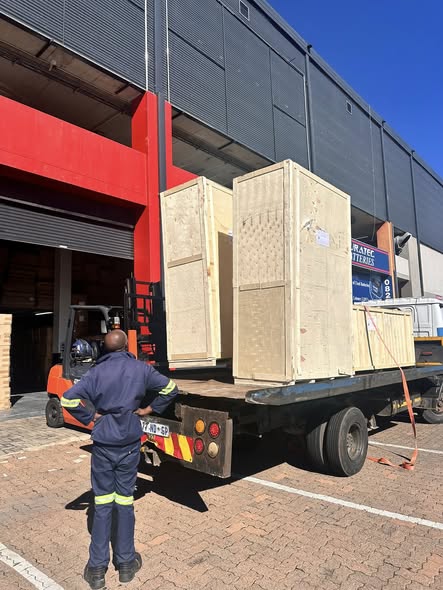
Order Collection
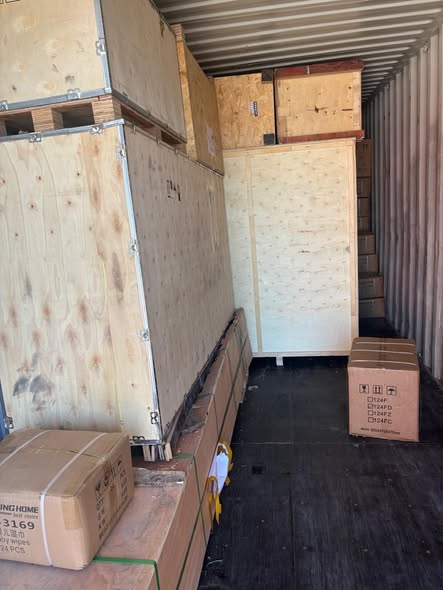
Cross Border Clients
Order cros border countries Collected
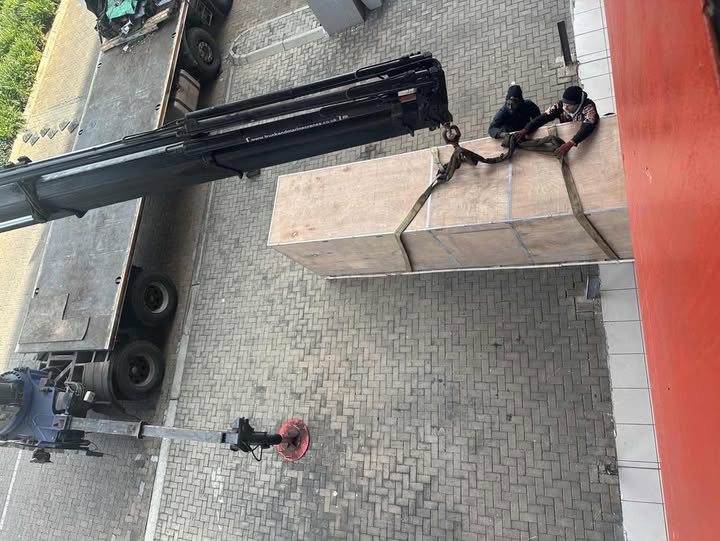
Industrial Machine Cllection
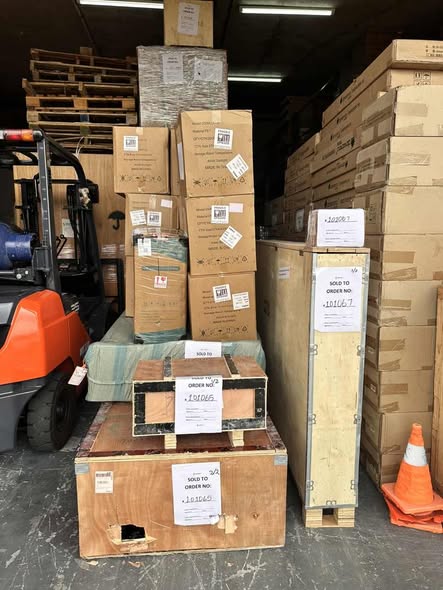
Agriculture Processing Machines
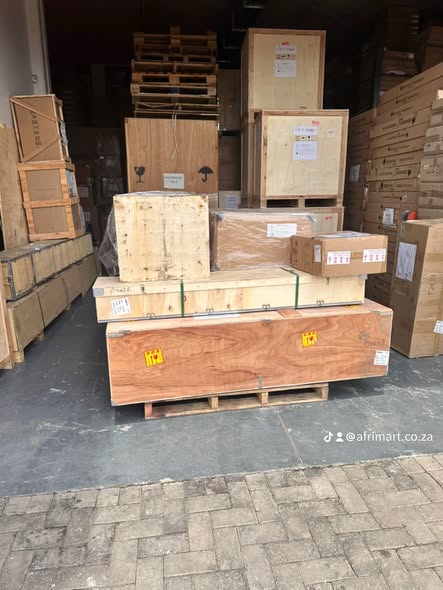
Ready for collection
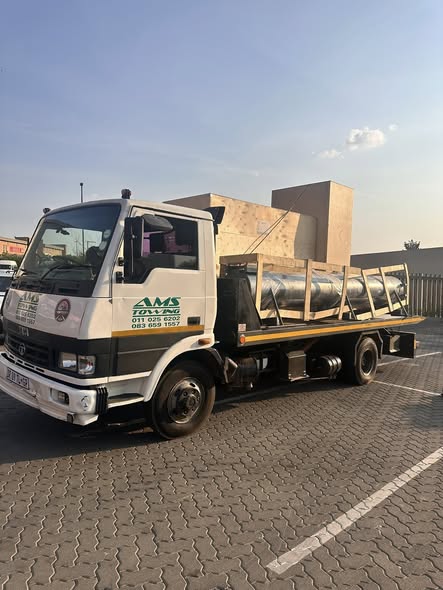
Water Pump Equipment
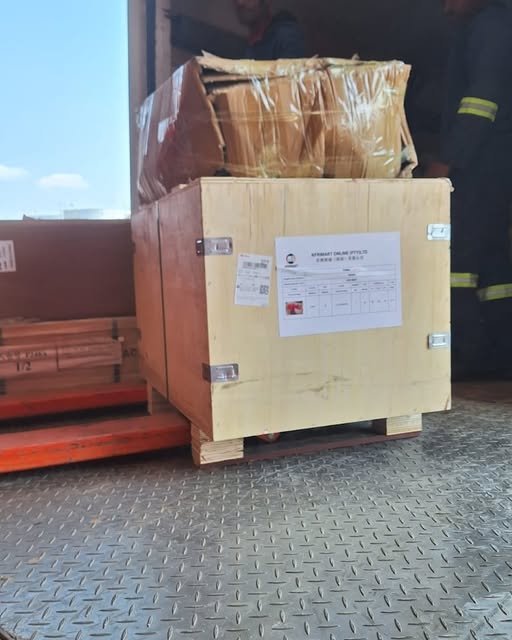
Packaging Machine and accessories
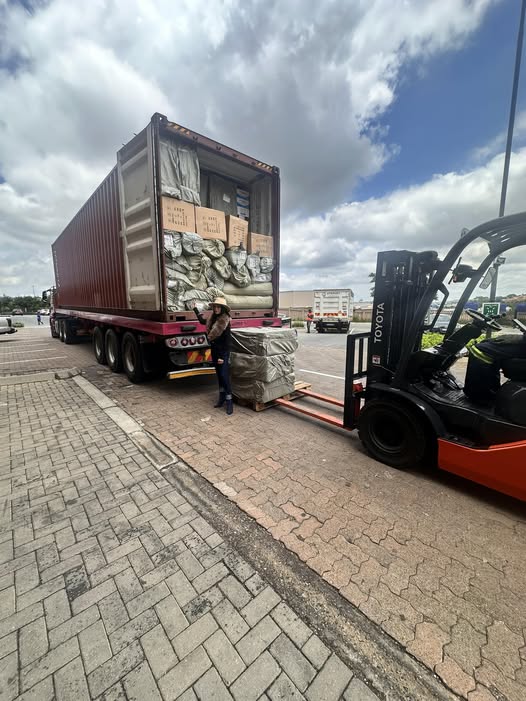
Fabrics Manufacturing Equipment
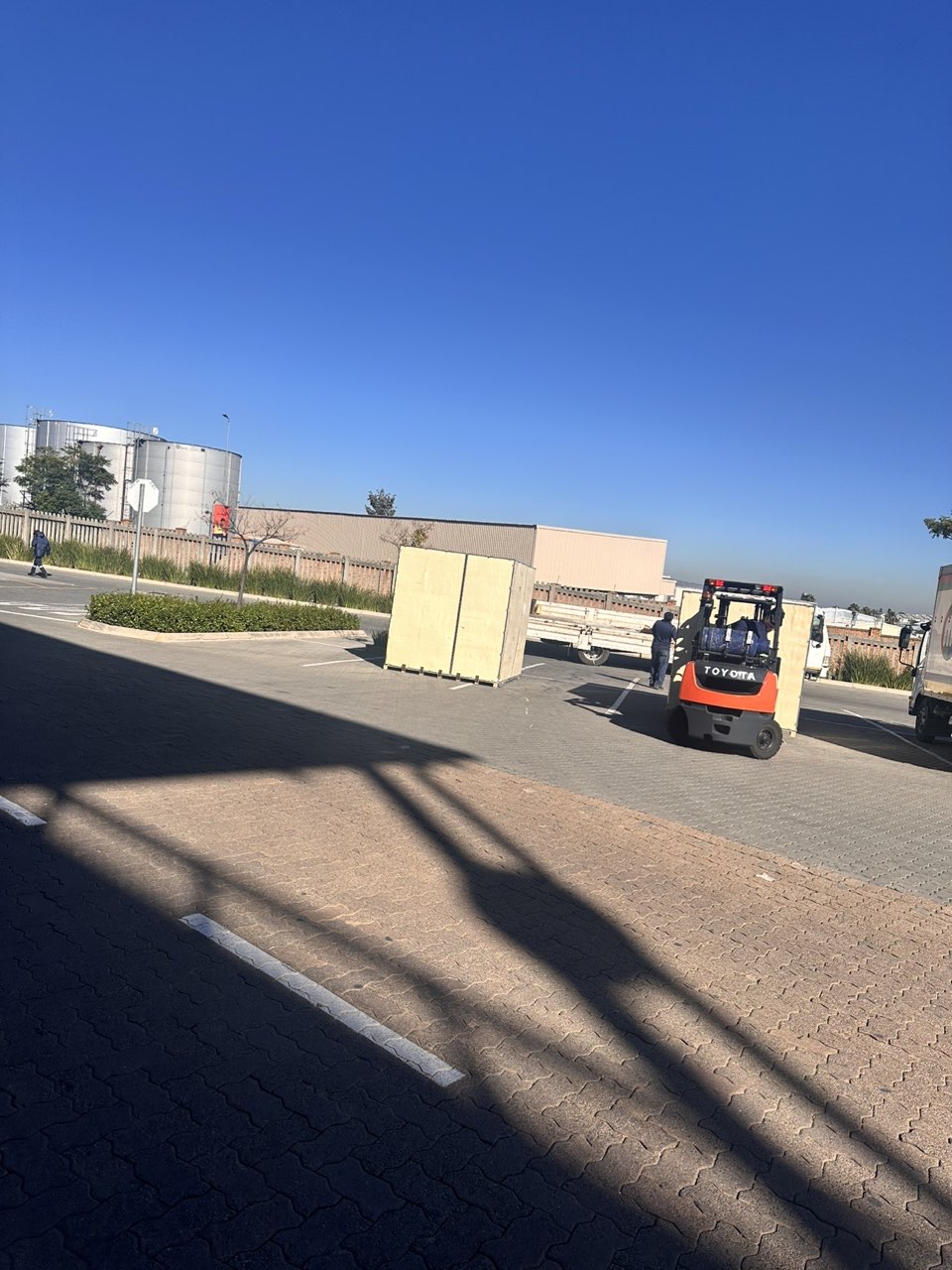
Mining Equipments
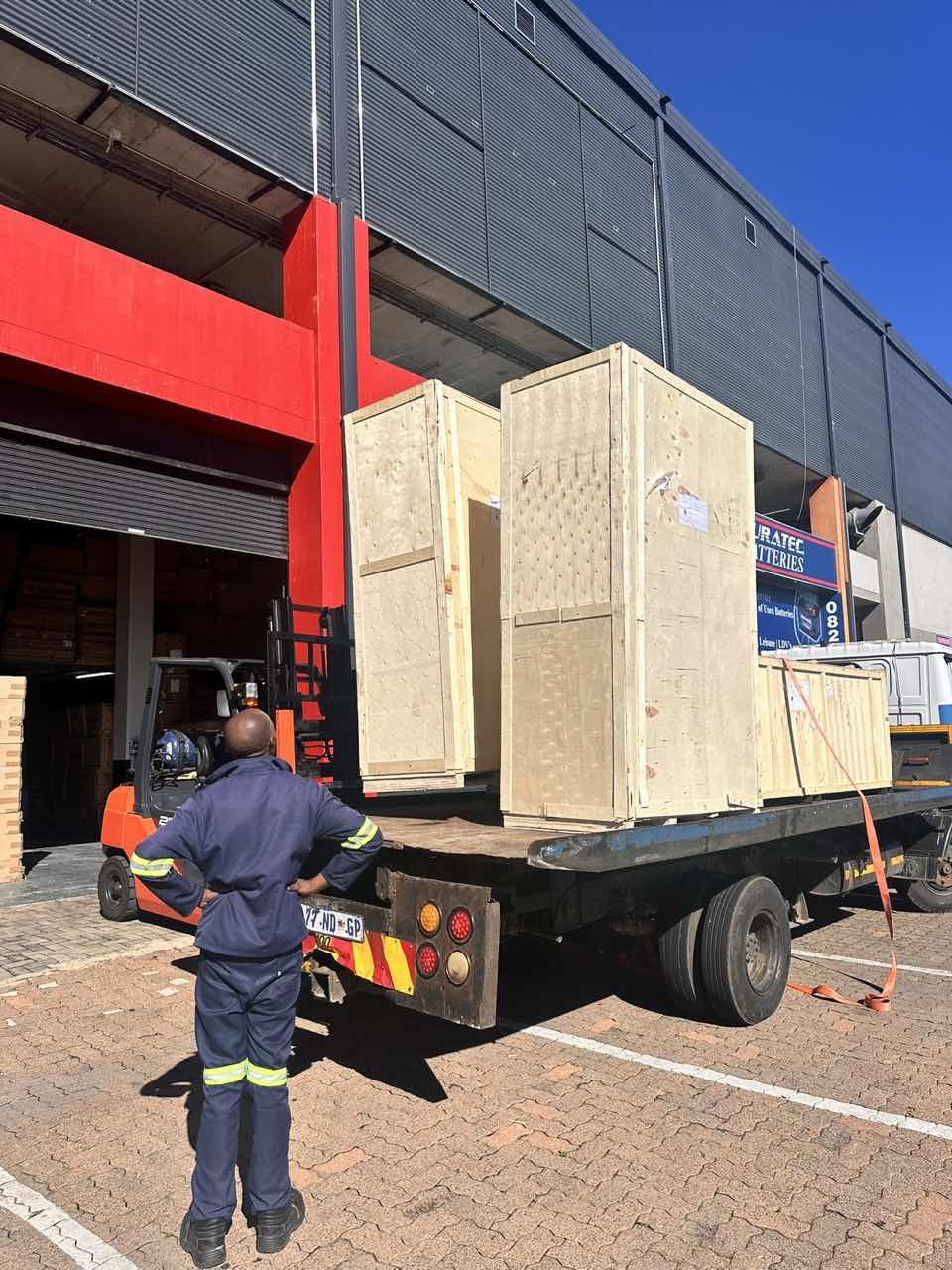
Food Processing Machine
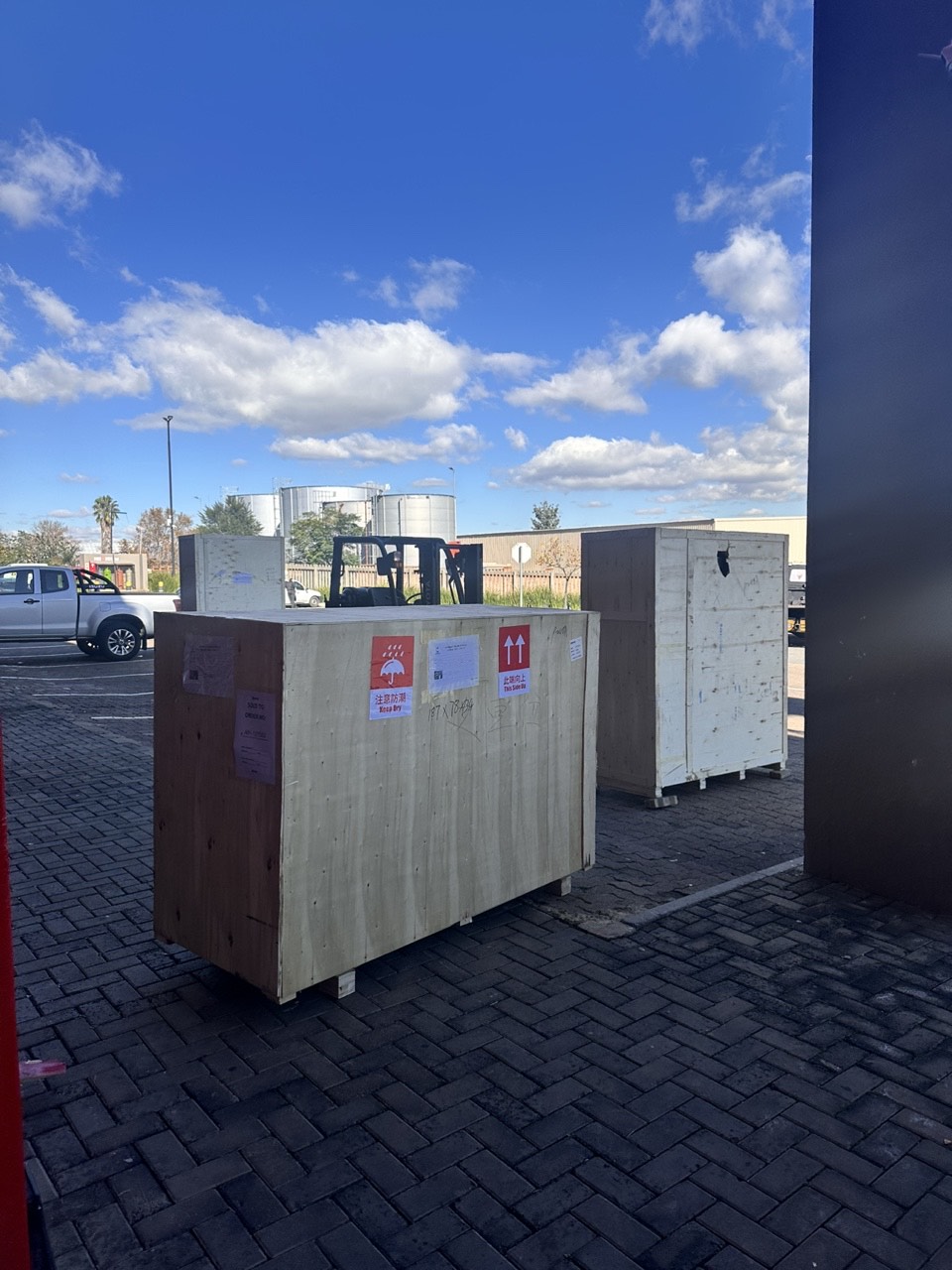
Batch of Orders
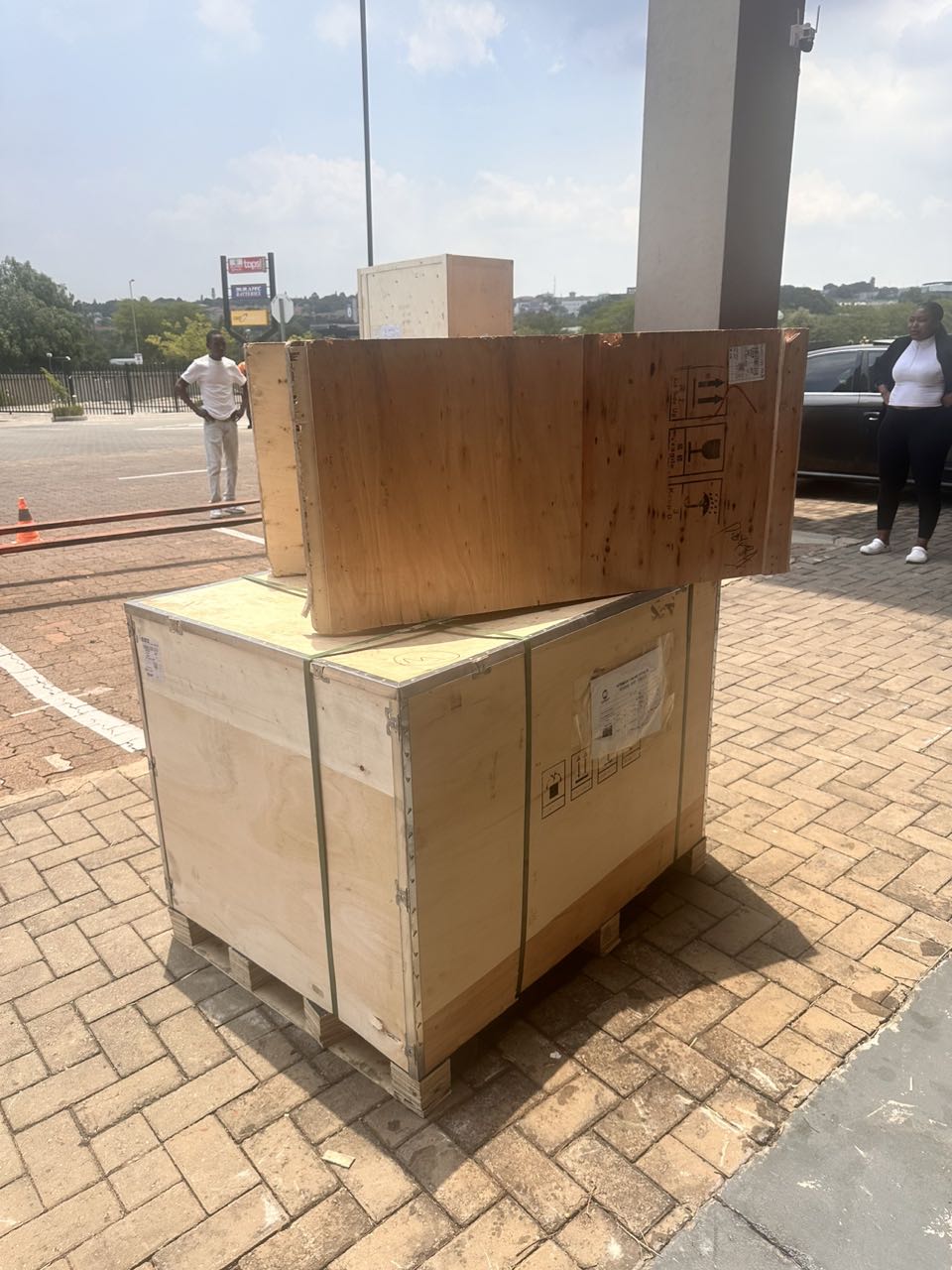
Batch of Orders
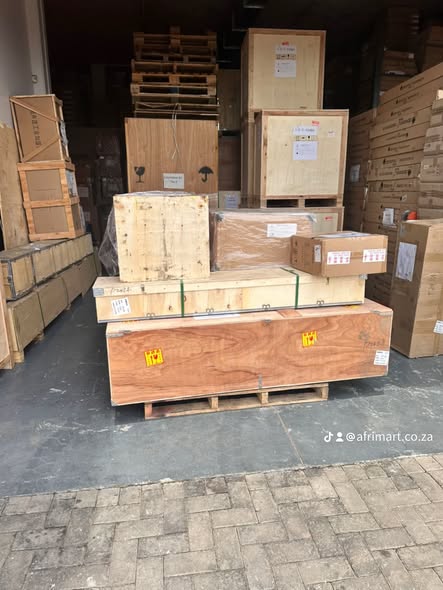
Latest Orders Labelled
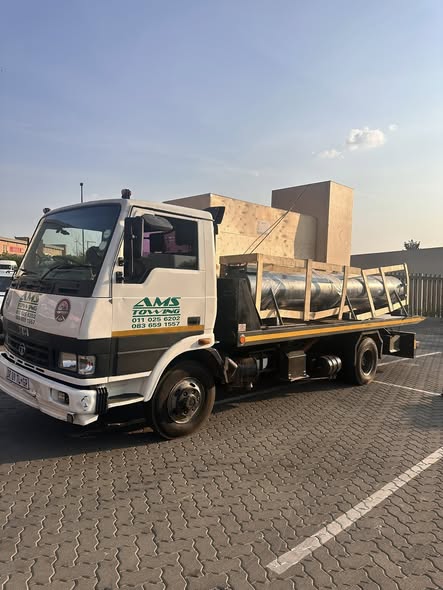
wheel alignment machines
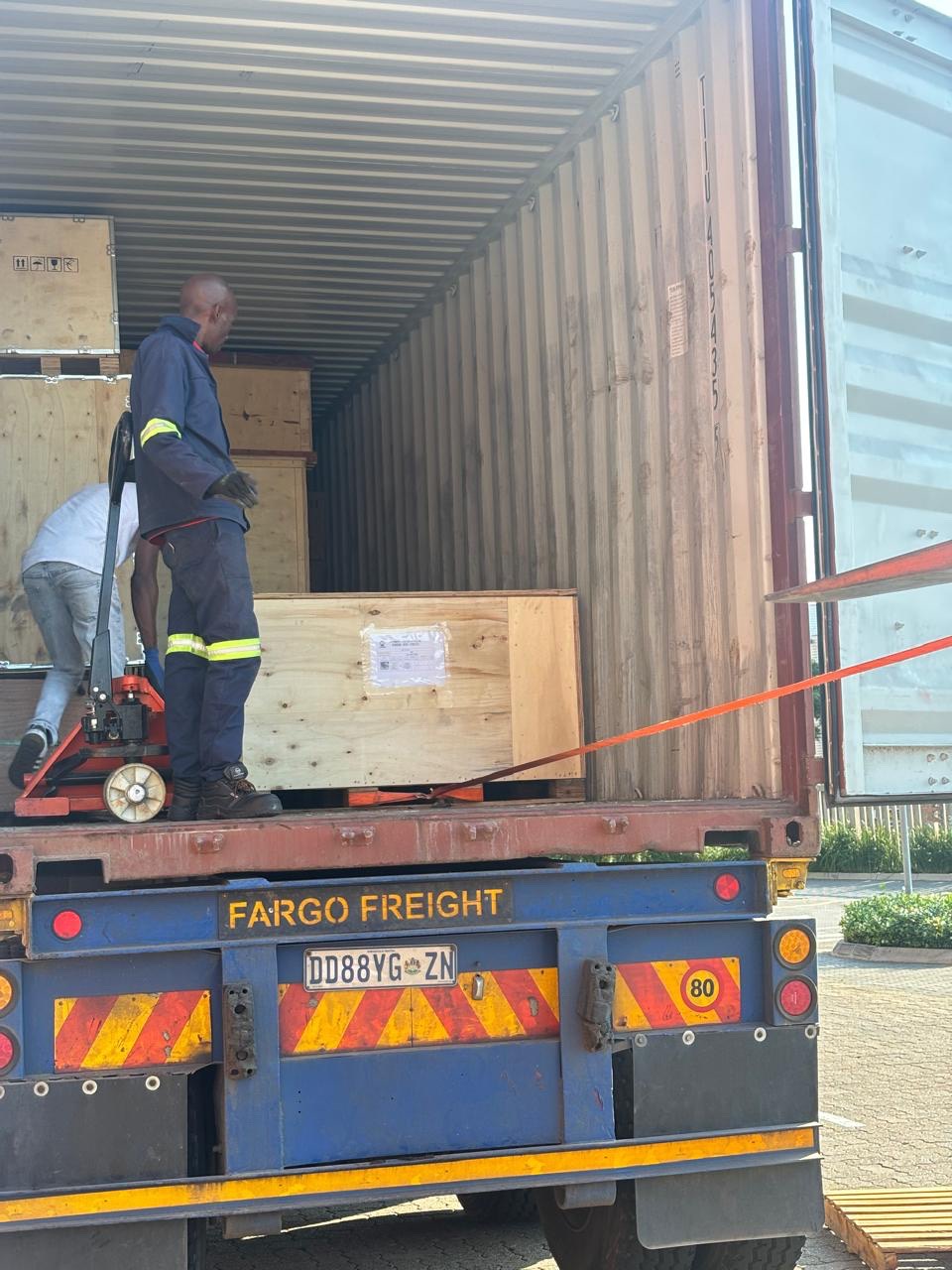
new arrivals
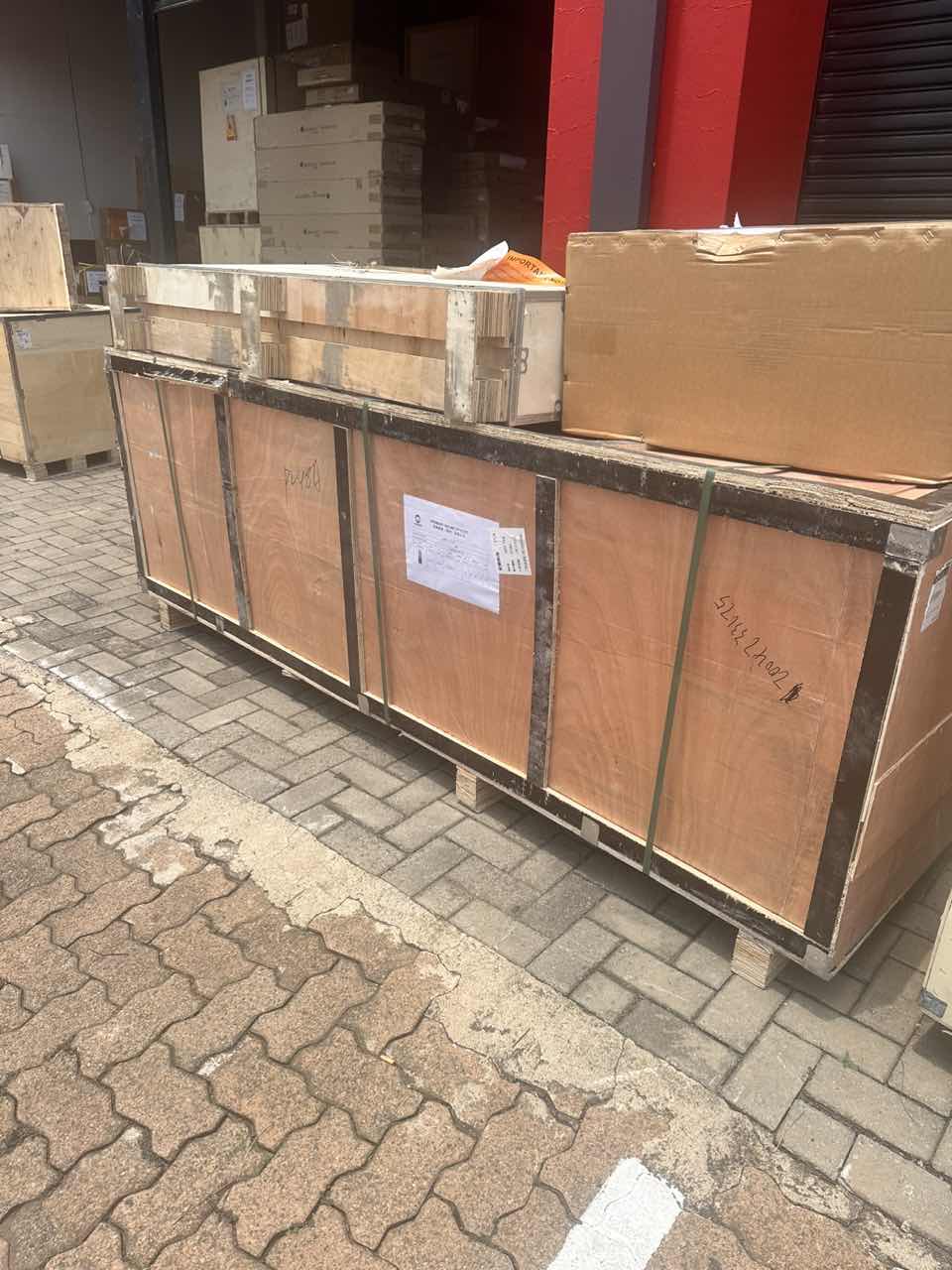
Pre Orders Offloading
Latest Arrivals
Latest Arrivals
Latest Arrivals
Loading
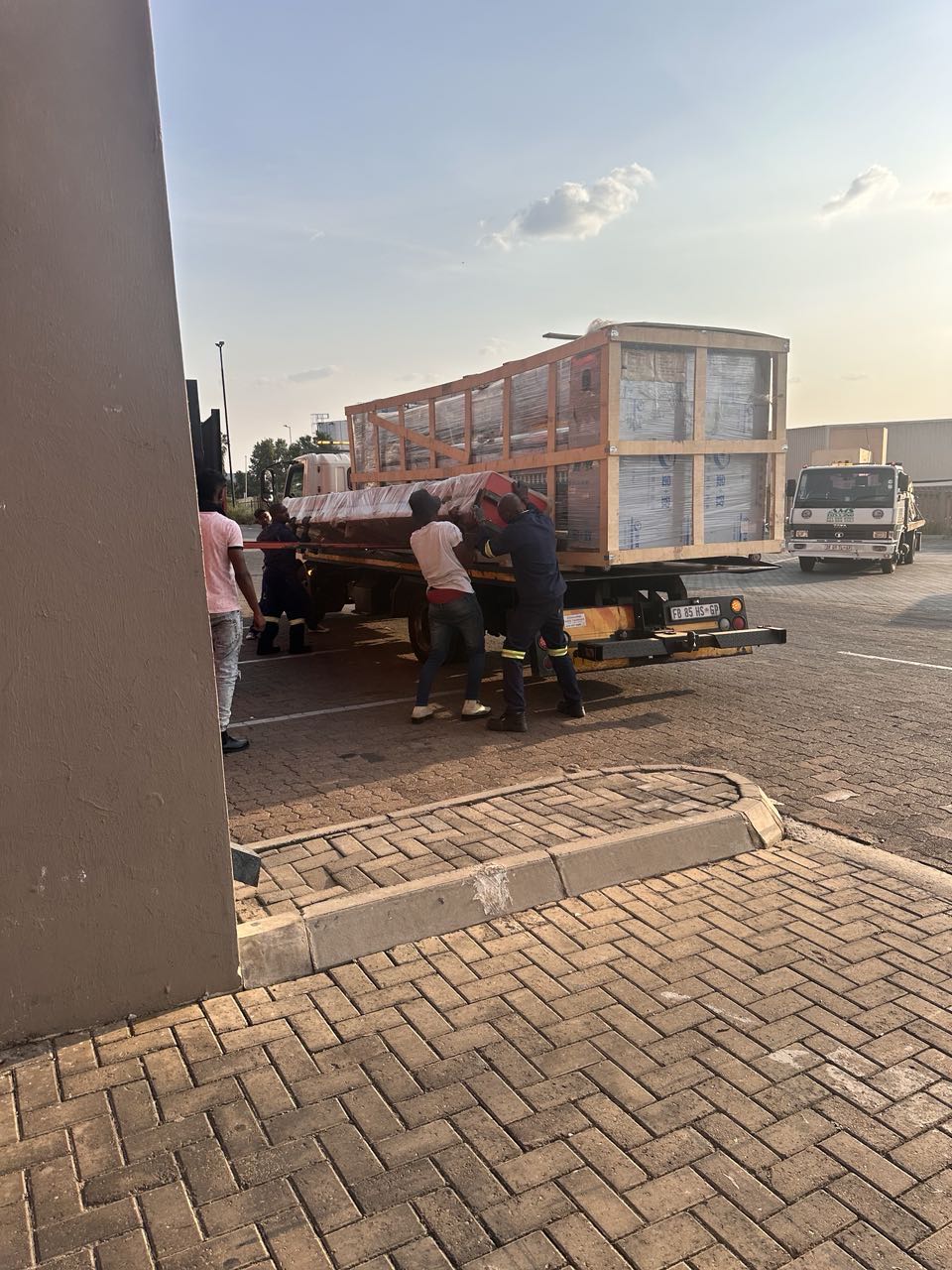
Toilet paper making machine
Toilet paper making machine
Toilet paper Rewinding Machine
latest arrivals
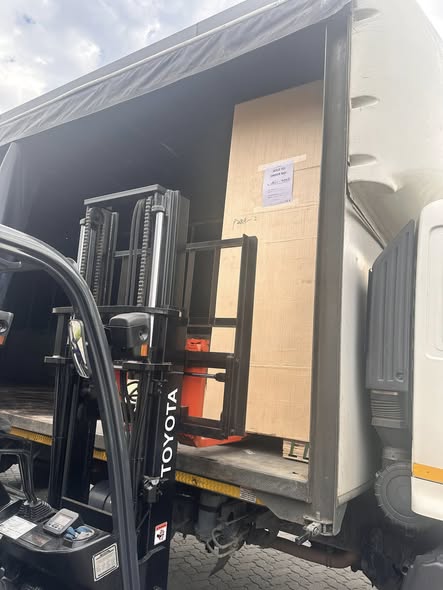
offloading
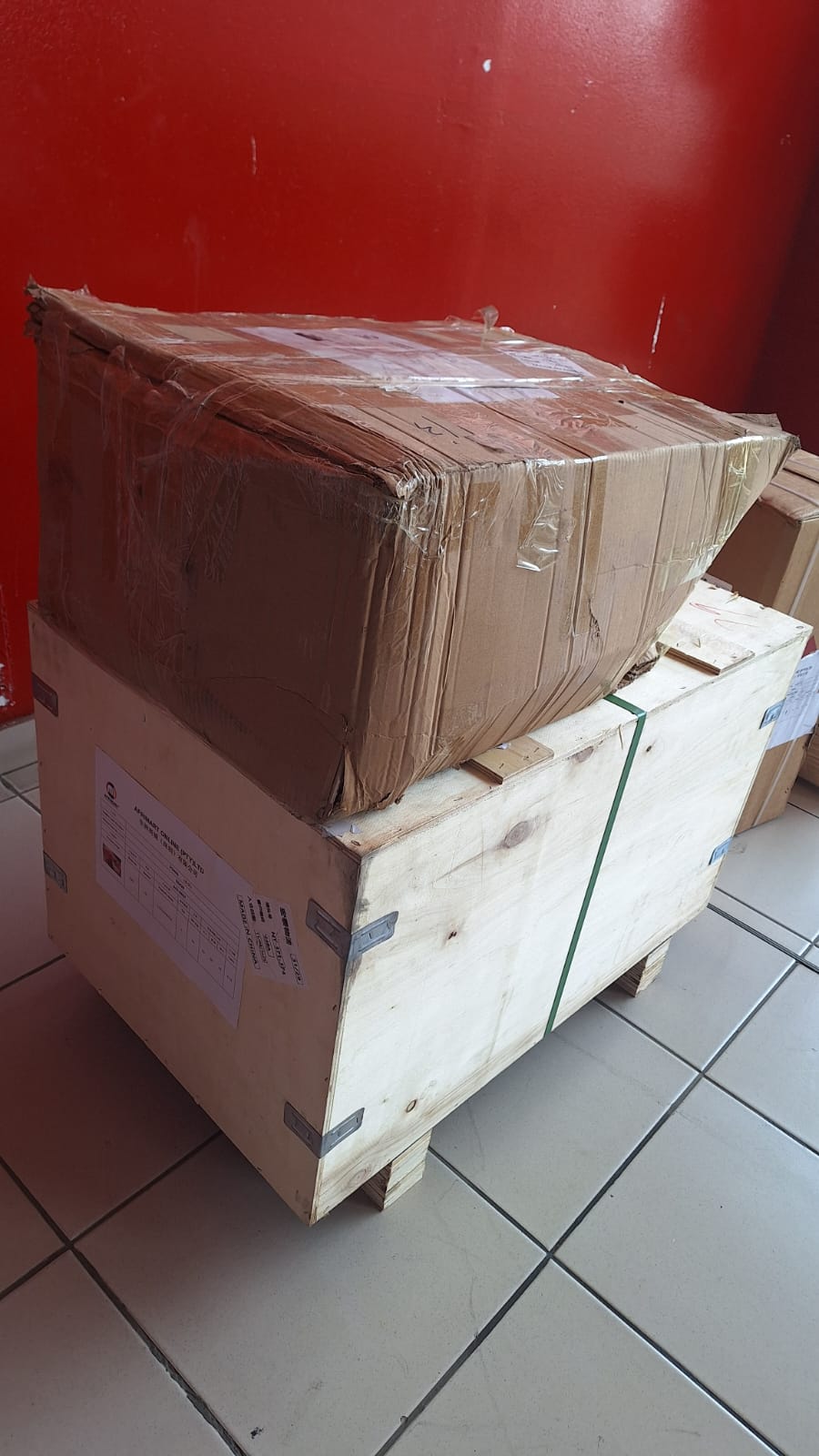
order success
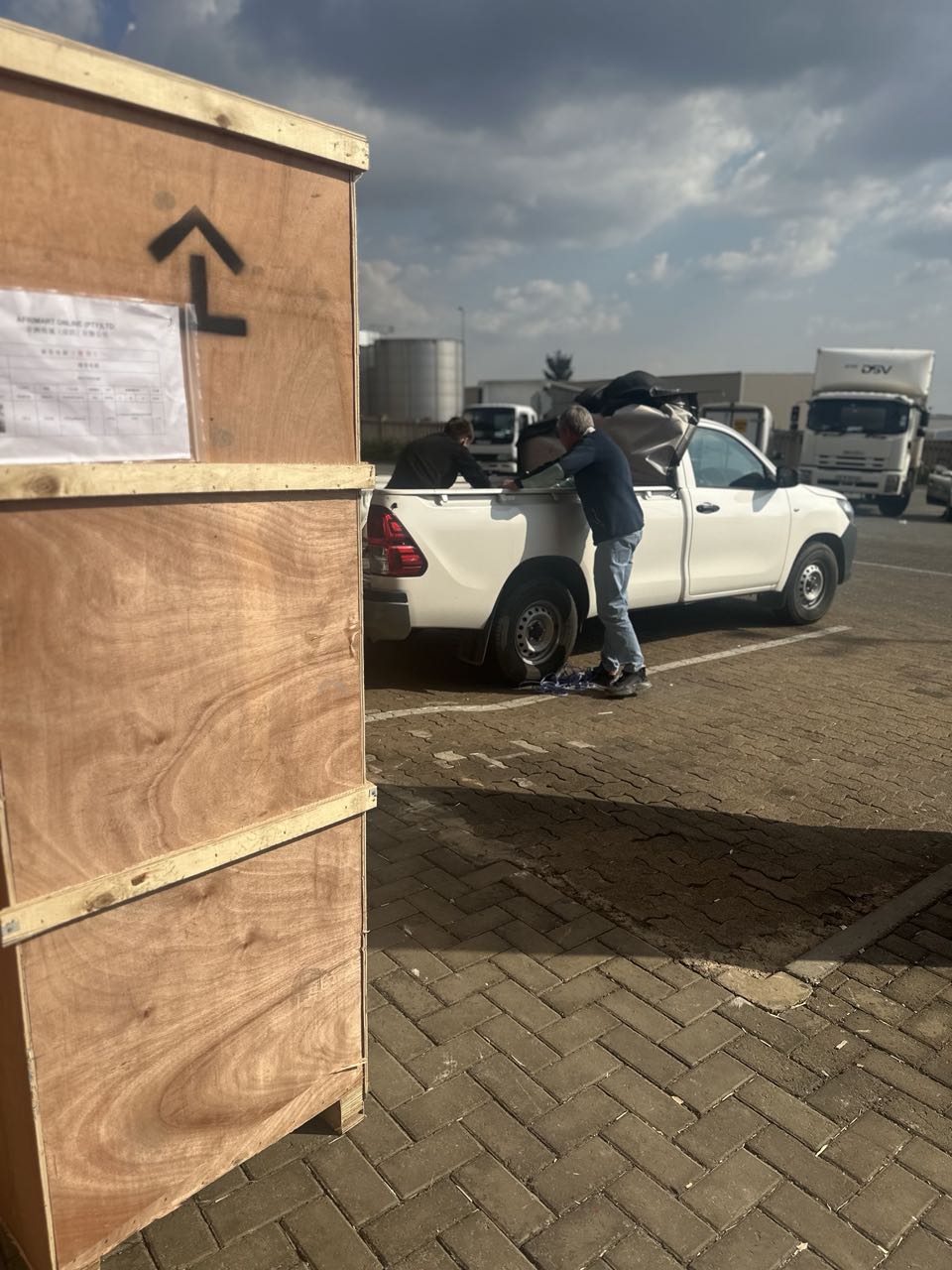
order collection
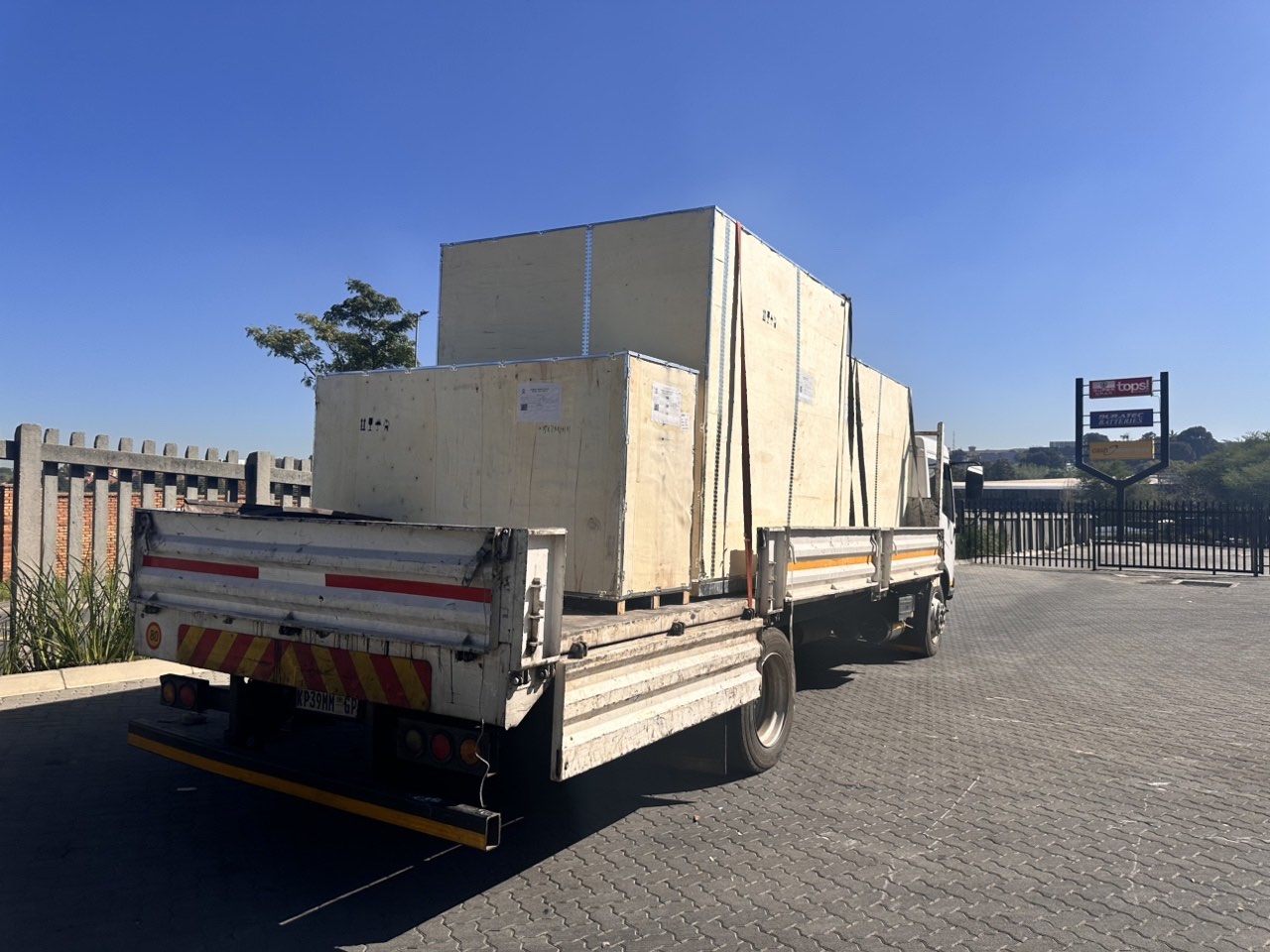
order offloading