B21, China Town Mall, Midrand

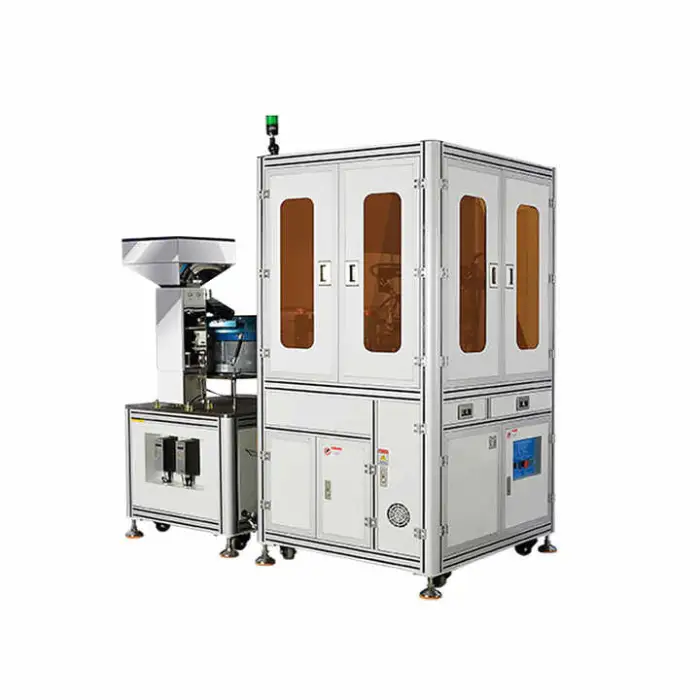
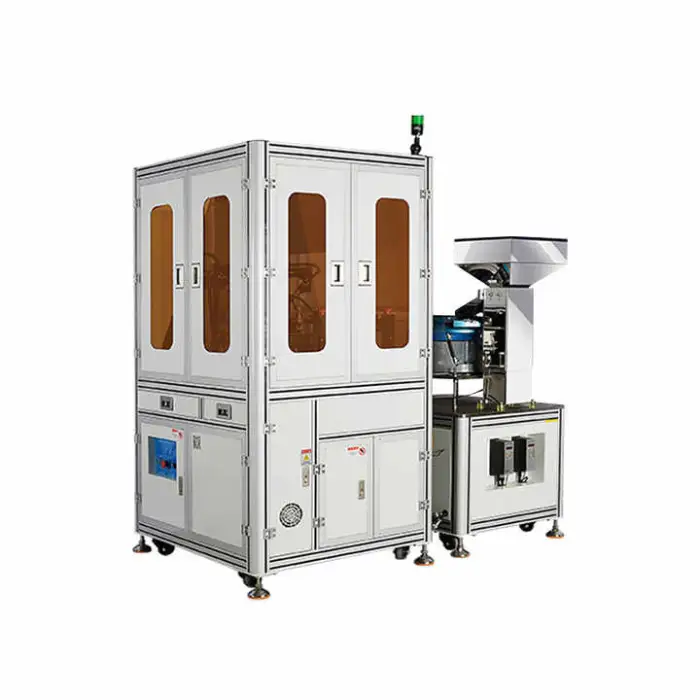
Thread Screw Visual Measuring Equipment Optical Sorting Machine 360-degree Optical Image Screening Machine

- Section : Consumer Electronics
- Category : Testing Equipment
- SKU : 1600867205707

Thread Screw Visual Measuring Equipment Optical Sorting Machine - 360-degree Optical Image Screening Machine
The 360-degree Optical Image Screening Machine is a powerful tool designed for precise measurement and sorting of thread screws. This state-of-the-art optical sorting machine uses advanced technology to provide clear and detailed images for accurate results. With its robust design and user-friendly interface, it is perfect for various testing applications.
Specifications
| Attribute | Details |
|---|---|
| Brand Name | Hongjin |
| Product Name | 360-degree Optical Image Screening Machine |
| Material | Steel Material |
| Display | Touch Screen |
| Usage | Universal Testing Equipment |
| Power Supply | AC220V, 50Hz |
| Weight | 700kg |
| Selling Units | Single item |
| Single Package Size | 80X50X30 cm |
| Single Gross Weight | 5.000 KG |
Key Features
- Customized support for OEM, ODM, and OBM.
- High-quality steel material for durability.
- User-friendly touch screen for easy operation.
- Designed for universal testing applications.
- Comprehensive 360-degree optical image screening capability.
Applications
- Quality control in manufacturing processes.
- Sorting and measuring various types of screws.
- Inspection of threaded components for accuracy.
- Research and development in engineering fields.
- Testing and analysis in laboratories.
Product Info Gallery
- Shipping Timeframes: All orders are processed within 2-5 business days (excluding weekends and holidays). After your order has been processed, the estimated delivery time is before 30 May, 2026, depending on customs, Please note that due to high demand, some items may experience longer shipping times, which will be communicated at order confirmation email.
- Order Processing Time: Please allow 2-5 business days for us to process your order before it is shipped . Orders placed after 16:00 on Fridays, or during weekends and public holidays, will begin processing on the next business day. Processing times may be extended during peak seasons or sales events.
- Manufacturing Time: Some products needs manufacturing time, the manufacturing process will take approximately 10-30 business days depending on the product. This timeframe may vary depending on the complexity of the product and current demand. but this will be communicated with you during order confirmation.
- Returns and Exchanges: We offer a 30-day return policy for most items. If you are not completely satisfied with your purchase, you may return it within 30 days of receipt for a refund or exchange. Items must be unused, in their original packaging, and accompanied by proof of purchase. Return shipping costs are the responsibility of the customer, unless the item was damaged or defective upon arrival.
1. What is the primary function of the 360-degree Optical Image Screening Machine?
It captures 360-degree optical images of threaded fasteners (screws) to perform precise visual measurement and automated sorting based on dimensional, surface and thread-quality criteria.
2. What types and sizes of screws can this machine inspect?
The machine is designed to inspect a wide range of threaded fasteners. Exact size and type ranges depend on the fixturing, camera/lens configuration and software recipe. Contact the manufacturer with sample parts for a capability assessment and recommended fixtures.
3. What measurement and inspection features does it provide?
Typical inspections include outer/major/minor diameter checks, thread pitch and form analysis, concentricity, profile and contour measurement, burr and surface-defect detection, and presence/absence verification. Specific measurable features depend on optics and software settings.
4. What are the machine's power and hardware specifications?
Standard power is AC 220V, 50Hz. The frame is steel construction with a touch-screen display. For detailed mechanical dimensions, load-bearing floor requirements and electrical details, request the full specification sheet from the supplier.
5. The spec sheet lists weight 700 kg but single gross weight 5.000 KG and small package size—are these correct?
Those packaging entries appear inconsistent with the machine weight. The machine itself is heavy (approximate installed mass reported as ~700 kg). Packaging dimensions and gross weight should be confirmed with the manufacturer or seller prior to shipping and installation.
6. How is data output and integration handled?
The system typically provides result logging and data export (CSV/Excel) and can integrate with factory systems via Ethernet/serial/PLC links or custom APIs. Exact communication protocols and formats should be confirmed and can often be customized under OEM/ODM agreements.
7. What is the throughput (pieces per hour)?
Throughput depends on part size, inspection criteria, feeding method and sorting/rejection timing. Depending on configuration, the machine can range from hundreds to thousands of parts per hour. Provide your target throughput and part samples for an accurate estimate.
8. Does the machine require special feeders or accessories?
For automated operation you will typically need a part feeder (vibratory bowl, conveyor or robotic feed), rejection bins and possibly part-orientation fixtures. These accessories can be supplied or integrated as part of an OEM/ODM solution.
9. How accurate and repeatable are the measurements?
Measurement accuracy and repeatability depend on camera resolution, optics, working distance, lighting and calibration procedures. The system can achieve high-precision optical measurements; request the model-specific metrology datasheet or factory calibration report for numeric tolerances.
10. What lighting and imaging technologies are used?
The machine uses controlled industrial lighting and high-resolution imaging to capture 360-degree views. Lighting type and configuration (diffuse, coaxial, ring, etc.) are selected to optimize contrast for threads and surface defects and can be tailored by application.
11. Is calibration required, and how often should it be done?
Yes — routine calibration and verification are recommended. Frequency depends on usage and quality requirements; typical practice is an initial factory calibration, daily or weekly verification with reference standards, and periodic full calibration by trained technicians or the vendor.
12. What maintenance is required?
Regular maintenance includes cleaning optics and lenses, checking and adjusting lighting, verifying mechanical fixtures, updating software, and inspecting electrical and mechanical connections. Follow the vendor maintenance schedule and keep records for traceability.
13. Can the software be customized for special inspection rules or acceptance criteria?
Yes — the product supports OEM/ODM customization. Inspection recipes, pass/fail rules, reporting formats and communication protocols can usually be tailored to your production and quality requirements.
14. What safety and installation considerations are there?
Because the machine is heavy, install on a flat, stable floor with sufficient load capacity and space for maintenance. Ensure proper grounding and compliance with local electrical codes. Provide operator training and follow lockout/tagout and other safety procedures.
15. How can I evaluate the machine before purchase?
Request a factory demo, on-site trial, or send sample parts for an application audit. The vendor can run your parts through the system and provide sample reports, throughput estimates and recommended fixtures/configurations.
Latest Order Arrivals
Discover our latest orders
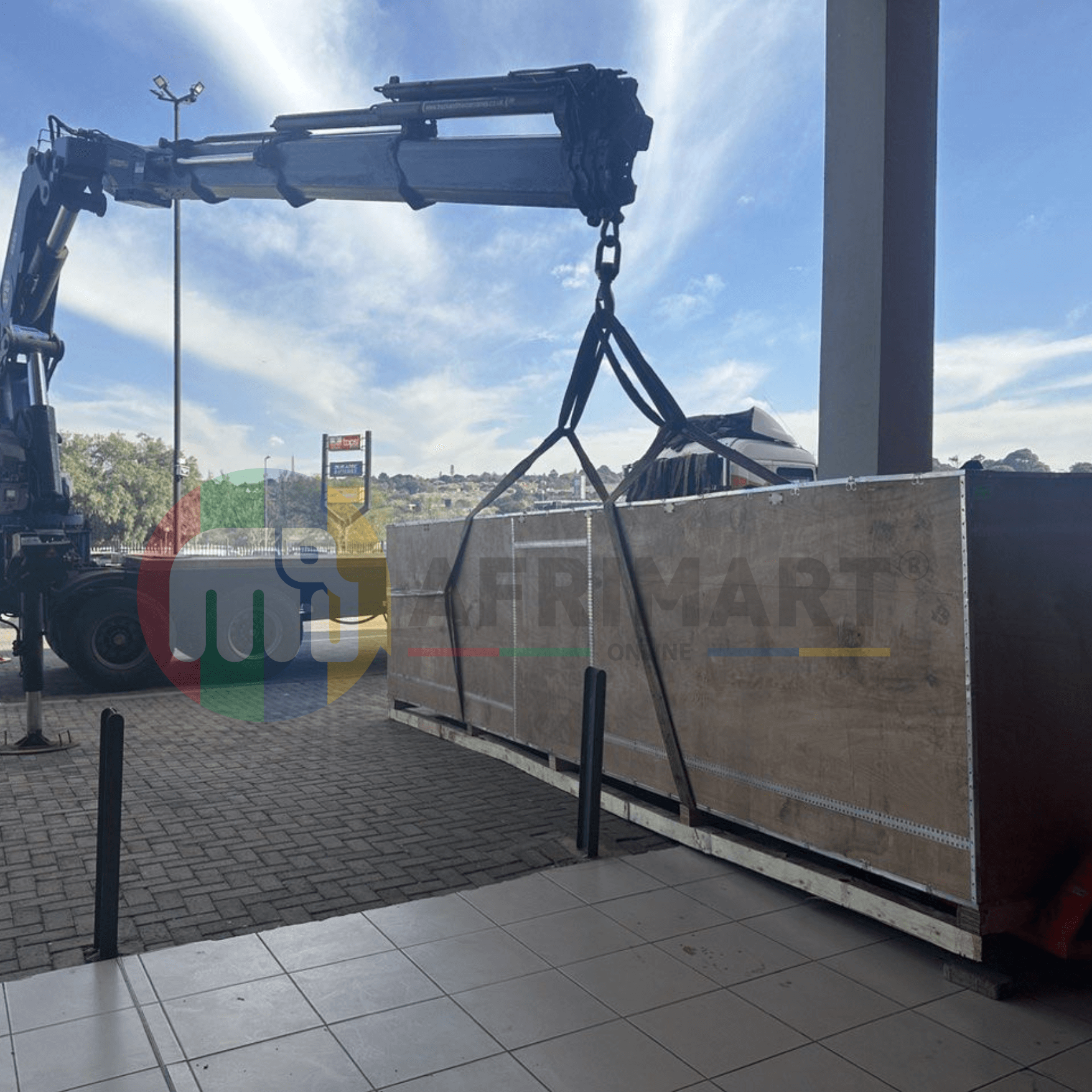
12 Heads Embroidery Machine
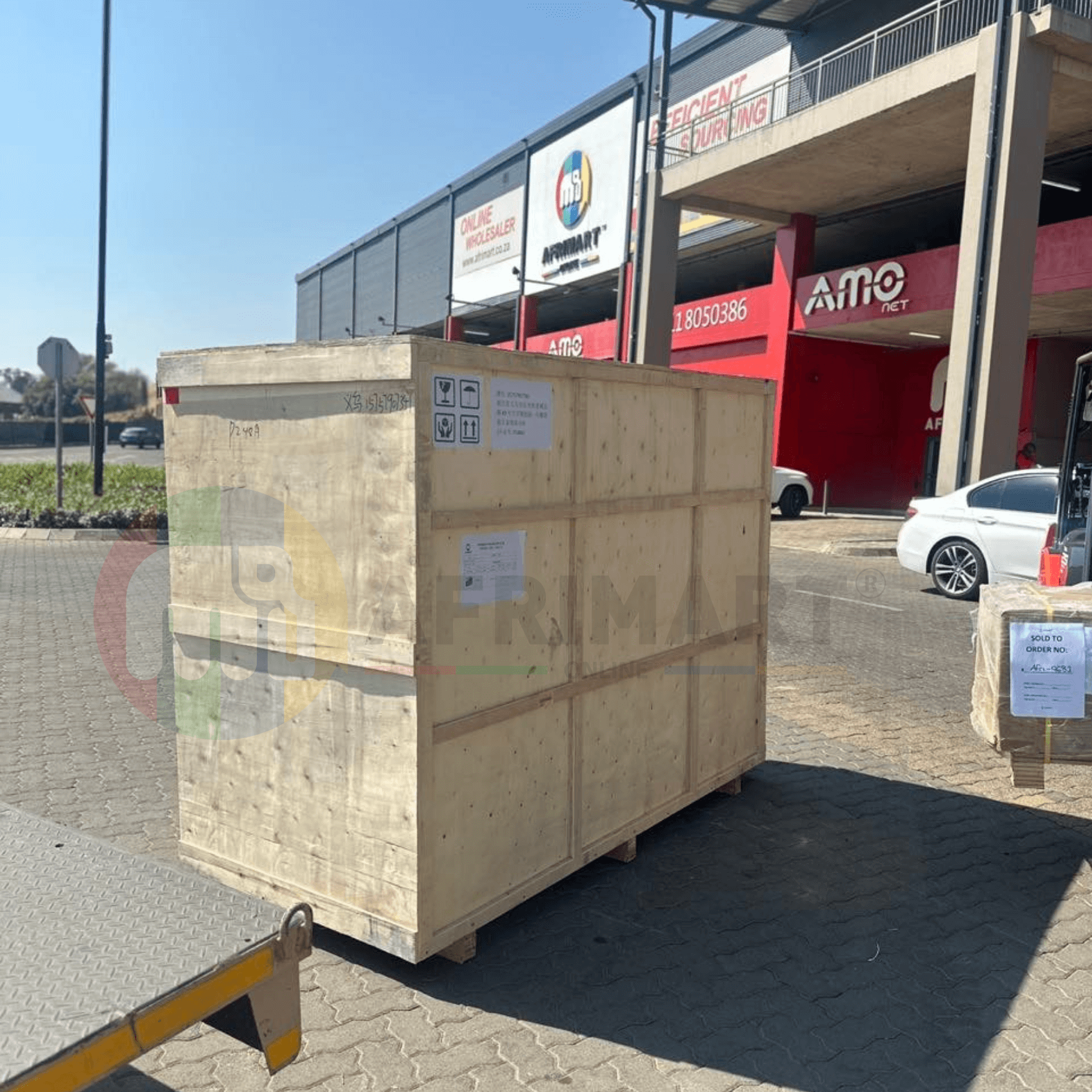
Dewatering Pump Machine
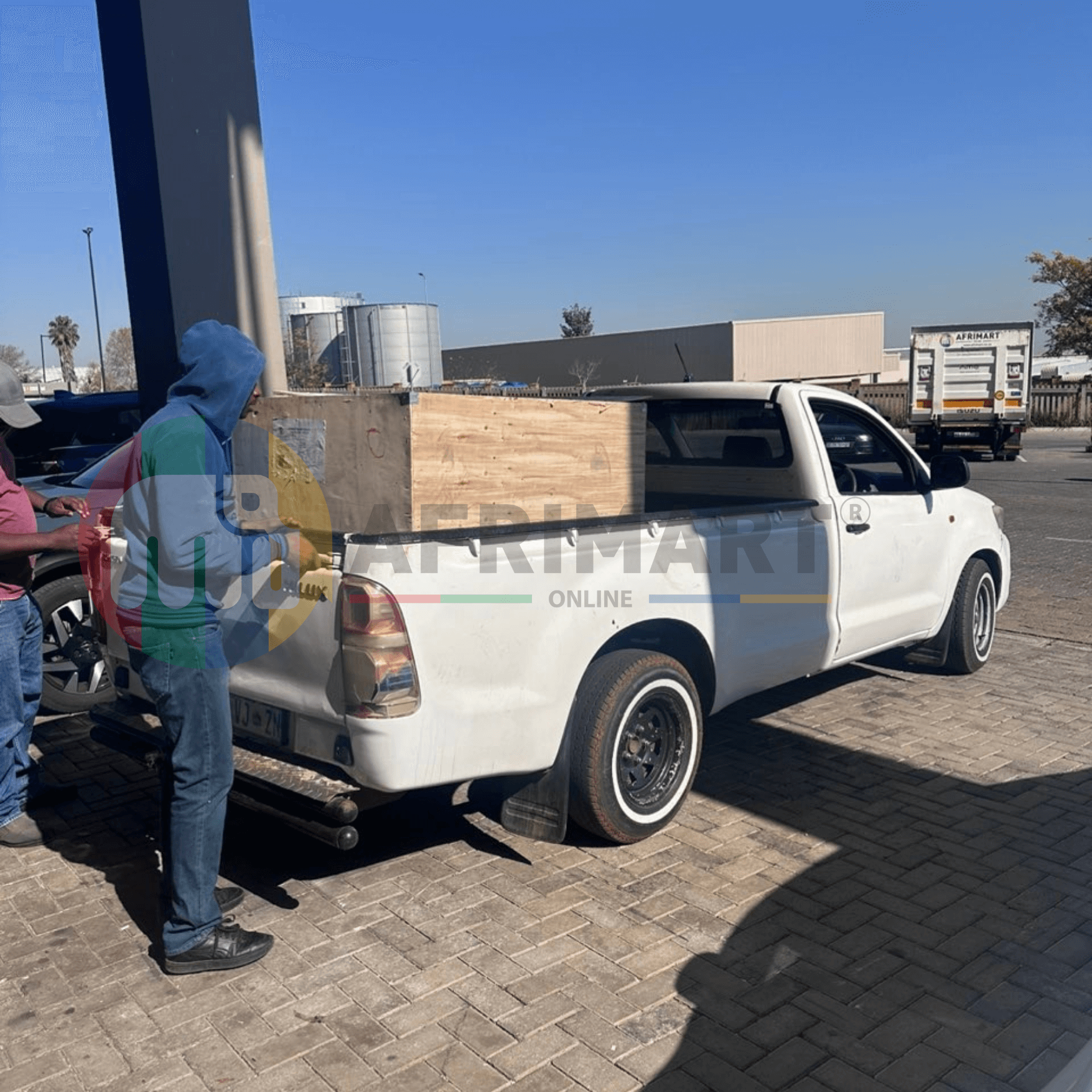
Order Collection
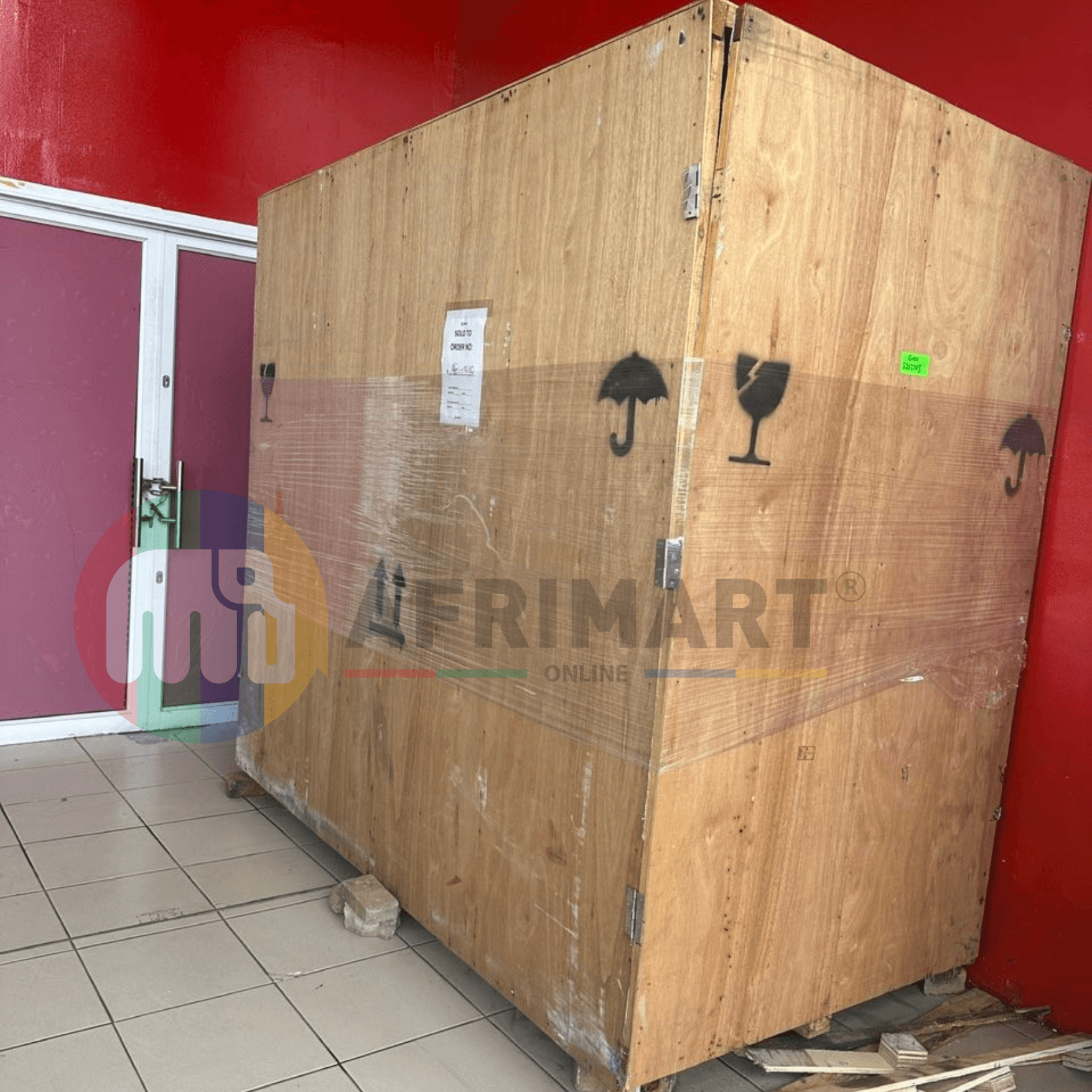
Portable Water Drilling Rig
Order Usefully Collected
Batch of Orders
Agriculture Processing Machines
Meat Grinder Machine
Water Pump Equipment
Packaging Machine and accessories
Fabrics Manufacturing Equipment
Mining Equipments
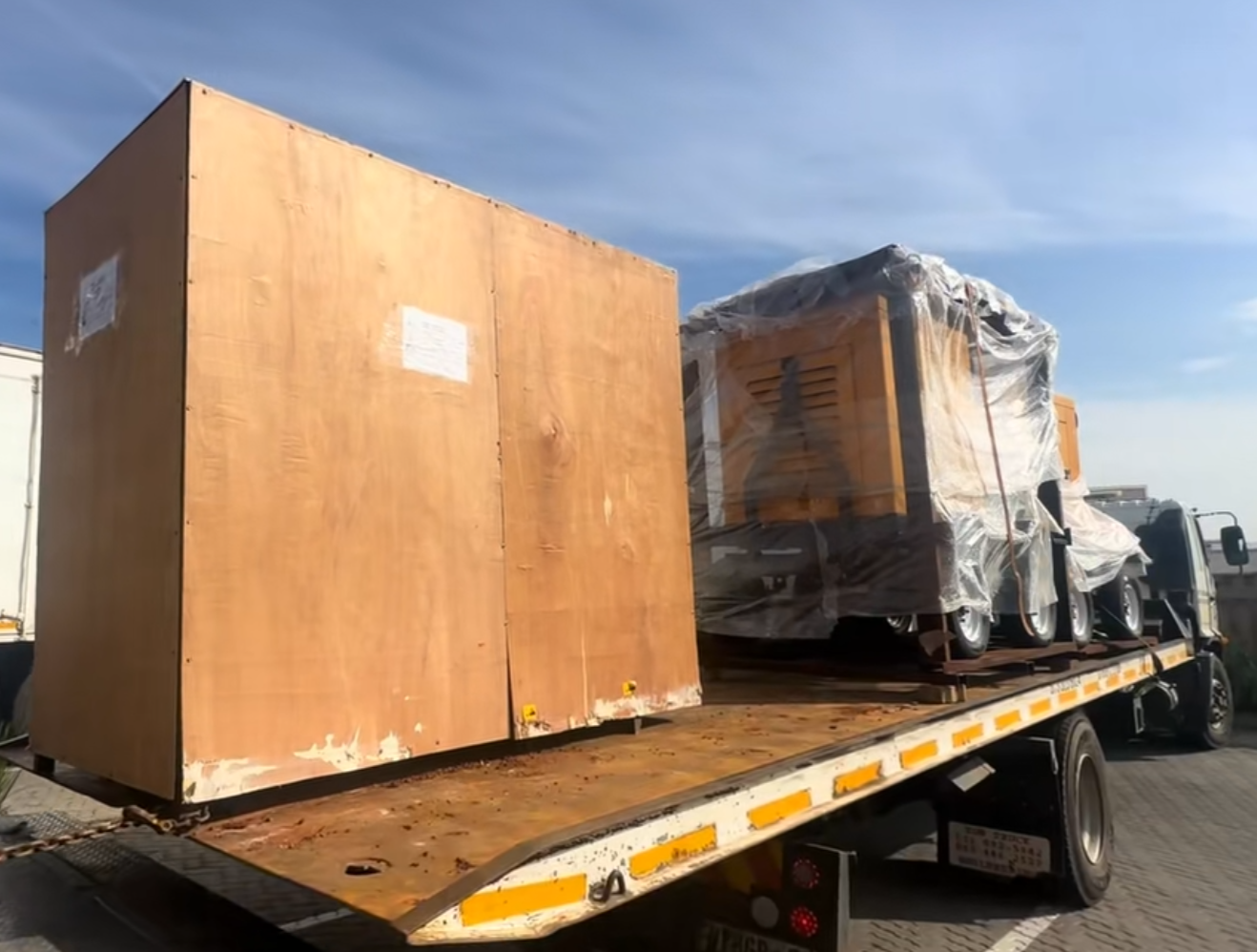
Food Processing Machine
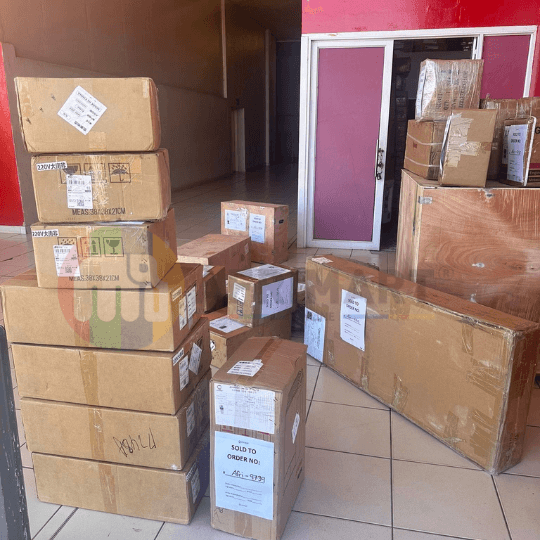
Batch of Orders
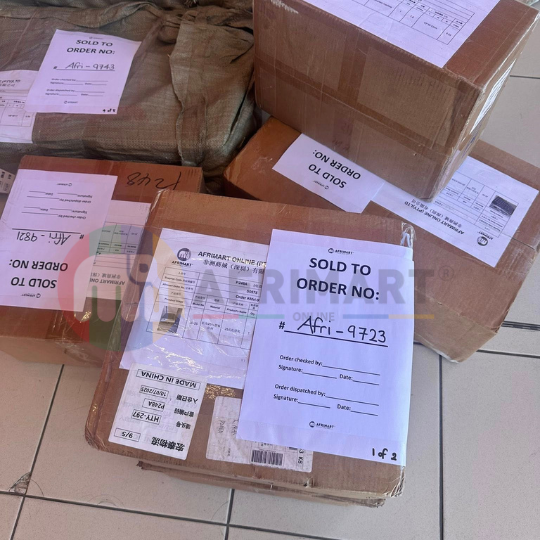
Batch of Orders
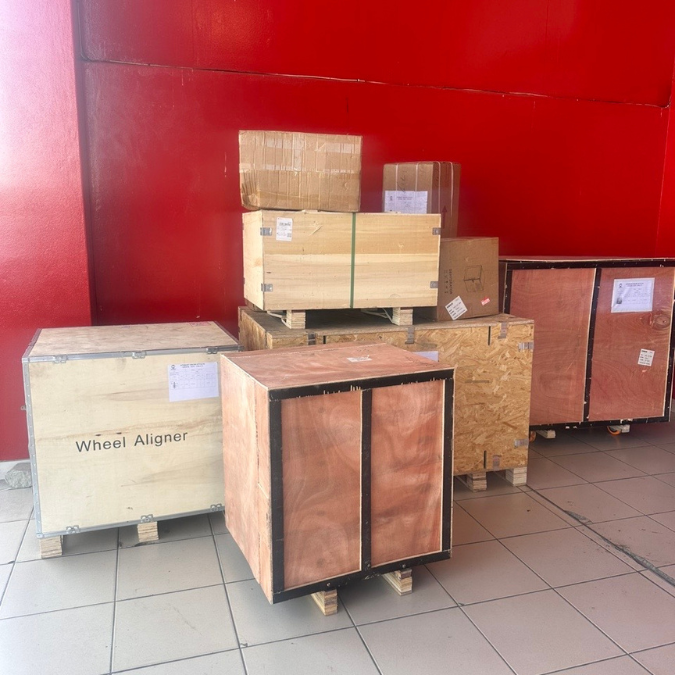
Latest Orders Labelled
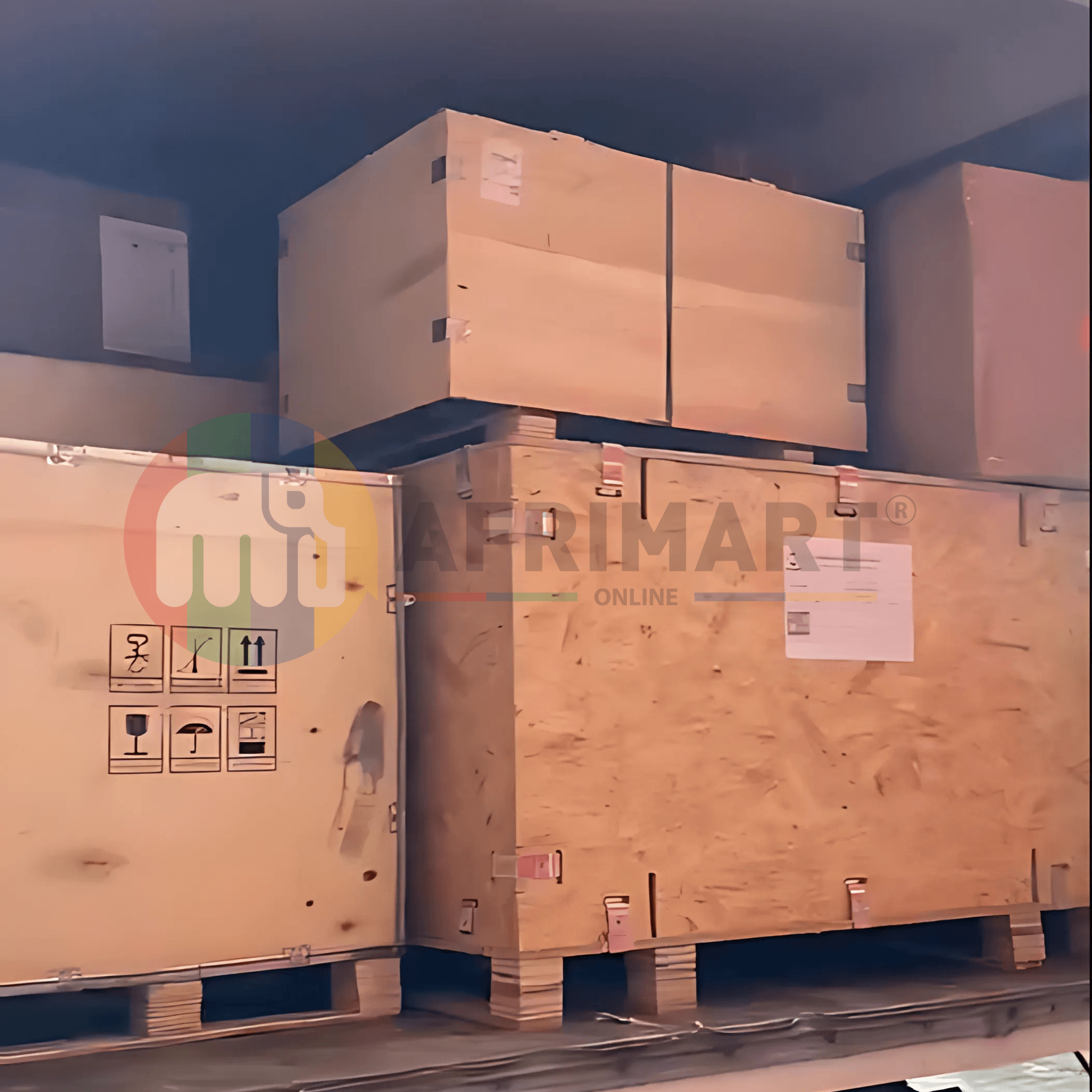
wheel alignment machines
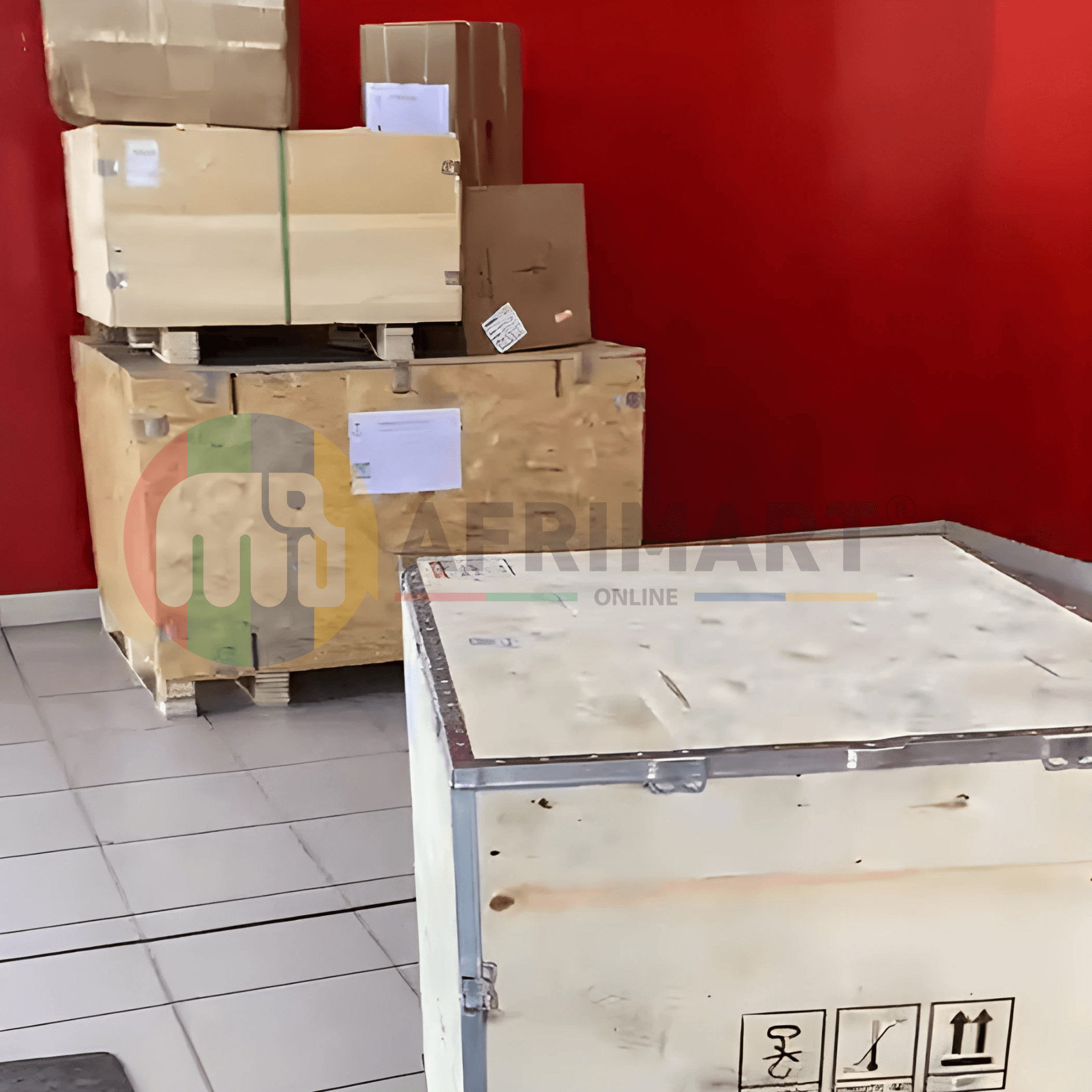
new arrivals
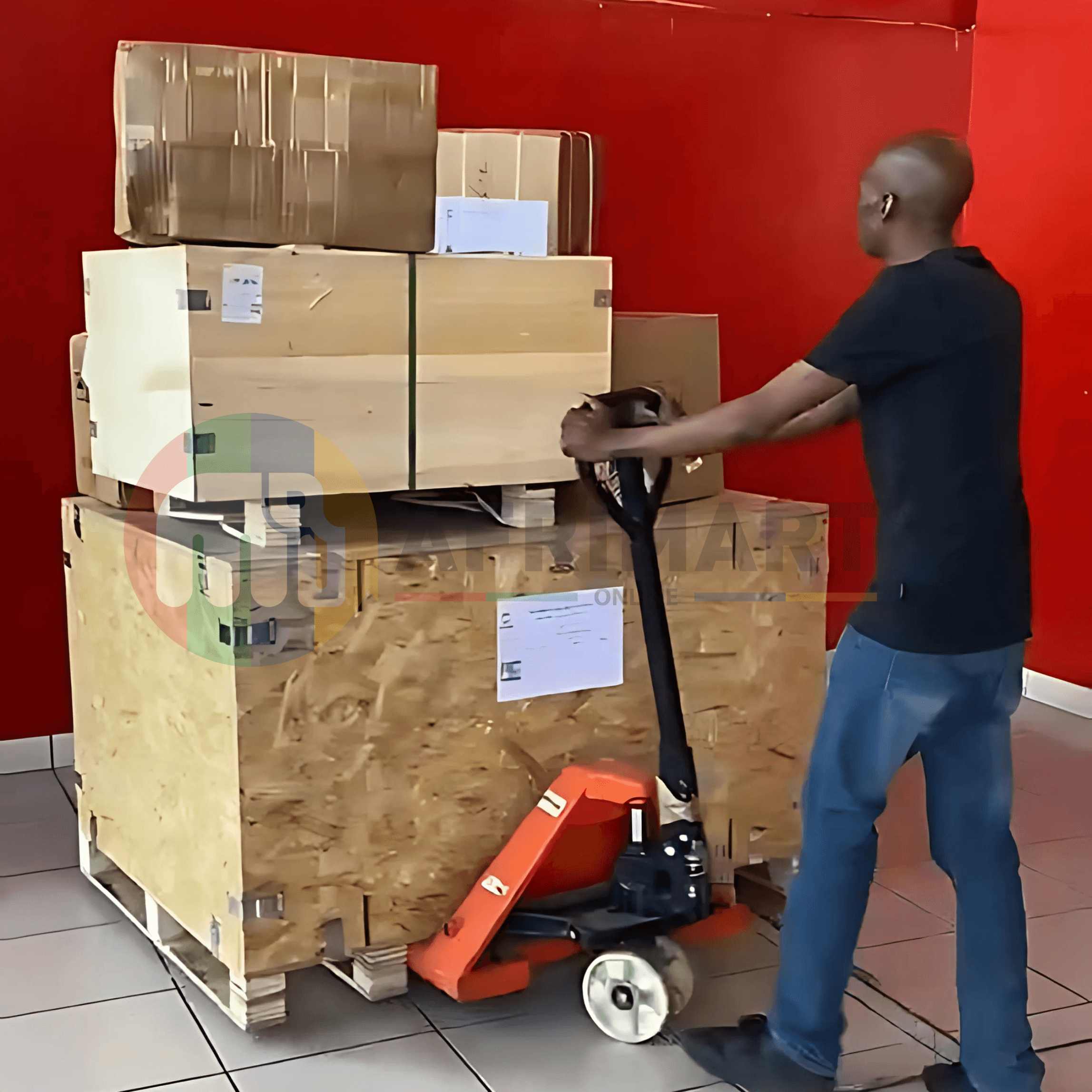
Pre Orders Offloading
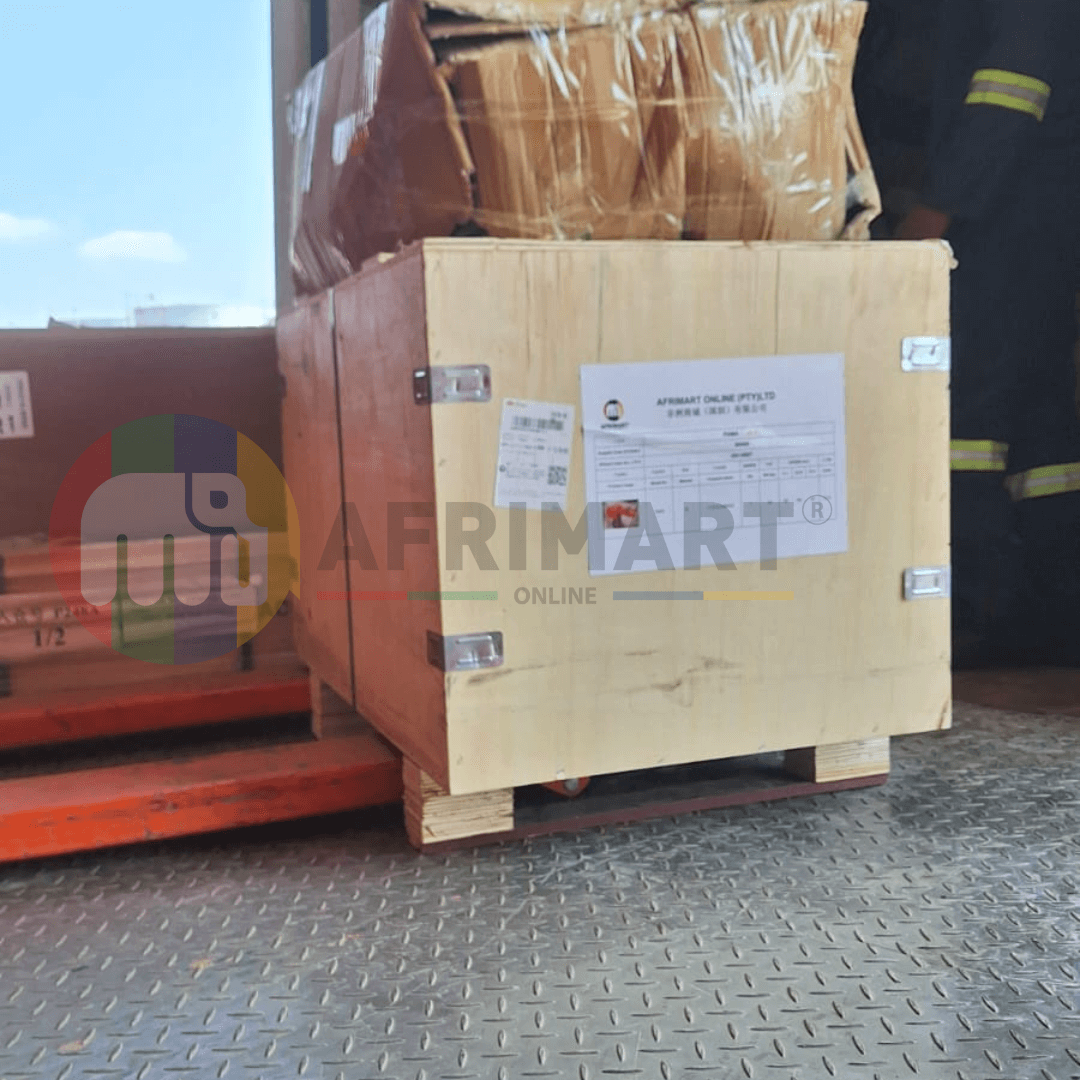
Latest Arrivals
Latest Arrivals
Latest Arrivals
26 January 2026
Toilet paper making machine
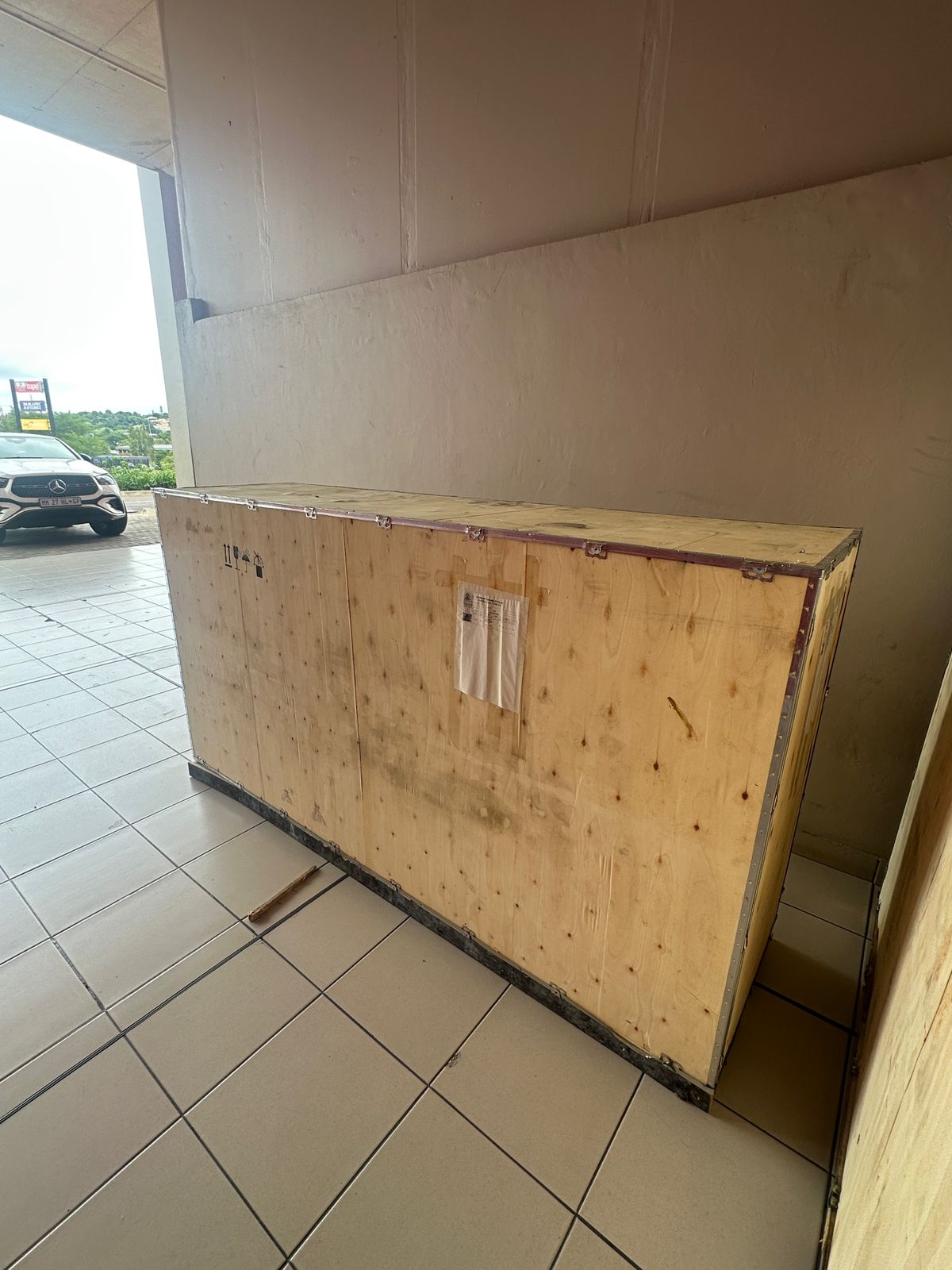
Toilet paper making machine
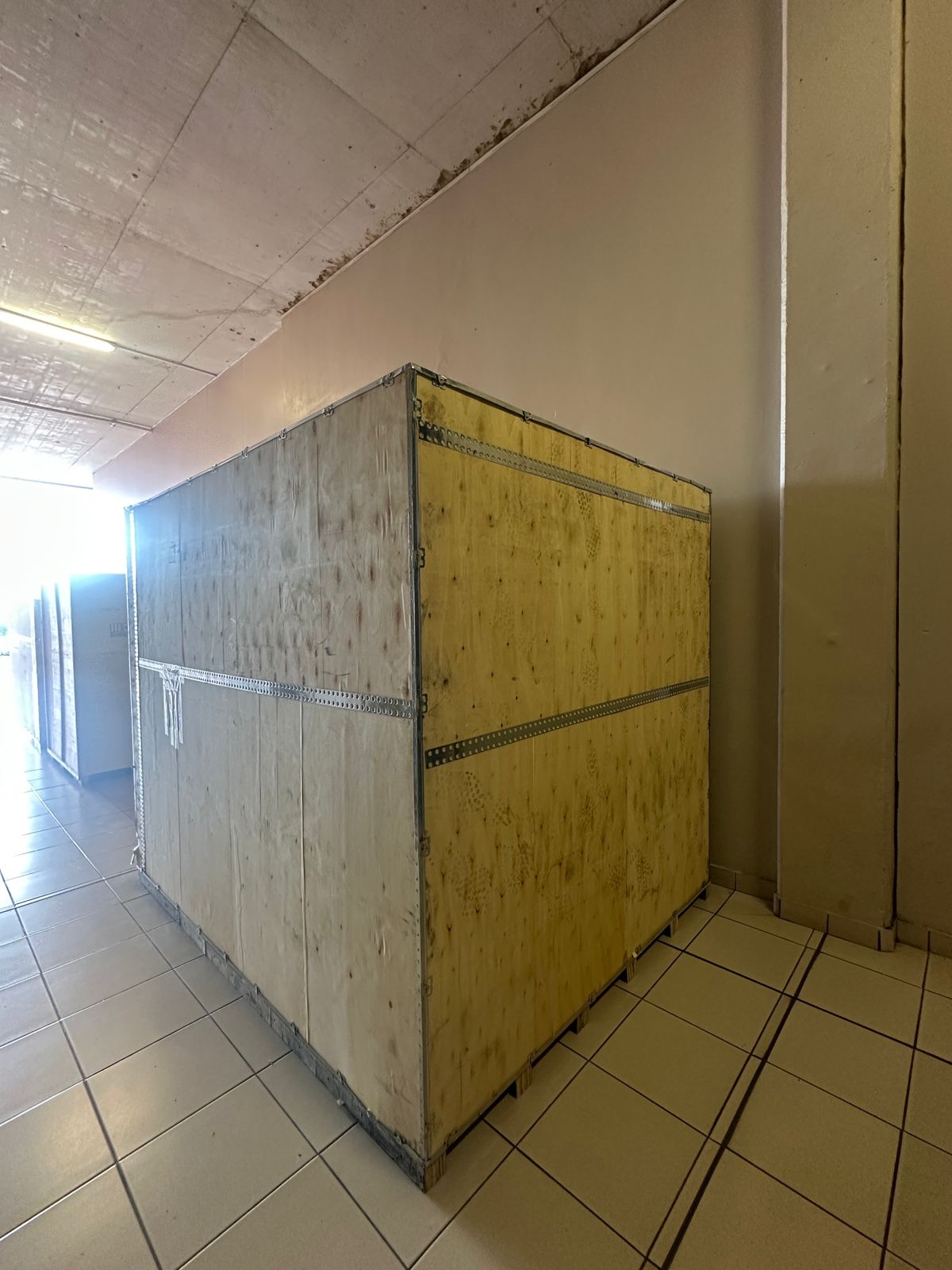
Toilet paper Rewinding Machine
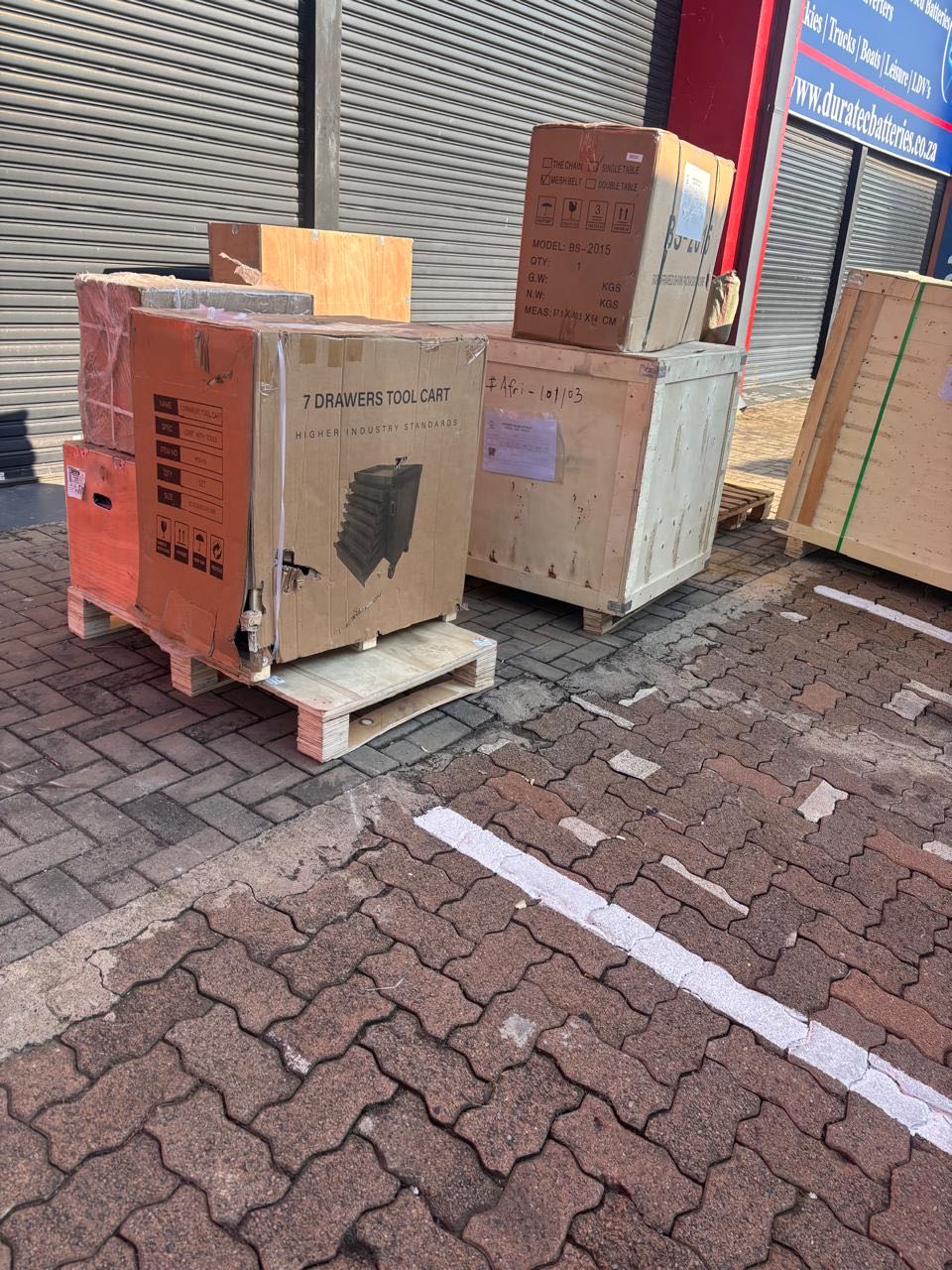
latest arrivals
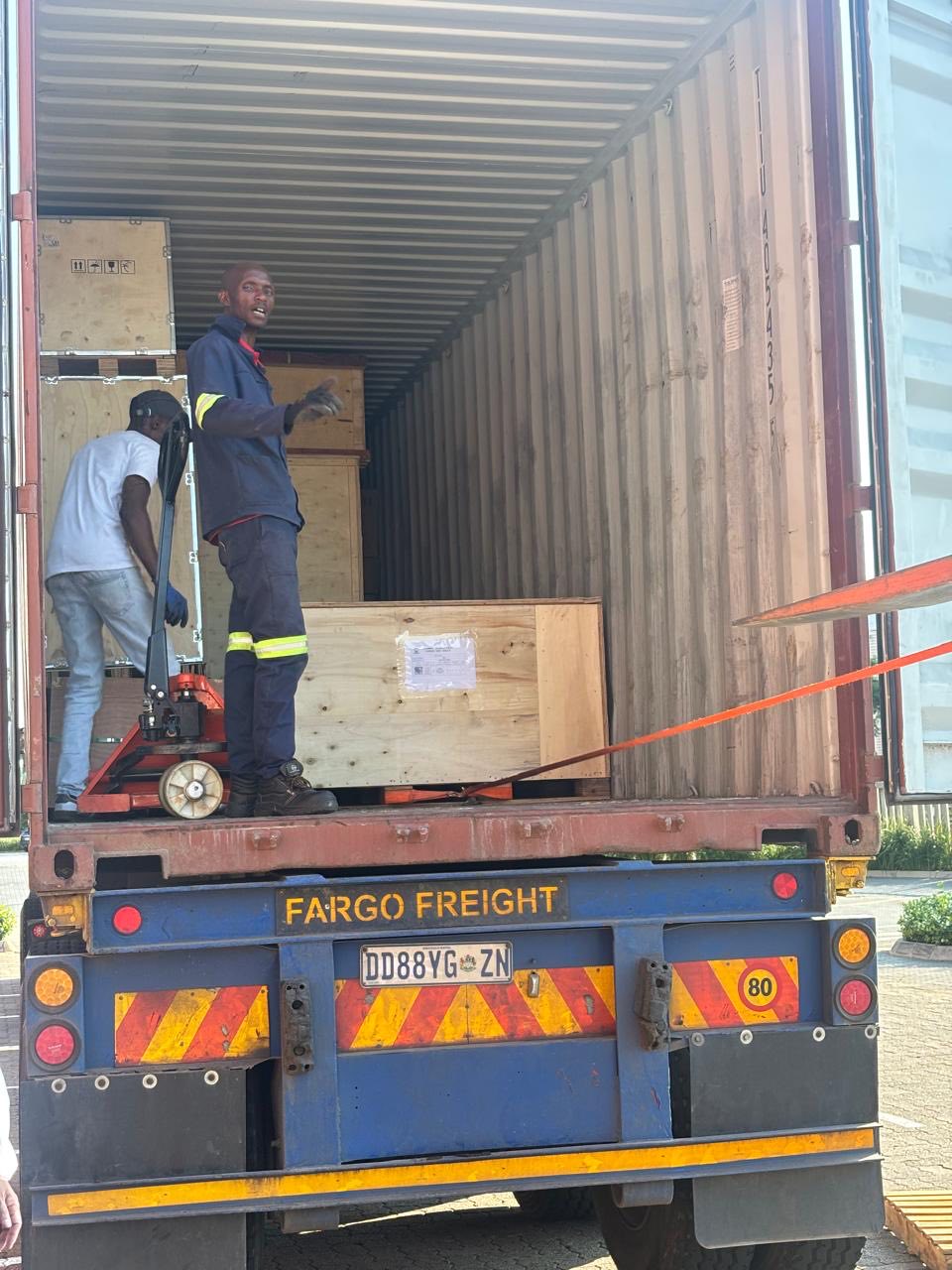
offloading
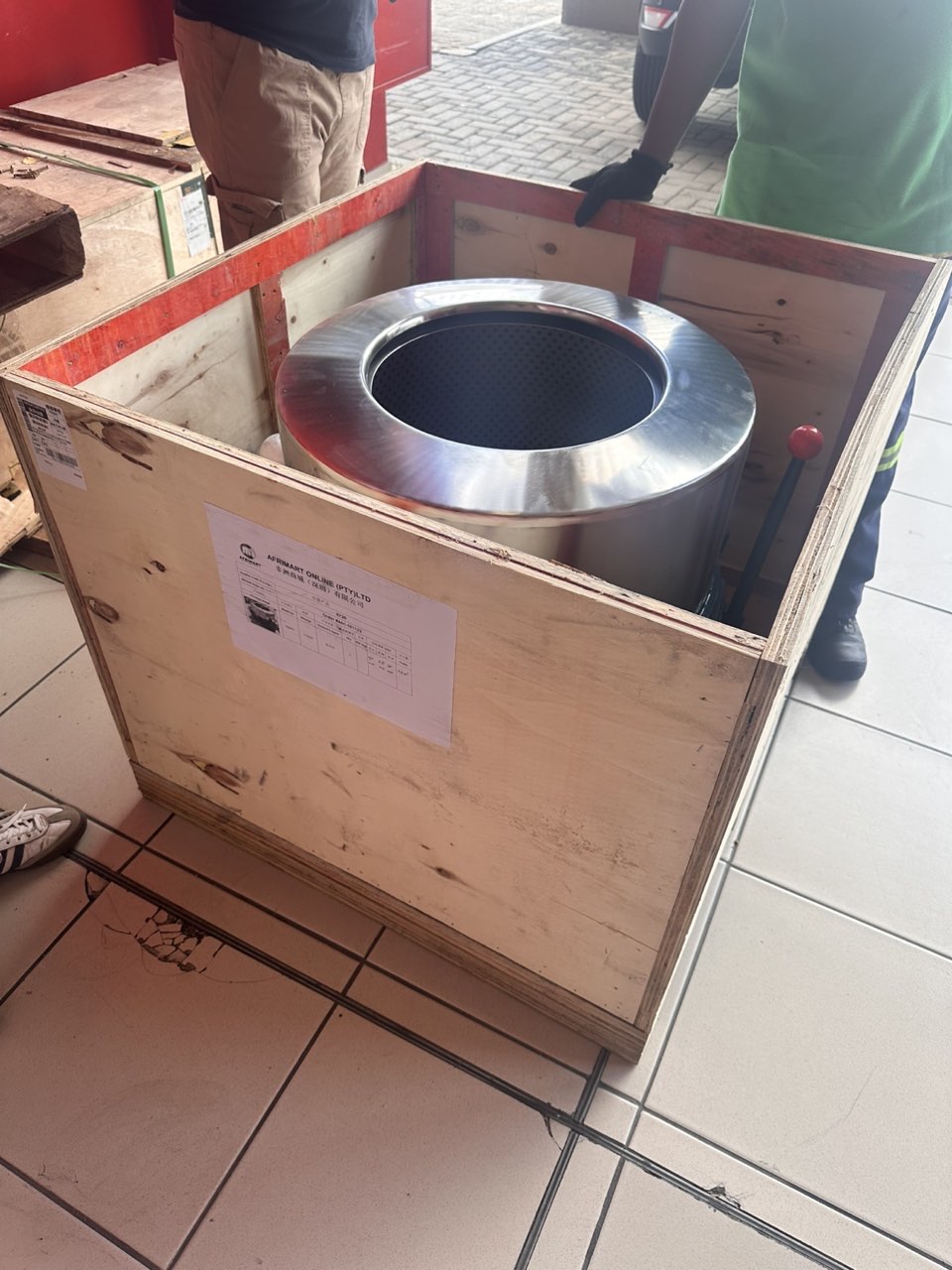
order success
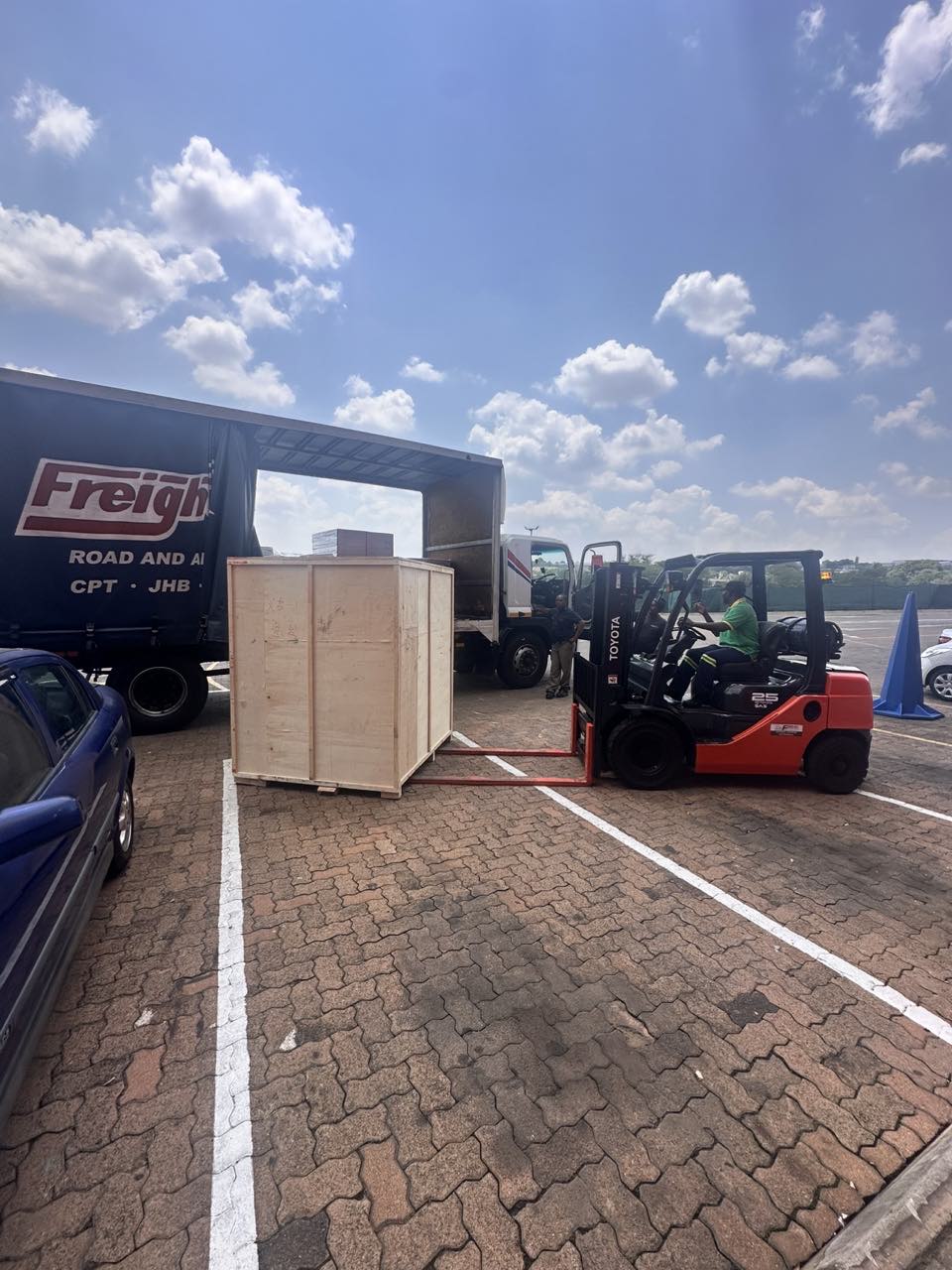
order collection
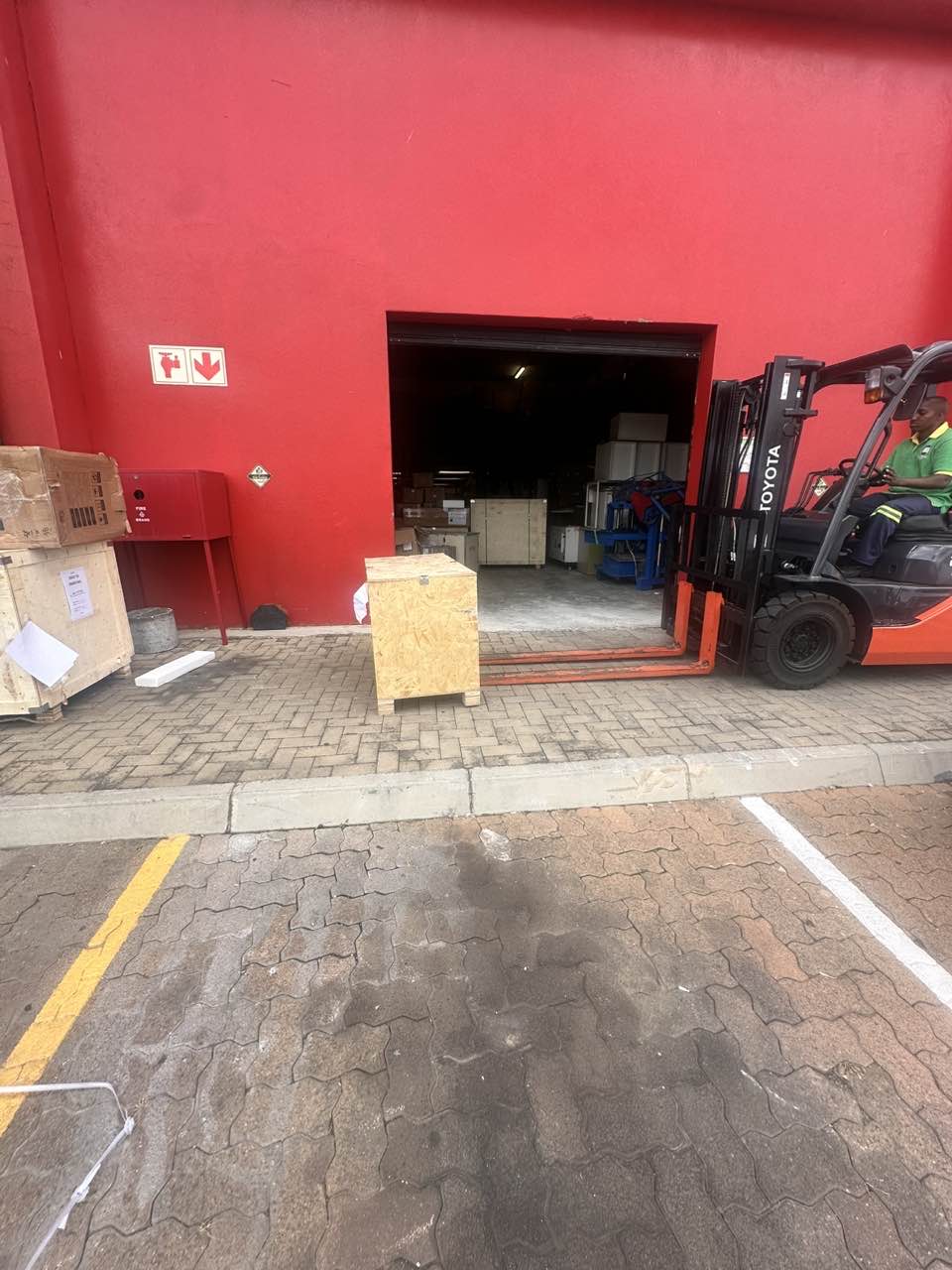
order offloading