B21, China Town Mall, Midrand

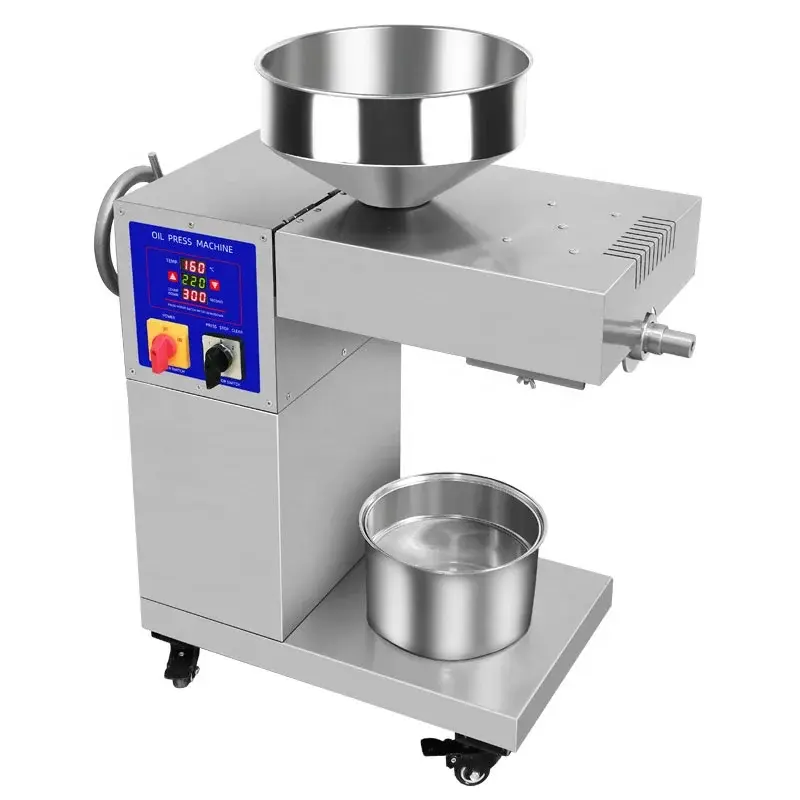
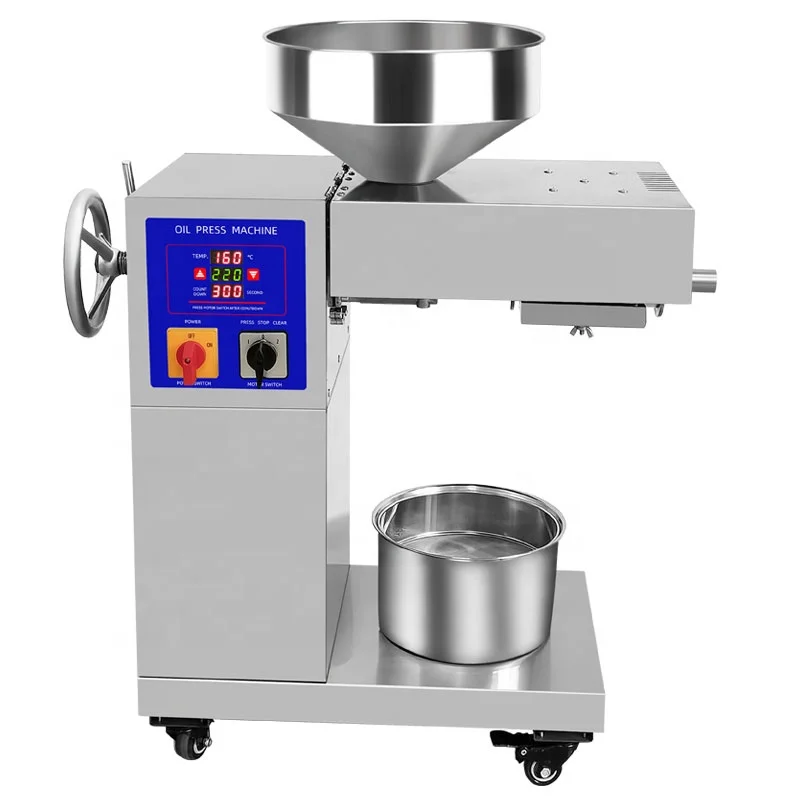
Sunflower Cold Press Oil Machine Sesame Oil Press Machine Palm Oil Processing Equipment

- Section : Machinery
- Category : Extractors
- SKU : 1600917647012

Product Description
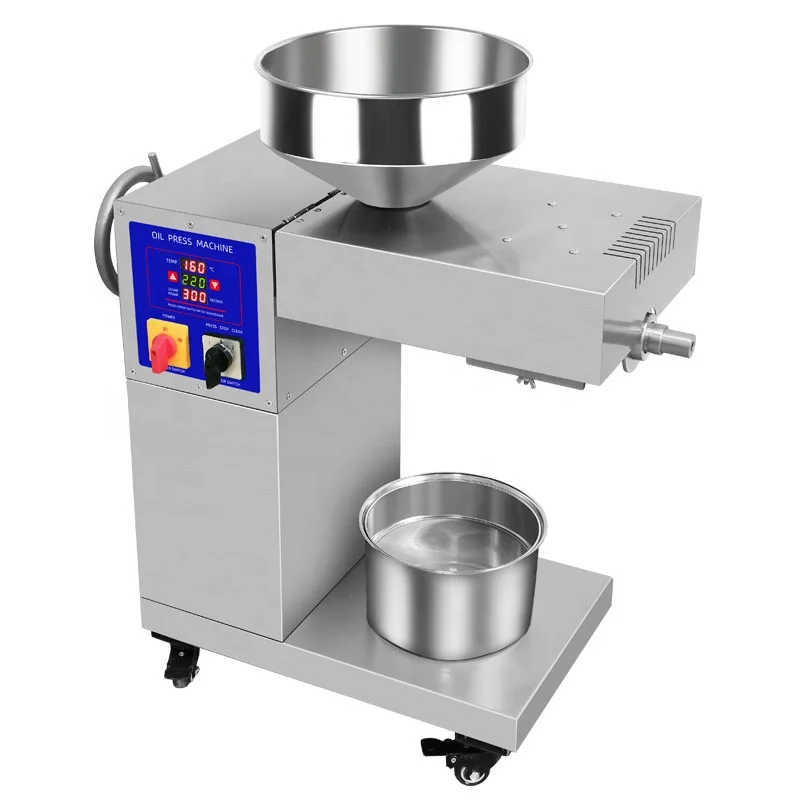
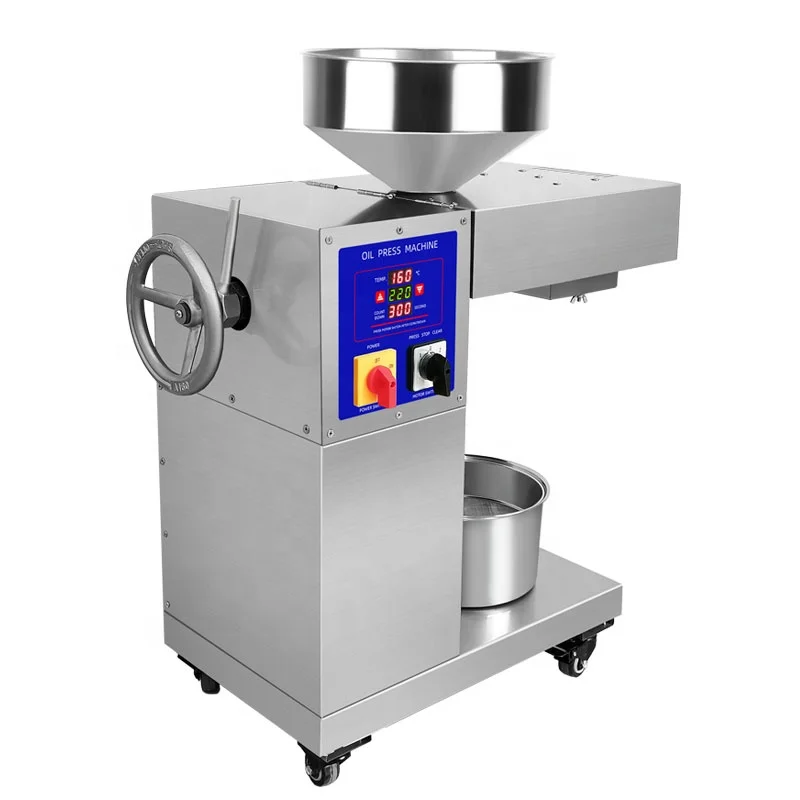
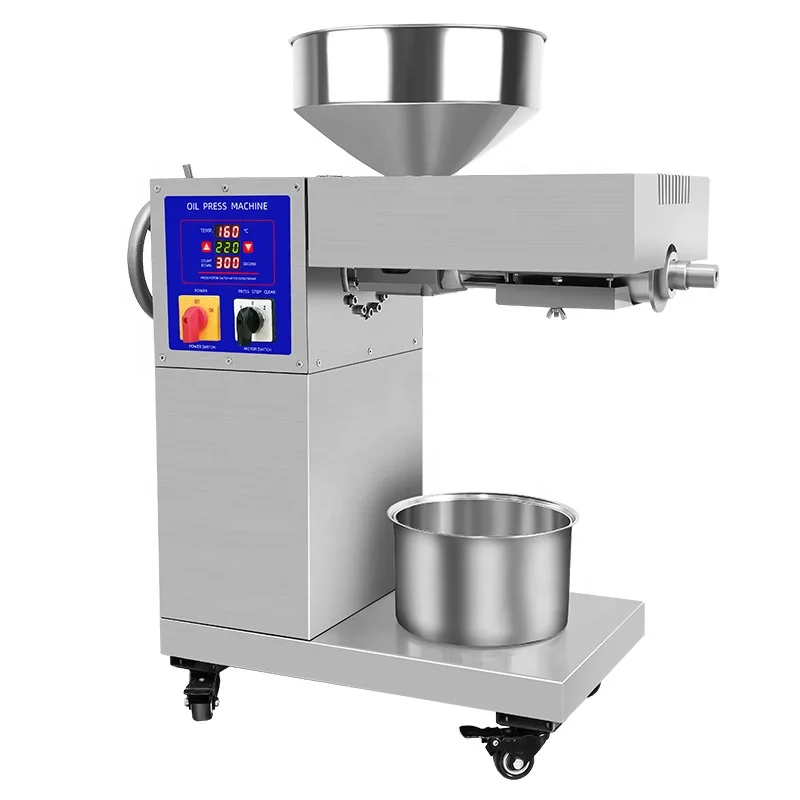
- Shipping Timeframes: All orders are processed within 2-5 business days (excluding weekends and holidays). After your order has been processed, the estimated delivery time is before 11 Jul, 2026, depending on customs, Please note that due to high demand, some items may experience longer shipping times, which will be communicated at order confirmation email.
- Order Processing Time: Please allow 2-5 business days for us to process your order before it is shipped . Orders placed after 16:00 on Fridays, or during weekends and public holidays, will begin processing on the next business day. Processing times may be extended during peak seasons or sales events.
- Manufacturing Time: Some products needs manufacturing time, the manufacturing process will take approximately 10-30 business days depending on the product. This timeframe may vary depending on the complexity of the product and current demand. but this will be communicated with you during order confirmation.
- Returns and Exchanges: We offer a 30-day return policy for most items. If you are not completely satisfied with your purchase, you may return it within 30 days of receipt for a refund or exchange. Items must be unused, in their original packaging, and accompanied by proof of purchase. Return shipping costs are the responsibility of the customer, unless the item was damaged or defective upon arrival.
1. What types of seeds and fruits can this machine process?
This equipment is designed for a range of oil-bearing materials including sunflower seeds, sesame seeds, and palm (typically palm kernel). Different models can also handle other oilseeds and nuts such as rapeseed, soybean, and peanuts—check model specifications for exact compatibility.
2. Is this a true cold press machine?
Yes — the machine operates as a cold press, meaning it extracts oil with minimal external heating. Built-in temperature control and monitoring help keep outlet temperatures within the cold‑pressed range (commonly below about 60–65°C) to preserve flavor and nutrition.
3. What oil yield/ extraction rate can I expect?
Oil yield varies by seed type, pre-treatment and machine model. Typical cold-press extraction rates range roughly: sunflower 30–45% (of seed weight), sesame 35–50%, and palm kernel depending on kernel quality. Final yields depend on seed moisture, grind size and number of press passes.
4. What processing capacity options are available?
Capacities depend on the model and are available for small lab-scale to industrial lines. Typical ranges: small units 1–50 kg/h, medium 50–300 kg/h, and larger industrial systems 300–1000+ kg/h. Contact the supplier for exact model capacities.
5. Do I need to pre-treat seeds before pressing?
Some pre-treatment is recommended for best results: cleaning to remove stones and impurities, adjusting moisture content (generally around 6–8% for many oilseeds), and optionally dehulling or coarse crushing. Palm (FFB) requires different pre-treatment; palm kernels should be separated and dried.
6. Is the machine suitable for palm fresh fruit bunches (FFB)?
Cold presses are usually used for palm kernel oil rather than crude palm oil from fresh fruit bunches. Processing FFB typically requires specialized sterilization, threshing and a screw press/expeller designed for palm mill scale. Confirm with the manufacturer if your intended palm feedstock is FFB or palm kernel.
7. What materials are used in food-contact parts?
Food-contact parts are typically made of stainless steel (SS304 or SS316 depending on model and customer requirements) to ensure hygienic operation and corrosion resistance.
8. How is the extracted oil clarified and filtered?
Cold-pressed oil often contains fine solids and water. Typical clarification methods include settling tanks (sedimentation for 24–48 hours), simple cloth or mesh filters, and plate/leaf or vacuum filtration for finer clarification. Some suppliers offer integrated filtration modules.
9. What are the power and utility requirements?
Power consumption depends on machine size and capacity. Small units may use a few hundred watts to a few kilowatts; medium/industrial machines typically require several kW to tens of kW. Exact electrical, air and water requirements are model-specific and provided in the technical datasheet.
10. How much residual oil remains in the cake?
Residual oil in the pressed cake depends on seed type and press efficiency. Cold-pressed cake typically still contains some oil (often 6–15% for many seeds). If very low residual oil is required, a follow-up solvent extraction or additional pressing stages may be used.
11. What maintenance and cleaning are required?
Regular maintenance includes cleaning oil-contact surfaces after use, removing residues from the press chamber, routine lubrication of bearings and gears, and inspection/replacement of wear parts (screws, rings, gaskets). Follow the supplier's maintenance schedule to ensure long life and safe operation.
12. Are safety features included?
Yes. Typical safety features include emergency stop buttons, safety guards over moving parts, overload protection on motors, and electrical protections. Operators should follow safety guidelines and wear appropriate PPE.
13. Do you provide installation, training and after-sales support?
Most manufacturers/suppliers offer installation assistance, operator training, operation manuals, and after-sales service including spare parts supply. Service terms vary—confirm warranty period and support options when ordering.
14. Can the machine be customized or scaled up?
Yes. Manufacturers commonly offer different models and customization (capacity, materials, automation level, integrated filtration or heating units). For large-scale production, modular or turnkey processing lines can be provided.
15. What certifications are available and how can I get a sample test?
Many suppliers can provide certifications such as CE, ISO and food-safety related documentation upon request. Sample processing is often available—send a representative seed sample to the supplier so they can run a test and provide oil yield and quality data.
Latest Order Arrivals
Discover our latest orders
12 Heads Embroidery Machine
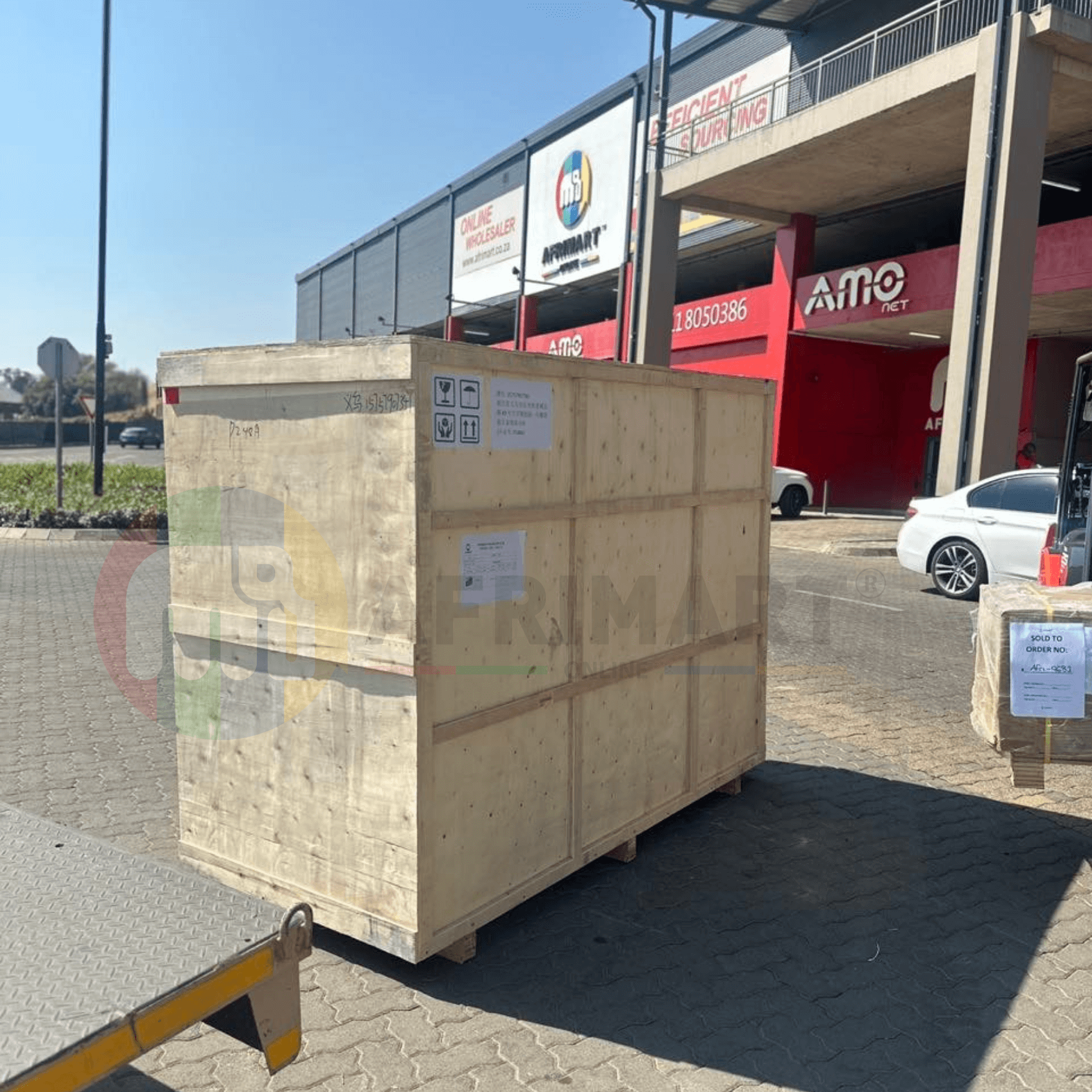
Dewatering Pump Machine
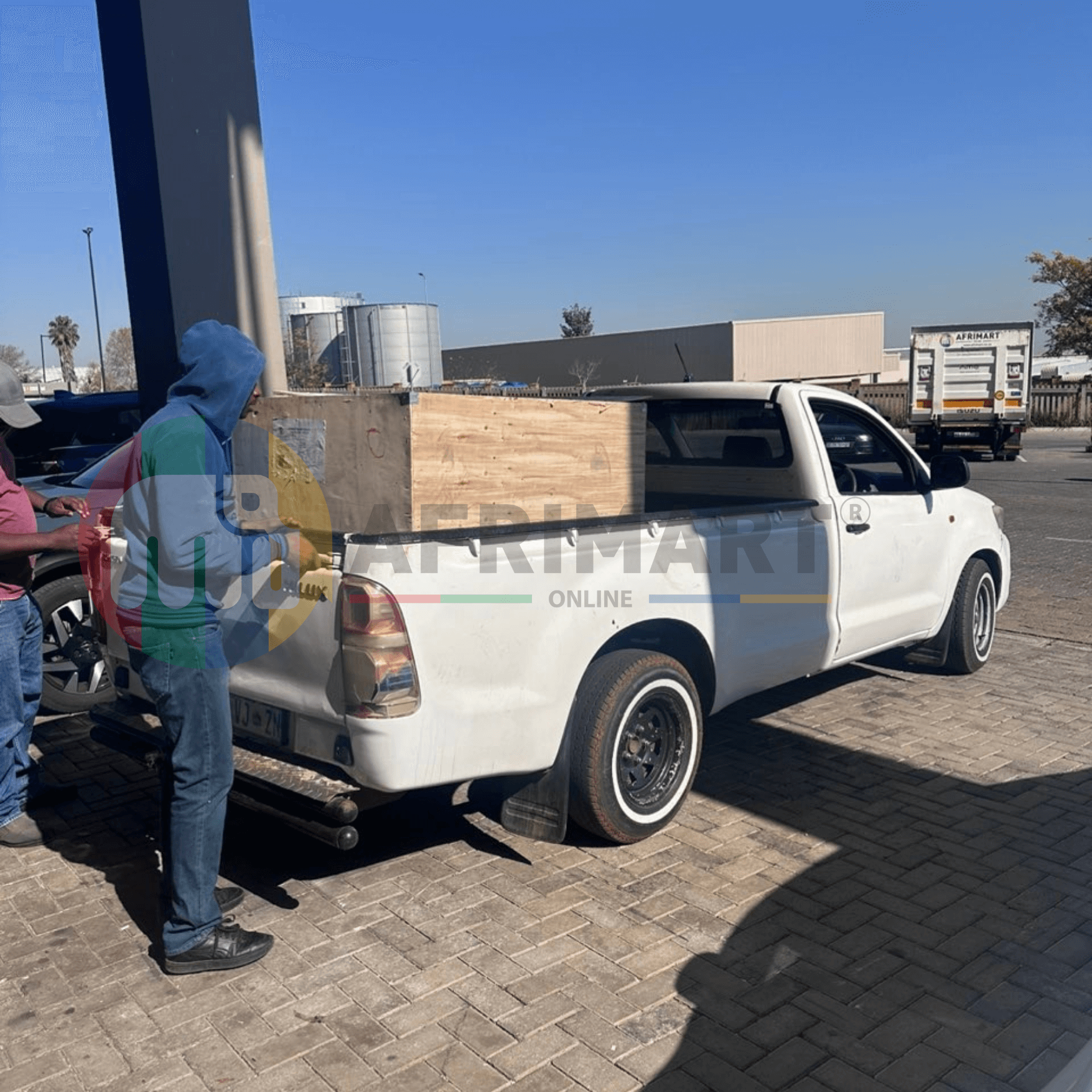
Order Collection
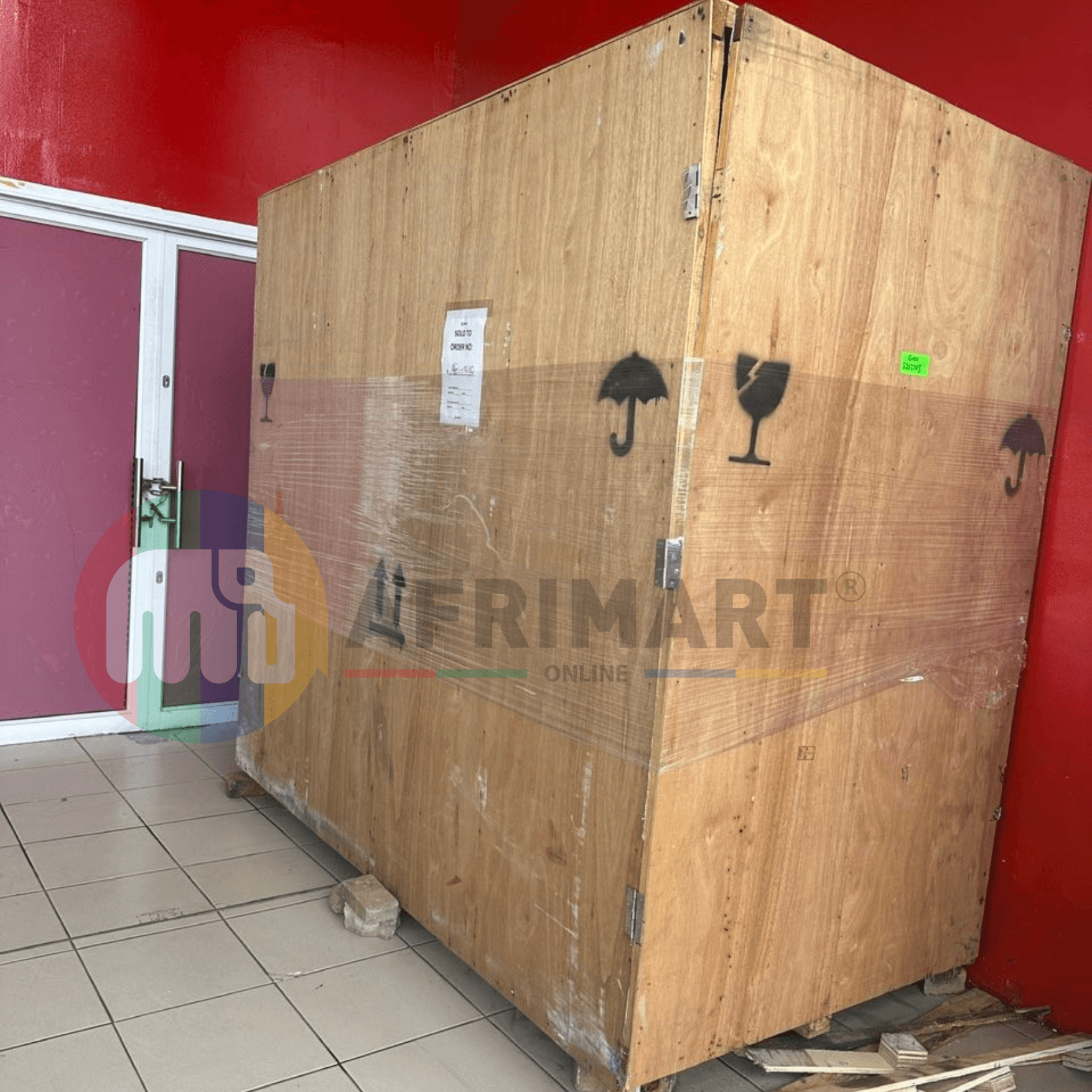
Portable Water Drilling Rig
Order Usefully Collected
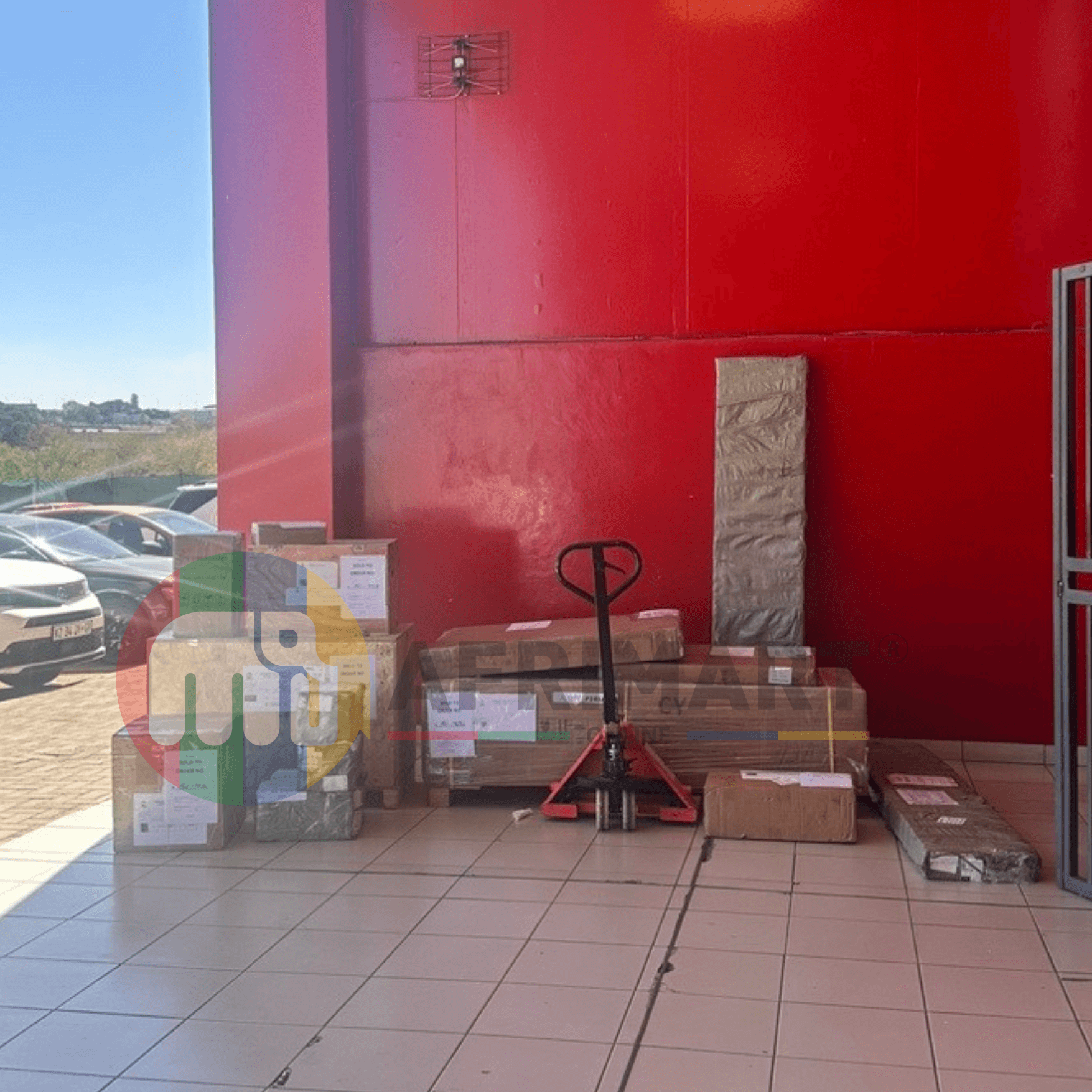
Batch of Orders
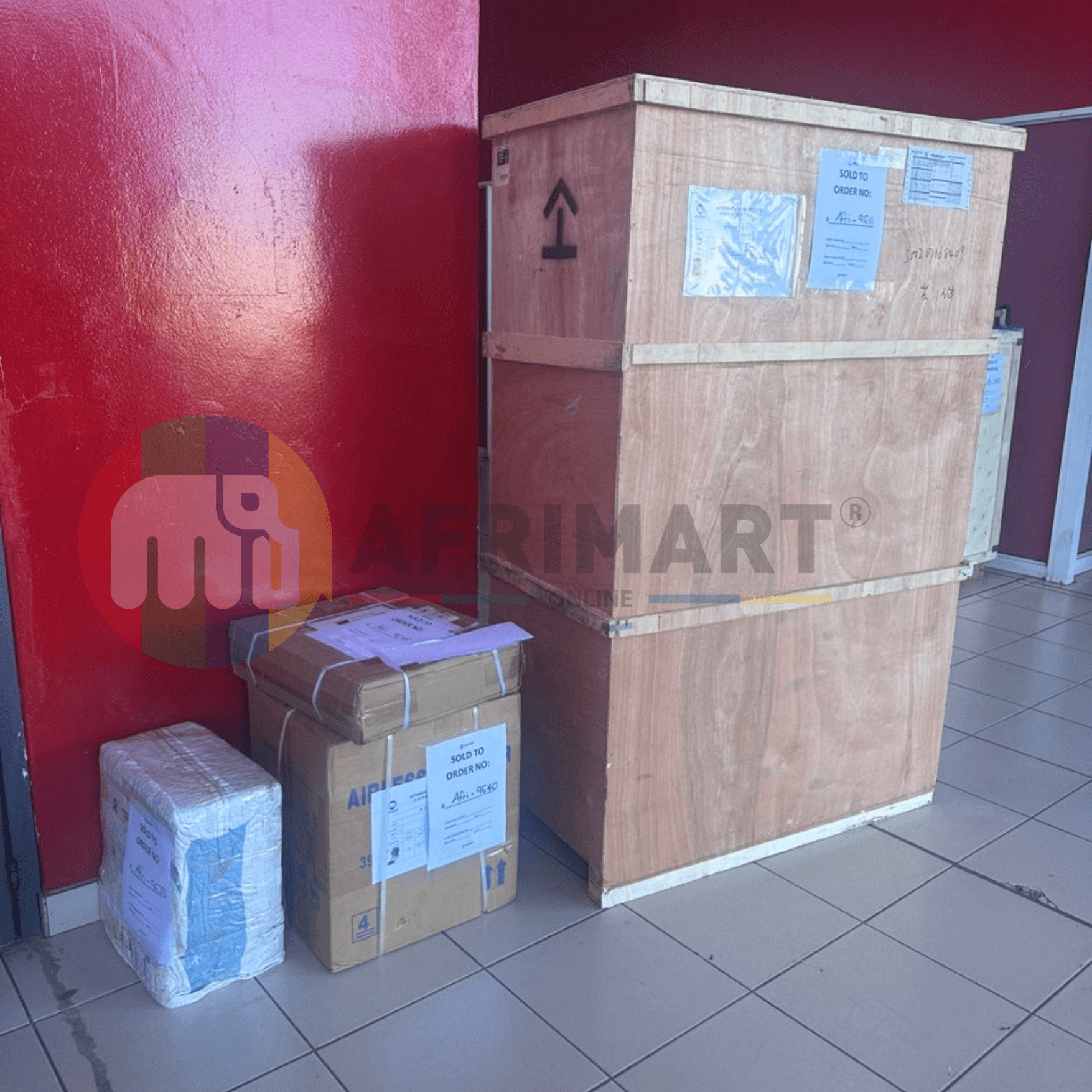
Agriculture Processing Machines
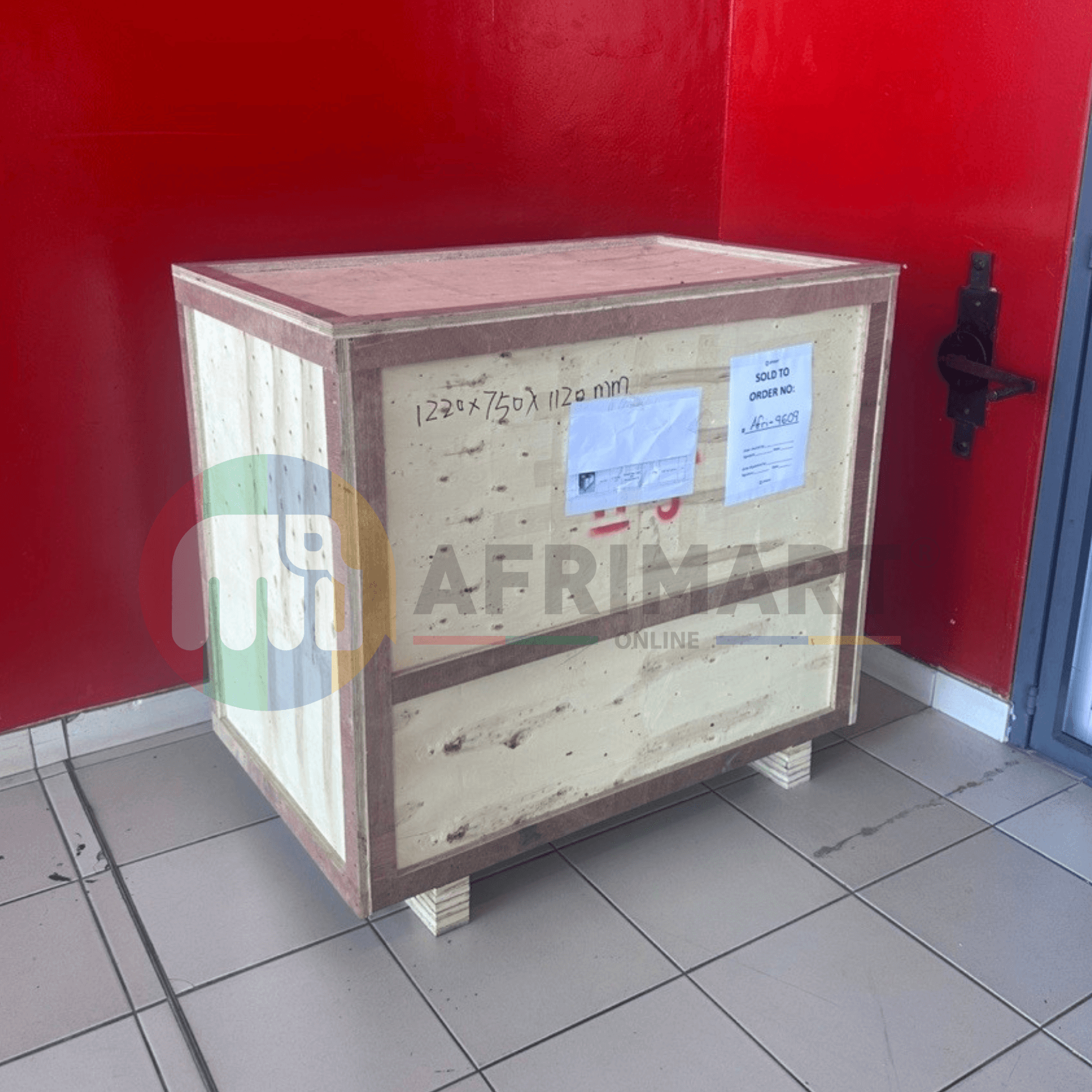
Meat Grinder Machine
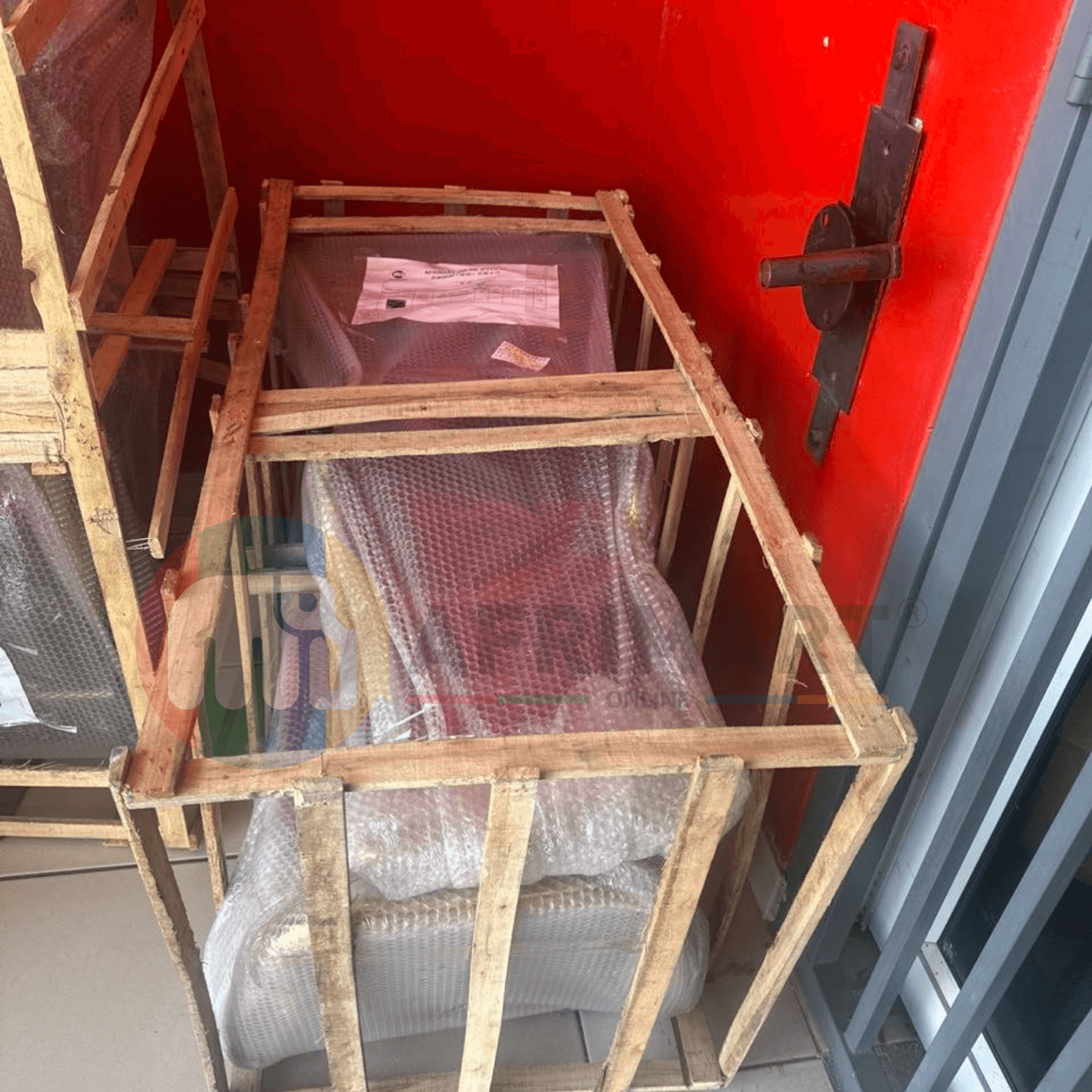
Water Pump Equipment
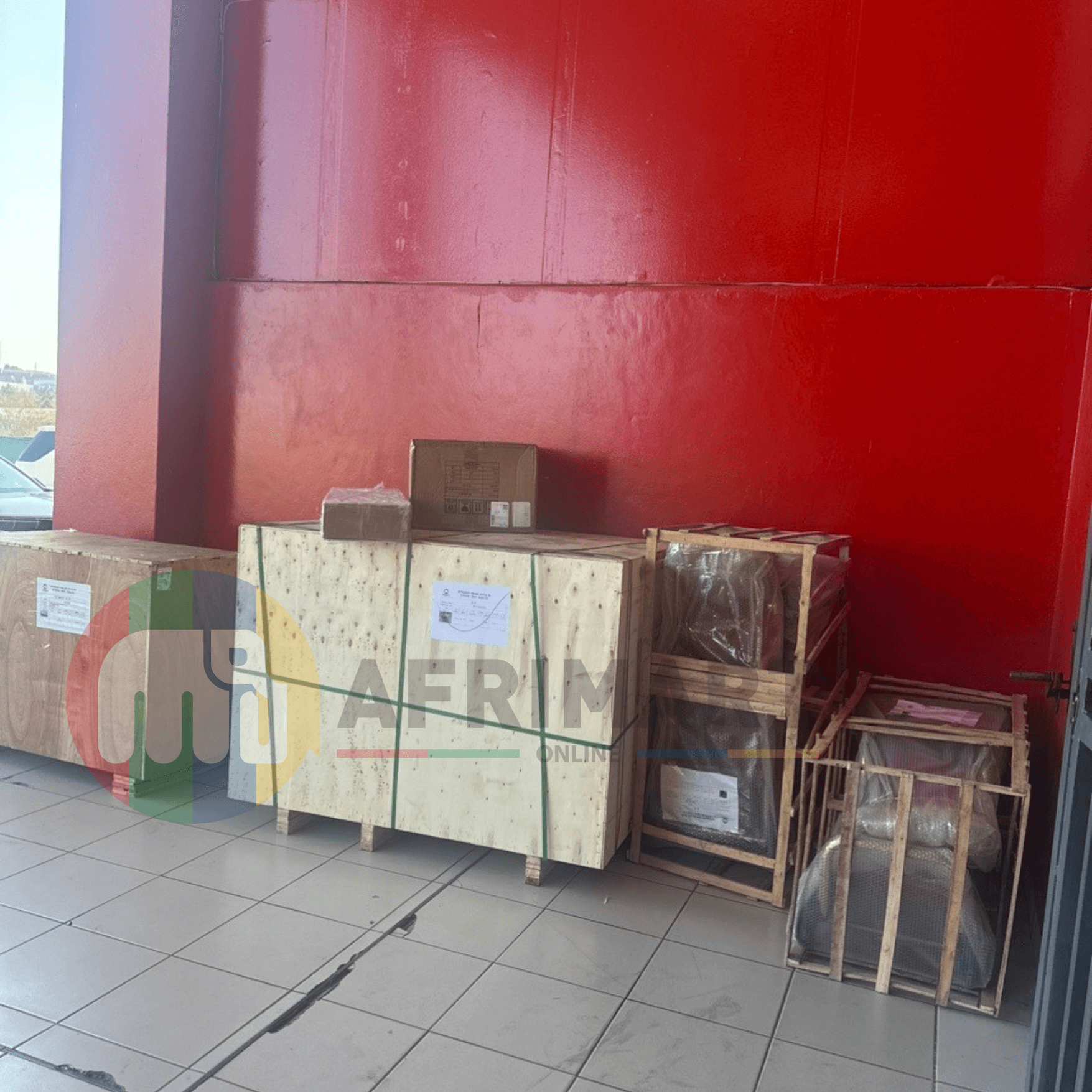
Packaging Machine and accessories
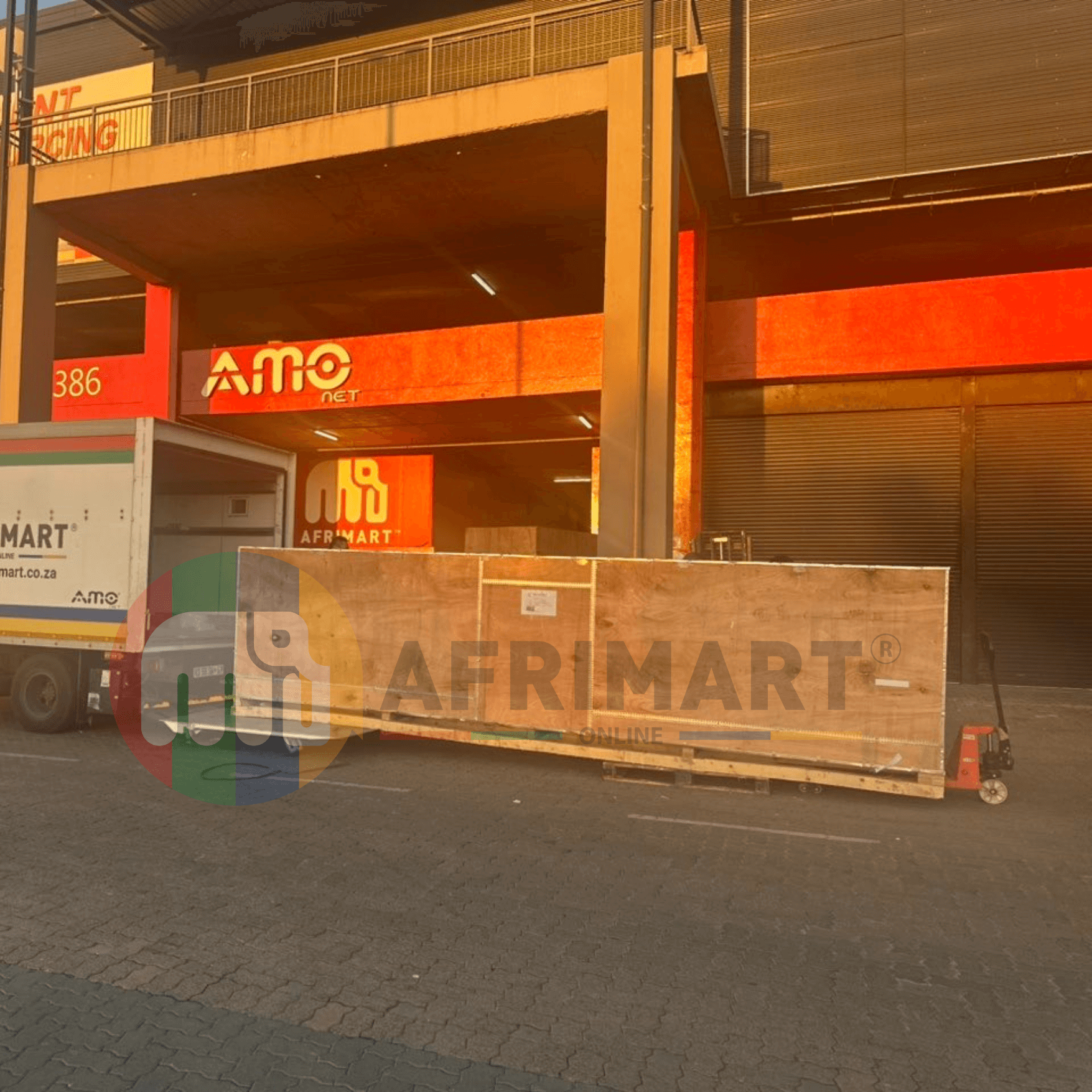
Fabrics Manufacturing Equipment
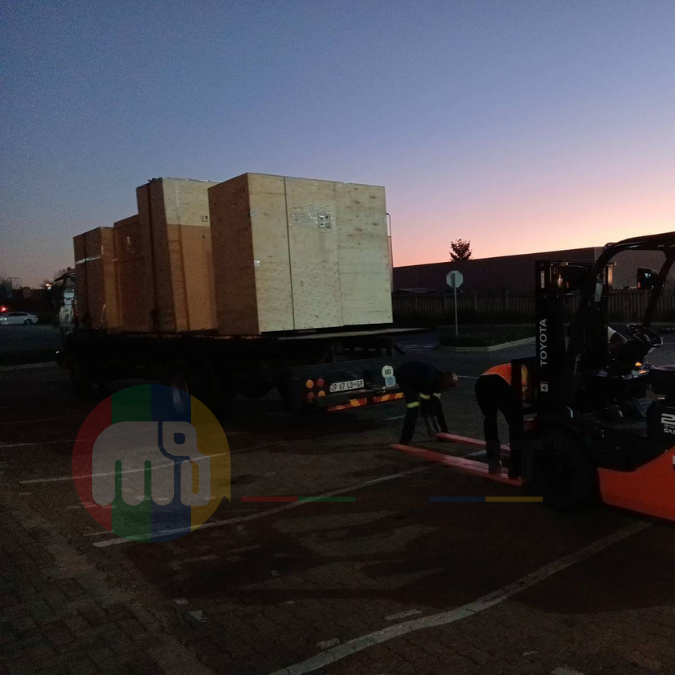
Mining Equipments
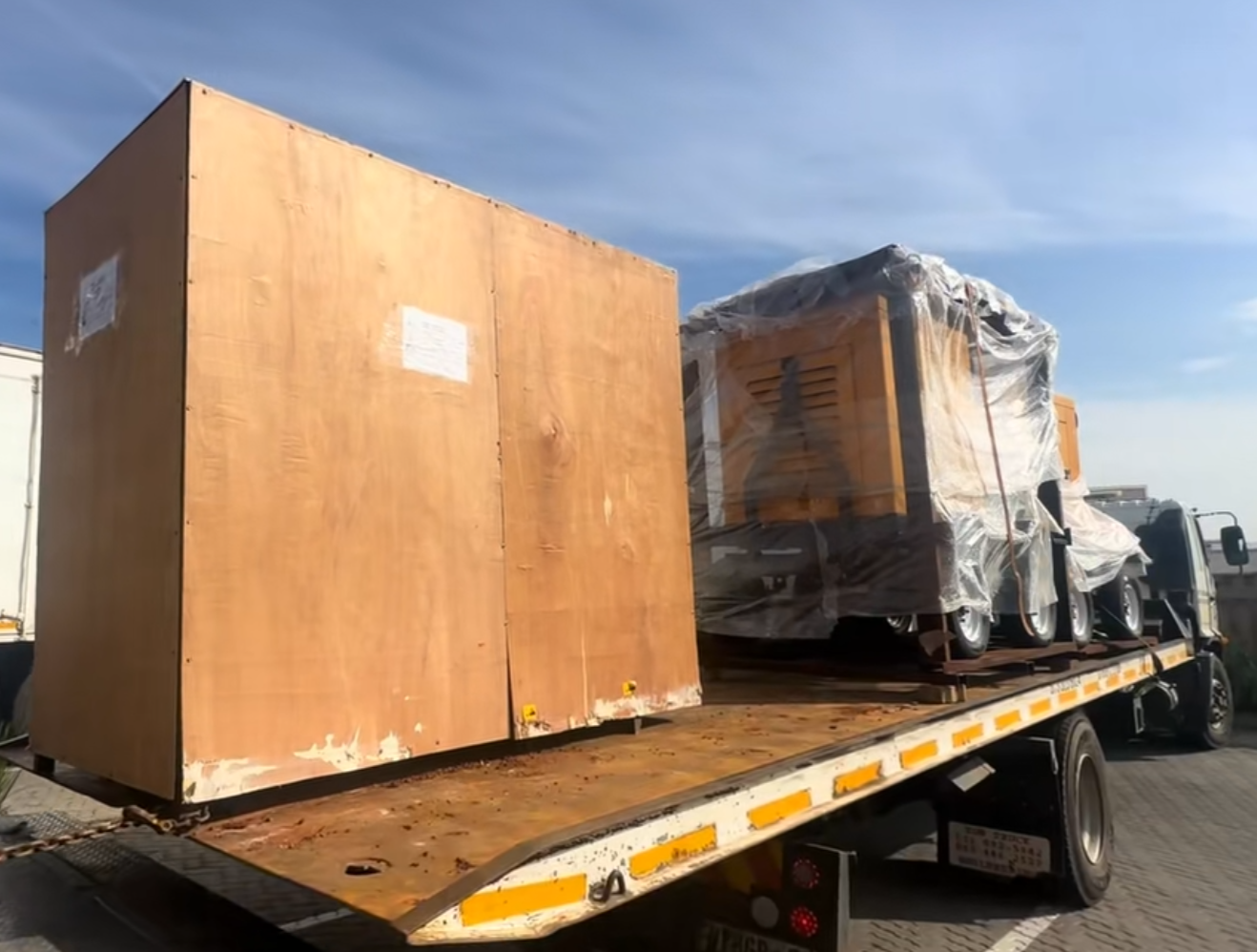
Food Processing Machine
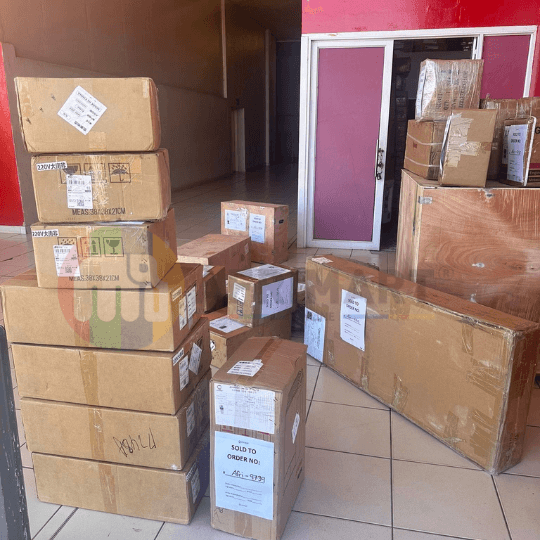
Batch of Orders
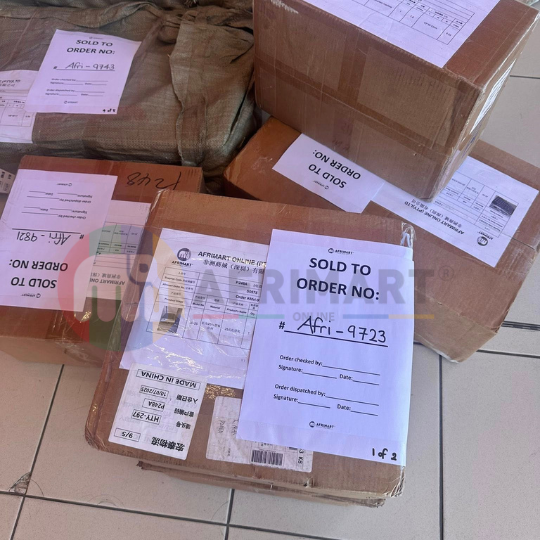
Batch of Orders
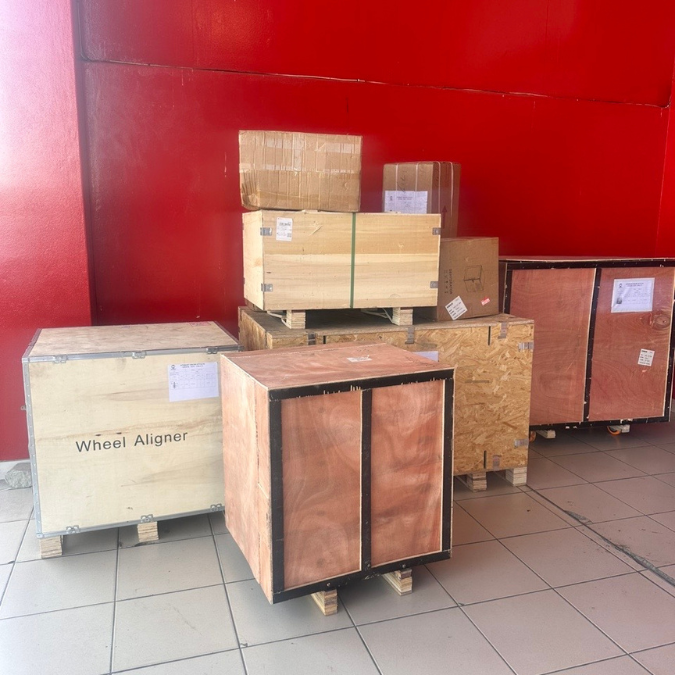
Latest Orders Labelled
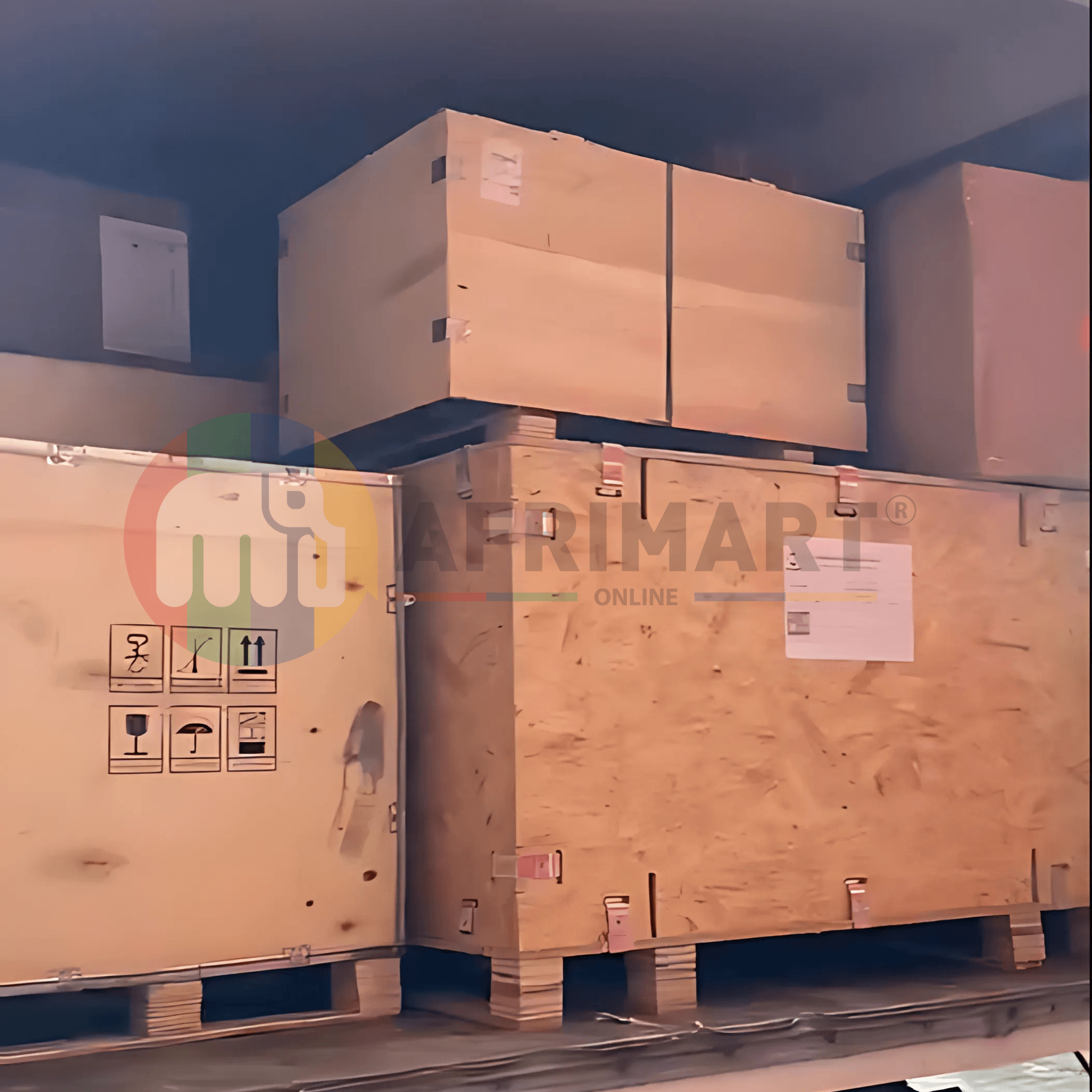
wheel alignment machines
new arrivals
Pre Orders Offloading
Latest Arrivals
Latest Arrivals
Latest Arrivals
26 January 2026
Toilet paper making machine
Toilet paper making machine
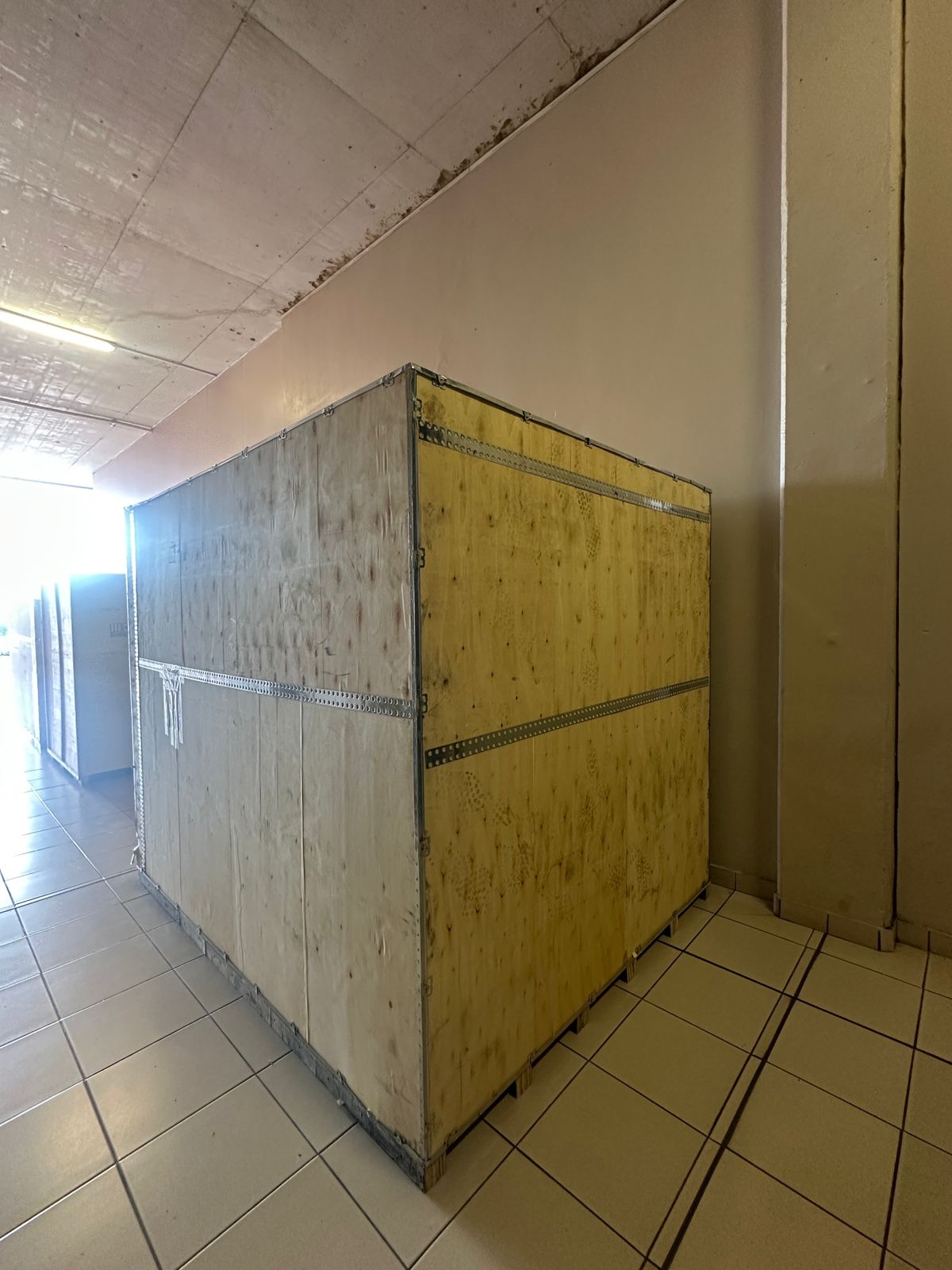
Toilet paper Rewinding Machine
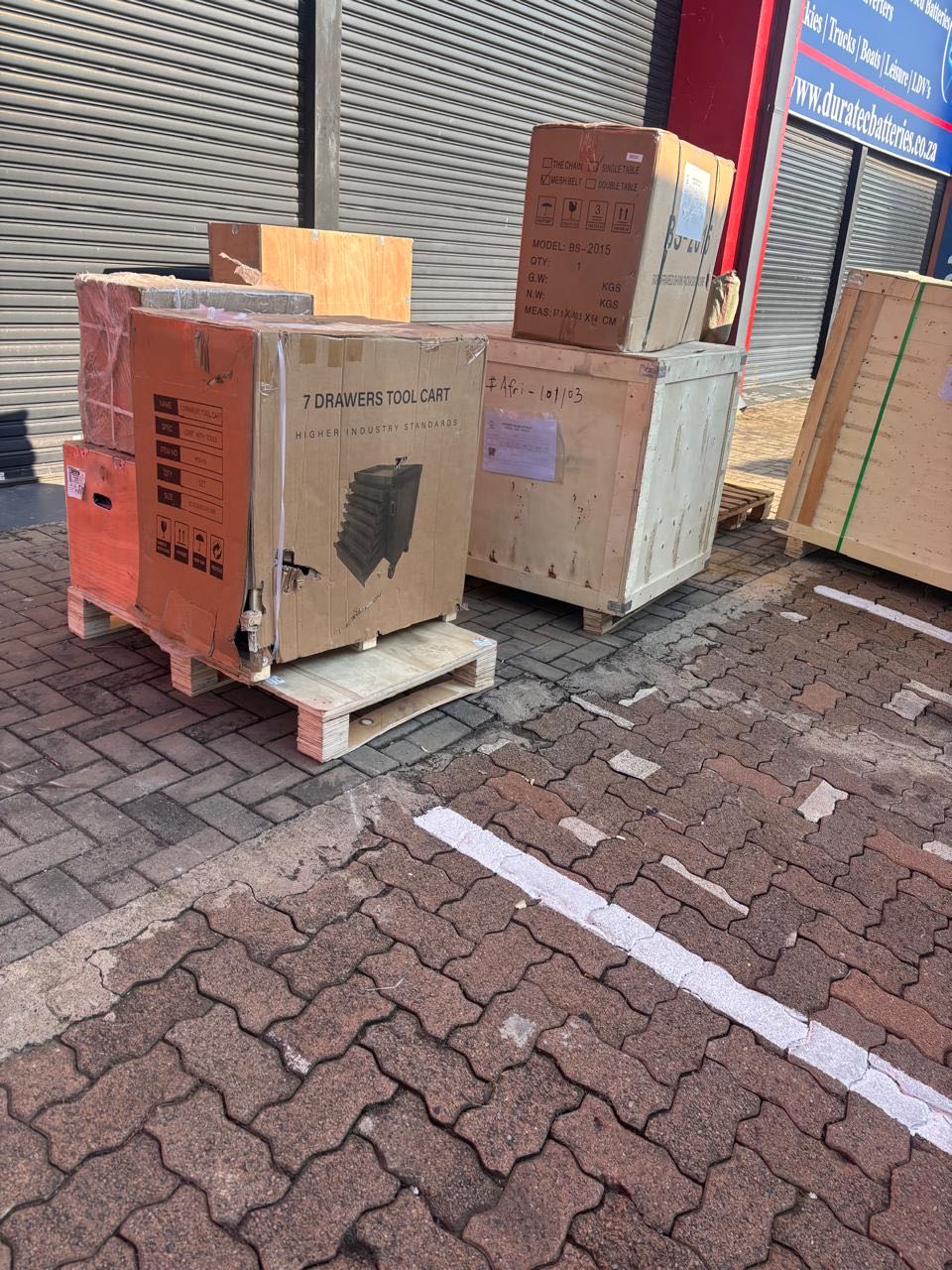
latest arrivals
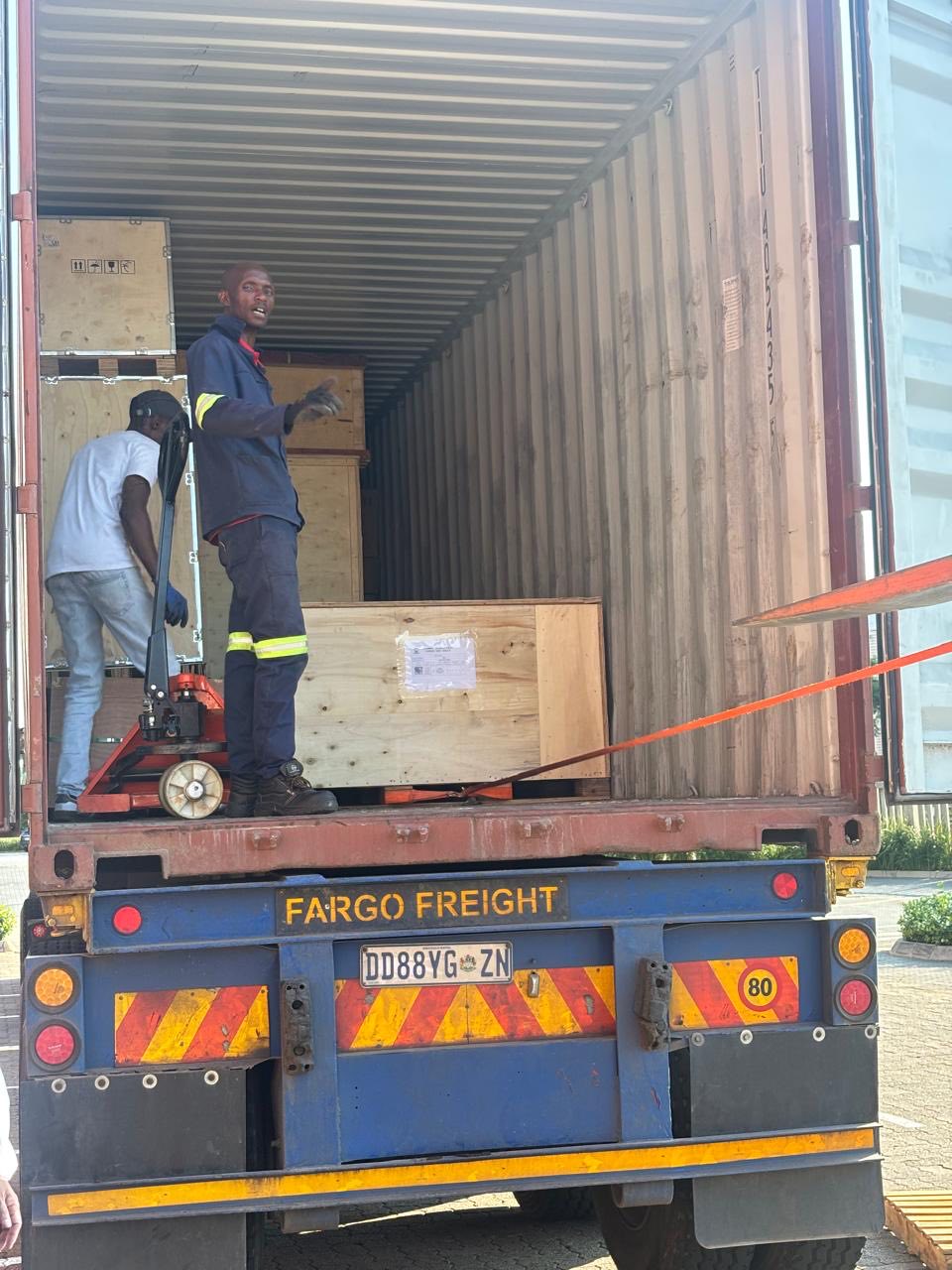
offloading
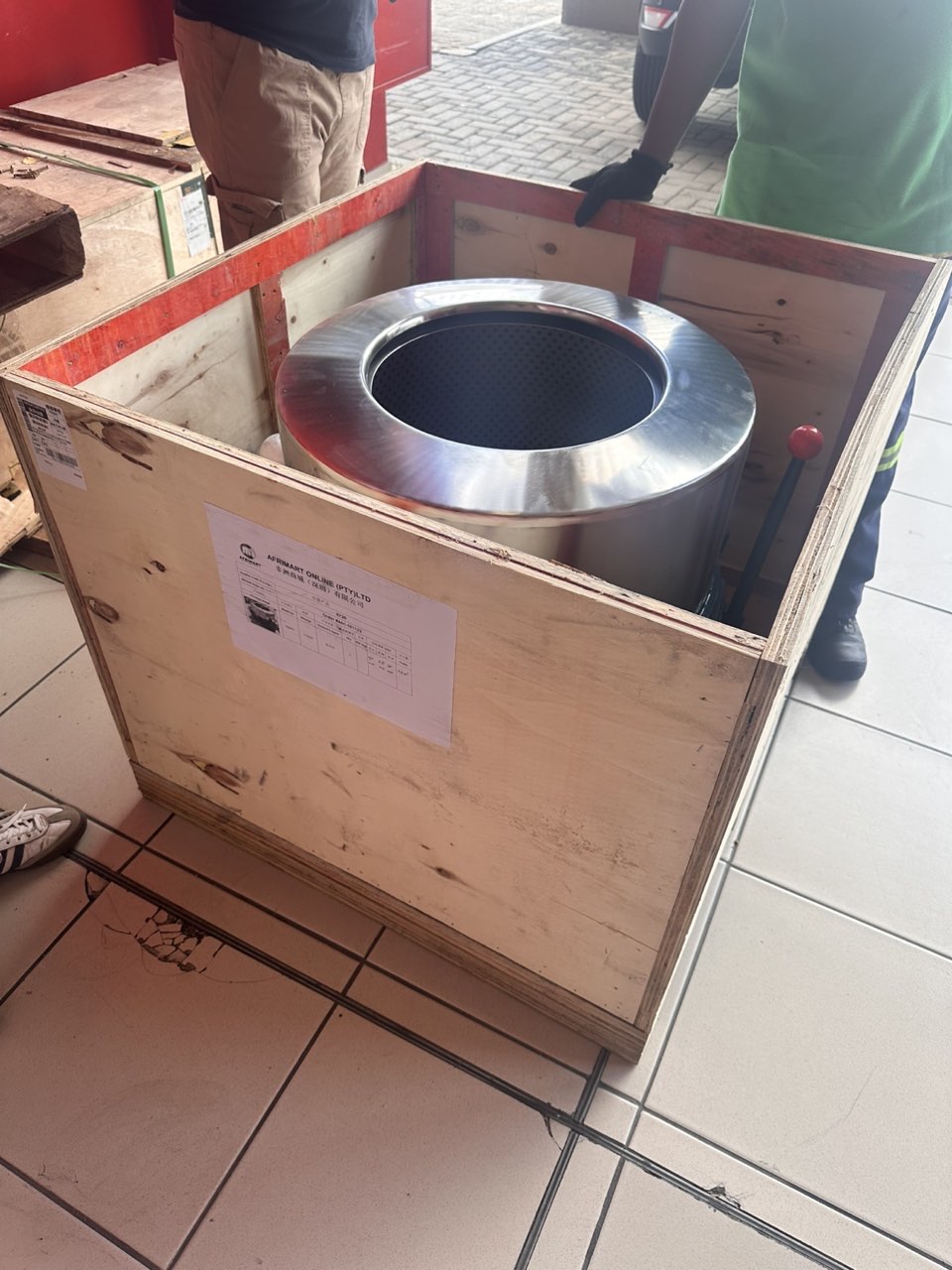
order success
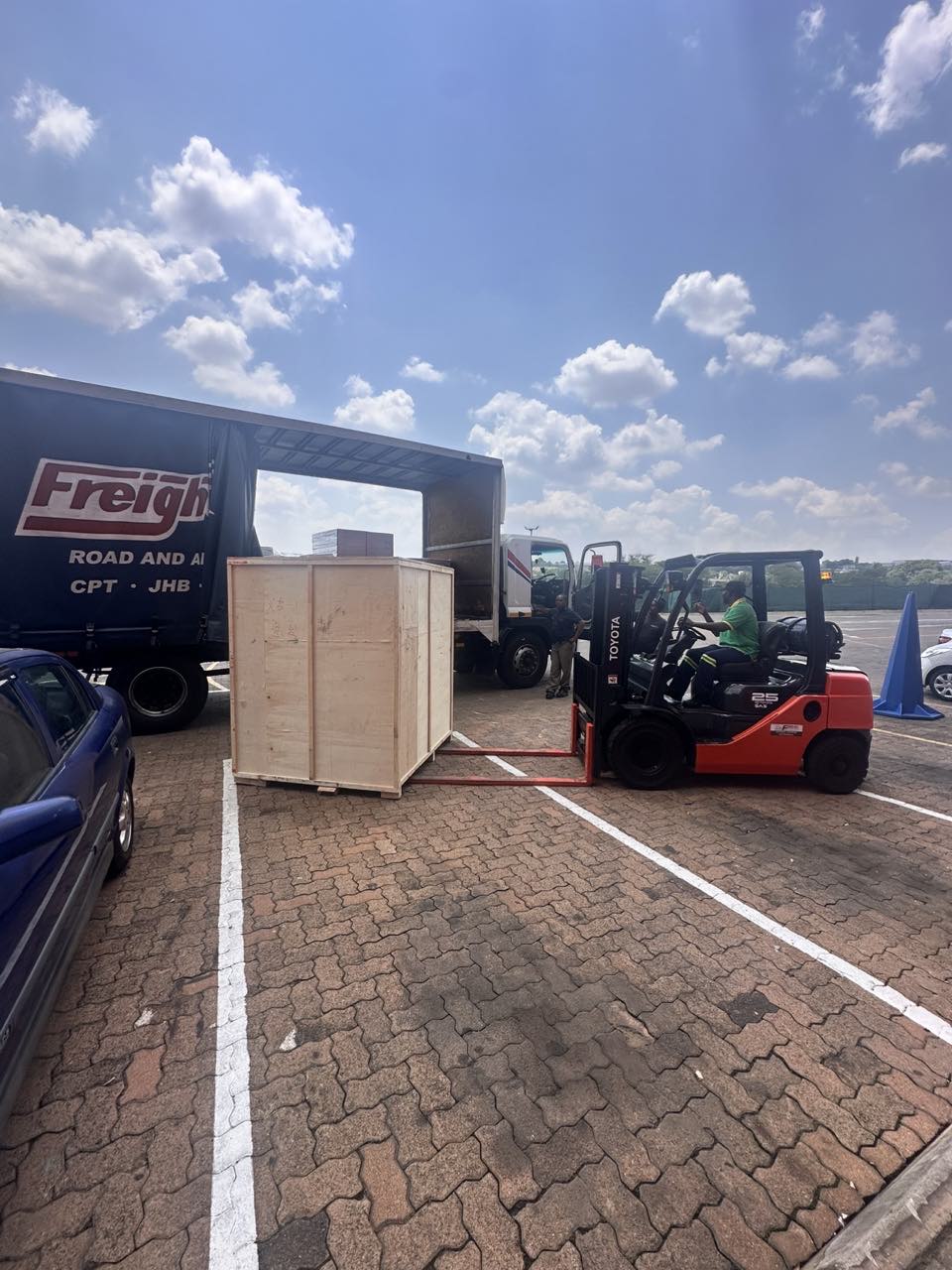
order collection
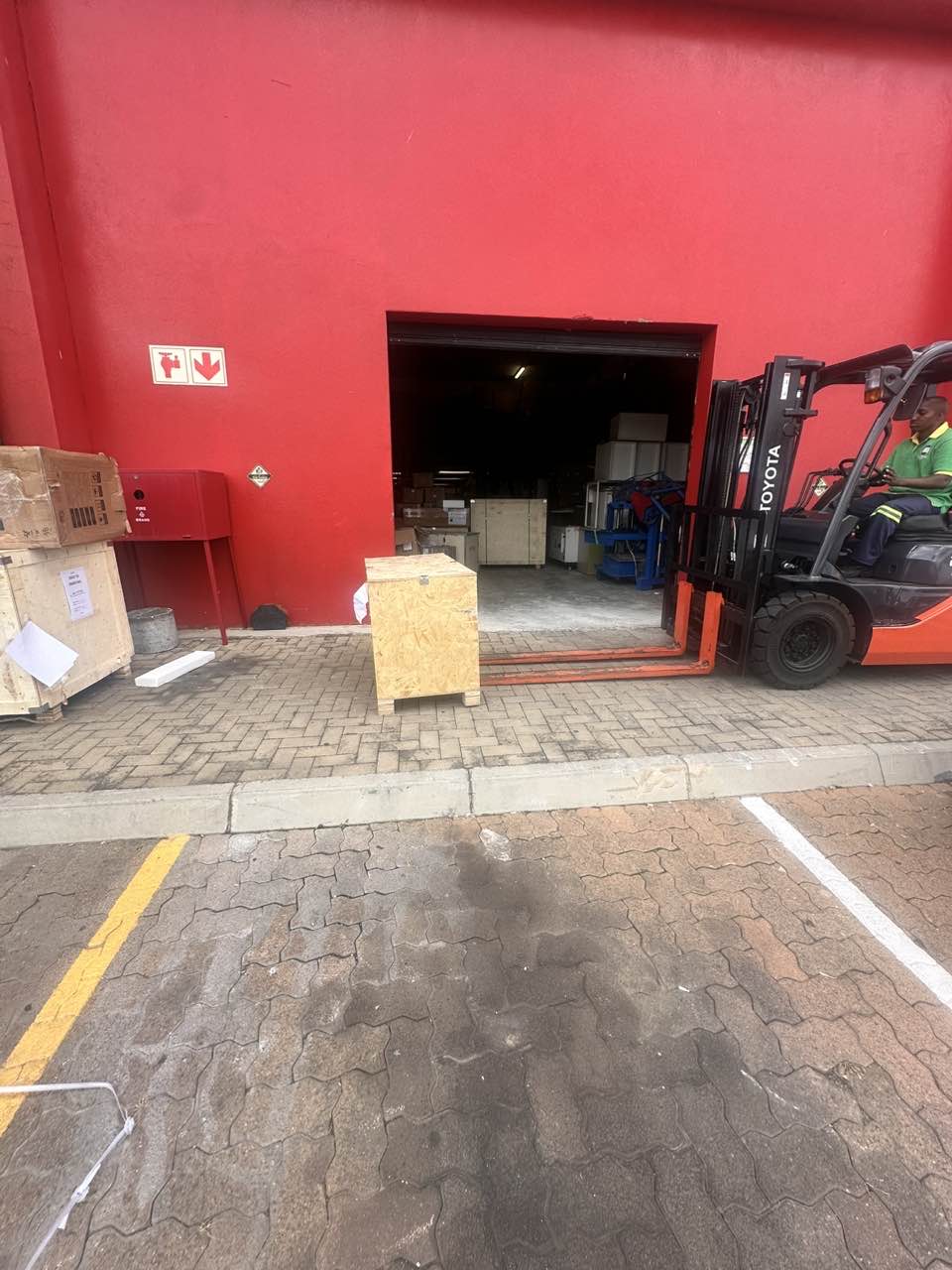
order offloading