B21, China Town Mall, Midrand

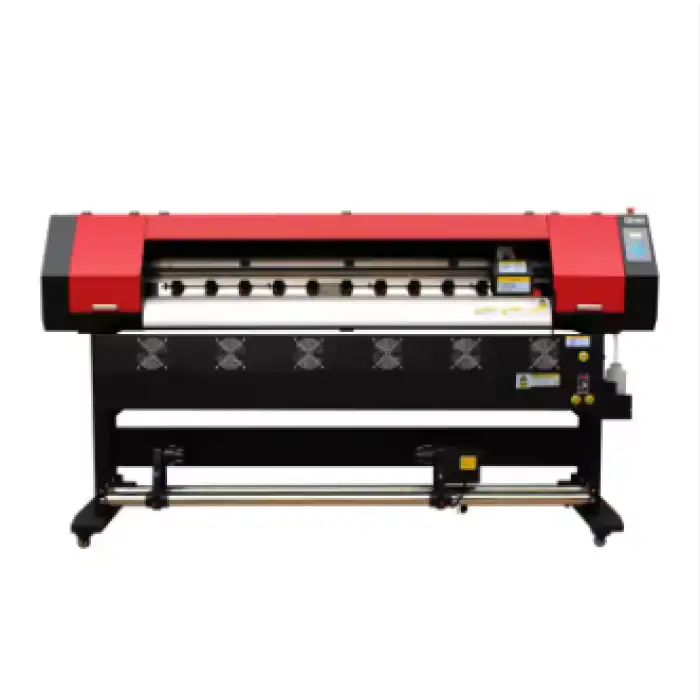
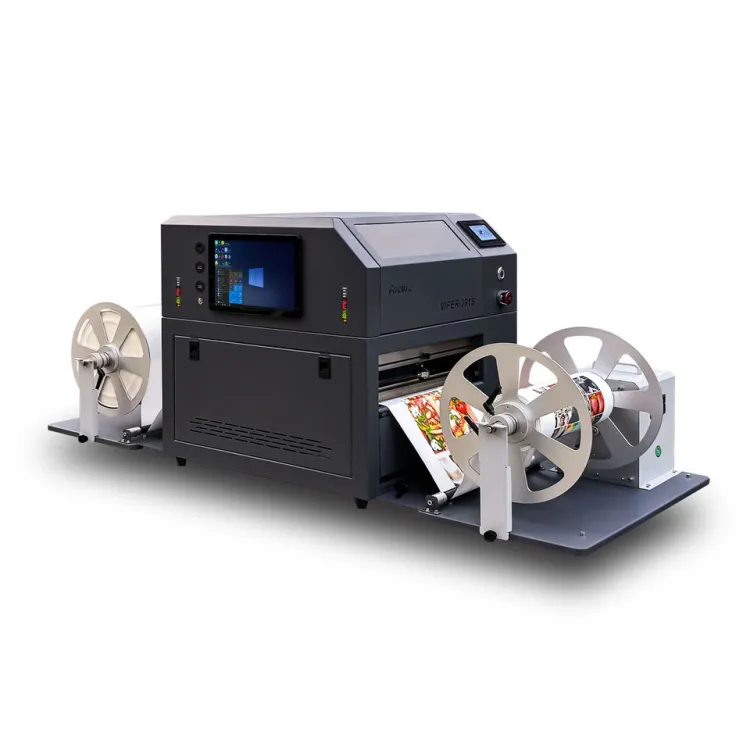
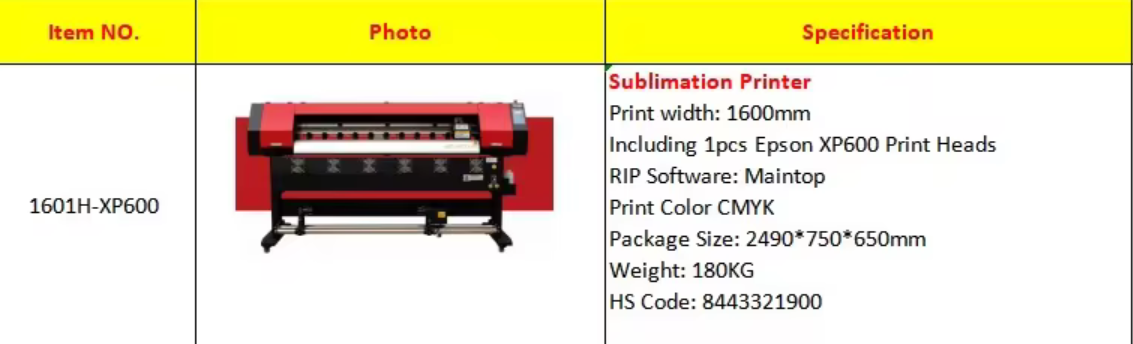
Sublimation Printer 1.6m Epson XP600
Asset finance available
Do you want funding for this equipment?
Afrimart can connect you with trusted funding partners who specialise in asset finance for businesses like yours. Compare options and apply in minutes — final approval is subject to provider review.
Check funding options
Secure & no obligation

Model Number:
- Section : Consumer Electronics
- Category : Sublimation Printers
- SKU : 62200491157

- Shipping Timeframes: All orders are processed within 2-5 business days (excluding weekends and holidays). After your order has been processed, the estimated delivery time is before 12 Jul, 2026, depending on customs, Please note that due to high demand, some items may experience longer shipping times, which will be communicated at order confirmation email.
- Order Processing Time: Please allow 2-5 business days for us to process your order before it is shipped . Orders placed after 16:00 on Fridays, or during weekends and public holidays, will begin processing on the next business day. Processing times may be extended during peak seasons or sales events.
- Manufacturing Time: Some products needs manufacturing time, the manufacturing process will take approximately 10-30 business days depending on the product. This timeframe may vary depending on the complexity of the product and current demand. but this will be communicated with you during order confirmation.
- Returns and Exchanges: We offer a 30-day return policy for most items. If you are not completely satisfied with your purchase, you may return it within 30 days of receipt for a refund or exchange. Items must be unused, in their original packaging, and accompanied by proof of purchase. Return shipping costs are the responsibility of the customer, unless the item was damaged or defective upon arrival.
1. What does "1.6m" refer to in the product name?
1.6m (1600 mm / ~63 inches) refers to the maximum printable media width — this printer is designed for roll-to-roll sublimation printing up to 1.6 meters wide.
2. What printhead does this printer use and what are the benefits?
It uses the Epson XP600 printhead, known for precise droplet placement and reliable performance in sublimation applications. It delivers fine detail and smooth gradients when used with appropriate RIP settings and inks.
3. What type of ink is required?
This machine requires dye-sublimation inks specifically formulated for sublimation transfer printing. Use high-quality compatible sublimation inks recommended by the supplier to avoid nozzle clogging and color issues.
4. Which substrates can I print on using sublimation transfers from this printer?
Sublimation is best for polyester textiles and polyester-coated hard surfaces such as coated mugs, metal sheets, phone cases, and signage. Direct sublimation to natural fibers like cotton is not feasible without special coatings.
5. What software and file formats are supported?
The printer works with common design and RIP software. Typical supported file formats include TIFF, PSD, PDF, JPG, and PNG. For best color management and production control, use a RIP (e.g., Caldera, Wasatch, ErgoSoft) compatible with Epson XP600.
6. What resolution and print quality can I expect?
Print quality is high and suitable for textile and photo-quality transfers. The maximum usable resolution depends on driver and RIP settings; consult your RIP for optimal DPI settings. Real-world quality depends on media, inks, and profiling.
7. How do I manage color accuracy?
Use ICC profiles tailored to your ink/paper combination and RIP. Perform test prints and color calibration for consistent results. Many suppliers provide sample profiles; custom profiling is recommended for production-level color matching.
8. What connectivity options are available?
Connectivity varies by configuration but commonly includes USB and Ethernet. Wireless options depend on the controller and setup. Check the specific machine configuration for available interfaces.
9. What maintenance is required to keep the XP600 printhead healthy?
Regular maintenance includes daily nozzle checks, routine head cleanings, flushing if inks are changed or if the printer will be idle, and using recommended inks and capping conditions. Follow the manufacturer/supplier maintenance schedule to prevent clogs and prolong printhead life.
10. Can I use third-party sublimation inks?
Yes, many operators use high-quality third-party sublimation inks, but compatibility varies. Always verify that the ink is formulated for Epson micro piezo heads and ask the supplier about warranty and support implications.
11. What type of heat press is required for transferring prints?
Transfer method depends on the product: roll-to-roll textile transfers typically use calender machines, while hard goods require mug presses, flatbed heat presses, or vacuum presses for even pressure and temperature. Choose the press appropriate for your substrate size and shape.
12. What are recommended media and paper types?
Use high-quality sublimation transfer paper optimized for heat release and color hold. Paper weight, coating, and structure affect ink absorption and transfer—test a few papers to find the best match for your inks and end-products.
13. Are consumables and spare parts available?
Consumables such as sublimation inks, transfer paper, maintenance kits, and spare parts (capping stations, dampers, etc.) are generally available through suppliers. Confirm parts availability and lead times with your vendor before purchase.
14. Is ventilation or special safety equipment required?
Sublimation transfers release fumes during pressing; ensure adequate ventilation in the workspace. Use heat-resistant gloves when handling hot substrates and follow safety data sheets (SDS) for the inks used.
15. What warranty and technical support are provided?
Warranty and support terms depend on the seller and configuration. Ask the vendor about warranty duration, what it covers (printheads, electronics, etc.), and availability of local technical support and service.
Latest Order Arrivals
Discover our latest orders
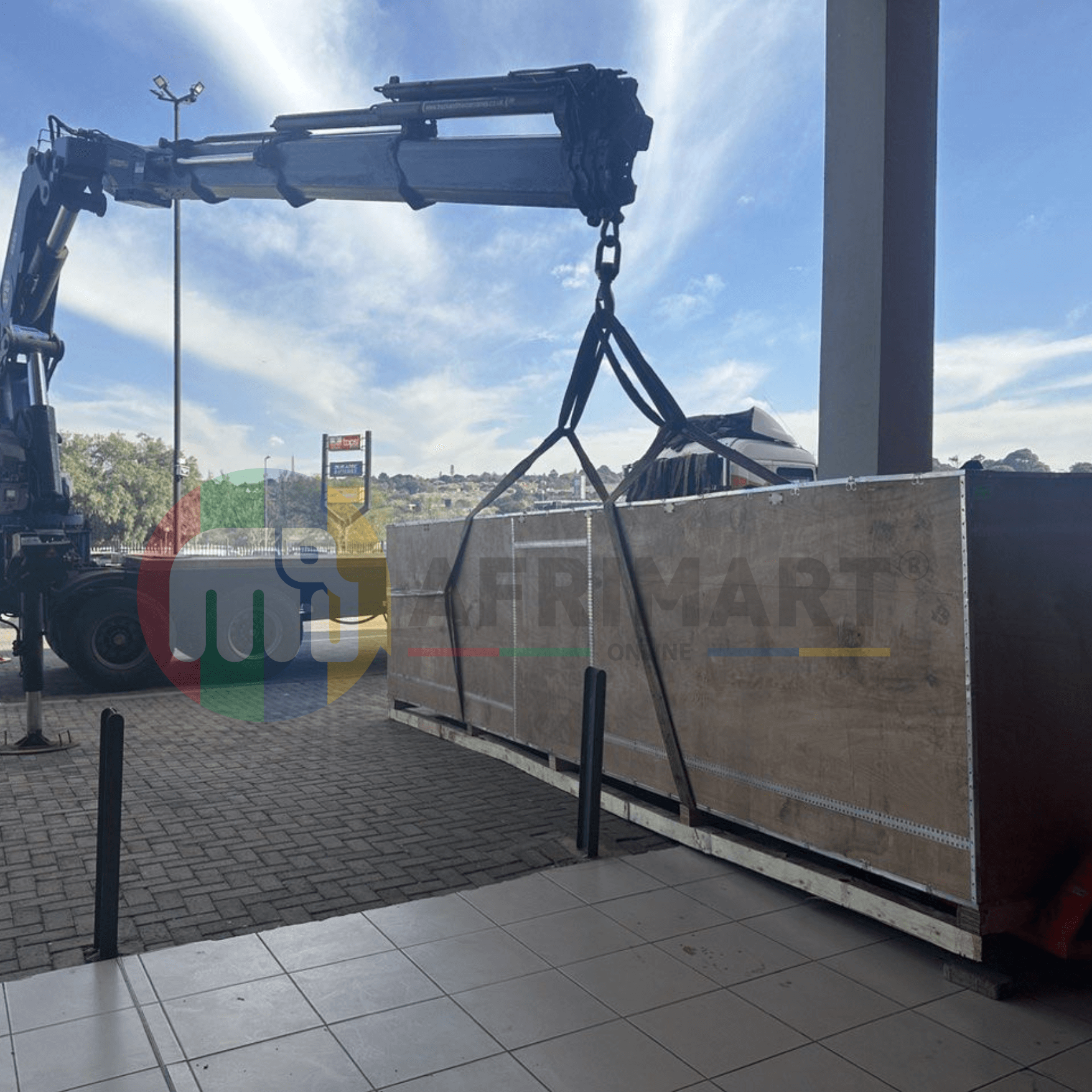
12 Heads Embroidery Machine
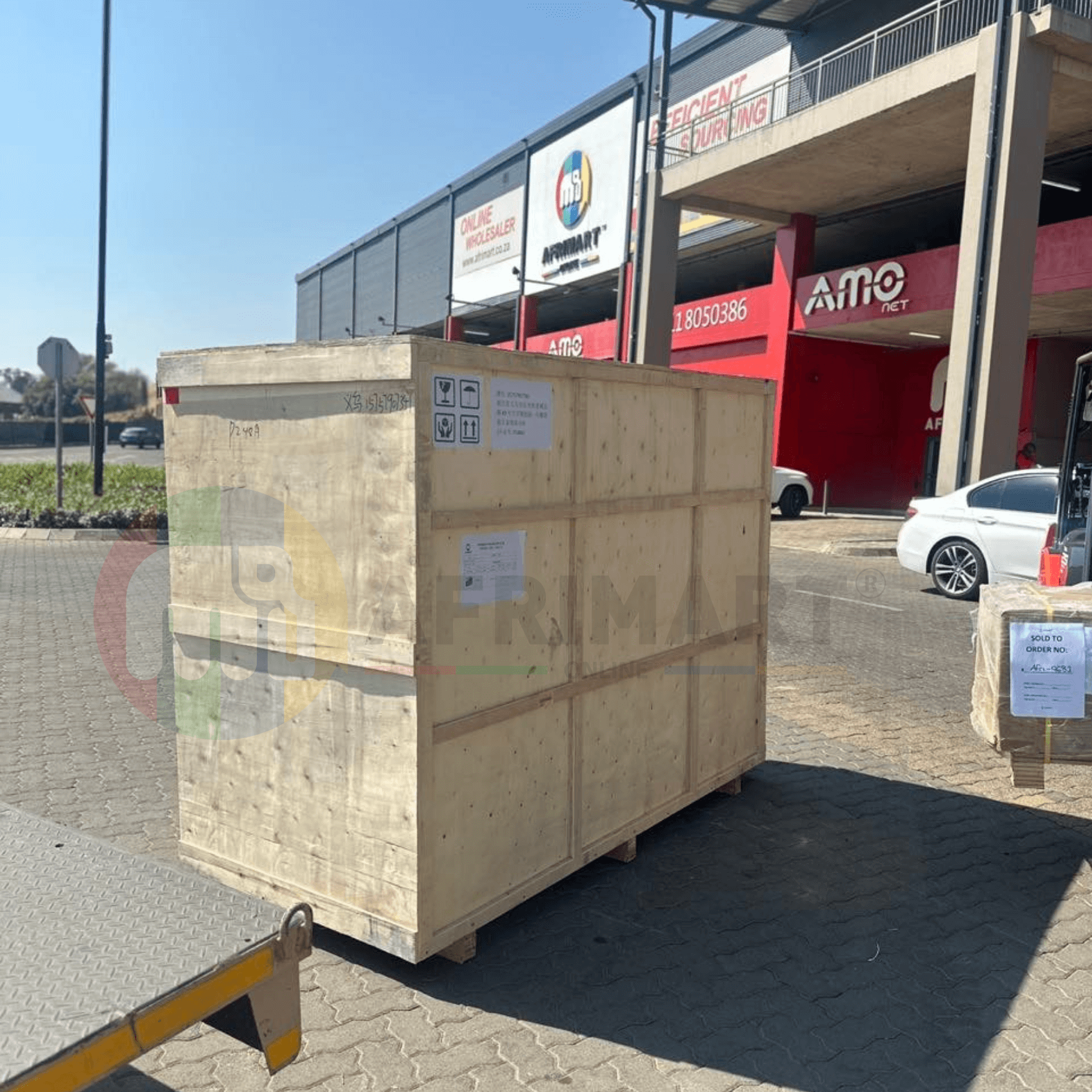
Dewatering Pump Machine
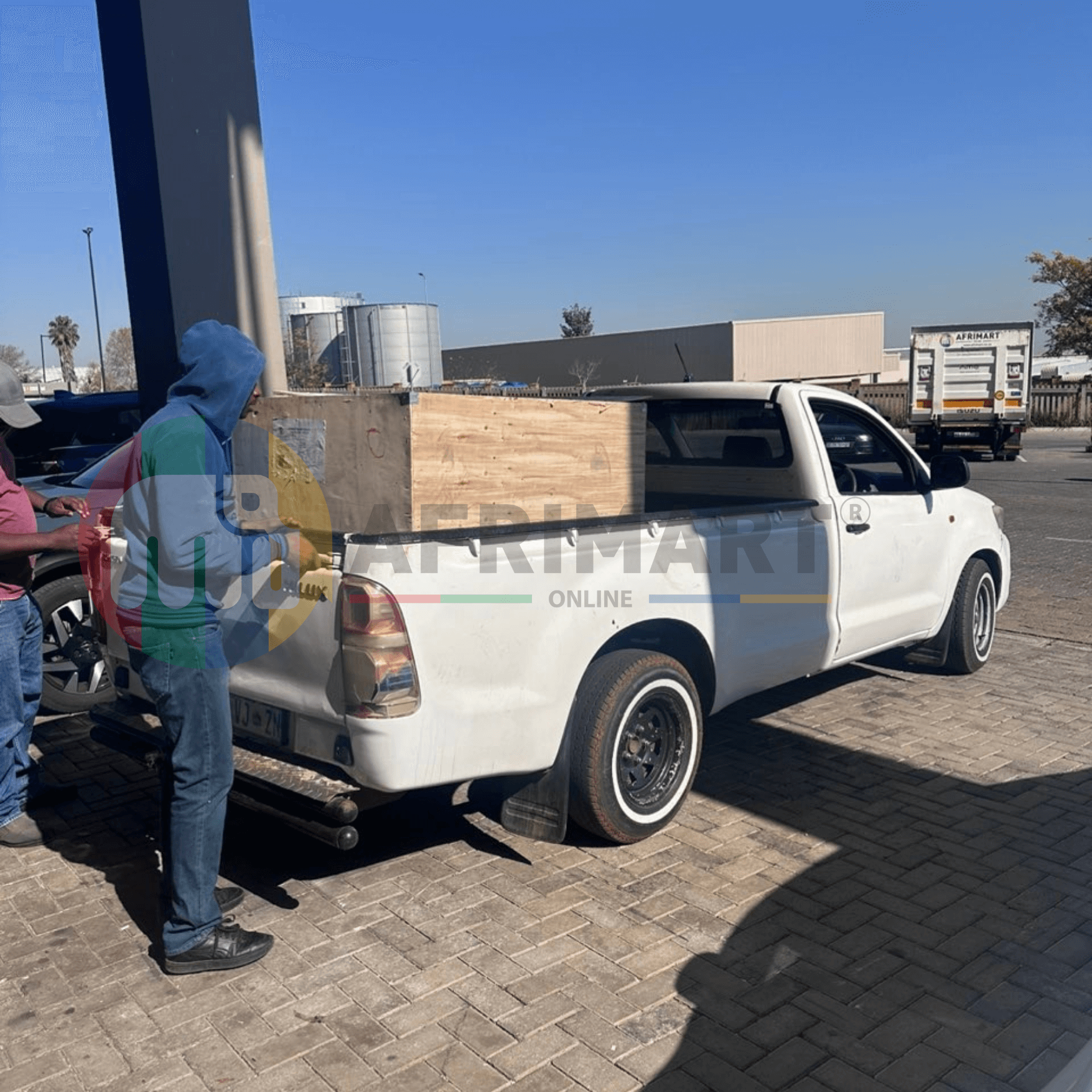
Order Collection
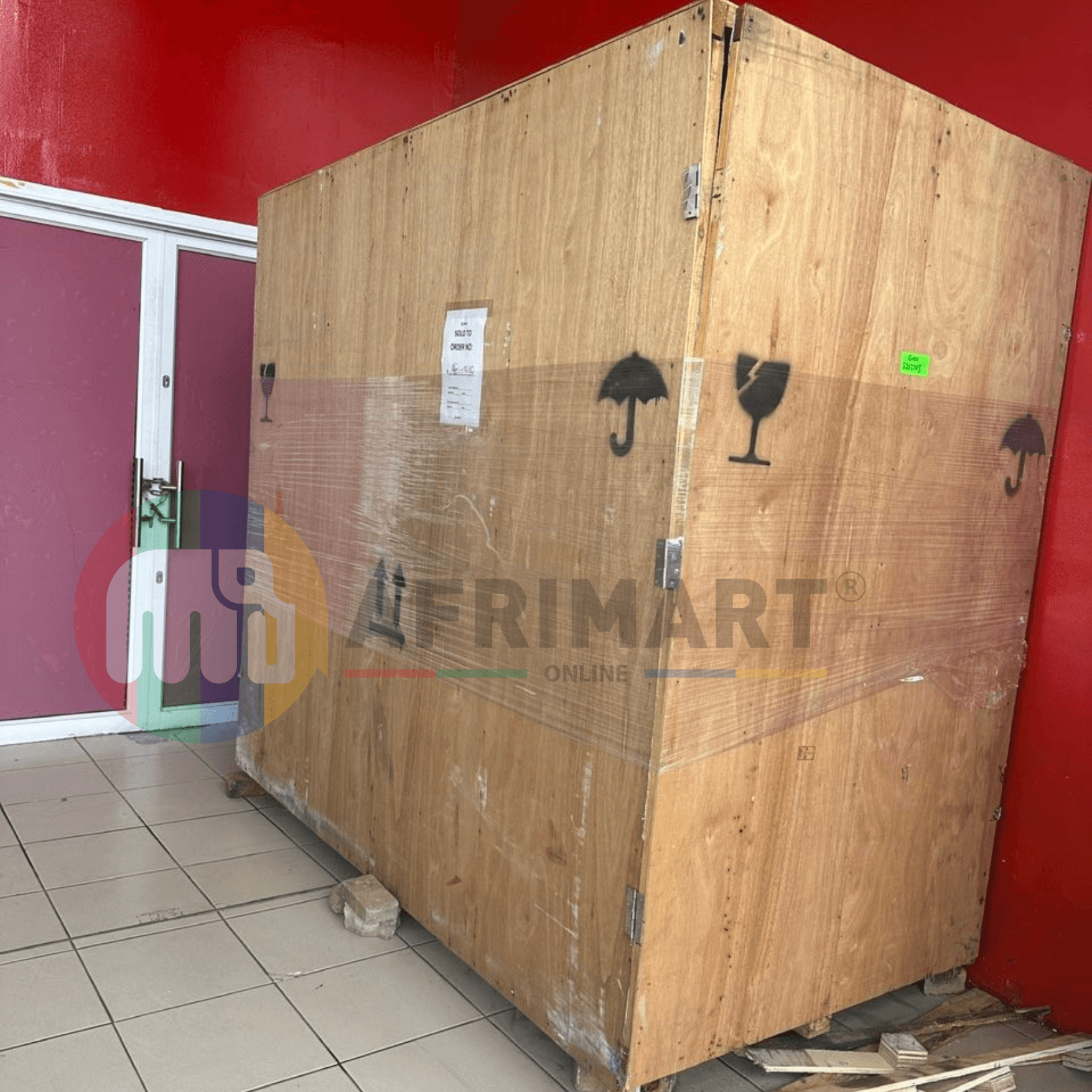
Portable Water Drilling Rig
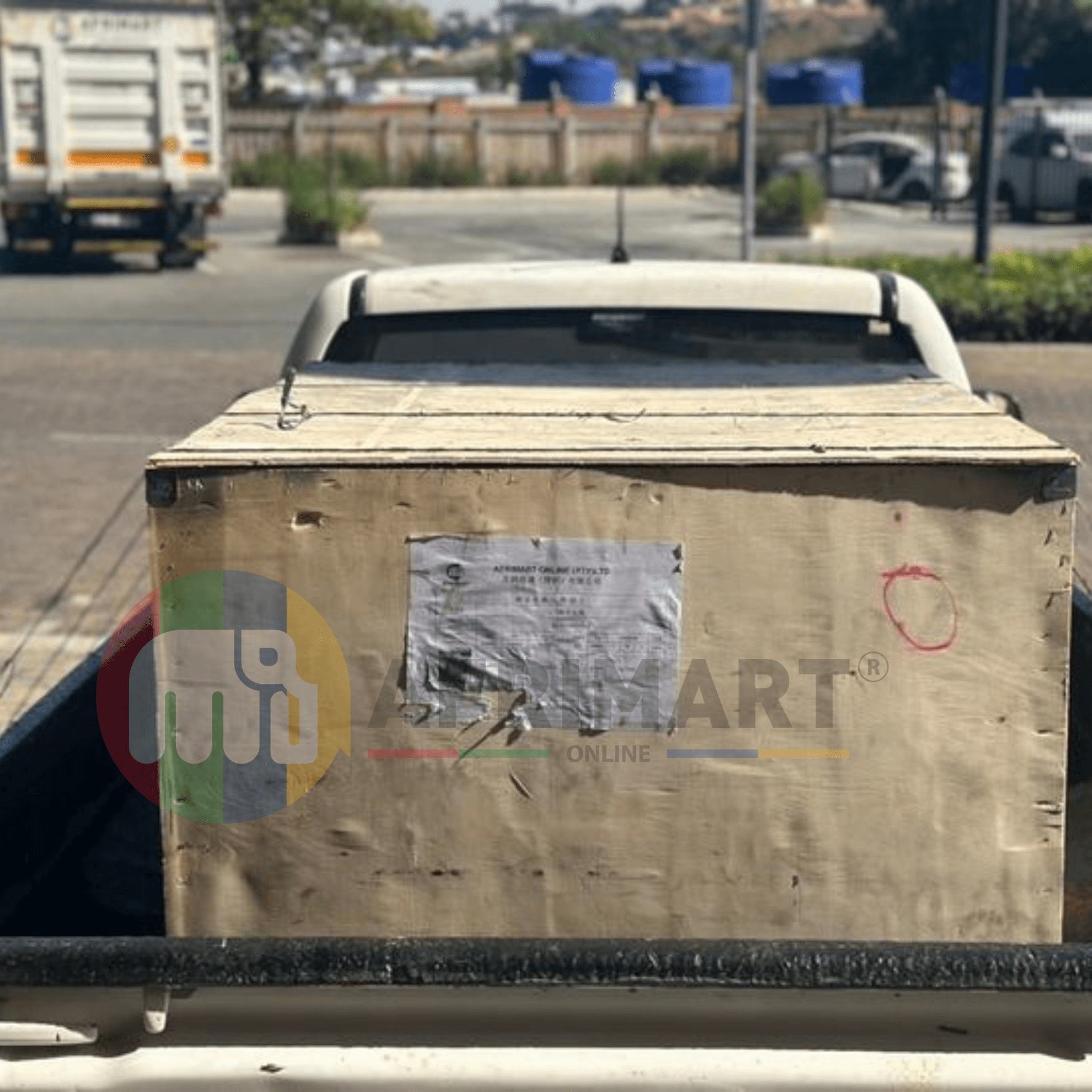
Order Usefully Collected
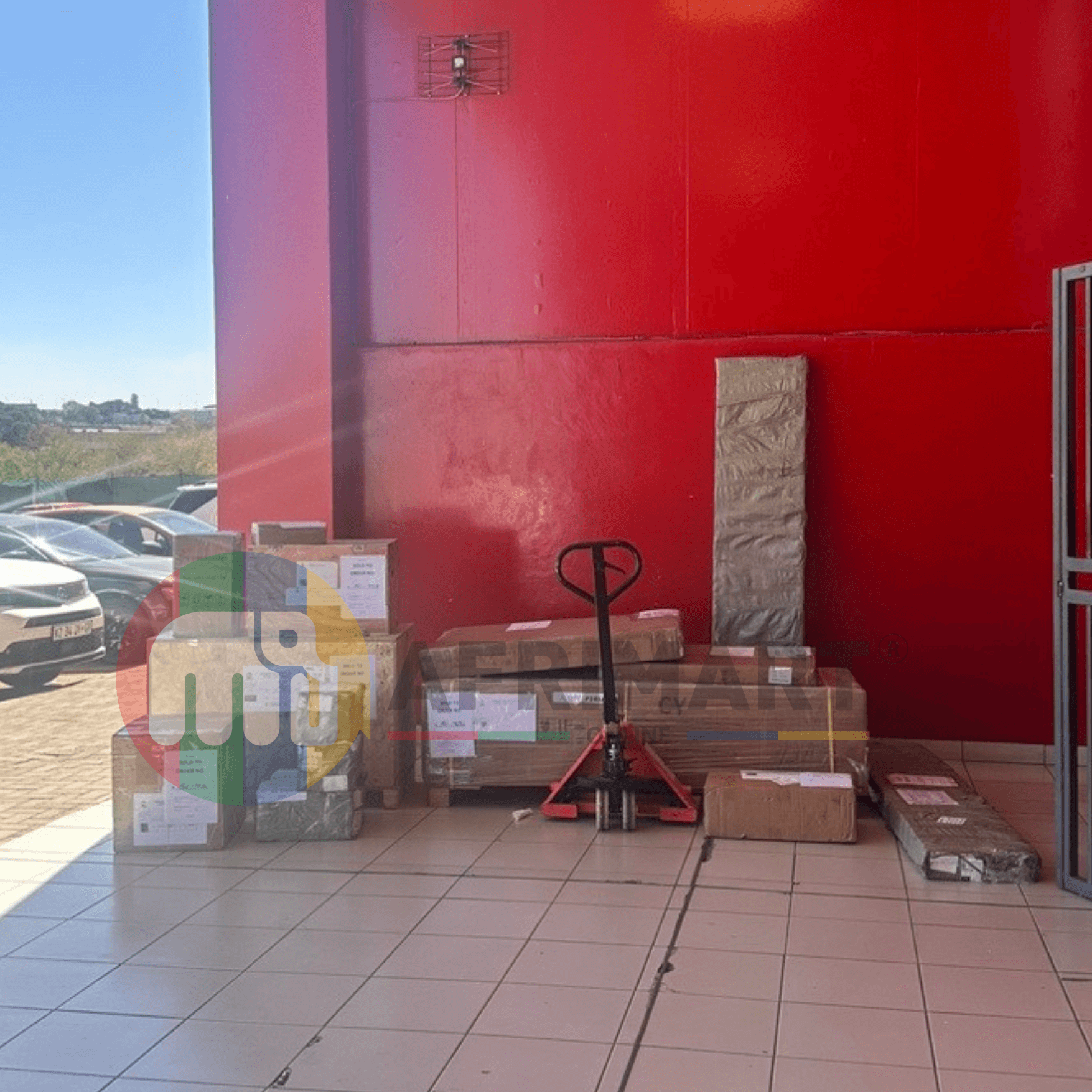
Batch of Orders
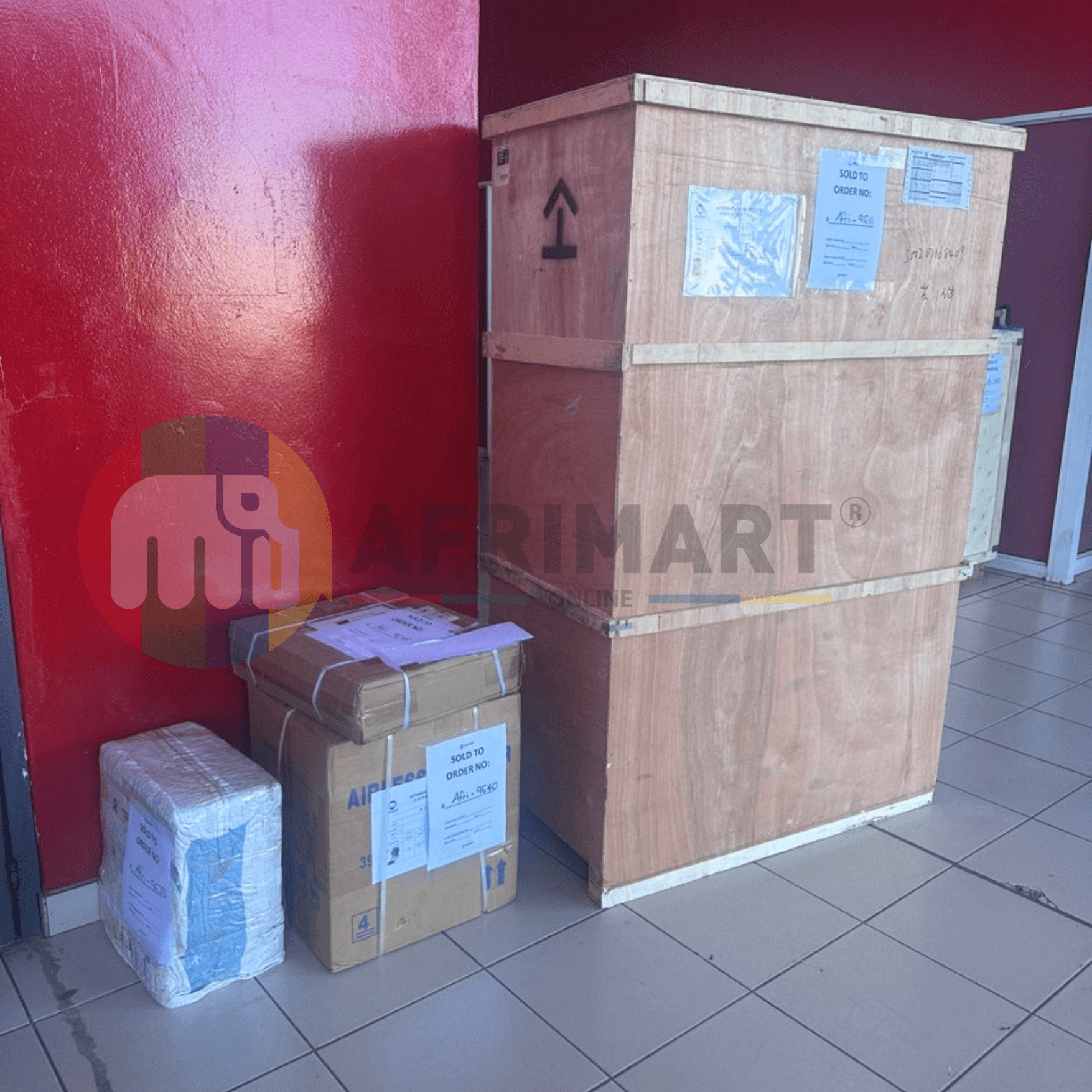
Agriculture Processing Machines
Meat Grinder Machine
Water Pump Equipment
Packaging Machine and accessories
Fabrics Manufacturing Equipment
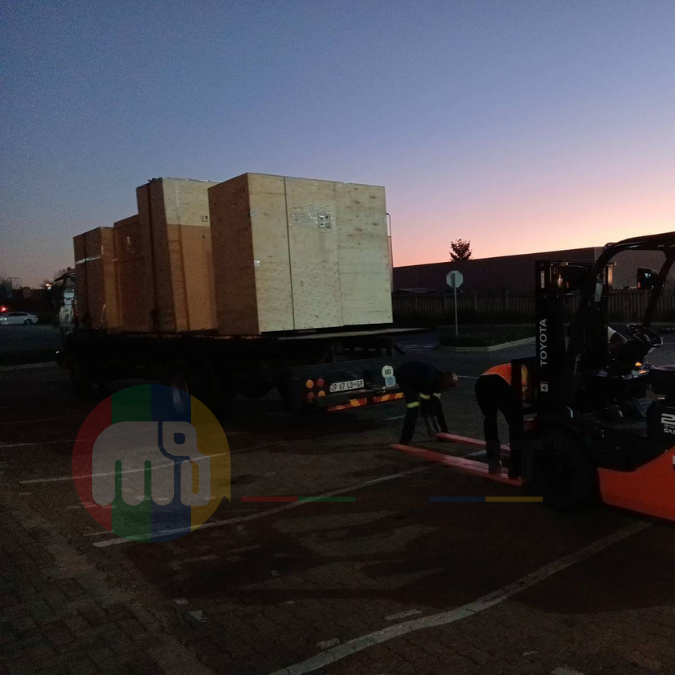
Mining Equipments
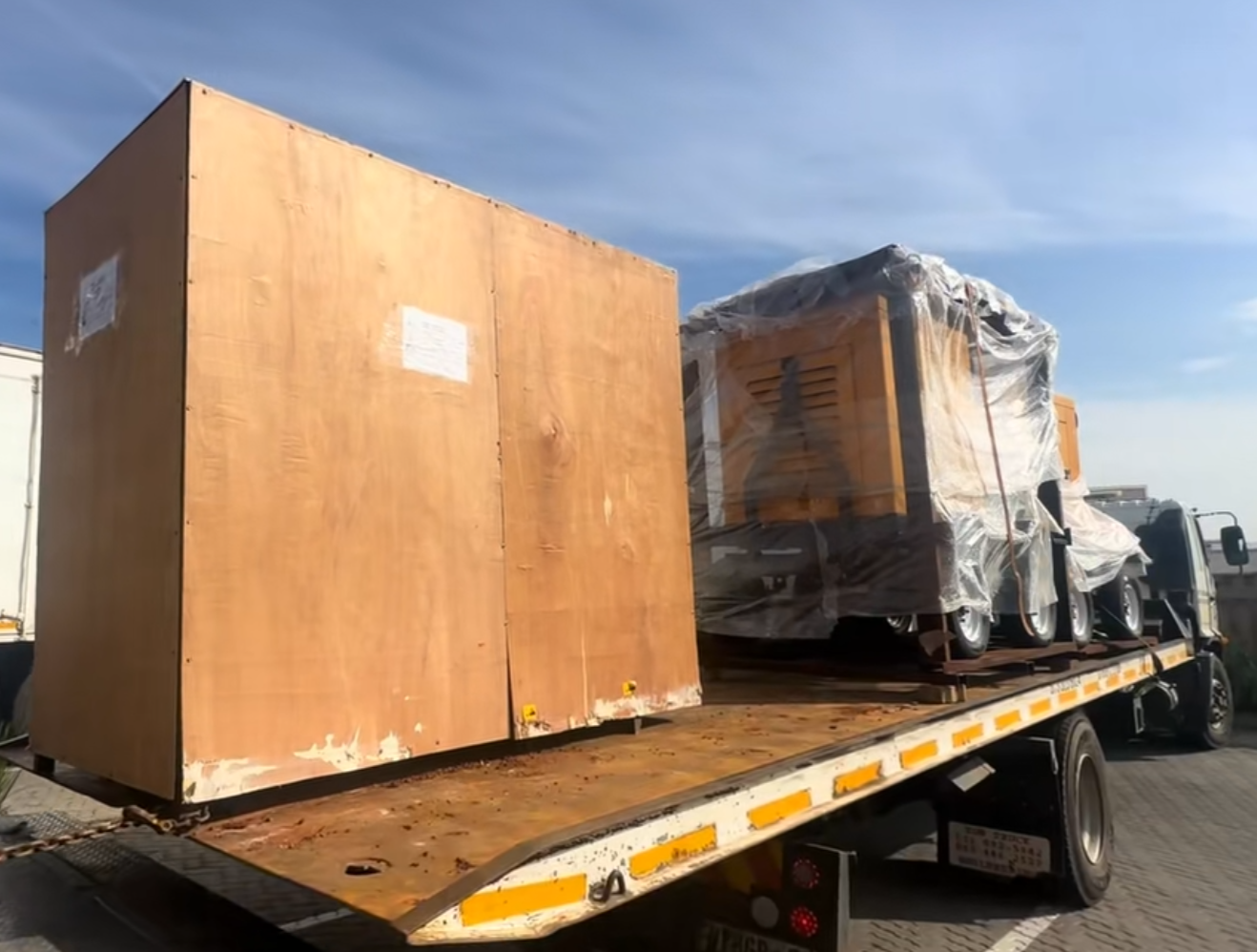
Food Processing Machine
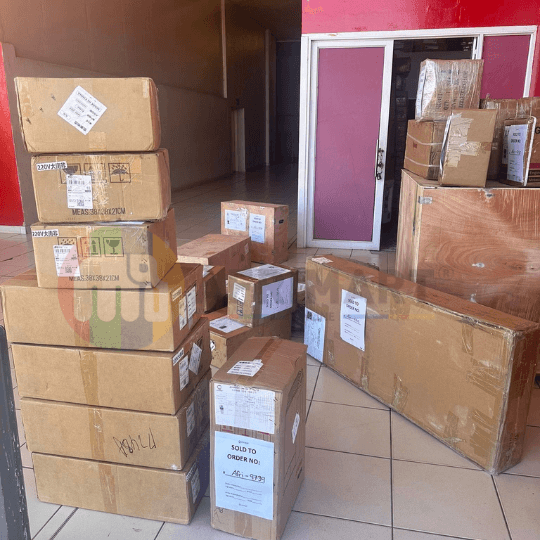
Batch of Orders
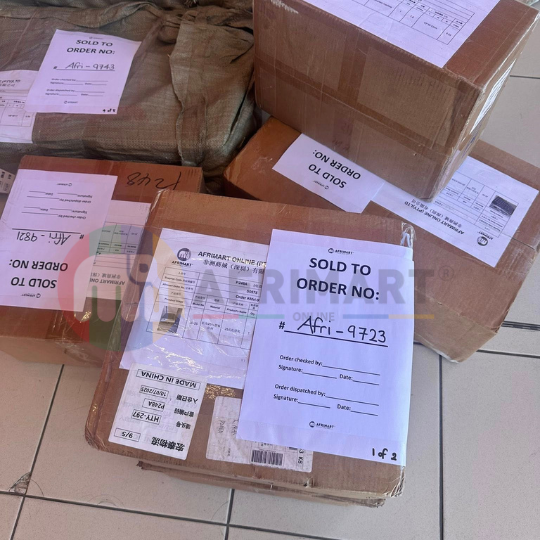
Batch of Orders
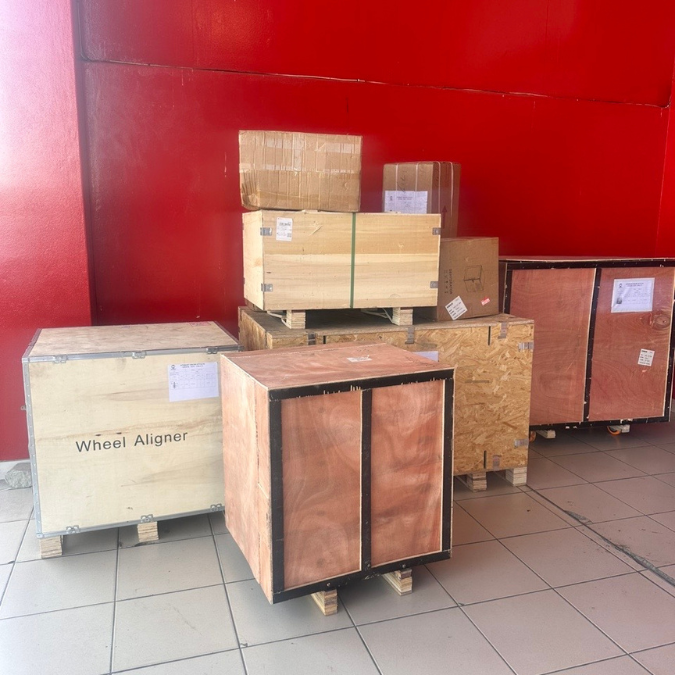
Latest Orders Labelled
wheel alignment machines
new arrivals
Pre Orders Offloading
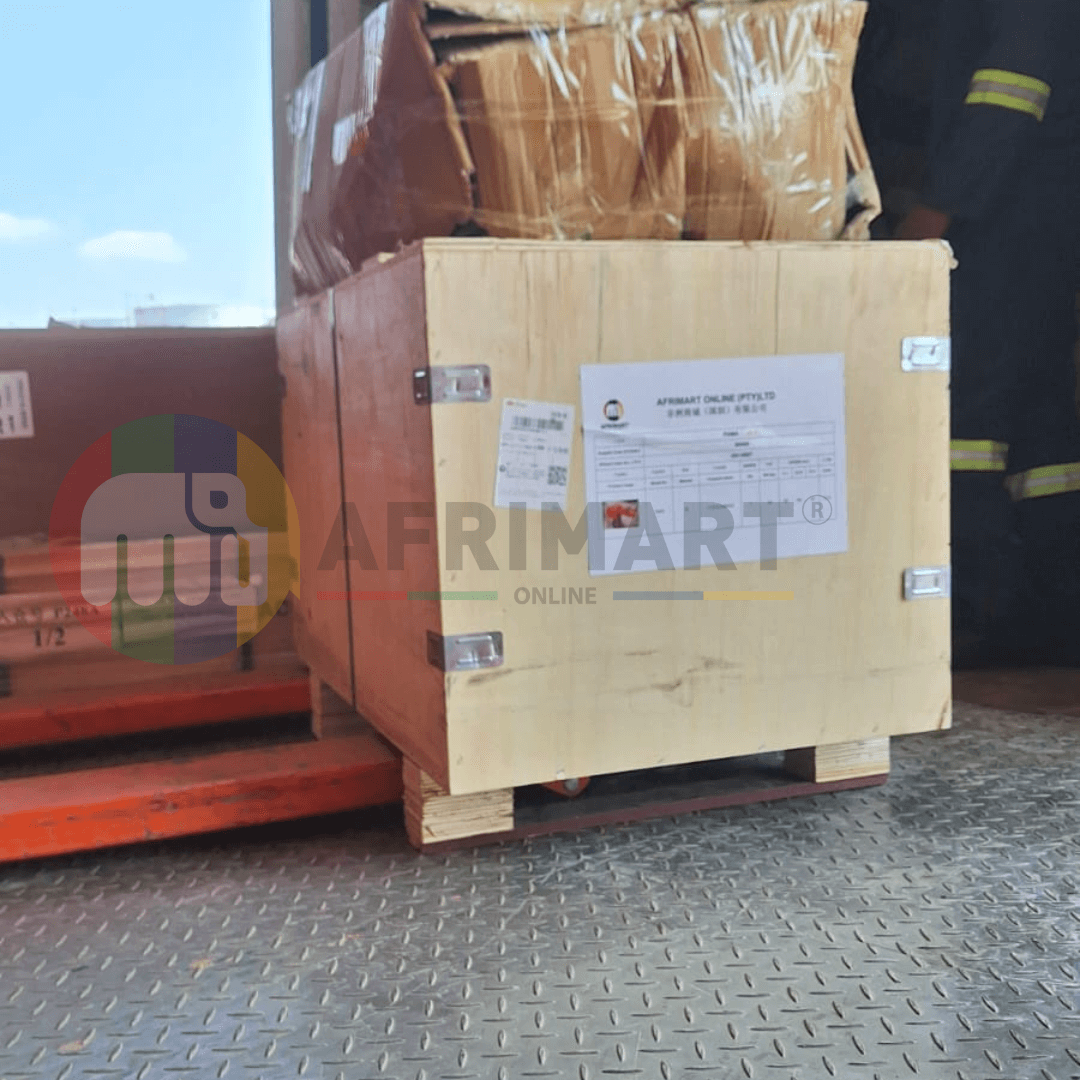
Latest Arrivals
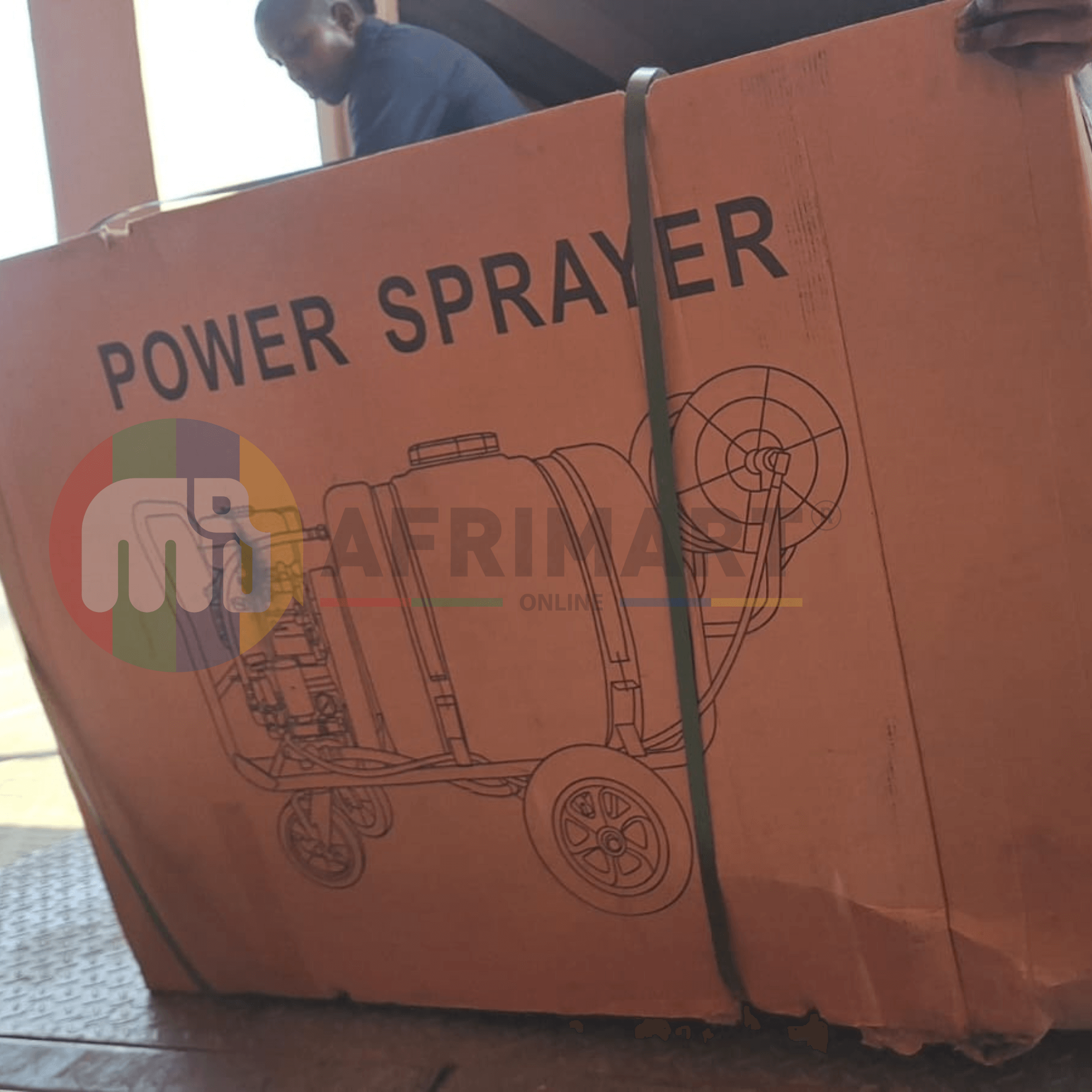
Latest Arrivals
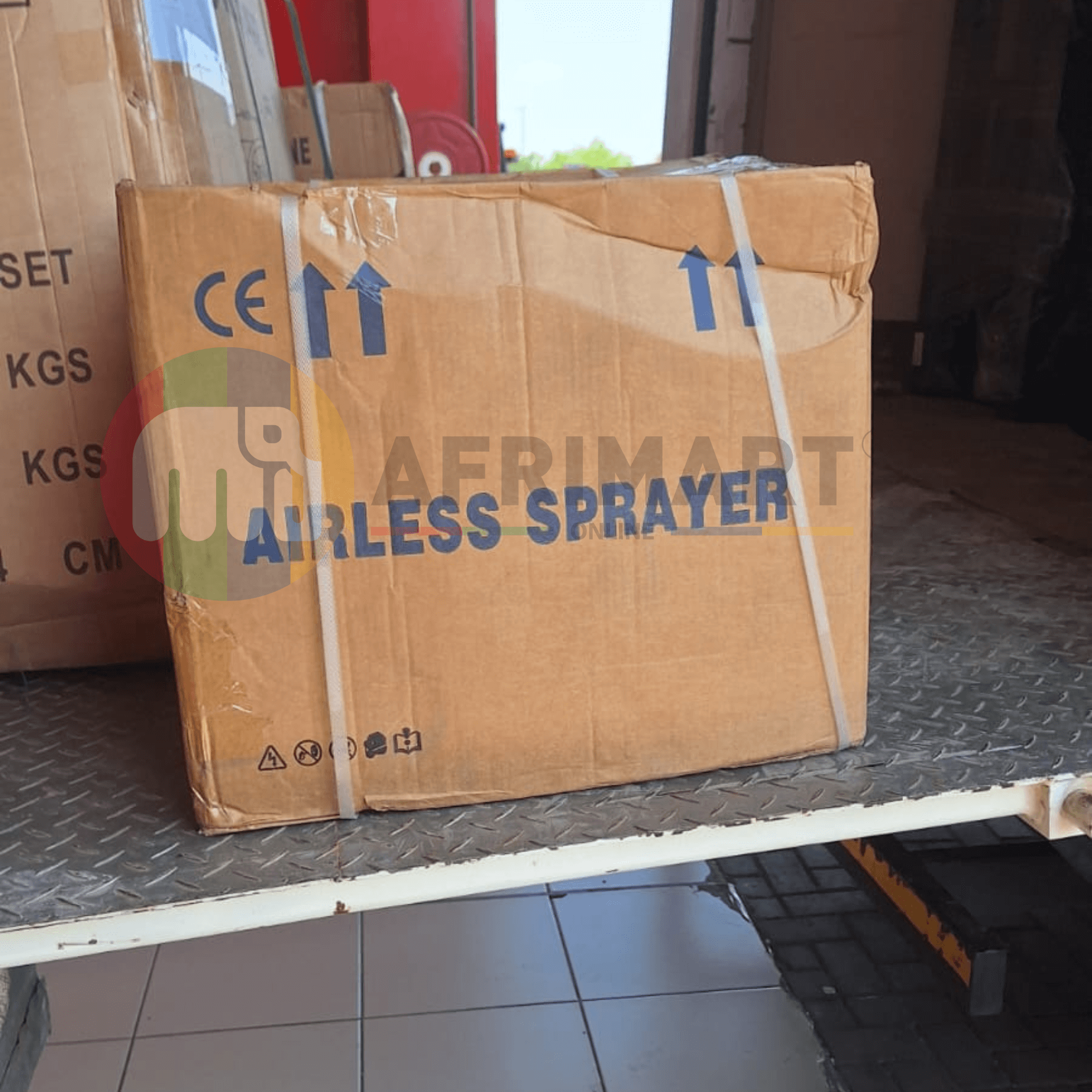
Latest Arrivals
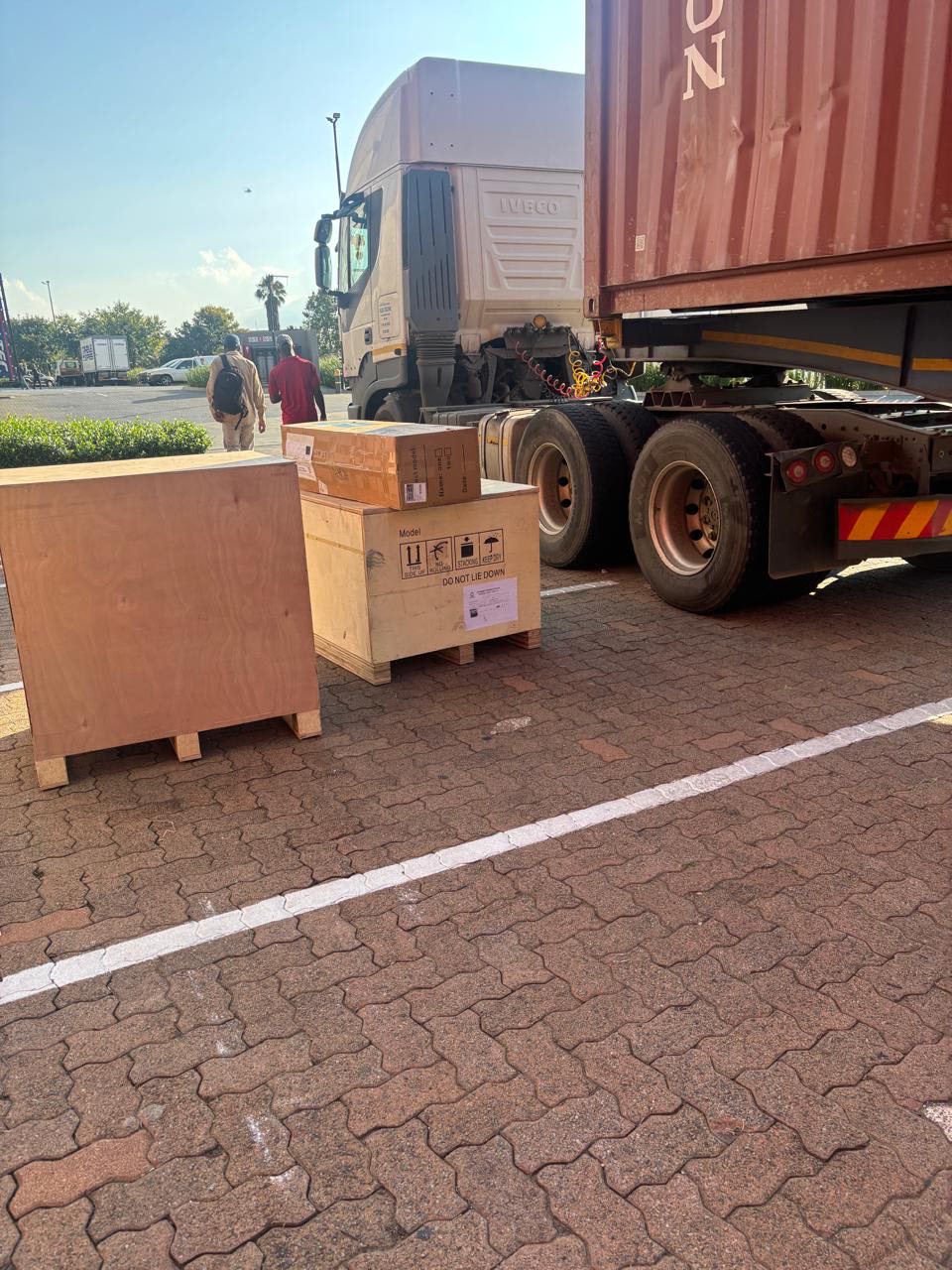
26 January 2026
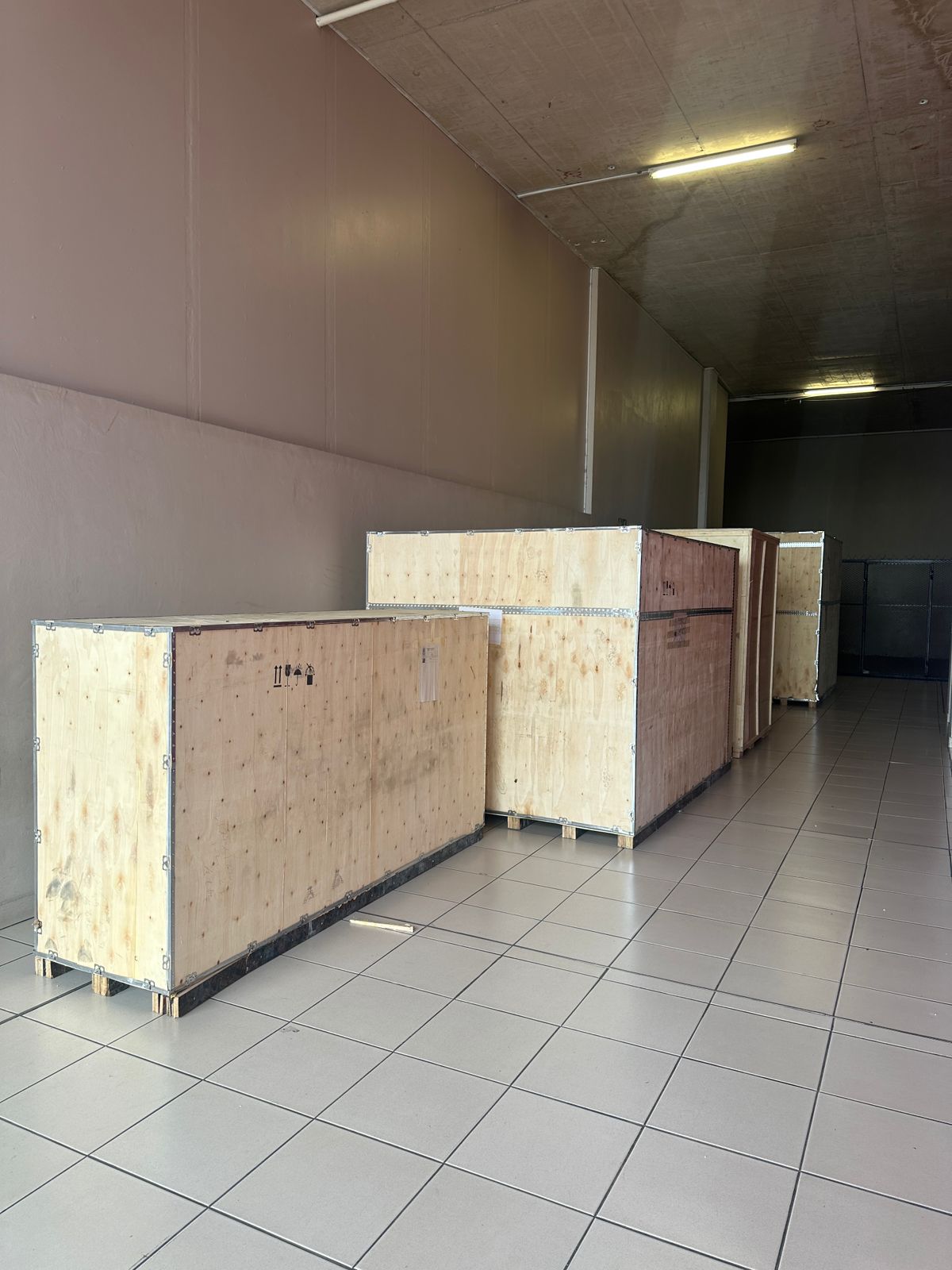
Toilet paper making machine
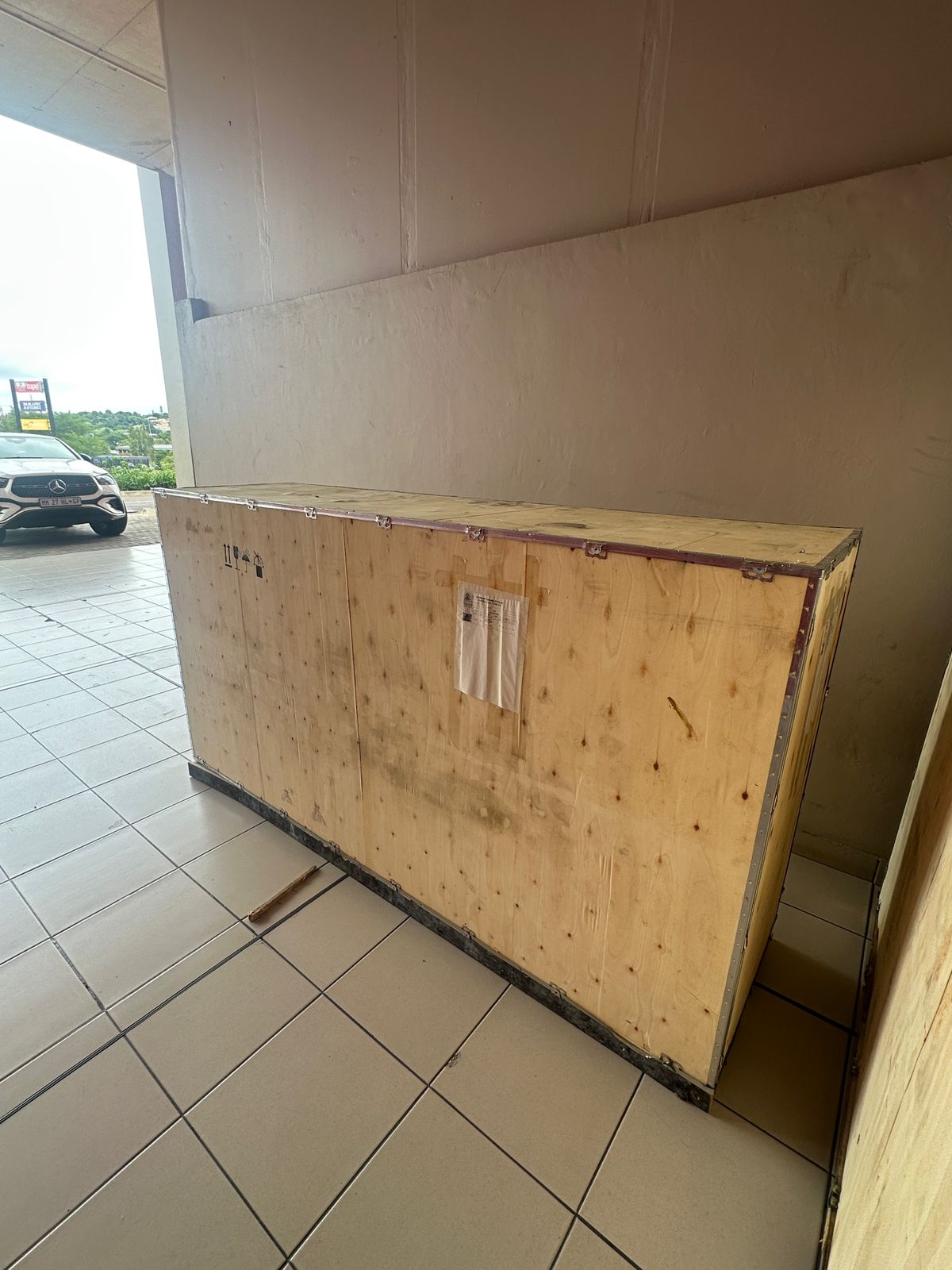
Toilet paper making machine
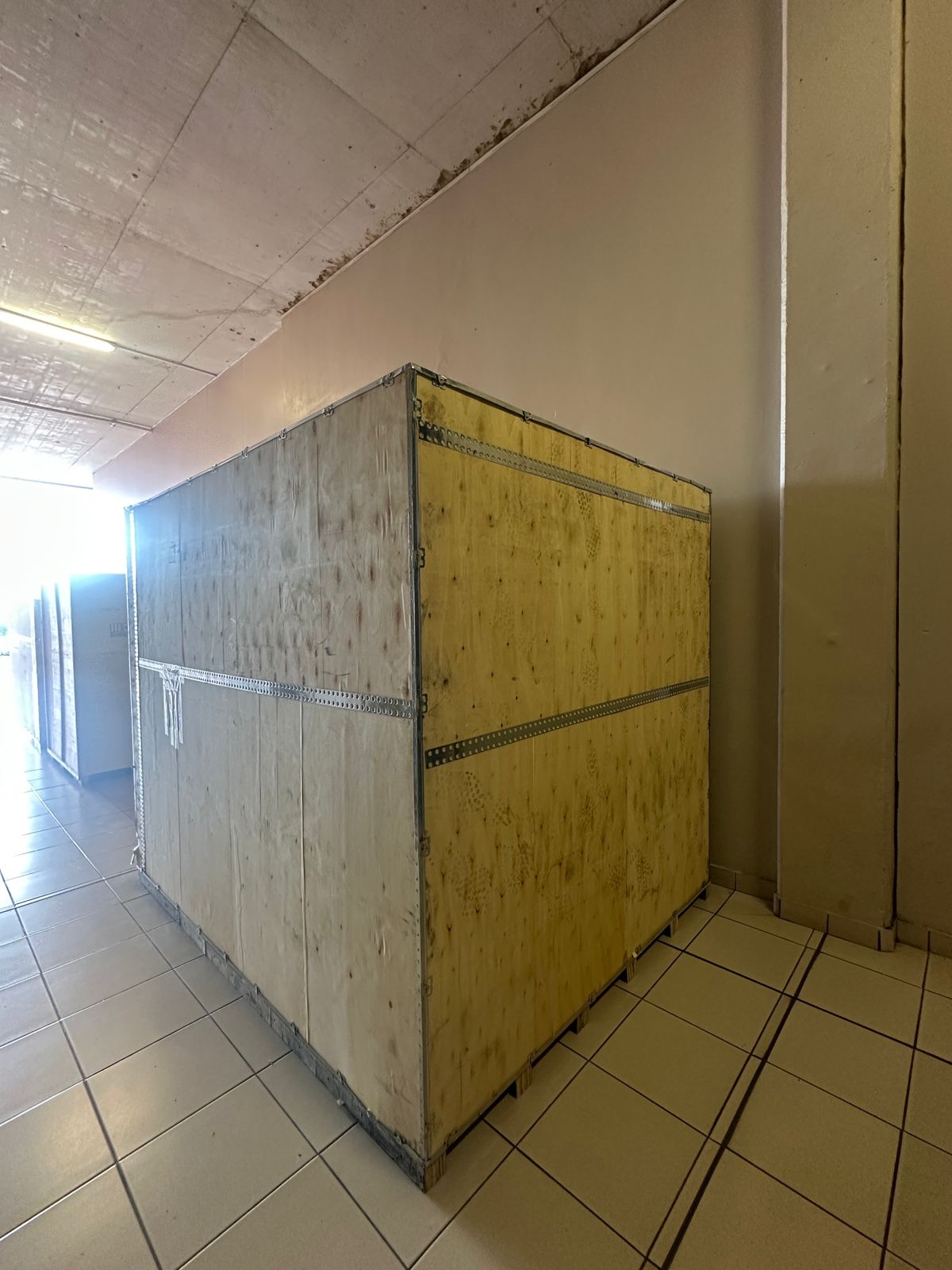
Toilet paper Rewinding Machine
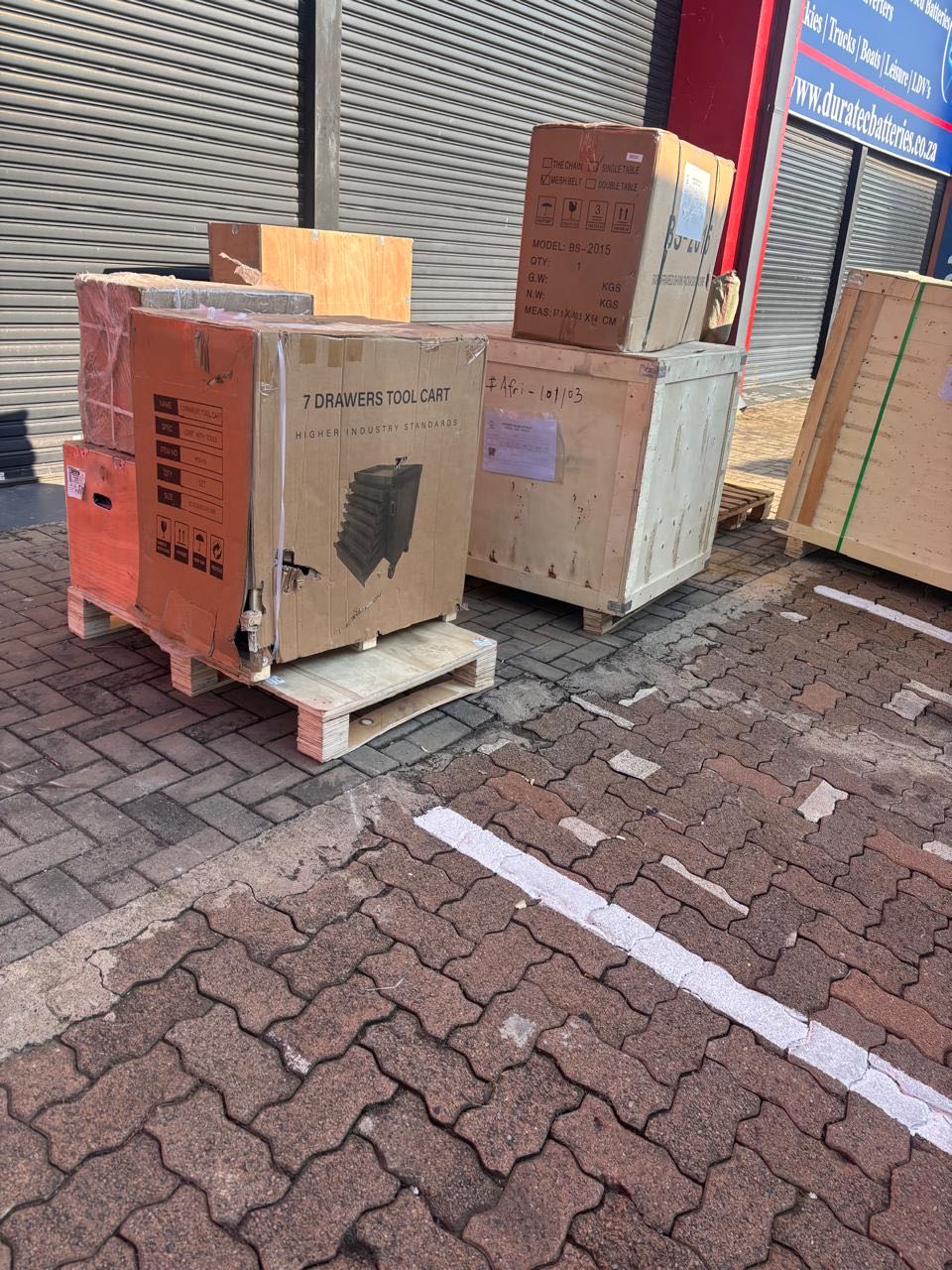
latest arrivals
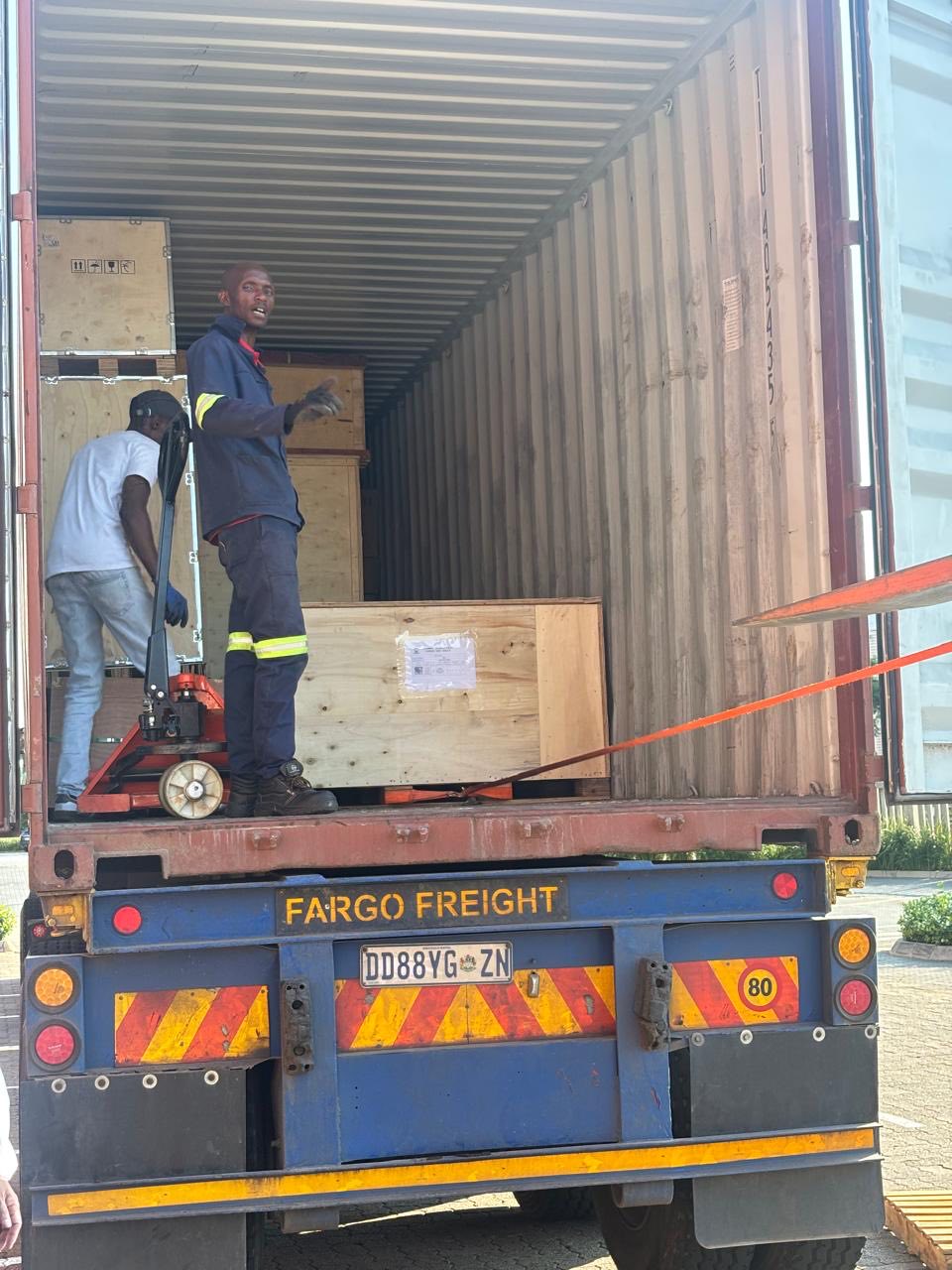
offloading
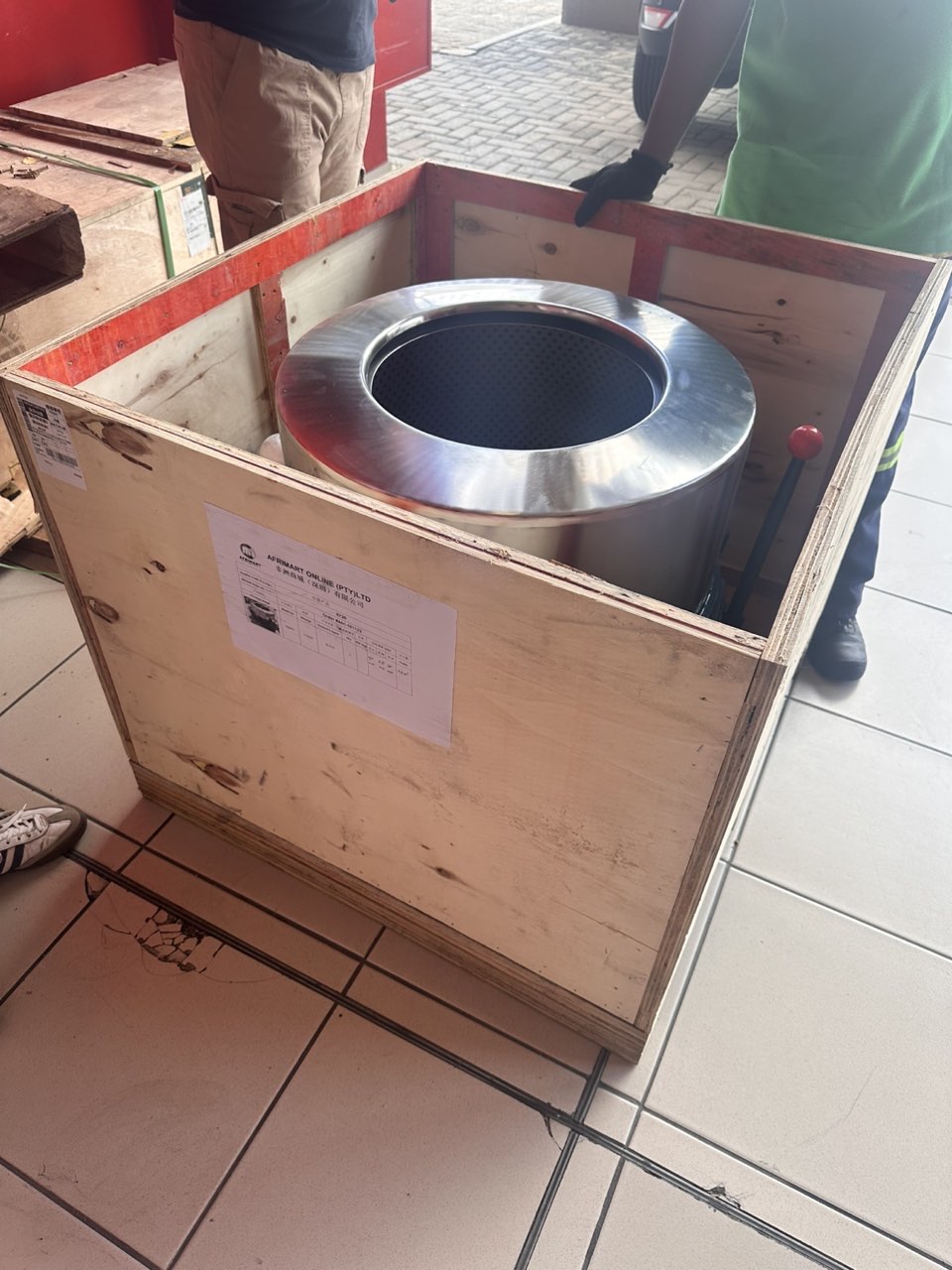
order success
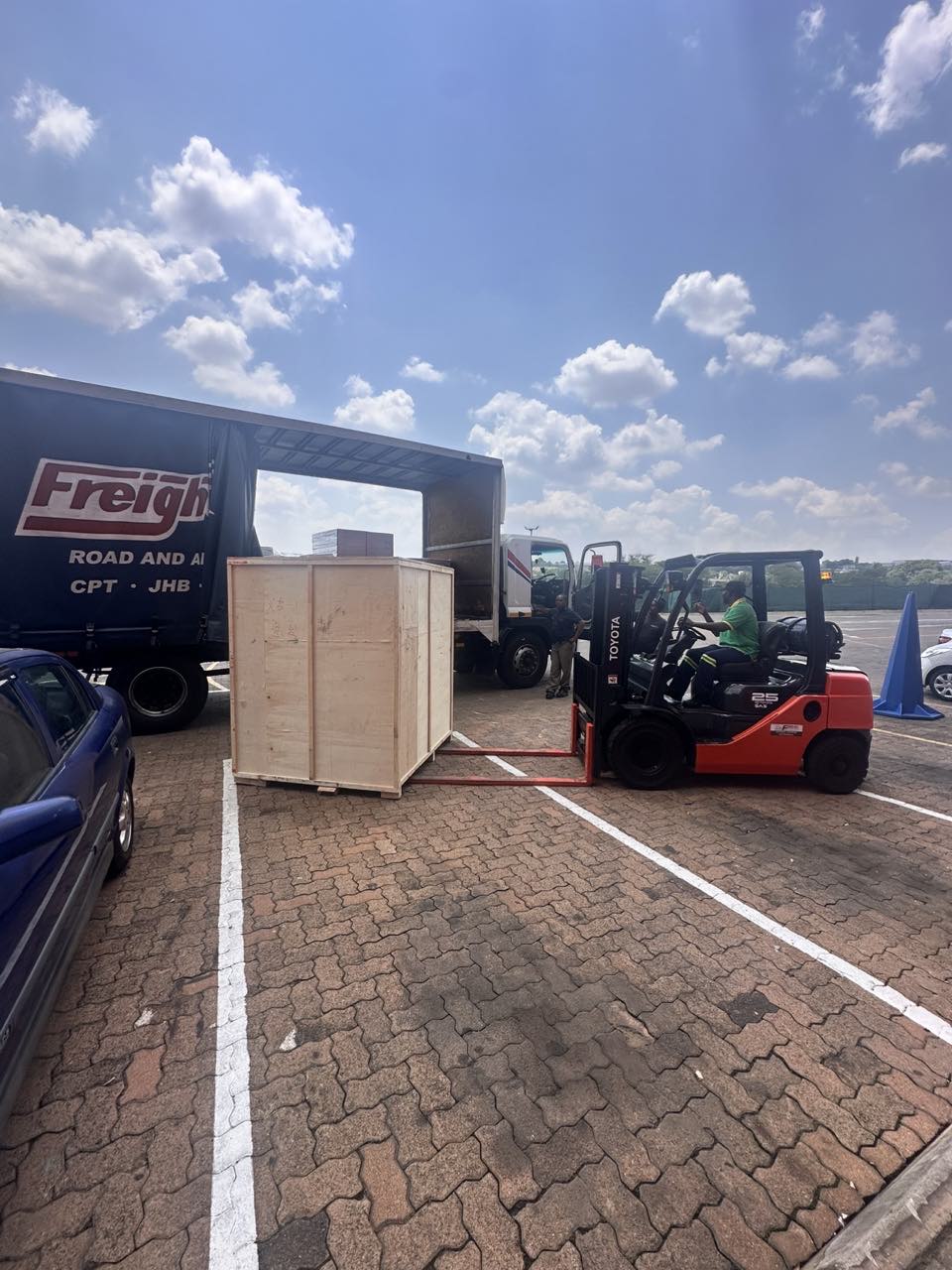
order collection
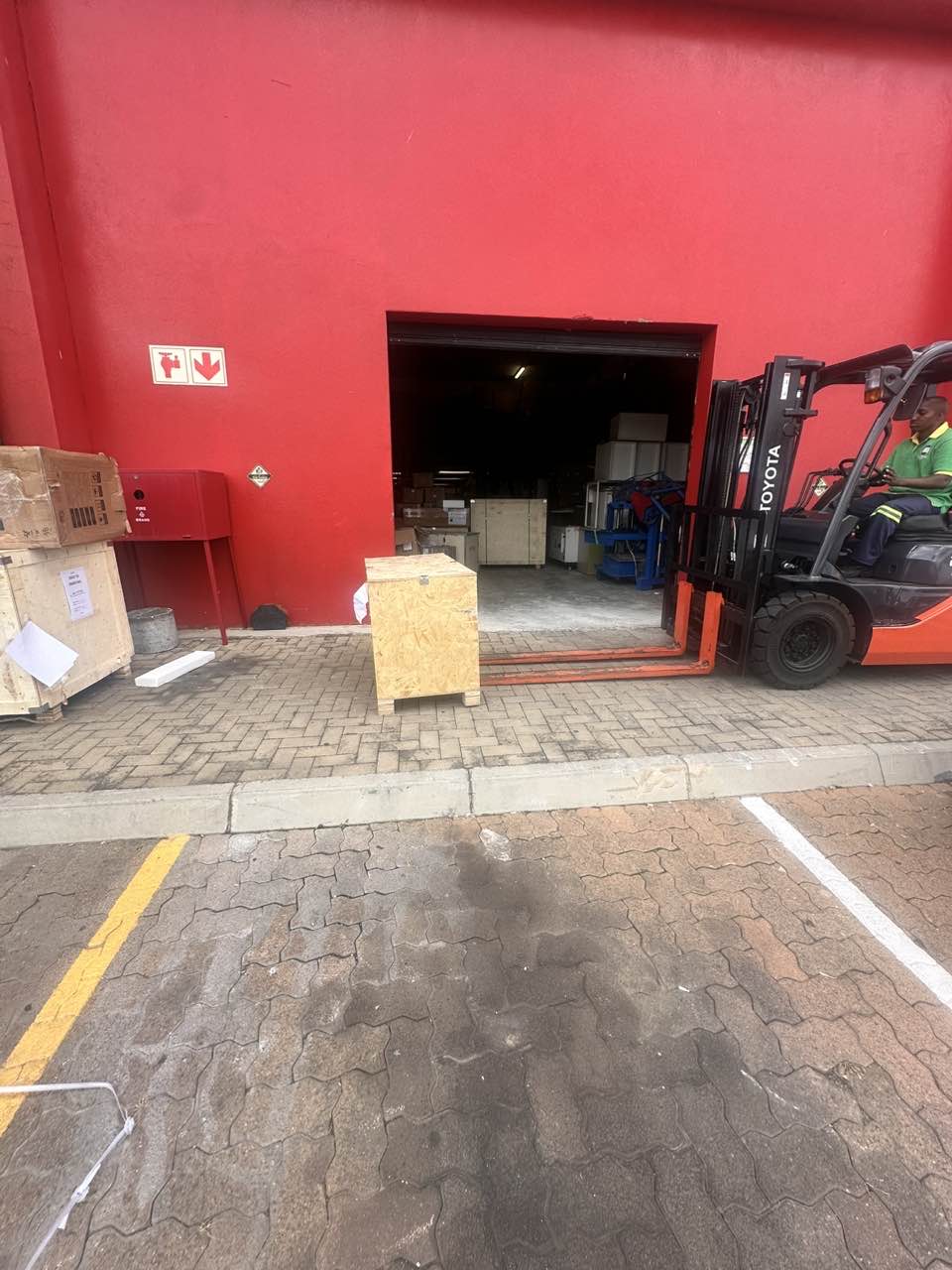
order offloading