B21, China Town Mall, Midrand


Straw Making Machine
Asset finance available
Do you want funding for this equipment?
Afrimart can connect you with trusted funding partners who specialise in asset finance for businesses like yours. Compare options and apply in minutes — final approval is subject to provider review.
Check funding options
Secure & no obligation

- Section : Machinery
- Category : Manufacturing Machinery
- SKU : 1601427889527

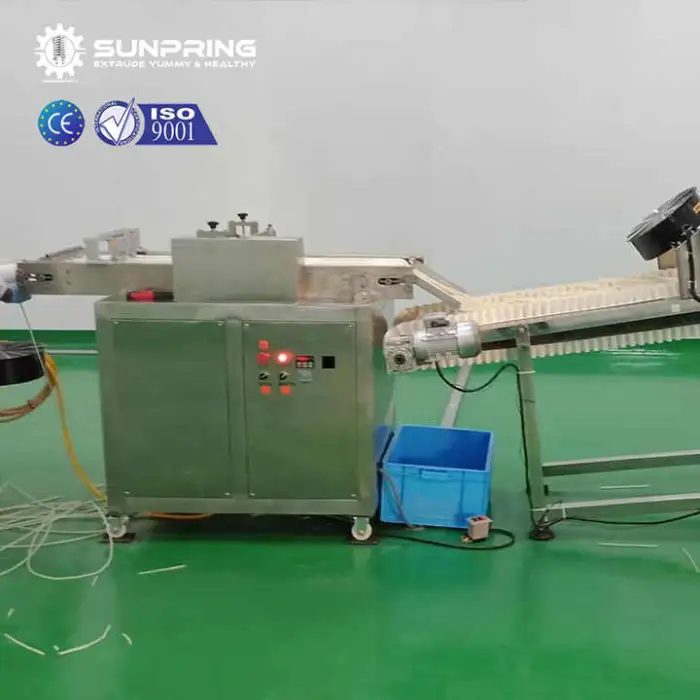
Straw Making Machine
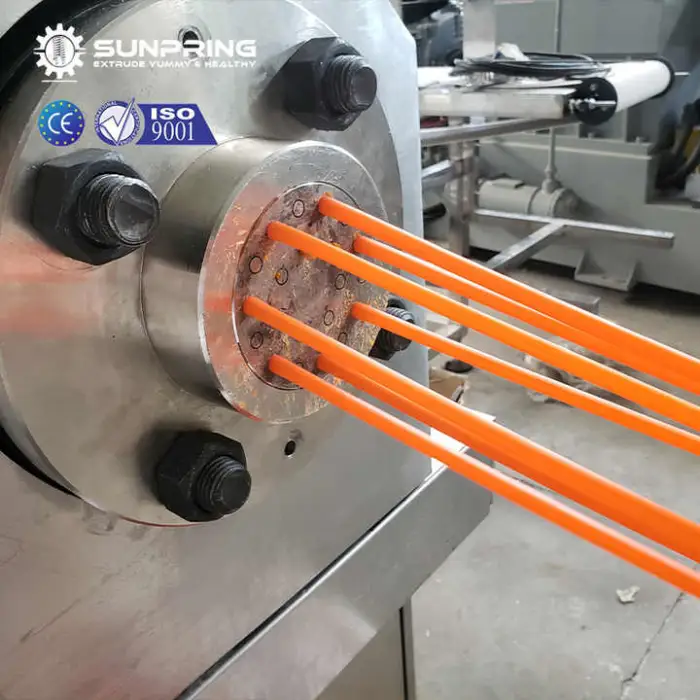
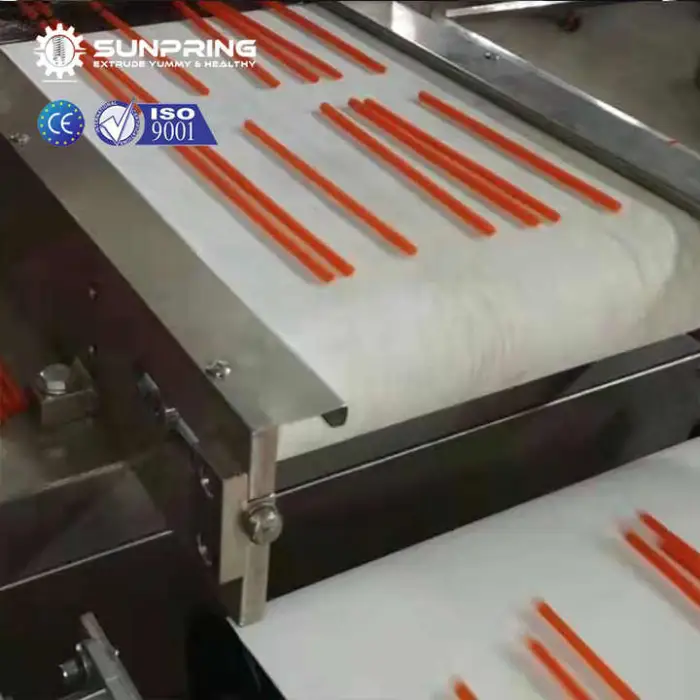
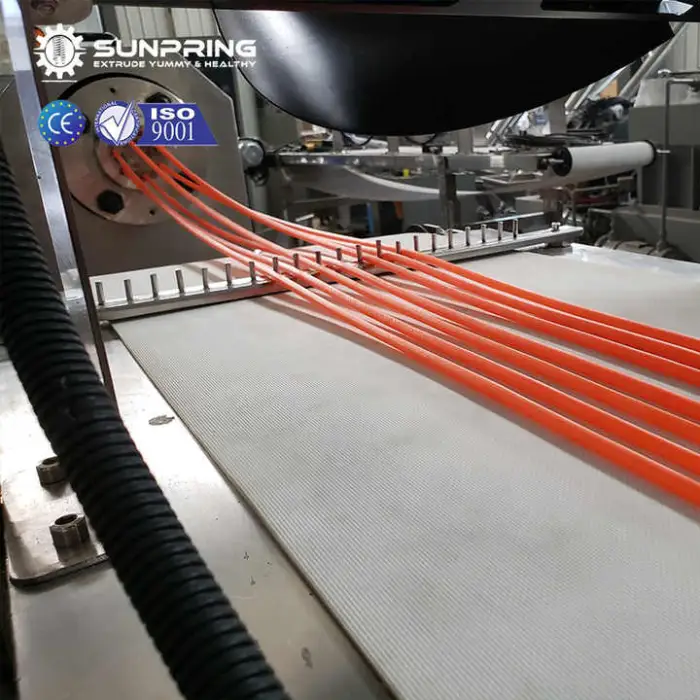
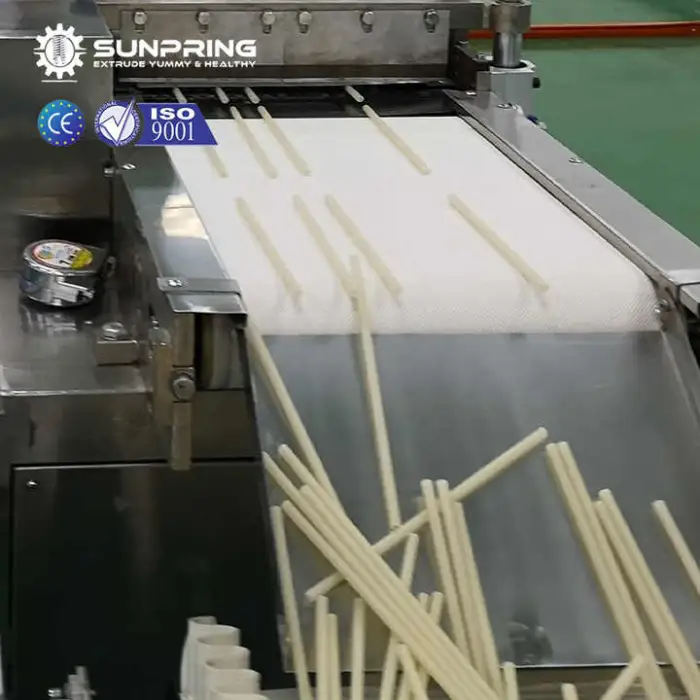
The Straw Making Machine is a powerful and efficient tool designed for creating food-grade rice straws. It uses rice powder as raw material and offers customizable options for capacity and dimensions. This machine is perfect for businesses looking to produce eco-friendly straws while optimizing energy consumption.
Specifications
| Attribute | Details |
|---|---|
| Voltage | 380V/50Hz |
| Power (W) | 45KW |
| Weight (KG) | 3400 |
| Pellet Size | 1~12mm |
| Raw Material | Rice Powder |
| Color | Customizable |
| Capacity | Customizable |
Key Features
- Low power consumption for cost-effective operation.
- High-quality output with customizable sizes.
- Engineers available for overseas service.
- Includes video inspection and machinery test report.
Applications
- Production of eco-friendly rice straws for beverages.
- Use in restaurants and cafes promoting sustainability.
- Ideal for food packaging and serving solutions.
- Perfect for businesses looking to reduce plastic use.
Product Info Gallery


- Shipping Timeframes: All orders are processed within 2-5 business days (excluding weekends and holidays). After your order has been processed, the estimated delivery time is before 03 Aug, 2026, depending on customs, Please note that due to high demand, some items may experience longer shipping times, which will be communicated at order confirmation email.
- Order Processing Time: Please allow 2-5 business days for us to process your order before it is shipped . Orders placed after 16:00 on Fridays, or during weekends and public holidays, will begin processing on the next business day. Processing times may be extended during peak seasons or sales events.
- Manufacturing Time: Some products needs manufacturing time, the manufacturing process will take approximately 10-30 business days depending on the product. This timeframe may vary depending on the complexity of the product and current demand. but this will be communicated with you during order confirmation.
- Returns and Exchanges: We offer a 30-day return policy for most items. If you are not completely satisfied with your purchase, you may return it within 30 days of receipt for a refund or exchange. Items must be unused, in their original packaging, and accompanied by proof of purchase. Return shipping costs are the responsibility of the customer, unless the item was damaged or defective upon arrival.
1. What raw material does the Straw Making Machine use?
The machine is designed to process rice powder as the primary raw material to produce food-grade rice straws. Formulations may include binders or additives as recommended by the manufacturer.
2. What are the electrical requirements for the machine?
The standard electrical supply is three-phase 380V/50Hz. Specific models or local electrical standards may require converters or different wiring—confirm with the supplier before installation.
3. What is the machine's power rating and energy consumption?
The machine is rated at 45 kW. Actual energy consumption depends on operating conditions and loading; average power draw will be close to the rated power during full-load operation. The system is designed for energy-efficient operation.
4. What production capacity can I expect?
Capacity is customizable and depends on the selected model, straw dimensions, and raw material formula. Please contact the supplier with your target output (e.g., kg/h or straws/min) so they can recommend a suitable configuration and provide performance data.
5. What straw sizes and pellet diameters can the machine produce?
Pellet size range is 1–12 mm; final straw diameter and wall thickness are determined by the extrusion dies and downstream cutting equipment. Sizes are customizable to meet your product specifications.
6. Is the finished product food-grade and safe for beverages?
Yes—this machine is intended to produce food-grade rice straws. Manufacturers can provide information on materials, processing controls, and available certifications. Customers should request specific food-safety certificates (e.g., FDA, LFGB, HACCP) if required for their market.
7. What kind of after-sales service and technical support is available?
Engineers are available for overseas service to assist with installation, commissioning, and technical troubleshooting. The supplier typically provides user manuals, video guidance, and can arrange on-site support per agreed terms.
8. Does the machine come with quality verification like tests or inspection records?
Yes. The machine includes a video inspection and a machinery test report documenting factory acceptance tests, key parameters, and performance results prior to shipment.
9. How heavy is the machine and what are the installation space/foundation requirements?
The machine weighs approximately 3,400 kg. A flat, level installation area with sufficient foundation support is required. Exact floor load, footprint, and clearances depend on the selected configuration—obtain detailed layout drawings from the supplier.
10. How do I maintain and clean the machine to meet hygiene standards?
Routine cleaning and sanitation procedures include disassembling food-contact parts as recommended, washing with approved food-safe detergents, thoroughly rinsing and drying before restart, and following the supplier's maintenance schedule for bearings, seals, and heaters. Always follow local food-safety guidelines (HACCP/GMP).
11. What spare parts and consumables should I expect to replace?
Common replacement items include extrusion dies, cutting blades, belts, heating elements, bearings, and seals. The supplier can provide a recommended spare-parts list and stocking suggestions based on your production volume.
12. Can straw color and machine exterior be customized?
Yes. The machine color is customizable, and straw appearance can be adjusted through the raw material formula or surface treatments. Discuss aesthetic or branding requirements with the supplier.
13. What training is provided for operators?
Typical offerings include operation and maintenance training during commissioning, usage manuals, and instructional videos. Additional on-site or remote training packages can often be arranged.
14. What warranty and documentation are provided with the purchase?
Warranty terms vary by supplier and model. Standard deliveries normally include a warranty, operation manual, test report, and packing list. Ask the supplier for a written warranty, scope of coverage, and available extended-service contracts.
15. How do I get a quote, lead time, and shipping options?
Contact the supplier with your desired capacity, straw specifications, and any customization requests. The supplier will provide a quotation, estimated lead time, packaging/shipping options, and any export documentation required for your country.
Latest Order Arrivals
Discover our latest orders
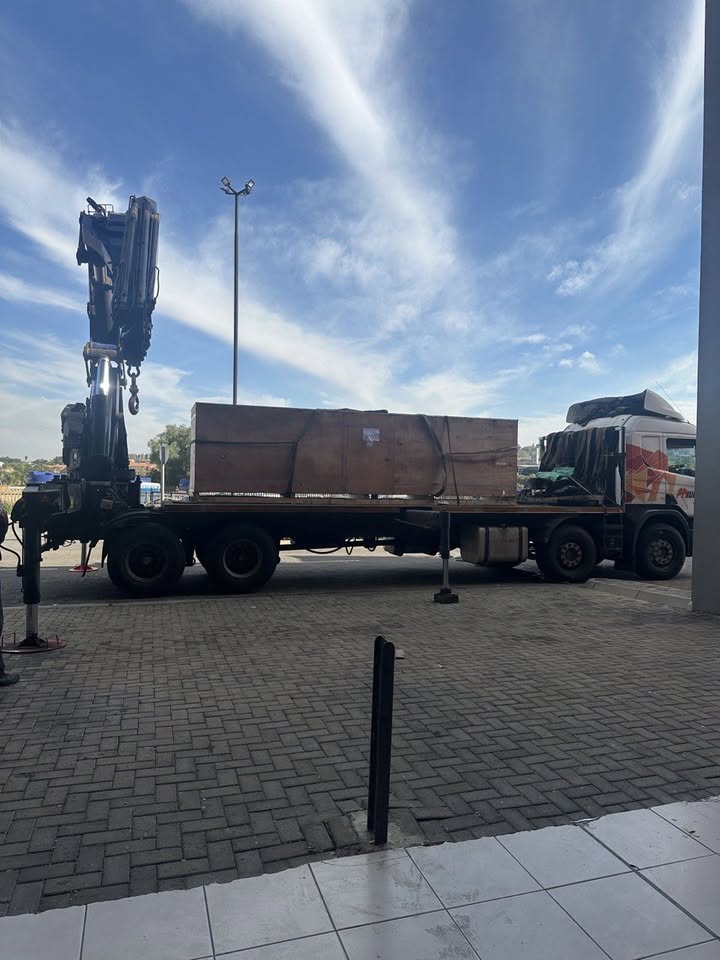
12 Heads Embroidery Machine
Toilet Paper Machine Machine
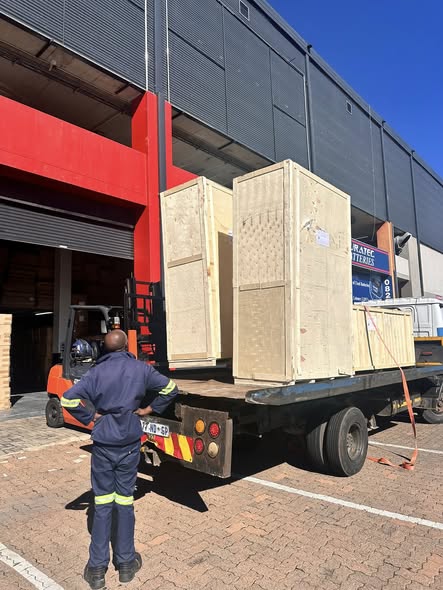
Order Collection
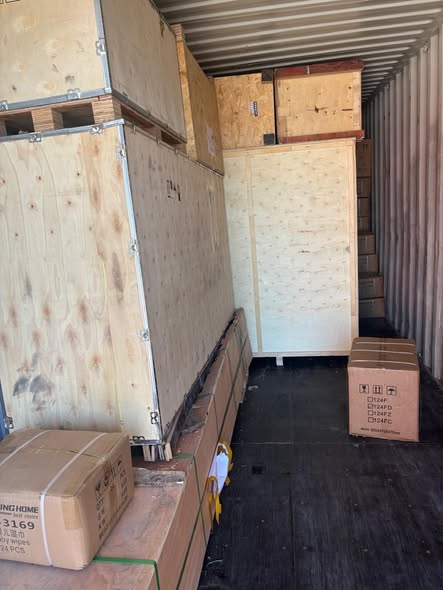
Cross Border Clients
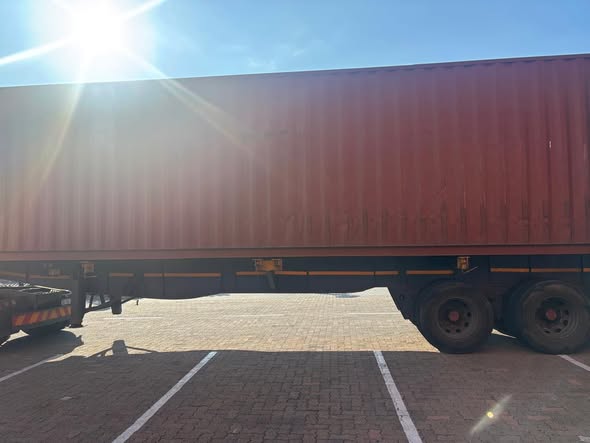
Order cros border countries Collected
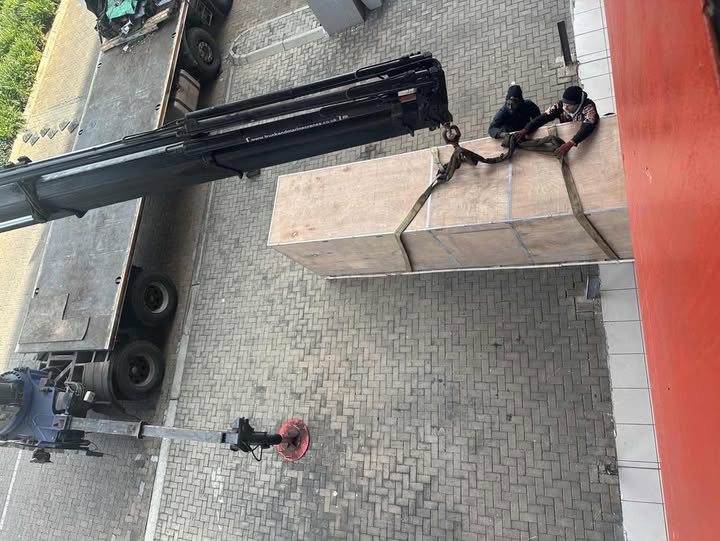
Industrial Machine Cllection
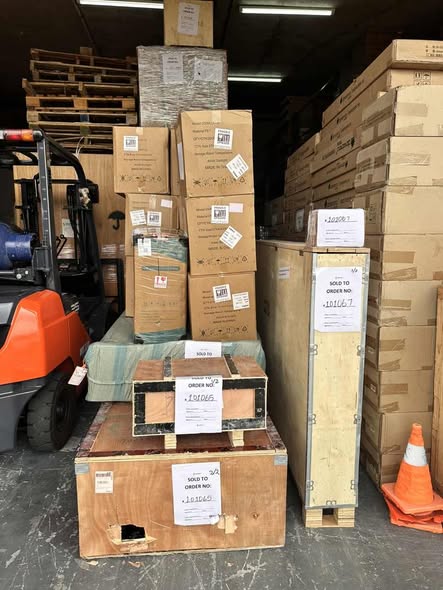
Agriculture Processing Machines
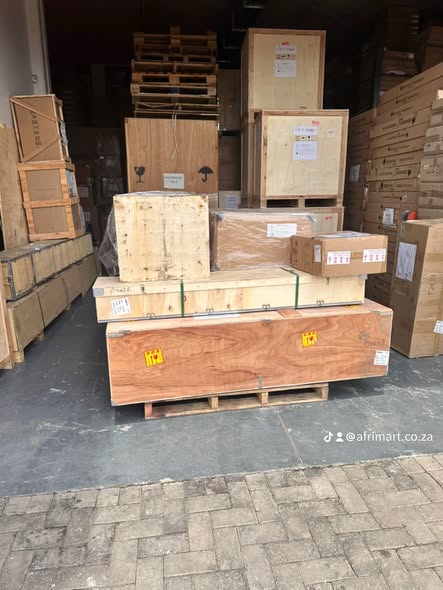
Ready for collection
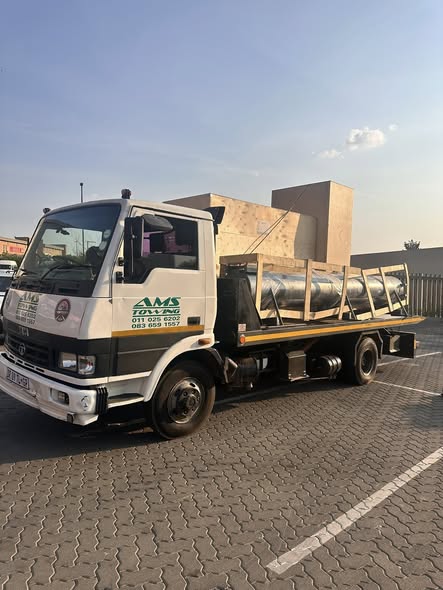
Water Pump Equipment
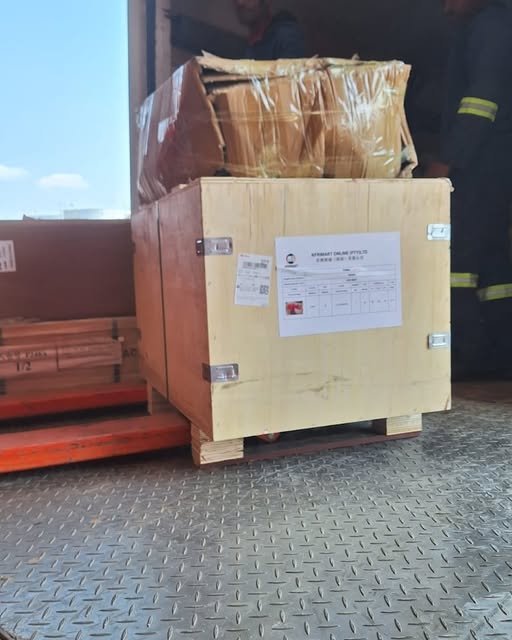
Packaging Machine and accessories
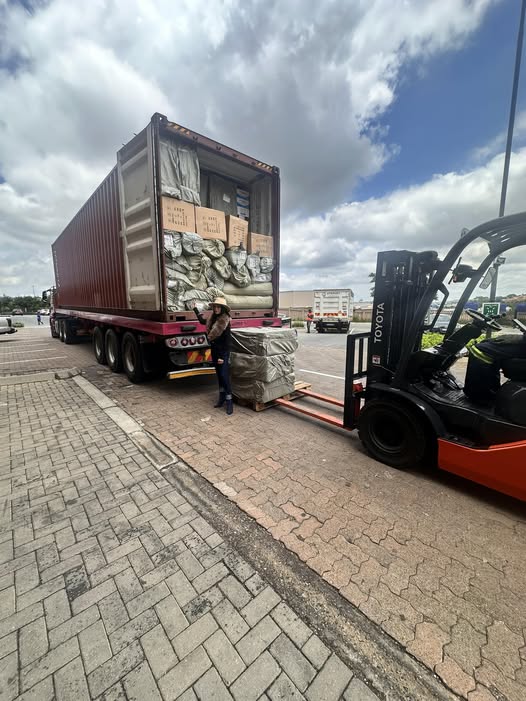
Fabrics Manufacturing Equipment
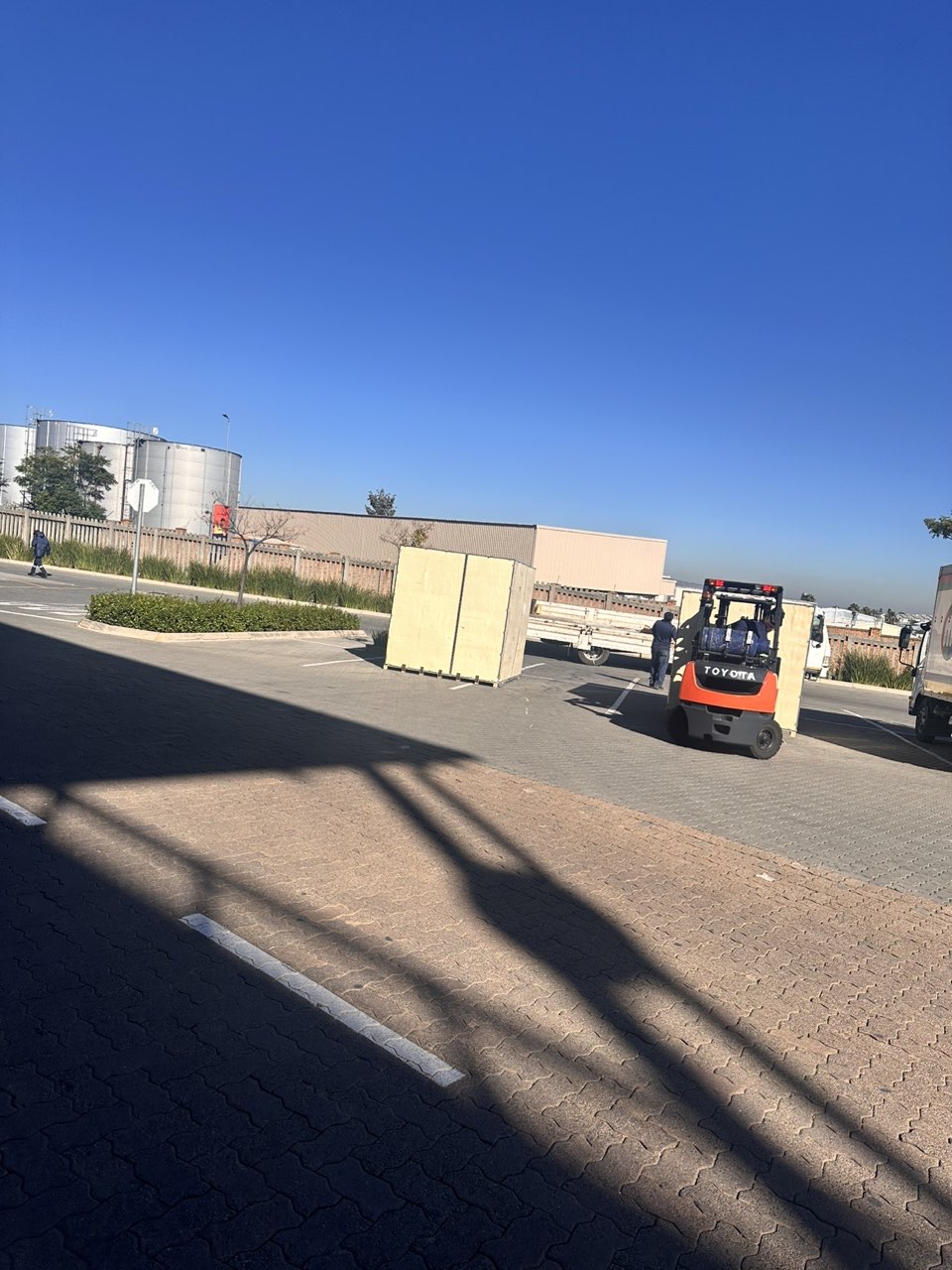
Mining Equipments
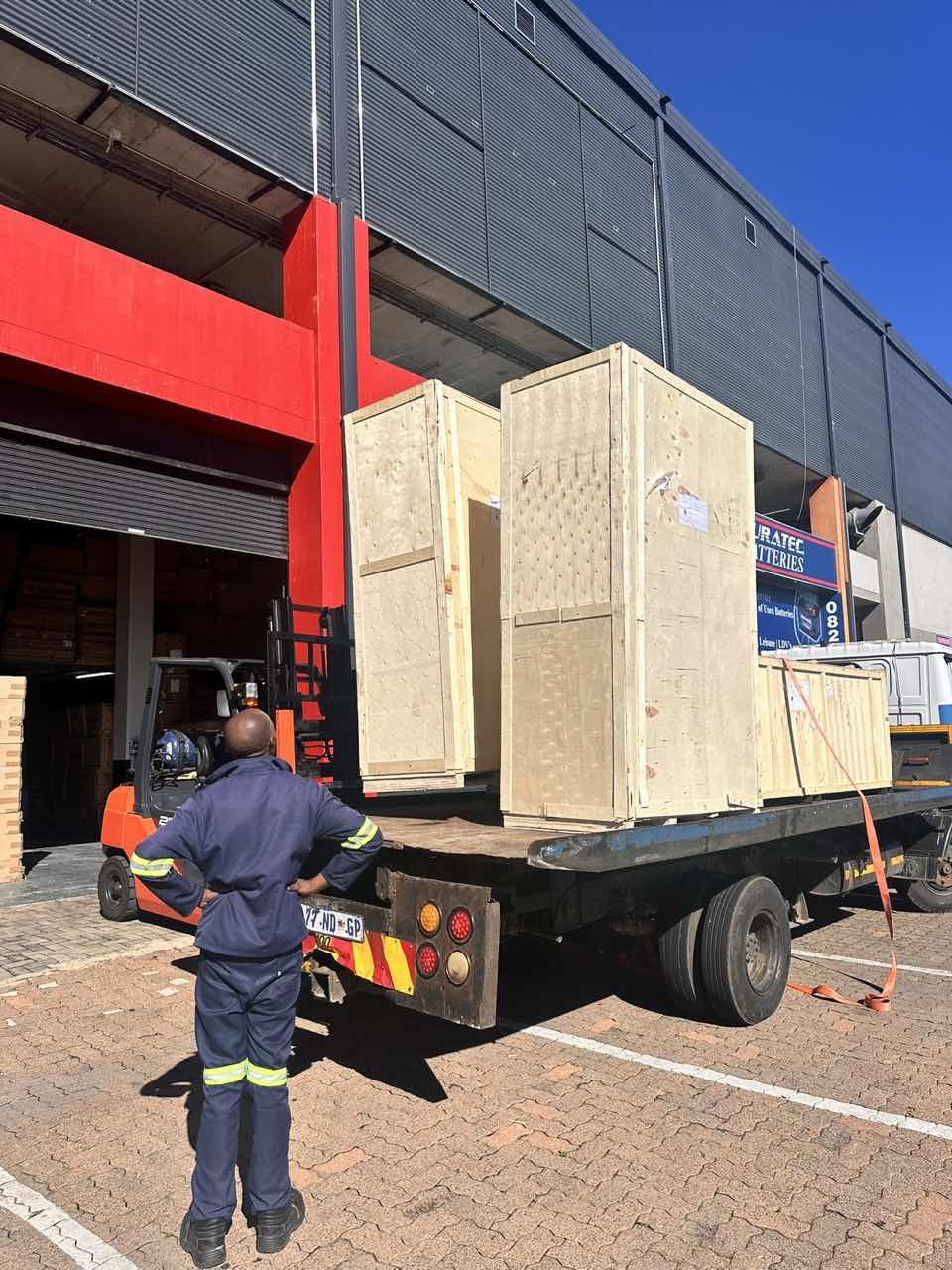
Food Processing Machine
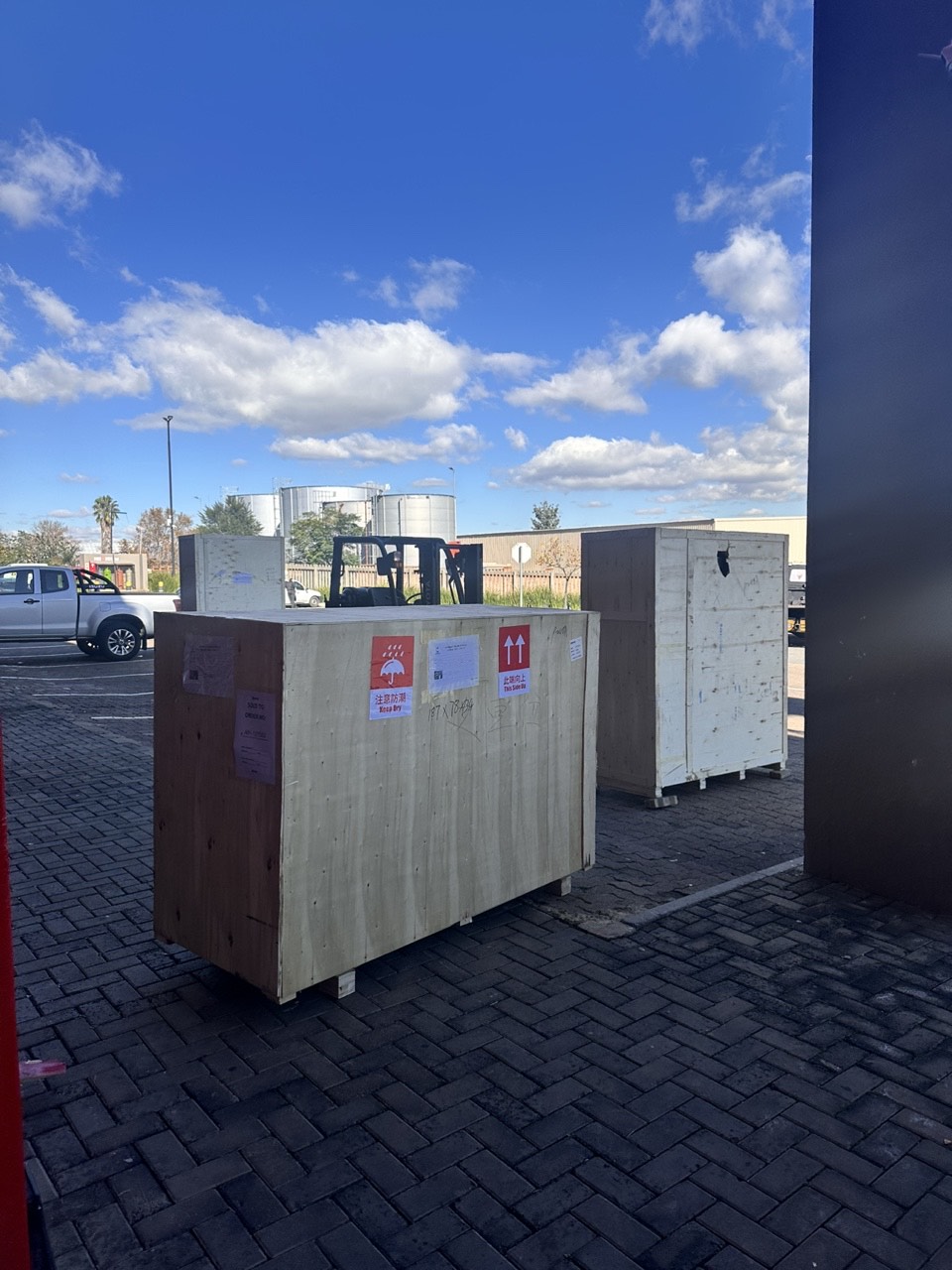
Batch of Orders
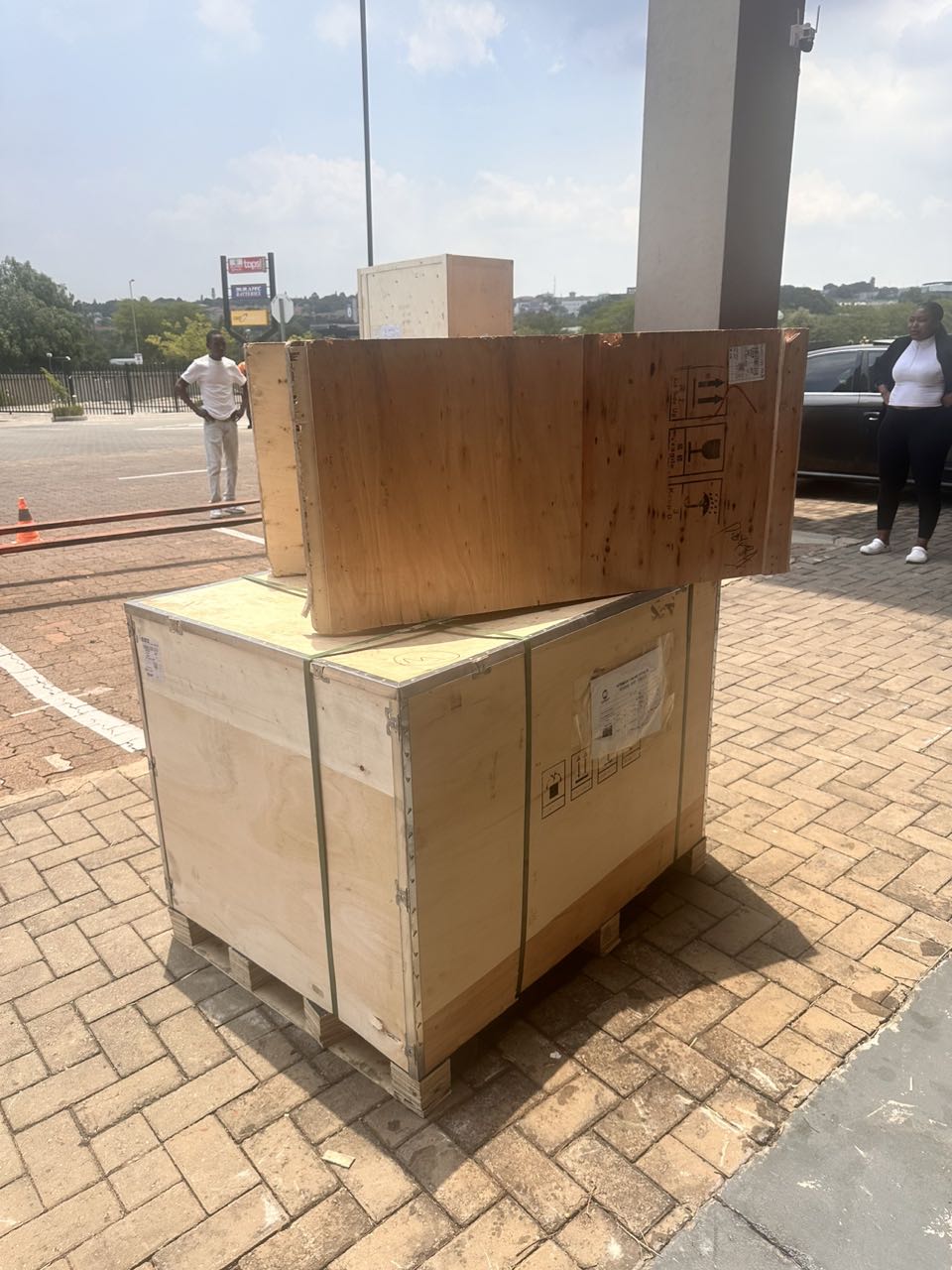
Batch of Orders
Latest Orders Labelled
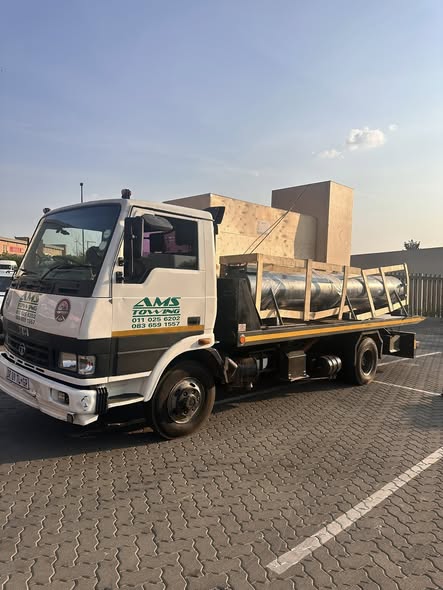
wheel alignment machines
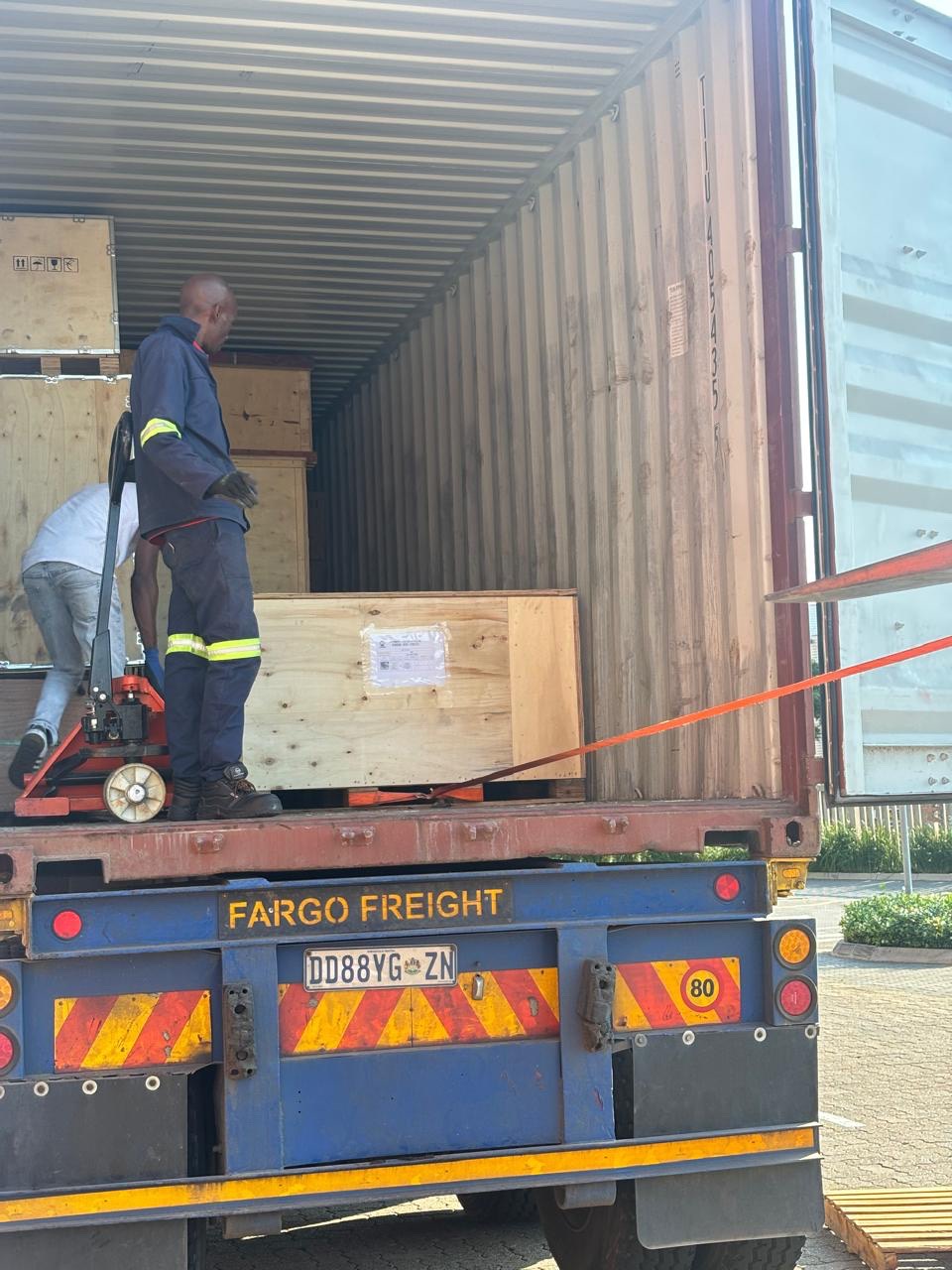
new arrivals
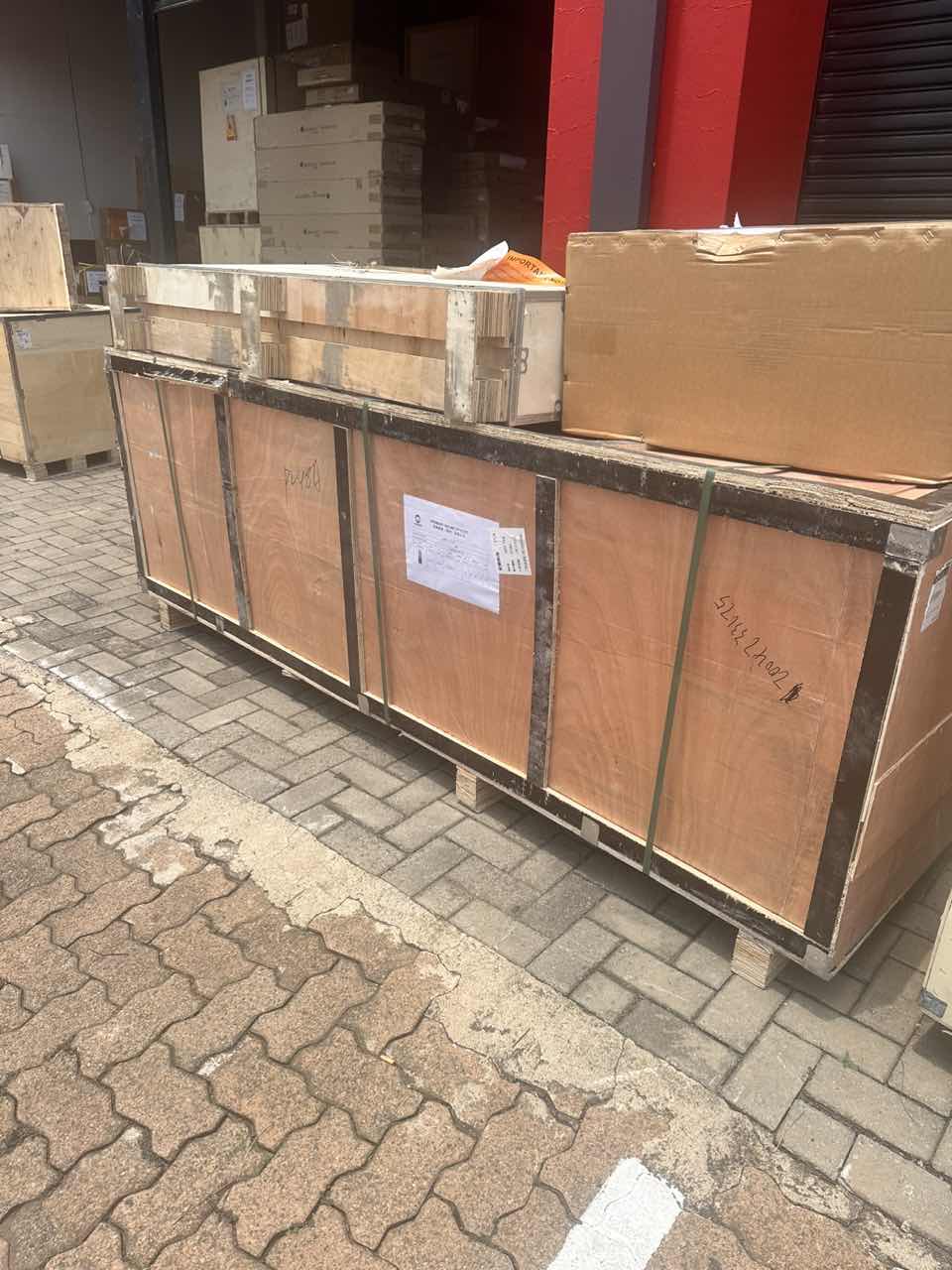
Pre Orders Offloading
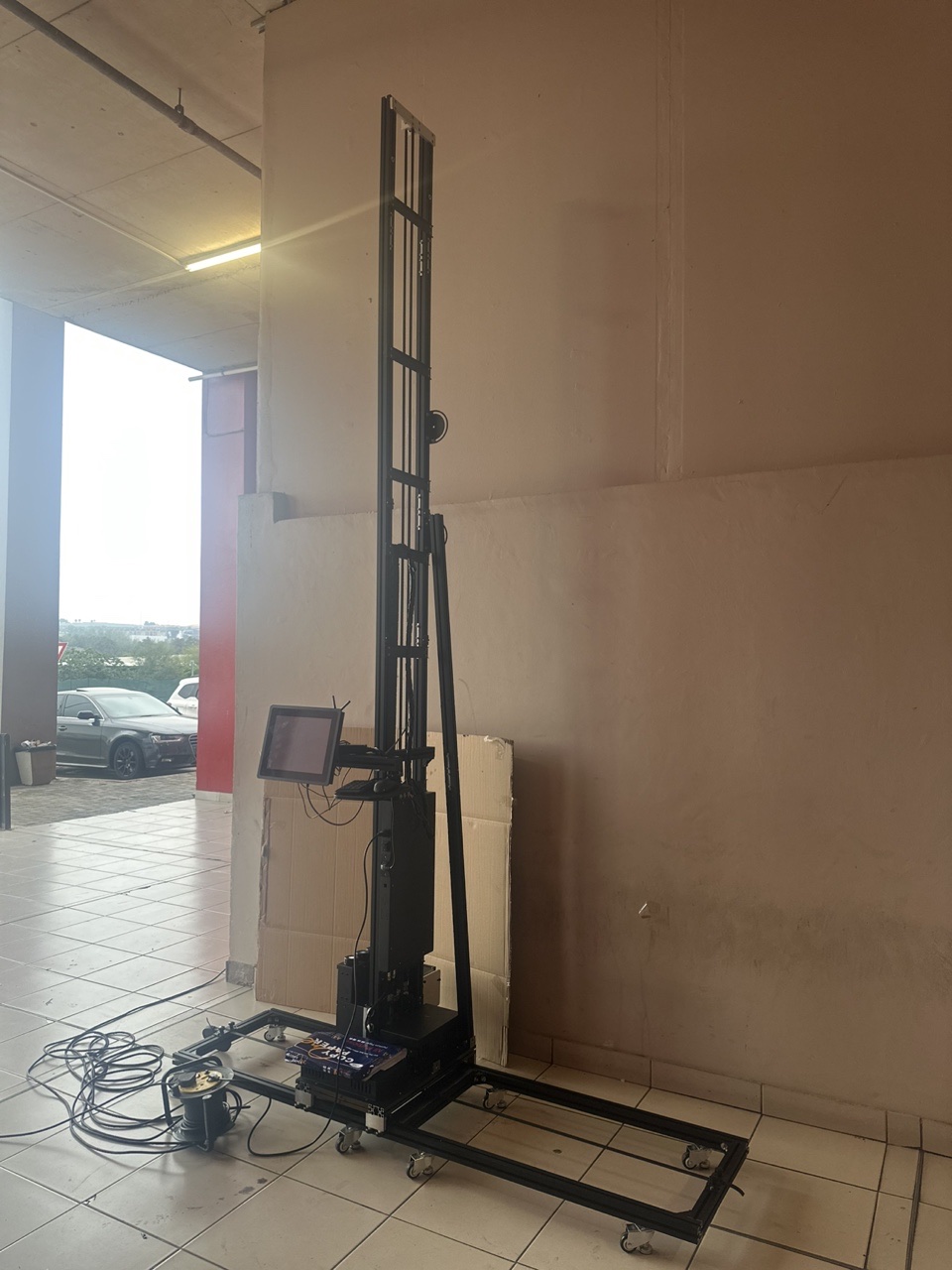
Latest Arrivals
Latest Arrivals
Latest Arrivals
Loading
Toilet paper making machine
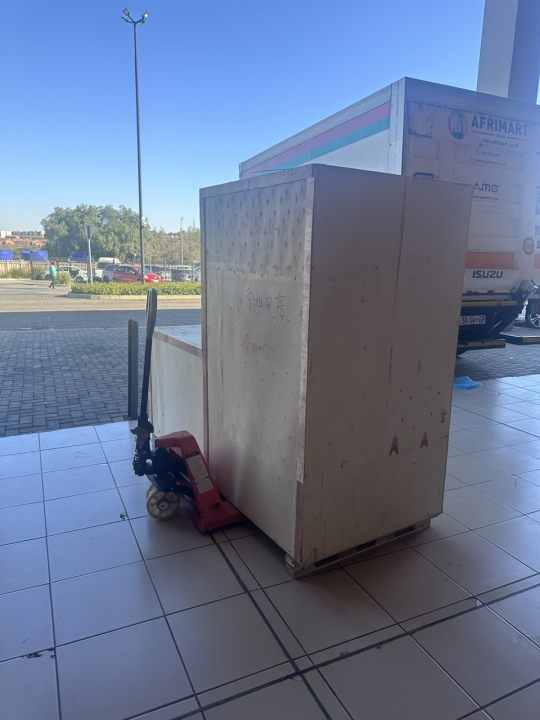
Toilet paper making machine
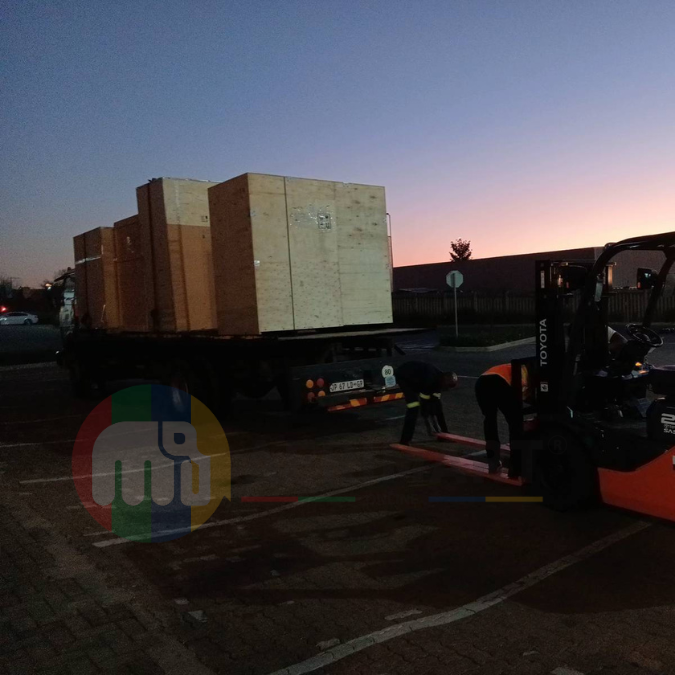
Toilet paper Rewinding Machine
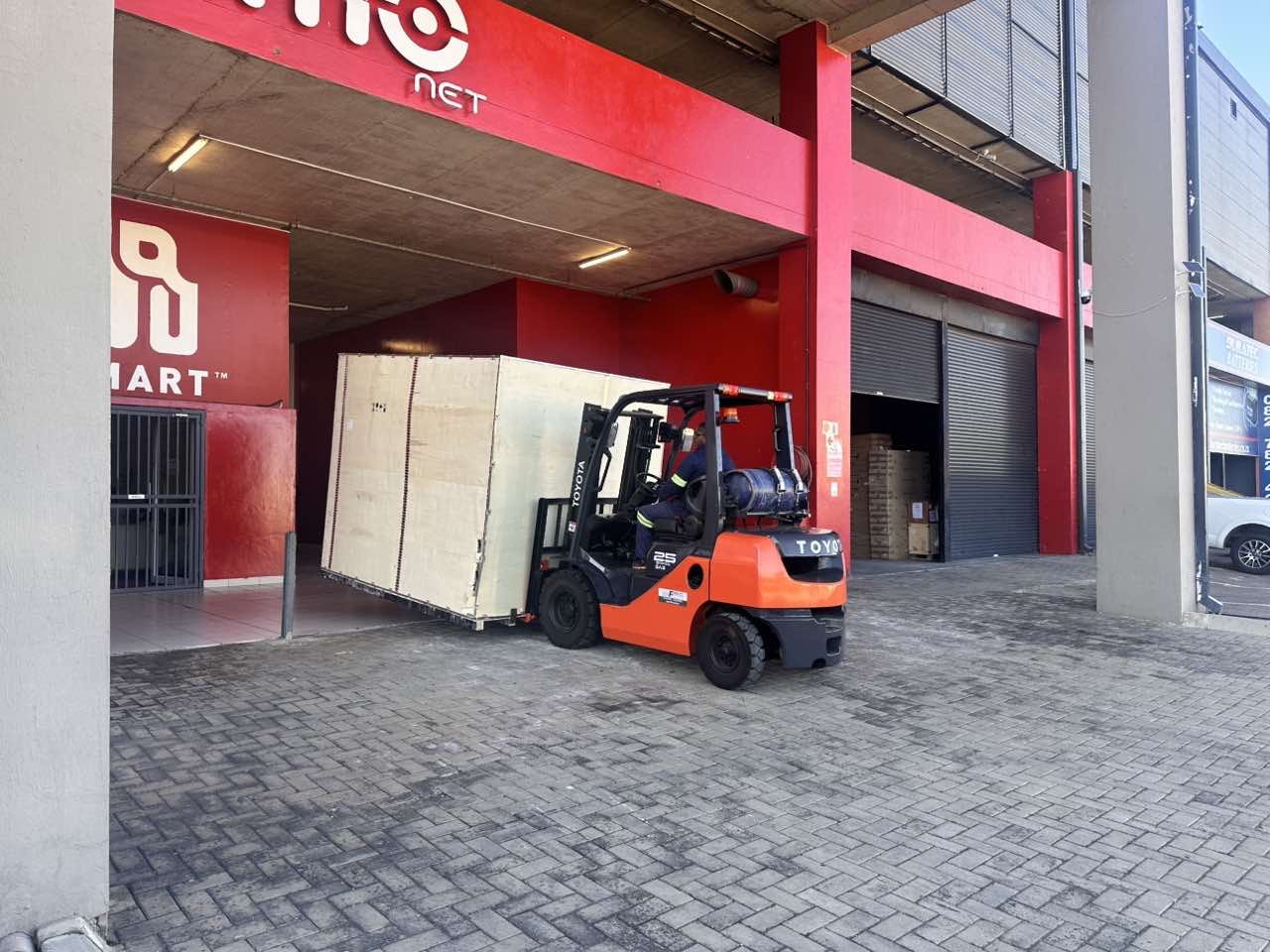
latest arrivals
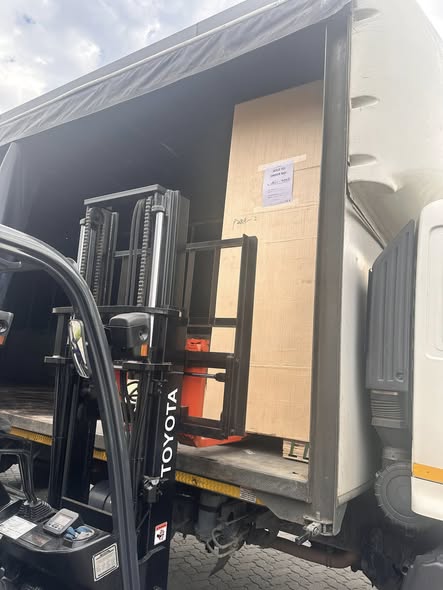
offloading
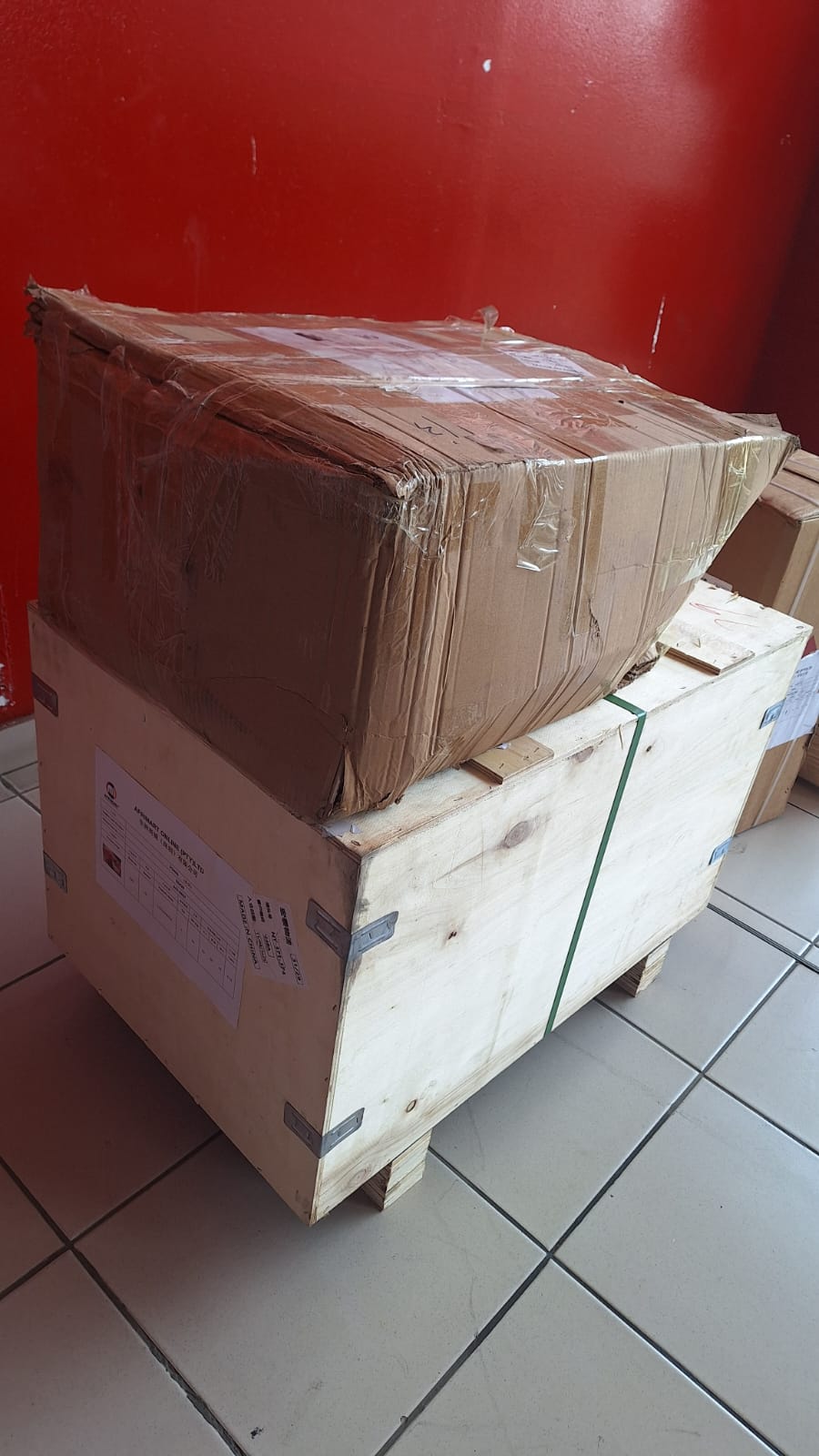
order success
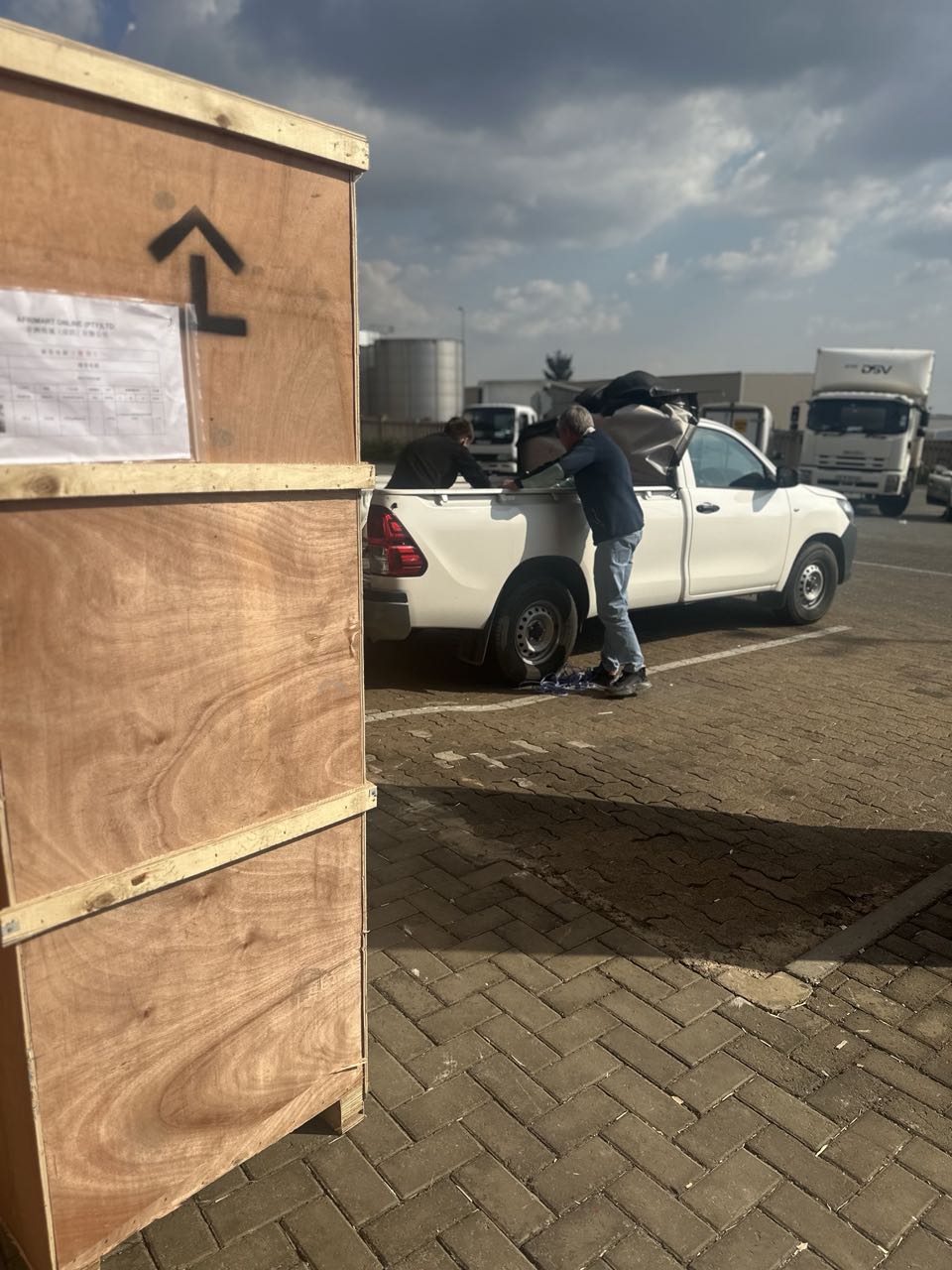
order collection
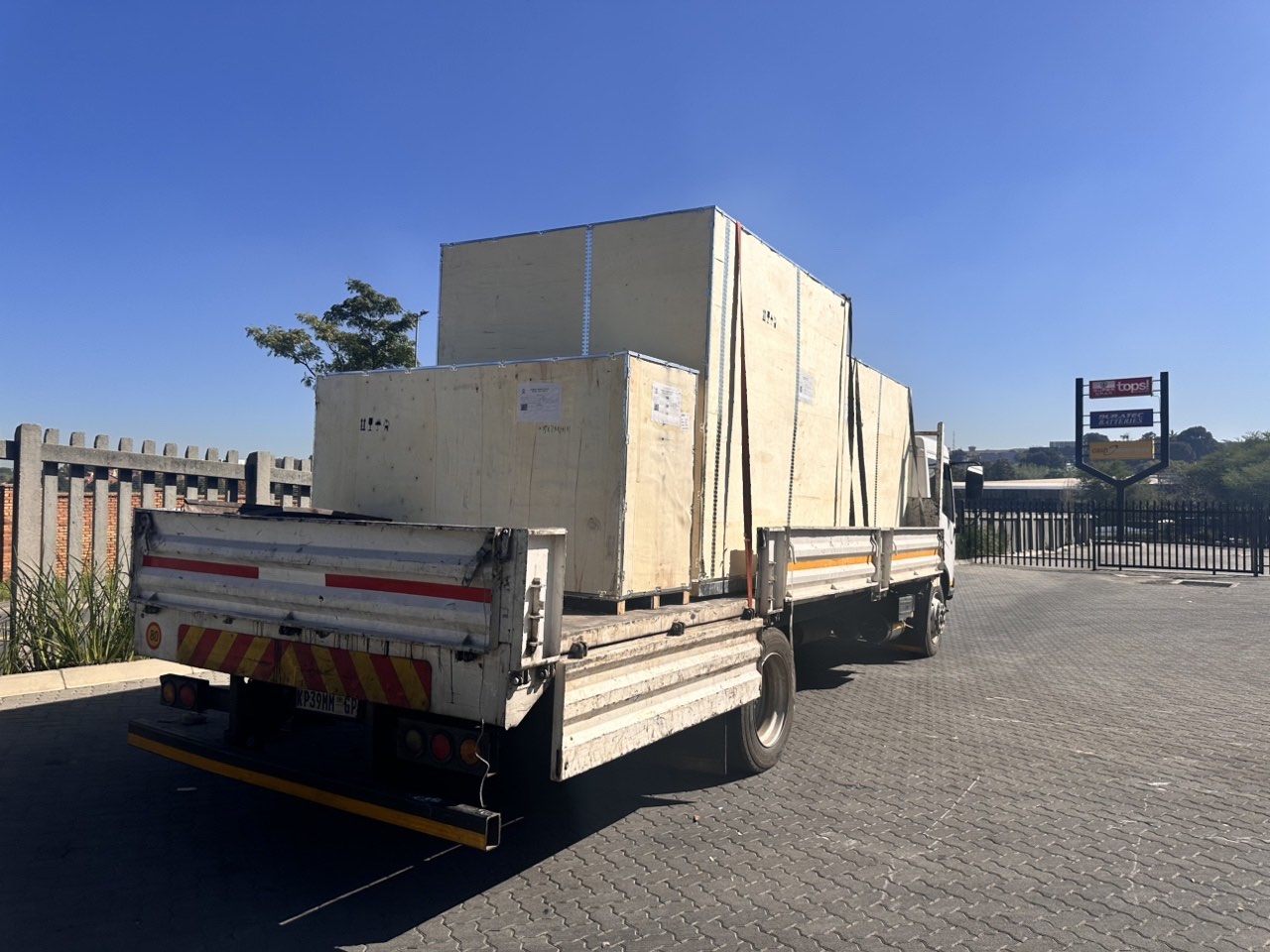
order offloading