B21, China Town Mall, Midrand

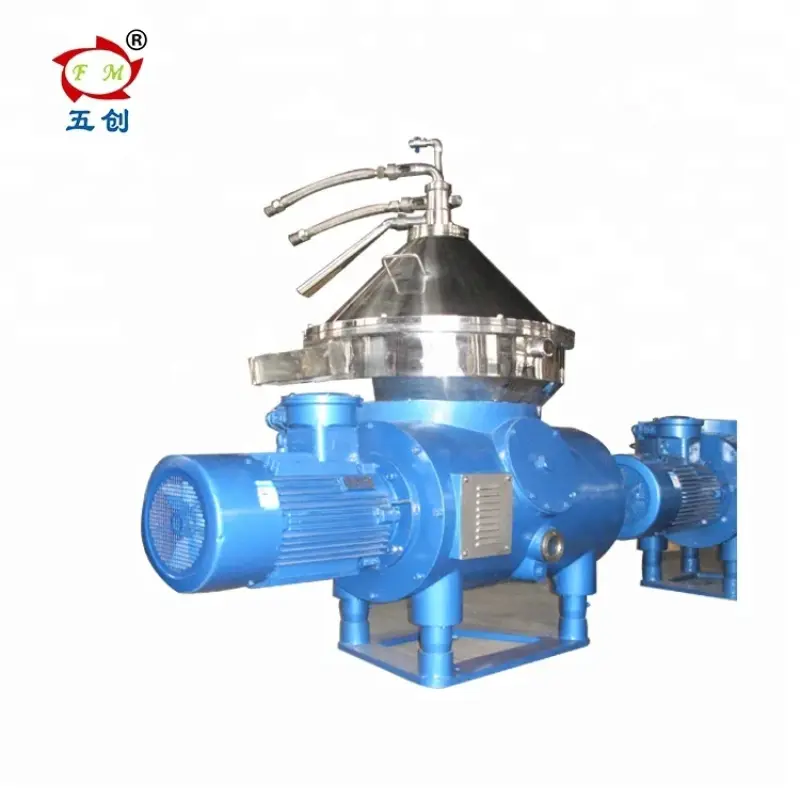
Soybean Oil Refining Machine Fivemn Model
Asset finance available
Do you want funding for this equipment?
Afrimart can connect you with trusted funding partners who specialise in asset finance for businesses like yours. Compare options and apply in minutes — final approval is subject to provider review.
Check funding options
Secure & no obligation
- Section : Machinery
- Category : Agriculture Machinery
- SKU : 60795211192

- Shipping Timeframes: All orders are processed within 2-5 business days (excluding weekends and holidays). After your order has been processed, the estimated delivery time is before 08 Aug, 2026, depending on customs, Please note that due to high demand, some items may experience longer shipping times, which will be communicated at order confirmation email.
- Order Processing Time: Please allow 2-5 business days for us to process your order before it is shipped . Orders placed after 16:00 on Fridays, or during weekends and public holidays, will begin processing on the next business day. Processing times may be extended during peak seasons or sales events.
- Manufacturing Time: Some products needs manufacturing time, the manufacturing process will take approximately 10-30 business days depending on the product. This timeframe may vary depending on the complexity of the product and current demand. but this will be communicated with you during order confirmation.
- Returns and Exchanges: We offer a 30-day return policy for most items. If you are not completely satisfied with your purchase, you may return it within 30 days of receipt for a refund or exchange. Items must be unused, in their original packaging, and accompanied by proof of purchase. Return shipping costs are the responsibility of the customer, unless the item was damaged or defective upon arrival.
1. What is the Soybean Oil Refining Machine Fivemn Model used for?
The Fivemn Soybean Oil Refining Machine is designed to refine crude soybean oil by removing impurities, free fatty acids, phospholipids, and other contaminants to produce high-quality edible or industrial-grade refined oil.
2. What is the processing capacity of this machine?
Depending on configuration, the machine can process from 1,000 to 50,000 liters per hour. Actual throughput depends on feedstock quality and chosen configuration.
3. What power and electrical requirements does the machine have?
Standard motor power is 18.5 kW. The machine supports multiple voltage options including 220V, 380V, and 415V to suit different electrical systems (typically three-phase for higher capacities).
4. What materials is the machine constructed from?
Key wet parts and tanks are made from stainless steel, typically SS 304 or SS 316L, to ensure corrosion resistance, hygiene, and long service life.
5. Is the machine fully automatic?
Yes. The unit features automated operation controlled via a PLC control box and a central control cabinet, which enables automated process control, monitoring, and easy parameter adjustments.
6. What is the separation factor and why does it matter?
This machine provides a separation factor between approximately 6,950 and 8,500. A higher separation factor improves the removal of suspended solids and moisture, resulting in clearer, higher-quality oil.
7. Does the machine support automatic discharge?
Yes. The machine includes an automatic discharge system for separated impurities and processed oil, which reduces manual handling and speeds up continuous operation.
8. Can the Fivemn model process oils other than soybean oil?
While optimized for soybean oil, the machine can typically be adapted to refine other vegetable oils (sunflower, canola, peanut, etc.). Final suitability depends on feedstock characteristics and any required pre-treatment.
9. What pretreatment is required before feeding crude oil to the machine?
Common pretreatment includes coarse filtration to remove large particulates and degumming (if necessary). Specific pretreatment needs depend on crude oil quality; your supplier can advise on optimal pretreatment steps.
10. How easy is maintenance and cleaning?
The robust stainless-steel construction and automated discharge simplify cleaning. Routine maintenance includes checking seals, bearings, and electrical components, and periodic cleaning to remove sludge—frequency depends on operating hours and oil impurities.
11. What is the machine's weight and footprint considerations?
The machine weighs approximately 1,100 kg. Exact footprint and installation space requirements vary by model and configuration; confirm dimensions with the supplier to plan foundation and workflow layout.
12. Are safety features included?
Yes. Standard safety features typically include emergency stop, overload protection, electrical enclosures, and interlocks via the PLC. Additional safety accessories can be provided per local regulations.
13. Can the control system be customized or integrated with existing factory automation?
The PLC-based control system is usually configurable and can be adapted or integrated with existing SCADA/automation systems. Integration options should be discussed with the manufacturer or system integrator.
14. What spare parts and after-sales support are available?
Spare parts such as seals, bearings, control components, and wear parts are normally available. After-sales support typically includes installation assistance, commissioning, operator training, and maintenance guidance—check with the supplier for specific service packages.
15. How do I choose the right model/configuration for my production needs?
Select capacity based on desired hourly throughput, oil type, and available floor space. Consider expected feedstock variability, degree of crude oil contamination, and integration with upstream/downstream equipment. The supplier can perform a needs assessment and recommend the appropriate configuration.
Latest Order Arrivals
Discover our latest orders
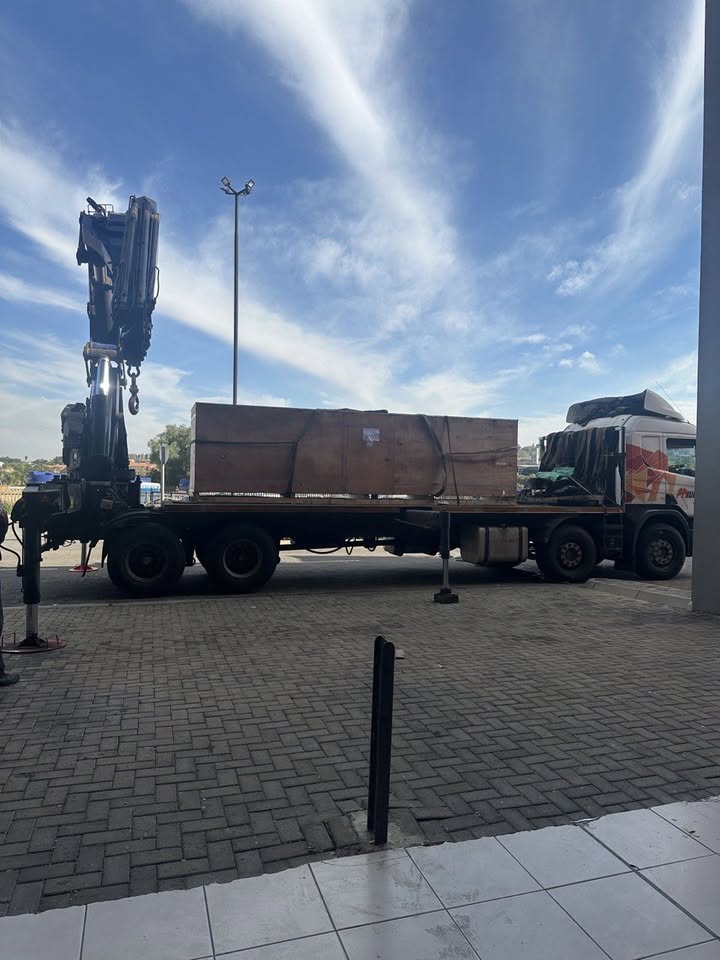
12 Heads Embroidery Machine
Toilet Paper Machine Machine
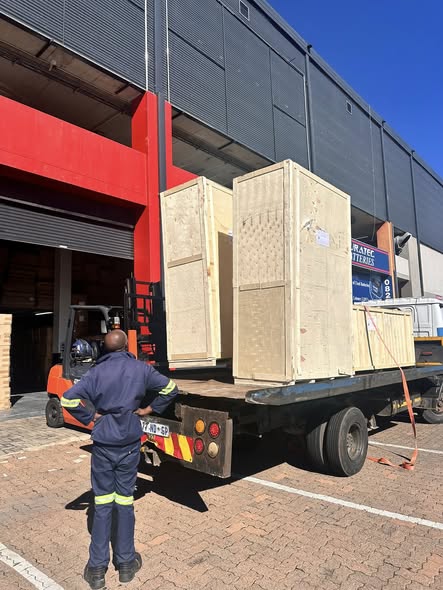
Order Collection
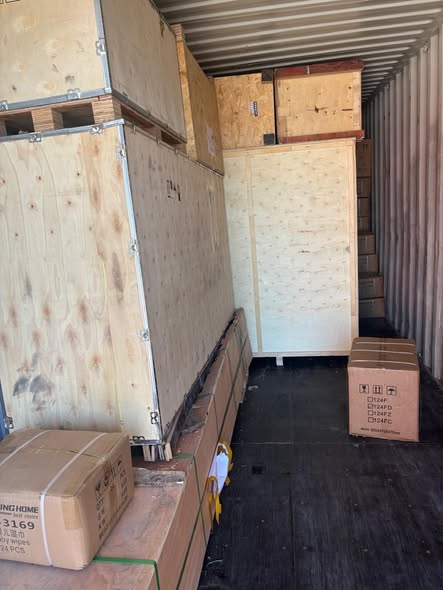
Cross Border Clients
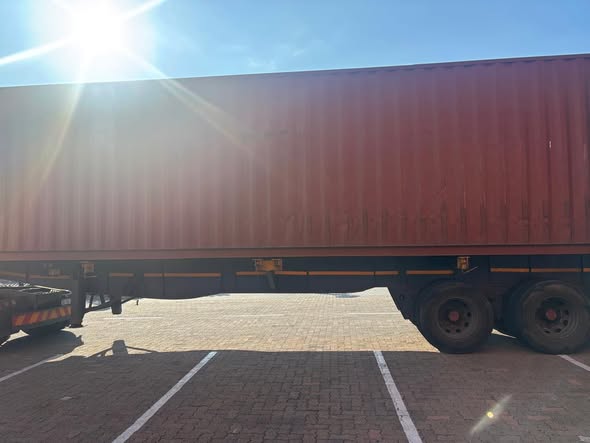
Order cros border countries Collected
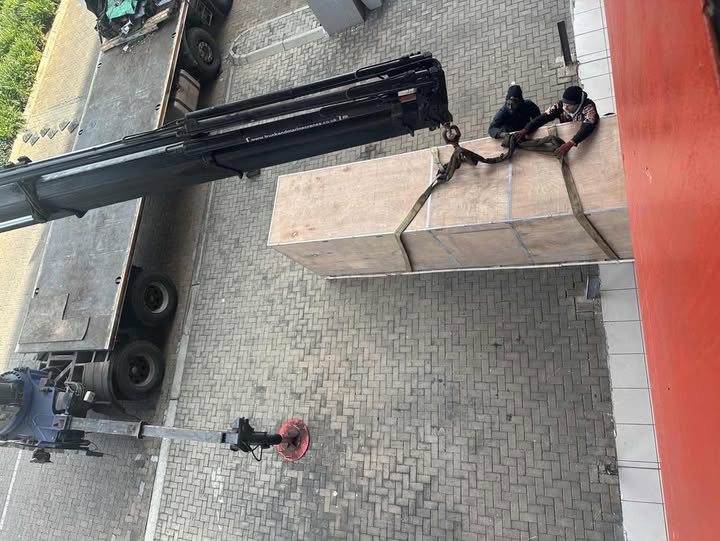
Industrial Machine Cllection
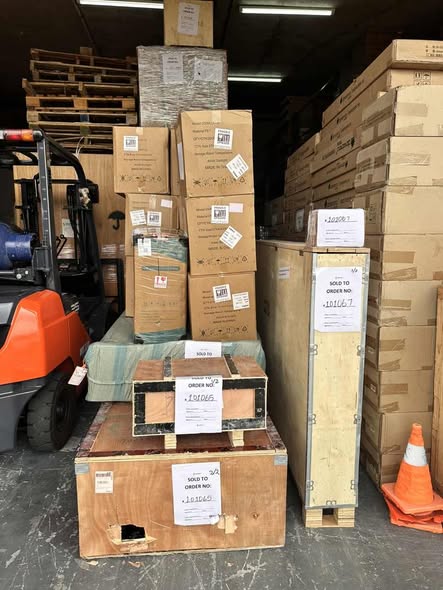
Agriculture Processing Machines
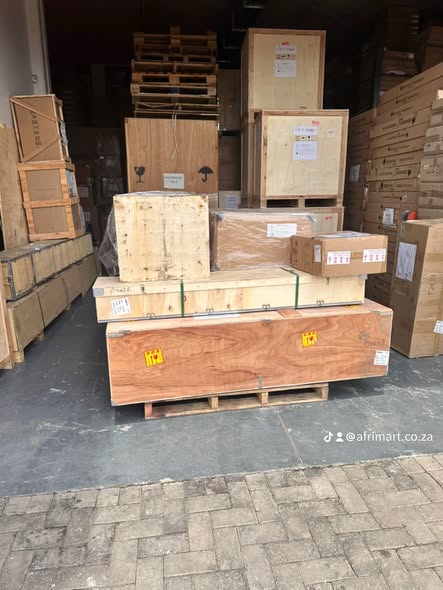
Ready for collection
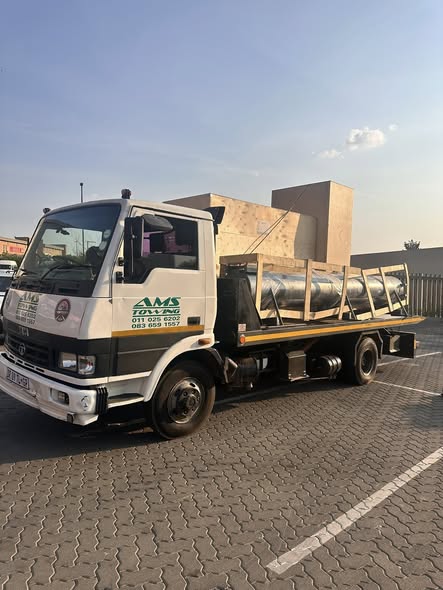
Water Pump Equipment
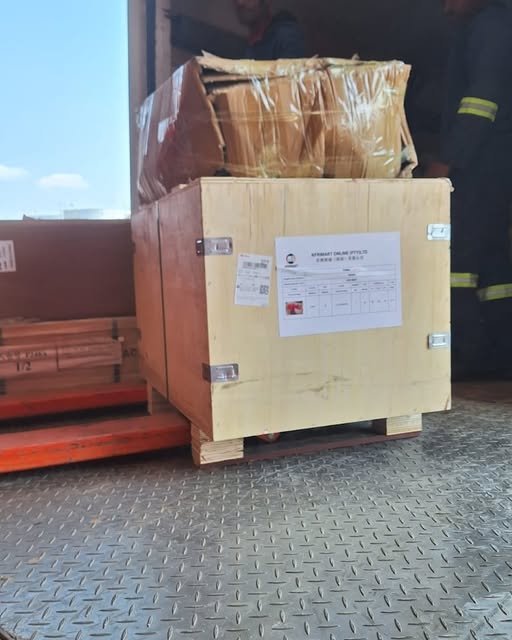
Packaging Machine and accessories
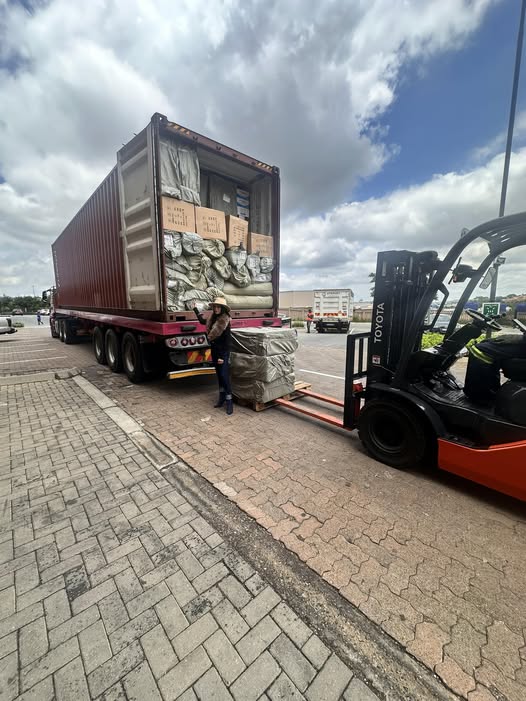
Fabrics Manufacturing Equipment
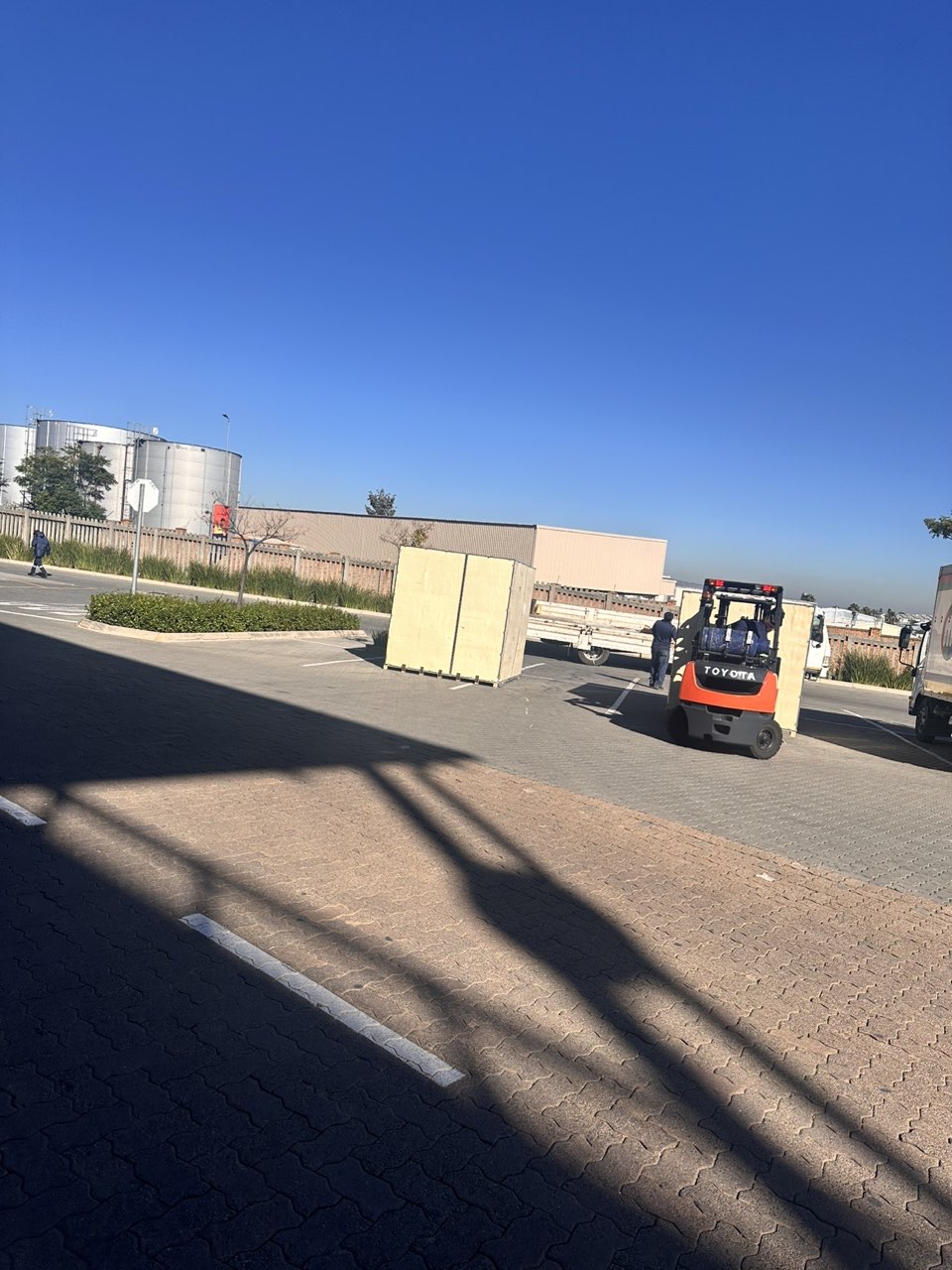
Mining Equipments
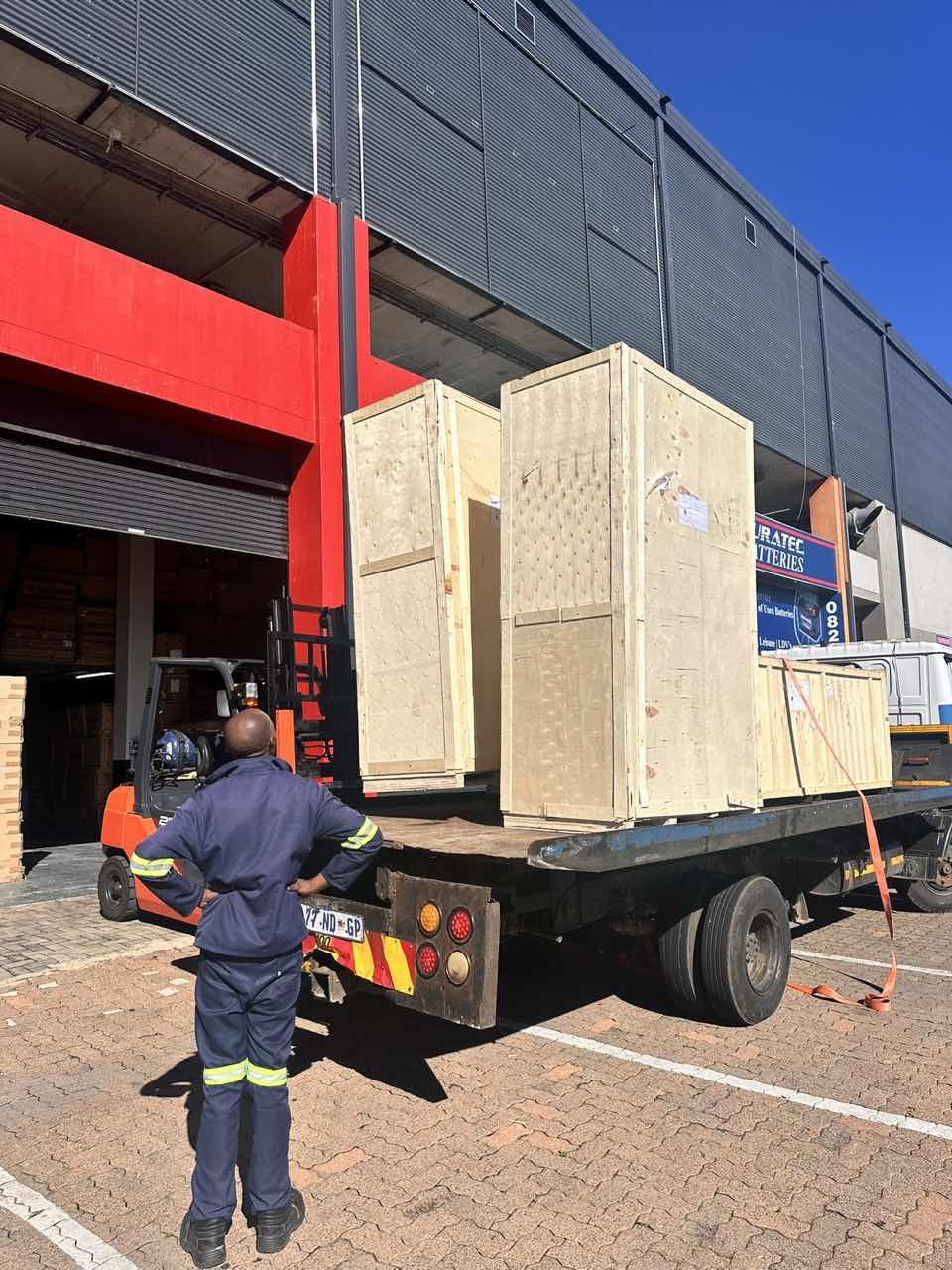
Food Processing Machine
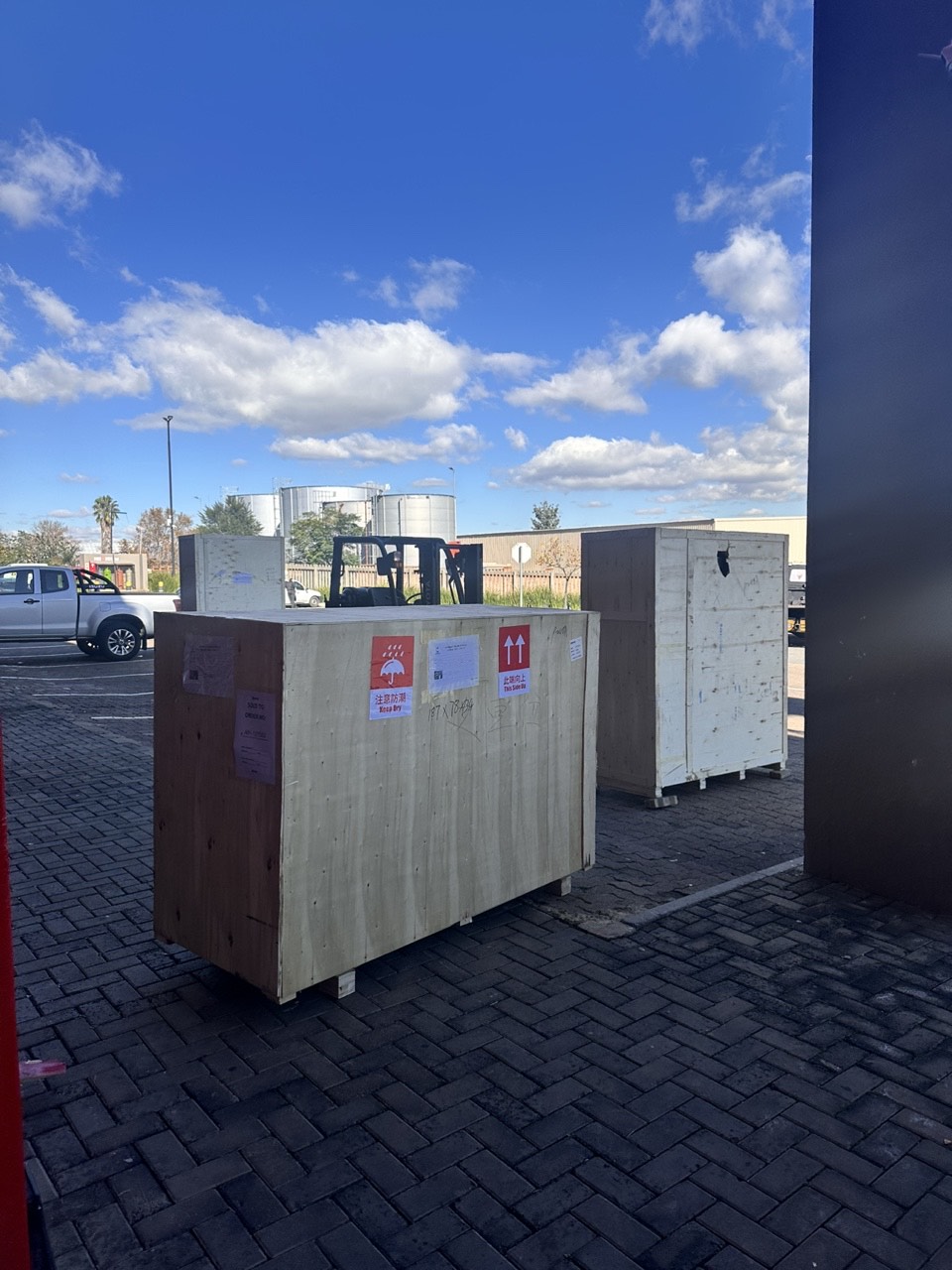
Batch of Orders
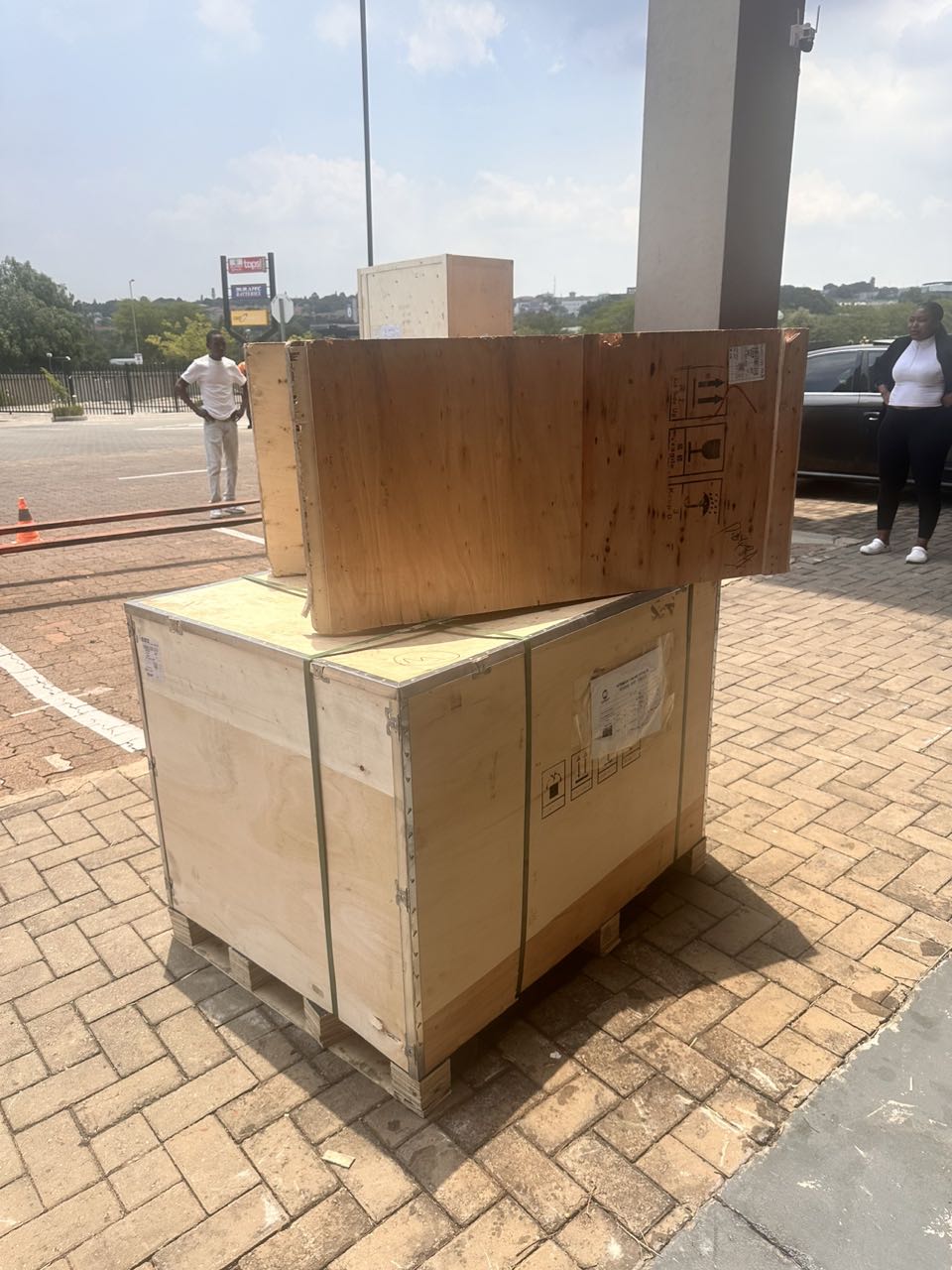
Batch of Orders
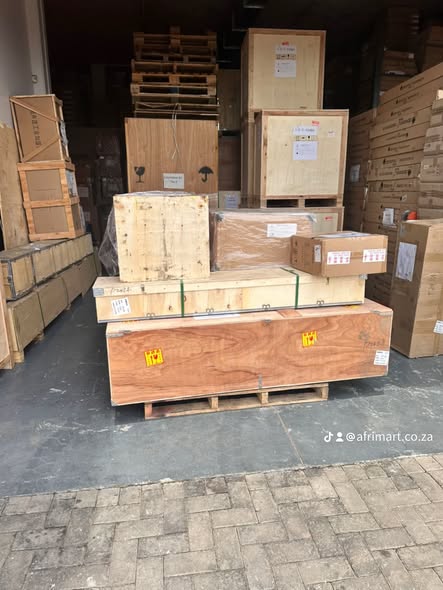
Latest Orders Labelled
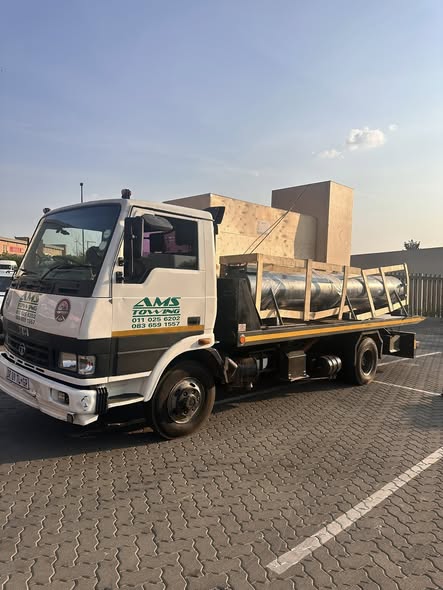
wheel alignment machines
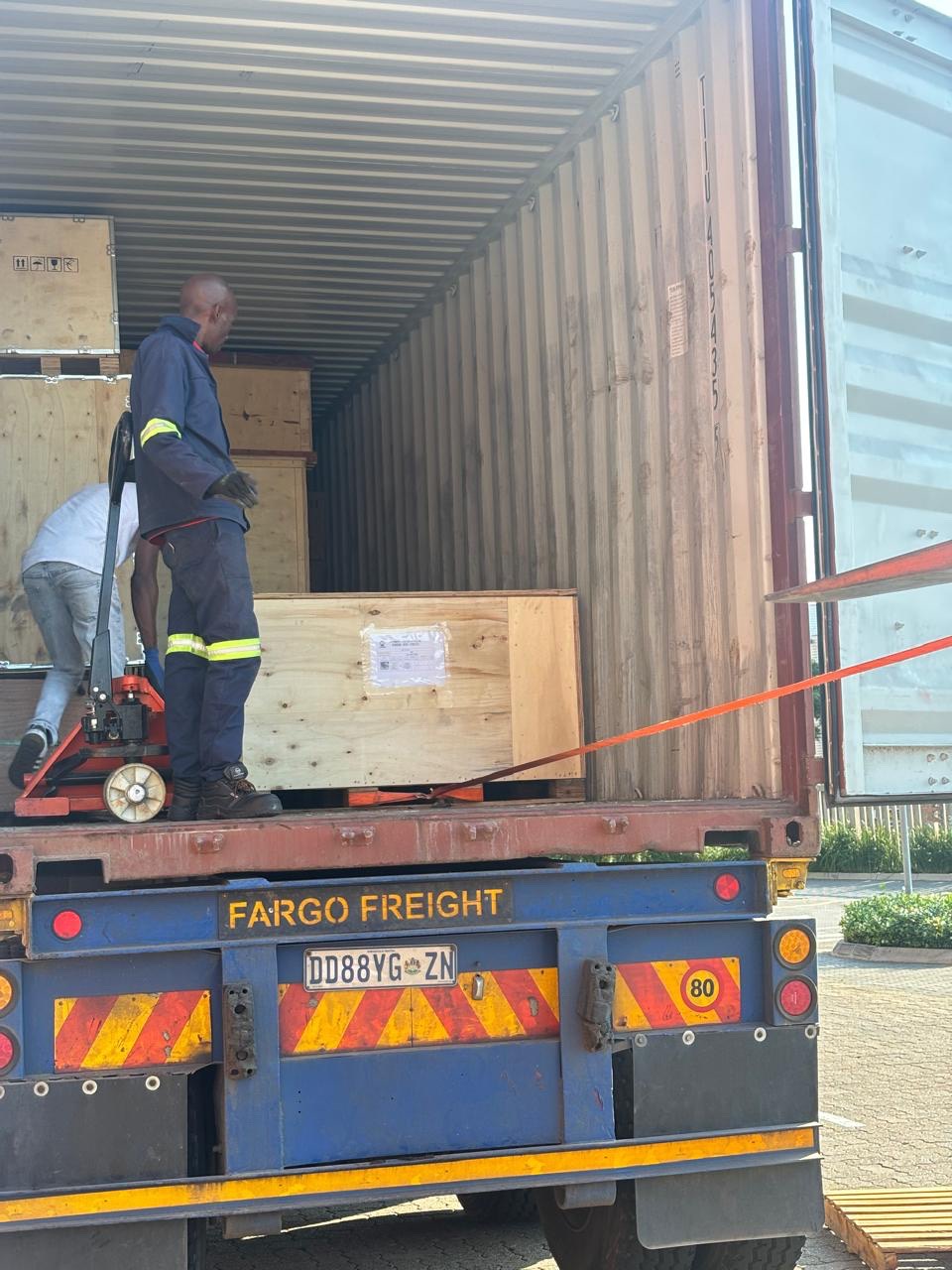
new arrivals
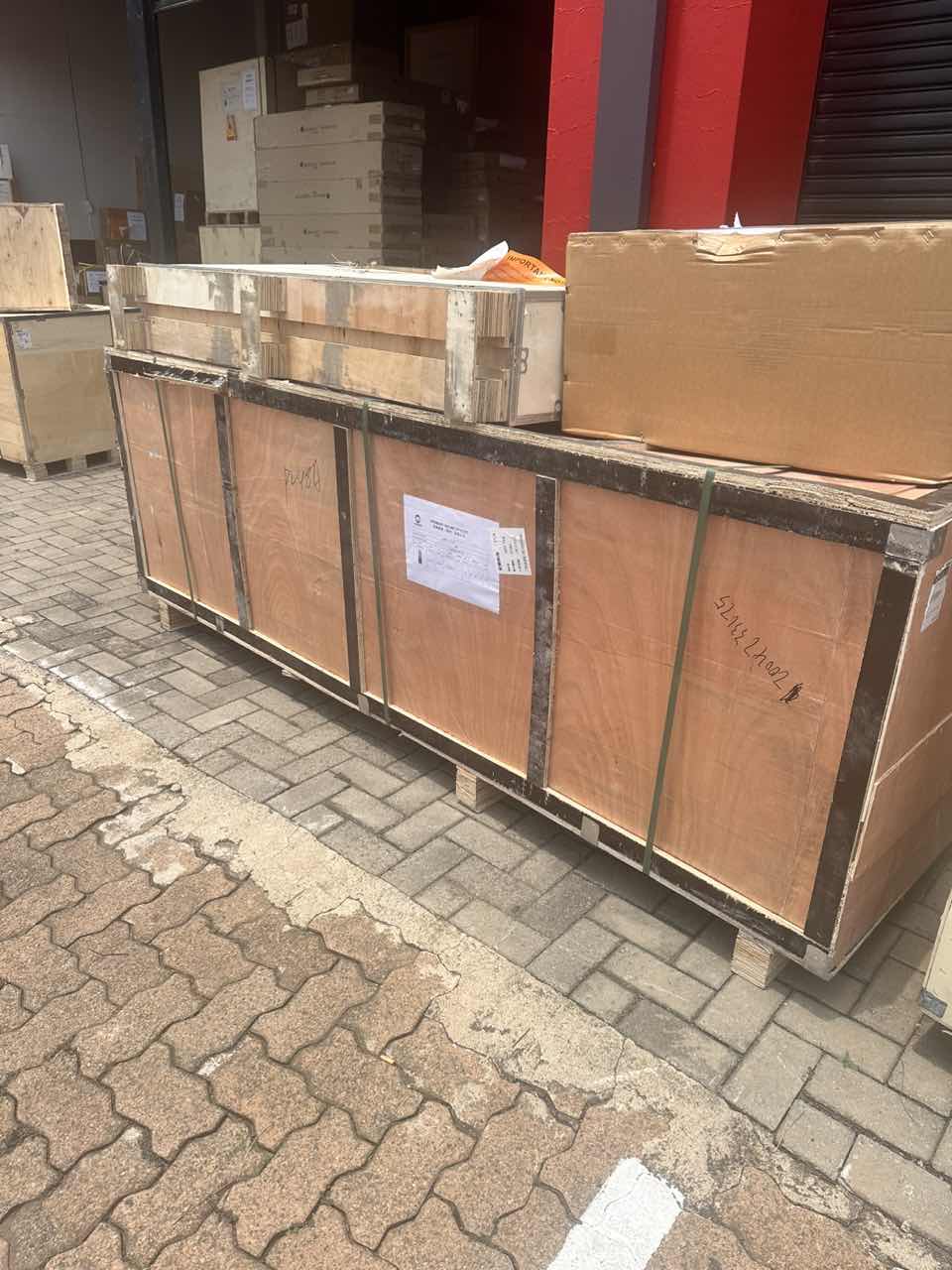
Pre Orders Offloading
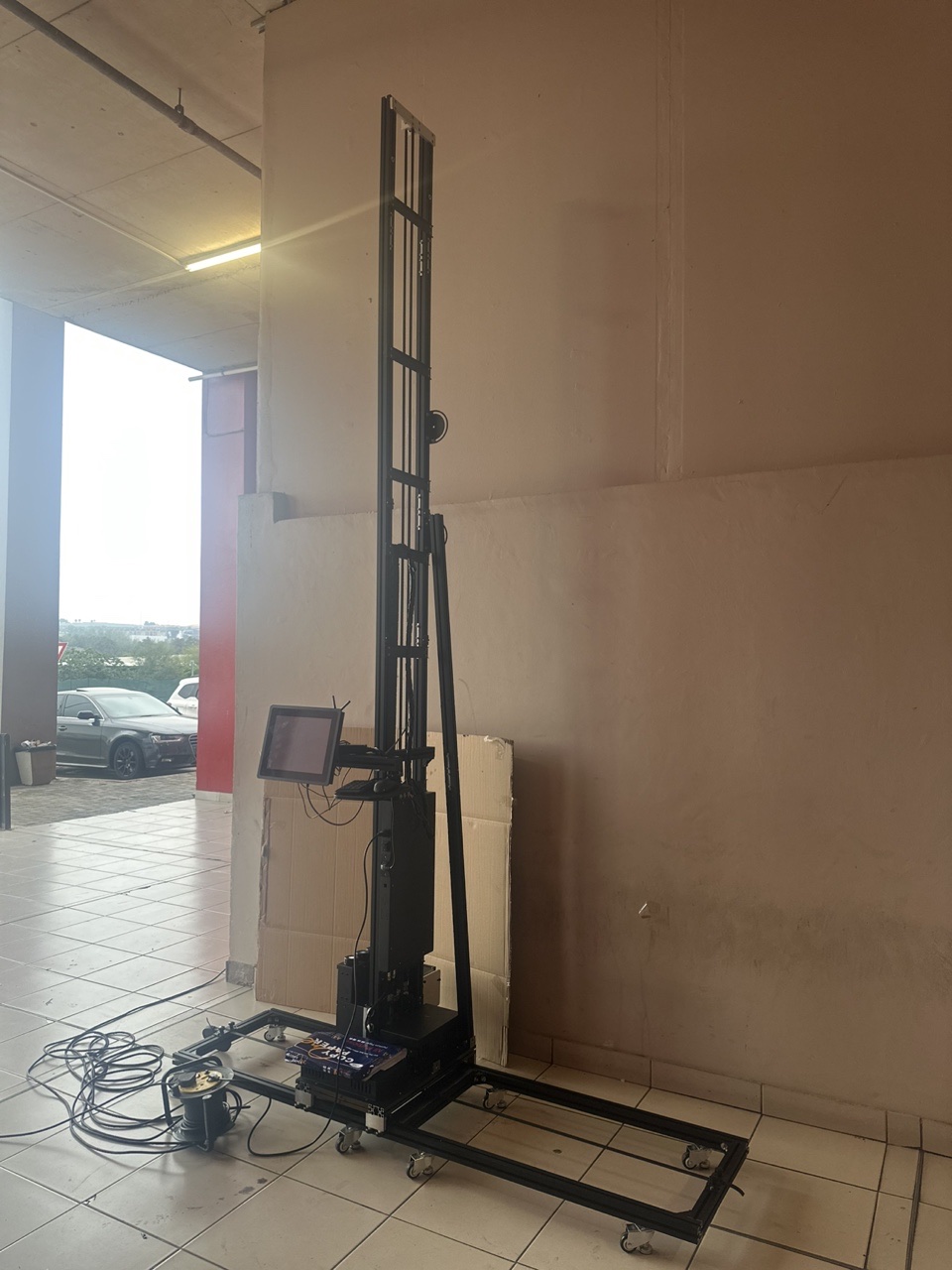
Latest Arrivals
Latest Arrivals
Latest Arrivals
Loading
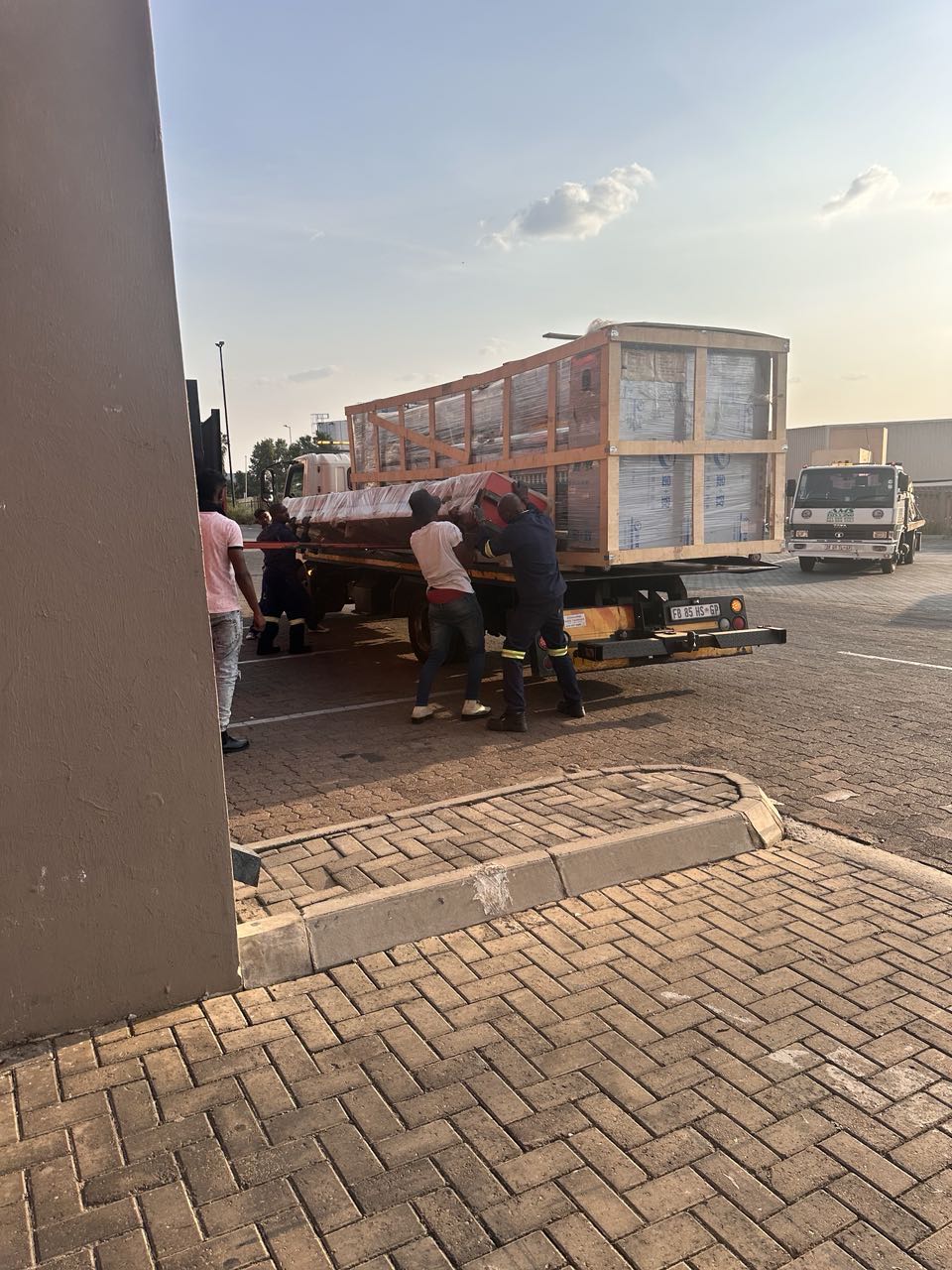
Toilet paper making machine
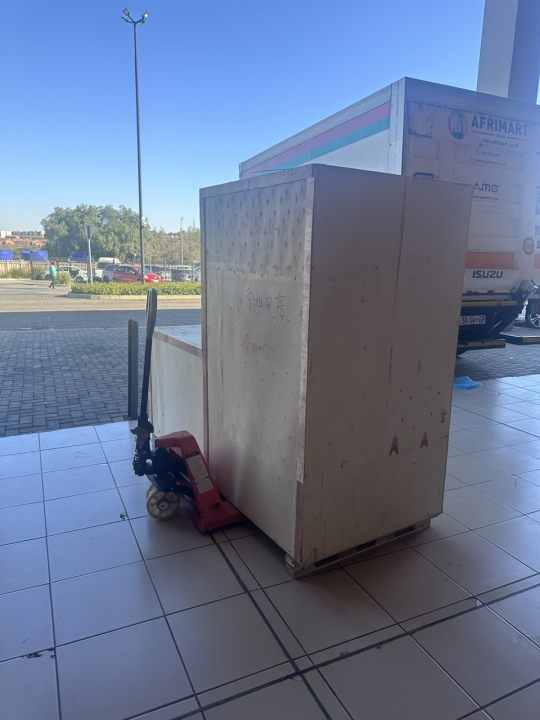
Toilet paper making machine
Toilet paper Rewinding Machine
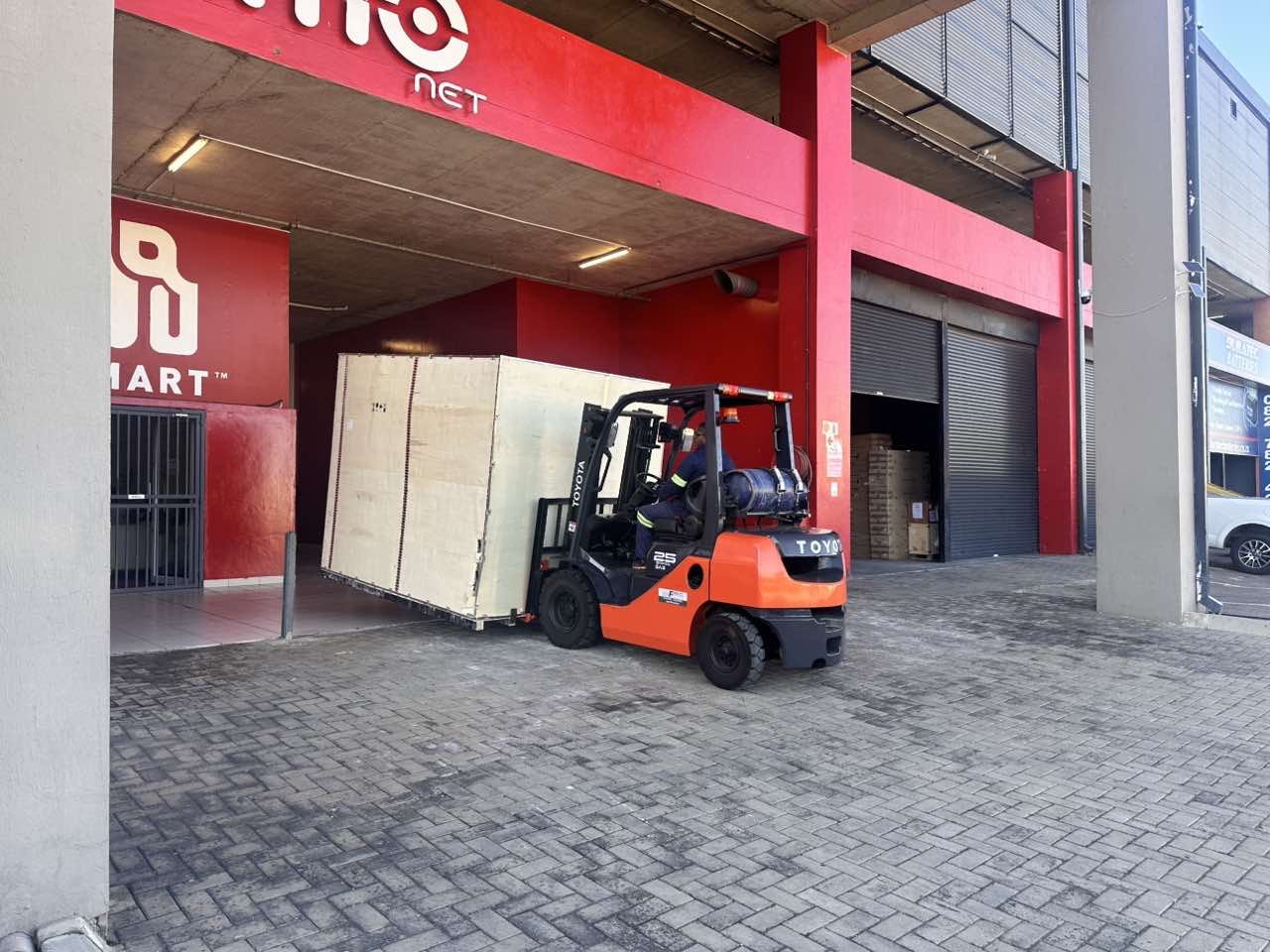
latest arrivals
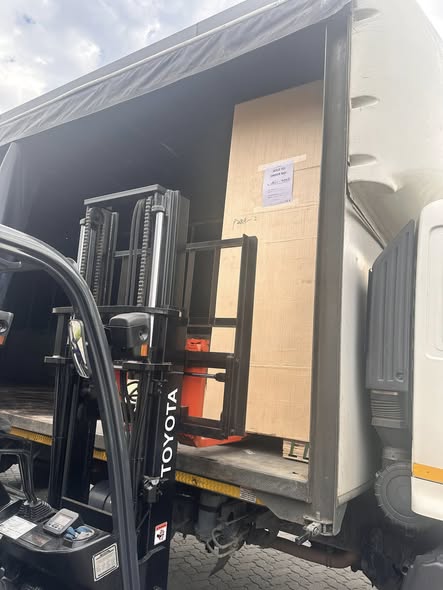
offloading
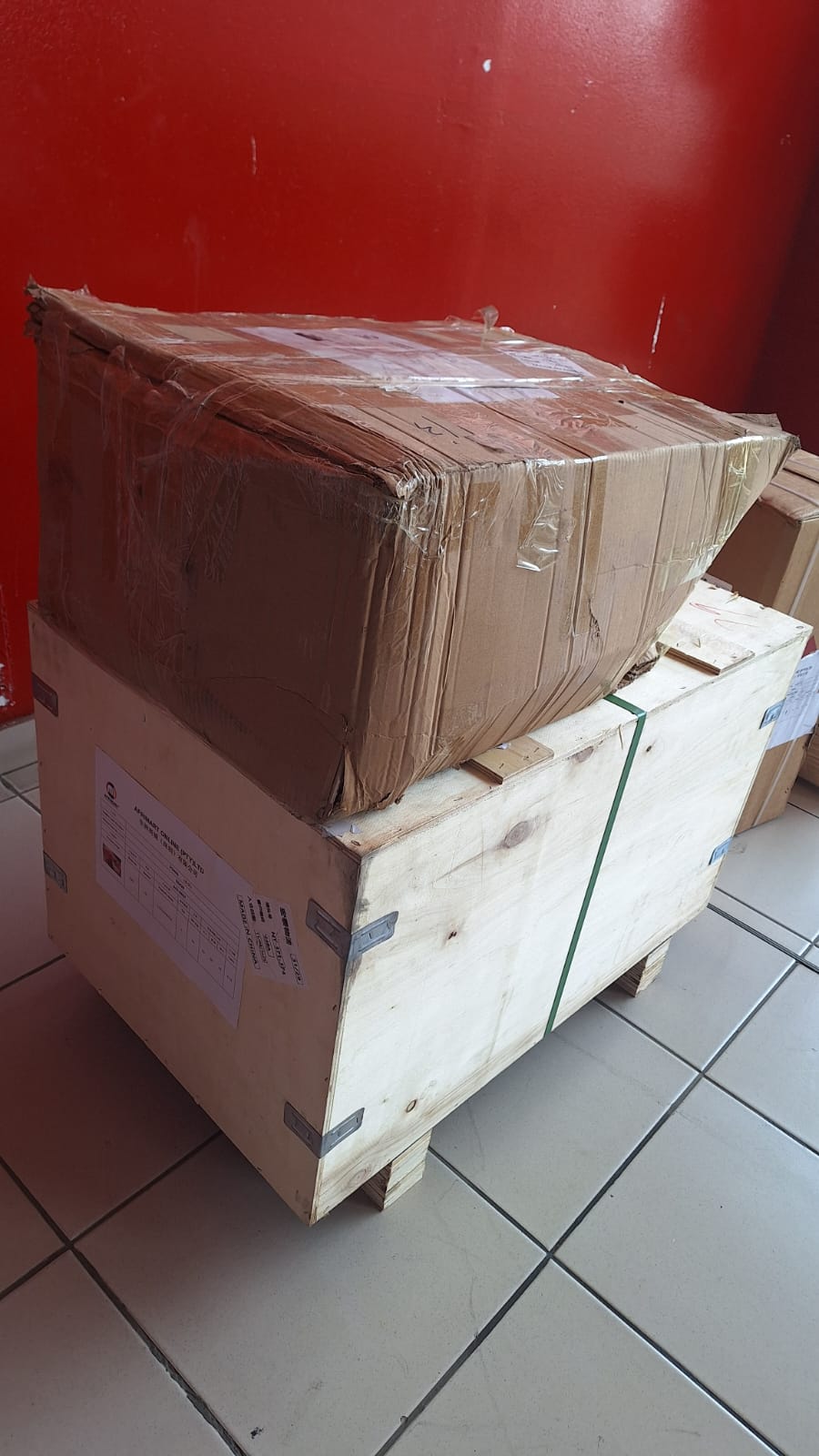
order success
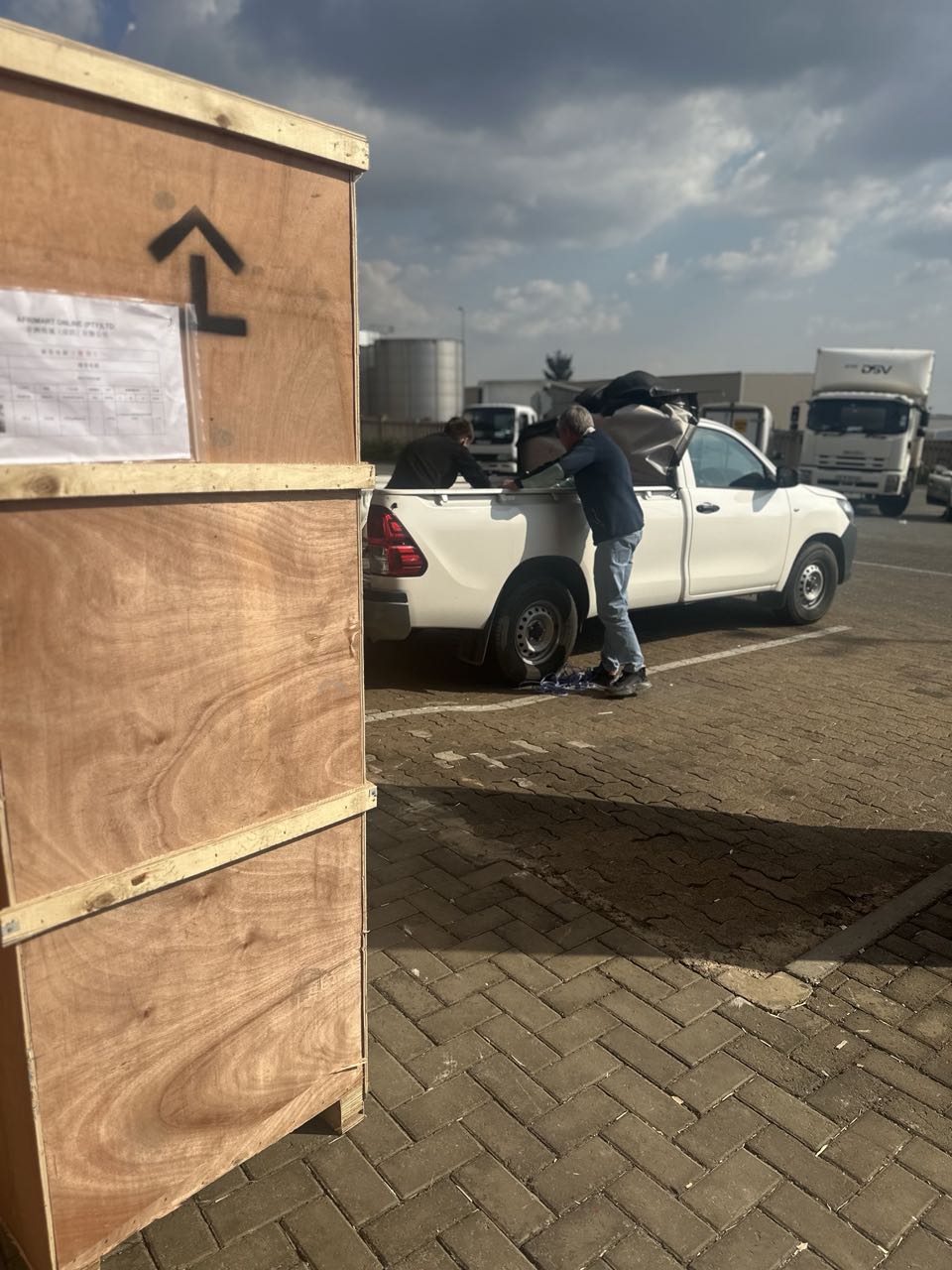
order collection
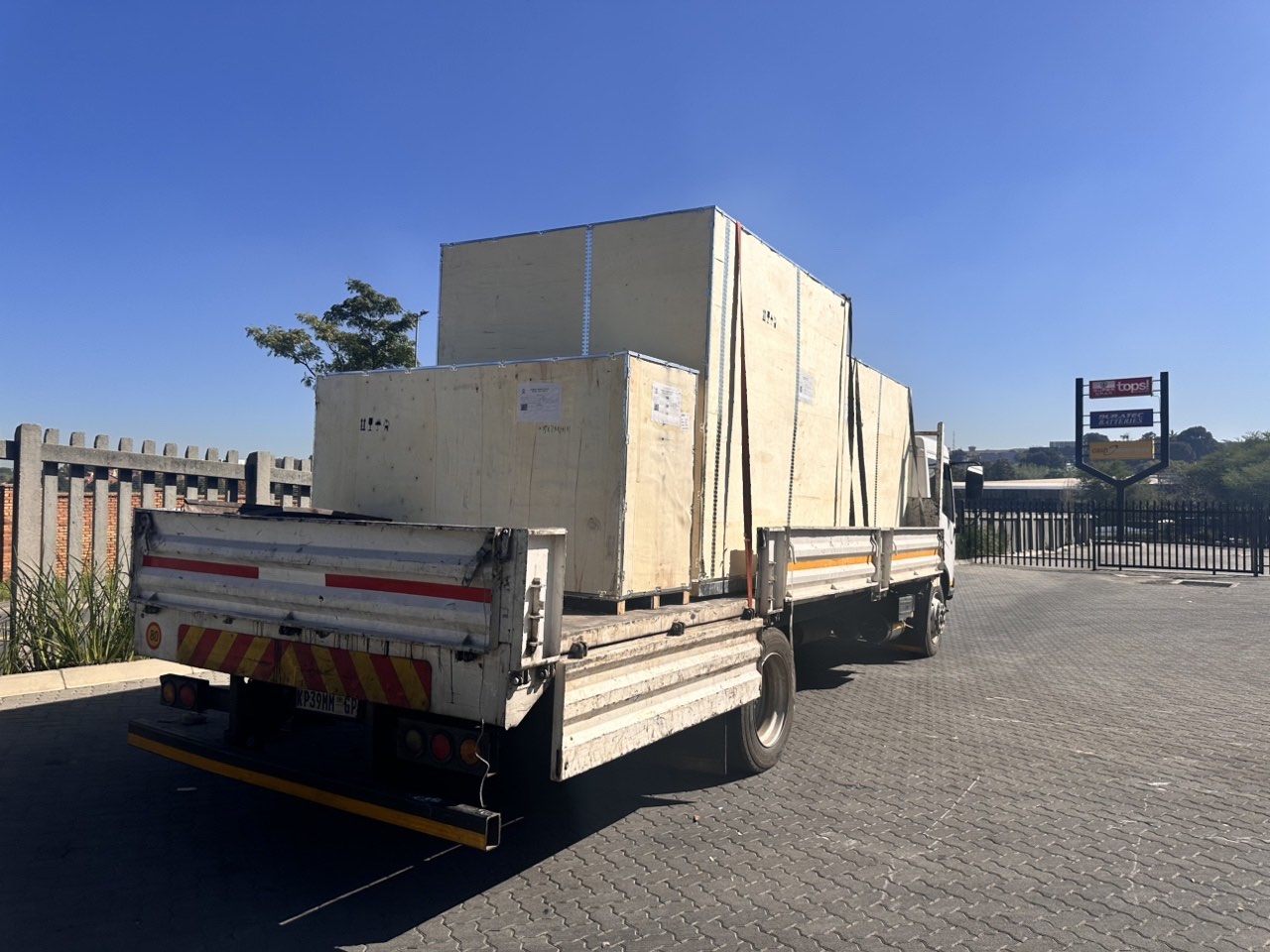
order offloading