B21, China Town Mall, Midrand

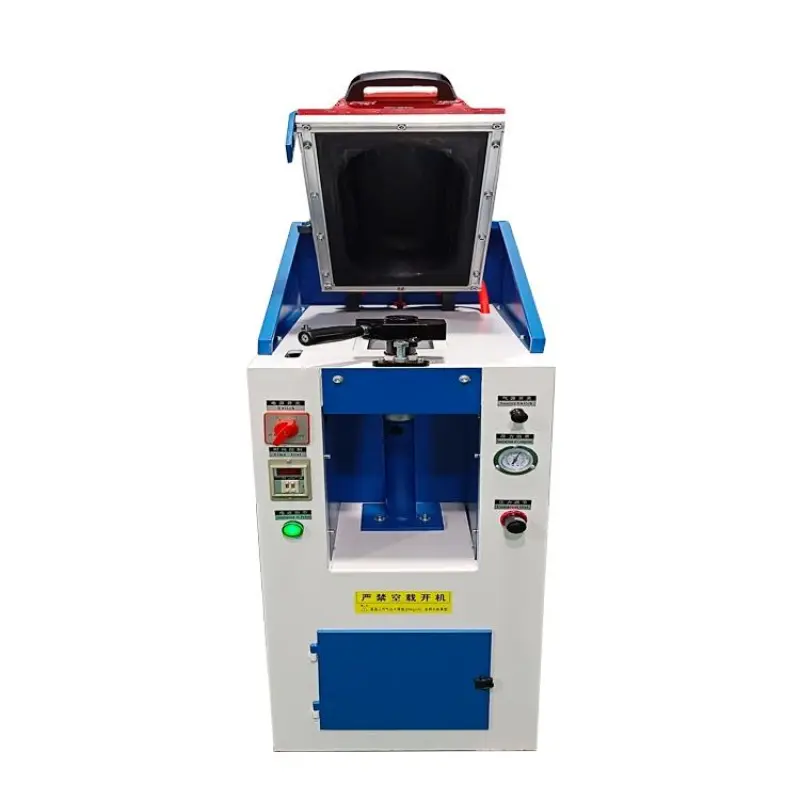
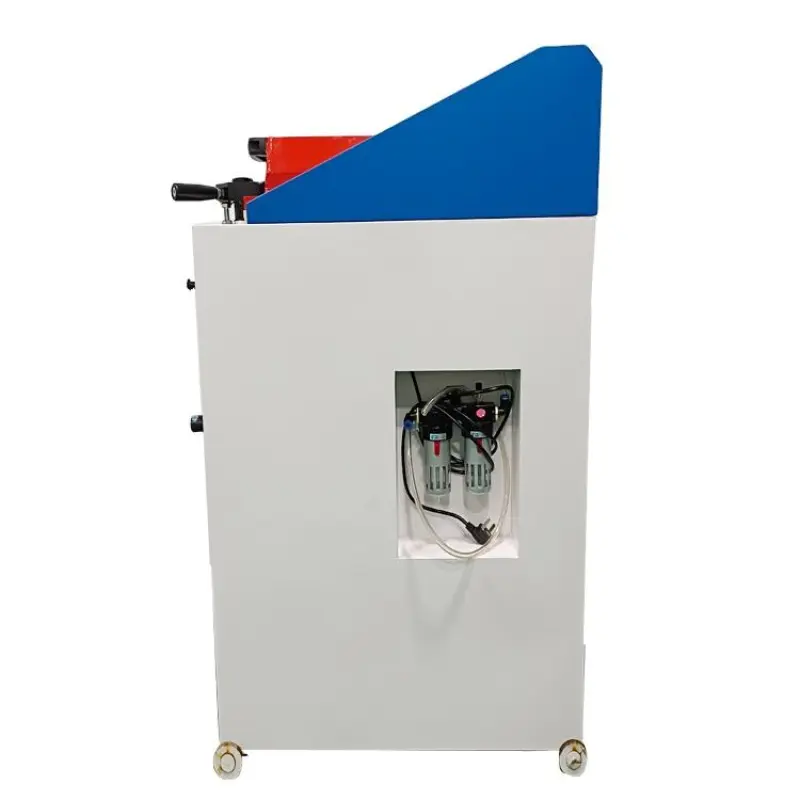
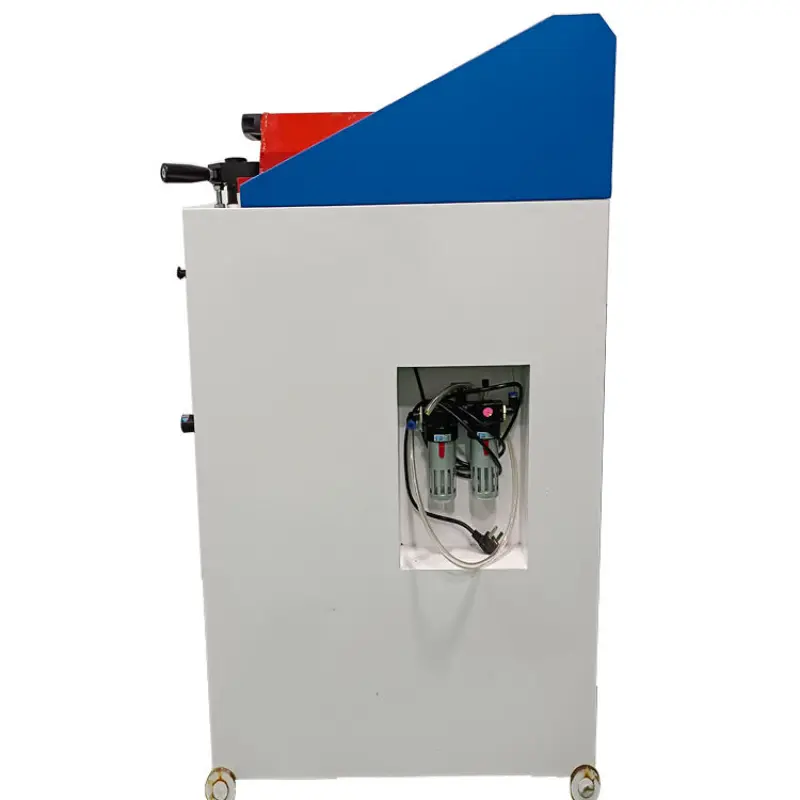
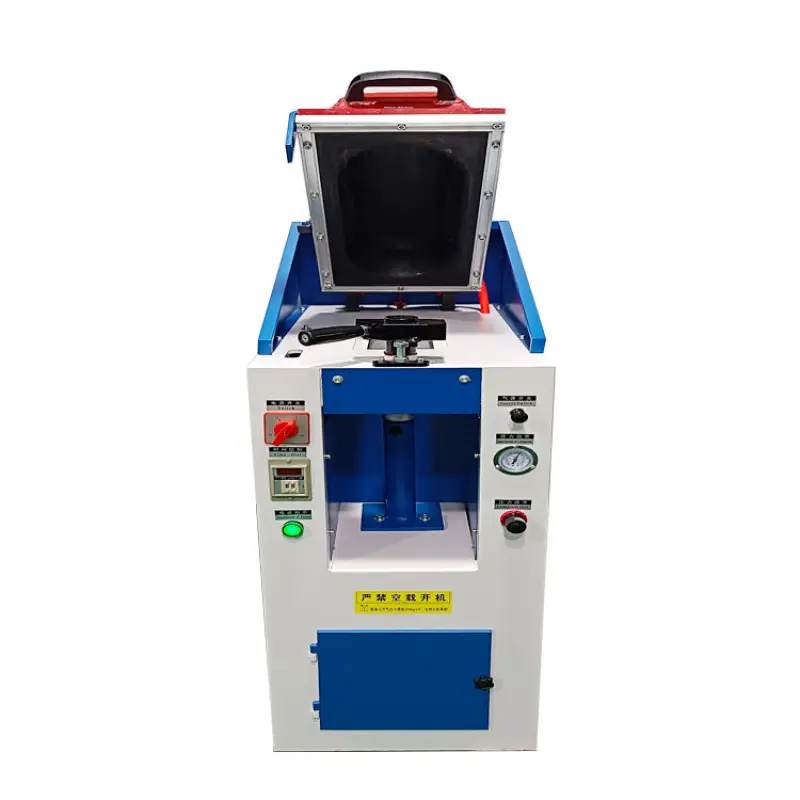
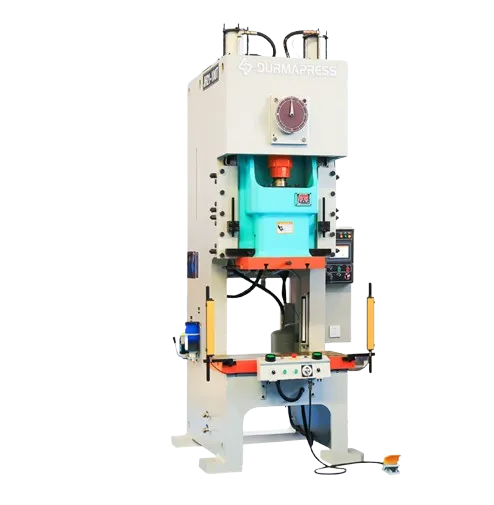
Single Sole Pressing Machine
- Section : Machinery
- Category : Shoe Making Machines
- SKU : 1600517280847

Product Overview

- Shipping Timeframes: All orders are processed within 2-5 business days (excluding weekends and holidays). After your order has been processed, the estimated delivery time is before 11 Jul, 2026, depending on customs, Please note that due to high demand, some items may experience longer shipping times, which will be communicated at order confirmation email.
- Order Processing Time: Please allow 2-5 business days for us to process your order before it is shipped . Orders placed after 16:00 on Fridays, or during weekends and public holidays, will begin processing on the next business day. Processing times may be extended during peak seasons or sales events.
- Manufacturing Time: Some products needs manufacturing time, the manufacturing process will take approximately 10-30 business days depending on the product. This timeframe may vary depending on the complexity of the product and current demand. but this will be communicated with you during order confirmation.
- Returns and Exchanges: We offer a 30-day return policy for most items. If you are not completely satisfied with your purchase, you may return it within 30 days of receipt for a refund or exchange. Items must be unused, in their original packaging, and accompanied by proof of purchase. Return shipping costs are the responsibility of the customer, unless the item was damaged or defective upon arrival.
1. What is a Single Sole Pressing Machine used for?
A Single Sole Pressing Machine is used in footwear manufacturing to press and fuse a single sole unit to an upper or midsole. It is commonly used for bonding, heat-sealing, molding, or finishing individual shoe soles during production or repair.
2. What types of soles and materials can it handle?
These machines typically handle rubber, thermoplastic rubber (TPR), polyurethane (PU), ethylene-vinyl acetate (EVA), and some PVC soles. Compatibility depends on the heating system, tooling, and pressure capability—check the manufacturer’s specifications for material limits.
3. How does the machine heat and apply pressure?
Single sole pressing machines usually combine a heated platen (electric or oil-heated) with a mechanical, pneumatic, or hydraulic press to apply controlled pressure and temperature for bonding. Temperature and pressure are adjustable to suit different sole materials and adhesives.
4. What are the typical cycle times?
Cycle times vary by material, adhesive, and process settings but commonly range from a few seconds to a couple of minutes per sole. Exact cycle time depends on temperature, pressure, cooling requirements, and operator handling.
5. Is tooling/mold required and is it interchangeable?
Yes—specific tooling (press dies or molds) is required to match the shoe last and sole profile. Most machines support interchangeable tooling so you can switch between sizes and styles, though tooling may need to be ordered or custom-made for specialized designs.
6. What power and utility connections are required?
Requirements vary by model. Typical machines may need single-phase or three-phase electrical power for heaters and controls, and compressed air for pneumatic presses. Some models use hydraulic systems and require hydraulic power packs. Always consult the machine’s datasheet for exact requirements.
7. How do I operate the machine safely?
Follow the manufacturer’s operating manual: wear appropriate PPE (heat-resistant gloves, eye protection), keep hands clear of the platen during cycles, use safety guards and emergency stop, ensure proper grounding and ventilation, and never bypass interlocks. Provide operator training before use.
8. What maintenance is required?
Regular maintenance typically includes cleaning the platen and tooling, checking and replacing seals or gaskets, lubricating moving parts, inspecting electrical and pneumatic connections, calibrating temperature and pressure controls, and following any scheduled service intervals in the manual.
9. Can this machine be integrated into an automated production line?
Many single sole presses can be configured for semi-automatic or fully automated operation, with options for part feeding, pick-and-place robots, conveyors, and PLC control. Integration depends on the model and available automation options—discuss requirements with the supplier.
10. What safety features are commonly included?
Common safety features include emergency stop buttons, safety interlocks/guards, pressure relief valves, thermal cutoffs, two-hand control options, and over-temperature protection. Specific safety features vary by model and should meet applicable local safety standards.
11. What quality certifications or standards should I look for?
Look for CE marking if purchasing for the EU, and ISO 9001 for manufacturer quality systems. Other regional electrical and machine safety certifications may apply. Ask the supplier for compliance documentation relevant to your market.
12. How do I choose the right model for my needs?
Consider production volume, sole materials, maximum sole size, required temperature and pressure ranges, cycle time, automation level, available utilities (power/air), budget, and tooling needs. Request specifications and sample testing from the manufacturer to confirm suitability.
13. What is involved in tooling or die changeover?
Changeover typically involves loosening fixtures, removing the current die, installing the new die and aligning it, re-torquing fasteners, and verifying settings (pressure, temperature, and cycle) with a test run. Time and complexity depend on the machine design and whether quick-change systems are available.
14. What common problems occur and how can they be troubleshooted?
Common issues include poor bonding (insufficient temperature, pressure, or dwell time), inconsistent pressure or temperature, and hydraulic/pneumatic leaks. Troubleshooting steps include checking setpoints, verifying platen temperature with an external sensor, inspecting tooling for damage, and testing for air or fluid leaks. Refer to the service manual and contact technical support for persistent issues.
15. Do you provide spare parts, training, and after-sales support?
Most reputable suppliers offer spare parts, tooling, operator and maintenance training, and after-sales technical support or service contracts. Confirm availability of parts, typical lead times, and training options before purchase.
Latest Order Arrivals
Discover our latest orders
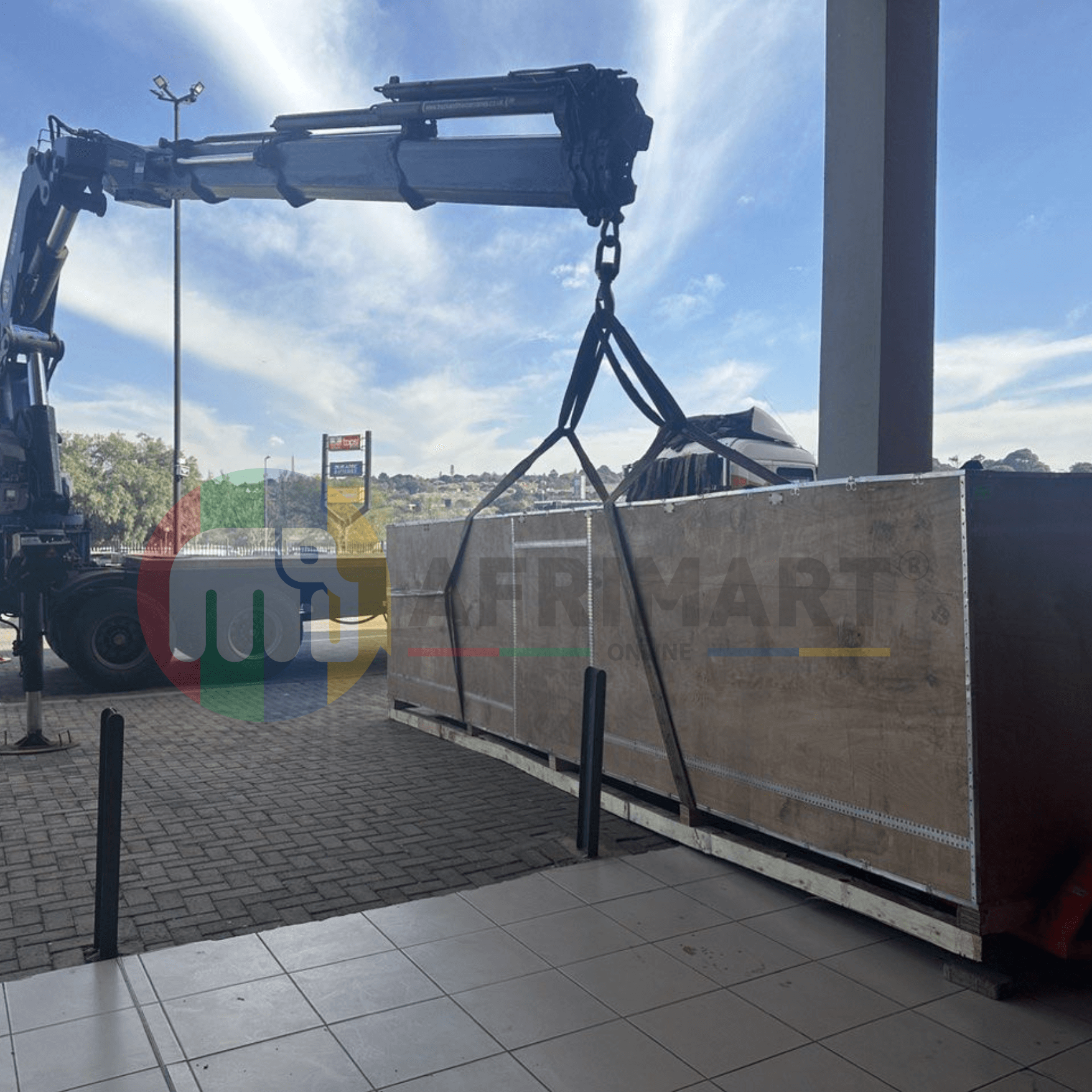
12 Heads Embroidery Machine
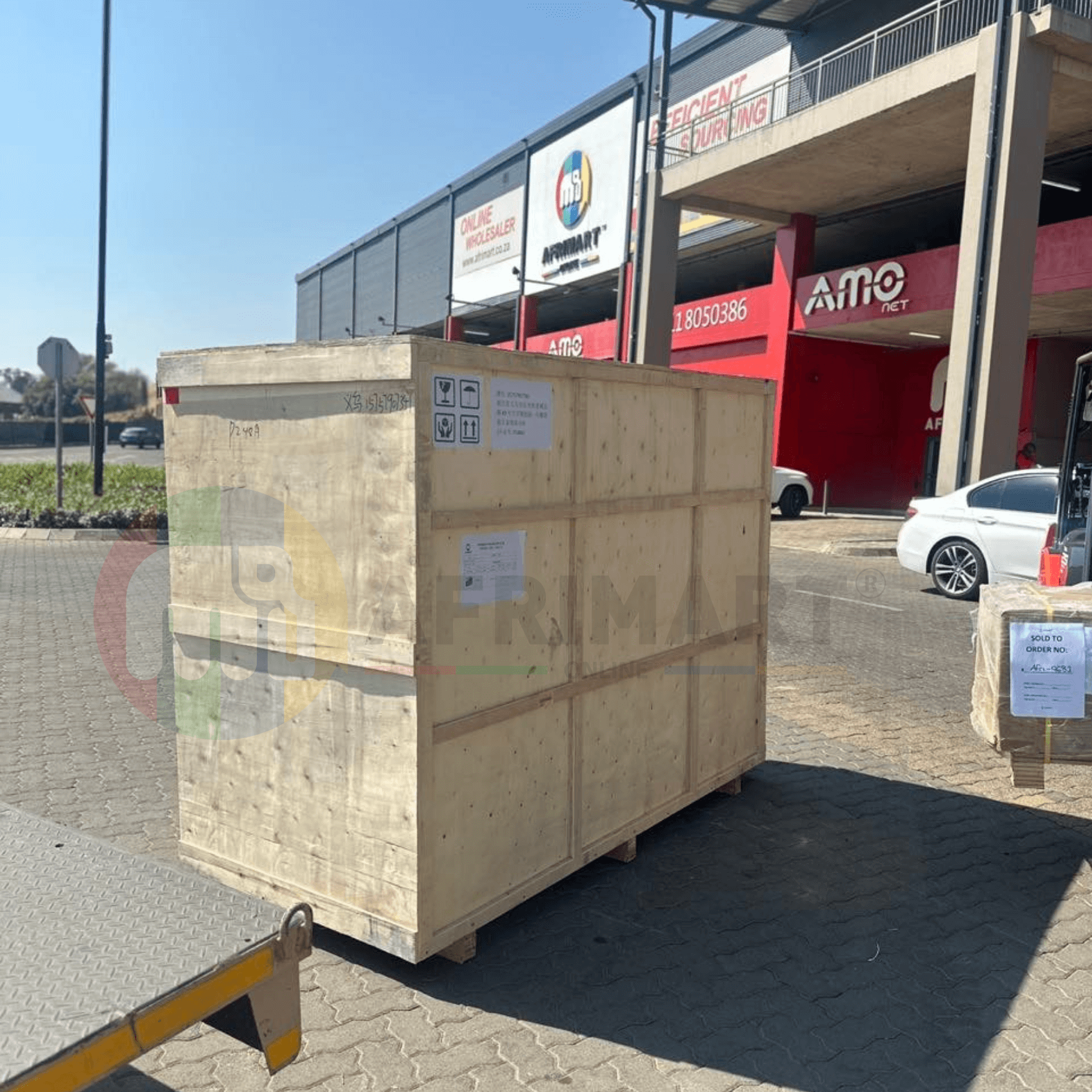
Dewatering Pump Machine
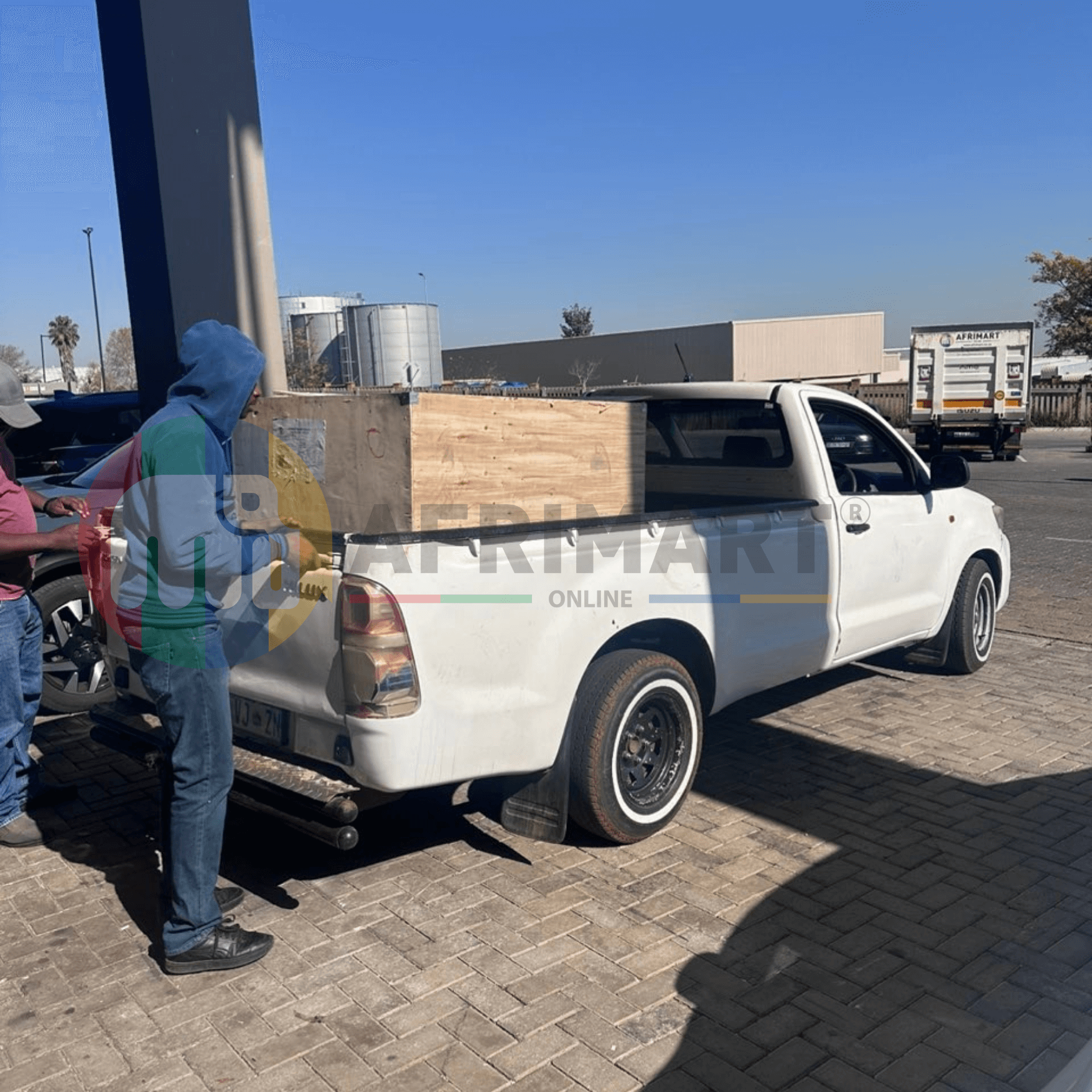
Order Collection
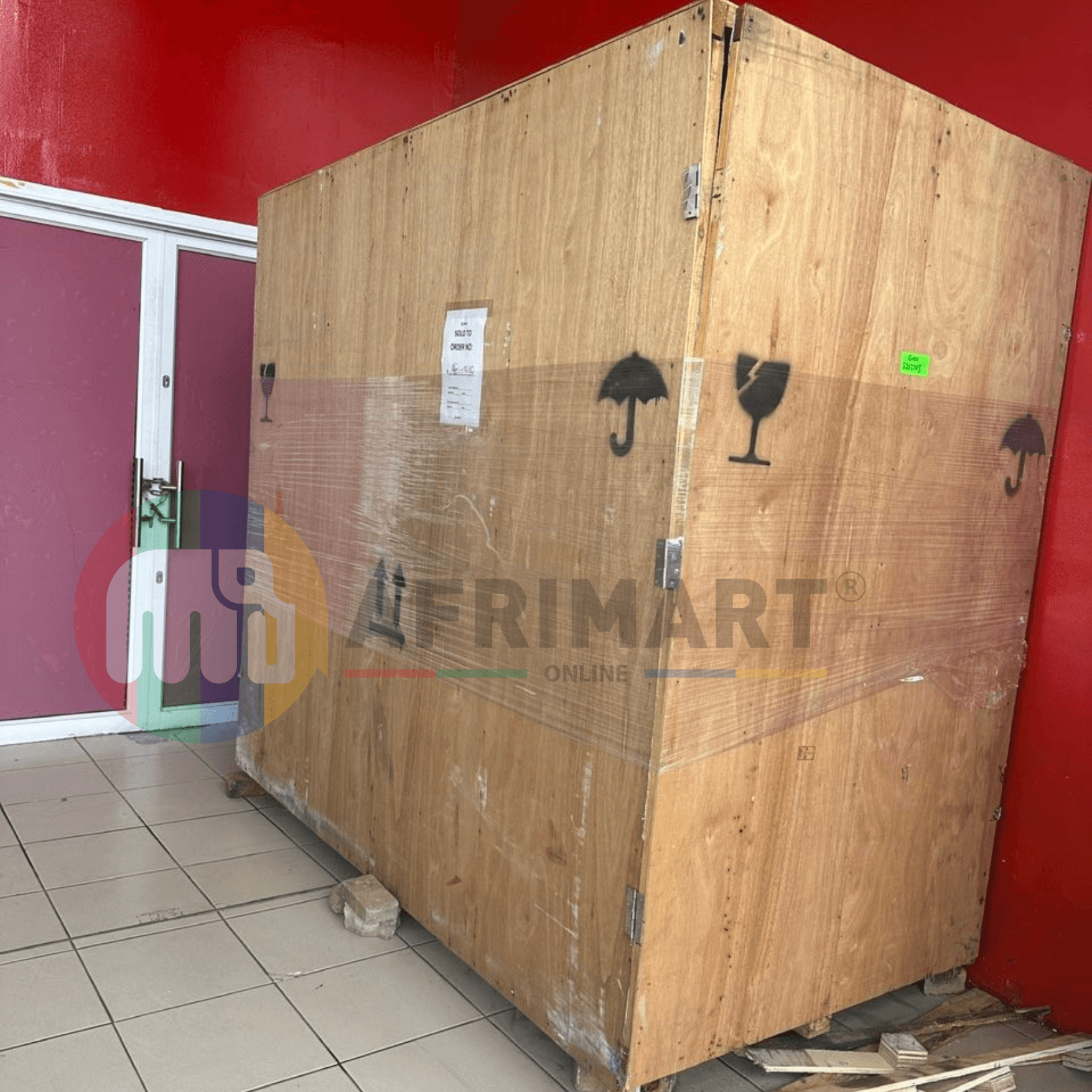
Portable Water Drilling Rig
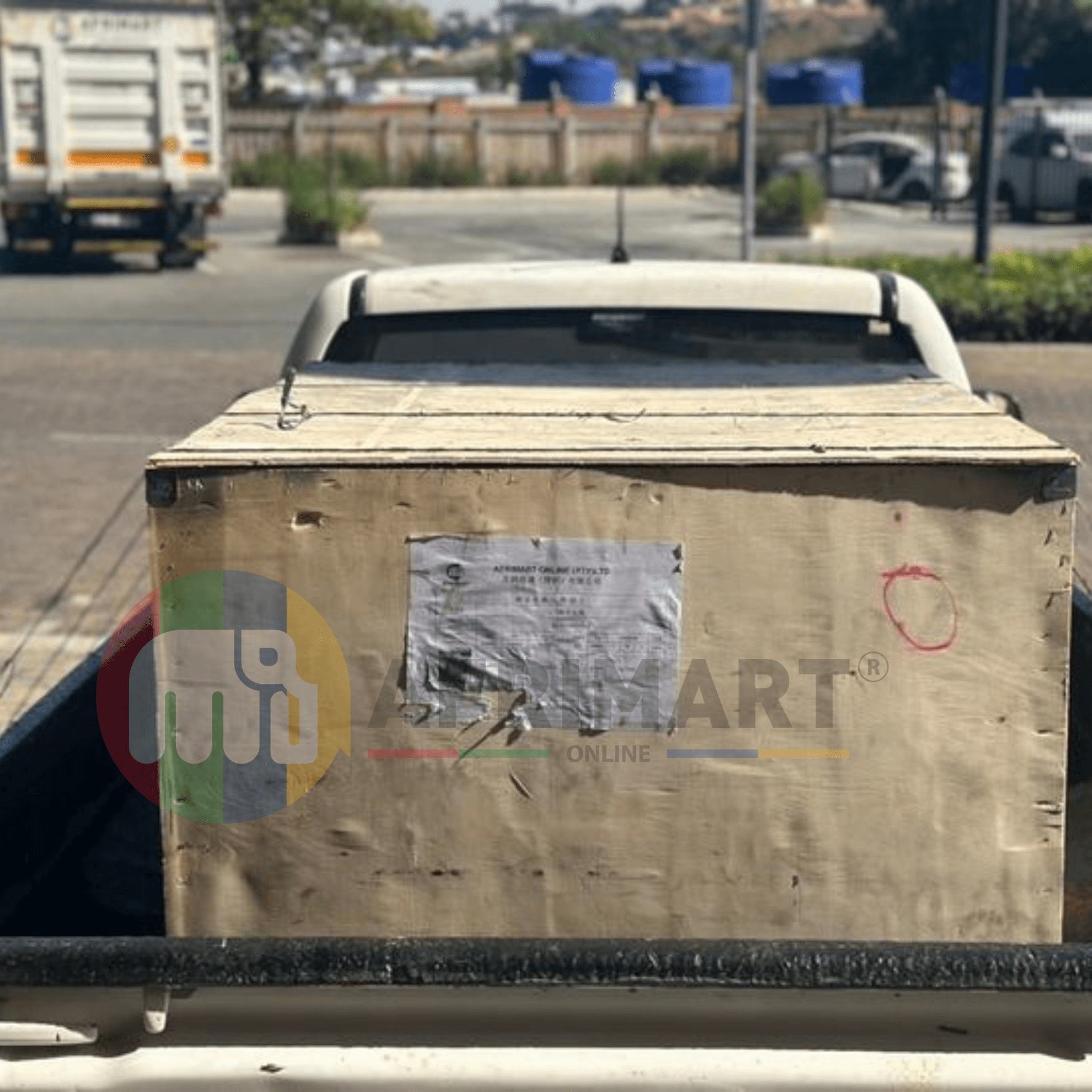
Order Usefully Collected
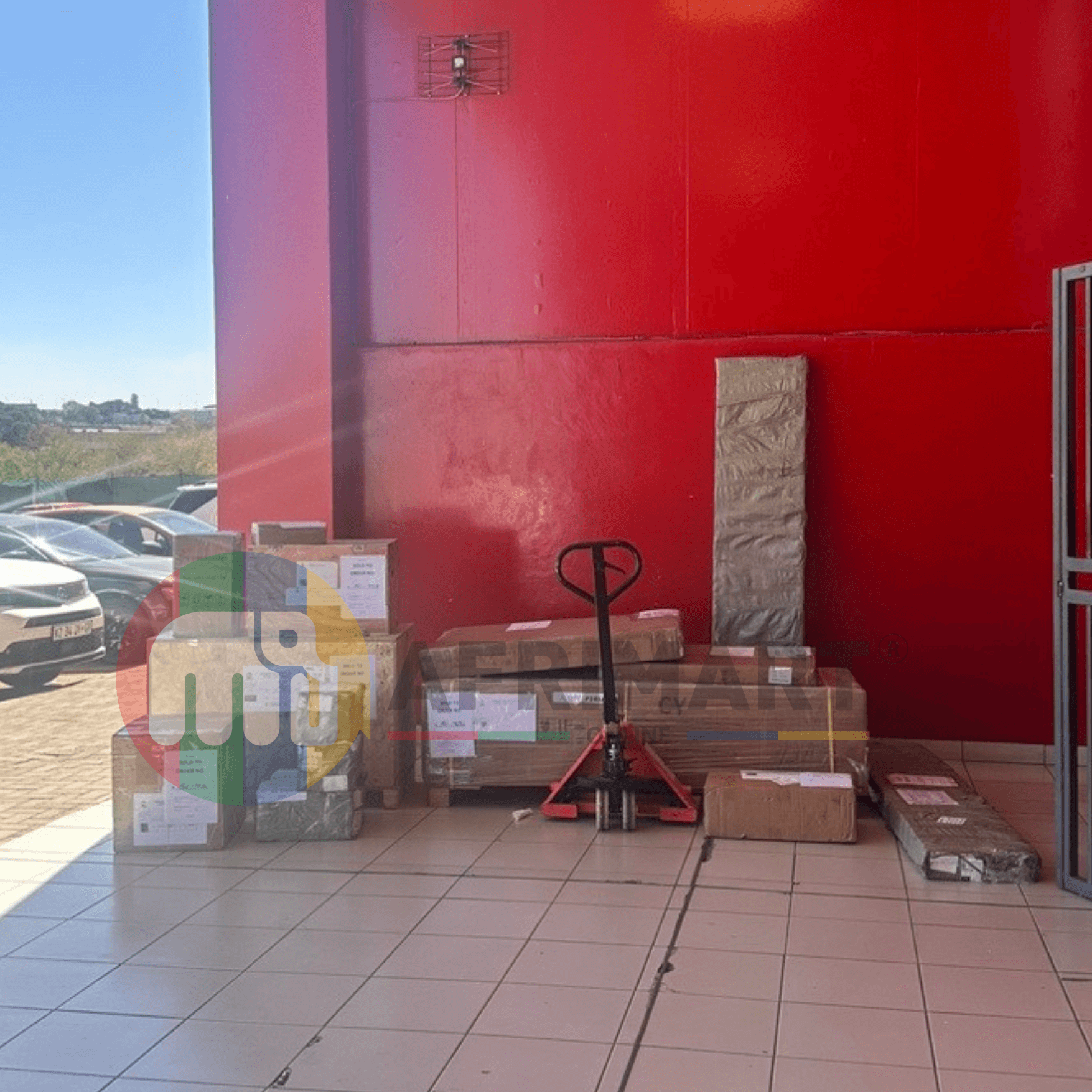
Batch of Orders
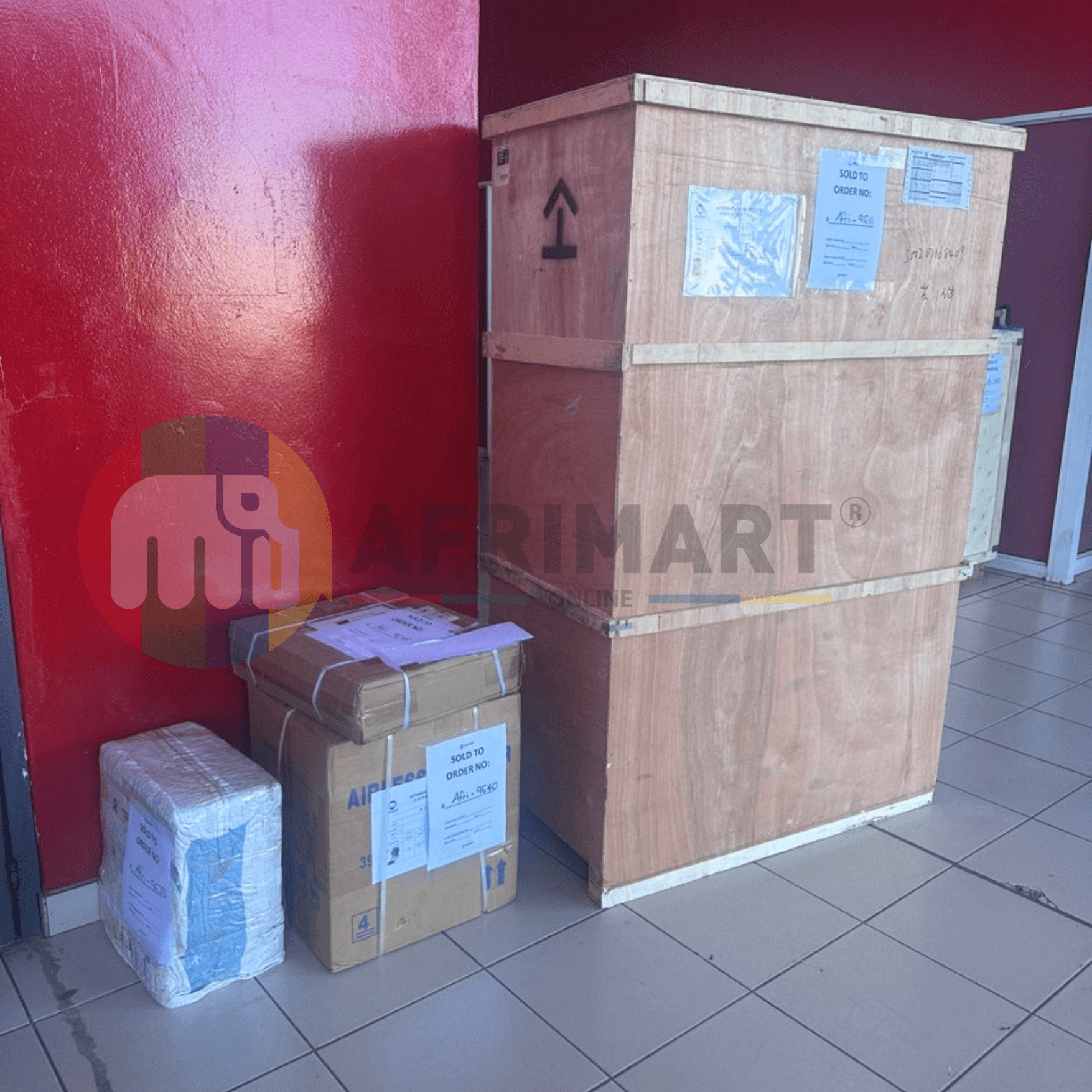
Agriculture Processing Machines
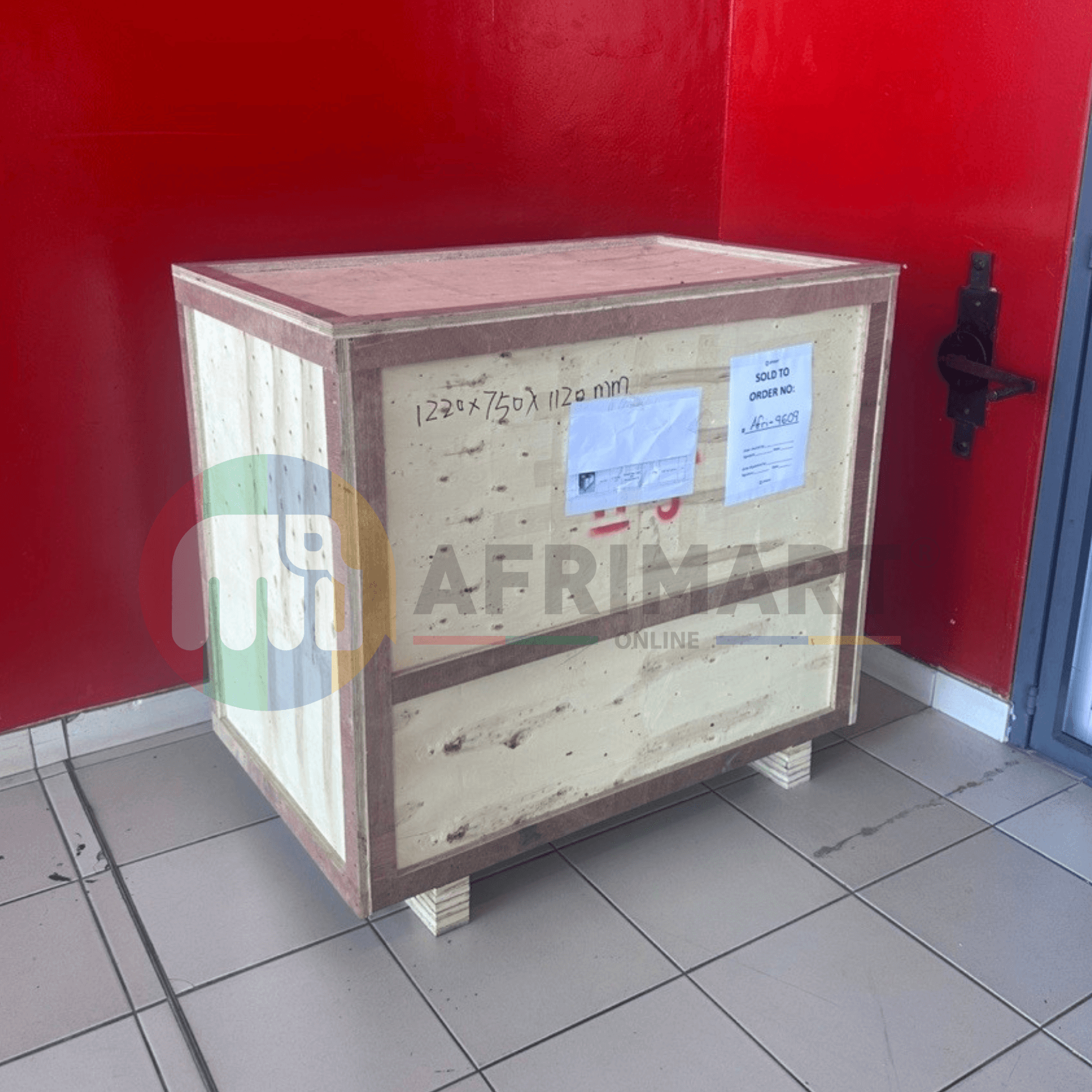
Meat Grinder Machine
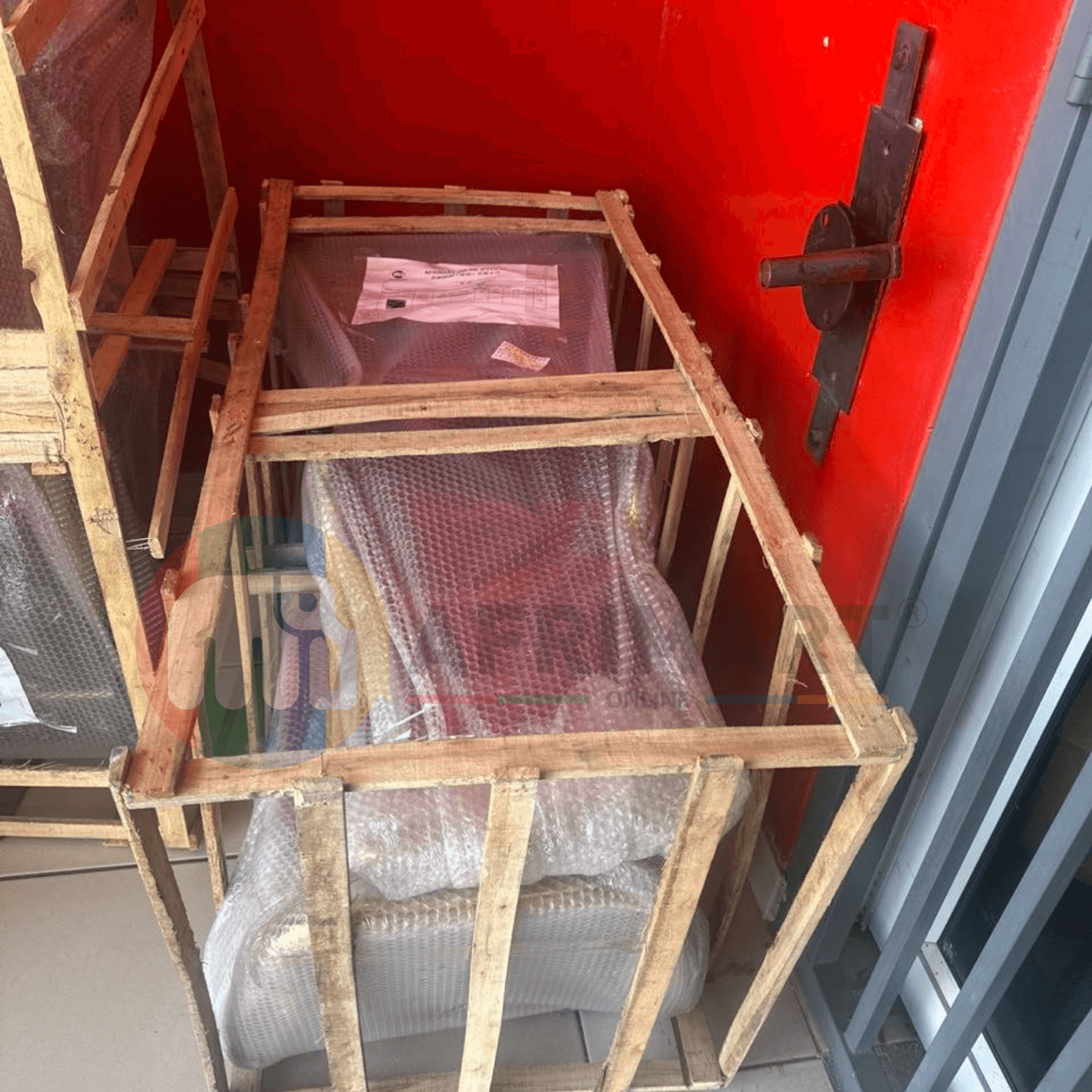
Water Pump Equipment
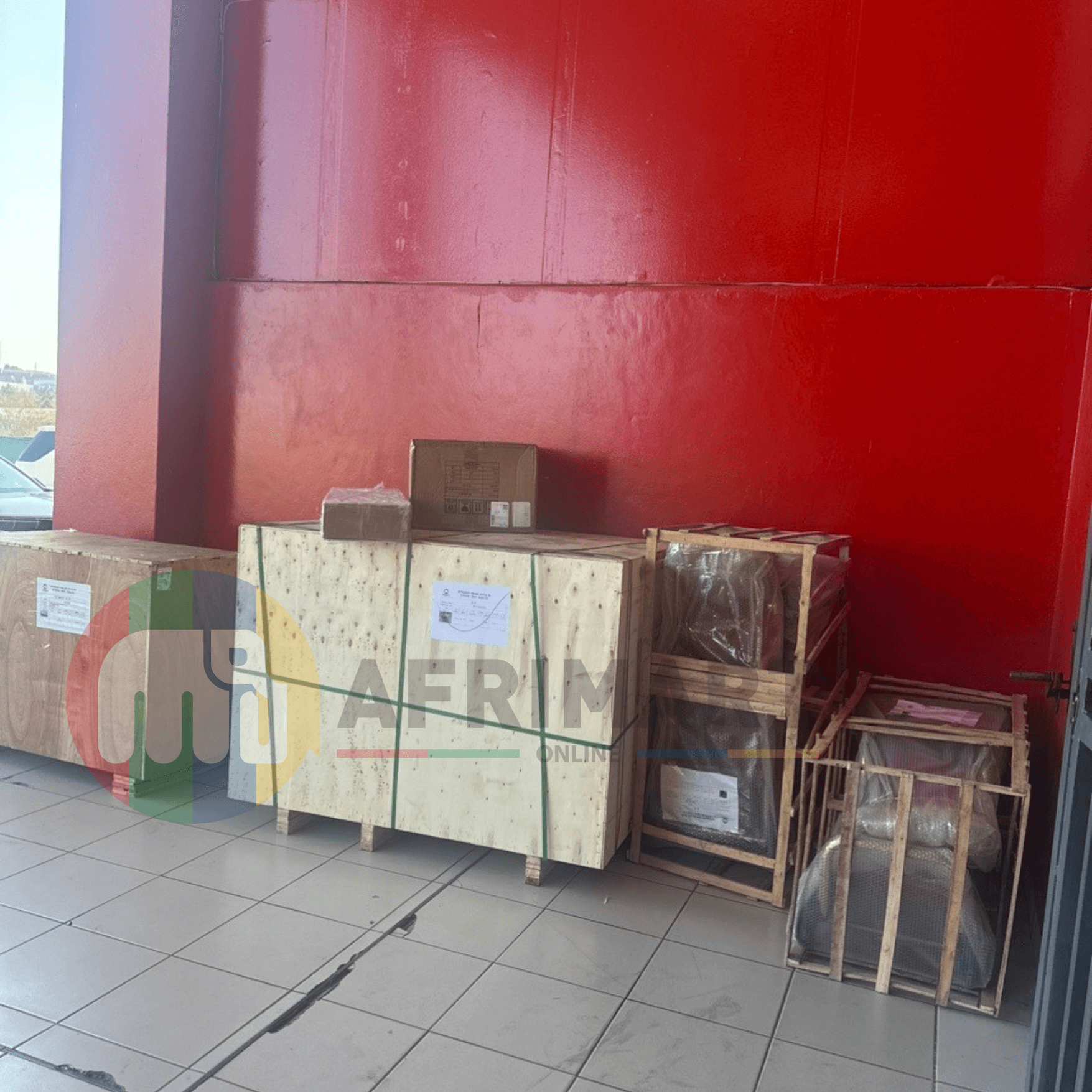
Packaging Machine and accessories
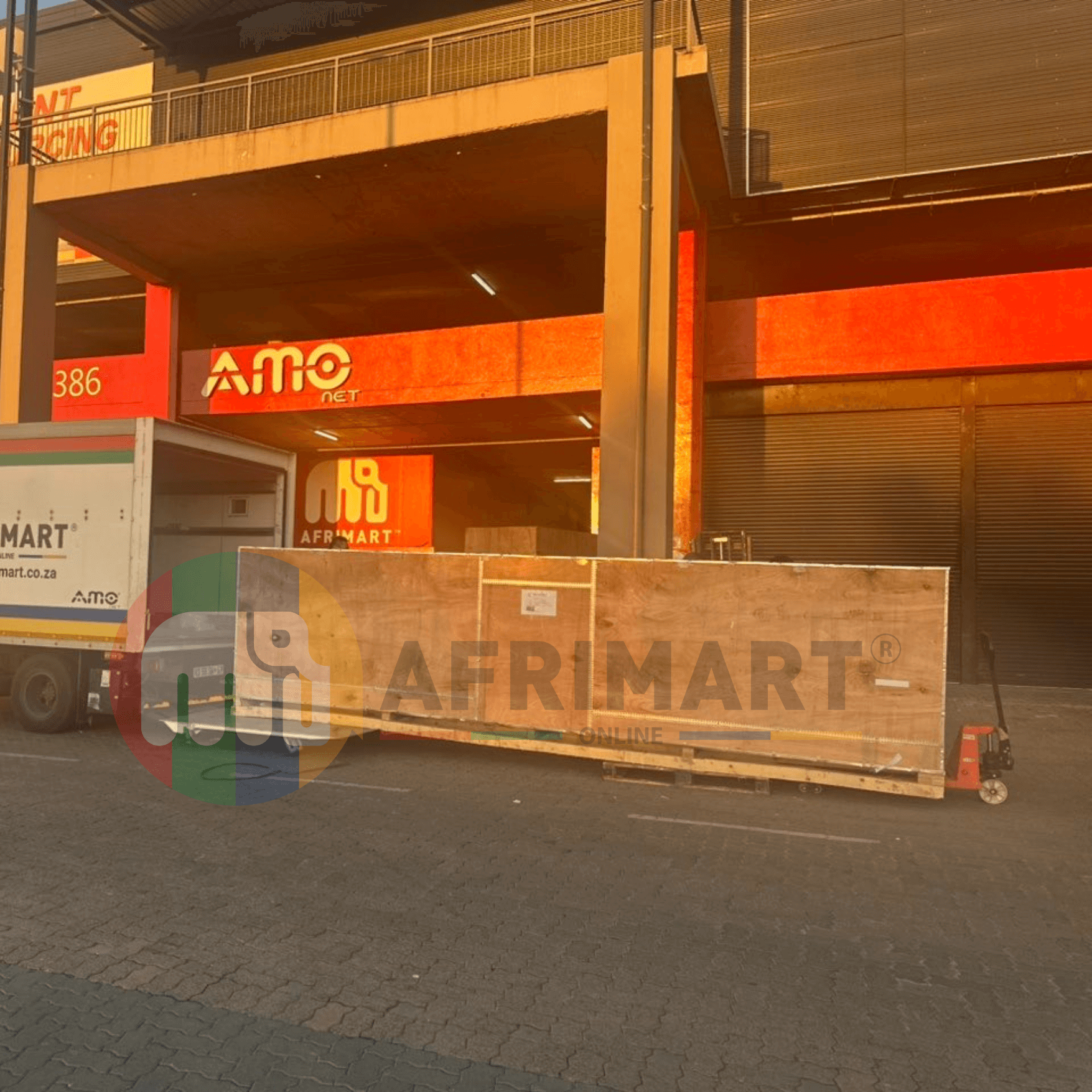
Fabrics Manufacturing Equipment
Mining Equipments
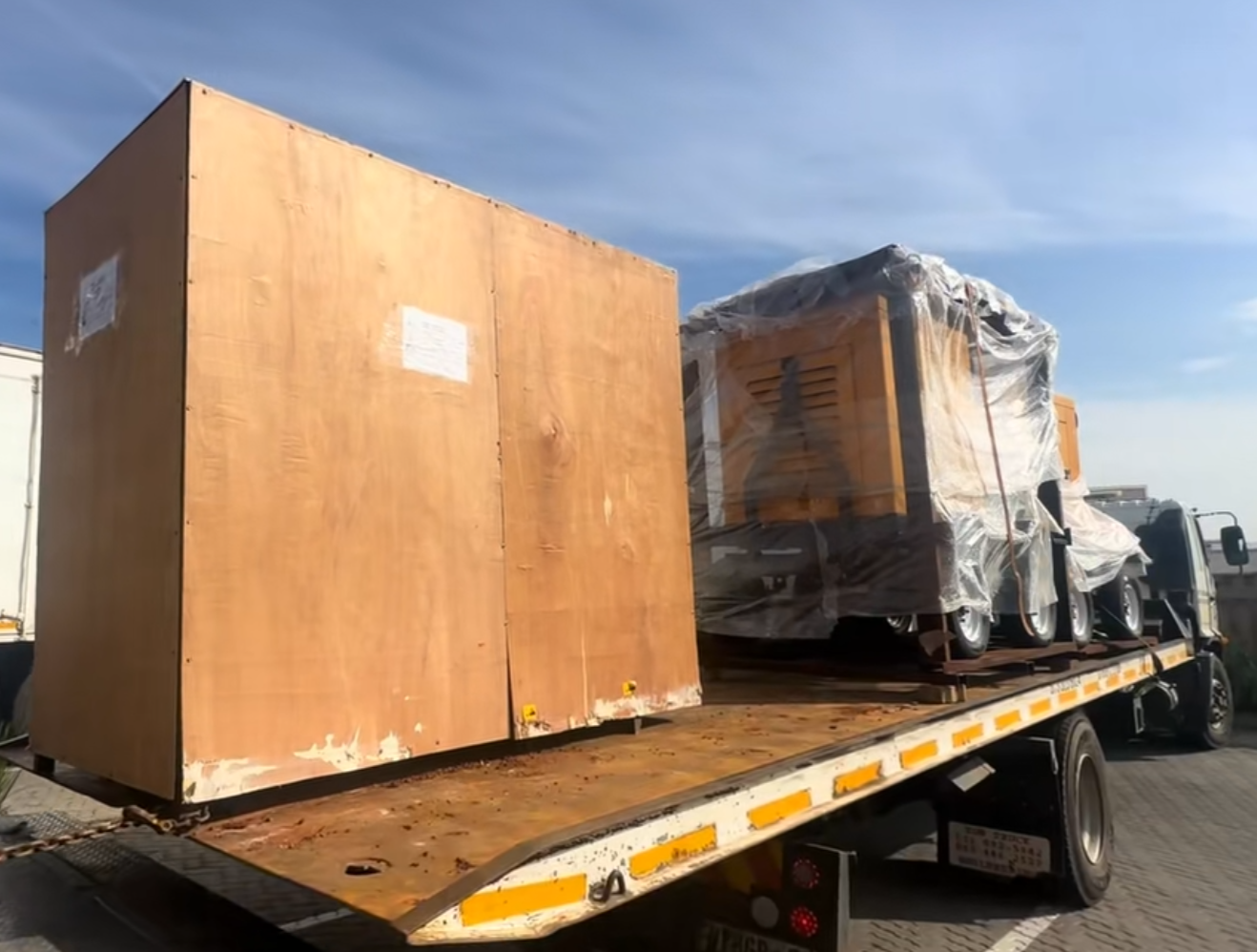
Food Processing Machine
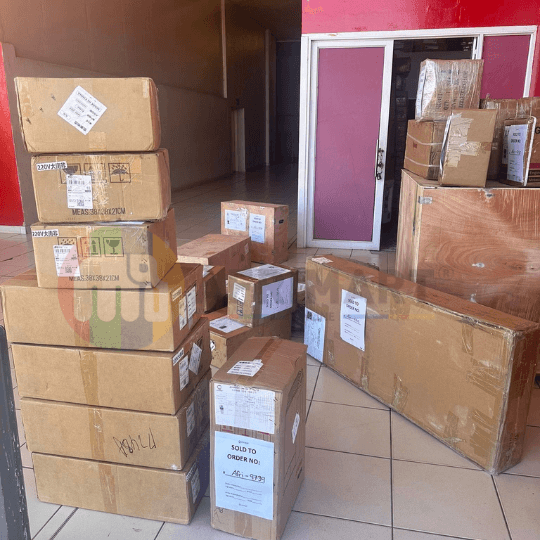
Batch of Orders
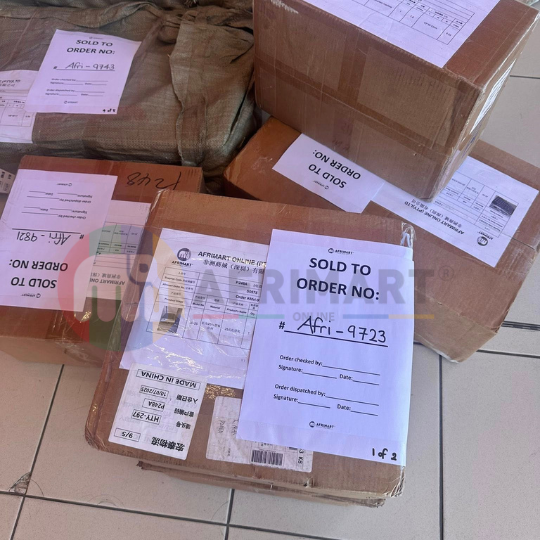
Batch of Orders
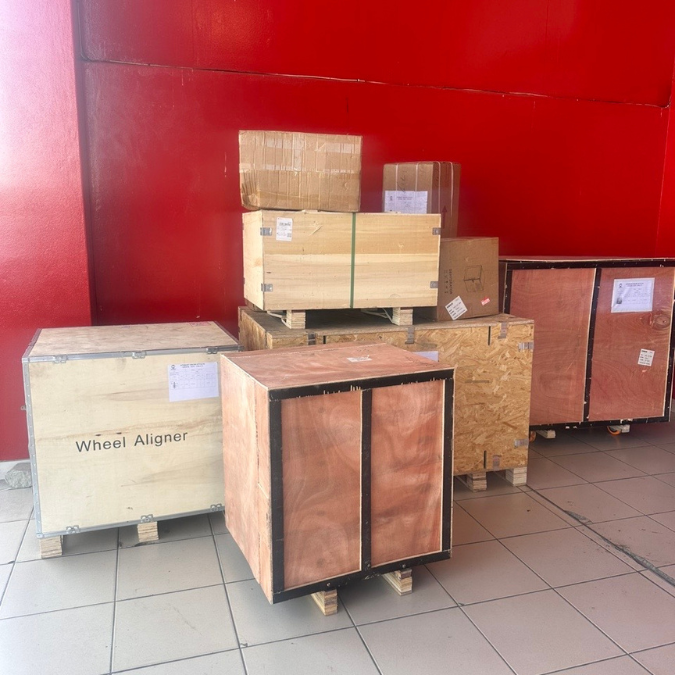
Latest Orders Labelled
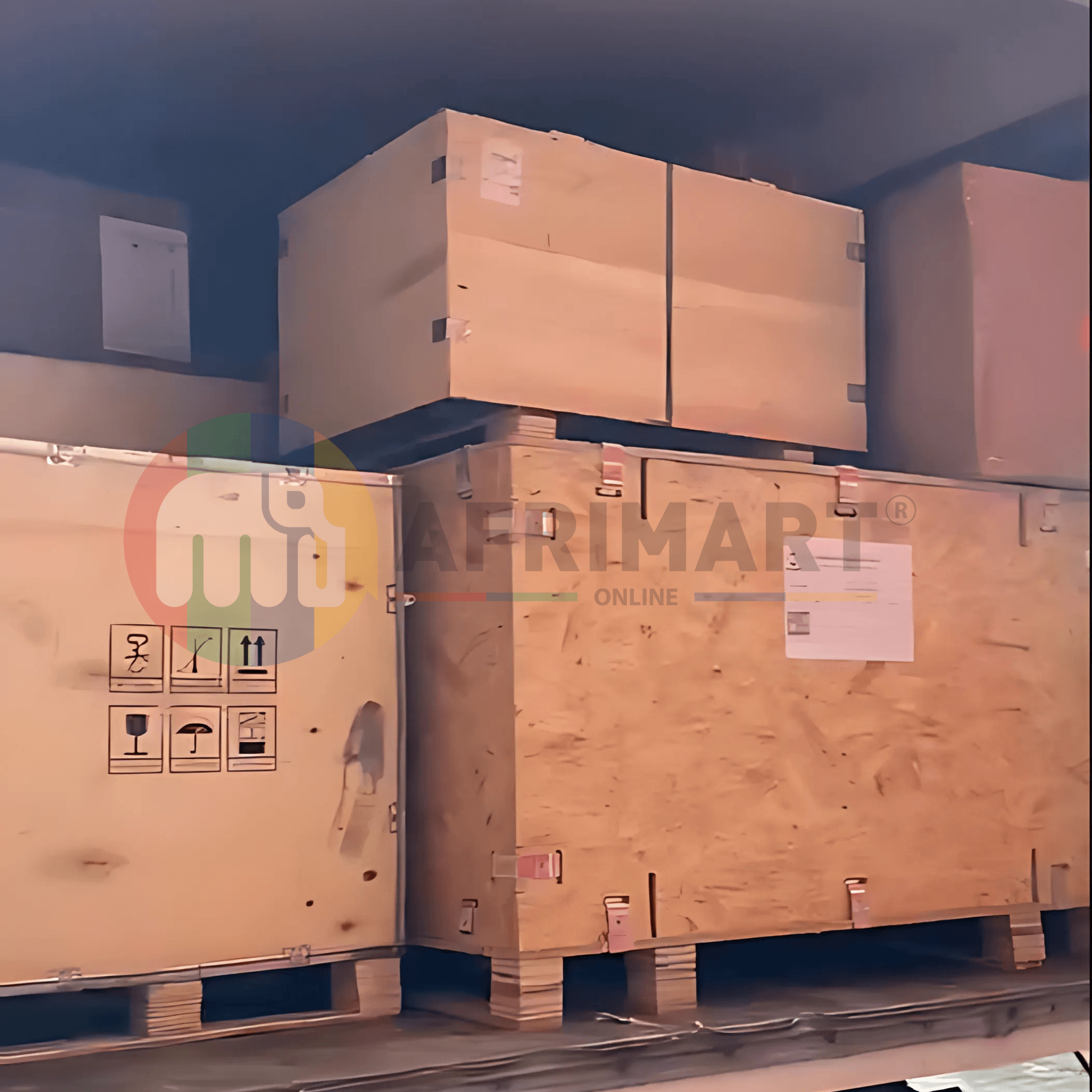
wheel alignment machines
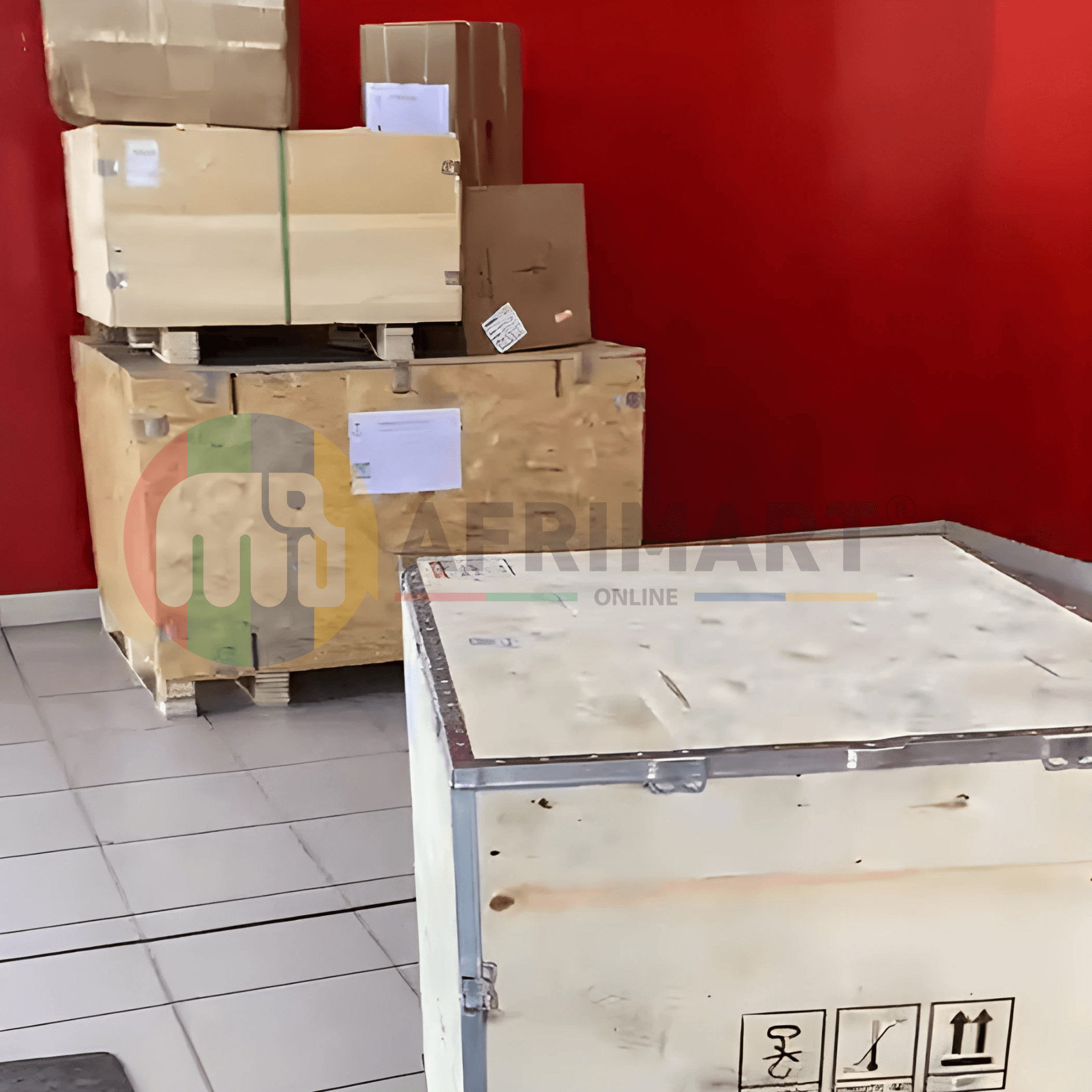
new arrivals
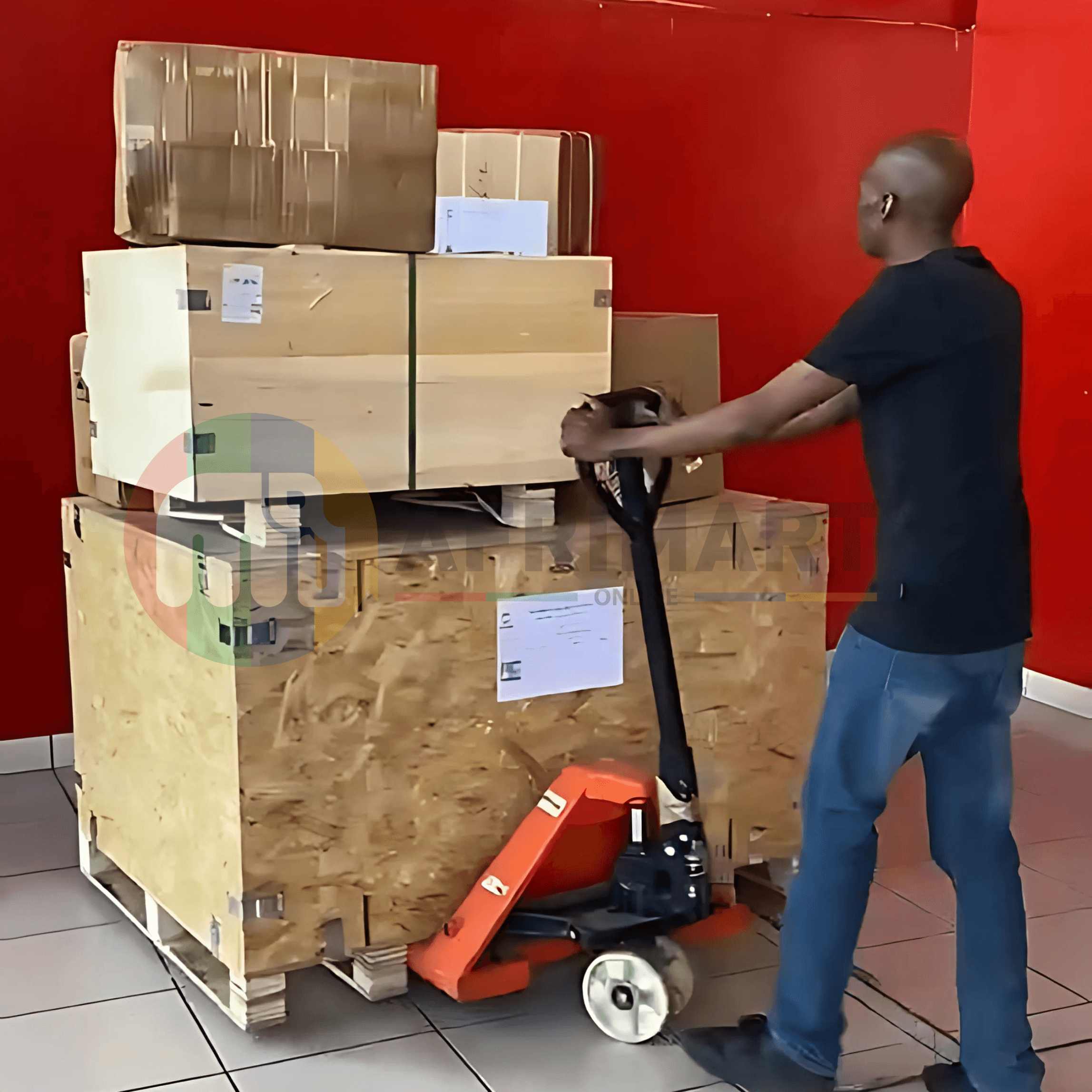
Pre Orders Offloading
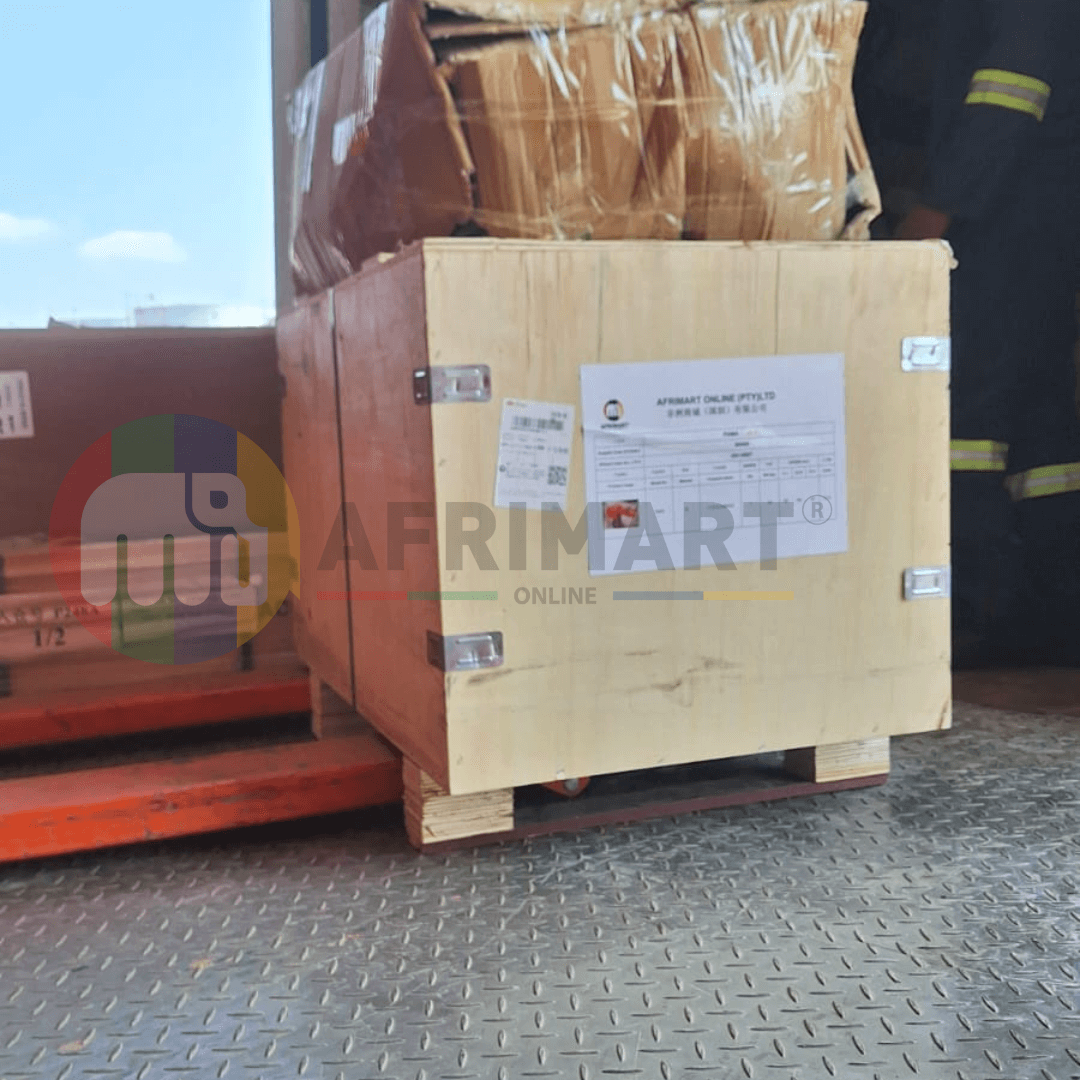
Latest Arrivals
Latest Arrivals
Latest Arrivals
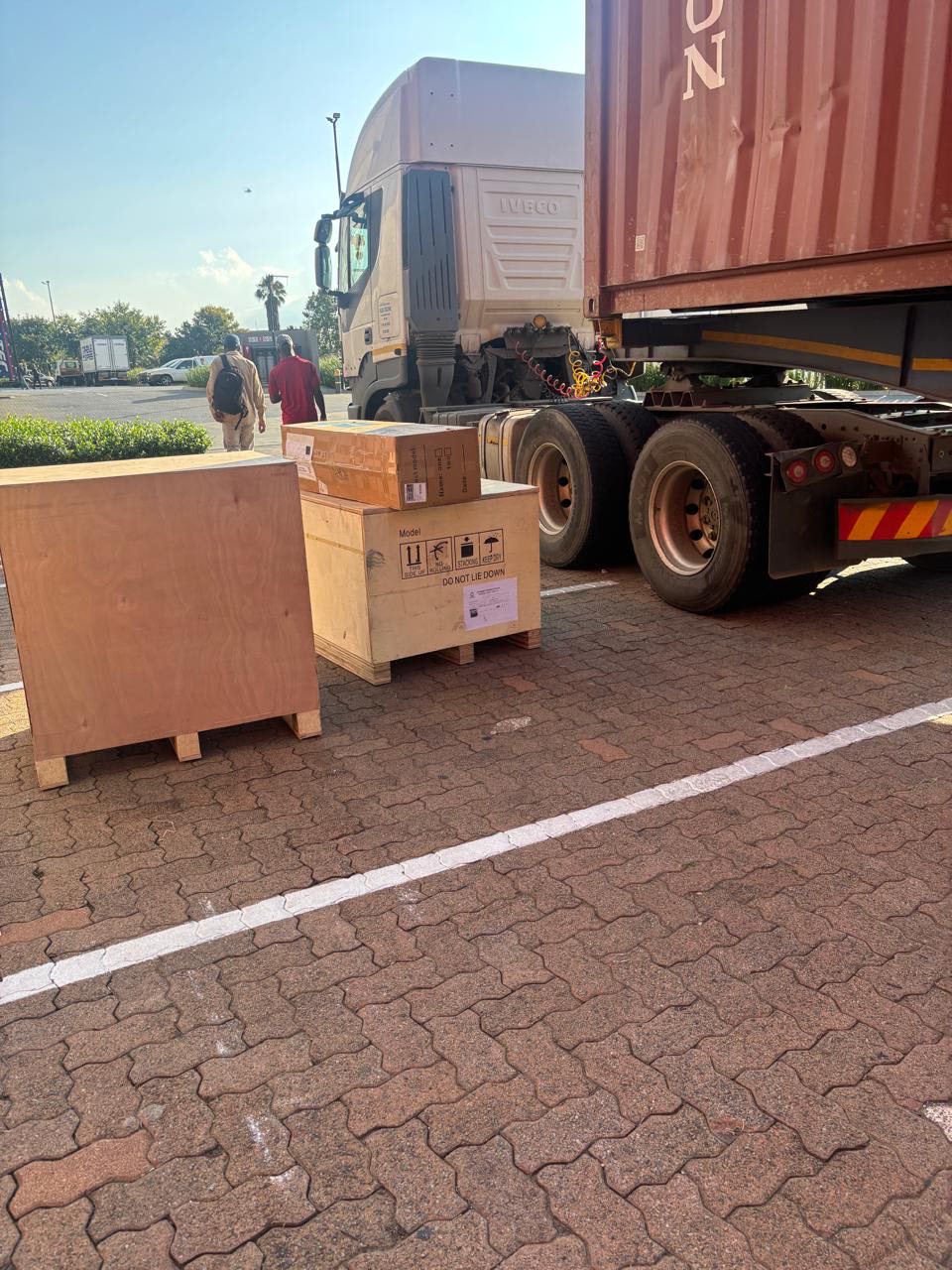
26 January 2026
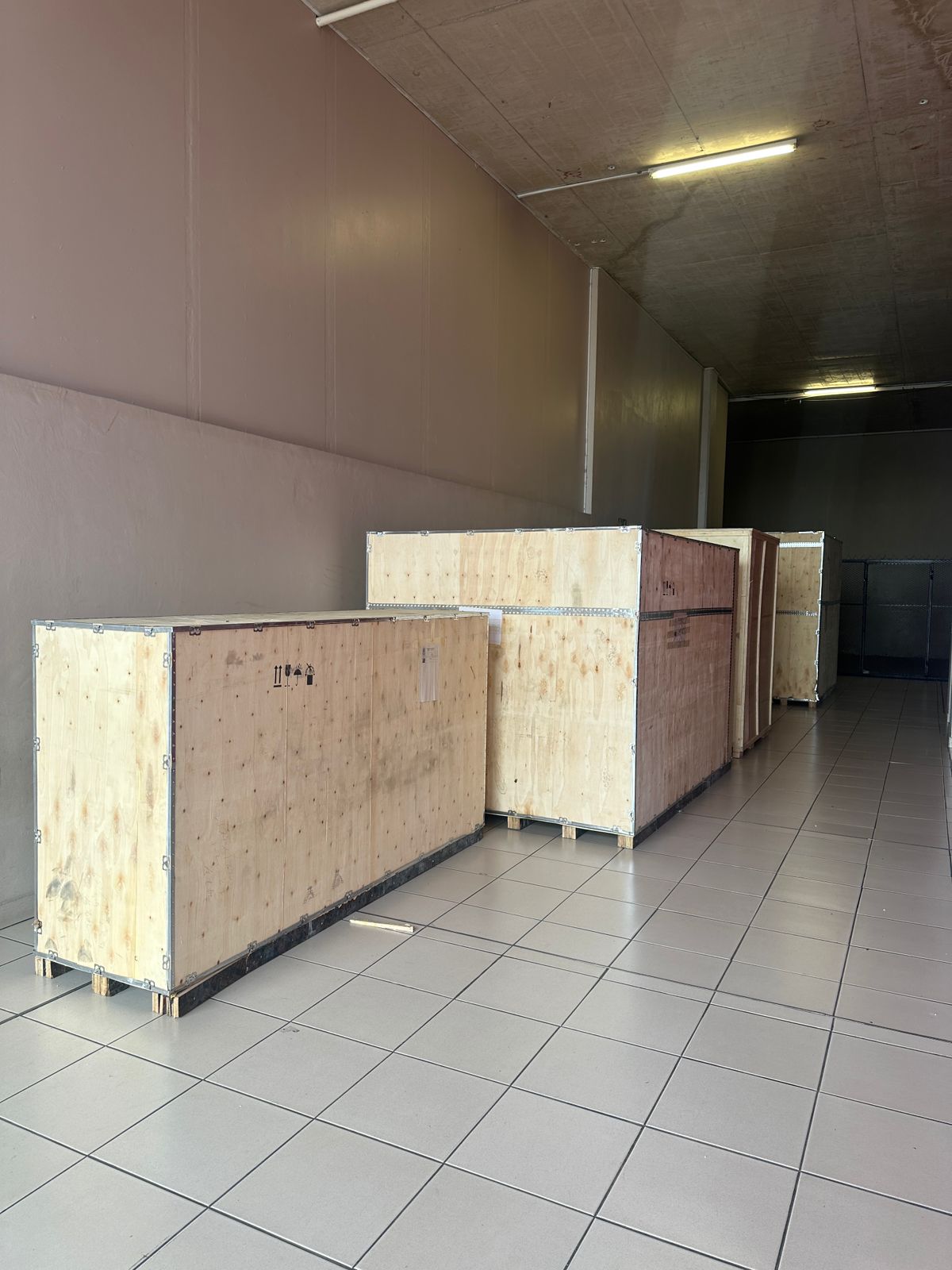
Toilet paper making machine
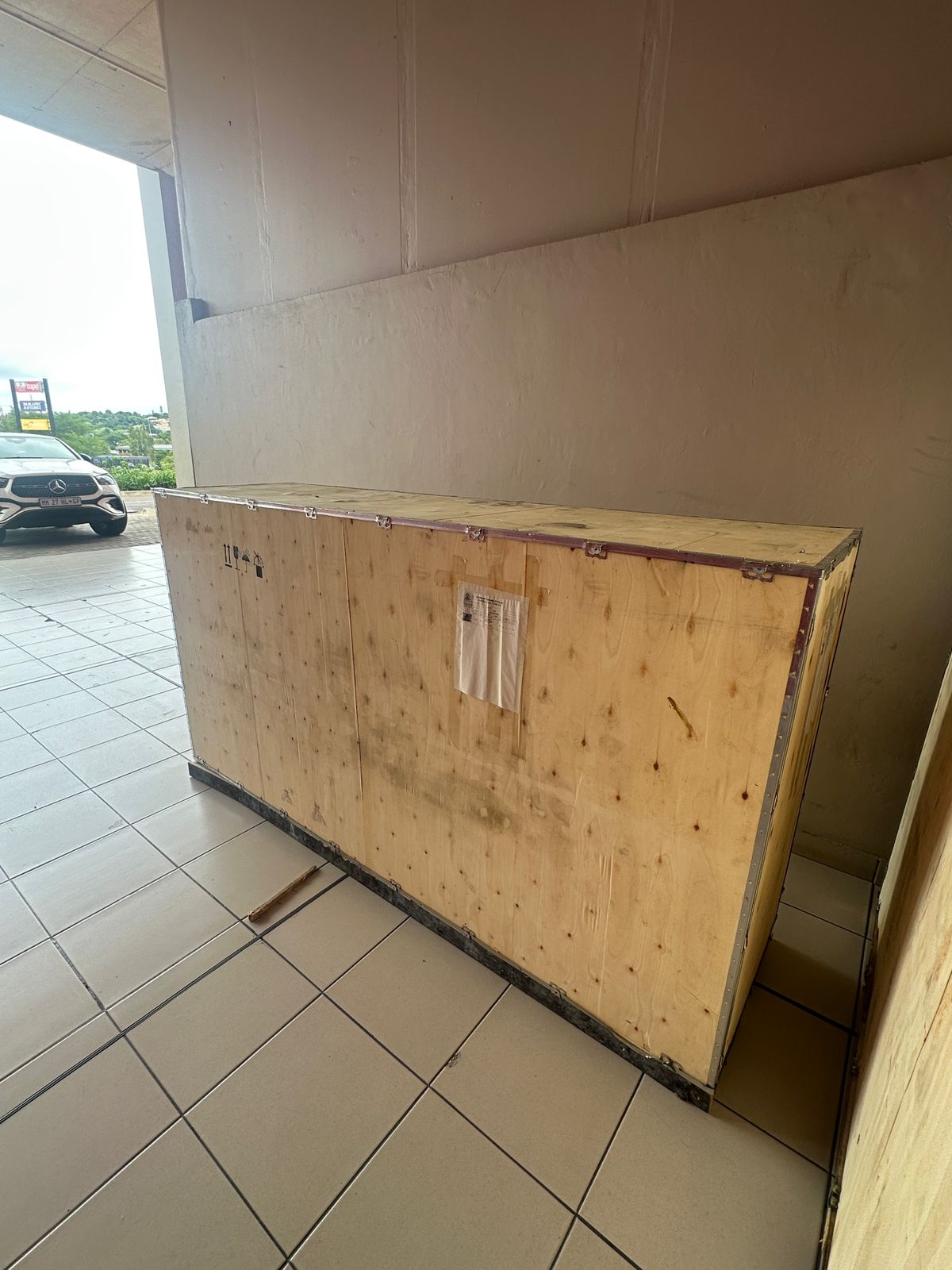
Toilet paper making machine
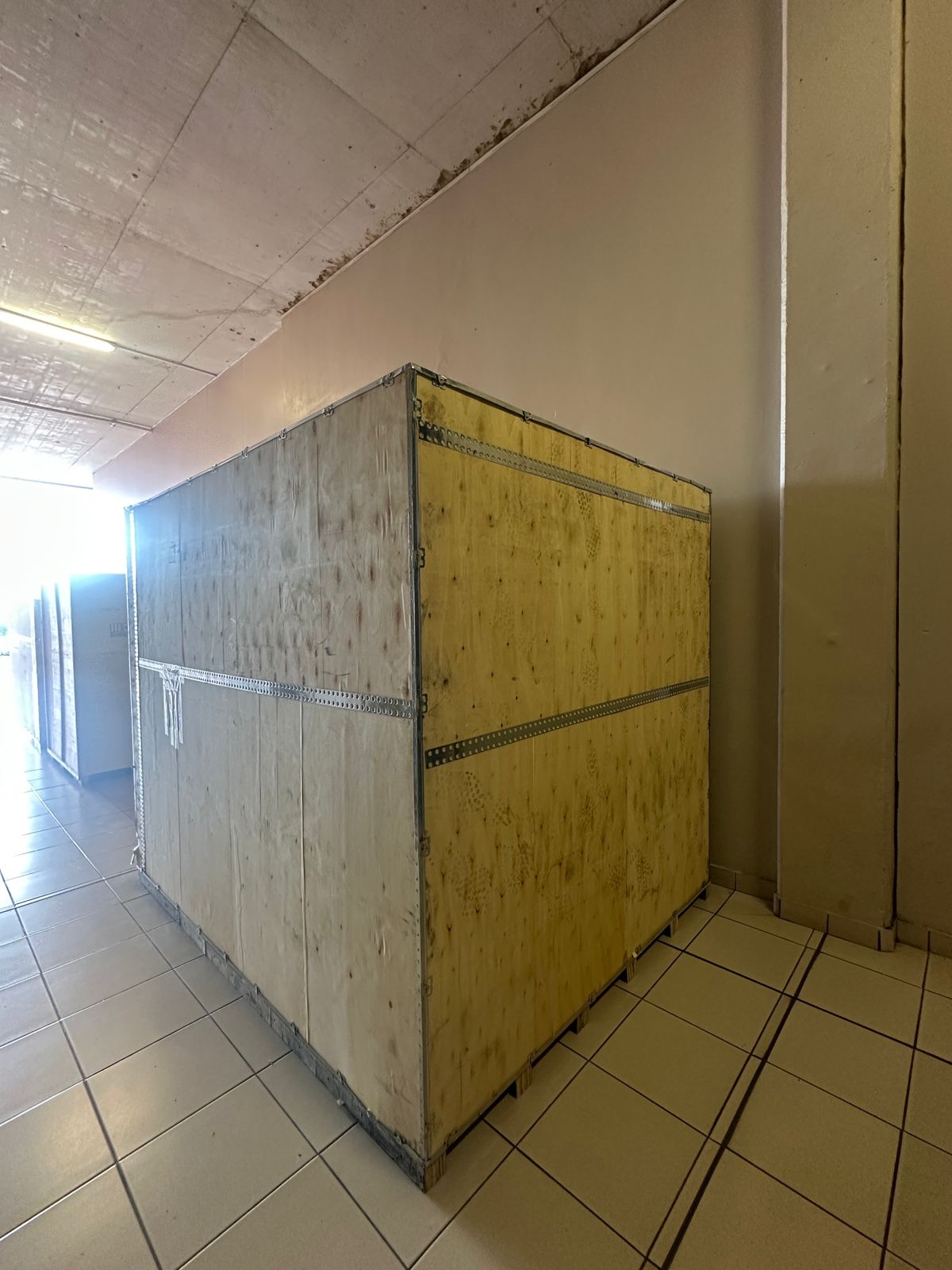
Toilet paper Rewinding Machine
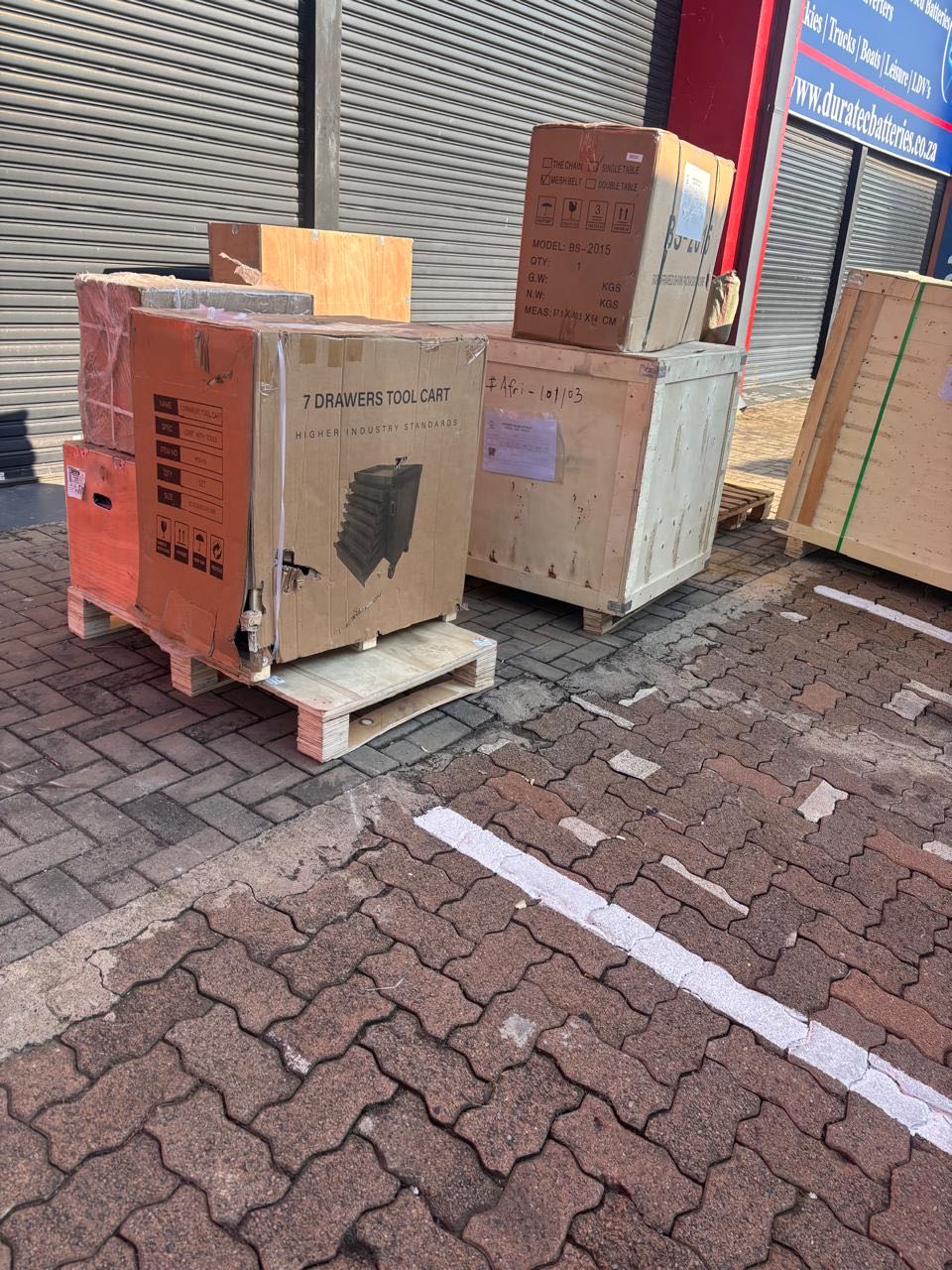
latest arrivals
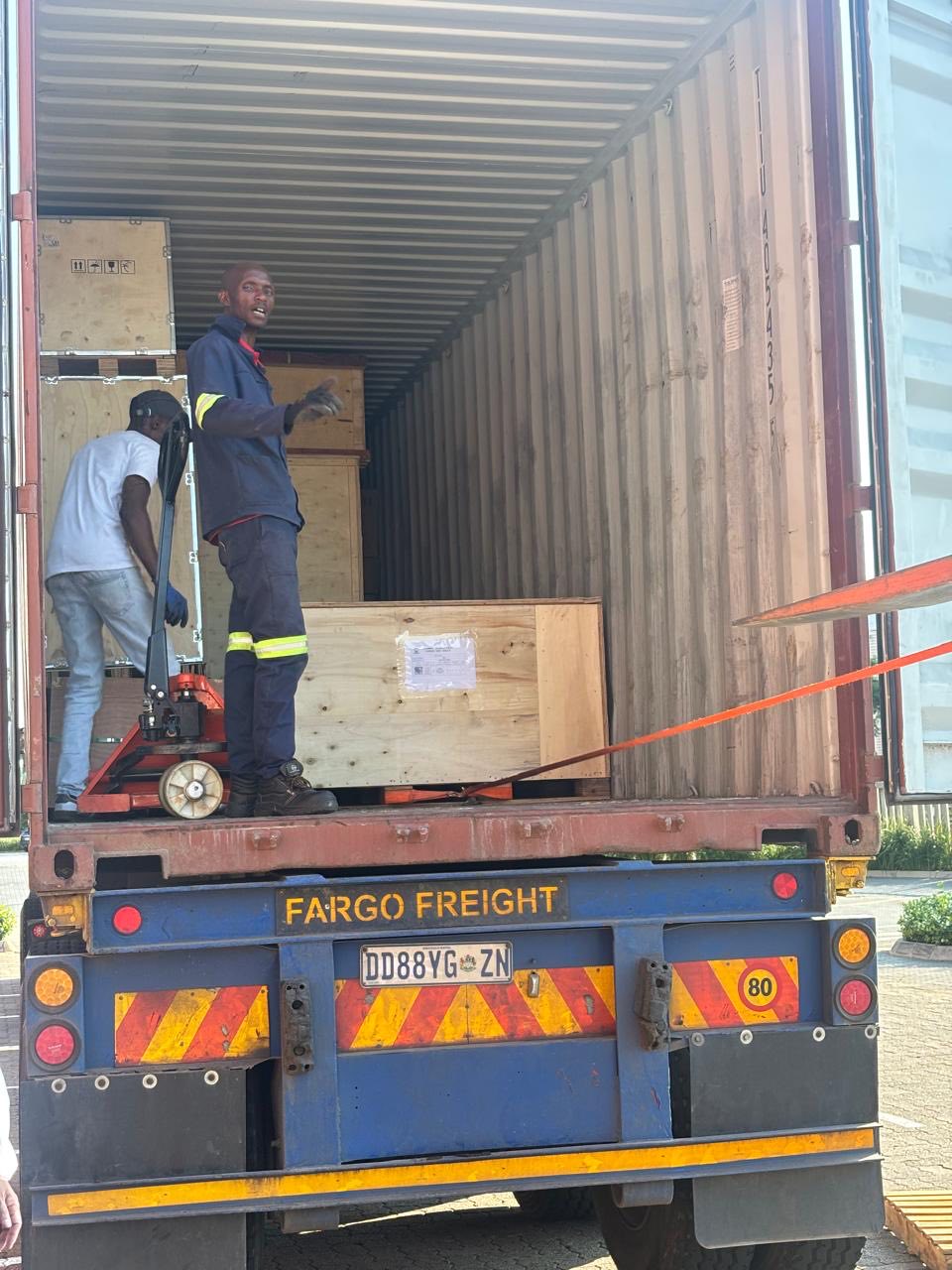
offloading
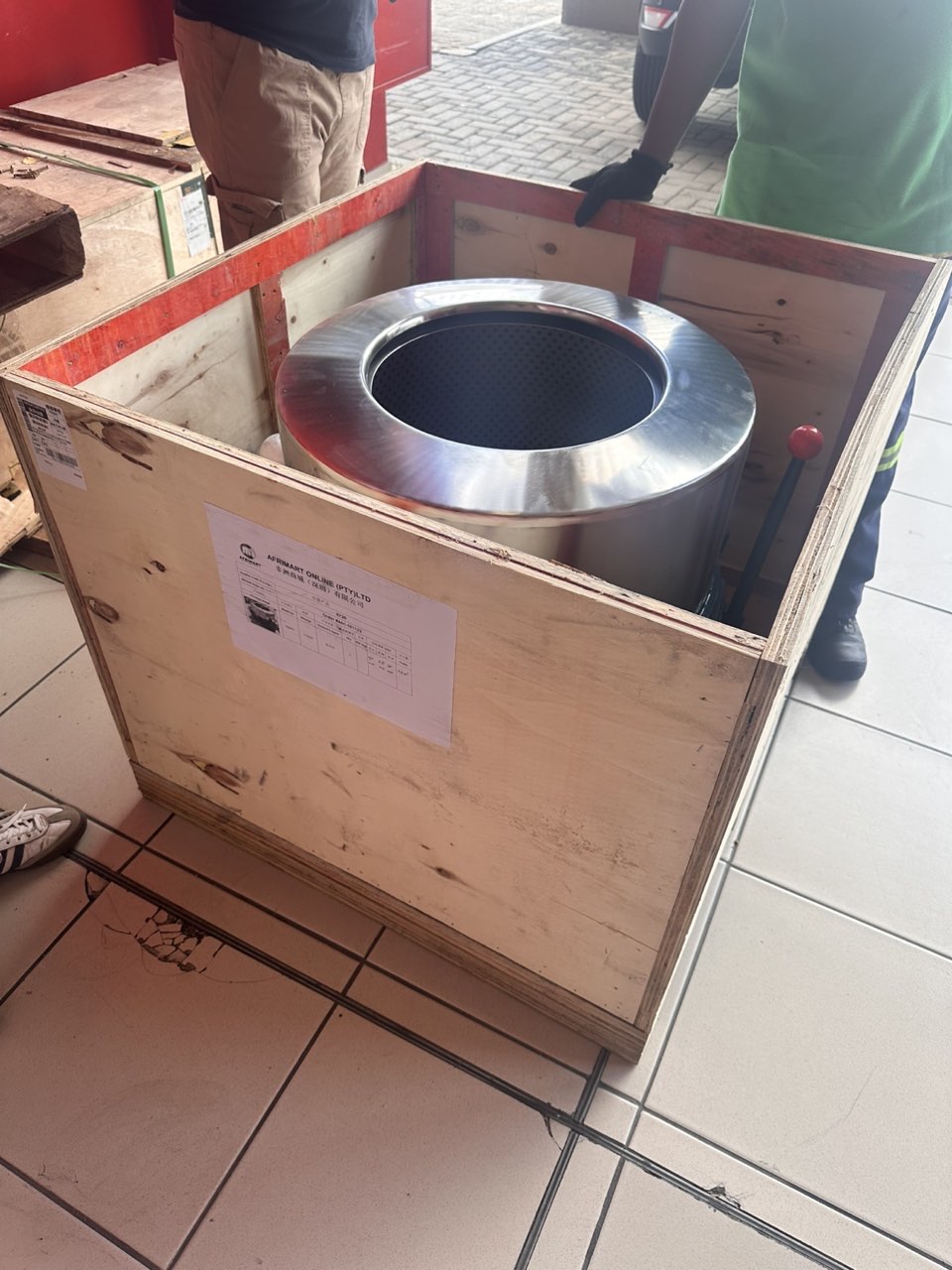
order success
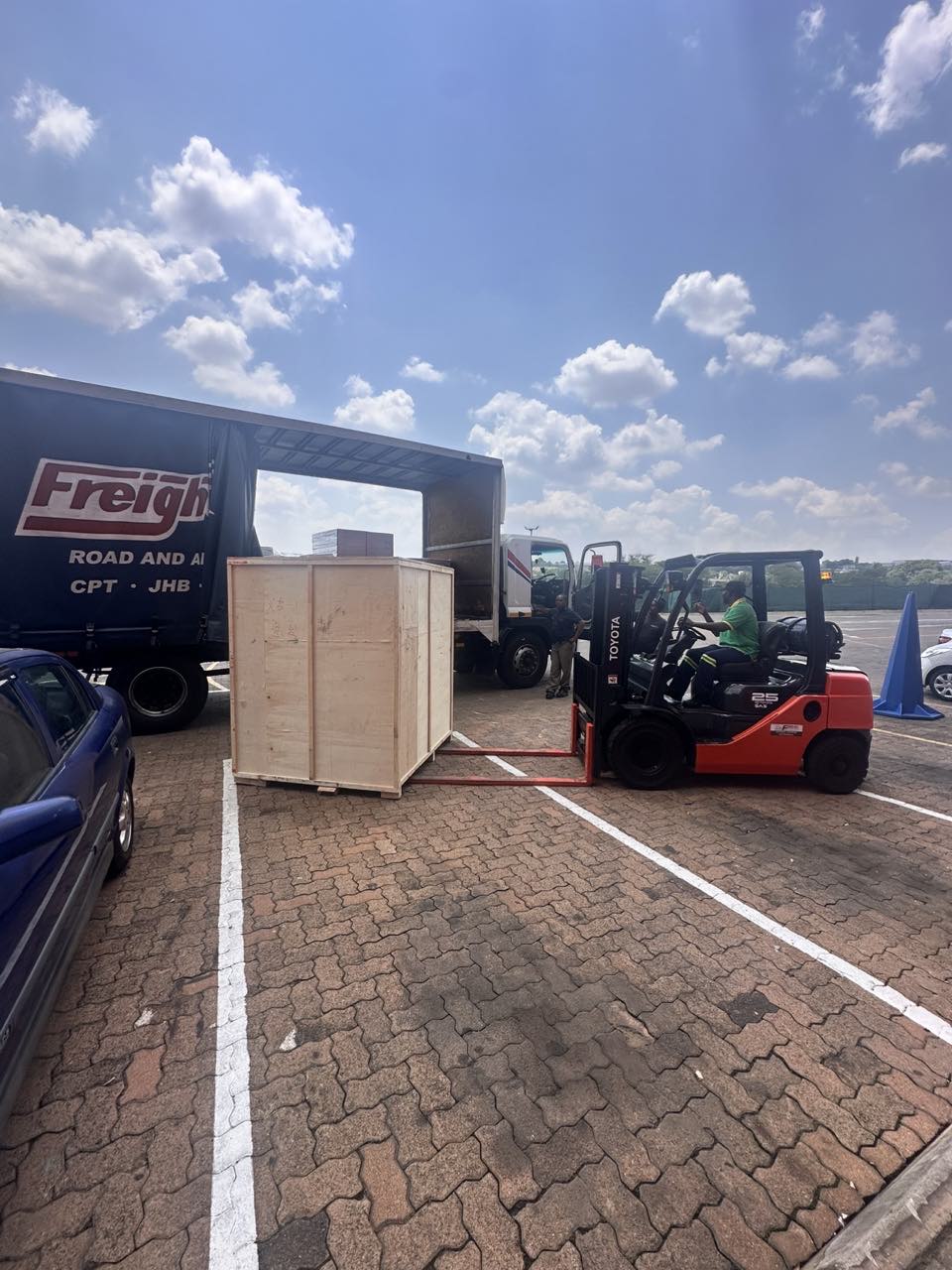
order collection
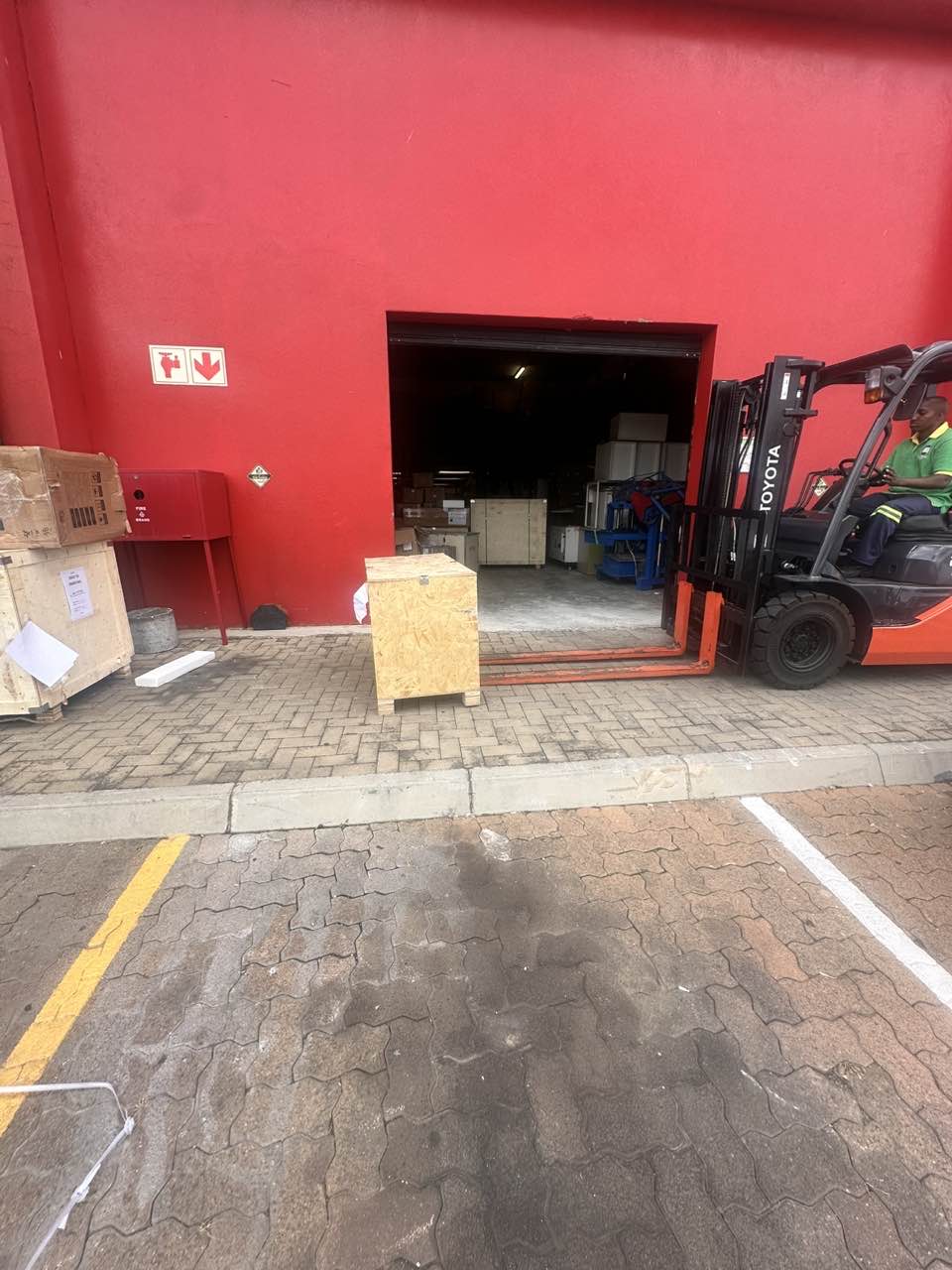
order offloading