B21, China Town Mall, Midrand

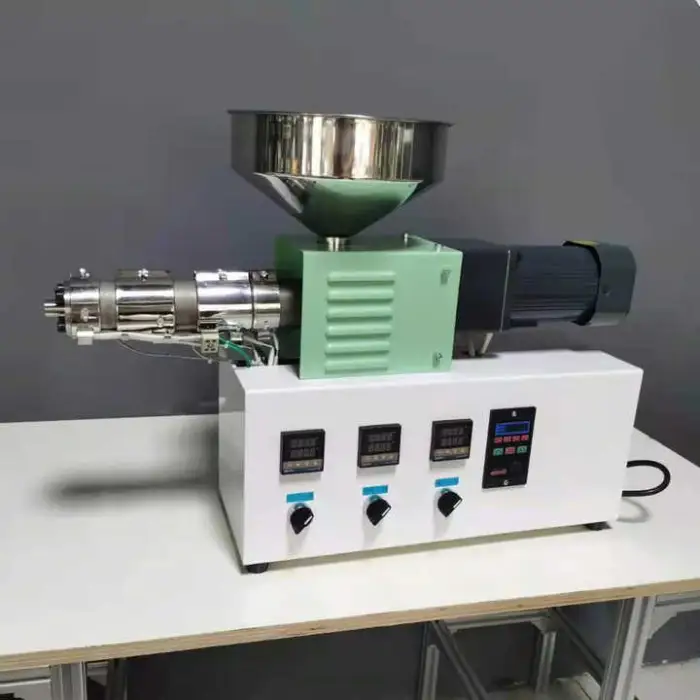
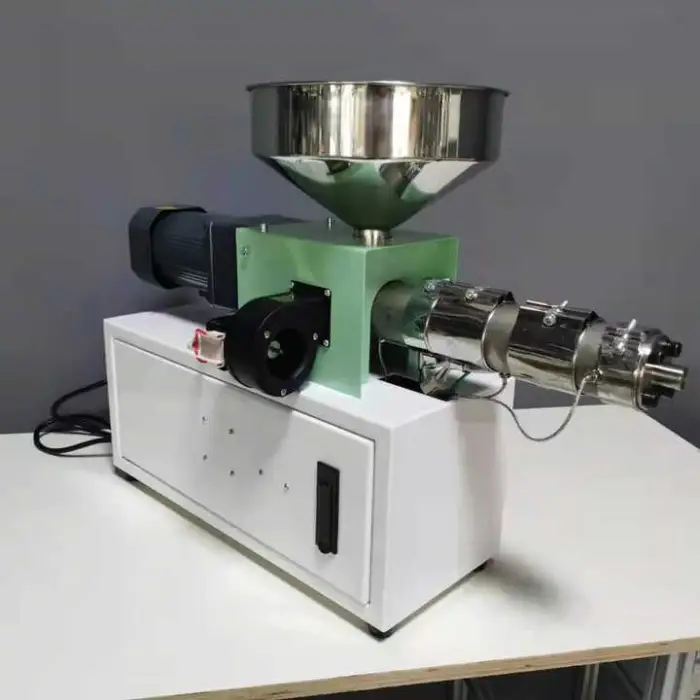
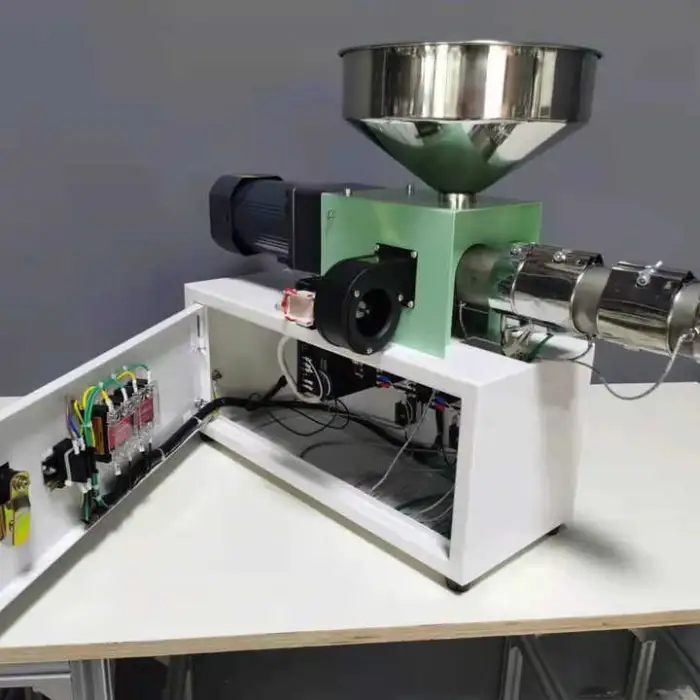
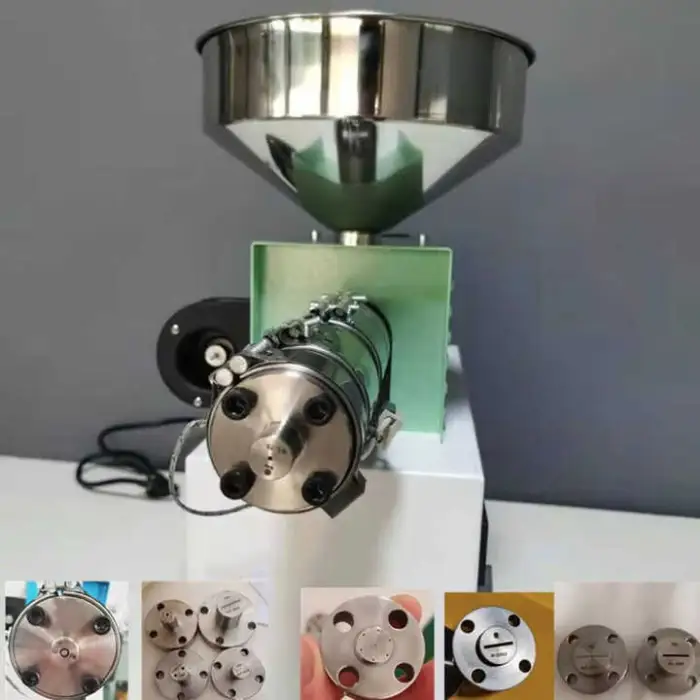
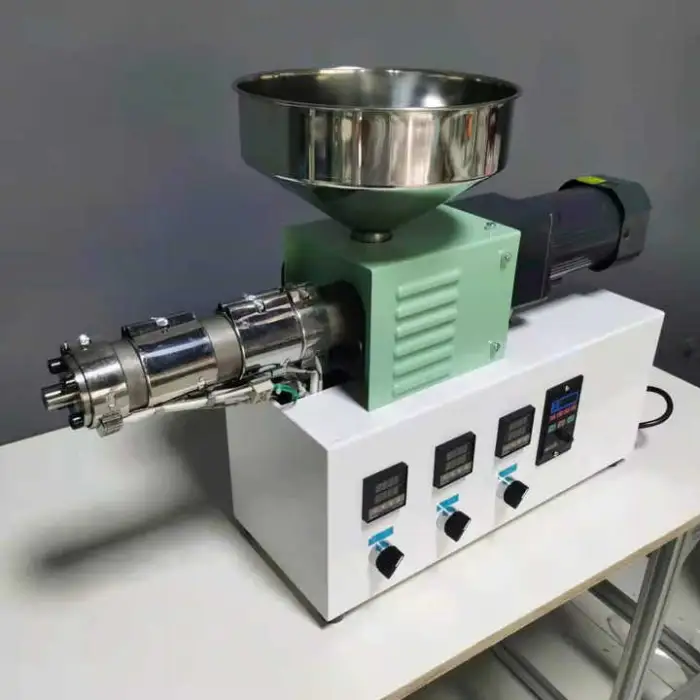
Single Screw Desktop Laboratory Small Screw Plastic EXTRUDER

- Section : Machinery
- Category : Plastic & Rubber Processing Machinery
- SKU : 1601292677199

- Shipping Timeframes: All orders are processed within 2-5 business days (excluding weekends and holidays). After your order has been processed, the estimated delivery time is before 03 Aug, 2026, depending on customs, Please note that due to high demand, some items may experience longer shipping times, which will be communicated at order confirmation email.
- Order Processing Time: Please allow 2-5 business days for us to process your order before it is shipped . Orders placed after 16:00 on Fridays, or during weekends and public holidays, will begin processing on the next business day. Processing times may be extended during peak seasons or sales events.
- Manufacturing Time: Some products needs manufacturing time, the manufacturing process will take approximately 10-30 business days depending on the product. This timeframe may vary depending on the complexity of the product and current demand. but this will be communicated with you during order confirmation.
- Returns and Exchanges: We offer a 30-day return policy for most items. If you are not completely satisfied with your purchase, you may return it within 30 days of receipt for a refund or exchange. Items must be unused, in their original packaging, and accompanied by proof of purchase. Return shipping costs are the responsibility of the customer, unless the item was damaged or defective upon arrival.
1. What is a single screw desktop laboratory extruder?
A single screw desktop laboratory extruder is a compact and efficient machine used for processing thermoplastic materials, allowing users to melt, mix, and form plastic into specific shapes or products.
2. What materials can be extruded using this machine?
This extruder is designed to work with various thermoplastics, including ABS, PLA, PET, and more. Always check the manufacturer's specifications for compatible materials.
3. What is the maximum temperature this extruder can reach?
The maximum temperature varies by model, but most single screw extruders can reach temperatures between 200°C to 250°C, suitable for a wide range of thermoplastics.
4. Is this extruder suitable for beginners?
Yes, this extruder is designed for educational and laboratory use, making it user-friendly for beginners while still offering advanced features for experienced users.
5. What is the typical output capacity of this extruder?
The output capacity can vary significantly depending on the material and settings, but typically, small desktop extruders can produce anywhere from a few grams to several kilograms of extrudate per hour.
6. Can this extruder be used for both research and production?
Yes, the single screw desktop extruder is versatile and can be used for both research purposes, such as material testing, and small-scale production runs.
7. What power supply does the extruder require?
Most desktop extruders operate on standard electrical outlets, typically requiring a 110V or 220V power supply. Please check the specific model requirements.
8. How do I maintain the extruder?
Regular maintenance involves cleaning the barrel and screw after each use, checking for wear and tear on parts, and ensuring all electrical connections are secure.
9. Is it easy to change the screw and die for different materials?
Yes, changing the screw and die is generally straightforward and can be done with basic tools, allowing for flexibility in processing different materials.
10. What safety features does the extruder have?
Safety features typically include thermal protection, emergency shut-off switches, and safety guards to prevent injuries during operation.
11. Can I use this extruder for 3D printing filament production?
Yes, this extruder can be used to produce 3D printing filament, allowing users to create custom filaments for various 3D printing applications.
12. What is the typical price range for this type of extruder?
The price for a single screw desktop laboratory extruder can vary widely based on features and brand, typically ranging from $1,000 to $5,000.
13. Is training available for using the extruder?
Many manufacturers offer training sessions or resources, including user manuals and video tutorials, to help users become proficient with the extruder.
14. What is the warranty period for this product?
Warranty periods can vary by manufacturer; typically, you can expect a warranty ranging from one year to three years for parts and labor.
15. Where can I purchase replacement parts for the extruder?
Replacement parts can usually be purchased directly from the manufacturer or authorized distributors. Always refer to the manufacturer's website for specific parts.
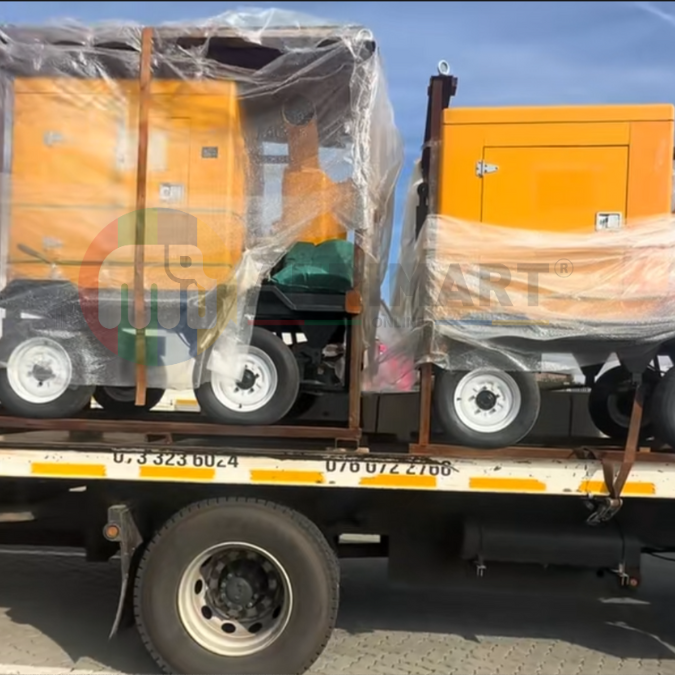
Latest Order Arrivals
Discover our latest orders
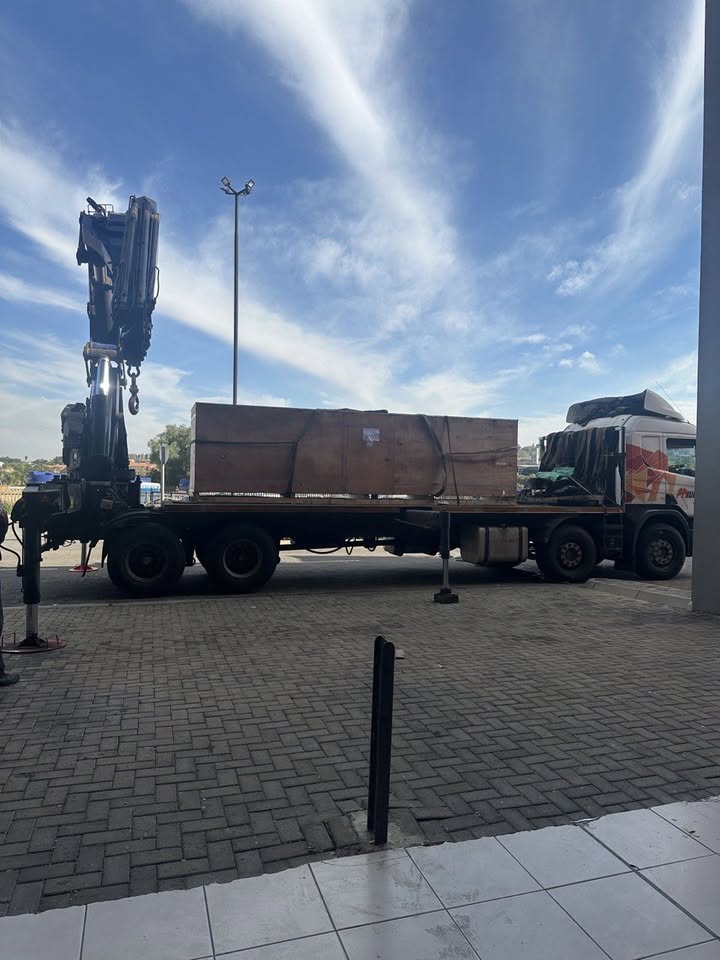
12 Heads Embroidery Machine
Toilet Paper Machine Machine
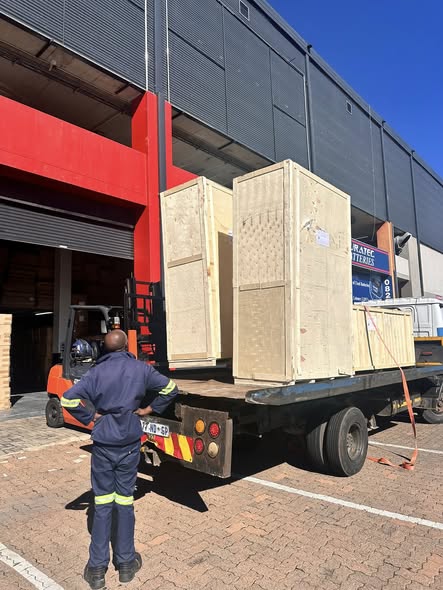
Order Collection
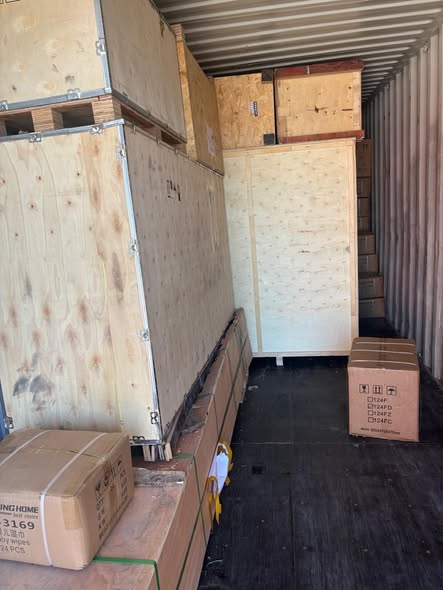
Cross Border Clients
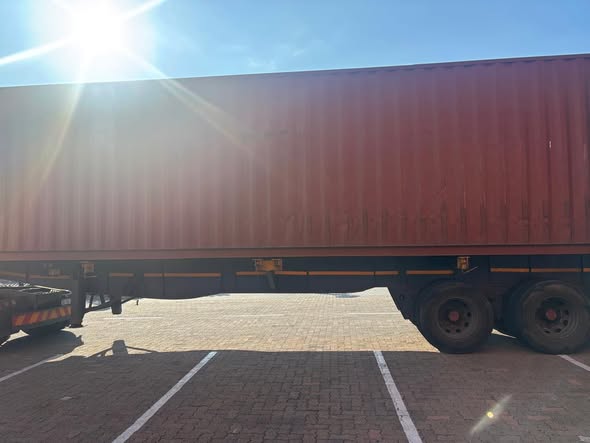
Order cros border countries Collected
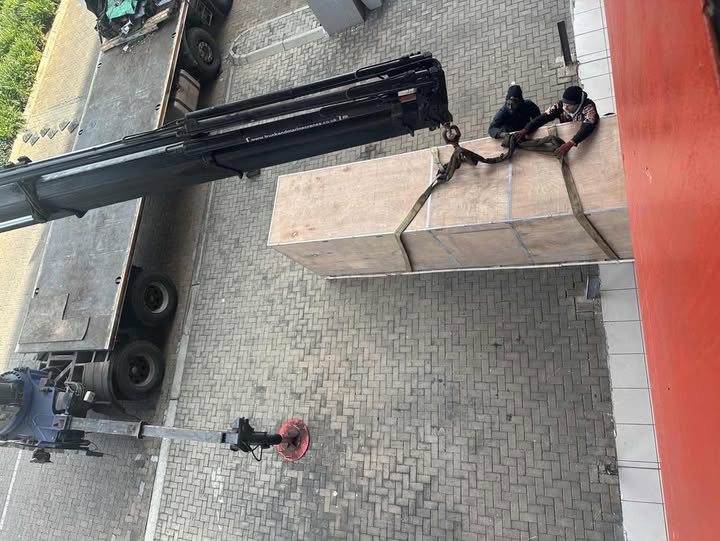
Industrial Machine Cllection
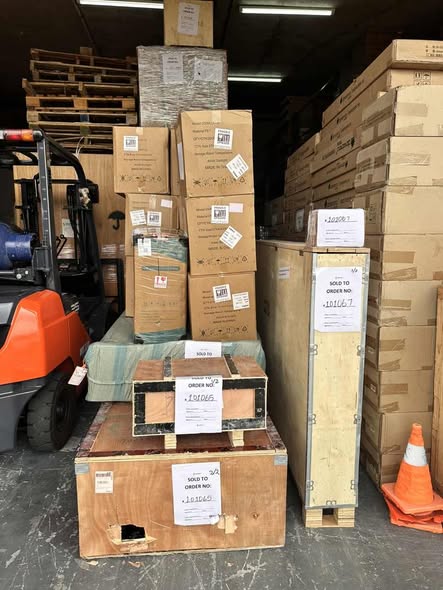
Agriculture Processing Machines
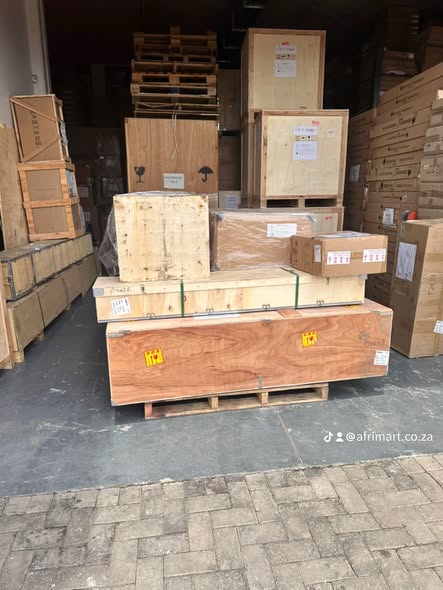
Ready for collection
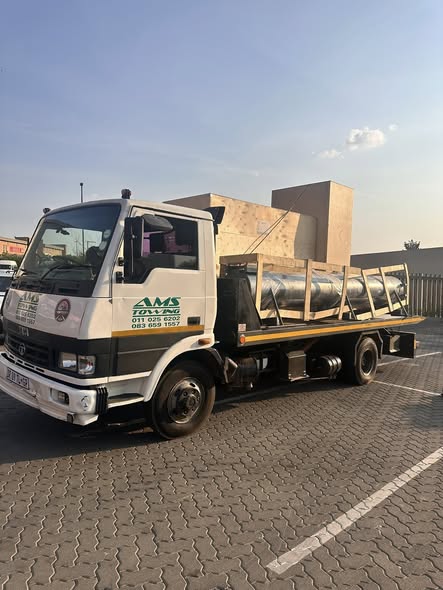
Water Pump Equipment
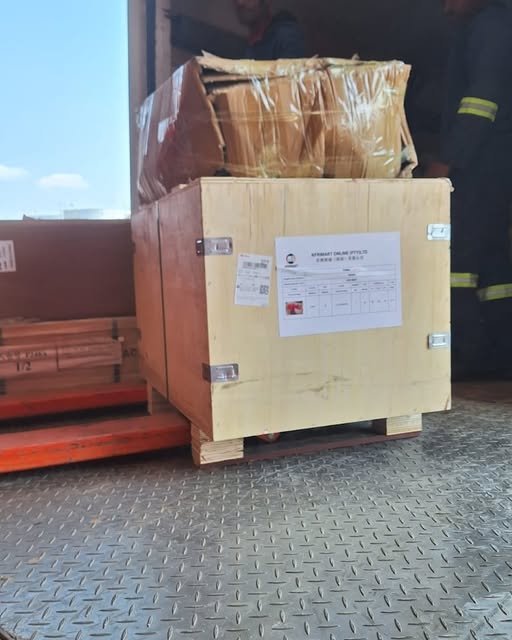
Packaging Machine and accessories
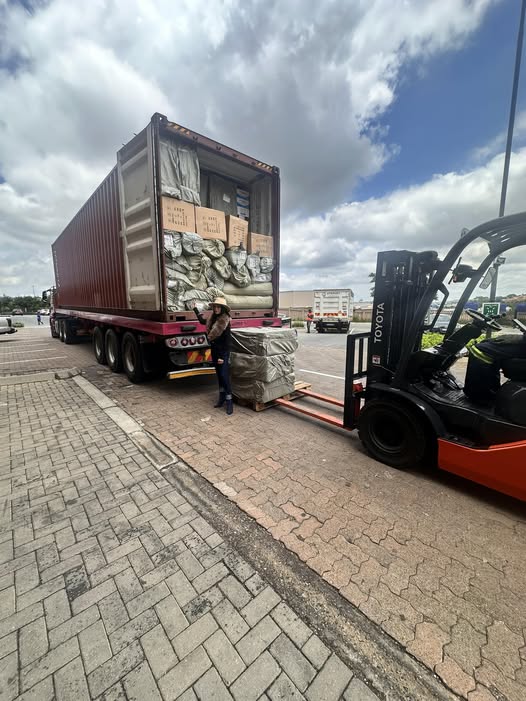
Fabrics Manufacturing Equipment
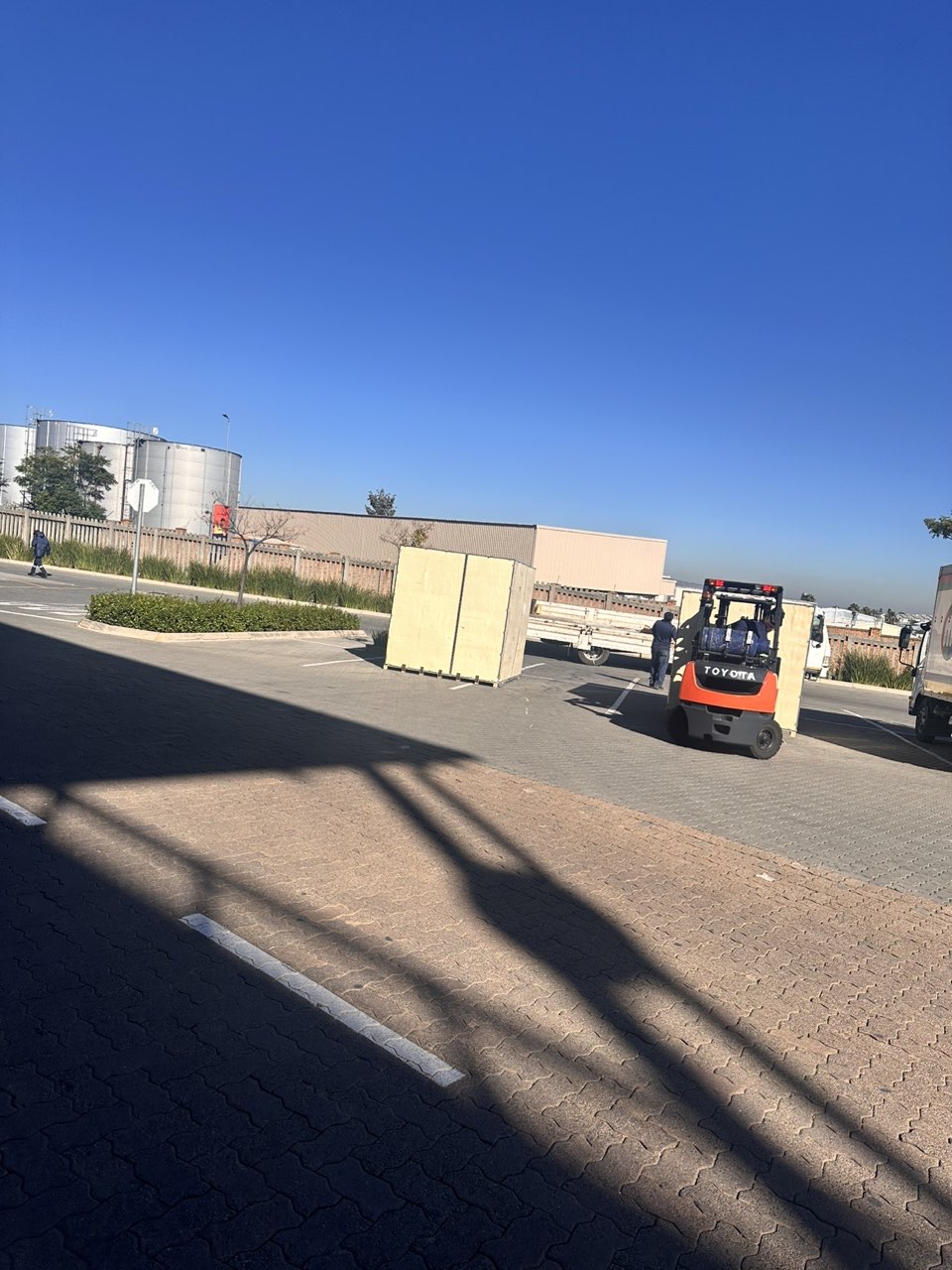
Mining Equipments
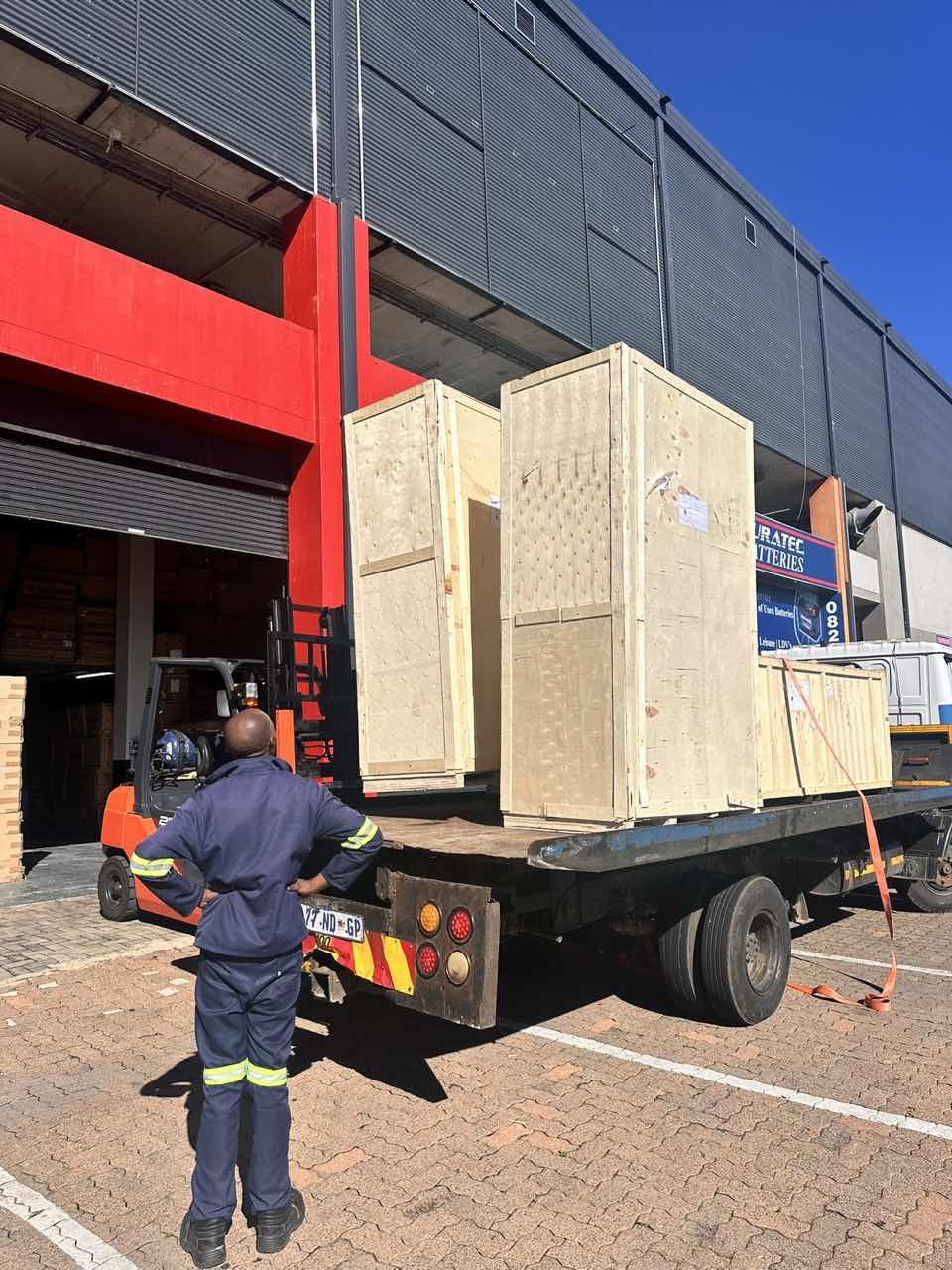
Food Processing Machine
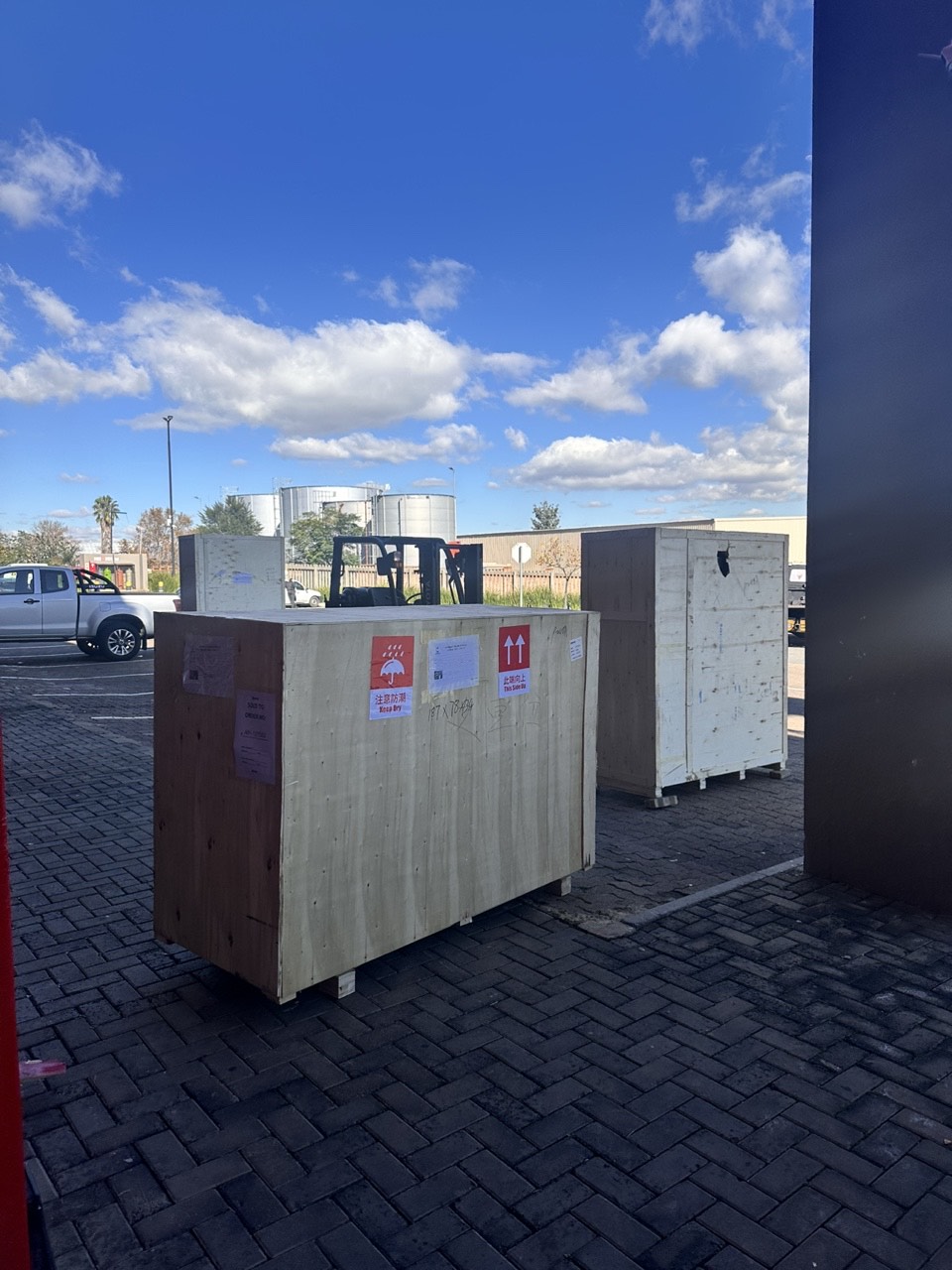
Batch of Orders
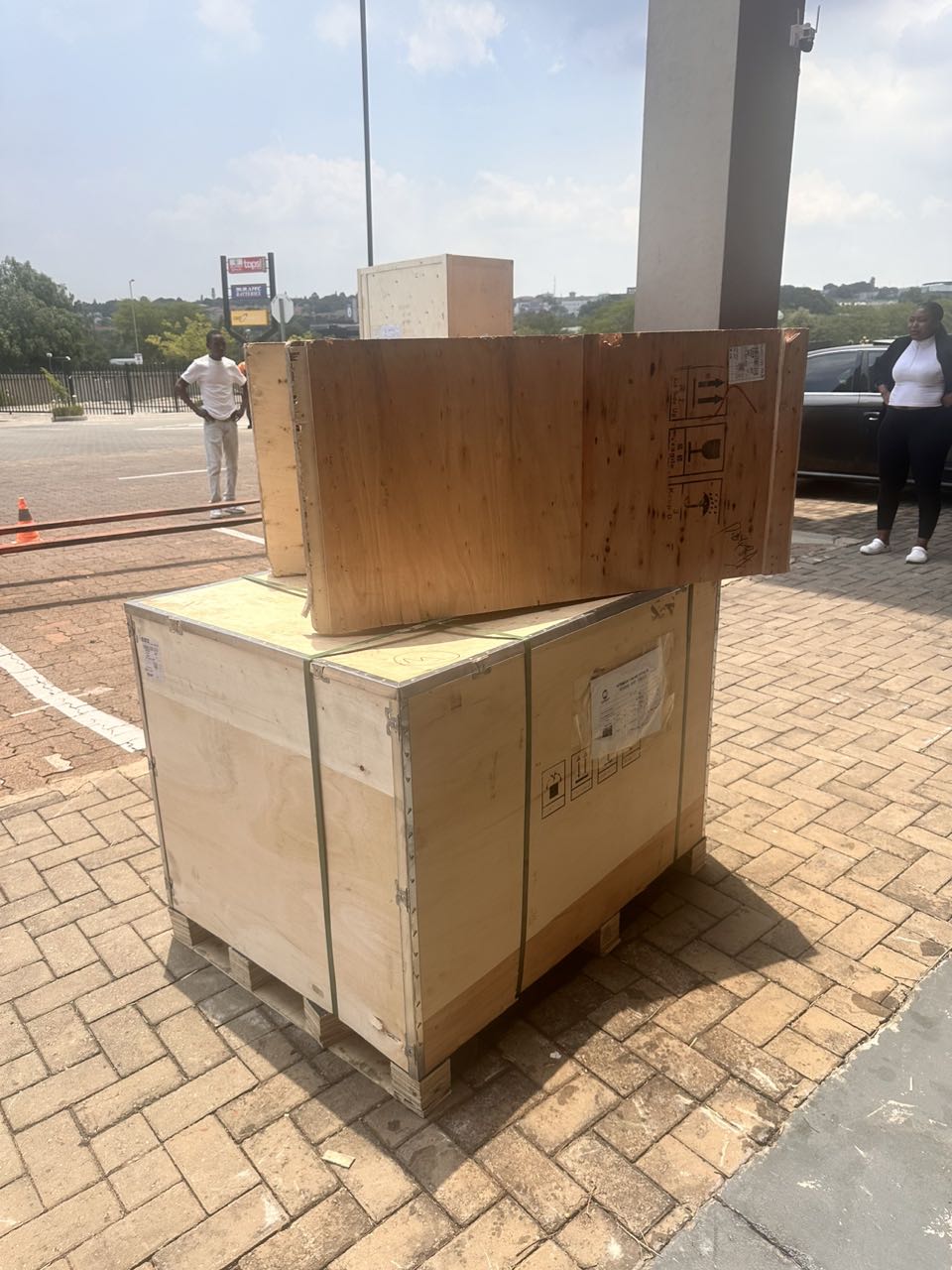
Batch of Orders
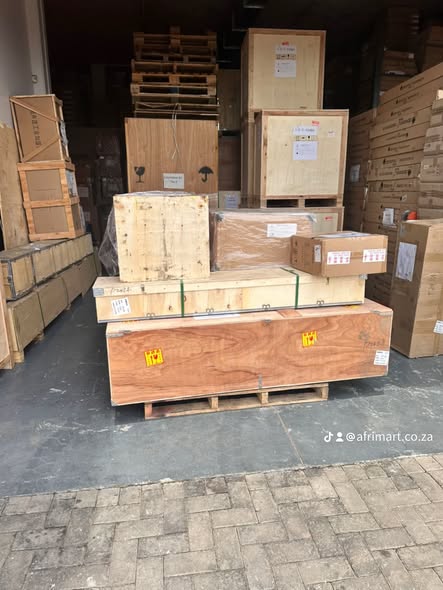
Latest Orders Labelled
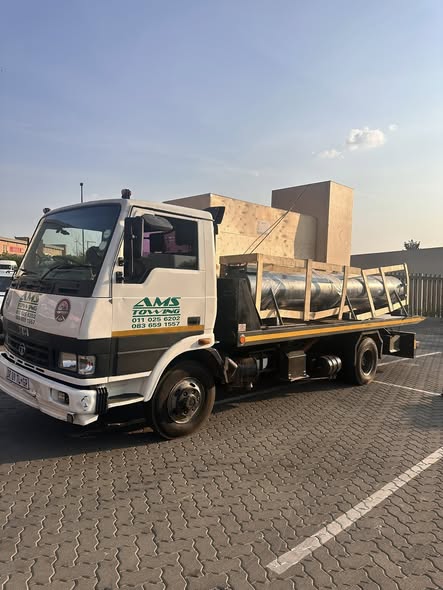
wheel alignment machines
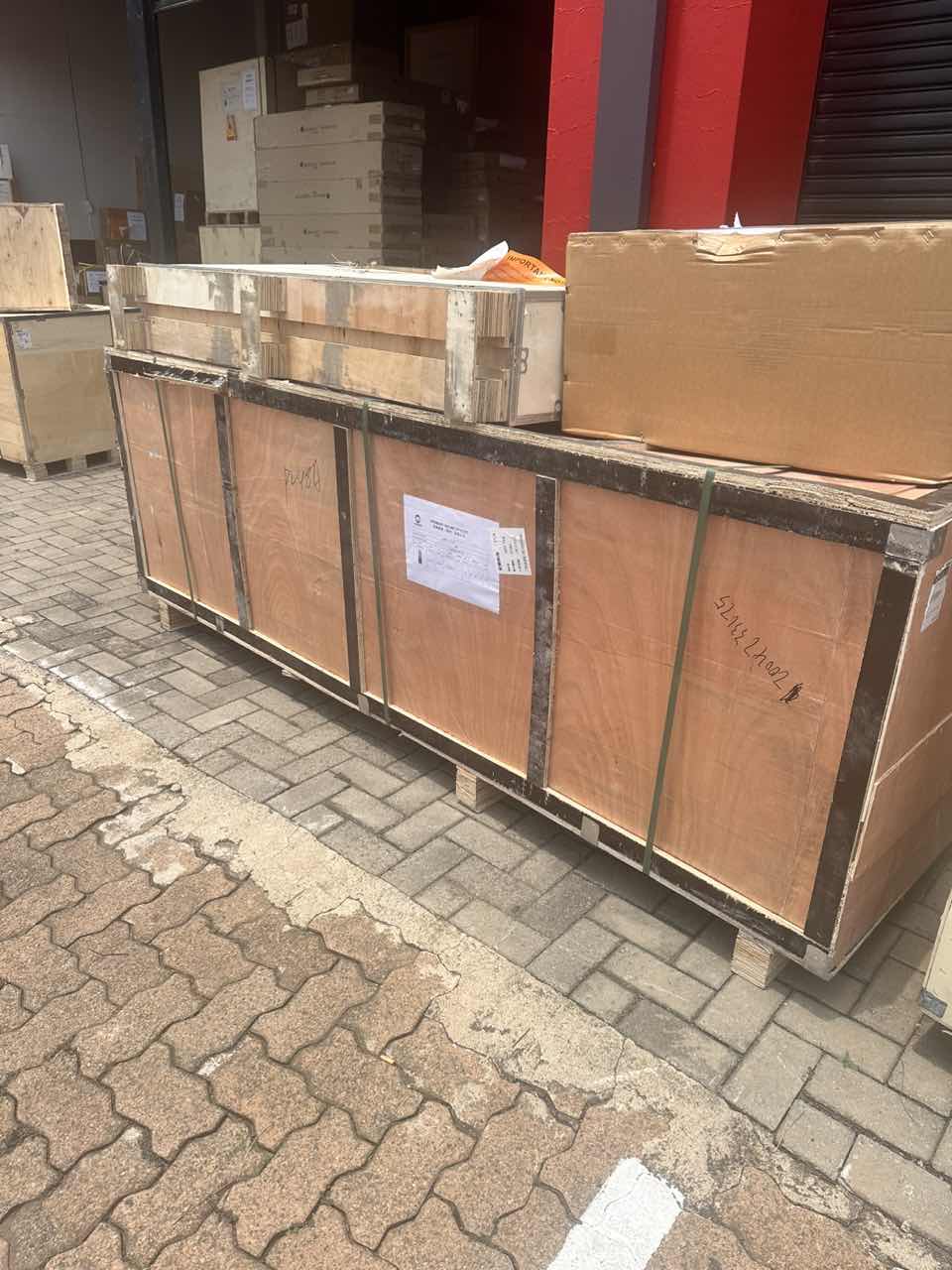
new arrivals
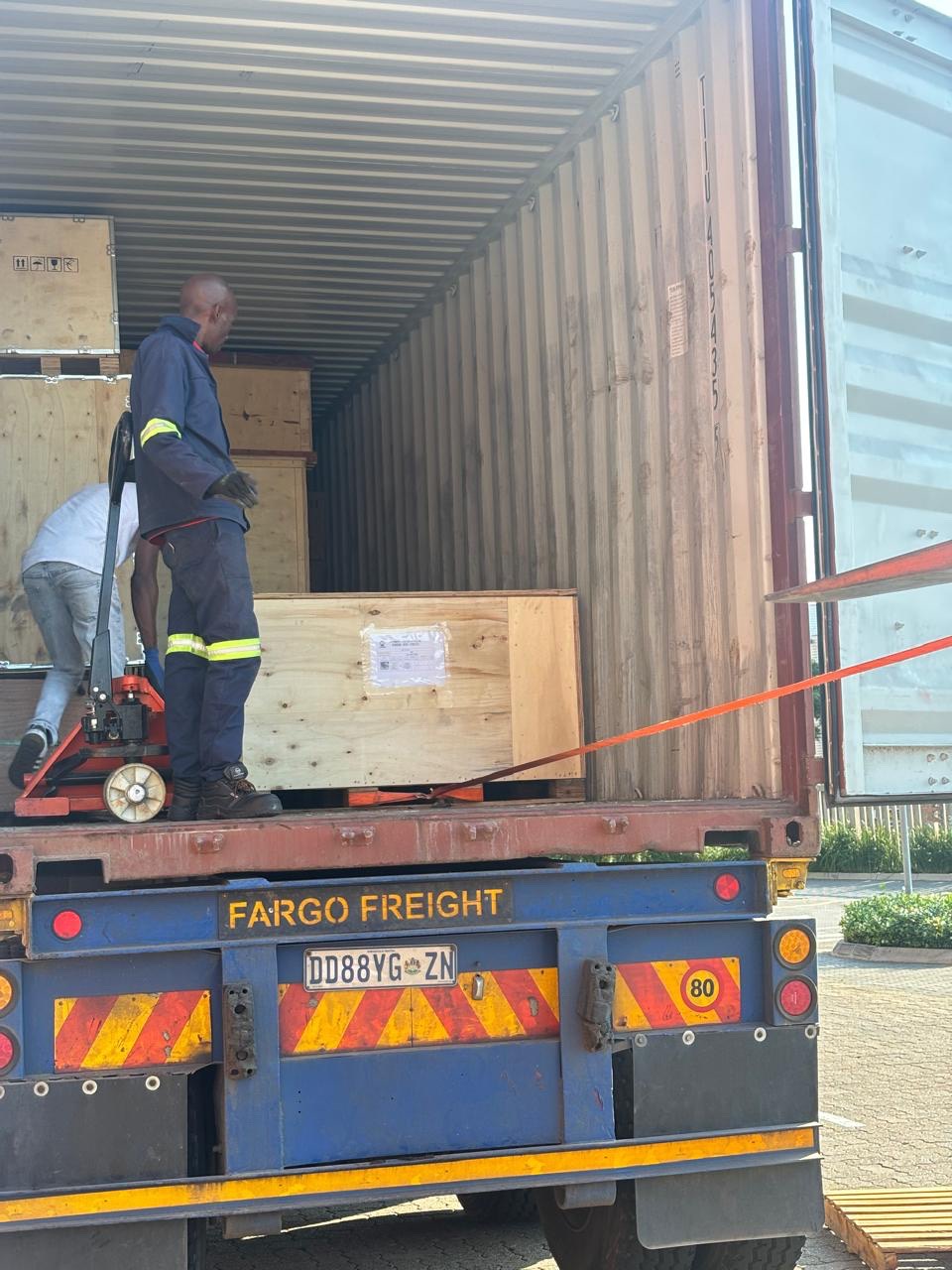
Pre Orders Offloading
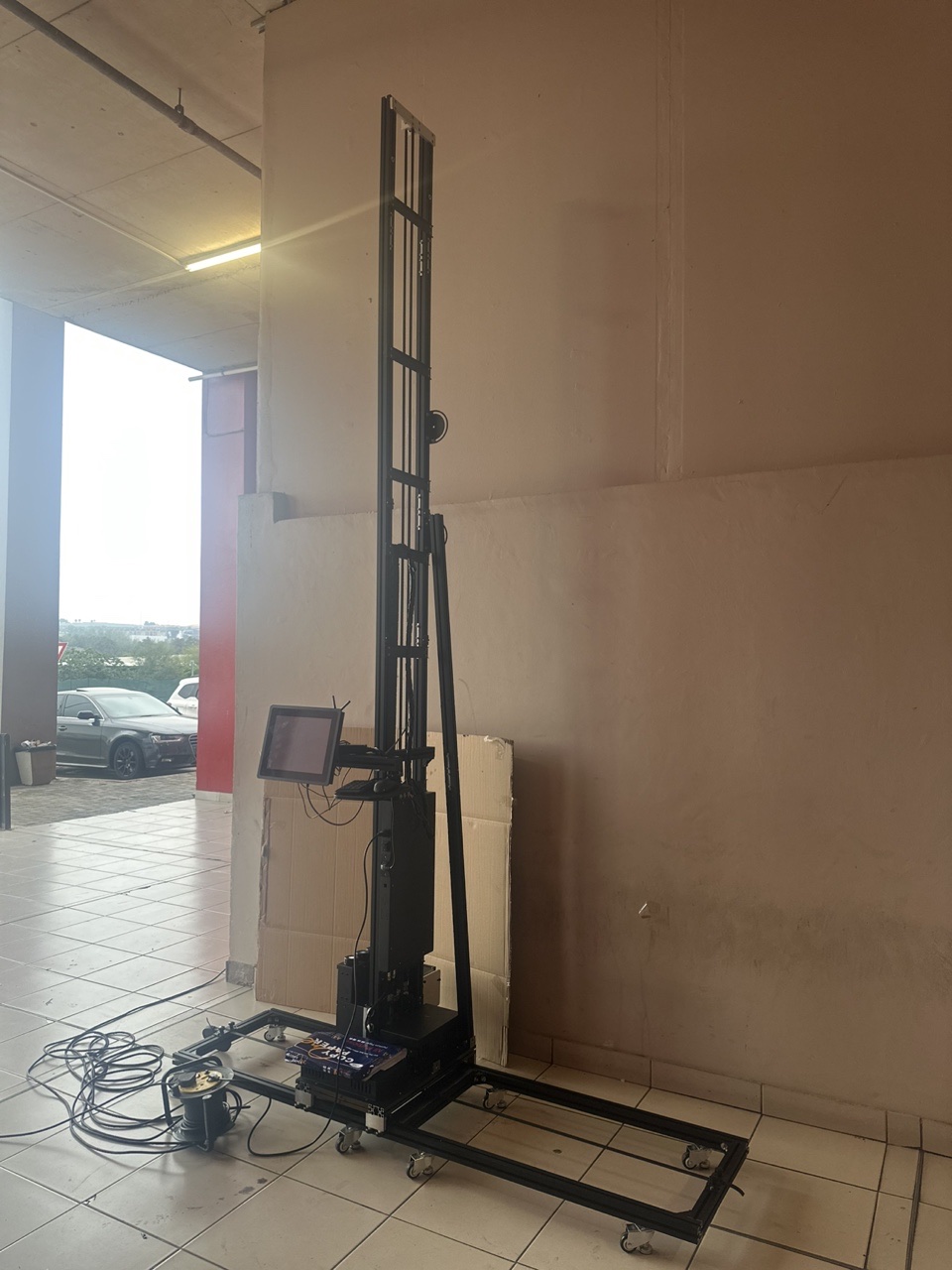
Latest Arrivals
Latest Arrivals
Latest Arrivals
Loading
Toilet paper making machine
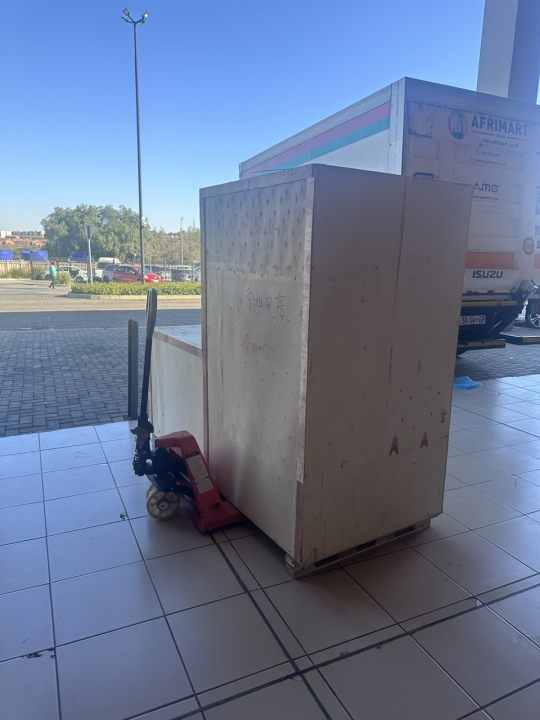
Toilet paper making machine
Toilet paper Rewinding Machine
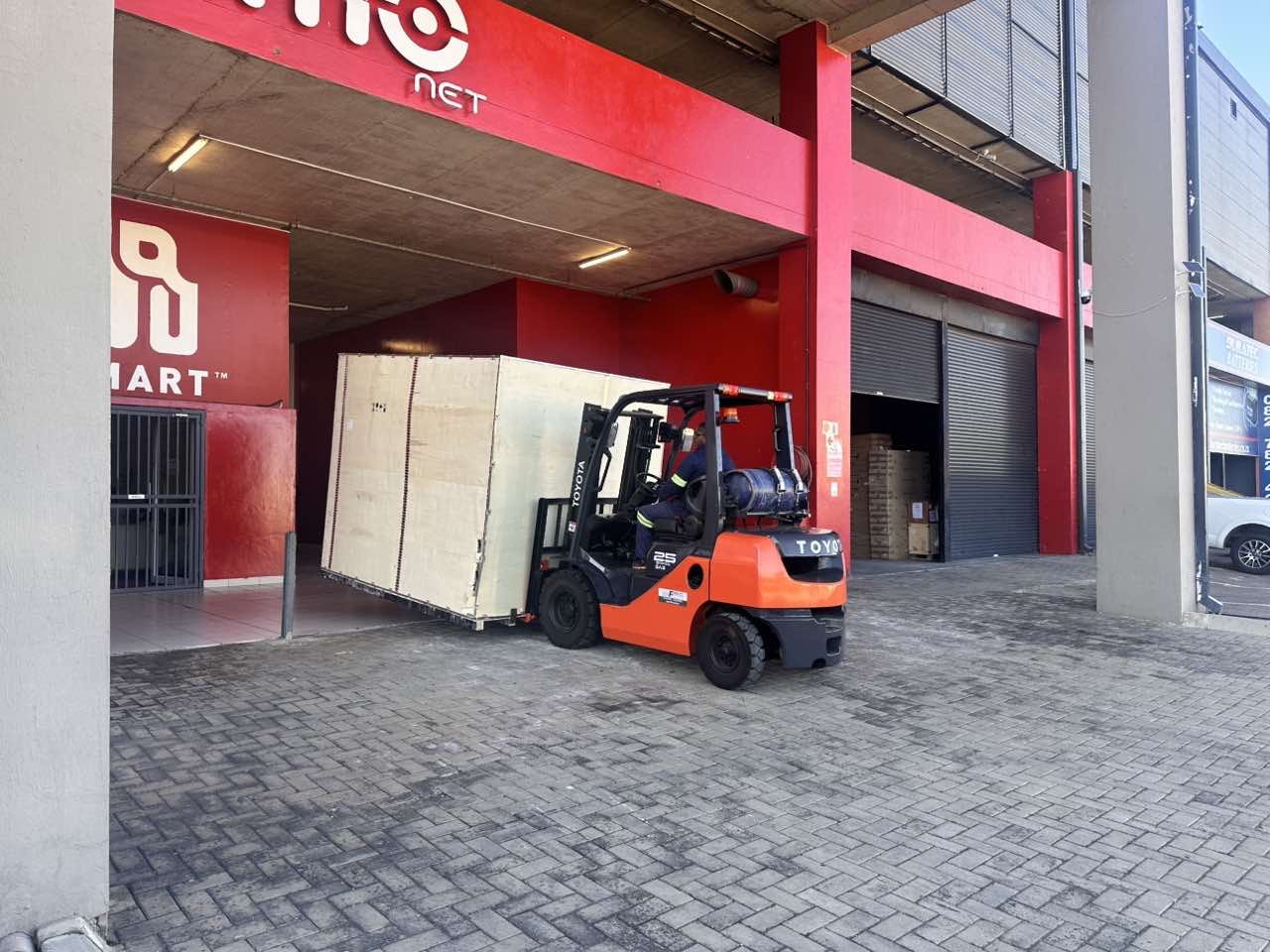
latest arrivals
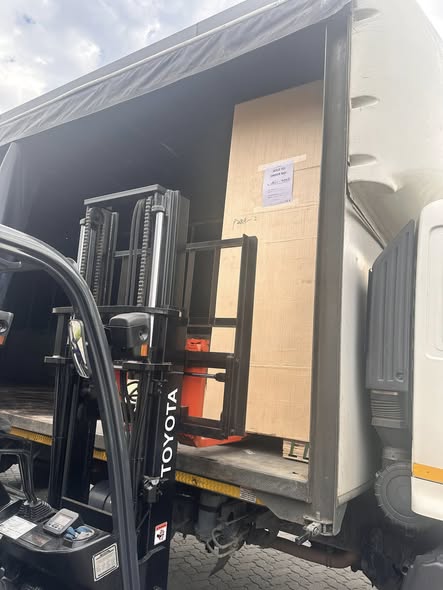
offloading
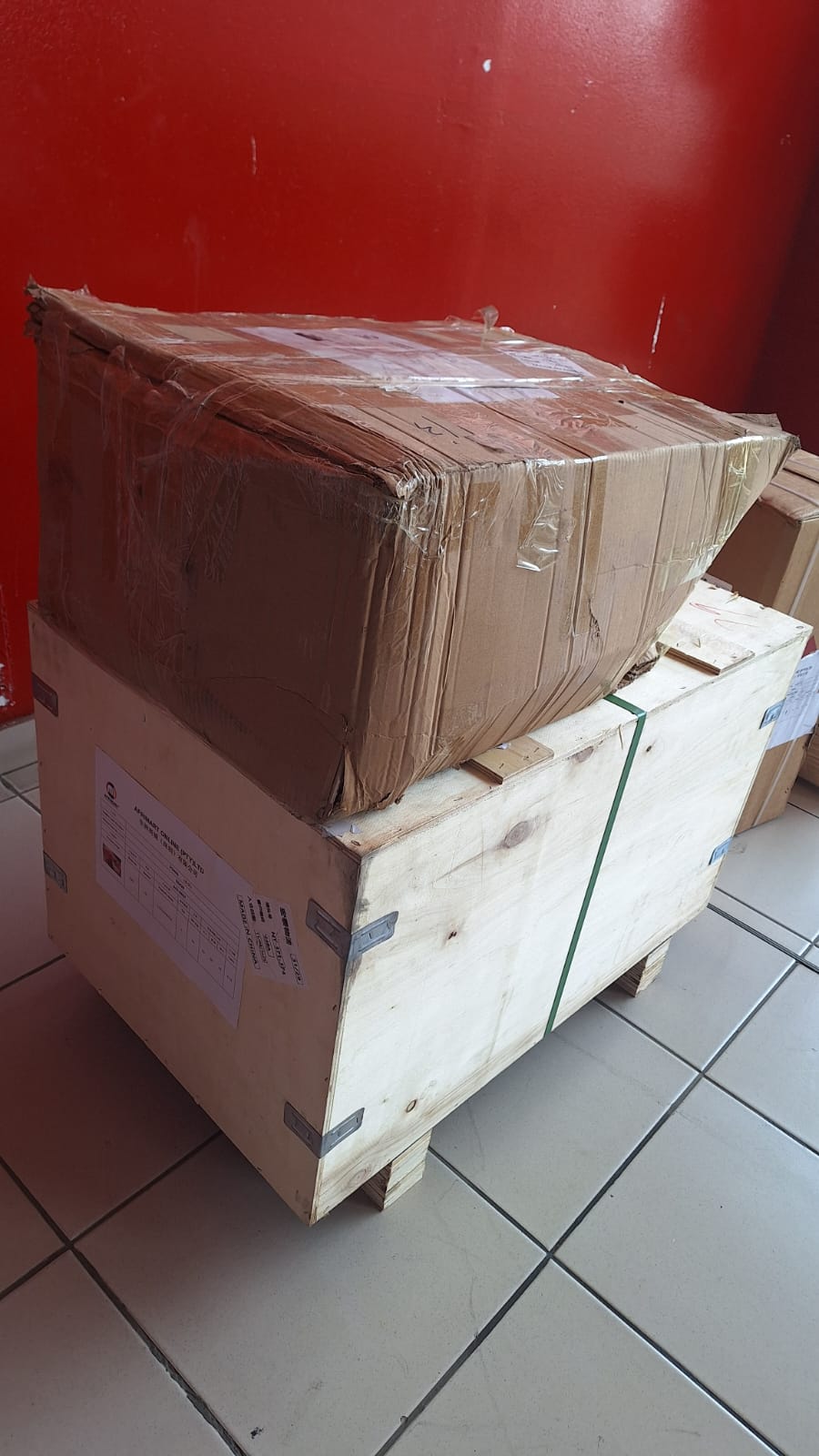
order success
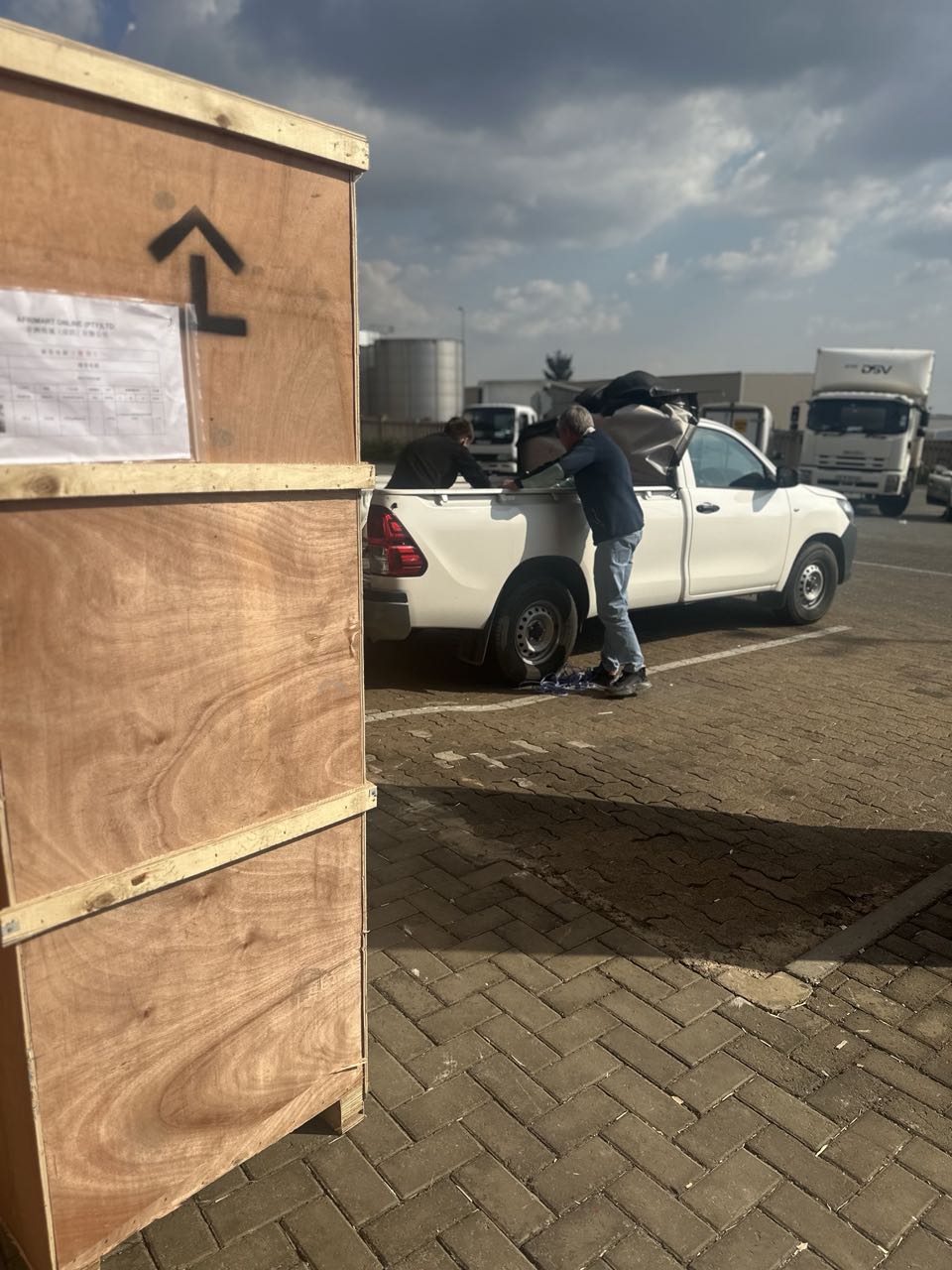
order collection
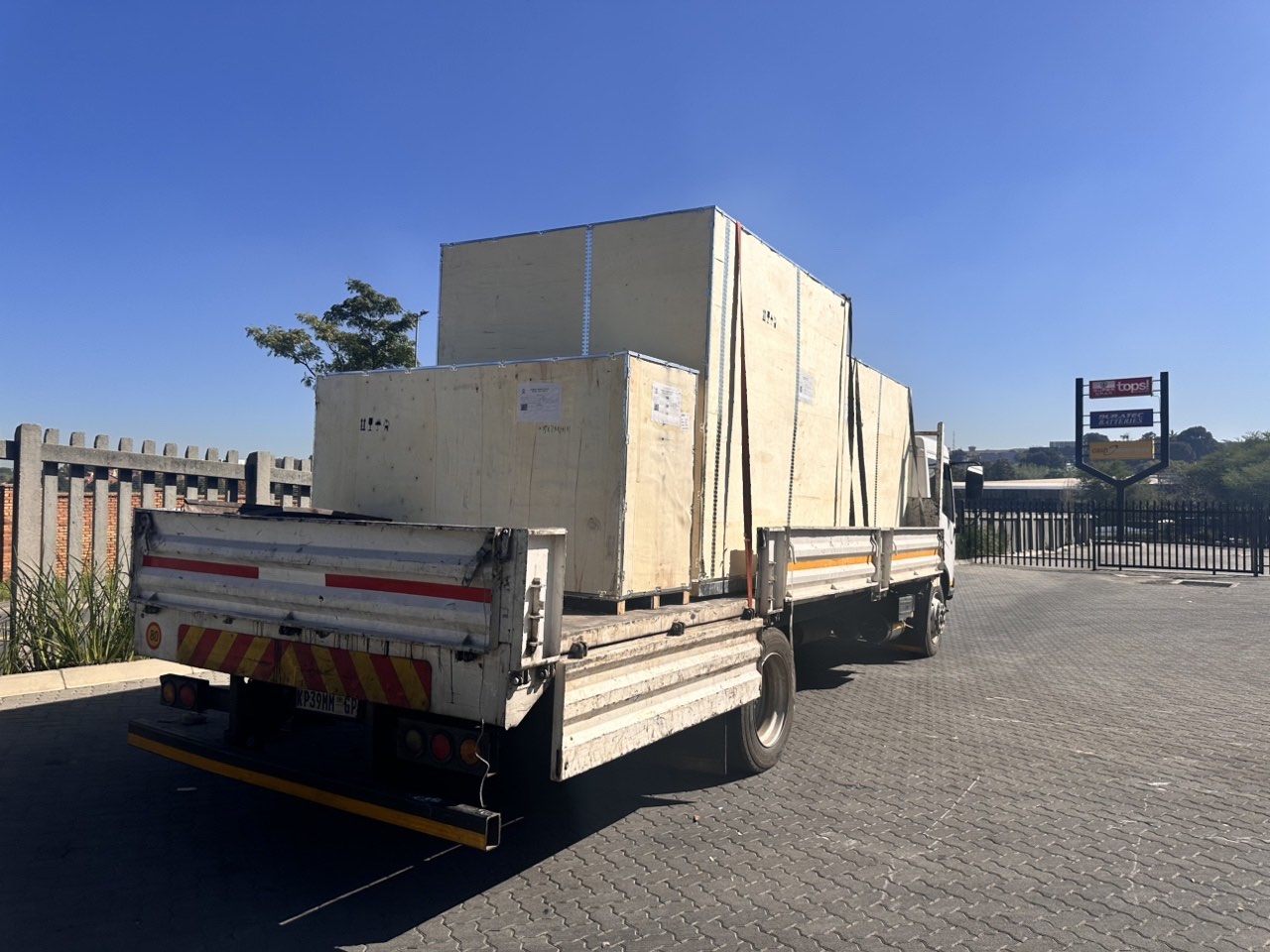
order offloading