B21, China Town Mall, Midrand


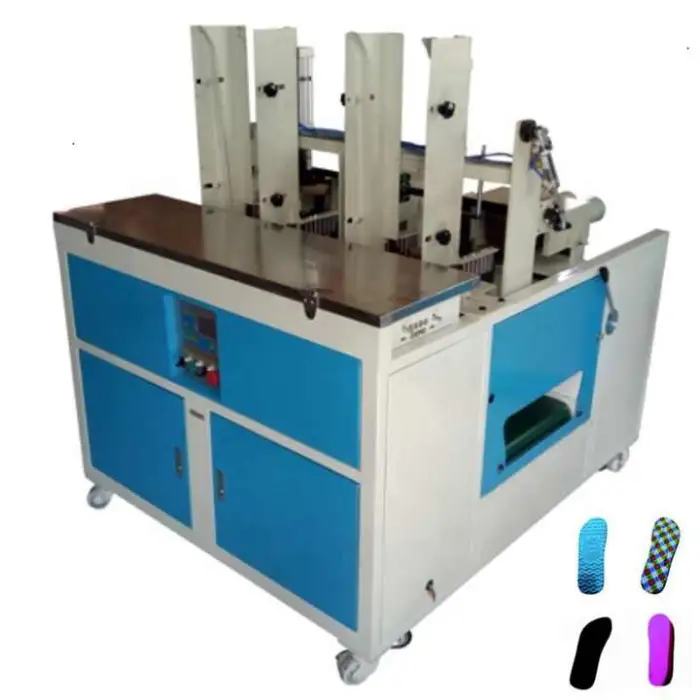
Shoe Sole Edging Making Machine Fully Automatic Rubber Soles for Shoe Making Other Shoemaking Machines Havaianas
Asset finance available
Do you want funding for this equipment?
Afrimart can connect you with trusted funding partners who specialise in asset finance for businesses like yours. Compare options and apply in minutes — final approval is subject to provider review.
Check funding options
Secure & no obligation
- Section : Machinery
- Category : Apparel & Textile Machinery
- SKU : 1600883217431

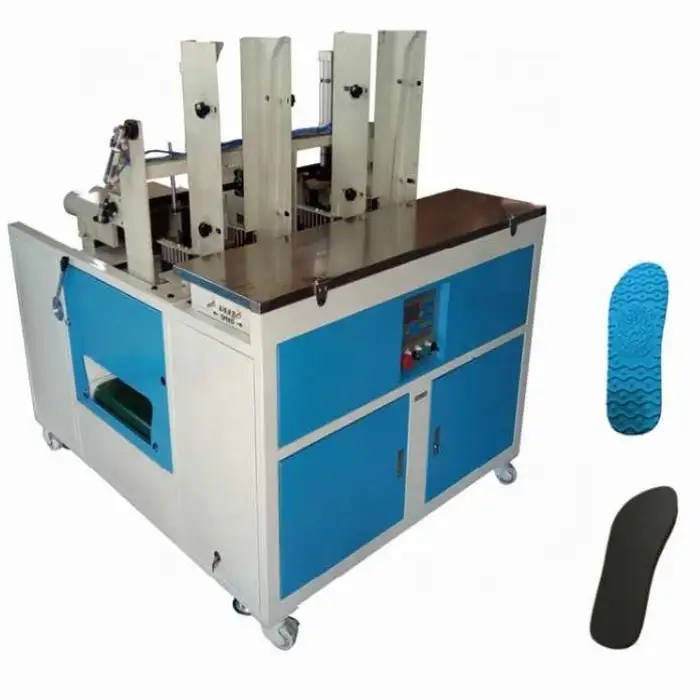
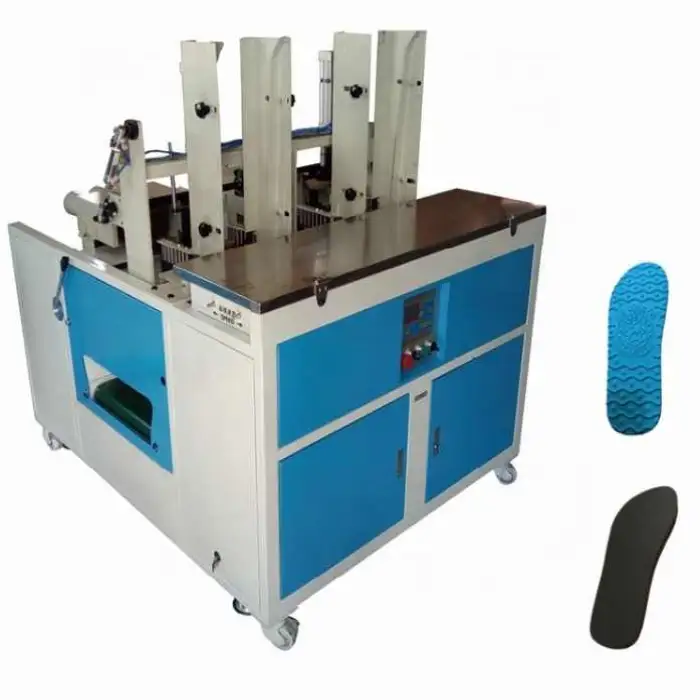
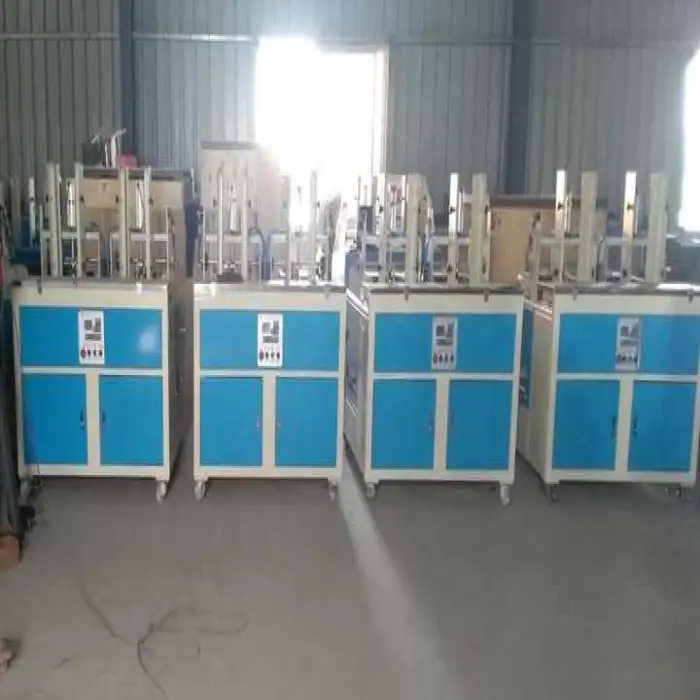
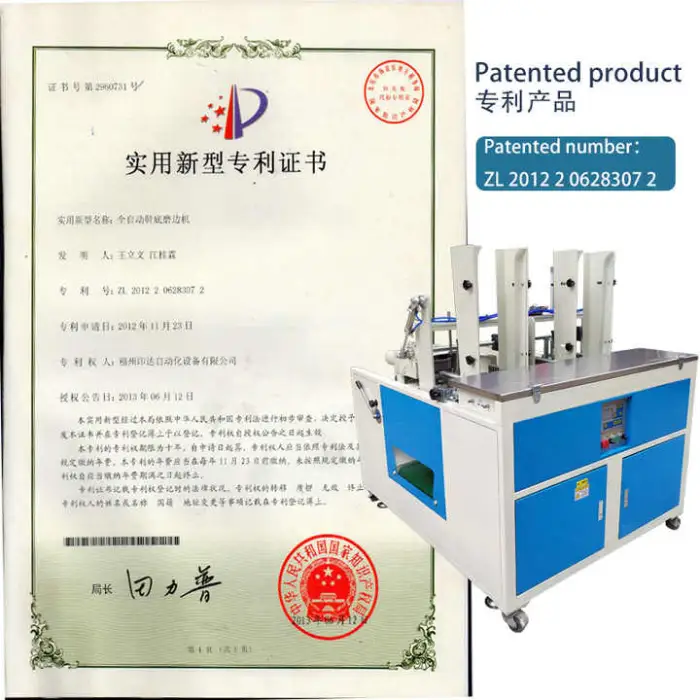
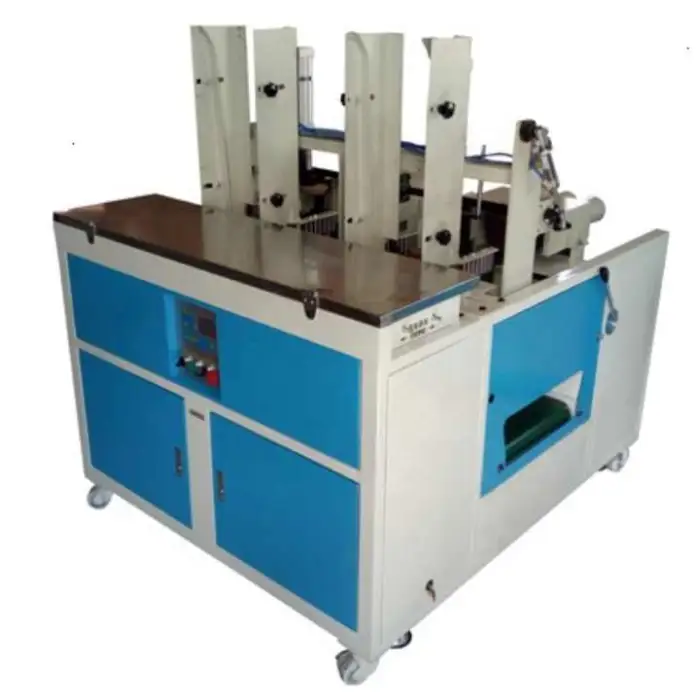
Shoe Sole Edging Making Machine Fully Automatic Rubber Soles for Shoe Making
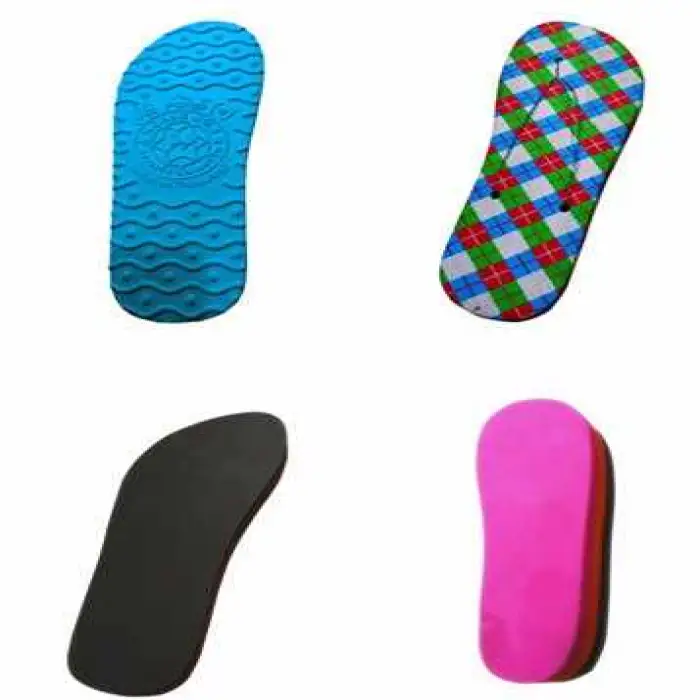
The Shoe Sole Edging Making Machine is a top-quality device designed for creating rubber soles for shoes. This fully automatic machine makes the process easy and efficient. With its advanced features and strong components, it is perfect for shoemaking businesses looking to improve their production. It is built to last and provides excellent performance, making it a great investment for anyone in the footwear industry.
Specifications
| Attribute | Details |
|---|---|
| Brand Name | DY |
| Model | MH-2A |
| Voltage | Three-phase 220V/380V/415V/440V |
| Frequency | 50-60Hz |
| Power | 6.7KW |
| Pressure | 6-8Bar |
| Weight (kg) | 560 |
| Video Outgoing Inspection | Provided |
| Core Components | Motor |
| Machinery Test Report | Provided |
| Selling Units | Single item |
Key Features
- Fully automatic operation for easy use.
- Strong motor for high performance.
- Adjustable voltage options.
- Robust design for long-lasting use.
- Efficient pressure settings for perfect soles.
Applications
- Making rubber soles for various types of shoes.
- Used in large-scale shoemaking factories.
- Ideal for custom shoe production.
- Great for businesses producing Havaianas and other footwear.
- Perfect for both small and large scale operations.
Product Info Gallery
- Shipping Timeframes: All orders are processed within 2-5 business days (excluding weekends and holidays). After your order has been processed, the estimated delivery time is before 03 Aug, 2026, depending on customs, Please note that due to high demand, some items may experience longer shipping times, which will be communicated at order confirmation email.
- Order Processing Time: Please allow 2-5 business days for us to process your order before it is shipped . Orders placed after 16:00 on Fridays, or during weekends and public holidays, will begin processing on the next business day. Processing times may be extended during peak seasons or sales events.
- Manufacturing Time: Some products needs manufacturing time, the manufacturing process will take approximately 10-30 business days depending on the product. This timeframe may vary depending on the complexity of the product and current demand. but this will be communicated with you during order confirmation.
- Returns and Exchanges: We offer a 30-day return policy for most items. If you are not completely satisfied with your purchase, you may return it within 30 days of receipt for a refund or exchange. Items must be unused, in their original packaging, and accompanied by proof of purchase. Return shipping costs are the responsibility of the customer, unless the item was damaged or defective upon arrival.
1. What is the Shoe Sole Edging Making Machine MH-2A used for?
The MH-2A is a fully automatic machine designed to create and edge rubber soles for shoes, including flip-flops (e.g., Havaianas) and other footwear. It is suitable for both custom production and large-scale shoemaking factories.
2. What are the key technical specifications of the machine?
Model: MH-2A (Brand DY). Power: 6.7 kW. Voltage: three-phase options 220V/380V/415V/440V. Frequency: 50–60 Hz. Required air pressure: 6–8 bar. Weight: 560 kg. Core component: motor. A machinery test report and video outgoing inspection are provided.
3. Does this machine support different voltage systems?
Yes — the machine can be supplied for common three-phase voltages: 220V, 380V, 415V or 440V. Confirm your required voltage when ordering so the unit is configured correctly.
4. What utilities and site requirements are needed for installation?
You need a stable three-phase power supply (specify selected voltage), compressed air at 6–8 bar, a suitable grounded electrical connection sized for 6.7 kW motor load, and a solid floor capable of supporting a 560 kg machine. Space for operation, maintenance access, and appropriate ventilation are also recommended.
5. How many soles per hour can the machine produce?
Output depends on sole size, design complexity, tooling, and operator workflow. The supplier provides a machinery test report and can run test samples to determine cycle time and realistic production rates for your specific sole designs.
6. Is the machine suitable for making Havaianas-style rubber flip-flop soles?
Yes. The machine is suitable for producing rubber soles used in flip-flops and other casual footwear. Tooling and molds should be configured for the specific Havaianas-style designs you intend to produce.
7. What kind of maintenance does the machine require?
Regular maintenance includes lubrication of moving parts, periodic inspection of the motor and pneumatic components, checking and replacing worn cutting/edging tooling, cleaning the work area, and following any manufacturer-recommended servicing intervals. A maintenance schedule should be established based on production volume.
8. Are spare parts and consumables available?
Core components such as the motor and wear parts (cutters, blades, seals) are typically available. Contact the seller or manufacturer to confirm spare-parts availability, lead times, and part numbers for your region.
9. What safety features and certifications does the machine have?
The machine is built with industrial safety in mind; however, specific safety features (guards, emergency stops) and certifications vary by configuration. A machinery test report and a video of outgoing inspection are provided. Ask the supplier for details on safety guards, emergency stops, and any applicable certifications (CE, ISO, etc.) for your market.
10. Is installation, commissioning, or operator training provided?
Many suppliers offer installation, commissioning, and operator training either included or as an add-on service. Confirm with the seller whether on-site setup and training are provided and whether remote support or documentation (manuals, videos) is available.
11. Can the machine be customized for different sole designs and materials?
Yes. The machine can be adapted through different tooling, molds, and process adjustments to handle various rubber compounds and sole geometries. Discuss your design requirements with the manufacturer to arrange appropriate tooling and settings.
12. What is the warranty and after-sales support policy?
Warranty terms and after-sales support vary by supplier and region. The product listing does not specify a warranty period, so contact the seller to confirm warranty coverage, spare-part policies, and available maintenance contracts.
13. How is the machine shipped and what are the shipping considerations?
The unit is sold as a single item weighing 560 kg, so shipping typically requires palletizing/crating and freight (truck or container). Coordinate with freight forwarders for handling heavy equipment, and confirm packaging, dimensions, and export/import documentation with the seller.
14. What are the expected energy and air consumption requirements?
Electrical input is based on a 6.7 kW motor (actual power draw depends on load and duty cycle). Pneumatic requirement is 6–8 bar. For precise energy and compressed-air consumption figures under your production conditions, request test data from the supplier or refer to the machinery test report.
15. How can I get a demonstration, sample test, or inspection before purchase?
The supplier provides a video of outgoing inspection and a machinery test report. For demonstrations or sample production tests, contact the manufacturer or distributor to arrange on-site demos, sample runs with your molds/materials, or to view video evidence of the machine running comparable jobs.
Latest Order Arrivals
Discover our latest orders

12 Heads Embroidery Machine

Toilet Paper Machine Machine

Order Collection

Cross Border Clients

Order cros border countries Collected

Industrial Machine Cllection

Agriculture Processing Machines

Ready for collection

Water Pump Equipment

Packaging Machine and accessories

Fabrics Manufacturing Equipment

Mining Equipments

Food Processing Machine

Batch of Orders

Batch of Orders

Latest Orders Labelled

wheel alignment machines

new arrivals

Pre Orders Offloading

Latest Arrivals

Latest Arrivals

Latest Arrivals

Loading

Toilet paper making machine

Toilet paper making machine

Toilet paper Rewinding Machine

latest arrivals

offloading

order success

order collection

order offloading