B21, China Town Mall, Midrand

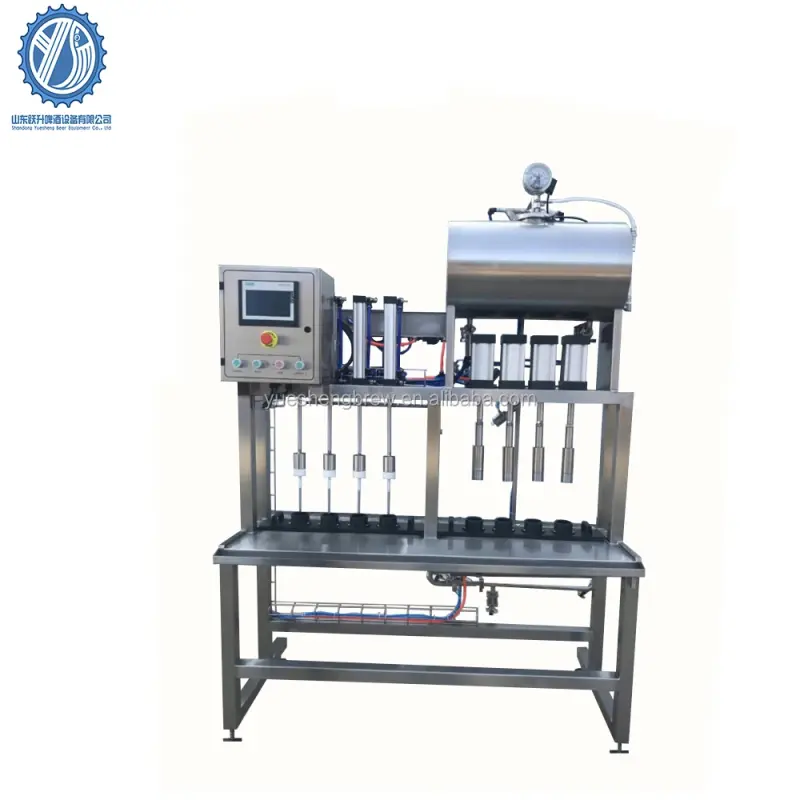
semi auto beer bottle filling and capping machine for Brewery
Asset finance available
Do you want funding for this equipment?
Afrimart can connect you with trusted funding partners who specialise in asset finance for businesses like yours. Compare options and apply in minutes — final approval is subject to provider review.
Check funding options
Secure & no obligation
- Section : Machinery
- Category : Filling Machines
- SKU : 60831669298

- Shipping Timeframes: All orders are processed within 2-5 business days (excluding weekends and holidays). After your order has been processed, the estimated delivery time is before 09 Aug, 2026, depending on customs, Please note that due to high demand, some items may experience longer shipping times, which will be communicated at order confirmation email.
- Order Processing Time: Please allow 2-5 business days for us to process your order before it is shipped . Orders placed after 16:00 on Fridays, or during weekends and public holidays, will begin processing on the next business day. Processing times may be extended during peak seasons or sales events.
- Manufacturing Time: Some products needs manufacturing time, the manufacturing process will take approximately 10-30 business days depending on the product. This timeframe may vary depending on the complexity of the product and current demand. but this will be communicated with you during order confirmation.
- Returns and Exchanges: We offer a 30-day return policy for most items. If you are not completely satisfied with your purchase, you may return it within 30 days of receipt for a refund or exchange. Items must be unused, in their original packaging, and accompanied by proof of purchase. Return shipping costs are the responsibility of the customer, unless the item was damaged or defective upon arrival.
1. What is this machine and what does "semi-auto" mean?
This is a semi-automatic beer bottle/can filling and capping machine for small breweries. "Semi-auto" means some steps are manual (for example loading/unloading containers or placing caps) while filling, rinsing (CIP), and screw-capping are automated under PLC control.
2. What is the production capacity?
Rated capacity is 200–300 containers per hour (cph). Actual output depends on container size, operator speed and product handling.
3. Which container sizes and types does it handle?
Standard suitability is for 330 ml and 500 ml cans. Use with glass bottles or other sizes may be possible but usually requires tooling changes or customization—confirm with the supplier.
4. What are the machine dimensions and weight?
Outer dimensions: 1400 mm × 500 mm × 1800 mm. Net weight about 245 kg.
5. What are the electrical requirements and power consumption?
Power supply: 380 V, 50 Hz. Electrical consumption is about 1 kW according to the specification.
6. What is the beer loss rate (product waste)?
The specification lists a beer loss rate of <5‰ (less than 0.5%), under normal operating conditions.
7. What automated functions does the machine perform?
Automation includes PLC-controlled filling, automatic push-through of containers, pipeline cleaning/CIP cycles, and automatic screw-capping. A Siemens controller and LCD touch screen manage the processes.
8. What level of operator interaction is required?
Operators typically load and unload containers and may place caps if the machine uses "manual cover" feeding. The PLC and touchscreen handle filling, CIP, and automatic capping sequences.
9. Is the machine easy to operate and configure?
Yes. It uses a Siemens programmable controller and an LCD touch screen for setting parameters, monitoring operations and selecting cleaning cycles. Control languages and UI options may be configurable—confirm with the vendor.
10. Does the machine include cleaning (CIP) capability?
Yes. The machine includes pipeline cleaning procedures/CIP as part of the automated process to maintain hygiene between runs.
11. What capping type does it use and can capping torque be adjusted?
The machine features automatic screw capping. Torque and capping speed are typically adjustable through the PLC/touchscreen or mechanical settings; confirm the exact adjustment range with the manufacturer.
12. What materials contact the beer and are they food-grade?
While the spec doesn't list materials explicitly, brewery filling machines commonly use food-grade stainless steel (e.g., SS304/316) for wetted parts. Verify material certifications with the supplier before purchase.
13. What maintenance and spare parts should I expect to need?
Routine maintenance includes cleaning/CIP, inspection/replacement of seals, O-rings, gaskets, valves, and periodic lubrication of moving parts. Ask the supplier for a spare-parts list and recommended maintenance schedule.
14. What about installation, training, warranty and certifications?
Installation and operator training options vary by supplier—many offer on-site commissioning or remote support. Warranty terms and safety/food hygiene certifications (CE, GMP, etc.) are vendor-dependent; request details and documentation from the manufacturer or dealer.
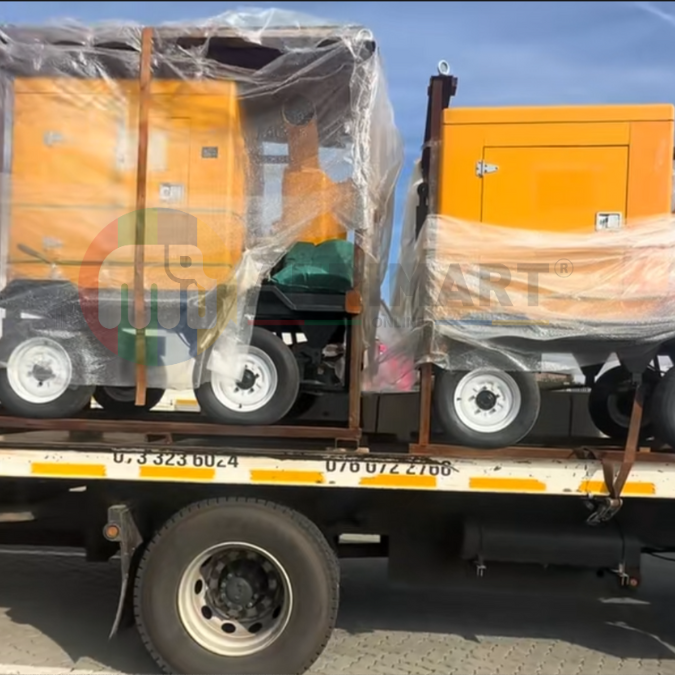
Latest Order Arrivals
Discover our latest orders
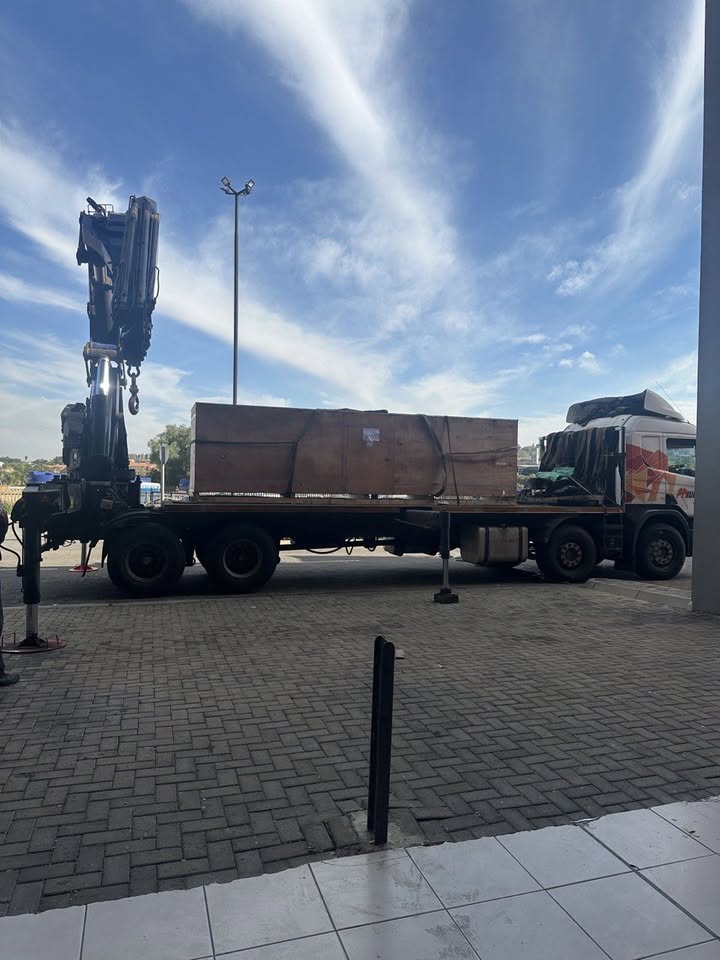
12 Heads Embroidery Machine
Toilet Paper Machine Machine
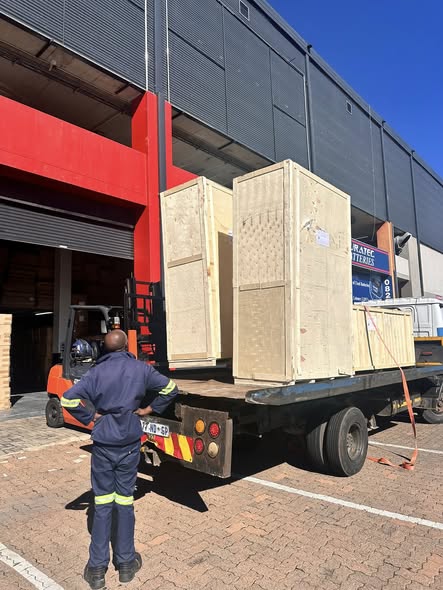
Order Collection
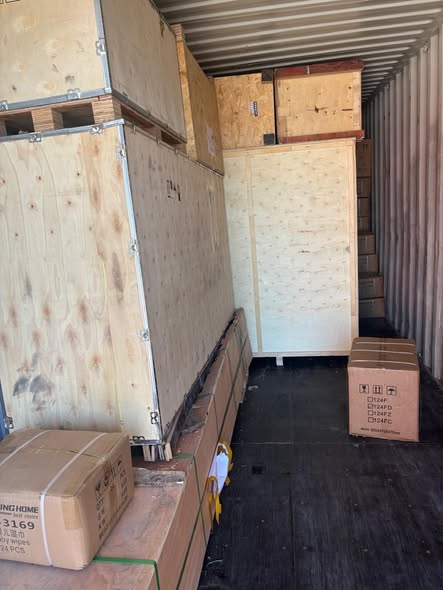
Cross Border Clients
Order cros border countries Collected
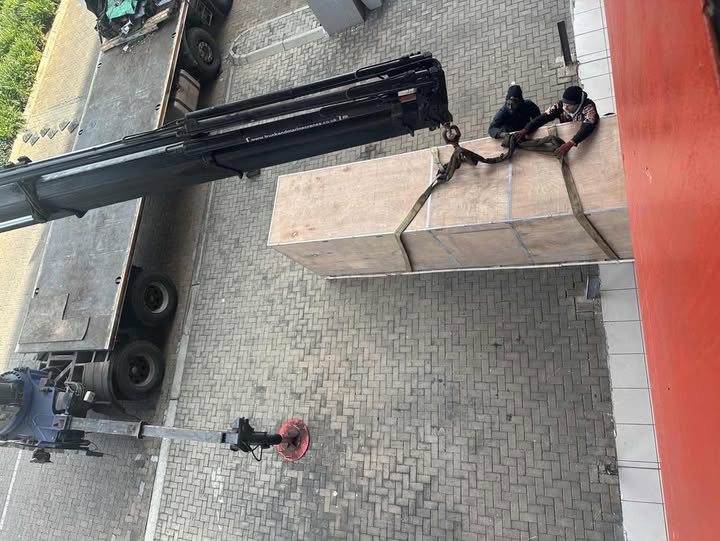
Industrial Machine Cllection
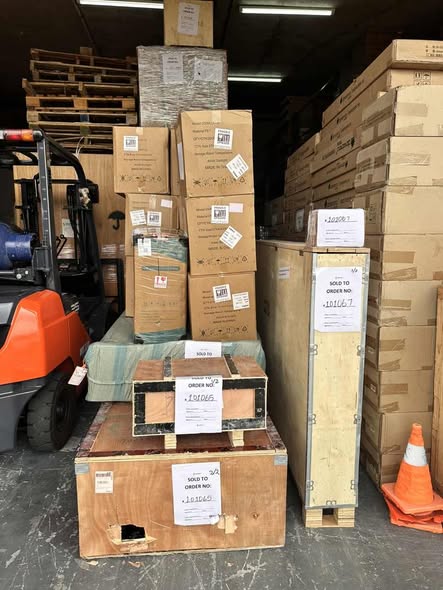
Agriculture Processing Machines
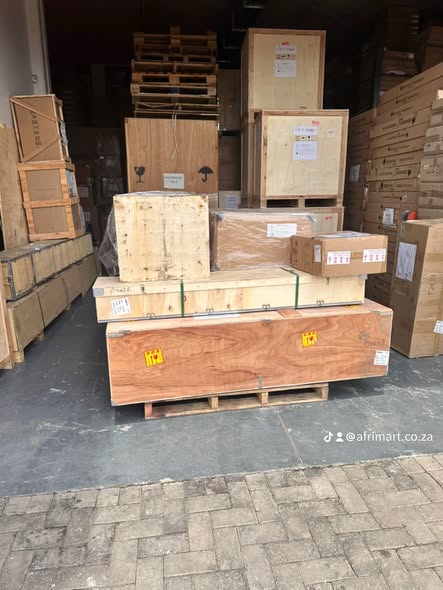
Ready for collection
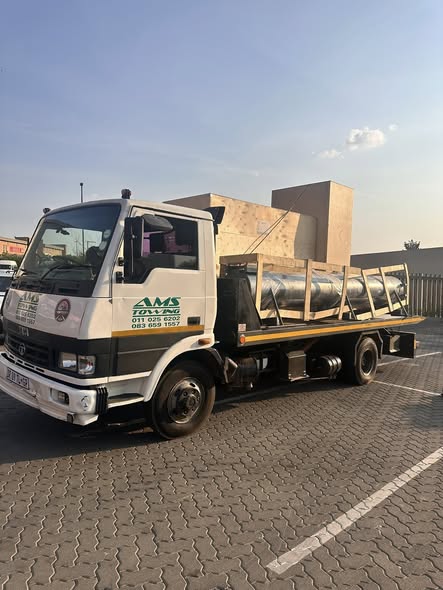
Water Pump Equipment
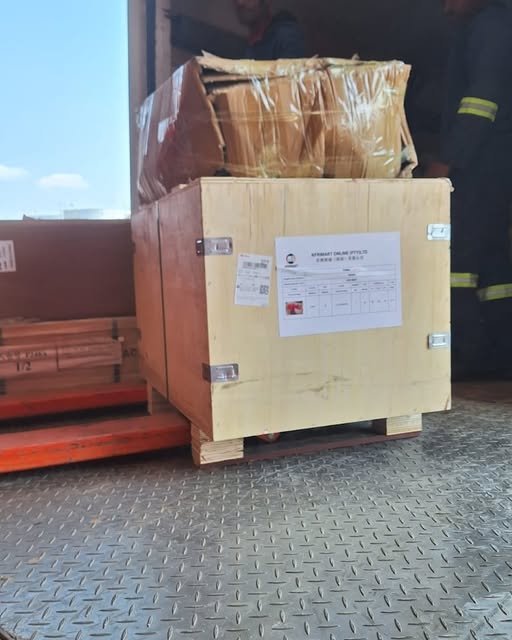
Packaging Machine and accessories
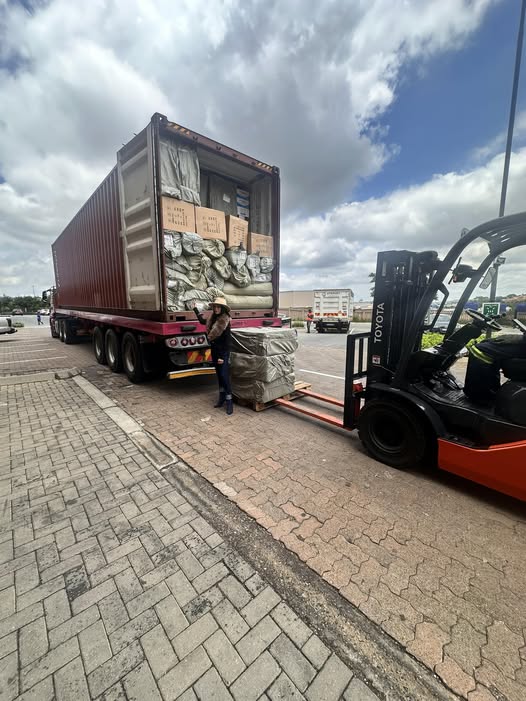
Fabrics Manufacturing Equipment
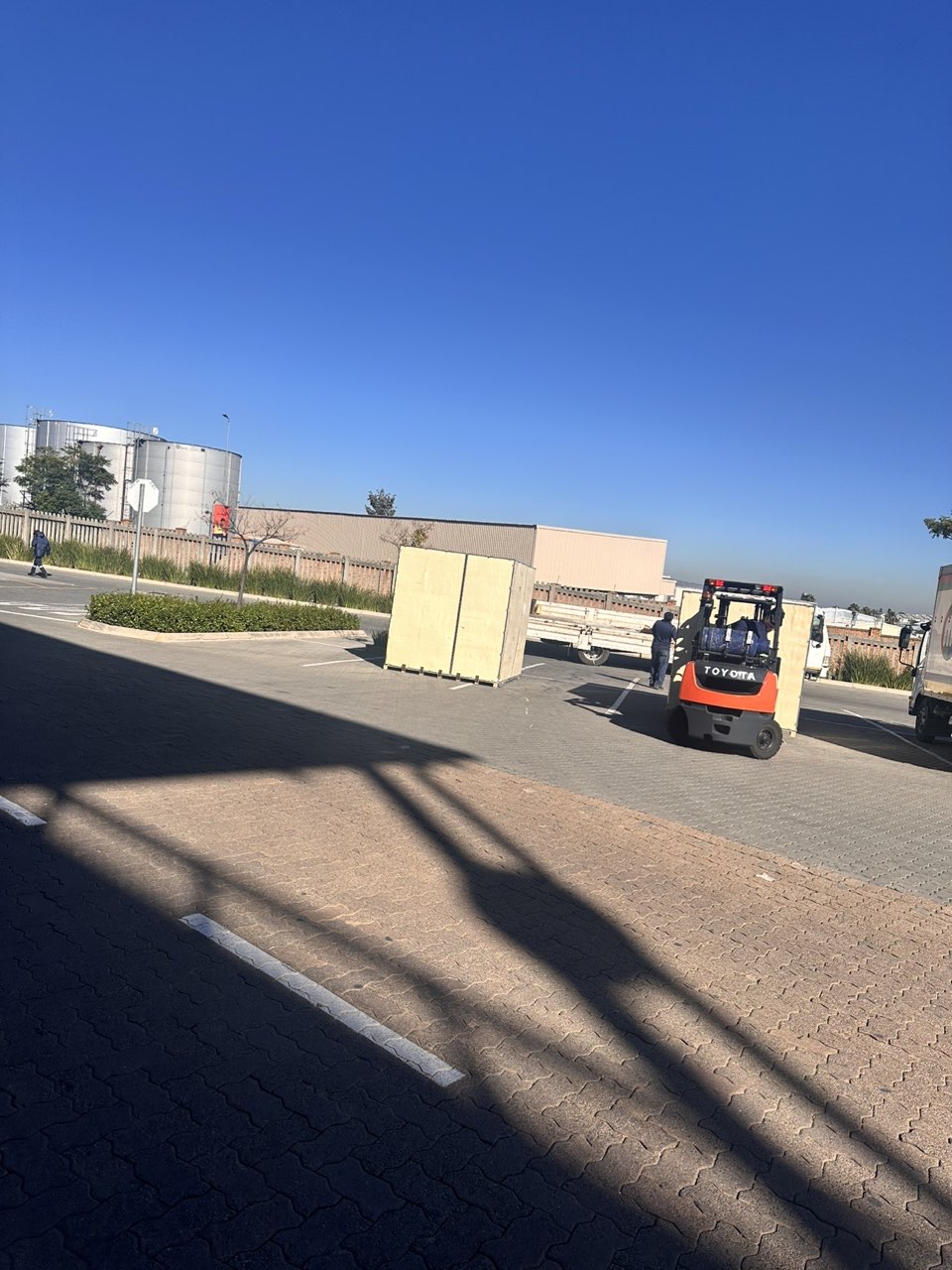
Mining Equipments
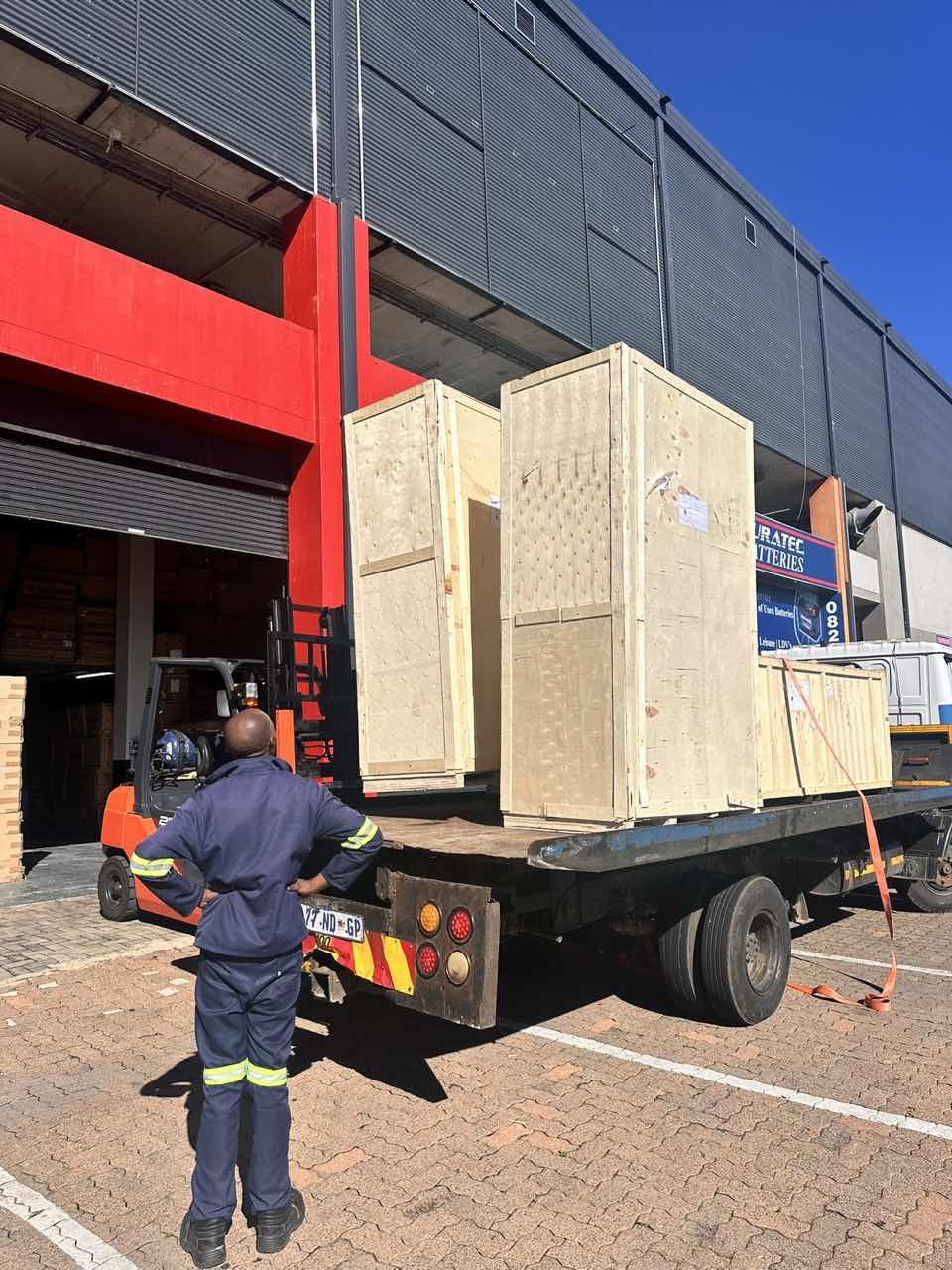
Food Processing Machine
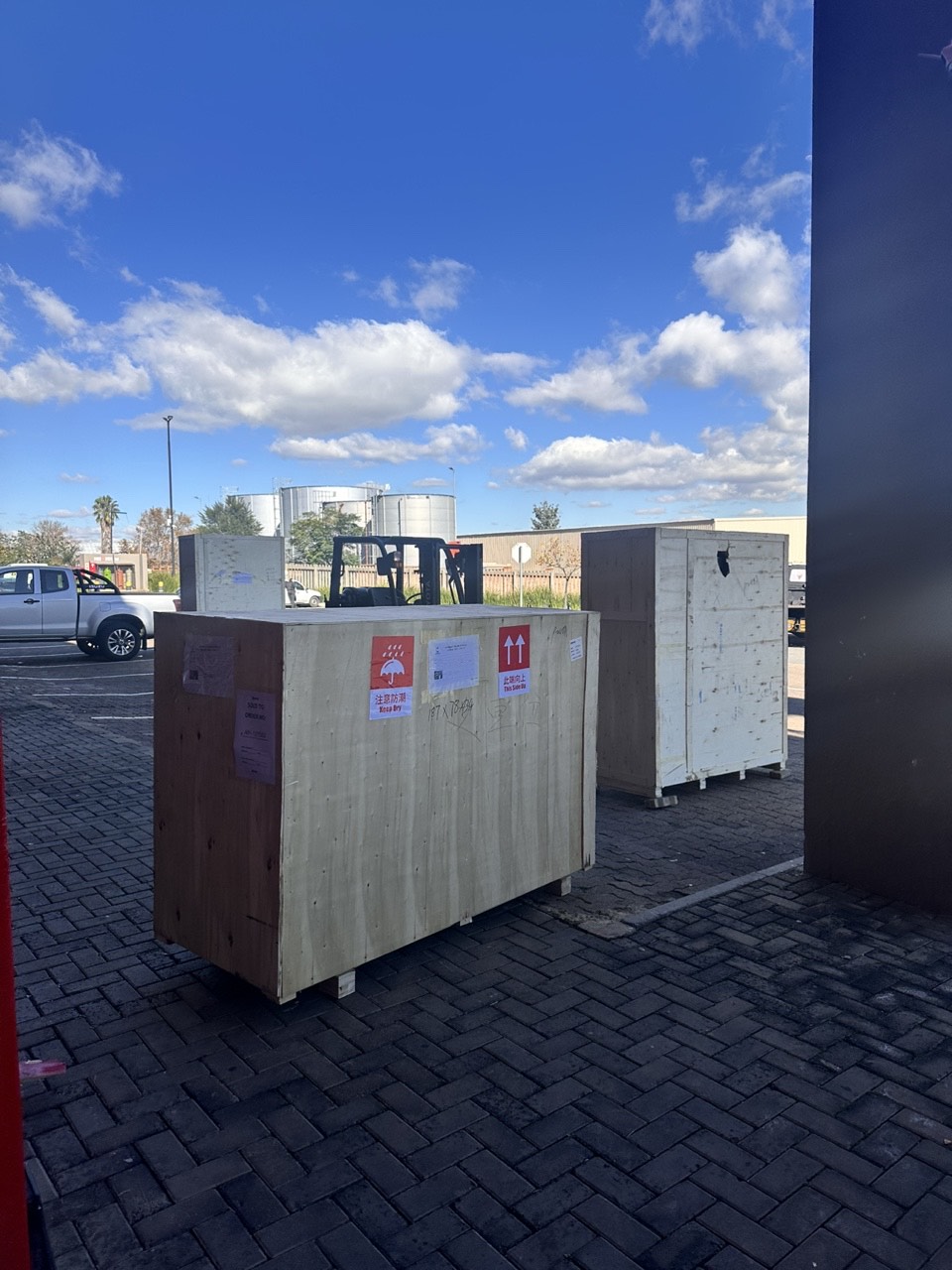
Batch of Orders
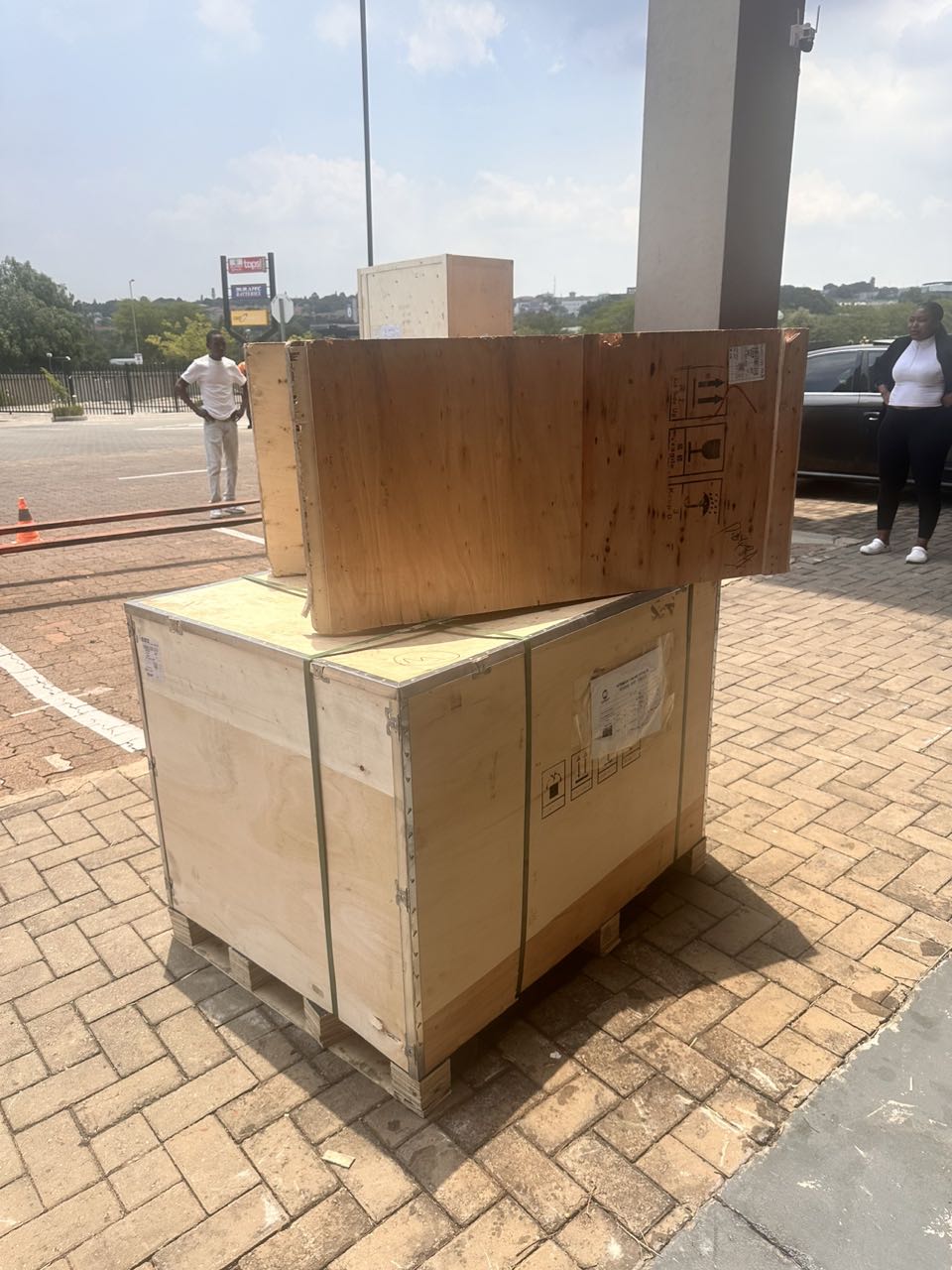
Batch of Orders
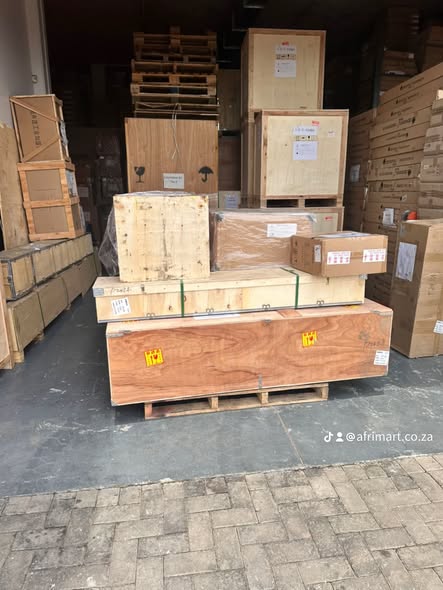
Latest Orders Labelled
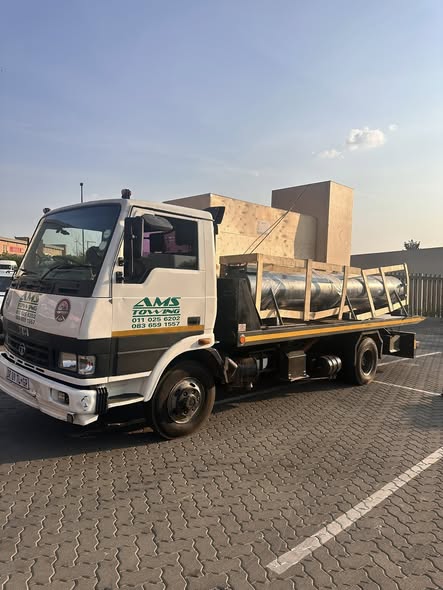
wheel alignment machines
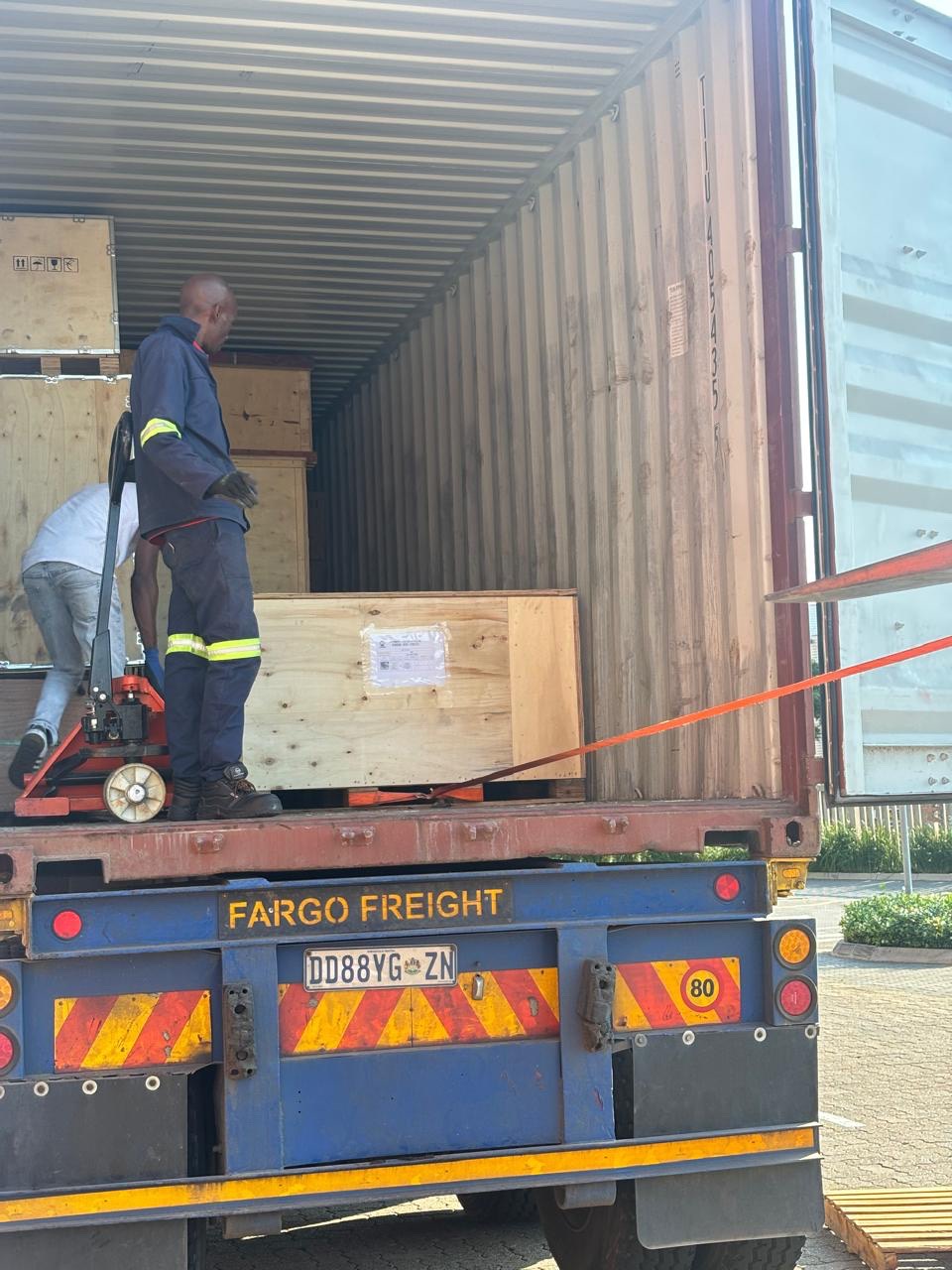
new arrivals
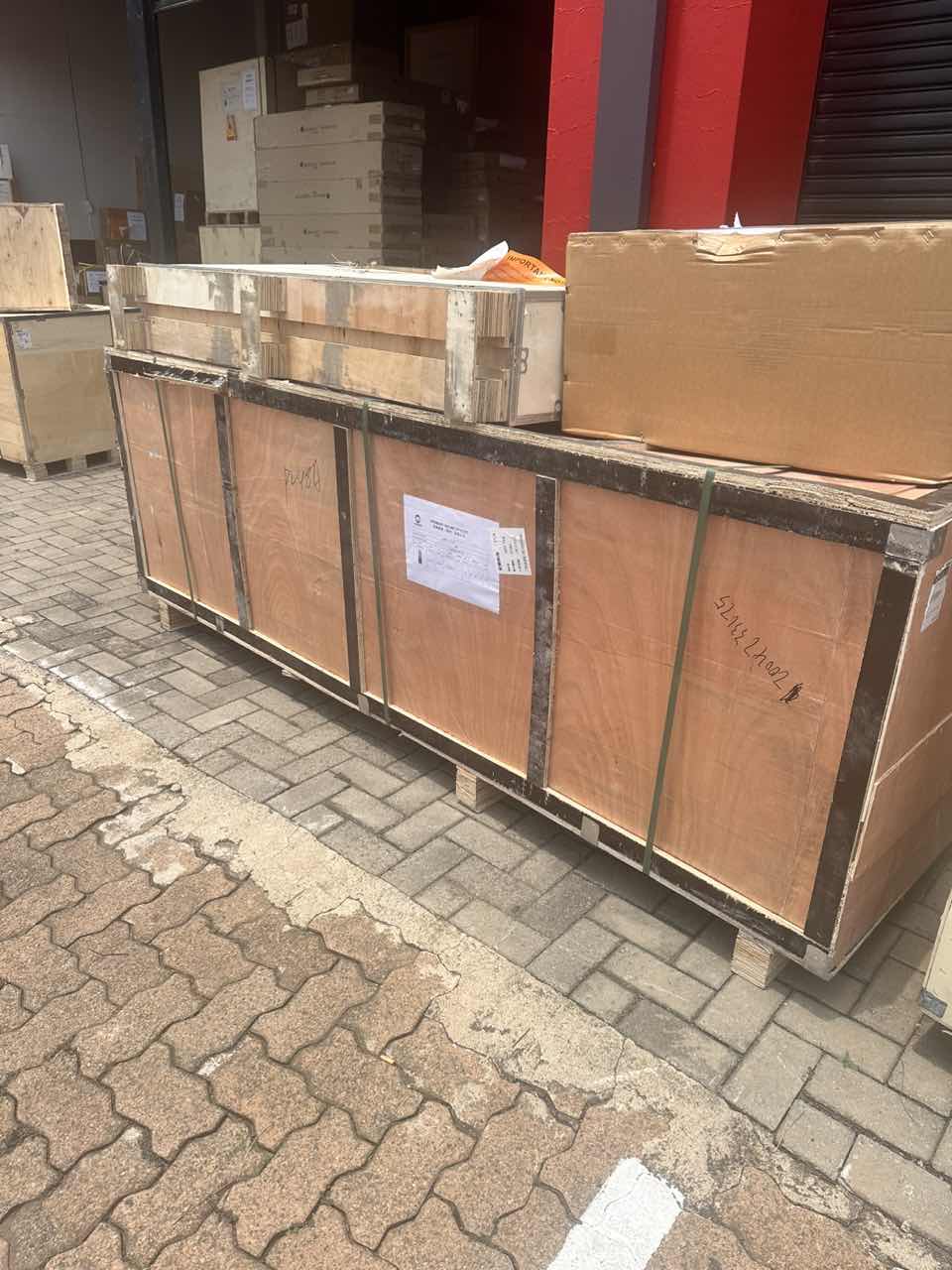
Pre Orders Offloading
Latest Arrivals
Latest Arrivals
Latest Arrivals
Loading
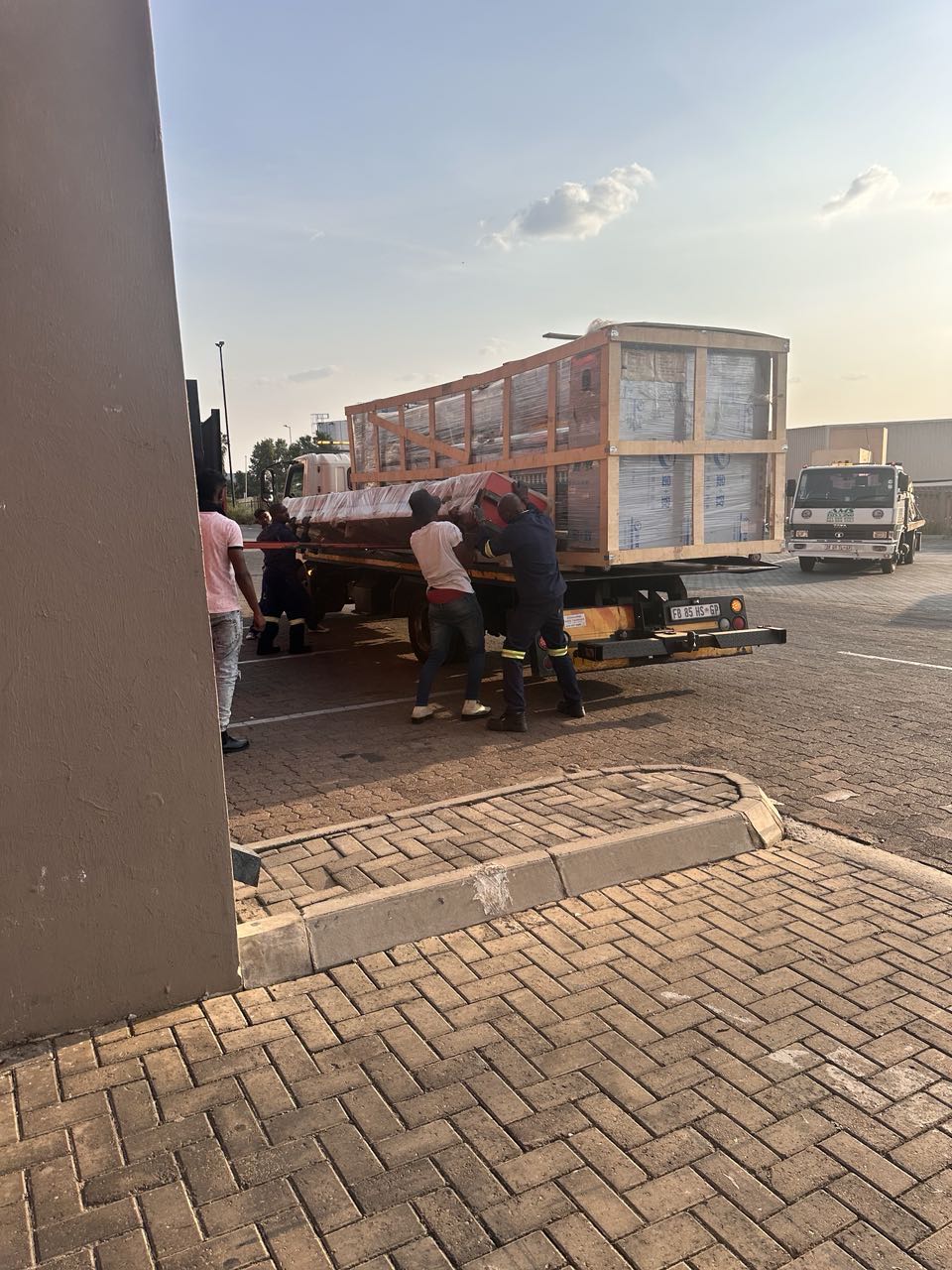
Toilet paper making machine
Toilet paper making machine
Toilet paper Rewinding Machine
latest arrivals
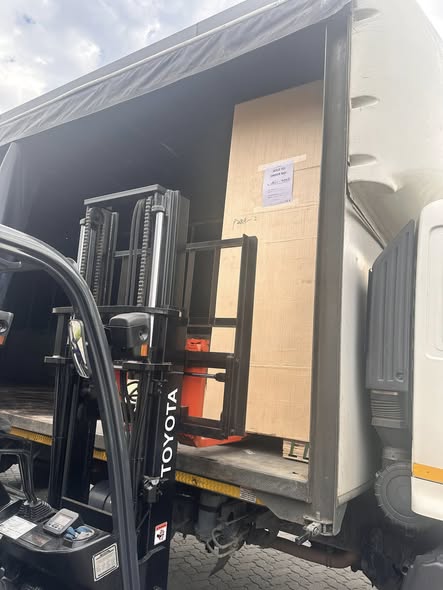
offloading
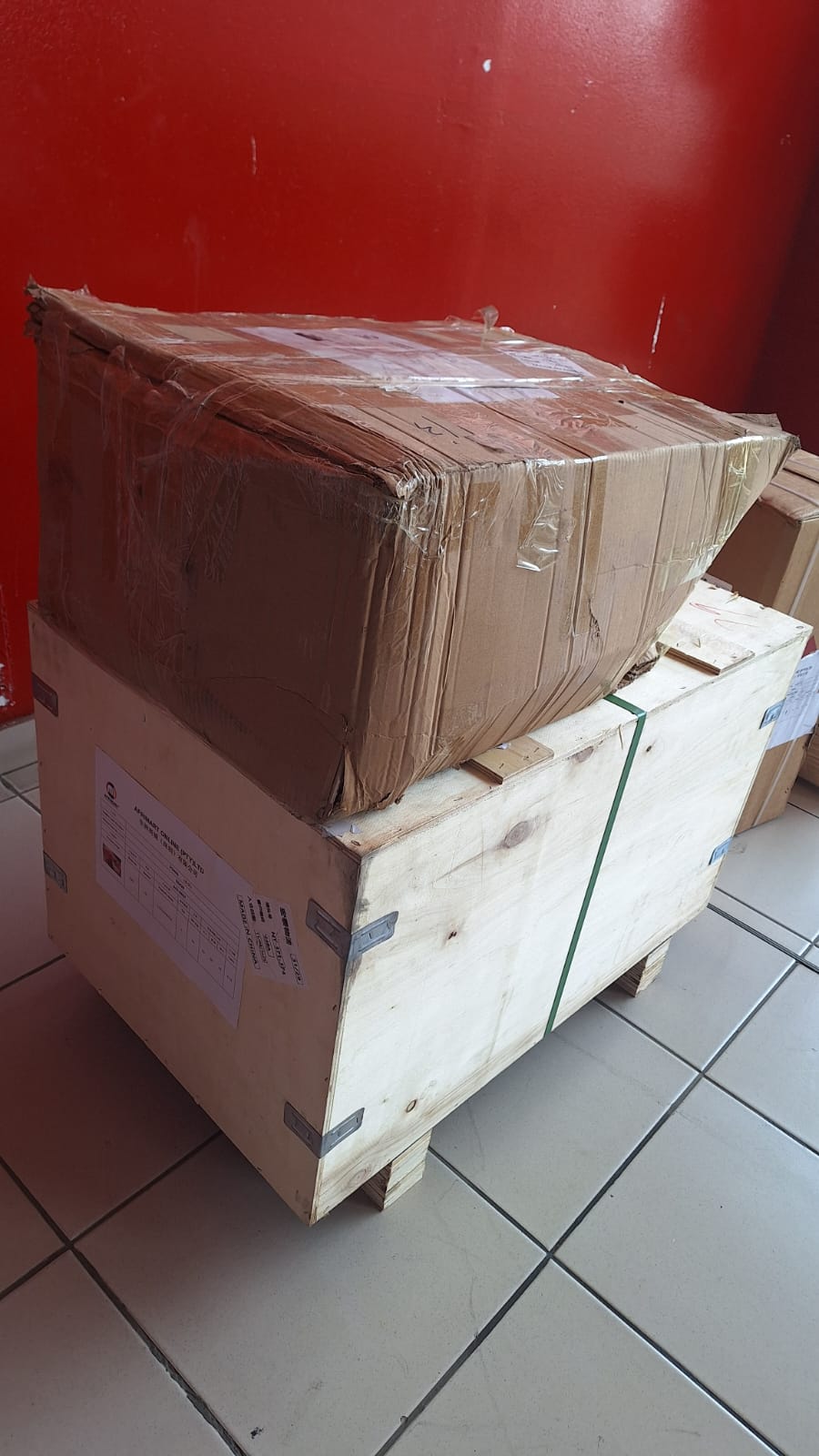
order success
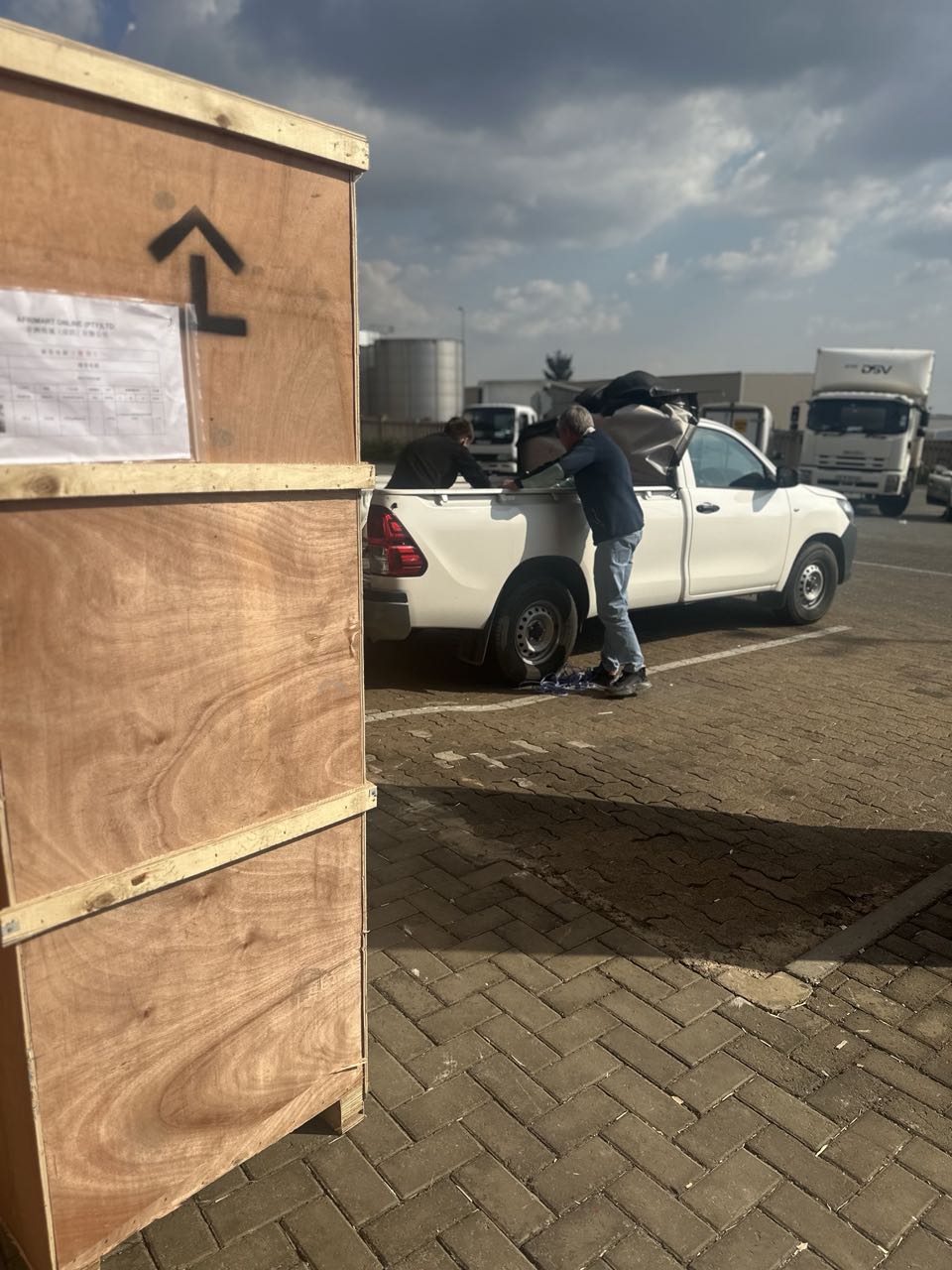
order collection
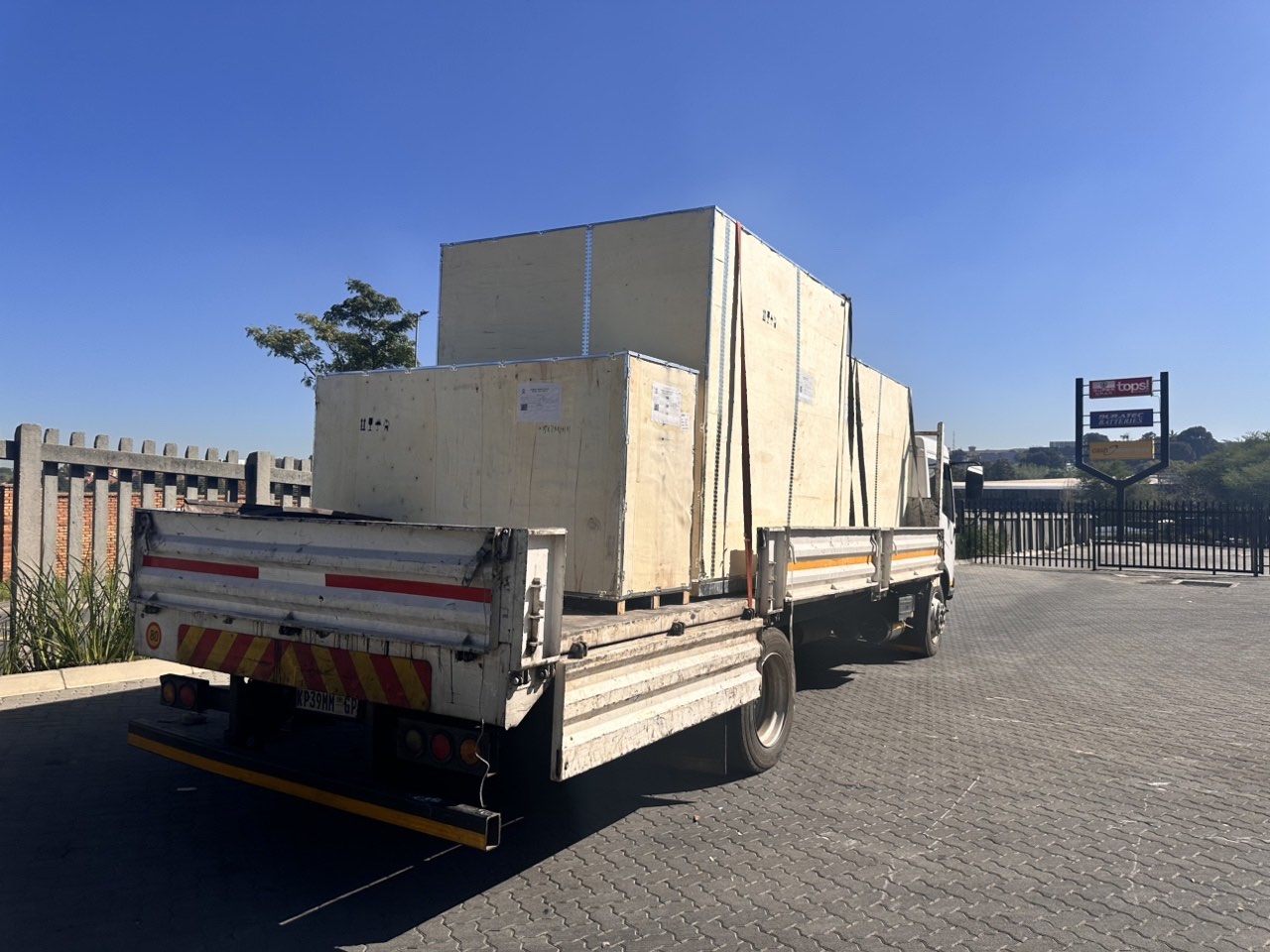
order offloading