B21, China Town Mall, Midrand

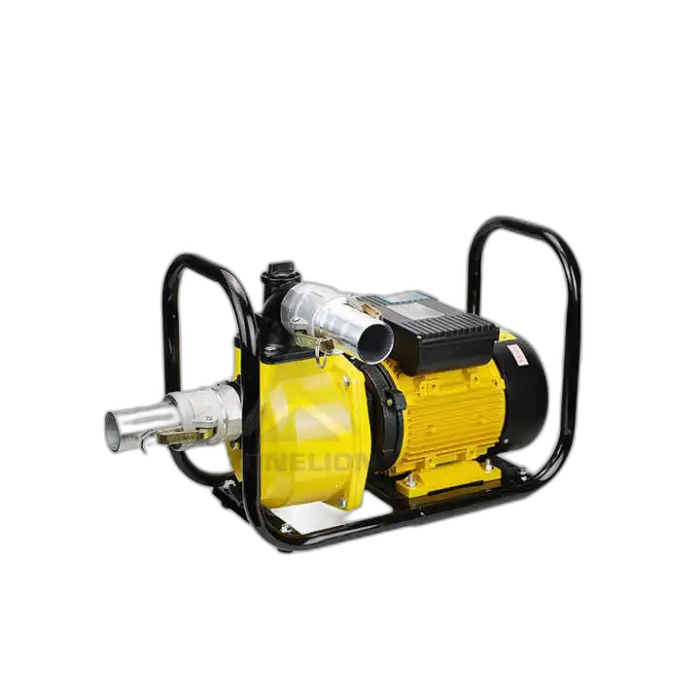
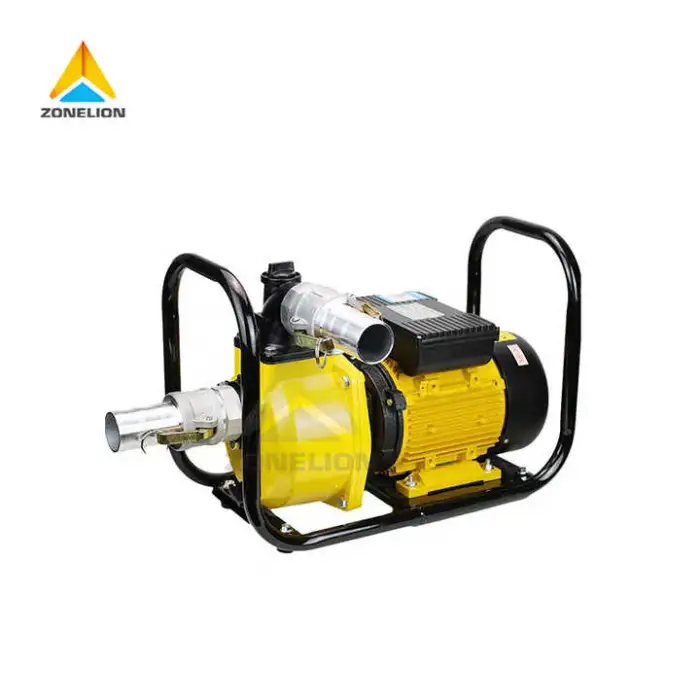
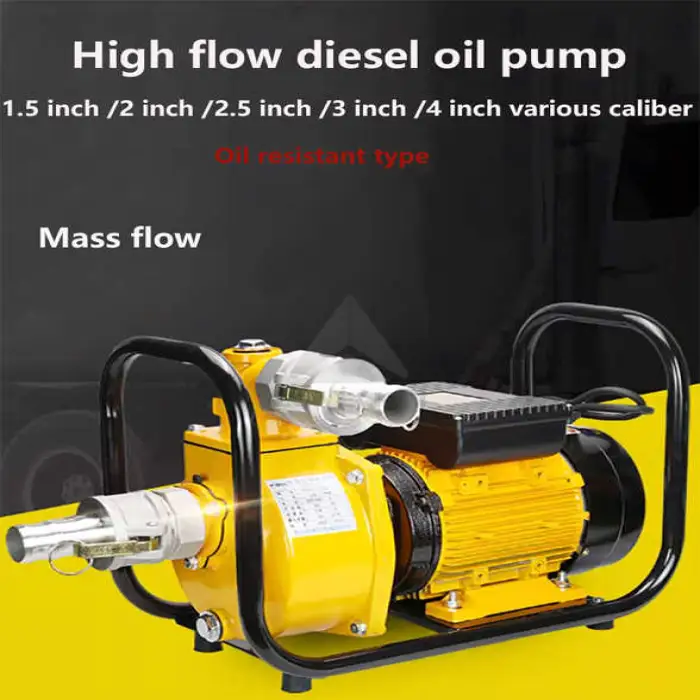
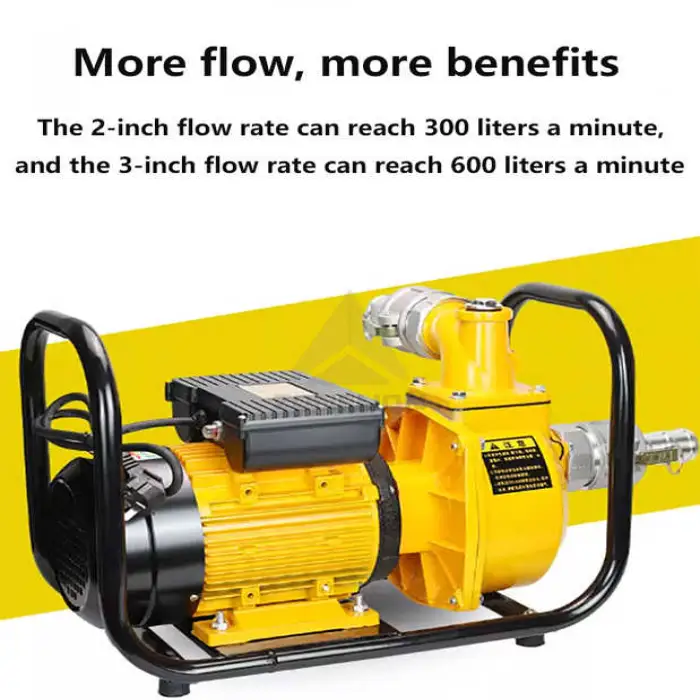
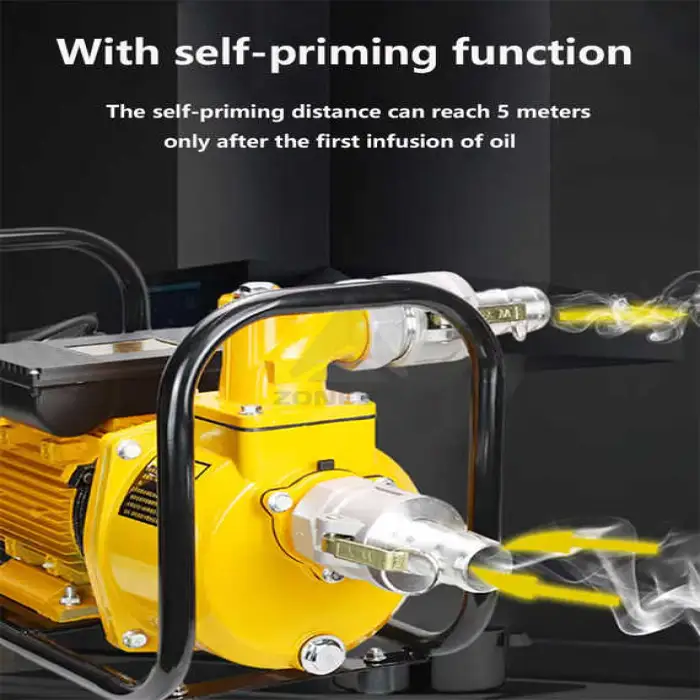
Self-priming High Flow Pumping Tanker Electric Pump

- Section : Machinery
- Category : Engineering & Construction Machinery
- SKU : 1601199783851

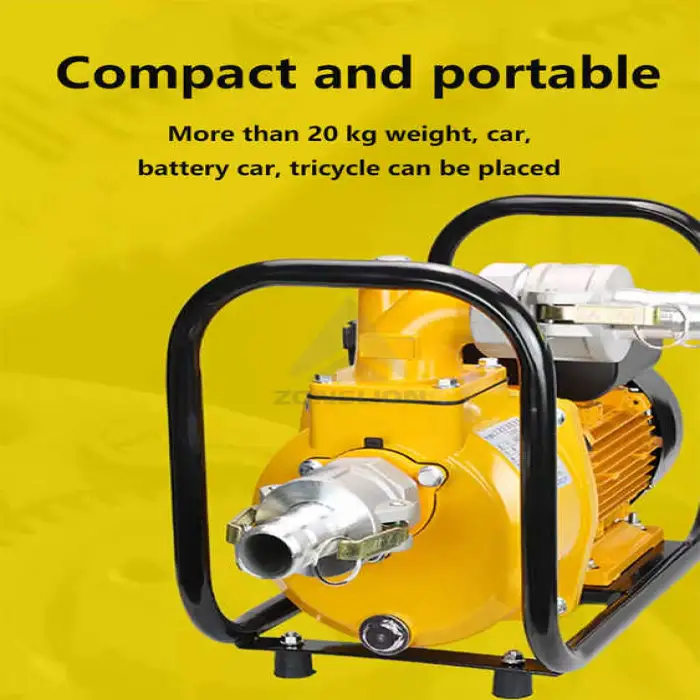
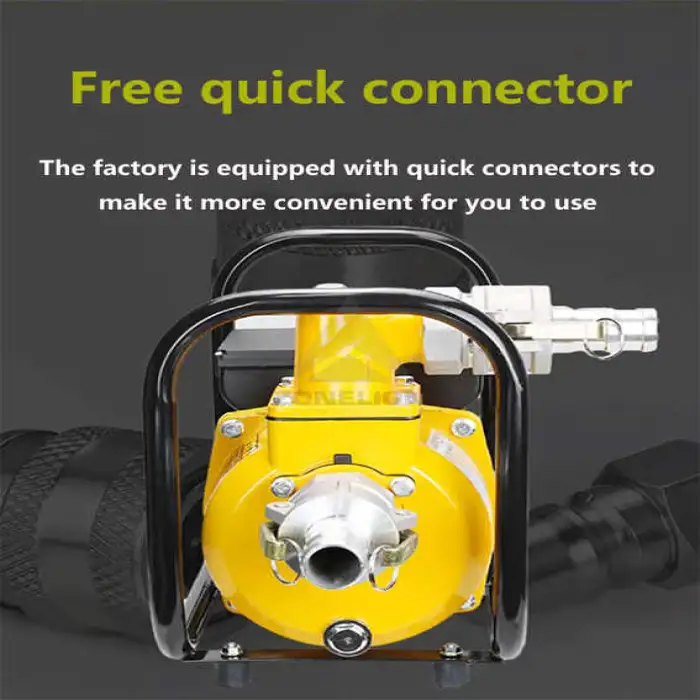
Self-priming High Flow Pumping Tanker Electric Pump
The Self-priming High Flow Pumping Tanker Electric Pump is an efficient and powerful solution for all your pumping needs. This electric pump is designed to deliver high flow rates with ease, making it perfect for various applications. With a robust build and advanced features, it ensures reliable performance every time.
Specifications
| Attribute | Details |
|---|---|
| Power Type | Diesel |
| Max. Vertical Conveying Distance | 38M |
| Max. Horizontal Conveying Distance | 33M |
| Productivity | 20m²/h |
| Weight | 27 kg |
| Rated Power | 1500W |
| Caliber | 38mm |
| Flow Rate | 20m²/h |
| Speed | 2900 rpm |
| Operating Voltage | 220V/380V |
| Frequency | 50Hz |
Key Features
- High operating efficiency for quick pumping tasks.
- Self-priming capability for ease of use.
- Lightweight design at only 27 kg for easy transport.
- Rated power of 1500W for powerful performance.
- Durable construction ensures long-lasting use.
Applications
- Construction sites for water removal.
- Agricultural irrigation systems.
- Filling and emptying tanks efficiently.
- Emergency flood relief operations.
- Industrial applications requiring high flow rates.
Product Info Gallery
- Shipping Timeframes: All orders are processed within 2-5 business days (excluding weekends and holidays). After your order has been processed, the estimated delivery time is before 15 Jan, 2026, depending on customs, Please note that due to high demand, some items may experience longer shipping times, which will be communicated at order confirmation email.
- Order Processing Time: Please allow 2-5 business days for us to process your order before it is shipped . Orders placed after 16:00 on Fridays, or during weekends and public holidays, will begin processing on the next business day. Processing times may be extended during peak seasons or sales events.
- Manufacturing Time: Some products needs manufacturing time, the manufacturing process will take approximately 10-30 business days depending on the product. This timeframe may vary depending on the complexity of the product and current demand. but this will be communicated with you during order confirmation.
- Returns and Exchanges: We offer a 30-day return policy for most items. If you are not completely satisfied with your purchase, you may return it within 30 days of receipt for a refund or exchange. Items must be unused, in their original packaging, and accompanied by proof of purchase. Return shipping costs are the responsibility of the customer, unless the item was damaged or defective upon arrival.
1. What does 'self-priming' mean for this pump?
Self-priming means the pump can evacuate air from the suction line and draw fluid without manual priming after the initial fill, so it will start pumping even if the suction line is partially filled with air. Follow the manufacturer's startup instructions for first-time use.
2. What is the pump's flow rate?
The spec sheet lists the flow rate as '20m²/h', which appears to be a unit typo. Flow rate is normally given in m³/h (cubic meters per hour) or L/h. Please confirm with the supplier; if it is 20 m³/h, that equals 20,000 L/h.
3. What is the maximum vertical and horizontal conveying distance?
Maximum vertical conveying distance (total head) is 38 m and maximum horizontal conveying distance is 33 m as specified. Real-world performance may vary with hose size, fittings and suction conditions.
4. Is this pump electric or diesel powered? The specs list both.
The product title calls it an electric pump with a rated power of 1500 W, while the attribute list shows 'Power Type: Diesel' and operating voltage 220V/380V. This inconsistency should be clarified with the manufacturer or supplier; there may be separate electric and diesel variants or a specification error.
5. What voltage and electrical supply does the electric version require?
The specs list operating voltages of 220 V and 380 V at 50 Hz. That indicates the pump may be available for single-phase 220 V or three-phase 380 V supply. Confirm which model/voltage you are purchasing and ensure correct phase and protection (fuses, breakers, grounding) are installed.
6. What is the pump inlet/outlet size and what hoses fit?
The caliber is listed as 38 mm, which is approximately 1.5 inches. Use hoses and fittings rated for 38 mm (1-1/2") or compatible adapters. Ensure hose pressure ratings and connectors match the application.
7. What fluids can this pump handle?
The pump is intended for water and similar low-viscosity, non-corrosive liquids commonly found in construction, irrigation and tank transfer. Do not use it with highly abrasive, corrosive, flammable or slurry-type fluids unless the manufacturer confirms materials compatibility and suitability.
8. How portable is the pump and can it be mounted on a tanker?
The pump weighs 27 kg, making it relatively lightweight and transportable. It is described as a 'pumping tanker' pump and should be suitable for mounting on tankers or skid frames, but verify mounting points and secure installation details with the supplier.
9. What are the rated power and rotational speed?
Rated power is listed as 1500 W and the motor speed is 2900 rpm. Match motor protection (overload, starters) to these ratings and follow electrical code requirements.
10. How do I start the pump and ensure it primes correctly?
For self-priming pumps: install suction and discharge hoses correctly and check all connections for leaks, open discharge valve slightly, ensure pump casing has initial fluid if required by the manufacturer, then start the motor. If priming fails, check suction hose for air leaks, verify foot valve or strainer, and ensure suction lift is within recommended limits. Refer to the user manual for model-specific startup steps.
11. What maintenance is required and how often?
Routine checks include inspecting hoses and fittings for leaks, cleaning inlet strainers, checking seals and gaskets, verifying motor mounts and fasteners, and monitoring motor temperature and current draw. Grease or service bearings and mechanical seals per the manufacturer's schedule. Frequency depends on usage; ask the supplier for a recommended maintenance interval and parts list.
12. What are common troubleshooting steps for low flow or loss of prime?
Common checks: verify suction hose has no air leaks or kinks, confirm foot valve/strainer is not clogged, ensure suction lift is within spec, check that discharge valve is open, inspect impeller for wear or blockage, and ensure motor is reaching rated speed. If problems persist, contact technical support.
13. Is the pump suitable for emergency flood relief and construction dewatering?
Yes. The pump is marketed for construction water removal, emergency flood relief and tank filling/emptying due to its high flow and self-priming capability. Ensure the pump's head and flow ratings meet the site requirements and that intake strainers are used to prevent debris clogging.
14. Where can I get spare parts, warranty and technical support?
Warranty, spare parts availability and technical support vary by manufacturer and vendor. Ask your supplier for the warranty terms, recommended spare parts list (seals, bearings, impeller, gaskets) and contact details for after-sales service before purchase.
Latest Order Arrivals
Discover our latest orders
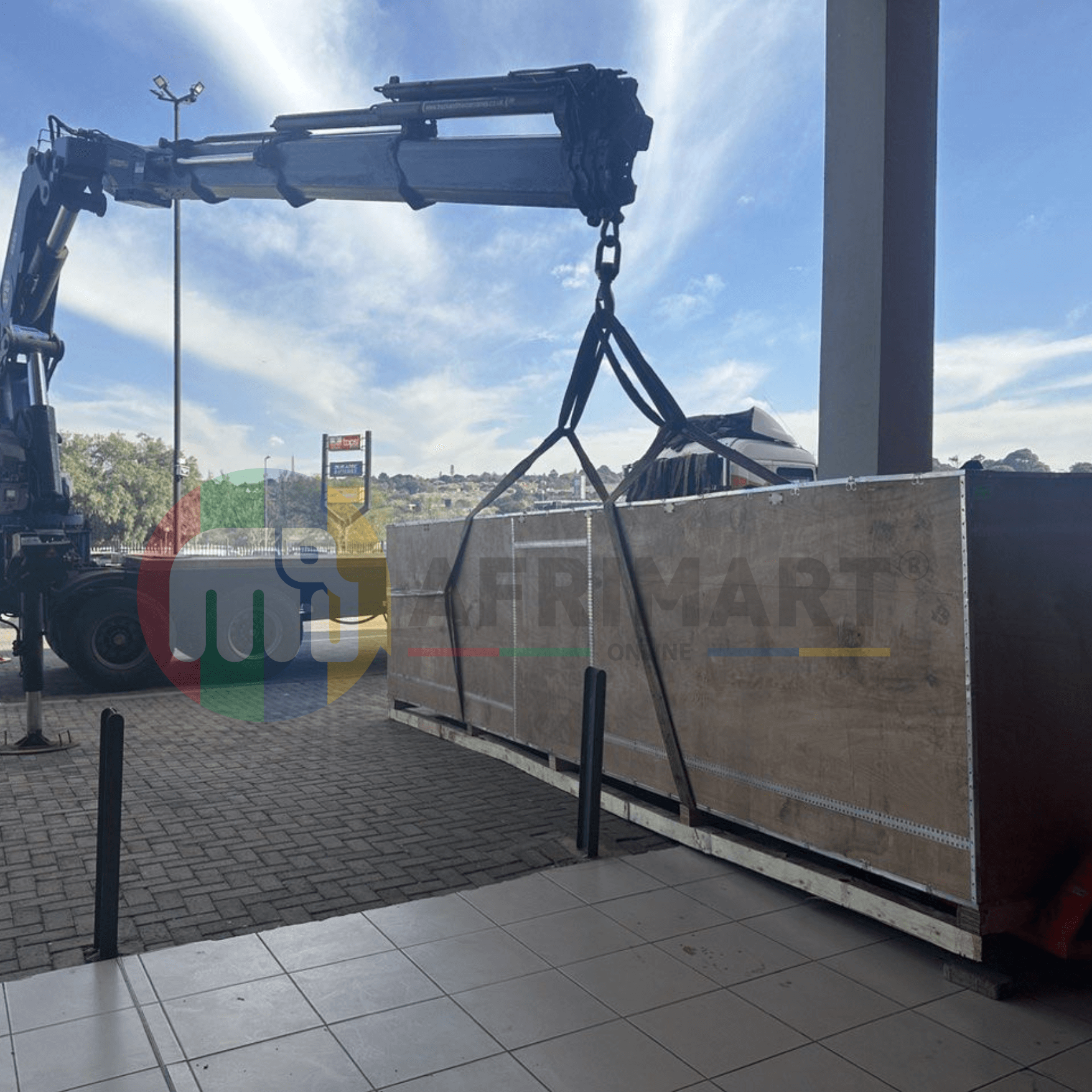
12 Heads Embroidery Machine
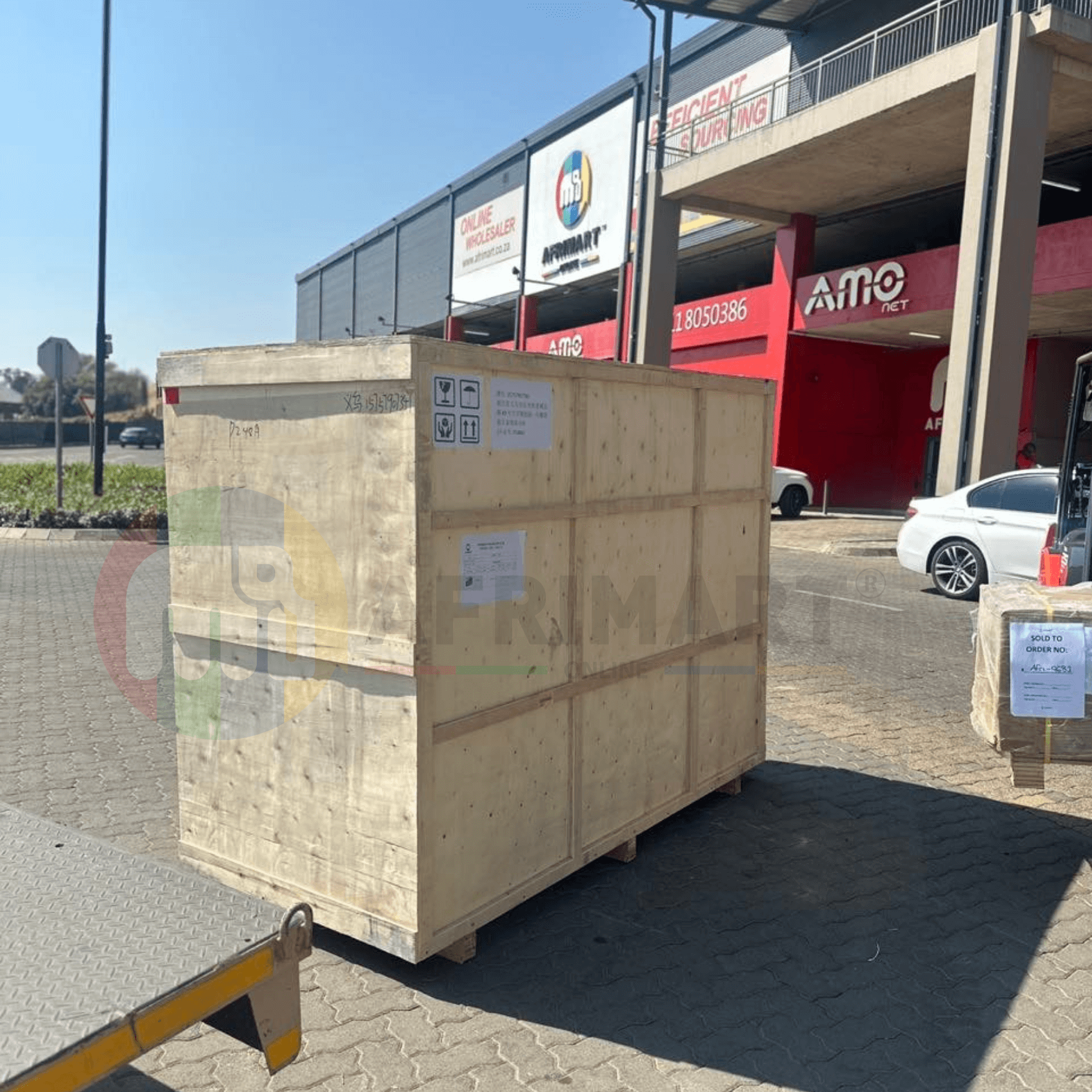
Dewatering Pump Machine
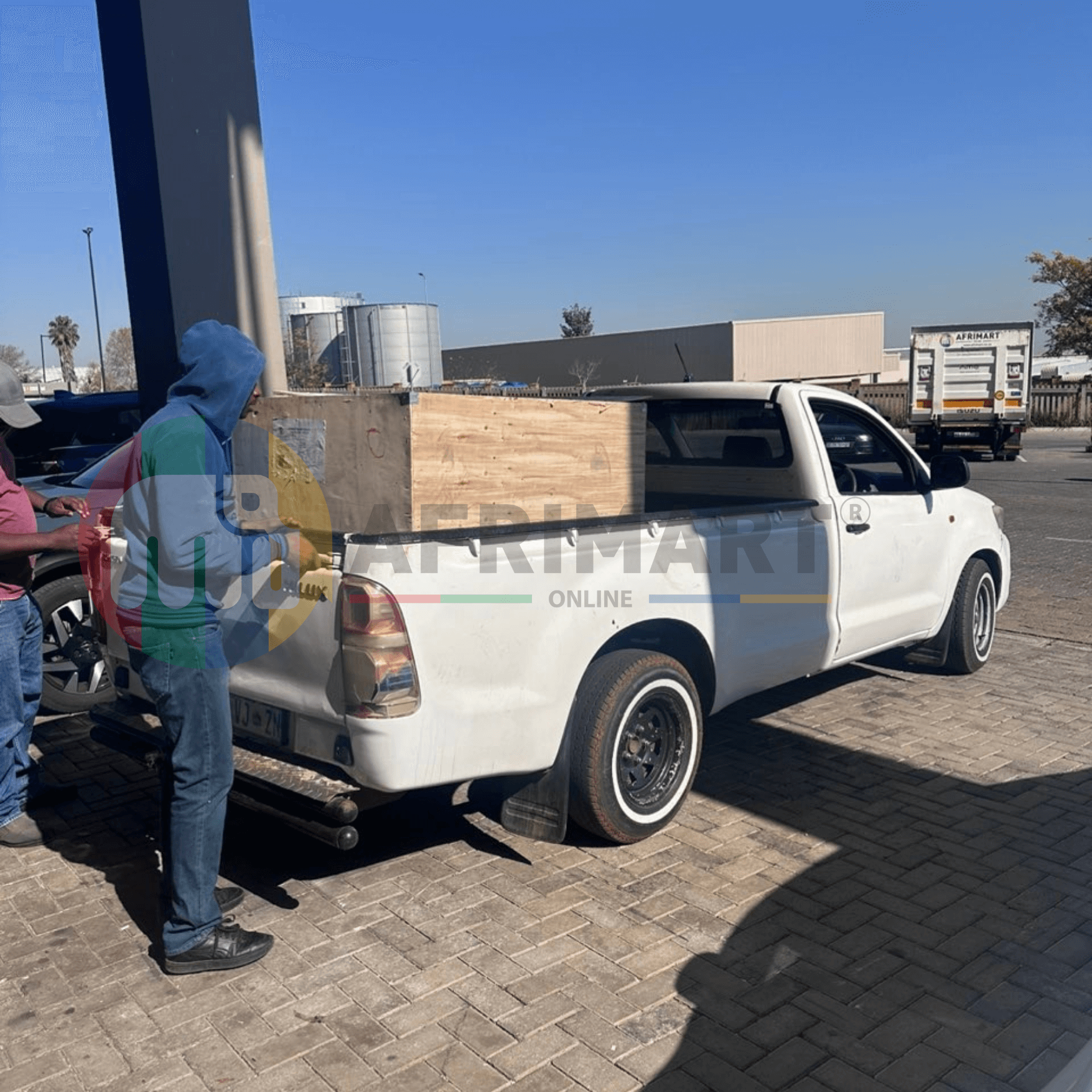
Order Collection
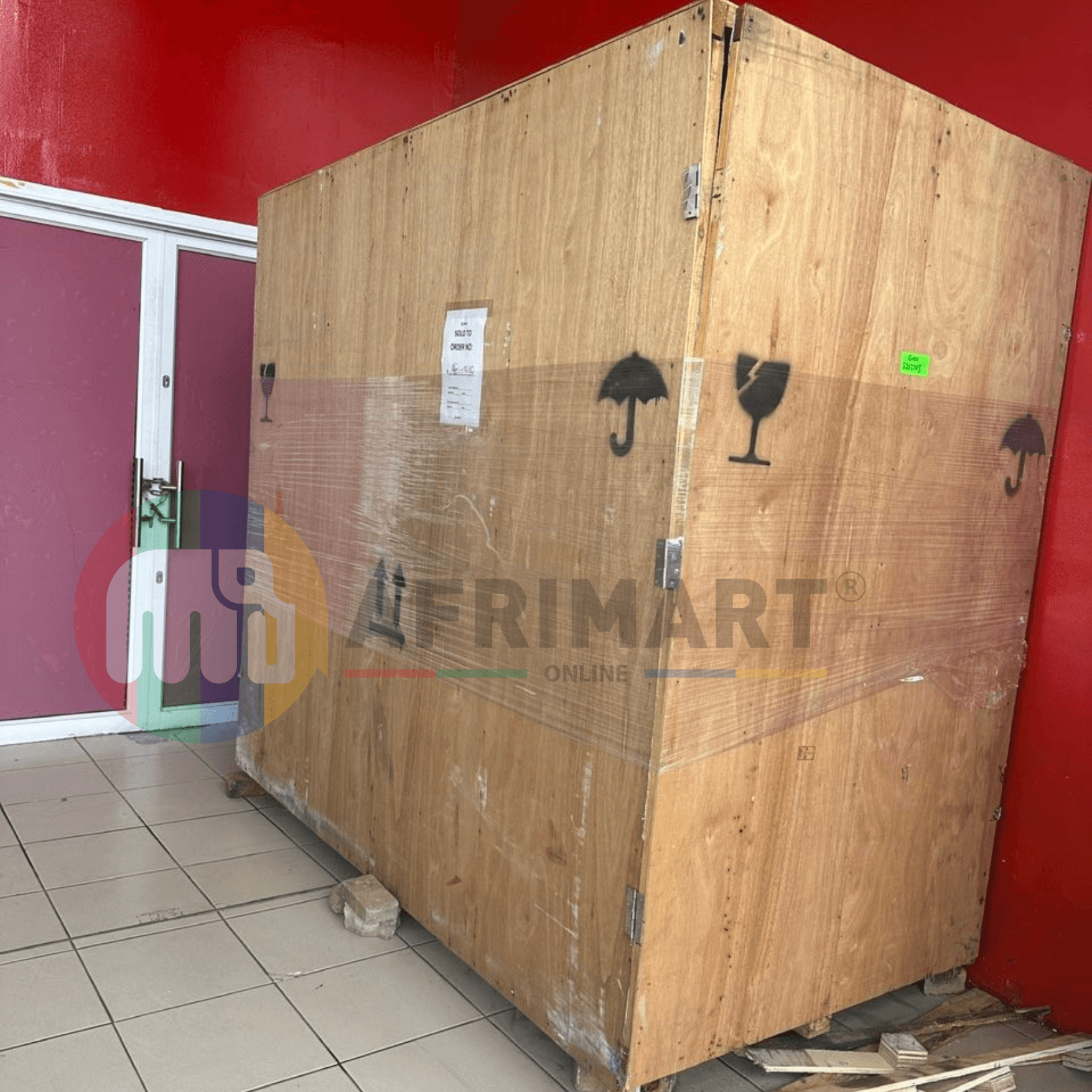
Portable Water Drilling Rig
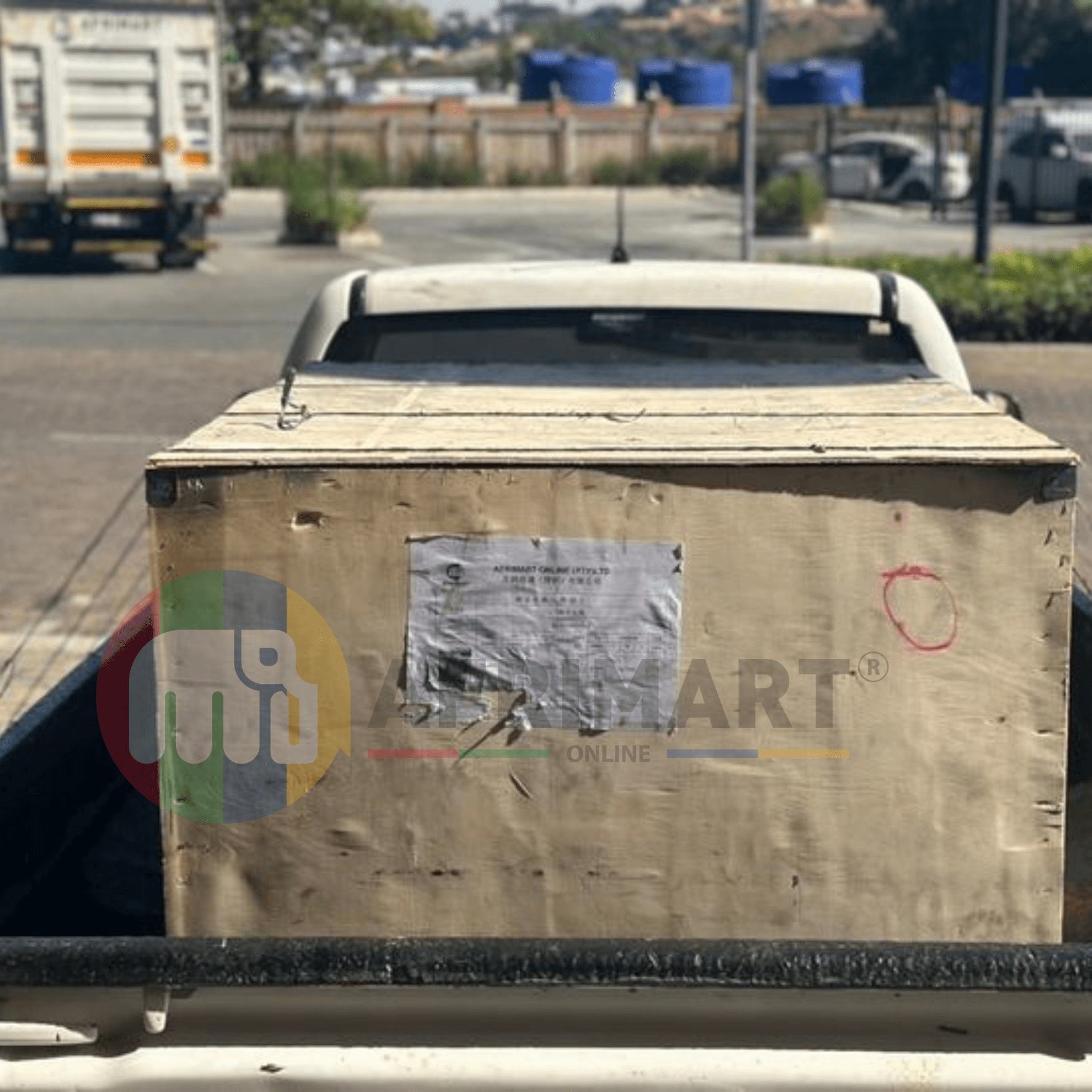
Order Usefully Collected
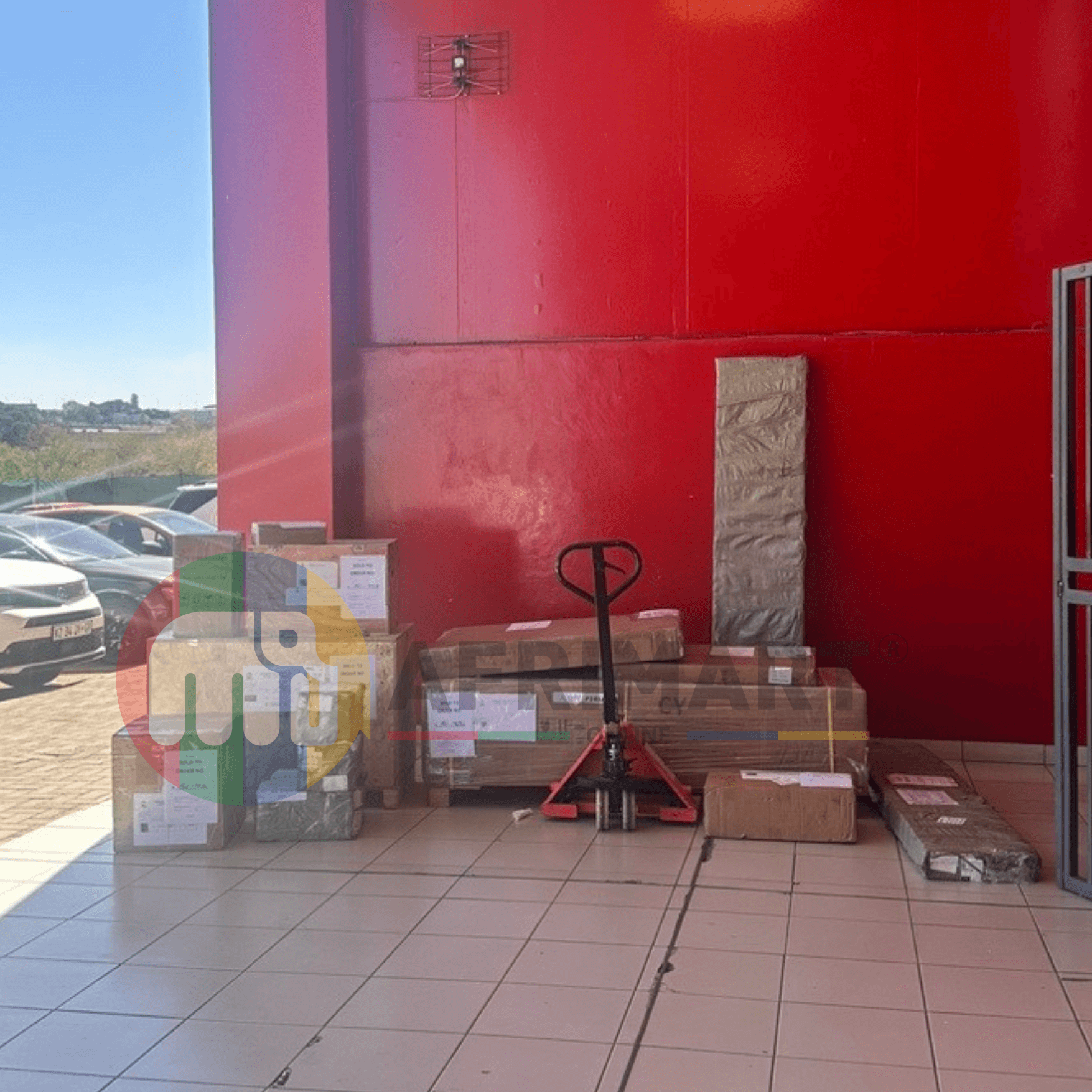
Batch of Orders
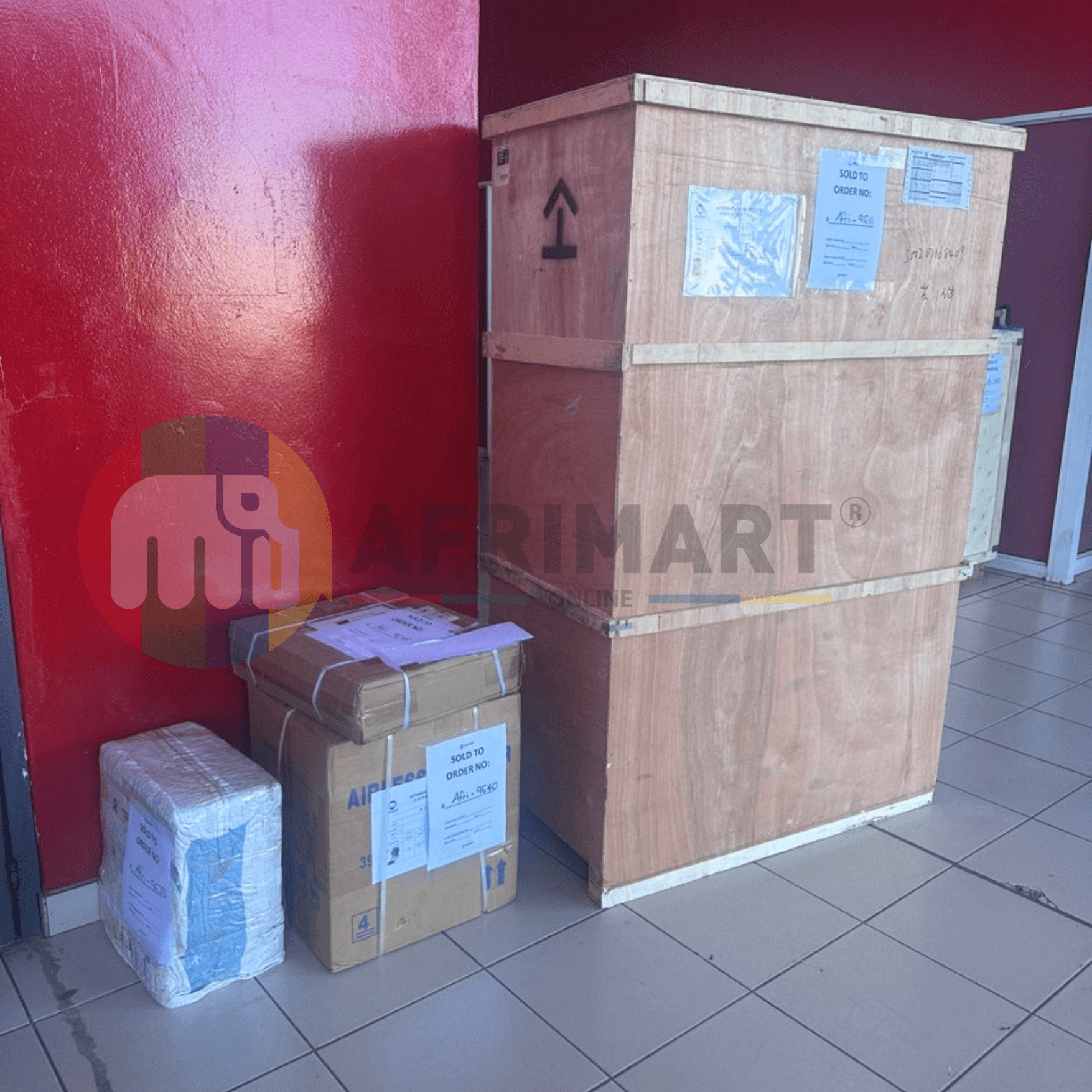
Agriculture Processing Machines
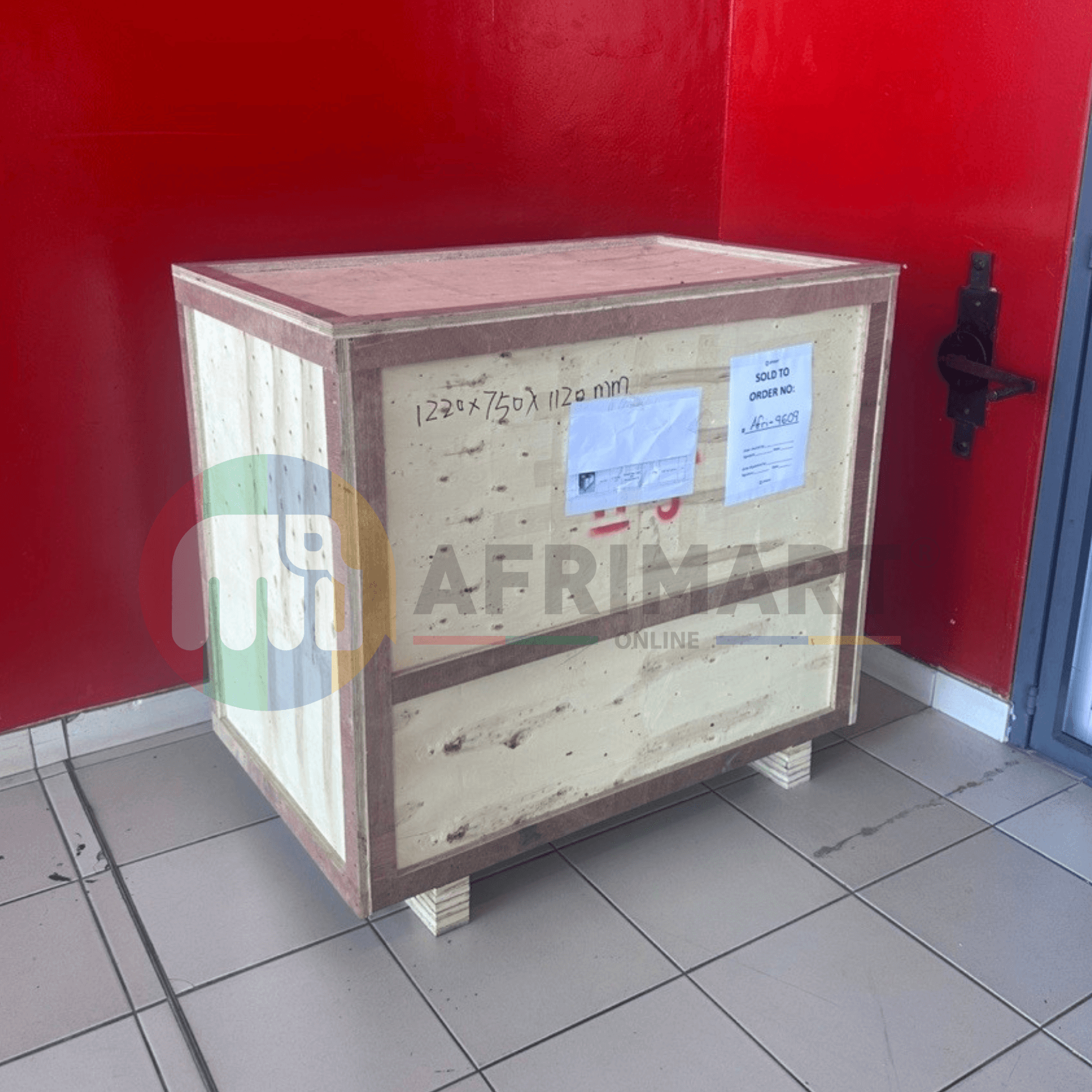
Meat Grinder Machine
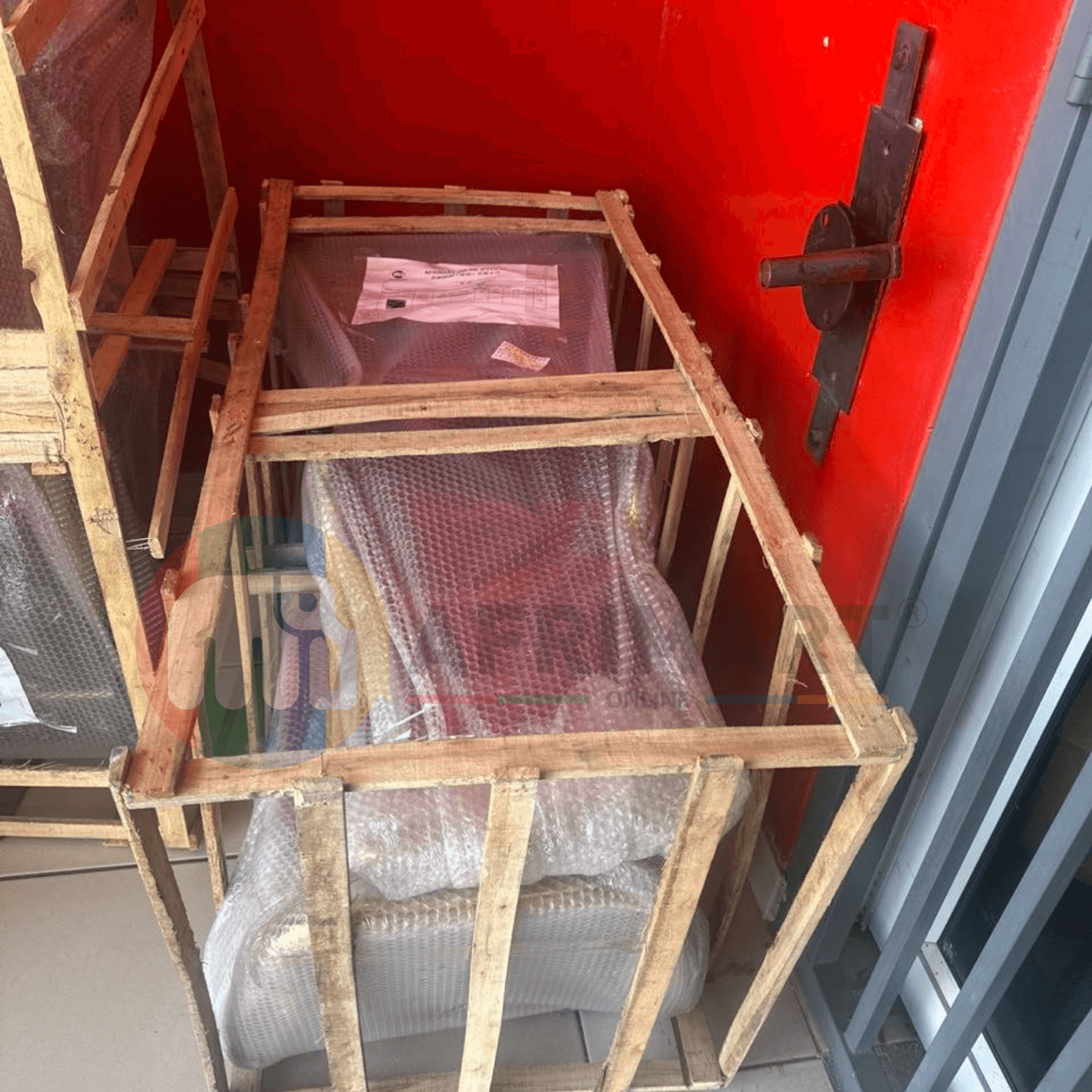
Water Pump Equipment
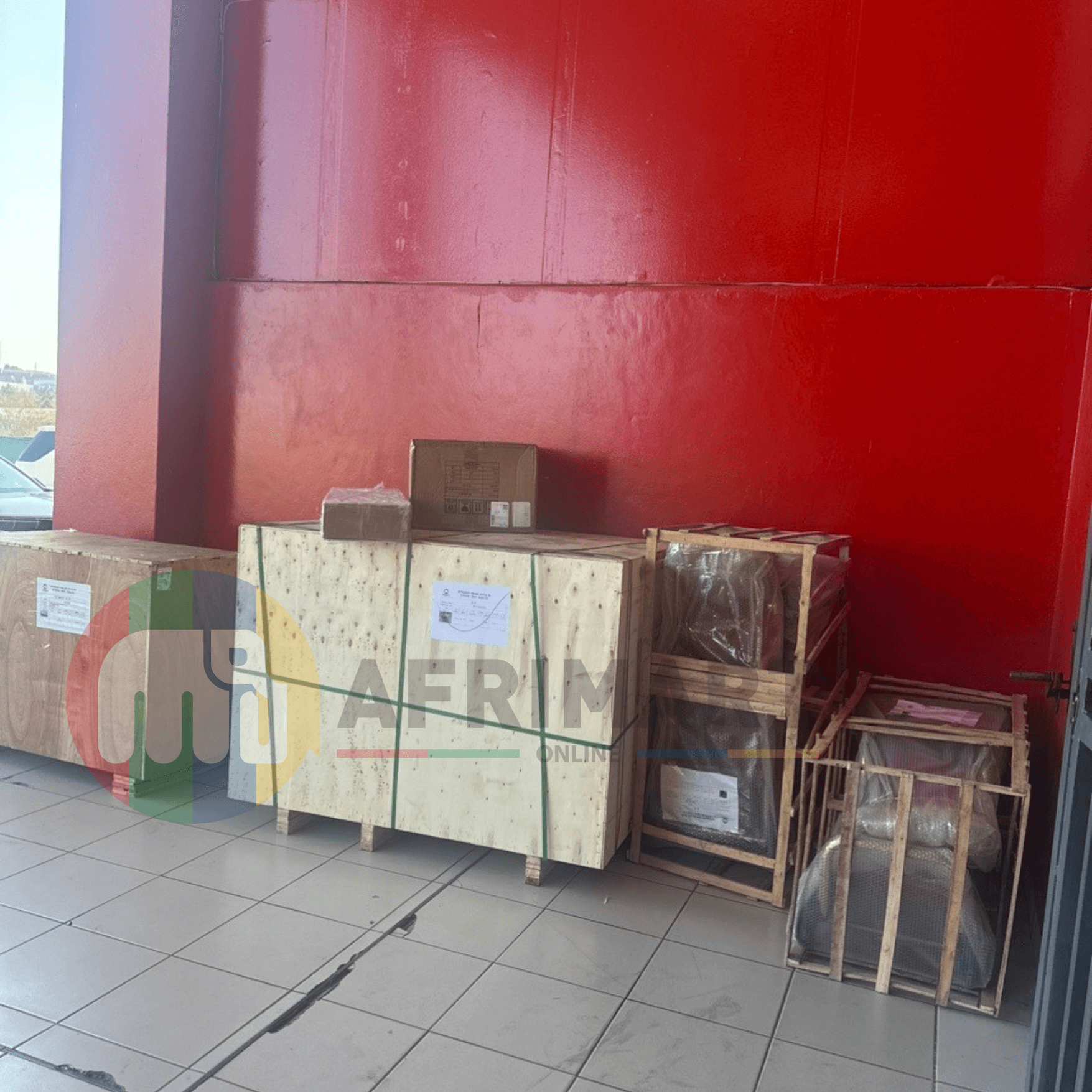
Packaging Machine and accessories
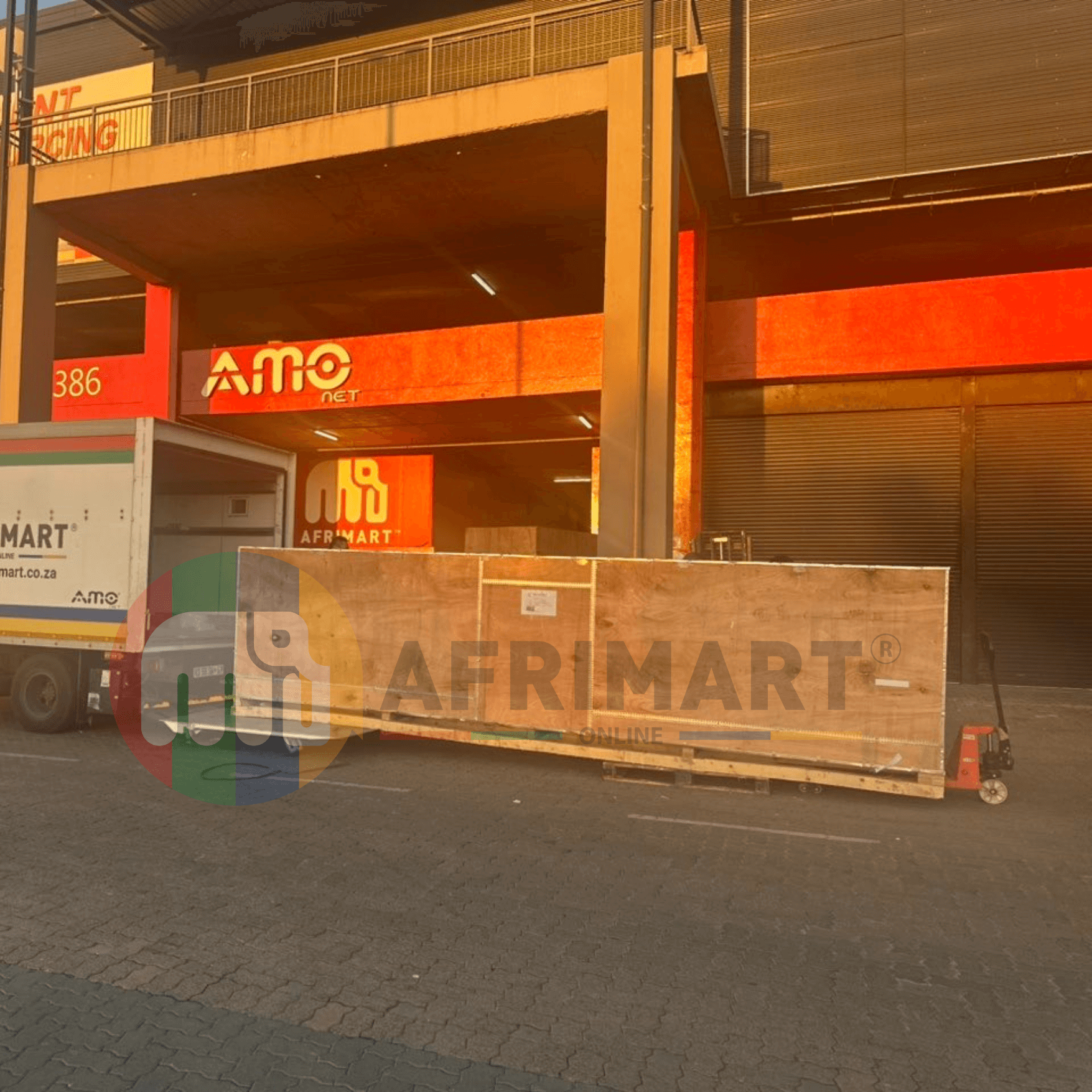
Fabrics Manufacturing Equipment
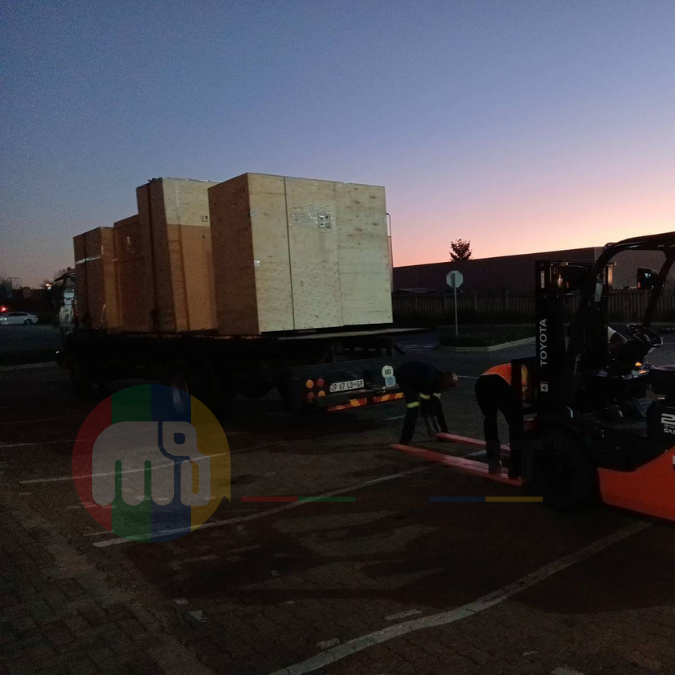
Mining Equipments
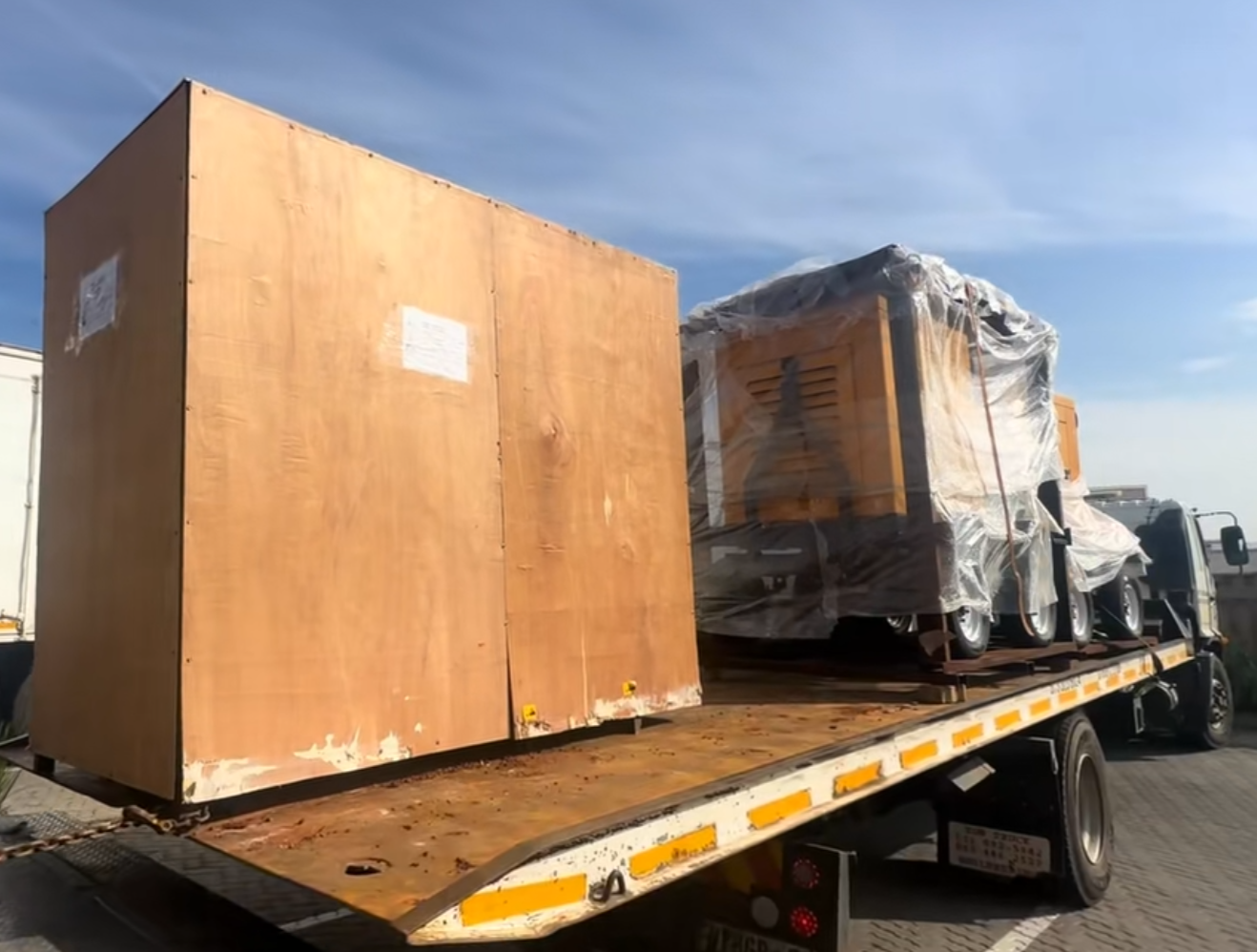
Food Processing Machine
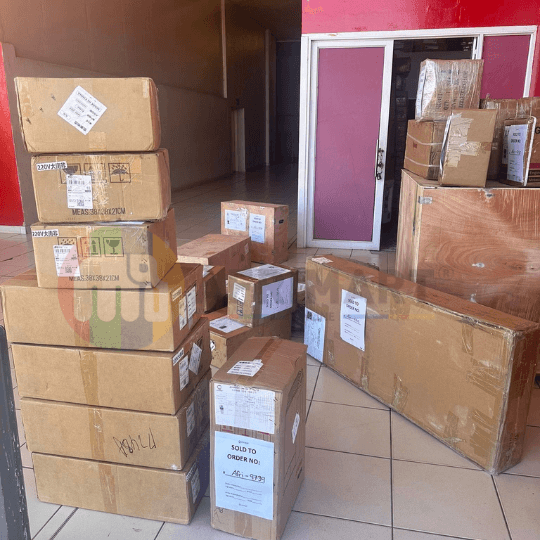
Batch of Orders
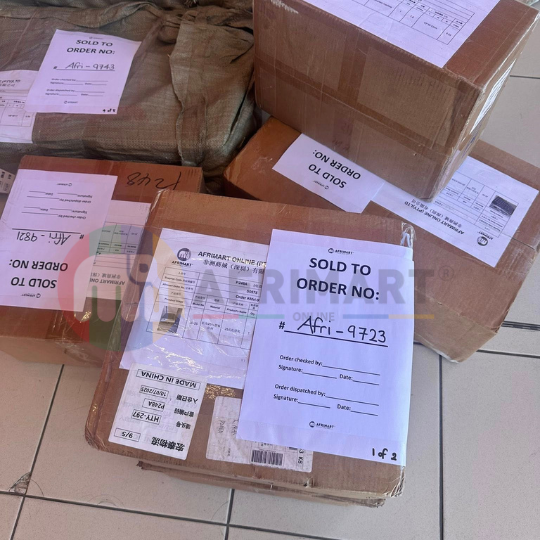
Batch of Orders
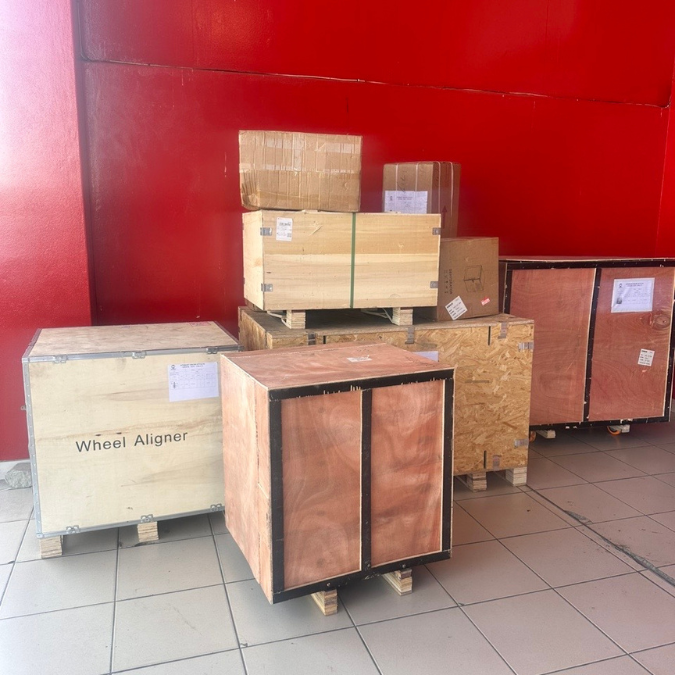
Latest Orders Labelled
wheel alignment machines
new arrivals
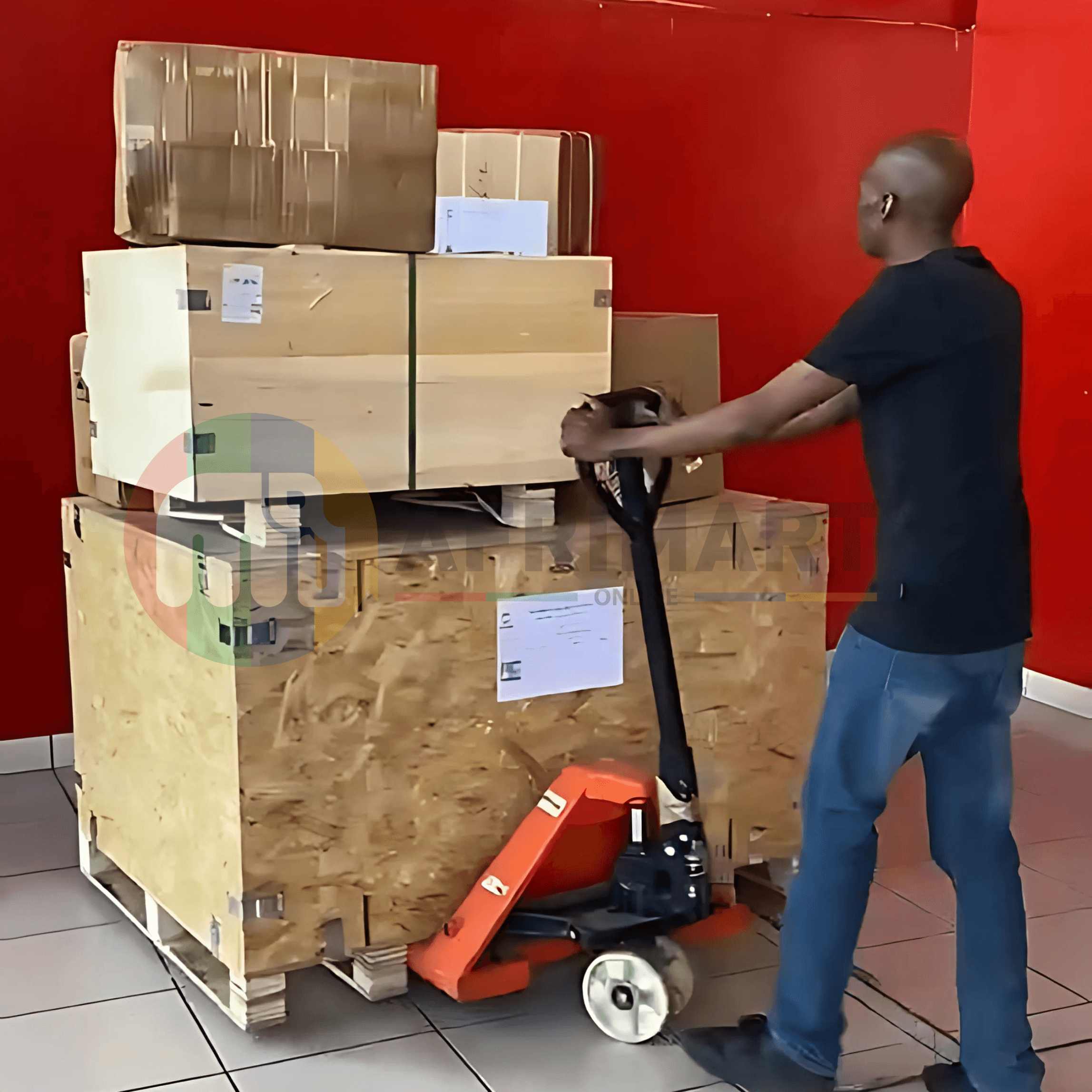
Pre Orders Offloading
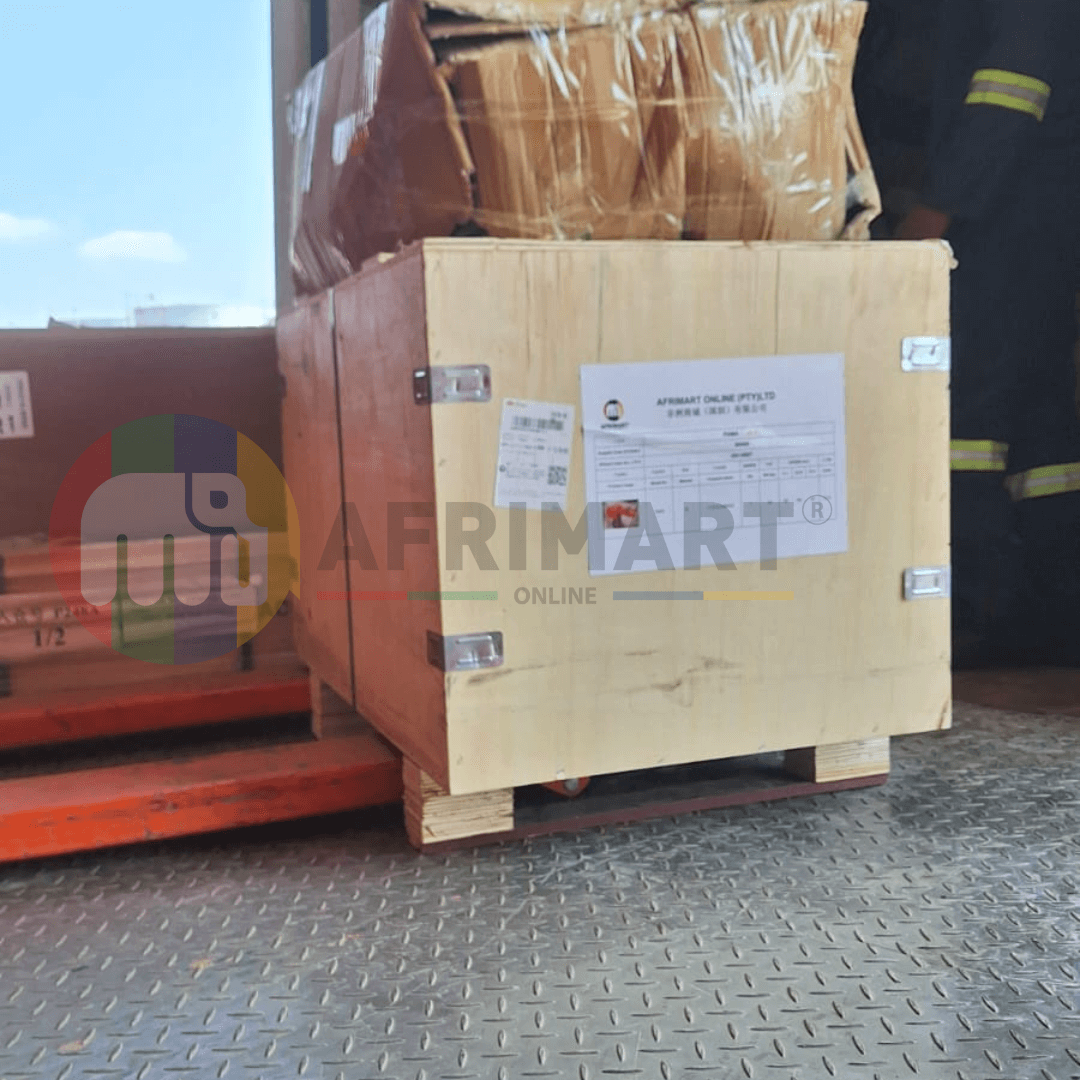
Latest Arrivals
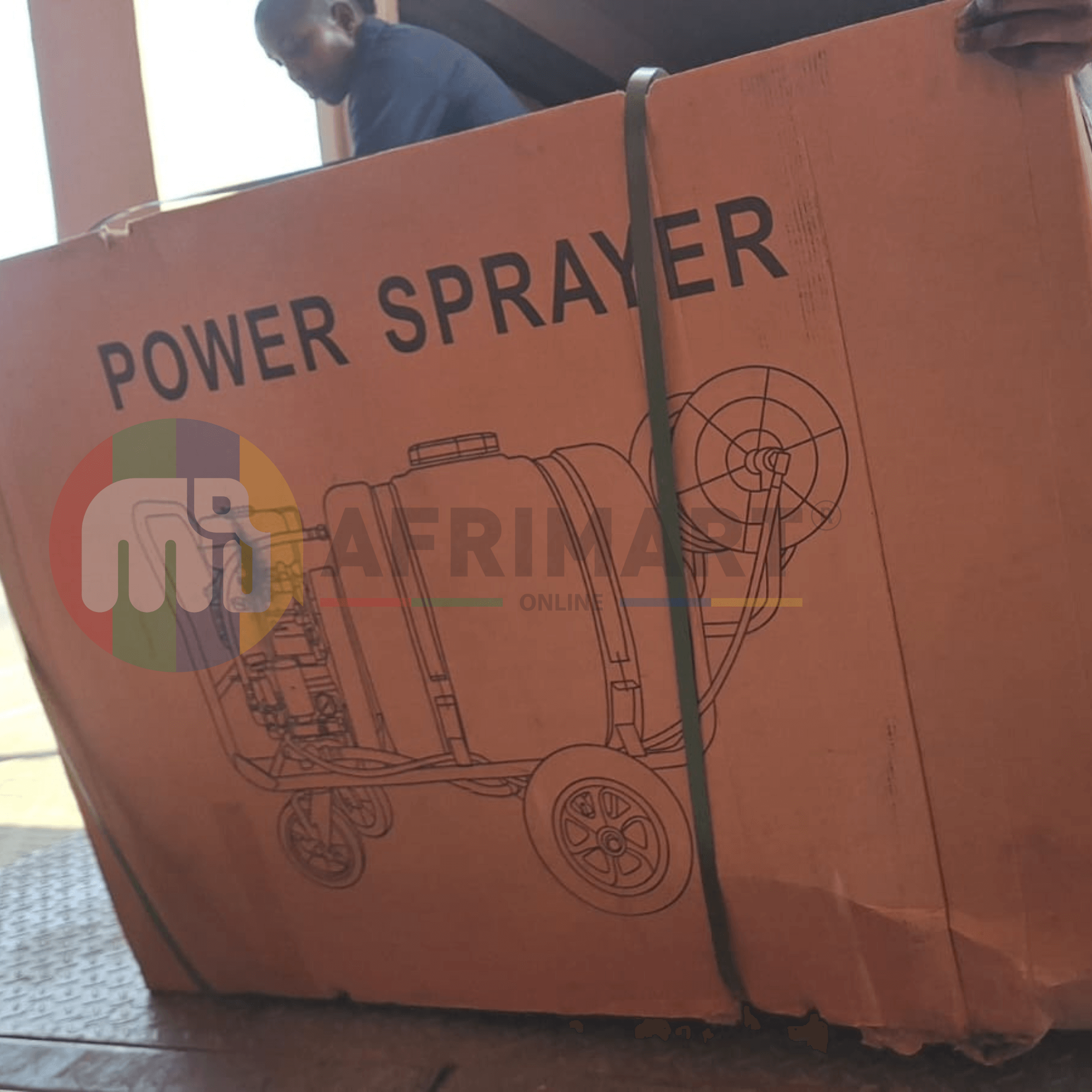
Latest Arrivals