B21, China Town Mall, Midrand

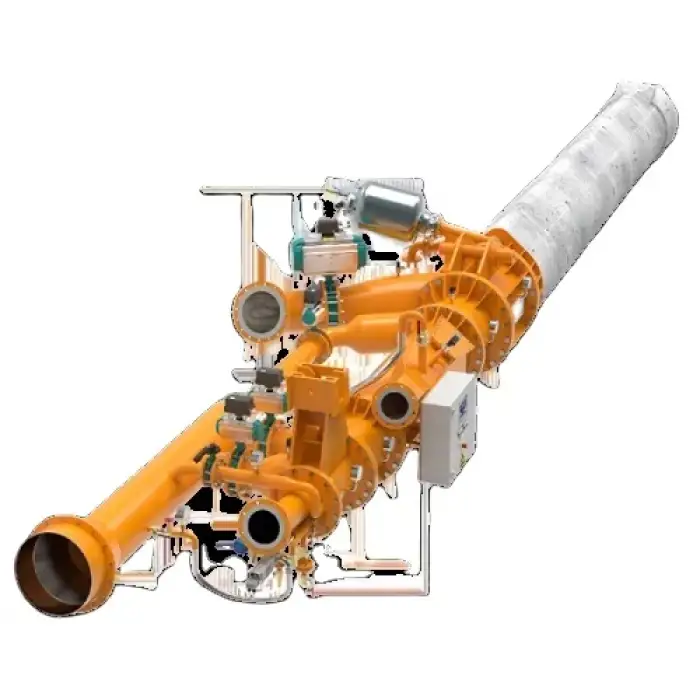
Rotary Kiln Burners Pulverized Coal Burner Rotary Kiln Coal Burner
Asset finance available
Do you want funding for this equipment?
Afrimart can connect you with trusted funding partners who specialise in asset finance for businesses like yours. Compare options and apply in minutes — final approval is subject to provider review.
Check funding options
Secure & no obligation

- Section : Machinery
- Category : Engineering & Construction Machinery
- SKU : 1600126108059

Rotary Kiln Burner
The Rotary Kiln Burner is designed to heat materials to their required temperature in various industrial kilns, utilizing flame and radiation. The burner extends into the kiln head shell through the kiln head cover, with several types of burners available, including coal injection pipes, oil spray guns, and gas nozzles. In applications with lower reaction temperatures, a combustion chamber is placed next to the kiln hood to provide additional heat via hot flue gas.
Key Features:
Wide Power Range:
The rotary kiln burner supports a power range from 200 to 20,000 KW, allowing for flexibility in various kiln sizes and applications.
Fuel Flexibility:
Compatible with a variety of fuels including pulverized coal, natural gas, light and heavy oils, liquefied gases, and mixed oils, providing versatility across different industries.
Application Versatility:
Ideal for kilns in industries such as cement, metallurgy, chemical, building materials, electric power, and more. Specifically designed for use in kilns like cement kilns, pelletizing kilns, lime kilns, lithium kilns, and more.
Customizable Burner Design:
The burners can be customized with two, three, four, or five duct configurations, tailored to meet specific process requirements.
Product Specifications:
| No. | Burner Type | Kiln Type | t/h | m/s (Air Velocity) | Regulation Ratio |
|---|---|---|---|---|---|
| 20010 | BNRK 1200 | 1200T/D | 3-5 | 25-30 | 1:8 |
| 20011 | BNRK 2000 | 2000T/D | 4-6 | 25-30 | 1:8 |
| 20012 | BNRK 2500 | 2500T/D | 5-8 | 25-30 | 1:8 |
| 20013 | BNRK 3000 | 3000T/D | 6-9 | 25-30 | 1:8 |
| 20014 | BNRK 3200 | 3200T/D | 6-9 | 25-30 | 1:8 |
| 20015 | BNRK 4000 | 4000T/D | 8-12 | 25-30 | 1:8 |
| 20016 | BNRK 4500 | 4500T/D | 9-15 | 25-30 | 1:8 |
| 20017 | BNRK 5000 | 5000T/D | 10-18 | 25-30 | 1:8 |
Main Applications:
- Cement Kilns
- Pelletizing Kilns
- Lime Kilns
- Lithium Kilns
- Magnesia Kilns
- Alumina Kilns
- Chromite Kilns
- Beneficiation Kilns
This rotary kiln burner offers durable, energy-efficient, and customizable solutions for industrial heating applications, ensuring optimal performance in demanding kiln operations.


Right elevation

Left elevation

Front elevation

Rotary Kiln Burners

Rotary Kiln Burners


- Shipping Timeframes: All orders are processed within 2-5 business days (excluding weekends and holidays). After your order has been processed, the estimated delivery time is before 10 Aug, 2026, depending on customs, Please note that due to high demand, some items may experience longer shipping times, which will be communicated at order confirmation email.
- Order Processing Time: Please allow 2-5 business days for us to process your order before it is shipped . Orders placed after 16:00 on Fridays, or during weekends and public holidays, will begin processing on the next business day. Processing times may be extended during peak seasons or sales events.
- Manufacturing Time: Some products needs manufacturing time, the manufacturing process will take approximately 10-30 business days depending on the product. This timeframe may vary depending on the complexity of the product and current demand. but this will be communicated with you during order confirmation.
- Returns and Exchanges: We offer a 30-day return policy for most items. If you are not completely satisfied with your purchase, you may return it within 30 days of receipt for a refund or exchange. Items must be unused, in their original packaging, and accompanied by proof of purchase. Return shipping costs are the responsibility of the customer, unless the item was damaged or defective upon arrival.
1. What types of fuels can the Rotary Kiln Burner utilize?
The Rotary Kiln Burner is compatible with a variety of fuels including pulverized coal, natural gas, light and heavy oils, liquefied gases, and mixed oils.
2. What is the power range supported by the Rotary Kiln Burner?
The Rotary Kiln Burner supports a power range from 200 to 20,000 KW, allowing for flexibility in various kiln sizes and applications.
3. In which industries can the Rotary Kiln Burner be applied?
The Rotary Kiln Burner is ideal for use in industries such as cement, metallurgy, chemical, building materials, and electric power.
4. Can the Rotary Kiln Burner be customized for specific applications?
Yes, the burners can be customized with two, three, four, or five duct configurations tailored to meet specific process requirements.
5. What types of kilns are suitable for the Rotary Kiln Burner?
The burner is specifically designed for use in cement kilns, pelletizing kilns, lime kilns, lithium kilns, magnesia kilns, alumina kilns, chromite kilns, and beneficiation kilns.
6. How does the Rotary Kiln Burner achieve heating?
The Rotary Kiln Burner utilizes flame and radiation to heat materials to their required temperature within the kiln.
7. Is there an option for additional heat generation?
Yes, in applications with lower reaction temperatures, a combustion chamber can be placed next to the kiln hood to provide additional heat via hot flue gas.
8. What is the air velocity regulation ratio for the Rotary Kiln Burner?
The air velocity regulation ratios vary by burner type and can be found in the product specifications section, with values ranging from 3 to 10.
9. What is the main advantage of using a Rotary Kiln Burner?
The main advantages include durability, energy efficiency, and customizable solutions for industrial heating applications, ensuring optimal performance in demanding kiln operations.
10. How does the installation of the Rotary Kiln Burner work?
The Rotary Kiln Burner extends into the kiln head shell through the kiln head cover, allowing for direct integration into existing kiln systems.
11. What maintenance is required for the Rotary Kiln Burner?
Regular maintenance should include inspection of the burner components, cleaning of fuel supply lines, and checks for wear and tear to ensure optimal performance.
12. Can the Rotary Kiln Burner operate under varying temperature conditions?
Yes, the Rotary Kiln Burner is designed to operate effectively under various temperature conditions, making it suitable for different industrial applications.
13. What are the dimensions of the Rotary Kiln Burner?
The dimensions and specifications for each burner type, including the air velocity and capacity, can be found in the product specifications section of the documentation.
14. How does the burner enhance the efficiency of kiln operations?
The Rotary Kiln Burner enhances efficiency by providing precise control over the heating process and utilizing various fuel types, leading to optimized energy consumption.
15. What safety measures are integrated into the Rotary Kiln Burner design?
Safety measures include robust construction materials, flame monitoring systems, and emergency shut-off mechanisms to ensure safe operation under industrial conditions.
Latest Order Arrivals
Discover our latest orders
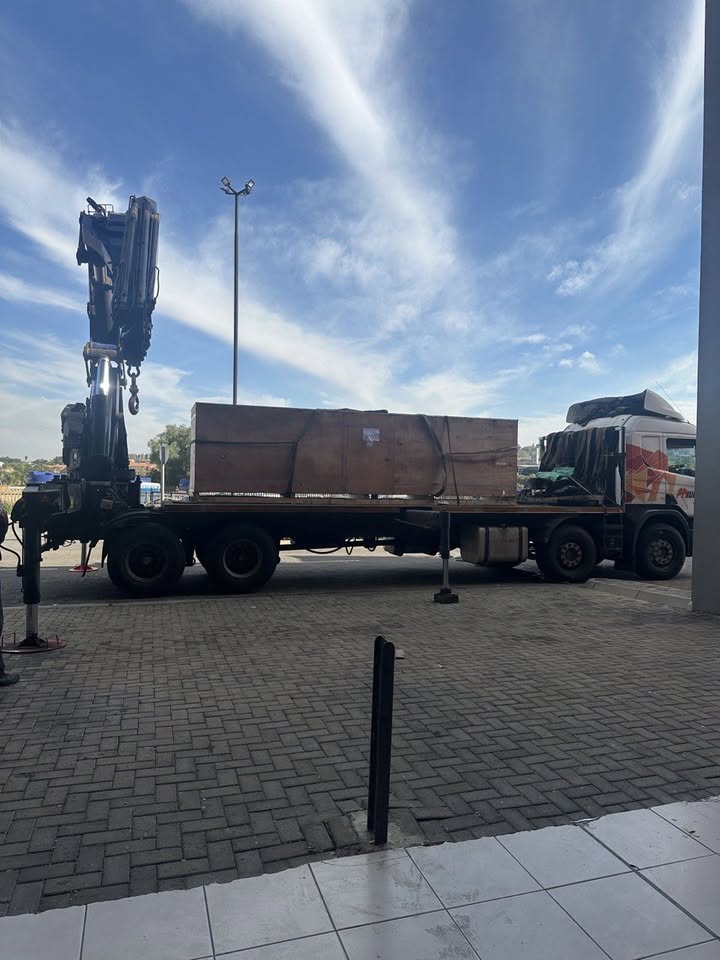
12 Heads Embroidery Machine
Toilet Paper Machine Machine
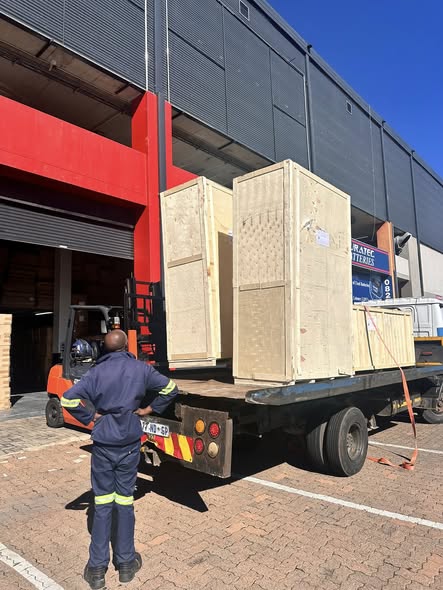
Order Collection
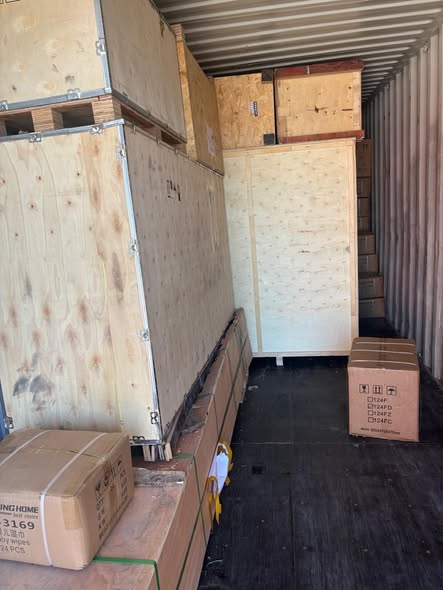
Cross Border Clients
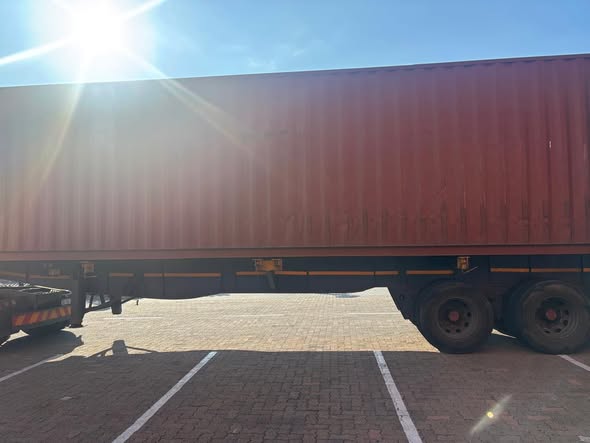
Order cros border countries Collected
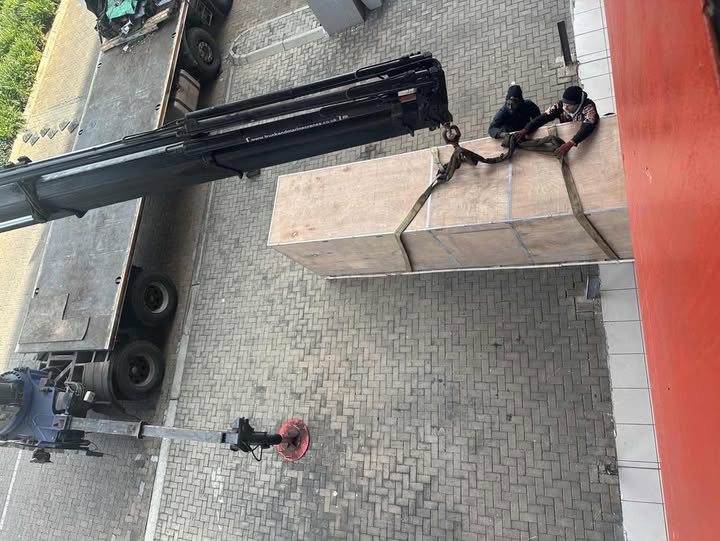
Industrial Machine Cllection
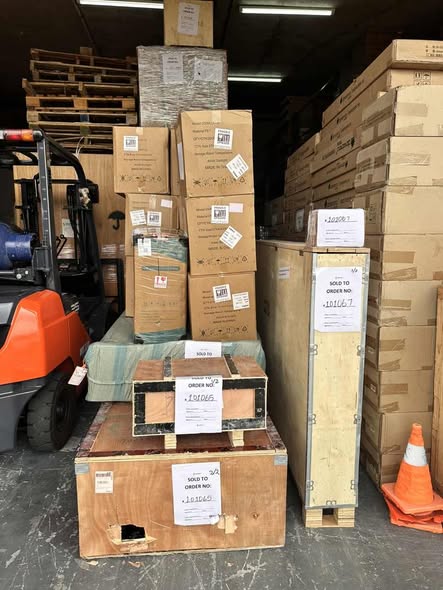
Agriculture Processing Machines
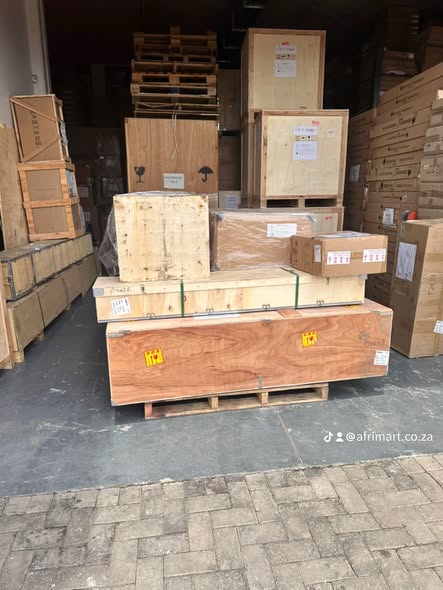
Ready for collection
Water Pump Equipment
Packaging Machine and accessories
Fabrics Manufacturing Equipment
Mining Equipments
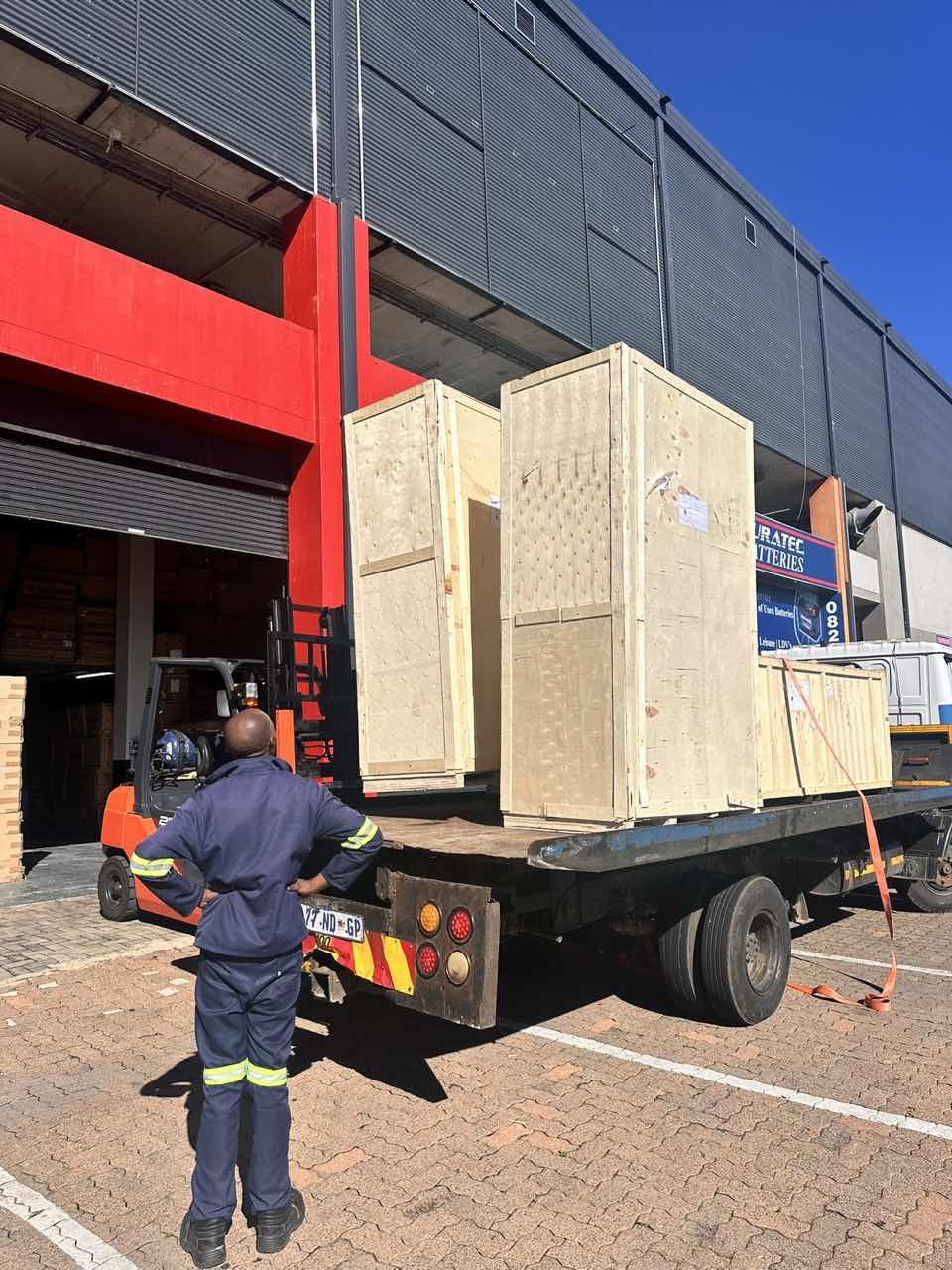
Food Processing Machine
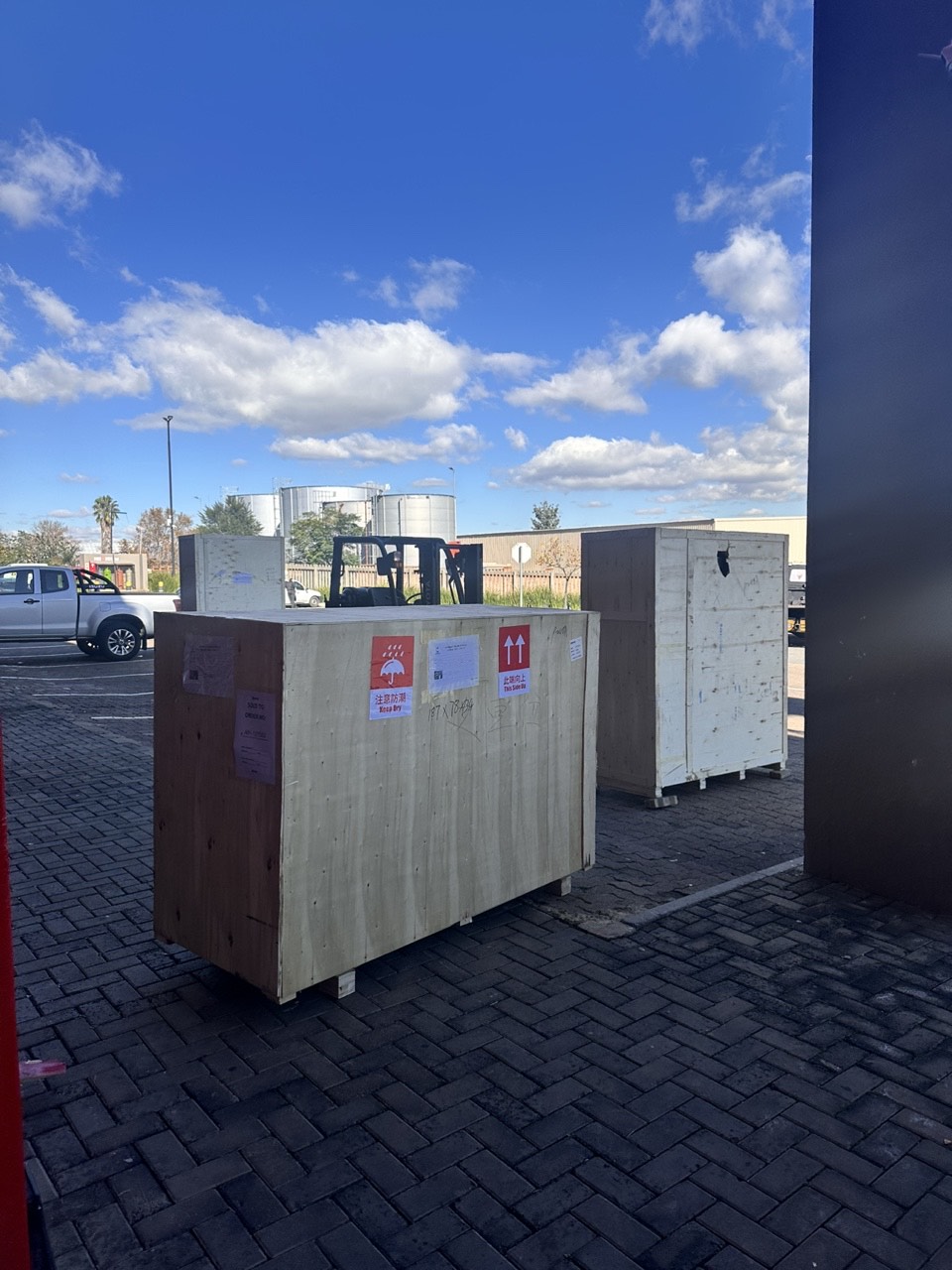
Batch of Orders
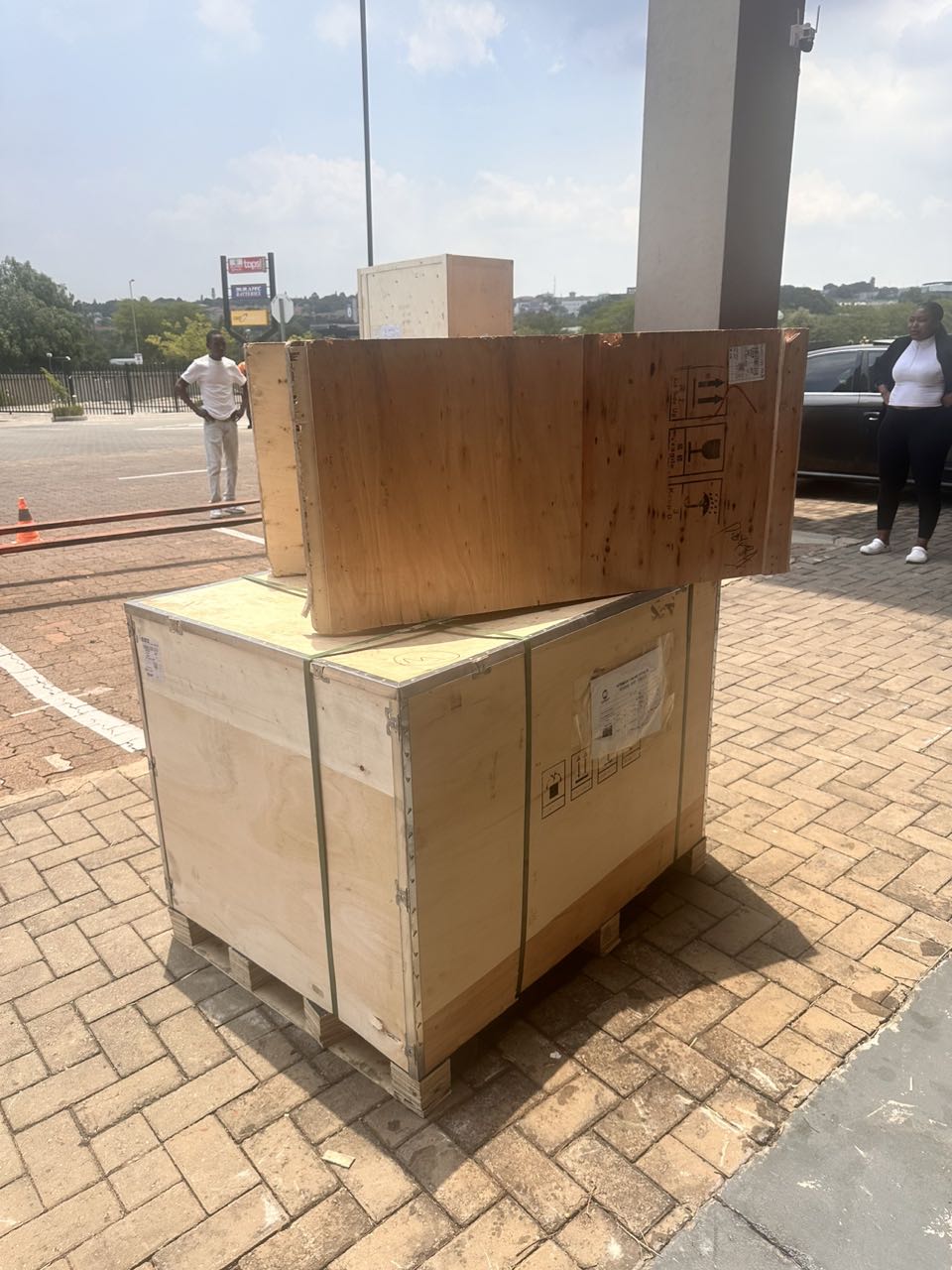
Batch of Orders
Latest Orders Labelled
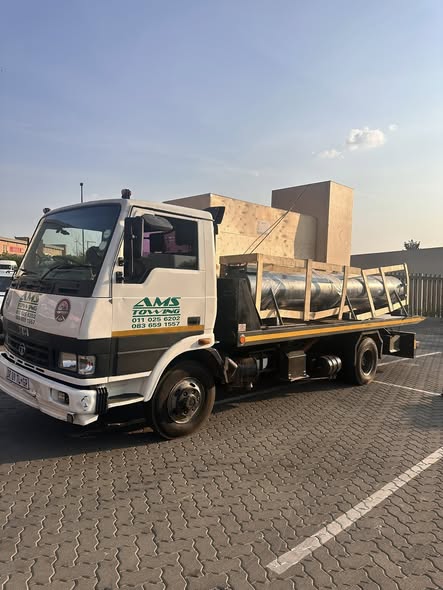
wheel alignment machines
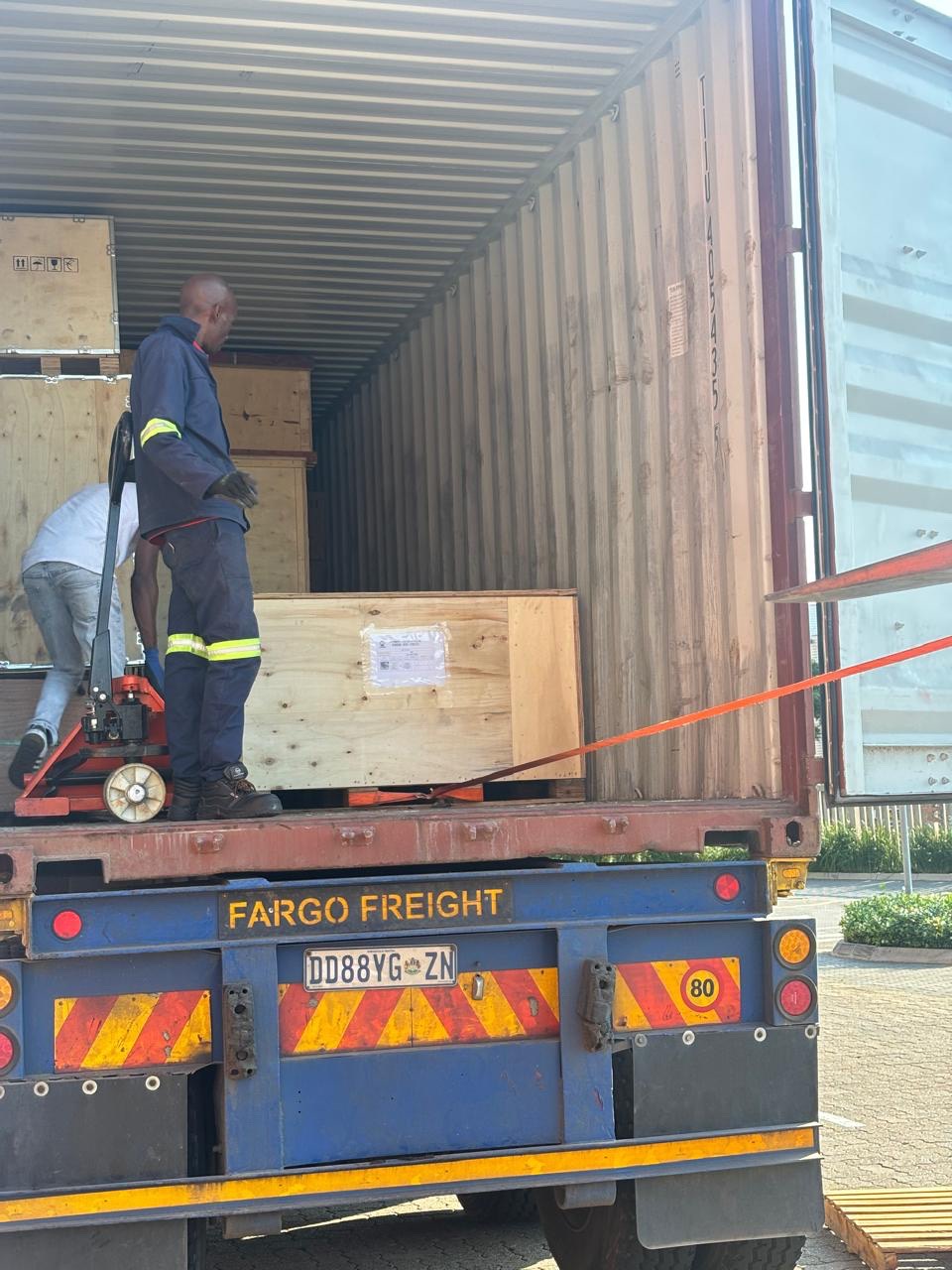
new arrivals
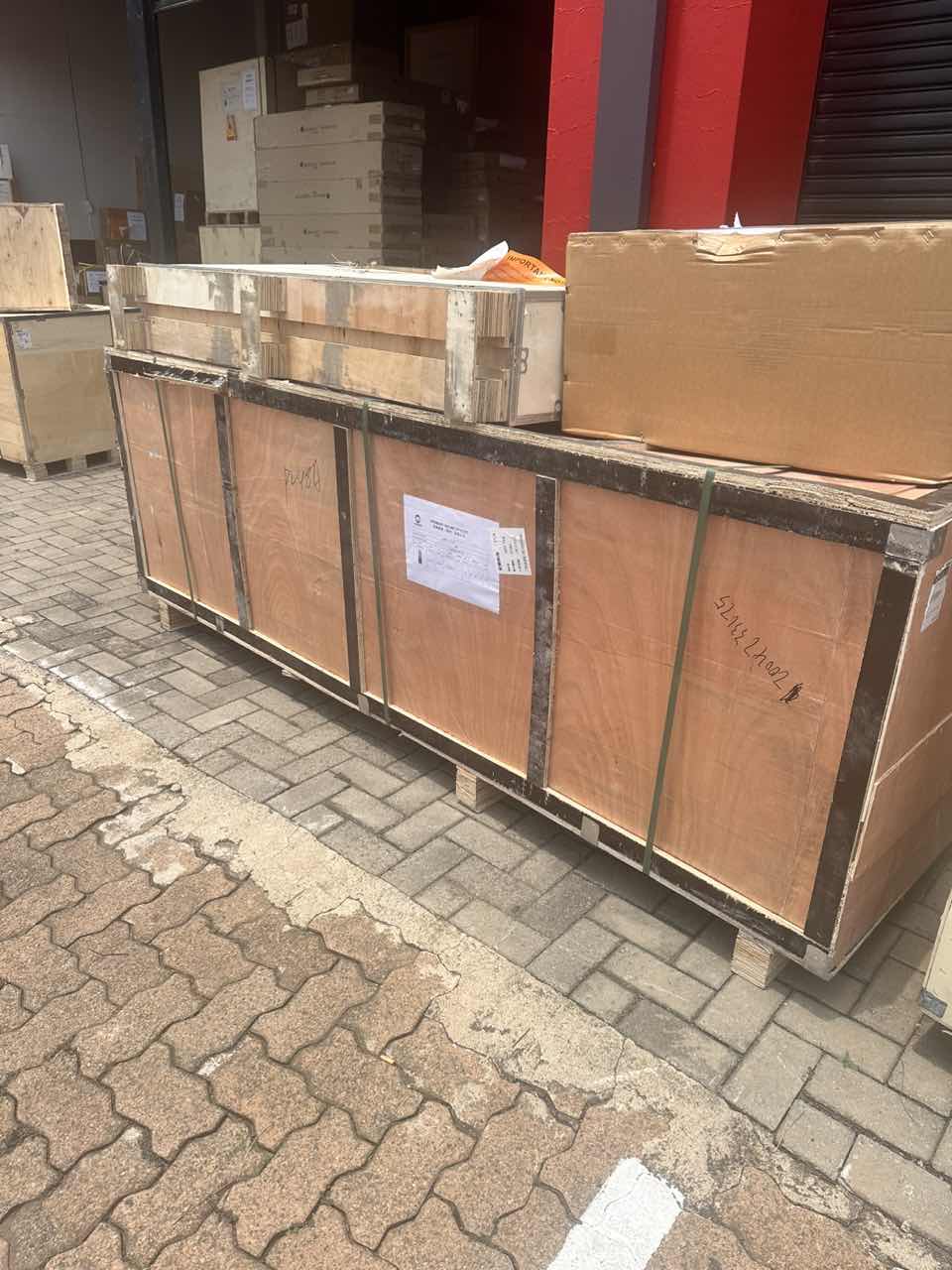
Pre Orders Offloading
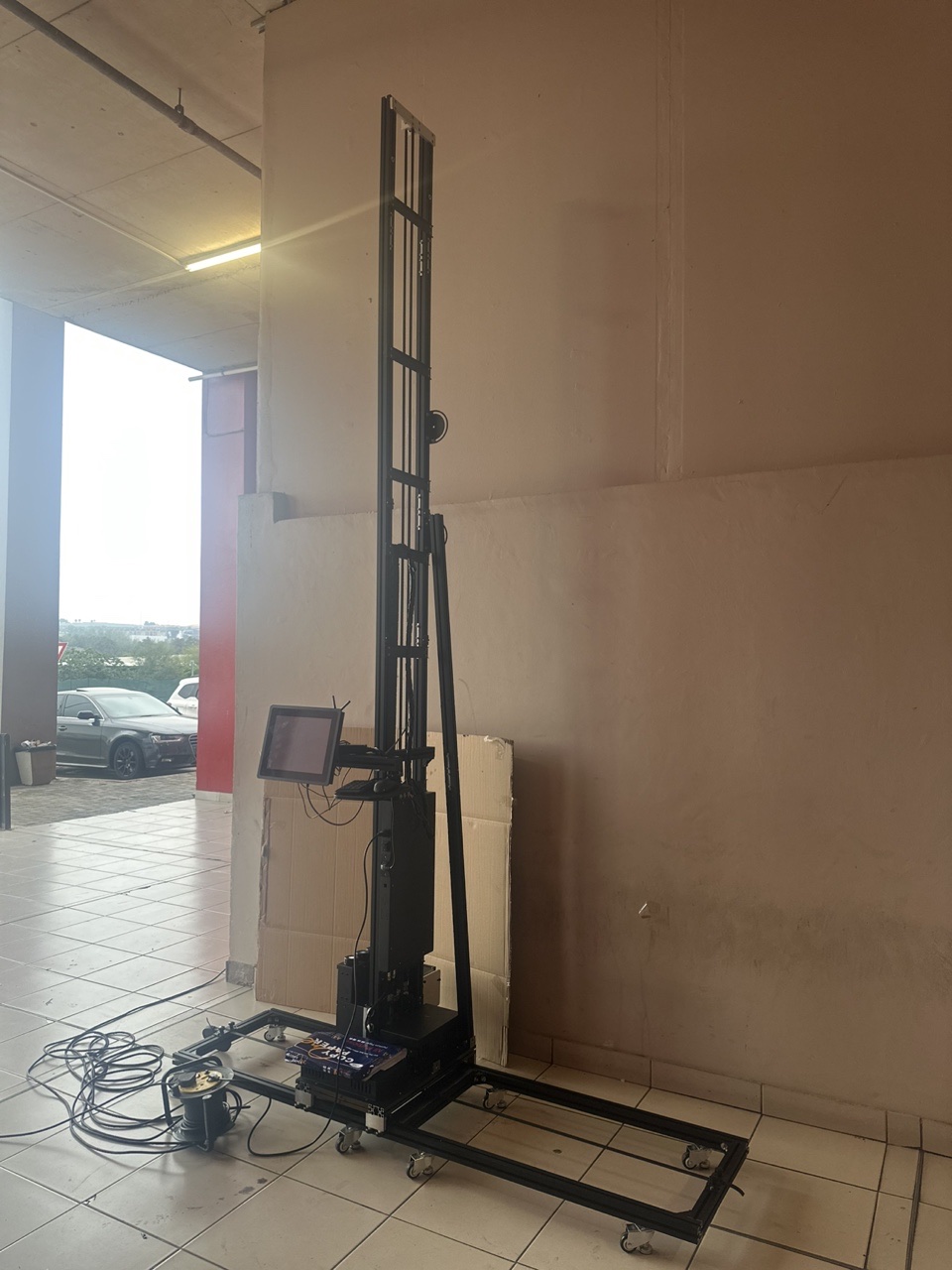
Latest Arrivals
Latest Arrivals
Latest Arrivals
Loading
Toilet paper making machine
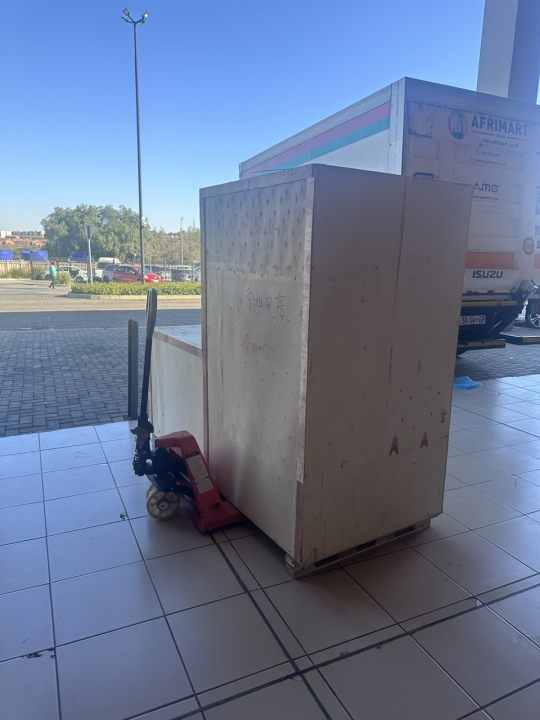
Toilet paper making machine
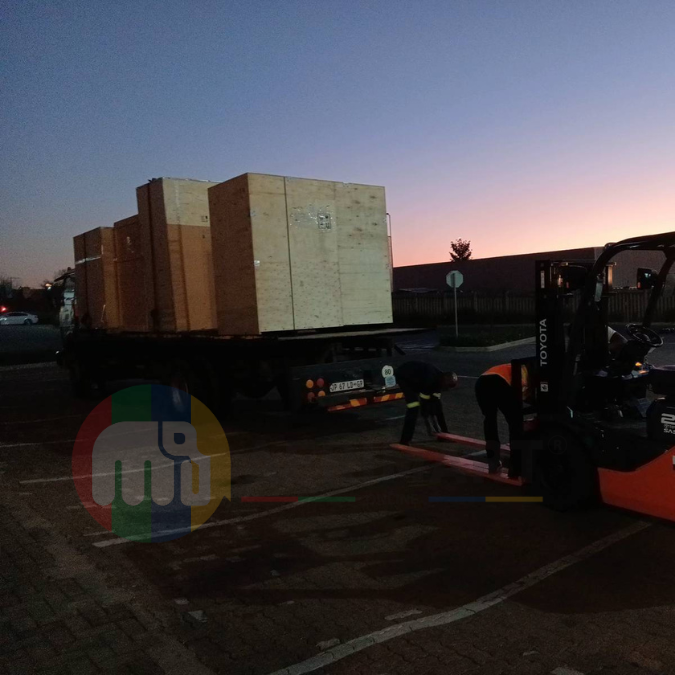
Toilet paper Rewinding Machine
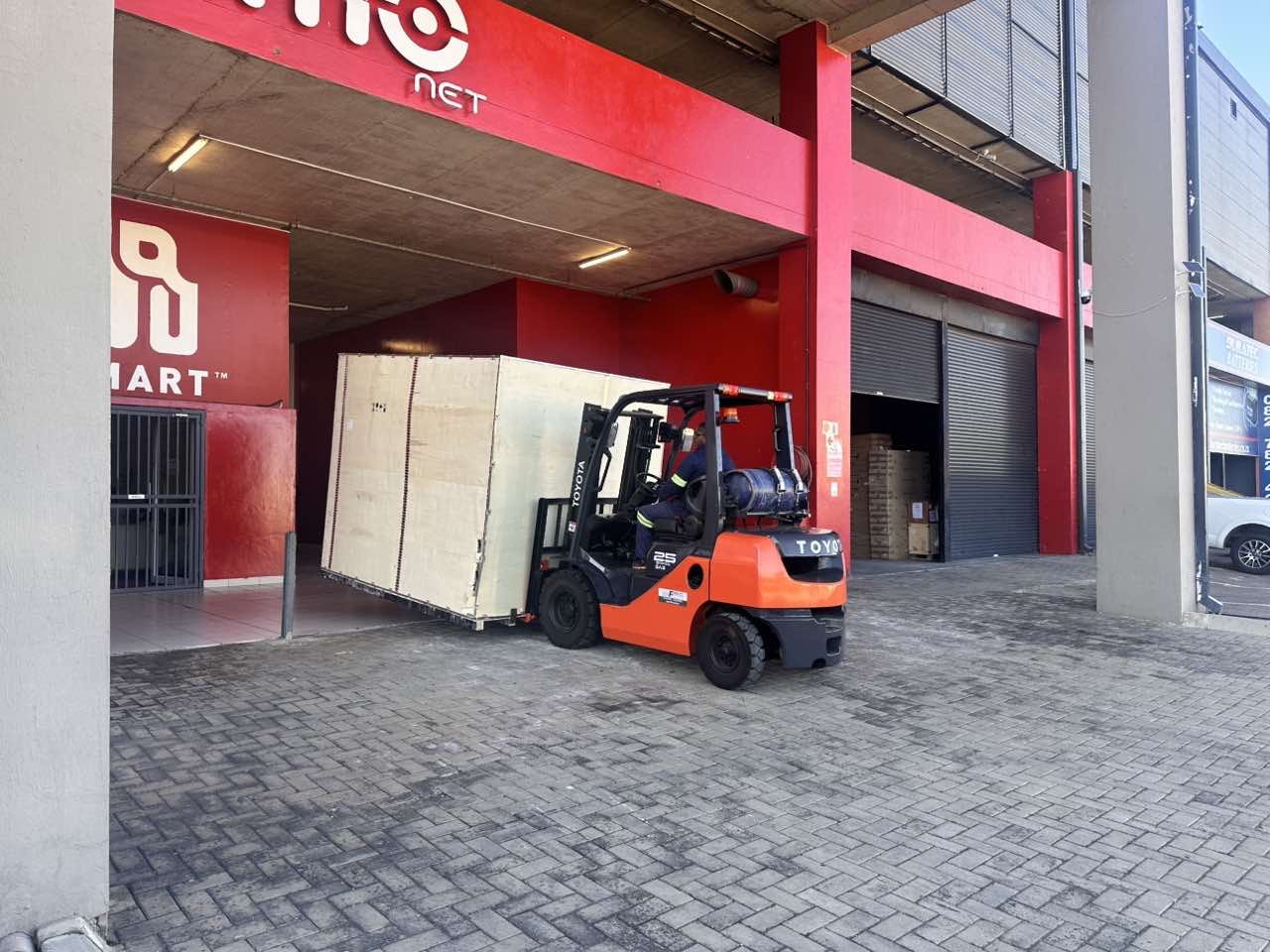
latest arrivals
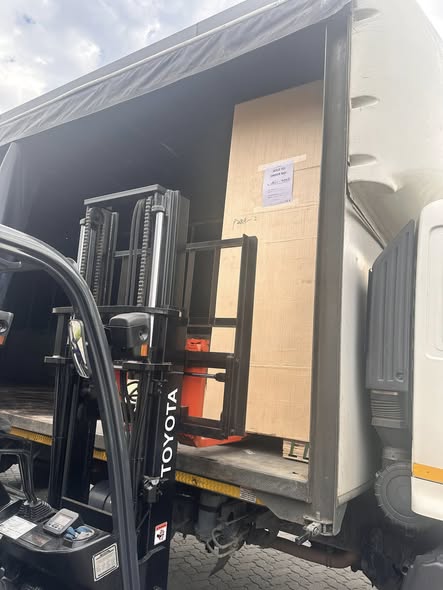
offloading
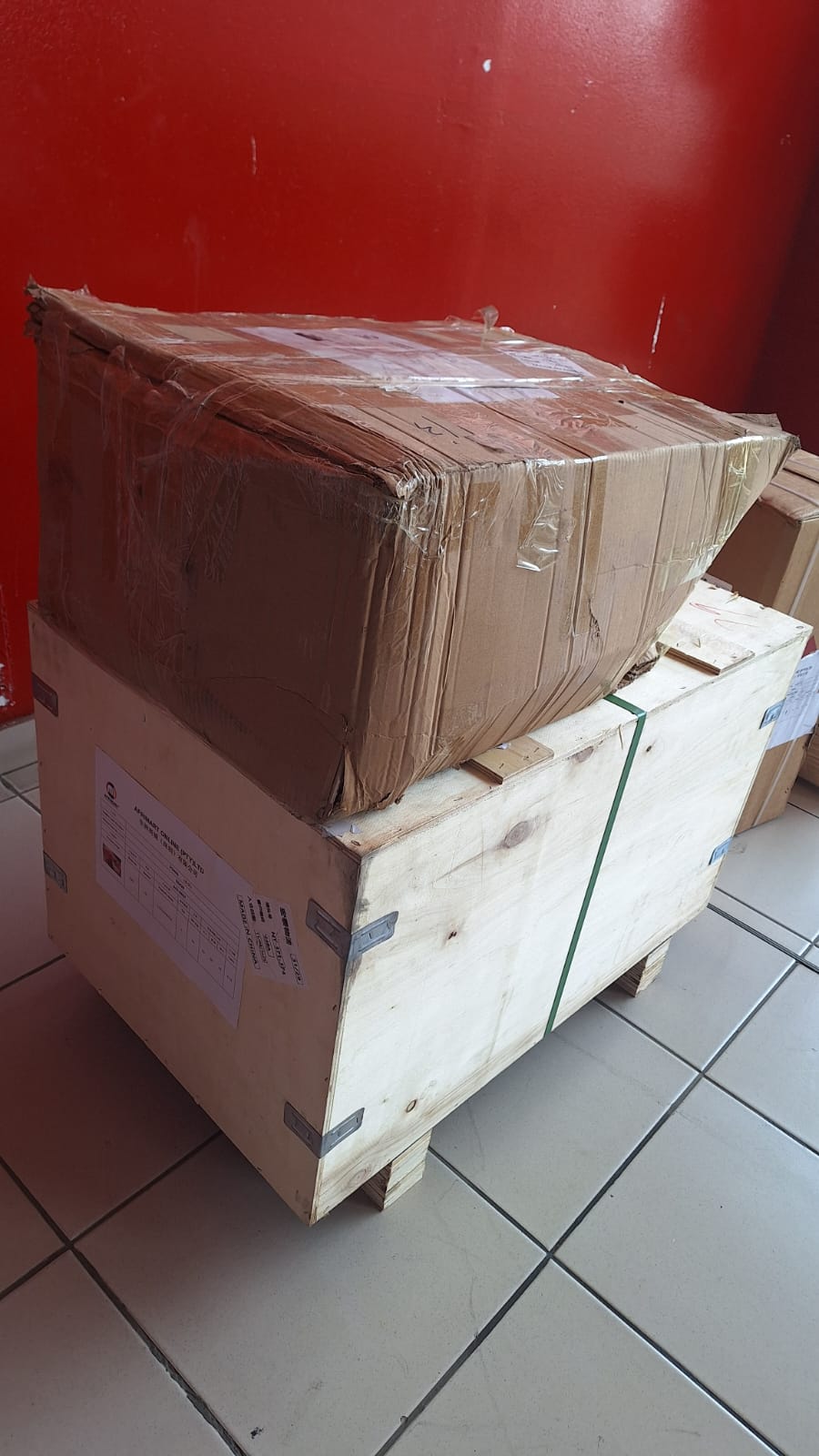
order success
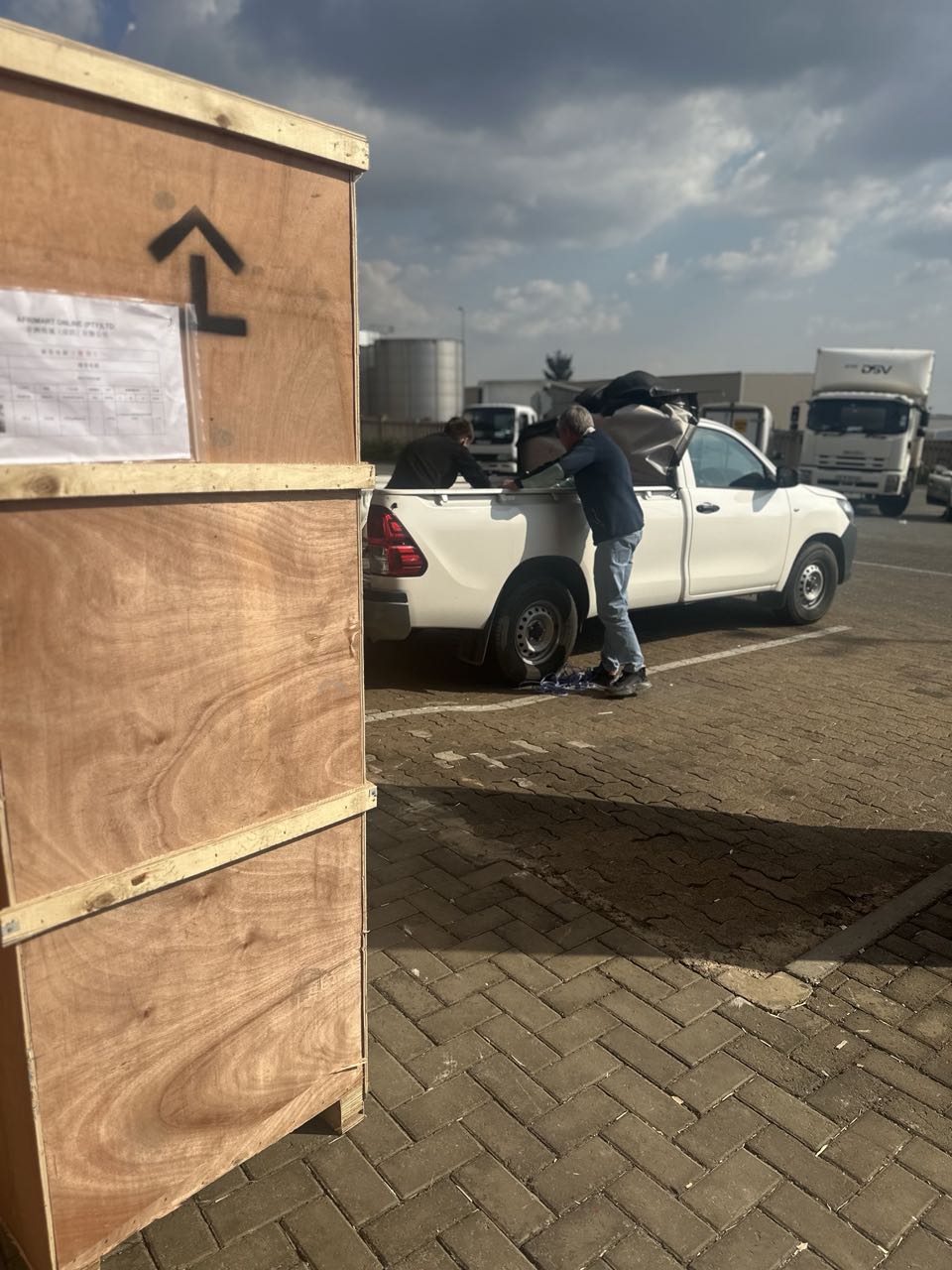
order collection
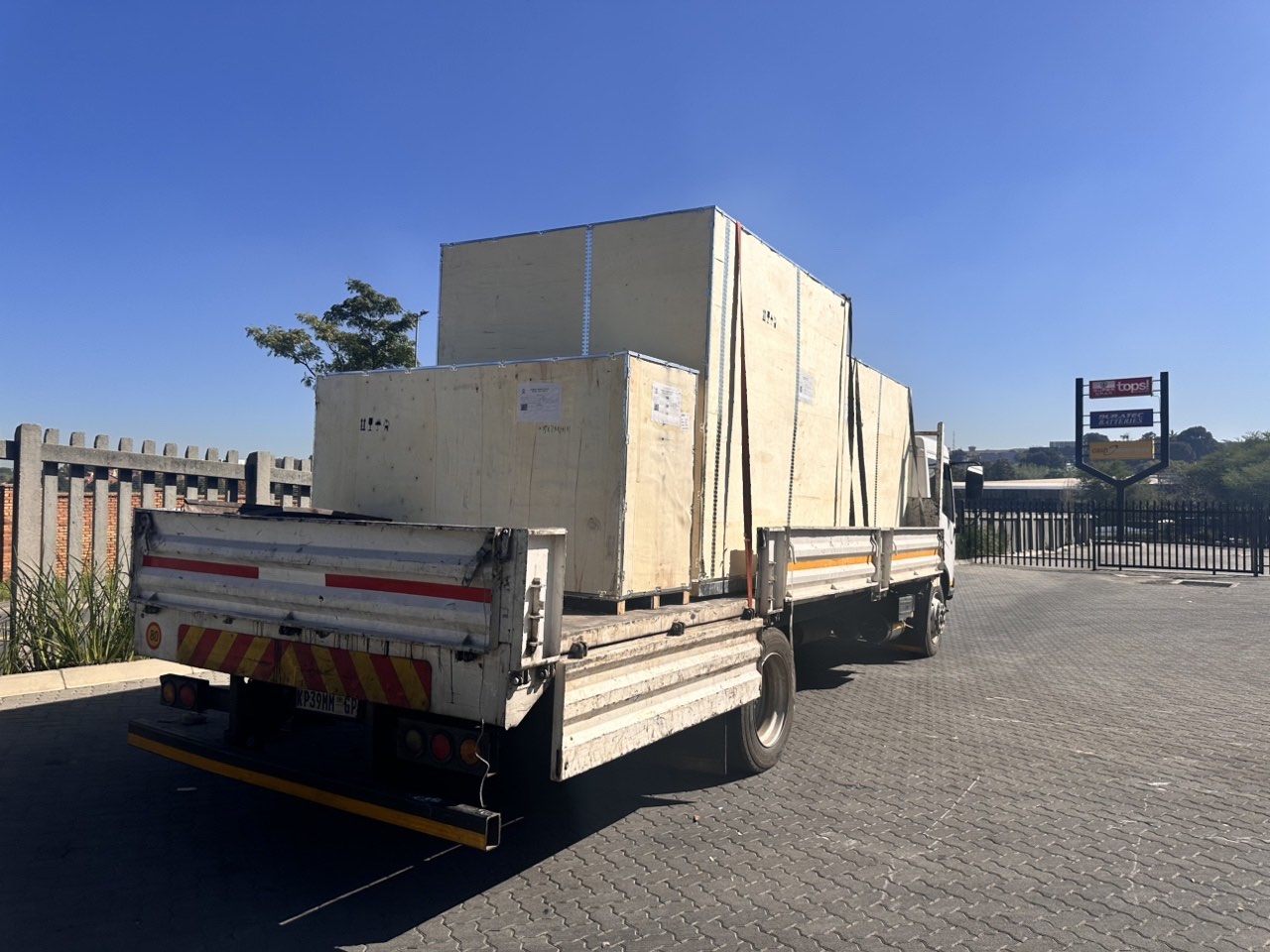
order offloading