B21, China Town Mall, Midrand

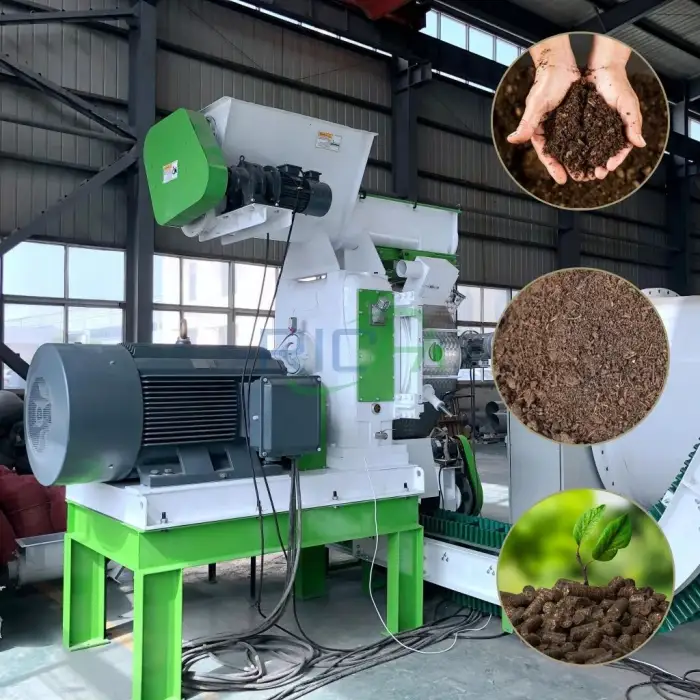
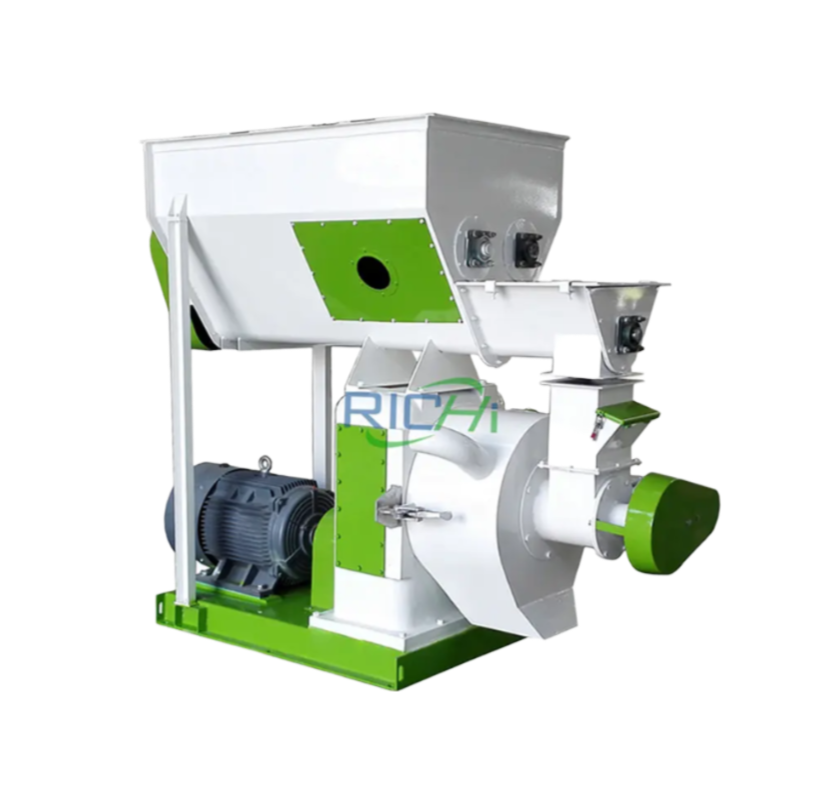
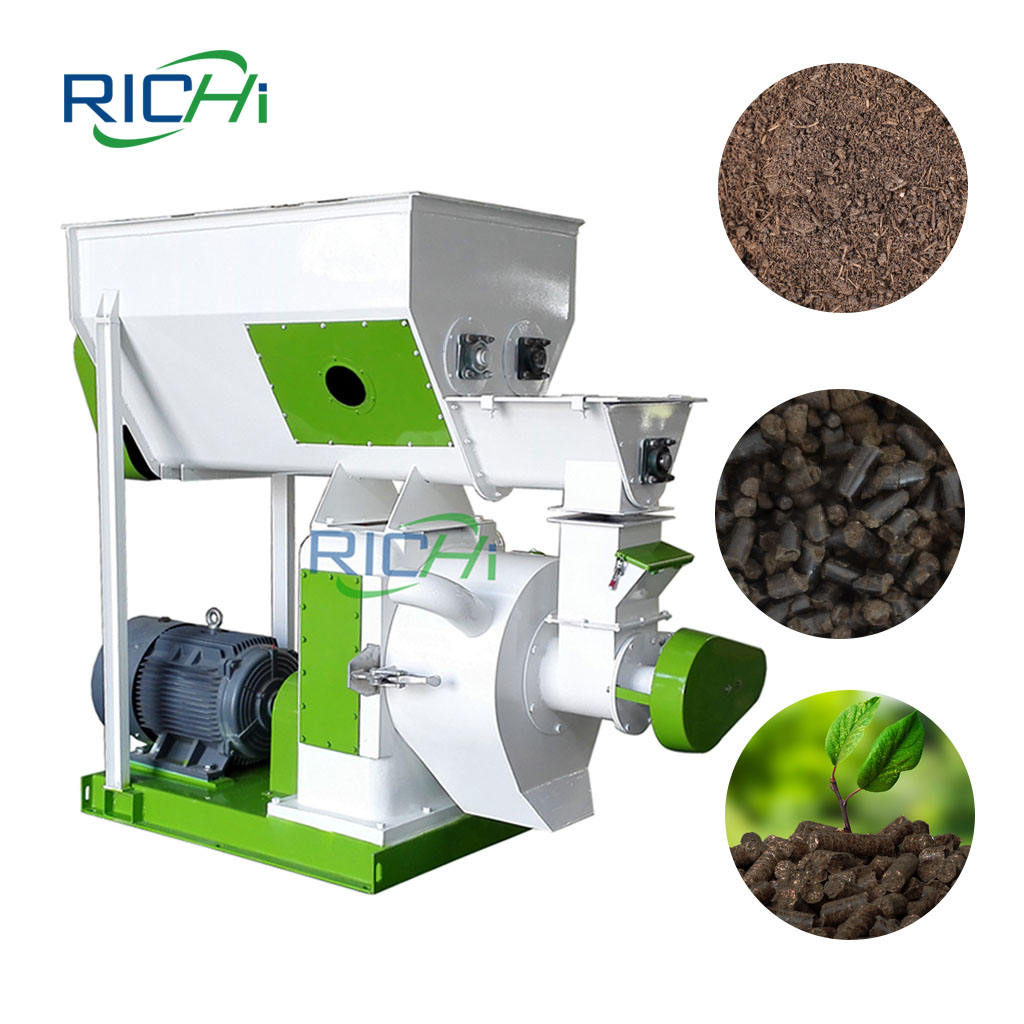
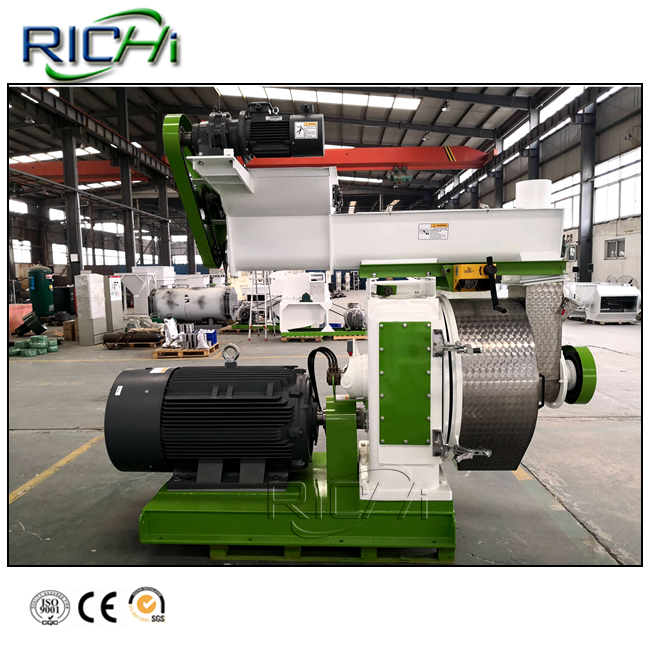
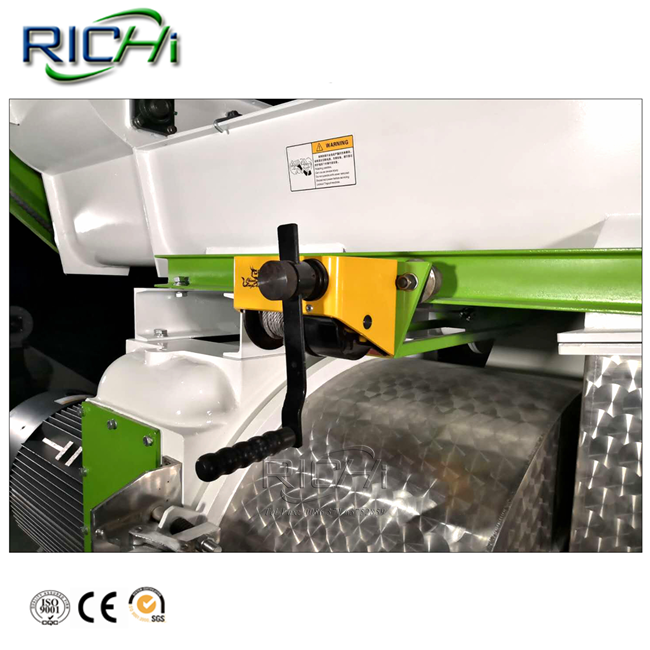
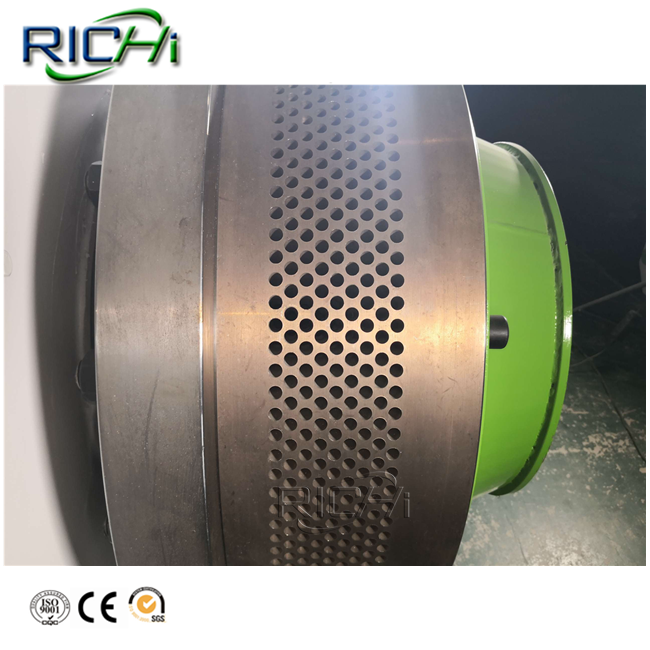
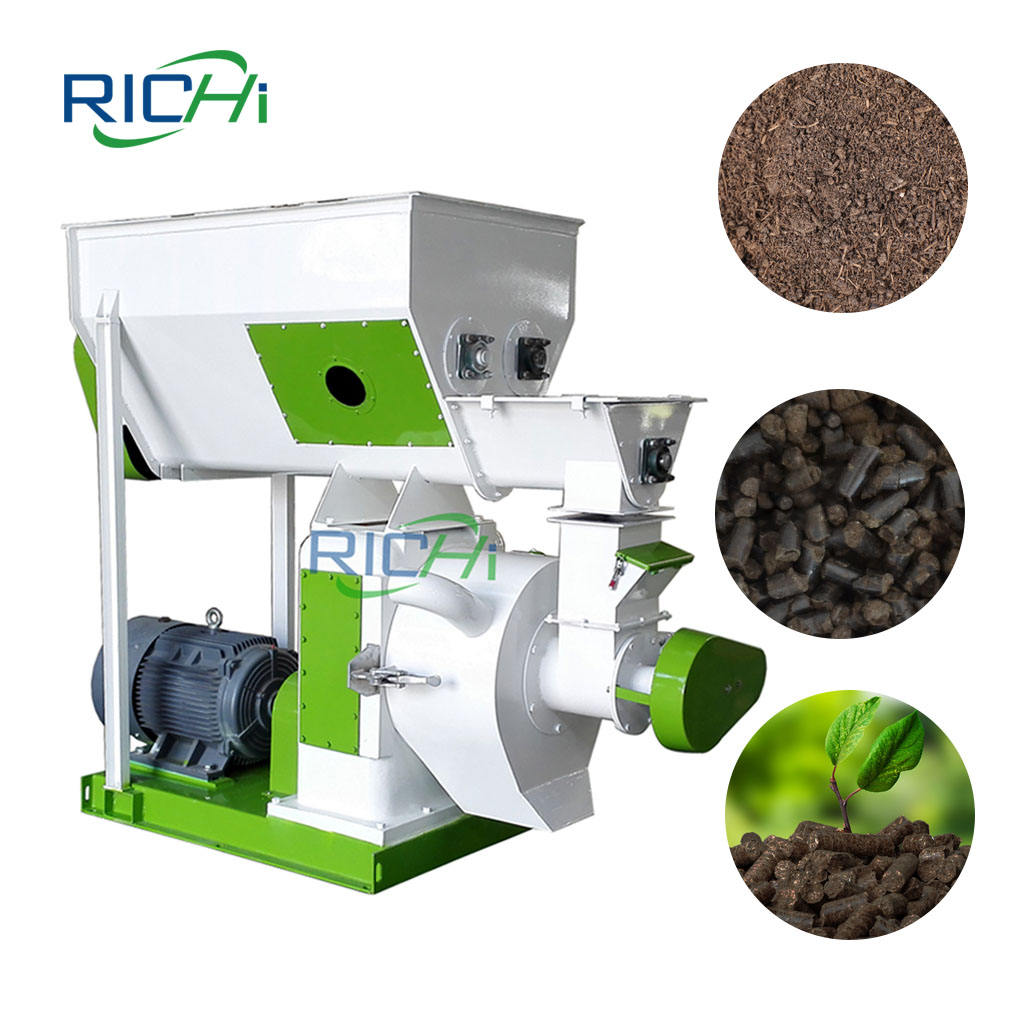
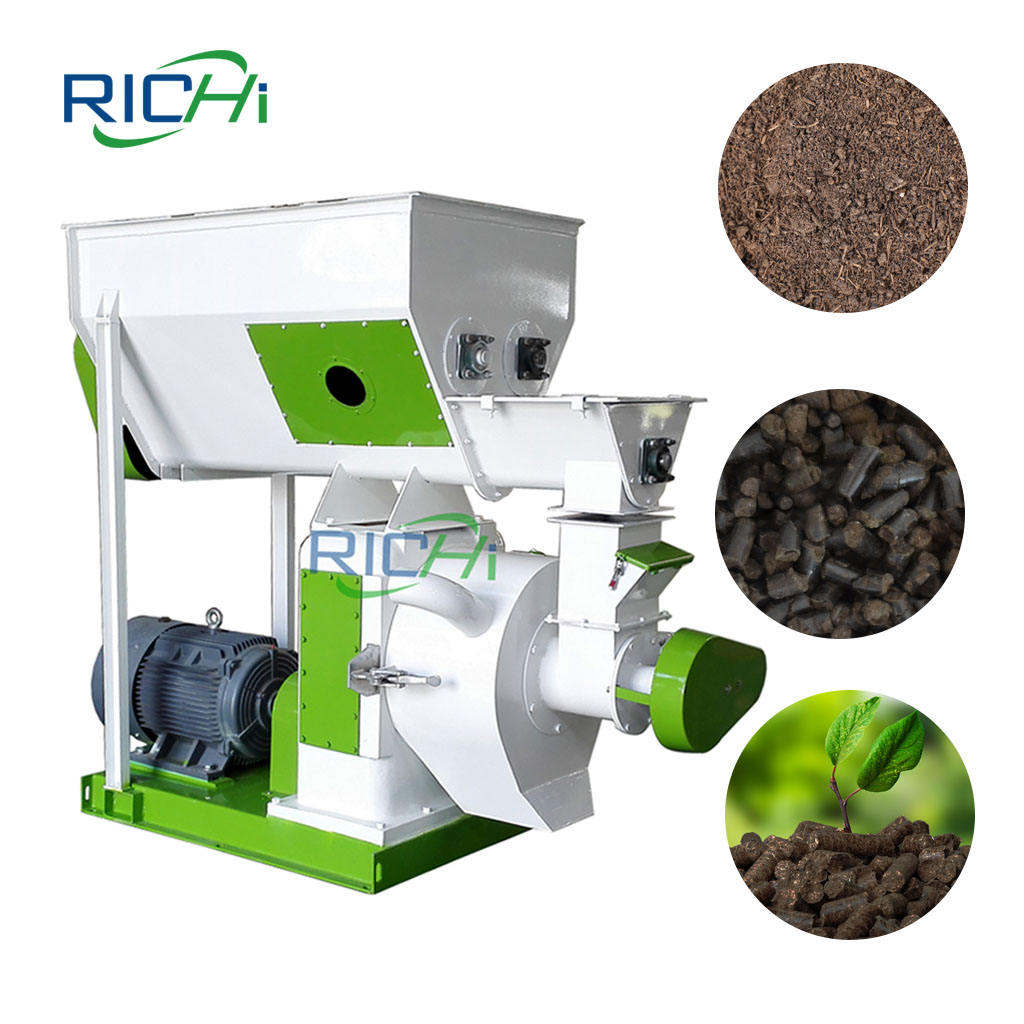
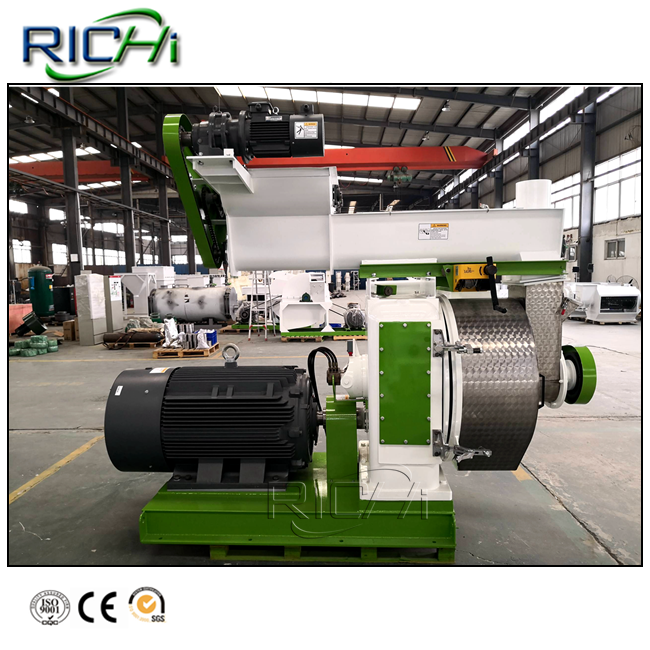
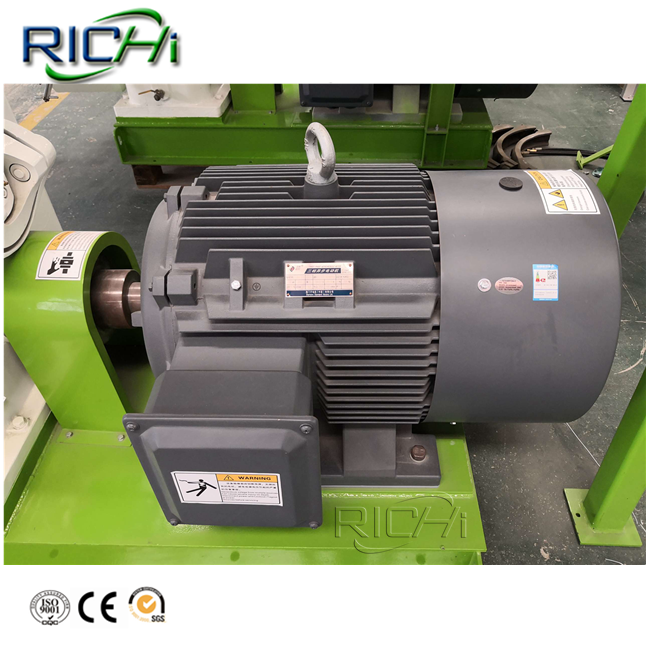
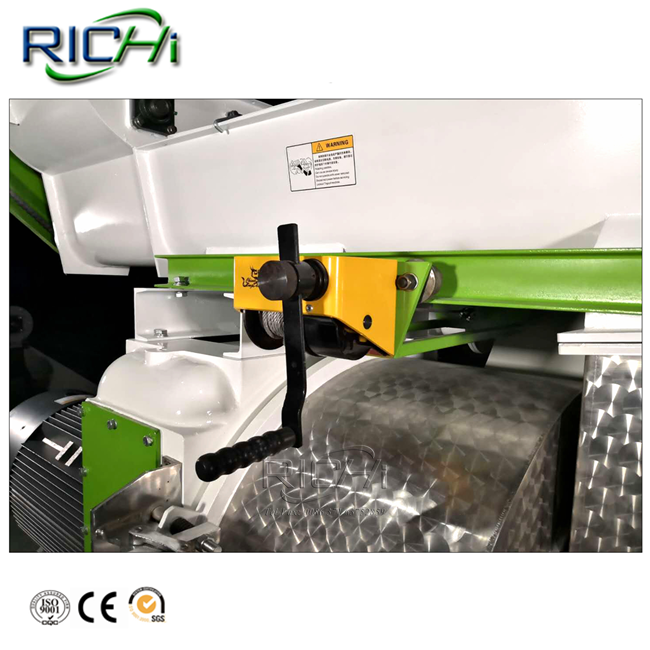
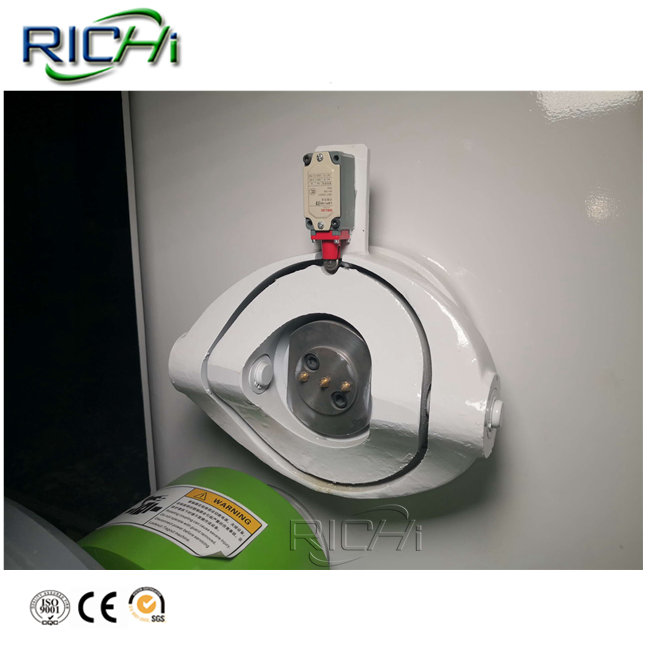
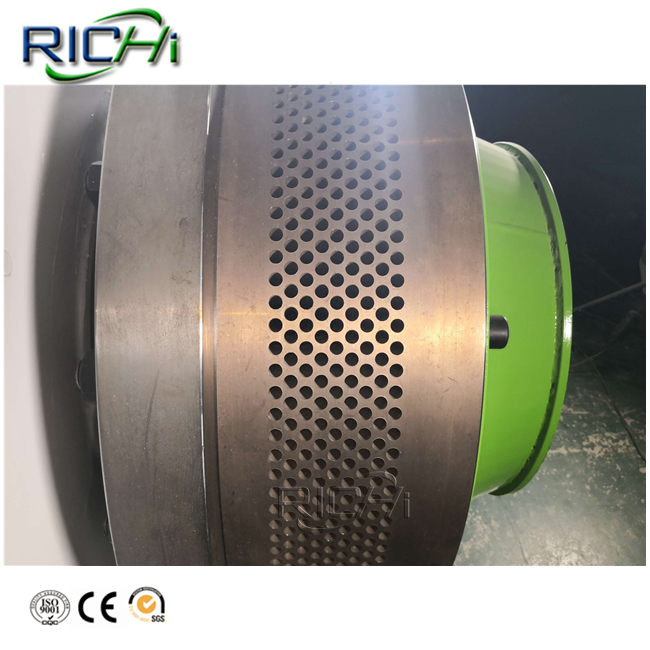
RICHI Supplier 1-5 TPH Compost Making Machines Organic Fertilizer Making Machine For Pellet
Asset finance available
Do you want funding for this equipment?
Afrimart can connect you with trusted funding partners who specialise in asset finance for businesses like yours. Compare options and apply in minutes — final approval is subject to provider review.
Check funding options
Secure & no obligation

- Section : Machinery
- Category : Compost Making Machines
- SKU : 1600395087917

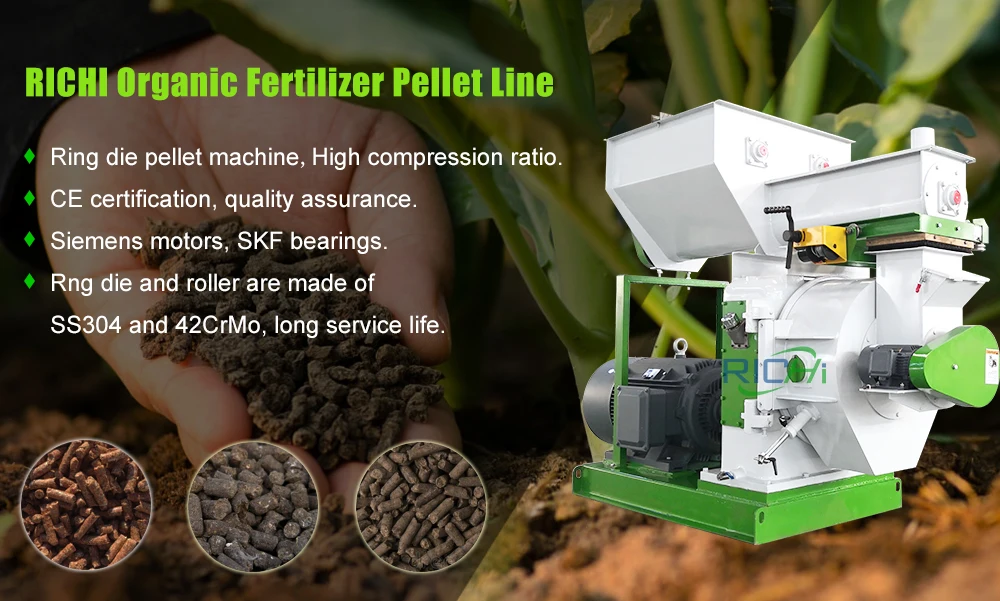
Description Of The RICHI Organic Fertilizer Pellet Production Line
The RICHI organic fertilizer pellet production line can make various biomass raw materials into organic fertilizer pellets. Suitable for a variety of raw materials, such as animal manure, agricultural straw waste, forestry leaf waste, urban domestic wet garbage, etc.
When the organic fertilizer is squeezed by the ring die and pressure roller of the RICHI ring die pellet machine, it forms pellets with a certain compression ratio. The components of the organic fertilizer pellets are uniformly released, and the transportation is convenient.
Raw Materials To Pellets
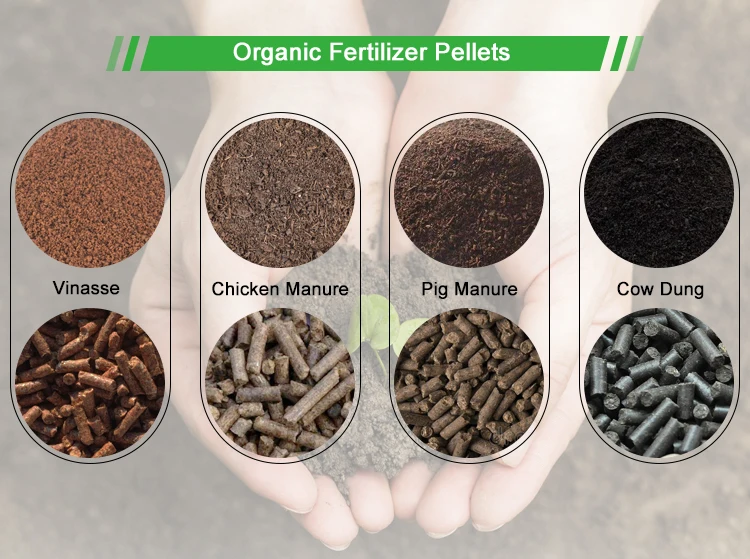
Advantages Of Organic Fertilizer Pellets Made By RICHI's Pellet Line:
- Wide sources of raw materials:
The raw material of the organic fertilizer pellets can be various animal manures, such as chicken manure, cow manure, and sheep manure. Crop straw and other plant residues. Leftovers of agricultural and sideline products. Such as soybean meal, rapeseed meal and so on. Residents' domestic garbage. Such as kitchen waste, plant ash, etc. Other raw materials, such as biogas residue, peat, plant ash, silt, municipal sludge, etc.
- Easy to transport:
Good pelletizing process makes the organic fertilizer not easy to agglomerate and has better transportation performance.
- Can add inorganic substances:
Some inorganic components can be added to the organic fertilizer pellet production line to improve the fertilizer efficiency of organic fertilizers. On the contrary, if the powdered fertilizer is added with inorganic components, it is easy to absorb moisture and agglomerate.
- Release more balanced:
Fertilizer pelletizing improves agricultural technology. Granular organic fertilizer releases more slowly and evenly, and it is convenient to fertilize, and it is not easy to be blown away by the wind.
Process Flow
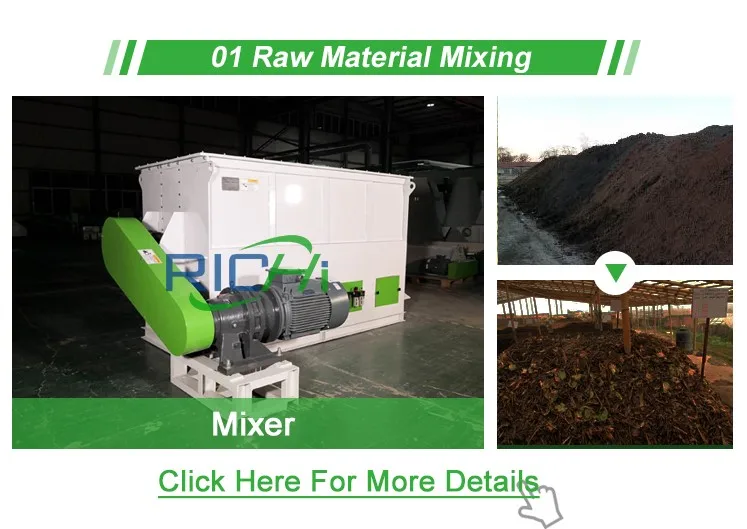
After fermentation system and crushing systef ,the materials will be weighed in batching scale according to proportional, then go down to mixer to reach uniformity.
Capacity: 2m3/batch. Siemens motor. SKF bearings. Mixing period: 60-180s, High uniform, patent the blade design enhanced material flow, shear ,mixing. Mixing uniformity very good,CV≤2.3%
----------------------------------------------------------------------------------------------------------------------------------------------------------------------------------------------
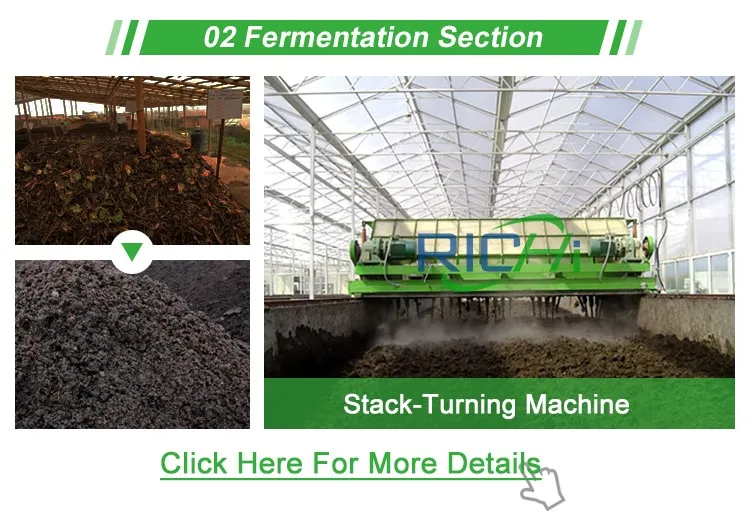
The fermentation form is easy to put in and take out from the fermentation tank. The rubbish such as faeces can be long-time retention. Addation, the compost can be used as wet adjustment material. As for hot fermentation ( chicken manure: about 80°C, pig manure: about 75°C, cow dung: about 70C) and long-time retention, which can produce none secondary fermentation high quality compost, use as organic frtilizer to help edaphic recovery.
----------------------------------------------------------------------------------------------------------------------------------------------------------------------------------------------
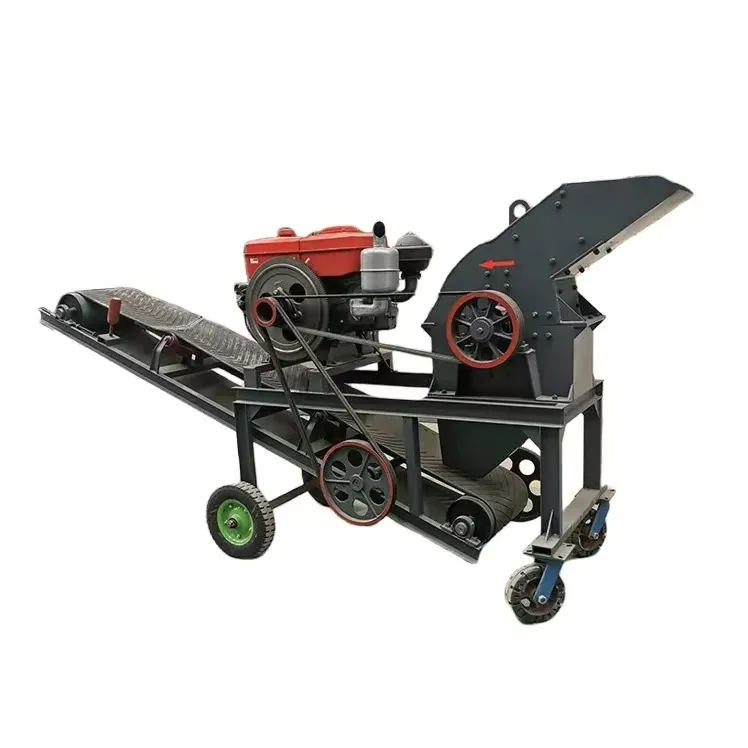
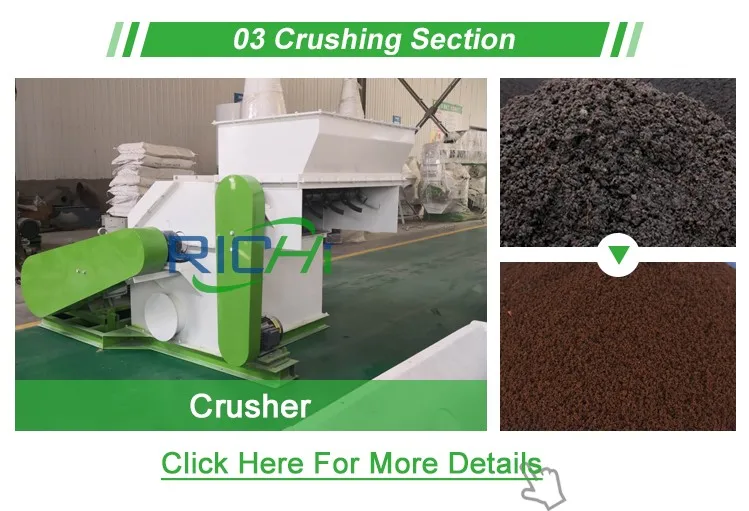
The compost lump materials should be crushed before the pellet making section. The organfer ferillizer hammer mill is applied mainly to grinding the raw material to make it suitable to make organic fertilizer pellets.
The hammer mill is composed of electric motor, couping, bearing, rotor, hinge pin, hammers 8mm pore size sieve plate.
----------------------------------------------------------------------------------------------------------------------------------------------------------------------------------------------
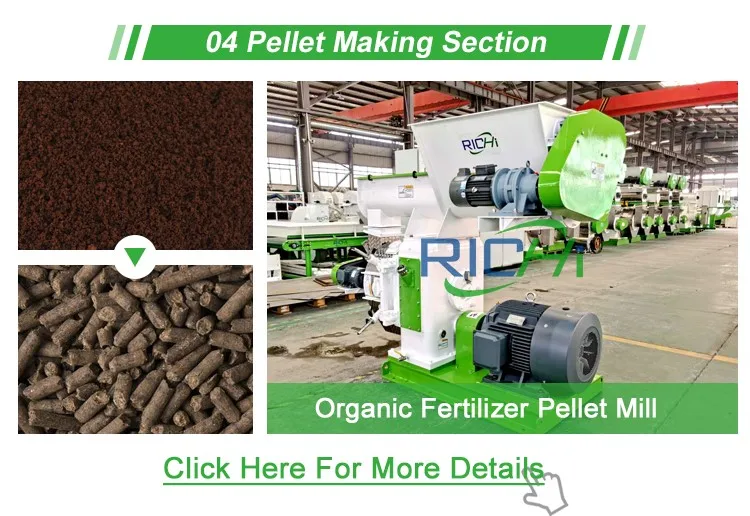
The organic ferilizer pellet making section to make organic fertilizer into pellets. The pellet machine is the main equipment in the production line to make pellets, it compress the dry finely pulverized material and transform them into a cylinder shape pellet at a temperature of 80 degree. The pellet size from 2- 12mm can be adjuist.
----------------------------------------------------------------------------------------------------------------------------------------------------------------------------------------------
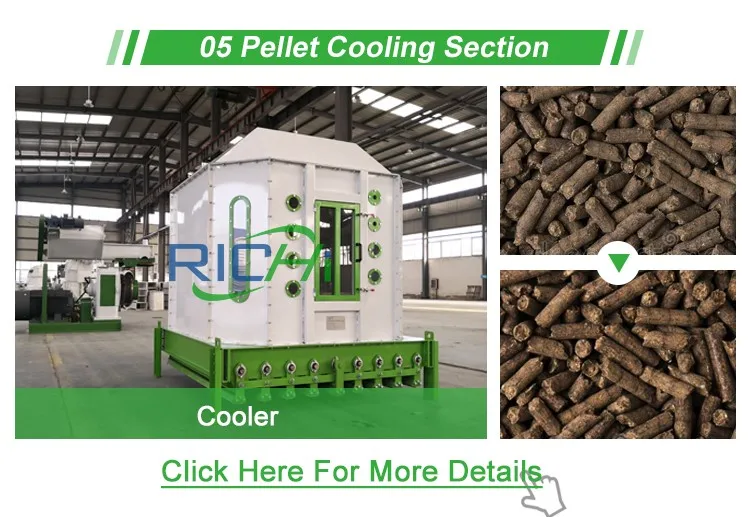
The cooling system is used for cooling fertilizer to make ferilizer pellet stronger. The organic ferilizer pellets come out from pellet machine, its temperature is around 70 C,by momentary cooling,It can cool the down to room terperature immediately, and the hardness of pellets will become more stronger.
----------------------------------------------------------------------------------------------------------------------------------------------------------------------------------------------
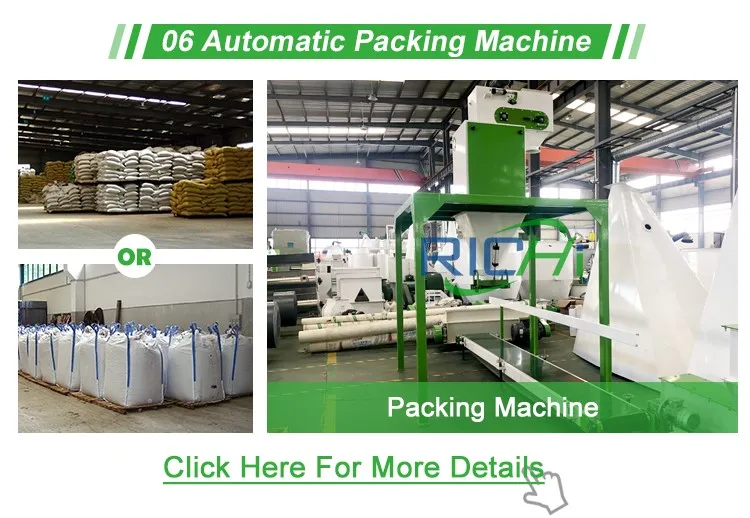
The automatic packing system can used to package the final organic fertilizer pellet. The qualified pellets are packed into plastic bag from 10 kg to 100kg and 1 ton.Then use thermoplastic sealing machine to sew, these can make the pellets dry and water-proof . To extend the organic fertilizer pellets storage time.
Product Parameters
| Main Equipment And Technical Parameters Of The Organic Fertilizer Pellet Prodction Line | ||
| Notes: We provide customized pellet production lines with capacities ranging from 0.5T/H to 100T/H. | ||
| Name | Model | Single Power (Kw) |
| Mixing Machine | SLHY1.0A | 7.5 |
| Hammer mill | 9FB56*40 | 22 |
| Latest pellet making machine | MZLH Pellet Mill | 22 |
| Pellet cooling machine | SKLN11*11 | 0.75 |
| Screener machine | SFJH150*2c/3c | 5.5 |
| Automatic packing machine | DCS Serise Packing System | 3/5 |
| Sewing machine | / | 1.1 |
| MCC Control Center ;Mimic control panel | / | / |
| Note: The equipment parameters and the specific details of the production line will depend on different raw materials, capacity and designs. |
- Shipping Timeframes: All orders are processed within 2-5 business days (excluding weekends and holidays). After your order has been processed, the estimated delivery time is before 10 Aug, 2026, depending on customs, Please note that due to high demand, some items may experience longer shipping times, which will be communicated at order confirmation email.
- Order Processing Time: Please allow 2-5 business days for us to process your order before it is shipped . Orders placed after 16:00 on Fridays, or during weekends and public holidays, will begin processing on the next business day. Processing times may be extended during peak seasons or sales events.
- Manufacturing Time: Some products needs manufacturing time, the manufacturing process will take approximately 10-30 business days depending on the product. This timeframe may vary depending on the complexity of the product and current demand. but this will be communicated with you during order confirmation.
- Returns and Exchanges: We offer a 30-day return policy for most items. If you are not completely satisfied with your purchase, you may return it within 30 days of receipt for a refund or exchange. Items must be unused, in their original packaging, and accompanied by proof of purchase. Return shipping costs are the responsibility of the customer, unless the item was damaged or defective upon arrival.
1. What types of raw materials can be processed in the RICHI compost making machine?
The RICHI compost making machine can process various raw materials, including animal manures (chicken, cow, sheep), agricultural straw waste, forestry leaf waste, urban domestic wet garbage, soybean meal, rapeseed meal, biogas residue, peat, and more.
2. What is the capacity range of the RICHI organic fertilizer pellet production line?
The RICHI organic fertilizer pellet production line has customizable capacities ranging from 0.5 TPH to 100 TPH, allowing for flexibility based on your production needs.
3. How does the pelletizing process improve the efficiency of organic fertilizers?
The pelletizing process improves the efficiency of organic fertilizers by creating pellets that release nutrients more slowly and evenly, making them easier to apply and less susceptible to wind loss.
4. Can inorganic substances be added to the organic fertilizer pellets?
Yes, some inorganic components can be added to the organic fertilizer pellet production line to improve fertilizer efficiency. This is more effective than adding them to powdered fertilizers, which can agglomerate and absorb moisture.
5. What is the role of the hammer mill in the production line?
The hammer mill is used to grind the raw materials into a suitable size for pellet making, ensuring uniformity and proper texture for optimal pellet production.
6. What are the benefits of using organic fertilizer pellets?
Organic fertilizer pellets are easy to transport, have a longer shelf life, and release nutrients slowly, which enhances crop growth and soil health.
7. How is the cooling process handled in the pellet production line?
After the pellets are formed, they exit the pellet machine at around 70°C. An automatic cooling system cools them down to room temperature immediately, enhancing their strength and durability.
8. What is the size range of the pellets produced by the RICHI machine?
The pellet size produced by the RICHI machine can be adjusted between 2 mm to 12 mm, depending on specific requirements.
9. How are the final pellets packaged?
The final organic fertilizer pellets are packaged using an automatic packing system into plastic bags ranging from 10 kg to 1 ton, ensuring they are dry and waterproof for extended storage.
10. What technology is used in the mixing machine of the production line?
The mixing machine utilizes a Siemens motor and SKF bearings, with a unique blade design for enhanced material flow and uniform mixing achieved within a mixing period of 60-180 seconds.
11. Is there a warranty or support available for the RICHI compost making machine?
Yes, RICHI typically offers warranty and support for their machines. It is advisable to check with the supplier for specific warranty terms and after-sales support.
12. What maintenance is required for the compost making machine?
Regular maintenance includes checking the mechanical components, cleaning the machinery, ensuring proper lubrication, and monitoring the performance of the various systems involved in the production line.
13. Can the production line handle wet materials?
Yes, the production line is designed to handle wet materials, as the fermentation system allows for the processing of organic waste like animal manure and kitchen waste.
14. What are the environmental benefits of using organic fertilizer pellets?
Using organic fertilizer pellets helps reduce waste by recycling agricultural and urban waste materials, promotes soil health, and supports sustainable agricultural practices.
15. What is the recommended temperature for the pellet-making process?
The recommended temperature for the pellet-making process is around 80°C, which is optimal for forming strong and uniform pellets.
Latest Order Arrivals
Discover our latest orders

12 Heads Embroidery Machine

Toilet Paper Machine Machine

Order Collection

Cross Border Clients

Order cros border countries Collected

Industrial Machine Cllection

Agriculture Processing Machines

Ready for collection

Water Pump Equipment

Packaging Machine and accessories

Fabrics Manufacturing Equipment

Mining Equipments

Food Processing Machine

Batch of Orders

Batch of Orders

Latest Orders Labelled

wheel alignment machines

new arrivals

Pre Orders Offloading

Latest Arrivals

Latest Arrivals

Latest Arrivals

Loading

Toilet paper making machine

Toilet paper making machine

Toilet paper Rewinding Machine

latest arrivals

offloading

order success

order collection

order offloading