B21, China Town Mall, Midrand

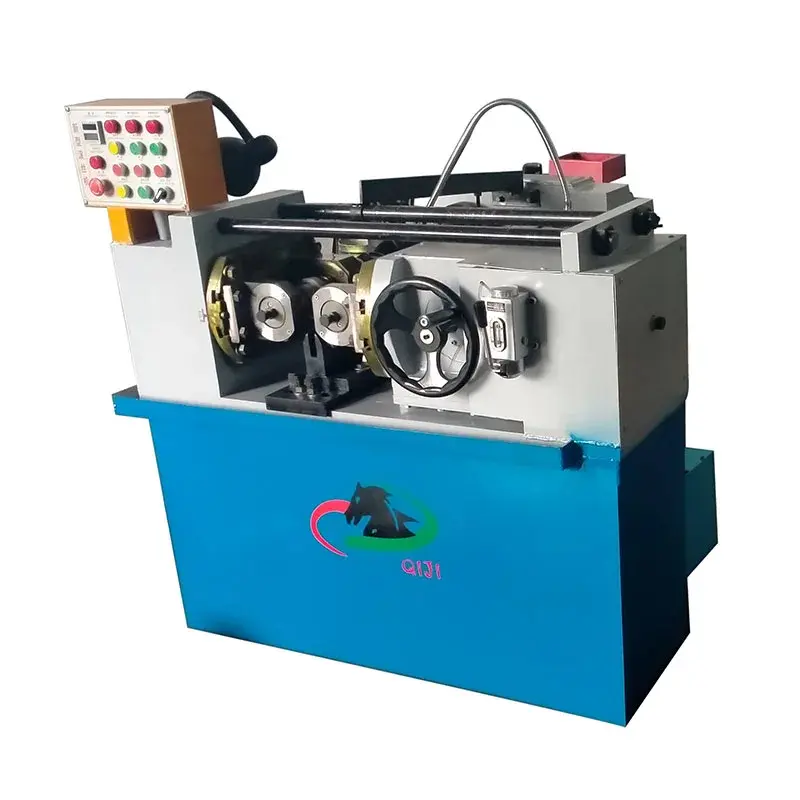
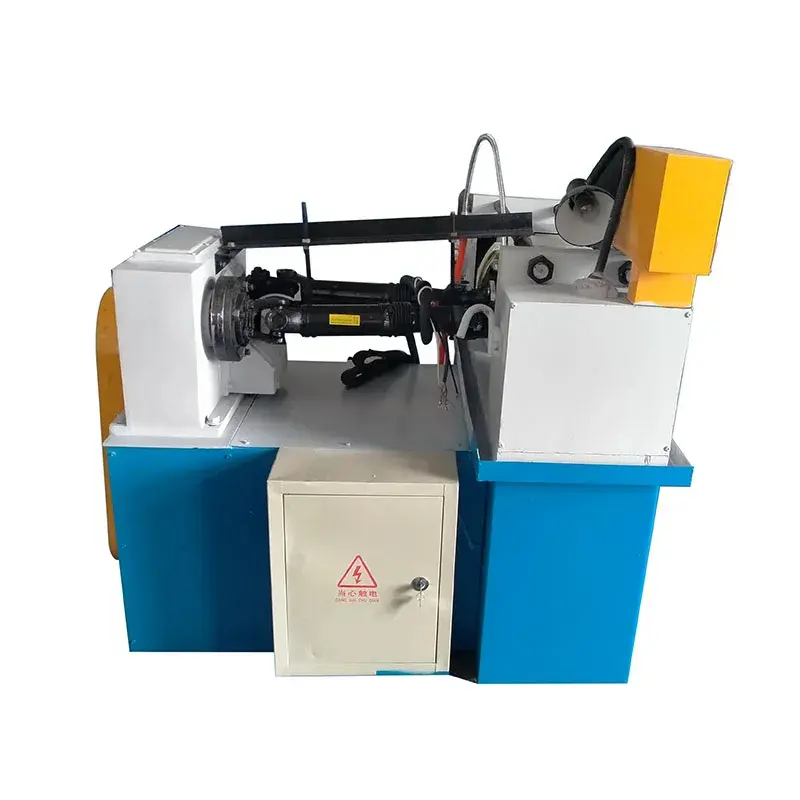
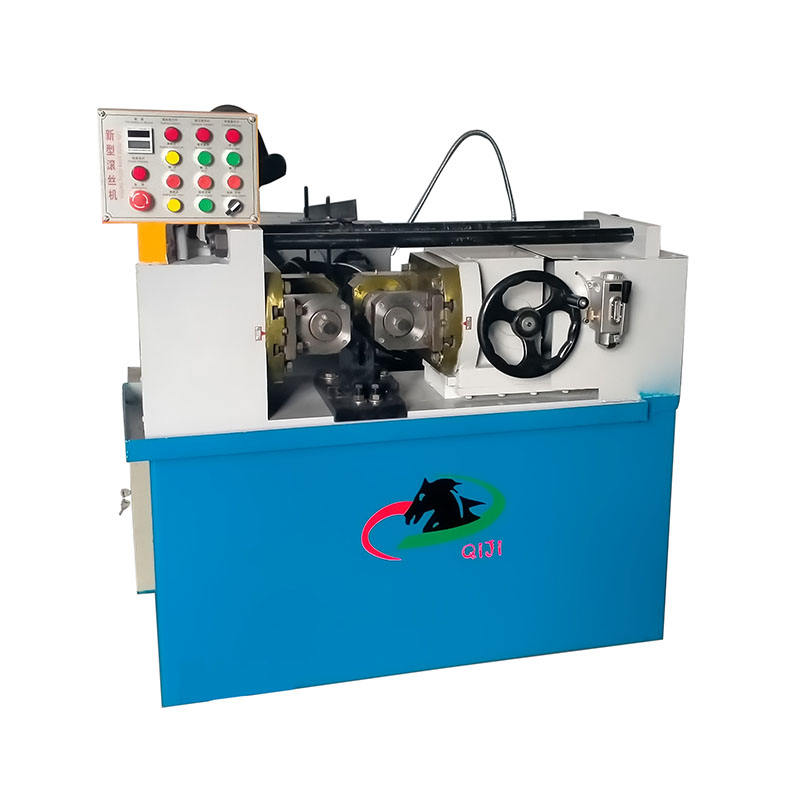
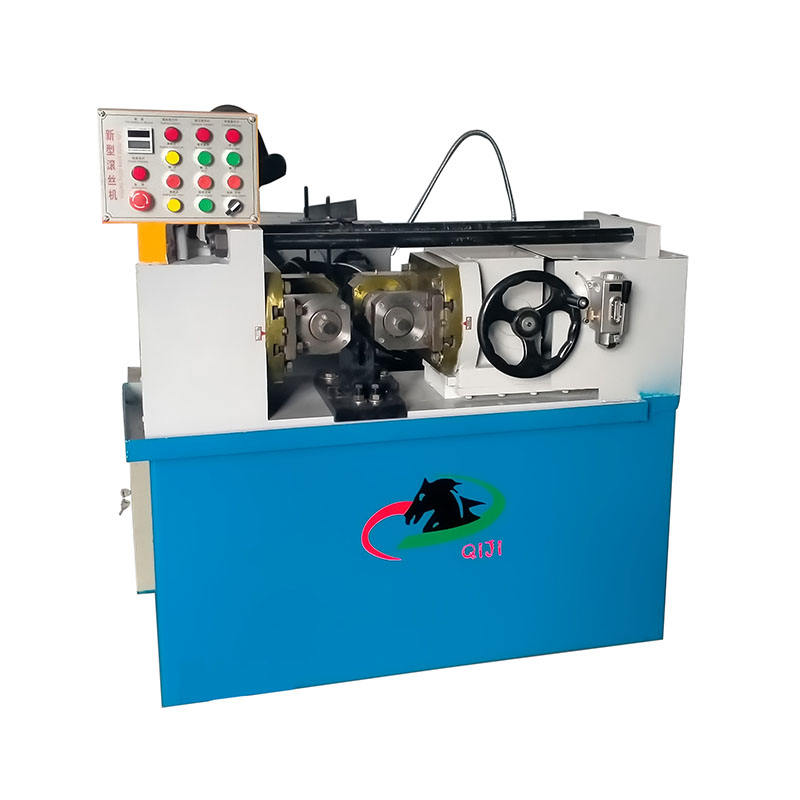
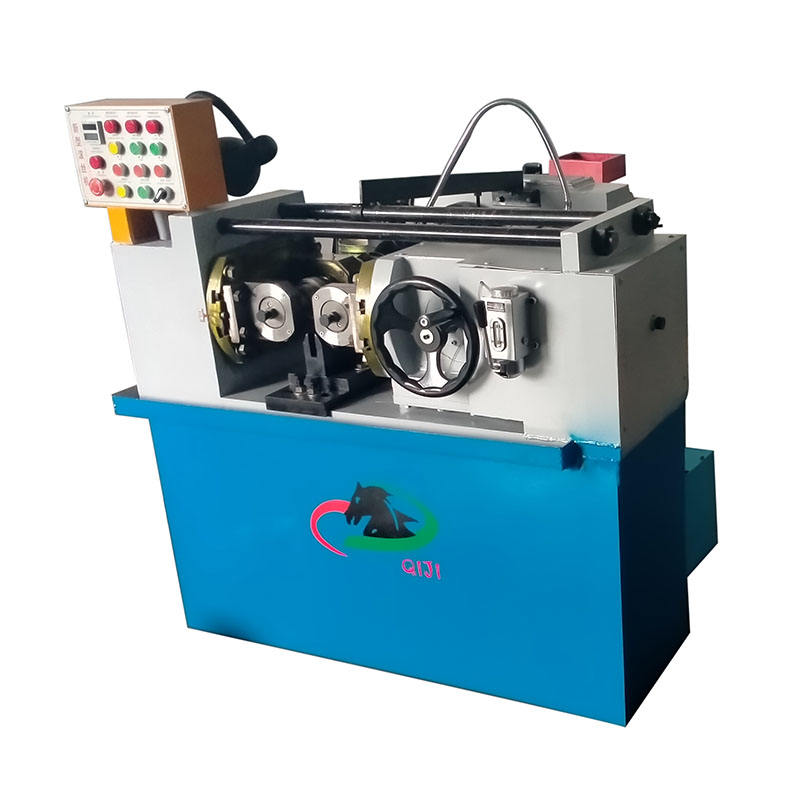
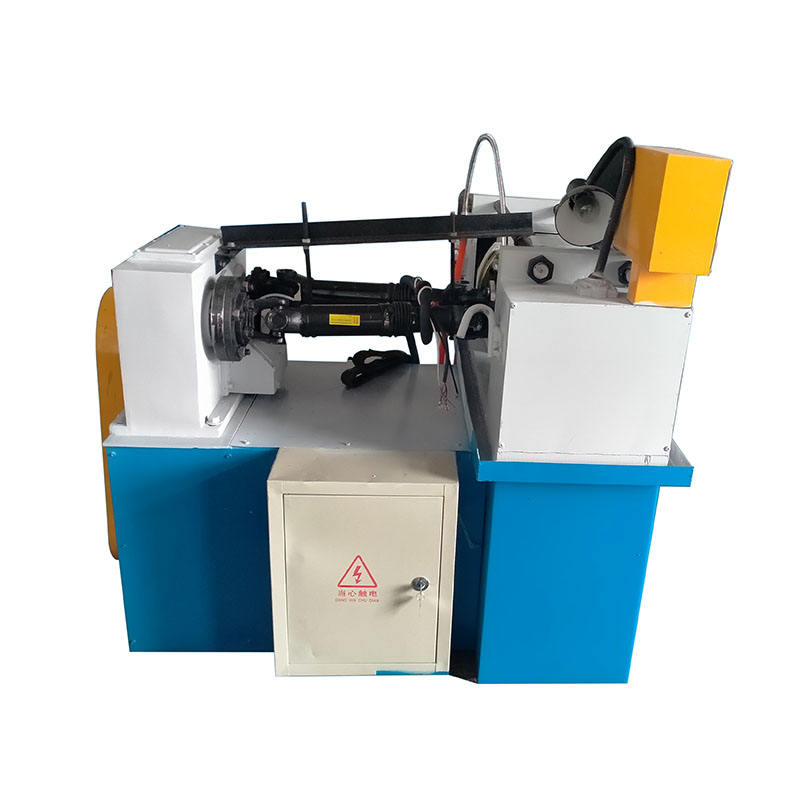
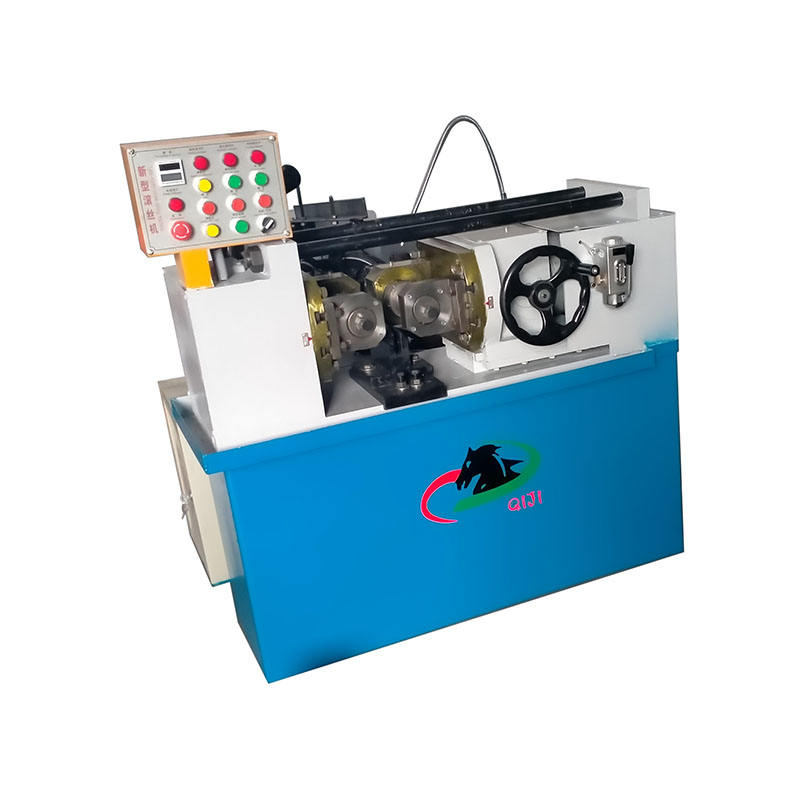
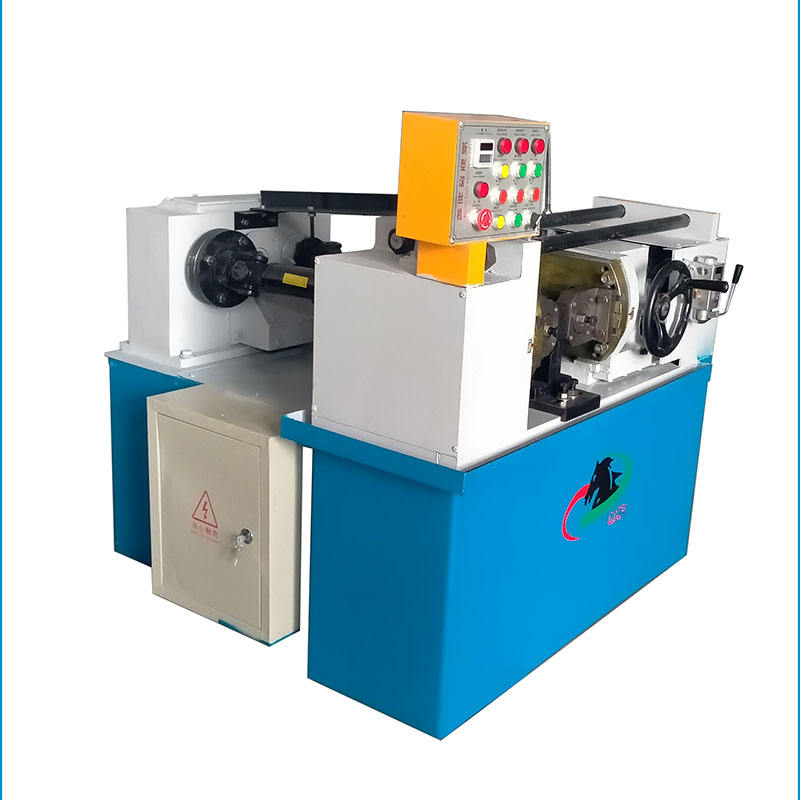
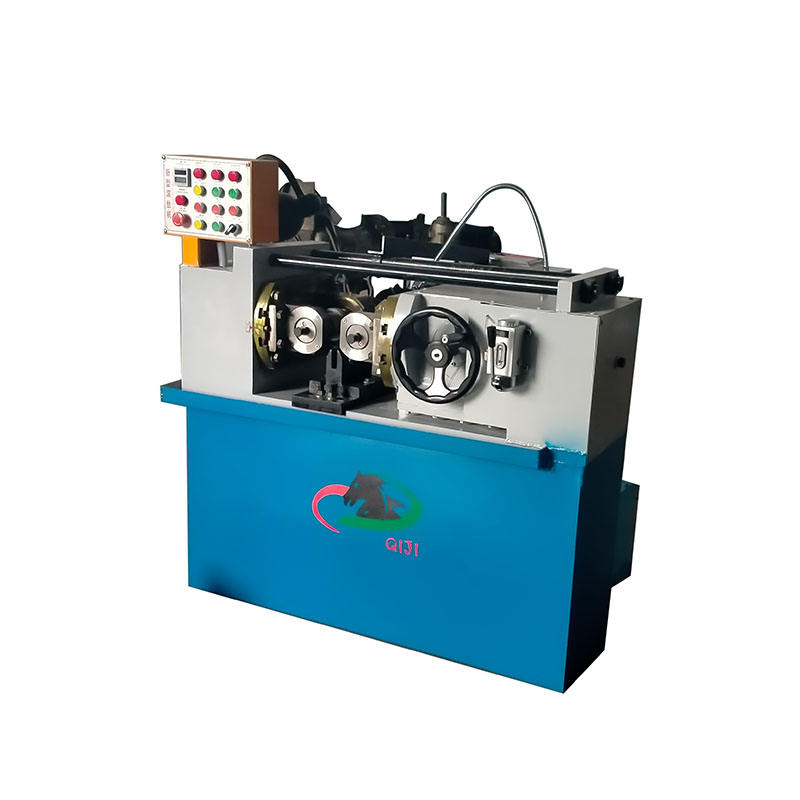
QJ-40 Rod Metal Thread Rolling Machine
Asset finance available
Do you want funding for this equipment?
Afrimart can connect you with trusted funding partners who specialise in asset finance for businesses like yours. Compare options and apply in minutes — final approval is subject to provider review.
Check funding options
Secure & no obligation

- Section : Machinery
- Category : Lathe
- SKU : 1600226897915

QJ-40 Rod Metal Thread Rolling Machine
The QJ-40 Rod Metal Thread Rolling Machine is a powerful tool for making threads on metal rods. It is easy to use and helps workers create strong, precise threads quickly. This machine is perfect for workshops that need to produce many threaded rods.
Key Features
High Production Rate: The QJ-40 can make 130 pieces every minute. This means you can finish jobs faster and keep customers happy.
Simple Operation: Anyone can learn to use the QJ-40 quickly. The controls are straightforward, making it easy for all workers to operate.
Sturdy Build: The machine is made from strong materials. This helps it last a long time and perform well even with heavy use.
Compact Size: With dimensions of 1600 mm by 1400 mm by 1200 mm, the QJ-40 fits in most workshops without taking up too much space.
Core Components: The machine includes important parts like bearings, gearboxes, motors, gears, and pumps. These components work together to ensure everything runs smoothly.
Efficient Design: The QJ-40 is designed to use energy well. This means it can do a lot of work without wasting power.
User-Friendly: The layout of the machine makes it easy for operators to find everything they need. This saves time and reduces mistakes.
In conclusion, the QJ-40 Rod Metal Thread Rolling Machine is an excellent choice for anyone needing to create threaded rods. Its high production rate, simple operation, and sturdy design make it a valuable tool for workshops. With the QJ-40, you can work faster and with more confidence.
Product Info Gallery


Specification
| Product name | QJ-40 |
| Maximum processing diameter | 42mm |
| Maximum processing pitch | 6mm |
| Maximum rolling pressure | 150n |
| Spindle tilt angle | ±5°m |
| Spindle speed | 39,49,66,82r/min exchange gear |
| Rolling wheel outer diameter | 120--170mm |
| the inside diameter of | 54mm |
| Spindle power | 505kw |
| Hydraulic power | 202kw |
| Cooling power | 125w |
| Dimensions | 1600*1400*1200mm |
| weight | 1800kg+50kg |
- Shipping Timeframes: All orders are processed within 2-5 business days (excluding weekends and holidays). After your order has been processed, the estimated delivery time is before 09 Aug, 2026, depending on customs, Please note that due to high demand, some items may experience longer shipping times, which will be communicated at order confirmation email.
- Order Processing Time: Please allow 2-5 business days for us to process your order before it is shipped . Orders placed after 16:00 on Fridays, or during weekends and public holidays, will begin processing on the next business day. Processing times may be extended during peak seasons or sales events.
- Manufacturing Time: Some products needs manufacturing time, the manufacturing process will take approximately 10-30 business days depending on the product. This timeframe may vary depending on the complexity of the product and current demand. but this will be communicated with you during order confirmation.
- Returns and Exchanges: We offer a 30-day return policy for most items. If you are not completely satisfied with your purchase, you may return it within 30 days of receipt for a refund or exchange. Items must be unused, in their original packaging, and accompanied by proof of purchase. Return shipping costs are the responsibility of the customer, unless the item was damaged or defective upon arrival.
1. What is the QJ-40 Rod Metal Thread Rolling Machine used for?
The QJ-40 is used to form threads on metal rods by cold rolling, producing strong, precise threads at high speed for workshop and production environments.
2. What are the maximum rod diameter and pitch the QJ-40 can process?
Maximum processing diameter is 42 mm and maximum processing pitch is 6 mm as specified for the QJ-40.
3. How fast can the QJ-40 produce threaded rods?
The QJ-40 has a high production rate of up to 130 pieces per minute.
4. What spindle speeds does the machine offer?
Spindle speeds are selectable via exchange gears: 39, 49, 66 and 82 r/min.
5. What are the rolling wheel dimensions and spindle bore?
Rolling wheel outer diameter ranges from 120 to 170 mm and the inside diameter (spindle bore) is 54 mm.
6. What are the machine power specifications?
The specification lists spindle power 505 kW, hydraulic power 202 kW and cooling power 125 W. Because some listed power values appear unusually large, confirm final electrical requirements with the manufacturer or supplier before installation.
7. What are the machine dimensions and weight?
Overall dimensions are 1600 × 1400 × 1200 mm. Weight is specified as 1800 kg + 50 kg.
8. What materials can be thread rolled on the QJ-40?
The QJ-40 is suitable for common rod metals such as carbon steel, stainless steel, brass and aluminum. For specific alloys, diameters and hardness levels, confirm compatibility with the supplier to ensure proper die selection and process settings.
9. How difficult is it to operate the QJ-40?
The QJ-40 is described as user-friendly with straightforward controls; operators can learn basic operation quickly. Proper training on setup, die selection and safety procedures is still recommended.
10. What routine maintenance does the QJ-40 require?
Regular maintenance includes checking and lubricating bearings and gears, inspecting and replacing rolling wheels/dies as needed, monitoring hydraulic fluid condition and levels, cleaning and maintaining the cooling system, and checking fasteners and alignment.
11. What safety precautions should operators follow?
Operators should use appropriate PPE (safety glasses, gloves where safe, and hearing protection), ensure all guards are in place, follow lockout/tagout procedures for maintenance, and be trained on the machine's emergency stop and safe operating limits.
12. Can I use custom thread profiles or special dies with the QJ-40?
Yes — the machine accepts rolling wheels/dies within the specified outer diameter range (120–170 mm) and spindle bore (54 mm). Custom profiles are possible; contact the manufacturer or tooling supplier for custom die design and fitment details.
13. What thread quality and tolerances can I expect from rolled threads?
Thread rolling produces strong, accurate threads with excellent surface finish and material grain flow. Achievable tolerances depend on die precision, material, and machine setup; perform trial runs and inspection to confirm tolerance for your application.
14. What is involved in installation and commissioning?
Installation typically requires a stable foundation or bench, proper electrical and hydraulic hookups per manufacturer specifications, correct alignment and leveling, and initial setup of dies and process parameters. Commissioning should be performed by trained technicians or with supplier support.
15. Are spare parts and after-sales support available?
Core components include bearings, gearboxes, motors, gears and pumps; replacement parts and after-sales support are normally available from the manufacturer or authorized dealers. Contact your supplier for warranty terms, spare parts lists and service agreements.
Latest Order Arrivals
Discover our latest orders
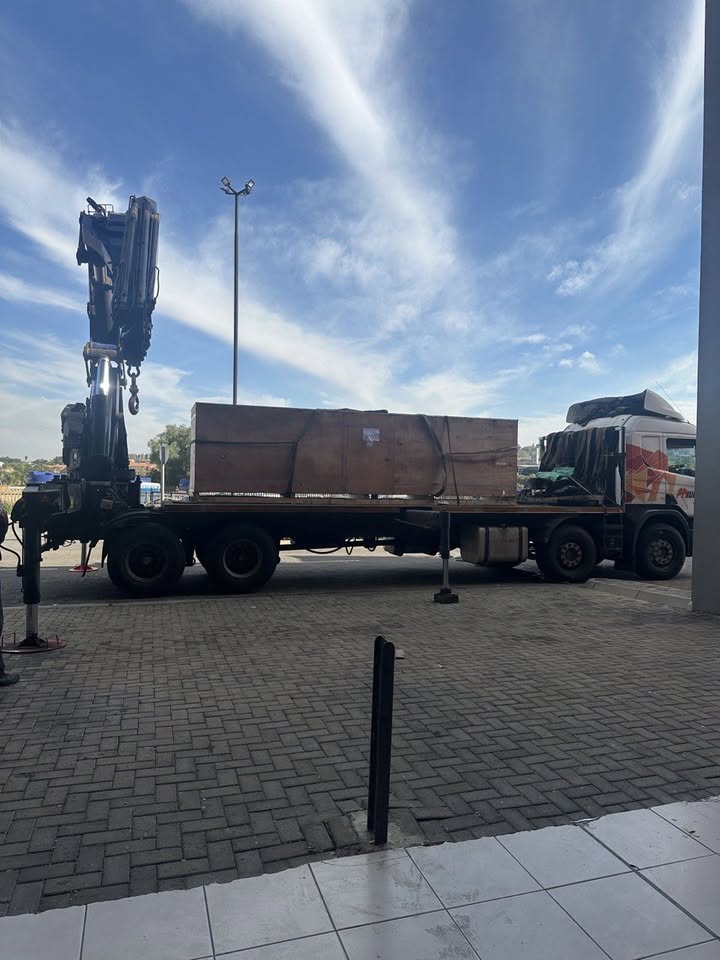
12 Heads Embroidery Machine
Toilet Paper Machine Machine
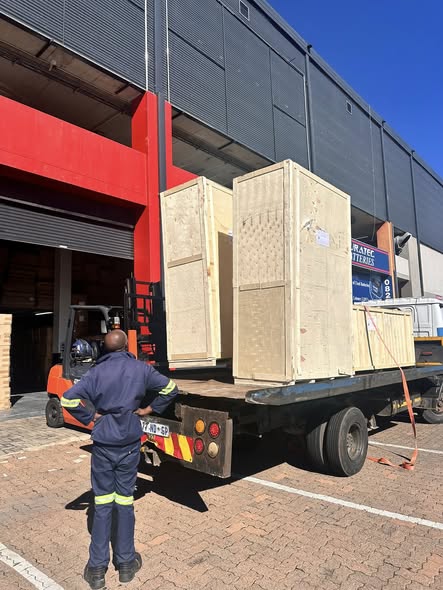
Order Collection
Cross Border Clients
Order cros border countries Collected
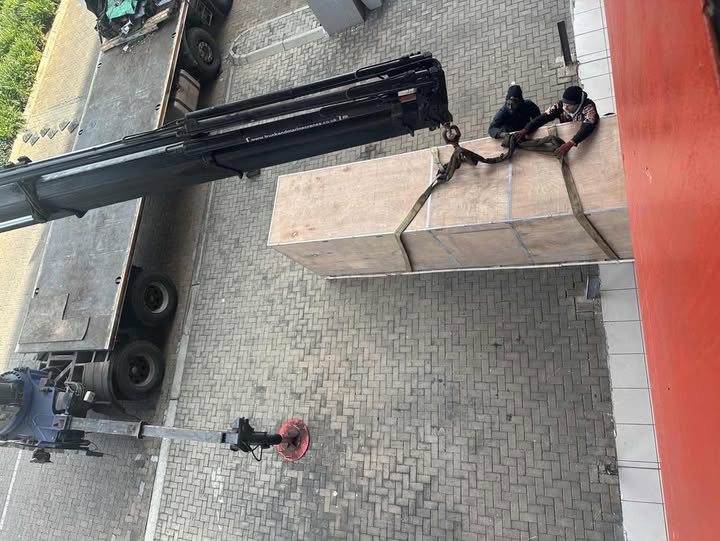
Industrial Machine Cllection
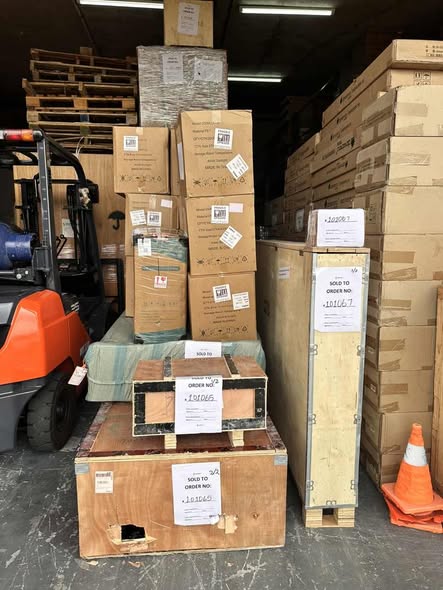
Agriculture Processing Machines
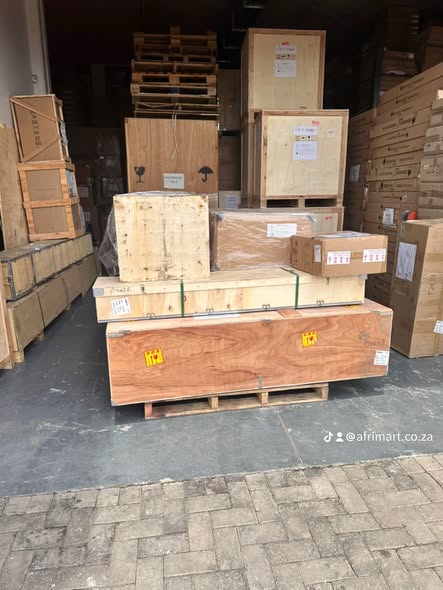
Ready for collection
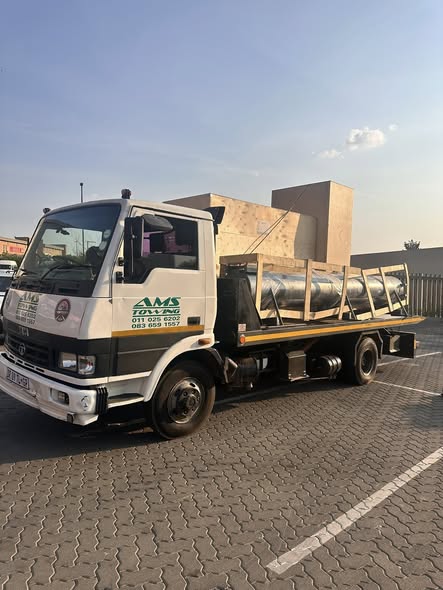
Water Pump Equipment
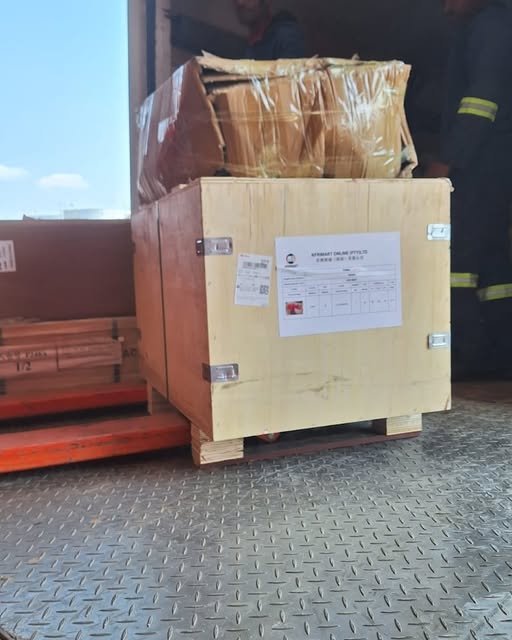
Packaging Machine and accessories
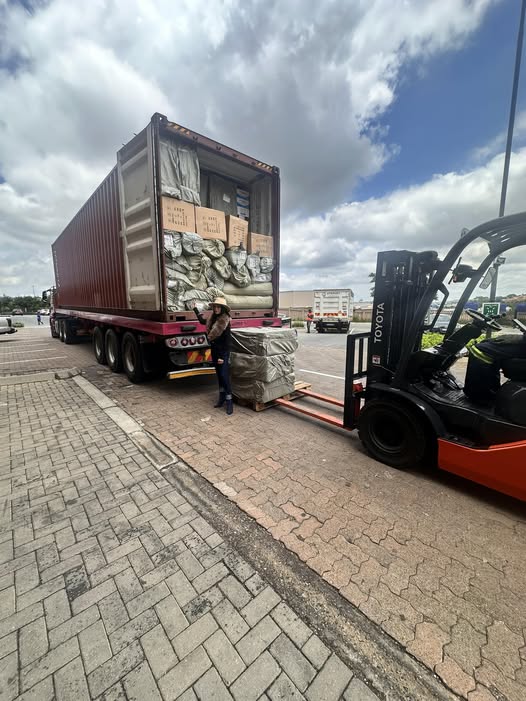
Fabrics Manufacturing Equipment
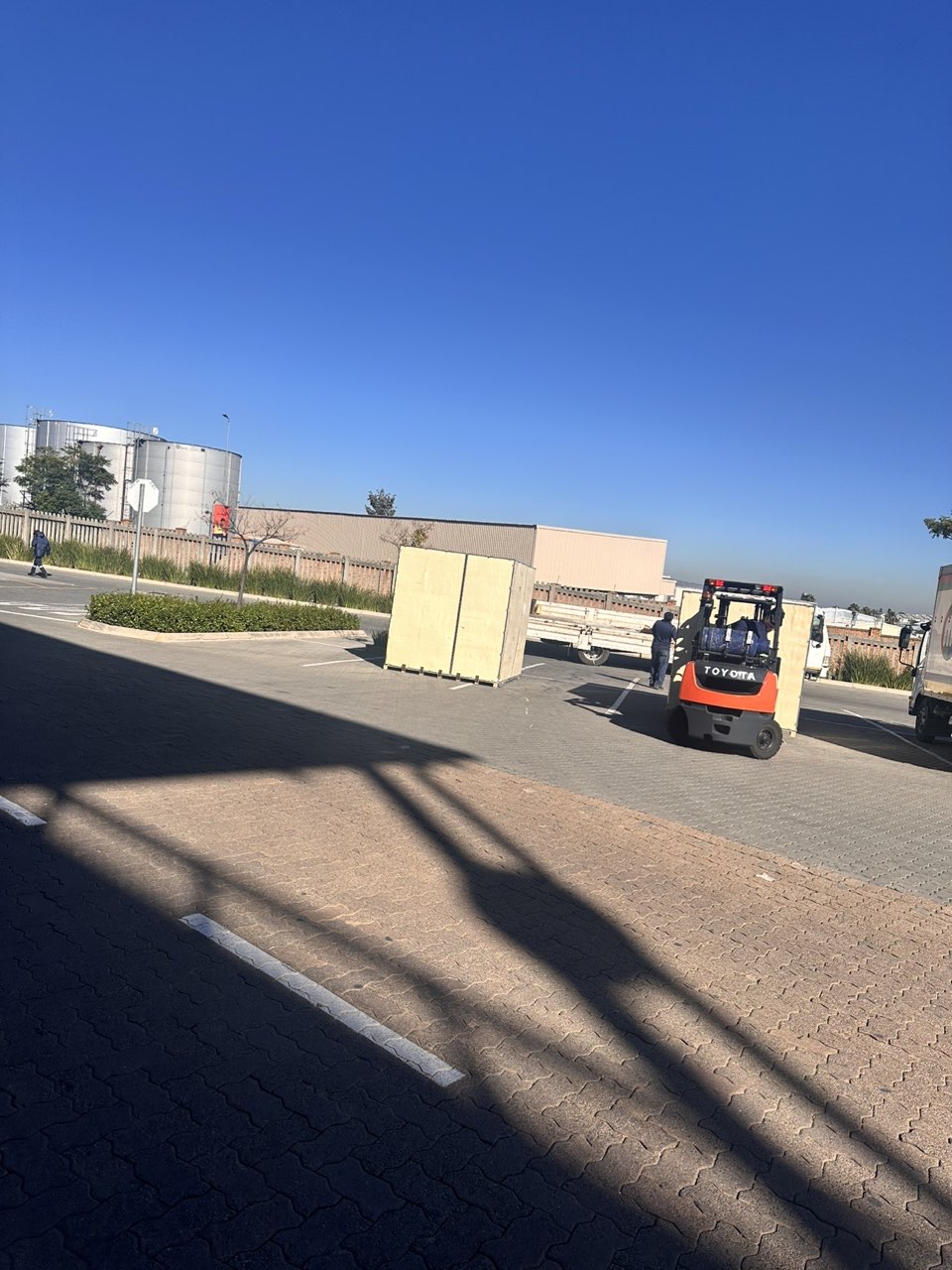
Mining Equipments
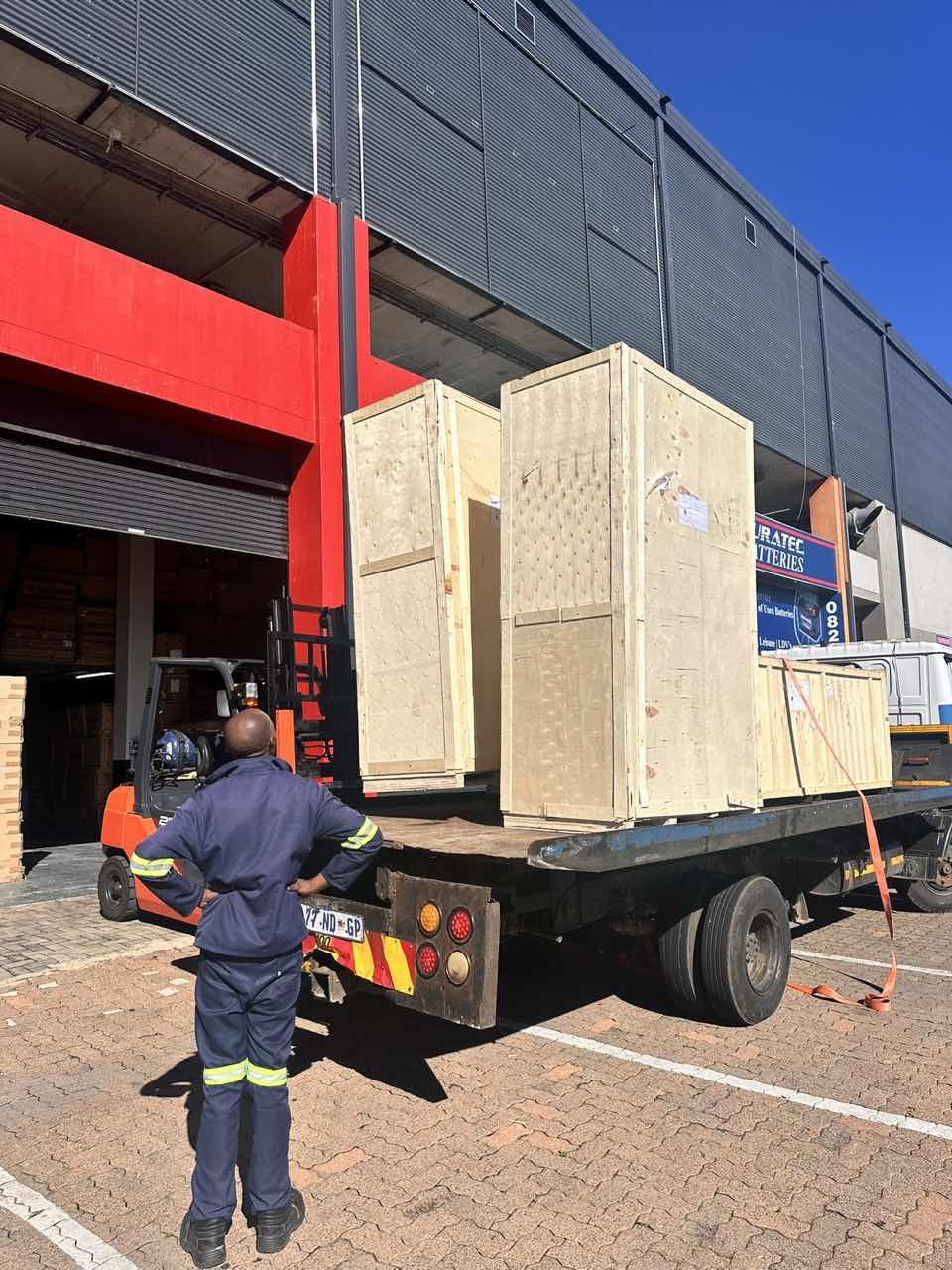
Food Processing Machine
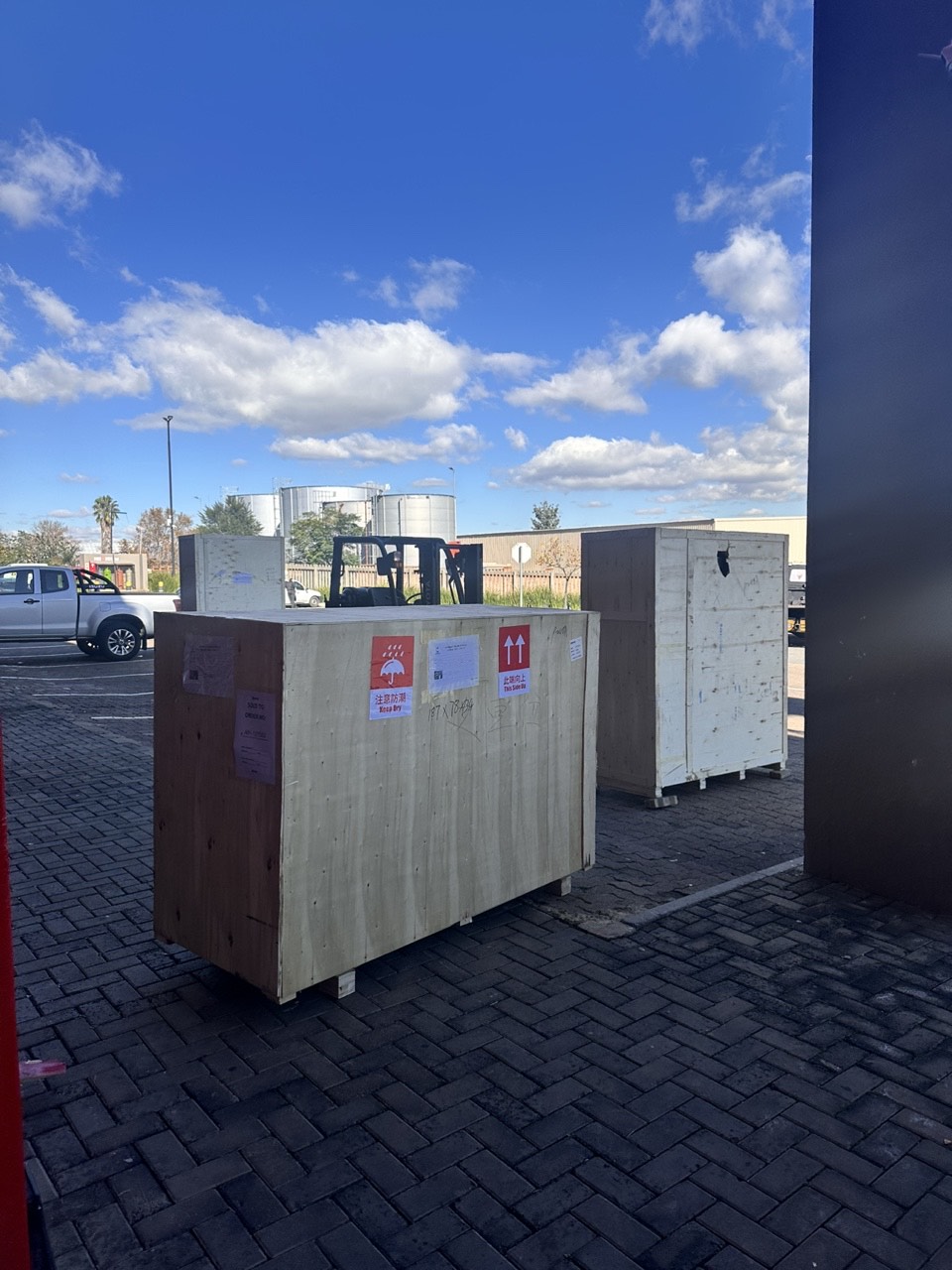
Batch of Orders
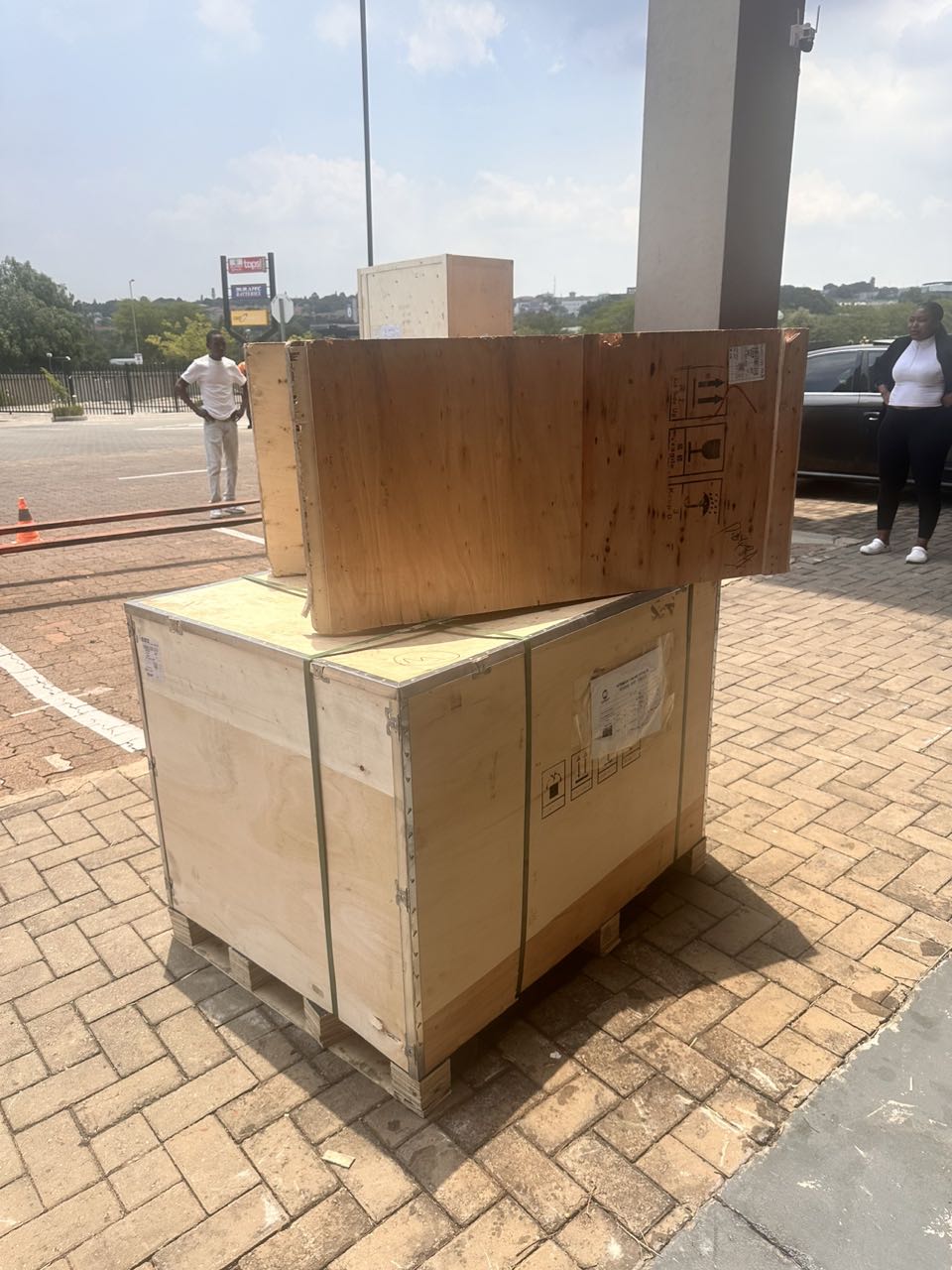
Batch of Orders
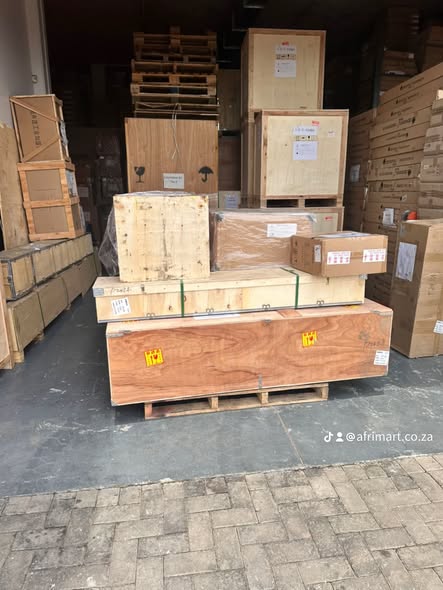
Latest Orders Labelled
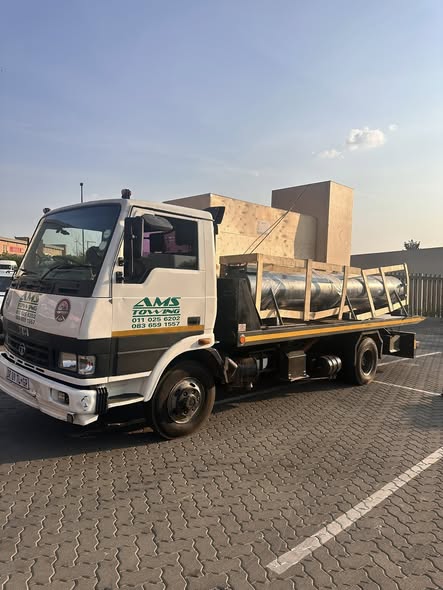
wheel alignment machines
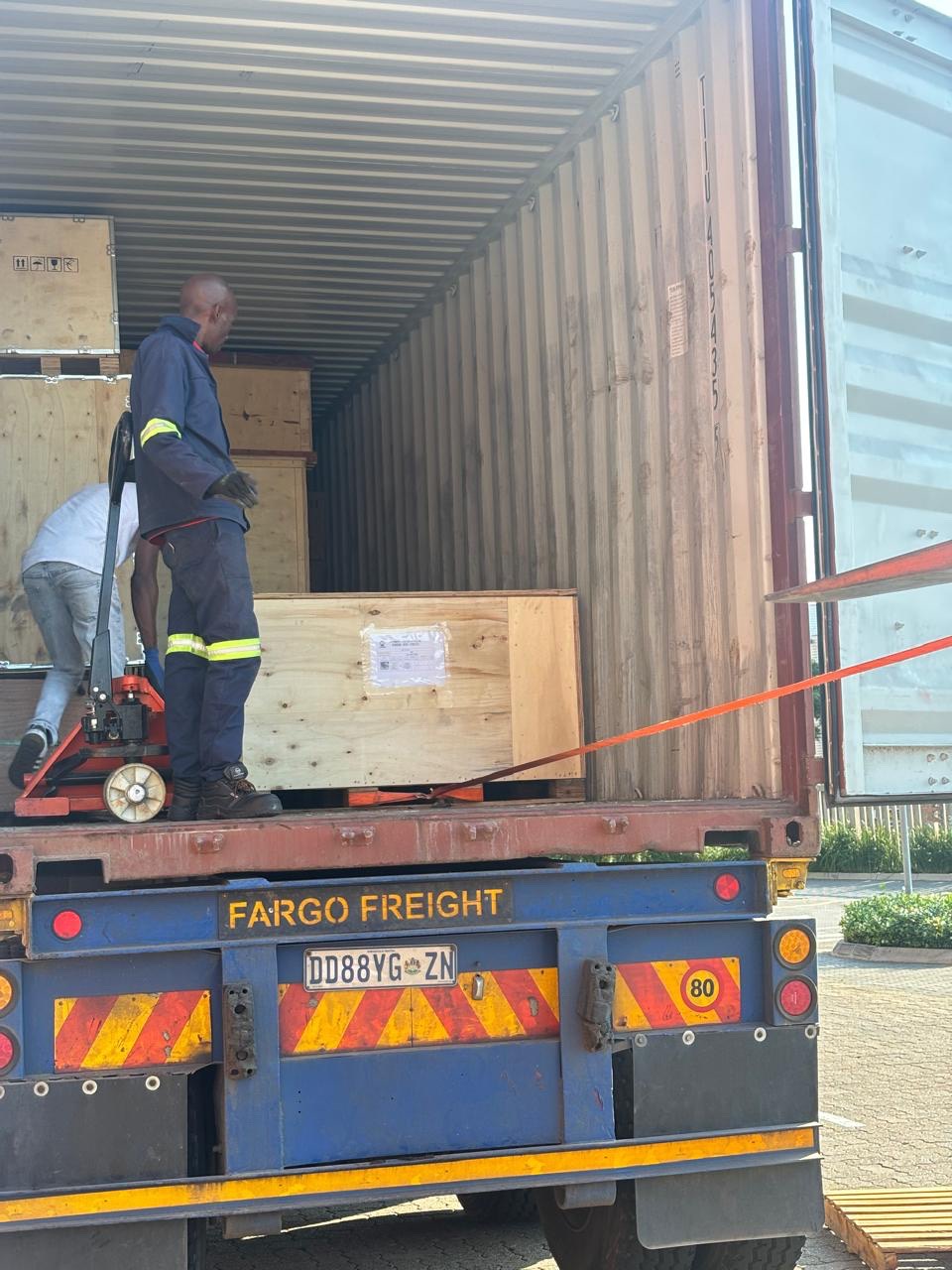
new arrivals
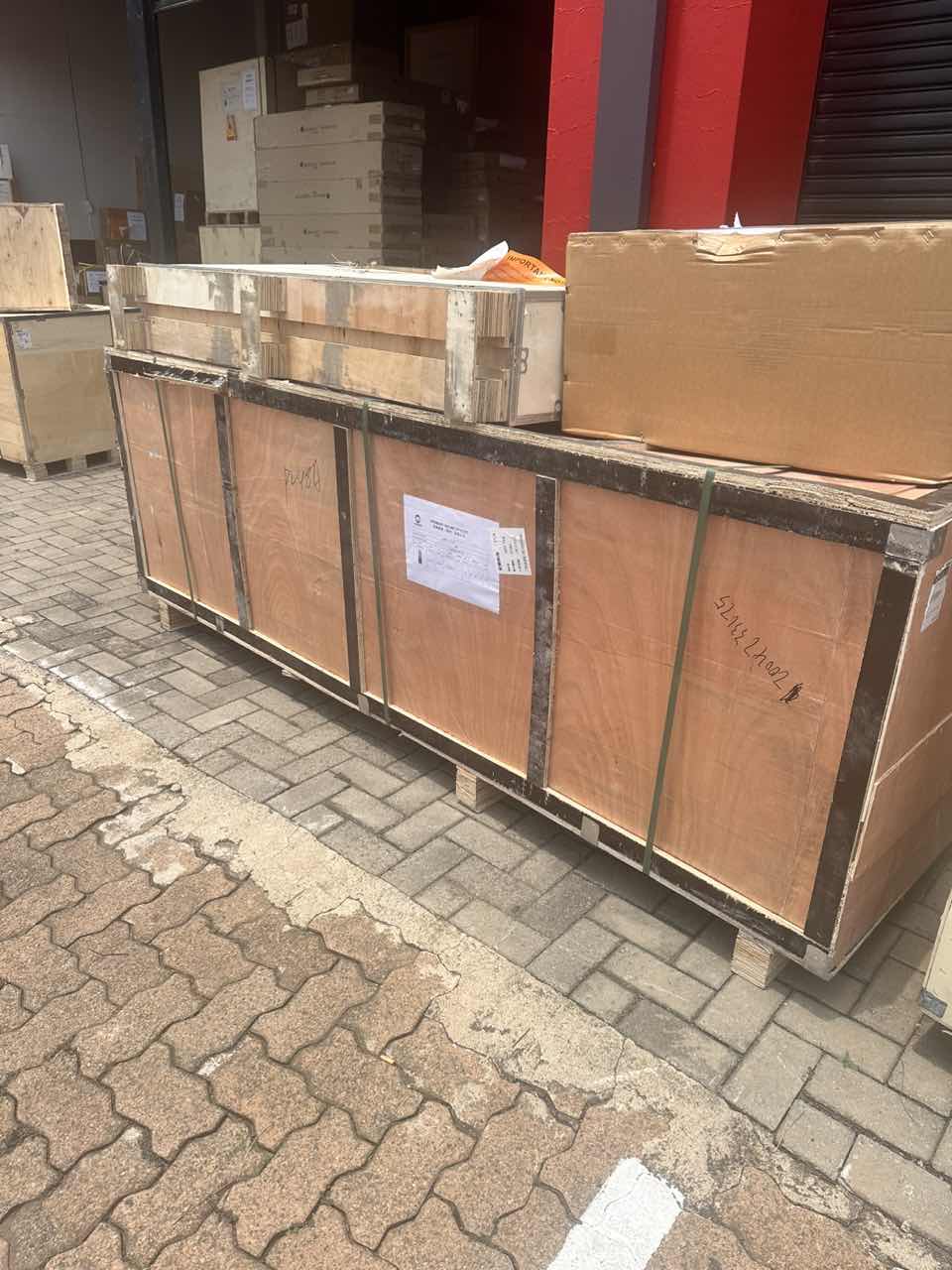
Pre Orders Offloading
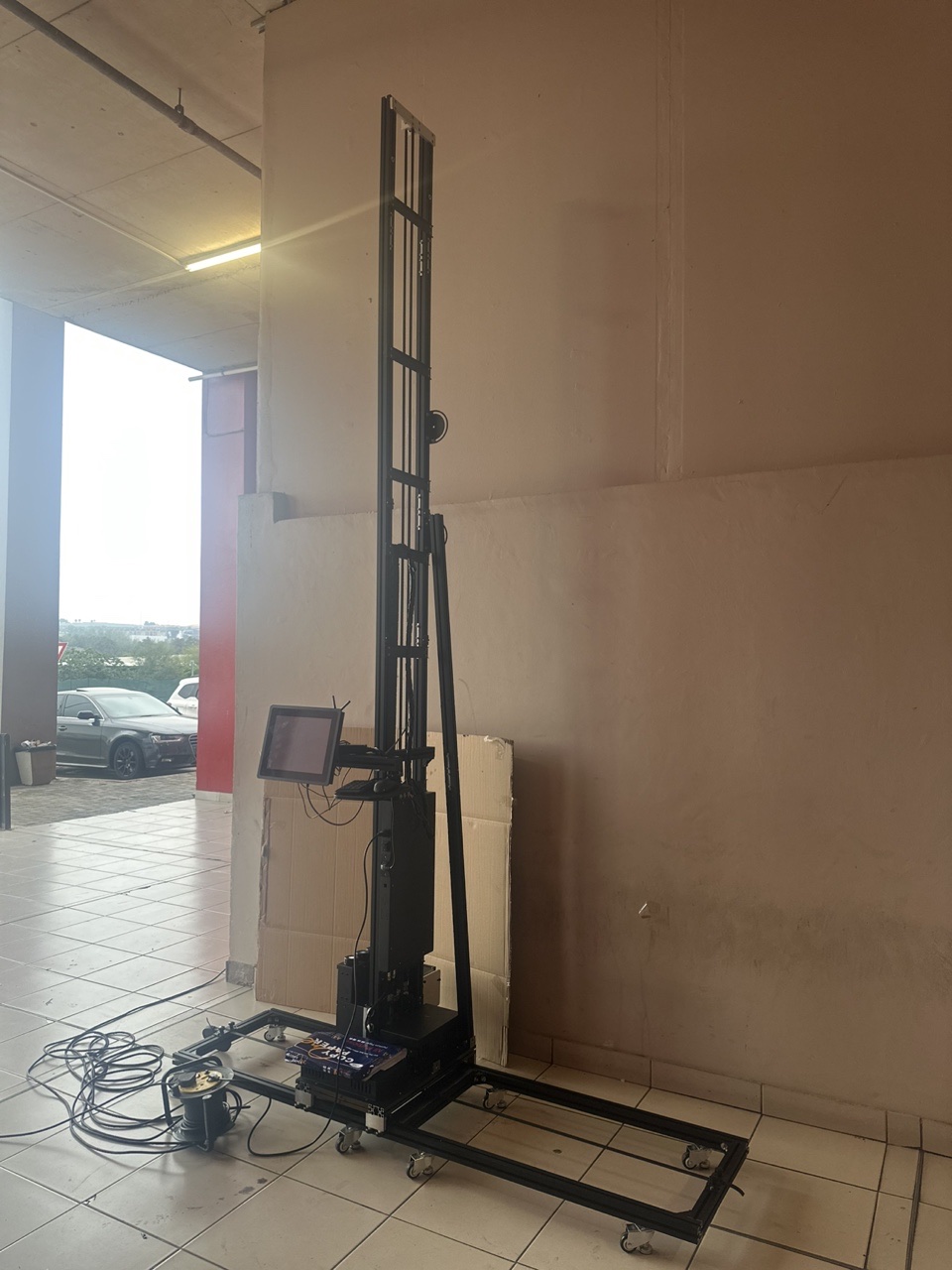
Latest Arrivals
Latest Arrivals
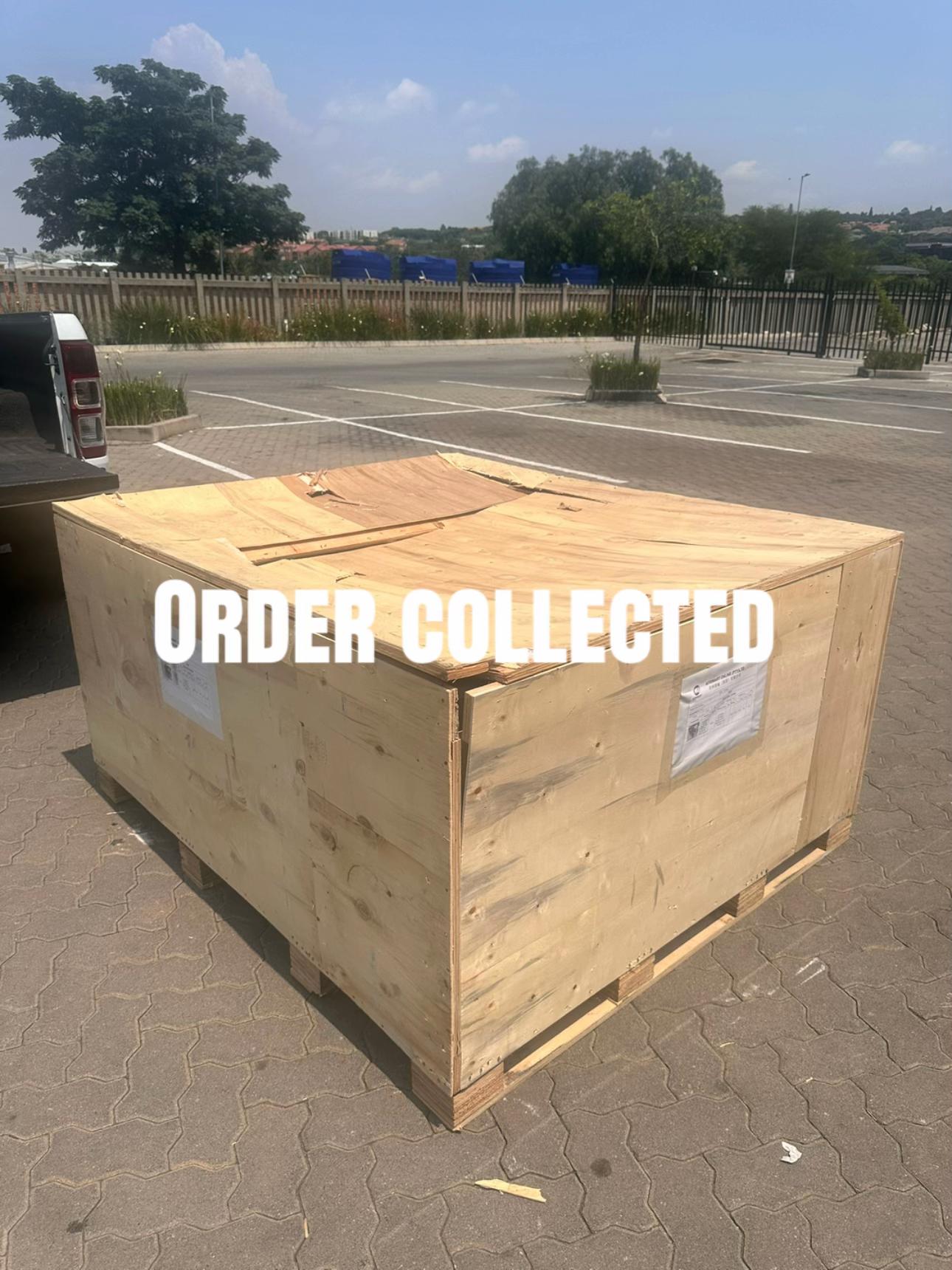
Latest Arrivals
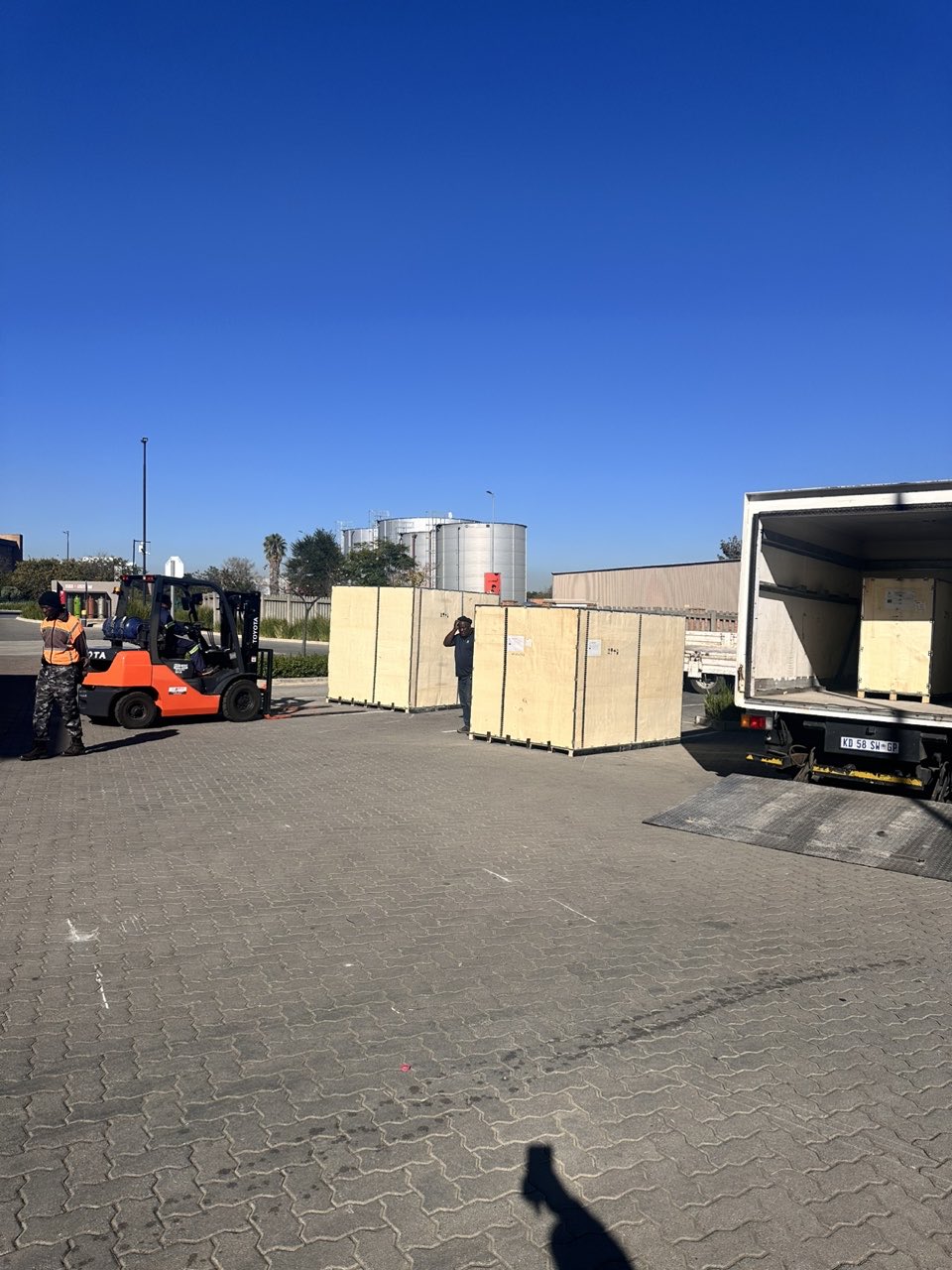
Loading
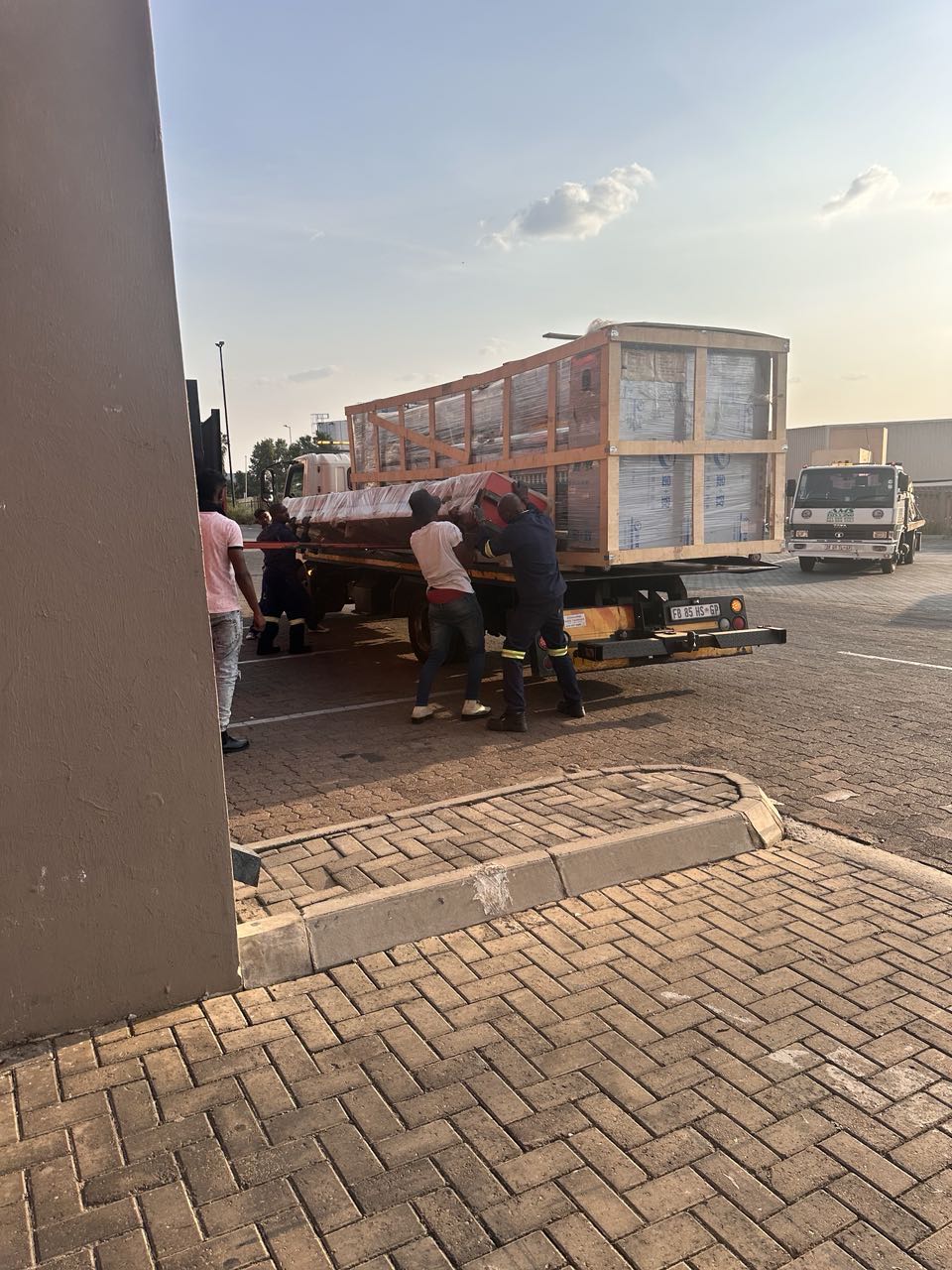
Toilet paper making machine
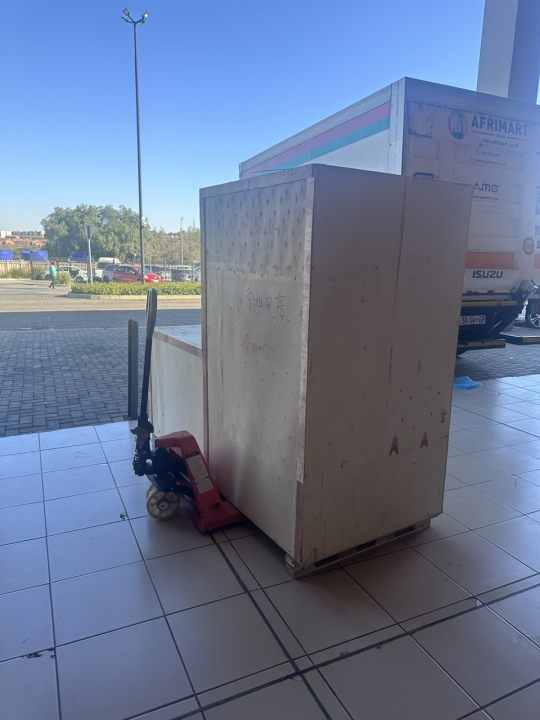
Toilet paper making machine
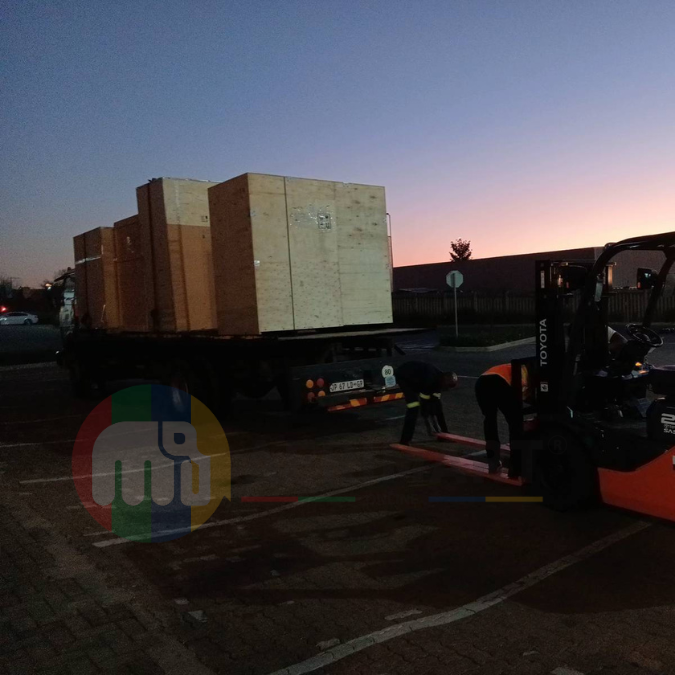
Toilet paper Rewinding Machine
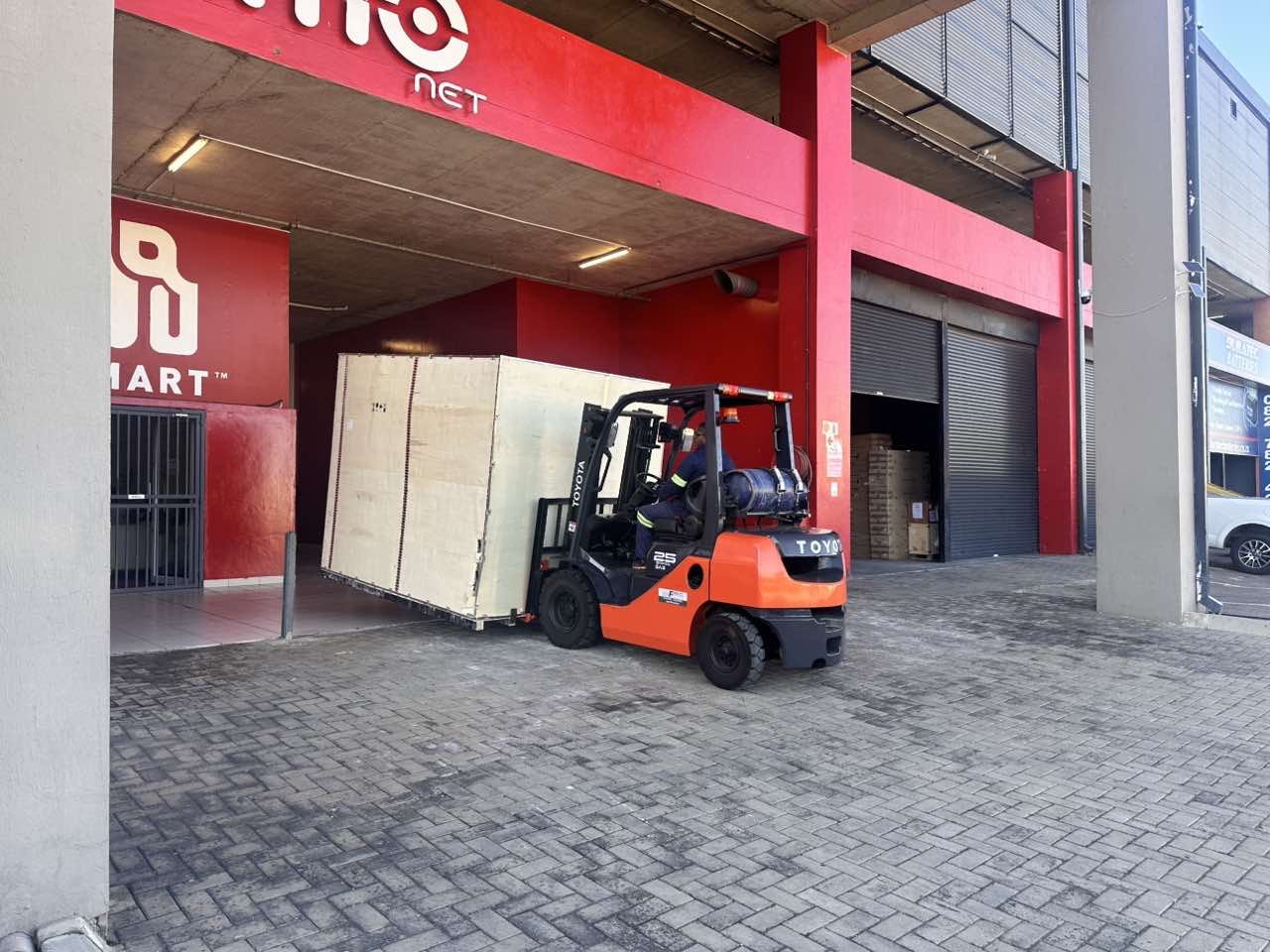
latest arrivals
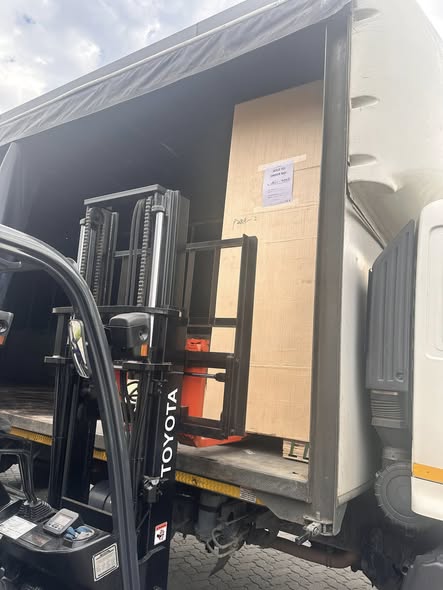
offloading
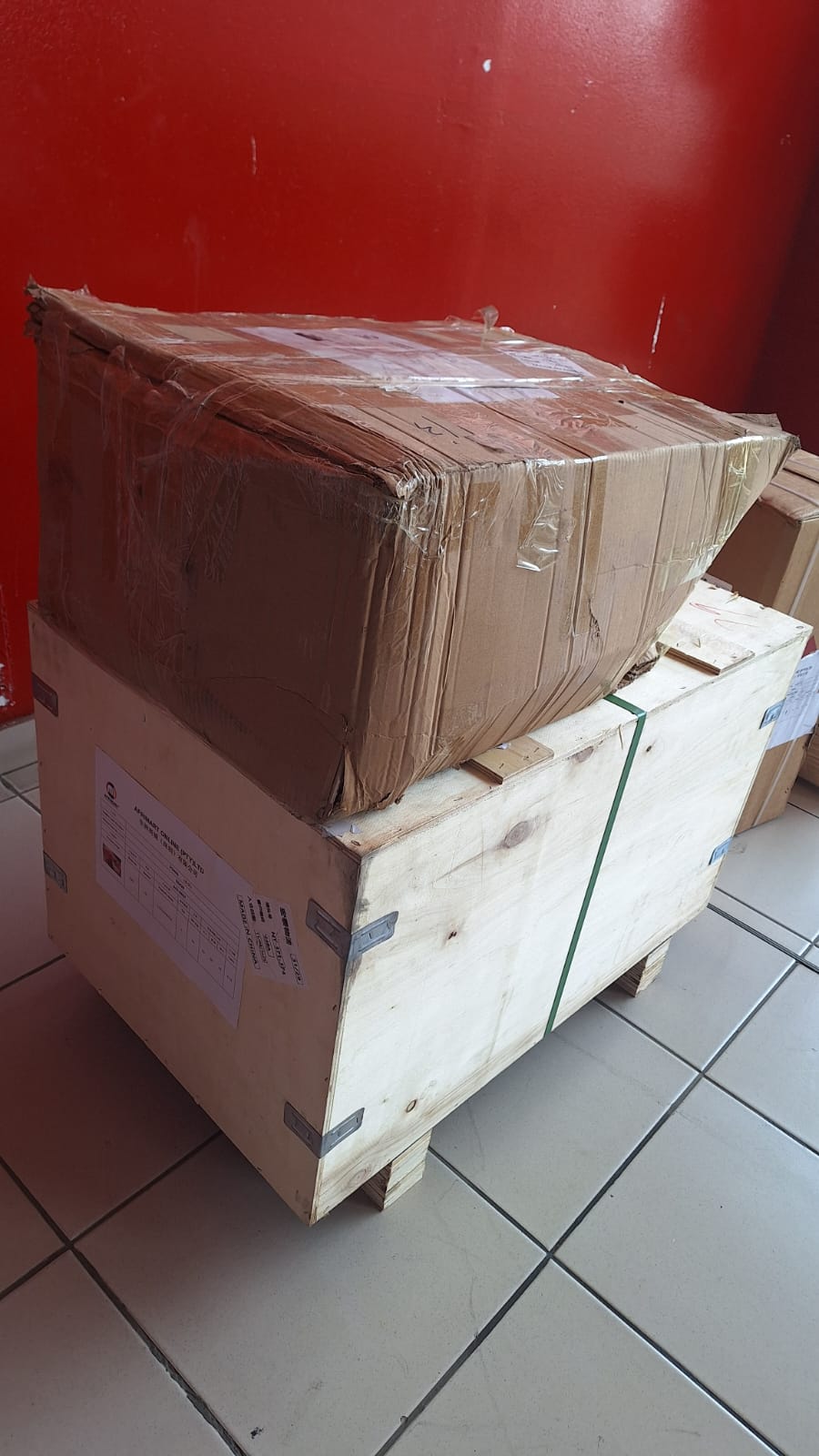
order success
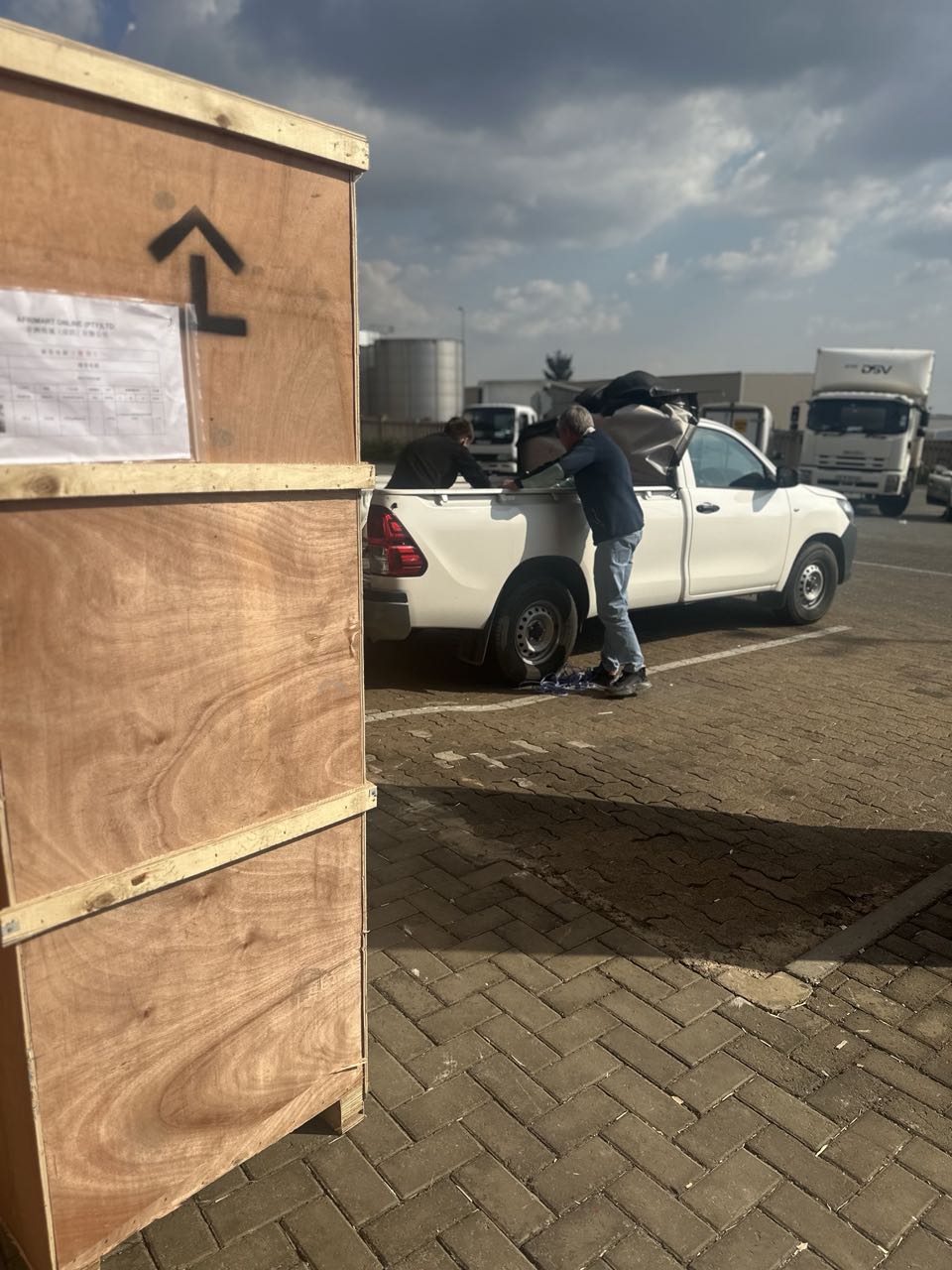
order collection
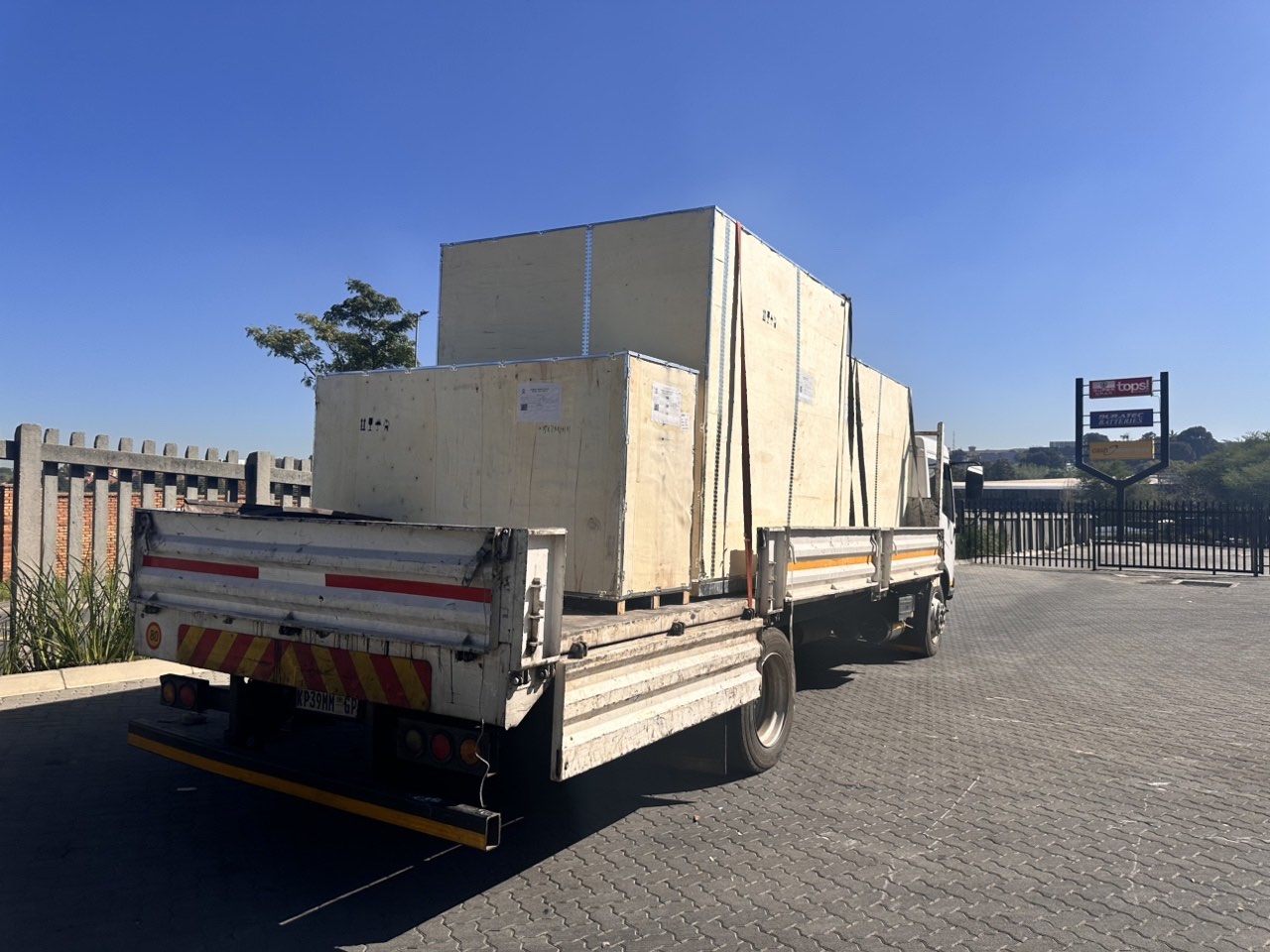
order offloading