B21, China Town Mall, Midrand

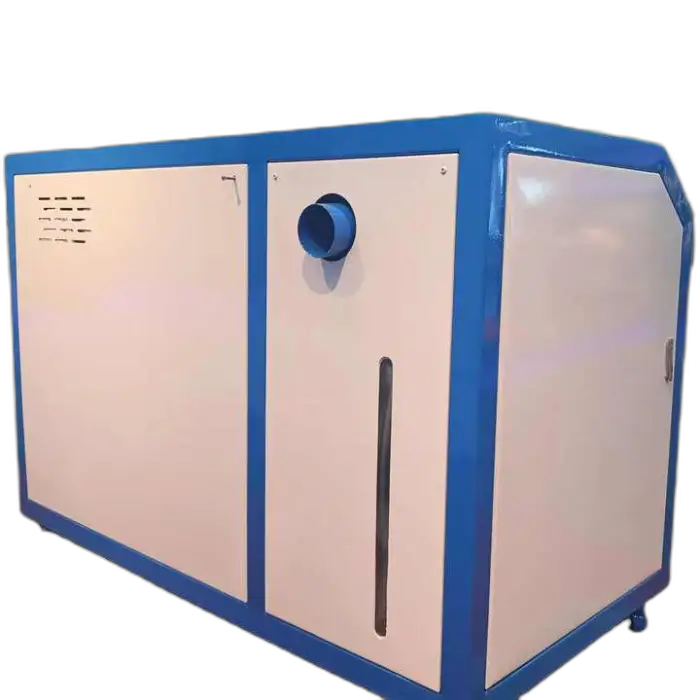
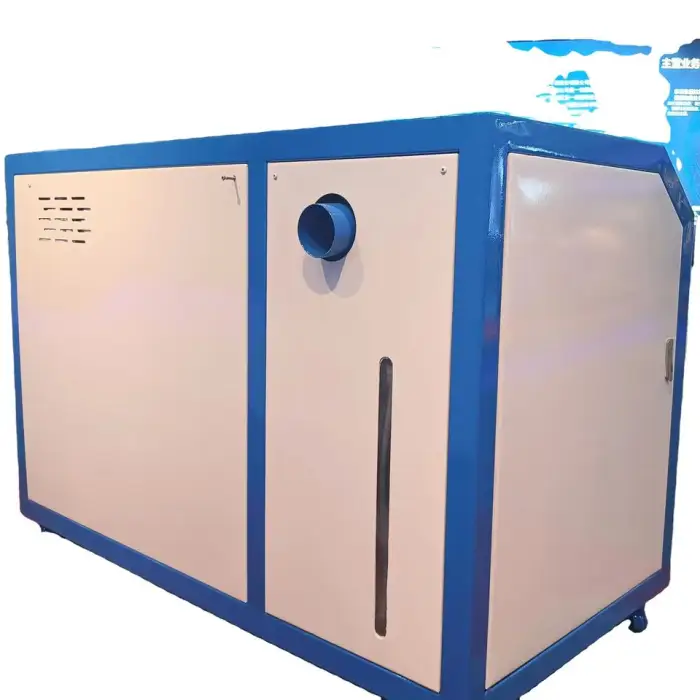
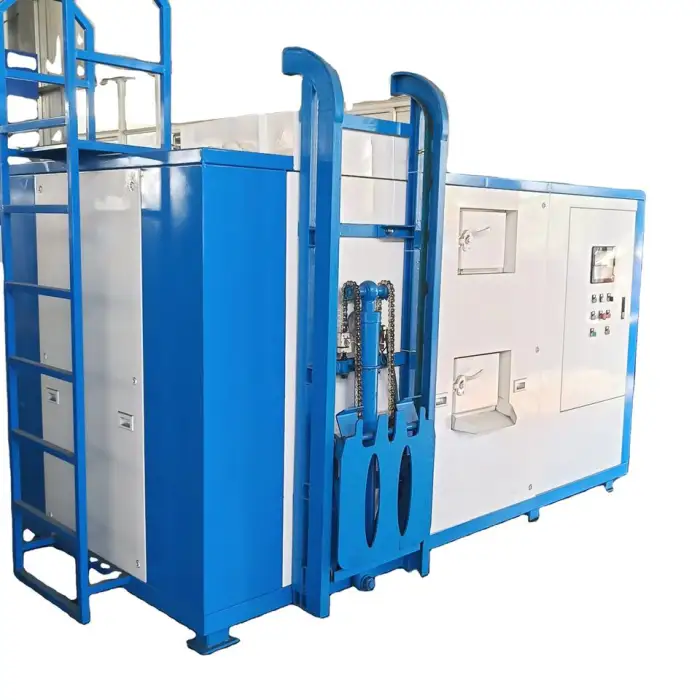
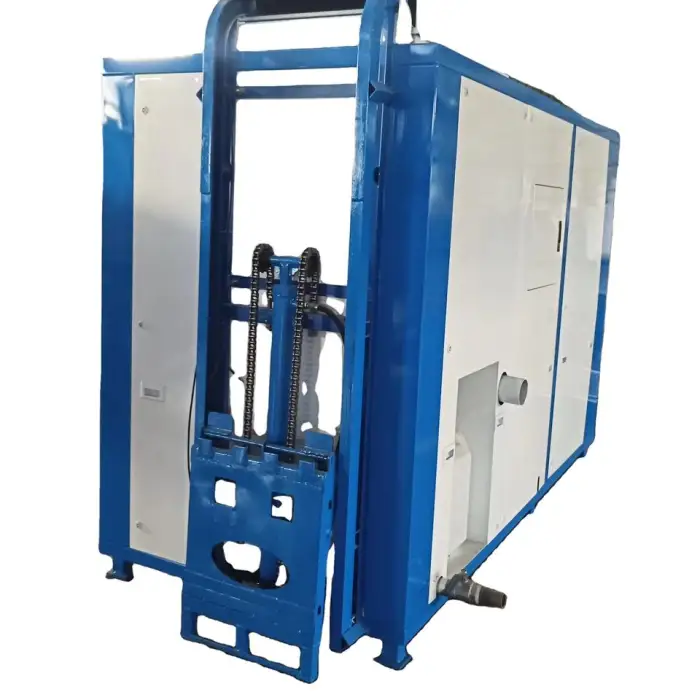
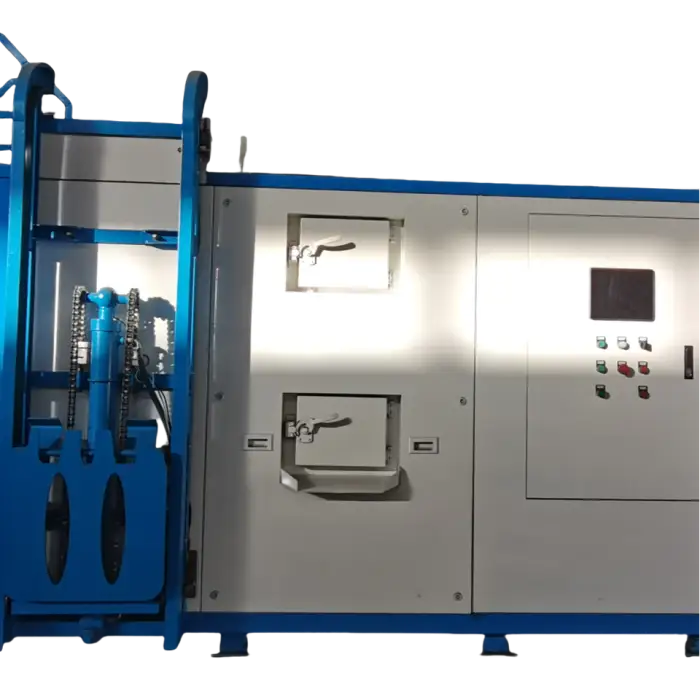
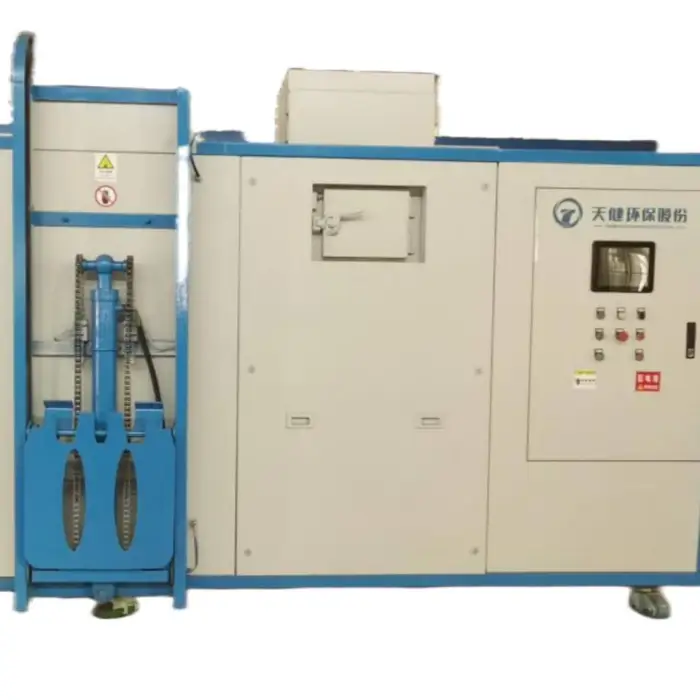
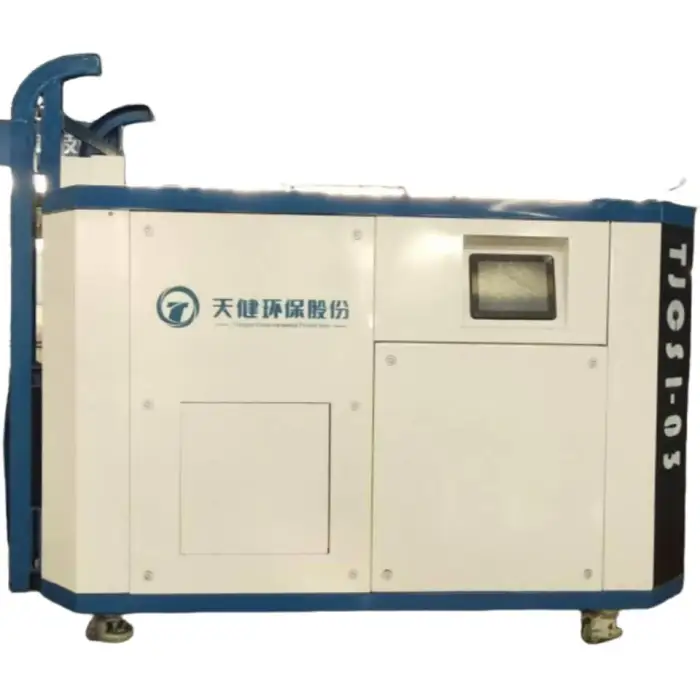
Professional Manufacturer Good 500KG /hour Restaurant Kitchen Waste Three Phase Separator Food Waste Crusher Dewatering Machine
Asset finance available
Do you want funding for this equipment?
Afrimart can connect you with trusted funding partners who specialise in asset finance for businesses like yours. Compare options and apply in minutes — final approval is subject to provider review.
Check funding options
Secure & no obligation

- Section : Machinery
- Category : Environmental Machinery
- SKU : 1601359428666

Professional Manufacturer Good 500KG/hour Restaurant Kitchen Waste Three Phase Separator Food Waste Crusher Dewatering Machine
The Professional Manufacturer Good 500KG/hour Restaurant Kitchen Waste Three Phase Separator Food Waste Crusher Dewatering Machine is designed to handle food waste efficiently. This powerful machine helps restaurants and kitchens manage their waste effectively, reducing environmental impact while improving operational efficiency. With a robust design and advanced technology, this food waste crusher is an essential tool for any food service establishment.
Specifications
| Attribute | Details |
|---|---|
| Type | Food Waste Disposer |
| Power | 7.5 KW |
| Core Components | PLC, Pump, Pressure vessel |
| Machinery Test Report | Provided |
| Video Outgoing Inspection | Provided |
| Material | Wooden cases |
| Weight (kg) | 800 |
| Model Number | TJCG2-05 |
| Name | Food Waste Crusher Dewatering Machine |
| Selling Units | Single item |
| Single Package Size | 476X162X242 cm |
| Single Gross Weight | 3400.000 KG |
Key Features
- High capacity of 500KG/hour for efficient waste processing.
- Powerful 7.5 KW motor for reliable operation.
- Advanced PLC control for easy management.
- Includes necessary components like pump and pressure vessel.
- Comes with a machinery test report and video inspection for quality assurance.
- Robust and durable design, packaged in wooden cases.
Applications
- Ideal for restaurants and commercial kitchens.
- Suitable for hotels and catering services.
- Useful in food processing industries.
- Helps in waste management for event venues.
- Can be used in schools and hospitals for food waste disposal.
Product Info Gallery
- Shipping Timeframes: All orders are processed within 2-5 business days (excluding weekends and holidays). After your order has been processed, the estimated delivery time is before 09 Aug, 2026, depending on customs, Please note that due to high demand, some items may experience longer shipping times, which will be communicated at order confirmation email.
- Order Processing Time: Please allow 2-5 business days for us to process your order before it is shipped . Orders placed after 16:00 on Fridays, or during weekends and public holidays, will begin processing on the next business day. Processing times may be extended during peak seasons or sales events.
- Manufacturing Time: Some products needs manufacturing time, the manufacturing process will take approximately 10-30 business days depending on the product. This timeframe may vary depending on the complexity of the product and current demand. but this will be communicated with you during order confirmation.
- Returns and Exchanges: We offer a 30-day return policy for most items. If you are not completely satisfied with your purchase, you may return it within 30 days of receipt for a refund or exchange. Items must be unused, in their original packaging, and accompanied by proof of purchase. Return shipping costs are the responsibility of the customer, unless the item was damaged or defective upon arrival.
1. What is the processing capacity of this food waste crusher dewatering machine?
The machine is rated for up to 500 kg/hour of food waste under typical operating conditions. Actual throughput may vary depending on waste composition, particle size and moisture content.
2. What power supply does the machine require?
The machine is driven by a 7.5 kW motor and is designed for three-phase power. Confirm the required voltage and frequency with the manufacturer (commonly 380/400/415 V, 50/60 Hz or configurable).
3. What are the machine's core components and controls?
Core components include a PLC control system, pump and pressure vessel. The PLC provides automated control and monitoring; operator interface details can be provided by the manufacturer.
4. What types of food waste can the machine process?
It is intended for typical restaurant and commercial kitchen food waste, including cooked/uncooked vegetable scraps, meat trimmings, and mixed food residues. Extremely large bones or hard non-food items should be removed before feeding.
5. What does 'three phase separator' mean in this machine?
Three-phase separation refers to the machine's ability to separate food waste into three streams: dewatered solids, separated liquid (process water), and any recoverable oils/grease. Final disposal or treatment of each stream depends on your facility's waste management plan.
6. Is installation and commissioning included or available?
The machine is packaged in wooden cases for shipment. Due to its weight and size, professional installation/commissioning by the supplier or an authorized technician is recommended. Clarify whether on-site installation is included when ordering.
7. What are the machine and shipping weights and package dimensions?
Product specification lists a net weight value and a single gross weight for shipping: machine weight is indicated as 800 kg (net) and single gross weight as 3400 kg. The single package dimensions are 476 x 162 x 242 cm. Confirm final shipping weight with the supplier as packing may vary.
8. What routine maintenance is required?
Typical maintenance includes daily removal of large debris, regular cleaning of screens and chambers, periodic inspection and lubrication of moving parts, pump checks, and scheduled PLC/software checks. Follow the manufacturer's maintenance schedule for intervals and procedures.
9. How is the separated water/discharge handled?
Separated process water must be directed to an appropriate drain or on-site wastewater treatment system per local regulations. The machine requires proper plumbing for liquid discharge; consult the manufacturer for recommended piping and pre-treatment if necessary.
10. What safety features does the machine have?
Standard safety features typically include emergency stop(s), interlocks, guarded access panels and PLC fault monitoring. Specific safety devices and certifications should be confirmed with the manufacturer and integrated into your site safety plan.
11. Are quality assurances or inspection documents provided?
Yes — the product listing indicates a machinery test report and a video of the outgoing inspection are provided for quality assurance. Request these documents during the purchase process.
12. What are the packaging and shipping considerations?
The machine is shipped in wooden cases. Because of the gross weight and dimensions, handling will require forklifts/cranes and appropriate transport vehicles. Verify lift points and packaging protection requirements before shipping.
13. Are spare parts and after-sales support available?
Spare parts such as pumps, wear components and PLC modules are typically available from the manufacturer or authorized dealers. Confirm lead times, parts lists and after-sales service agreements with your supplier.
14. Does the machine come with certifications (CE, ISO, local approvals)?
A machinery test report is provided, but specific certifications (CE, ISO, local regulatory approvals) are not listed in the description. Ask the manufacturer for copies of any certifications required for your market or installation.
15. How do I manage odors and hygiene when using this machine in a restaurant or hotel?
Good practice includes prompt removal of dewatered solids, regular cleaning of the machine and surrounding area, proper sealing of feed points, and routing separated liquids to a closed drain or treatment system. Consider periodic sanitization protocols and consult the supplier for recommended cleaning agents compatible with the equipment.
Latest Order Arrivals
Discover our latest orders
12 Heads Embroidery Machine
Toilet Paper Machine Machine
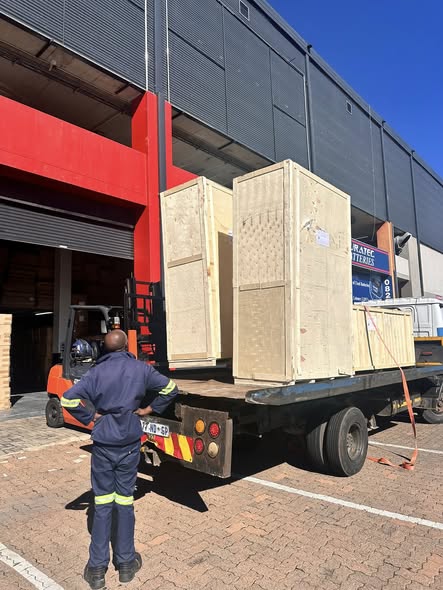
Order Collection
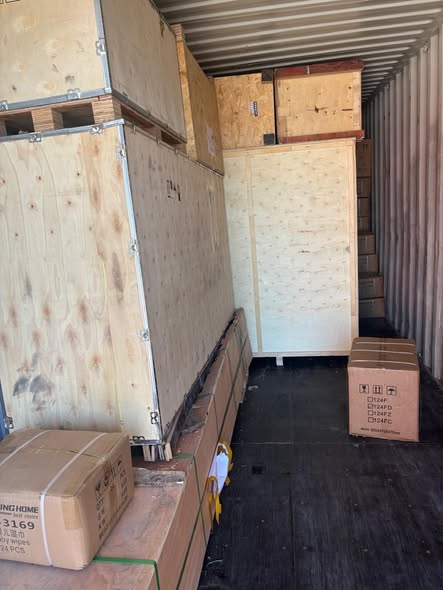
Cross Border Clients
Order cros border countries Collected
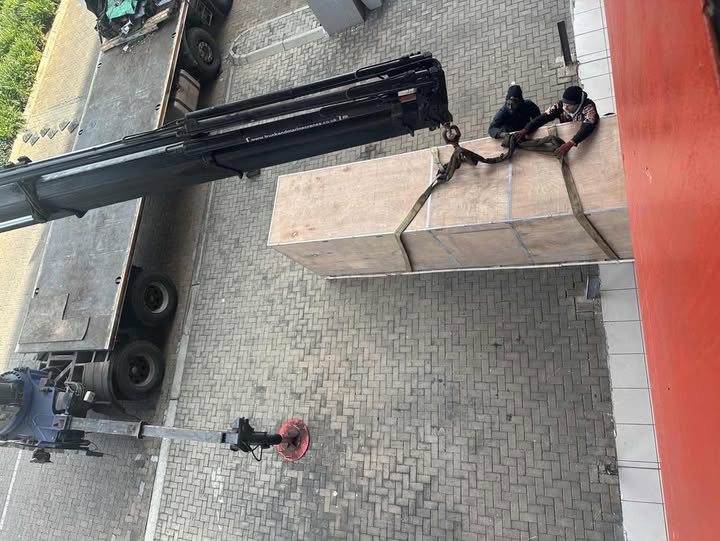
Industrial Machine Cllection
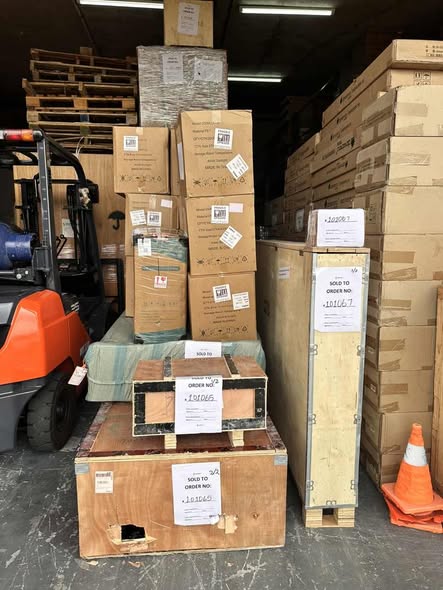
Agriculture Processing Machines
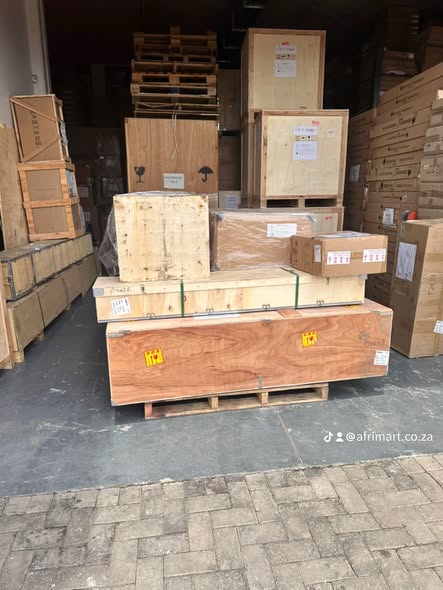
Ready for collection
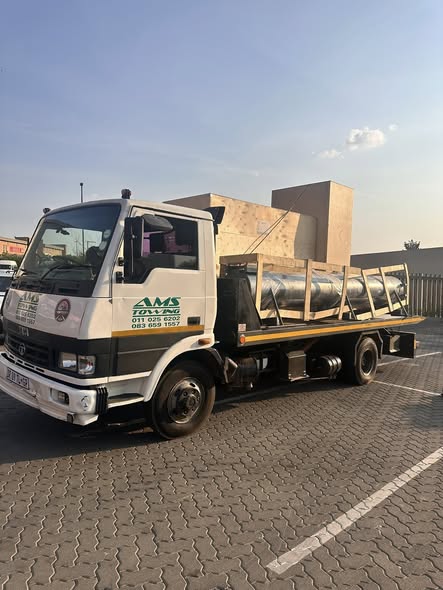
Water Pump Equipment
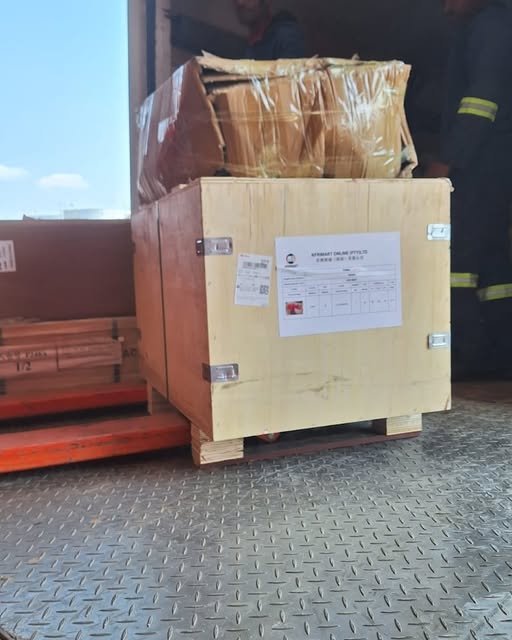
Packaging Machine and accessories
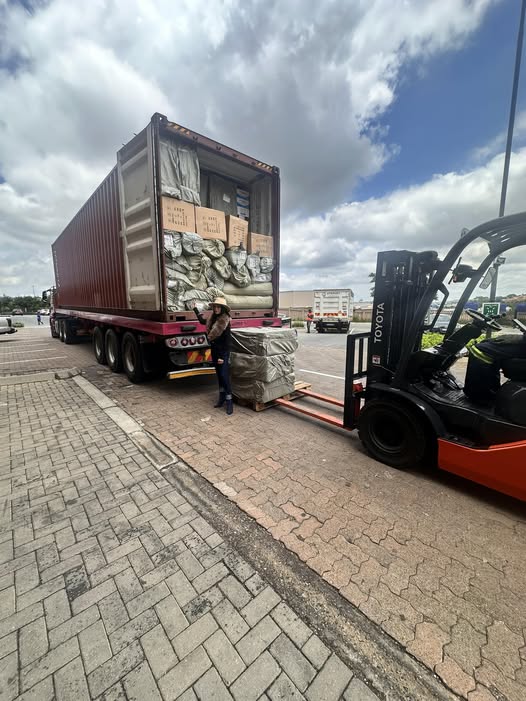
Fabrics Manufacturing Equipment
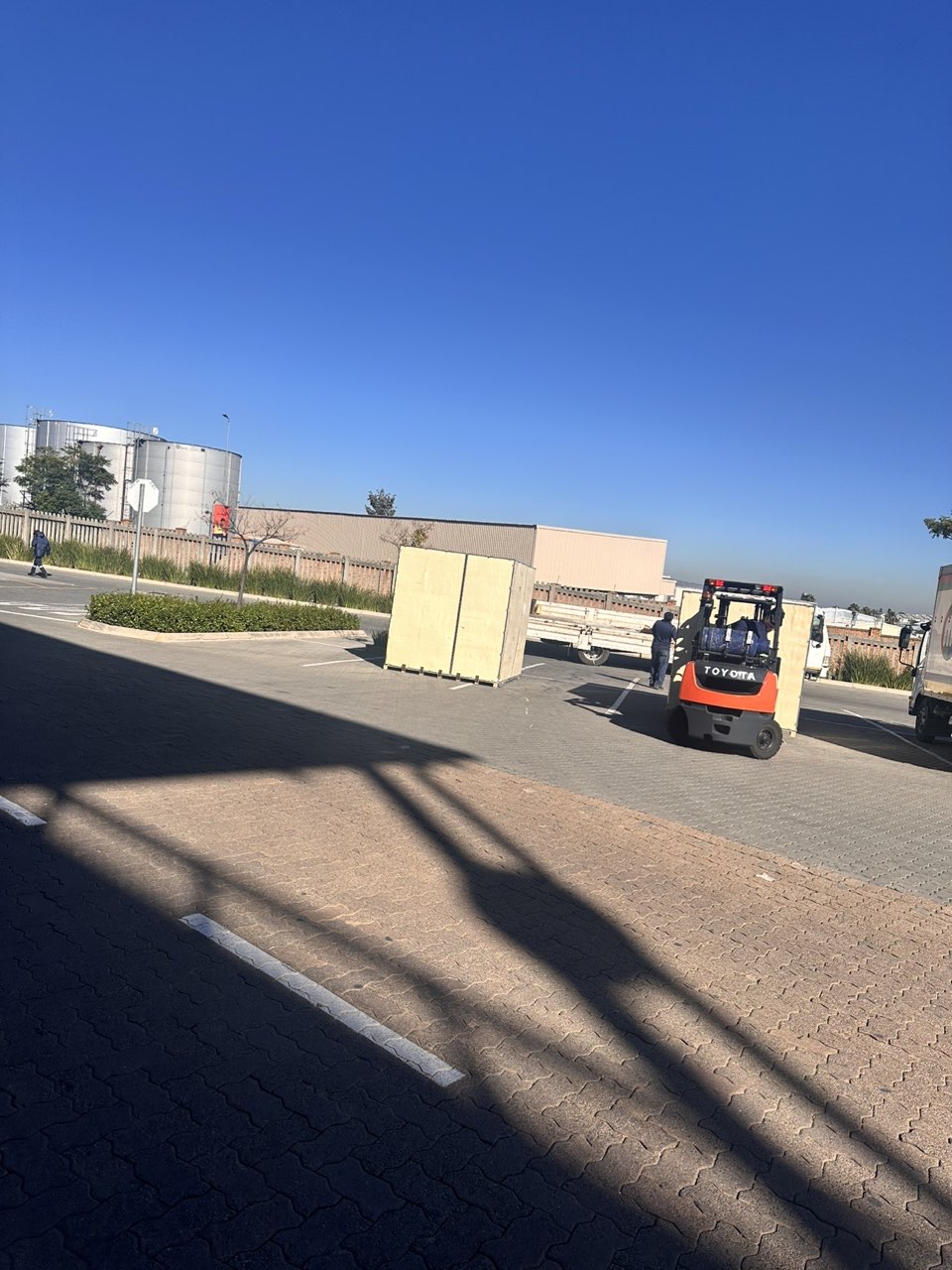
Mining Equipments
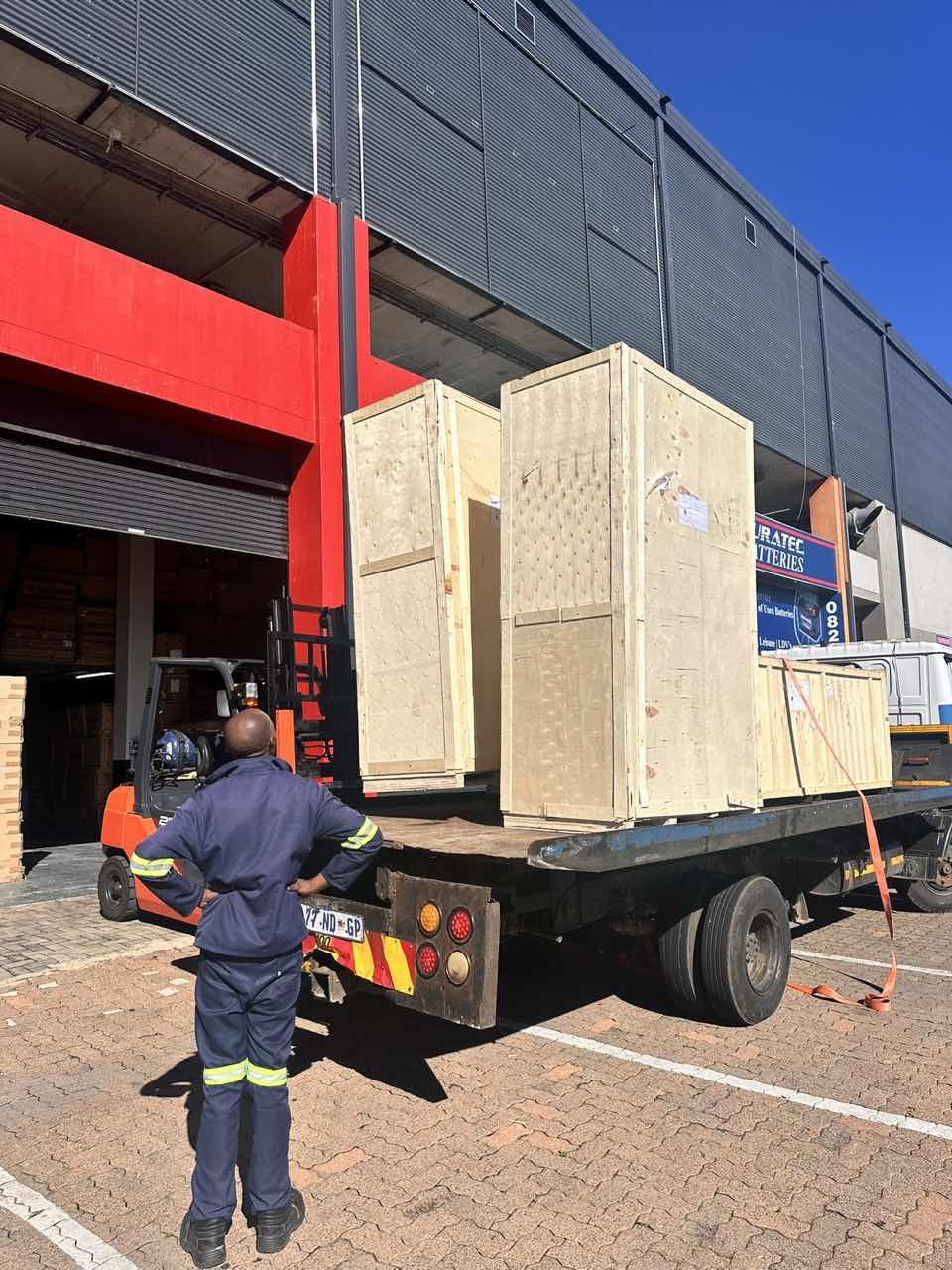
Food Processing Machine
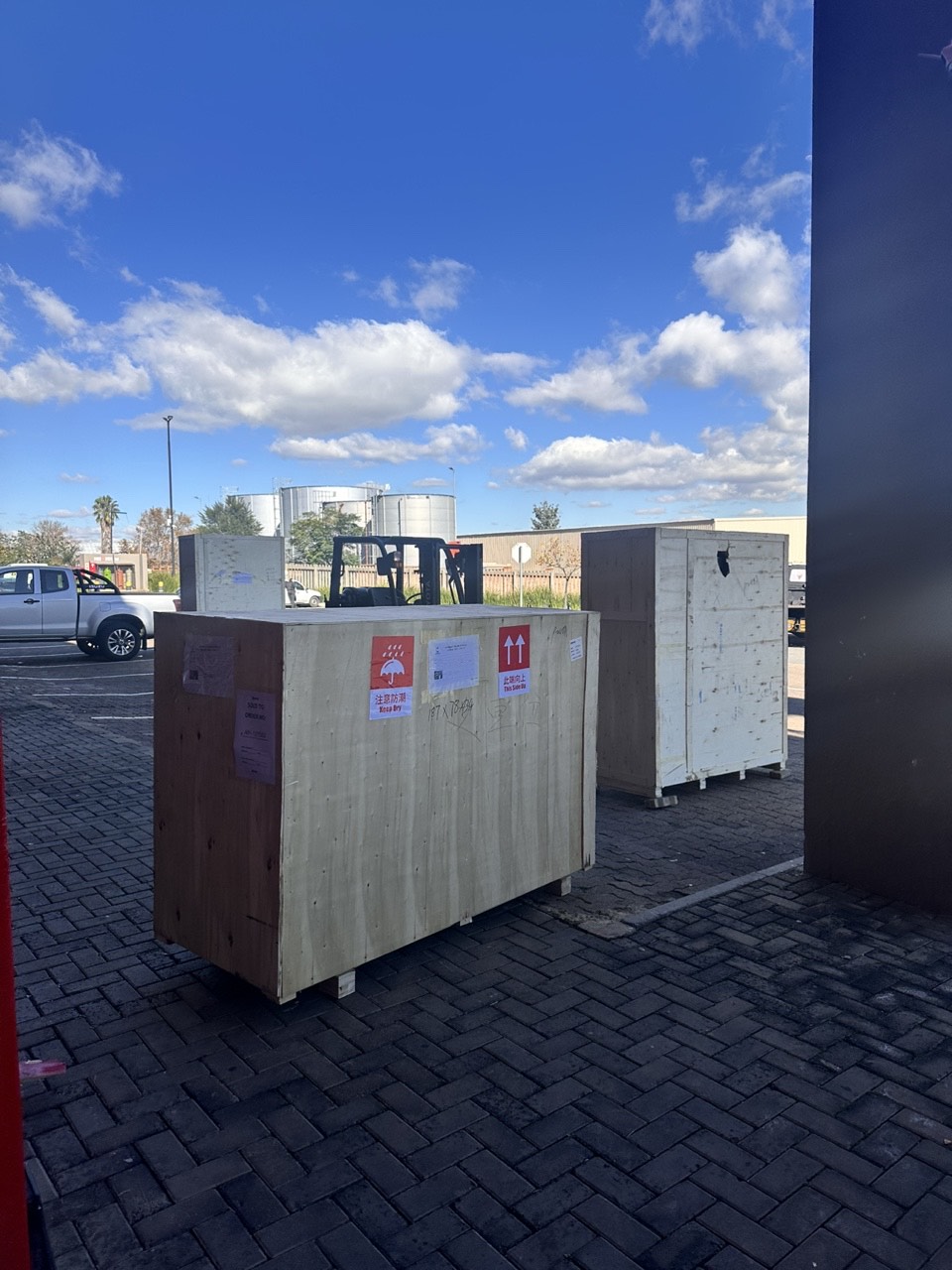
Batch of Orders
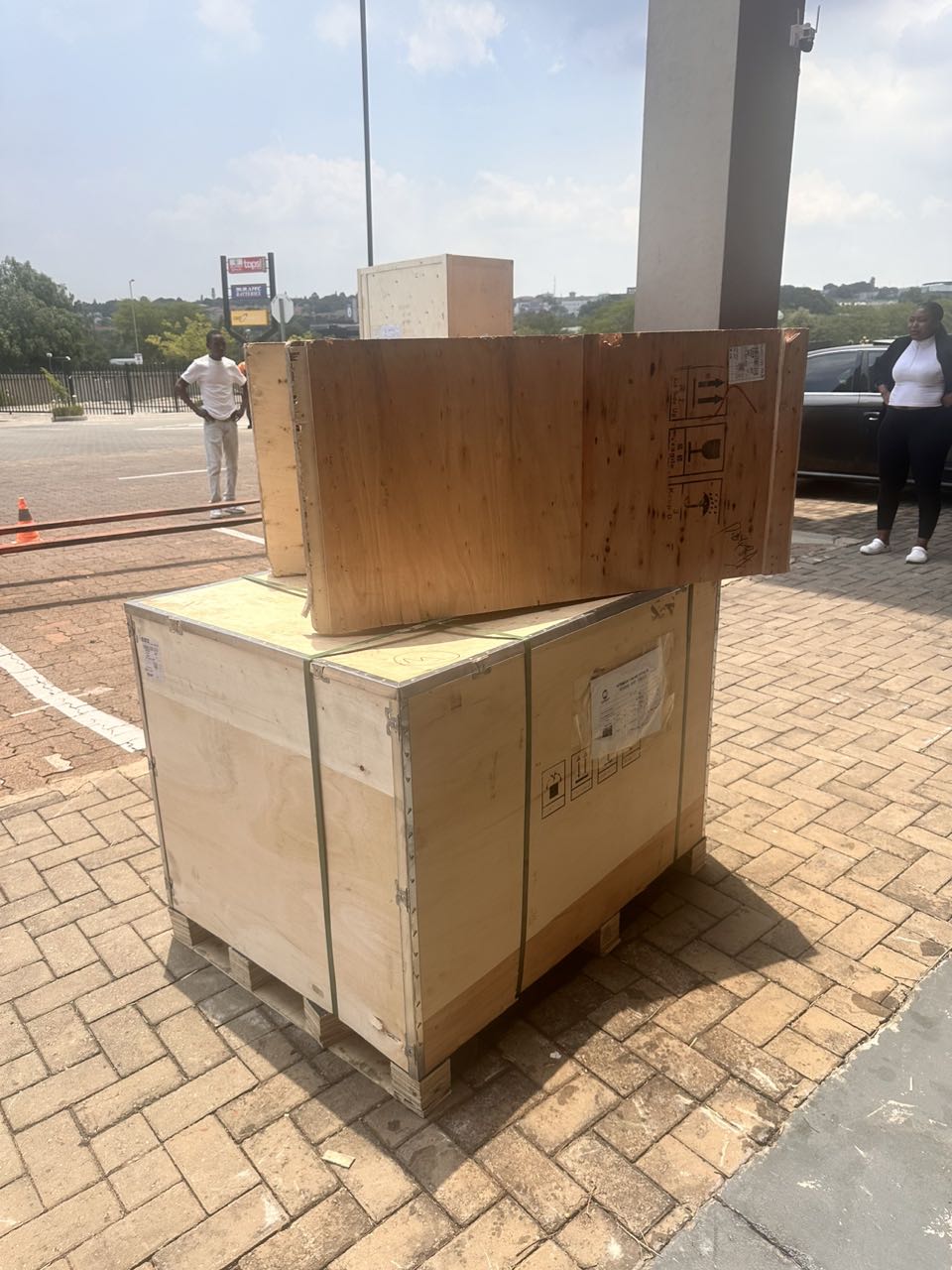
Batch of Orders
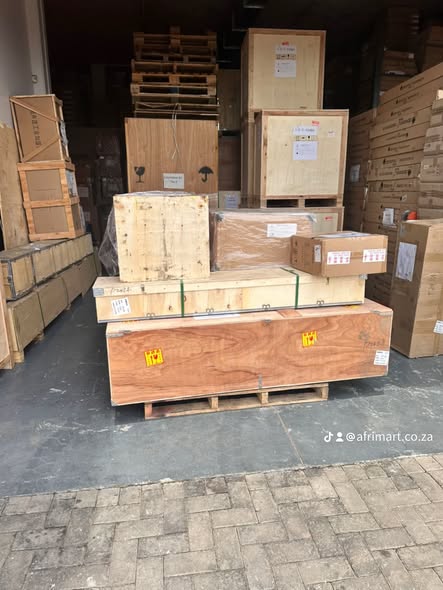
Latest Orders Labelled
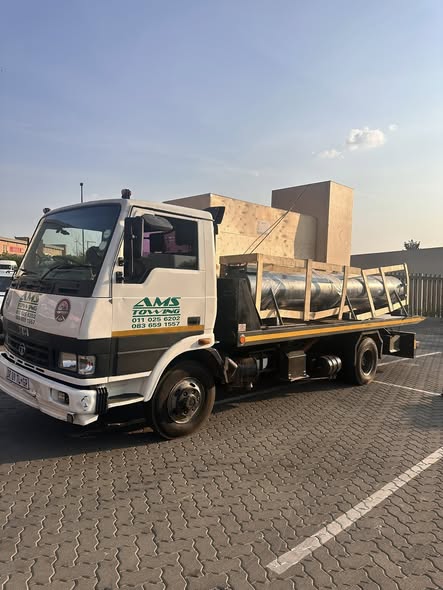
wheel alignment machines
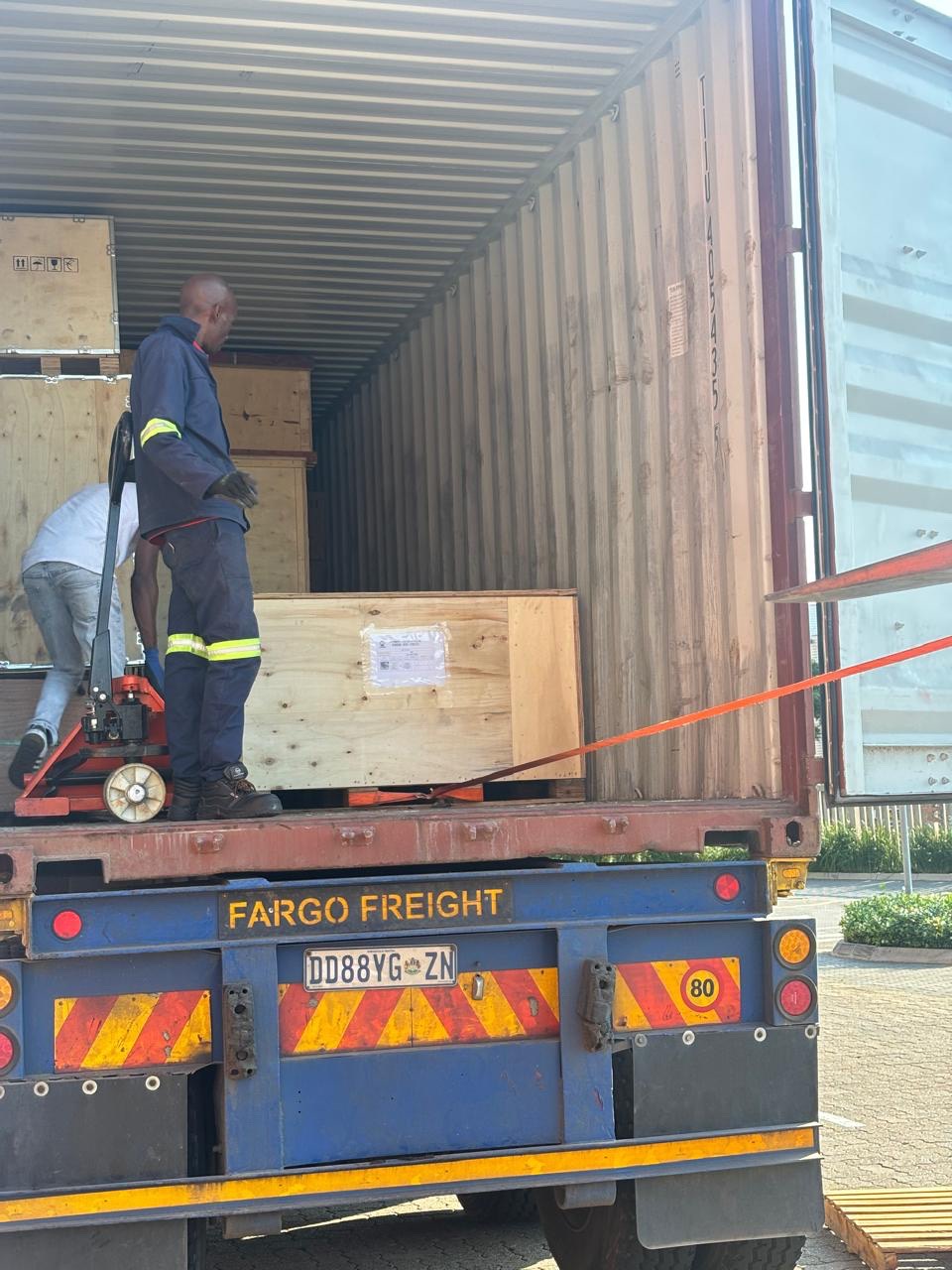
new arrivals
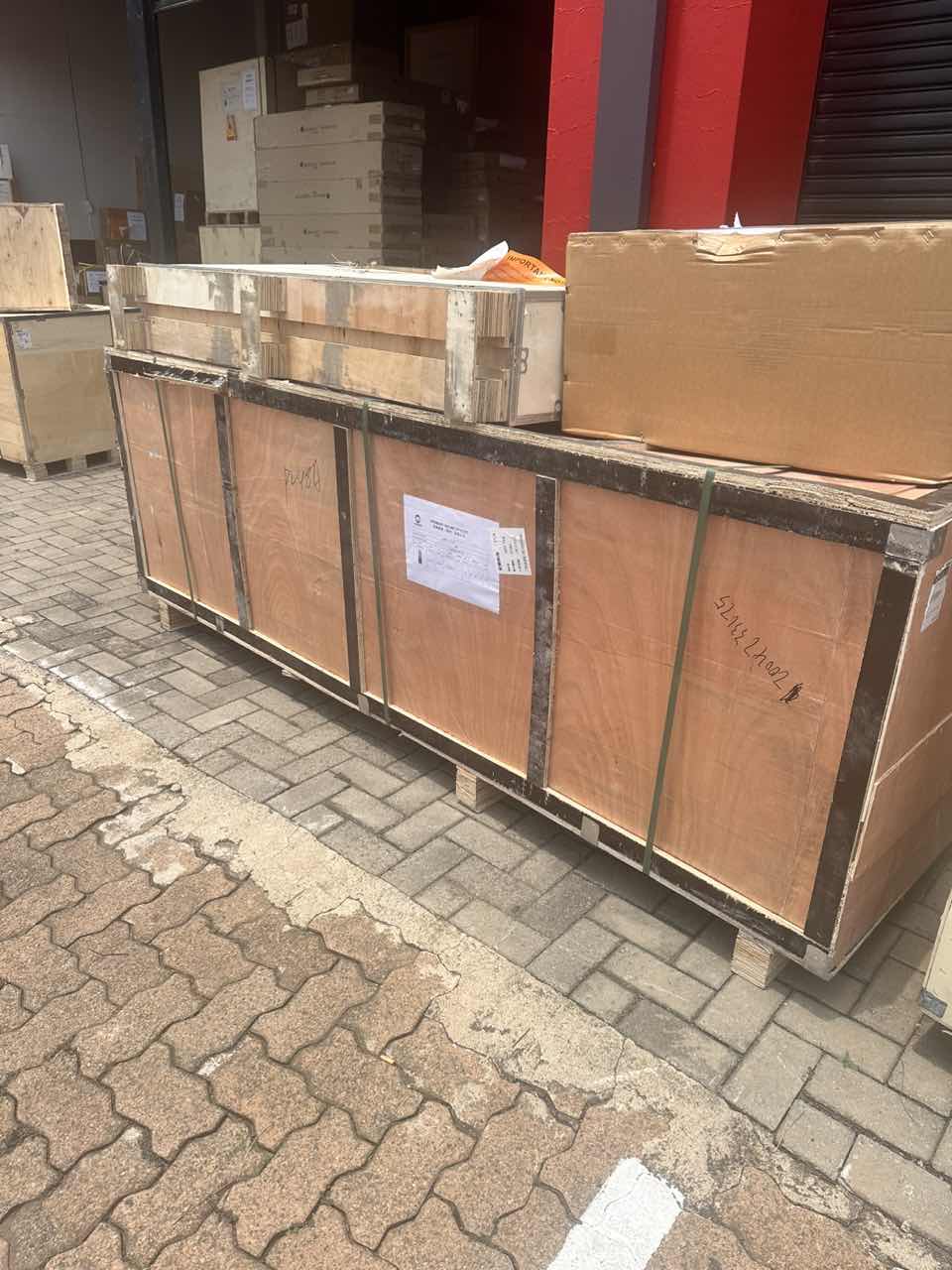
Pre Orders Offloading
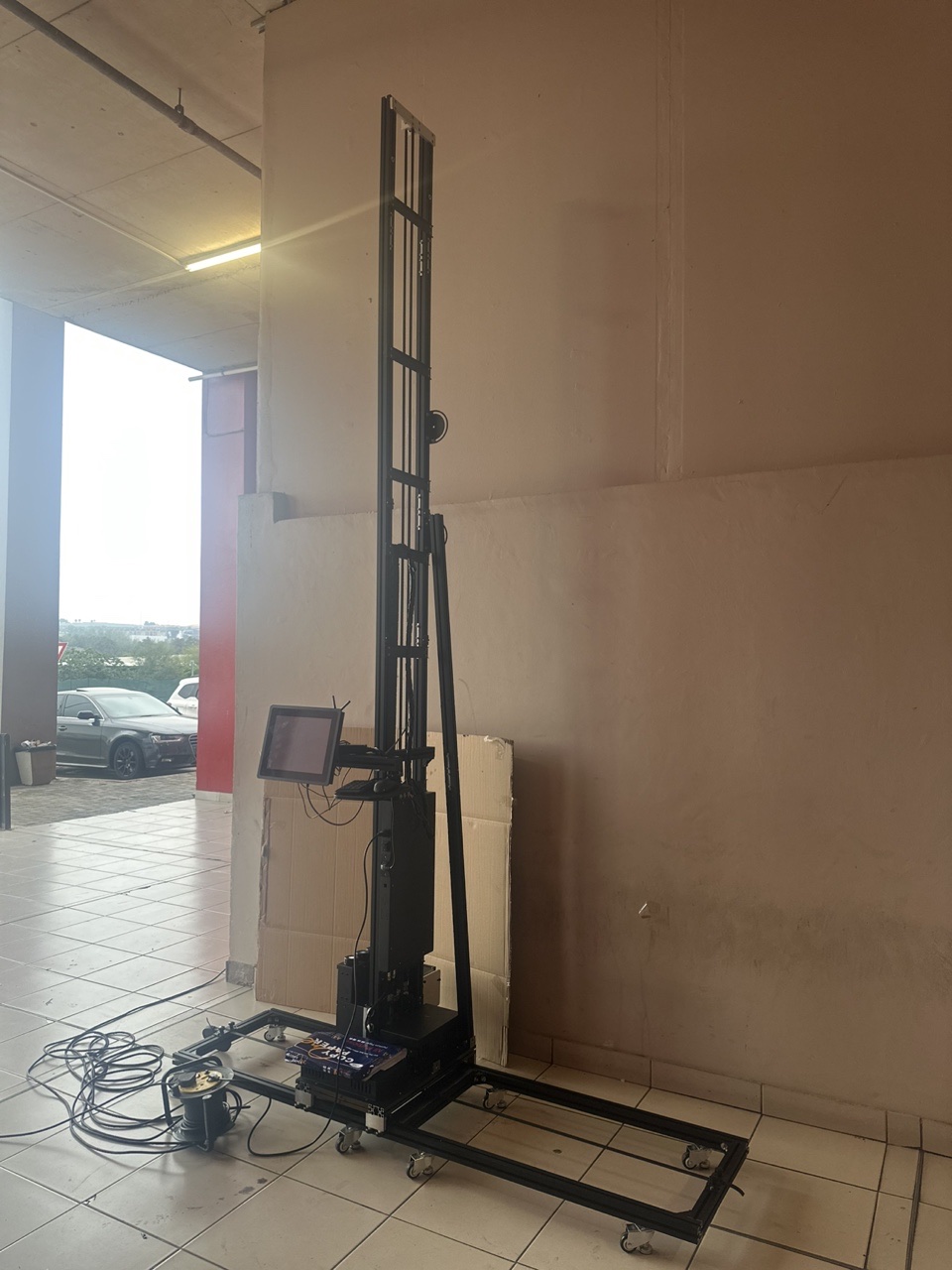
Latest Arrivals
Latest Arrivals
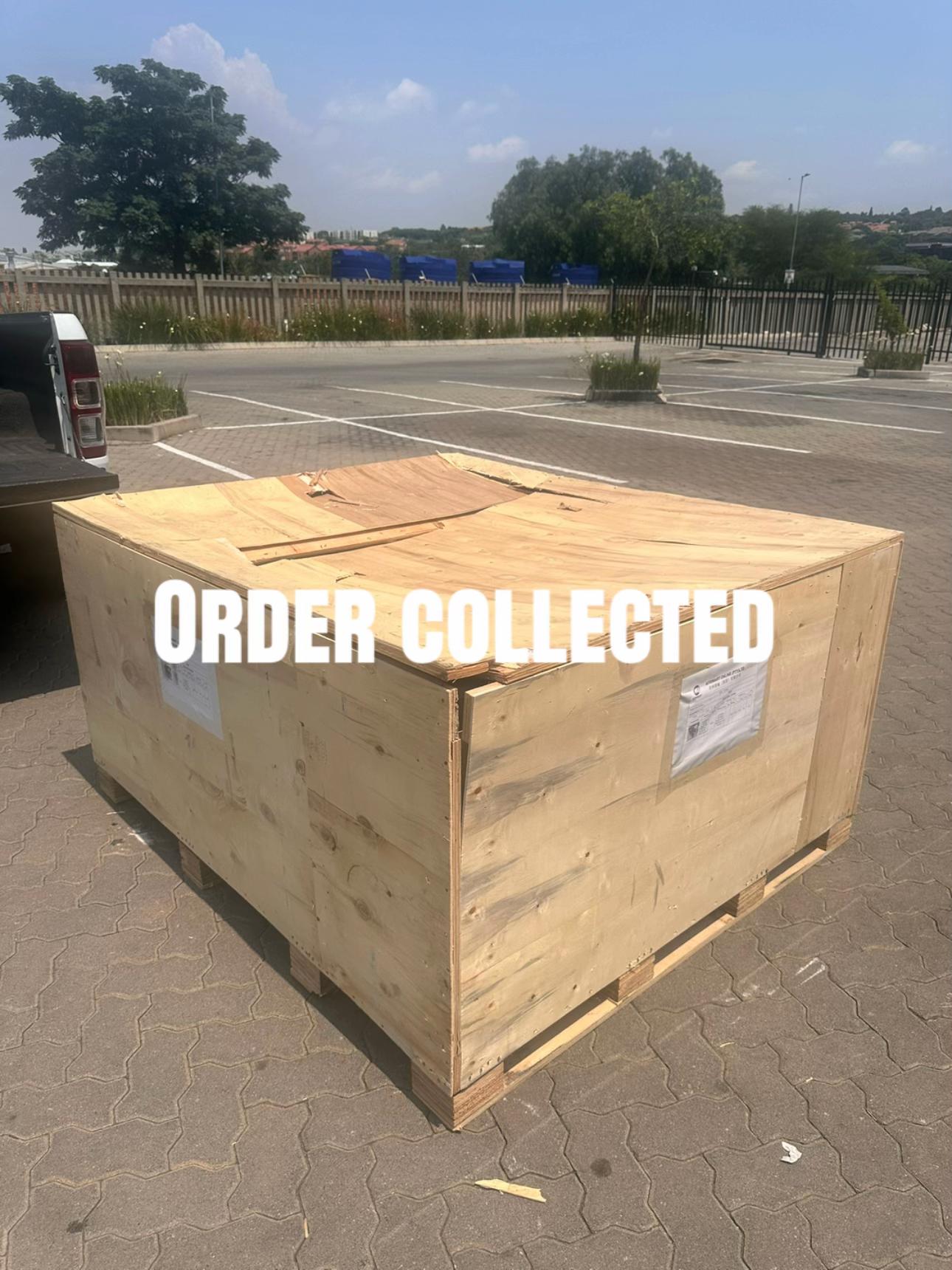
Latest Arrivals
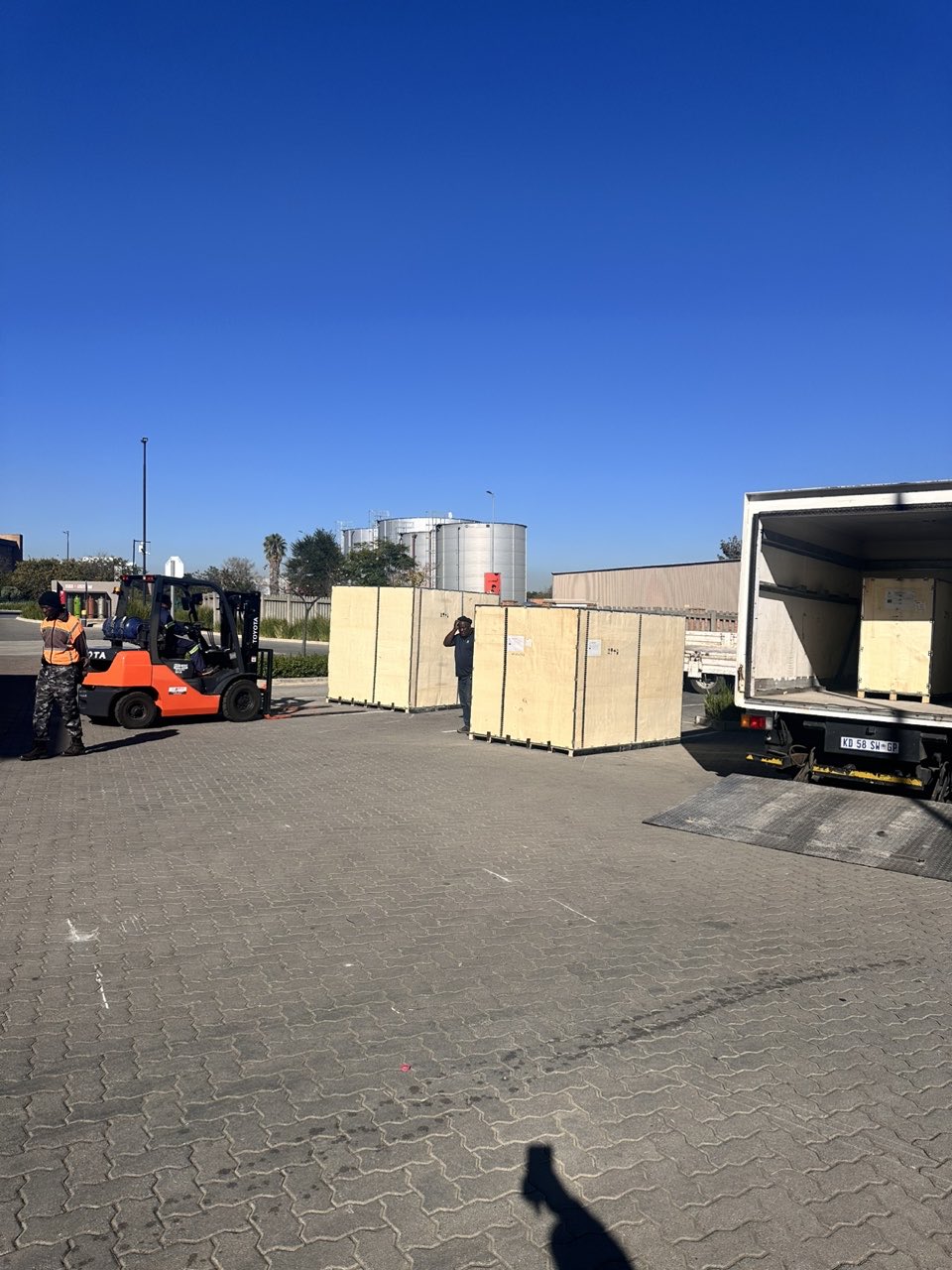
Loading
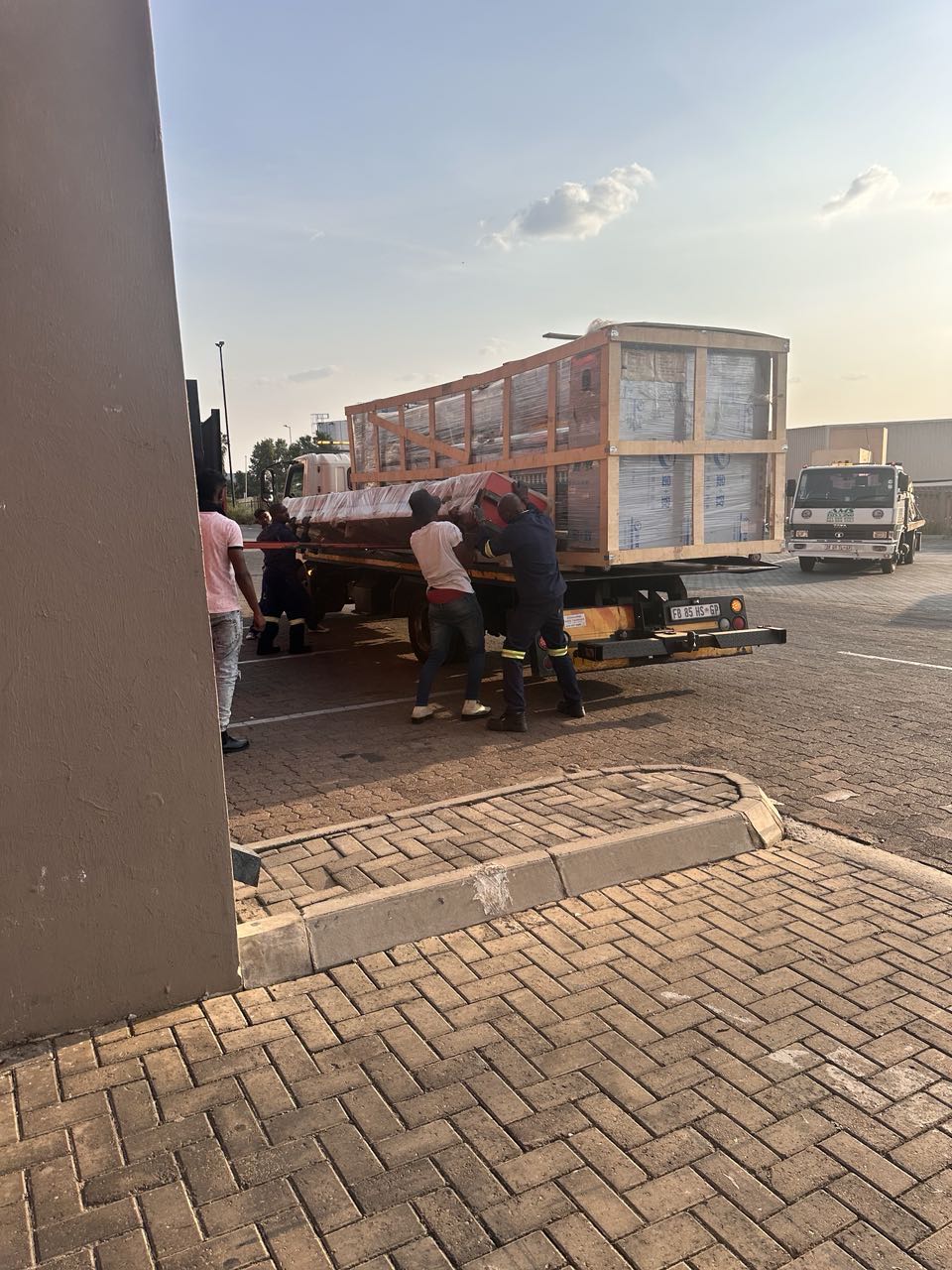
Toilet paper making machine
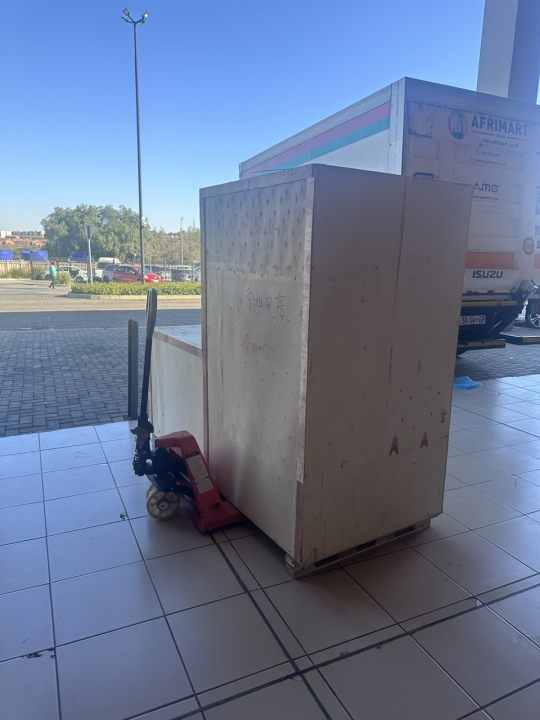
Toilet paper making machine
Toilet paper Rewinding Machine
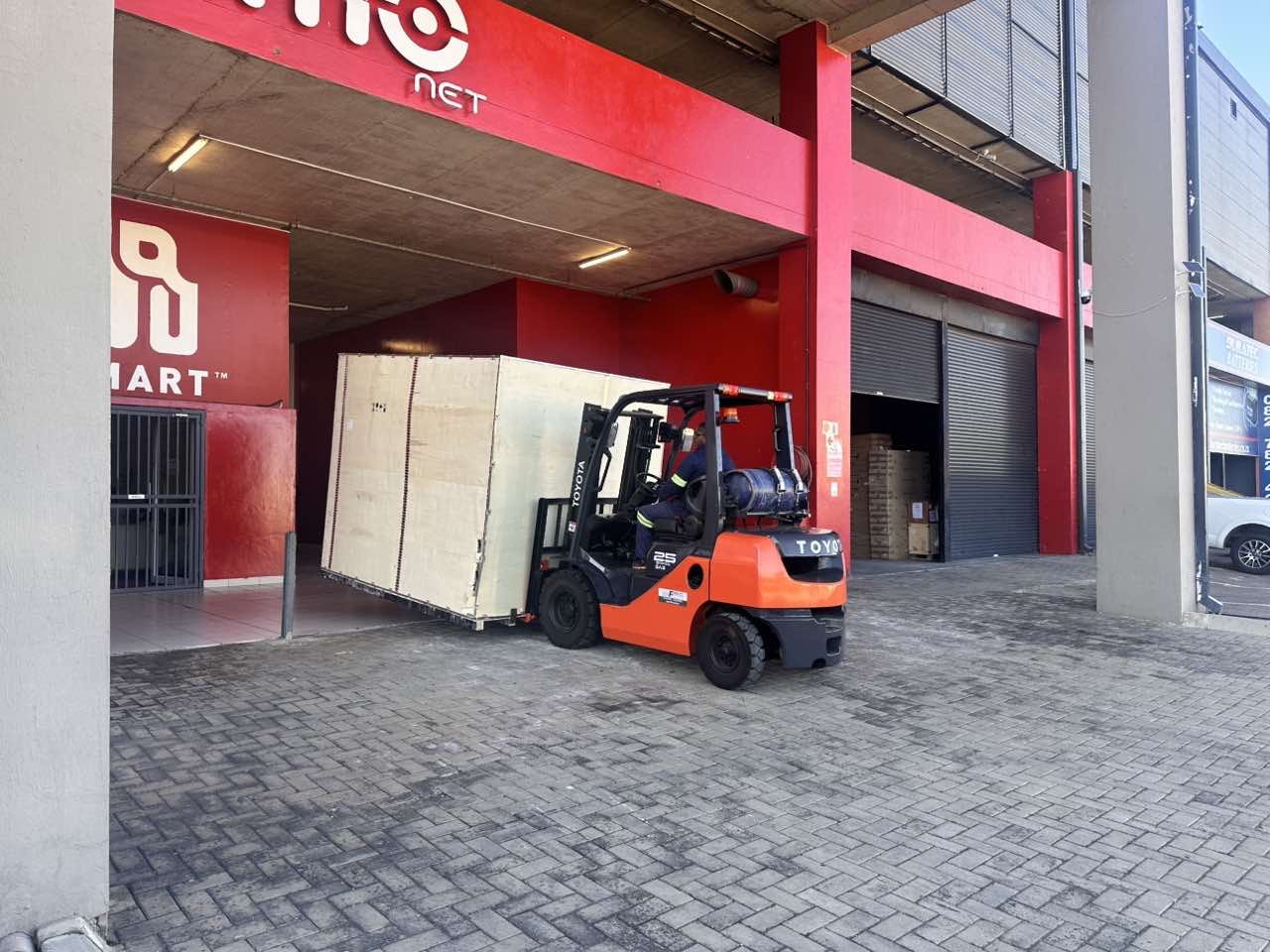
latest arrivals
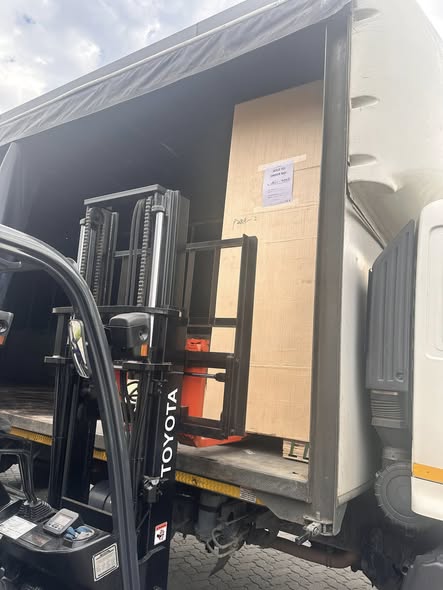
offloading
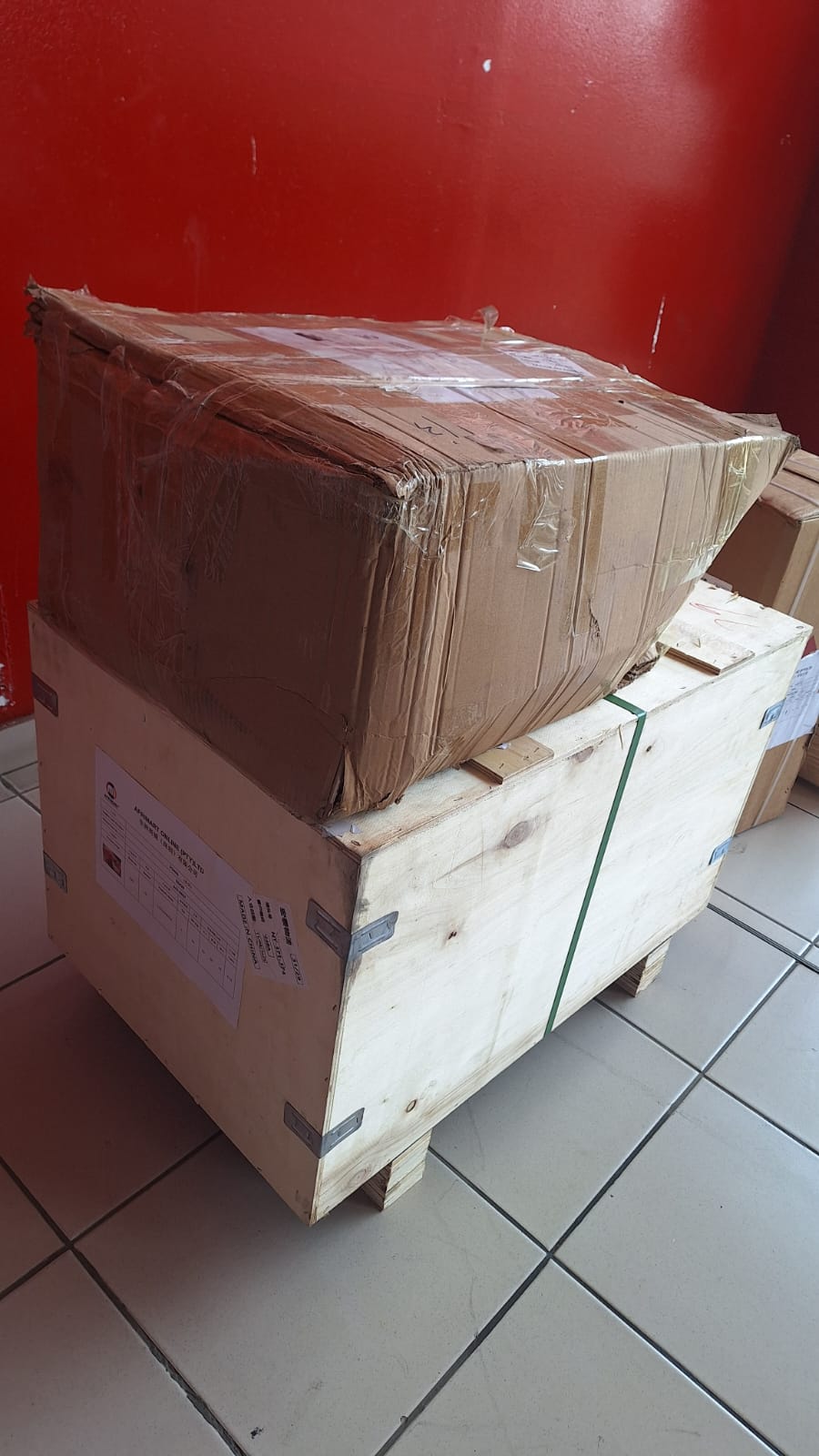
order success
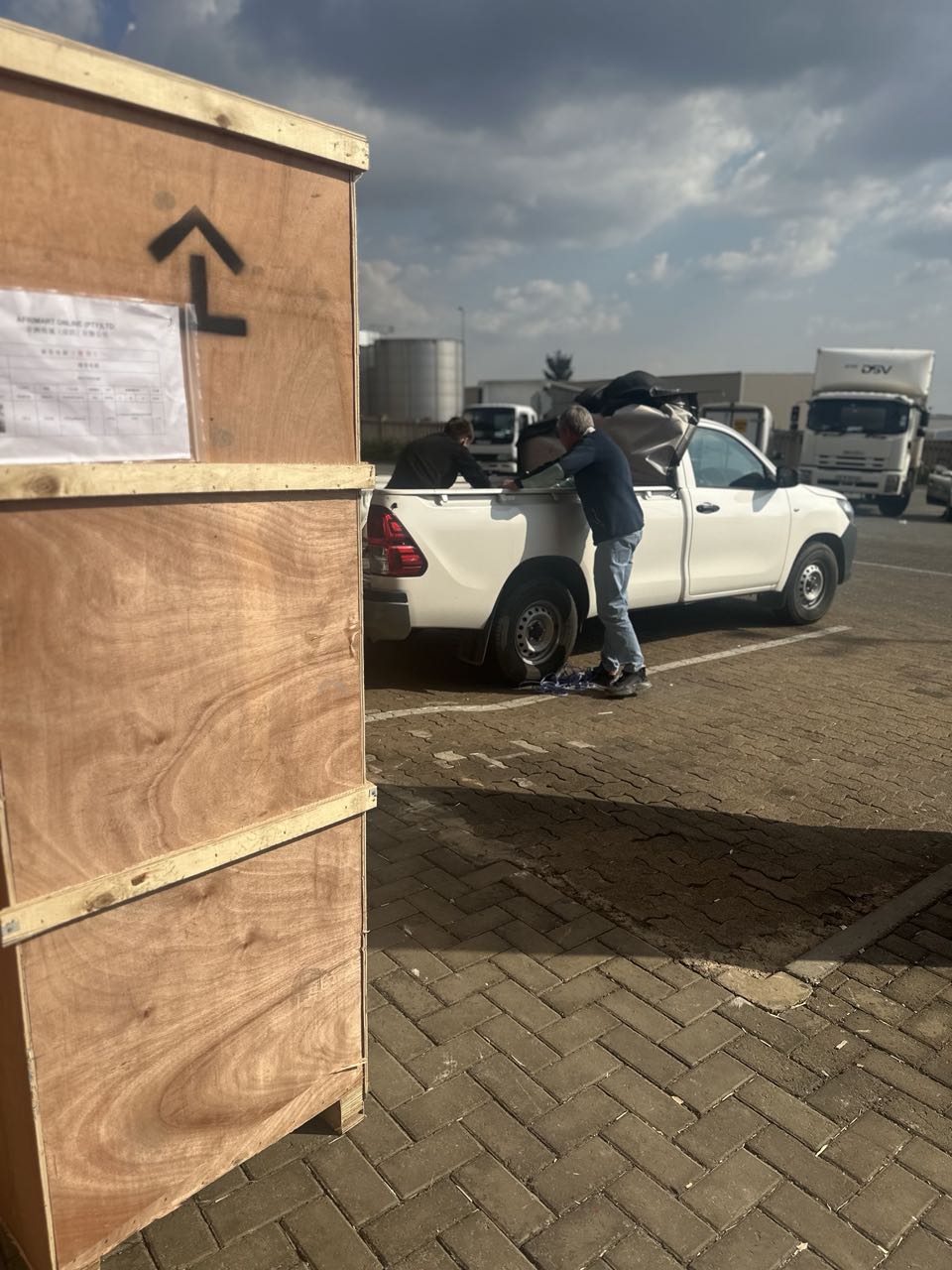
order collection
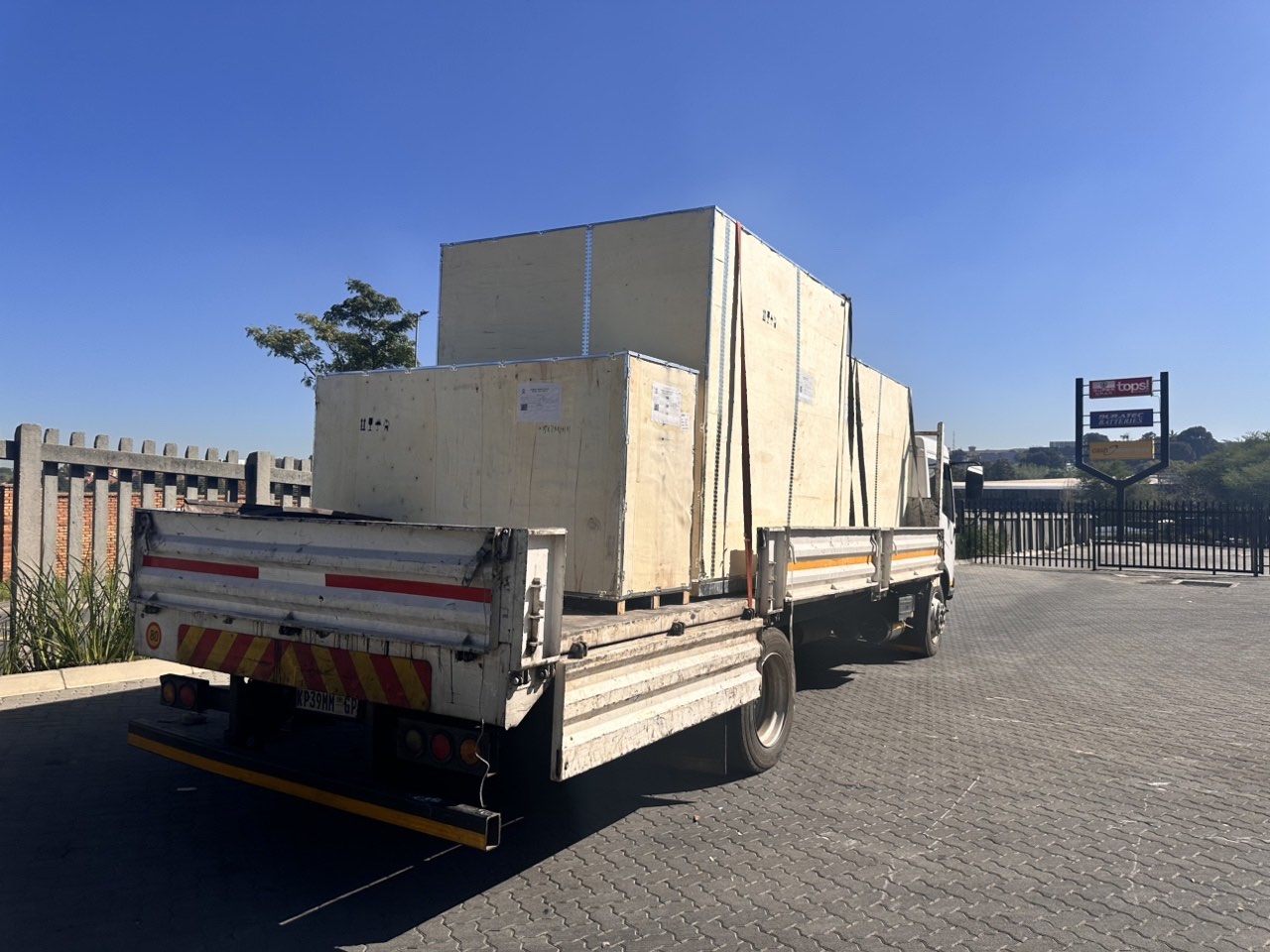
order offloading