B21, China Town Mall, Midrand

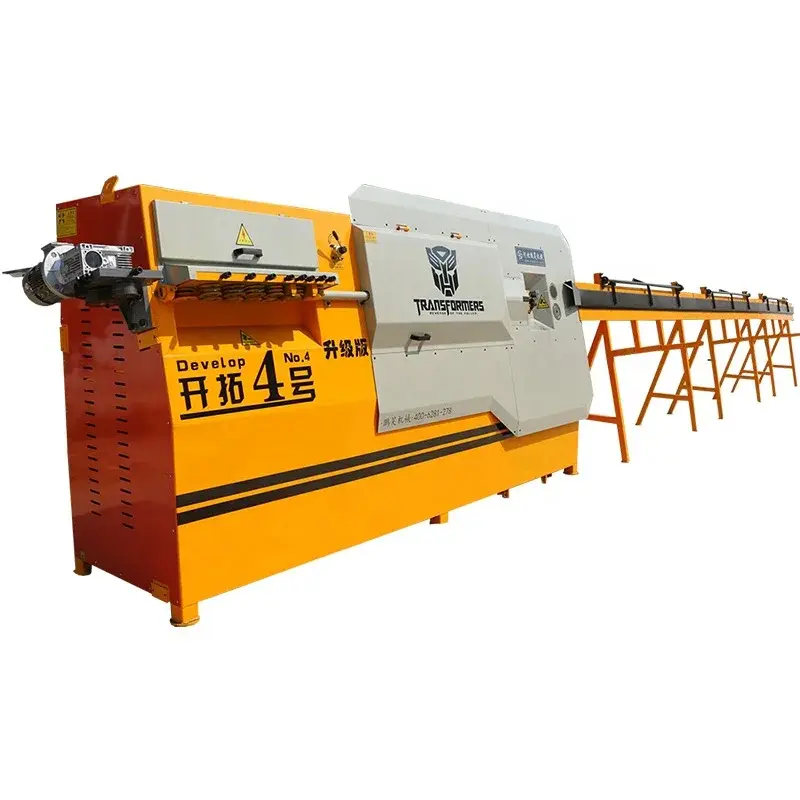
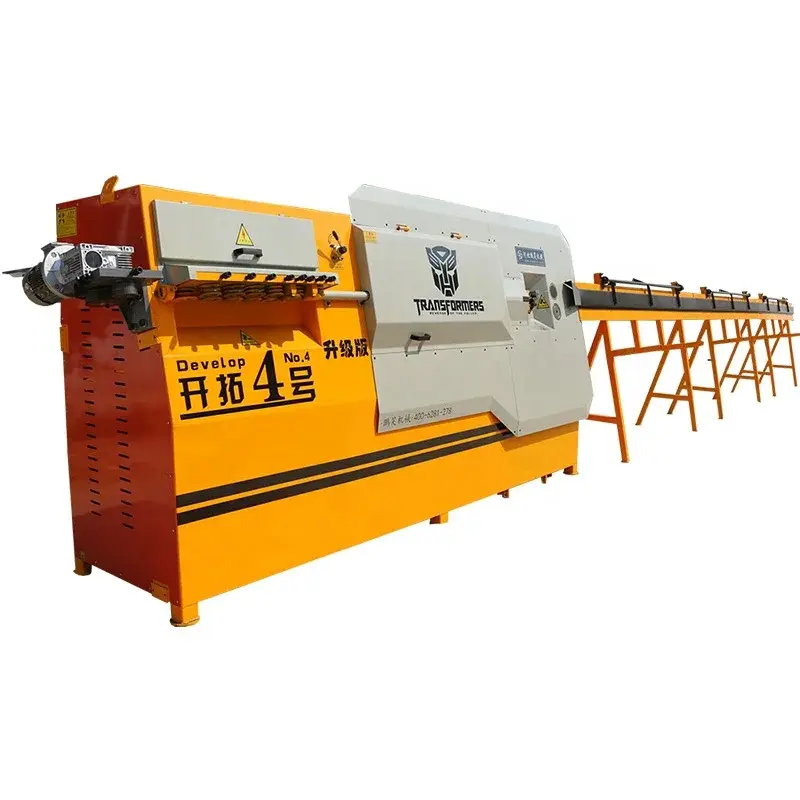
Powerful CNC Steel Bar Bending Machine
Asset finance available
Do you want funding for this equipment?
Afrimart can connect you with trusted funding partners who specialise in asset finance for businesses like yours. Compare options and apply in minutes — final approval is subject to provider review.
Check funding options
Secure & no obligation

- Section : Machinery
- Category : CNC industrial Machinery
- SKU : 1600804270751

Automatic stirrup bending machine Develop No.4


Advantages of automatic stirrup bending machine
1 This equipment adopts servo controlling system;
2 Automatically accomplish the functions of rebar's feeding, straighten, bending and cutting etc;
3 Max bending diameter of steel bar is 12mm;
4 Continuously bend various stirrup of plane figure;
5 Bidirectional bending function,rebar stirrup bending machine can make special-shaped;
6 High efficiency and accurate processing precision;
7 Double roller synchronization with a wire feed system,easy to use and more convenient to study.


Details
| Single wire bending(mm) | 4-12(round bar)/4-10(rebar) | Angle precision(°) | ±1 |
| Double wire bending(mm) | 4-10(round bar)/4-8(rebar) | Cut lenght precision(mm) | ±1 |
| Max bending angle(°) | ±180 | Dimension(mm) | 3660*1110*1640 |
| Max traction speed (m/min) | 75 | Weight(KG) | 1550 |
| Max bending speed(°/s) | 800 | Productivity(Double wire)(PSC/H) | 2200 |


- Shipping Timeframes: All orders are processed within 2-5 business days (excluding weekends and holidays). After your order has been processed, the estimated delivery time is before 08 Aug, 2026, depending on customs, Please note that due to high demand, some items may experience longer shipping times, which will be communicated at order confirmation email.
- Order Processing Time: Please allow 2-5 business days for us to process your order before it is shipped . Orders placed after 16:00 on Fridays, or during weekends and public holidays, will begin processing on the next business day. Processing times may be extended during peak seasons or sales events.
- Manufacturing Time: Some products needs manufacturing time, the manufacturing process will take approximately 10-30 business days depending on the product. This timeframe may vary depending on the complexity of the product and current demand. but this will be communicated with you during order confirmation.
- Returns and Exchanges: We offer a 30-day return policy for most items. If you are not completely satisfied with your purchase, you may return it within 30 days of receipt for a refund or exchange. Items must be unused, in their original packaging, and accompanied by proof of purchase. Return shipping costs are the responsibility of the customer, unless the item was damaged or defective upon arrival.
1. What is the Powerful CNC Steel Bar Bending Machine and what does it do?
It's an automatic stirrup (rebar) bending machine that uses a servo control system to automatically feed, straighten, bend and cut steel bars to produce stirrups and other plane-shaped bent reinforcement parts.
2. What bar diameters can this machine bend (single and double wire)?
Single-wire capacity: round bar 4–12 mm / rebar 4–10 mm. Double-wire capacity: round bar 4–10 mm / rebar 4–8 mm. Do not exceed these limits.
3. What is the maximum bending angle and angle precision?
Maximum bending angle is ±180°. Angle precision is ±1°.
4. What is the cut length precision and general accuracy?
Cut length precision is ±1 mm. Overall processing accuracy (angle and length) is high due to servo control and is specified as ±1° for angle and ±1 mm for cut length.
5. What is the machine's productivity and speed specifications?
Maximum bending speed is 800 °/s. Maximum traction/feed speed is 75 m/min. Productivity (double wire) is about 2200 pieces per hour, actual output depends on stirrup size and complexity.
6. Can the machine produce special-shaped stirrups or bidirectional bends?
Yes — it supports bidirectional bending and can produce special-shaped, plane-figure stirrups through programmable bending sequences.
7. What control system and programming features does it have?
The equipment uses a servo control system (CNC-style control). It performs automated feeding, straightening, bending and cutting and stores/executes programmed bending sequences. For supported file formats, interfaces or advanced software options, contact the supplier.
8. What materials is the machine suitable for?
Designed for steel round bars and common construction rebars within the specified diameter ranges. It is not intended for non-ferrous thick profiles or bars exceeding the stated diameters.
9. What are the machine dimensions, weight and installation footprint?
Overall dimensions: 3660 × 1110 × 1640 mm (L×W×H). Weight: approximately 1550 kg. Requires a level, stable foundation and sufficient clearance for loading/unloading and maintenance.
10. What electrical and site requirements are needed to install the machine?
Specific electrical supply and grounding requirements are not listed in the basic specs. Typical needs include a stable mains supply matching the machine's drive/control voltage and a safe, well-ventilated workspace. Request the electrical data sheet from the vendor for exact voltage, current and breaker specs.
11. What safety features come with the machine and what safety precautions should operators take?
The machine is intended to be used with guarding, emergency stop(s) and standard industrial safety measures. Operators should be trained, use personal protective equipment (PPE) and follow the manufacturer's safety instructions. Confirm the exact safety devices included with the supplier.
12. What routine maintenance is required?
Regular maintenance includes lubrication of moving parts, inspection and replacement of wear items (rollers, cutting blades), checking and cleaning sensors, verifying servo and encoder operation, and periodic calibration of bending/feeding axes. Follow the manufacturer's maintenance schedule.
13. Are training and commissioning provided?
Most suppliers offer on-site commissioning and operator/maintenance training as an option or part of the purchase. Confirm availability and whether remote training materials or videos are supplied.
14. What spare parts and consumables should I keep on hand?
Common consumables include bending rollers/dies, cutting blades, belts, lubrication, sensors and electrical fuses. Ask the vendor for a recommended spare-parts kit and lead times for replacements.
15. What limitations should I be aware of when considering this machine?
Limitations include the maximum bar diameters listed (do not exceed 12 mm for single round bars), suitability mainly for plane-figure stirrups rather than complex 3D shapes, and output varying with part complexity. For applications beyond these specs, consult the supplier for alternatives or customization.
Latest Order Arrivals
Discover our latest orders
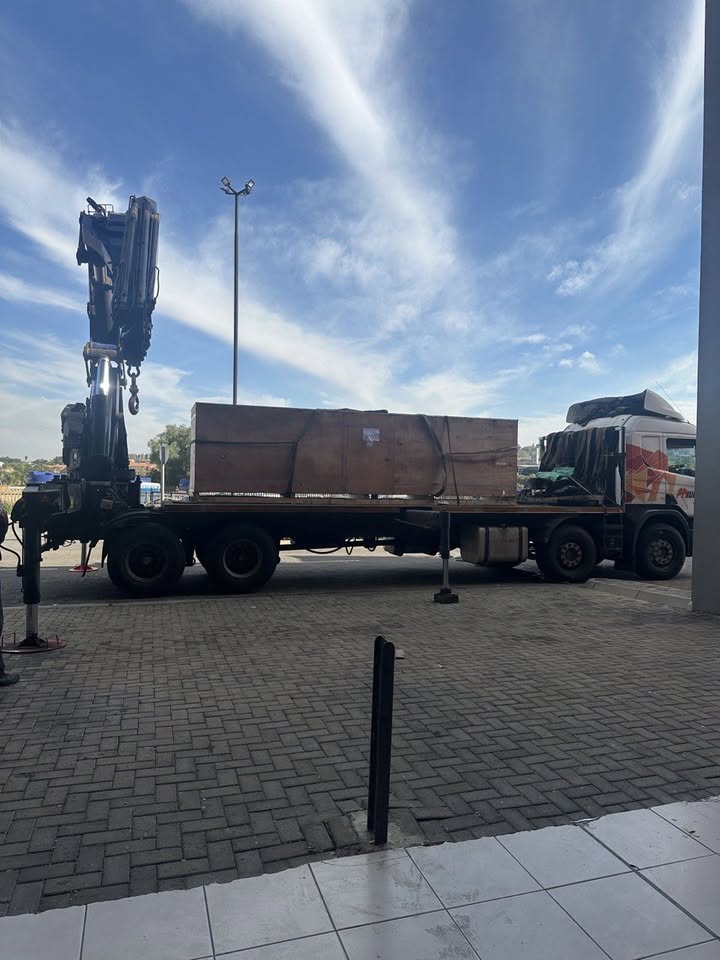
12 Heads Embroidery Machine
Toilet Paper Machine Machine
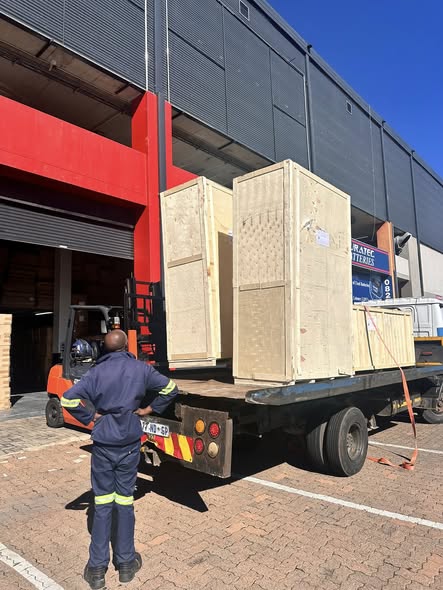
Order Collection
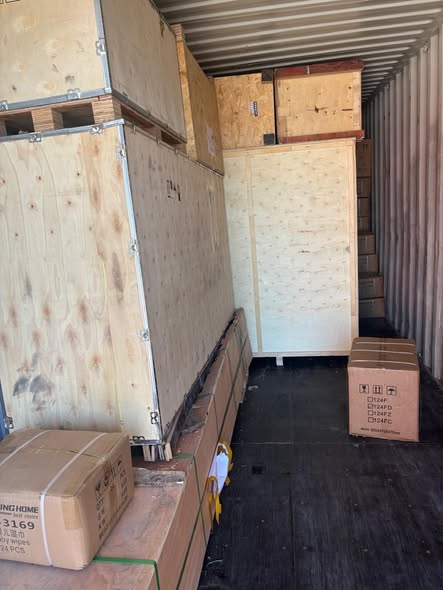
Cross Border Clients
Order cros border countries Collected
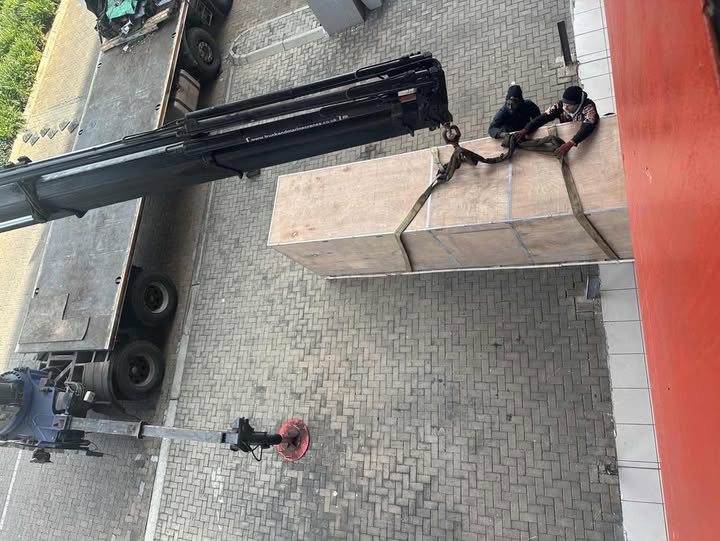
Industrial Machine Cllection
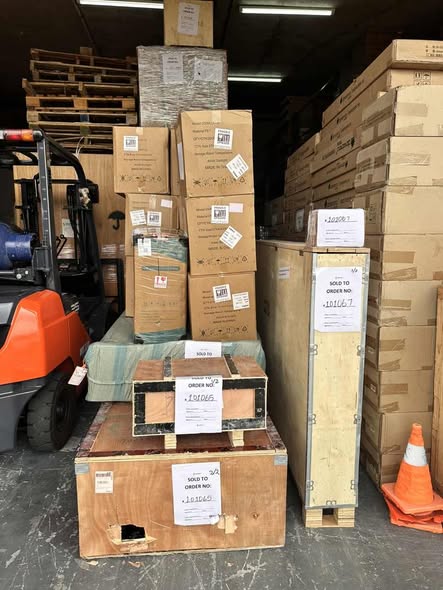
Agriculture Processing Machines
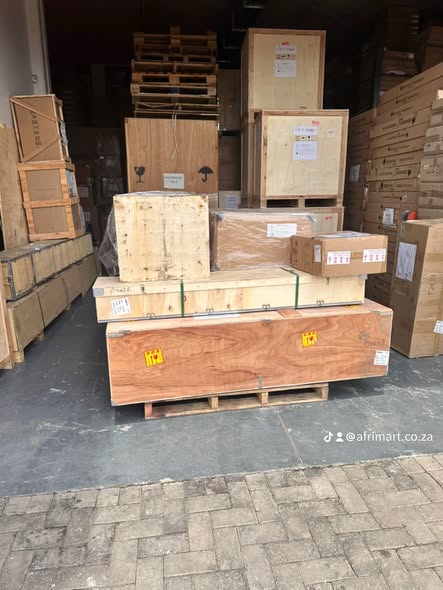
Ready for collection
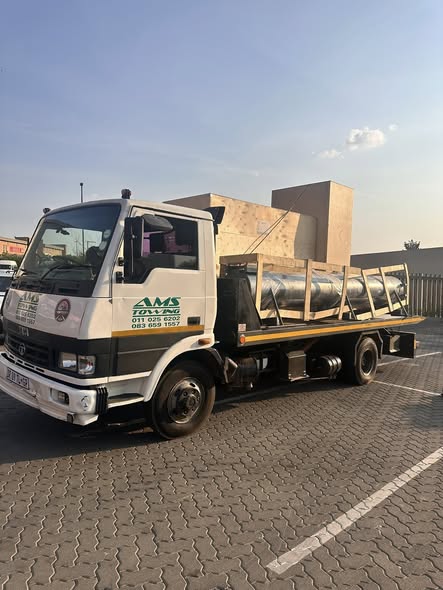
Water Pump Equipment
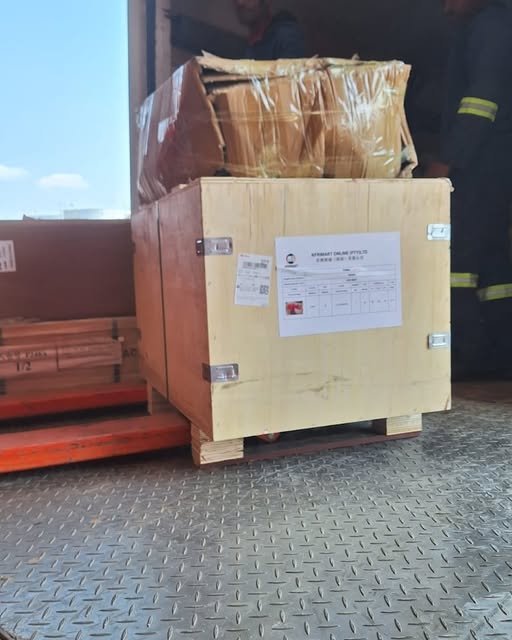
Packaging Machine and accessories
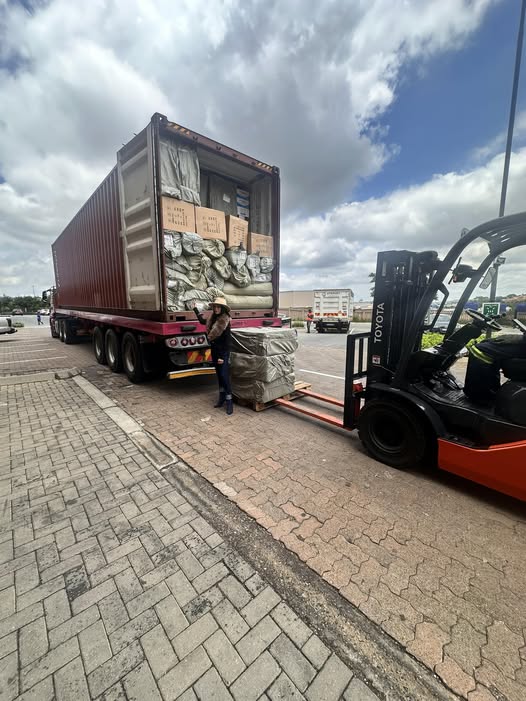
Fabrics Manufacturing Equipment
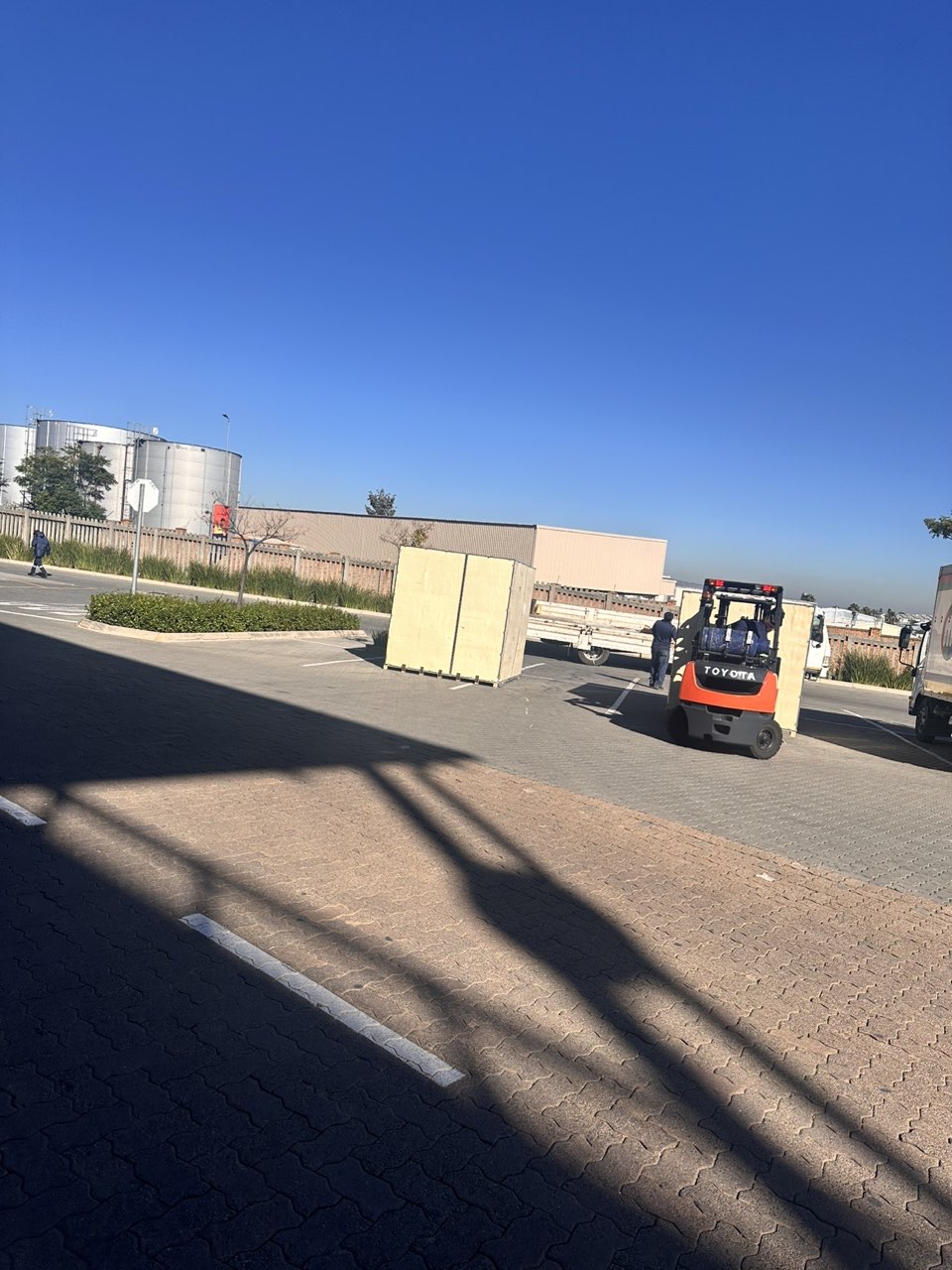
Mining Equipments
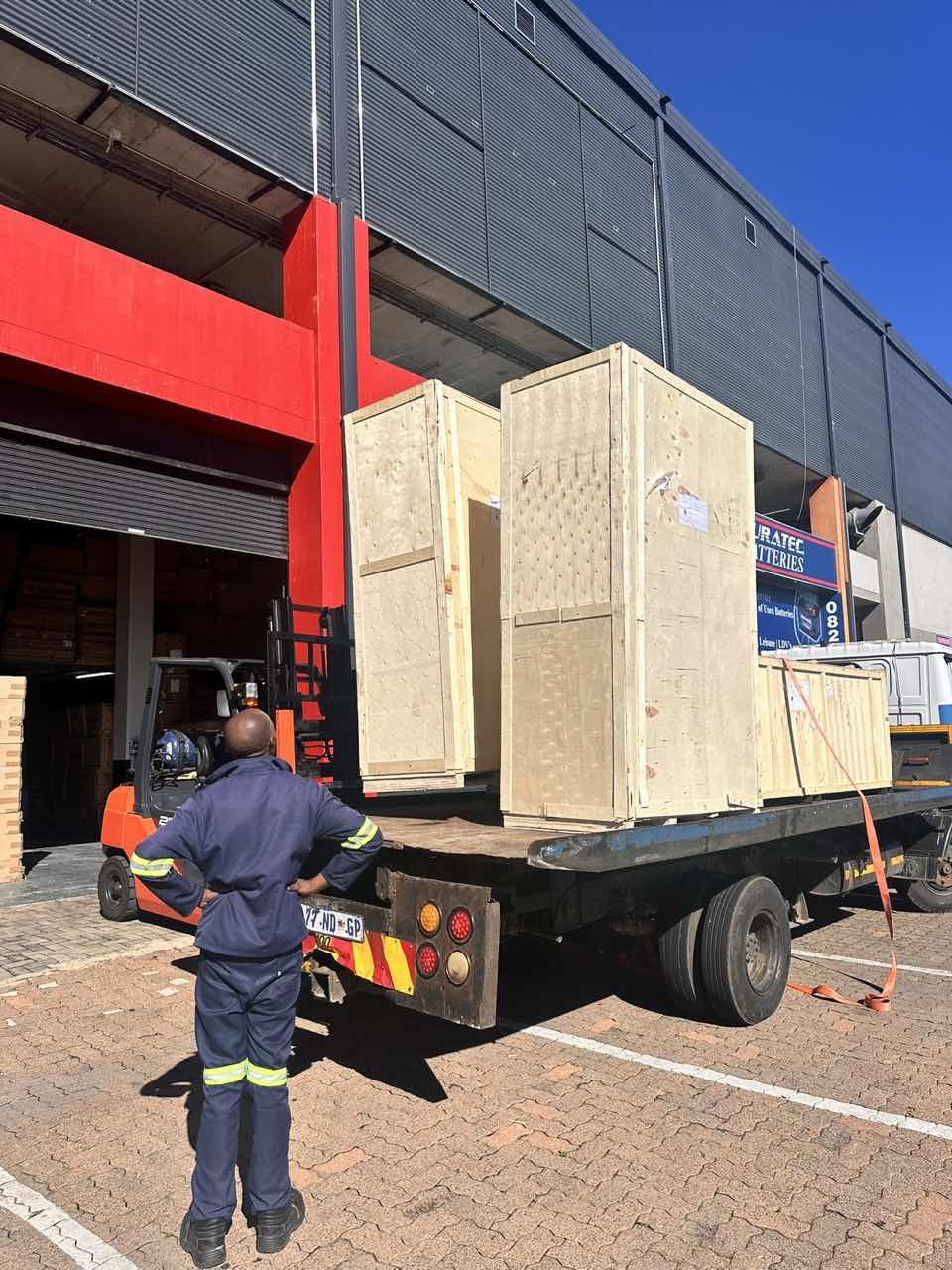
Food Processing Machine
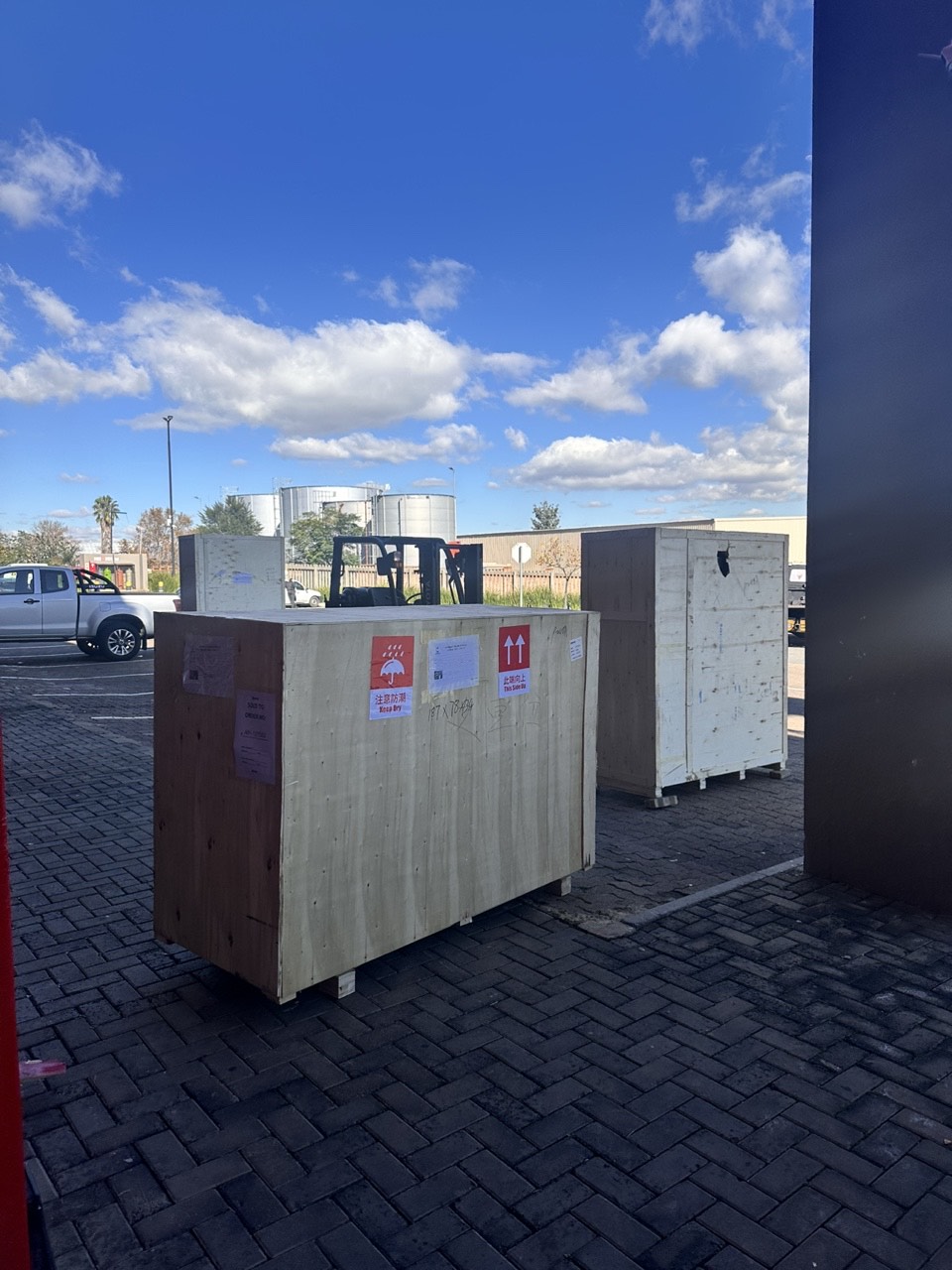
Batch of Orders
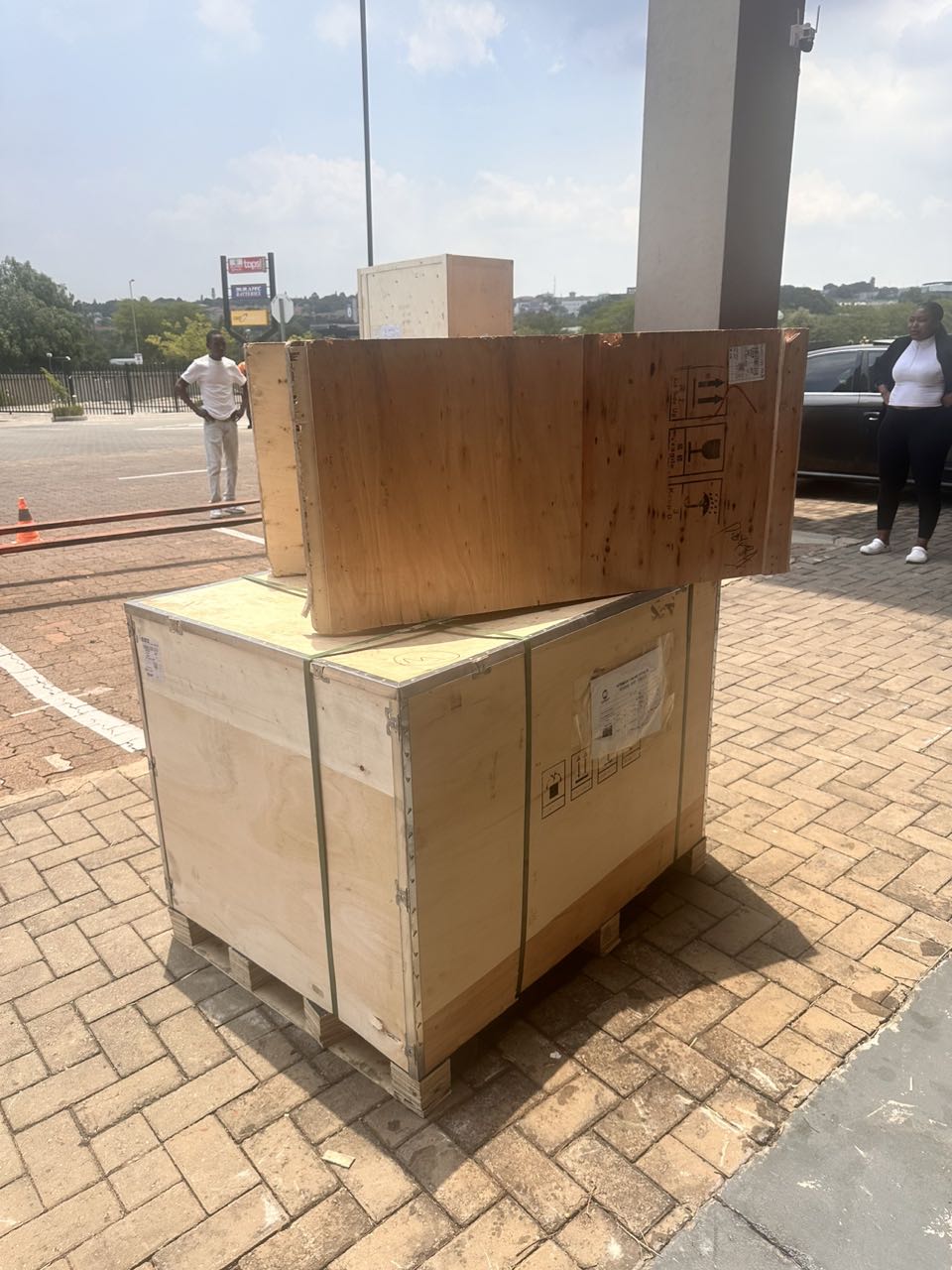
Batch of Orders
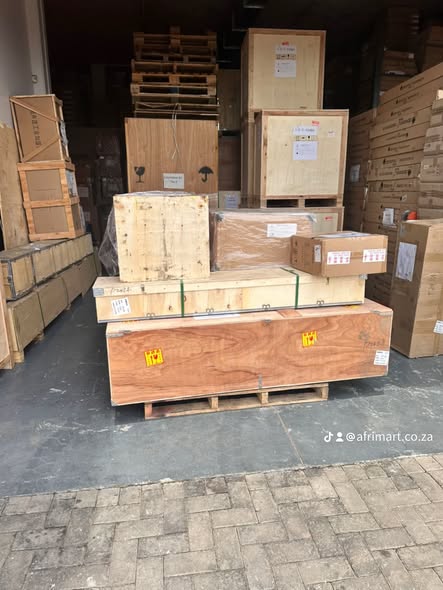
Latest Orders Labelled
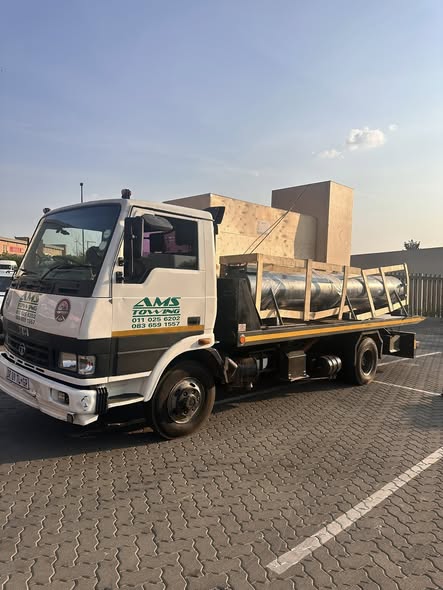
wheel alignment machines
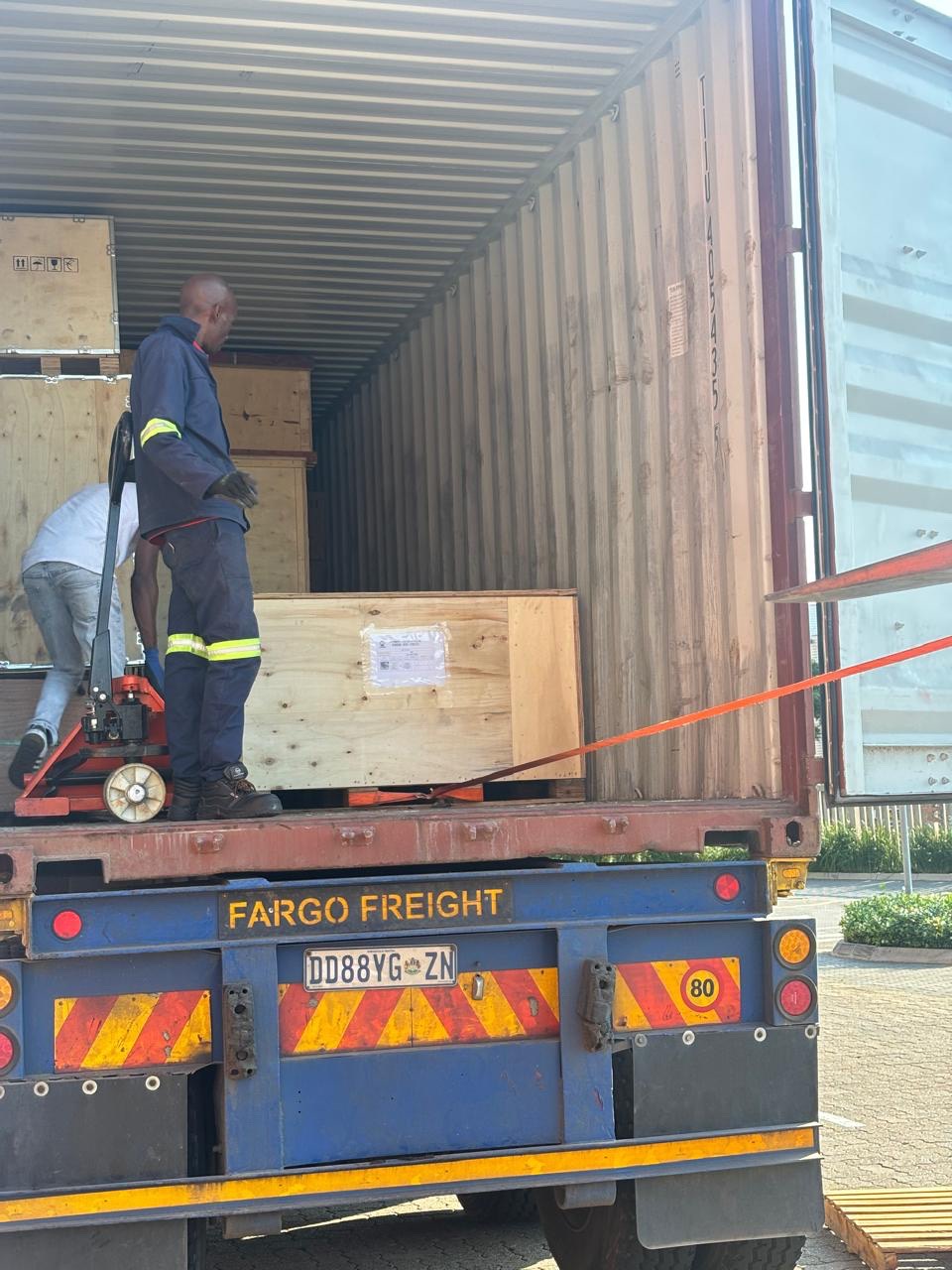
new arrivals
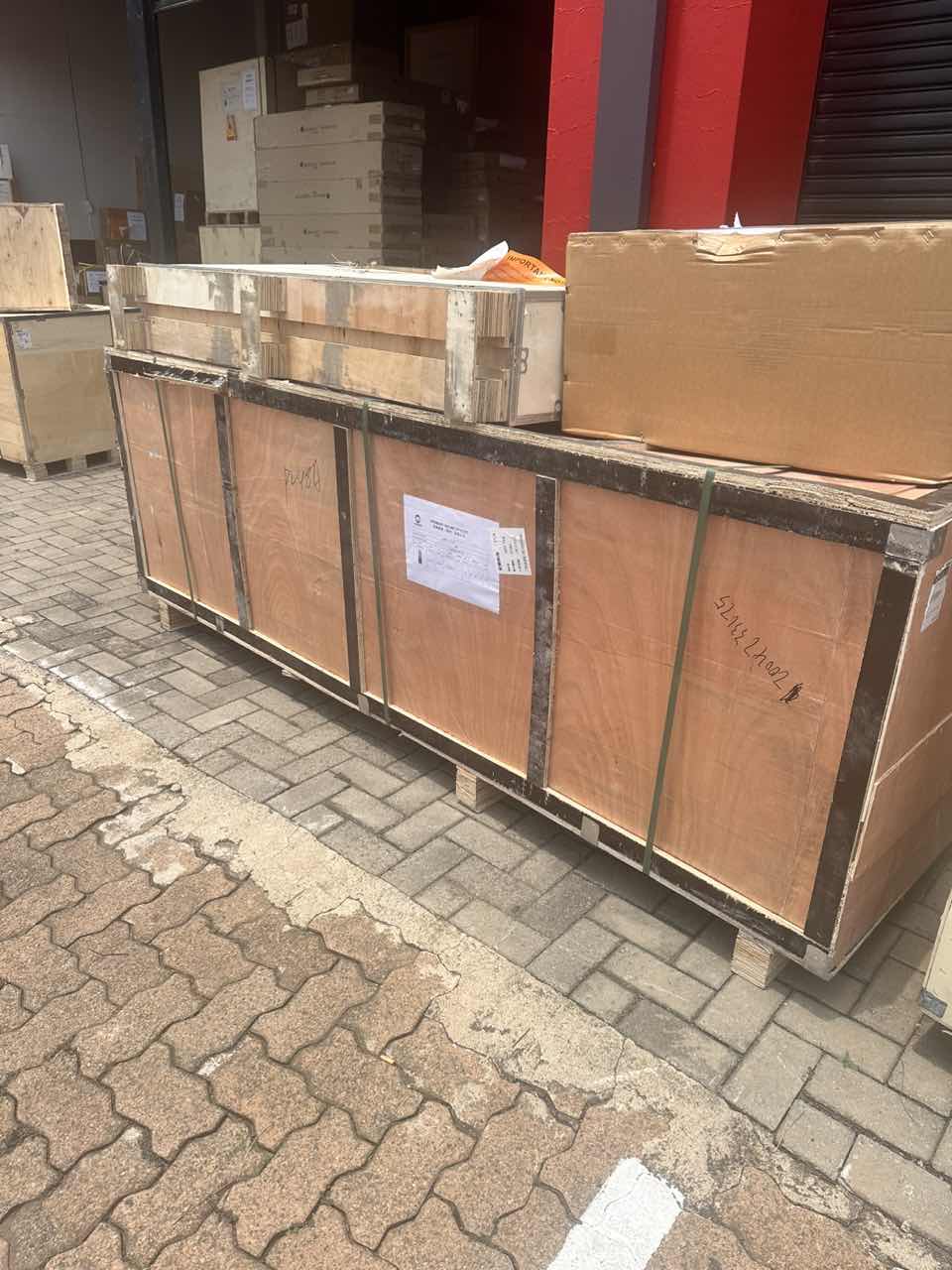
Pre Orders Offloading
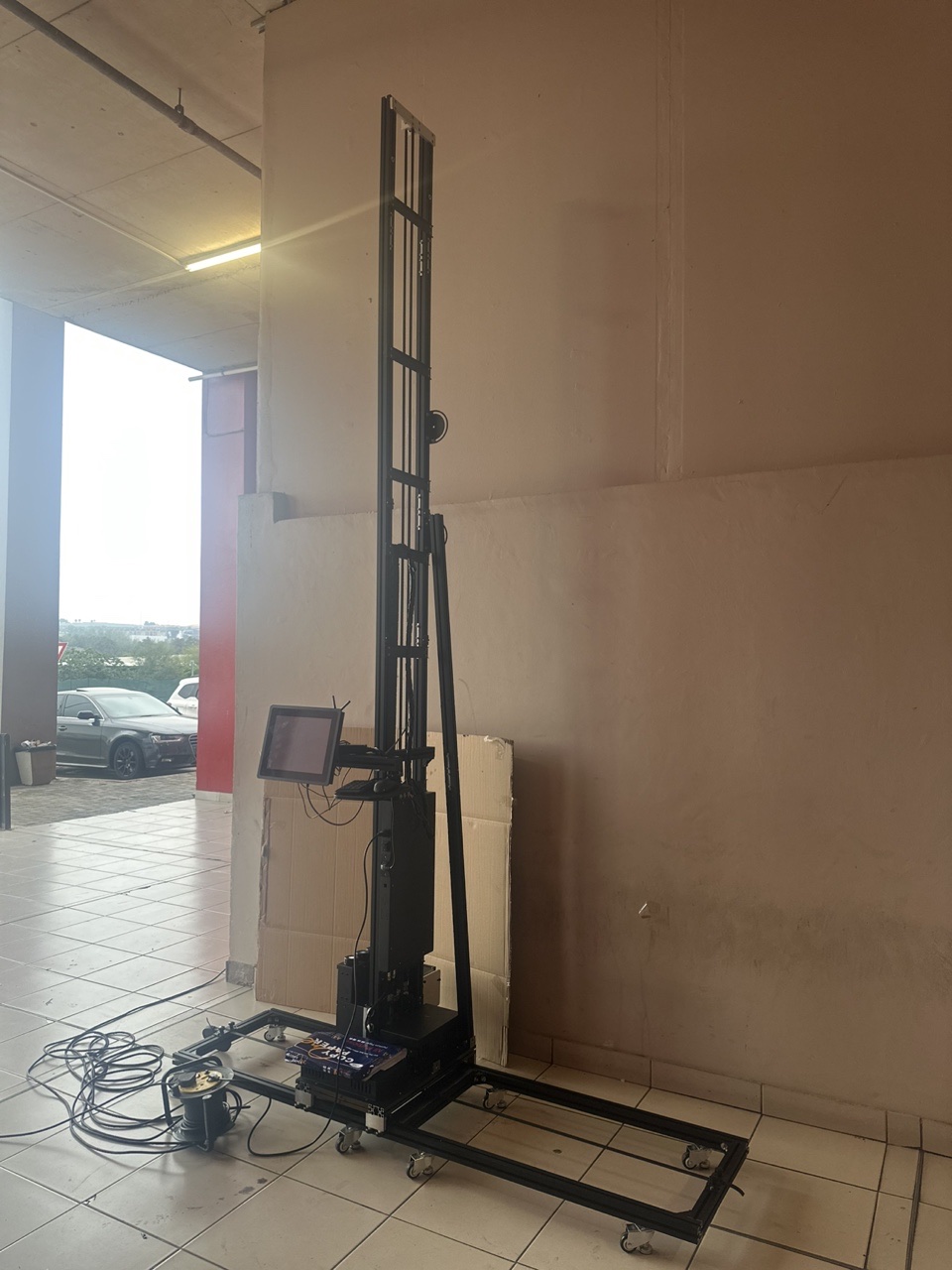
Latest Arrivals
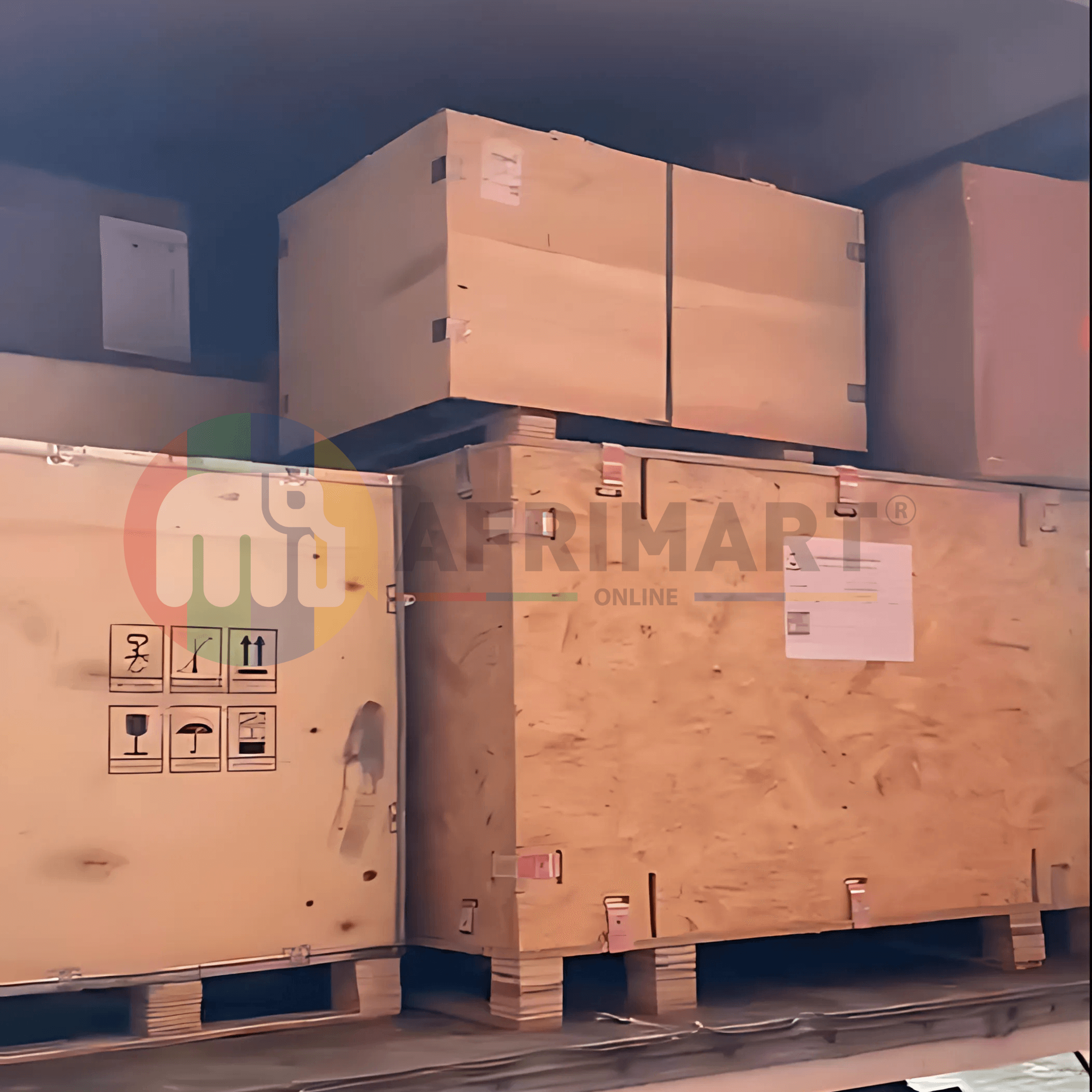
Latest Arrivals
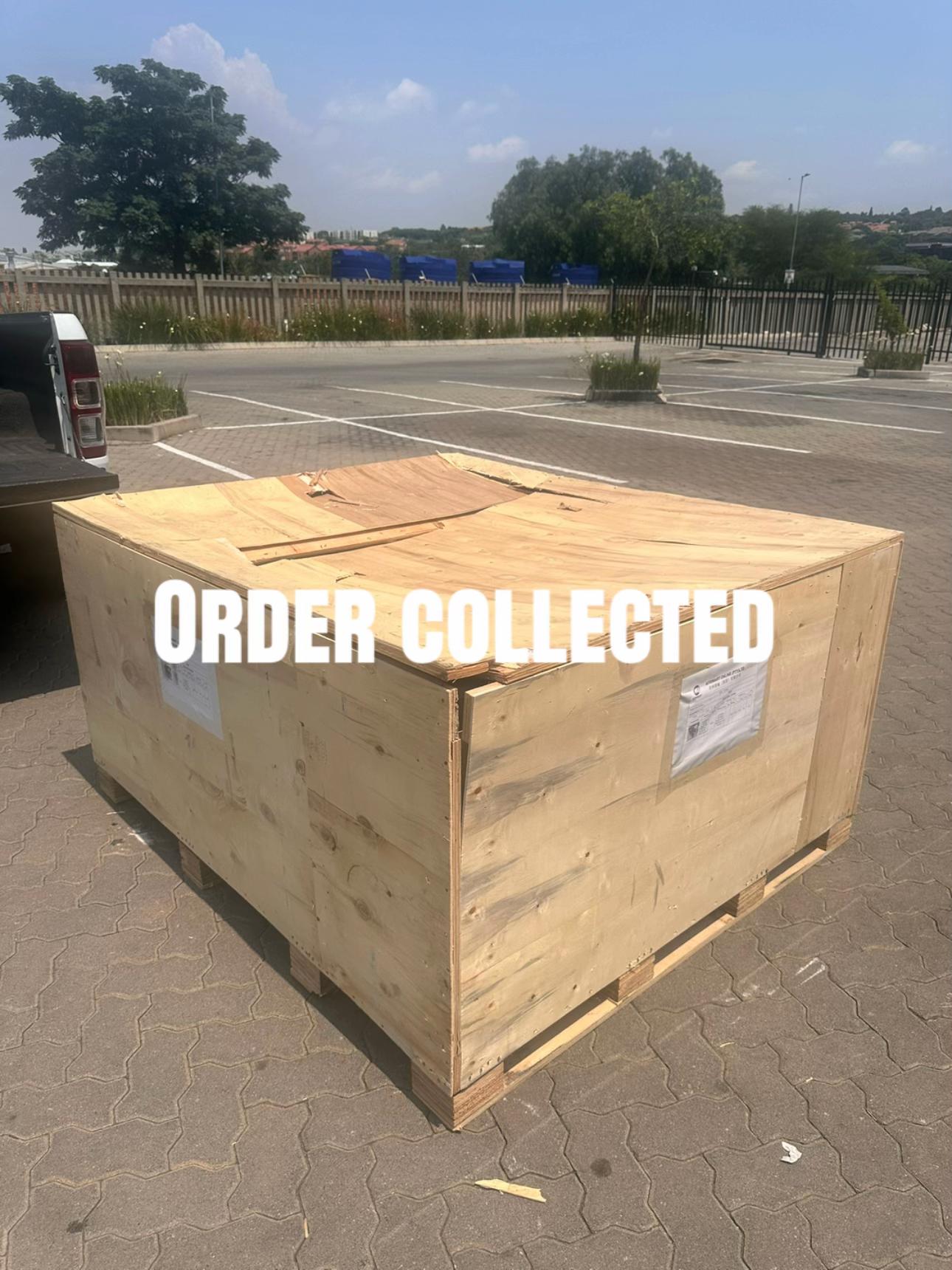
Latest Arrivals
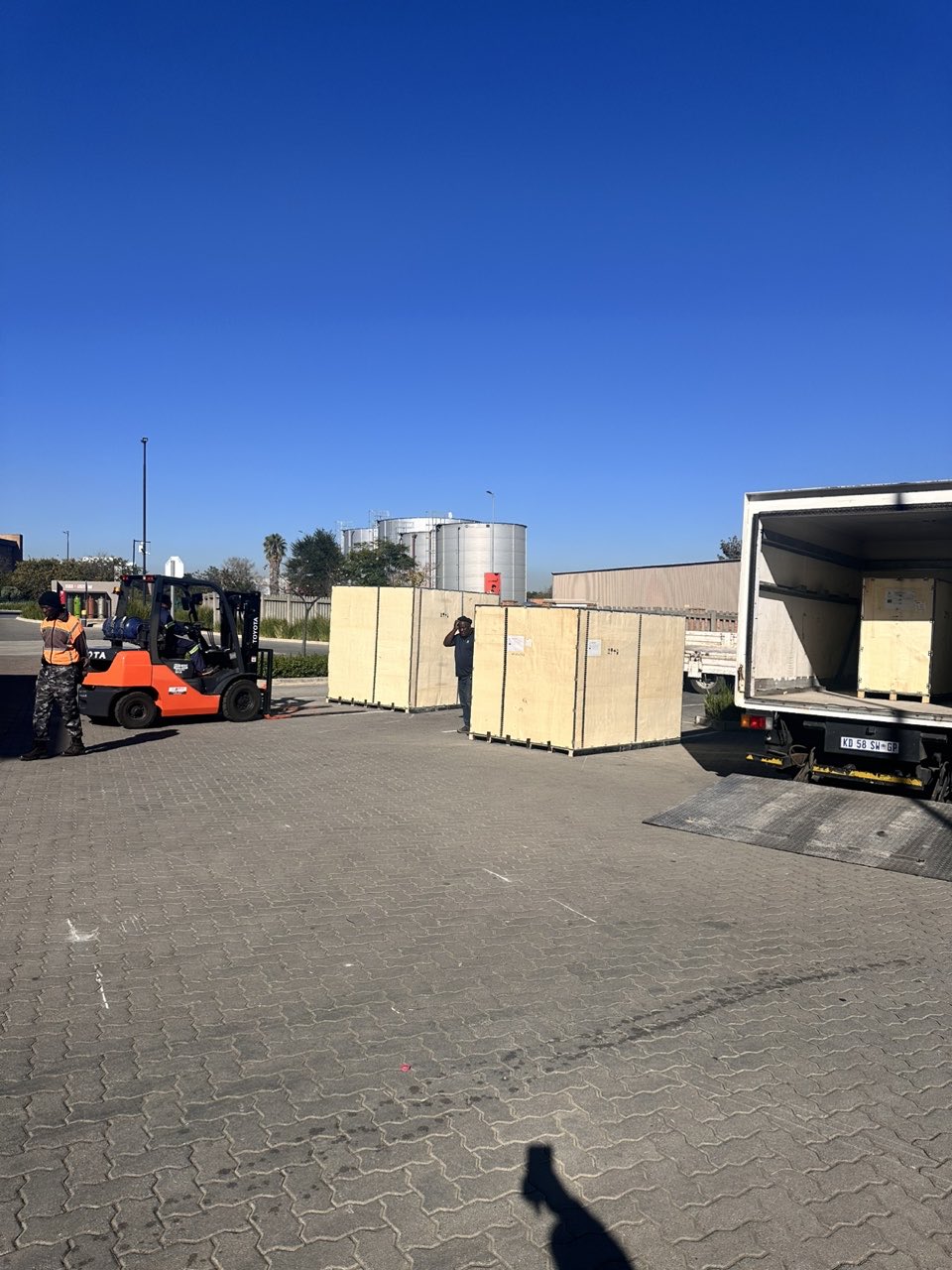
Loading
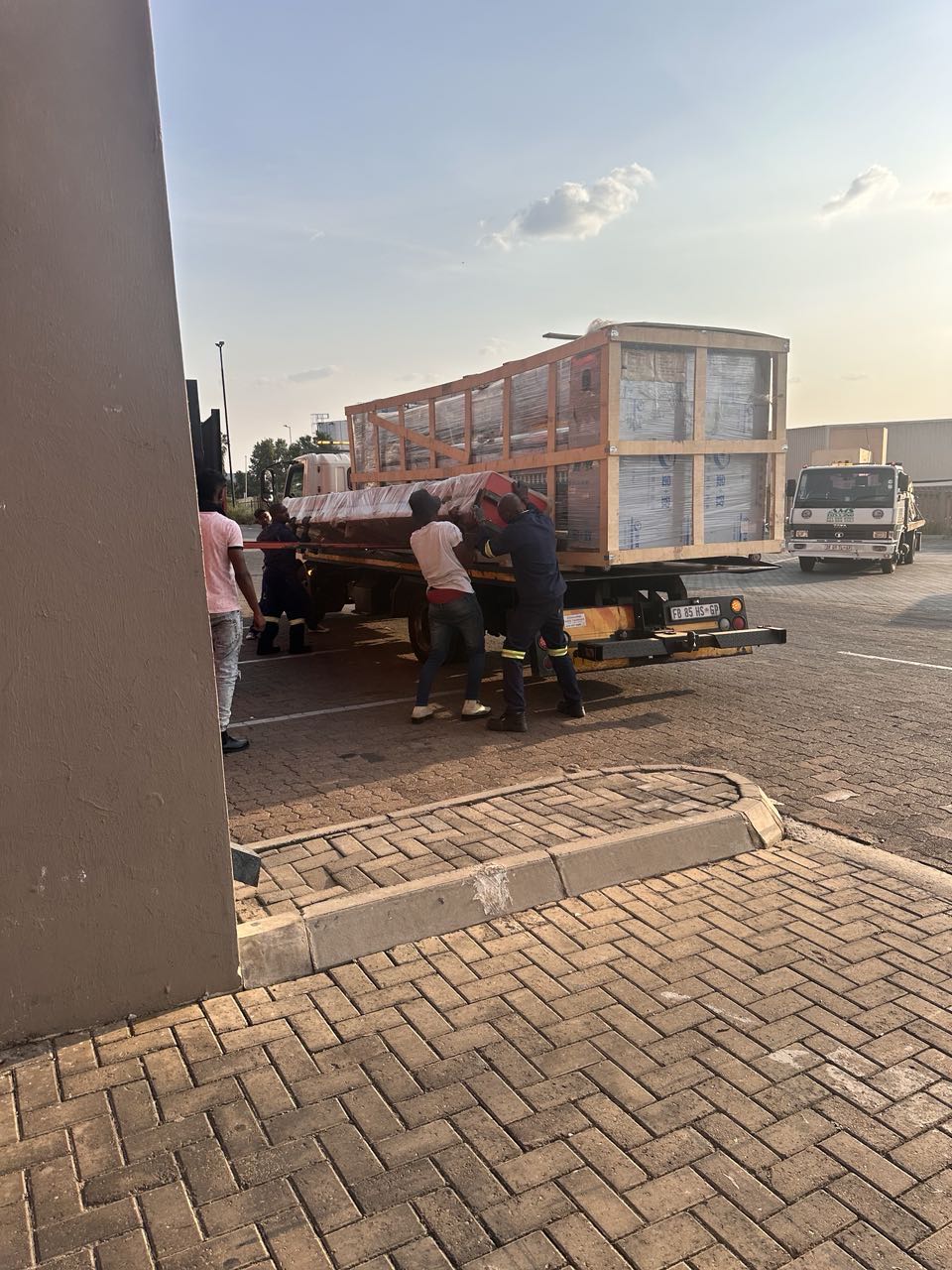
Toilet paper making machine
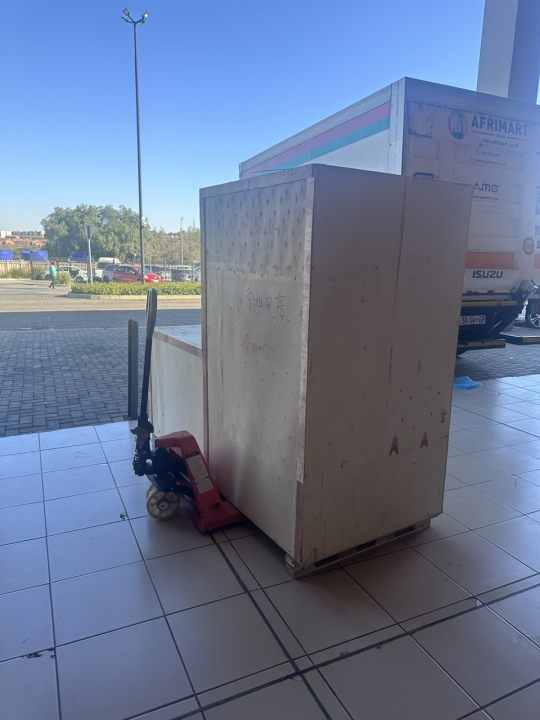
Toilet paper making machine
Toilet paper Rewinding Machine
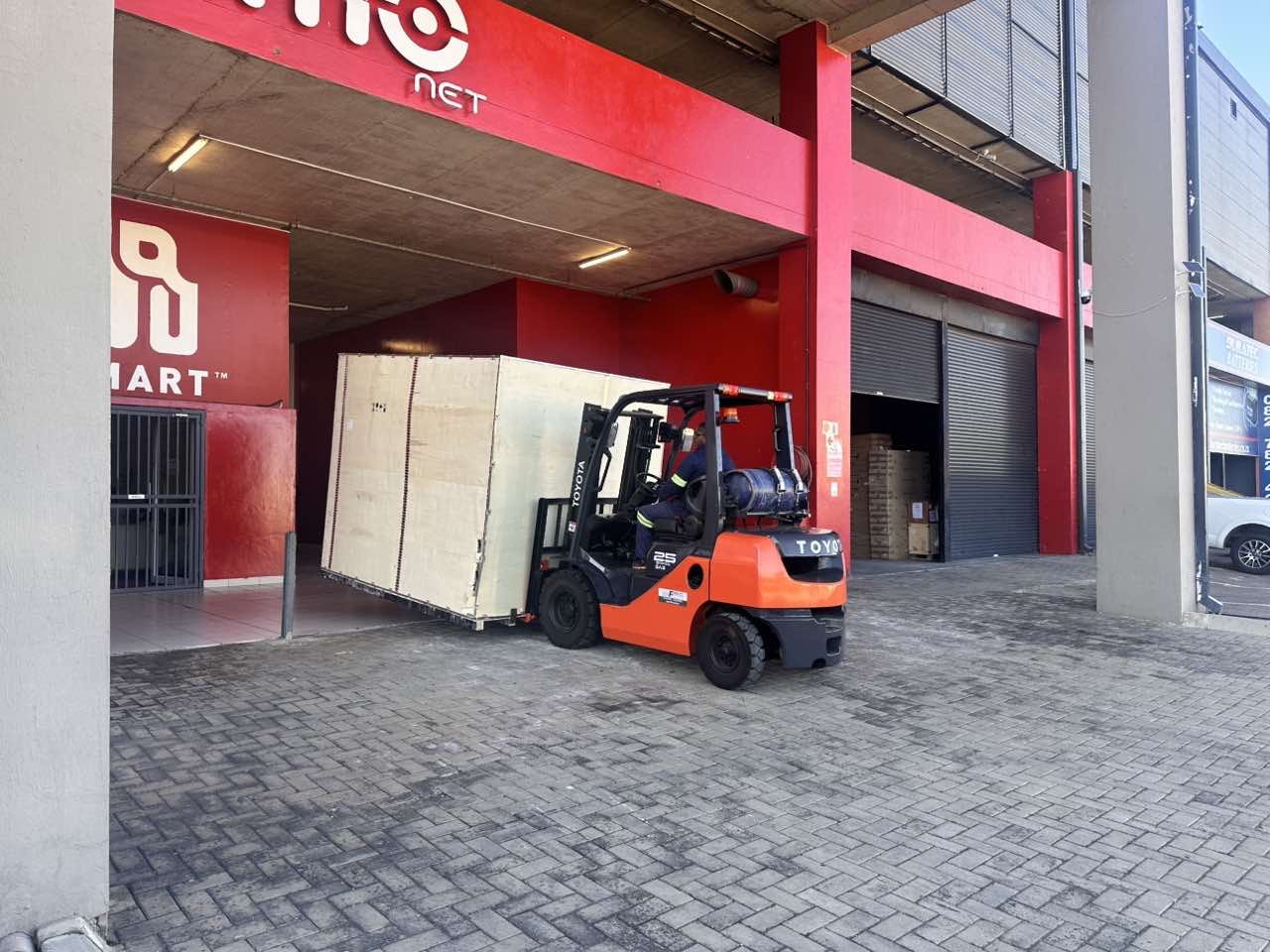
latest arrivals
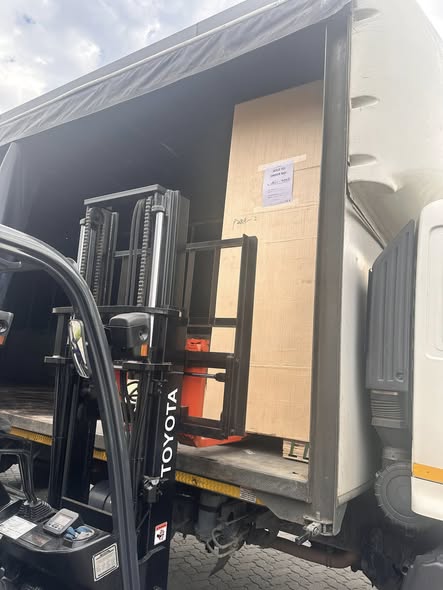
offloading
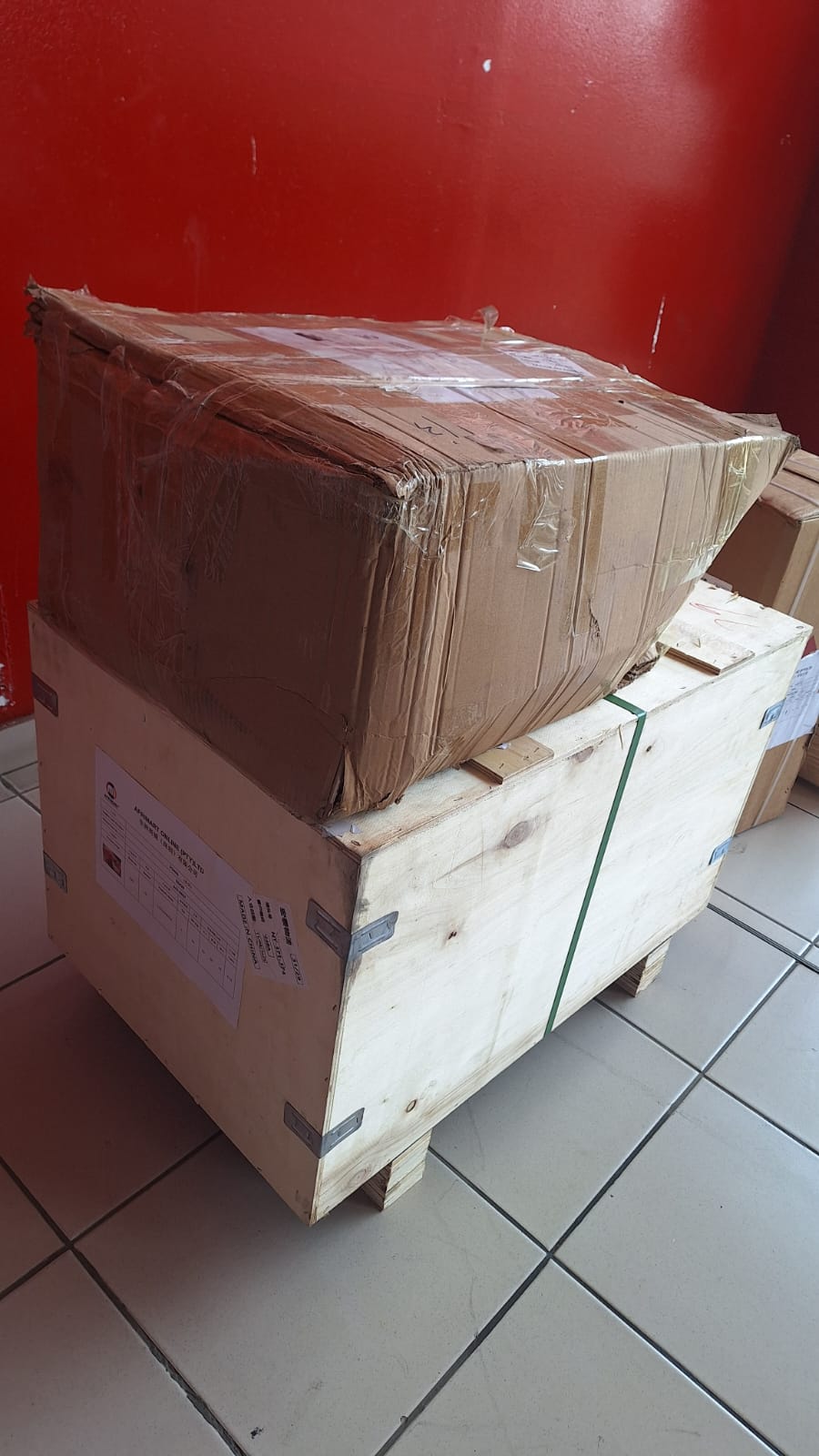
order success
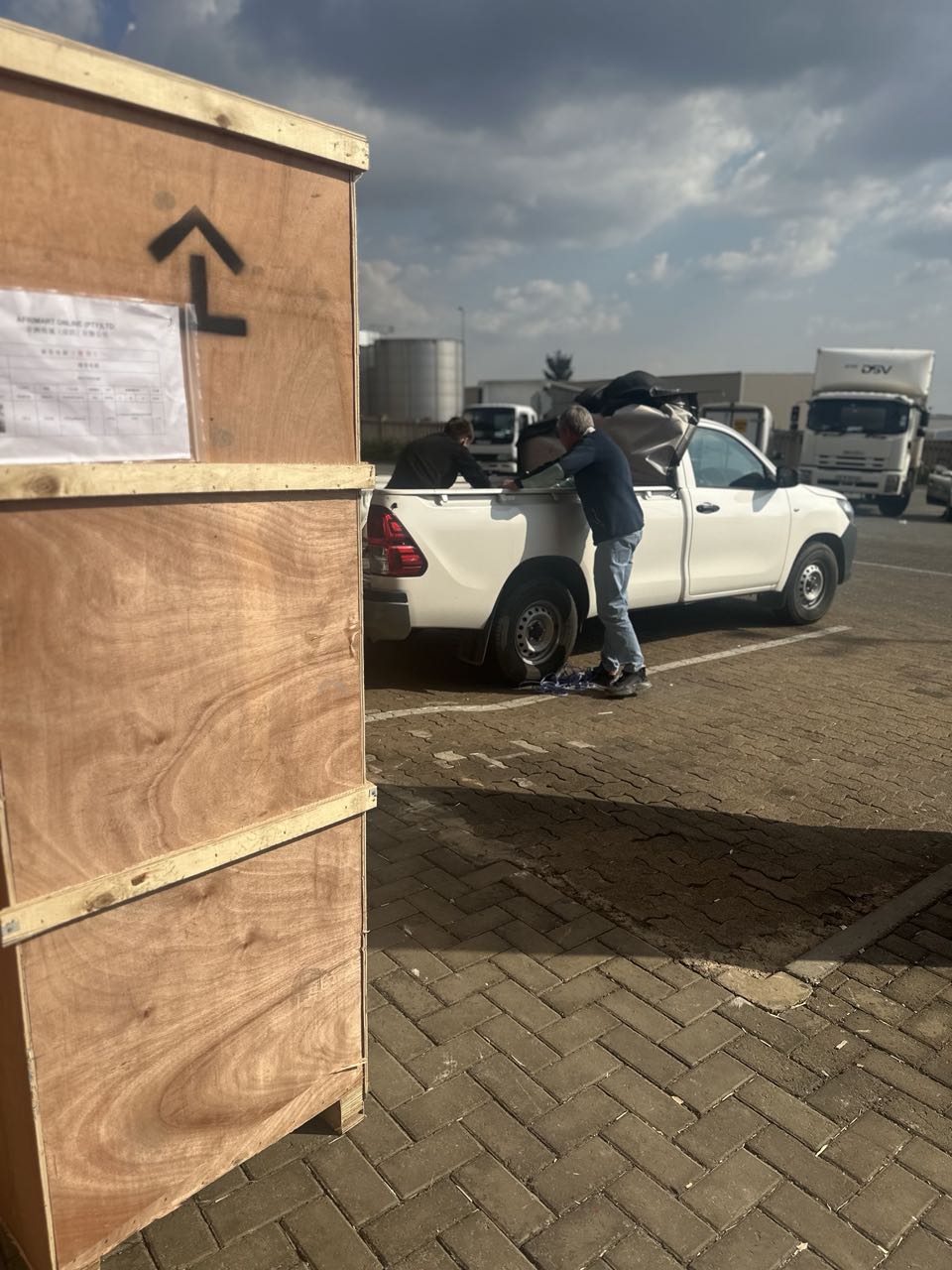
order collection
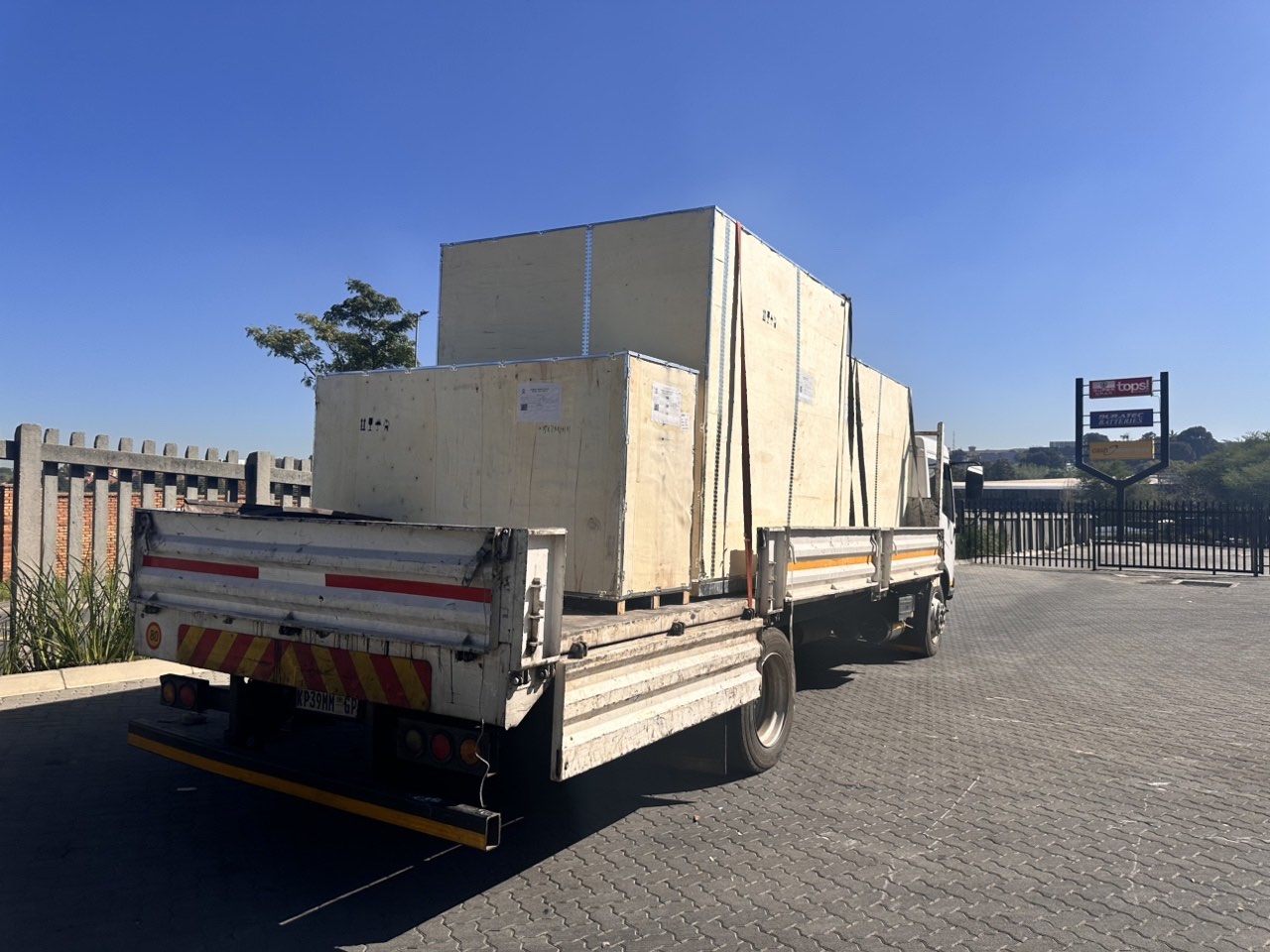
order offloading