B21, China Town Mall, Midrand


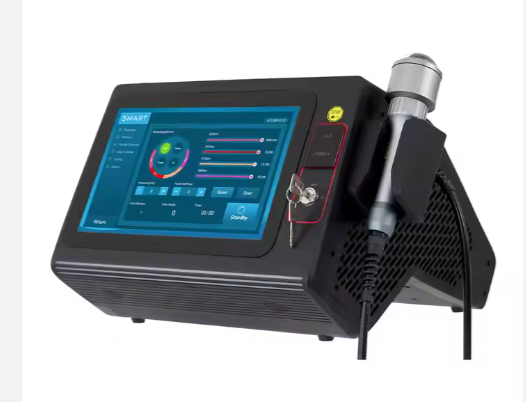
Portable Handheld 64pcs Diodes 308nm Uvb Light Vitiligo Excimer UV Lamp Health Medical Device Treatment for Psoriasis and Eczema
Asset finance available
Do you want funding for this equipment?
Afrimart can connect you with trusted funding partners who specialise in asset finance for businesses like yours. Compare options and apply in minutes — final approval is subject to provider review.
Check funding options
Secure & no obligation

- Section : Medical Supplies
- Category : Physical Therapy Equipment
- SKU : 1601437300758

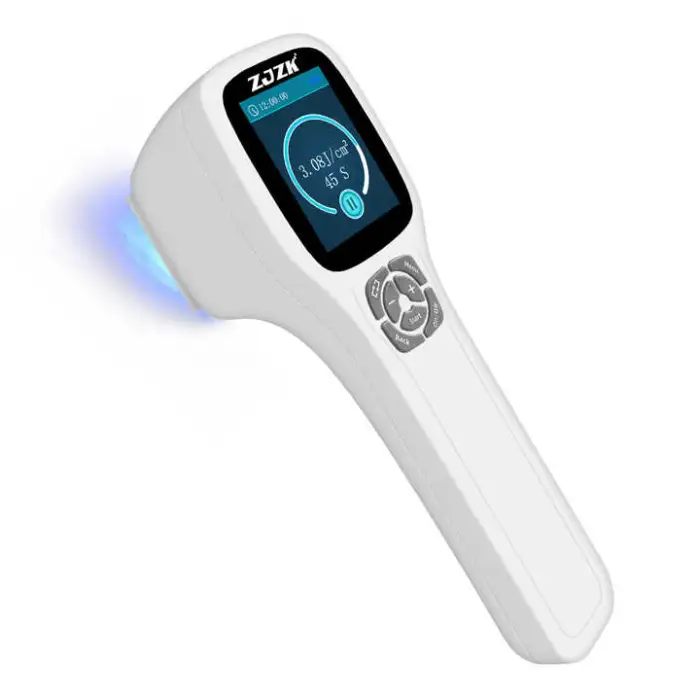
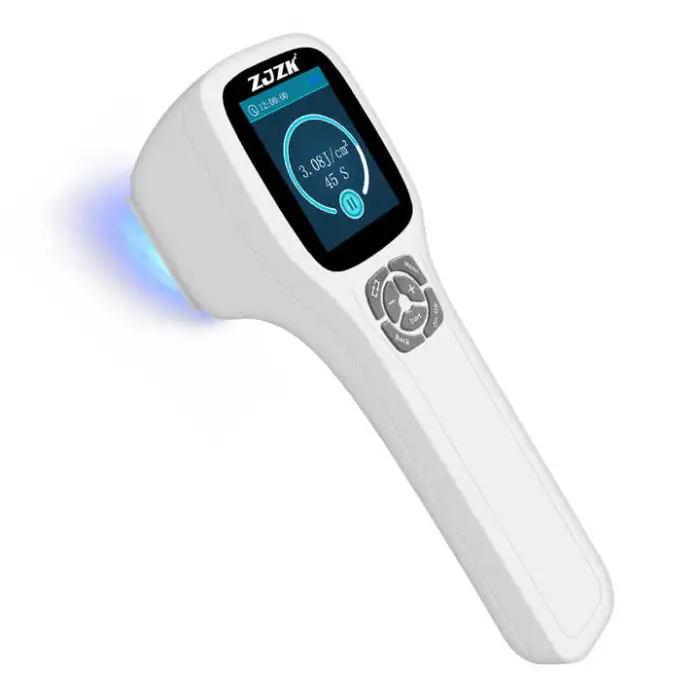
Portable Handheld 64pcs Diodes 308nm UVB Light Vitiligo Excimer UV Lamp
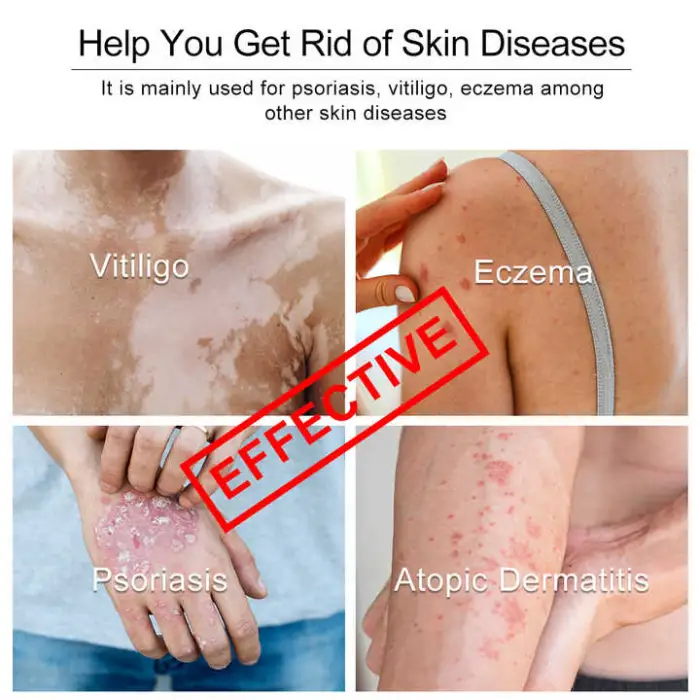
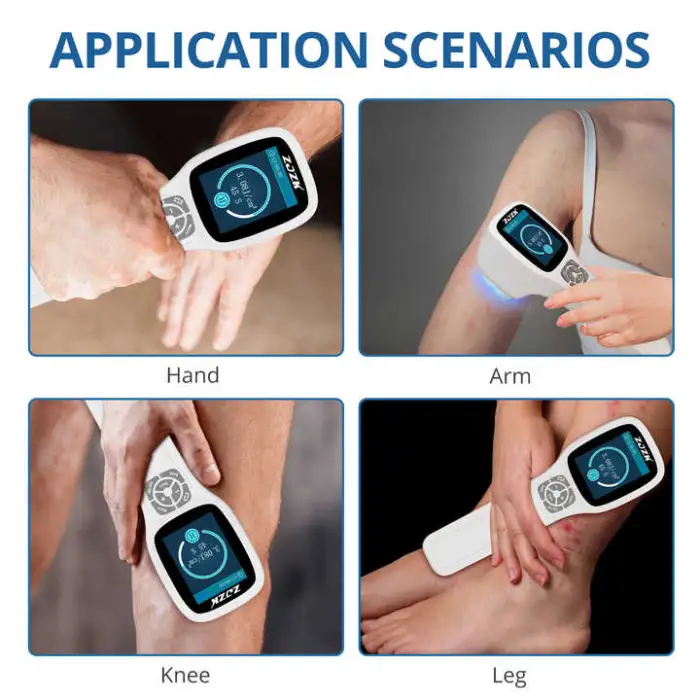
The Portable Handheld 64pcs Diodes 308nm UVB Light is a powerful medical device designed to help treat skin conditions like vitiligo, psoriasis, and eczema. This excimer UV lamp is easy to use at home, providing a convenient way to promote skin health and improve your quality of life. With its advanced technology, this device delivers targeted UV light therapy right where you need it.
Specifications
| Attribute | Details |
|---|---|
| Instrument Classification | Class II |
| Power | 450mW |
| Application | For Home Use, Treatment, Health Care |
| Voltage | AC 100V-240V, 50Hz/60Hz, DC 12V |
| Light Source | Ultraviolet |
| Wavelengths | 308nm |
| Model Number | PD01 |
| Single Package Size | 30X26X14 cm |
| Single Gross Weight | 1.500 KG |
Key Features
- Portable and lightweight for easy handling.
- 64 diodes for effective UVB light therapy.
- Designed for home use and convenience.
- Powerful 308nm excimer light for targeted treatment.
- Adjustable power settings for personalized care.
- Safe and easy to operate for everyone.
Applications
- Treating vitiligo for skin pigmentation improvement.
- Managing psoriasis flare-ups effectively.
- Alleviating symptoms of eczema for better skin health.
- Supporting overall skin health and wellness.
- Providing UV light therapy in the comfort of your home.
Product Info Gallery
- Shipping Timeframes: All orders are processed within 2-5 business days (excluding weekends and holidays). After your order has been processed, the estimated delivery time is before 03 Aug, 2026, depending on customs, Please note that due to high demand, some items may experience longer shipping times, which will be communicated at order confirmation email.
- Order Processing Time: Please allow 2-5 business days for us to process your order before it is shipped . Orders placed after 16:00 on Fridays, or during weekends and public holidays, will begin processing on the next business day. Processing times may be extended during peak seasons or sales events.
- Manufacturing Time: Some products needs manufacturing time, the manufacturing process will take approximately 10-30 business days depending on the product. This timeframe may vary depending on the complexity of the product and current demand. but this will be communicated with you during order confirmation.
- Returns and Exchanges: We offer a 30-day return policy for most items. If you are not completely satisfied with your purchase, you may return it within 30 days of receipt for a refund or exchange. Items must be unused, in their original packaging, and accompanied by proof of purchase. Return shipping costs are the responsibility of the customer, unless the item was damaged or defective upon arrival.
1. What is the Portable Handheld 64pcs Diodes 308nm UVB Light?
It is a portable, handheld Class II medical device that delivers targeted 308 nm excimer UVB light using 64 diodes. It's designed for home use to support treatment of skin conditions such as vitiligo, psoriasis, and eczema under medical guidance.
2. How does 308 nm excimer UVB therapy work?
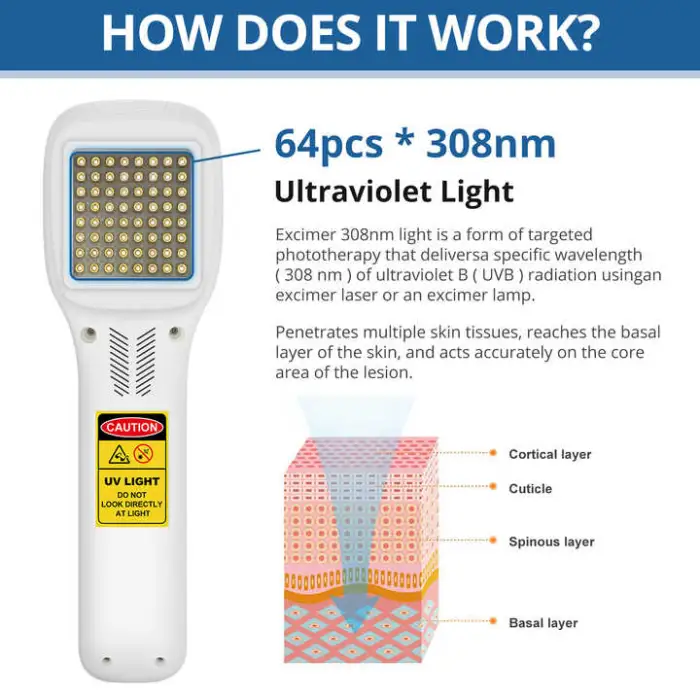
308 nm excimer light is a targeted form of UVB phototherapy. It delivers focused ultraviolet energy to affected skin areas to help reduce inflammation, modulate immune response, and (in vitiligo) promote repigmentation. Mechanisms depend on the condition and individual patient response.
3. Is this device safe to use at home?
The device is designed for home use and is classified as a Class II medical instrument. However, safe and effective use requires following the user manual and medical advice. Always protect eyes, avoid treating suspicious lesions, and consult a healthcare professional before starting treatment.
4. Do I need a prescription or doctor supervision?
Requirements vary by country and clinical situation. Many clinicians recommend evaluation and a treatment plan before home use. Check local regulations and consult your dermatologist or healthcare provider for personalized guidance.
5. Who should not use this device?
People with photosensitivity disorders, a history of skin cancer or suspicious lesions in the treatment area, those taking photosensitizing medications, and pregnant or breastfeeding persons should consult their physician before use. Also seek medical advice before treating children.
6. How do I use the device safely?
Read the user manual, perform a small patch test, wear protective eyewear, and follow prescribed treatment parameters from your clinician. Start with the lowest recommended exposure and monitor skin response. Do not point the lamp at eyes or mucous membranes.
7. How long and how often should treatments be?
Treatment duration and frequency depend on the condition, skin type, and clinician’s protocol. These devices are typically used multiple times per week for several weeks, but always follow the schedule prescribed by your healthcare provider rather than a generic timetable.
8. When can I expect to see results?
Response times vary by condition and individual. Some users may notice improvement within a few weeks, while others require several months of consistent therapy. Your clinician will help set realistic expectations and monitor progress.
9. What side effects should I expect?
Common transient effects include redness, mild burning, itching, or temporary hyperpigmentation. More severe reactions (blistering, severe pain, or persistent changes) should prompt immediate discontinuation and medical review.
10. Does the treatment hurt?
Most users report minimal discomfort—often a warming or mild stinging sensation. Pain is uncommon; if you experience significant pain or severe skin reactions, stop use and consult a physician.
11. What are the device specifications and power requirements?
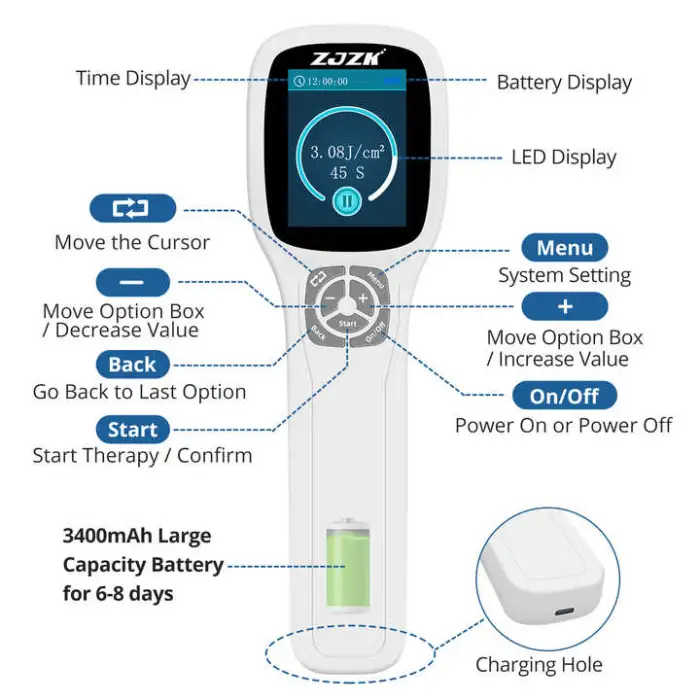
Model PD01 delivers 308 nm UVB light using 64 diodes with total power 450 mW. Voltage input is AC 100–240 V, 50/60 Hz, with DC 12 V operation via the supplied adapter. Use only the provided power adapter or an approved equivalent.
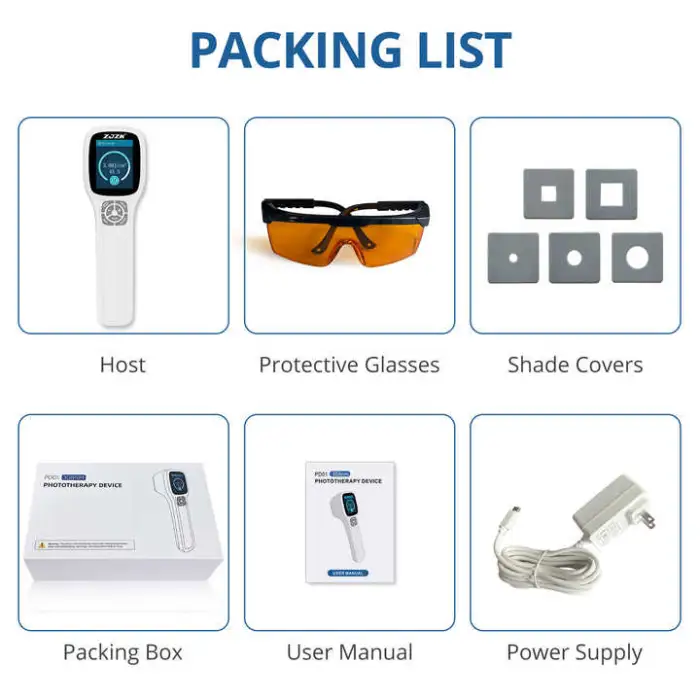
12. Are protective goggles or accessories included?
Package contents vary by seller. The product is intended for use with appropriate eye protection; if goggles are not included, obtain certified UV-protective eyewear before first use.
13. How do I clean and maintain the device?
Unplug before cleaning. Wipe external surfaces and the lamp window with a soft cloth dampened with a mild disinfectant or 70% isopropyl alcohol. Do not immerse the device in liquid, use abrasive cleaners, or open the housing. Store in a cool, dry place.
14. Are the diodes user-replaceable? What if the device fails?
Diodes are typically not user-replaceable. If you suspect a malfunction, contact the seller or manufacturer for repair, replacement, or service. Do not attempt to open or repair the device yourself, as this may void warranty and create safety risks.
15. What certifications, warranty, and technical support are available?
The device is described as a Class II medical instrument. Certification (CE, FDA clearance, etc.) and warranty terms depend on the seller and region—check the product listing, user manual, or contact the manufacturer for documentation and support options.
Latest Order Arrivals
Discover our latest orders

12 Heads Embroidery Machine
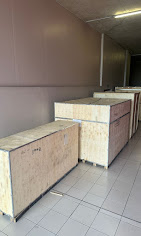
Toilet Paper Machine Machine
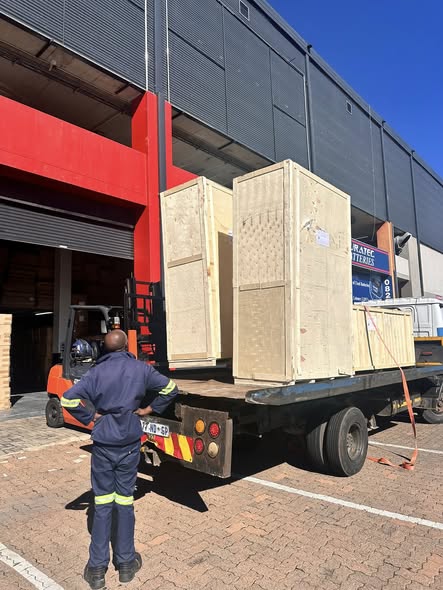
Order Collection
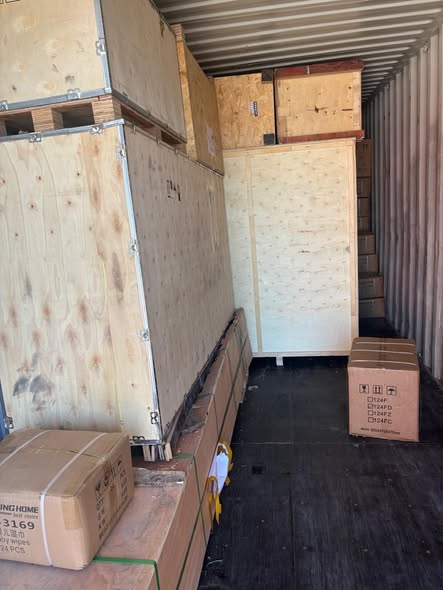
Cross Border Clients

Order cros border countries Collected
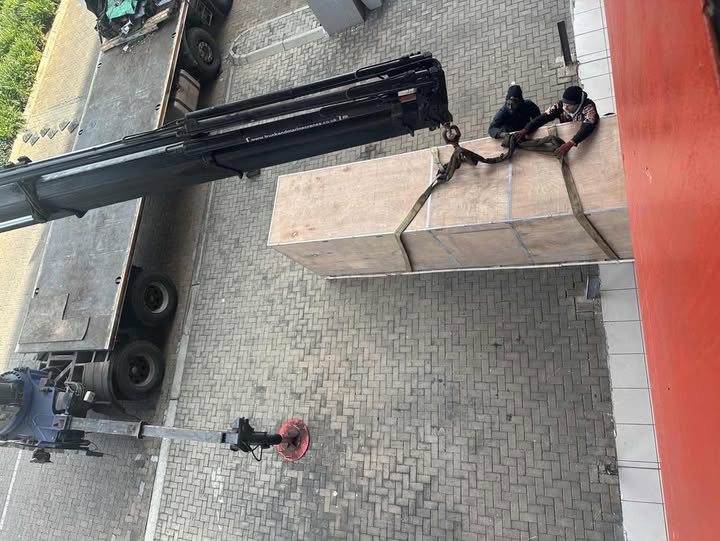
Industrial Machine Cllection
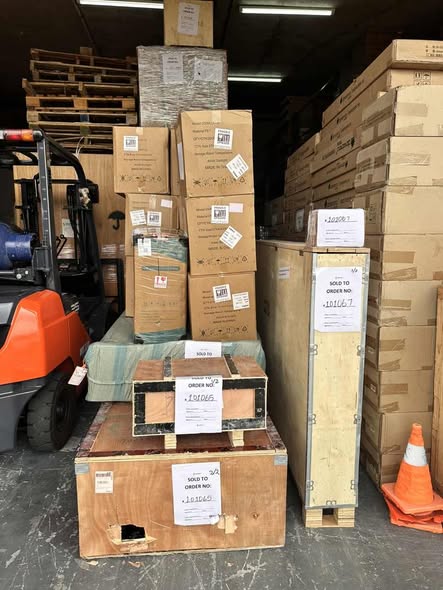
Agriculture Processing Machines
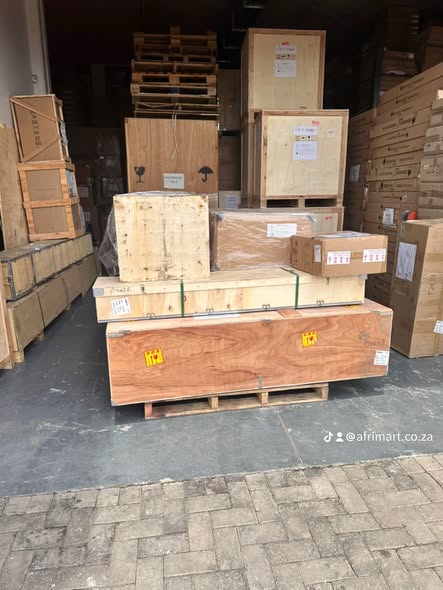
Ready for collection

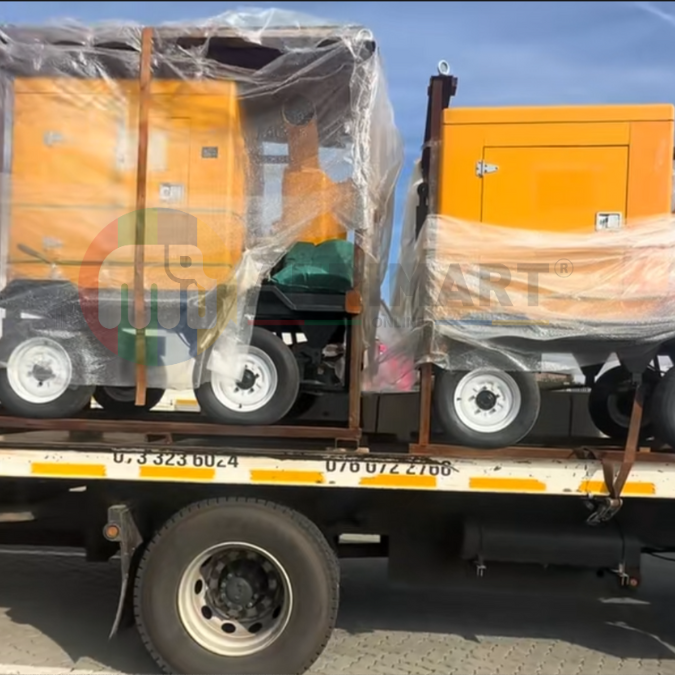
Water Pump Equipment
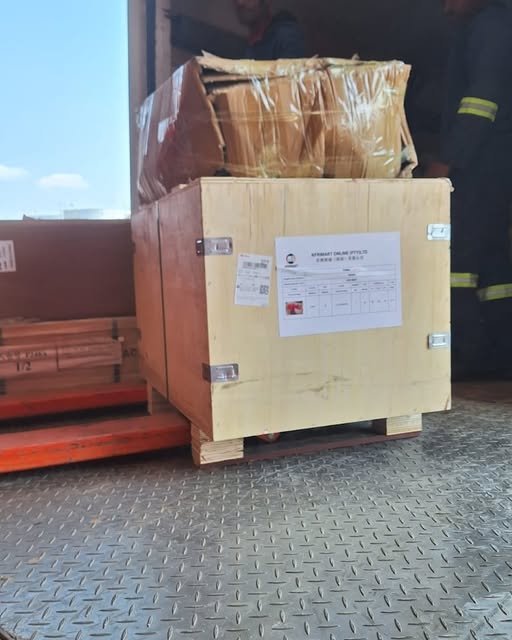
Packaging Machine and accessories
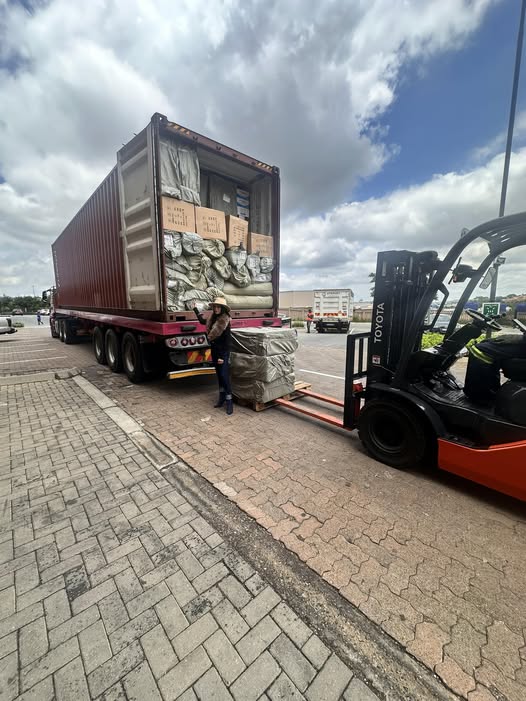
Fabrics Manufacturing Equipment
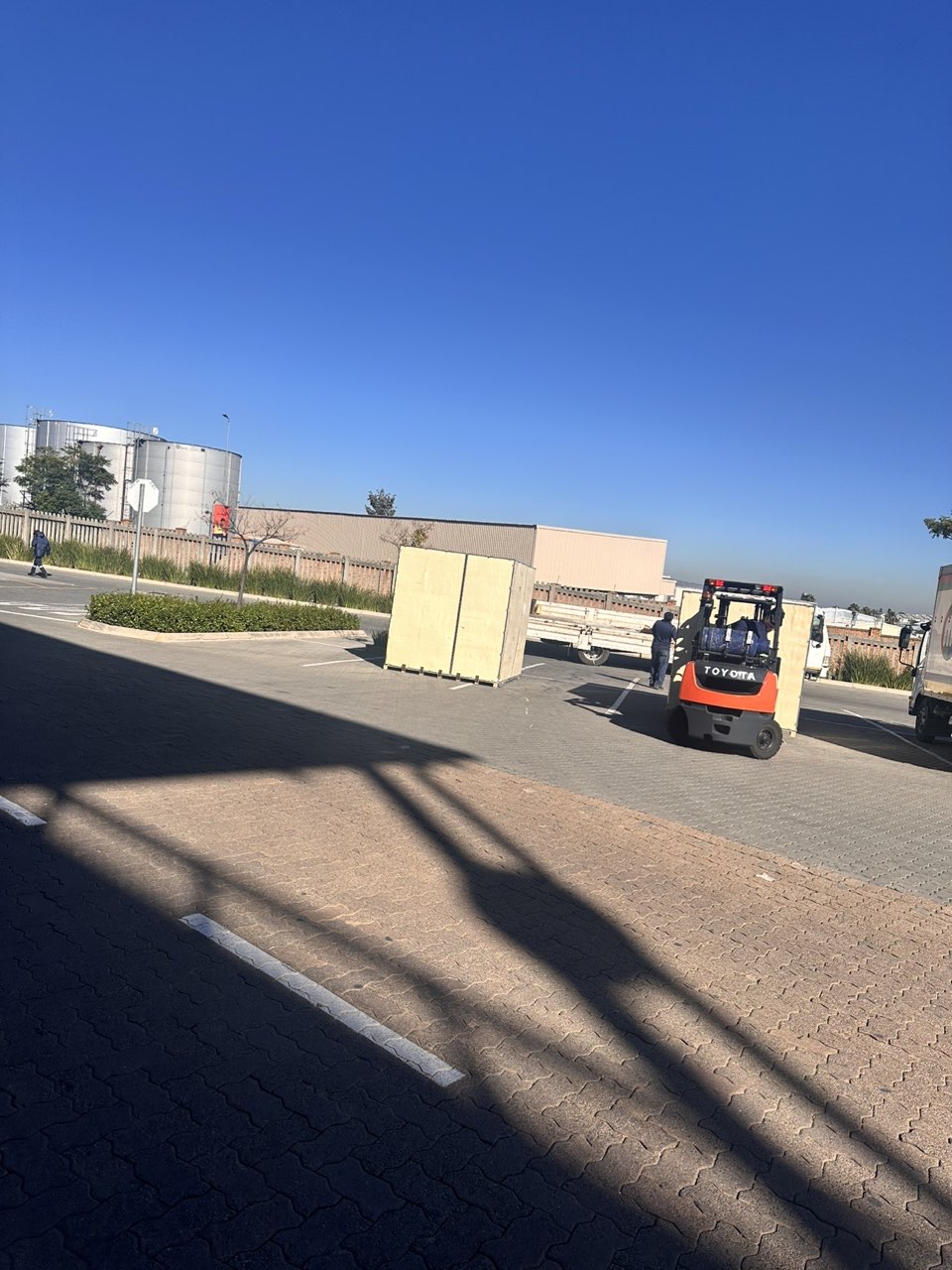
Mining Equipments
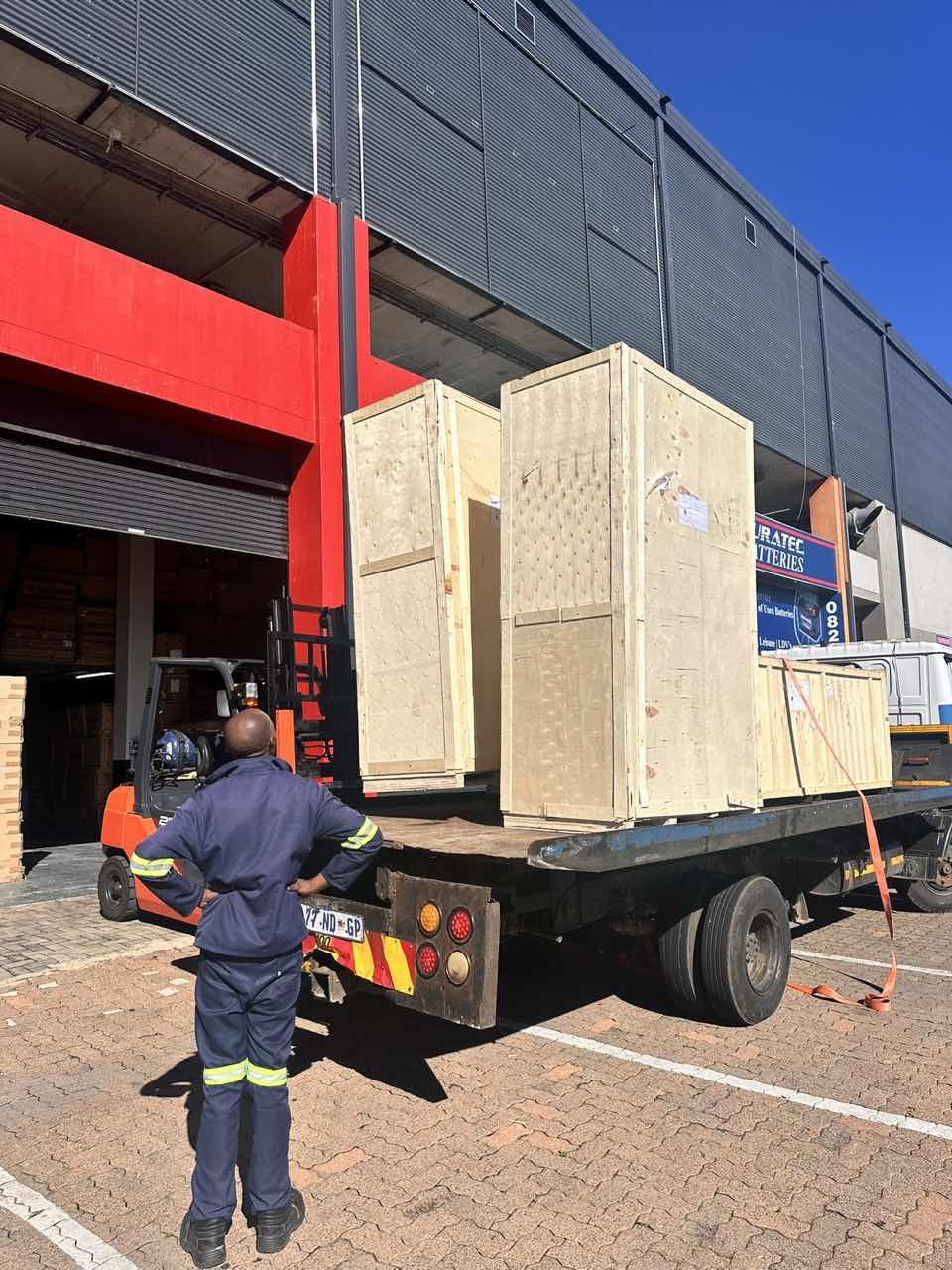
Food Processing Machine
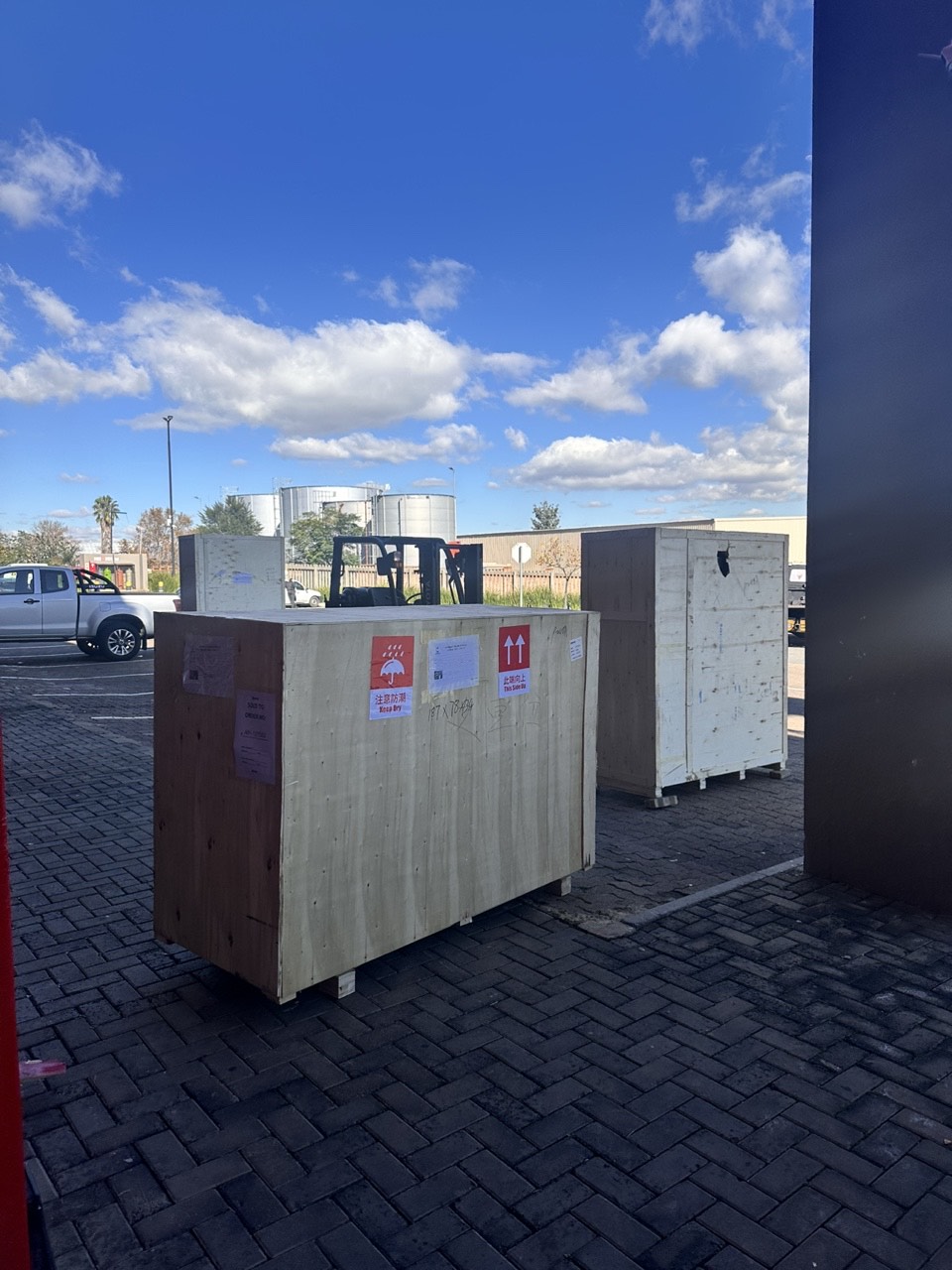
Batch of Orders
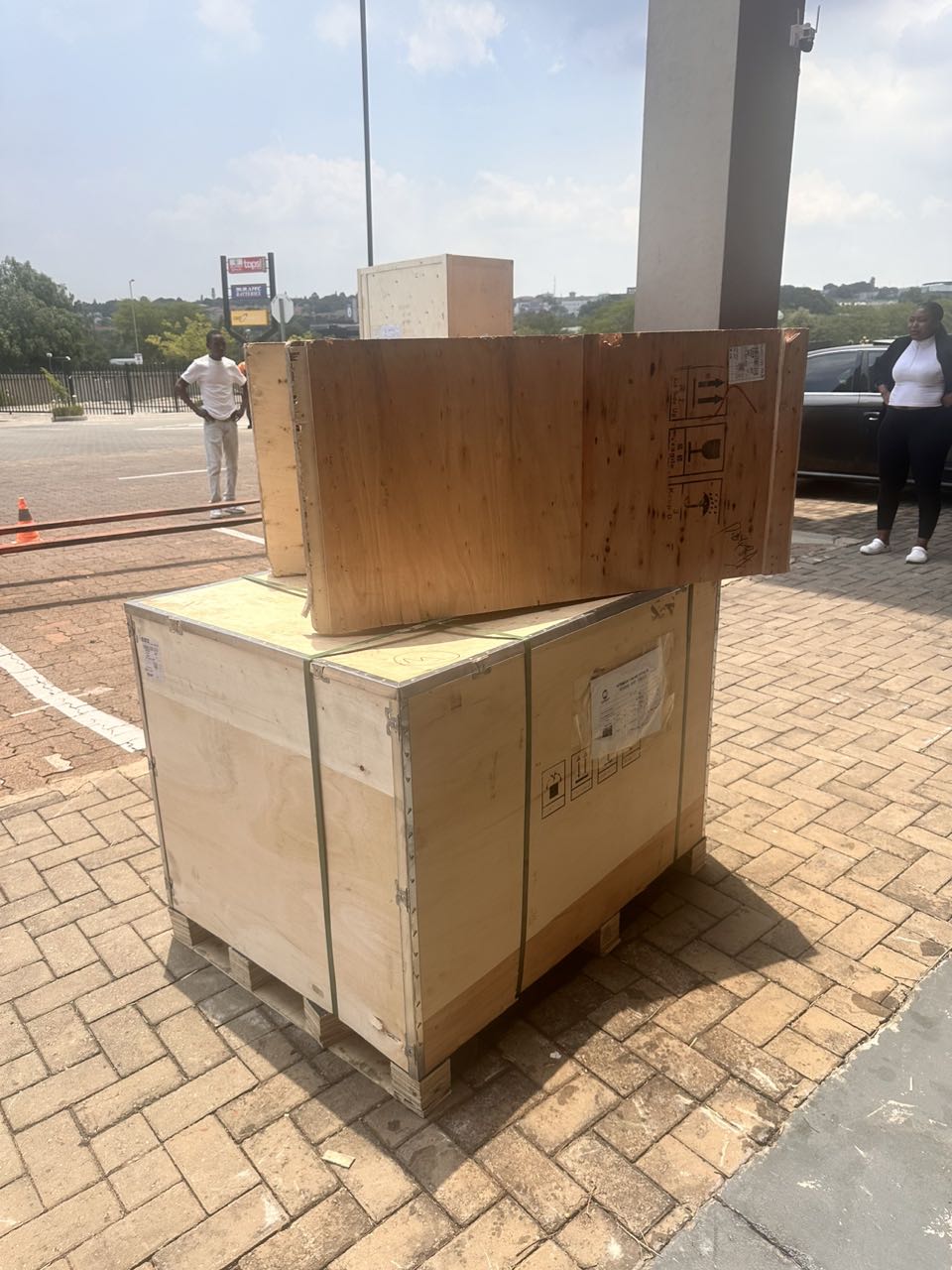
Batch of Orders
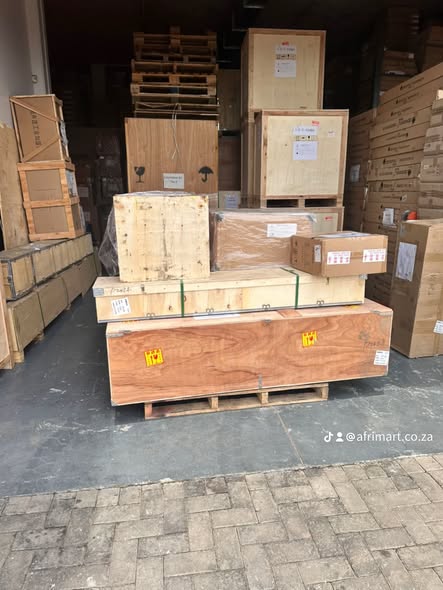
Latest Orders Labelled

wheel alignment machines

new arrivals
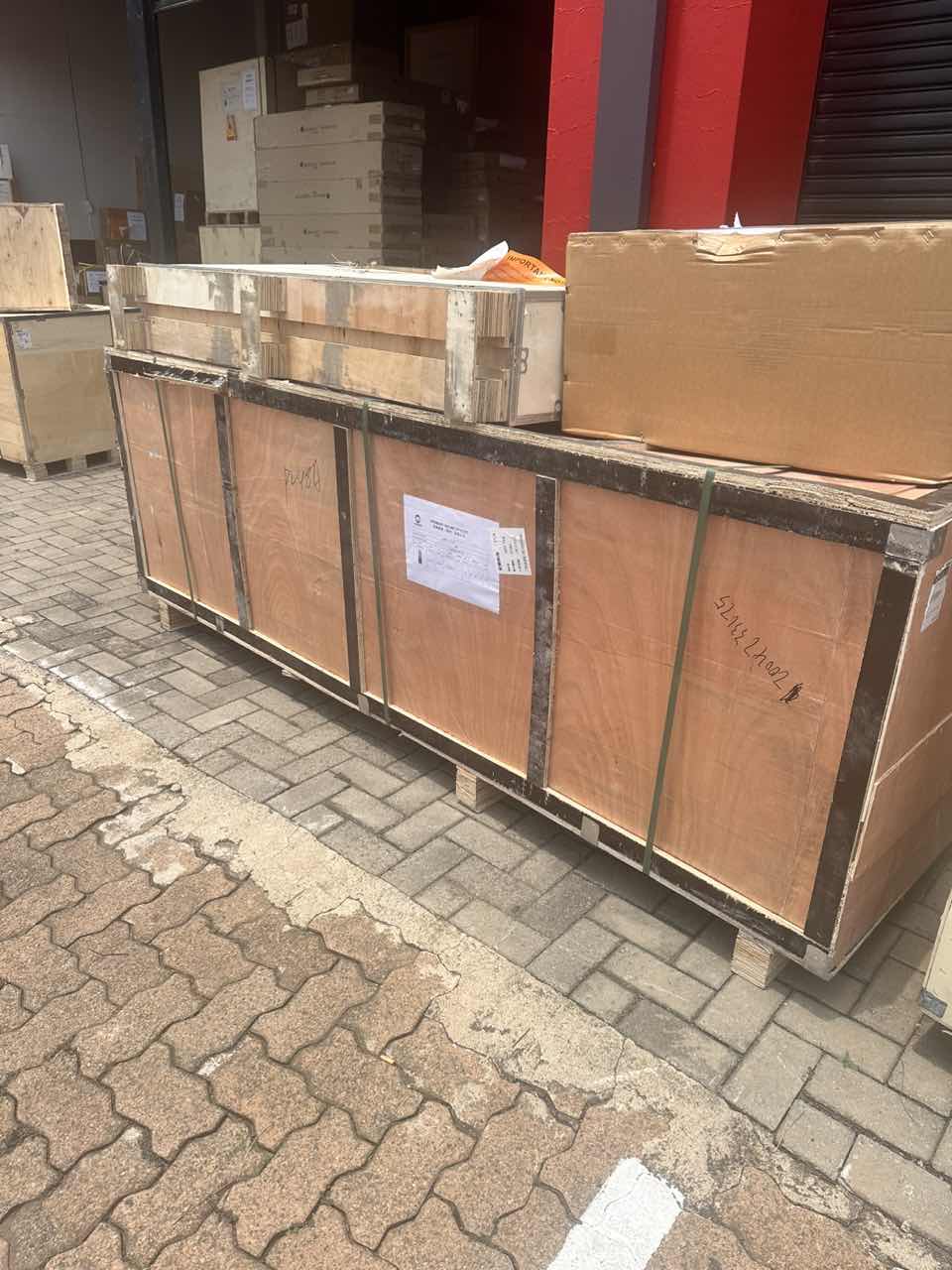
Pre Orders Offloading
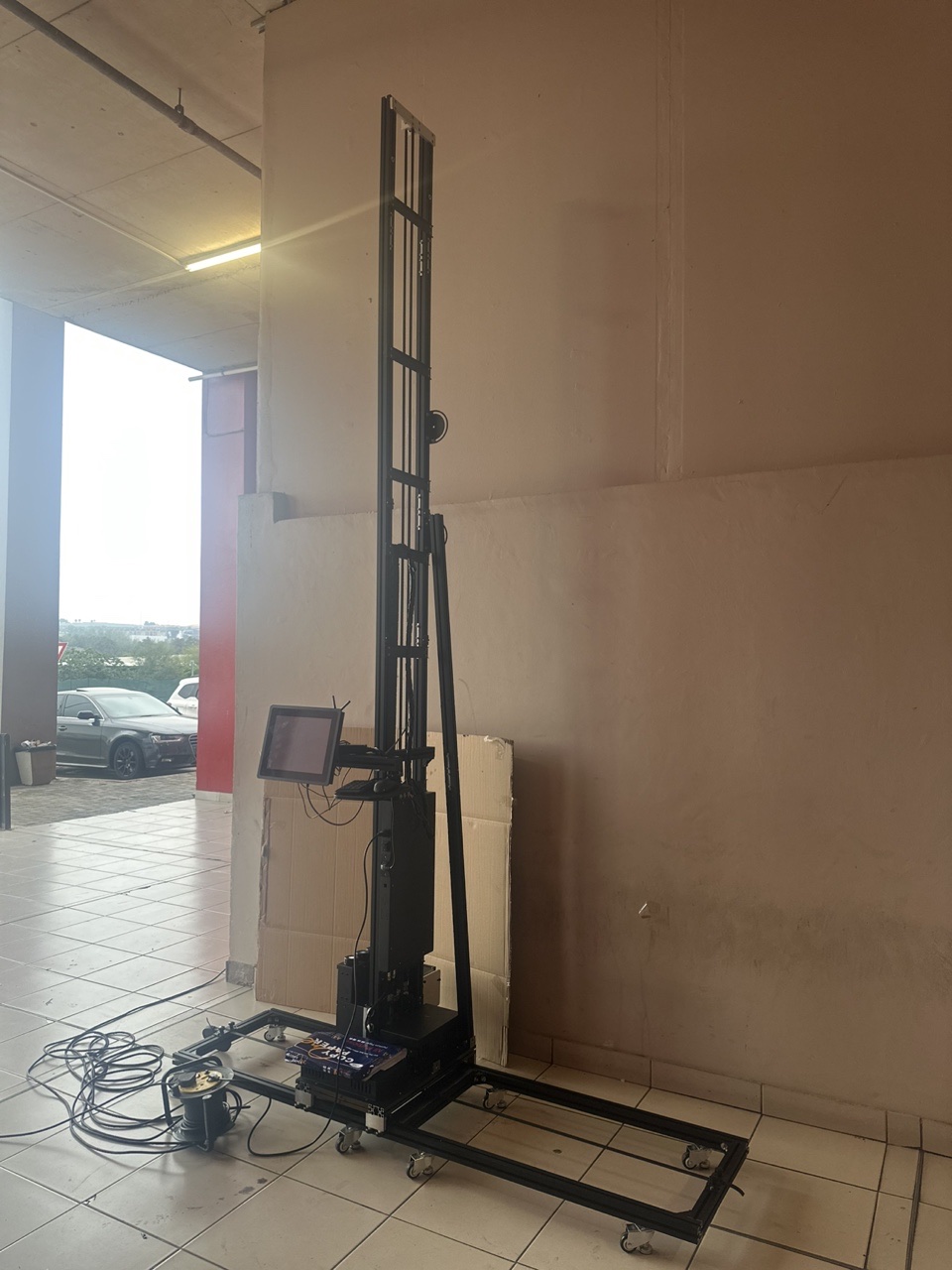
Latest Arrivals
Latest Arrivals
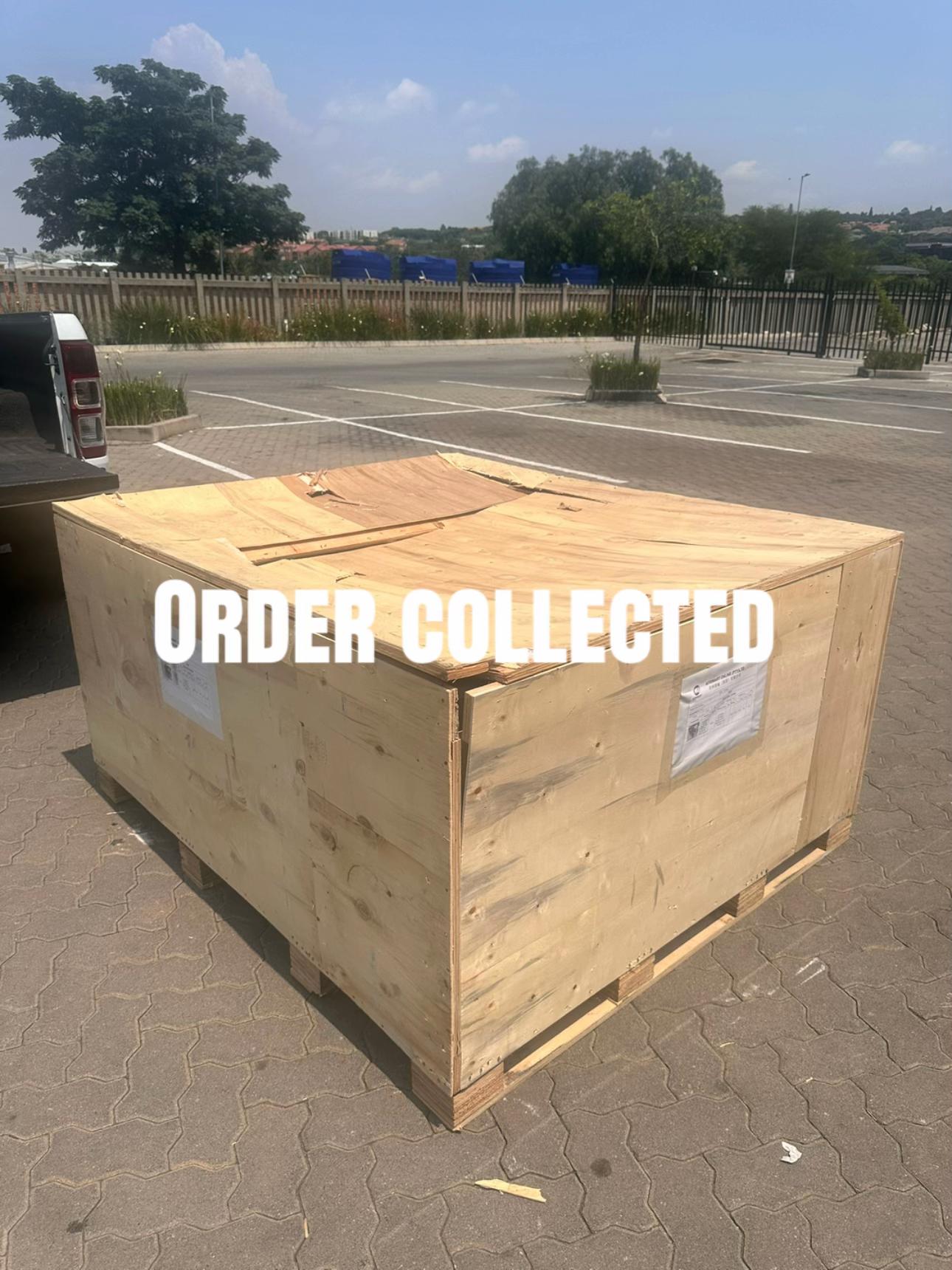
Latest Arrivals
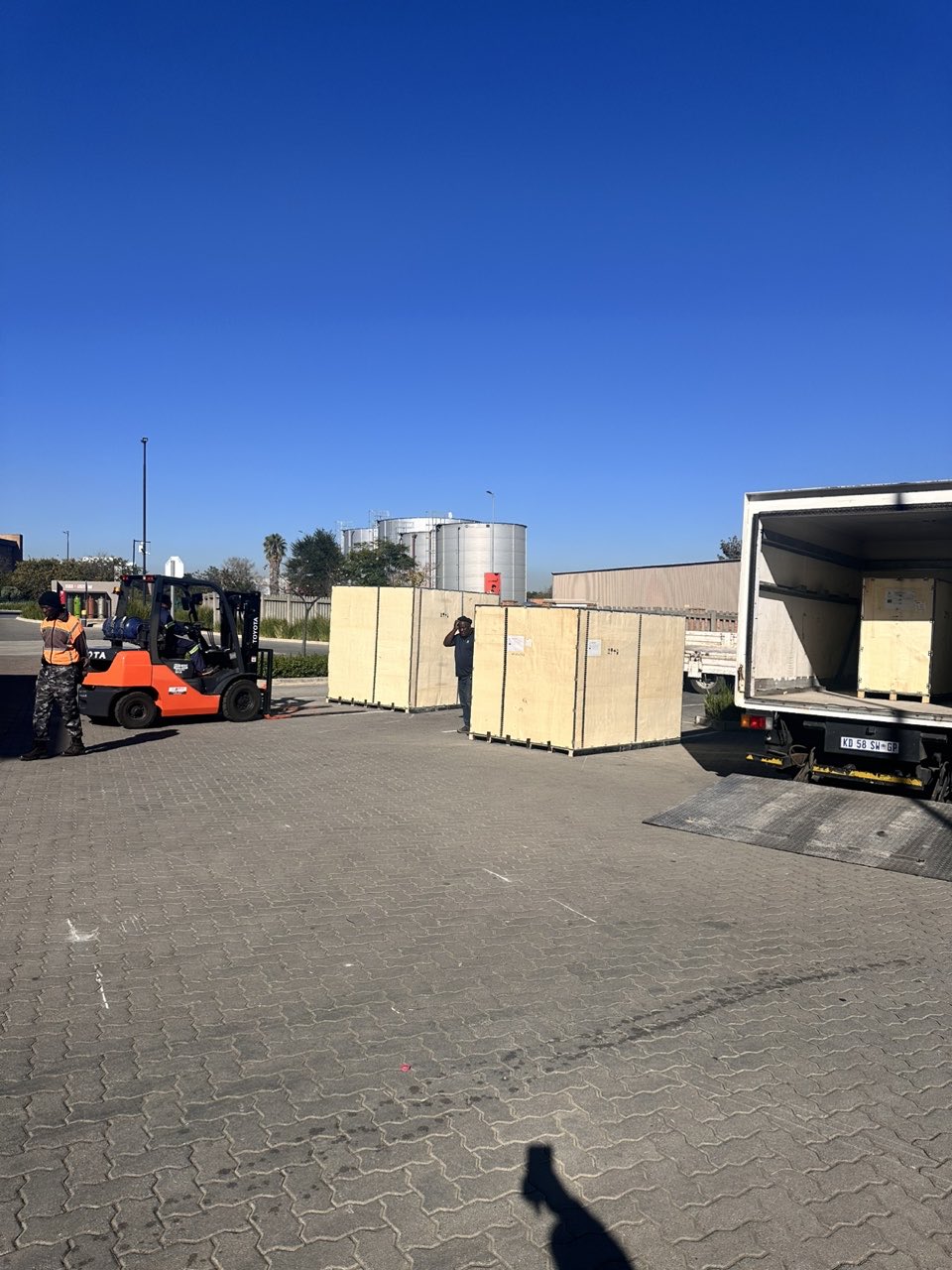
Loading
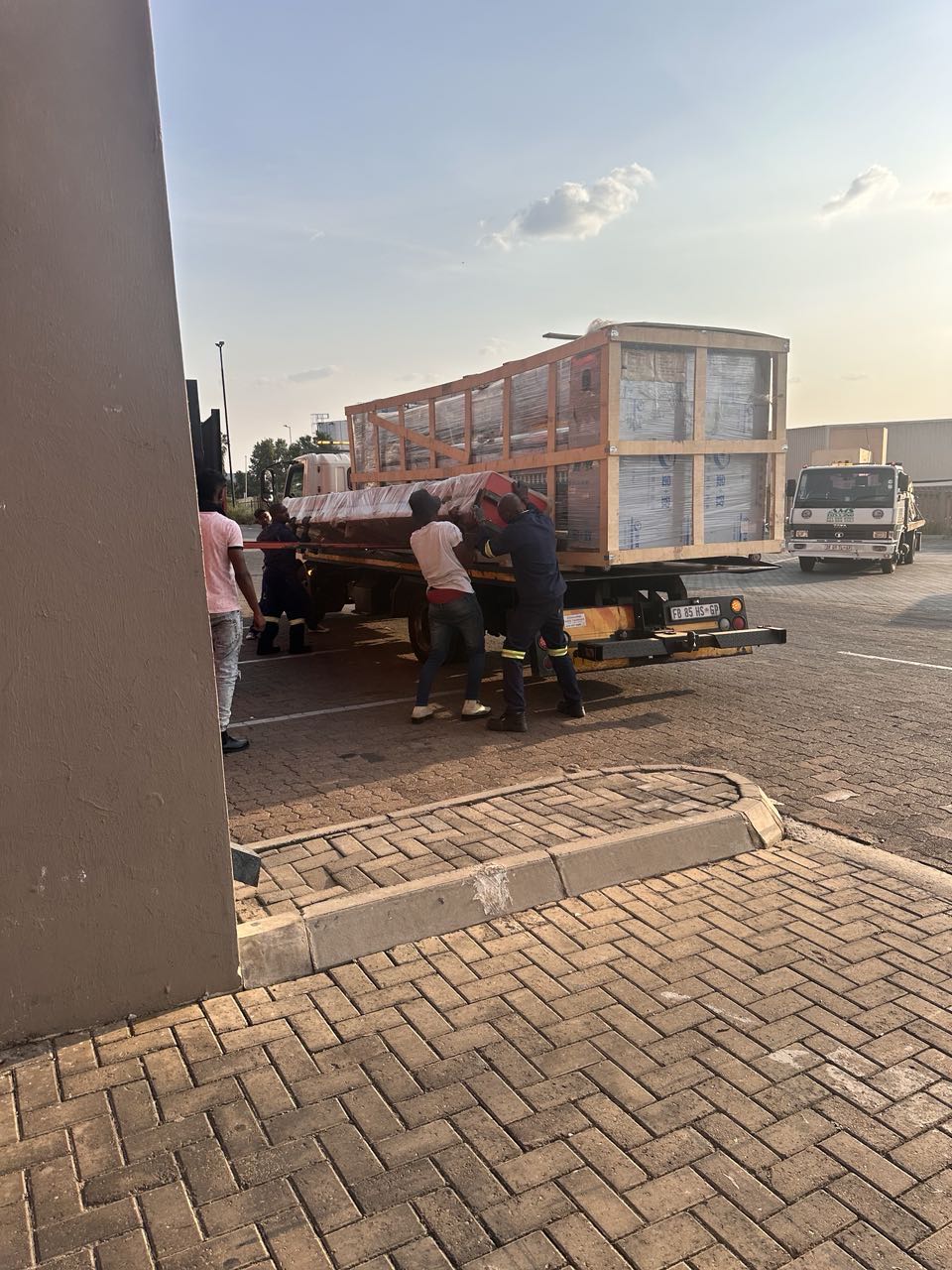
Toilet paper making machine
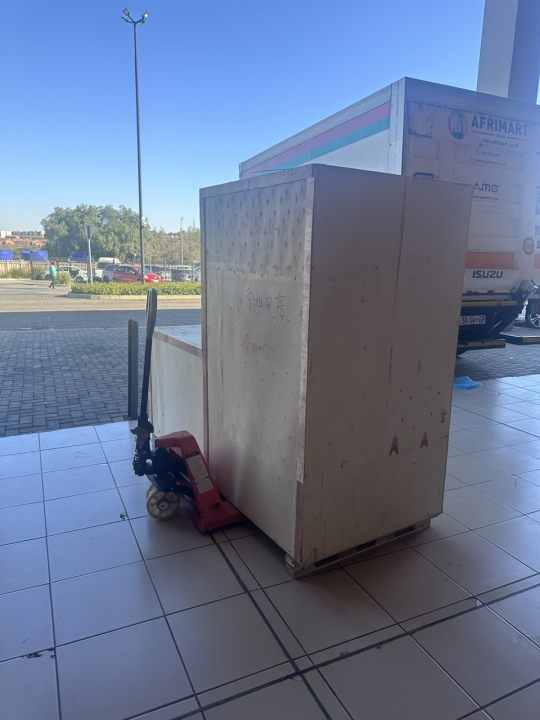
Toilet paper making machine
Toilet paper Rewinding Machine
latest arrivals
offloading
order success

order collection
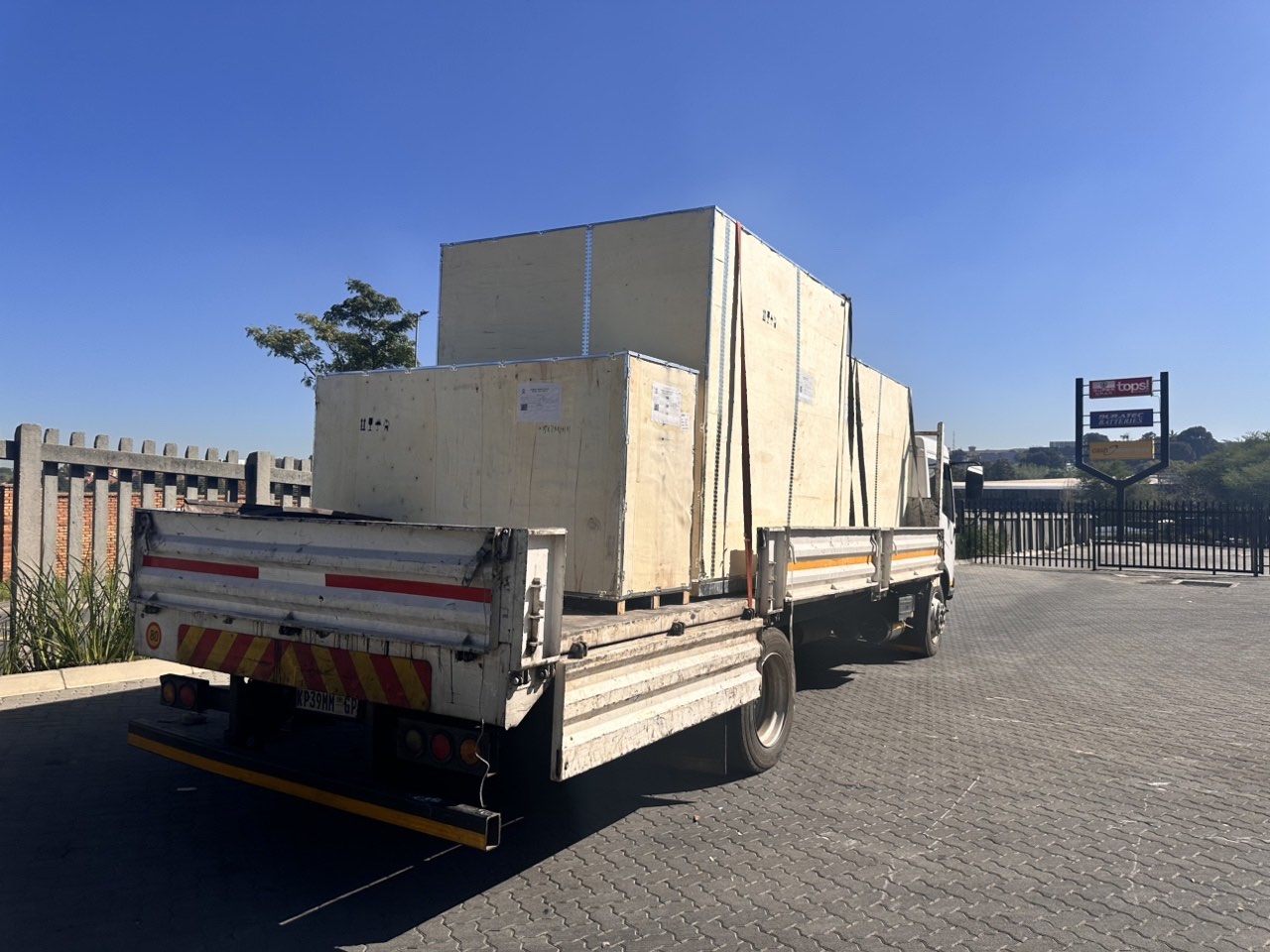
order offloading