B21, China Town Mall, Midrand


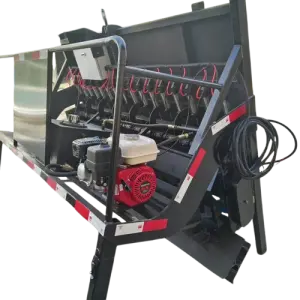
Portable Agricultural Drone Intelligent Remote Control AG Sprayer for Farming
Asset finance available
Do you want funding for this equipment?
Afrimart can connect you with trusted funding partners who specialise in asset finance for businesses like yours. Compare options and apply in minutes — final approval is subject to provider review.
Check funding options
Secure & no obligation

- Section : Machinery
- Category : Other Agricultural Equipment
- SKU : 1601434286931

Portable Agricultural Drone Intelligent Remote Control AG Sprayer for Farming
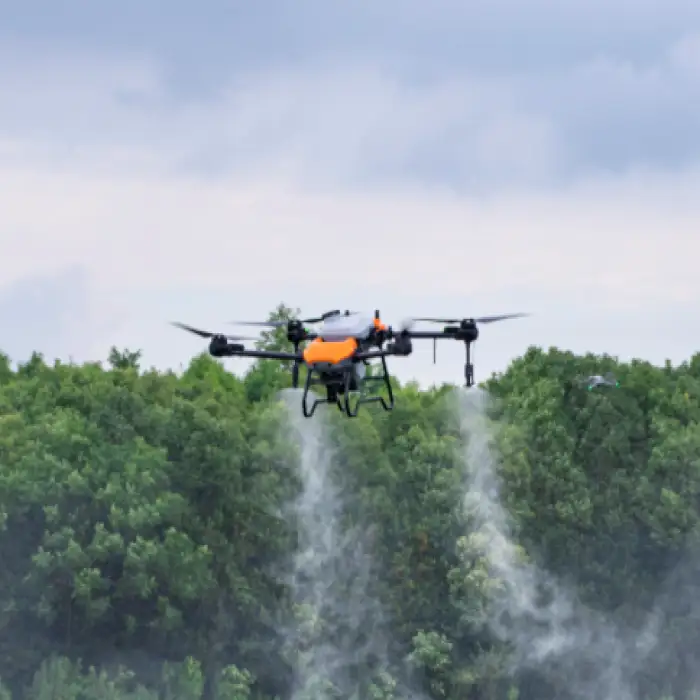
The Portable Agricultural Drone Intelligent Remote Control AG Sprayer is a game-changer for farmers. This advanced drone helps you spray crops quickly and efficiently. With its smart design and powerful features, you can improve productivity on your farm. Say goodbye to traditional spraying methods and hello to modern farming with this innovative drone!
Specifications
| Attribute | Details |
|---|---|
| Sprayer Type | Unmanned Aerial Vehicle (UAV) |
| Core Components | PLC, Motor, Bearing, Pump, Other |
| Key Selling Points | High Productivity |
| Usage | Farm |
| Weight | 49 kg |
| Diameter | 1138 mm |
| Feature | High Productivity |
| Selling Units | Single item |
Key Features
- Easy to use remote control for simple operation.
- High productivity for fast spraying of crops.
- Lightweight design for better maneuverability.
- Advanced technology for accurate spraying.
- Durable materials for long-lasting use.
Applications
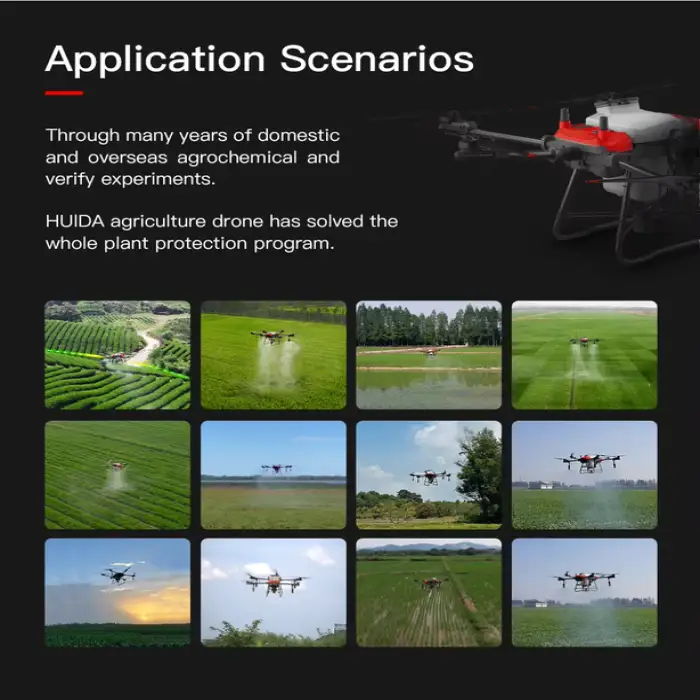
- Spraying pesticides on crops.
- Applying fertilizers efficiently.
- Monitoring crop health from the air.
- Mapping fields for better planning.
- Improving yield through precise application.
The Portable Agricultural Drone Intelligent Remote Control AG Sprayer is perfect for modern farmers looking to enhance their farming practices. With its innovative features and high productivity, it is a must-have tool for every farm!
Product Info Gallery
- Shipping Timeframes: All orders are processed within 2-5 business days (excluding weekends and holidays). After your order has been processed, the estimated delivery time is before 03 Aug, 2026, depending on customs, Please note that due to high demand, some items may experience longer shipping times, which will be communicated at order confirmation email.
- Order Processing Time: Please allow 2-5 business days for us to process your order before it is shipped . Orders placed after 16:00 on Fridays, or during weekends and public holidays, will begin processing on the next business day. Processing times may be extended during peak seasons or sales events.
- Manufacturing Time: Some products needs manufacturing time, the manufacturing process will take approximately 10-30 business days depending on the product. This timeframe may vary depending on the complexity of the product and current demand. but this will be communicated with you during order confirmation.
- Returns and Exchanges: We offer a 30-day return policy for most items. If you are not completely satisfied with your purchase, you may return it within 30 days of receipt for a refund or exchange. Items must be unused, in their original packaging, and accompanied by proof of purchase. Return shipping costs are the responsibility of the customer, unless the item was damaged or defective upon arrival.
1. What is this product and what does it do?
The Portable Agricultural Drone Intelligent Remote Control AG Sprayer is a UAV designed for agricultural spraying, fertilizing, crop monitoring, and field mapping to improve efficiency and precision compared with manual methods.
2. What are the main specifications I should know?
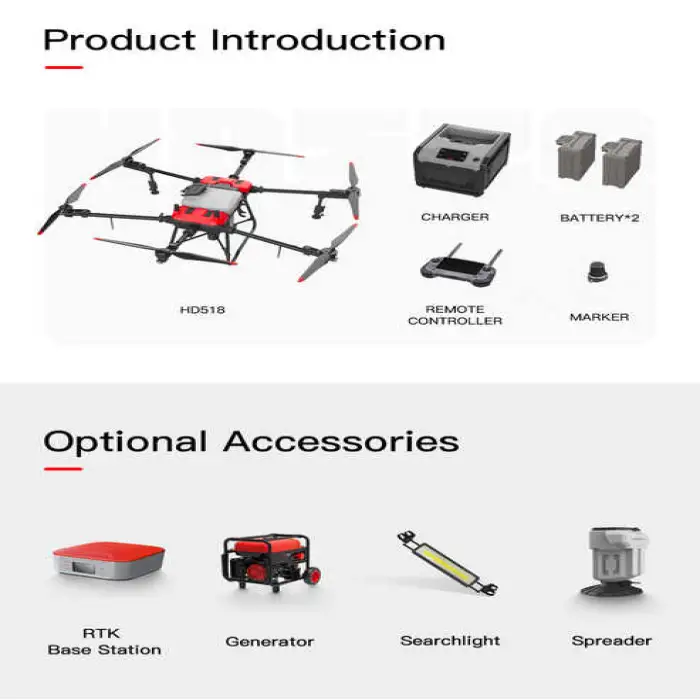
Key specs listed: sprayer type — Unmanned Aerial Vehicle (UAV); core components — PLC, motor, bearing, pump; weight — 49 kg; diameter — 1138 mm. For additional technical specs such as battery, payload or tank capacity, check the full product datasheet or contact the seller.
3. How is the drone controlled?
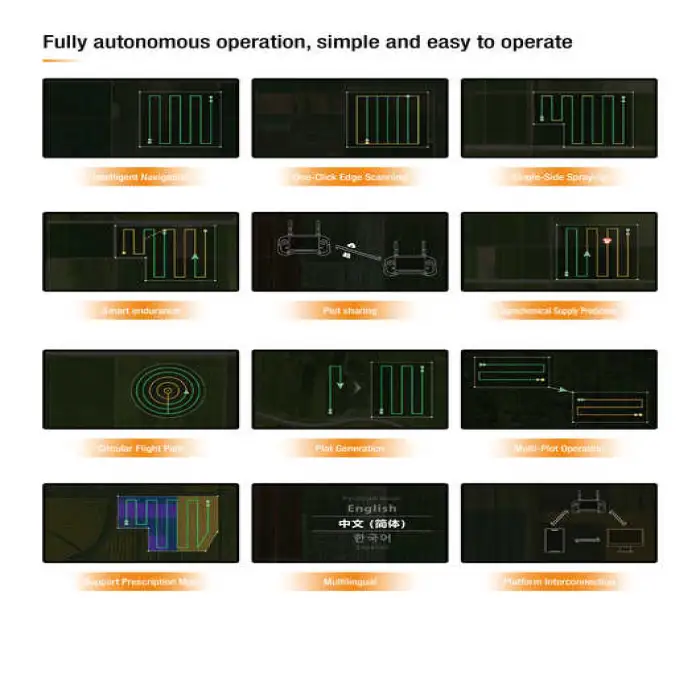
The drone uses an intelligent remote control for simple operation. It supports manual remote piloting and autonomous functions (mapping/waypoint flight) depending on the model and software configuration. Confirm specific remote features with the supplier.
4. What applications is this drone suitable for?
Common applications include spraying pesticides, applying fertilizers, aerial crop monitoring, and mapping fields to support farm planning and yield improvement.
5. Is the drone easy to transport and store?
The drone is described as portable and has a compact diameter of 1138 mm and a weight of 49 kg, making it transportable by common farm vehicles. Exact transport requirements (cases, disassembly) should be verified with the vendor.
6. What maintenance is required?
Routine maintenance includes cleaning the pump and nozzles after each use, inspecting and lubricating bearings, checking motors and electrical connections, and replacing worn parts. Follow the manufacturer’s maintenance schedule and safety instructions.
7. What chemicals can I spray with this drone?
The drone can be used for approved pesticides and liquid fertilizers formulated for aerial application. Always follow chemical manufacturer guidelines, label restrictions, and local regulations before using any product.
8. Does it include GPS mapping and crop monitoring functions?
The product description lists mapping and crop monitoring as applications, indicating support for aerial mapping and monitoring features. Confirm the exact software capabilities (GPS, mapping export formats, sensors) with the supplier.
9. What safety considerations should I follow when operating the drone?
Operate in suitable weather (low wind), maintain safe distances from people and structures, wear appropriate PPE when handling chemicals, follow preflight checklists, and comply with local aviation and pesticide application regulations.
10. Do I need training or certifications to operate this drone?
Local regulations often require operator training or UAV certification for commercial agricultural drone use. It’s recommended to receive practical training on flight operations, spraying calibration, and safety procedures and to verify applicable legal requirements in your area.
11. How do I calibrate the sprayer for accurate application rates?
Calibration typically involves setting flight speed, nozzle flow rate, and spray pressure to achieve the desired application volume per hectare. Because tank size and nozzle specs vary, follow the manufacturer’s calibration procedure or consult a technician for precise setup.
12. Are spare parts and after-sales support available?
The product includes core components such as PLC, motor, bearing, and pump. Availability of spare parts and after-sales support varies by supplier—confirm warranty terms, parts availability, and service options before purchase.
13. What are the advantages over traditional ground sprayers?
Advantages include faster coverage of fields, reduced soil compaction, improved access to difficult terrain, more precise application that can reduce chemical use, and added capabilities for aerial monitoring and mapping.
14. Where can I get detailed technical information like battery life and payload capacity?
Detailed technical data (battery type and endurance, tank/payload capacity, spray width, and nozzle specifications) are model-dependent. Request the full technical datasheet or speak with the manufacturer or distributor for precise figures.
Latest Order Arrivals
Discover our latest orders
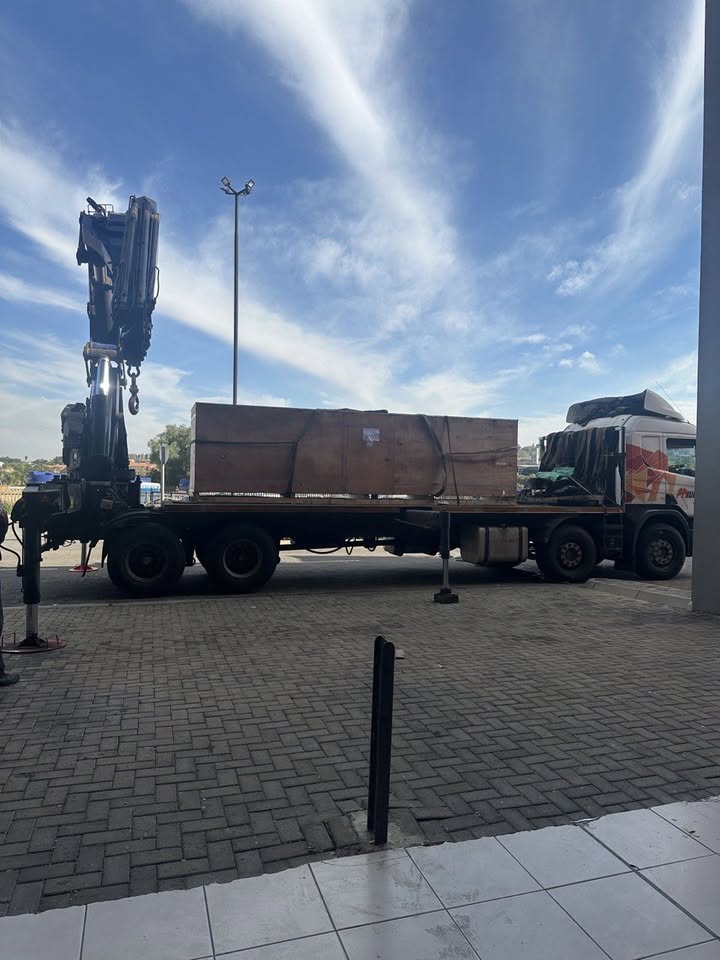
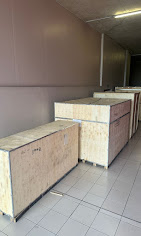
12 Heads Embroidery Machine
Toilet Paper Machine Machine
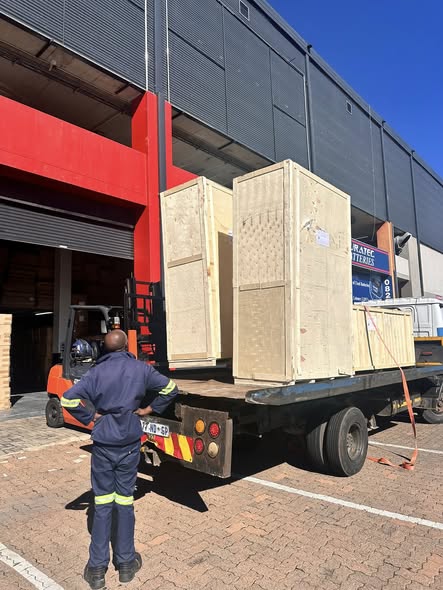
Order Collection
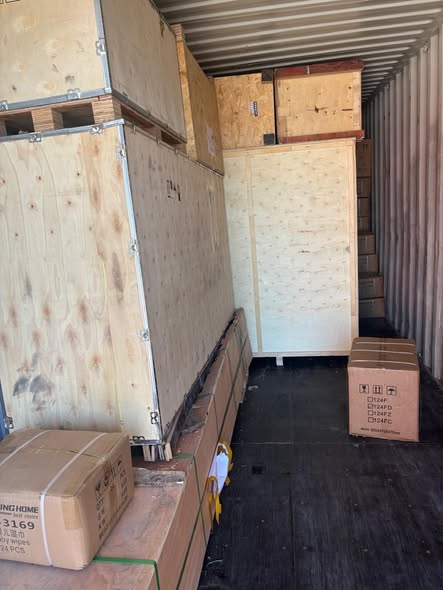
Cross Border Clients
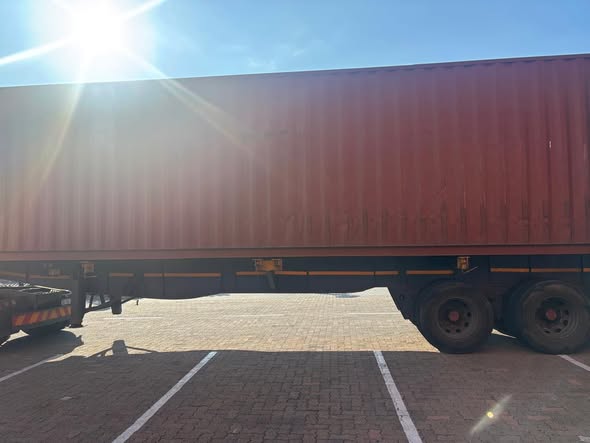
Order cros border countries Collected
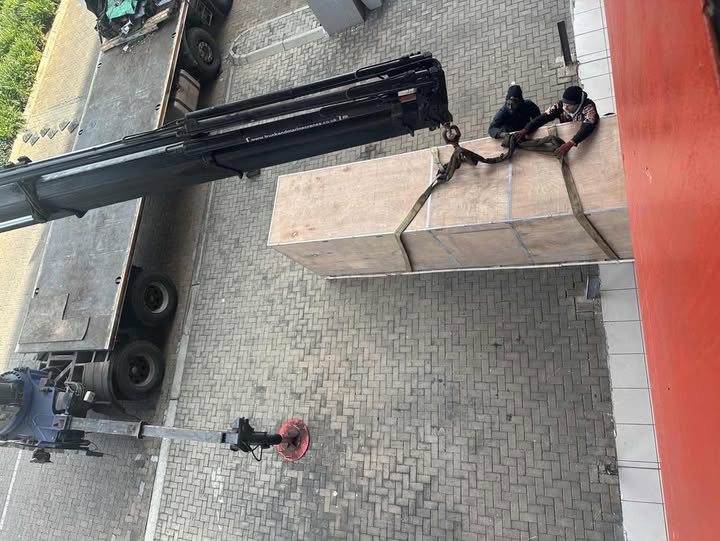
Industrial Machine Cllection
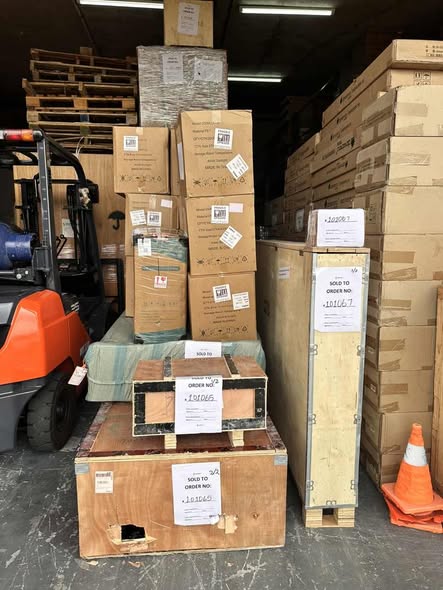
Agriculture Processing Machines
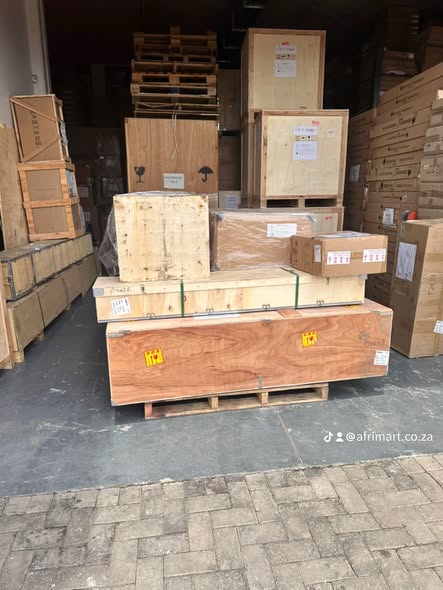
Ready for collection
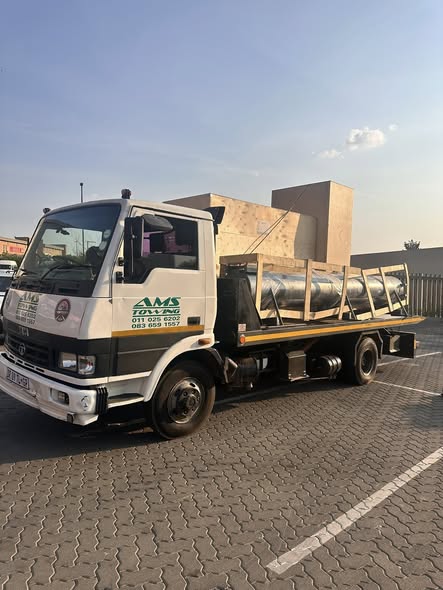
Water Pump Equipment
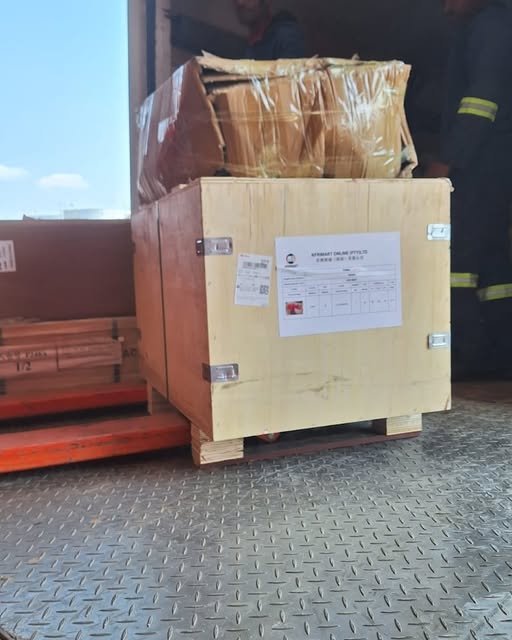
Packaging Machine and accessories
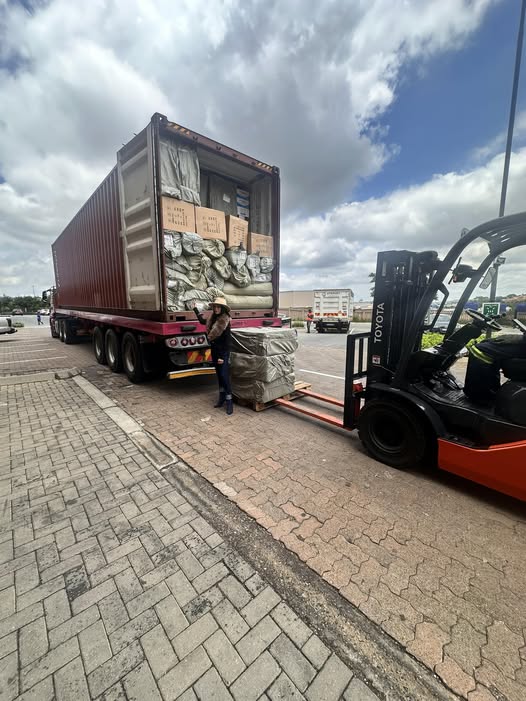
Fabrics Manufacturing Equipment
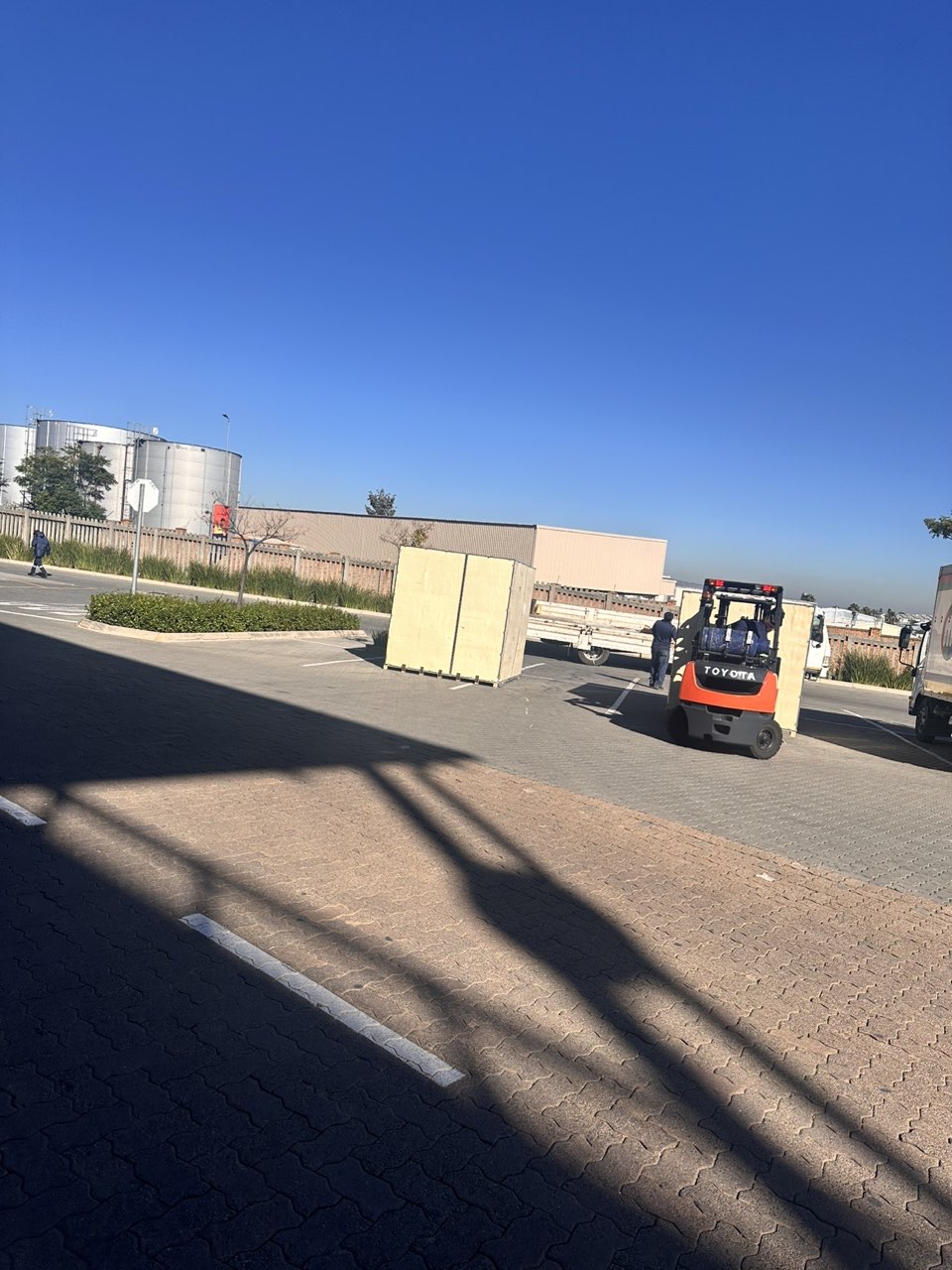
Mining Equipments
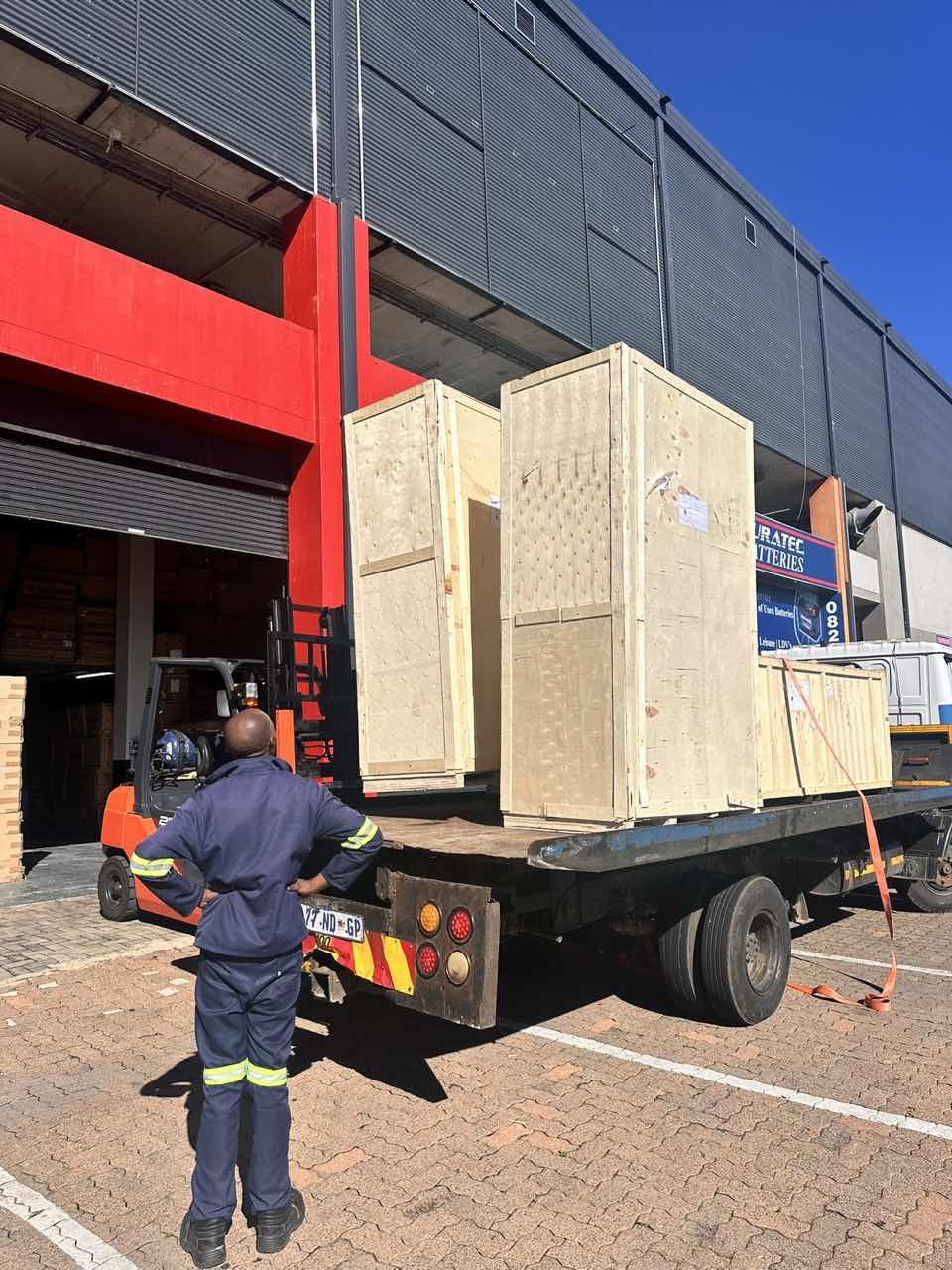
Food Processing Machine
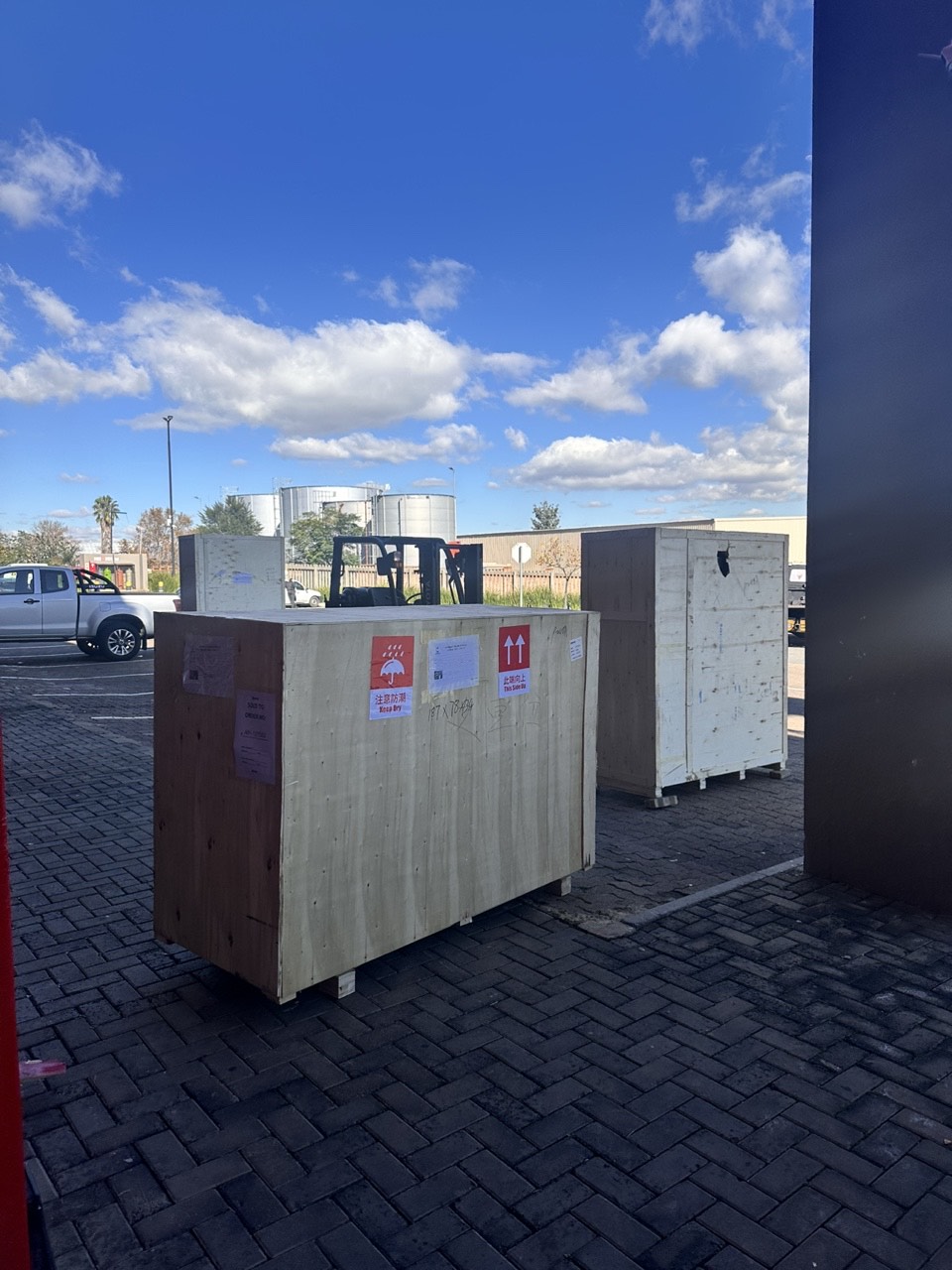
Batch of Orders
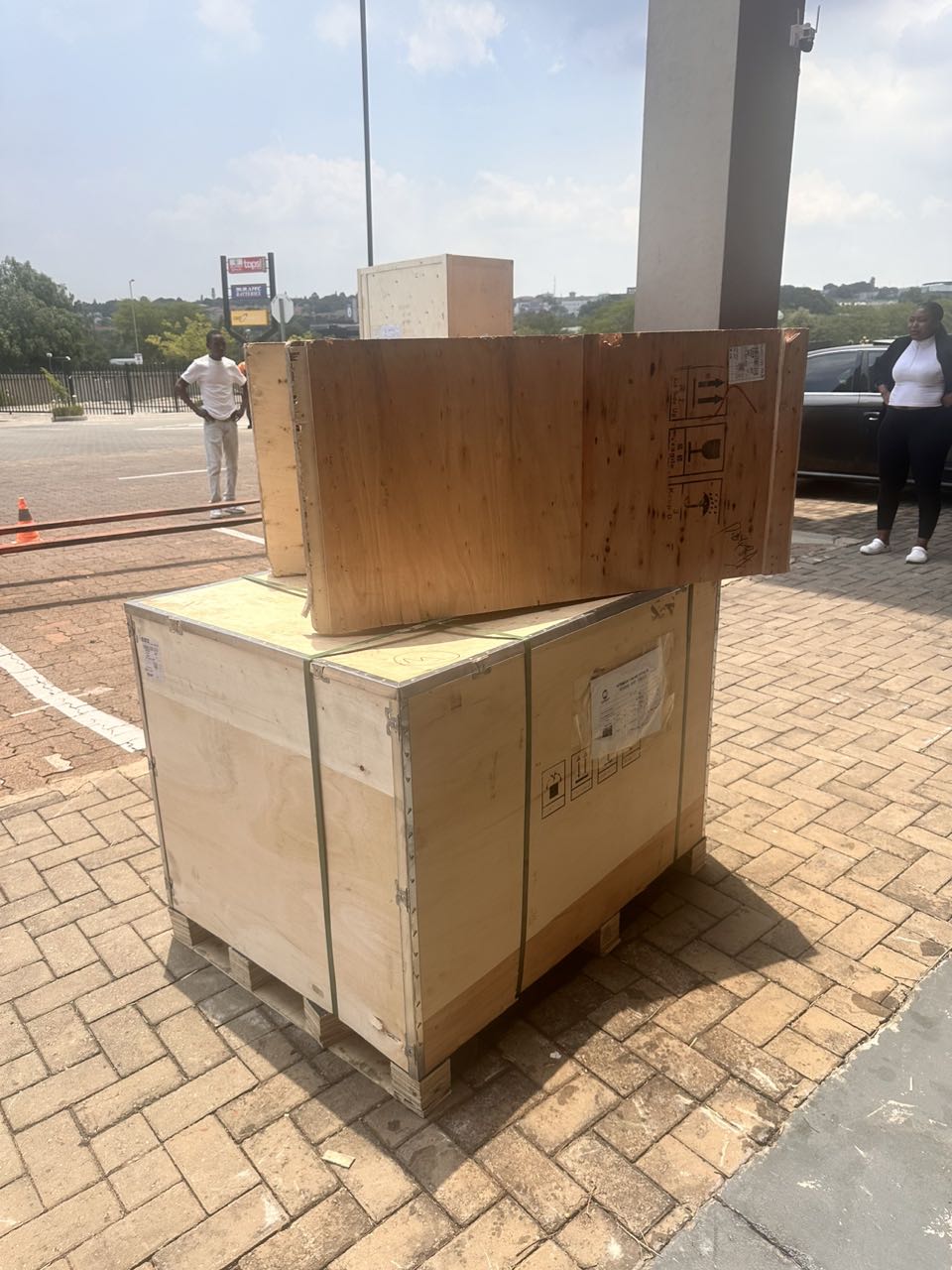
Batch of Orders
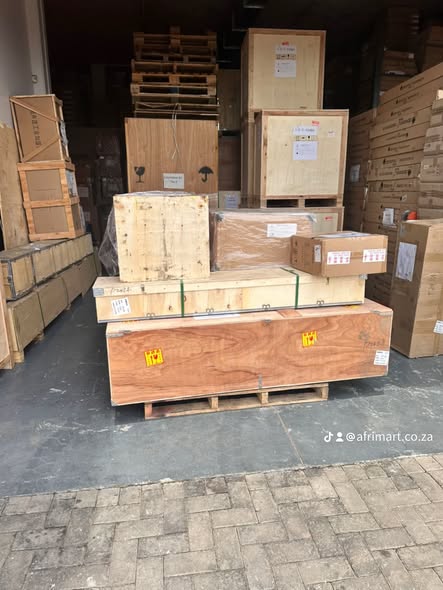
Latest Orders Labelled
wheel alignment machines
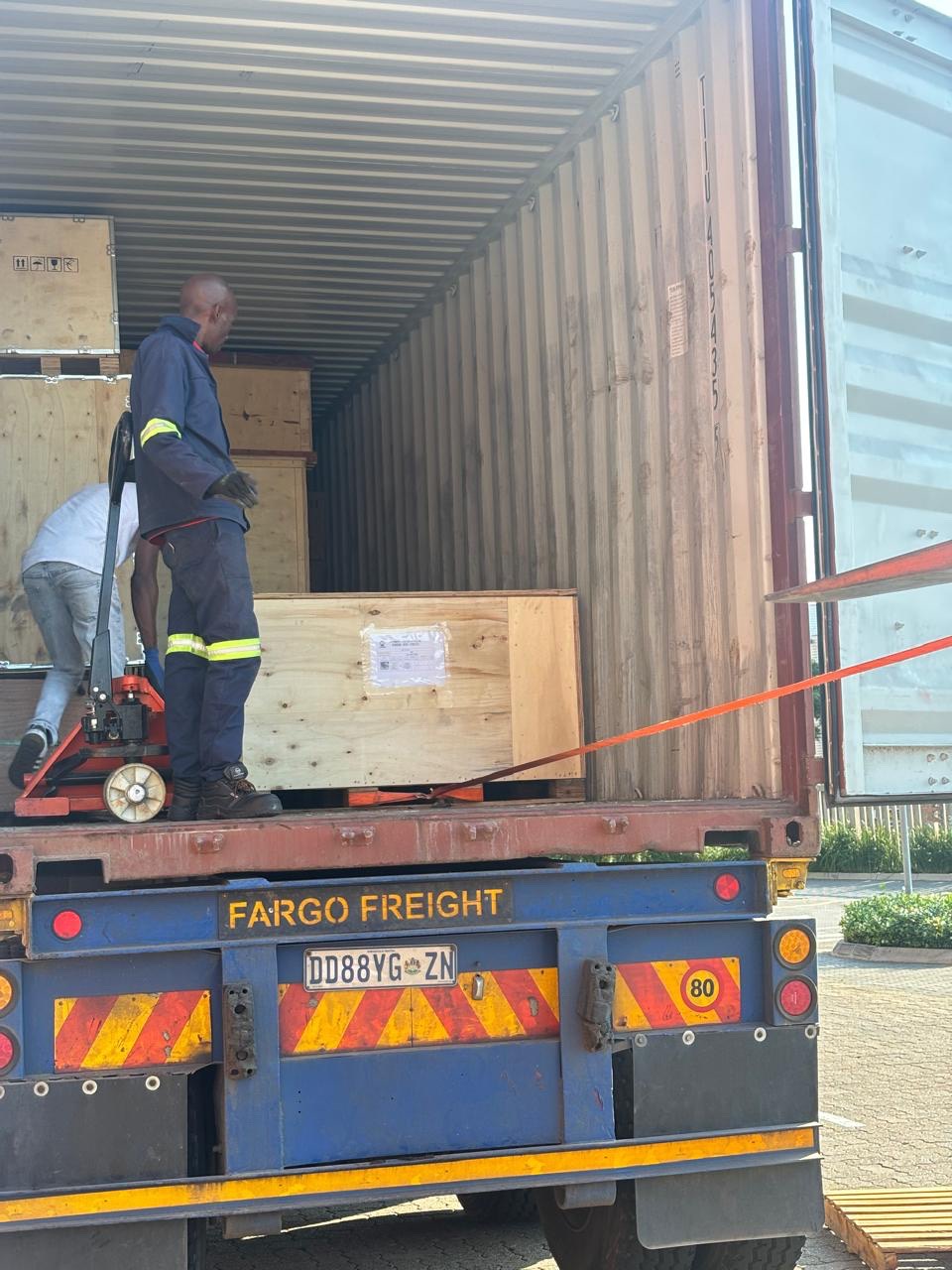
new arrivals
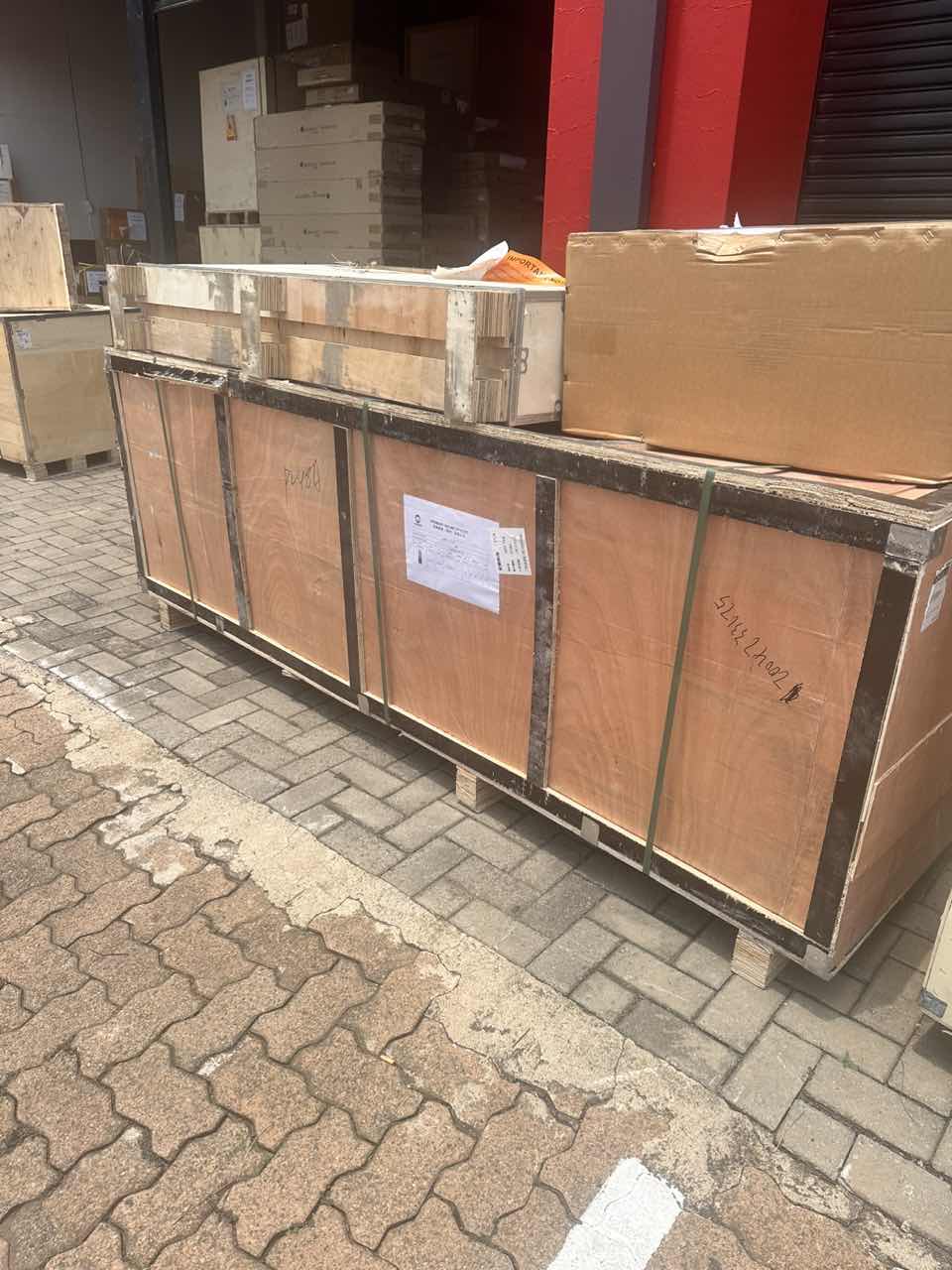
Pre Orders Offloading
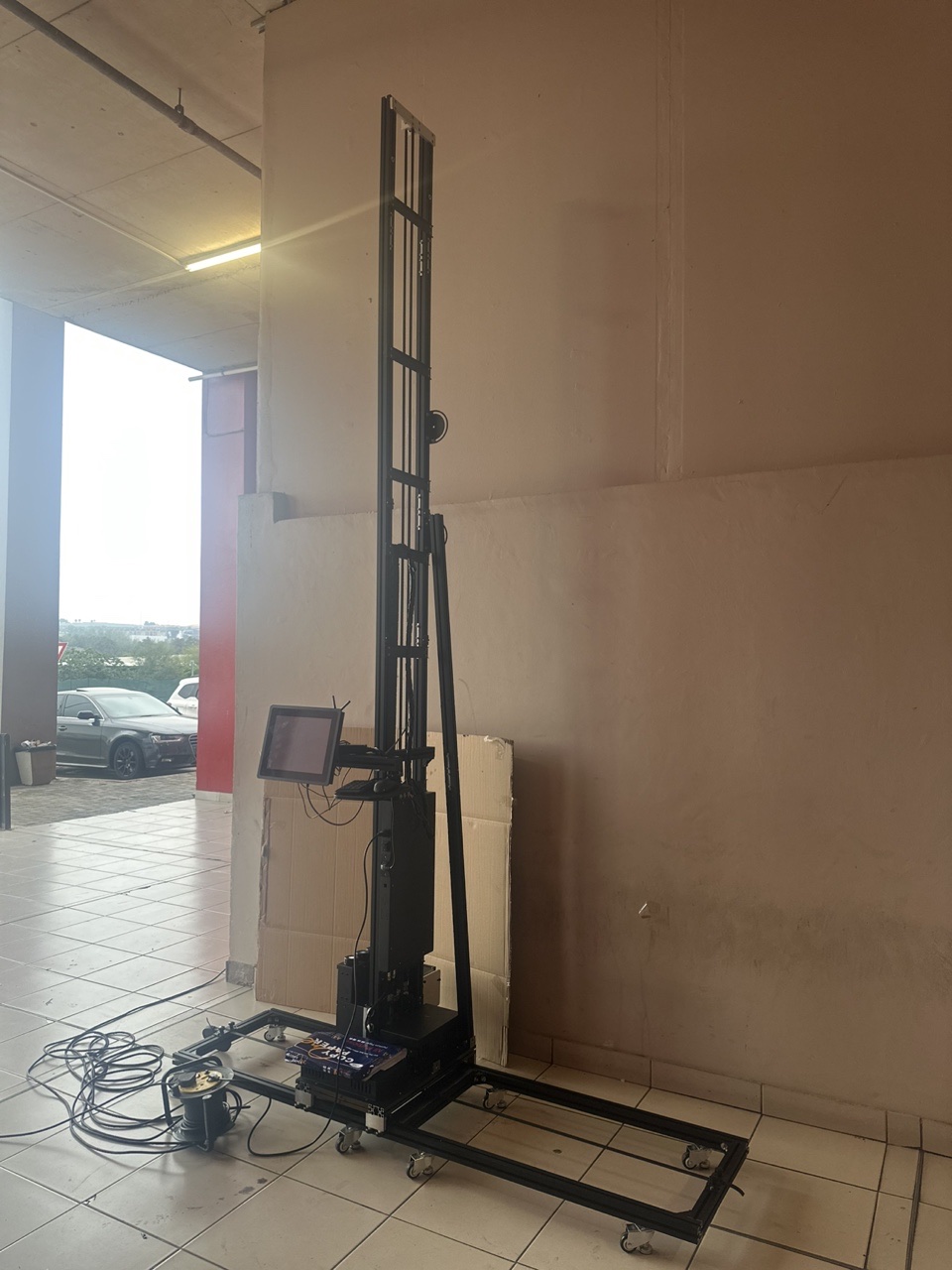
Latest Arrivals
Latest Arrivals
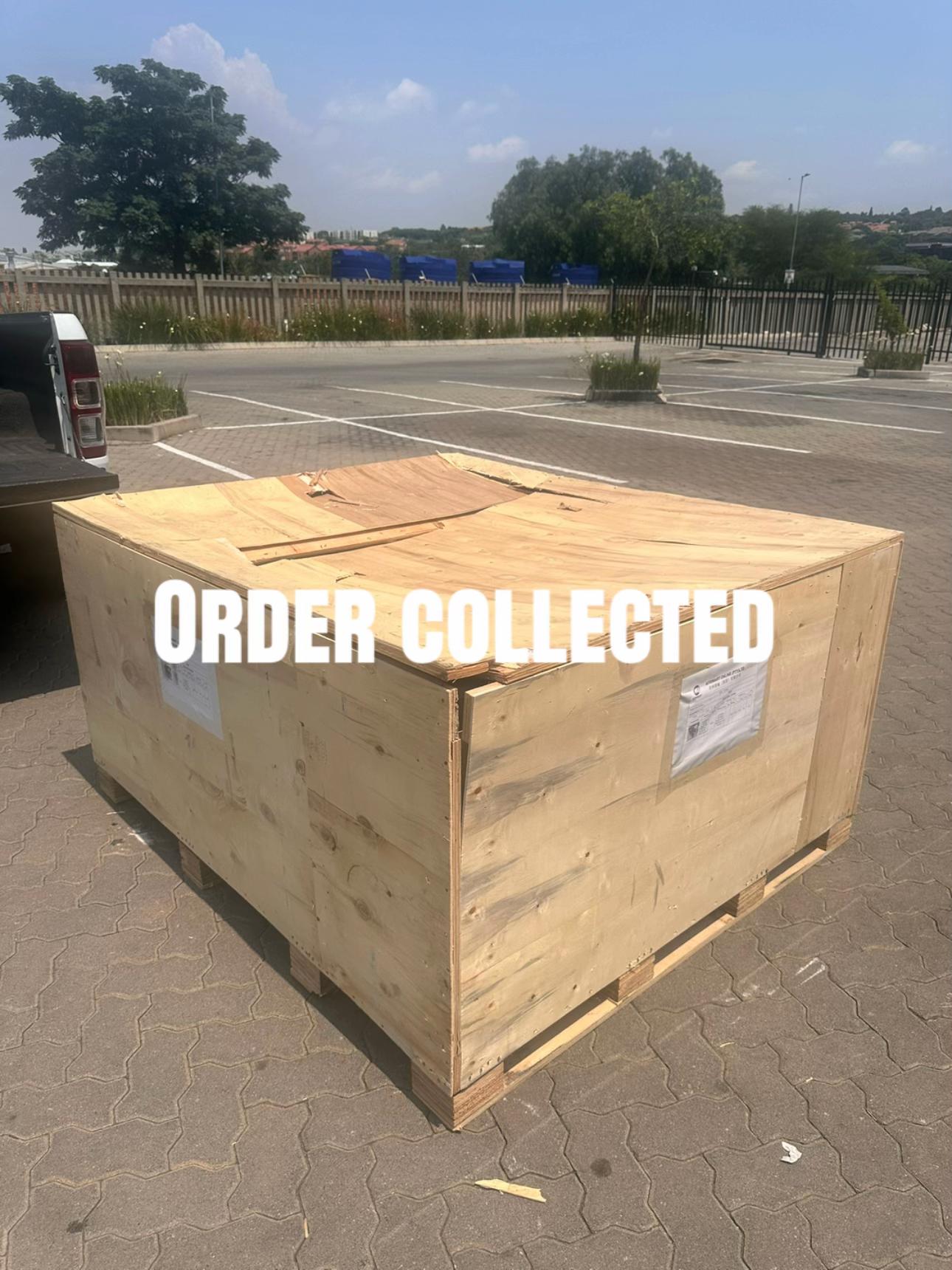
Latest Arrivals
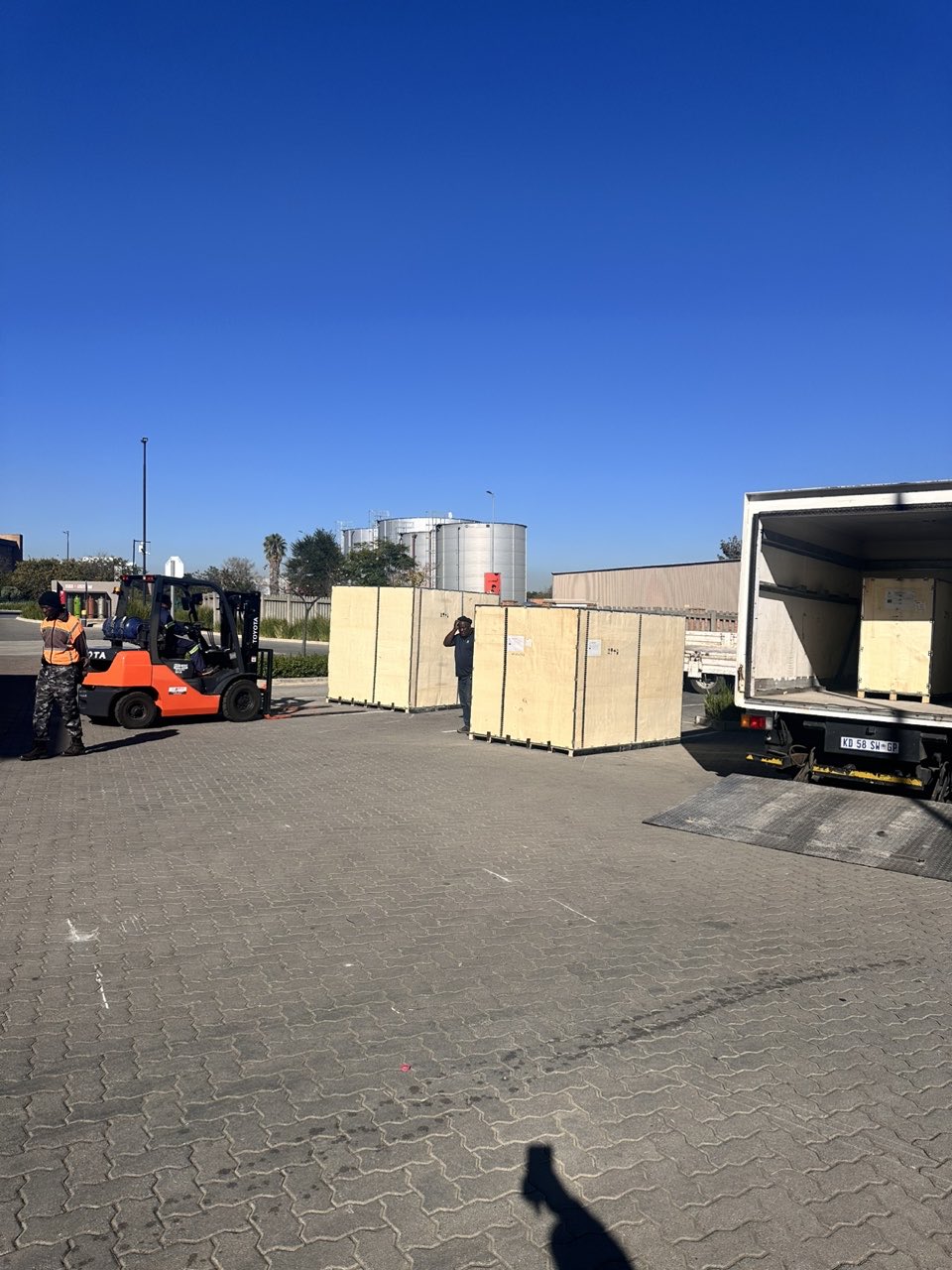
Loading
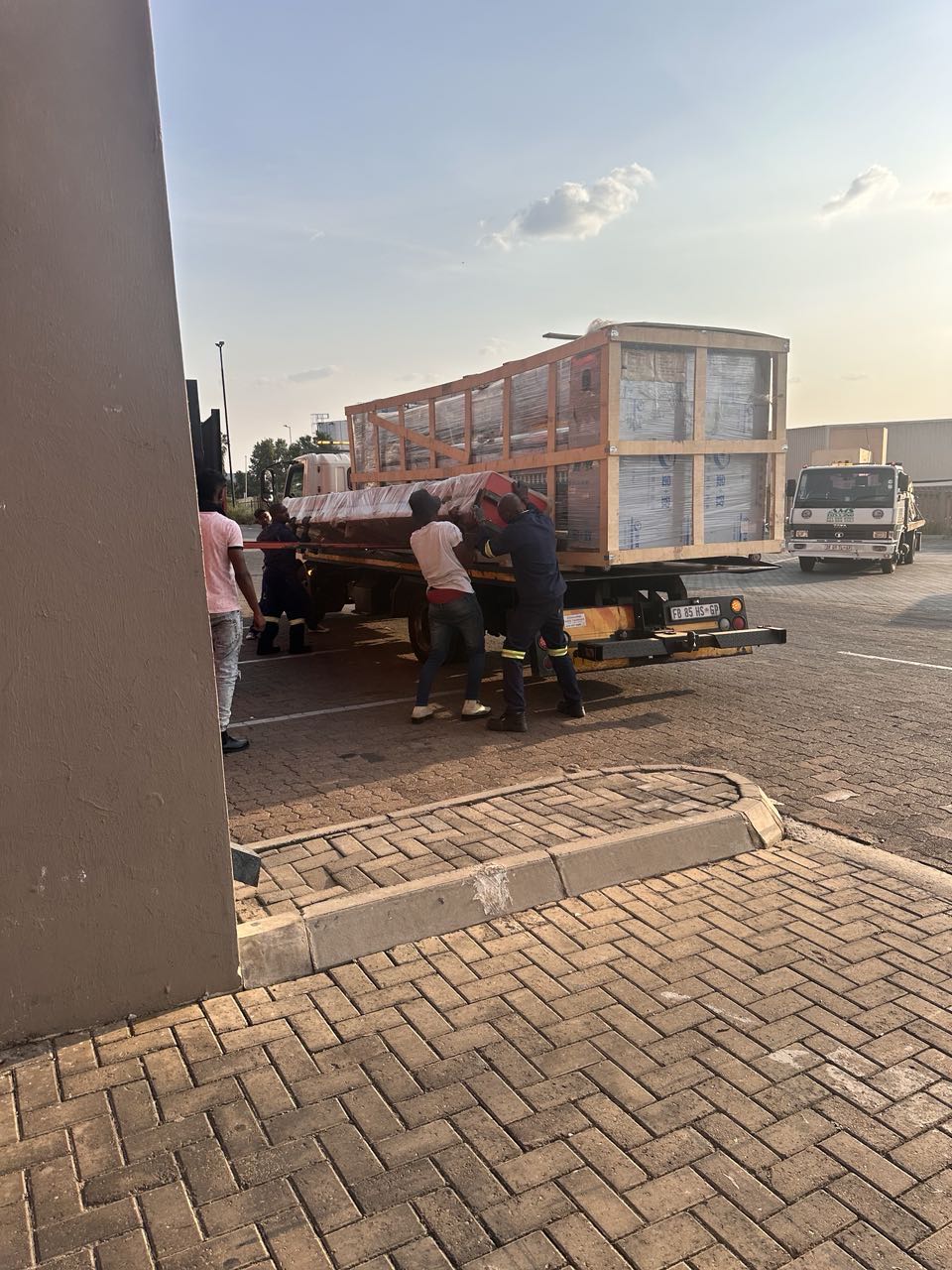
Toilet paper making machine
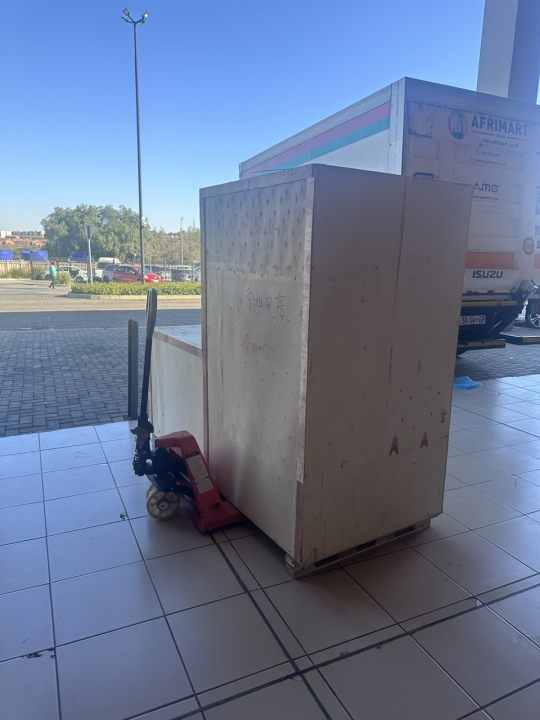
Toilet paper making machine
Toilet paper Rewinding Machine
latest arrivals
offloading
order success
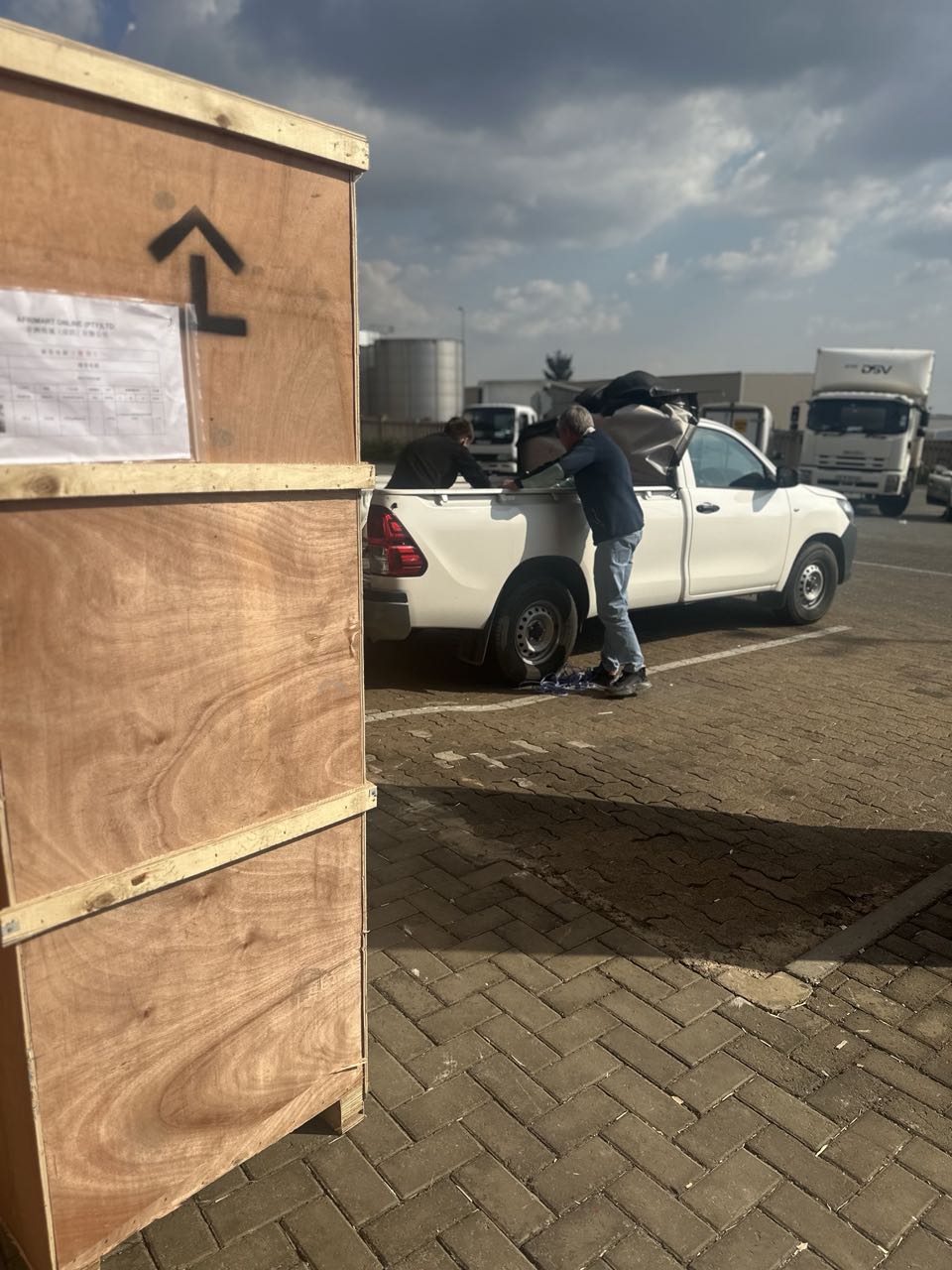
order collection
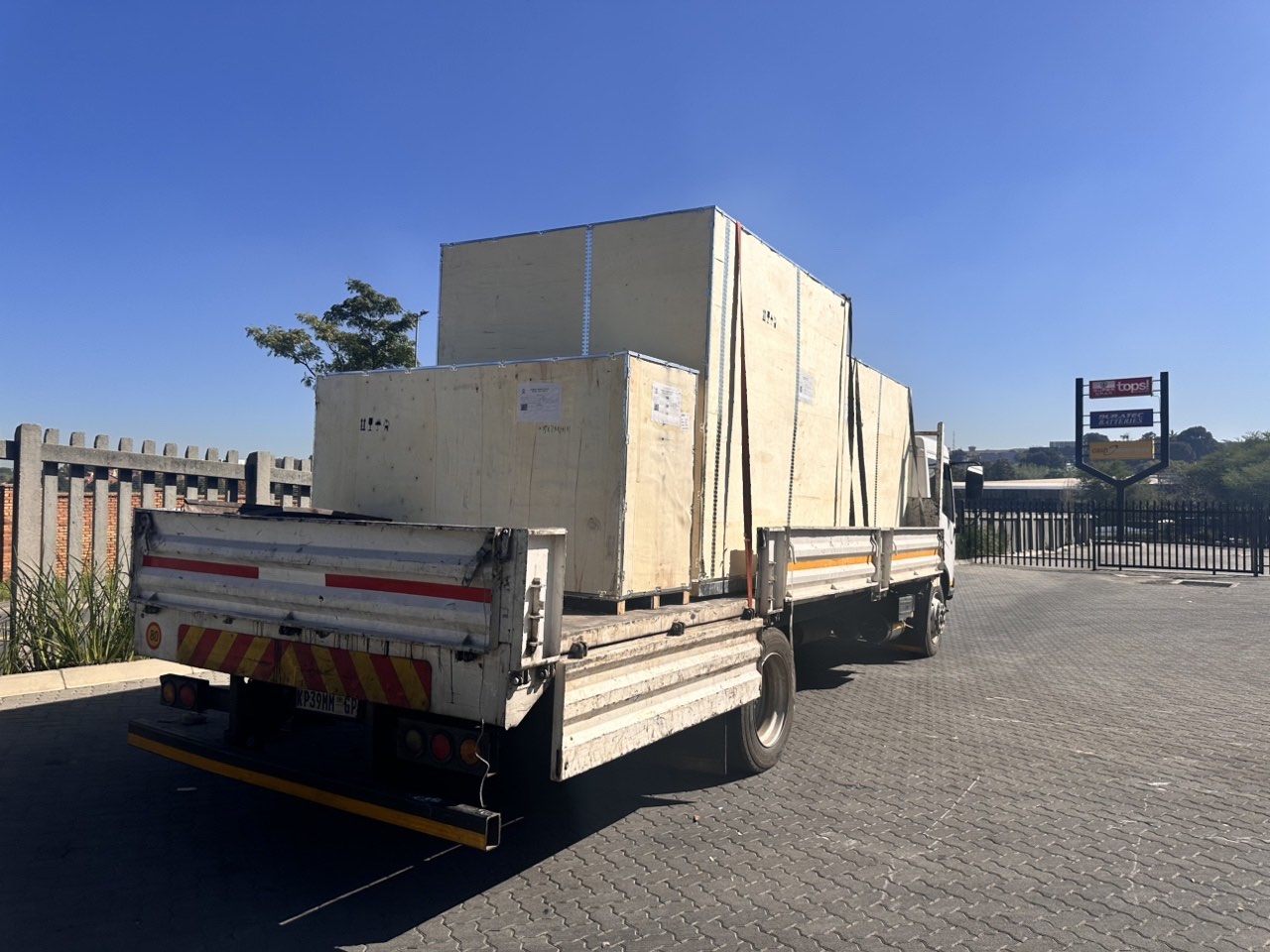
order offloading