B21, China Town Mall, Midrand

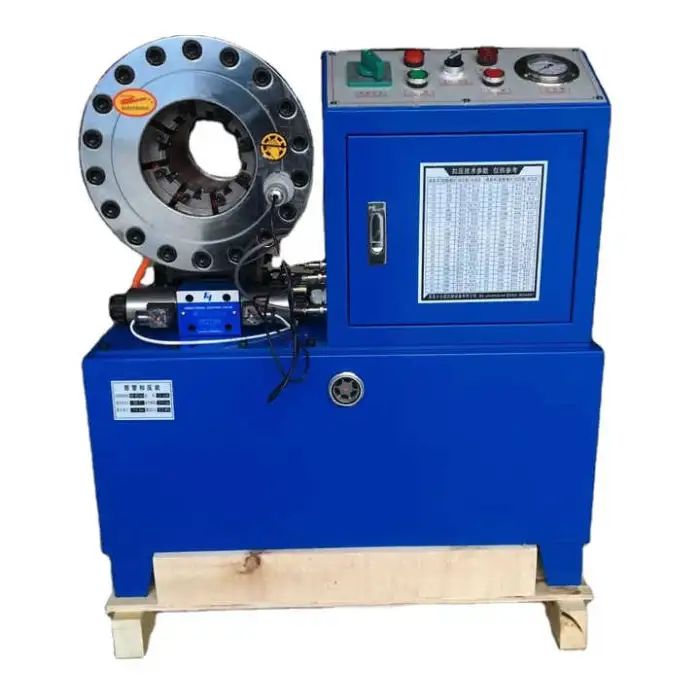
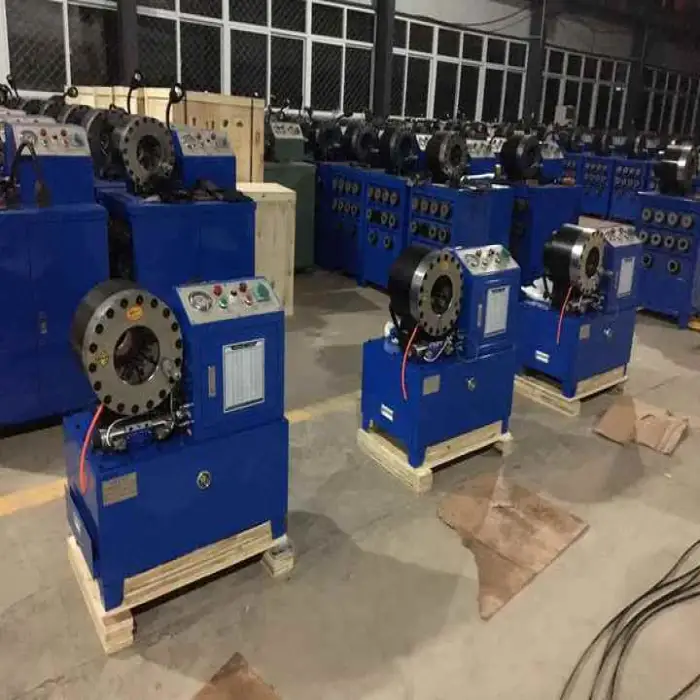
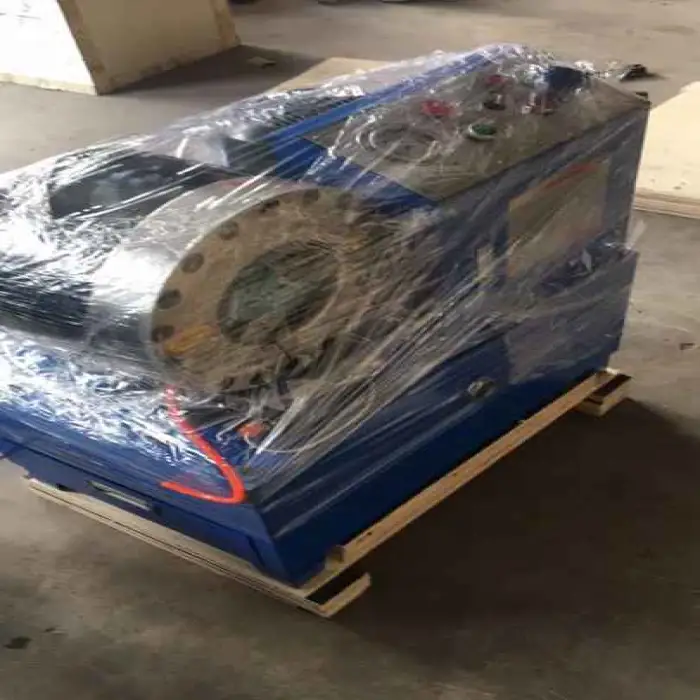
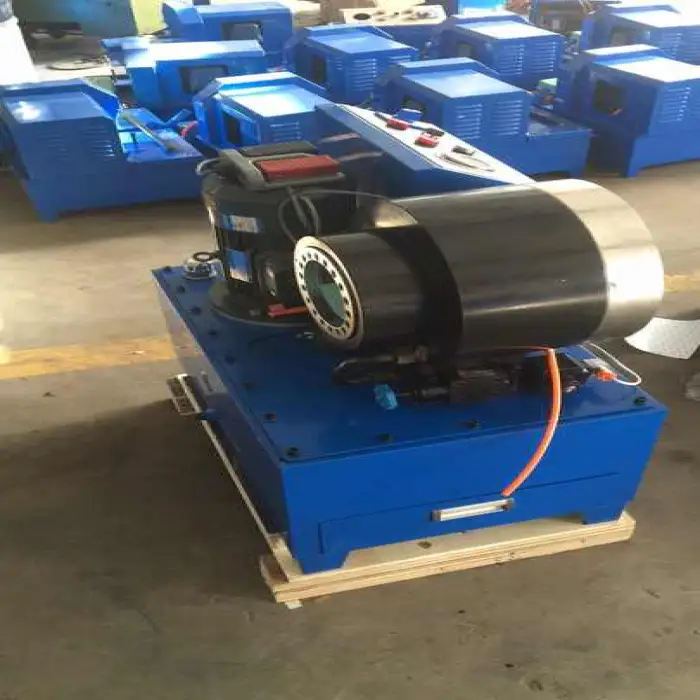
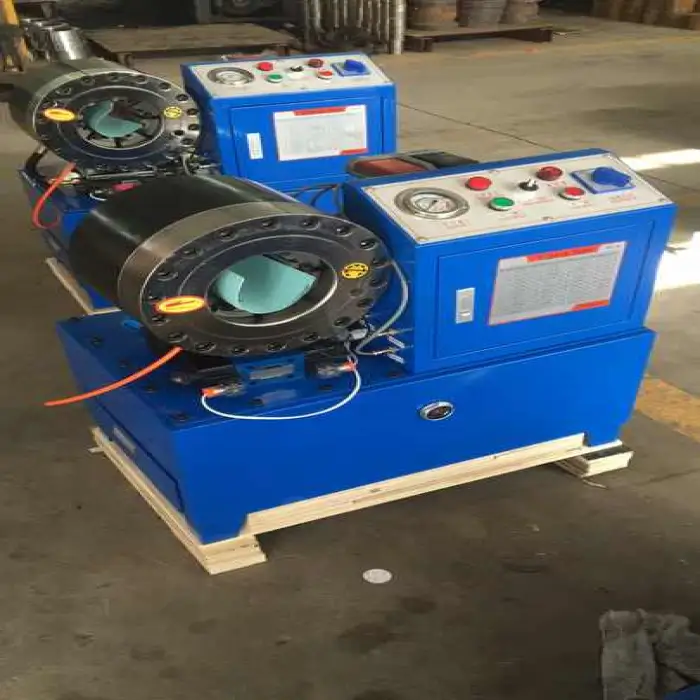
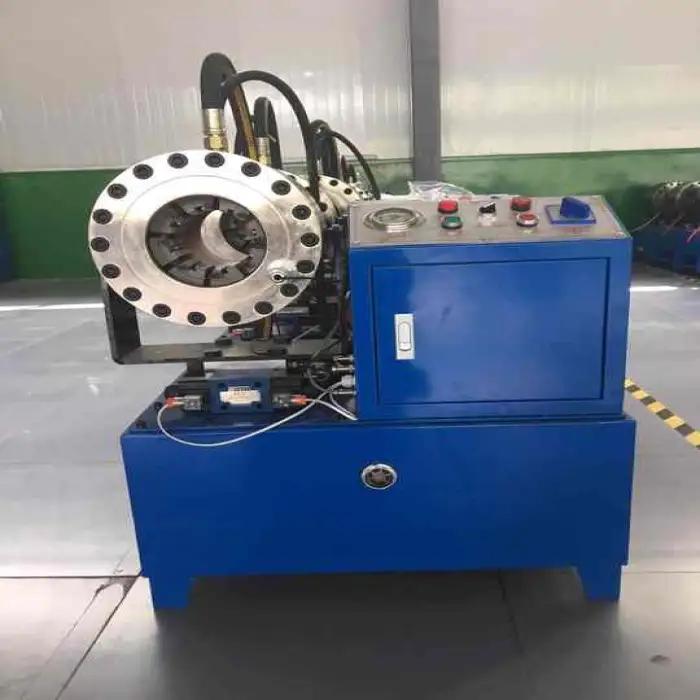
Pipe Tube Swagging Shrinking Machine Round square Pipe Tube End Forming
Asset finance available
Do you want funding for this equipment?
Afrimart can connect you with trusted funding partners who specialise in asset finance for businesses like yours. Compare options and apply in minutes — final approval is subject to provider review.
Check funding options
Secure & no obligation

- Section : Machinery
- Category : Machine Tool Equipment
- SKU : 1601395509841

Pipe Tube Swagging Shrinking Machine - Round Square Pipe Tube End Forming
The Pipe Tube Swagging Shrinking Machine is a powerful tool designed for forming and shaping pipes. This machine can handle various materials like alloy and aluminum. With automatic features and high efficiency, it is perfect for many applications in the metalworking industry. The machine is designed to reduce and expand pipe ends with precision and speed.
Specifications
| Attribute | Details |
|---|---|
| Max. Shrinking Capacity (Diameter) | 51 mm |
| Max. Tube Contracting Length | 60 mm |
| Power | 3 kW |
| Max. Shrinking Capacity (Thickness) | 3 mm |
| Tube Contracting Cycle | 5 - 10 s |
| Weight | 200 kg |
| Core Components | Motor |
| Automation | Automatic |
Key Features
- High accuracy in pipe forming
- Automatic operation for efficiency
- Powerful motor for reliable performance
- Suitable for various metals
- Fast tube contracting cycle
Applications
- Metalworking shops
- Pipe manufacturing
- Automotive industry
- Construction projects
- Custom metal fabrication
The Pipe Tube Swagging Shrinking Machine is an essential tool for anyone working with pipes. Its efficiency and precision make it a great addition to any workshop. Invest in this machine to enhance your metalworking processes today!
Product Info Gallery
- Shipping Timeframes: All orders are processed within 2-5 business days (excluding weekends and holidays). After your order has been processed, the estimated delivery time is before 15 Aug, 2026, depending on customs, Please note that due to high demand, some items may experience longer shipping times, which will be communicated at order confirmation email.
- Order Processing Time: Please allow 2-5 business days for us to process your order before it is shipped . Orders placed after 16:00 on Fridays, or during weekends and public holidays, will begin processing on the next business day. Processing times may be extended during peak seasons or sales events.
- Manufacturing Time: Some products needs manufacturing time, the manufacturing process will take approximately 10-30 business days depending on the product. This timeframe may vary depending on the complexity of the product and current demand. but this will be communicated with you during order confirmation.
- Returns and Exchanges: We offer a 30-day return policy for most items. If you are not completely satisfied with your purchase, you may return it within 30 days of receipt for a refund or exchange. Items must be unused, in their original packaging, and accompanied by proof of purchase. Return shipping costs are the responsibility of the customer, unless the item was damaged or defective upon arrival.
1. What is the Pipe Tube Swagging Shrinking Machine used for?
The machine is used for end forming of round and square pipe/tube, specifically shrinking (contracting) and expanding pipe ends for assembly, welding, and fitting operations in metalworking, pipe manufacturing, automotive, construction, and custom fabrication.
2. What materials can this machine process?
It is suitable for various metals including alloy and aluminum. For other materials (stainless steel, mild steel, etc.) check thickness and diameter compatibility and consult the supplier for confirmation.
3. What are the machine's main technical specifications?
Key specs: maximum shrinking diameter 51 mm, maximum tube contracting length 60 mm, maximum wall thickness 3 mm, power 3 kW, tube contracting cycle 5–10 seconds, weight 200 kg, automatic operation with motor-driven core components.
4. What pipe sizes and wall thicknesses can it handle?
It can process pipes up to 51 mm in diameter and wall thicknesses up to 3 mm. For tubes outside these limits, contact the manufacturer about custom tooling or alternate models.
5. How fast is the forming cycle?
The tube contracting cycle typically ranges from 5 to 10 seconds, depending on material, wall thickness, and tooling setup.
6. Is the machine fully automatic?
Yes — the machine is described as automatic to improve efficiency, though some setups may require manual loading/unloading or adjustments depending on production workflow.
7. What are the power and installation requirements?
The machine's rated power is 3 kW. Specific voltage, phase, and frequency requirements vary by region and model option — confirm electrical supply details with the supplier. A stable floor and appropriate anchoring or mounting are recommended for the 200 kg machine.
8. What safety measures should be followed when operating it?
Always wear appropriate PPE (gloves, eye protection, hearing protection). Keep guards and covers in place, use the emergency stop if needed, secure the workpiece properly, and ensure operators are trained on safe procedures. Refer to the machine's user manual for built-in safety features and detailed instructions.
9. What routine maintenance is required?
Regular maintenance typically includes cleaning the machine and tooling, lubricating moving parts as specified by the manual, checking fasteners, inspecting and replacing worn dies/tooling, and monitoring motor performance. Follow the manufacturer's maintenance schedule for best results.
10. What tooling and accessories are available or required?
Common accessories include forming dies, mandrels, clamps, backup supports, and lubrication supplies. Specific die sets for different pipe shapes/sizes are often required and may be sold separately or custom-made.
11. How precise is the forming process?
The machine is designed for high accuracy in pipe forming. Actual tolerances depend on tooling, material, and setup. For critical tolerance requirements, request performance data or testing from the supplier.
12. Can the machine be customized for special pipe shapes or sizes?
Custom tooling and machine configuration options are commonly available. Contact the manufacturer or supplier with your specific diameter, wall thickness, and forming requirements to discuss customization.
13. What troubleshooting steps should I take for common issues?
For inconsistent shrinking: check tooling alignment, workpiece clamping, and material suitability. For motor/noise issues: verify electrical supply and inspect bearings and couplings. For cycle problems: check control settings and sensors. If issues persist, contact service support.
14. What is the machine's weight and how is it moved/installed?
The machine weighs approximately 200 kg. Moving it typically requires a forklift or lifting equipment and should be installed on a level, sturdy floor. Anchoring may be recommended — follow the supplier's installation instructions.
15. Is training, warranty, and spare parts support available?
Many suppliers provide installation support, operator training, warranty coverage, and spare parts (dies, motor components, control parts). Confirm the specifics — warranty period, training options, and spare parts availability — with your vendor before purchase.
Latest Order Arrivals
Discover our latest orders
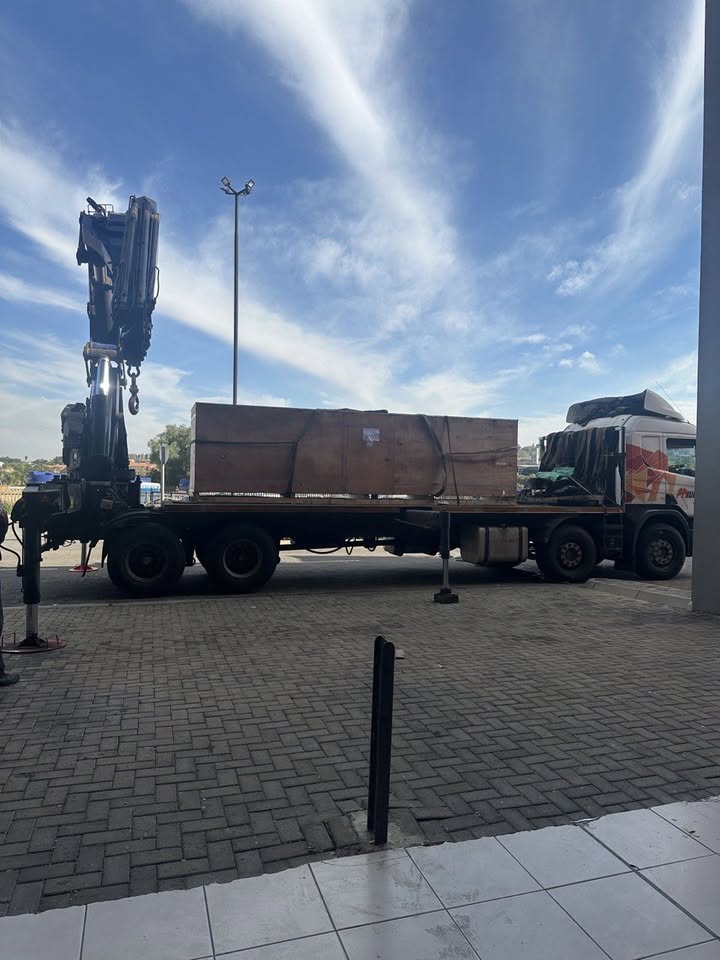
12 Heads Embroidery Machine
Toilet Paper Machine Machine
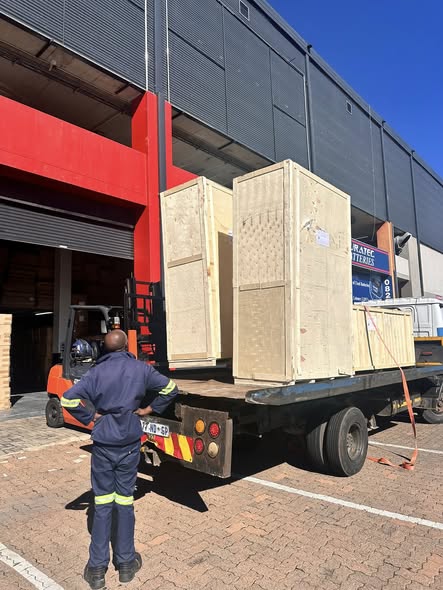
Order Collection
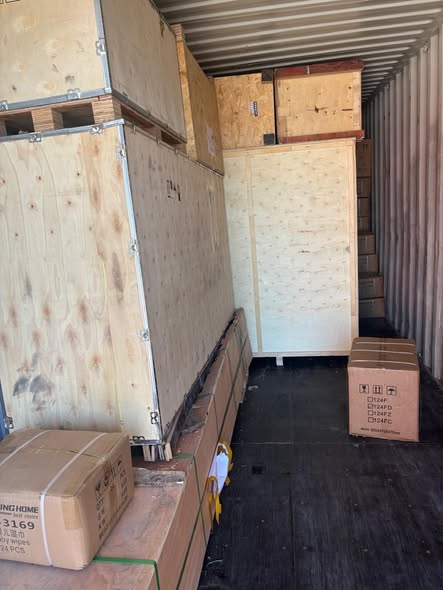
Cross Border Clients
Order cros border countries Collected
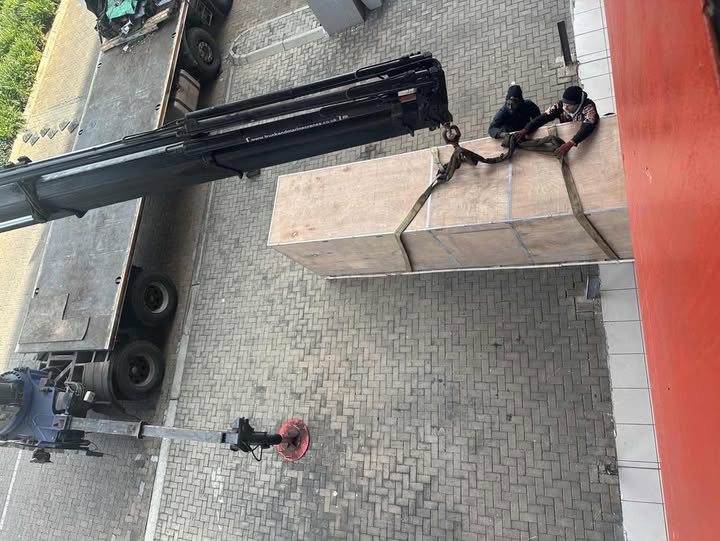
Industrial Machine Cllection
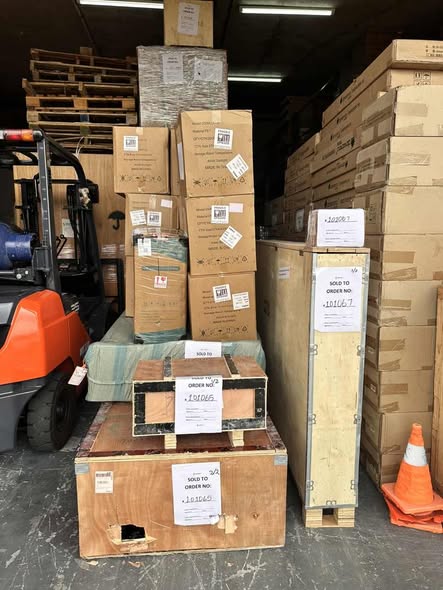
Agriculture Processing Machines
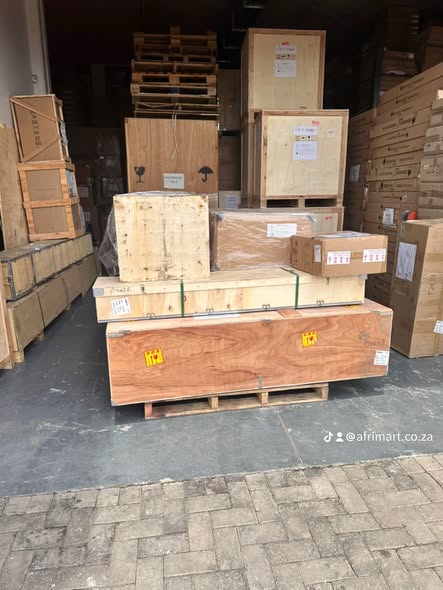
Ready for collection
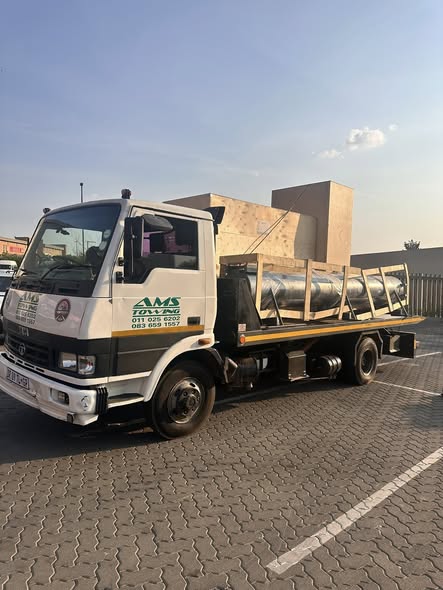
Water Pump Equipment
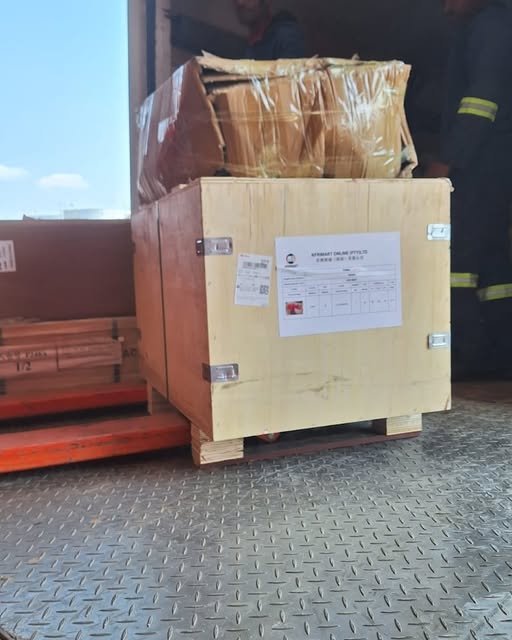
Packaging Machine and accessories
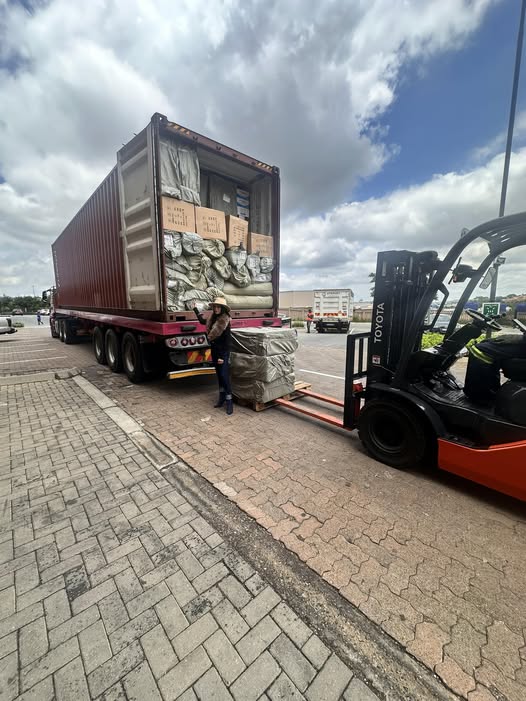
Fabrics Manufacturing Equipment
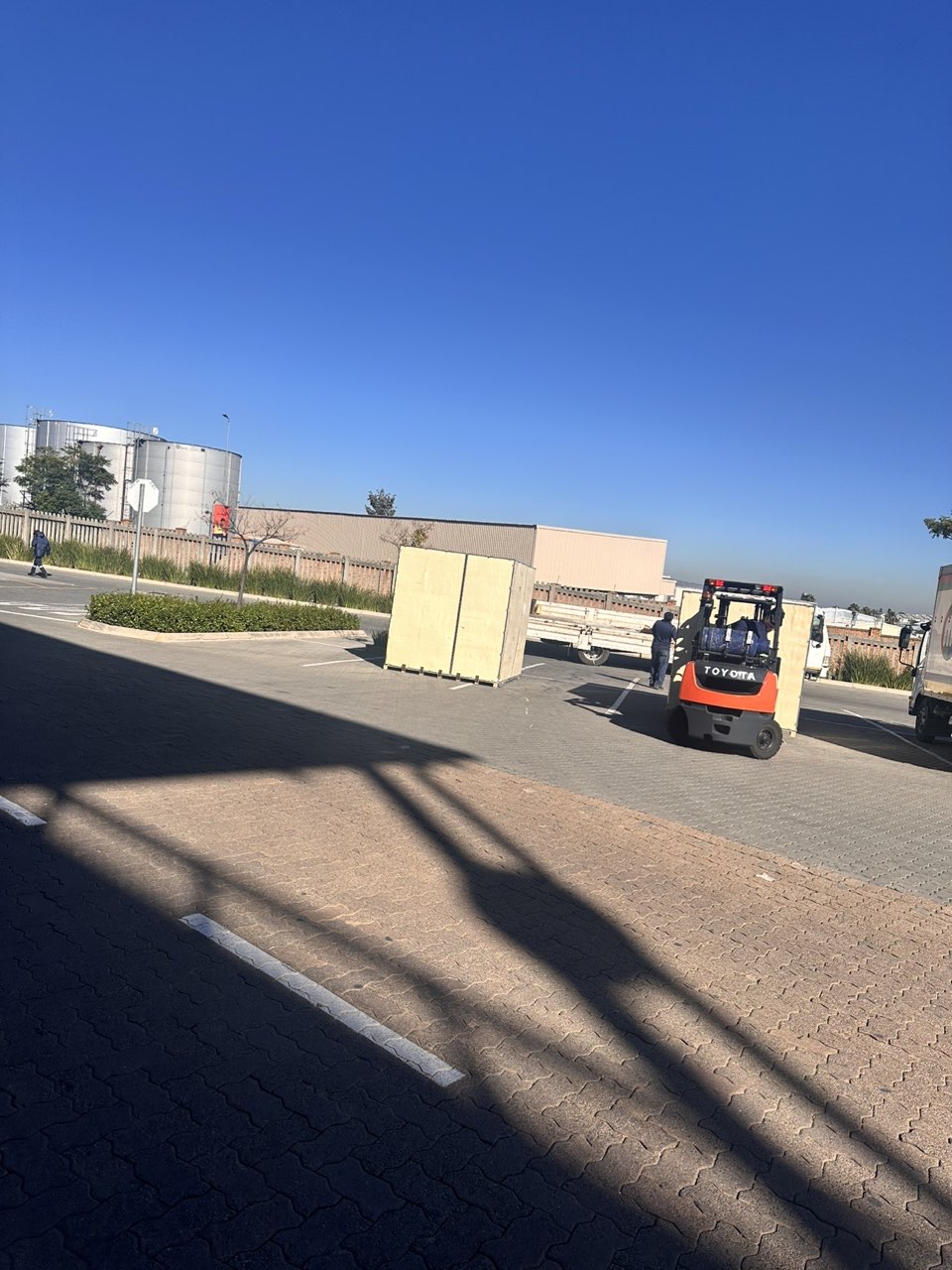
Mining Equipments
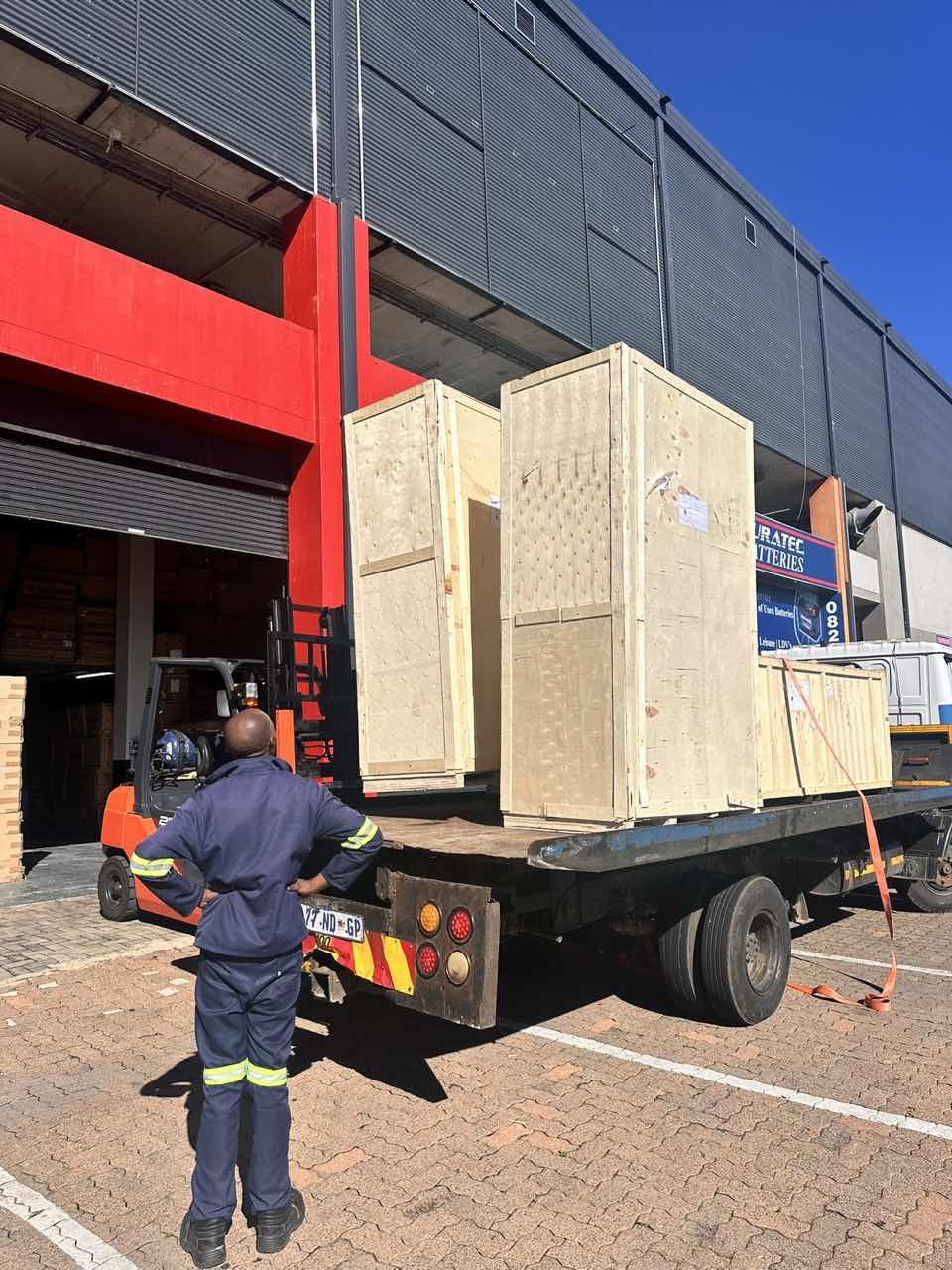
Food Processing Machine
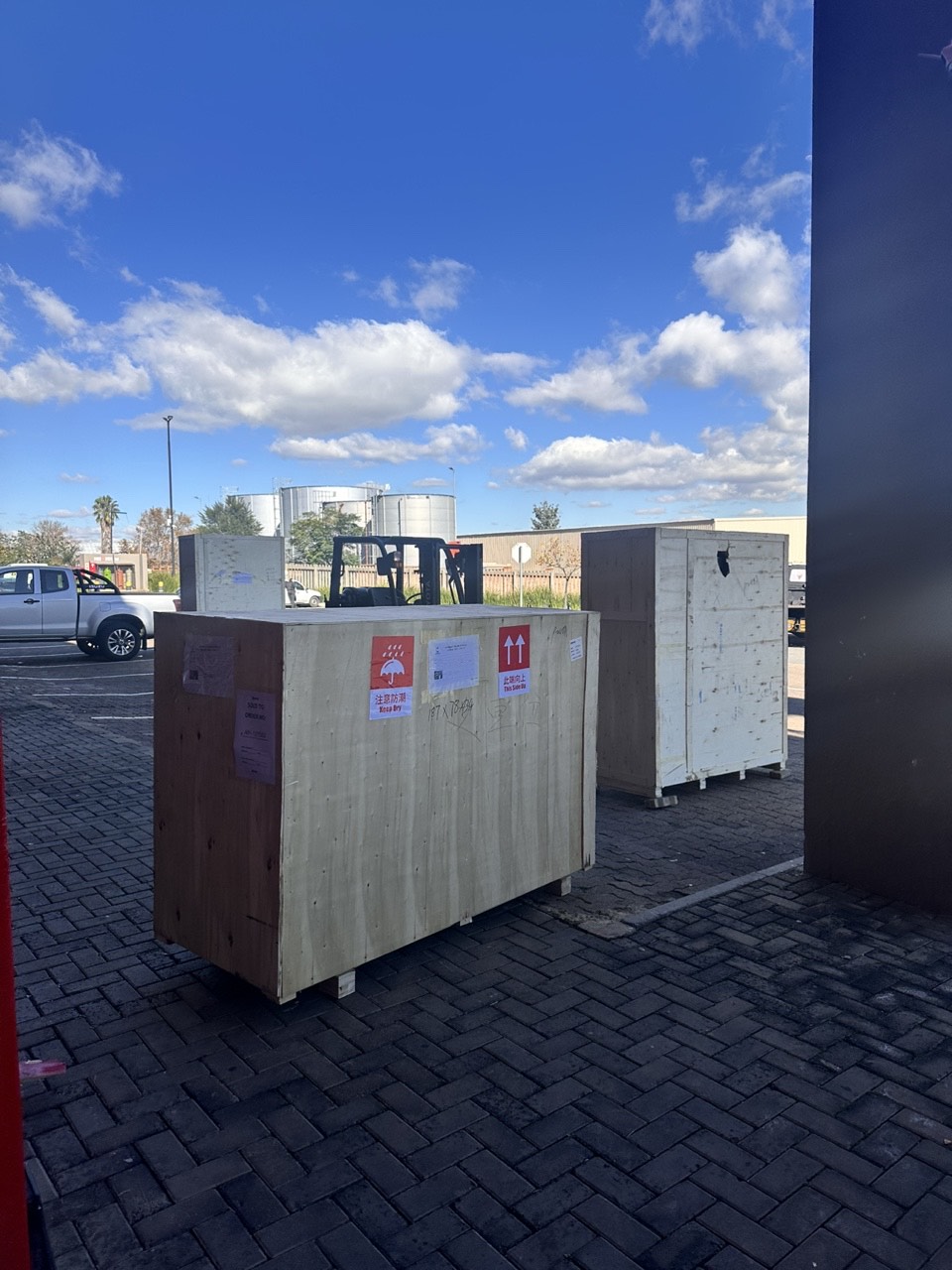
Batch of Orders
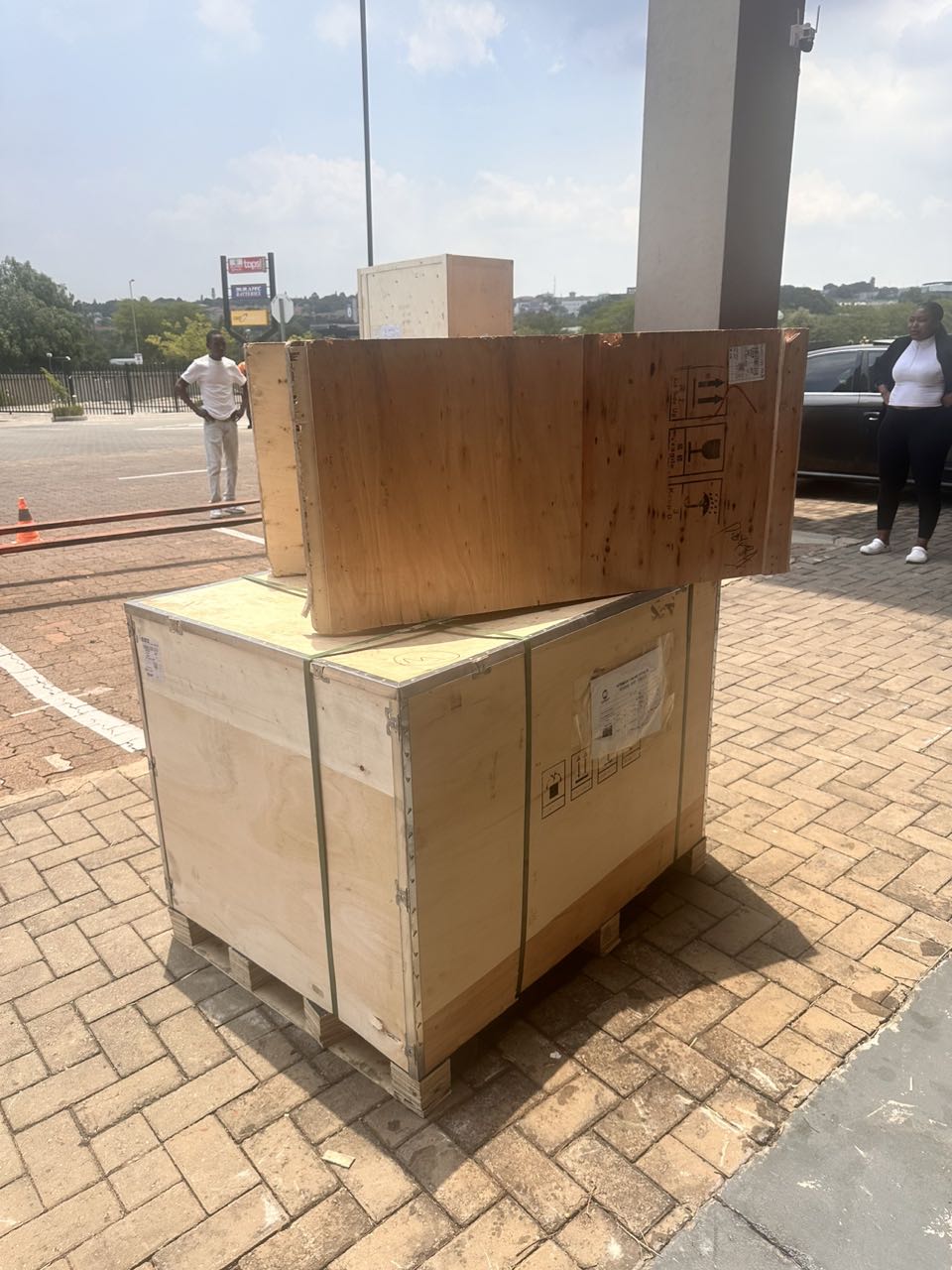
Batch of Orders
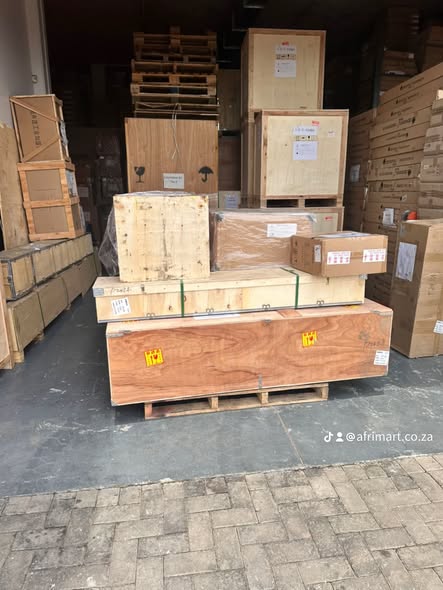
Latest Orders Labelled
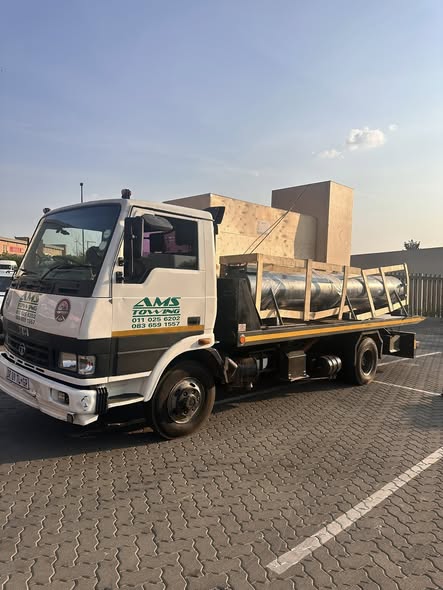
wheel alignment machines
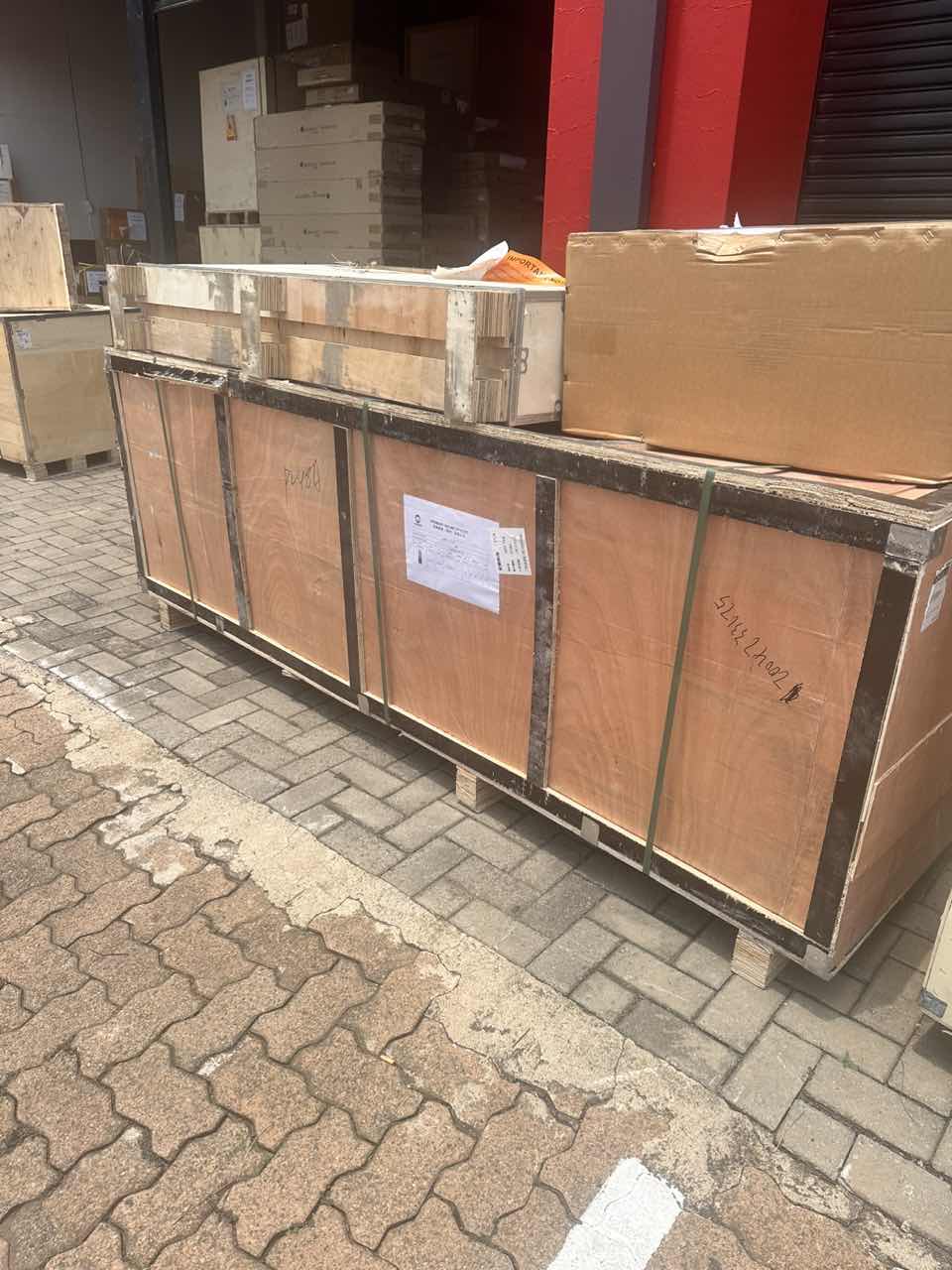
new arrivals
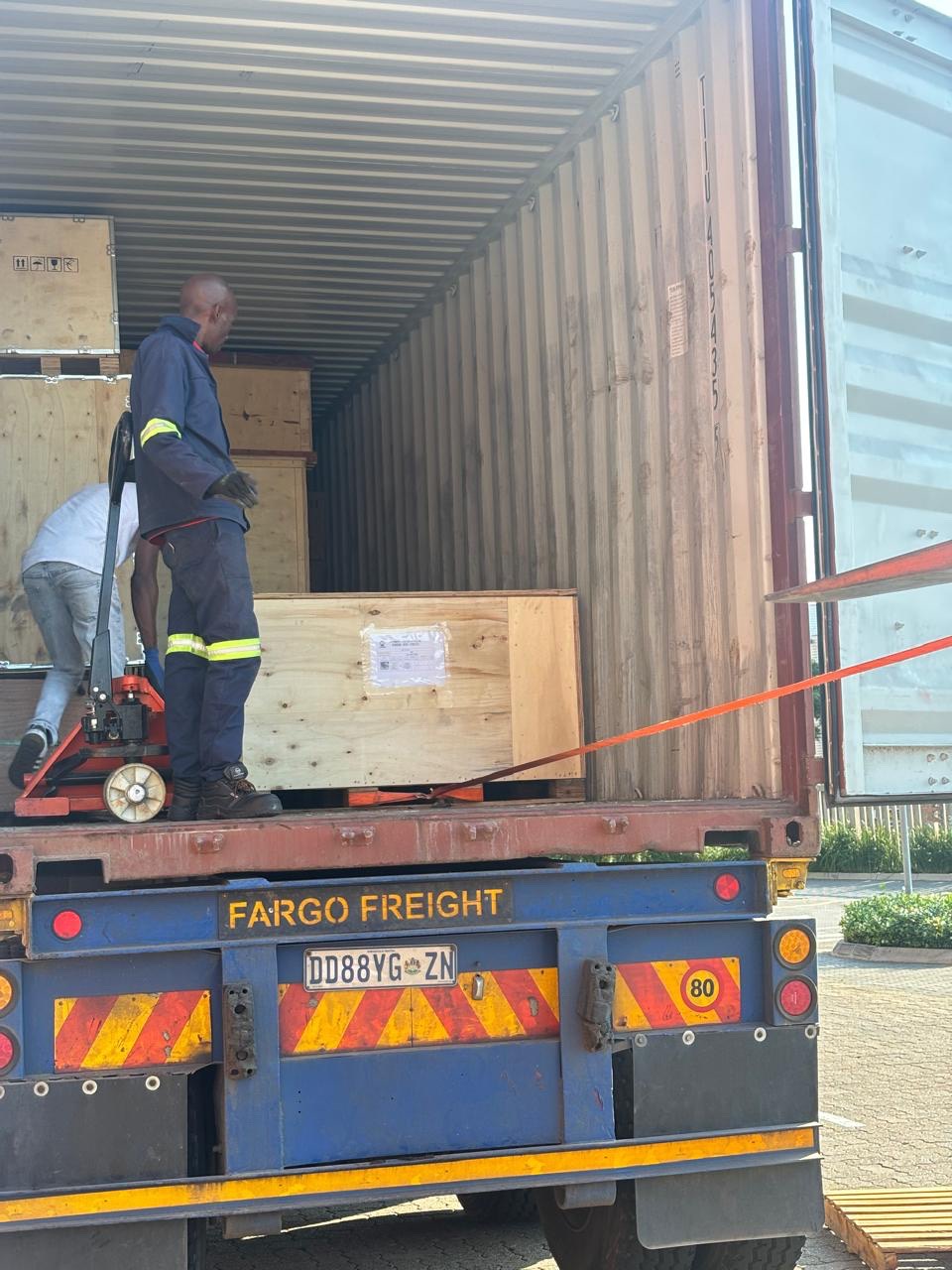
Pre Orders Offloading
Latest Arrivals
Latest Arrivals
Latest Arrivals
Loading
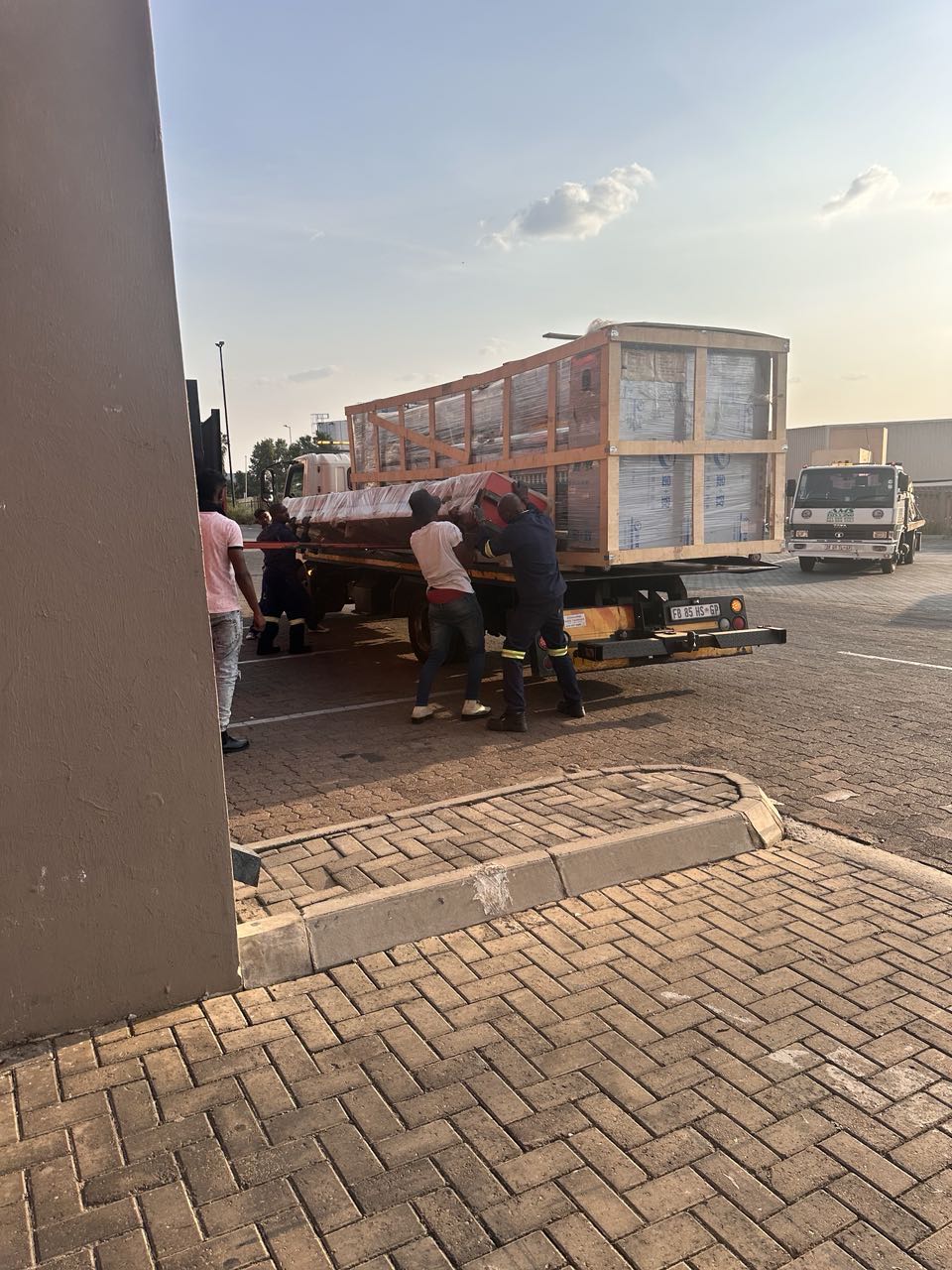
Toilet paper making machine
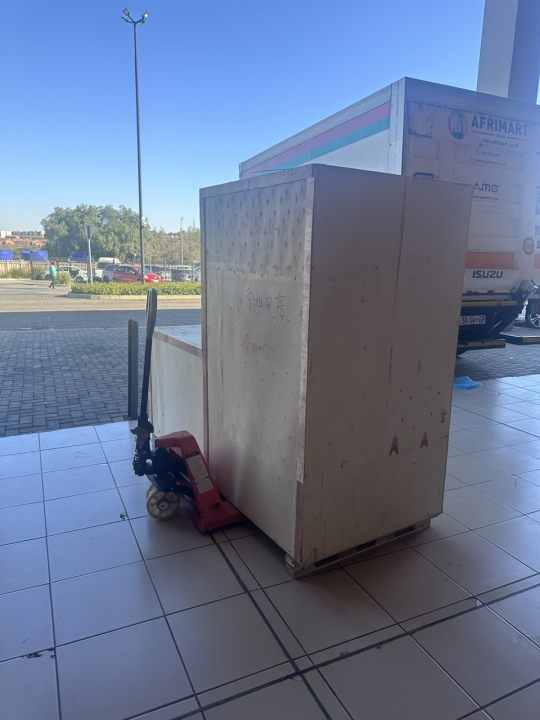
Toilet paper making machine
Toilet paper Rewinding Machine
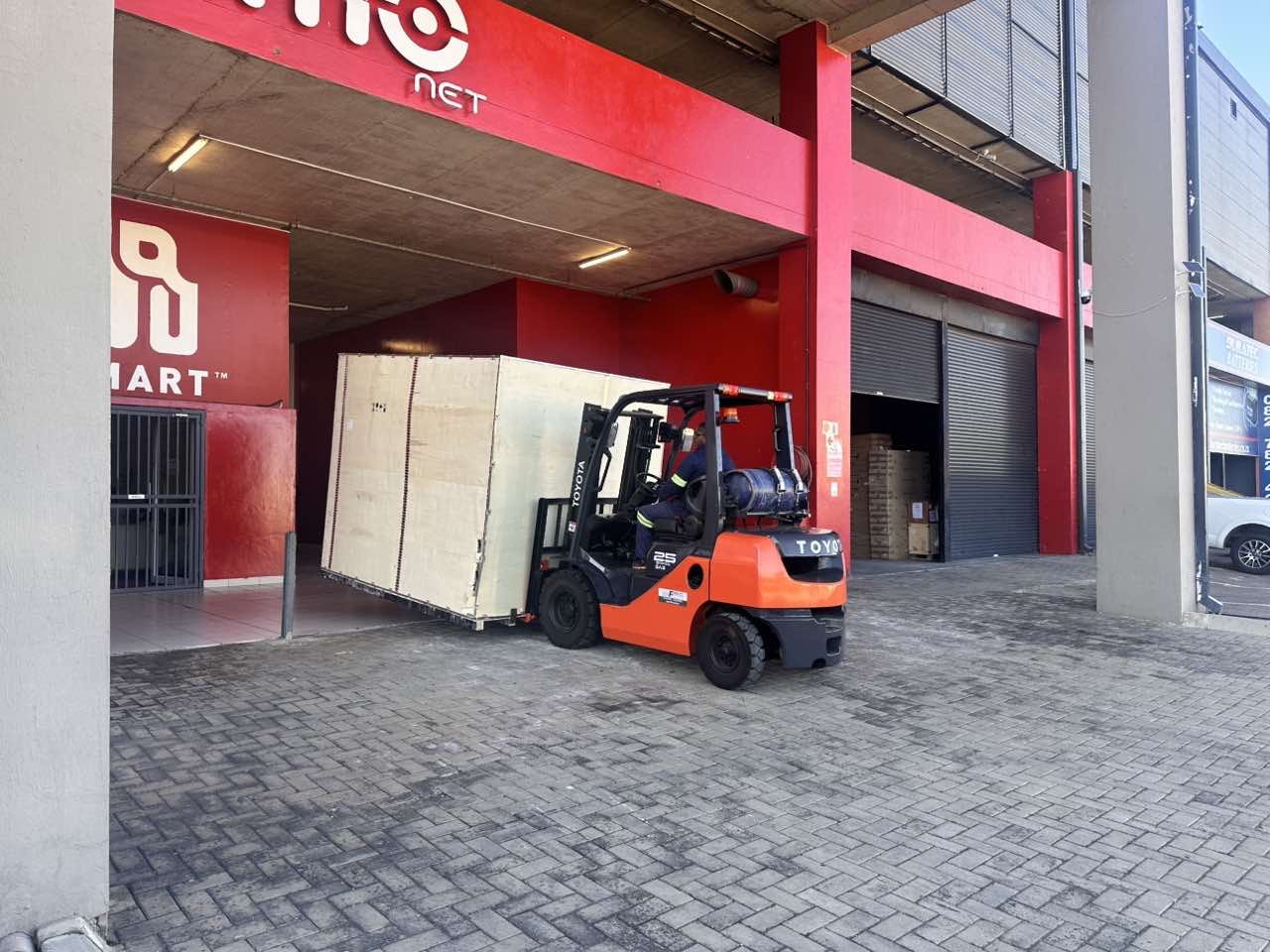
latest arrivals
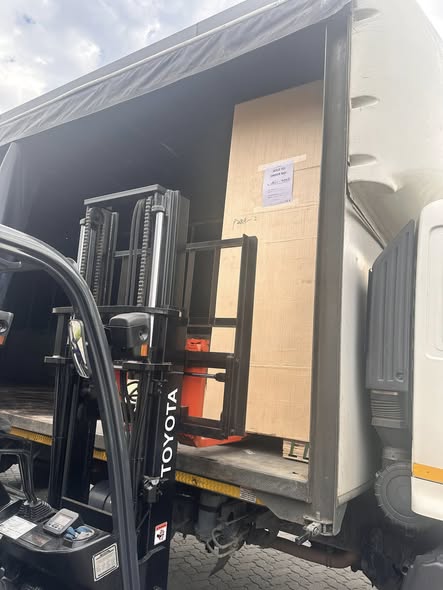
offloading
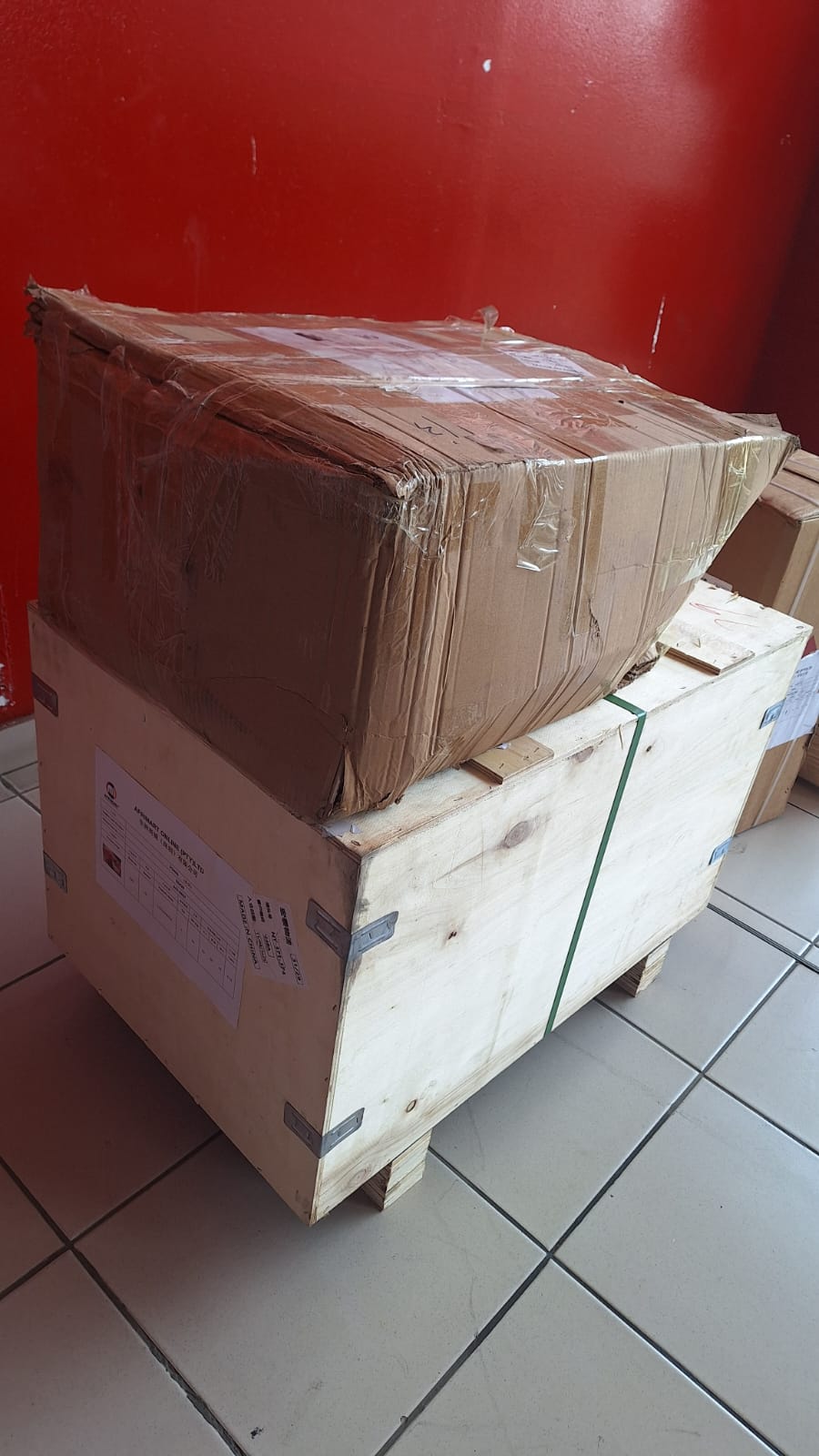
order success
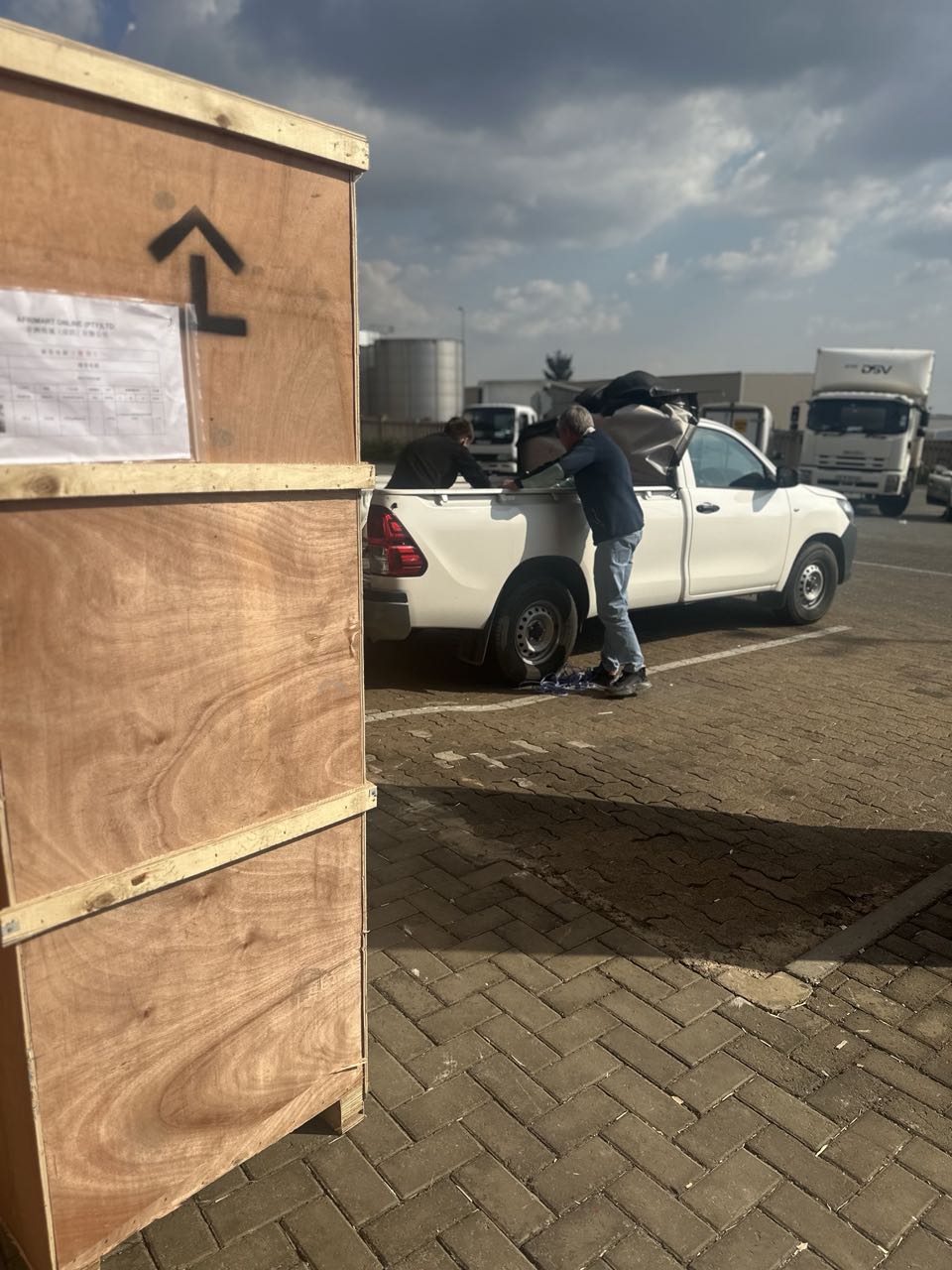
order collection
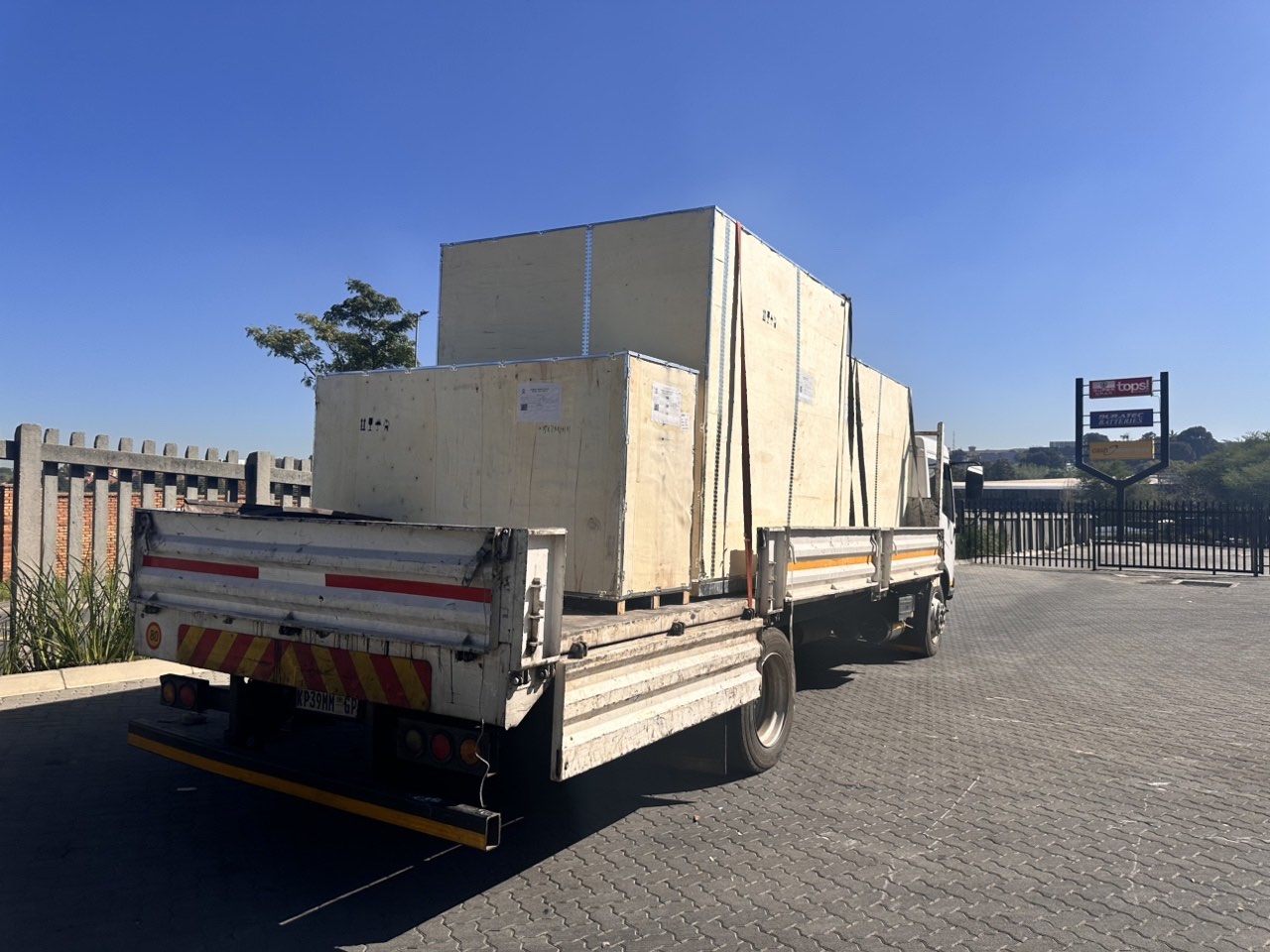
order offloading