B21, China Town Mall, Midrand


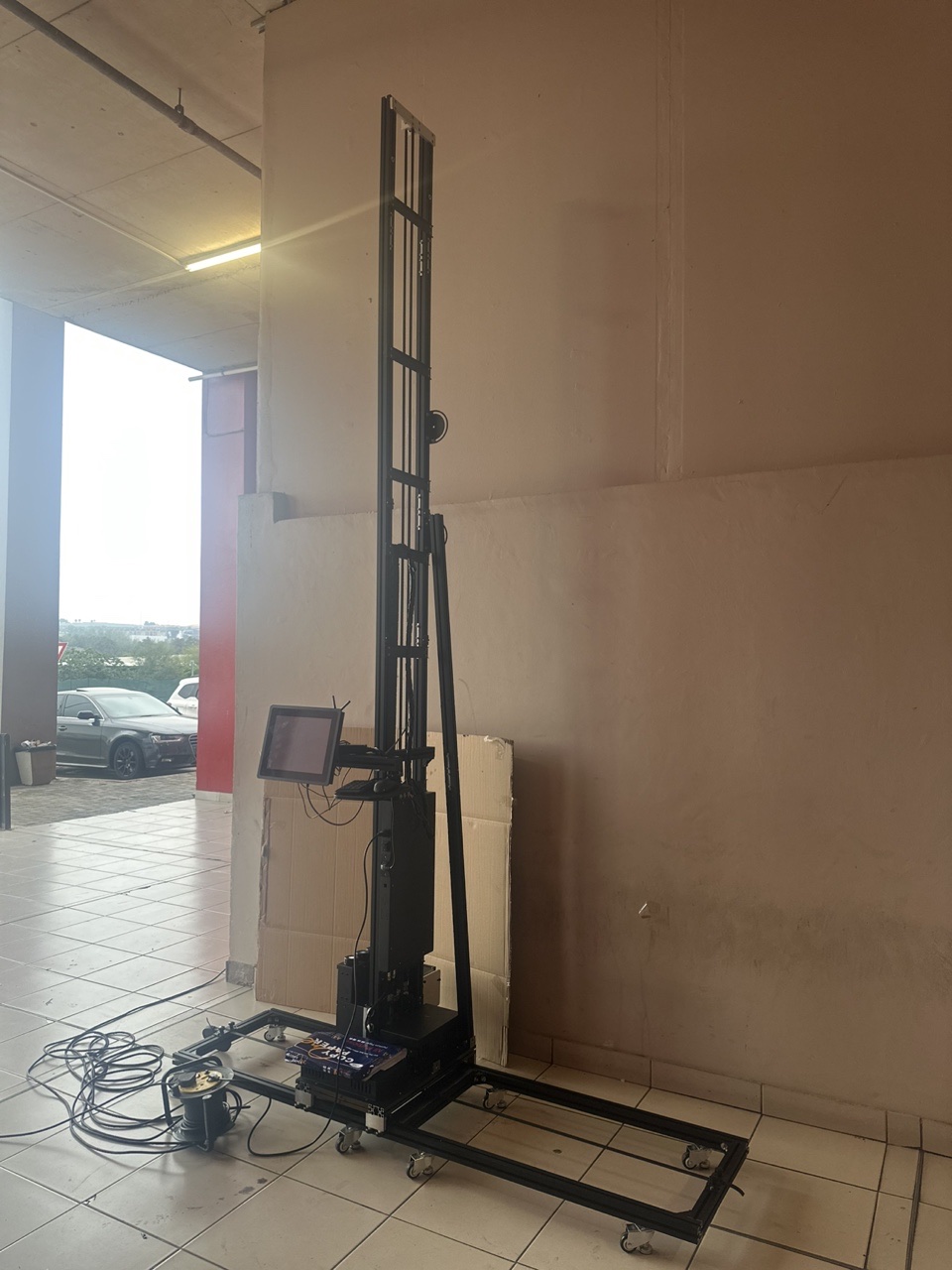
Photovoltaic Solar Drilling Machine/Solar Pile Driver
Asset finance available
Do you want funding for this equipment?
Afrimart can connect you with trusted funding partners who specialise in asset finance for businesses like yours. Compare options and apply in minutes — final approval is subject to provider review.
Check funding options
Secure & no obligation

- Section : Machinery
- Category : Engineering & Construction Machinery
- SKU : 1600923479210

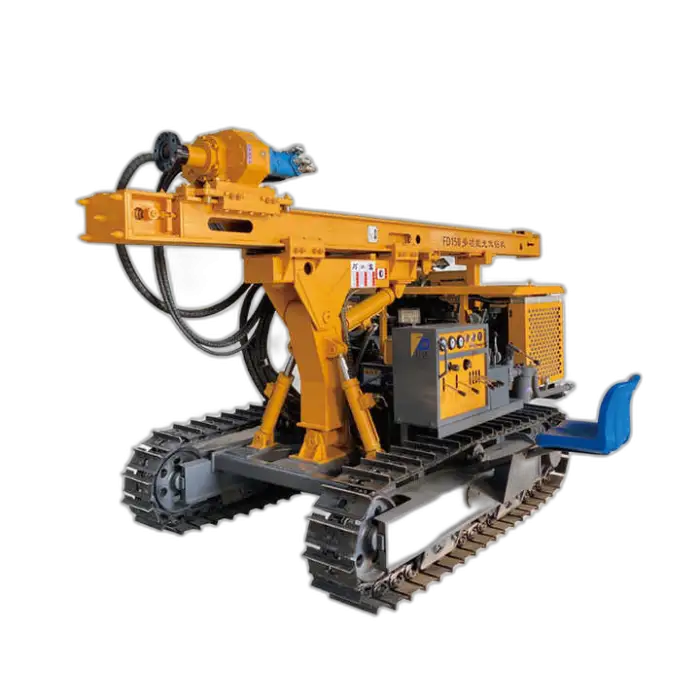
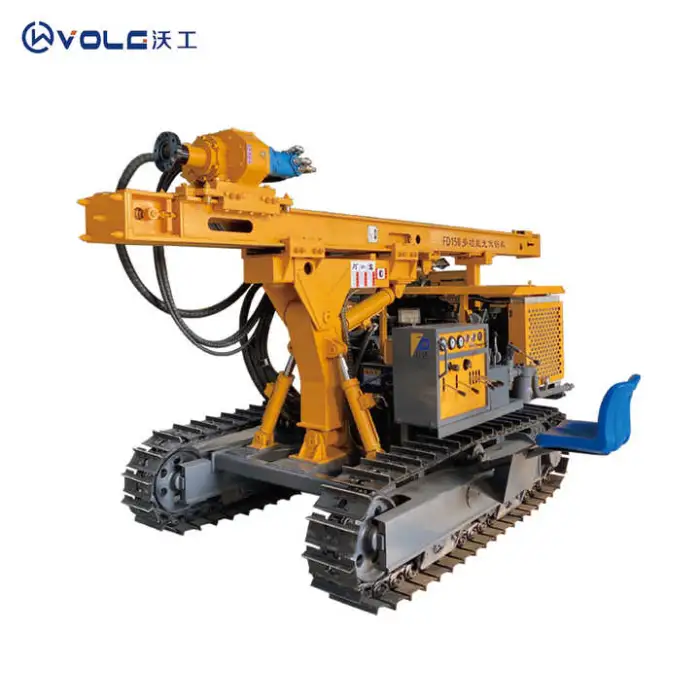
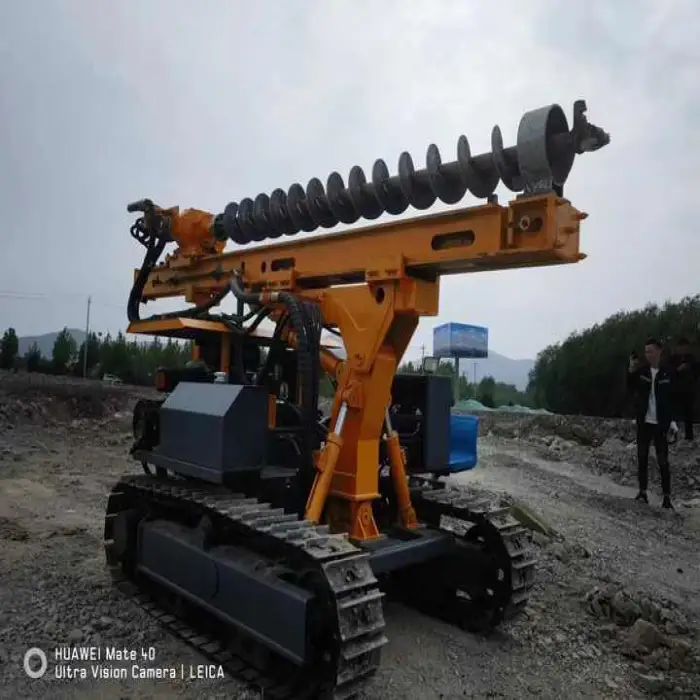
Photovoltaic Solar Drilling Machine/Solar Pile Driver
The Photovoltaic Solar Drilling Machine, also known as the Solar Pile Driver, is a powerful tool designed for efficient pile driving. This machine uses solar energy to operate, making it an eco-friendly choice for construction and drilling projects. With its high efficiency and advanced features, it meets the needs of various applications while reducing environmental impact.
Specifications
| Attribute | Details |
|---|---|
| Piling Speed | 3-6 m/min |
| Weight | 5001 kg |
| Dimensions (L*W*H) | 5200*2000*2550 mm |
| Drilling Depth | 80 m |
| Walking Speed | 3 km/h |
| Advance Speed | 0.6 m/min |
| Maximum Torque | 4000 N.m |
| Fastest Speed | 80 rpm |
| Chassis Ground Clearance | 330 mm |
Key Features
- High operating efficiency
- Solar-powered for eco-friendly operation
- Fast piling speed of 3-6 m/min
- Drilling depth of up to 80 meters
- Easy to transport with a walking speed of 3 km/h
Applications
- Construction sites requiring pile driving
- Solar energy projects needing support structures
- Infrastructure development like bridges and roads
- Environmental projects that require minimal impact
- Foundation work for buildings and other structures
Product Info Gallery
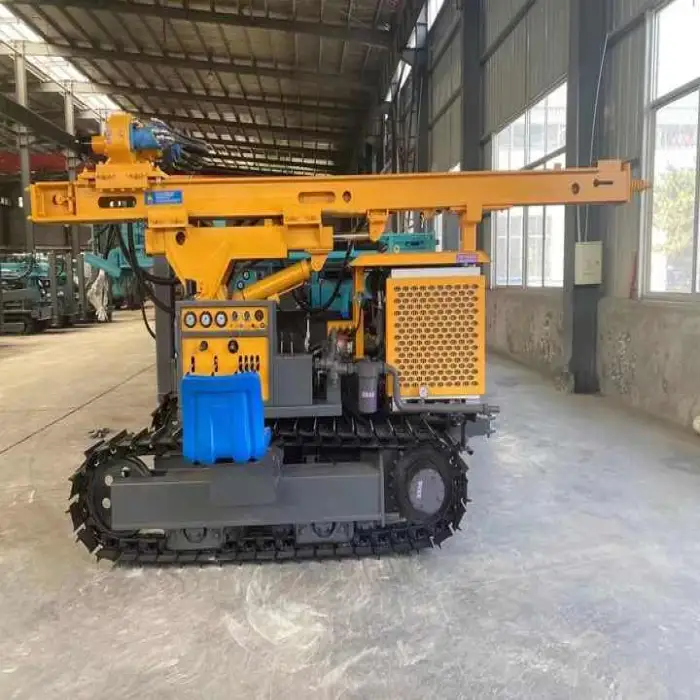
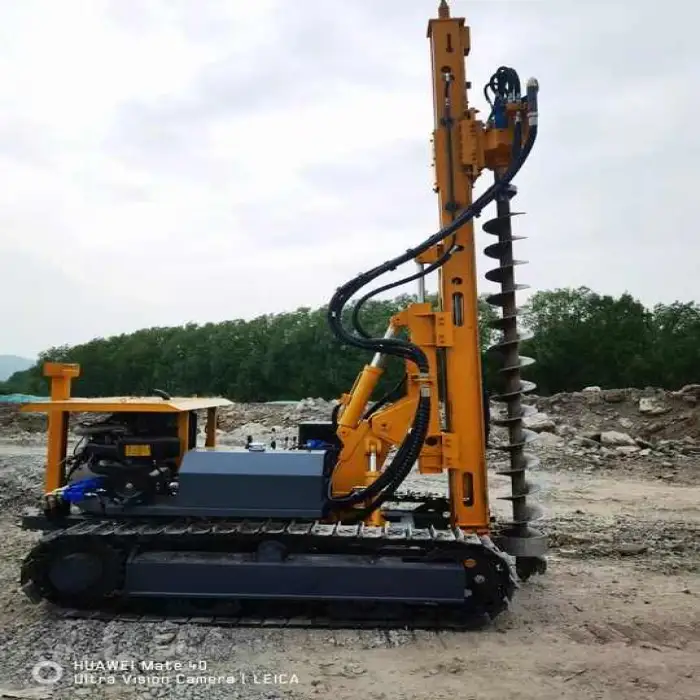
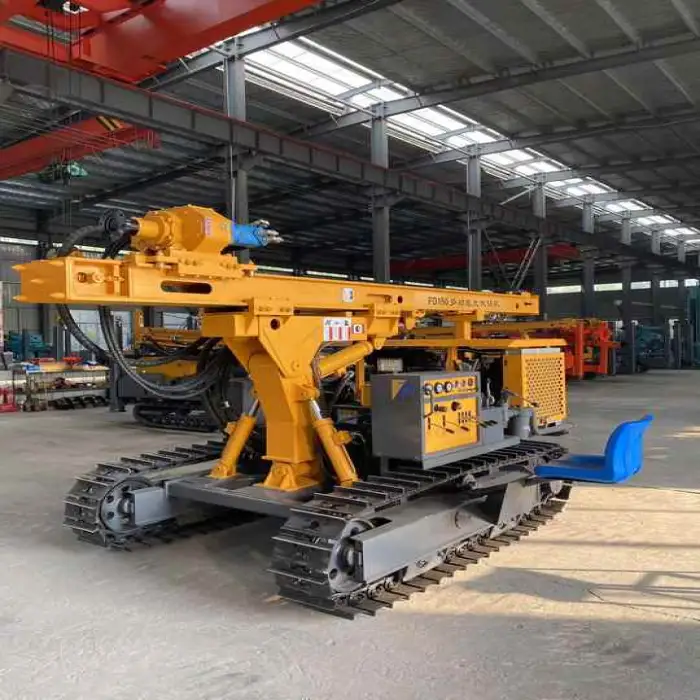
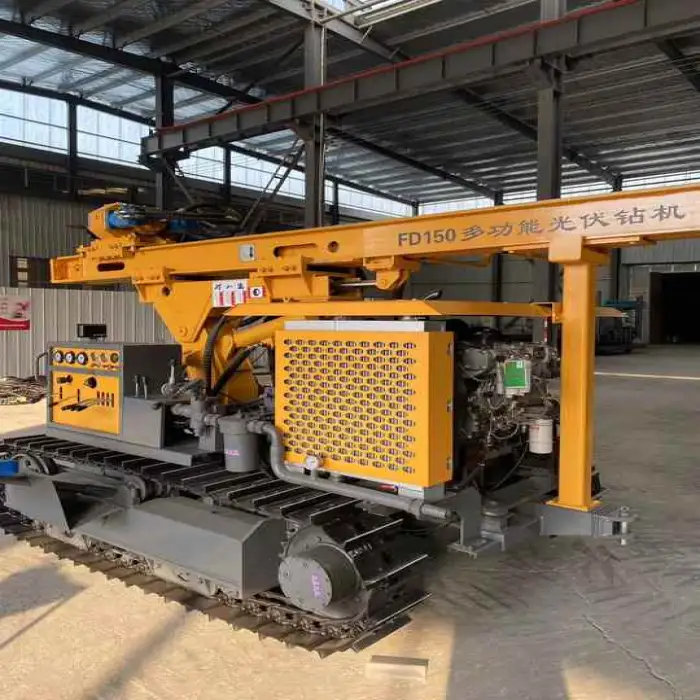
- Shipping Timeframes: All orders are processed within 2-5 business days (excluding weekends and holidays). After your order has been processed, the estimated delivery time is before 03 Aug, 2026, depending on customs, Please note that due to high demand, some items may experience longer shipping times, which will be communicated at order confirmation email.
- Order Processing Time: Please allow 2-5 business days for us to process your order before it is shipped . Orders placed after 16:00 on Fridays, or during weekends and public holidays, will begin processing on the next business day. Processing times may be extended during peak seasons or sales events.
- Manufacturing Time: Some products needs manufacturing time, the manufacturing process will take approximately 10-30 business days depending on the product. This timeframe may vary depending on the complexity of the product and current demand. but this will be communicated with you during order confirmation.
- Returns and Exchanges: We offer a 30-day return policy for most items. If you are not completely satisfied with your purchase, you may return it within 30 days of receipt for a refund or exchange. Items must be unused, in their original packaging, and accompanied by proof of purchase. Return shipping costs are the responsibility of the customer, unless the item was damaged or defective upon arrival.
1. What is the Photovoltaic Solar Drilling Machine / Solar Pile Driver?
A solar-powered pile driving and drilling machine designed for efficient foundation work and pile installation. It uses photovoltaic energy for propulsion and operation and is intended for construction, solar-support installation, infrastructure and low-impact environmental projects.
2. How is the machine powered?
The machine primarily uses solar energy (photovoltaic panels) to operate. Many units incorporate onboard energy storage (batteries) or can be supplied with auxiliary/hybrid power options for extended or low-sunlight operations—confirm power configuration with the supplier.
3. What are the key performance specifications?
Piling speed: 3–6 m/min; drilling depth: up to 80 m; maximum torque: 4000 N·m; fastest rotary speed: 80 rpm; advance speed: 0.6 m/min; walking speed: 3 km/h; weight: 5001 kg; dimensions (L×W×H): 5200×2000×2550 mm; chassis ground clearance: 330 mm.
4. What types and sizes of piles can it install?
The machine is suitable for many common pile types (steel, concrete, screw piles, helical anchors) when equipped with the appropriate tooling. Supported pile diameters and lengths depend on tooling and model configuration—provide project details to the supplier for exact compatibility.
5. Can it operate in hard ground or rock?
It can reach drilling depths up to 80 m, but performance in very hard rock or heavily obtrusive ground will depend on tooling and power configuration. Rock drilling or rock-socketed piles may require specialized bits, percussion attachments or a hybrid power setup—consult the manufacturer for recommended solutions.
6. How does weather affect operation?
Solar power availability is affected by sunlight; cloudy or low-light conditions may reduce runtime unless the unit has battery storage or an auxiliary power source. The machine itself is designed for outdoor use, but extreme weather (heavy rain, flooding, extreme cold) can impact safety and performance—follow manufacturer guidance.
7. What are the transport and setup requirements?
With dimensions of 5200×2000×2550 mm and a weight of about 5001 kg, the unit typically requires a low-bed trailer or crane for long-distance transport and site positioning. On-site it can reposition itself at up to 3 km/h for short moves; final setup will include leveling, stabilizing and connecting any battery or auxiliary power systems.
8. What operator and crew are required?
Operation generally requires a trained machine operator familiar with pile-driving rigs and safety protocols; a small crew (operator plus 1–2 assistants) is typical for handling tooling, guiding piles and site setup. Specific certification and crew size depend on local regulations and project scope.
9. What maintenance does the machine need?
Routine maintenance includes daily visual and functional checks, cleaning solar panels, battery maintenance (if present), regular lubrication of moving parts, hydraulic system inspections, and scheduled servicing per the manufacturer's maintenance manual. Preventive maintenance is recommended to ensure reliability and longevity.
10. What safety features does the machine have?
Standard safety features typically include emergency stop controls, overload protection, stabilizers or outriggers, operator cabin/console safeguards, warning alarms and interlocks. Operators should also follow site safety plans, use PPE and adhere to local regulations.
11. How loud is the operation and what about emissions?
Because the machine is solar-powered it produces minimal onsite exhaust emissions compared with diesel rigs. However, pile driving and drilling inherently generate noise and vibration; noise levels vary with pile type and ground conditions. Use appropriate noise mitigation and community/worker protections as required.
12. Can the machine be customized or fitted with accessories?
Yes — the machine can typically be fitted with different tooling (augers, hammers, drive heads, adapters) and may be customized for specific pile types, length capacity or power configurations. Discuss project requirements with the manufacturer or dealer for available options.
13. What certifications, standards and warranties are available?
Certifications (CE, ISO, local compliance) and warranty terms vary by manufacturer and region. Request certification documents and warranty details from the supplier to verify compliance with applicable standards and the length/coverage of warranty and service agreements.
14. What are typical lead times and service availability?
Lead time depends on model, configuration, and current factory backlog; shipping and on-site commissioning timelines vary by region. Many suppliers offer after-sales service, spare parts and field commissioning—contact the manufacturer or dealer for specific lead times and local service options.
15. How do I choose the right model for my project?
Provide project details (pile type and size, required depth, ground conditions, daily production target, site access, and whether continuous operation in low sunlight is needed). The manufacturer or dealer can then recommend the appropriate configuration, tooling and any auxiliary power or storage required to meet those specifications.
Latest Order Arrivals
Discover our latest orders
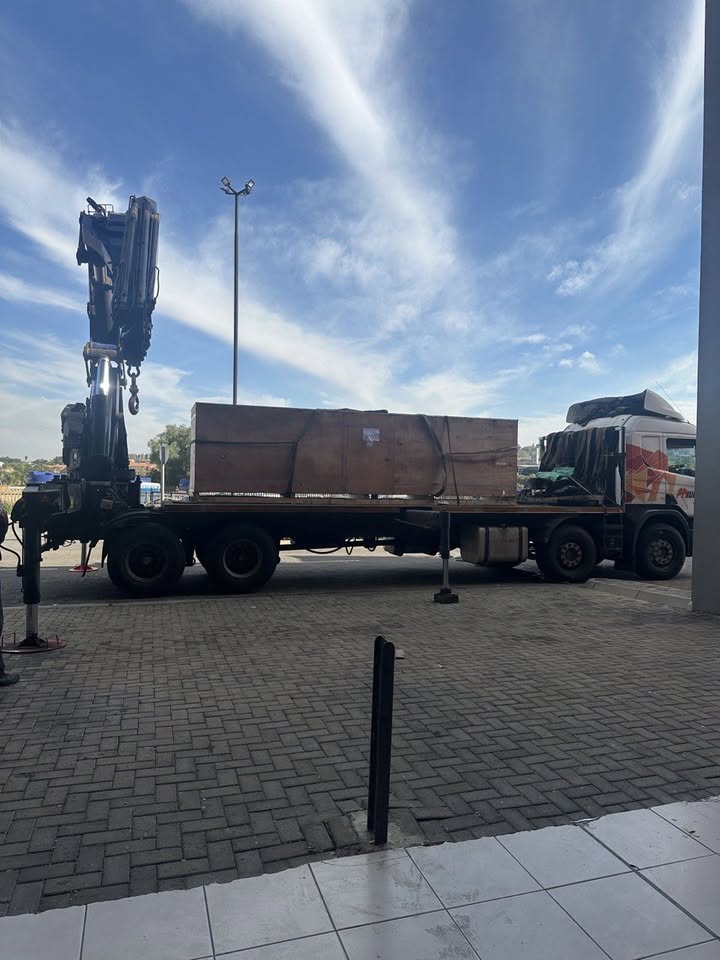
12 Heads Embroidery Machine
Toilet Paper Machine Machine
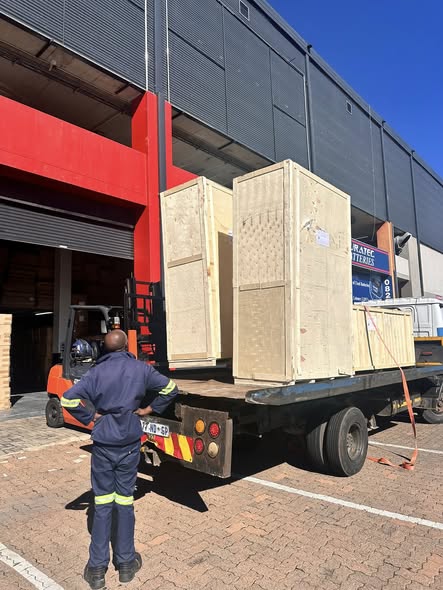
Order Collection
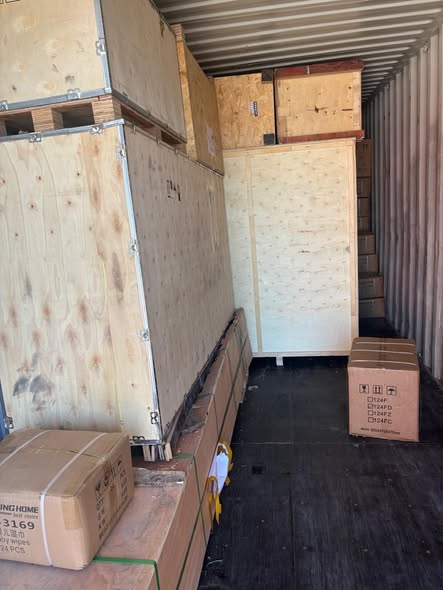
Cross Border Clients
Order cros border countries Collected
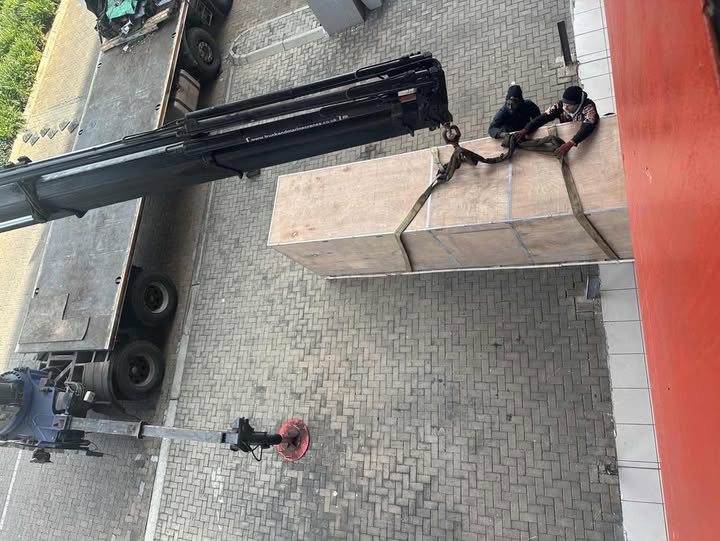
Industrial Machine Cllection
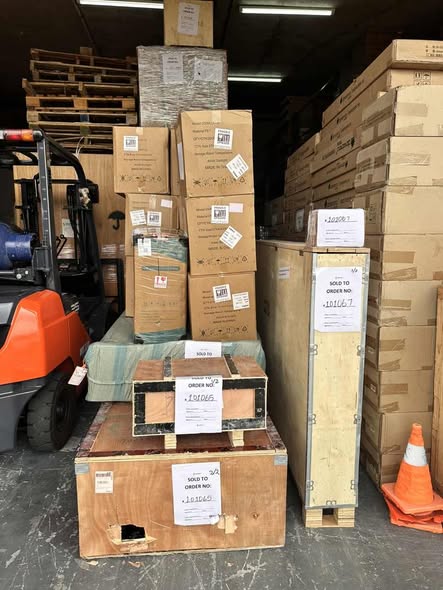
Agriculture Processing Machines
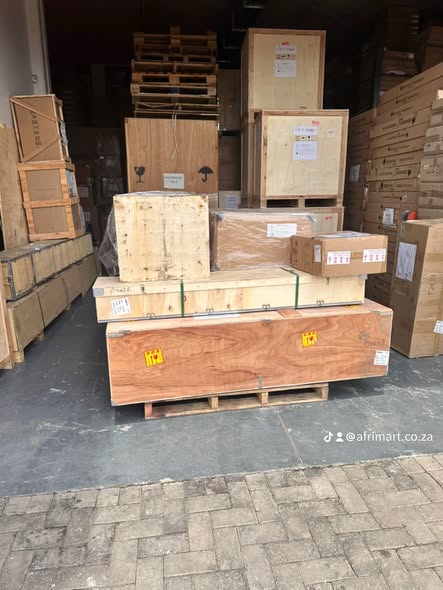
Ready for collection
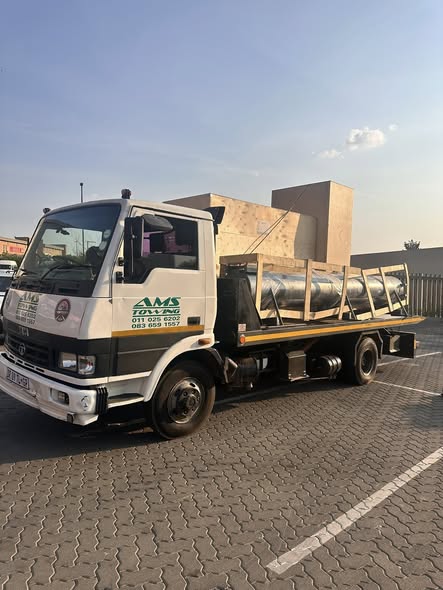
Water Pump Equipment
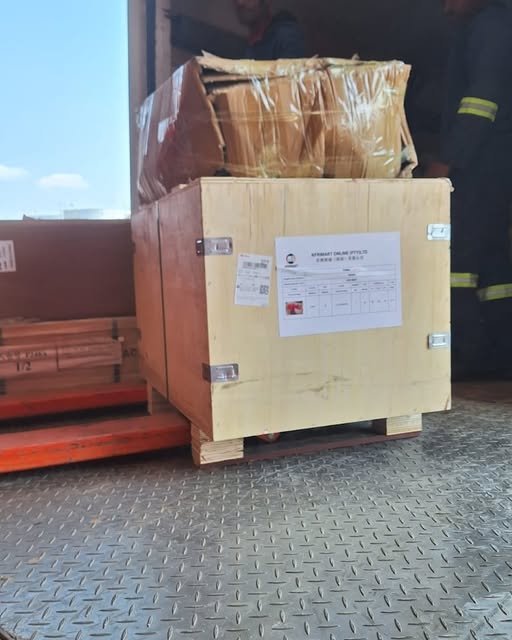
Packaging Machine and accessories
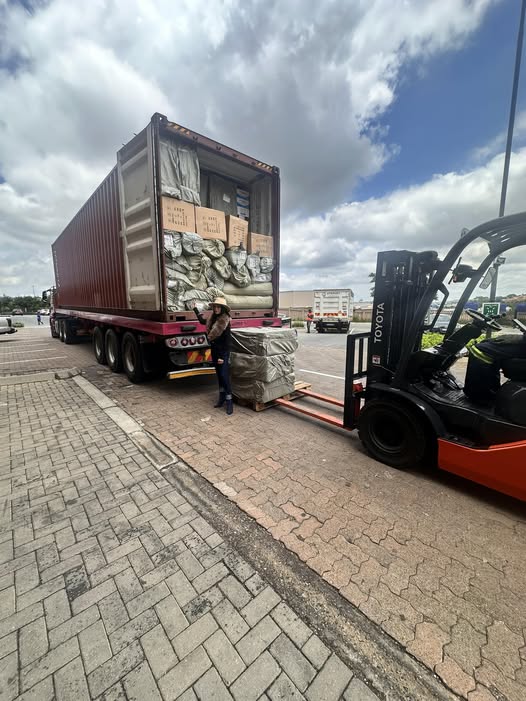
Fabrics Manufacturing Equipment
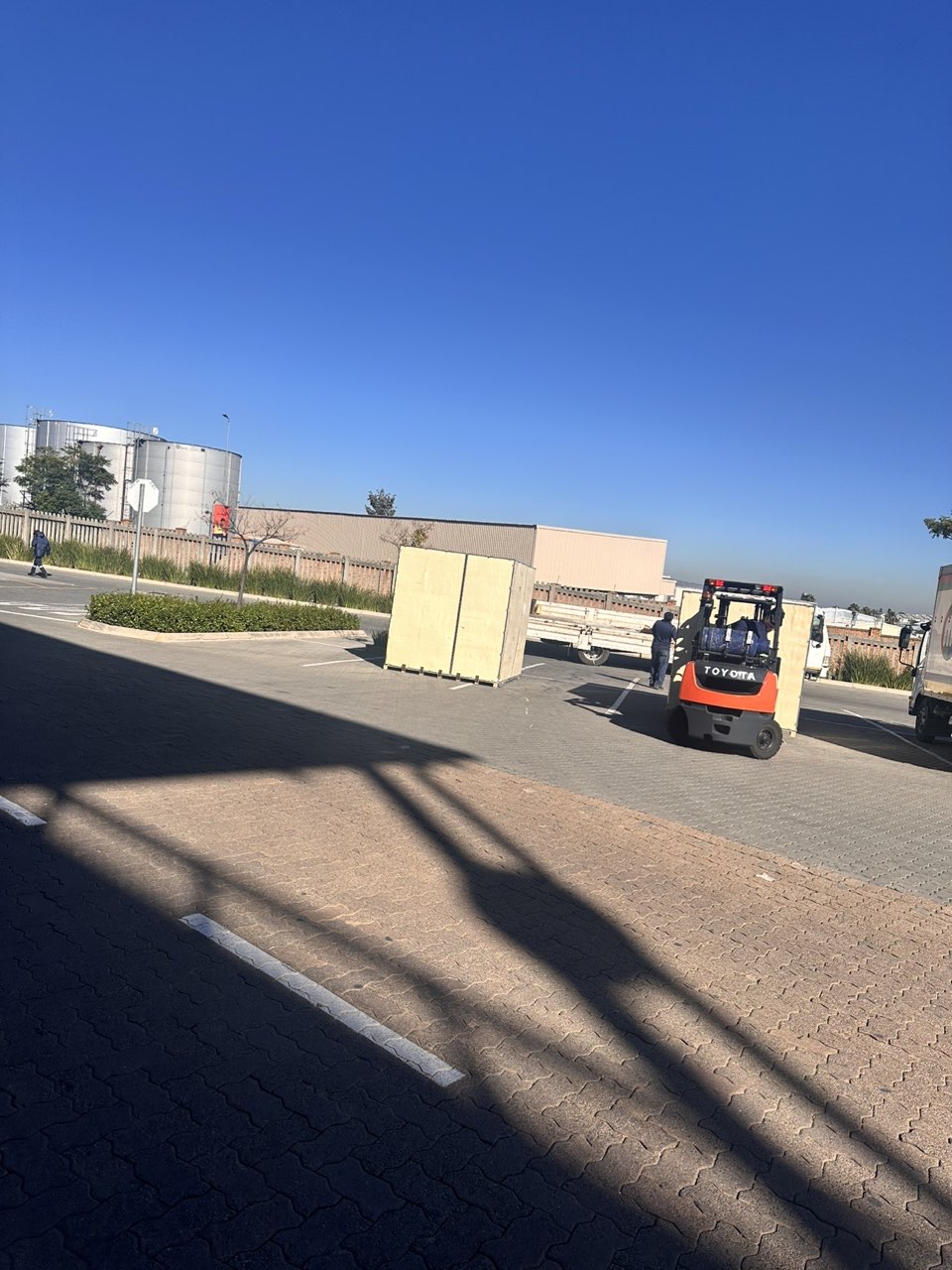
Mining Equipments
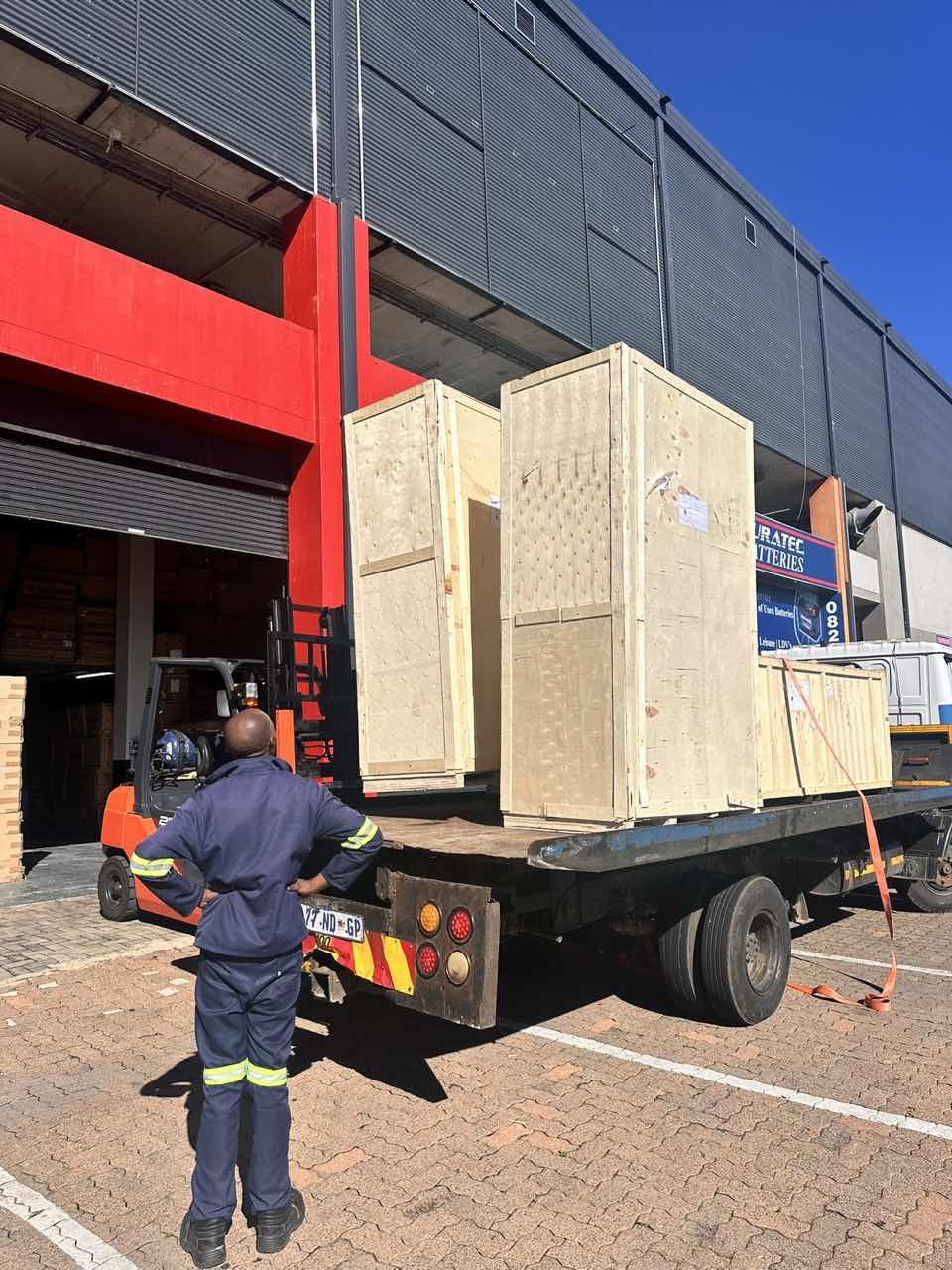
Food Processing Machine
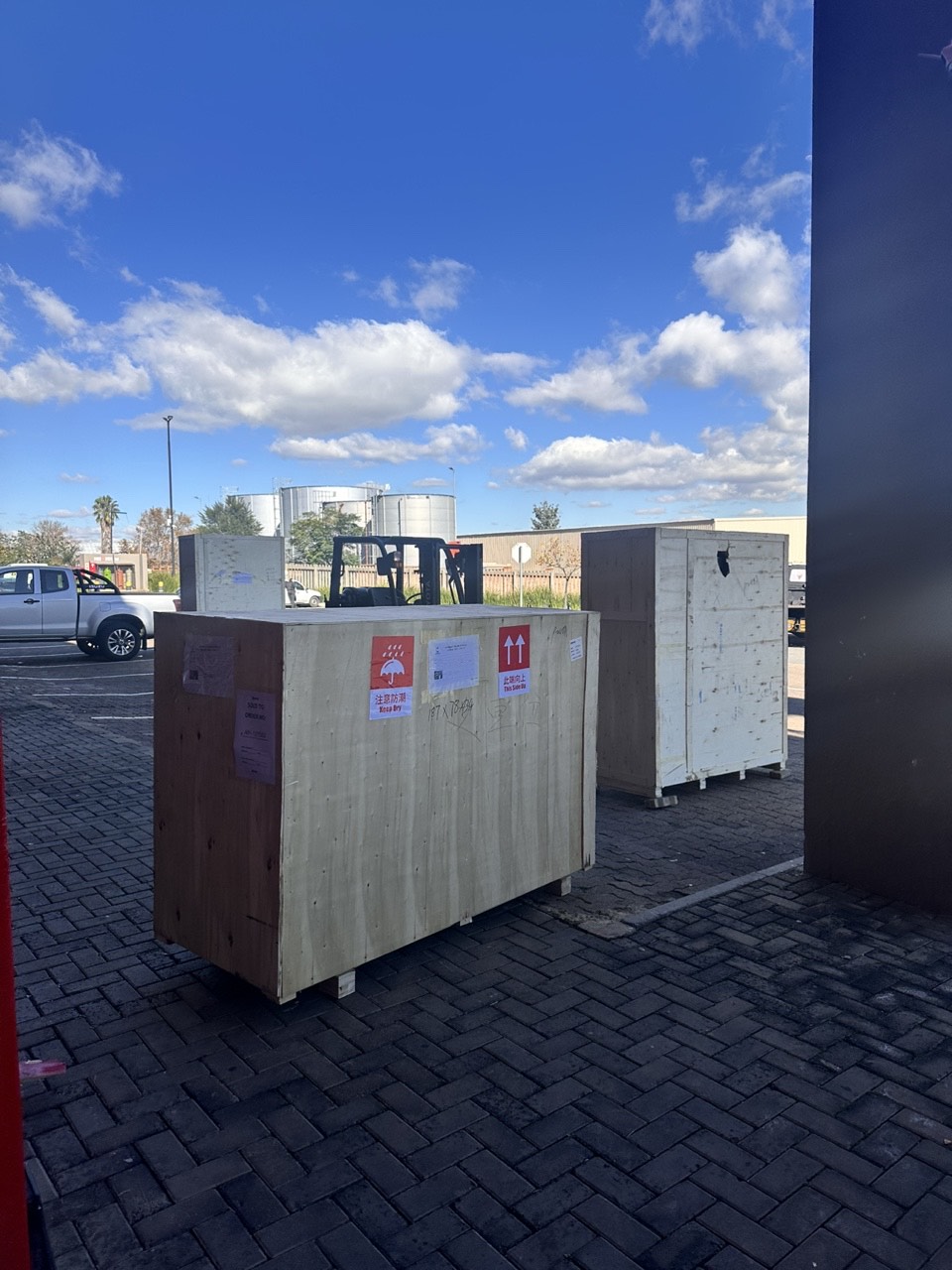
Batch of Orders
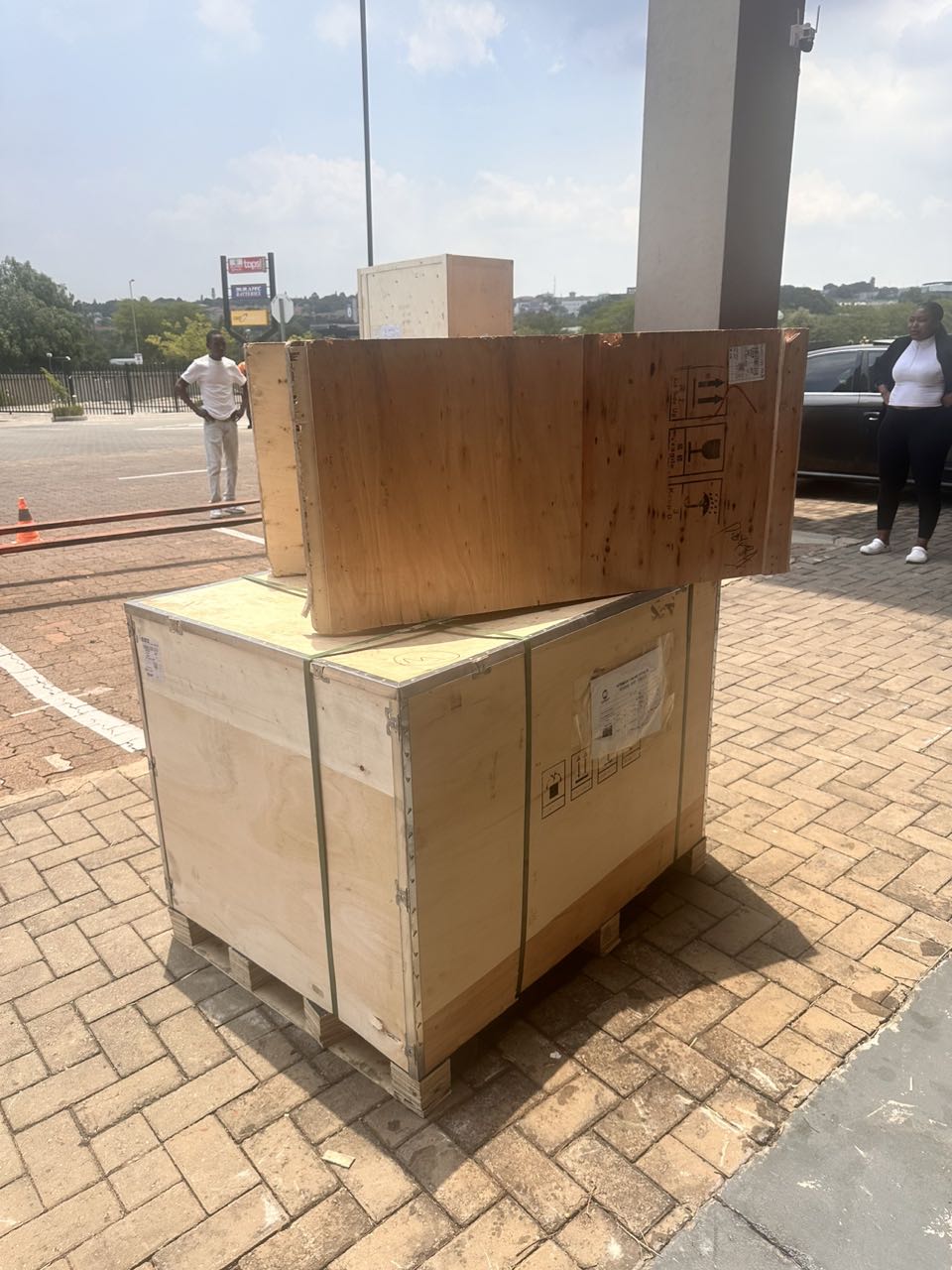
Batch of Orders
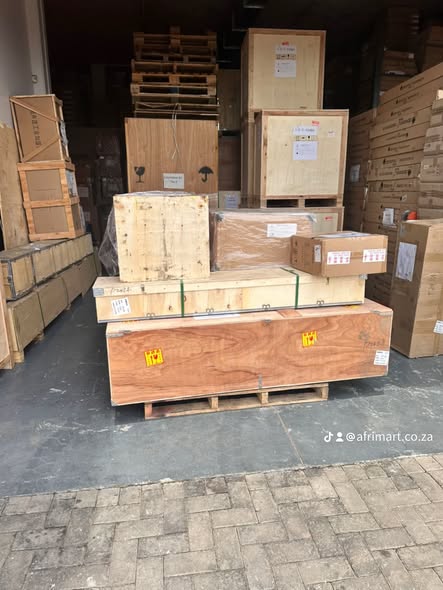
Latest Orders Labelled
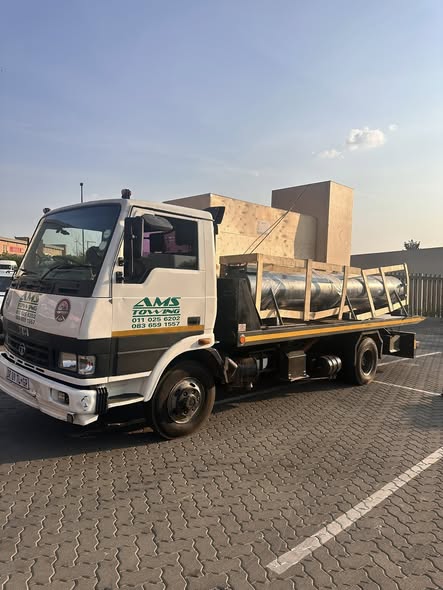
wheel alignment machines
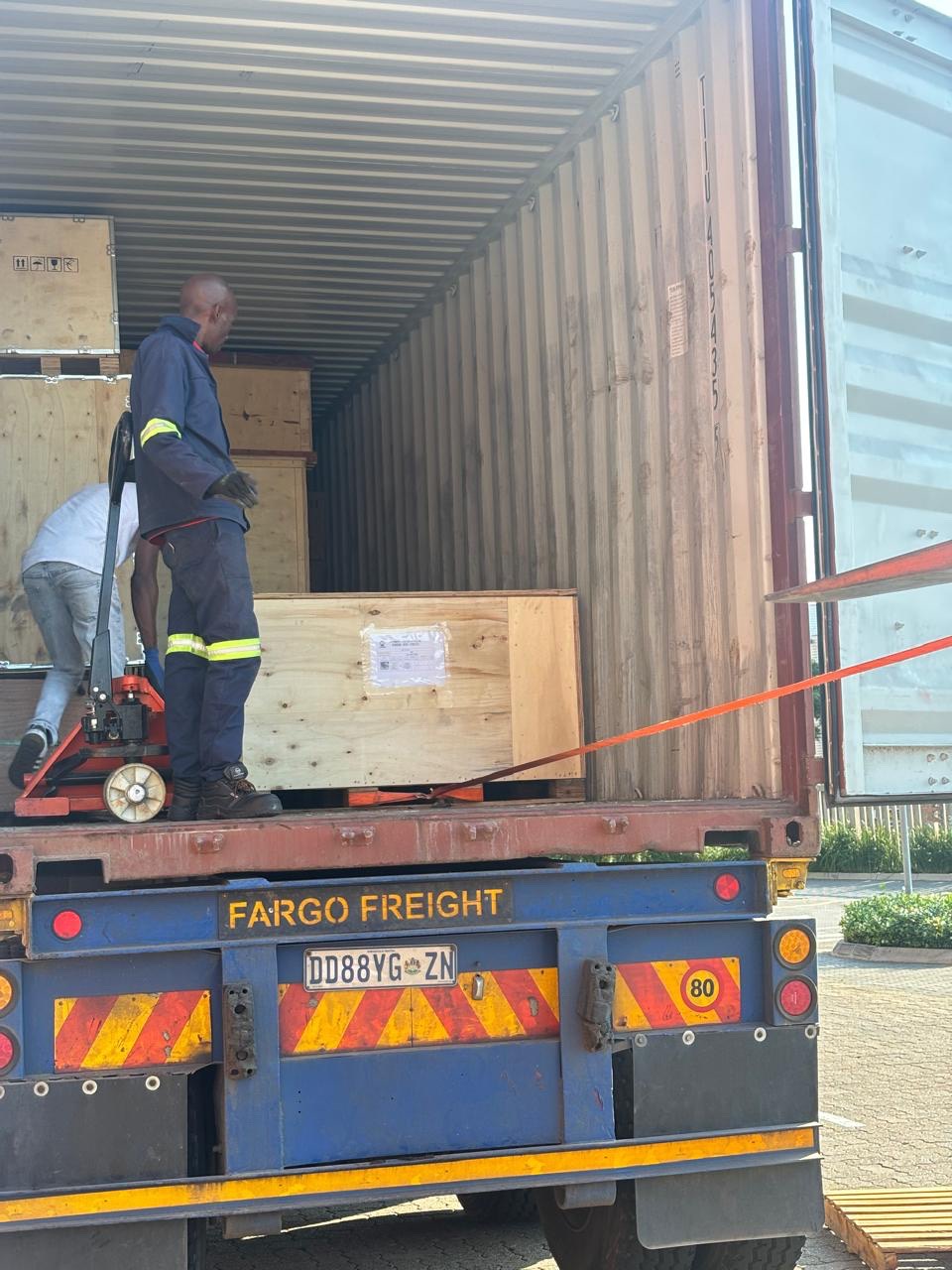
new arrivals
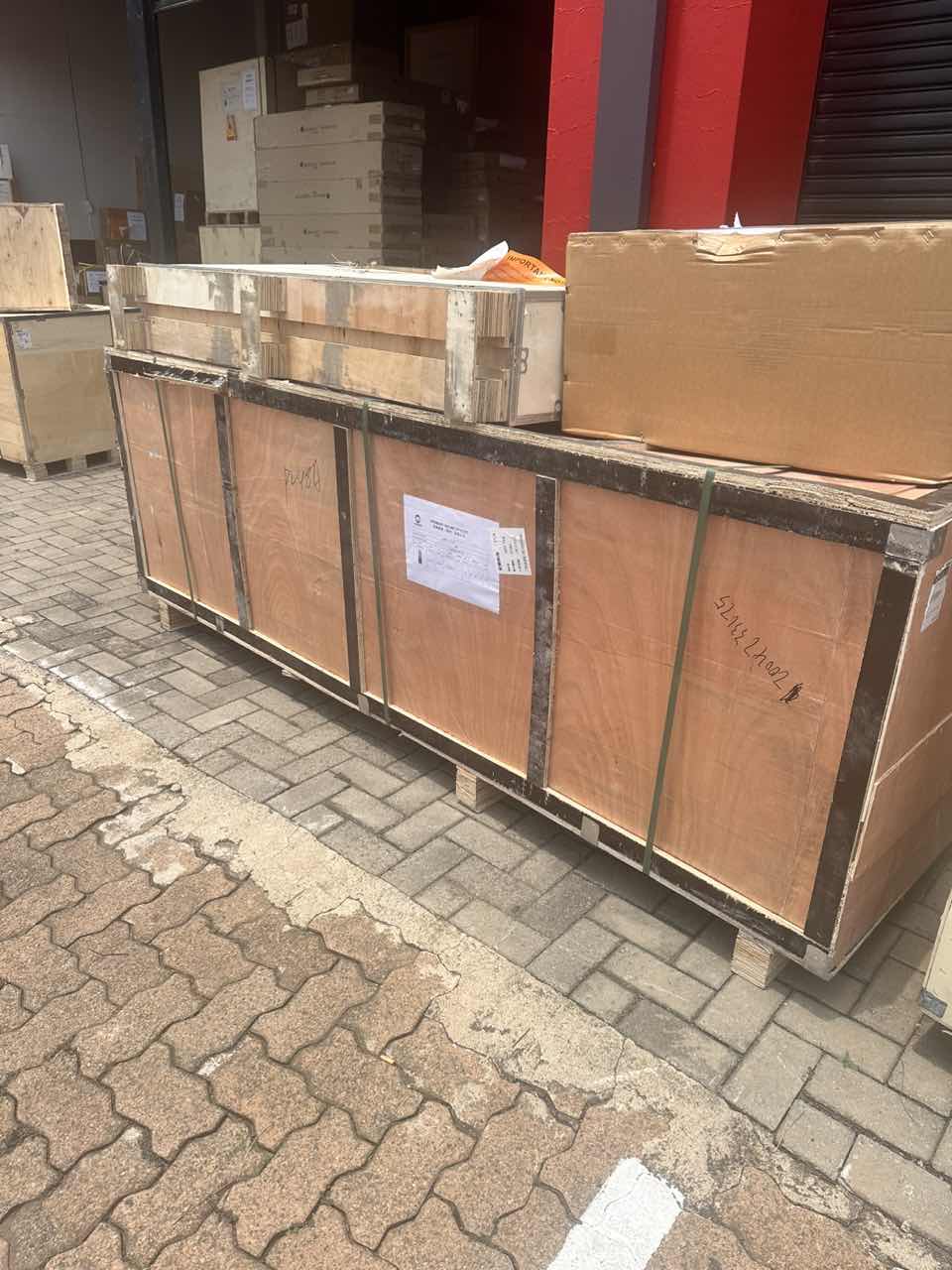
Pre Orders Offloading
Latest Arrivals
Latest Arrivals
Latest Arrivals
Loading
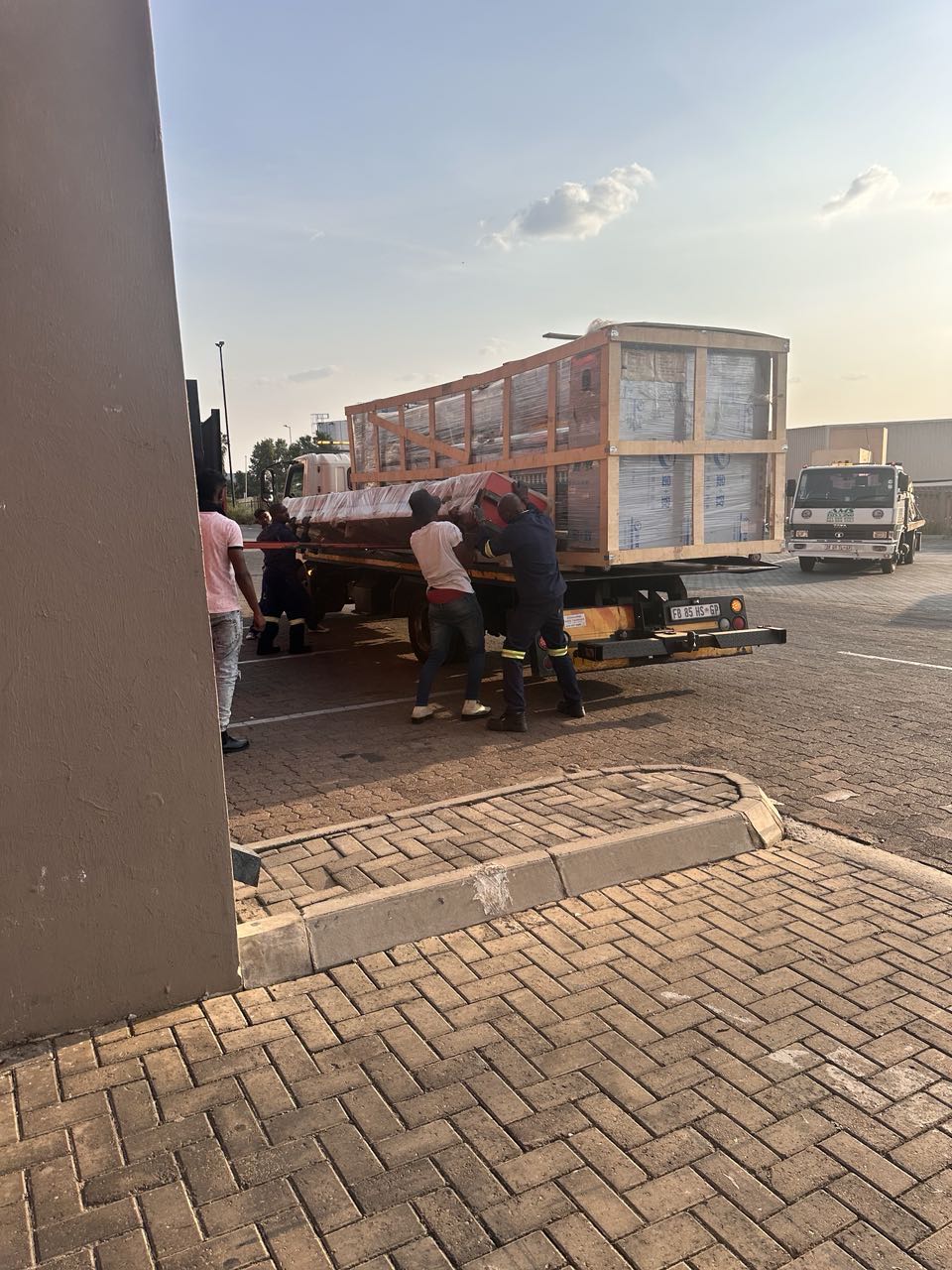
Toilet paper making machine
Toilet paper making machine
Toilet paper Rewinding Machine
latest arrivals
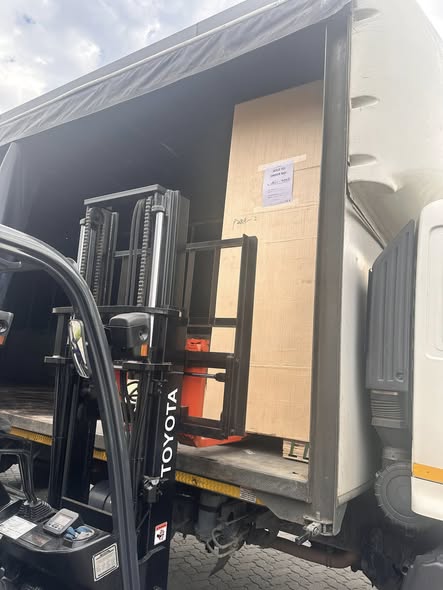
offloading
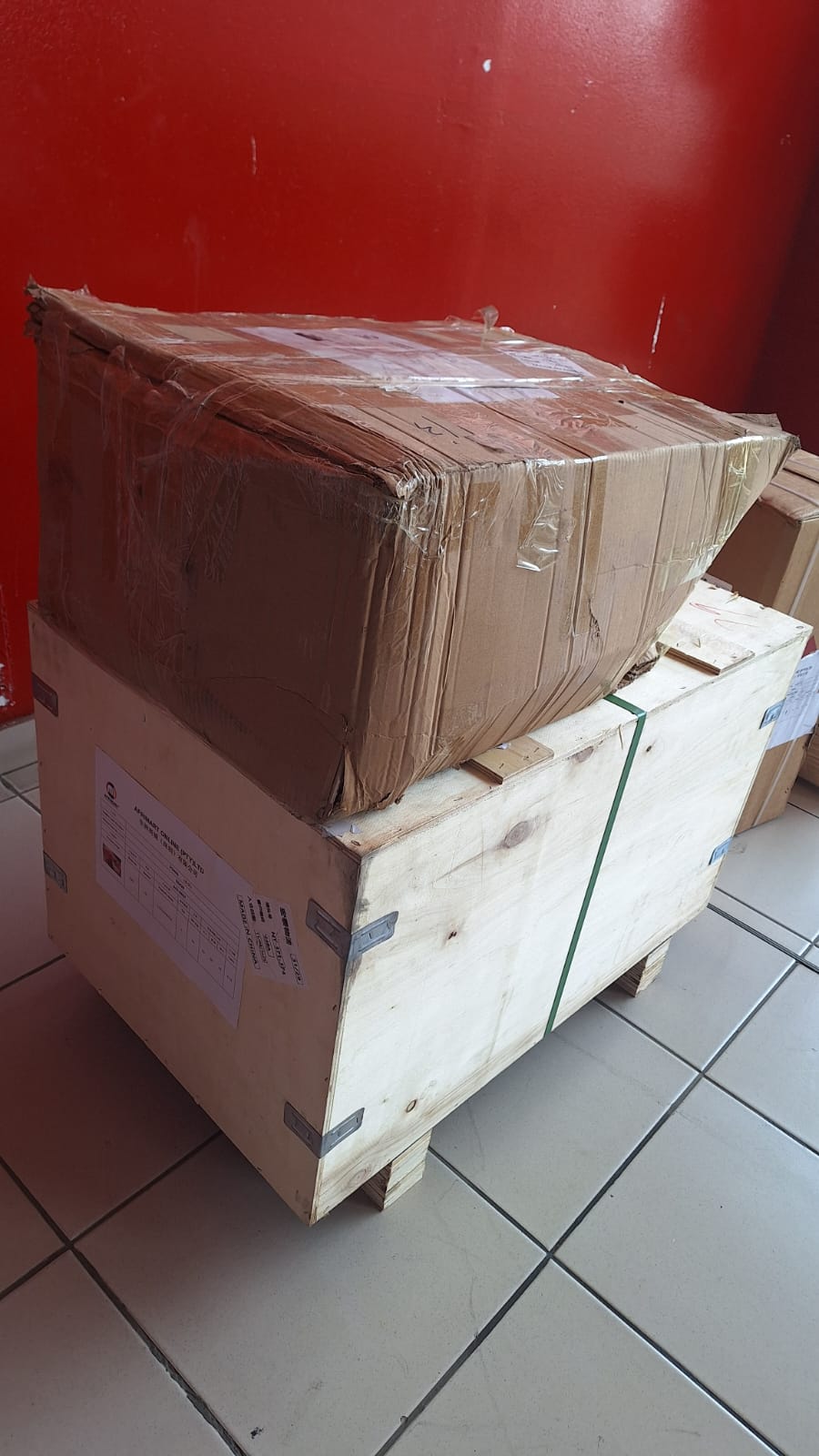
order success
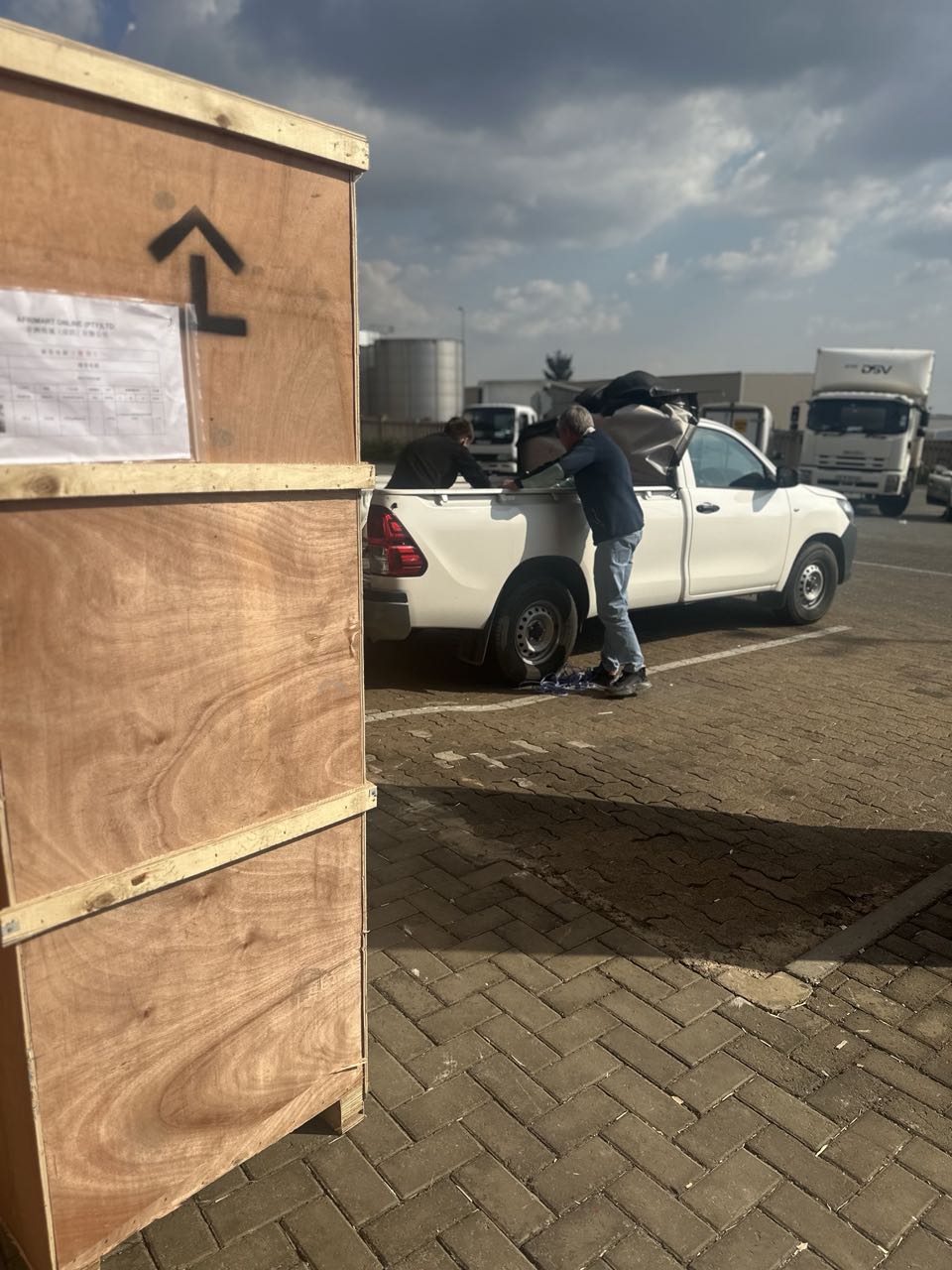
order collection
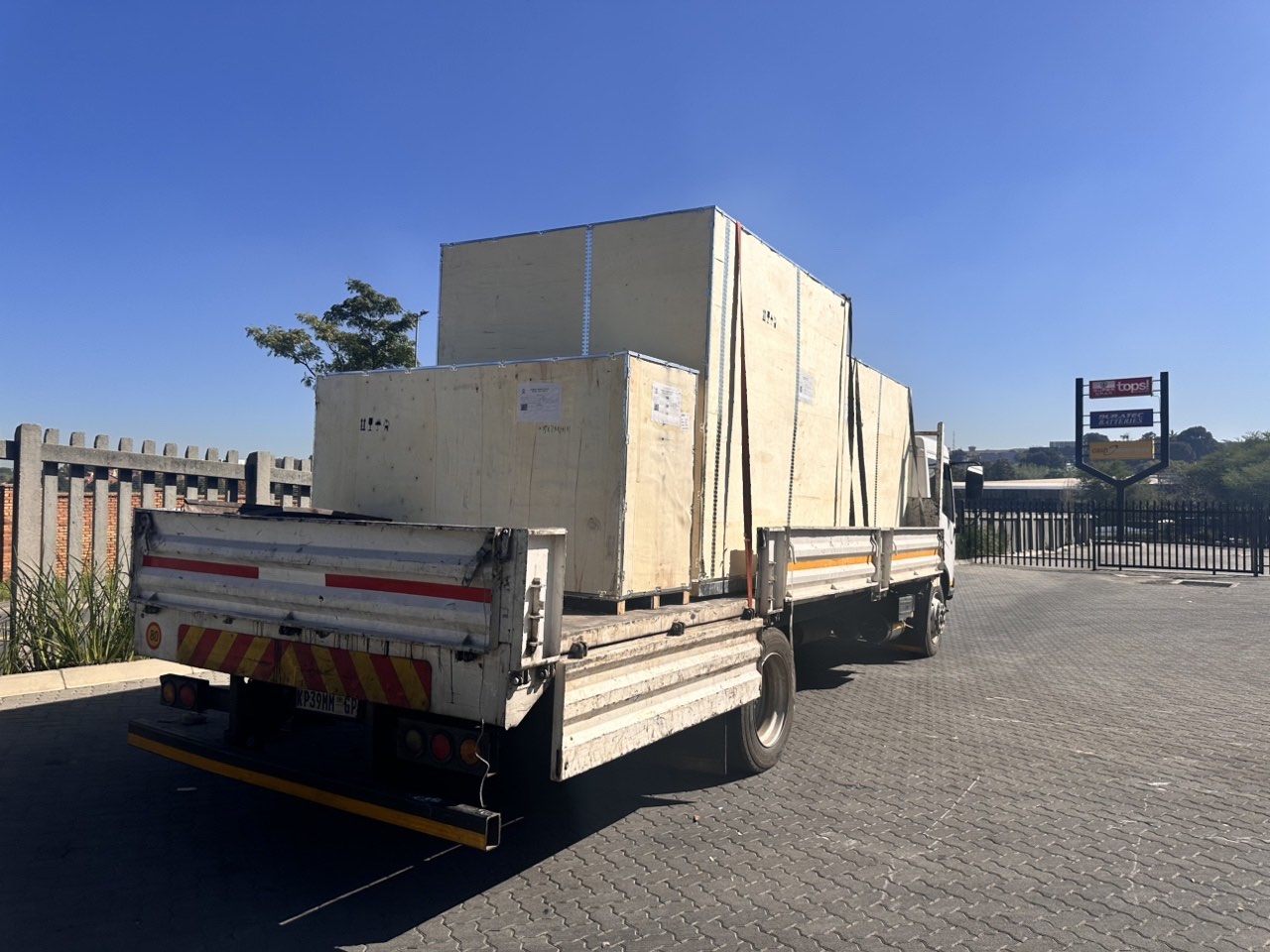
order offloading