B21, China Town Mall, Midrand


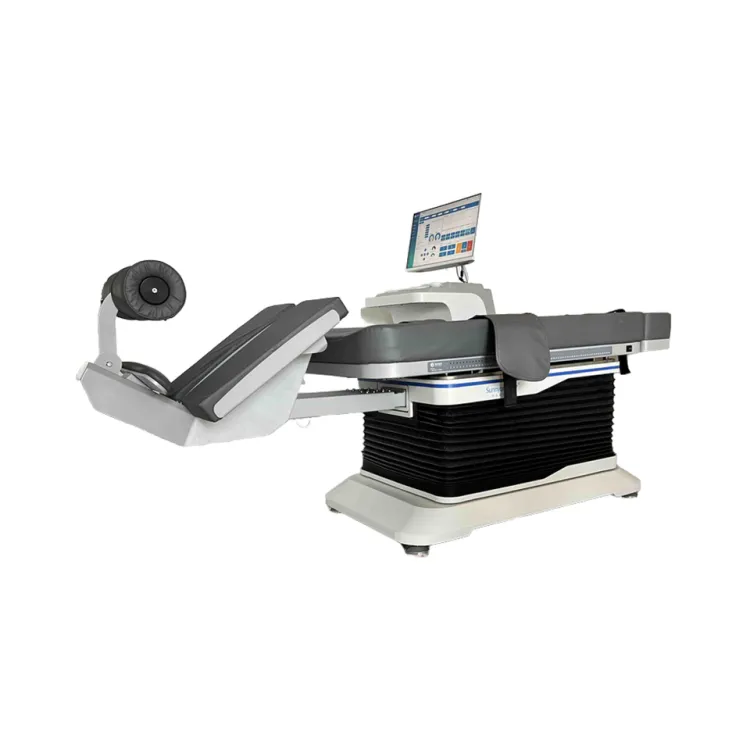
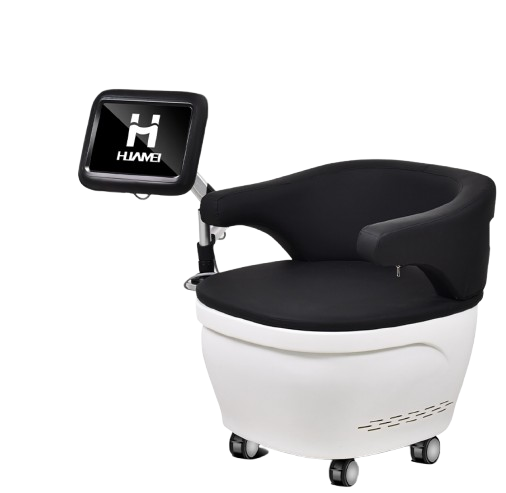
Painless Pelvic Floor Stimulator with Magnetic Therapy Effective for Bladder Control & Recovery Rehabilitation Therapy Supplies
Asset finance available
Do you want funding for this equipment?
Afrimart can connect you with trusted funding partners who specialise in asset finance for businesses like yours. Compare options and apply in minutes — final approval is subject to provider review.
Check funding options
Secure & no obligation

- Section : Medical Supplies
- Category : Rehabilitation Equipment
- SKU : 1601526845633

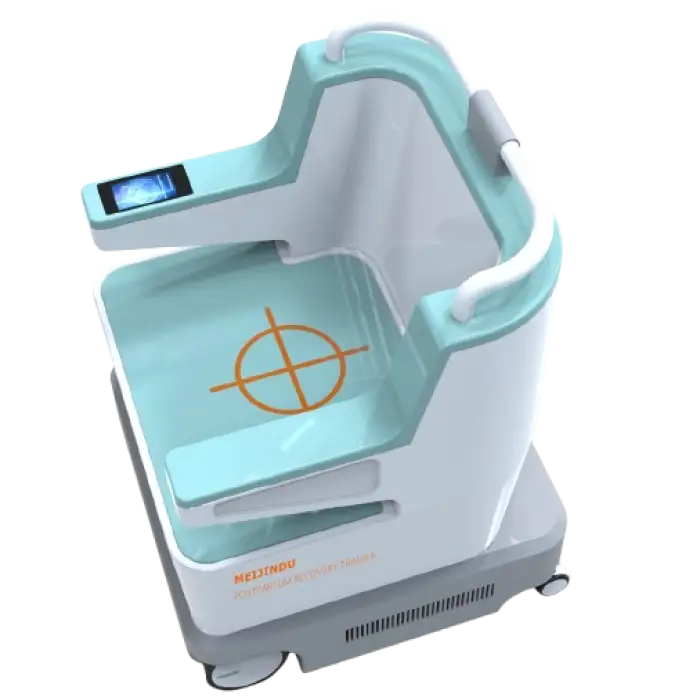
Painless Pelvic Floor Stimulator with Magnetic Therapy Effective for Bladder Control & Recovery Rehabilitation Therapy Supplies
The Painless Pelvic Floor Stimulator is designed to help individuals regain bladder control and support recovery through magnetic therapy. This easy-to-use device is perfect for those looking to strengthen their pelvic floor muscles in a safe and effective way. Whether you are in a rehab center or a beauty salon, this product is a great addition to your recovery tools.
Specifications
| Attribute | Details |
|---|---|
| Brand Name | mjdu |
| Model Number | mjd |
| Type | Pelvic Floor Magnetic Therapy Device |
| Application | Rehab center, Beauty salon, Health Care |
Key Features
- Painless and easy to use
- Magnetic therapy for effective results
- Helps regain bladder control
- Supports pelvic floor recovery
- Portable and convenient design
Applications
- Rehabilitation centers for pelvic health
- Beauty salons offering wellness services
- Home use for personal health care
- Support for postpartum recovery
- Enhancement of pelvic floor strength
The Painless Pelvic Floor Stimulator is an essential tool for anyone looking to improve their pelvic health and enhance their quality of life. It combines comfort and effectiveness in one easy-to-use device. Get yours today and start your journey towards better bladder control and recovery!
Product Info Gallery
- Shipping Timeframes: All orders are processed within 2-5 business days (excluding weekends and holidays). After your order has been processed, the estimated delivery time is before 03 Aug, 2026, depending on customs, Please note that due to high demand, some items may experience longer shipping times, which will be communicated at order confirmation email.
- Order Processing Time: Please allow 2-5 business days for us to process your order before it is shipped . Orders placed after 16:00 on Fridays, or during weekends and public holidays, will begin processing on the next business day. Processing times may be extended during peak seasons or sales events.
- Manufacturing Time: Some products needs manufacturing time, the manufacturing process will take approximately 10-30 business days depending on the product. This timeframe may vary depending on the complexity of the product and current demand. but this will be communicated with you during order confirmation.
- Returns and Exchanges: We offer a 30-day return policy for most items. If you are not completely satisfied with your purchase, you may return it within 30 days of receipt for a refund or exchange. Items must be unused, in their original packaging, and accompanied by proof of purchase. Return shipping costs are the responsibility of the customer, unless the item was damaged or defective upon arrival.
1. What is the Painless Pelvic Floor Stimulator with Magnetic Therapy?
A portable device (brand: mjdu, model: mjd) designed to support pelvic floor muscle strengthening and bladder control using non-invasive magnetic stimulation. It is intended for use in rehab centers, beauty/wellness settings, and at home to aid recovery and pelvic health maintenance.
2. How does the magnetic therapy work?
The device delivers pulsed magnetic fields that stimulate pelvic floor muscles indirectly through the pelvic tissues, promoting muscle activation without internal probes. This is intended to support muscle training and functional improvements when used regularly.
3. Is the treatment painful?
No. The stimulator is designed to be painless for most users. You may feel mild muscle contractions or tingling sensations during a session. If you experience pain or significant discomfort, stop use and consult a healthcare professional.
4. Who can benefit from this device?
People with pelvic floor weakness or mild-to-moderate bladder control issues, individuals recovering postpartum (after clearance from a clinician), and clients in rehabilitation or wellness settings may benefit. Always consult a healthcare provider to determine if it’s appropriate for your condition.
5. How often and how long should I use it?
Typical guidance is to start with short sessions and progress as tolerated; many programs use sessions of about 10–30 minutes, several times per week. Exact frequency and duration depend on your condition and the device manual—follow the included instructions or your clinician’s program.
6. When can I expect to see results?
Results vary by individual and condition. Some users notice changes within a few weeks, while others require consistent use for 8–12 weeks or longer. Combine therapy with pelvic floor exercises as recommended by your clinician for best outcomes.
7. Are there any contraindications or safety warnings?
Yes. Do not use if you have an implanted electronic medical device (e.g., pacemaker/ICD), electronic implants or metal devices in the pelvic area, are pregnant, have active pelvic infections, malignancy in the pelvic region, or epilepsy without medical advice. Always consult your healthcare provider before starting therapy.
8. Can men use this device?
Yes. While many pelvic floor therapies are marketed toward women, magnetic pelvic stimulation may also benefit men with pelvic floor weakness or voiding dysfunction. Discuss use with a clinician to ensure it’s appropriate.
9. When can postpartum users begin therapy?
Postpartum users should get clearance from their healthcare provider before starting. Many clinicians recommend waiting until routine postnatal check-ups (often around 6 weeks), but timing depends on individual recovery.
10. How do I clean and maintain the device?
Wipe external surfaces with a soft cloth and a mild, non-abrasive disinfectant recommended by the manufacturer. Do not submerge the device in water. Store in a dry, cool place and inspect regularly for damage. Follow the user manual for specific care instructions.
11. Are there any side effects?
Most users experience little to no side effects. Possible temporary effects include mild muscle soreness, tingling, or transient changes in bladder sensation. If you experience persistent pain, bleeding, or other concerning symptoms, stop use and consult a healthcare professional.
12. Is this device supported by clinical evidence?
Magnetic pelvic stimulation has been investigated in clinical settings and may help some people with pelvic floor dysfunction. Evidence quality and outcomes vary; discuss clinical evidence and treatment expectations with a healthcare professional before starting therapy.
13. Can I use the stimulator with other pelvic floor treatments or medications?
In many cases the device can be used alongside pelvic floor exercises and other conservative therapies, but you should not combine it with other electrical stimulation devices simultaneously. If you are on medications that affect sensation or pelvic function, consult your clinician before use.
14. How portable is the device and how is it powered?
The unit is designed to be portable and convenient for clinic or home use. Power source and charging details vary by model—refer to the included manual or contact the seller/manufacturer (mjdu) for exact specifications and charging instructions.
15. What warranty or customer support is available?
Warranty and support policies vary by seller and region. Check the product listing or packaging for warranty details, and contact the retailer or the manufacturer (brand: mjdu) for customer support, service, and returns.
Latest Order Arrivals
Discover our latest orders

12 Heads Embroidery Machine

Toilet Paper Machine Machine

Order Collection

Cross Border Clients

Order cros border countries Collected

Industrial Machine Cllection

Agriculture Processing Machines

Ready for collection

Water Pump Equipment

Packaging Machine and accessories

Fabrics Manufacturing Equipment

Mining Equipments

Food Processing Machine

Batch of Orders

Batch of Orders

Latest Orders Labelled

wheel alignment machines

new arrivals

Pre Orders Offloading

Latest Arrivals

Latest Arrivals

Latest Arrivals

Loading

Toilet paper making machine

Toilet paper making machine

Toilet paper Rewinding Machine

latest arrivals

offloading

order success

order collection

order offloading