B21, China Town Mall, Midrand

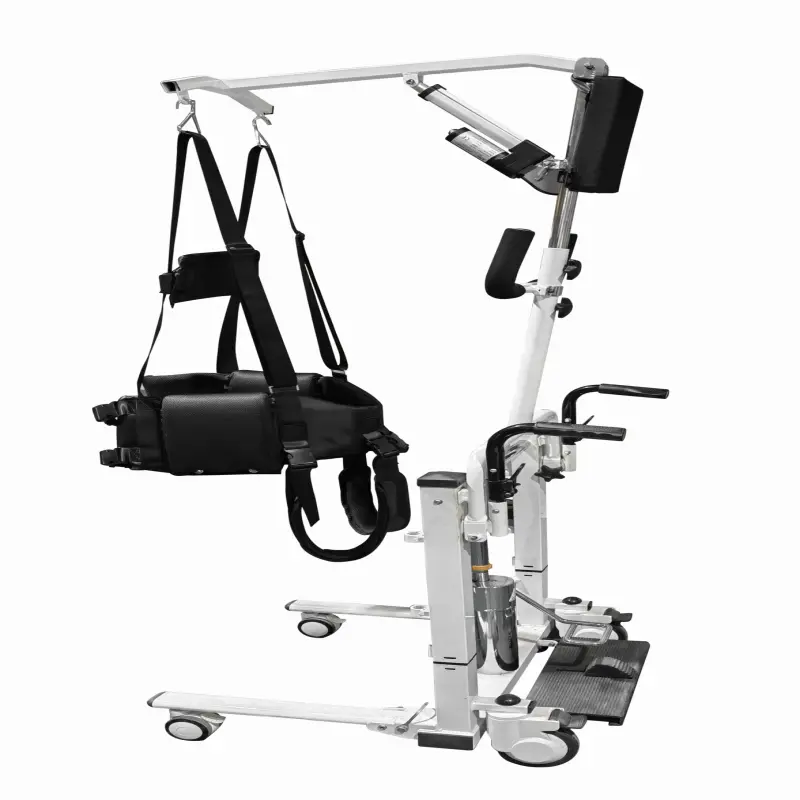
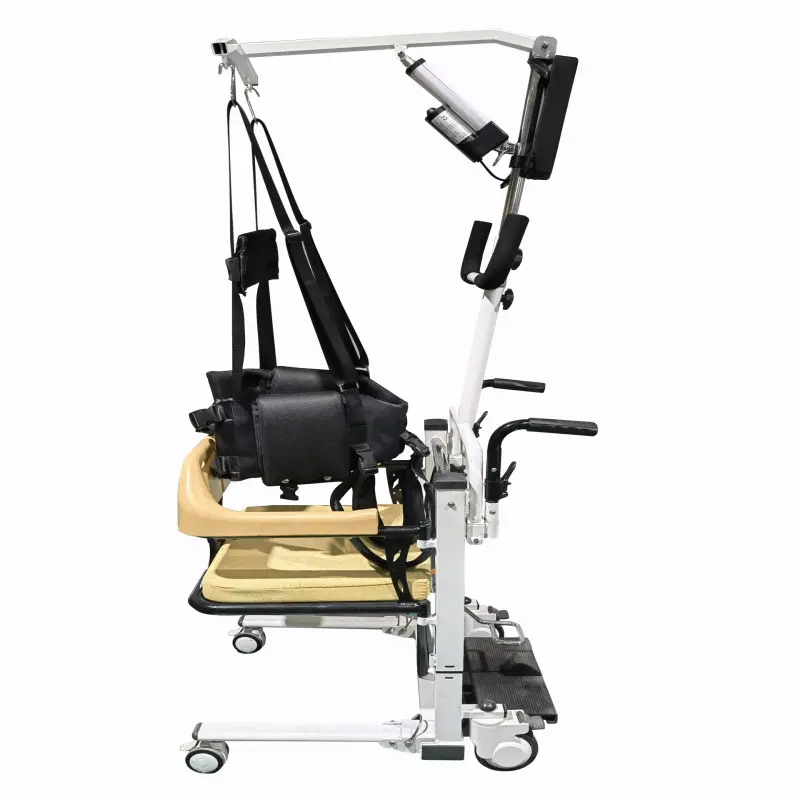
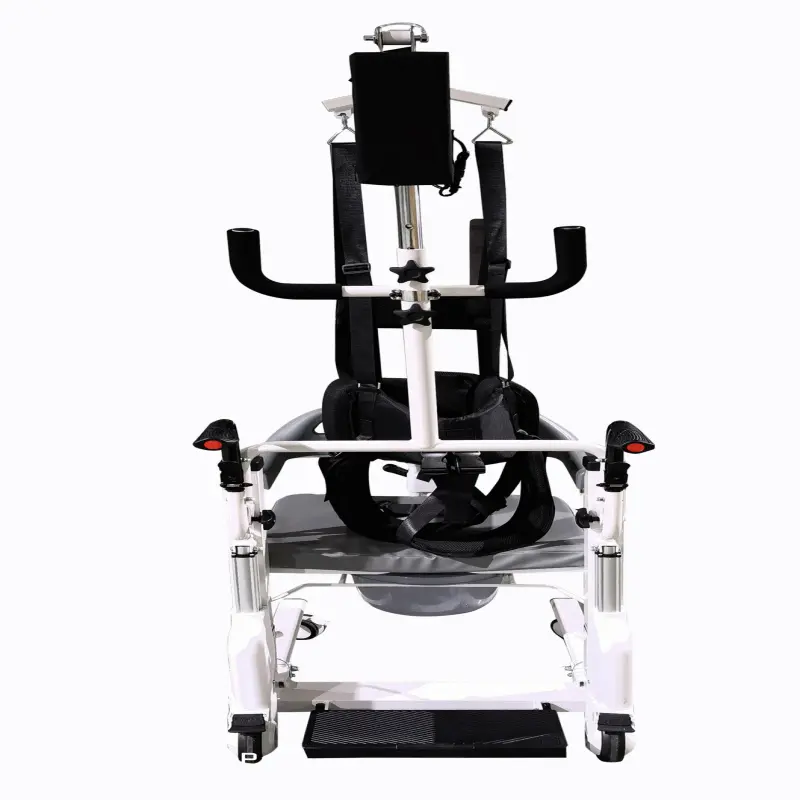
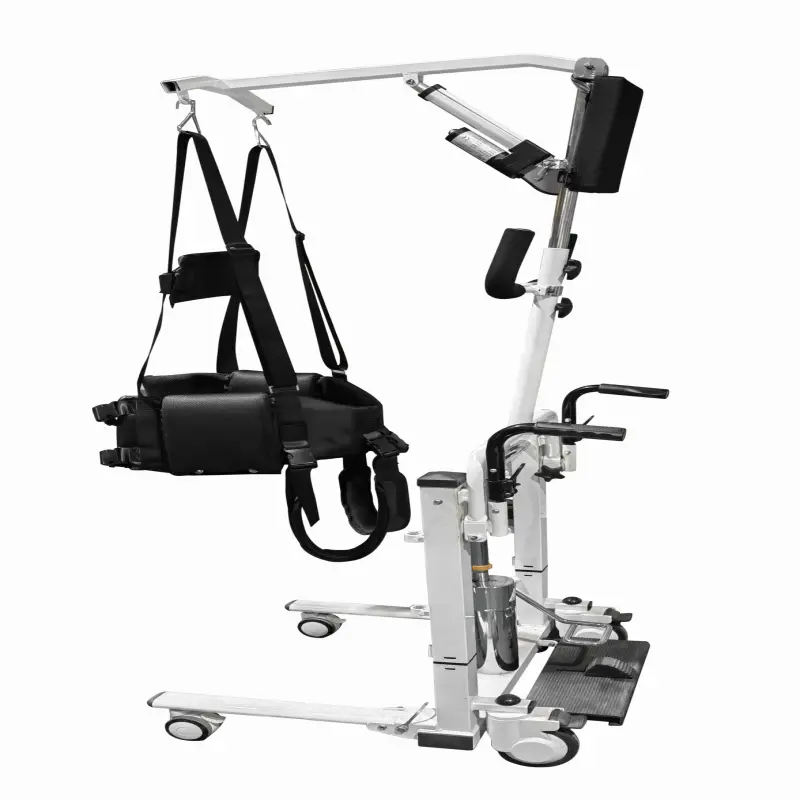
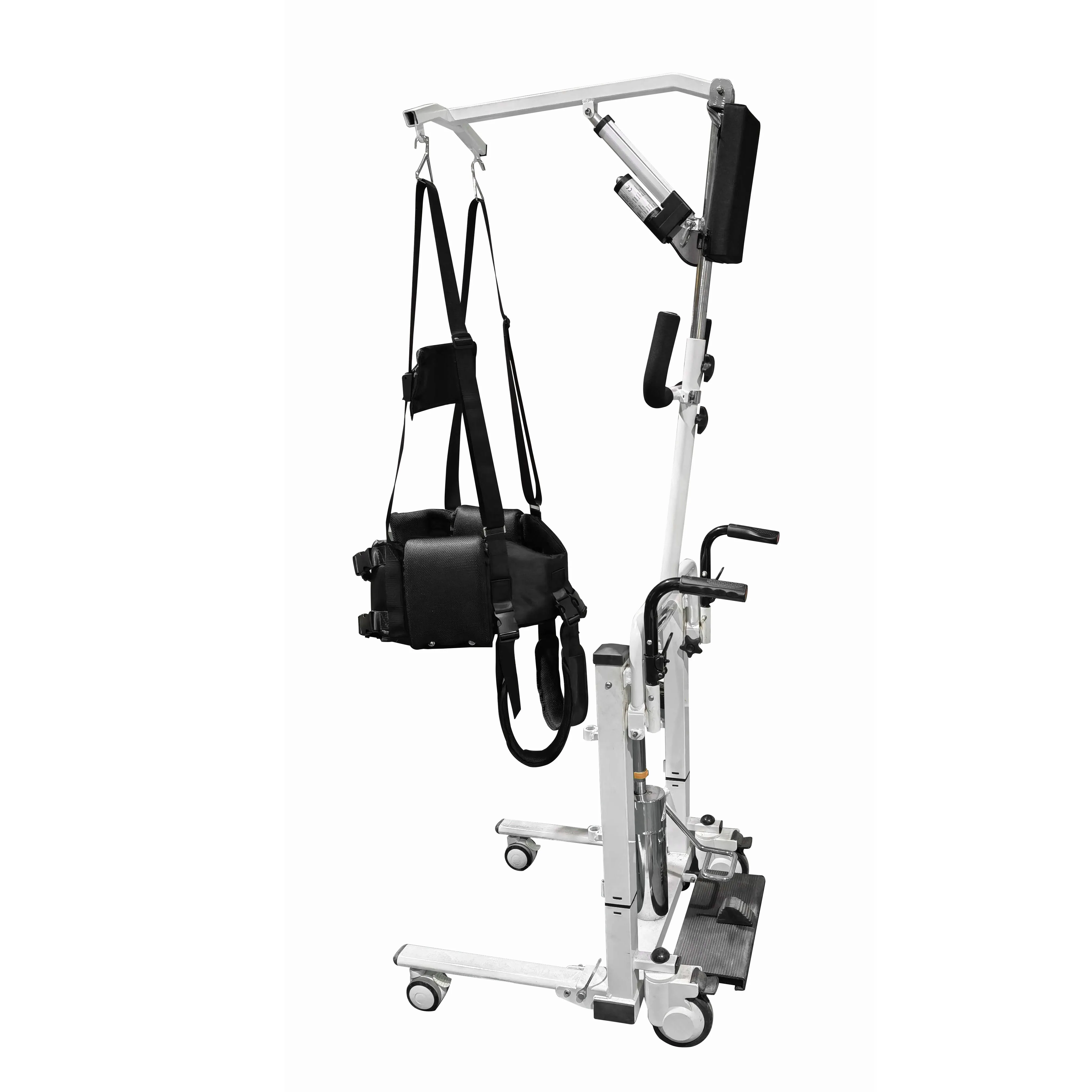
Multifunctional hydraulic Irting patient lifter transfer lift nursing

- Section : Medical Supplies
- Category : Professional Medical Devices
- SKU : 1600951216090

Product Description
Product Description
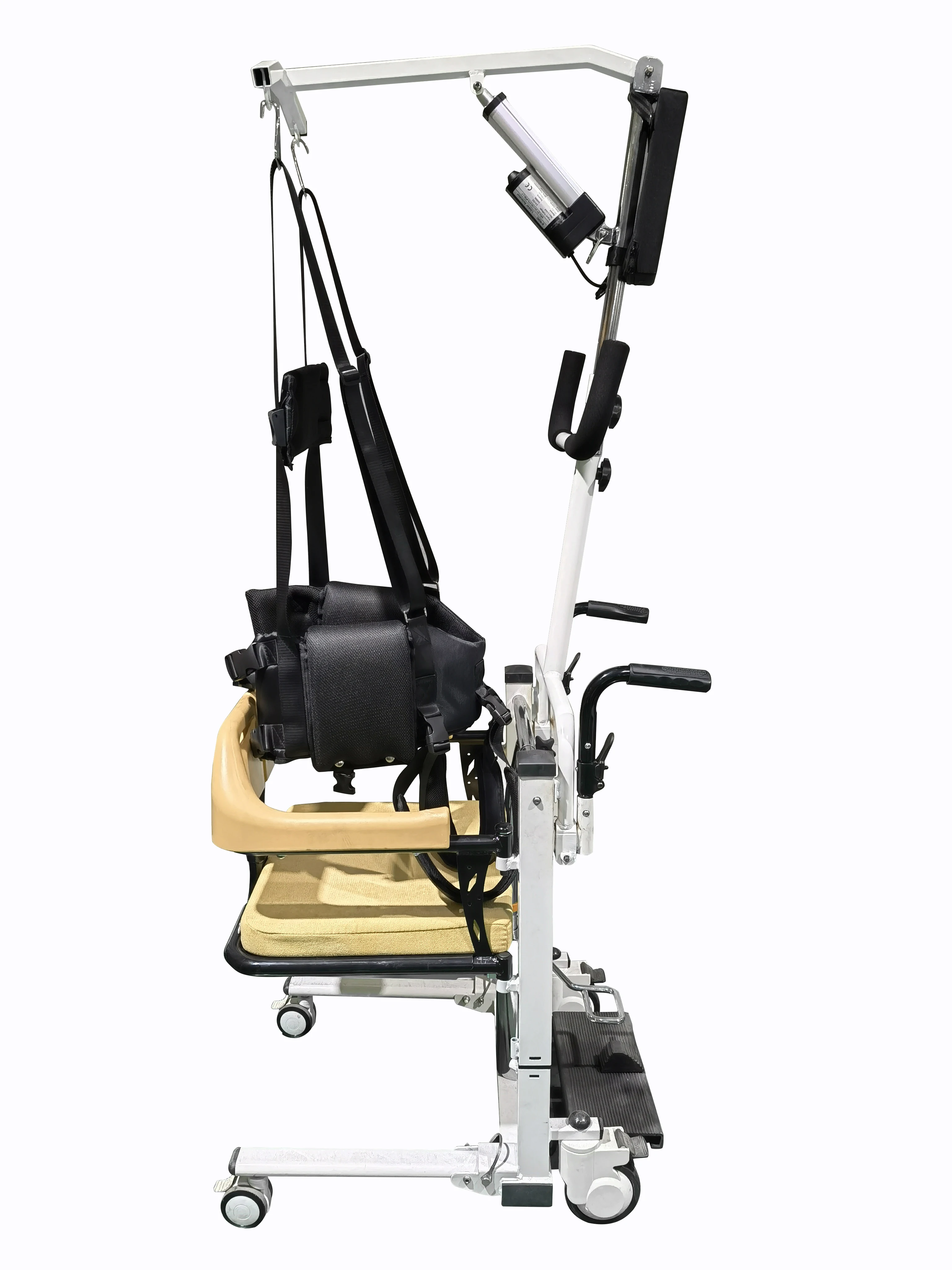
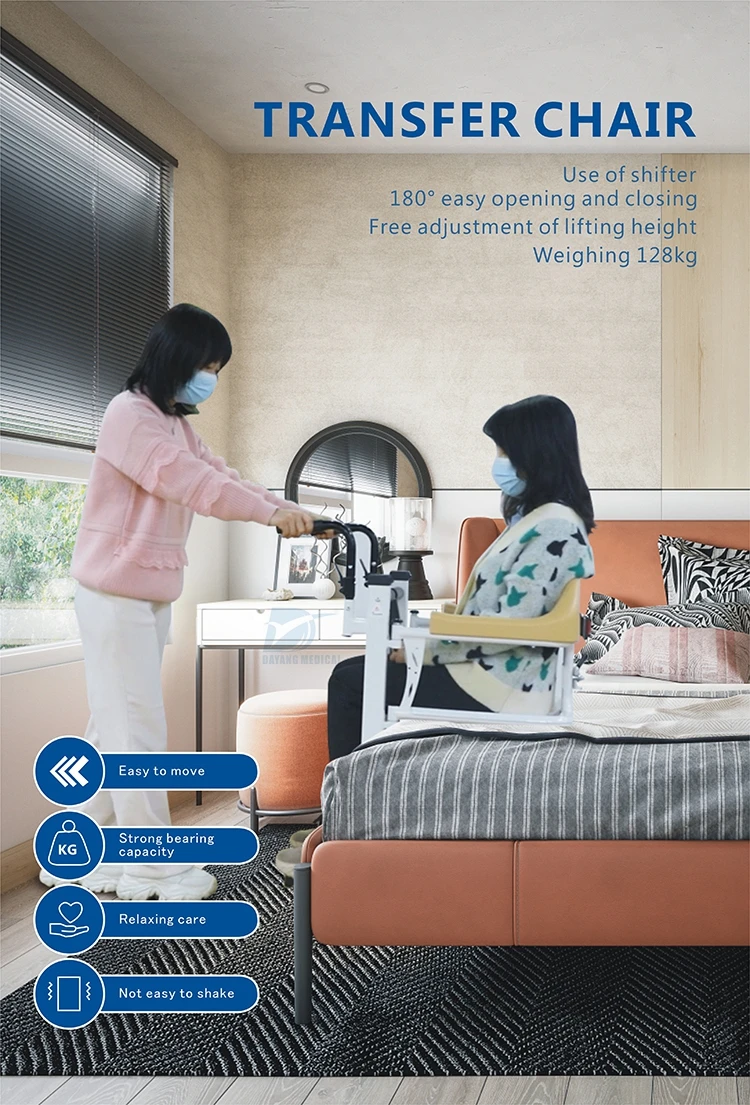
- Shipping Timeframes: All orders are processed within 2-5 business days (excluding weekends and holidays). After your order has been processed, the estimated delivery time is before 04 Aug, 2026, depending on customs, Please note that due to high demand, some items may experience longer shipping times, which will be communicated at order confirmation email.
- Order Processing Time: Please allow 2-5 business days for us to process your order before it is shipped . Orders placed after 16:00 on Fridays, or during weekends and public holidays, will begin processing on the next business day. Processing times may be extended during peak seasons or sales events.
- Manufacturing Time: Some products needs manufacturing time, the manufacturing process will take approximately 10-30 business days depending on the product. This timeframe may vary depending on the complexity of the product and current demand. but this will be communicated with you during order confirmation.
- Returns and Exchanges: We offer a 30-day return policy for most items. If you are not completely satisfied with your purchase, you may return it within 30 days of receipt for a refund or exchange. Items must be unused, in their original packaging, and accompanied by proof of purchase. Return shipping costs are the responsibility of the customer, unless the item was damaged or defective upon arrival.
1. What is a multifunctional hydraulic patient lifter?
A multifunctional hydraulic patient lifter is a medical device designed to assist in the safe transfer of patients who have limited mobility. It uses hydraulic mechanisms to lift and move patients from one location to another, ensuring comfort and safety.
2. Who can benefit from using this patient lifter?
This patient lifter is ideal for caregivers, nurses, and family members who assist individuals with mobility challenges, including elderly patients, those recovering from surgery, and individuals with disabilities.
3. How much weight can this lift support?
The weight capacity of the multifunctional hydraulic patient lifter typically ranges from 250 to 400 pounds, depending on the specific model. Always check the product specifications for precise weight limits.
4. Is the patient lifter easy to operate?
Yes, the patient lifter is designed for ease of use with intuitive controls and hydraulic operation, making it accessible for both trained professionals and family caregivers.
5. Can the lifter be used for transferring patients from bed to wheelchair?
Absolutely! The multifunctional hydraulic patient lifter is specifically designed to facilitate transfers between various surfaces, including from a bed to a wheelchair, chair, or toilet.
6. What safety features does the lifter have?
Safety features of the patient lifter may include locking casters, padded slings, and a secure hydraulic mechanism to prevent accidental drops or slips during transfers.
7. Is the slings compatible with this lifter adjustable?
Yes, many models come with adjustable slings that can accommodate different patient sizes and shapes, providing optimal support and comfort during transfers.
8. How do I maintain the hydraulic patient lifter?
Regular maintenance includes checking hydraulic fluid levels, inspecting for wear and tear, and ensuring all moving parts are functioning correctly. Always refer to the user manual for specific maintenance guidelines.
9. Can this lifter be used in home care settings?
Yes, the multifunctional hydraulic patient lifter is suitable for home care settings, allowing family members and caregivers to assist patients safely and efficiently.
10. Does the product come with a warranty?
Most manufacturers offer a warranty for the patient lifter, typically covering defects in materials and workmanship. Check the warranty details provided at the time of purchase.
11. What is the typical lifespan of a hydraulic patient lifter?
The lifespan of a hydraulic patient lifter can vary, but with proper maintenance and care, it can last several years, depending on usage frequency and conditions.
12. Are there any additional accessories available for the lifter?
Yes, many manufacturers offer additional accessories such as extra slings, safety straps, and replacement parts to enhance the functionality of the patient lifter.
13. How long does it take to set up the patient lifter?
Setup time can vary, but typically it takes about 30 minutes to an hour to assemble the patient lifter, depending on the model and included components.
14. Is training required to use the patient lifter?
While training is not mandatory, it is highly recommended for caregivers to ensure safe and effective use of the lifter. Many manufacturers provide user manuals and instructional videos.
15. What are the dimensions of the patient lifter?
Dimensions can vary by model, but most hydraulic patient lifters are designed to be compact enough for home use while still providing a stable base for transfers. Check the product specifications for exact measurements.
Latest Order Arrivals
Discover our latest orders
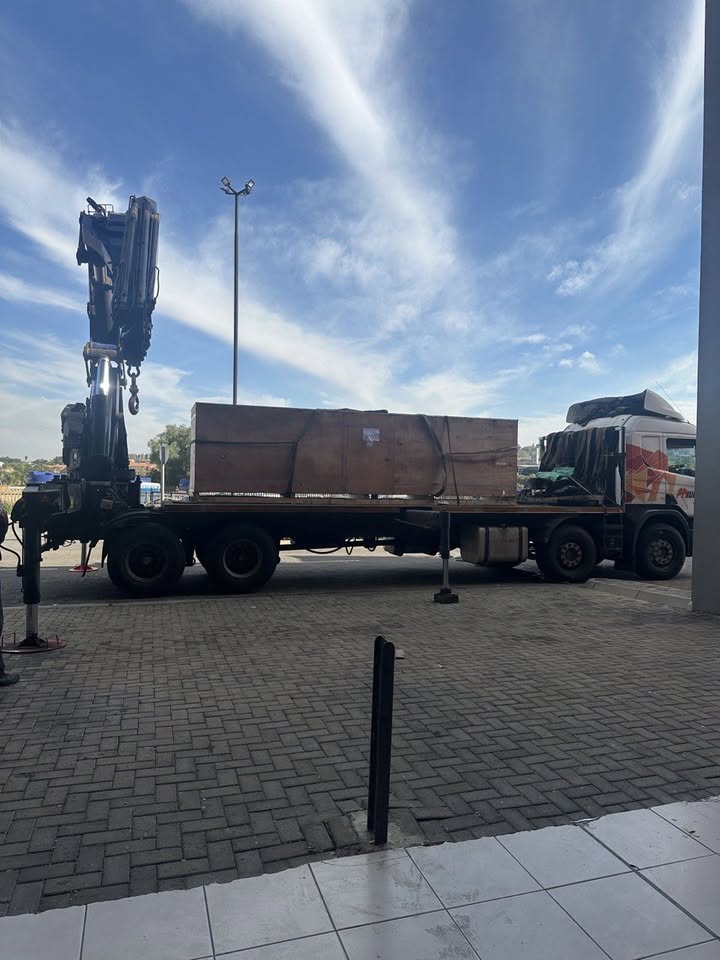
12 Heads Embroidery Machine
Toilet Paper Machine Machine
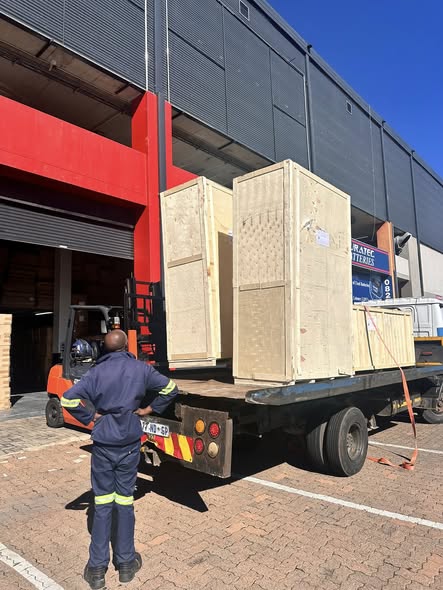
Order Collection
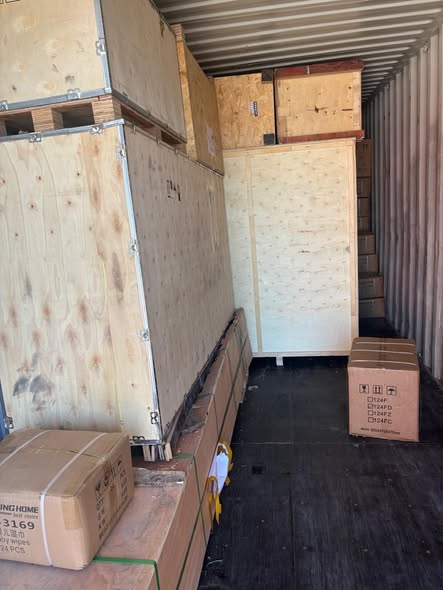
Cross Border Clients
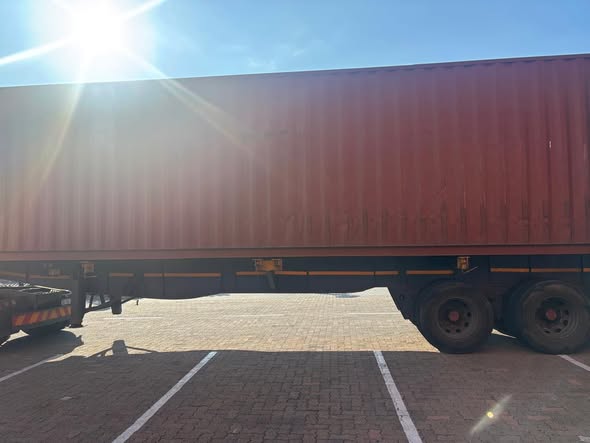
Order cros border countries Collected
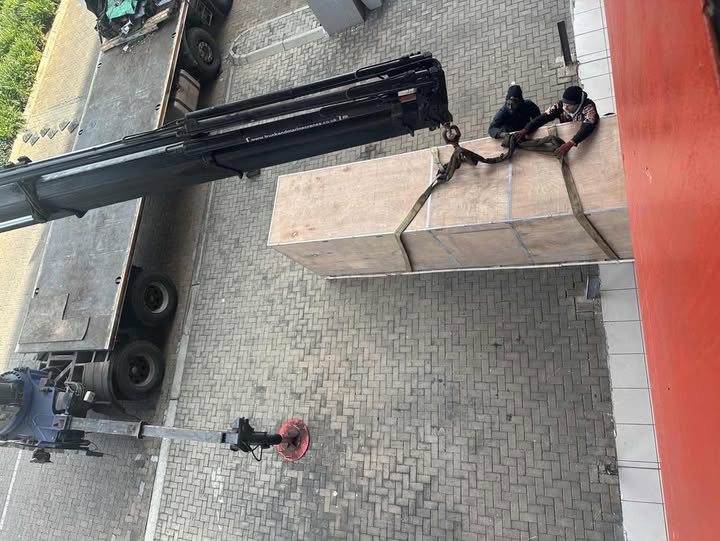
Industrial Machine Cllection
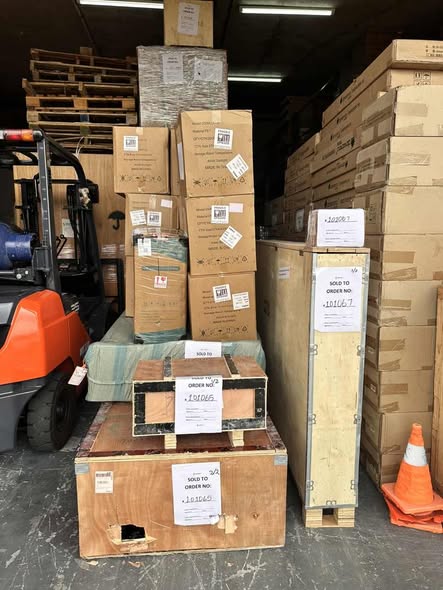
Agriculture Processing Machines
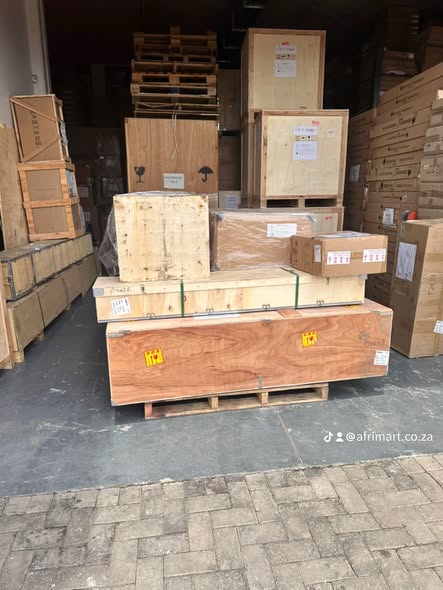
Ready for collection
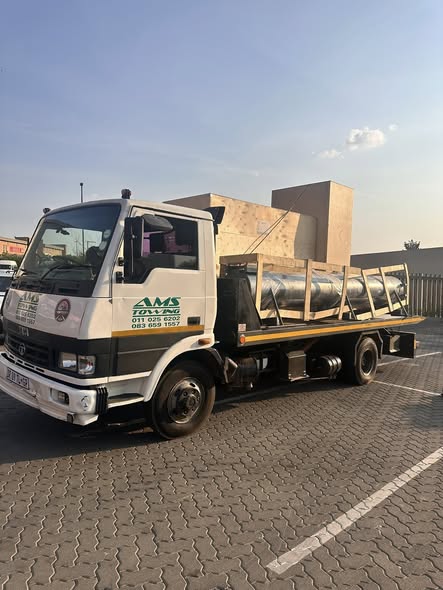
Water Pump Equipment
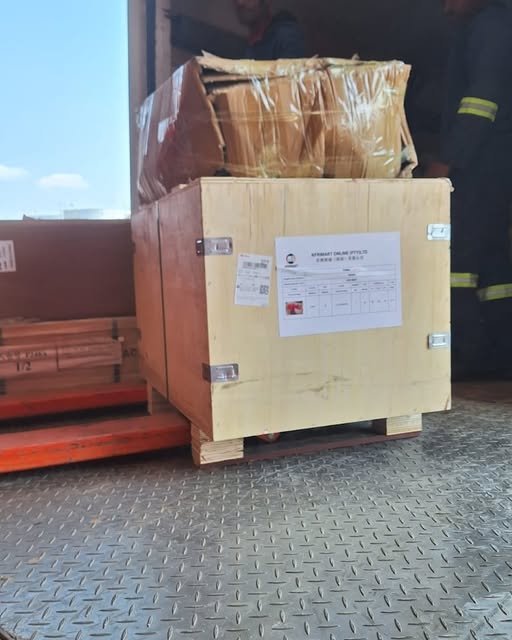
Packaging Machine and accessories

Fabrics Manufacturing Equipment

Mining Equipments
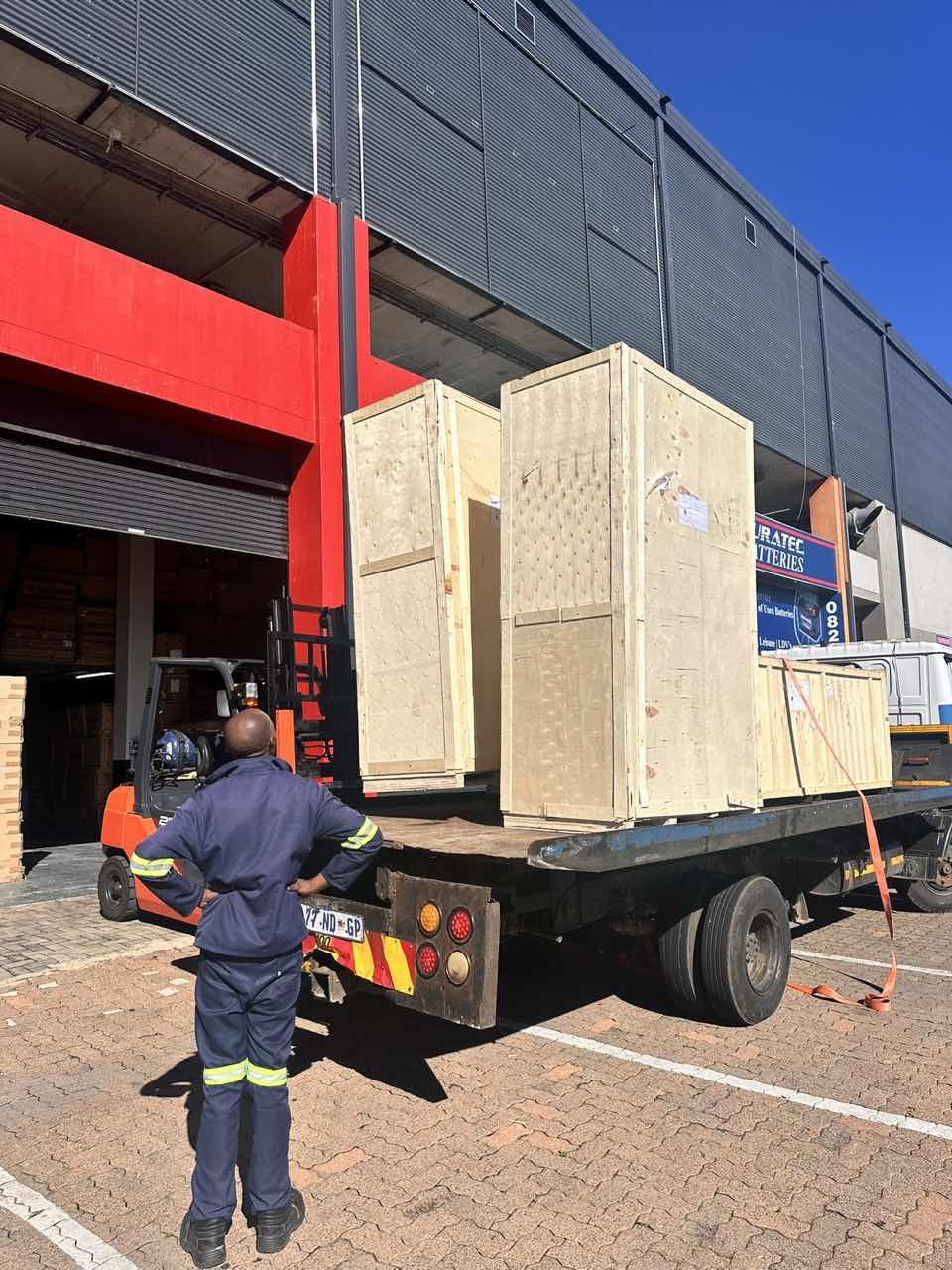
Food Processing Machine
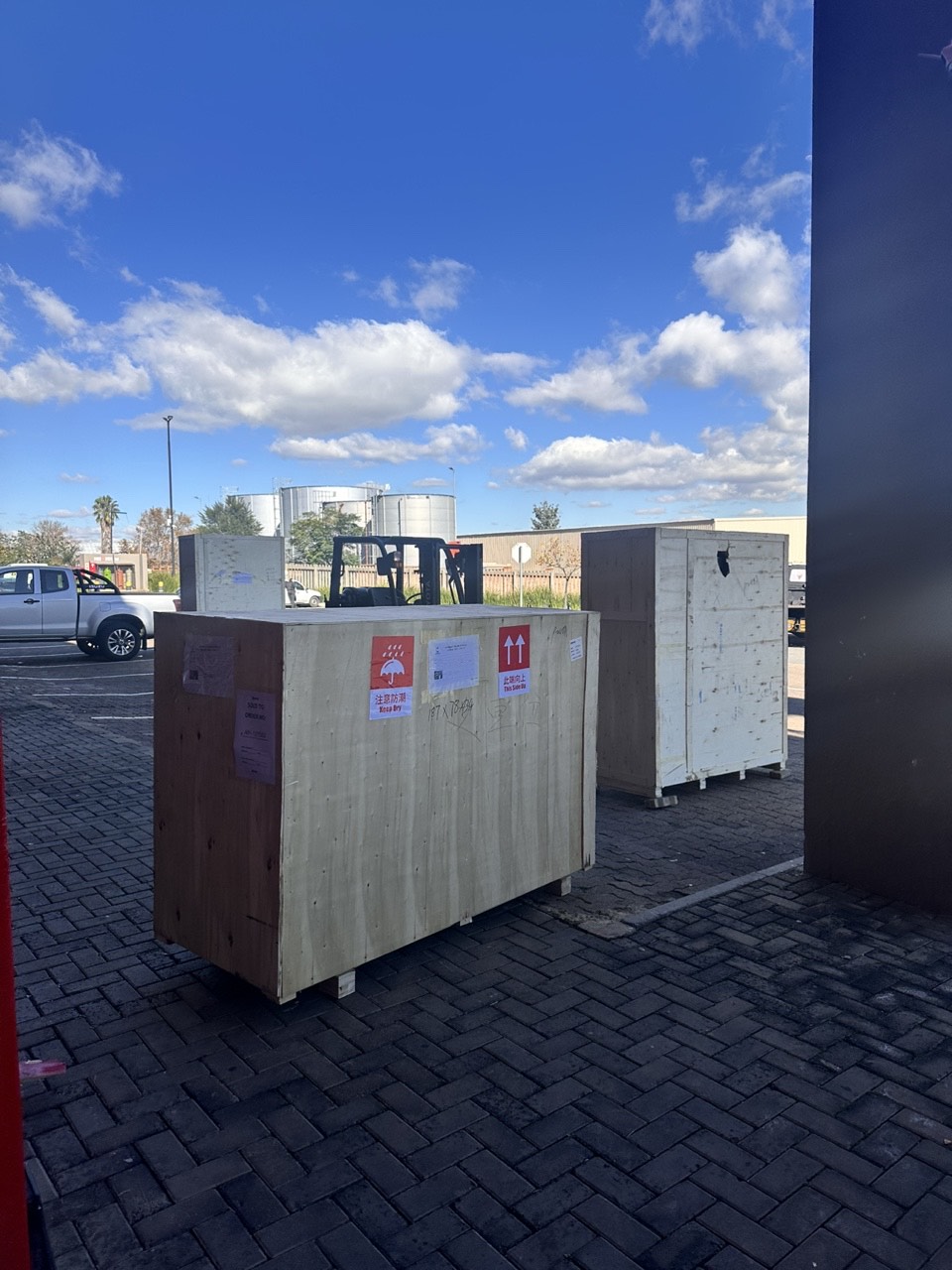
Batch of Orders
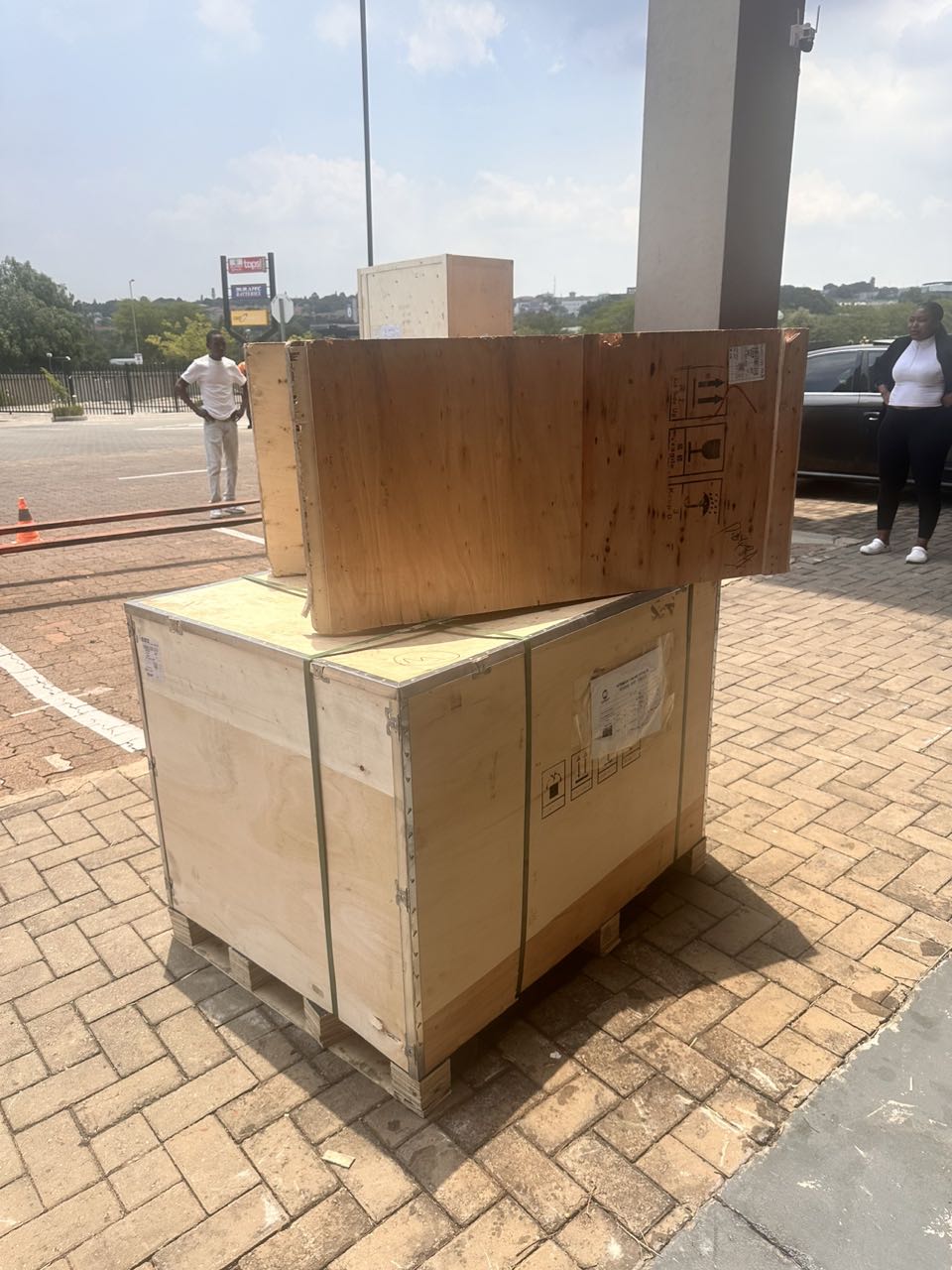
Batch of Orders
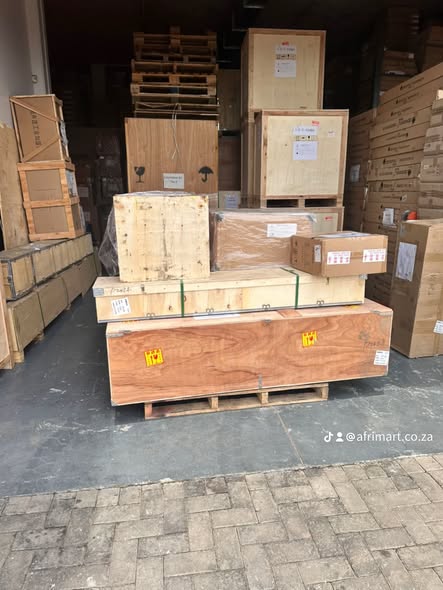
Latest Orders Labelled
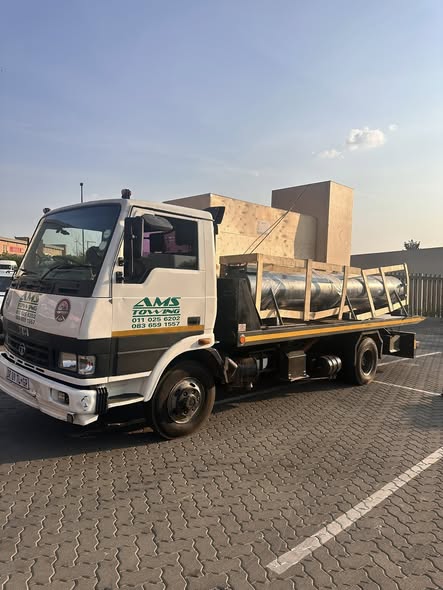
wheel alignment machines
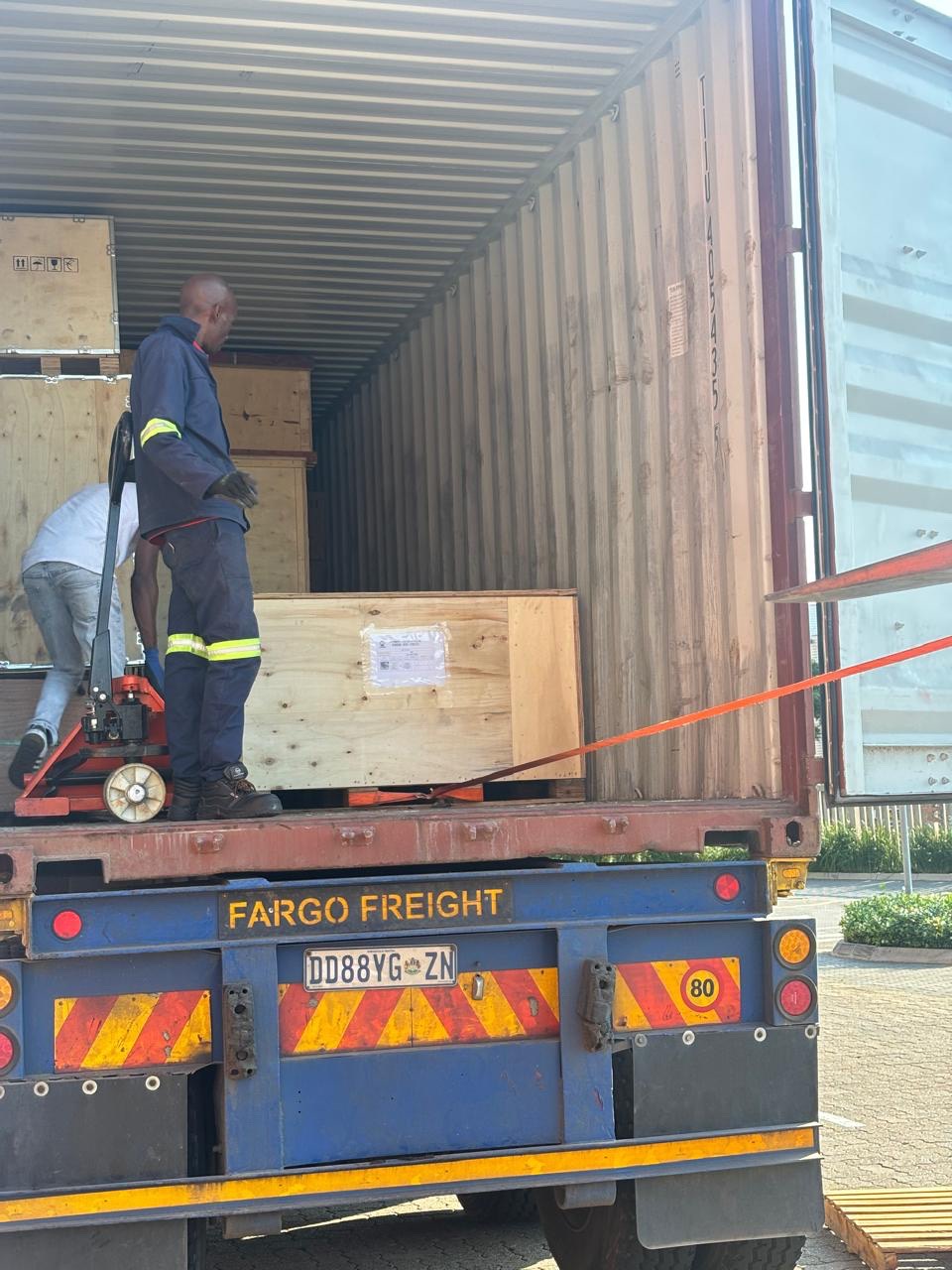
new arrivals
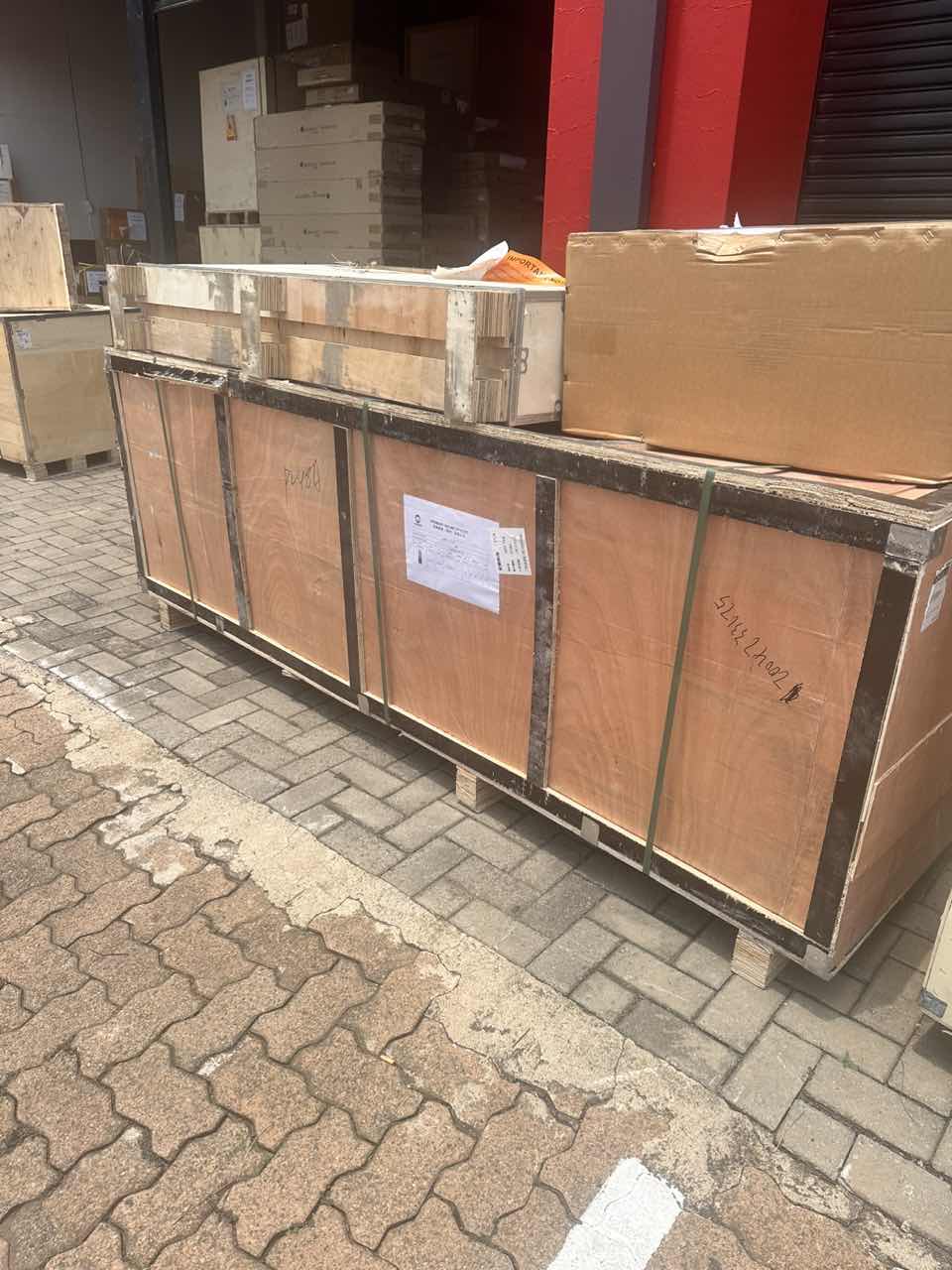
Pre Orders Offloading
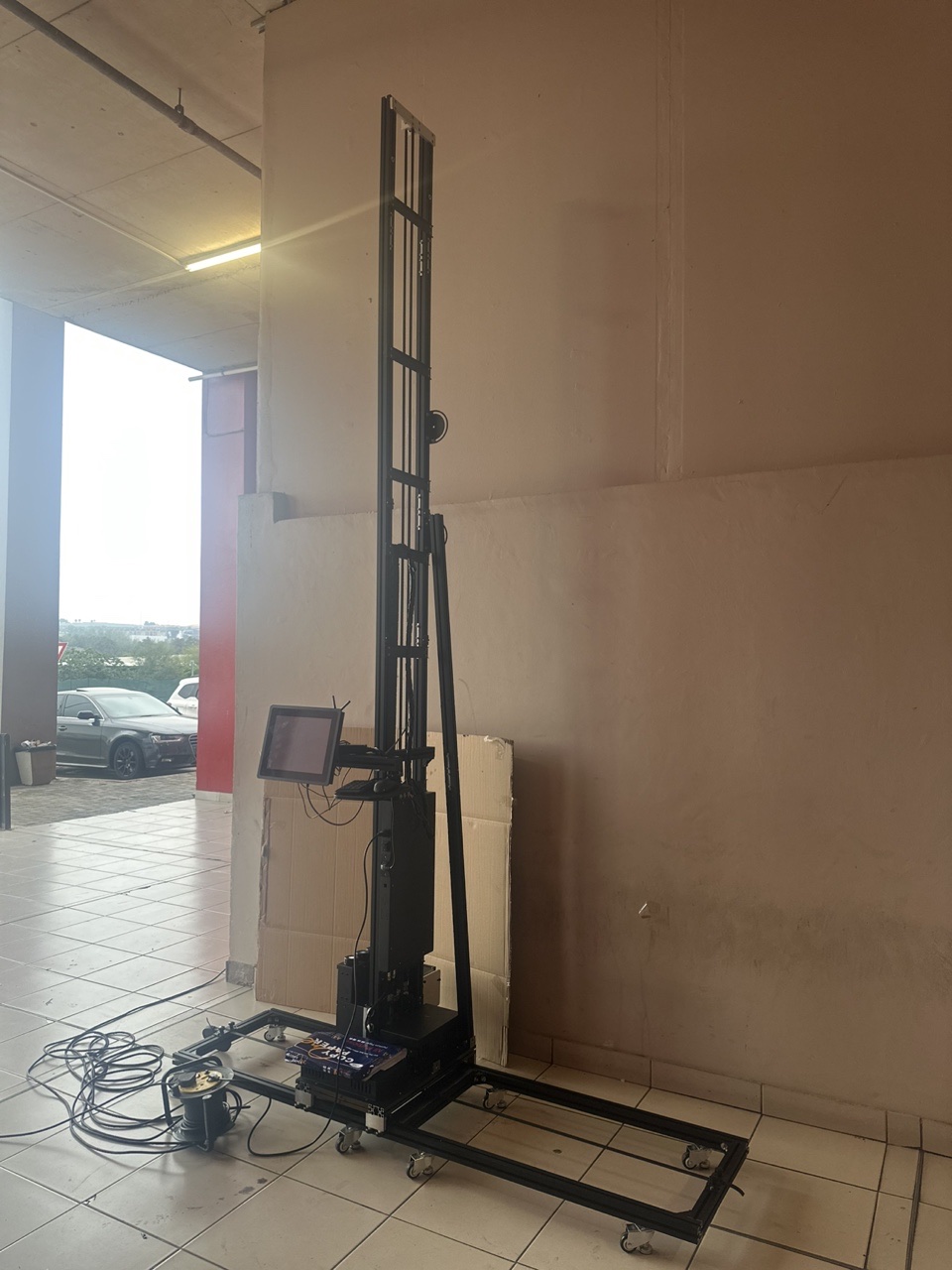
Latest Arrivals
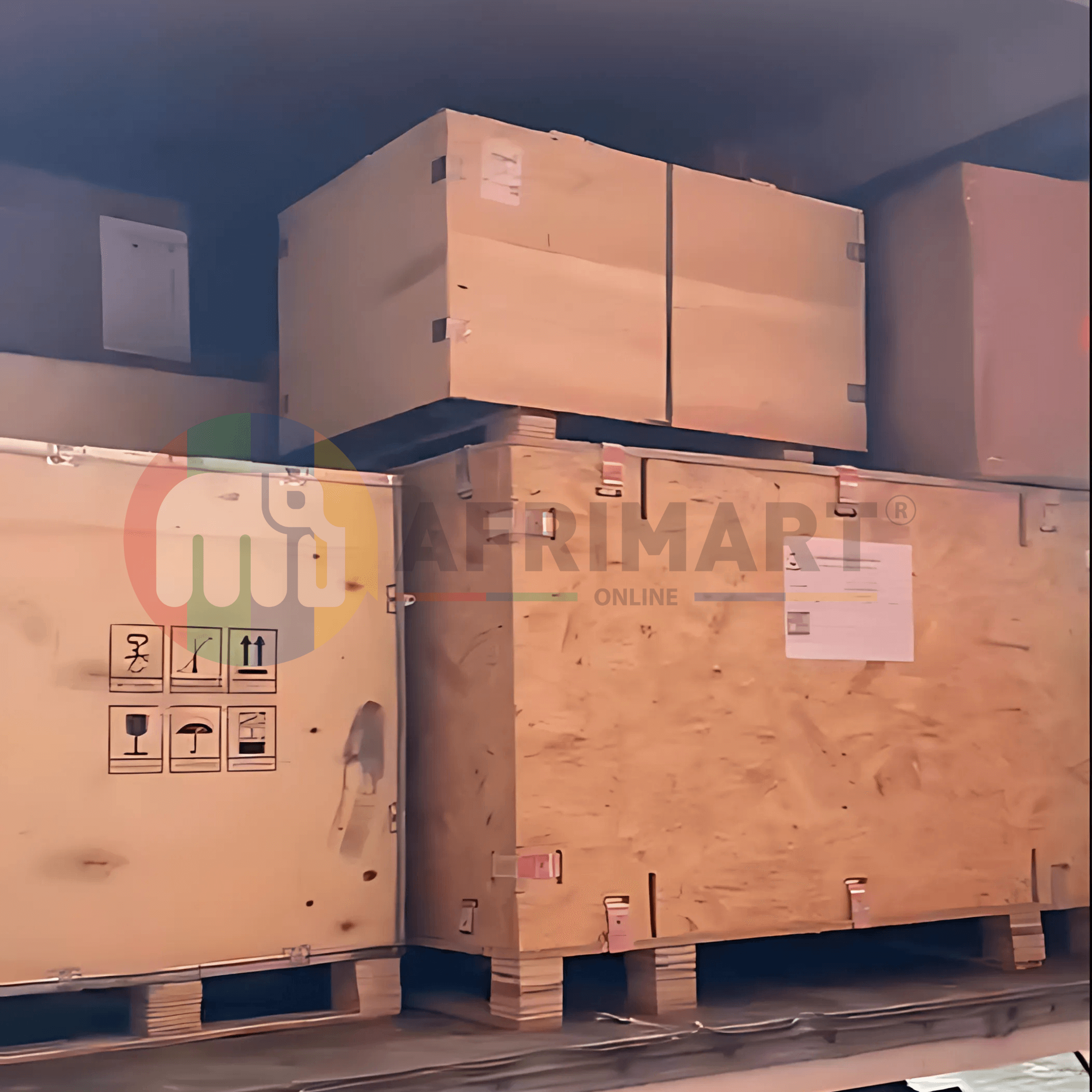
Latest Arrivals

Latest Arrivals
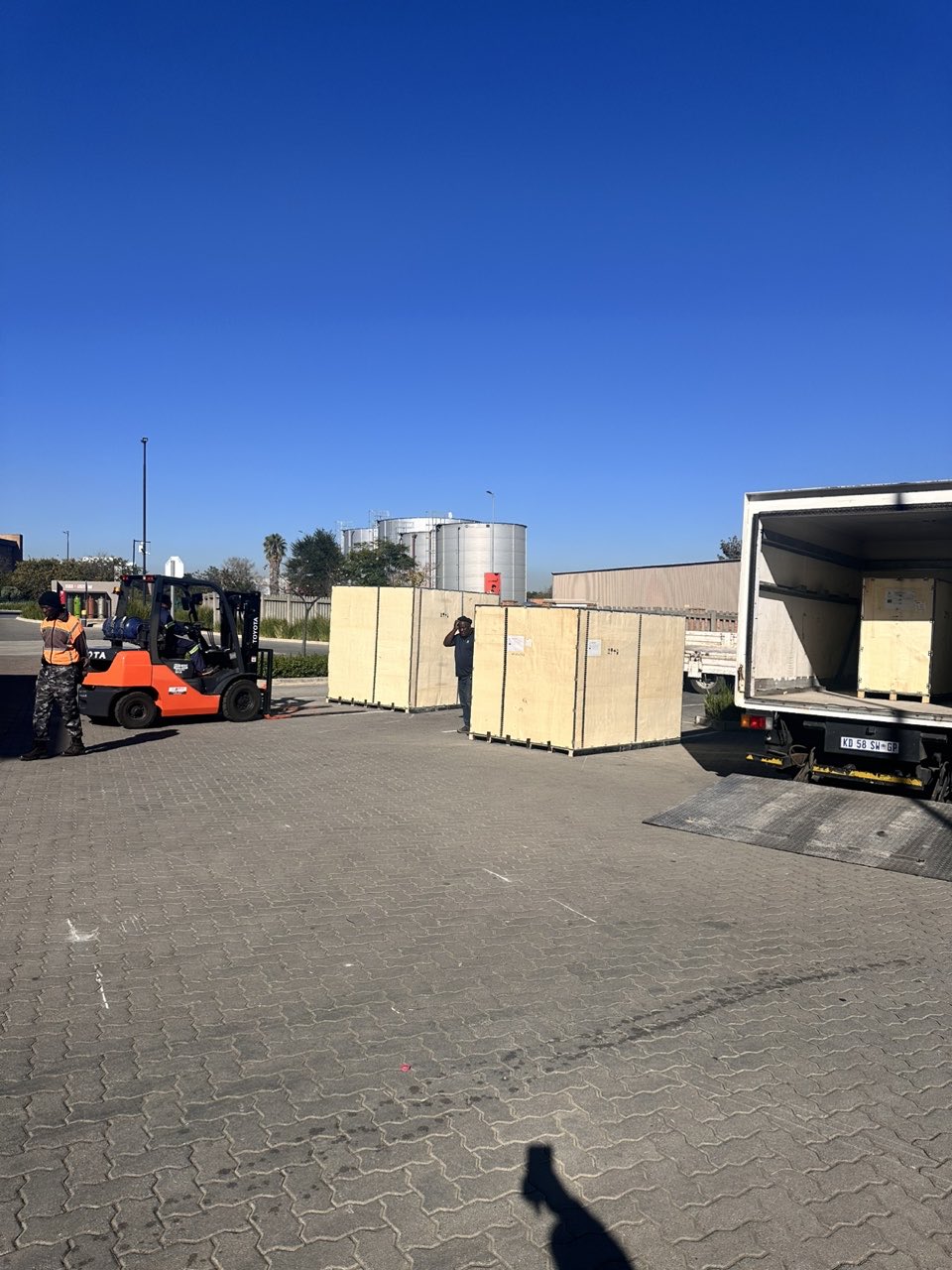
Loading

Toilet paper making machine
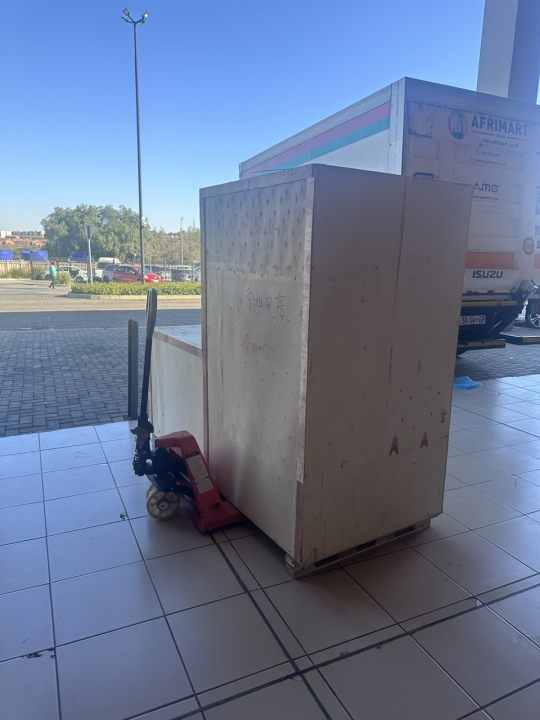
Toilet paper making machine
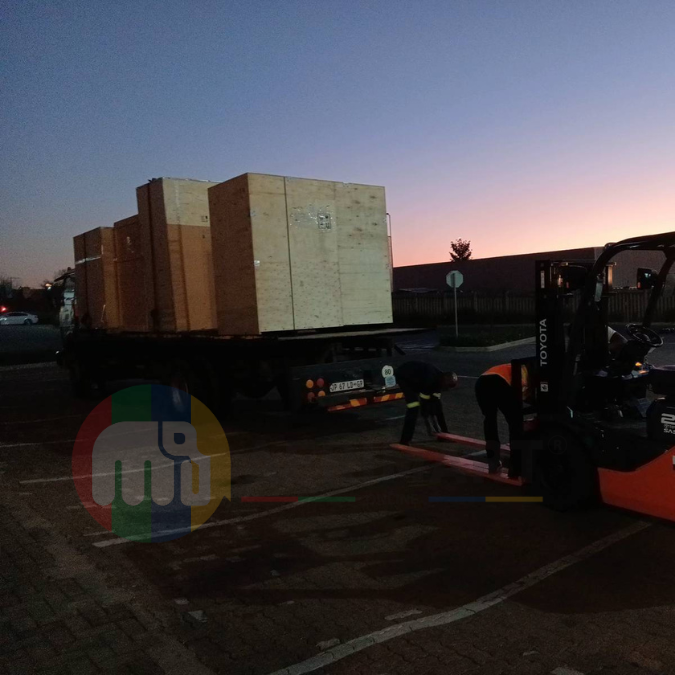
Toilet paper Rewinding Machine
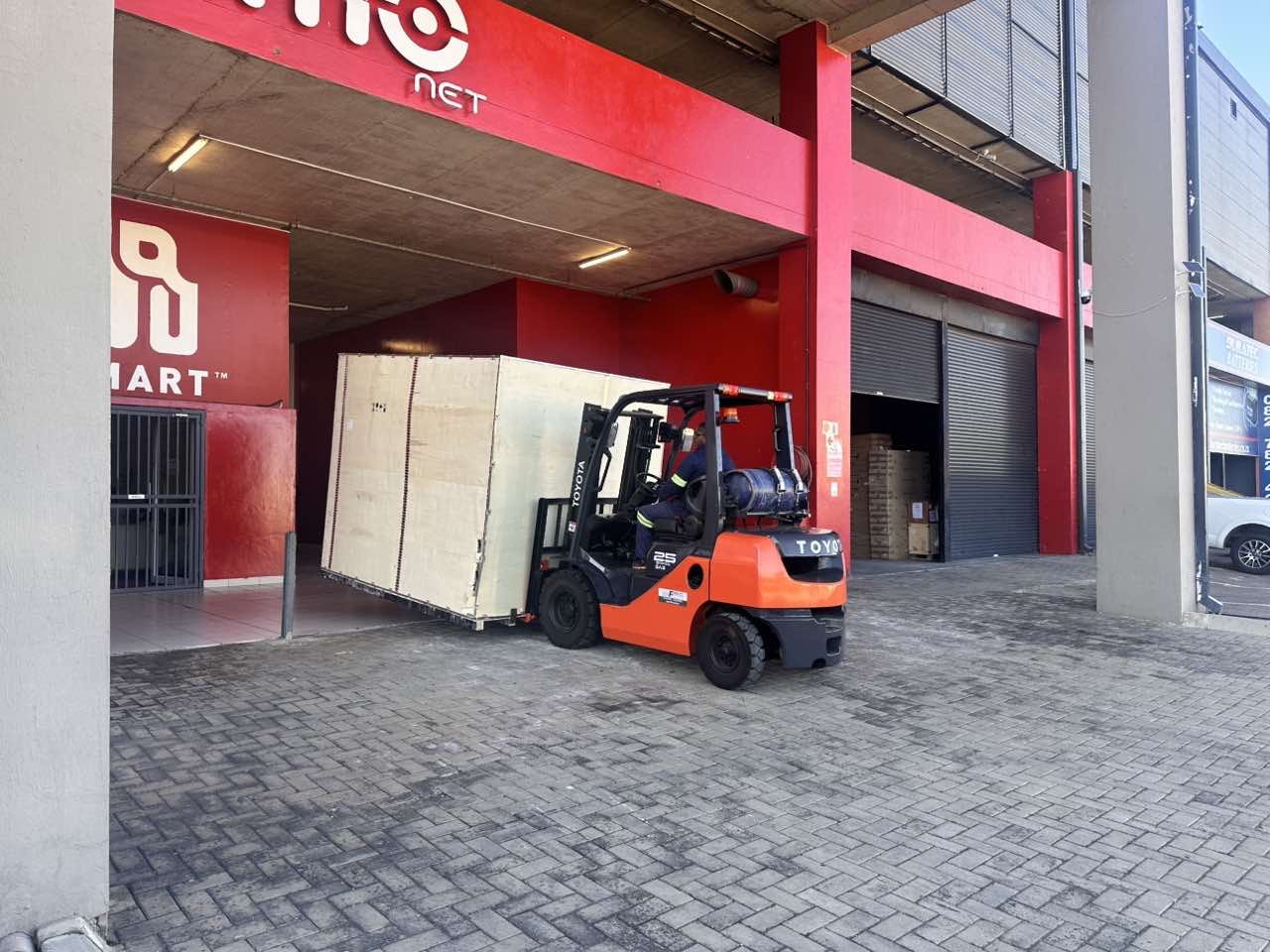
latest arrivals
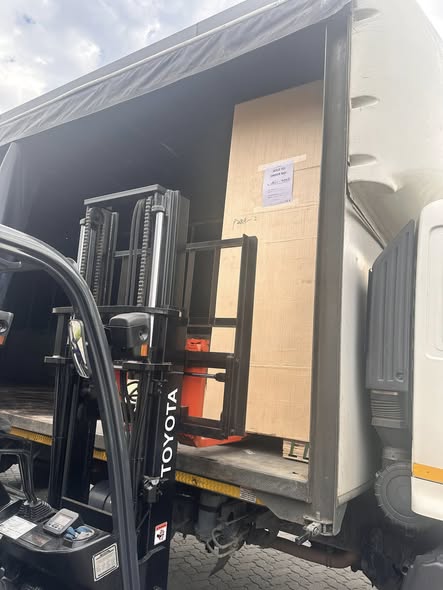
offloading
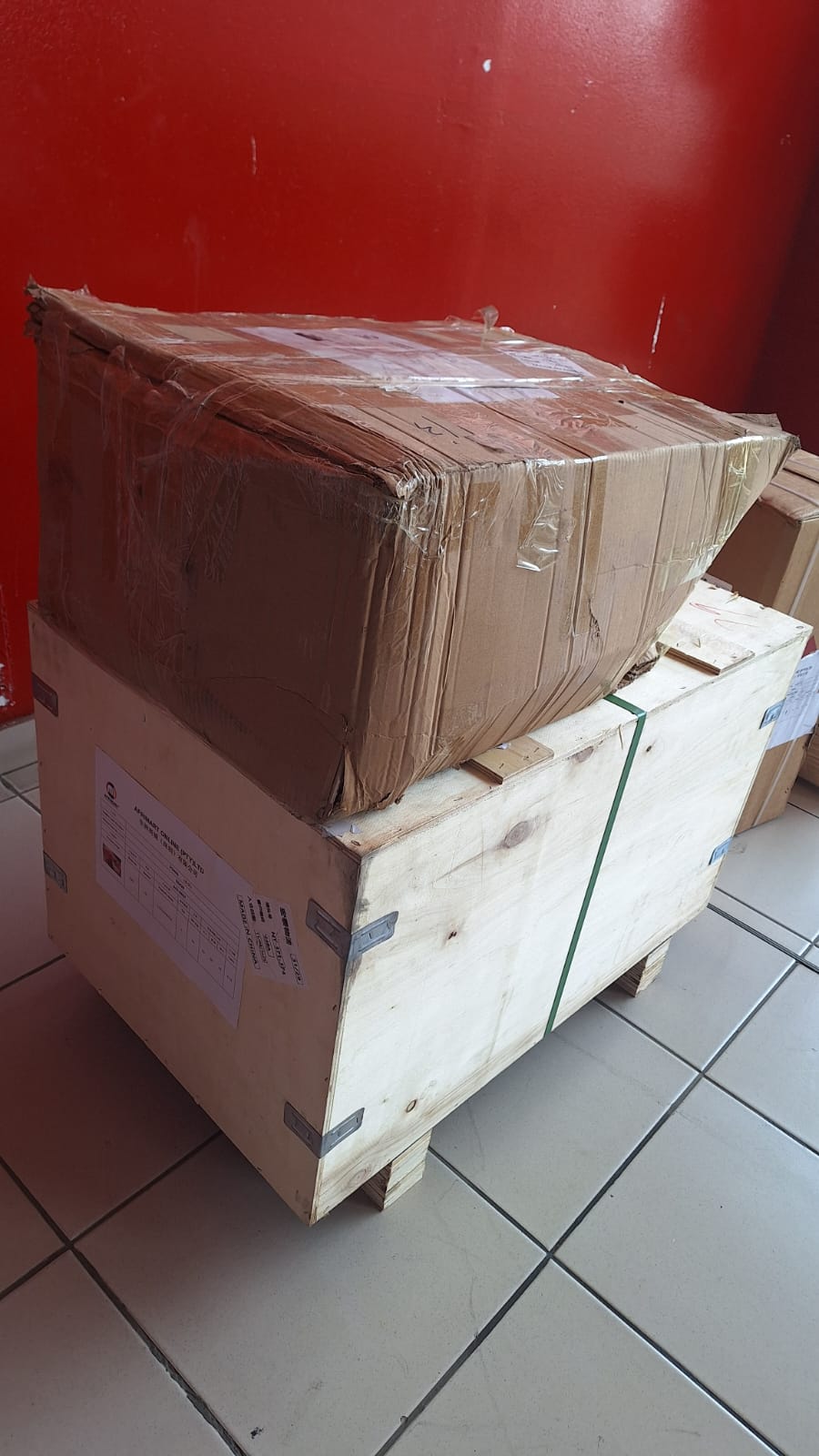
order success

order collection
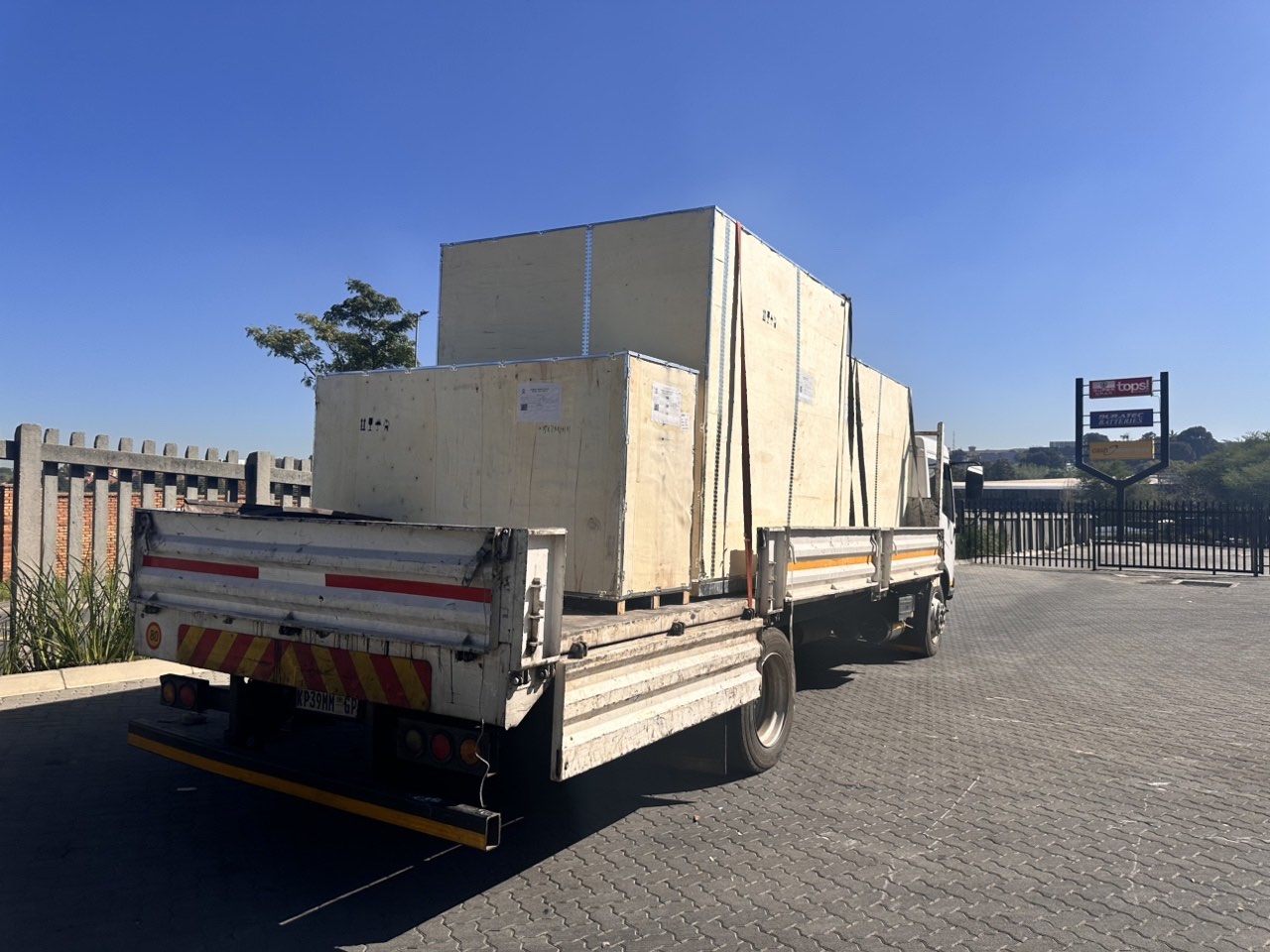
order offloading