B21, China Town Mall, Midrand

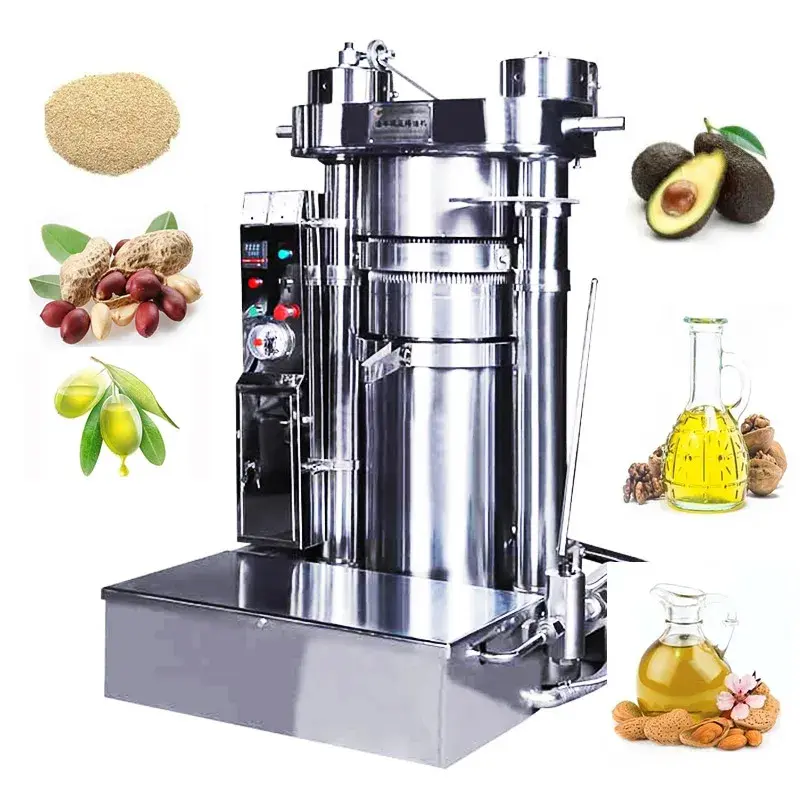
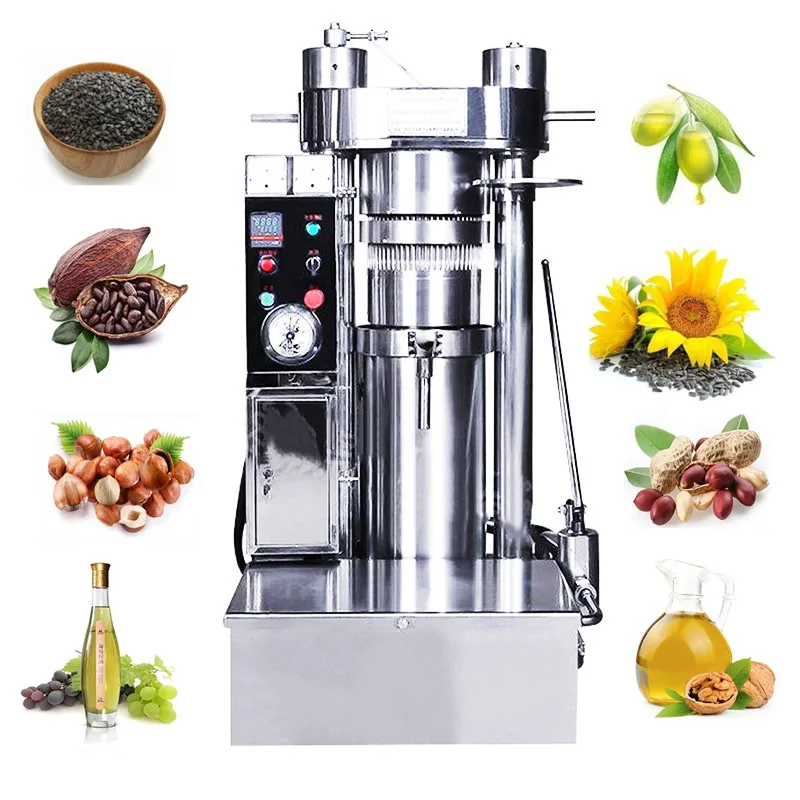
Multi-function Avocaoil Filterbean Extraction Msolide Hydraulic Cold Oil Press Machine Manual Cold Oil Pressers Making Machine
Asset finance available
Do you want funding for this equipment?
Afrimart can connect you with trusted funding partners who specialise in asset finance for businesses like yours. Compare options and apply in minutes — final approval is subject to provider review.
Check funding options
Secure & no obligation

- Section : Machinery
- Category : Agriculture Machinery
- SKU : 1600597863388

Product Description
The 6YY-180 Hydraulic Oil Press is a compact and high-pressure oil extraction machine designed for efficient cold and hot pressing of various oil-bearing materials. Built with a durable hydraulic system capable of delivering up to 55 MPa pressure and 100-ton working pressure, this machine ensures high oil yield and stable operation.
With a processing capacity of approximately 4 kg per batch in 8 minutes, the machine is suitable for small to medium-scale oil production businesses, specialty edible oil processing, and agricultural applications. Its stainless-steel construction and hydraulic pressing mechanism help preserve oil quality while minimizing residue and impurities.
The machine supports both 220V and 380V power supply options, making it adaptable for different industrial and commercial environments.
Specifications
| Specification | Details |
|---|---|
| Model | 6YY-180 Hydraulic Oil Press |
| Processing Capacity | 4 kg per batch |
| Cycle Time | Approximately 8 minutes |
| Maximum Pressure | 55 MPa |
| Working Pressure | 100 Tons |
| Power Supply | 220V / 380V |
| Frequency | 50 Hz |
| Motor Power | 0.75 kW |
| Machine Dimensions | 860 × 650 × 1100 mm |
| Machine Weight | 530 kg |
| Unit Price | USD 2,000 |
Key Features
- High-pressure hydraulic oil extraction system
- Strong 100-ton pressing capability
- Efficient oil extraction with low residue
- Suitable for cold and hot pressing processes
- Compact industrial design for space-saving installation
- Durable heavy-duty construction
- Low power consumption (0.75 kW)
- Dual voltage compatibility (220V/380V)
- Easy operation and maintenance
Applications
The 6YY-180 Hydraulic Oil Press is suitable for processing:
- Sesame seeds
- Peanuts
- Sunflower seeds
- Soybeans
- Coconut
- Walnuts
- Almonds
- Flaxseed
- Tea seeds
- Other oil-bearing crops
Common Usage Areas
- Small oil production factories
- Agricultural cooperatives
- Edible oil processing workshops
- Specialty organic oil production
- Commercial food processing operations
- Shipping Timeframes: All orders are processed within 2-5 business days (excluding weekends and holidays). After your order has been processed, the estimated delivery time is before 08 Aug, 2026, depending on customs, Please note that due to high demand, some items may experience longer shipping times, which will be communicated at order confirmation email.
- Order Processing Time: Please allow 2-5 business days for us to process your order before it is shipped . Orders placed after 16:00 on Fridays, or during weekends and public holidays, will begin processing on the next business day. Processing times may be extended during peak seasons or sales events.
- Manufacturing Time: Some products needs manufacturing time, the manufacturing process will take approximately 10-30 business days depending on the product. This timeframe may vary depending on the complexity of the product and current demand. but this will be communicated with you during order confirmation.
- Returns and Exchanges: We offer a 30-day return policy for most items. If you are not completely satisfied with your purchase, you may return it within 30 days of receipt for a refund or exchange. Items must be unused, in their original packaging, and accompanied by proof of purchase. Return shipping costs are the responsibility of the customer, unless the item was damaged or defective upon arrival.
1. What kinds of seeds and plants can this hydraulic cold oil press process?
It is designed for many oilseeds and oil-bearing plants including sesame, pine nut, walnut, peanut, sunflower, rapeseed, soybean and similar seeds. Some models can also handle other high-value seeds with appropriate pre-treatment.
2. Does the machine support cold pressing, hot pressing, or both?
The press is suitable for cold pressing to retain high-quality oil. Hot pressing is also possible if you use the optional heating/pre‑treatment module or pre‑heat the raw material—check the specific model options.
3. Is this machine hydraulic, manual, or fully automatic?
This product line is a hydraulic press that can be supplied in manual-feed, semi-automatic or full-automatic configurations. Hydraulic pressing provides higher pressure and stable operation; actual automation level depends on the selected model.
4. What throughput (kg/h) and capacity can I expect?
Throughput varies widely by model, seed type and pre-treatment. Small units typically process tens of kilograms per hour while larger models can handle hundreds. For accurate capacity figures, provide the exact model and the seed you plan to press.
5. What oil yield can I expect from my seeds?
Oil yield depends on the seed variety, moisture content and pre-treatment (dehulling, crushing, drying). Cold-pressing usually gives slightly lower yields than hot pressing but yields higher-quality oil. For expected recovery rates, share the seed type and sample properties.
6. What pre-treatment do the seeds require?
Common pre-treatments include cleaning (removing stones/debris), drying to appropriate moisture, cracking or dehulling for some seeds, and crushing or flaking to increase extraction efficiency. Exact steps depend on the seed species.
7. Does the machine include oil filtration and clarification?
Some models include basic filtration or a settling tank. For finer filtration or cold‑pressed clarity, additional filter or centrifuge equipment is recommended as optional accessories.
8. What are the main wear parts and how often do they need replacement?
Wear parts typically include the pressing screw/ram, pressing chamber lining, hydraulic seals and filters. Replacement intervals depend on usage intensity and material processed; routine inspection and prompt replacement of worn parts will maximize performance.
9. What maintenance is required to keep the press running well?
Daily cleaning of the pressing chamber and filters, regular inspection of hydraulic oil level and condition, tightening/checking fasteners, and periodic replacement of hydraulic oil and seals as recommended by the supplier.
10. What power and utility requirements does the machine have?
The press uses an electric motor to drive the hydraulic pump. Voltage, phase and power ratings depend on the model—common options include single-phase or three-phase power. Confirm the exact specifications for your selected unit.
11. Can this machine extract avocado oil (from avocado pulp)?
Avocado oil is typically produced from the fruit pulp (mesocarp), which requires different handling than dry oilseeds. This hydraulic seed press is optimized for oilseeds; extracting oil from avocado pulp usually needs fruit‑processing equipment (milling, malaxation) prior to centrifugation. Pressing avocado seeds yields very little edible oil.
12. Is the machine safe and what safety features are included?
Hydraulic presses in this line commonly include safety guards, pressure relief valves and emergency stop functions. Proper installation, operator training and adherence to the manual are important for safe operation.
13. Do you provide installation, training and after‑sales support?
Suppliers typically offer installation guidance, operator training and after‑sales support including spare parts and technical assistance. Confirm the support package available with your purchase.
14. How can I choose the right model for my business?
Decide based on the seed types you will process, desired daily throughput, whether you need cold vs hot pressing, automation level, and budget. Provide your production targets and feedstock details to the supplier so they can recommend the best model.
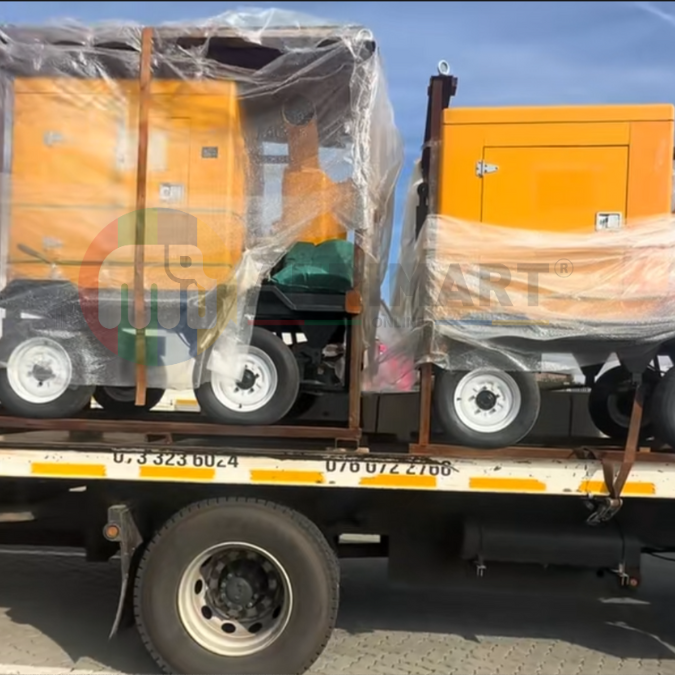
Latest Order Arrivals
Discover our latest orders
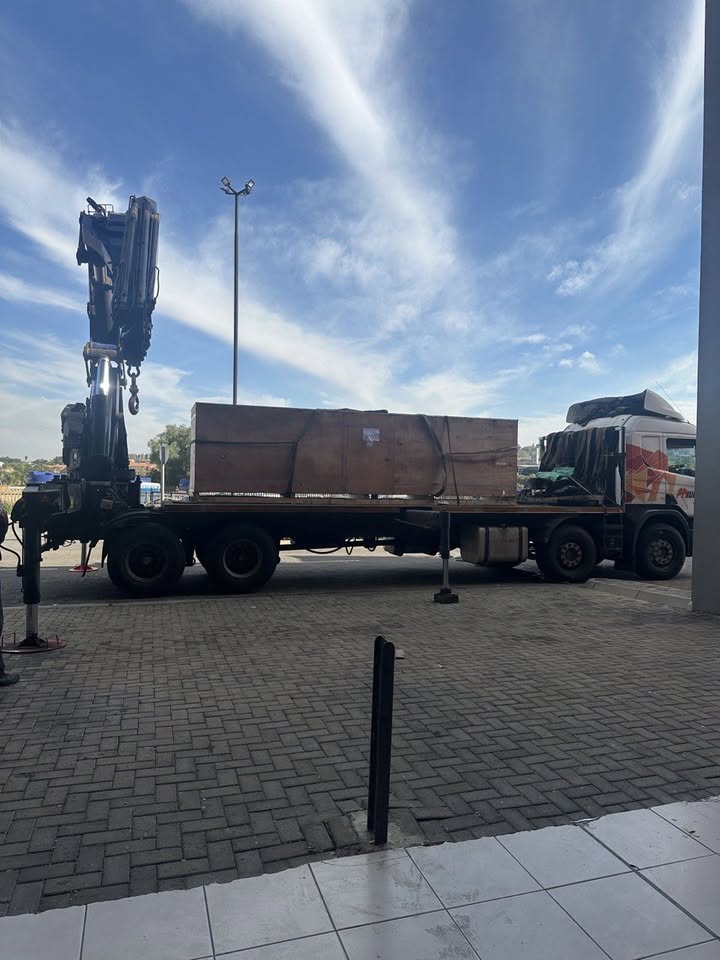
12 Heads Embroidery Machine
Toilet Paper Machine Machine
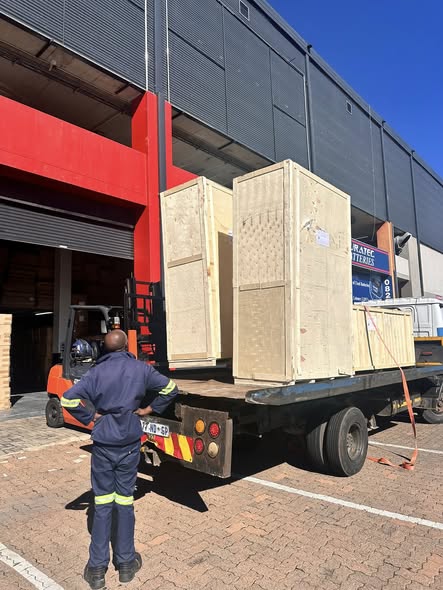
Order Collection
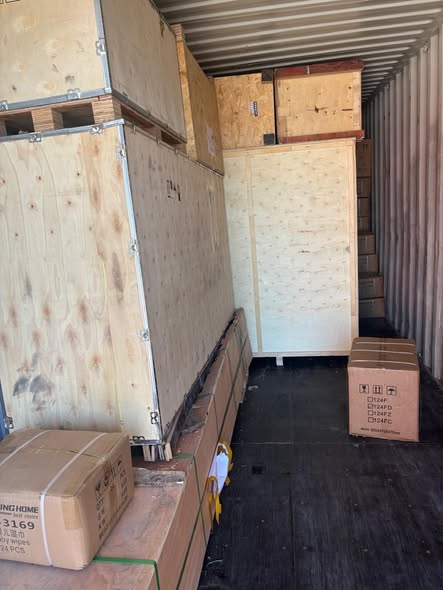
Cross Border Clients
Order cros border countries Collected
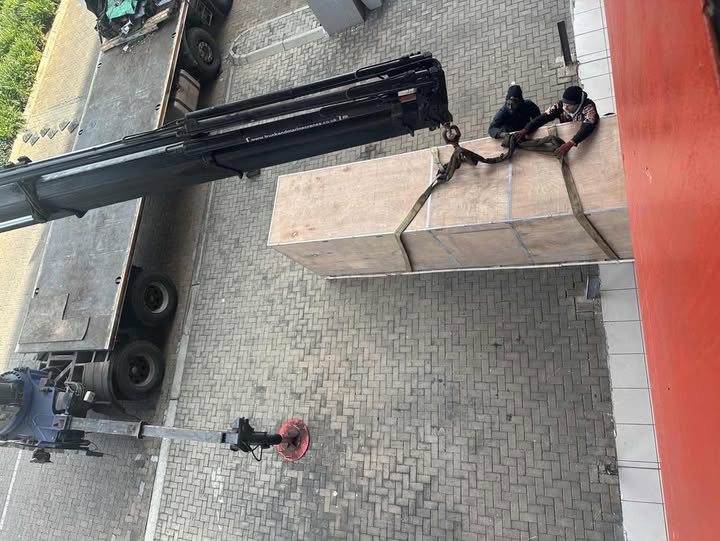
Industrial Machine Cllection
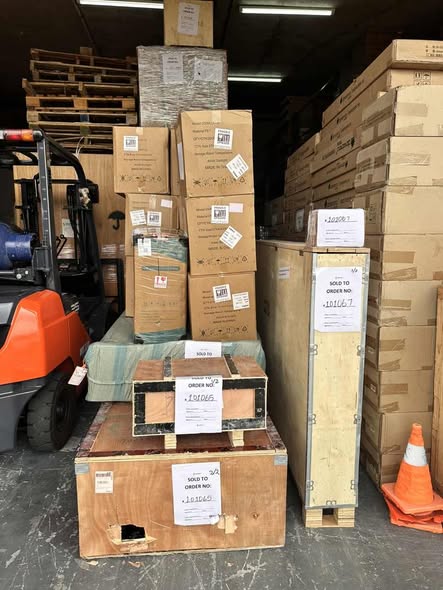
Agriculture Processing Machines
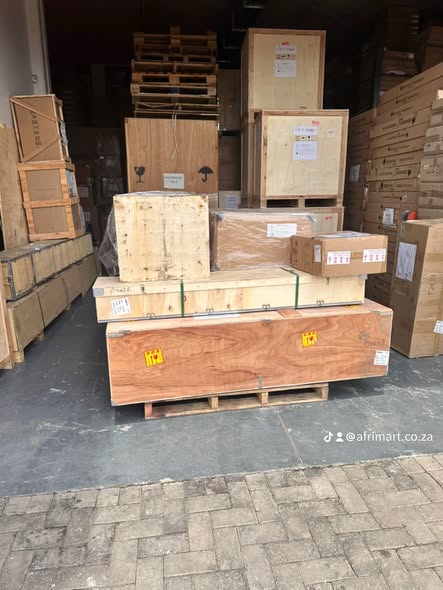
Ready for collection
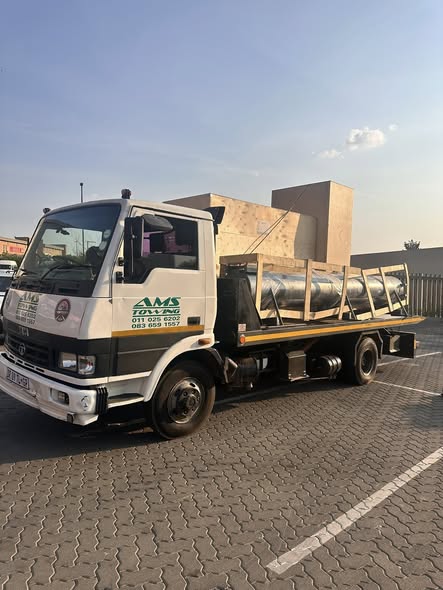
Water Pump Equipment
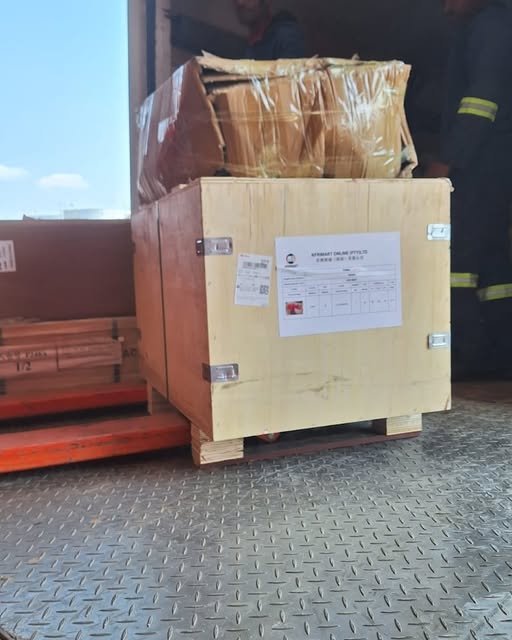
Packaging Machine and accessories
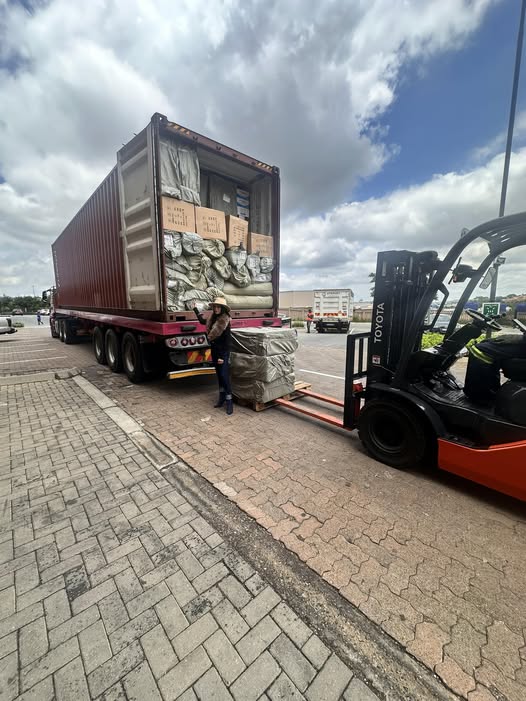
Fabrics Manufacturing Equipment
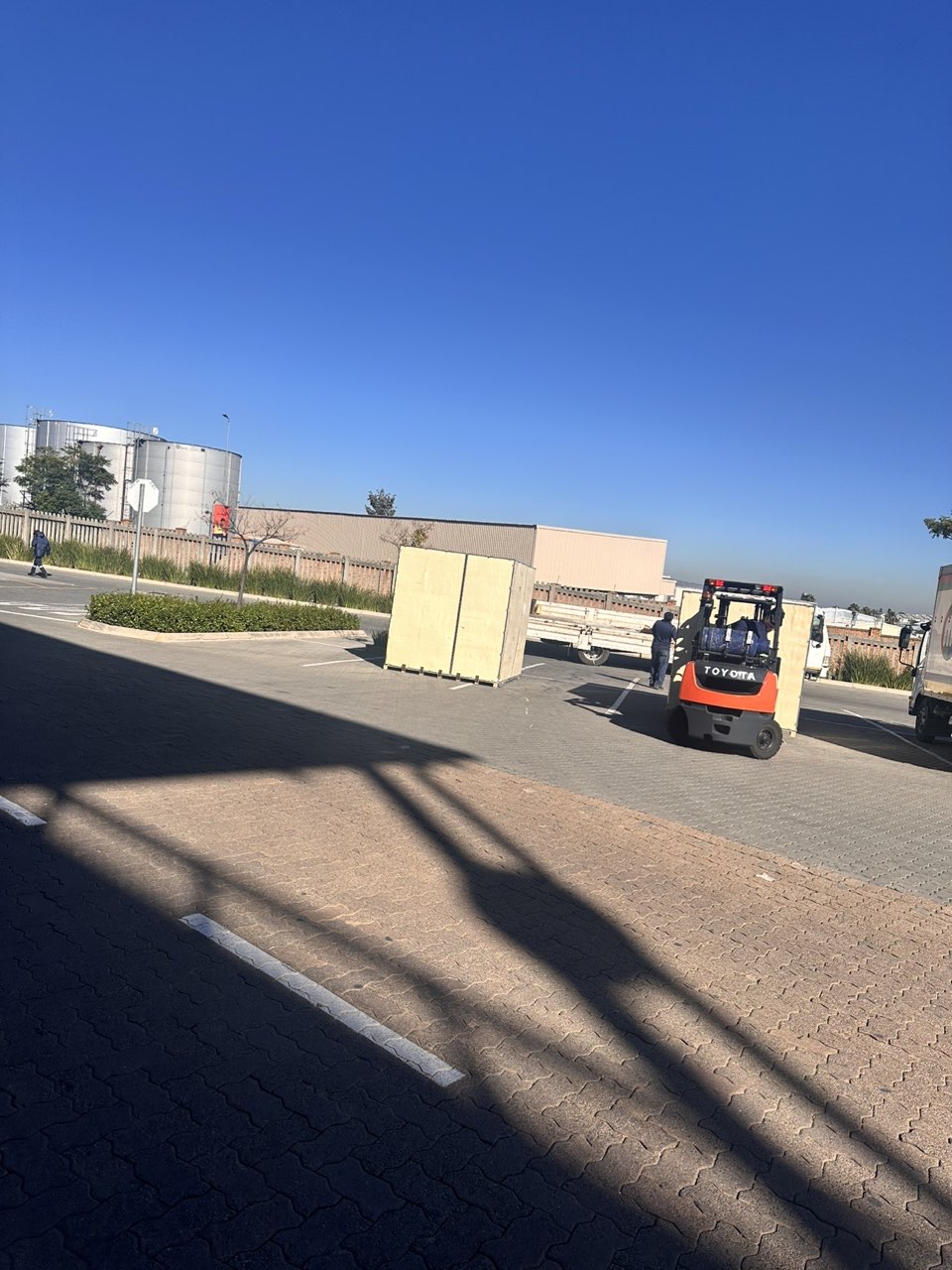
Mining Equipments
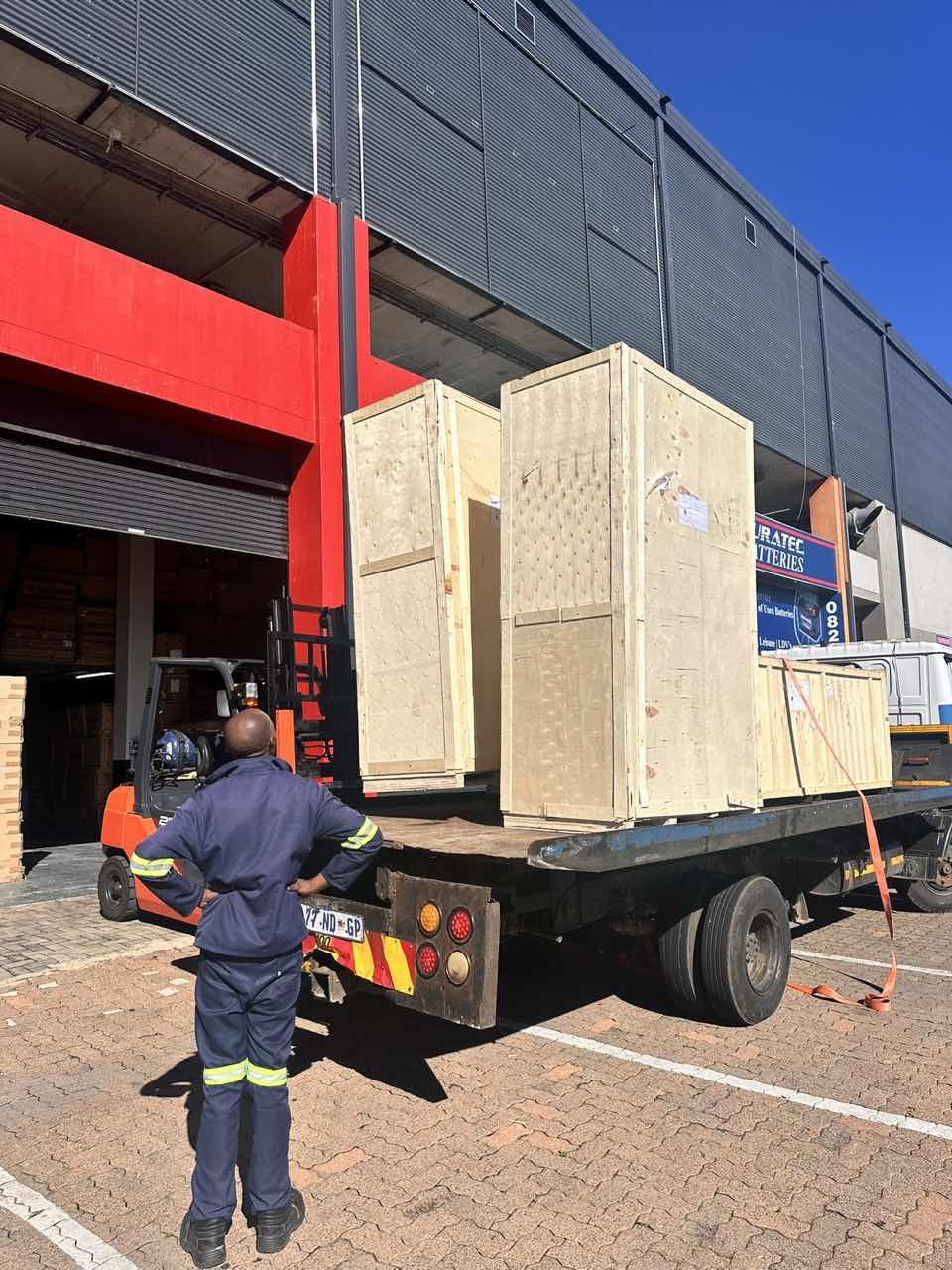
Food Processing Machine
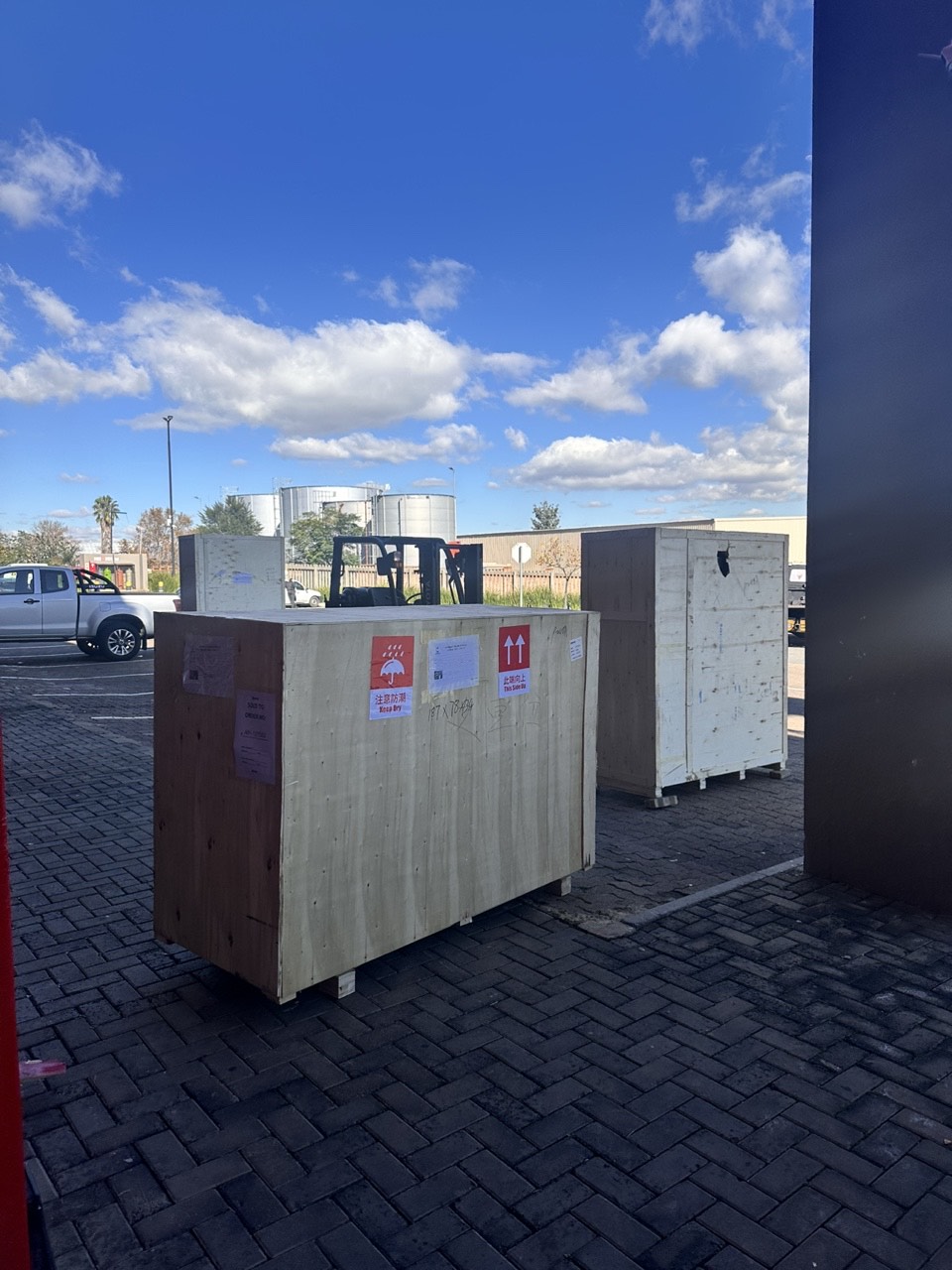
Batch of Orders
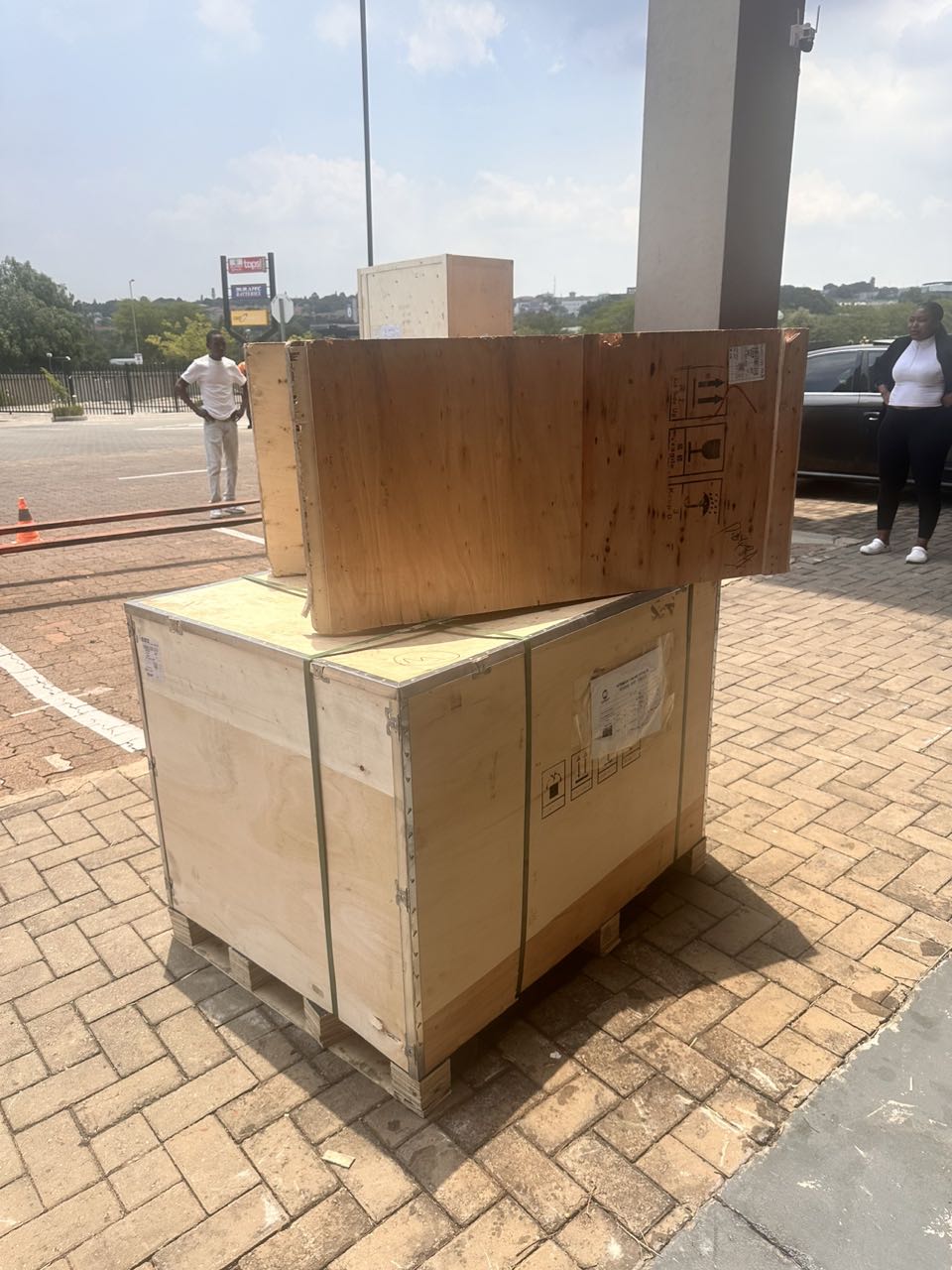
Batch of Orders
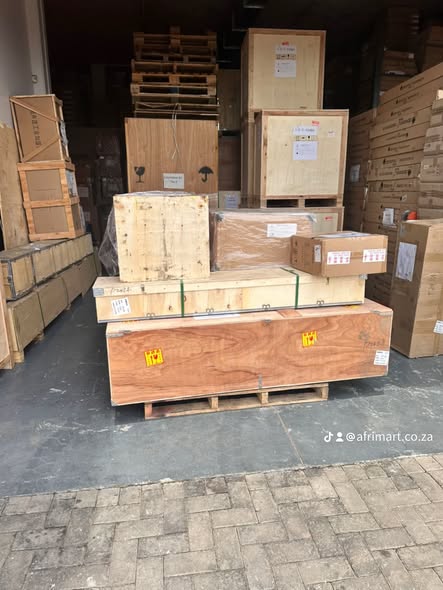
Latest Orders Labelled
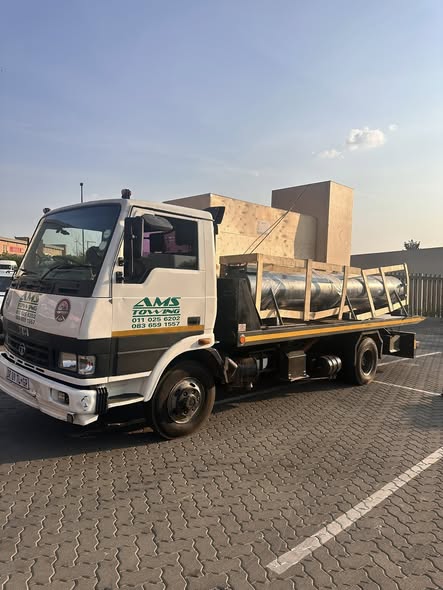
wheel alignment machines
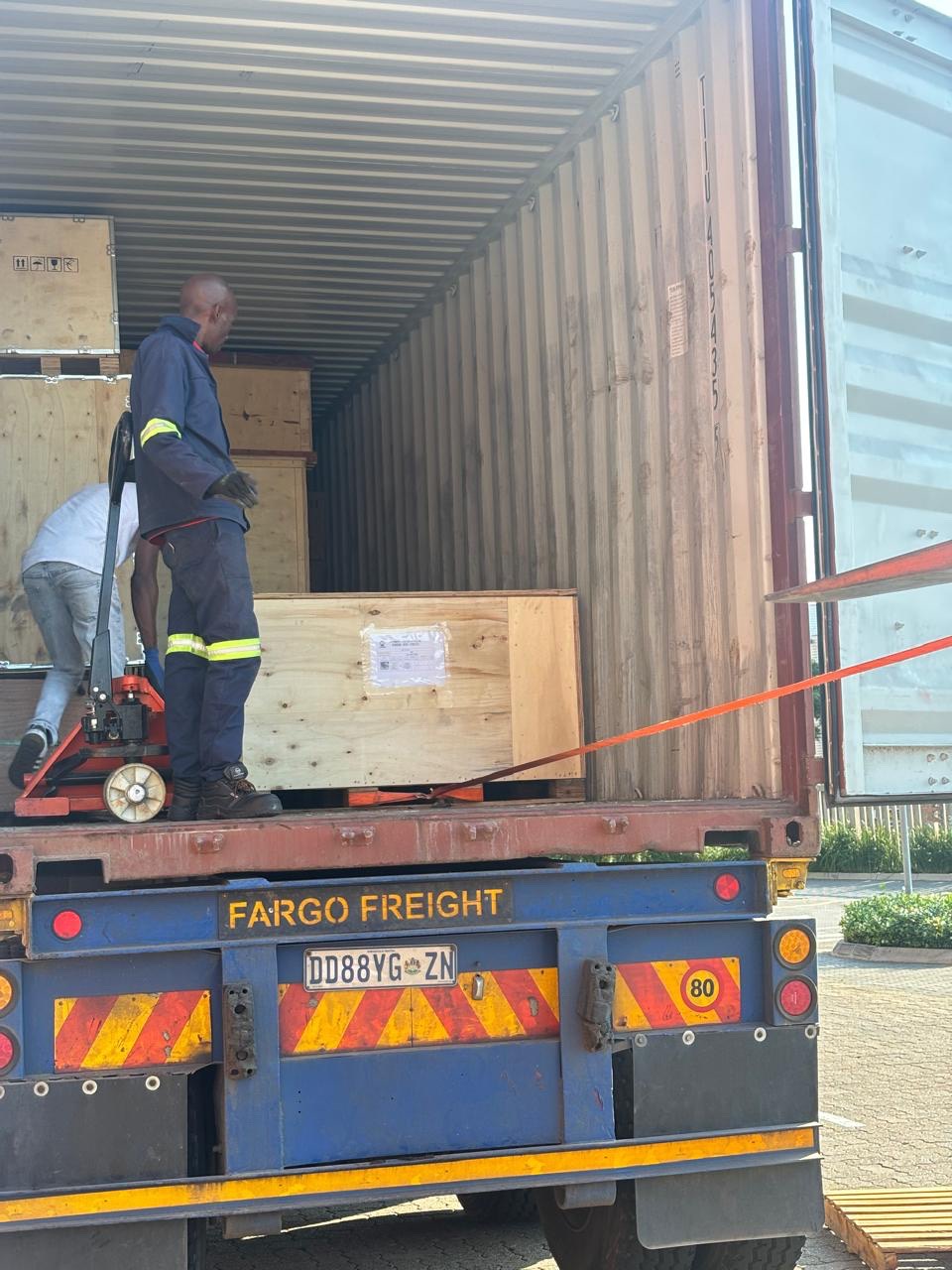
new arrivals
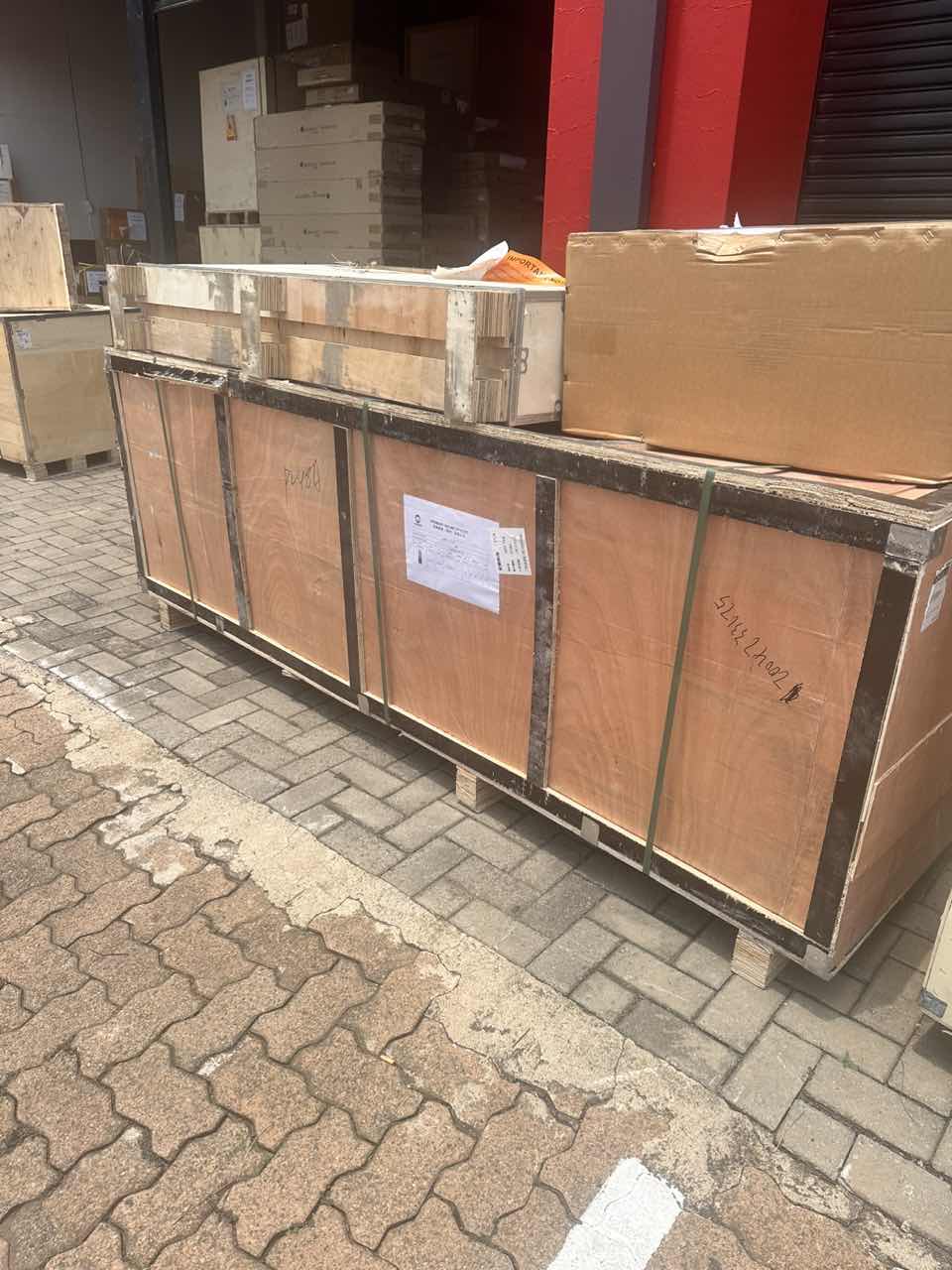
Pre Orders Offloading
Latest Arrivals
Latest Arrivals
Latest Arrivals
Loading
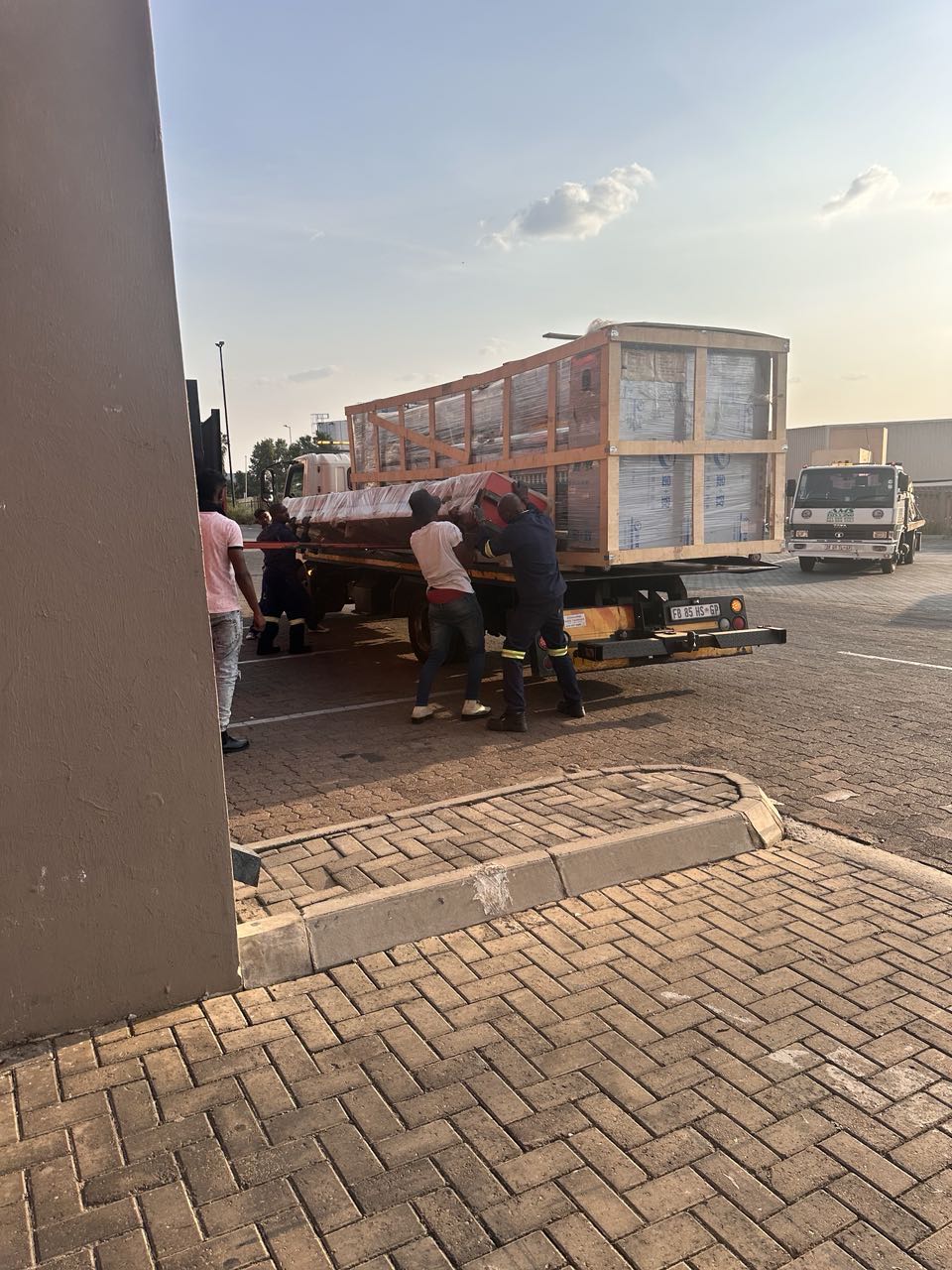
Toilet paper making machine
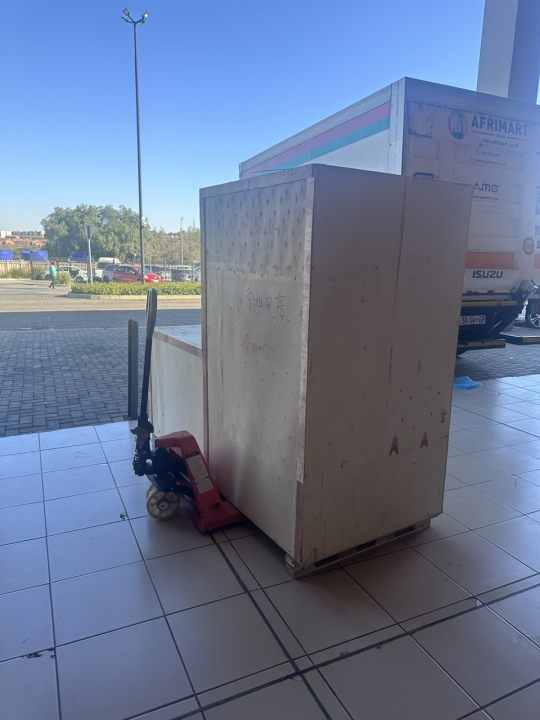
Toilet paper making machine
Toilet paper Rewinding Machine
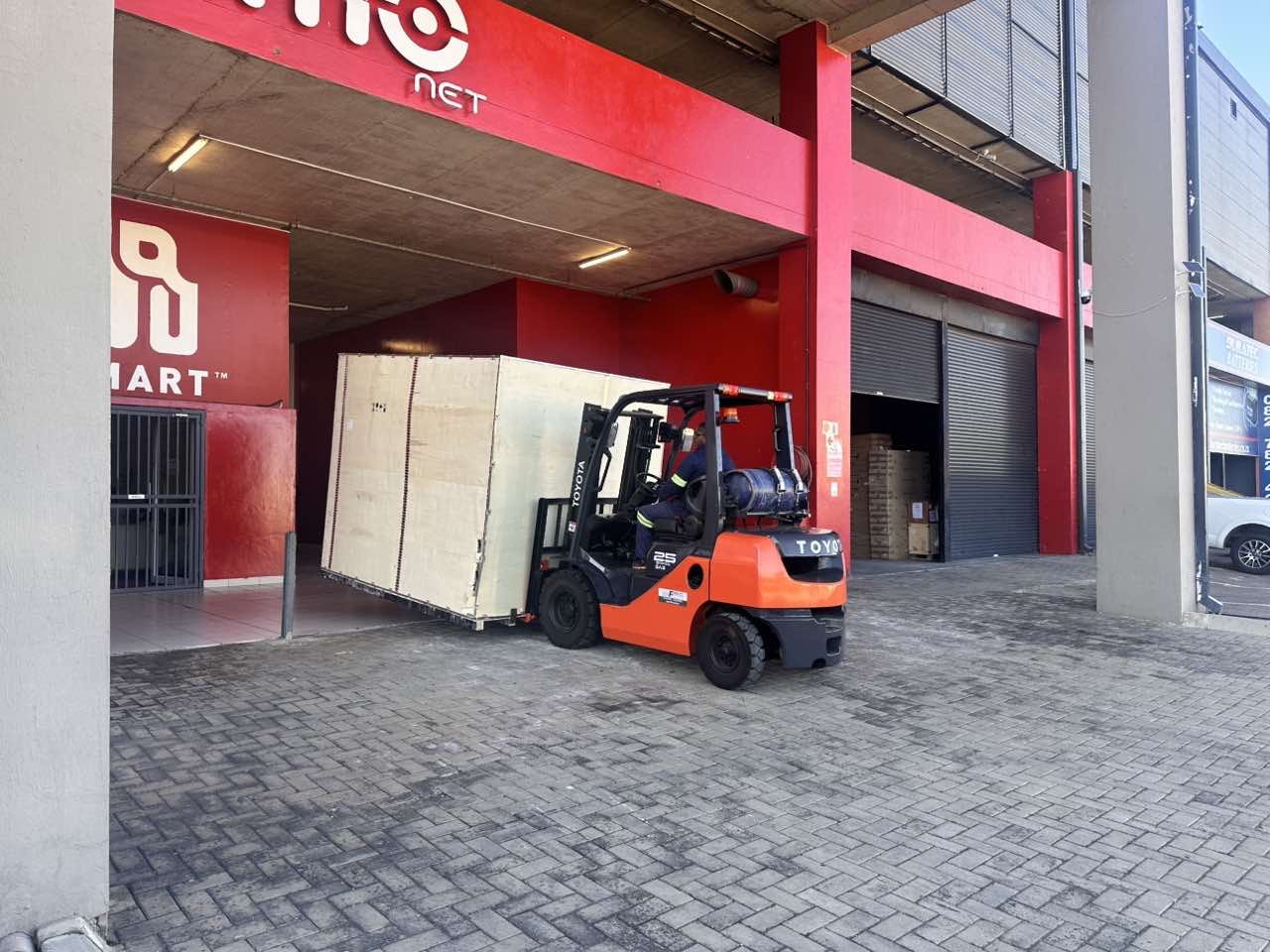
latest arrivals
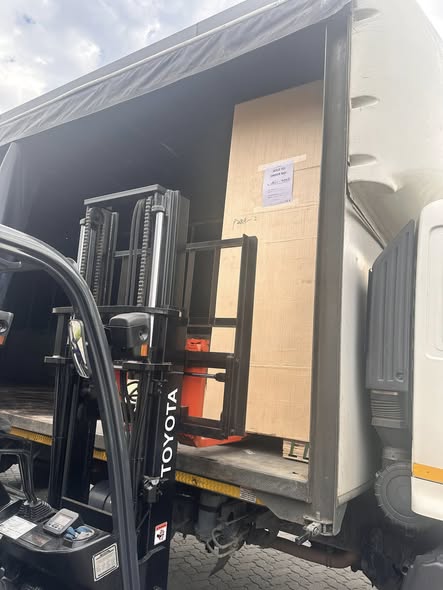
offloading
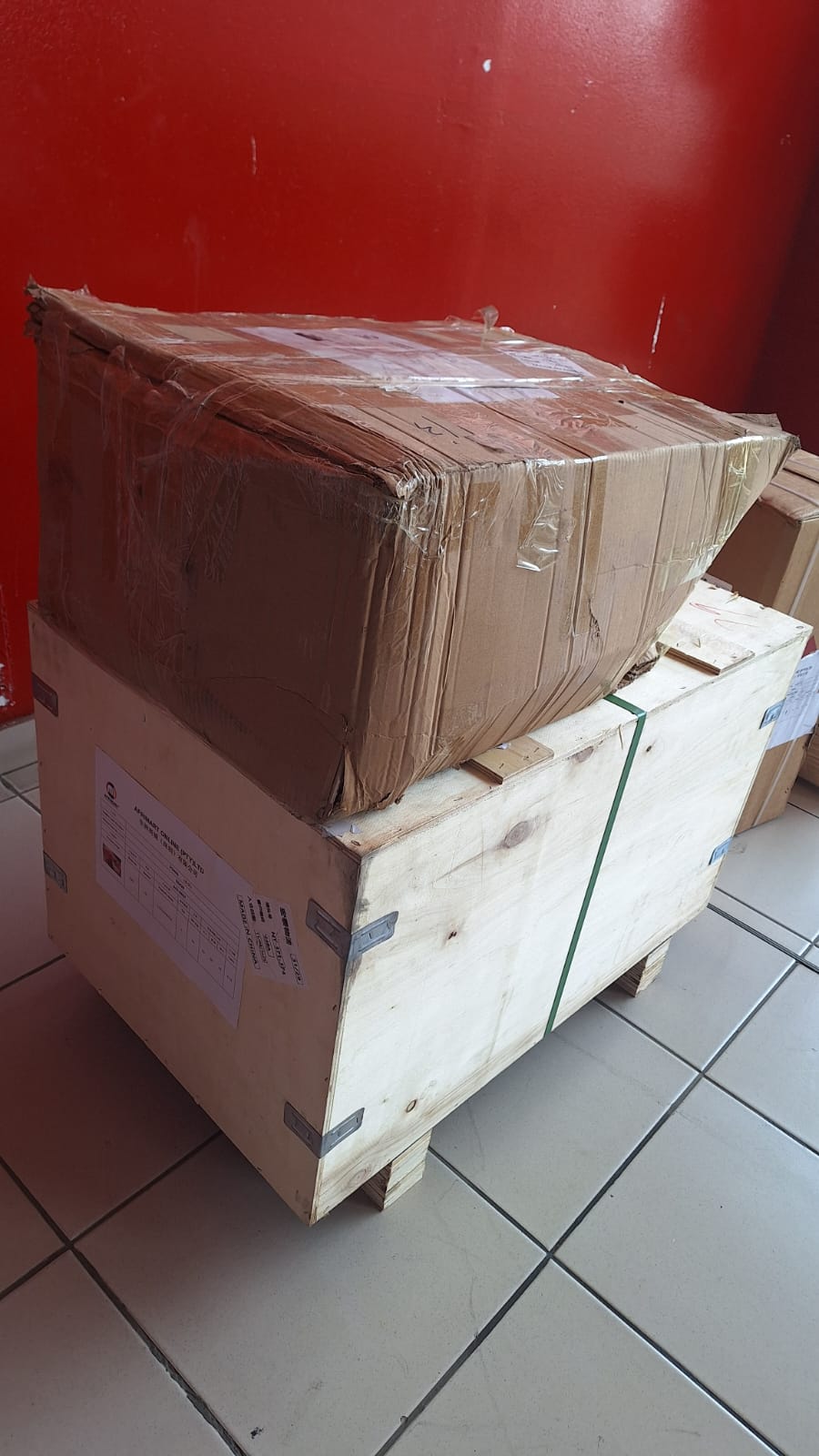
order success
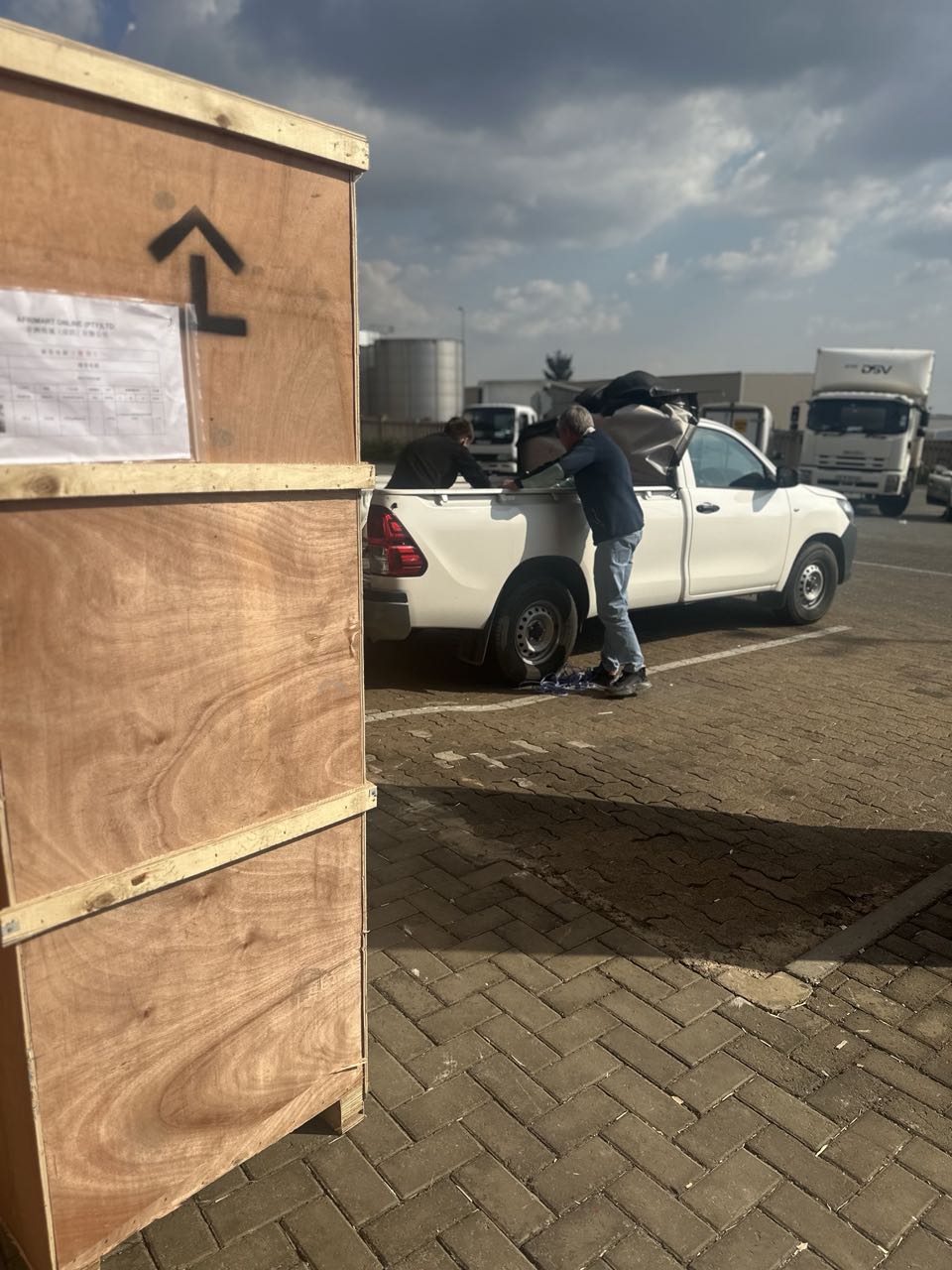
order collection
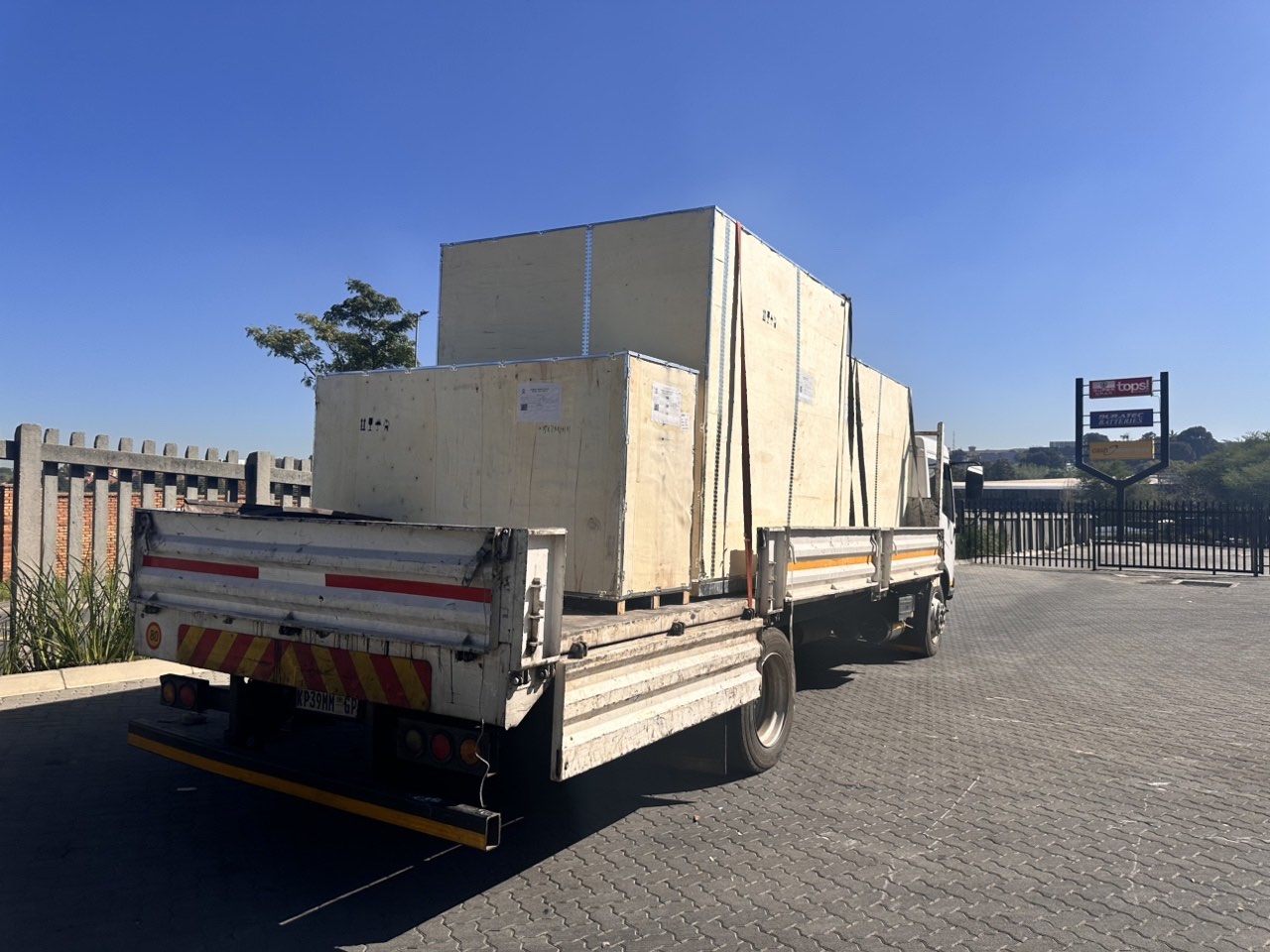
order offloading