B21, China Town Mall, Midrand


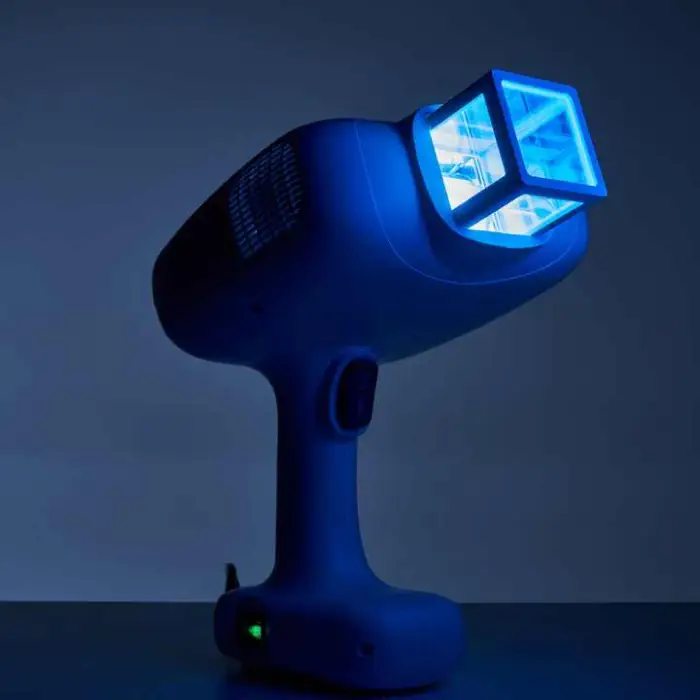
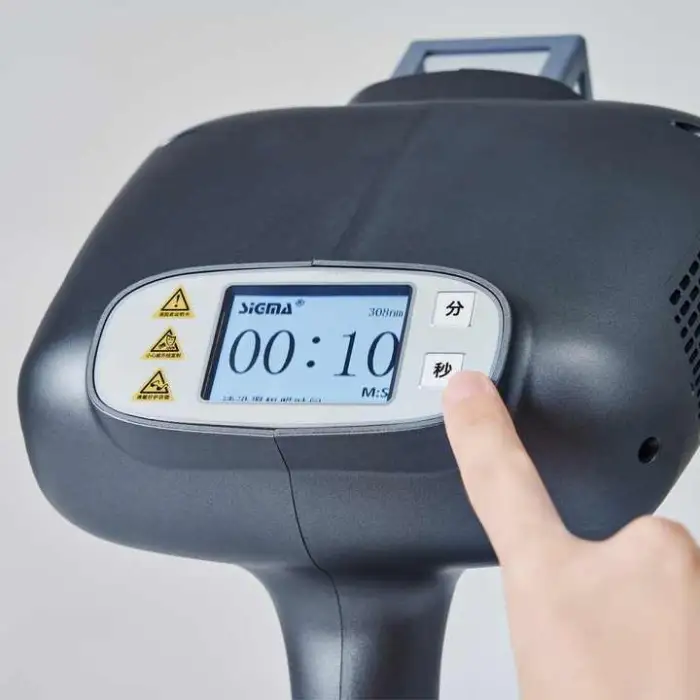
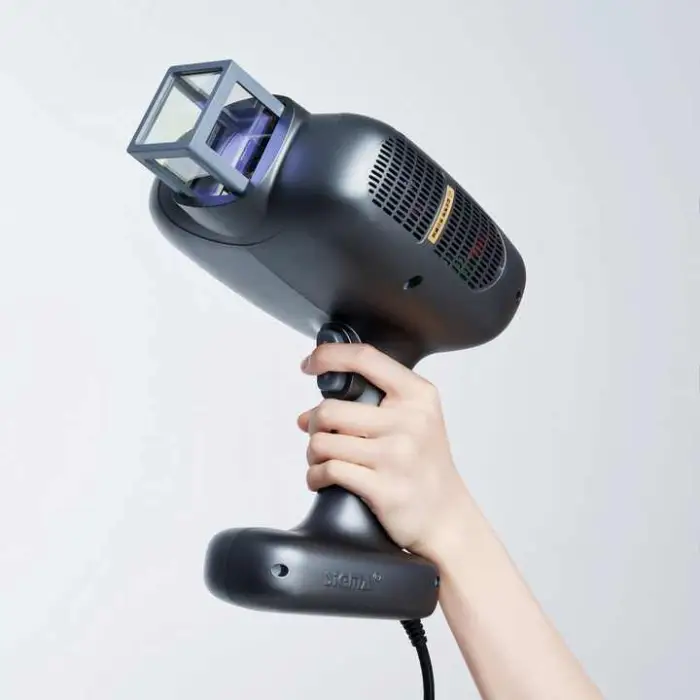
Medical Portable 308nm Laser Excimer Instrument Psoriasis Vitiligo Treatment Skin Diseases Therapy UVB Lamp Lights Therapy

- Section : Medical Supplies
- Category : Professional Medical Devices
- SKU : 10000012035274

Medical Portable 308nm Laser Excimer Instrument for Psoriasis and Vitiligo Treatment
The SIGMA Medical Portable 308nm Laser Excimer Instrument is a cutting-edge therapy device designed to treat skin diseases like psoriasis and vitiligo. This compact and easy-to-use UVB lamp delivers targeted light therapy, promoting healthy skin and improving your quality of life. With its efficient design and powerful performance, this instrument is an excellent choice for both home and clinical use.
Specifications
| Attribute | Details |
|---|---|
| Instrument Classification | Class II |
| Model Number | SH308 |
| Peak Wavelength | 308nm UVB |
| Treatment Area | 22cm² (4.7cm x 4.7cm) |
| Radiation Intensity | 32mW/cm² |
| Working Mode | Continuous Operation |
| Working Power | AC100-240V/50-60Hz |
| Selling Units | Single Item |
Key Features
- Portable and lightweight design for easy handling.
- Effective treatment for psoriasis, vitiligo, and other skin conditions.
- Continuous operation mode for consistent therapy sessions.
- Targeted 308nm UVB wavelength for optimal results.
- Large treatment area for efficient therapy.
Applications
- Treating psoriasis to reduce symptoms and improve skin appearance.
- Addressing vitiligo to restore skin color in affected areas.
- Managing other skin diseases that respond to UVB therapy.
- Home use for convenient and regular treatment sessions.
- Clinical use in dermatology practices for professional care.
Product Info Gallery




- Shipping Timeframes: All orders are processed within 2-5 business days (excluding weekends and holidays). After your order has been processed, the estimated delivery time is before 03 Aug, 2026, depending on customs, Please note that due to high demand, some items may experience longer shipping times, which will be communicated at order confirmation email.
- Order Processing Time: Please allow 2-5 business days for us to process your order before it is shipped . Orders placed after 16:00 on Fridays, or during weekends and public holidays, will begin processing on the next business day. Processing times may be extended during peak seasons or sales events.
- Manufacturing Time: Some products needs manufacturing time, the manufacturing process will take approximately 10-30 business days depending on the product. This timeframe may vary depending on the complexity of the product and current demand. but this will be communicated with you during order confirmation.
- Returns and Exchanges: We offer a 30-day return policy for most items. If you are not completely satisfied with your purchase, you may return it within 30 days of receipt for a refund or exchange. Items must be unused, in their original packaging, and accompanied by proof of purchase. Return shipping costs are the responsibility of the customer, unless the item was damaged or defective upon arrival.
1. What skin conditions is the SIGMA Medical 308nm Laser intended to treat?
The device is intended for targeted phototherapy of UVB‑responsive skin conditions such as psoriasis and vitiligo and may be used for other dermatologic conditions that respond to 308nm excimer therapy. Treatment plans and suitability should be determined by a qualified dermatologist.
2. How does the 308nm excimer laser work?
The 308nm excimer delivers targeted narrowband UVB light to affected skin areas. This can reduce local inflammation and, in the case of vitiligo, stimulate repigmentation. Clinical response varies by condition, lesion size, skin type and treatment regimen.
3. Is this device suitable for home use?
The product description lists both home and clinical use. However, it should only be used at home under the instruction and follow‑up of a healthcare professional. A physician should prescribe the treatment parameters and monitor progress and side effects.
4. What are the device specifications for treatment area and output?
The treatment window covers 22 cm² (approximately 4.7 cm x 4.7 cm) with a radiation intensity of 32 mW/cm² and a peak emission wavelength of 308 nm. The device operates in continuous mode.
5. How long is each treatment session and how often should I use it?
Treatment duration and frequency depend on the prescribed dose, skin type and condition severity. Sessions can range from seconds to minutes per spot. Always follow the dosing schedule provided by your treating clinician or the user manual.
6. What common side effects should I expect?
Common temporary effects include redness, mild burning, itching, or peeling at the treated site. Less common effects can include blistering, hyperpigmentation or hypopigmentation. If you experience severe pain, blistering, signs of infection or other concerning reactions, stop treatment and contact your physician.
7. Who should not use this device?
People with known photosensitivity disorders, those taking photosensitizing medication, individuals with a history of skin cancer in the treatment area, or anyone with active skin infections should avoid use unless cleared by a physician. Pregnant or breastfeeding patients should consult their healthcare provider before use.
8. Do I need eye protection during treatment?
Yes. Direct or reflected UV exposure to the eyes can be harmful. Both the operator and patient should wear appropriate UV‑blocking protective eyewear and avoid exposing uninvolved skin and eyes to the beam.
9. What training or supervision is required to use the device safely?
Users should receive instruction from a qualified healthcare professional and carefully read the user manual. Initial treatments are often performed under clinician supervision to establish safe dose parameters and technique.
10. What are the power requirements and is the unit portable?
The instrument operates on AC100–240V, 50–60Hz and is designed to be portable and lightweight for easy handling and transport. Use appropriate plug adapters for international travel and ensure local voltage compatibility.
11. How do I clean and maintain the device?
Unplug the device before cleaning. Wipe the exterior and treatment window with a soft, dry or slightly damp cloth using a mild, non‑abrasive cleaner as recommended in the manual. Do not immerse the device in liquid or attempt internal repairs. Follow manufacturer instructions for routine checks and servicing.
12. Are there consumable parts or lamp replacements?
Specific lamp lifetime and replacement intervals are provided by the manufacturer. Contact SIGMA Medical or your supplier for information on spare parts, lamp replacement and authorized service.
13. How soon will I see improvement and how many treatments are needed?
Response varies widely. Some patients notice changes after a few sessions; others require several weeks of regular treatment. Your dermatologist will recommend the number and frequency of treatments based on your condition and response.
14. What warranty and after‑sales support are available?
Warranty terms and support services vary by seller and region. Check the product listing or contact the manufacturer/distributor for details on warranty duration, what it covers, and authorized service centers.
15. What is the regulatory classification of this instrument?
The device is listed as a Class II medical instrument. Regulatory approvals and requirements can vary by country; confirm local regulatory status and any required registrations before purchase or clinical use.
Latest Order Arrivals
Discover our latest orders

12 Heads Embroidery Machine
Toilet Paper Machine Machine
Order Collection
Cross Border Clients

Order cros border countries Collected
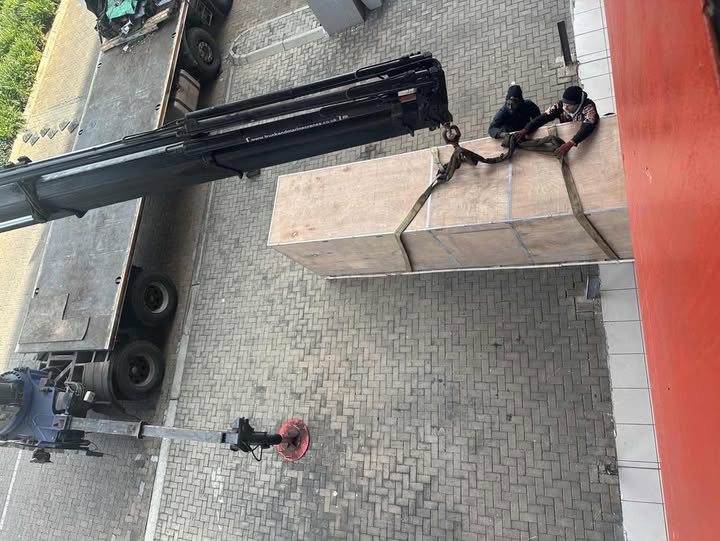
Industrial Machine Cllection
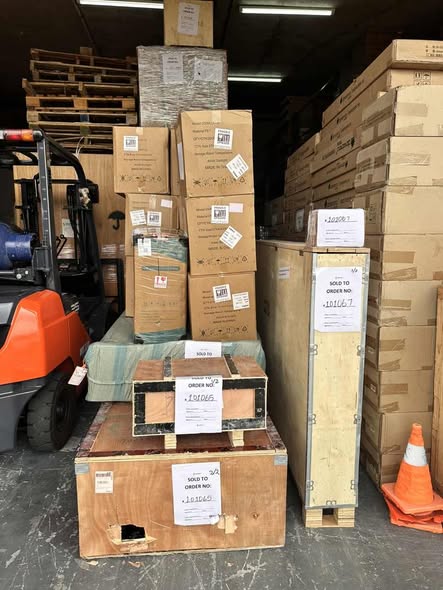
Agriculture Processing Machines
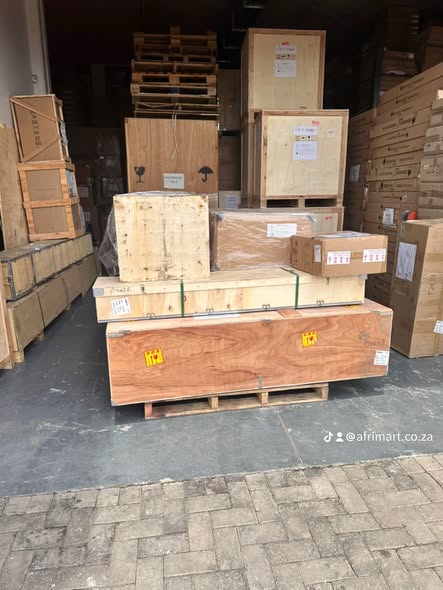
Ready for collection

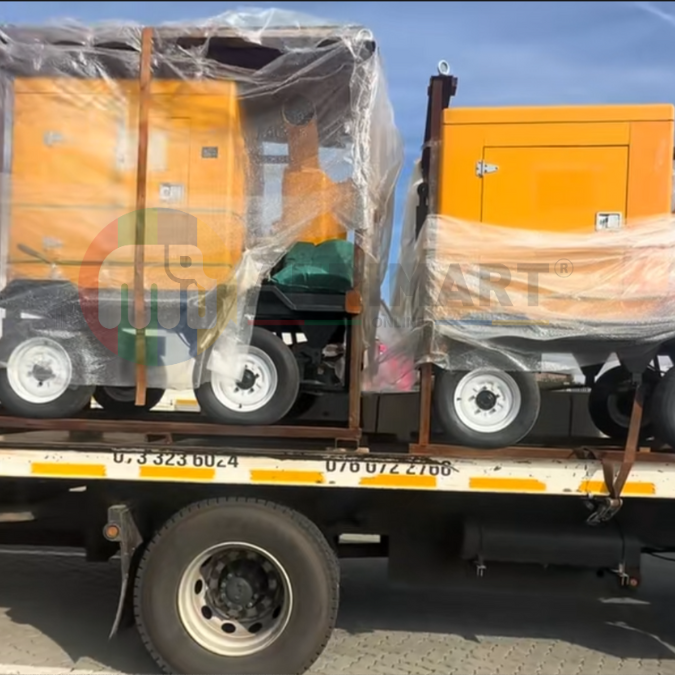
Water Pump Equipment
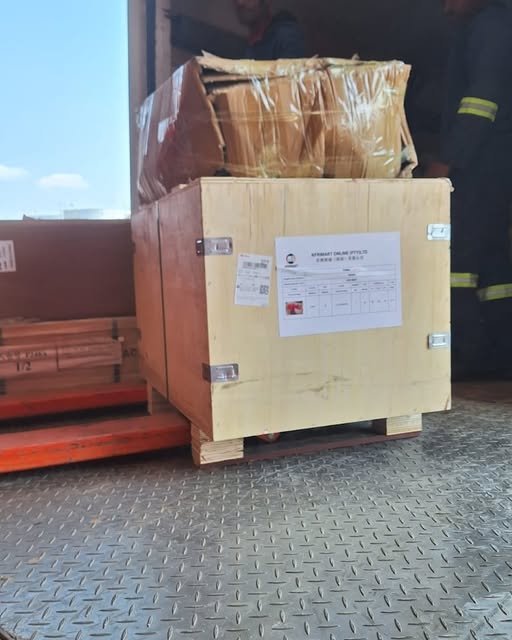
Packaging Machine and accessories

Fabrics Manufacturing Equipment
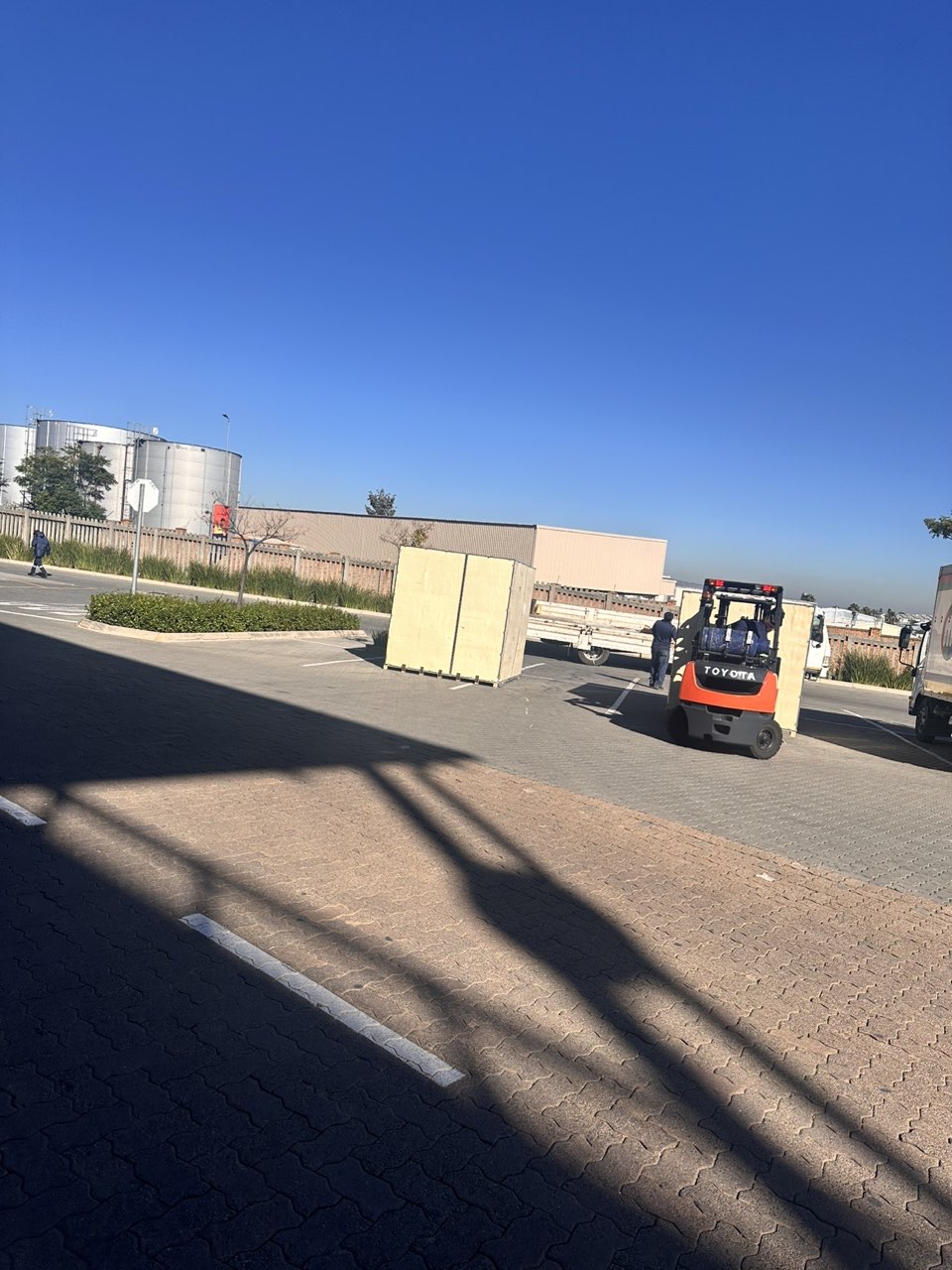
Mining Equipments
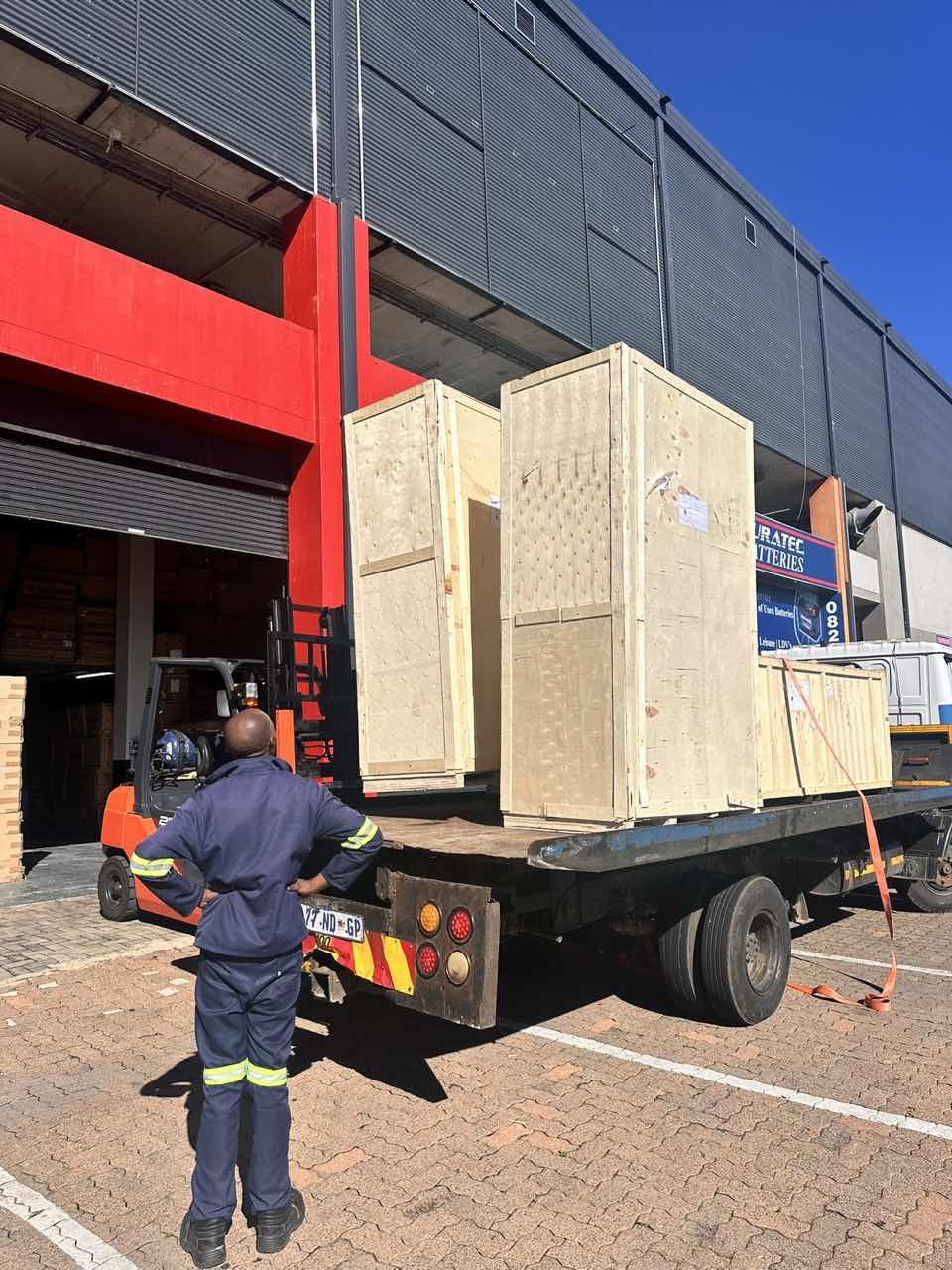
Food Processing Machine
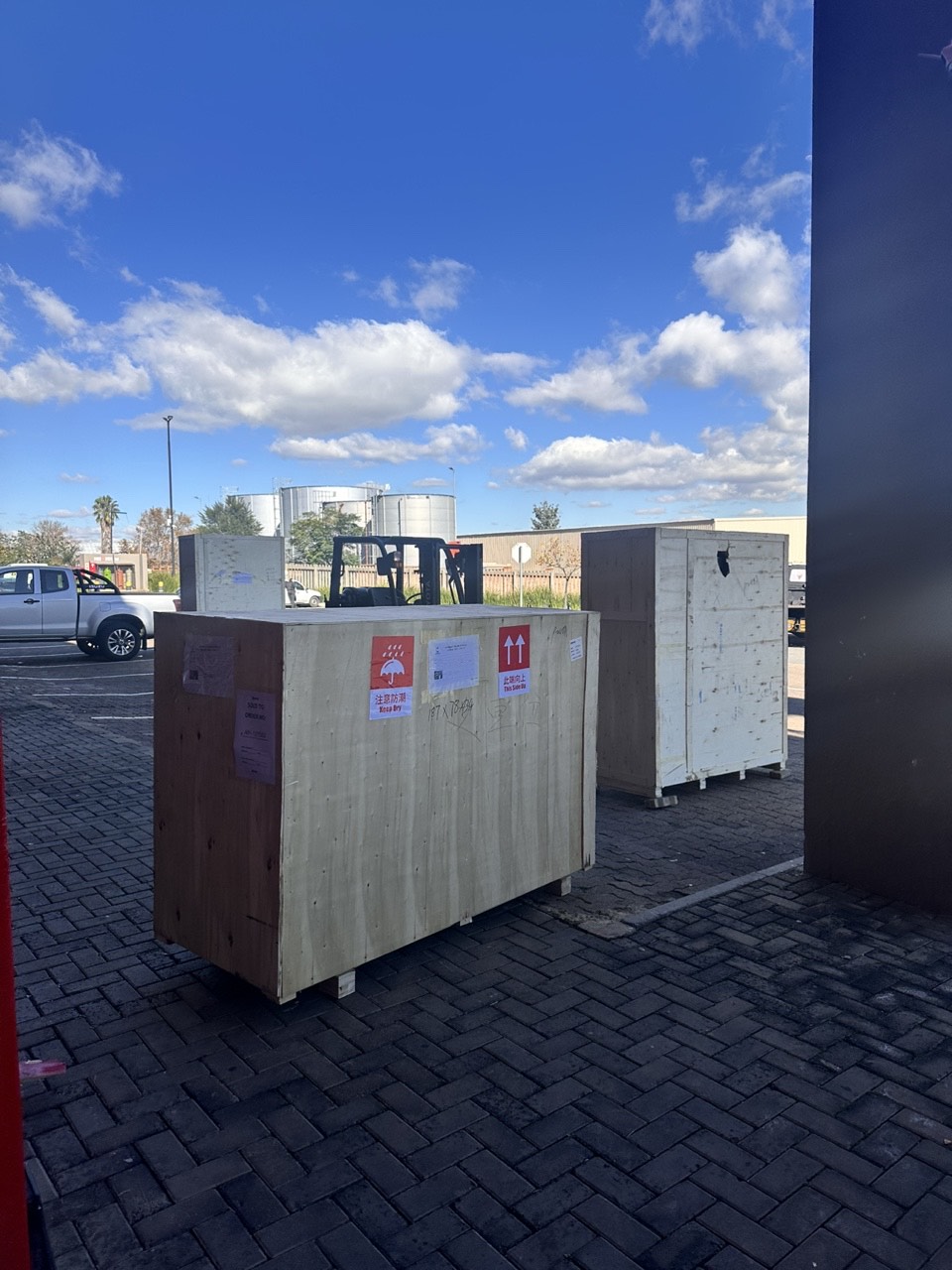
Batch of Orders
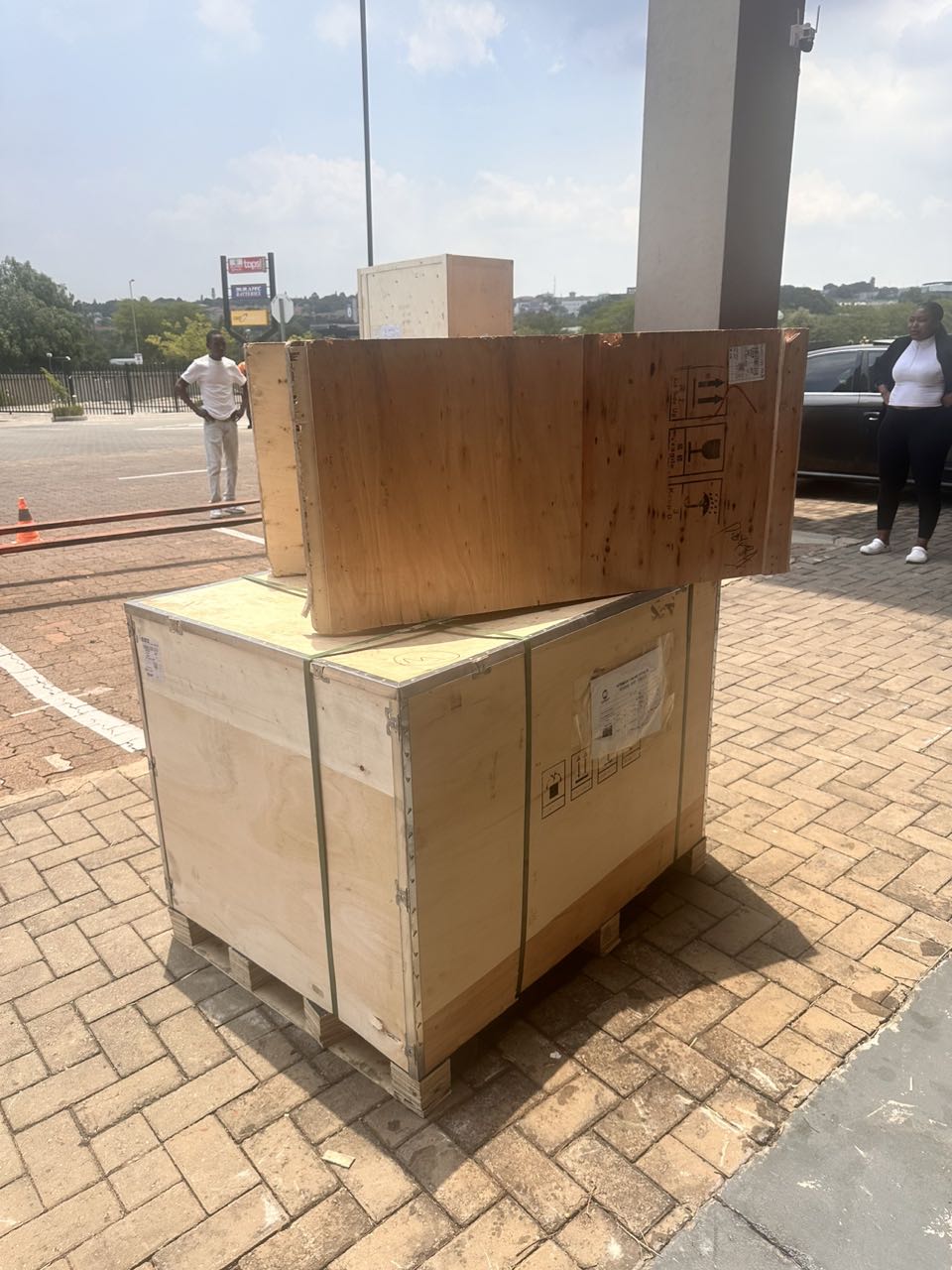
Batch of Orders
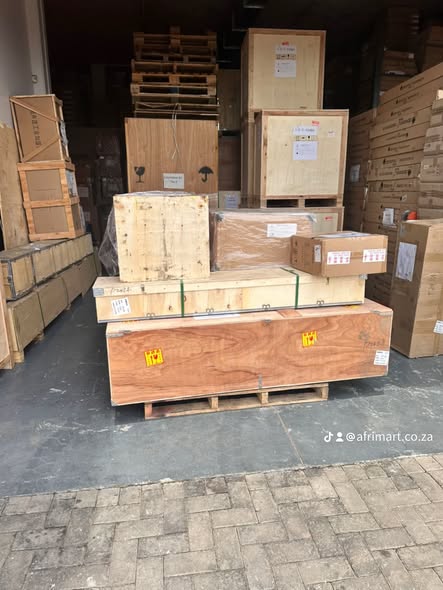
Latest Orders Labelled

wheel alignment machines

new arrivals
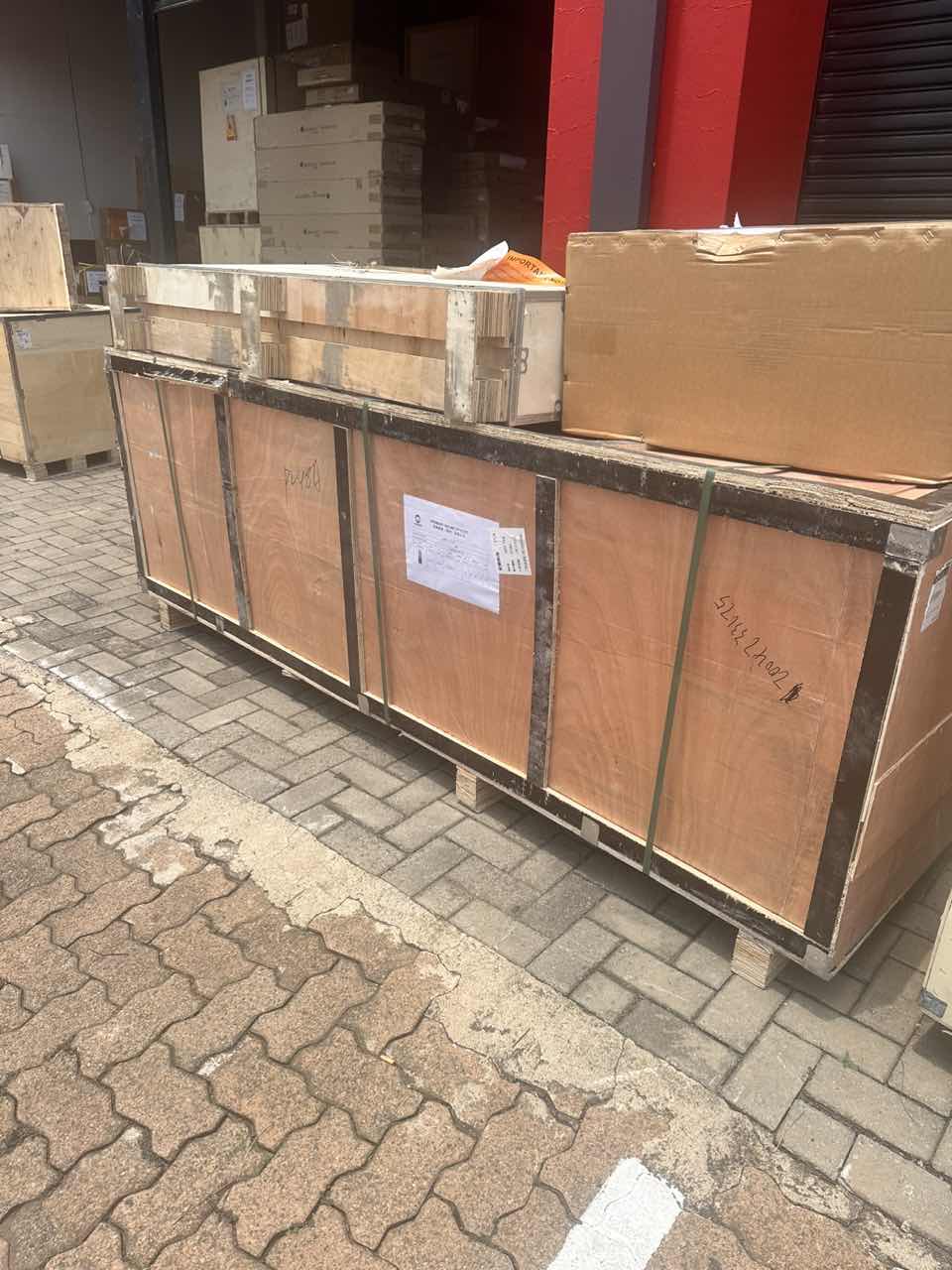
Pre Orders Offloading
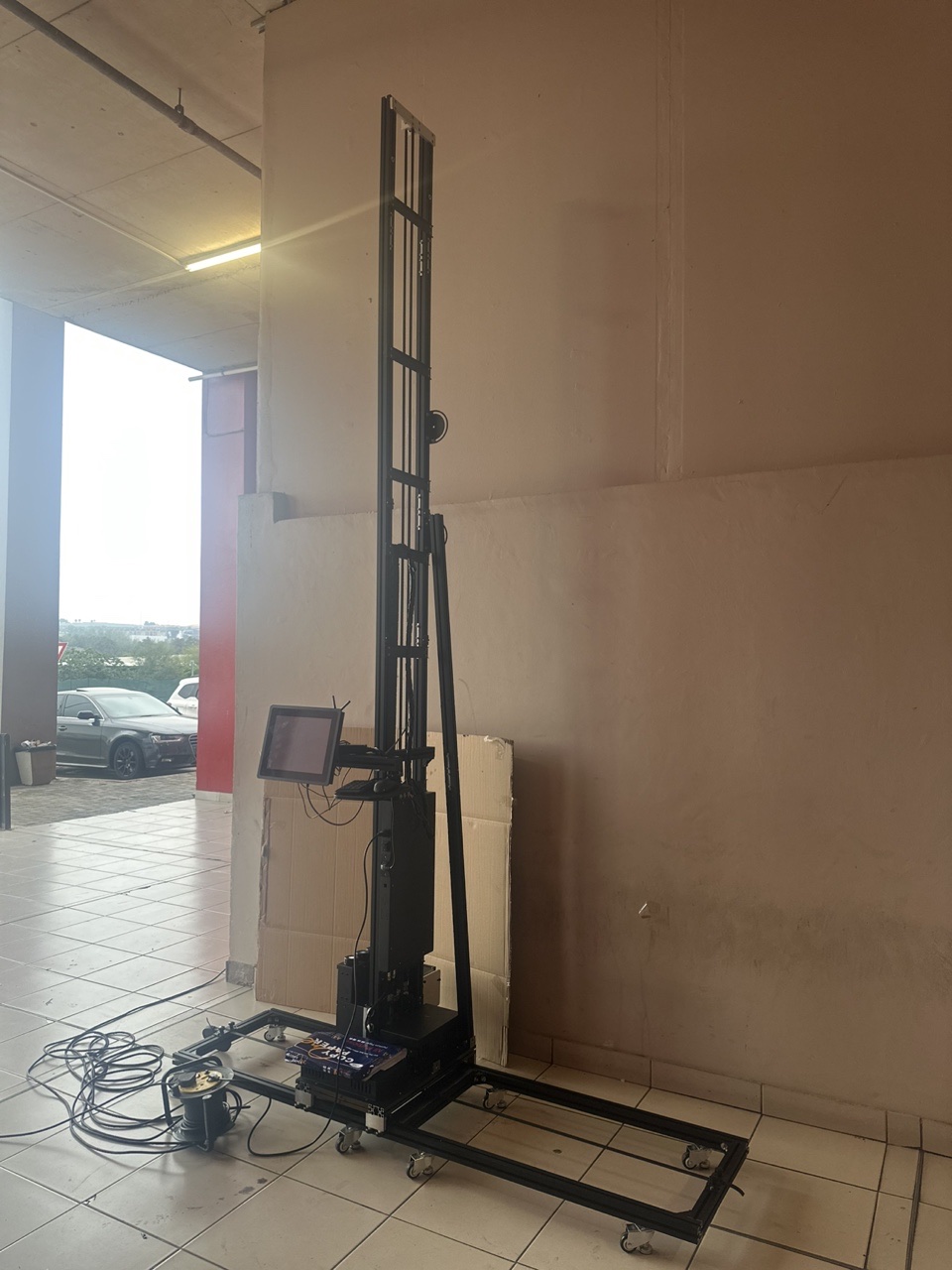
Latest Arrivals
Latest Arrivals
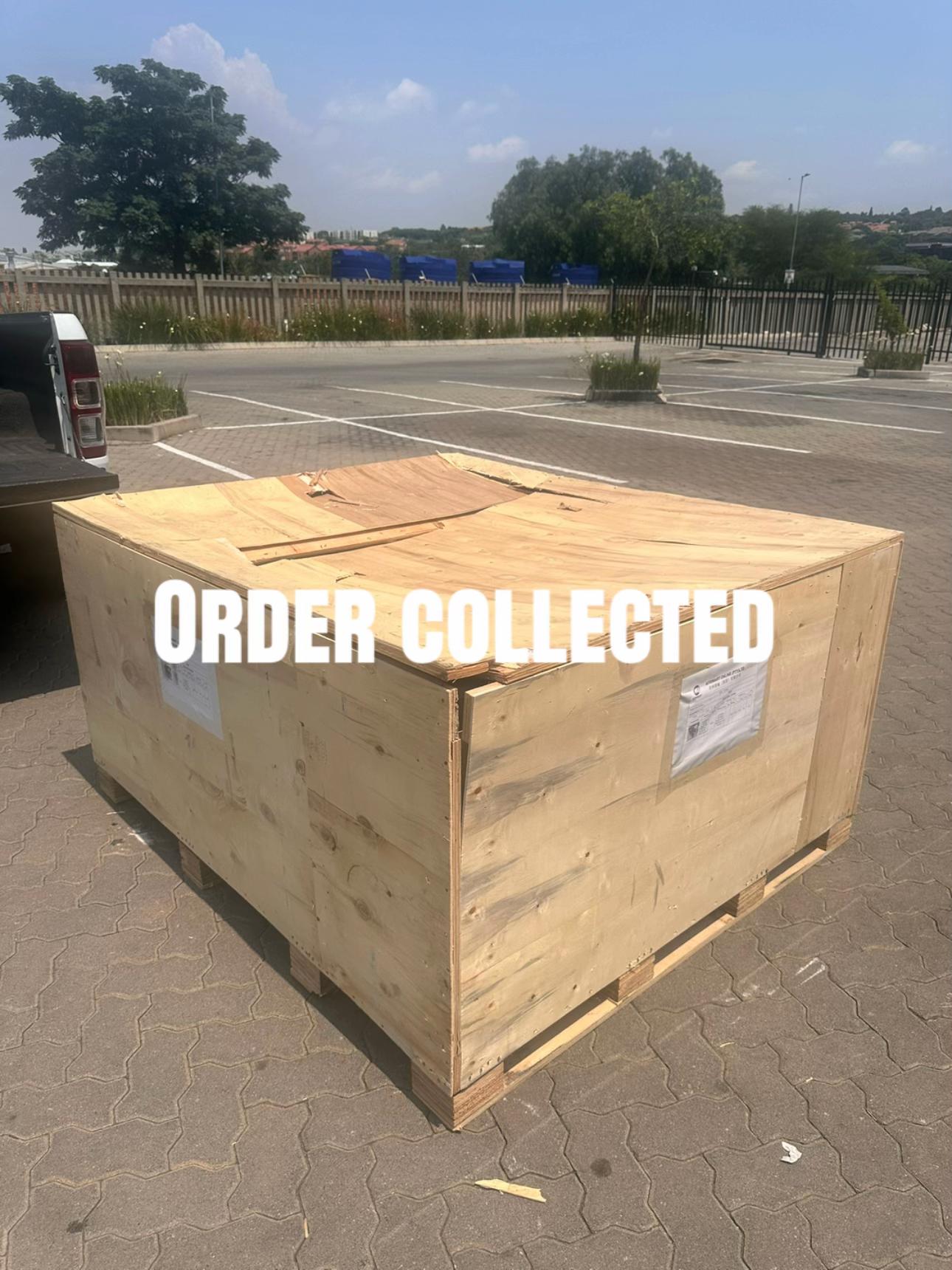
Latest Arrivals
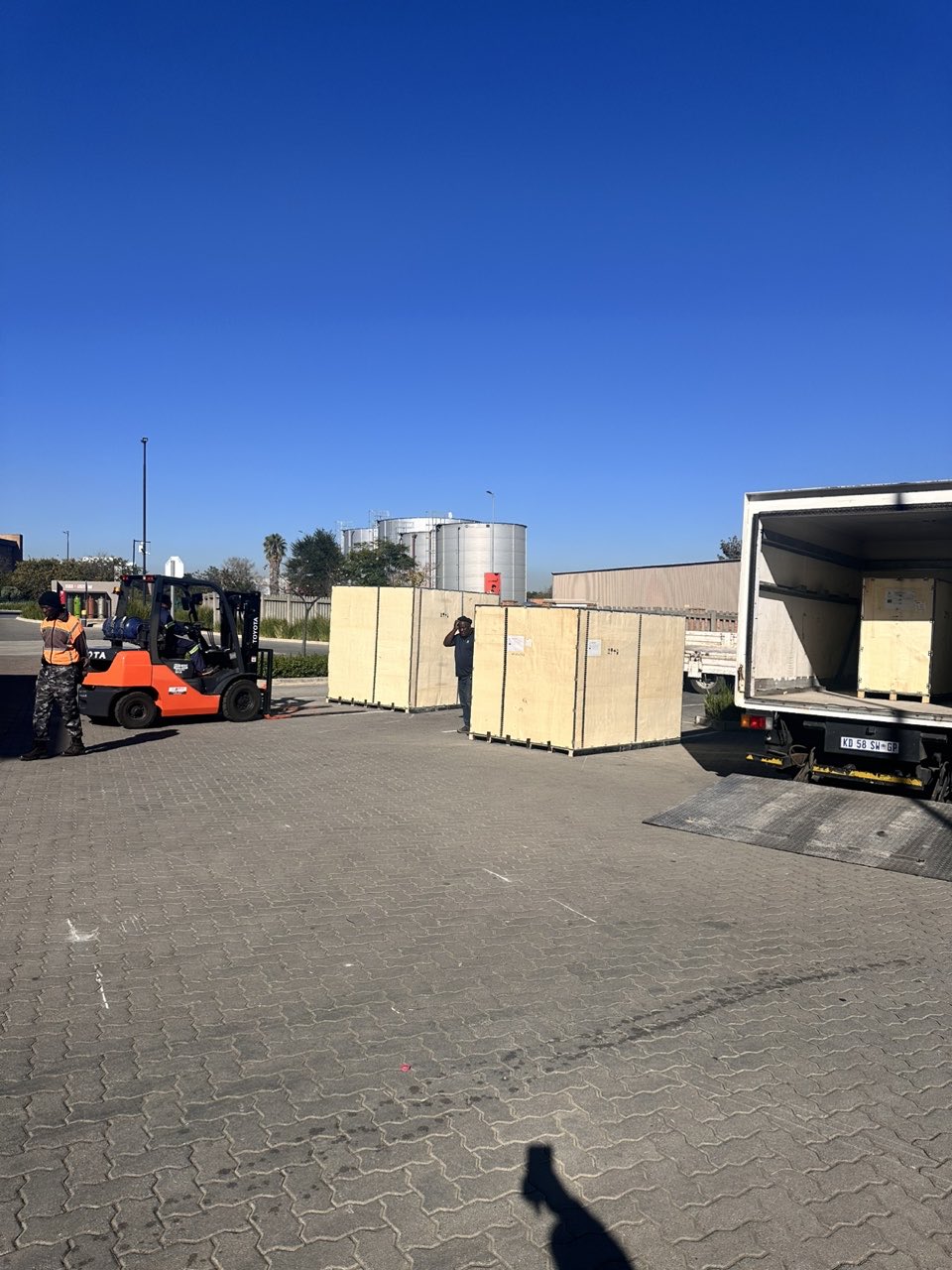
Loading

Toilet paper making machine
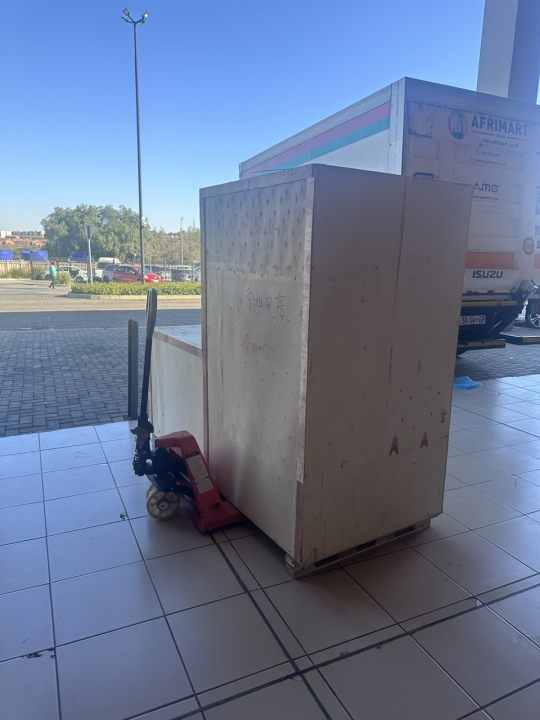
Toilet paper making machine

Toilet paper Rewinding Machine
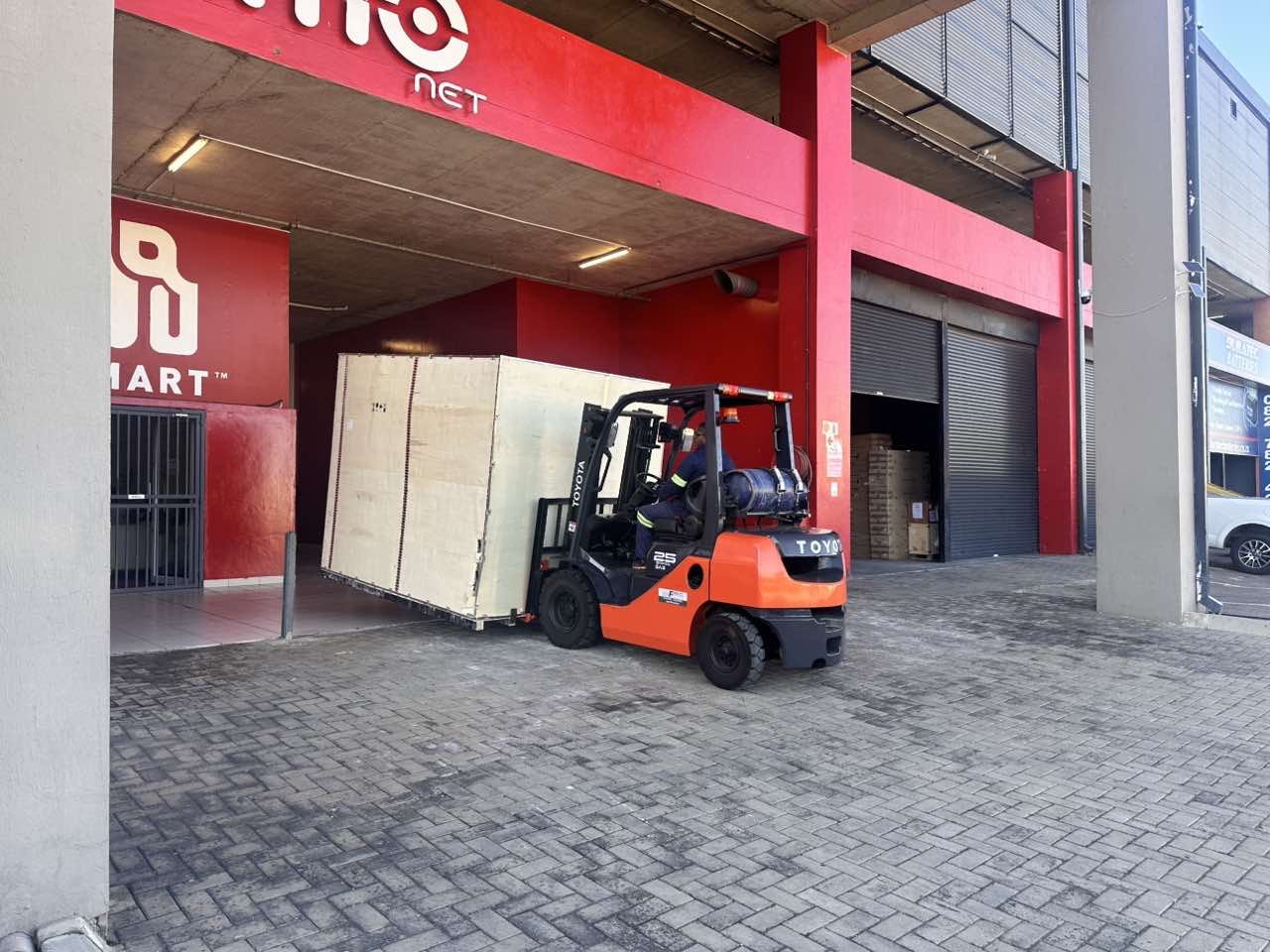
latest arrivals
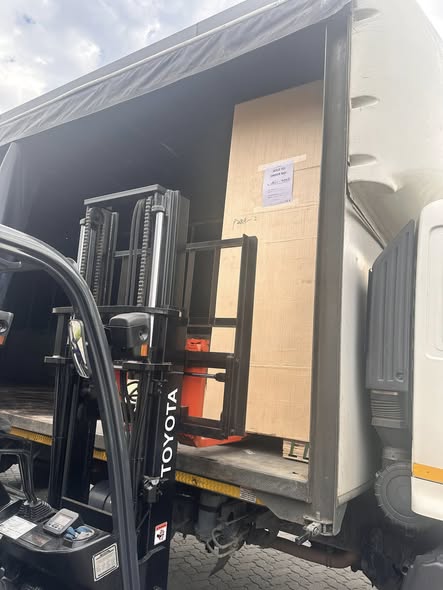
offloading
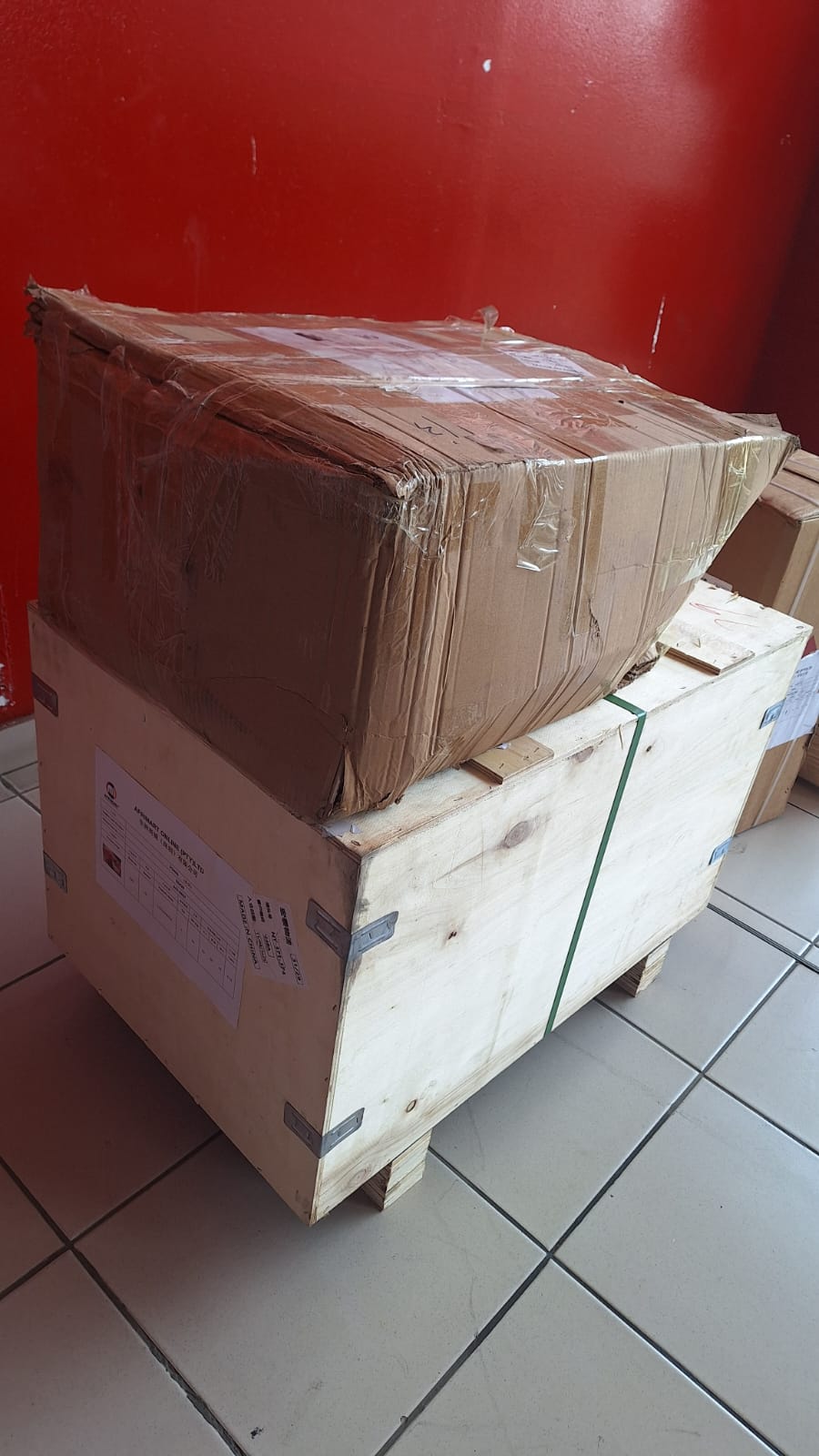
order success

order collection
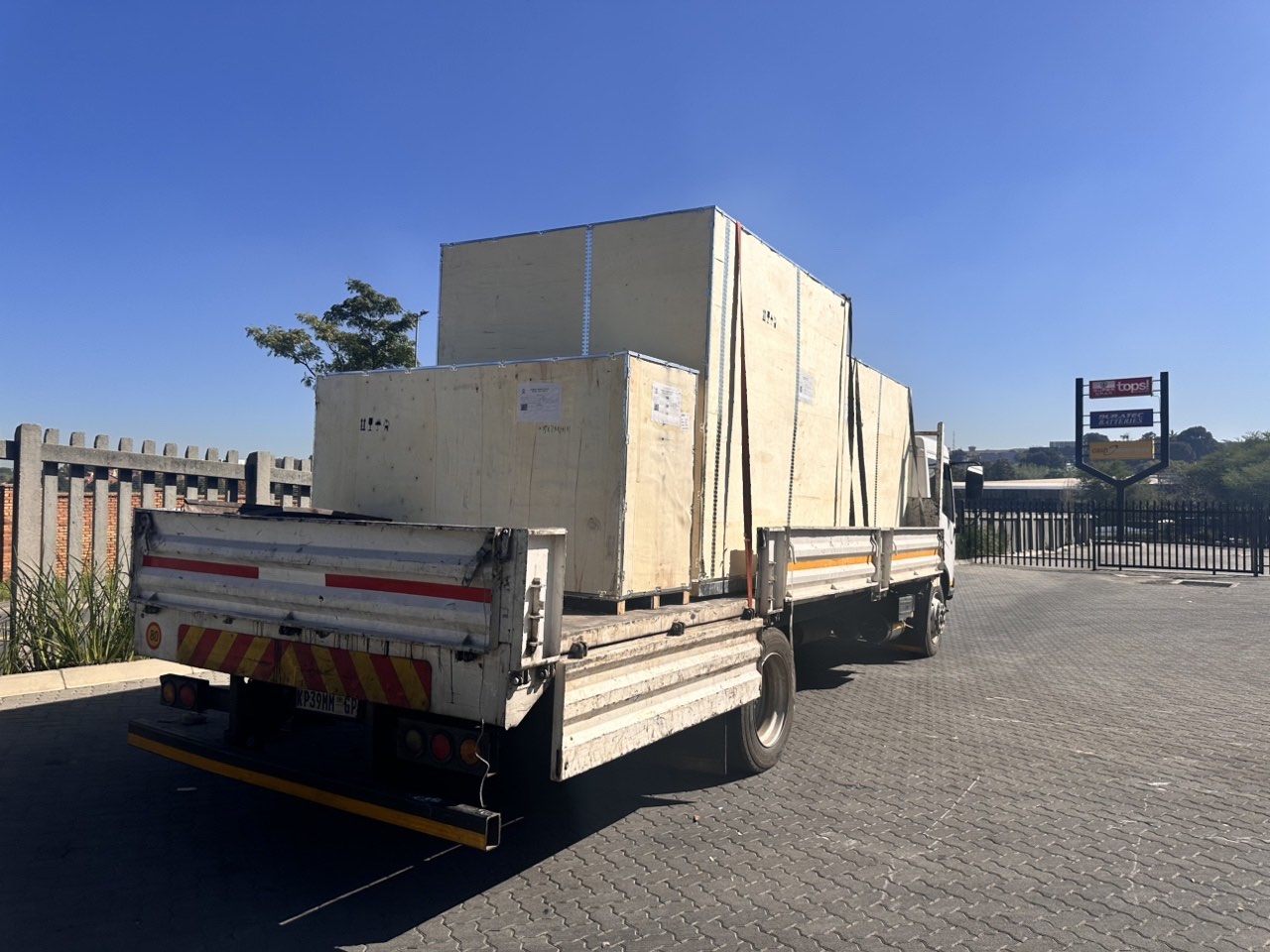
order offloading