B21, China Town Mall, Midrand

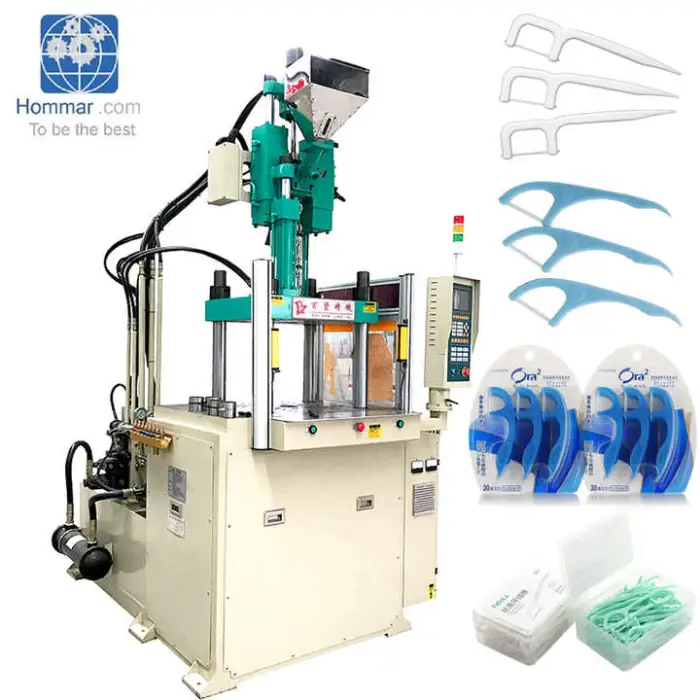
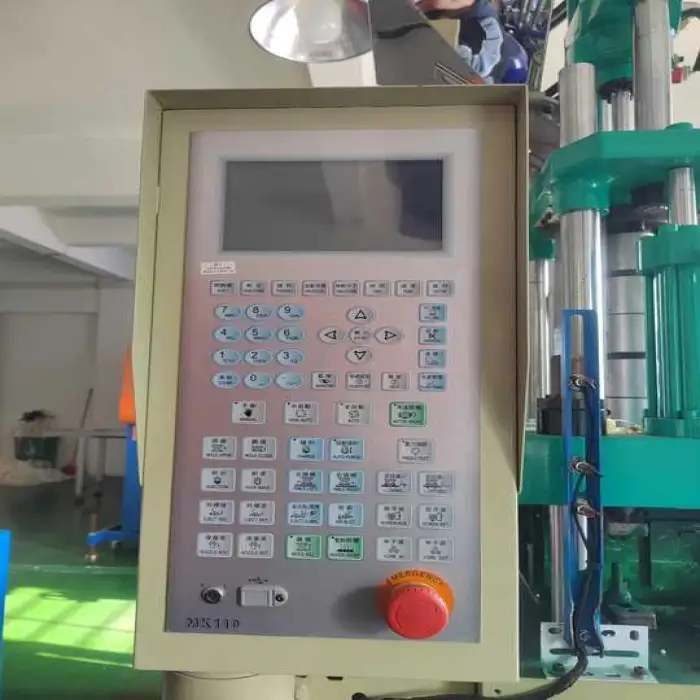
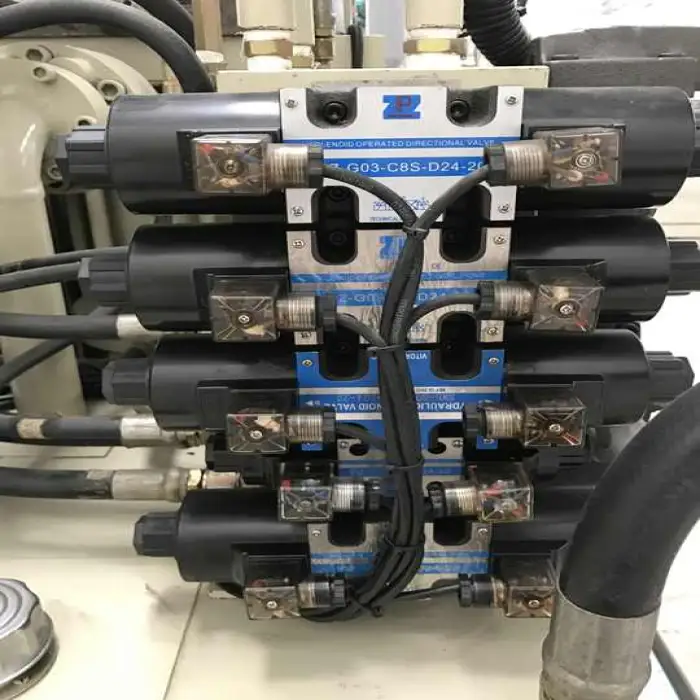
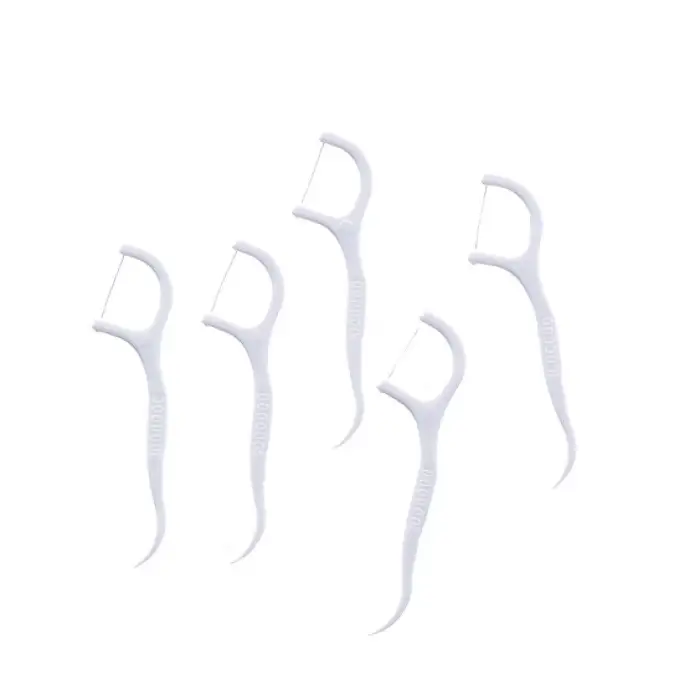
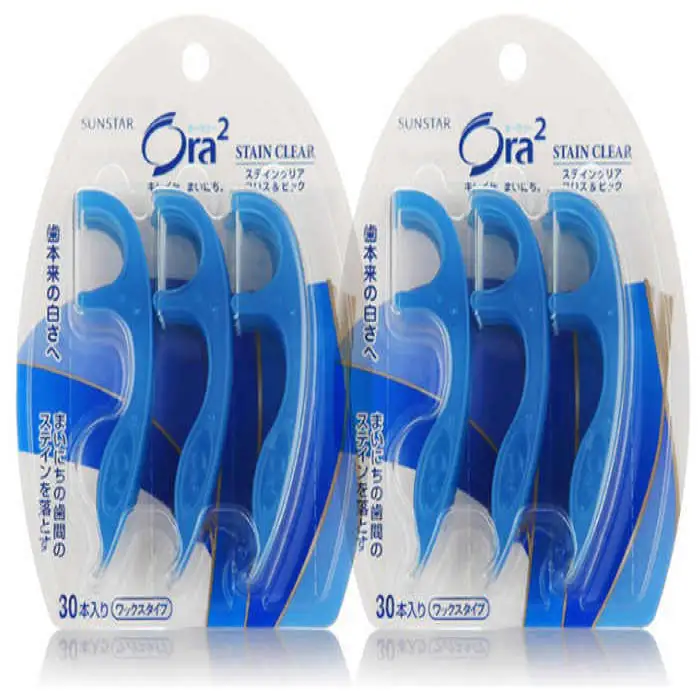
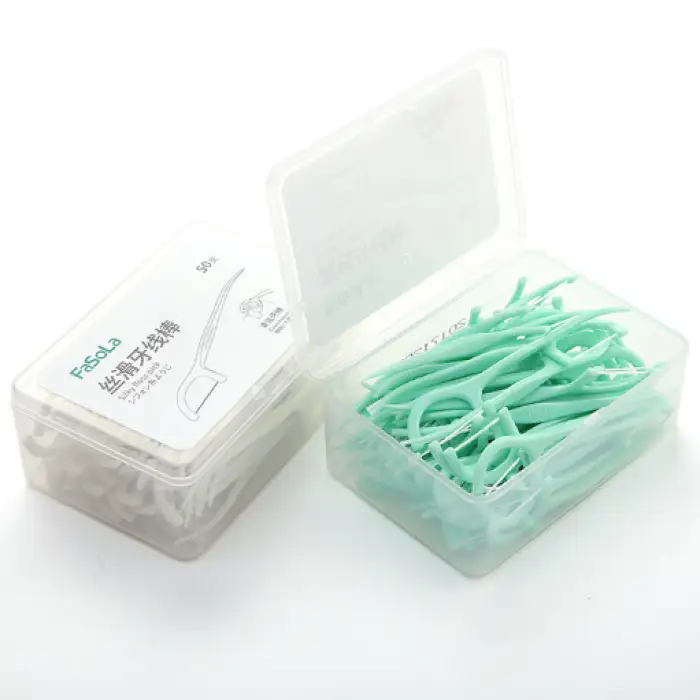
Manufacturing Dental Floss Pick Plastic Injection Molding Machine Making Machine
Asset finance available
Do you want funding for this equipment?
Afrimart can connect you with trusted funding partners who specialise in asset finance for businesses like yours. Compare options and apply in minutes — final approval is subject to provider review.
Check funding options
Secure & no obligation

- Section : Machinery
- Category : Manufacturing Machinery
- SKU : 1600802836096

Manufacturing Dental Floss Pick Plastic Injection Molding Machine Making Machine
The Manufacturing Dental Floss Pick Plastic Injection Molding Machine Making Machine is designed to create high-quality dental floss picks efficiently. This machine is built with advanced hydraulic technology and is perfect for producing eco-friendly dental products. With its vertical style and strong components, it ensures reliable performance in a manufacturing setting.
Specifications
| Attribute | Details |
|---|---|
| Machine Type | Hydraulic |
| Core Components | Motor, Pump, PLC |
| Number of Injectors | 3 |
| Distance Between Tie Bars | 445 * 255 mm |
| Injection Weight | 103 g |
| Injection Rate | 67 g/s |
| Plastic Processed | PVC |
| Style | Vertical |
| Test Report | Provided |
| Video Inspection | Provided |
| Selling Units | Single item |
| Single Package Size | 210 X 130 X 250 cm |
| Single Gross Weight | 1500.000 KG |
Key Features
- Eco-Friendly manufacturing process.
- High efficiency with a strong hydraulic system.
- Compact vertical design for space-saving.
- Easy operation with PLC control.
- Reliable performance with multiple injectors.
Applications
- Production of dental floss picks.
- Manufacturing of other small plastic items.
- Use in dental product companies.
- Ideal for eco-friendly product lines.
- Perfect for small to medium-scale production.
Product Info Gallery
- Shipping Timeframes: All orders are processed within 2-5 business days (excluding weekends and holidays). After your order has been processed, the estimated delivery time is before 02 Jul, 2026, depending on customs, Please note that due to high demand, some items may experience longer shipping times, which will be communicated at order confirmation email.
- Order Processing Time: Please allow 2-5 business days for us to process your order before it is shipped . Orders placed after 16:00 on Fridays, or during weekends and public holidays, will begin processing on the next business day. Processing times may be extended during peak seasons or sales events.
- Manufacturing Time: Some products needs manufacturing time, the manufacturing process will take approximately 10-30 business days depending on the product. This timeframe may vary depending on the complexity of the product and current demand. but this will be communicated with you during order confirmation.
- Returns and Exchanges: We offer a 30-day return policy for most items. If you are not completely satisfied with your purchase, you may return it within 30 days of receipt for a refund or exchange. Items must be unused, in their original packaging, and accompanied by proof of purchase. Return shipping costs are the responsibility of the customer, unless the item was damaged or defective upon arrival.
1. What is this machine used for?
This hydraulic vertical injection molding machine is designed primarily to produce dental floss picks and other small plastic items, particularly for eco-friendly product lines and small-to-medium scale production.
2. What are the key technical specifications I should know?
Core components include motor, pump and PLC. It is a hydraulic, vertical-style machine with 3 injectors, a tie bar distance of 445 x 255 mm, an injection weight of 103 g, and an injection rate of 67 g/s. The machine is specified for processing PVC in the provided documentation.
3. How many cavities or parts can it produce at once?
The machine has 3 independent injectors, so it can run multi-cavity molds or three separate cavities depending on mold design. Exact cavity count depends on part geometry and mold layout; consult your mold designer for optimal configuration.
4. What plastics can this machine process?
The specification lists PVC as the processed material. For other plastics, compatibility depends on melt temperature, viscosity and machine/clamp limits—confirm with the manufacturer before running different resins.
5. What does the injection rate and injection weight mean for production speed?
Injection weight (103 g) is the shot size per injection. Injection rate (67 g/s) describes how quickly the machine can inject melt into the mold. Actual cycle time and output depend on cooling time, mold design and part complexity; use (shot size / injection rate) to estimate injection time, then add cooling, ejection and other steps to calculate cycle time.
6. Is the machine suitable for eco-friendly manufacturing?
Yes—the machine is marketed for eco-friendly production. That generally refers to efficient hydraulic performance, lower waste through precise injection control and suitability for recyclable or bio-based materials when compatible. Confirm specific environmental claims and material recyclability with the supplier.
7. What is the physical size and weight for shipping and installation?
Single package dimensions are 210 x 130 x 250 cm and the single gross weight is approximately 1500 kg. Because of its weight and size, a suitable handling/crane plan and a reinforced, level floor are required for installation.
8. What site utilities and installation requirements are needed?
Detailed power, hydraulic and utility requirements are not listed in this summary. Because it is a hydraulic machine with motor and pump, dedicated electrical supply, hydraulic oil storage and proper ventilation are typically required—contact the manufacturer or supplier for the exact electrical load, hydraulic oil type and site-prep checklist.
9. Does the machine include a PLC and is it easy to operate?
Yes, the machine uses PLC control for operation. PLC control generally simplifies operation and repeatability; operator training is recommended to set process parameters, run jobs and perform routine checks.
10. Are test reports or inspection materials provided?
Yes. The product information states that a test report and video inspection are provided, so you should receive documentation and inspection footage demonstrating machine performance before delivery.
11. What maintenance and service should I expect?
Routine maintenance typically includes hydraulic oil changes, filter replacement, lubrication of moving parts, inspection of seals and tie bars, and monitoring PLC and electrical components. For detailed schedules, spare parts list and service intervals, request the manufacturer’s maintenance manual and recommended spare parts kit.
12. Can molds be changed quickly and does the machine support custom molds?
Yes—the machine is designed for industrial injection molding and accepts custom molds. Mold changeover speed depends on mold size, clamping system and whether quick-change features are installed. Discuss mold plate dimensions and mounting details with the supplier to ensure compatibility.
13. What safety features are included?
While the brief does not list specific safety features, hydraulic injection molding machines commonly include safety interlocks, emergency stops, guarding around moving parts and overload protection. Confirm the exact safety devices and any optional safety packages with the manufacturer before purchase.
14. What warranty, training or after-sales support is available?
Warranty, training and support options are not specified in this summary. The supplier provides test reports and video inspection; contact them directly to confirm warranty terms, onsite or remote commissioning, operator training and service agreements.
15. How do I estimate production capacity for dental floss picks?
Estimate capacity by determining the full cycle time for your specific mold (injection + cooling + ejection). For a rough injection-phase reference, divide the shot size (103 g) by the injection rate (67 g/s) to get the injection duration (~1.5 s). Add cooling and handling times to get total cycle time, then divide available production time by cycle time to get parts/hour. For an accurate forecast, run trial cycles with your mold and material.
Latest Order Arrivals
Discover our latest orders
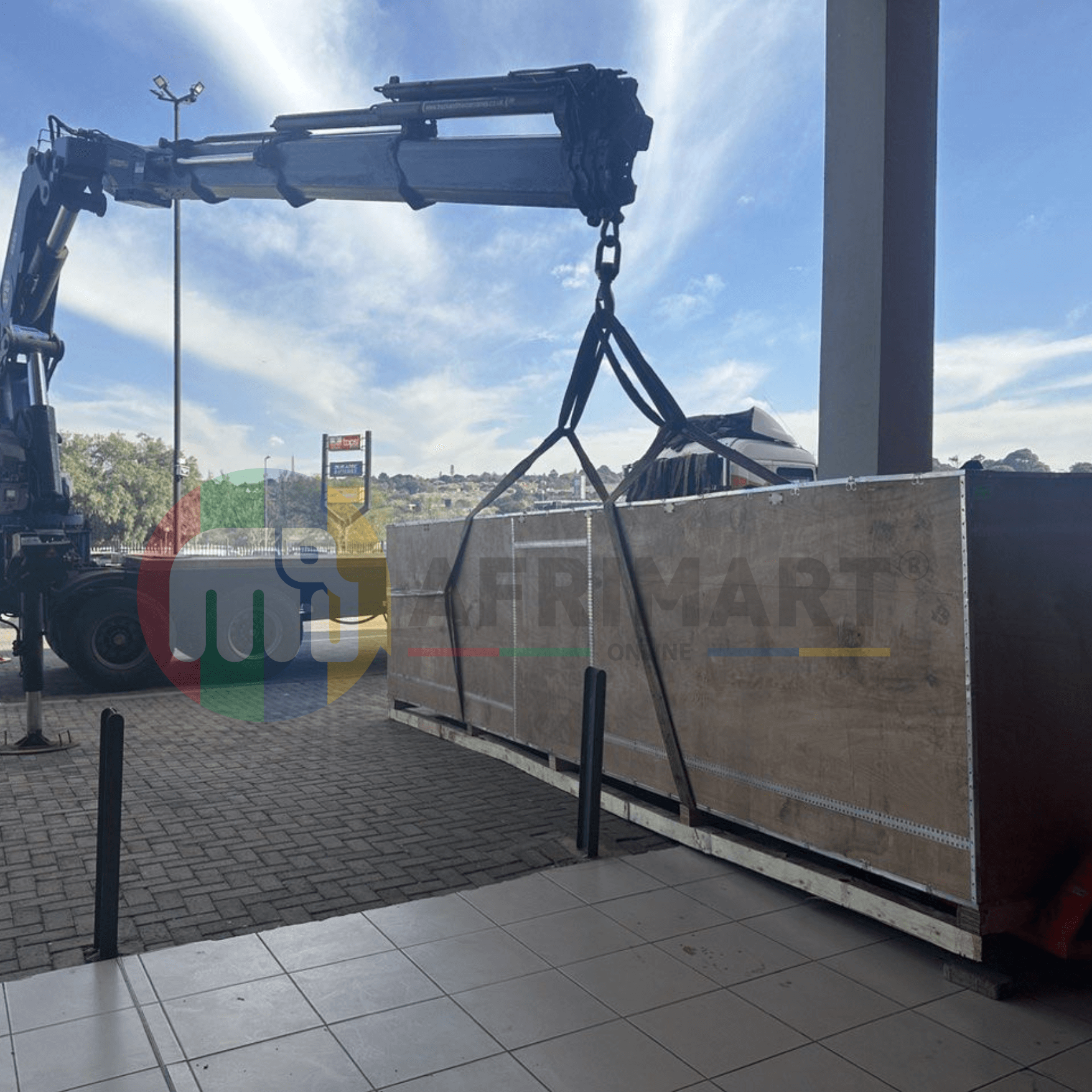
12 Heads Embroidery Machine
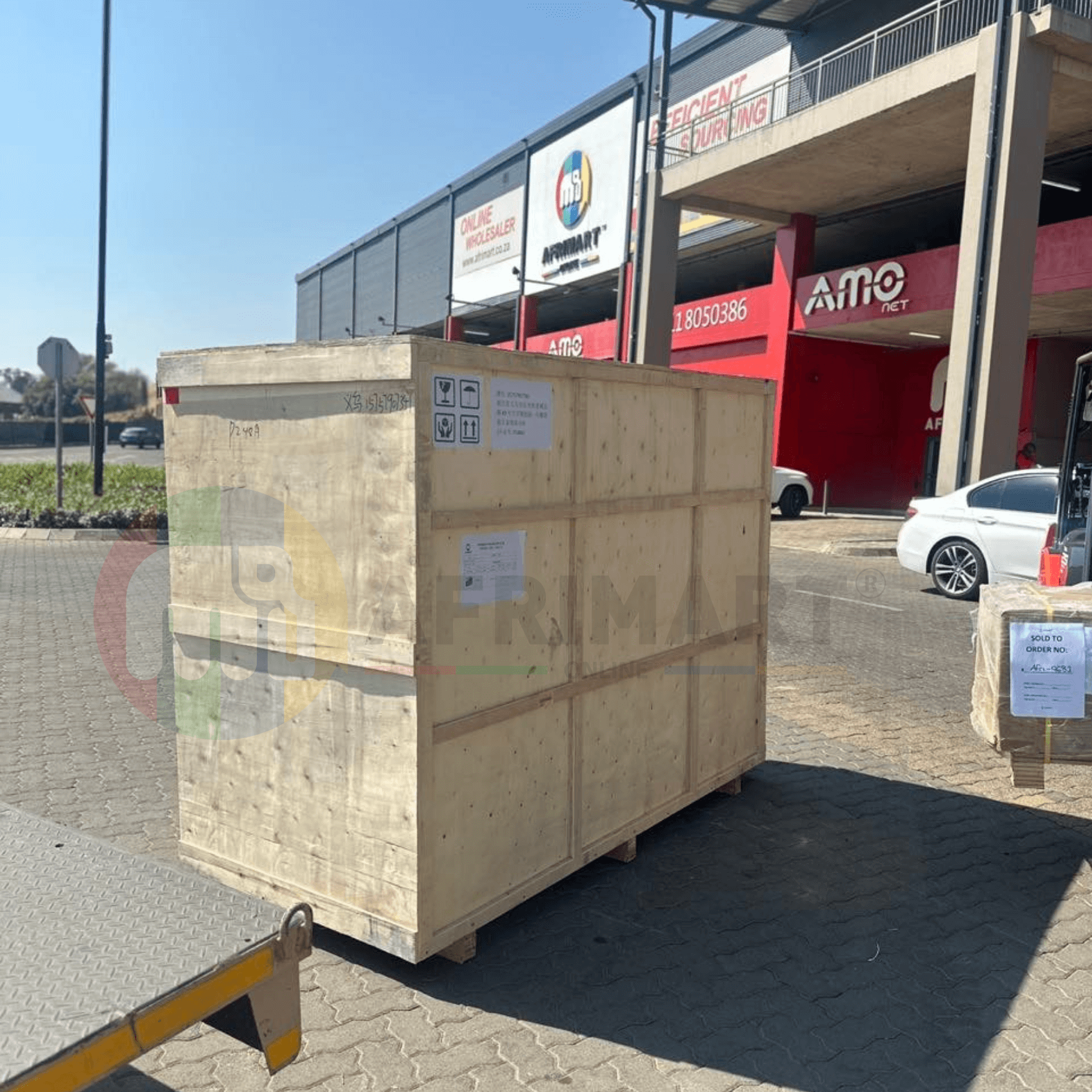
Dewatering Pump Machine
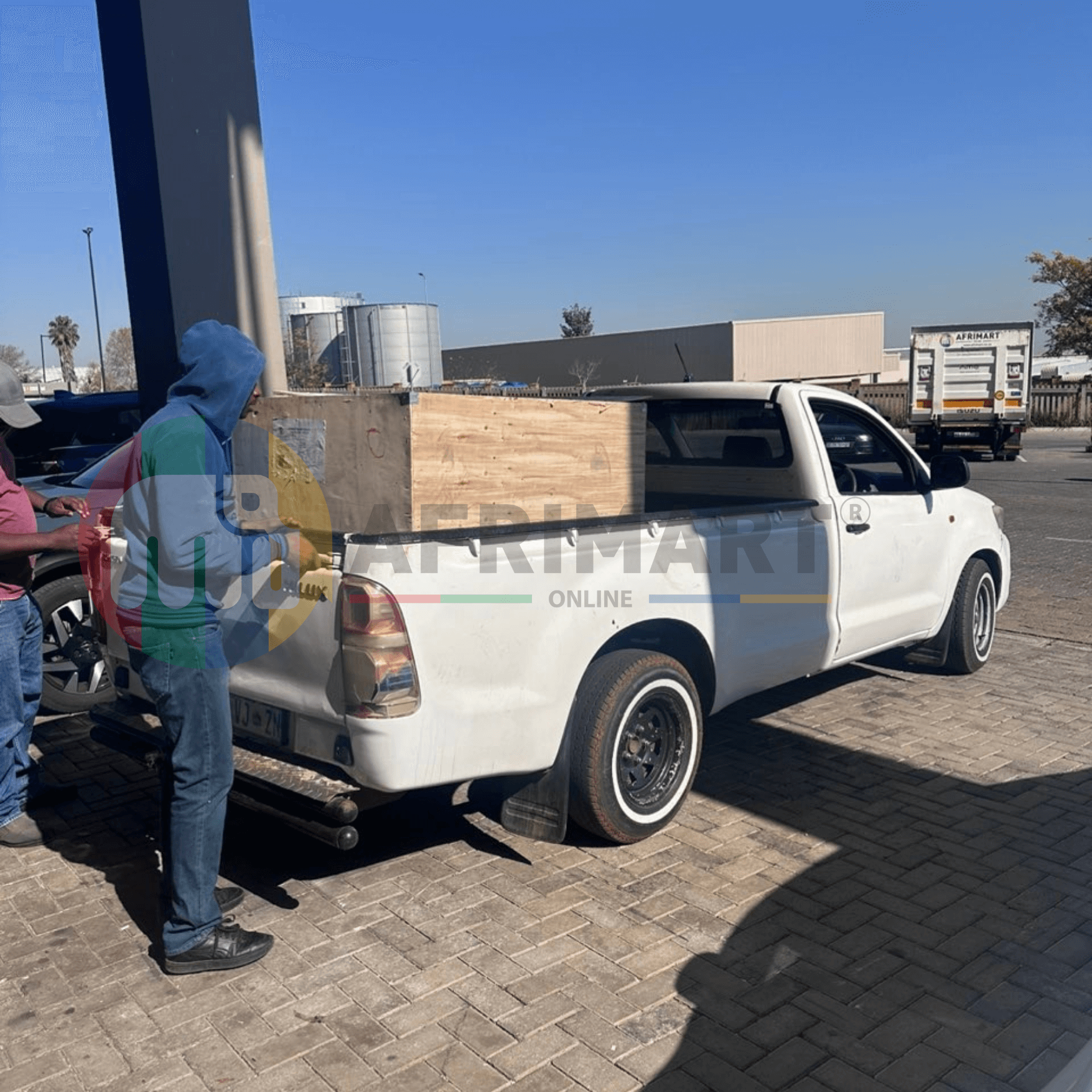
Order Collection
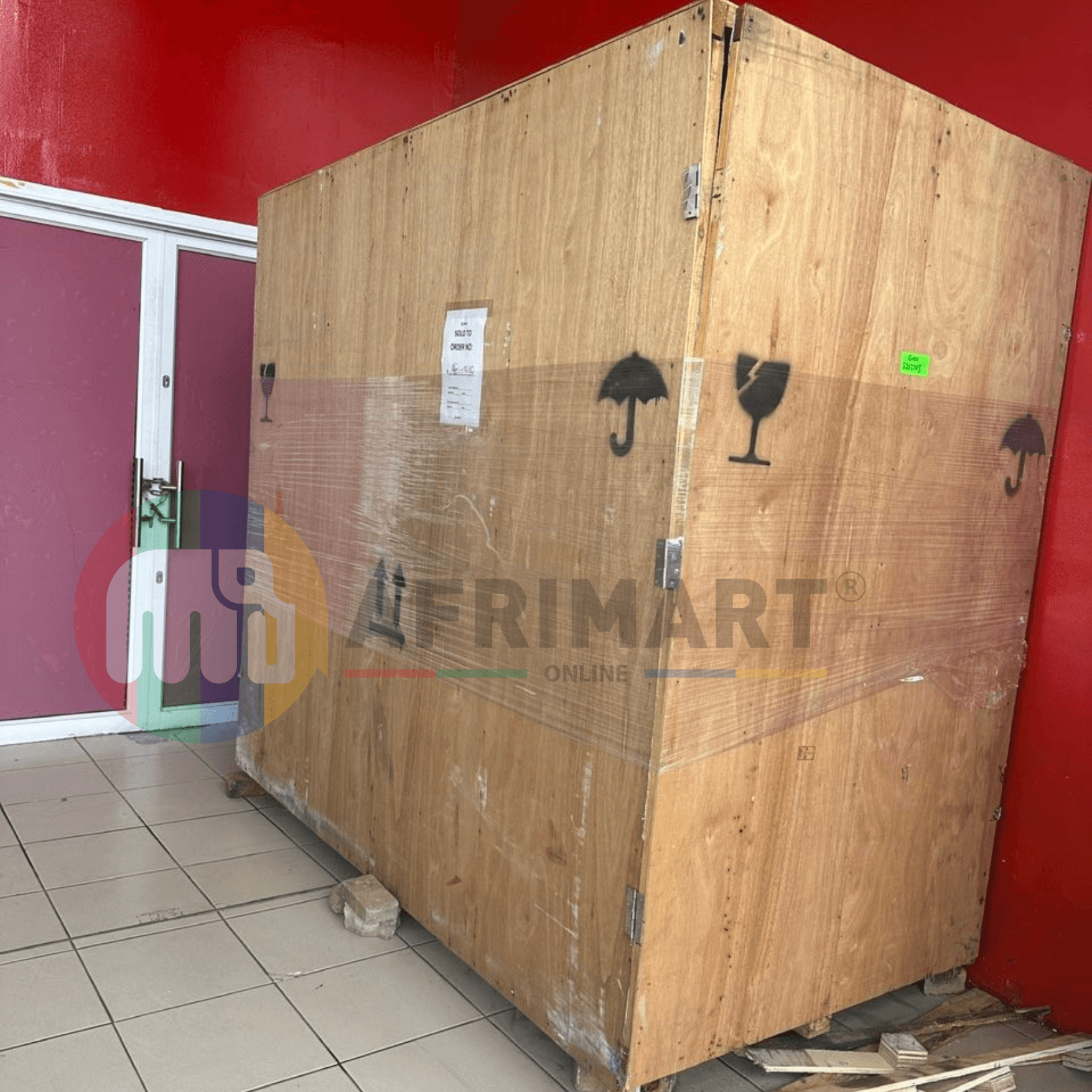
Portable Water Drilling Rig
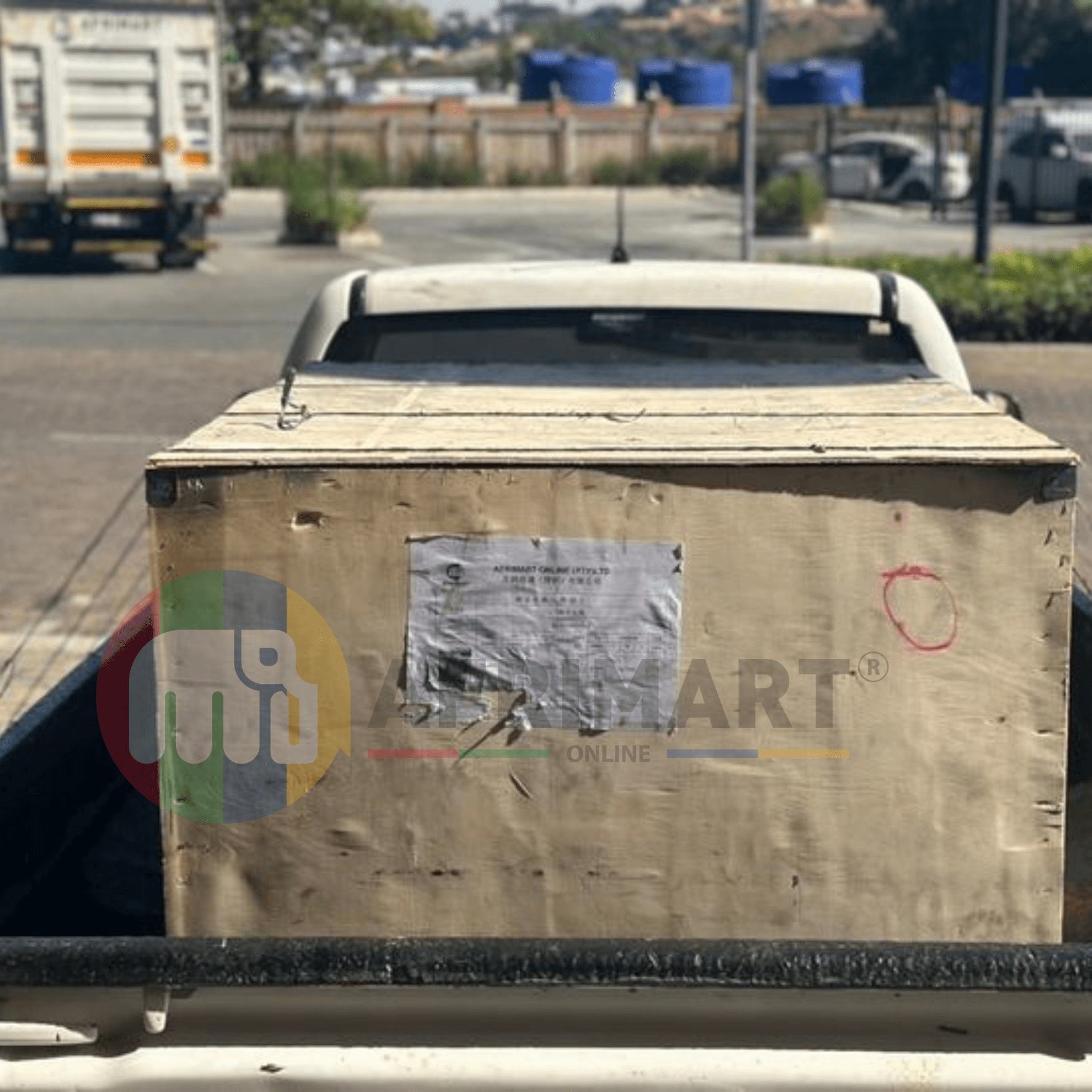
Order Usefully Collected
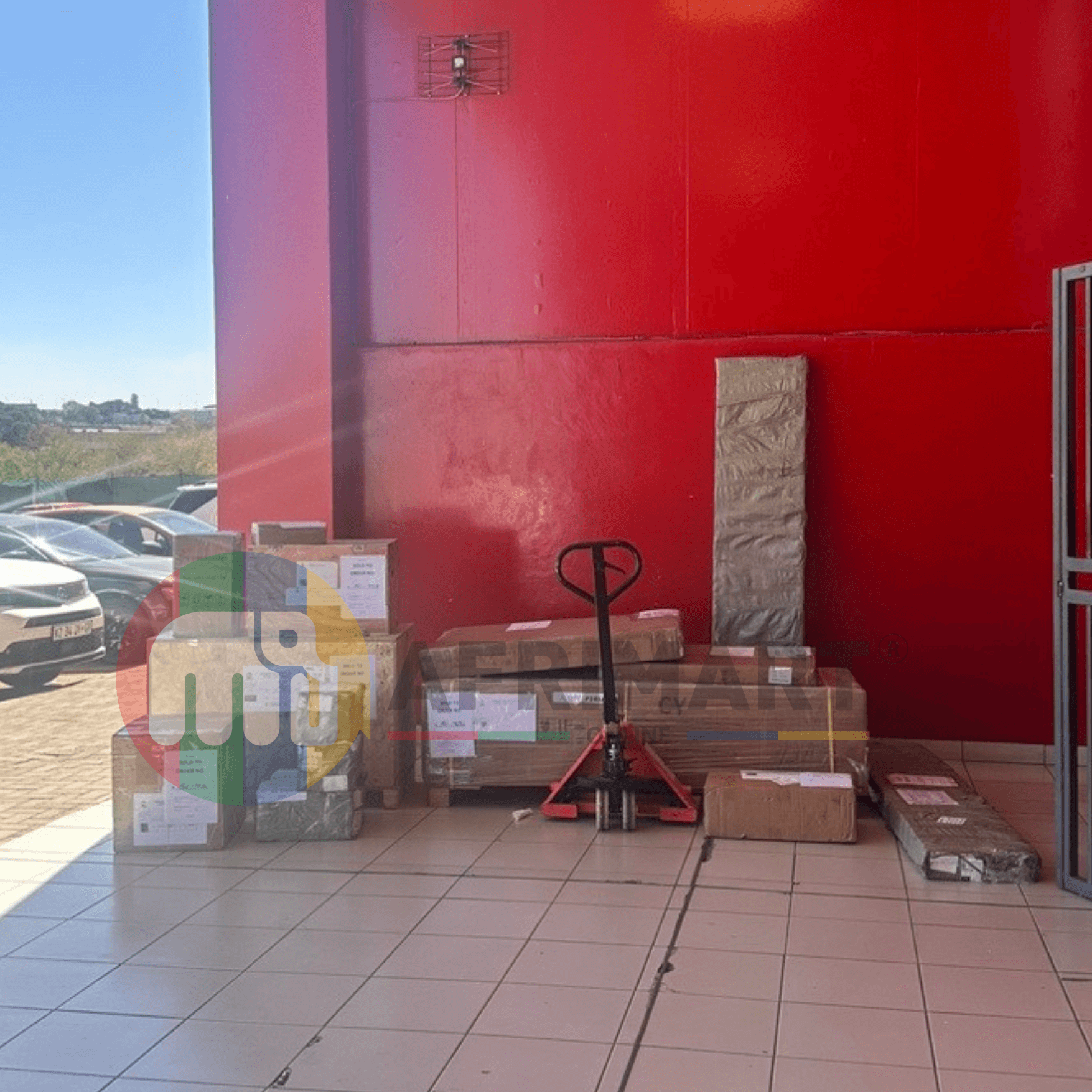
Batch of Orders
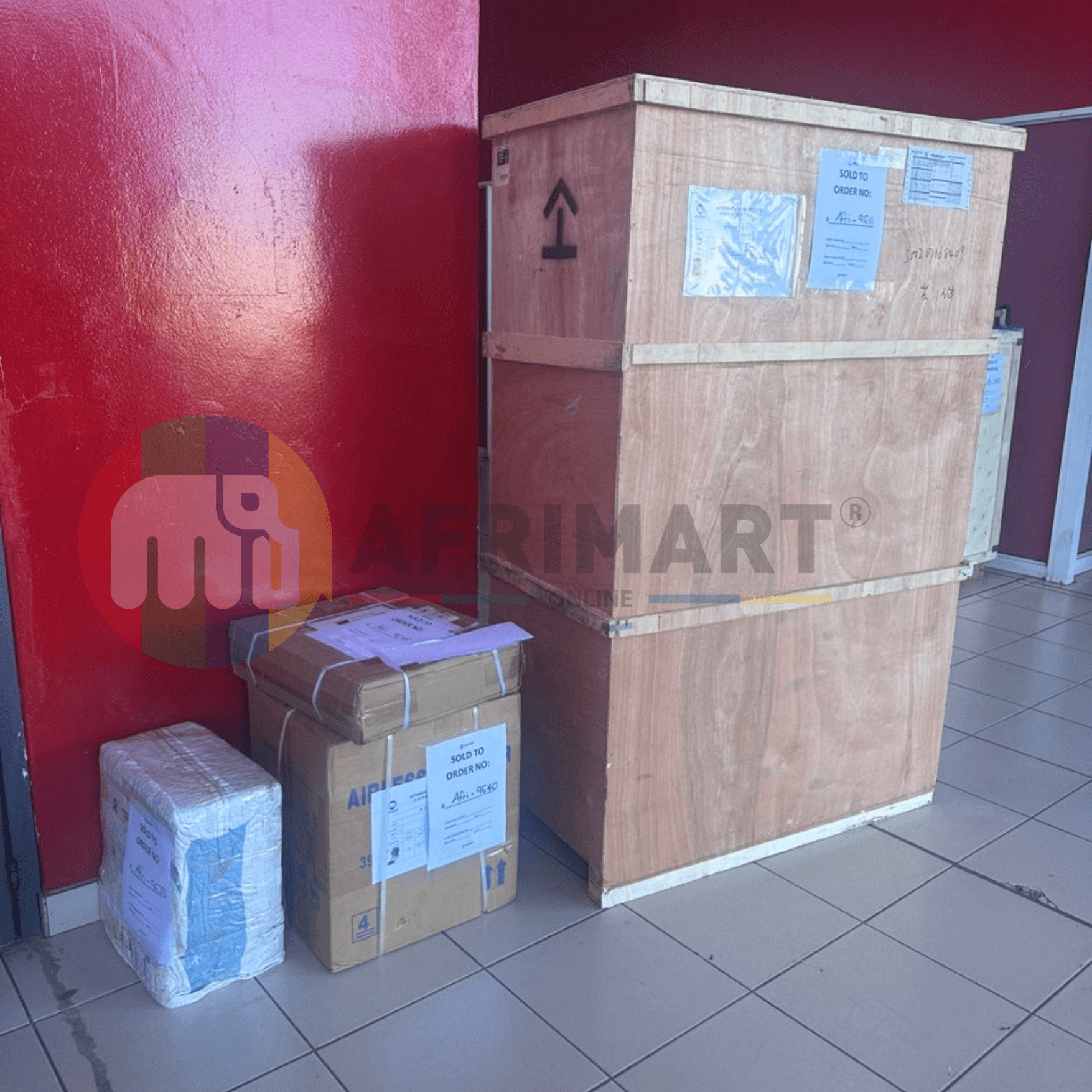
Agriculture Processing Machines
Meat Grinder Machine
Water Pump Equipment
Packaging Machine and accessories
Fabrics Manufacturing Equipment
Mining Equipments
Food Processing Machine
Batch of Orders
Batch of Orders
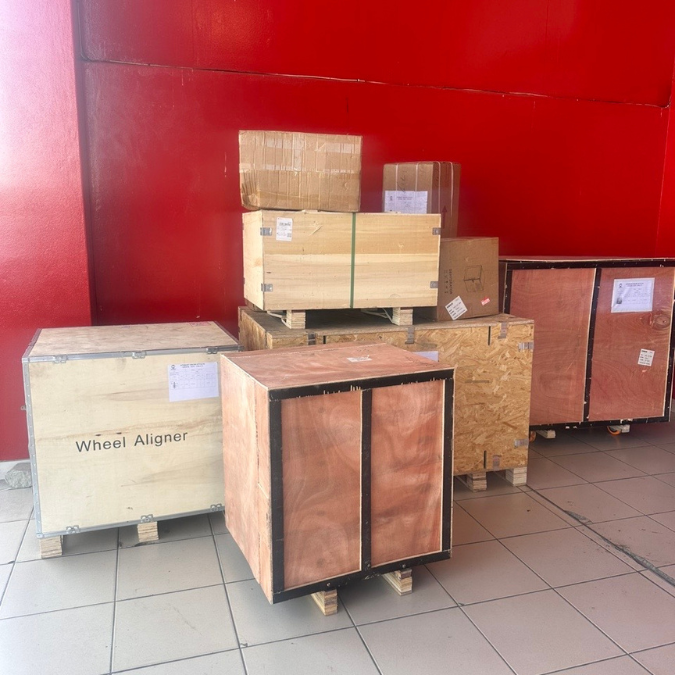
Latest Orders Labelled
wheel alignment machines
new arrivals
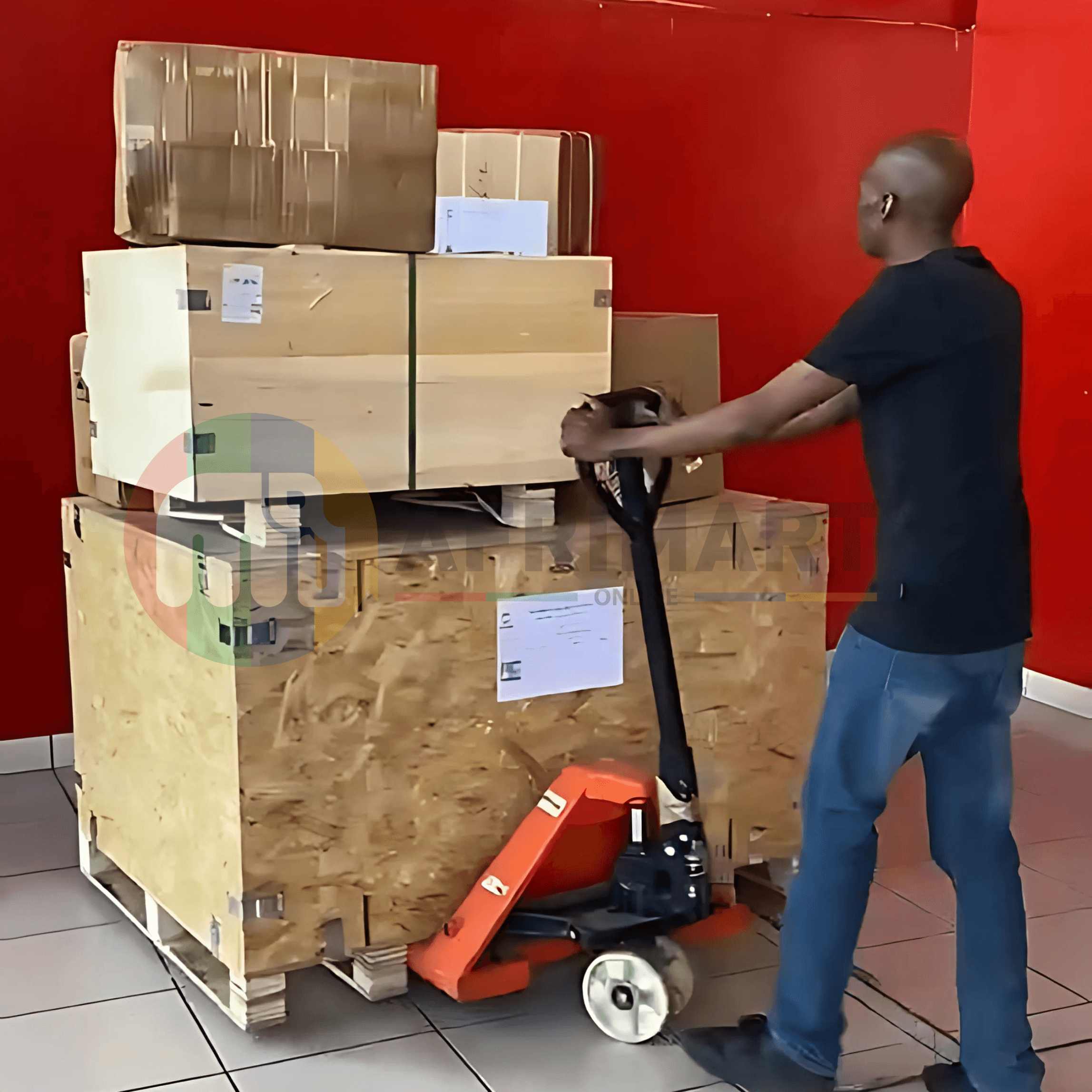
Pre Orders Offloading
Latest Arrivals
Latest Arrivals
Latest Arrivals
26 January 2026
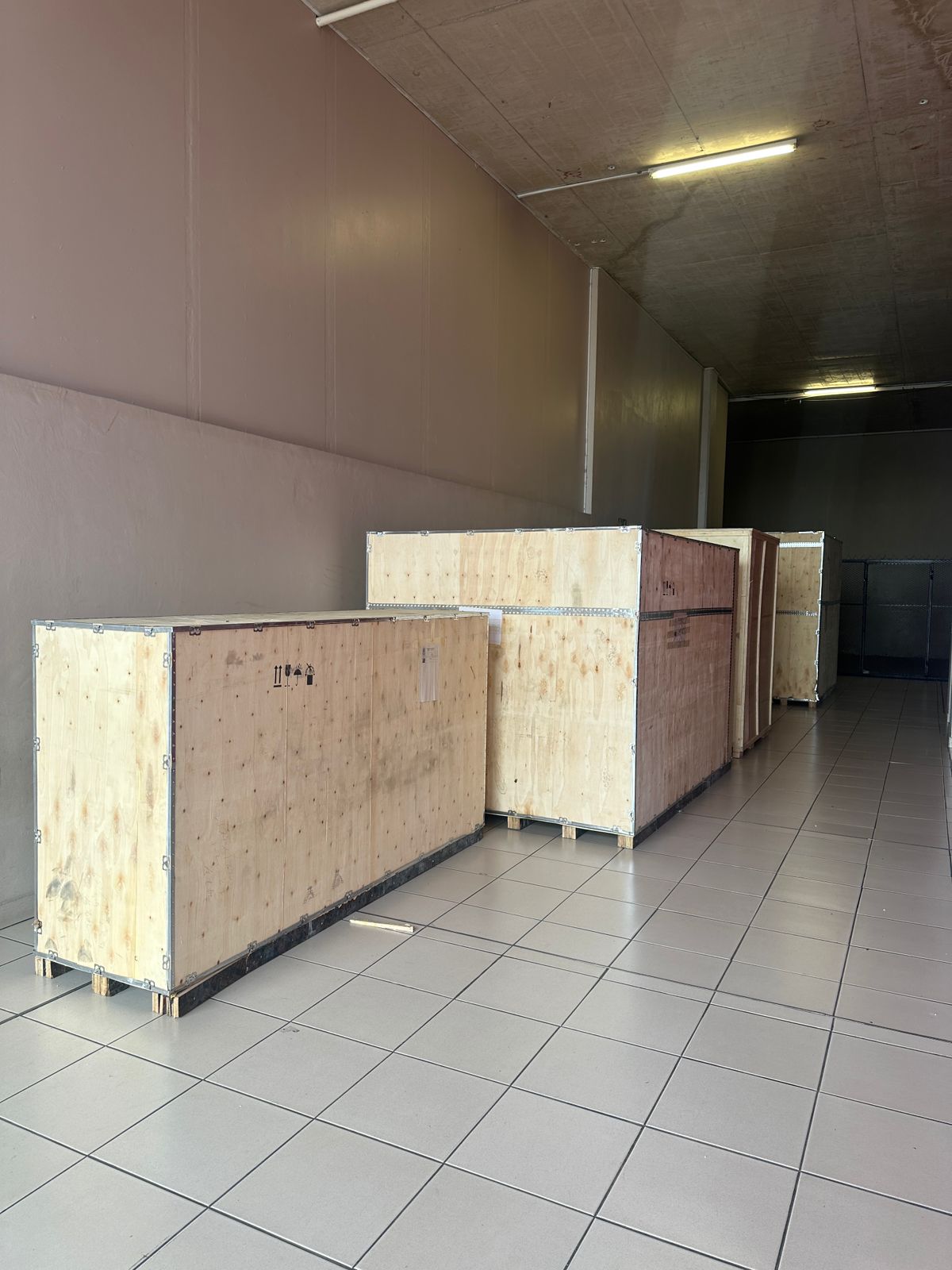
Toilet paper making machine
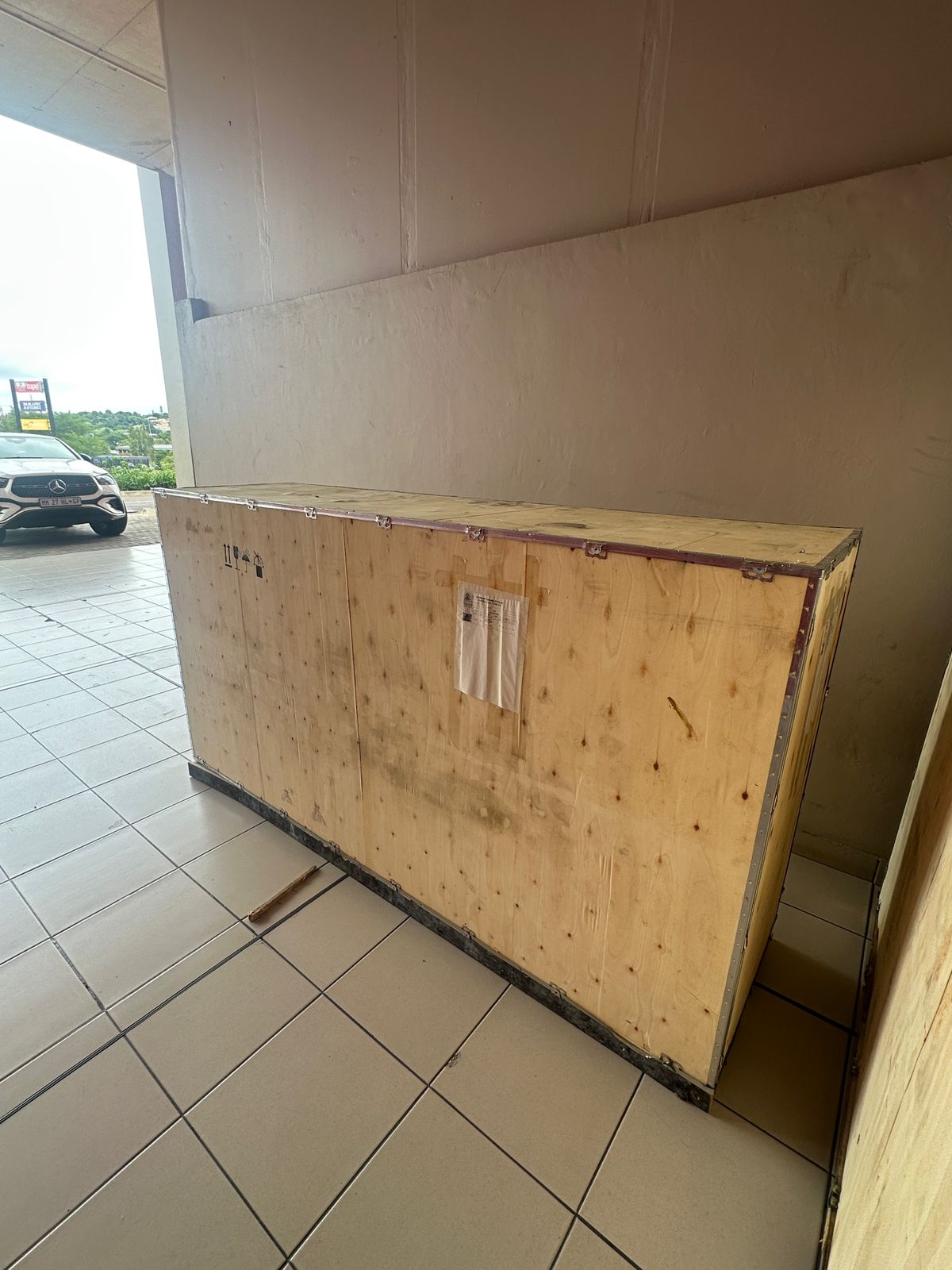
Toilet paper making machine
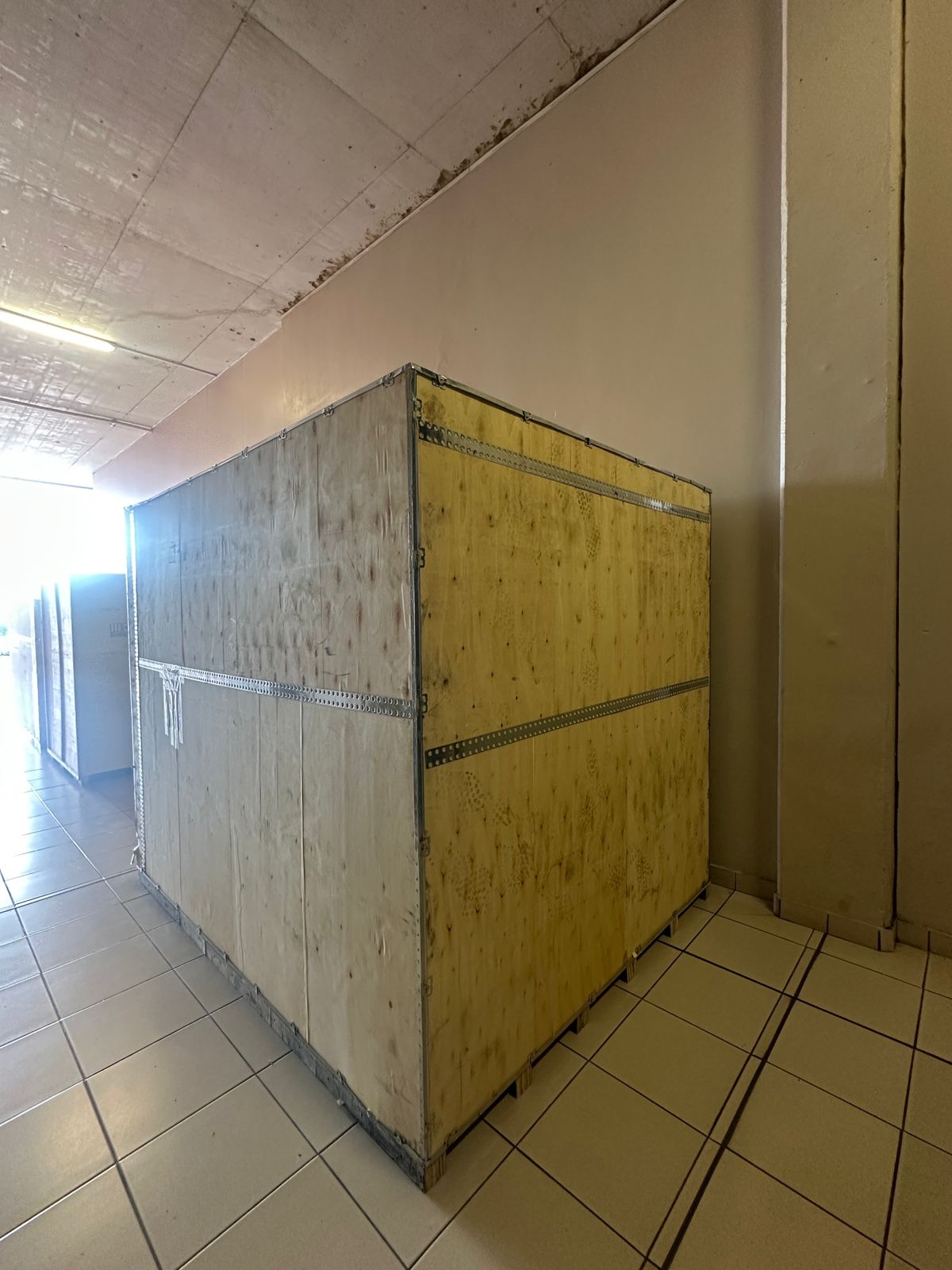
Toilet paper Rewinding Machine
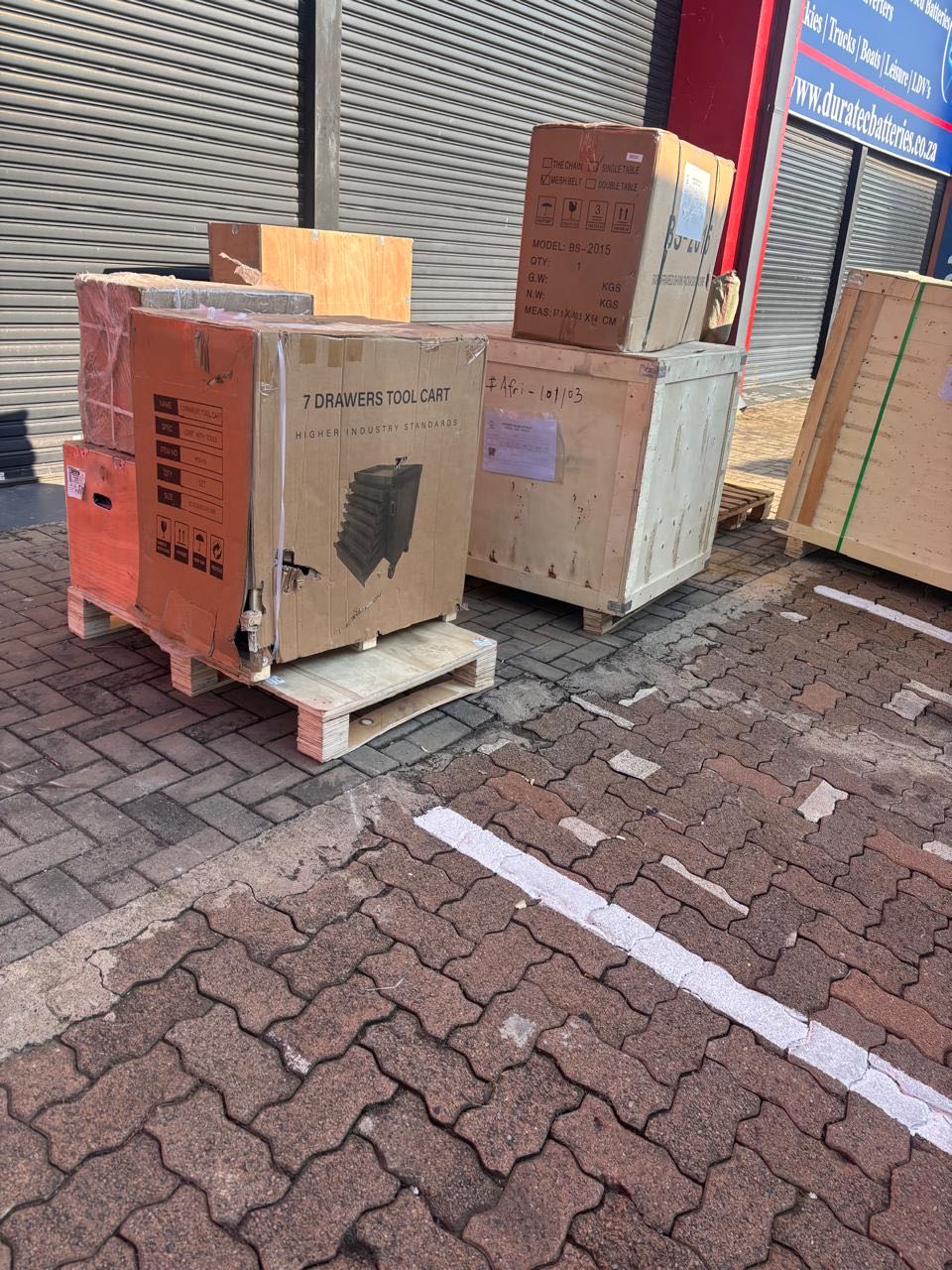
latest arrivals
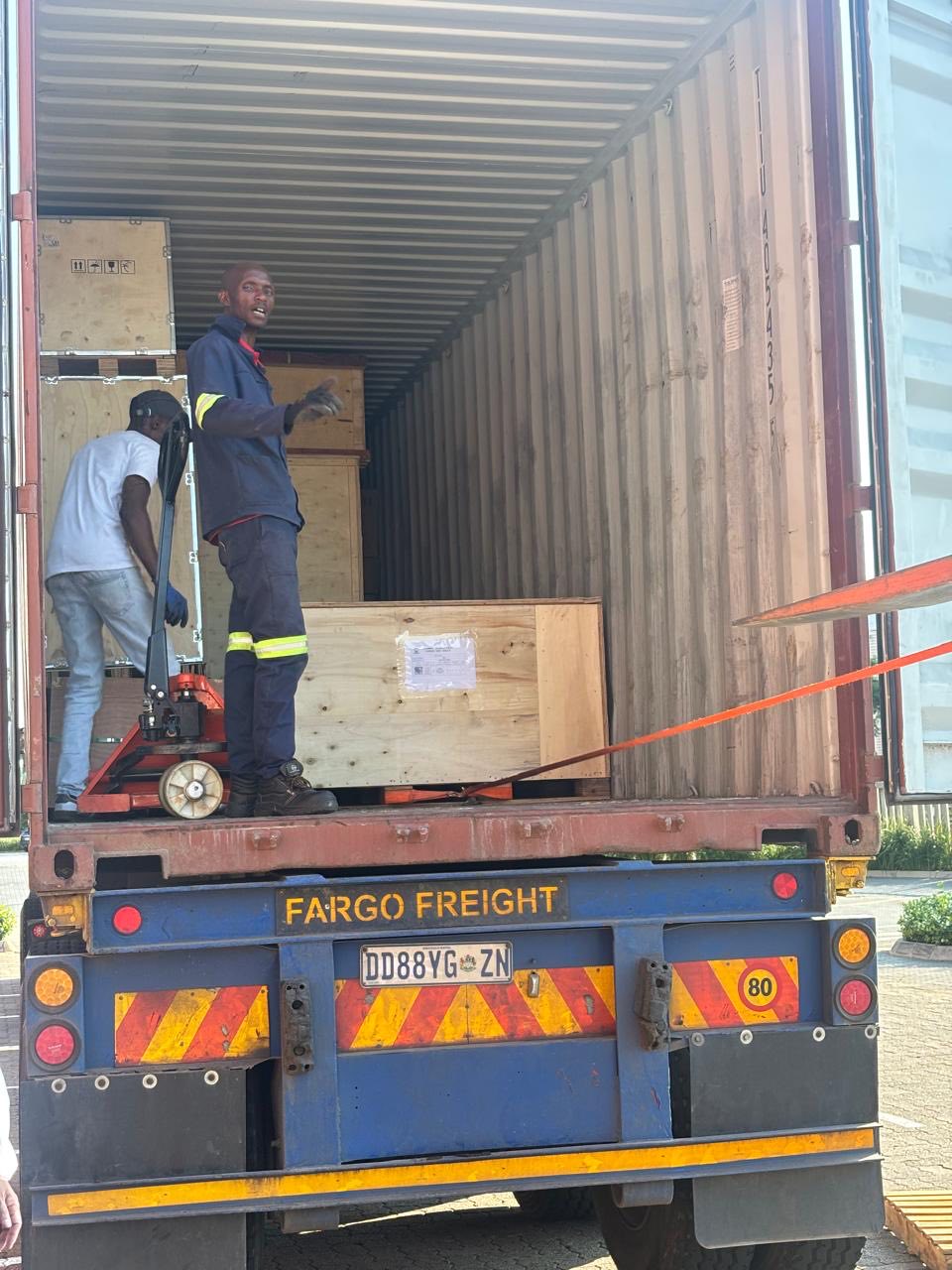
offloading
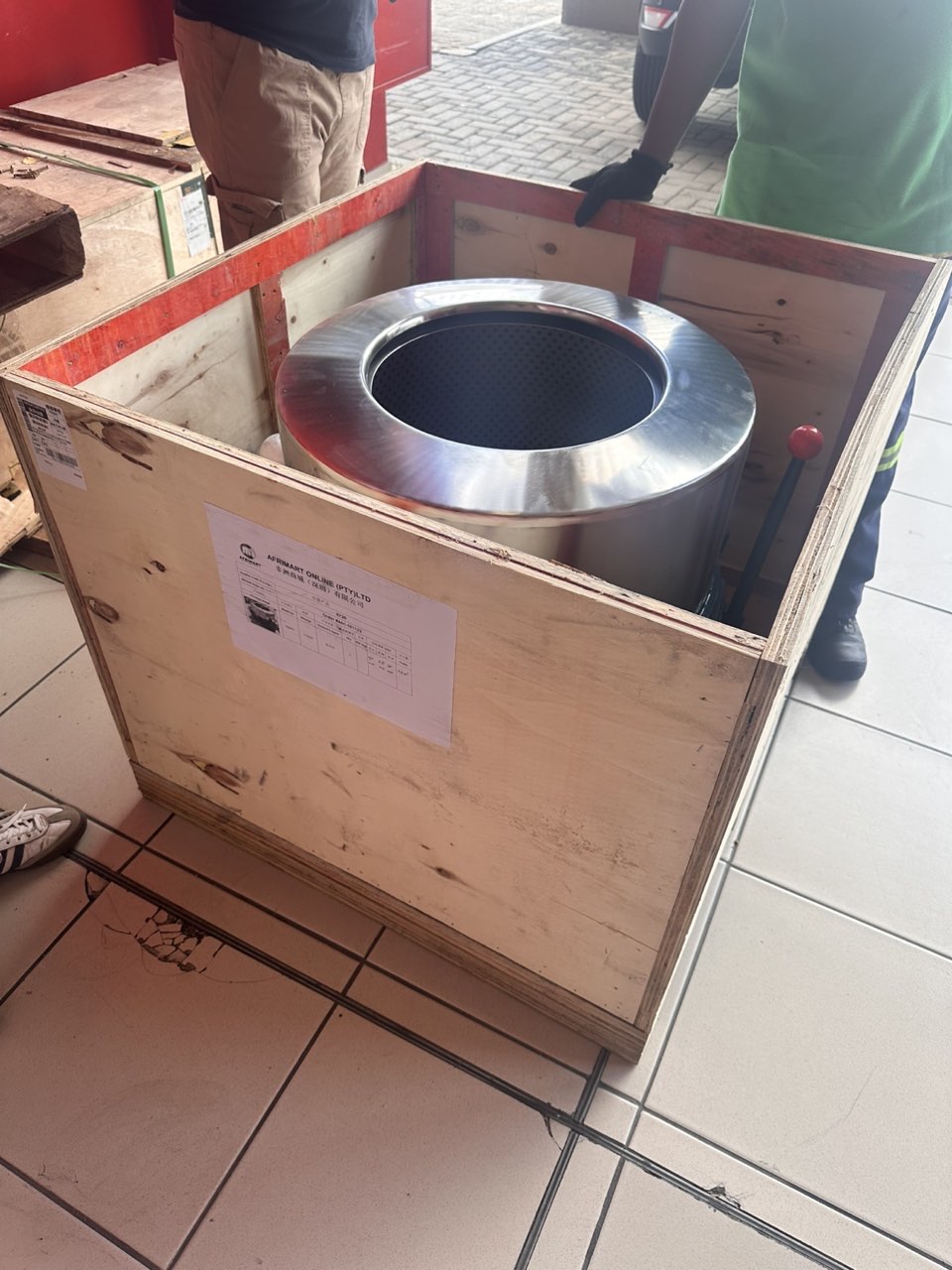
order success
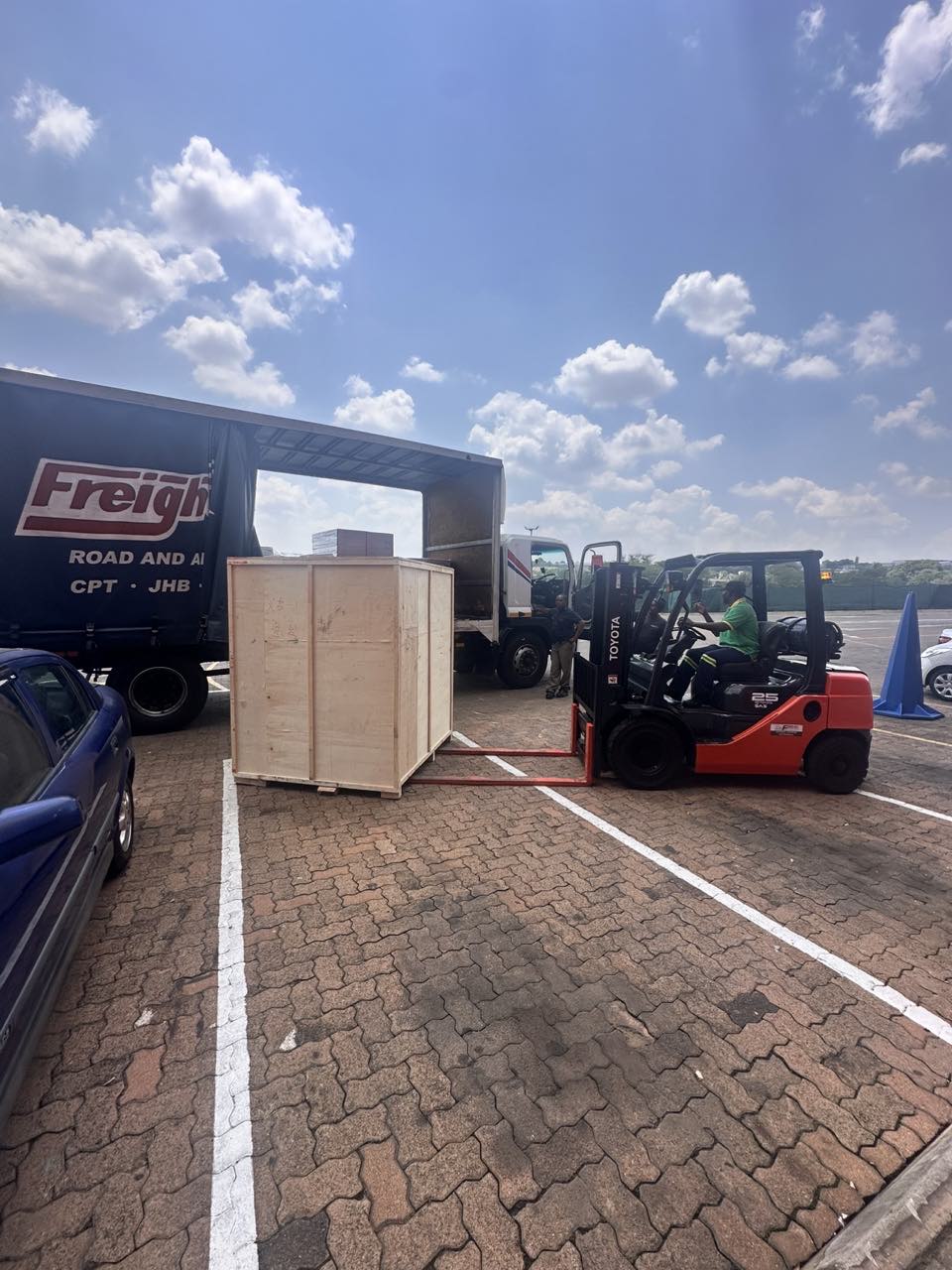
order collection
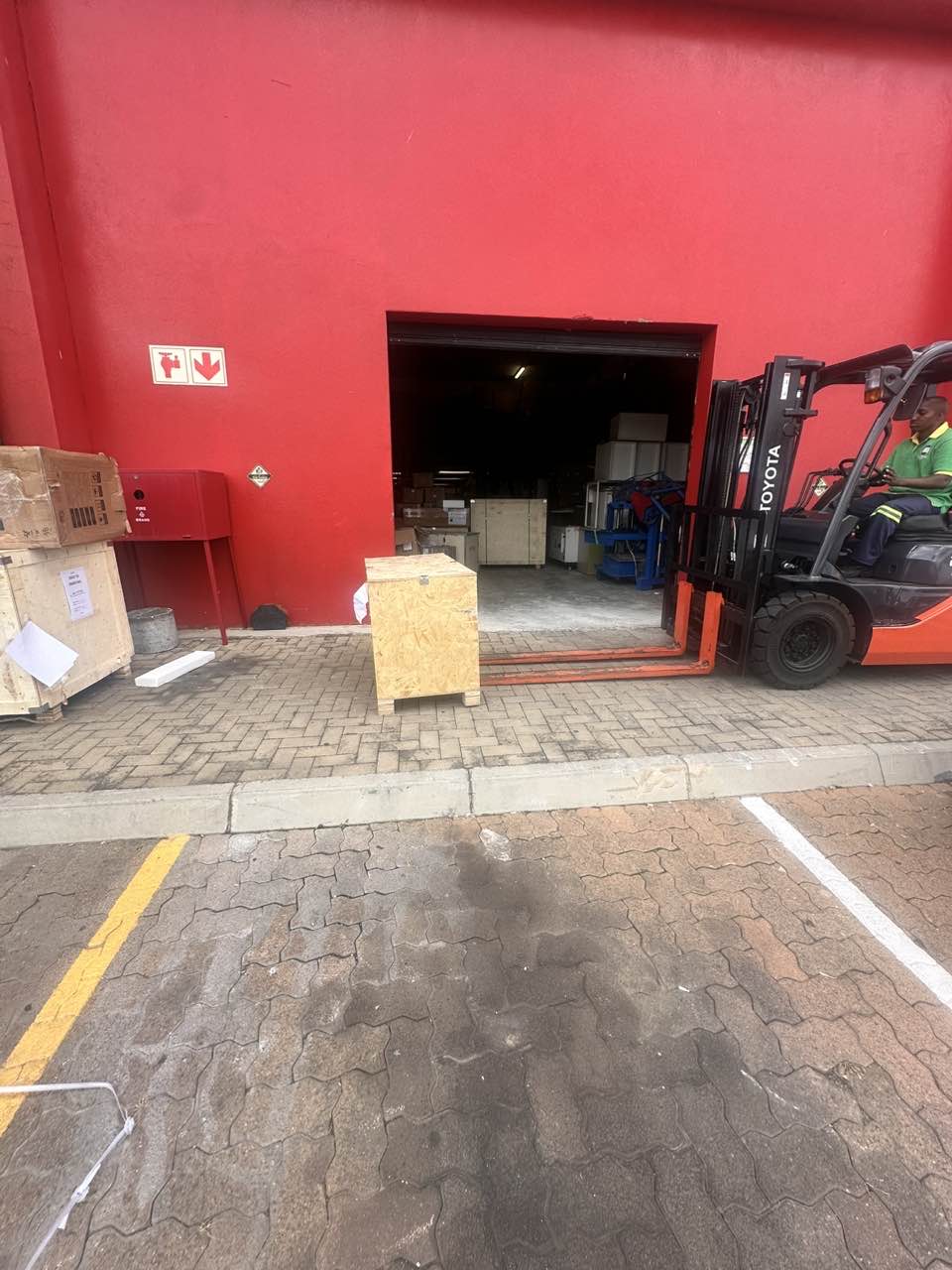
order offloading