B21, China Town Mall, Midrand

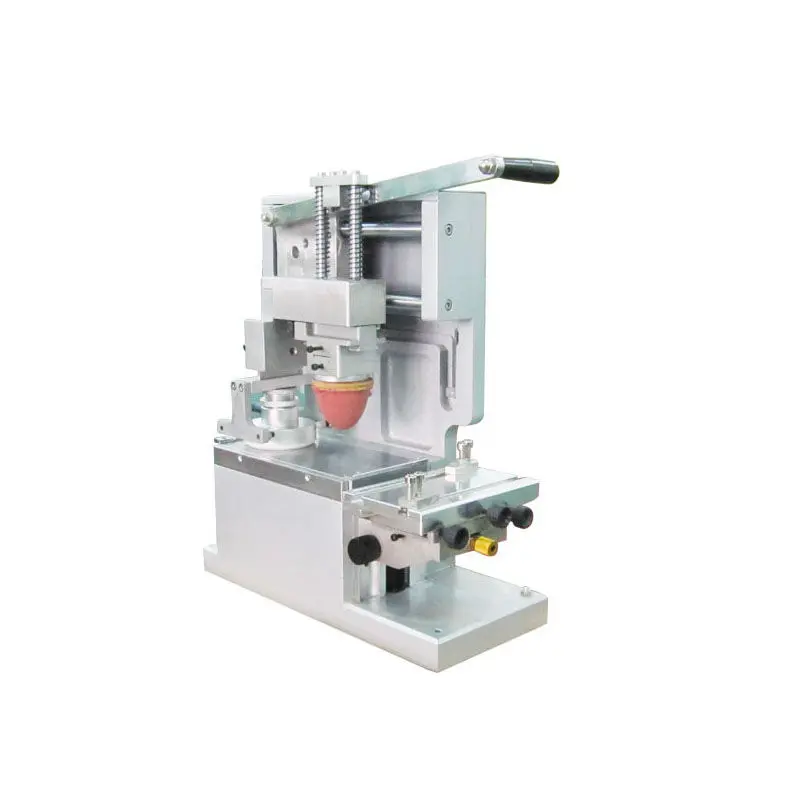
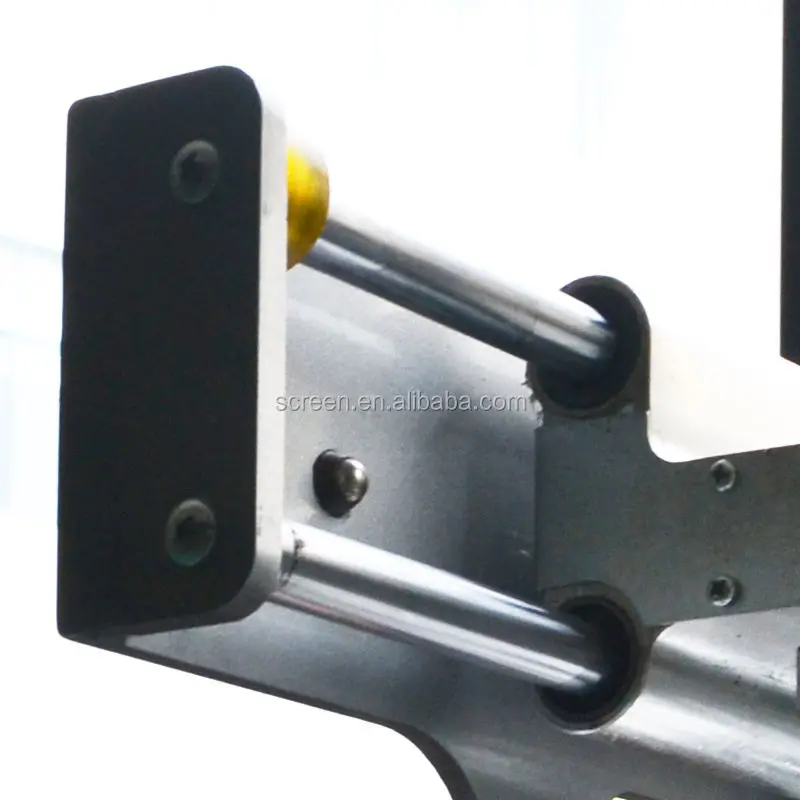
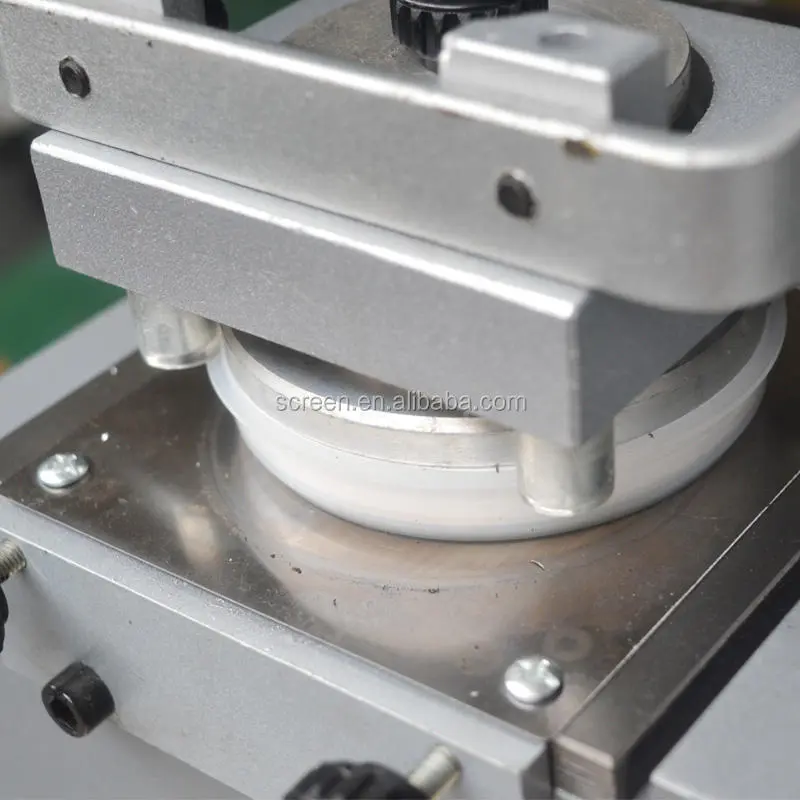
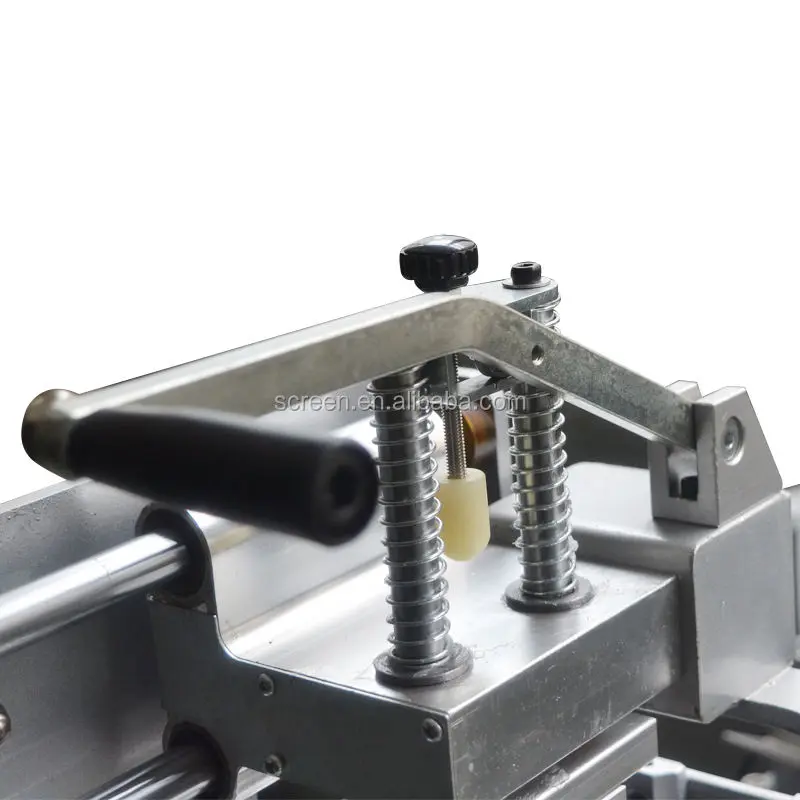
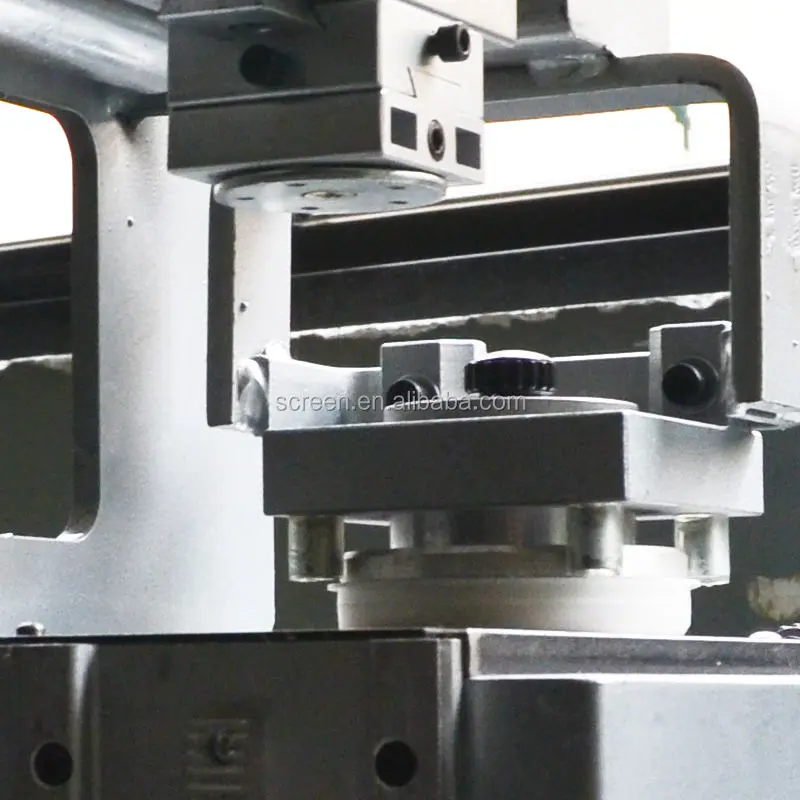
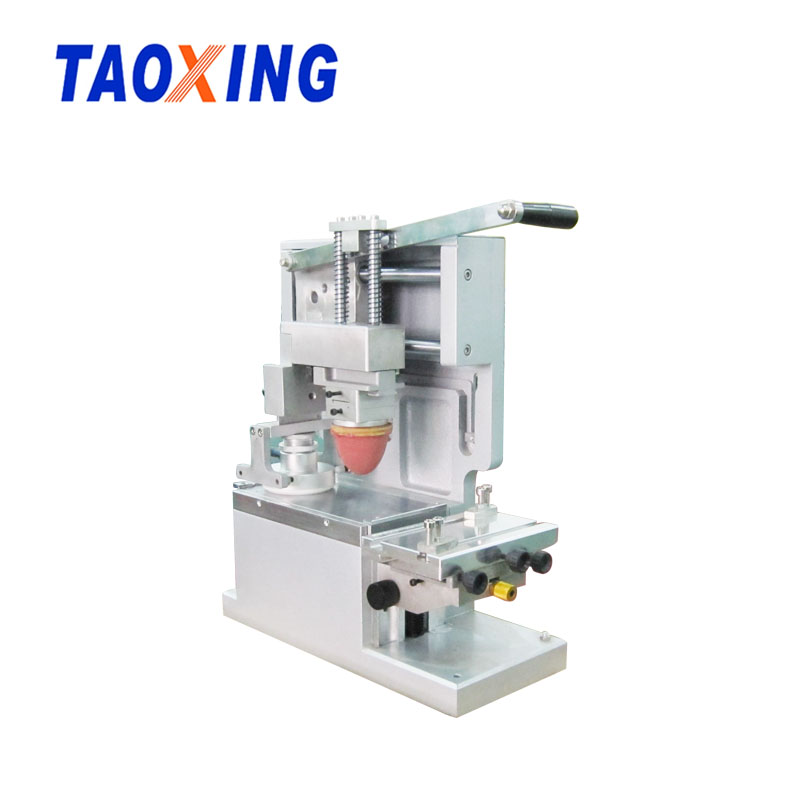
Manual Tampography Pad Printer Machine

- Section : Consumer Electronics
- Category : Printing Equipment
- SKU : 60762728200

Application for Manual pad printing machine
1. No energy, low cost
2. High printing precision, easy operation
3. Easy to move
Advantages for cosmetics, sports equipment, electrical and electronic components and trademarks appearance decoration printing and other commodities.
| SPECIFICATIONS FOR Manual pad printing machine | |||
| Oil cup size | Φ70 mm | Maximum print size | 70x100 mm |
| Dimensions | 400x220x500mm | Maximum print height | 150 mm |
- Shipping Timeframes: All orders are processed within 2-5 business days (excluding weekends and holidays). After your order has been processed, the estimated delivery time is before 11 Jul, 2026, depending on customs, Please note that due to high demand, some items may experience longer shipping times, which will be communicated at order confirmation email.
- Order Processing Time: Please allow 2-5 business days for us to process your order before it is shipped . Orders placed after 16:00 on Fridays, or during weekends and public holidays, will begin processing on the next business day. Processing times may be extended during peak seasons or sales events.
- Manufacturing Time: Some products needs manufacturing time, the manufacturing process will take approximately 10-30 business days depending on the product. This timeframe may vary depending on the complexity of the product and current demand. but this will be communicated with you during order confirmation.
- Returns and Exchanges: We offer a 30-day return policy for most items. If you are not completely satisfied with your purchase, you may return it within 30 days of receipt for a refund or exchange. Items must be unused, in their original packaging, and accompanied by proof of purchase. Return shipping costs are the responsibility of the customer, unless the item was damaged or defective upon arrival.
1. What is the Manual Tampography Pad Printer Machine used for?
It is a manual pad printing machine designed for decorating and printing trademarks, logos and appearance details on products such as cosmetics containers, sports equipment, electrical and electronic components and other small commodities.
2. Does this machine require electricity to operate?
No — this is a manually operated machine that does not require electrical power, which reduces operating cost and simplifies use.
3. What is the maximum print area (print size) this machine can handle?
The maximum print size is 70 x 100 mm.
4. What is the maximum printable object height?
The machine accommodates parts up to 150 mm in height.
5. What is the size of the ink/oil cup?
The ink (oil) cup has a diameter of 70 mm.
6. What are the physical dimensions of the machine?
The machine's dimensions are 400 x 220 x 500 mm.
7. What types of substrates can I print on with this machine?
Pad printing commonly works on plastics, metals, glass, ceramics, coated surfaces and some leathers. Because adhesion and finish depend on substrate and ink chemistry, you should test your specific material before full production.
8. What types of inks can be used?
The machine is compatible with standard pad-printing inks. Solvent-based inks are commonly used; UV-curable and specialty inks may also be compatible depending on the ink and process. Always follow the ink manufacturer’s recommendations and perform tests.
9. How accurate and repeatable is the printing?
The machine offers high printing precision for a manual device. Repeatability depends on fixturing, operator skill and artwork, but it is suitable for fine details when properly set up and jigs/fixtures are used.
10. Is the machine easy to move and store?
Yes. It is compact and designed to be portable and easy to reposition thanks to its small footprint and manual operation.
11. What consumables and accessories will I need?
Typical consumables include pads, printing plates (clichés), inks, ink cups/doctor blades, and cleaning solvents. Fixtures and jigs for part registration are also commonly used.
12. How do I maintain and clean the machine?
Regular maintenance includes cleaning the ink cup and pad after each run, checking and replacing worn pads or plates, keeping moving parts free of ink buildup and using appropriate cleaning solvents with proper ventilation and PPE. Follow supplier maintenance instructions.
13. What if my prints are blurred, uneven or have misalignment?
Common causes are contaminated pads or plates, incorrect ink viscosity, poor pad dwell time, worn pads/plates or improper part fixturing. Review cleaning, ink preparation, pad condition and alignment fixtures; perform test prints and adjust pressure and stroke as needed.
14. Are there safety considerations I should follow?
Yes. Even though the machine is manual, many pad-printing inks and cleaning solvents are flammable or hazardous. Use adequate ventilation, wear gloves and eye protection when handling inks/solvents, and store chemicals per safety data sheets.
15. Is there a warranty or technical support available?
Warranty and support vary by supplier. Check the vendor’s product documentation or contact your supplier for details on warranty terms, spare parts and after-sales technical support.
Latest Order Arrivals
Discover our latest orders
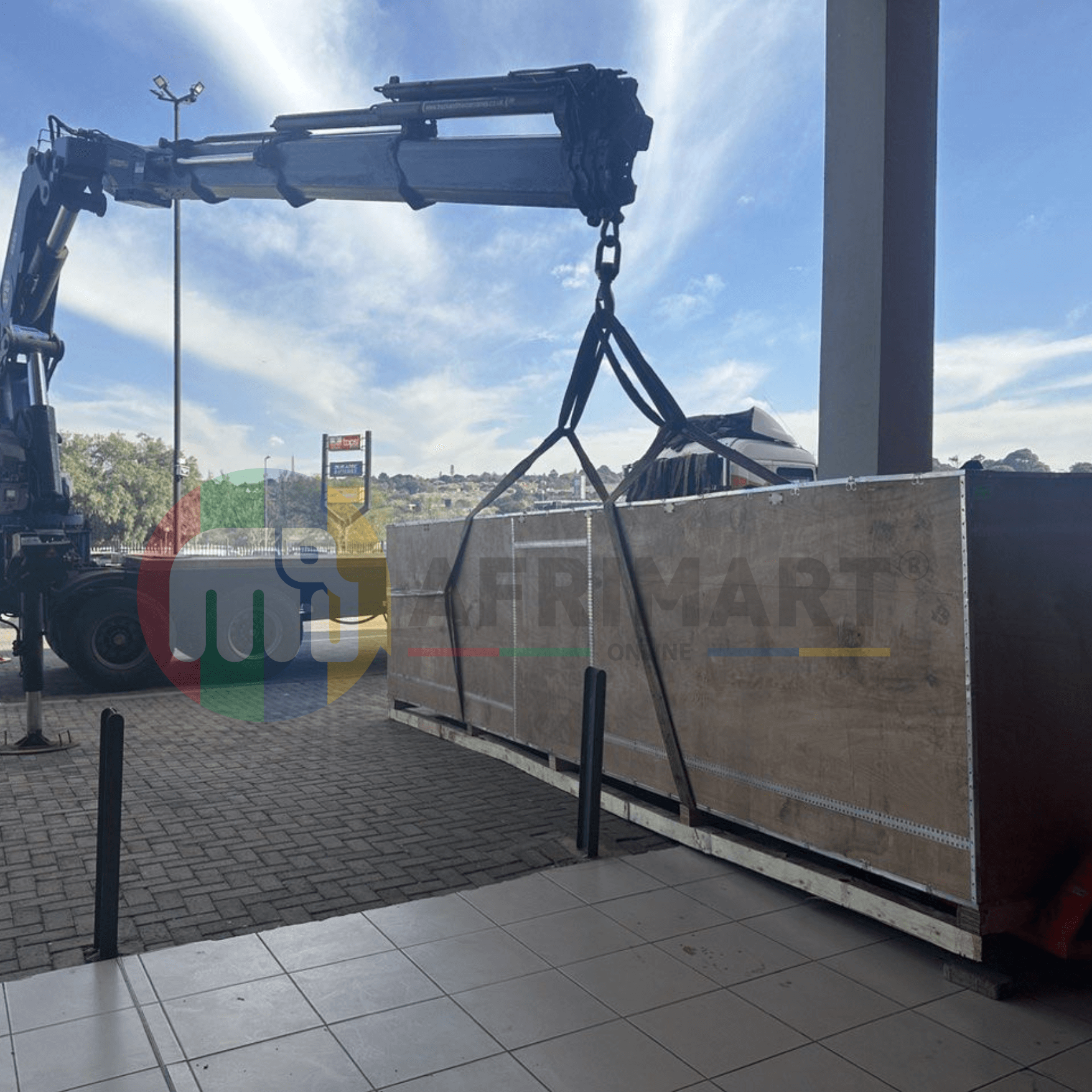
12 Heads Embroidery Machine
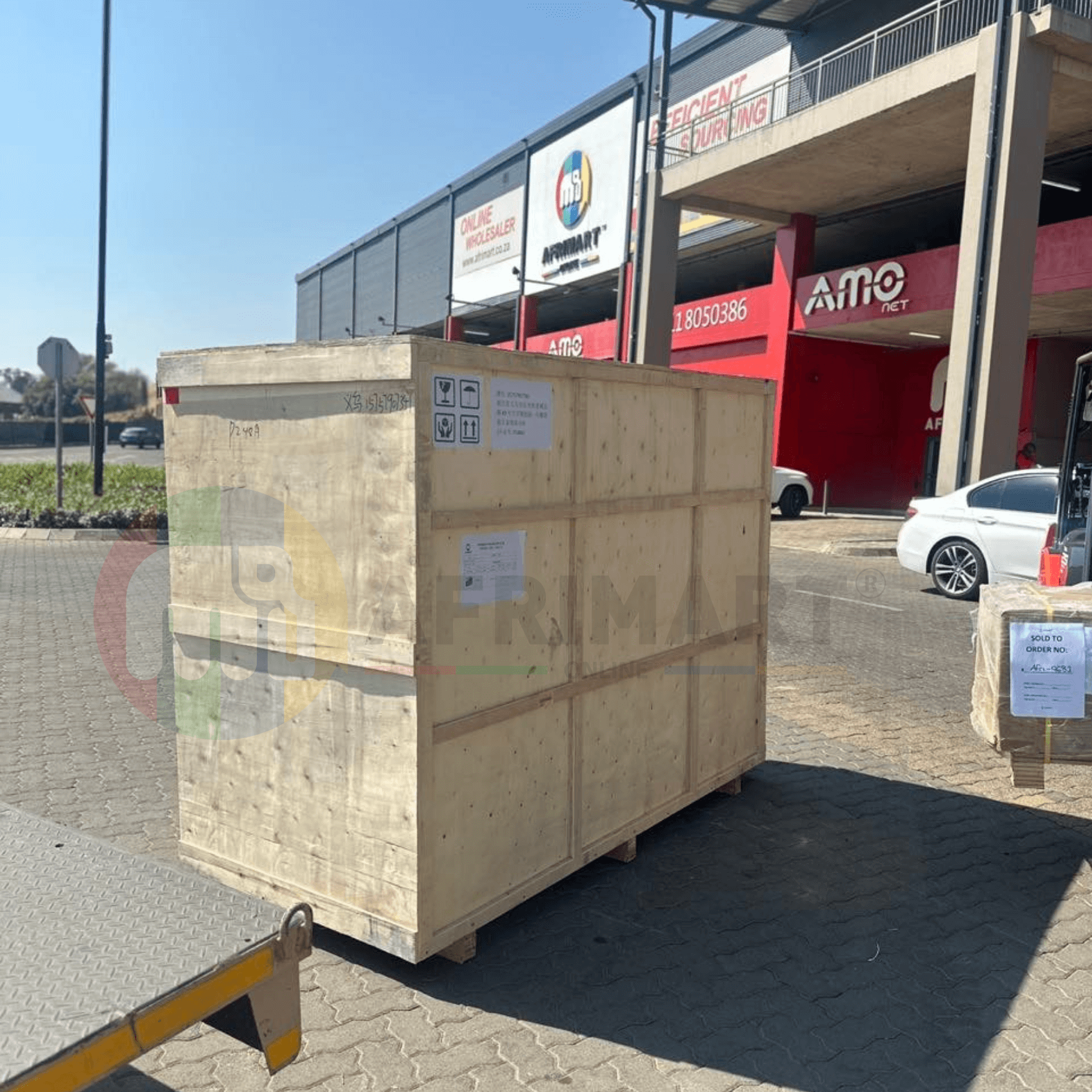
Dewatering Pump Machine
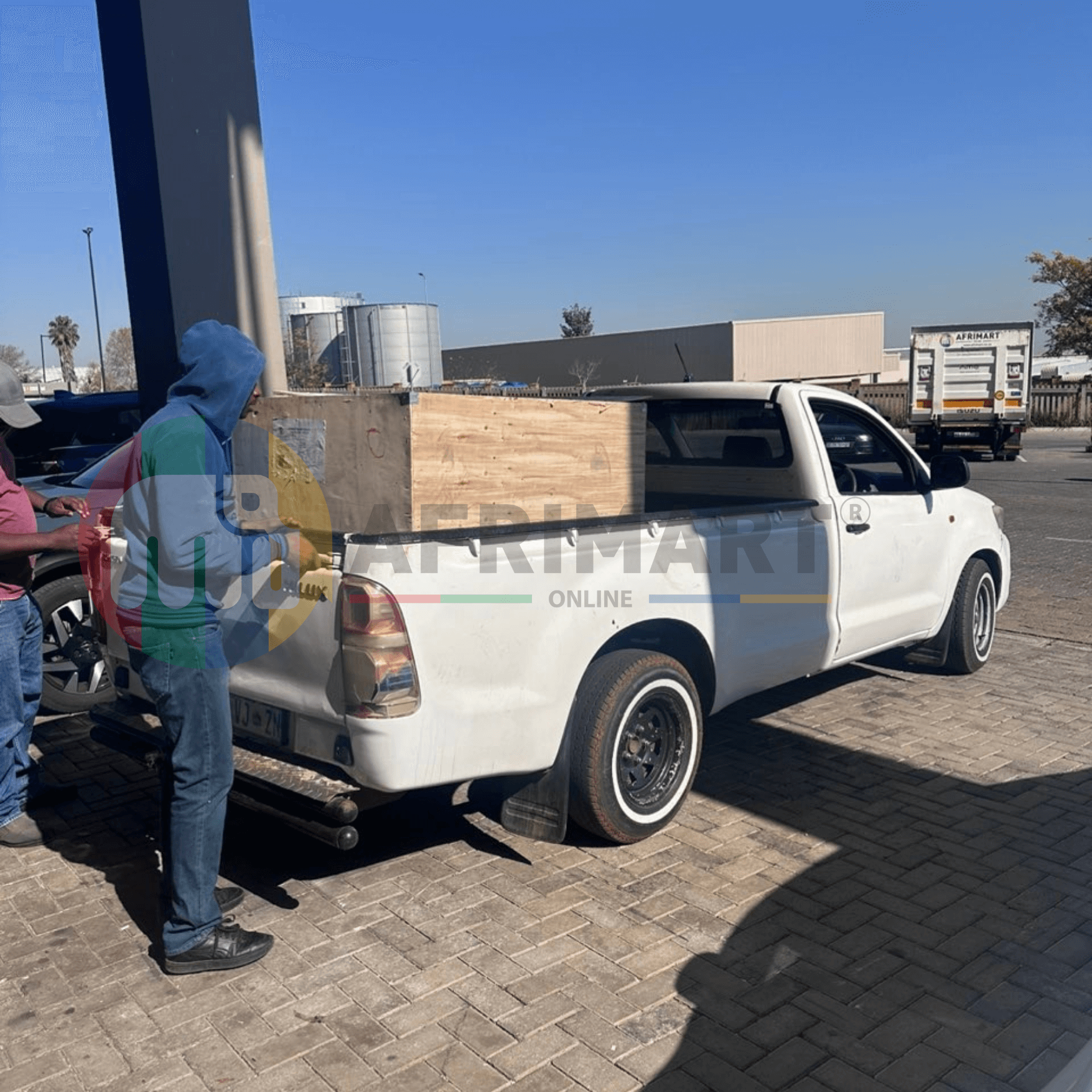
Order Collection
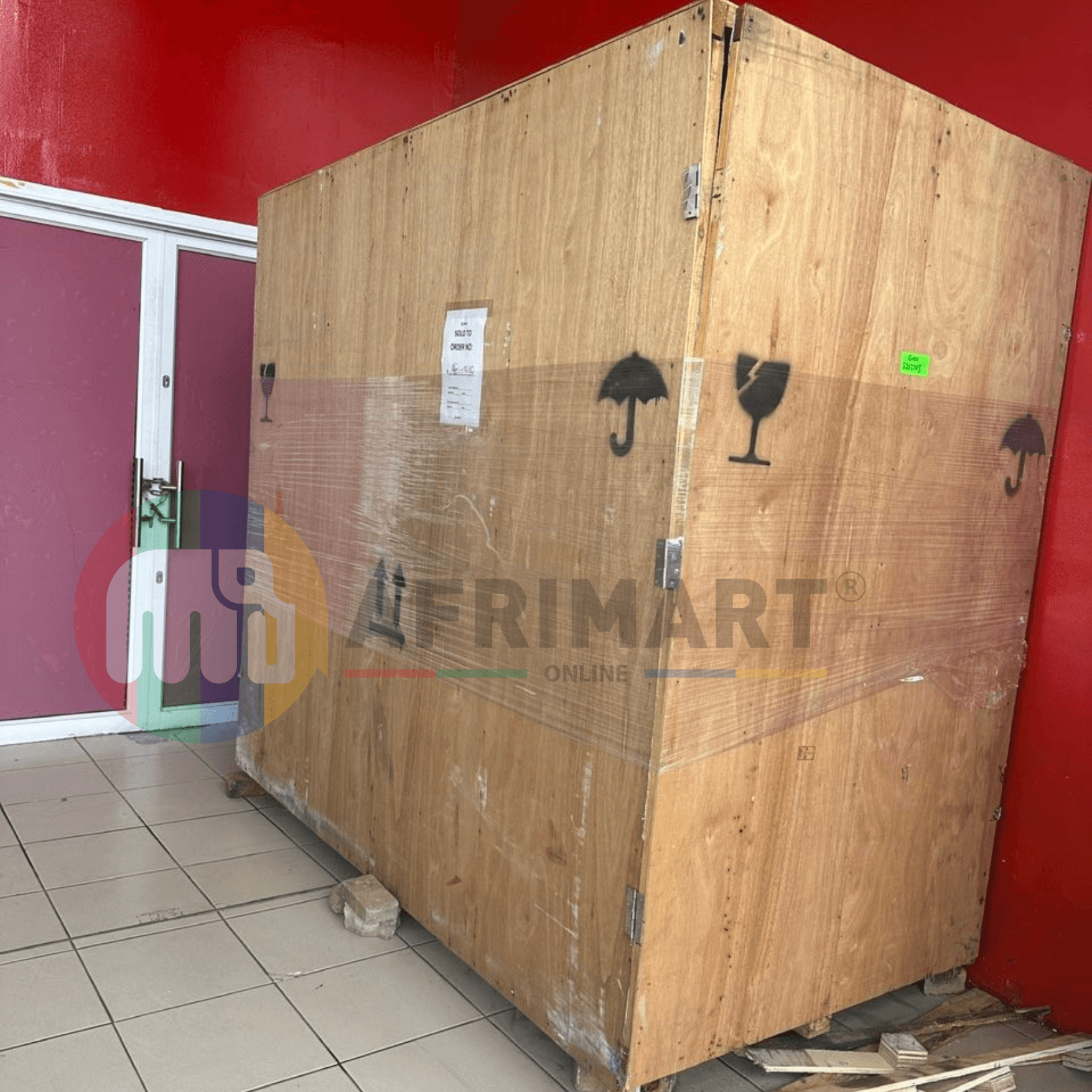
Portable Water Drilling Rig
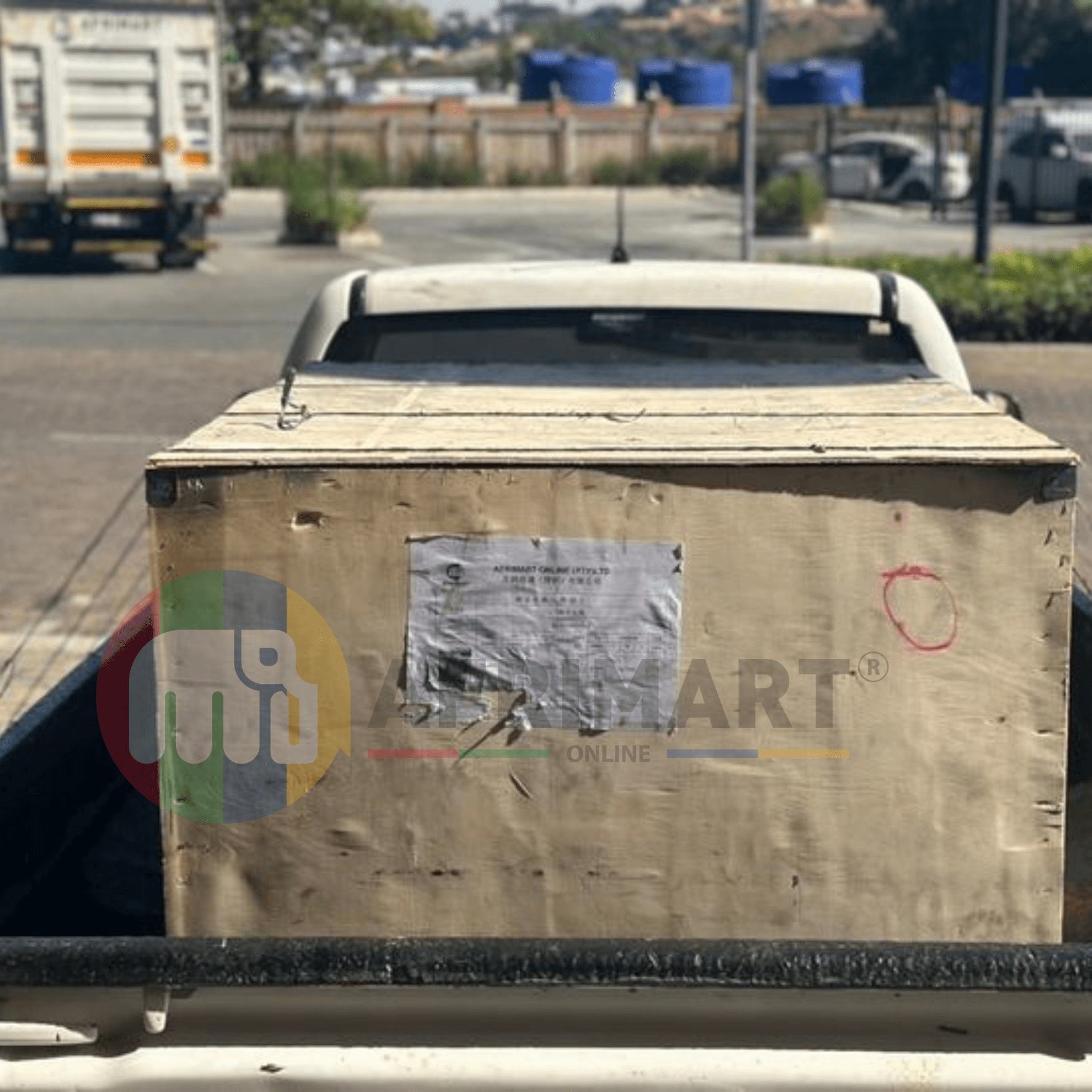
Order Usefully Collected
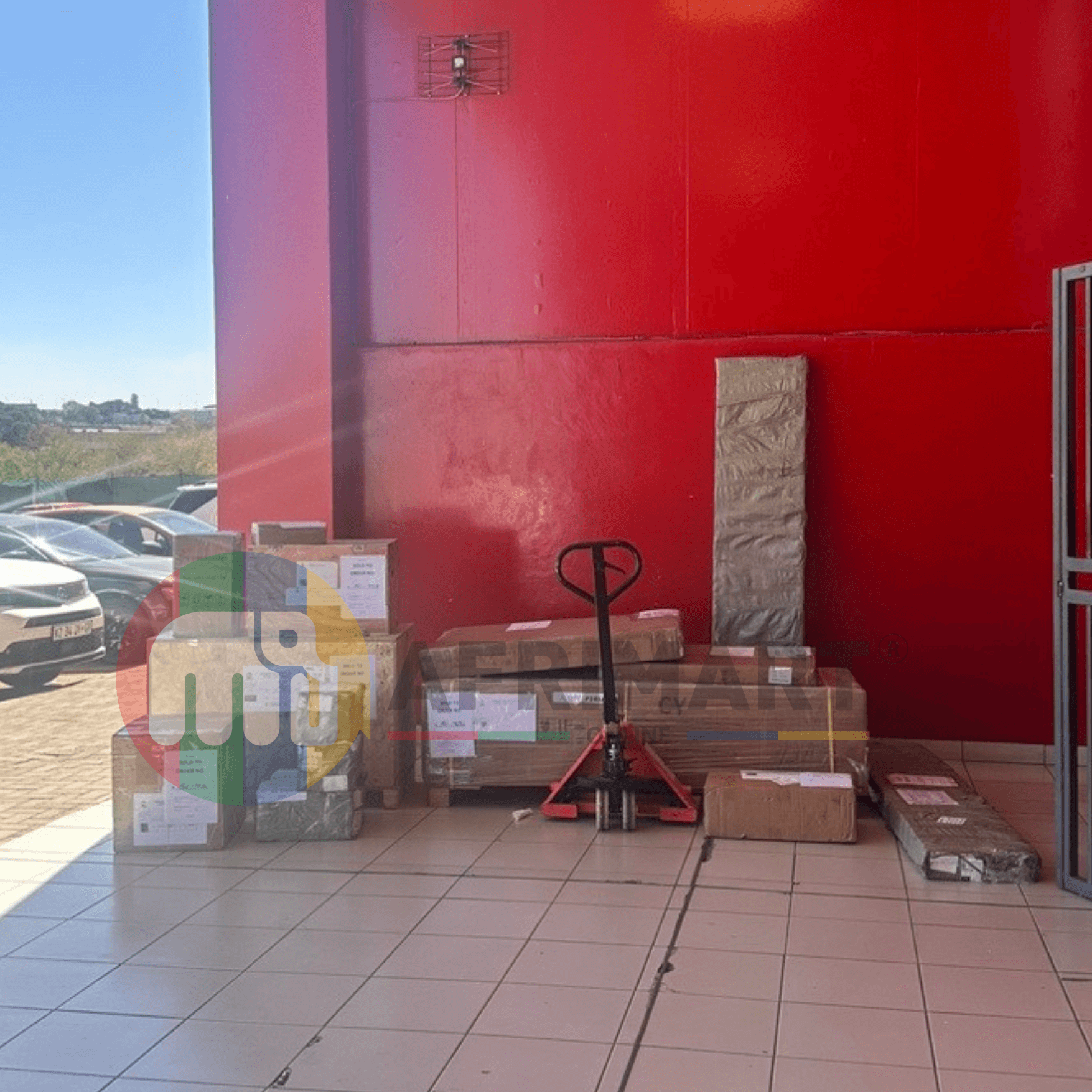
Batch of Orders
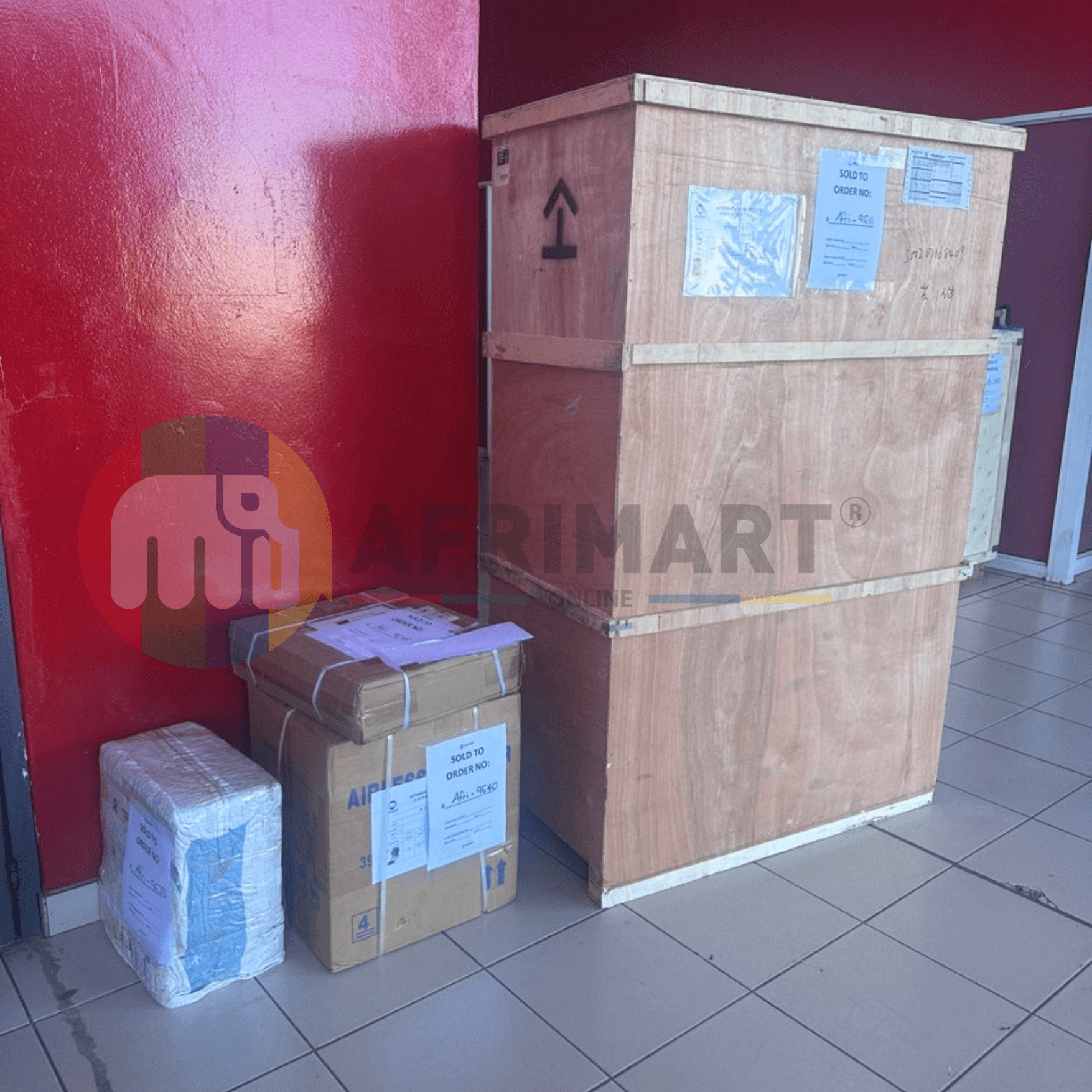
Agriculture Processing Machines
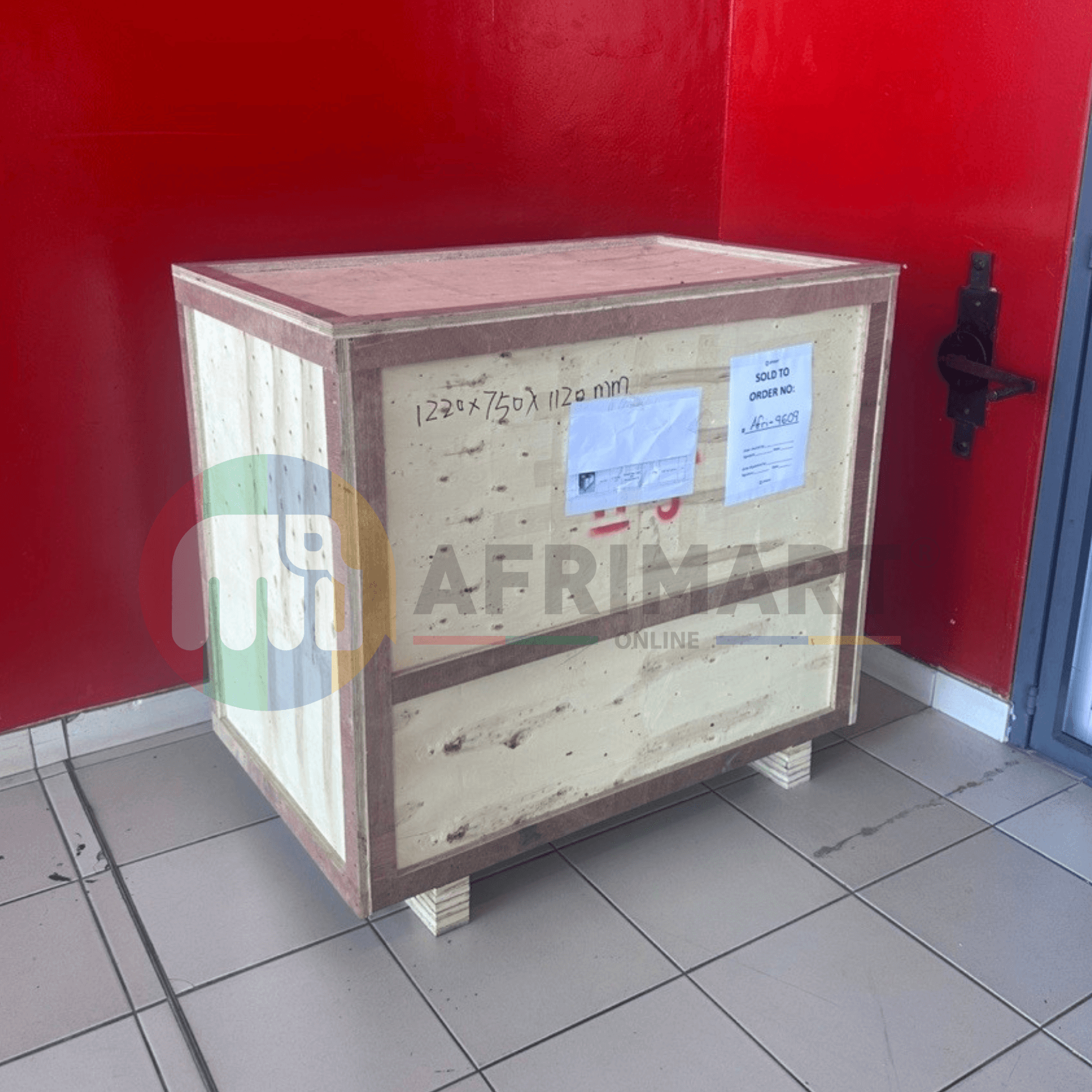
Meat Grinder Machine
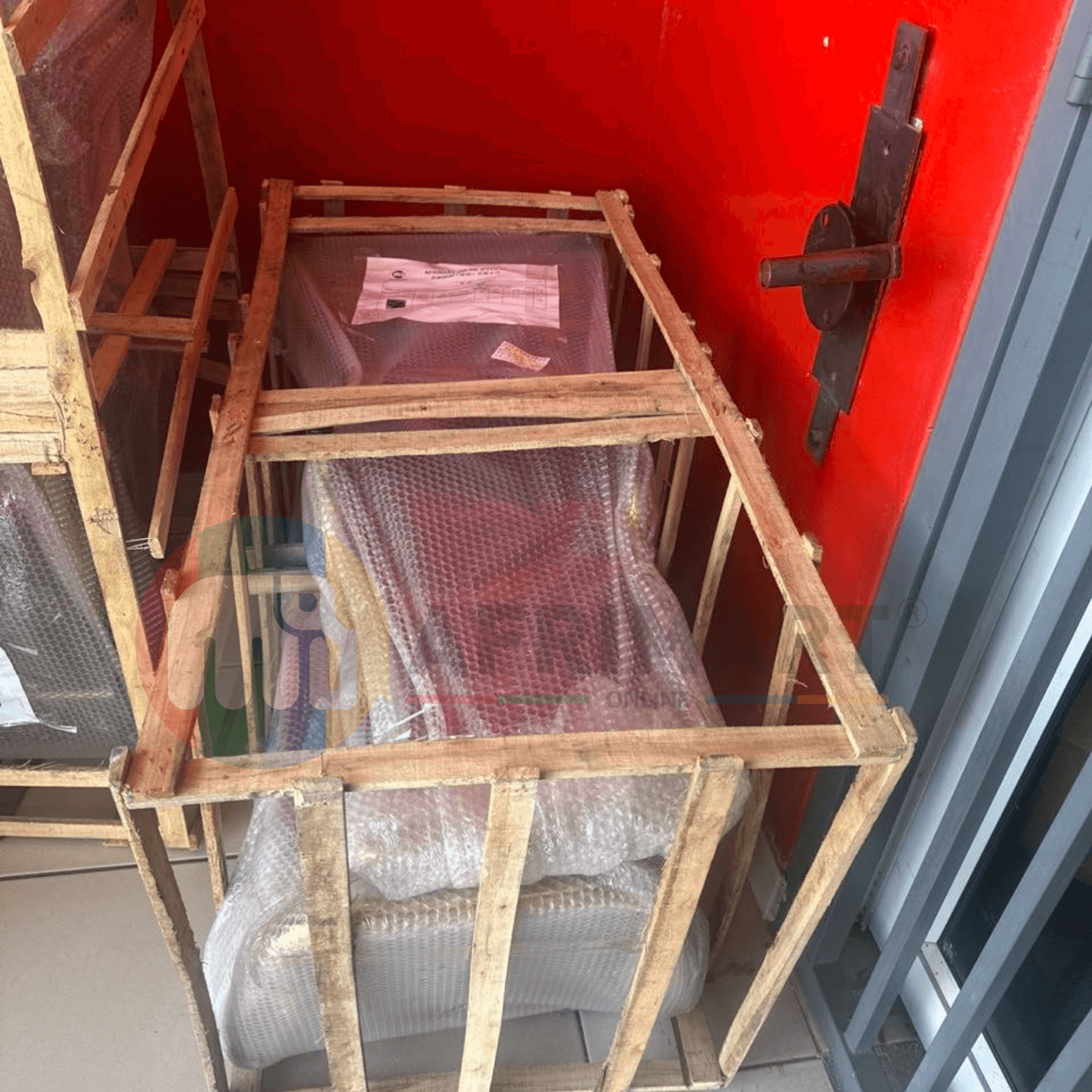
Water Pump Equipment
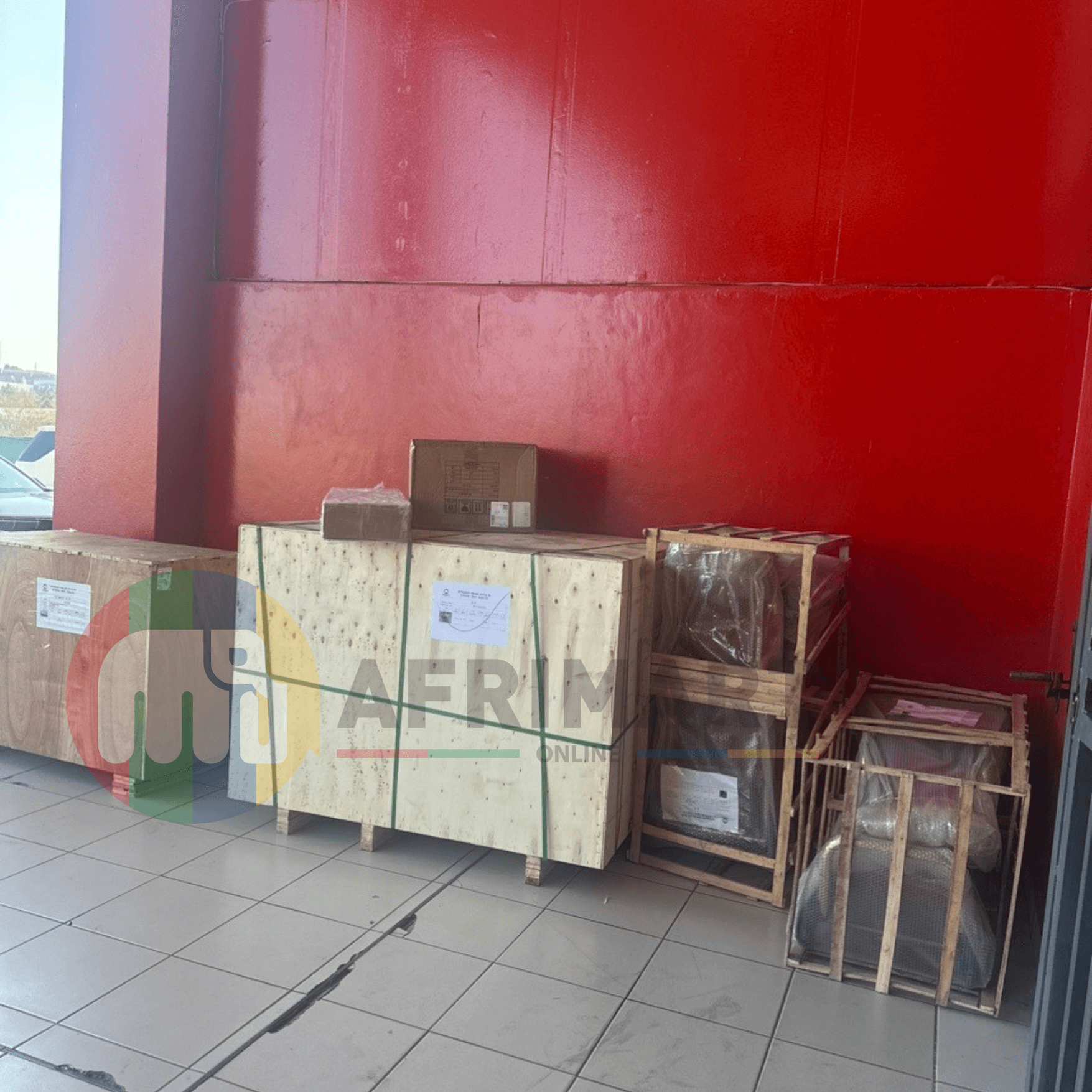
Packaging Machine and accessories
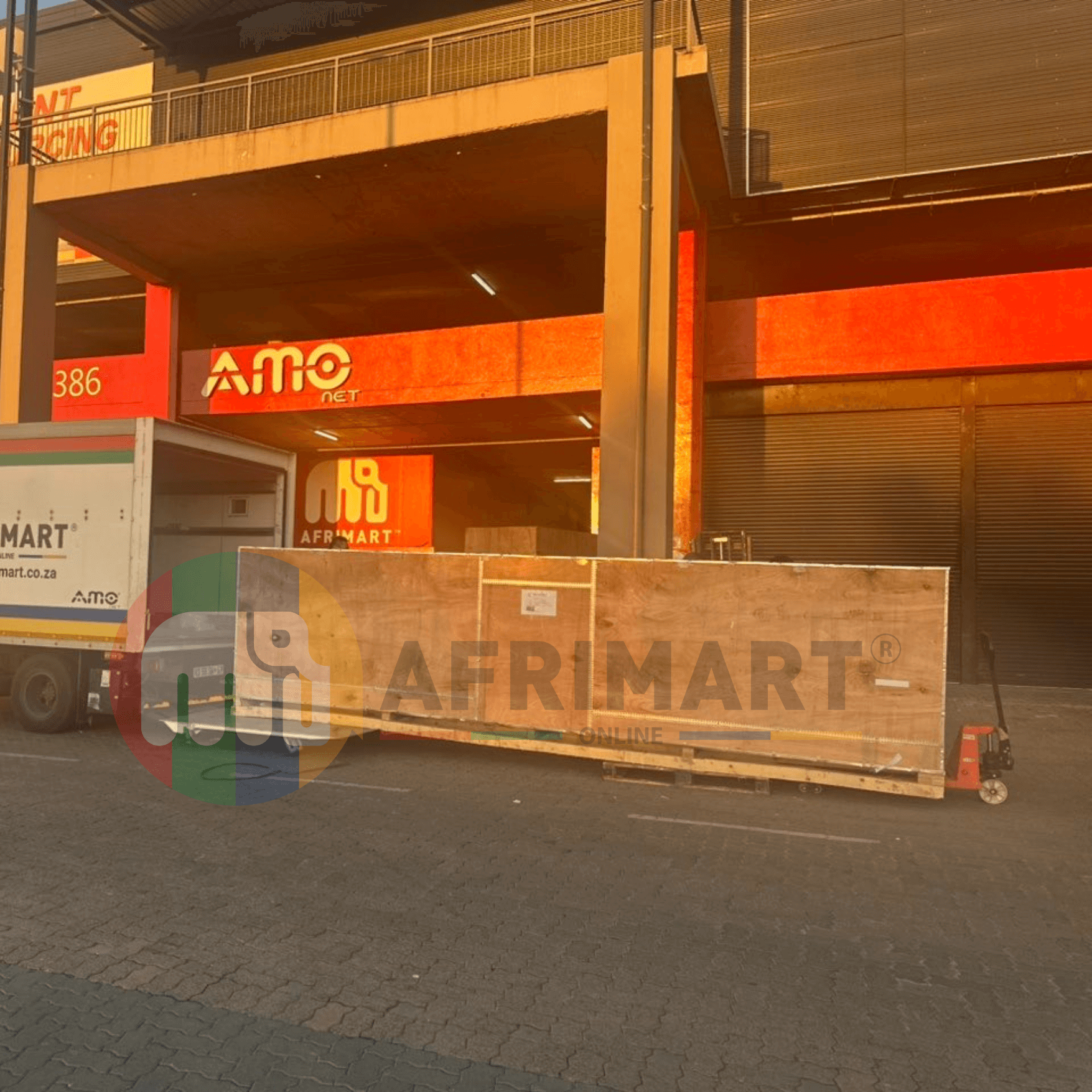
Fabrics Manufacturing Equipment
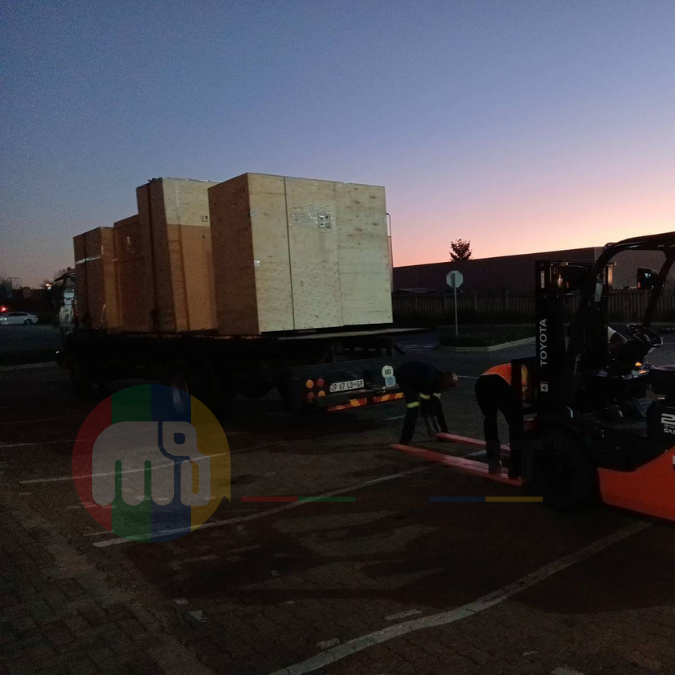
Mining Equipments
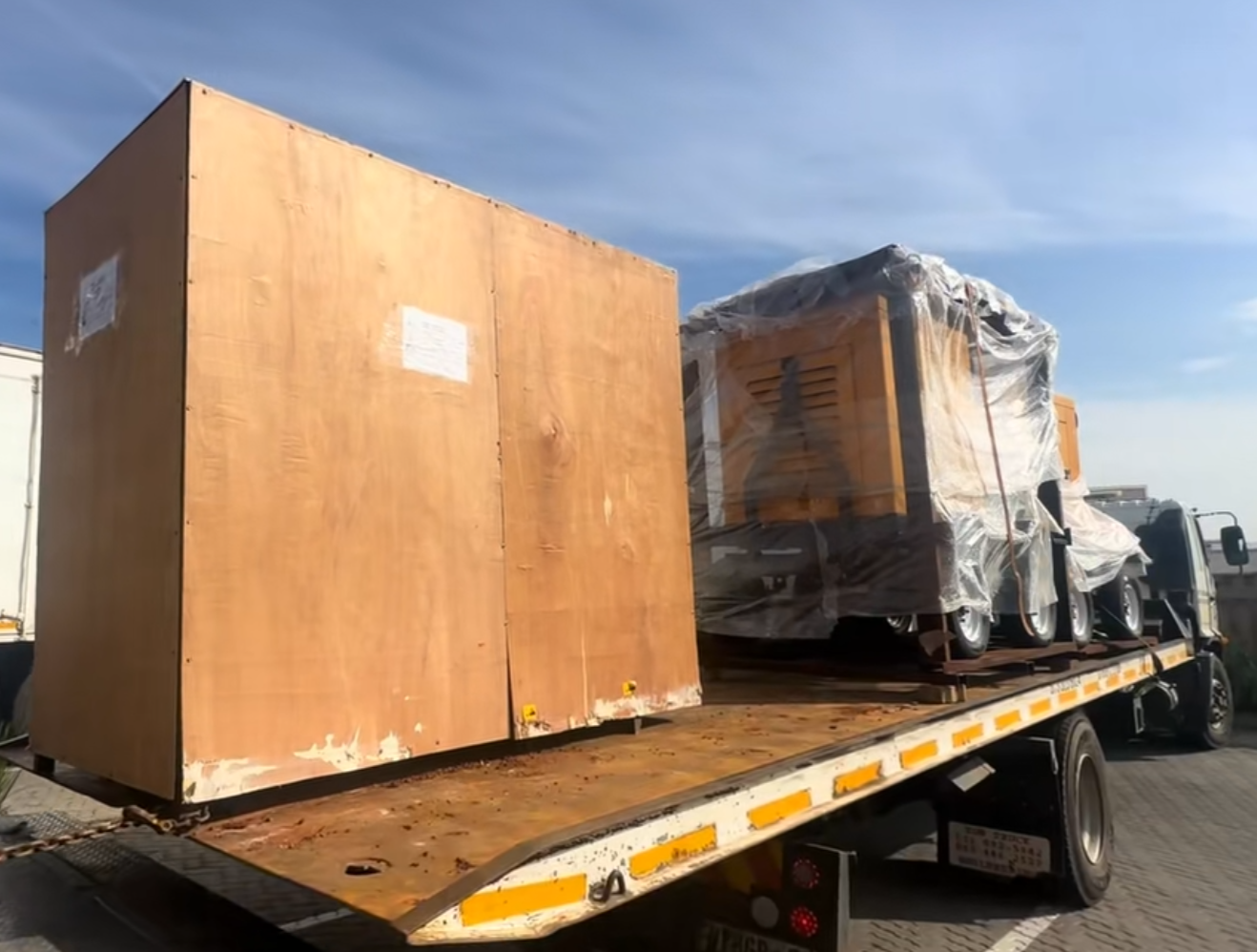
Food Processing Machine
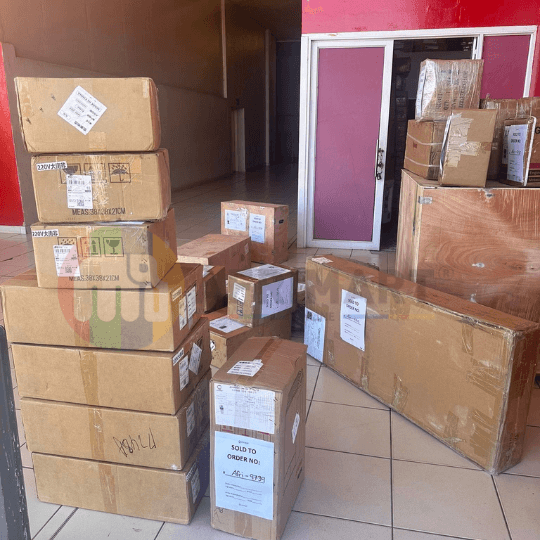
Batch of Orders
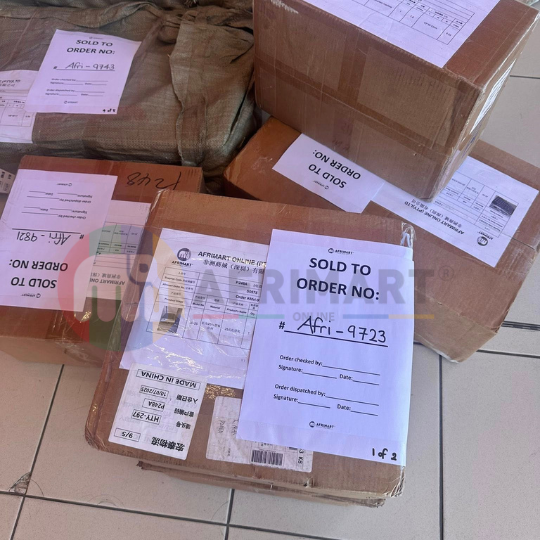
Batch of Orders
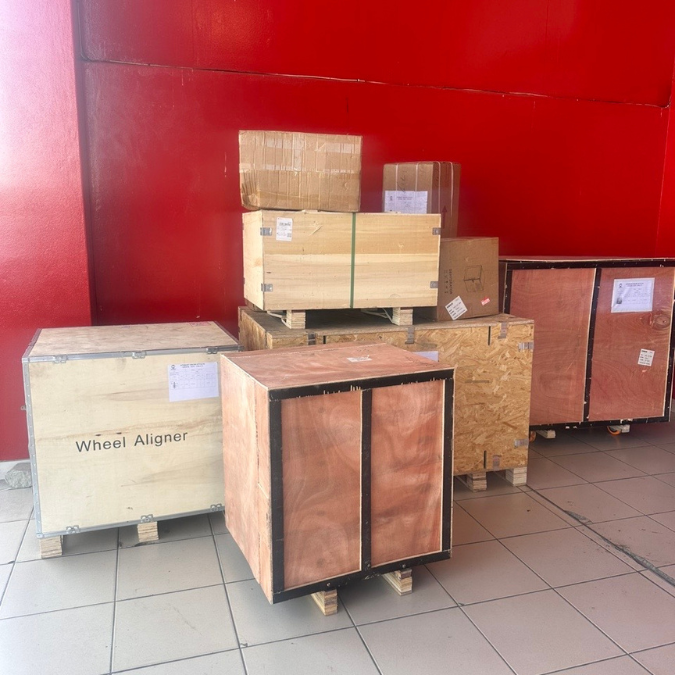
Latest Orders Labelled
wheel alignment machines
new arrivals
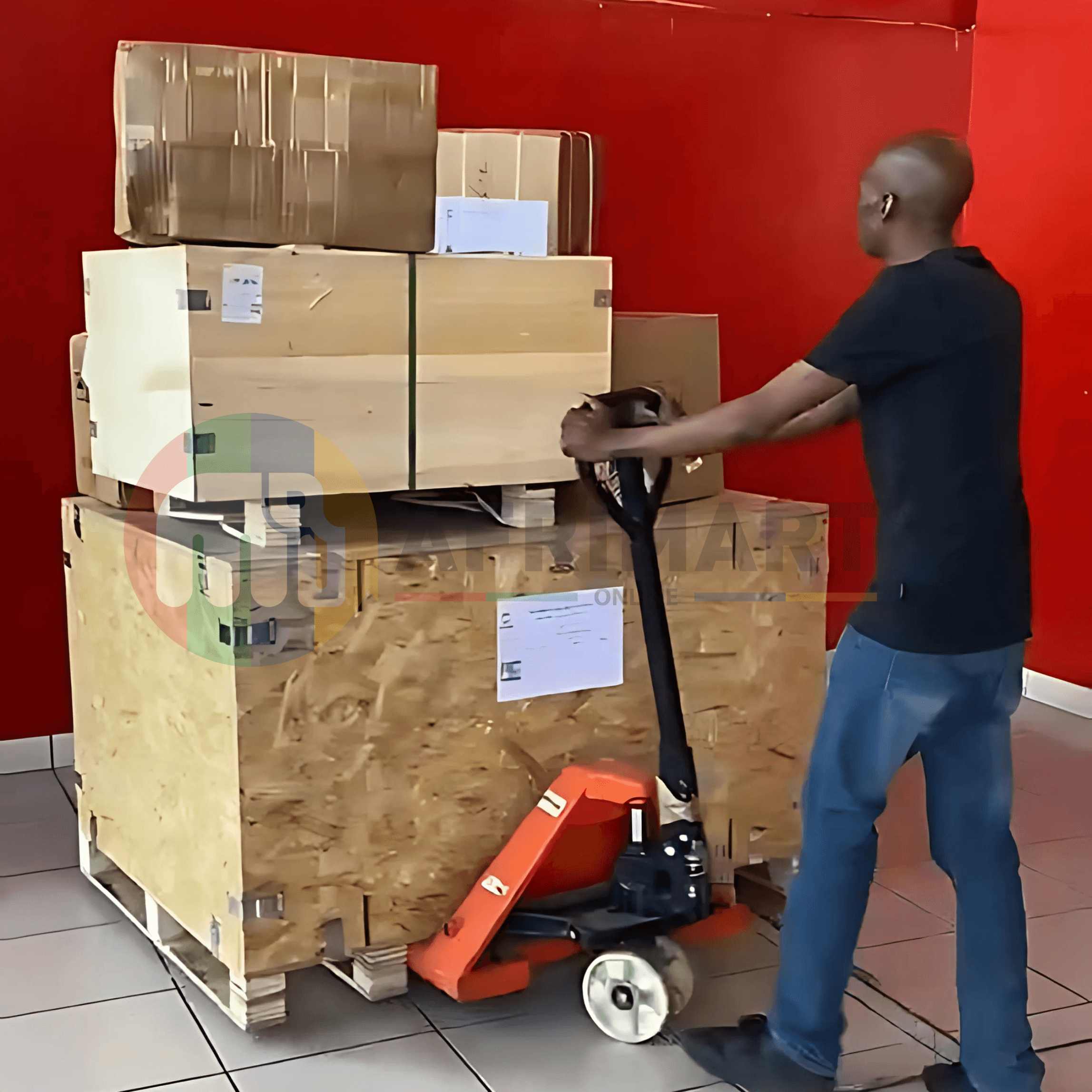
Pre Orders Offloading
Latest Arrivals
Latest Arrivals
Latest Arrivals
26 January 2026
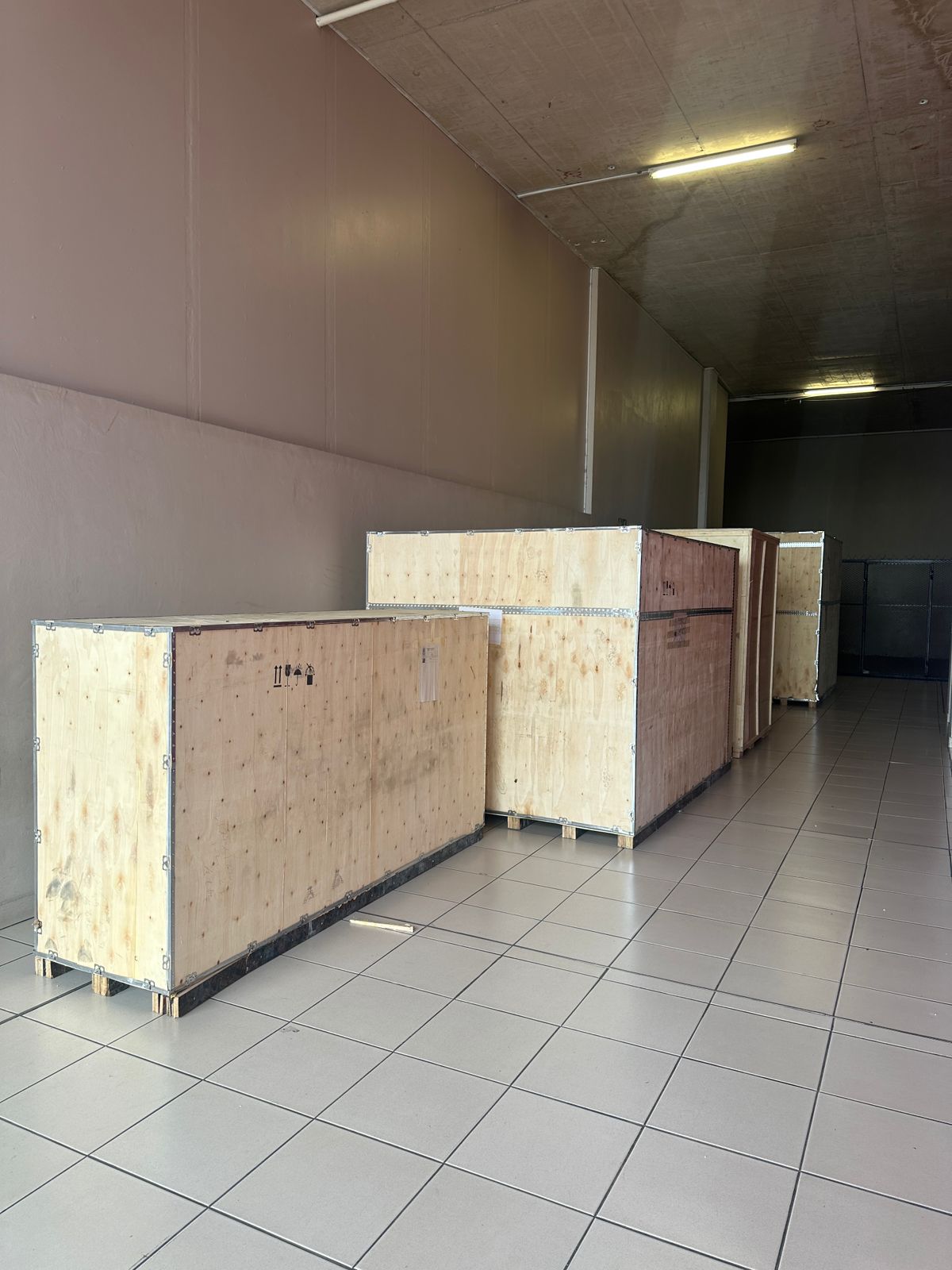
Toilet paper making machine
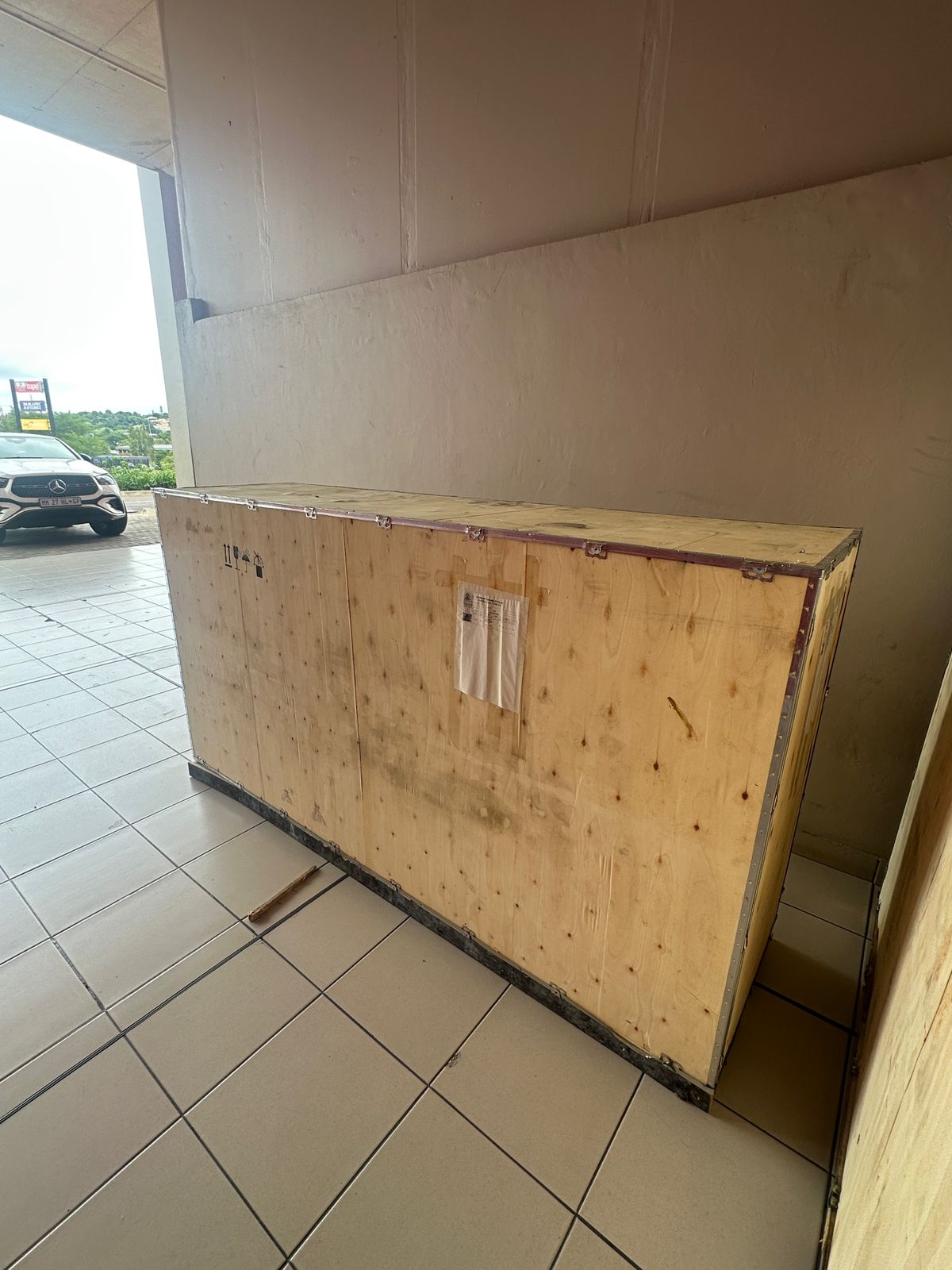
Toilet paper making machine
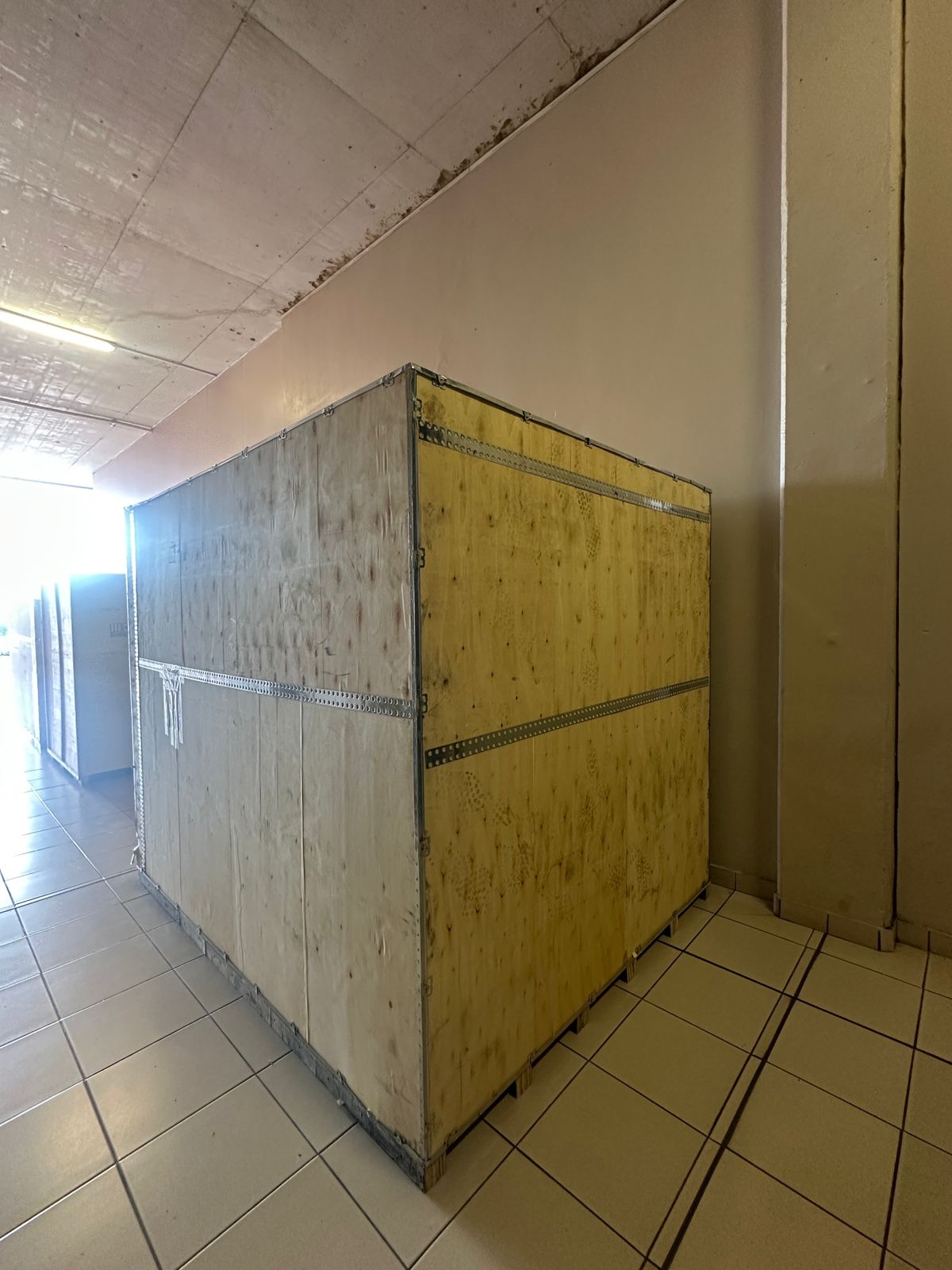
Toilet paper Rewinding Machine
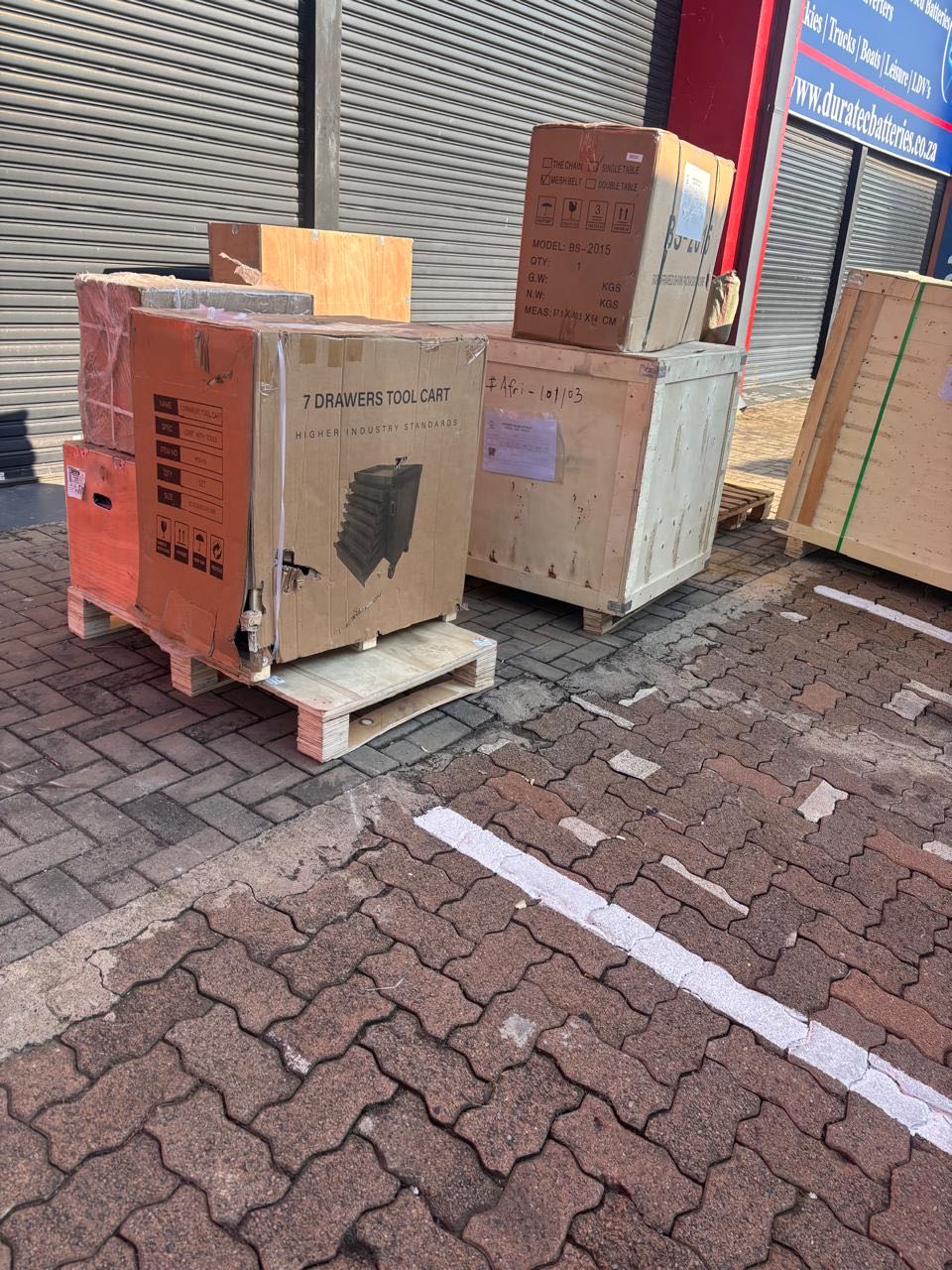
latest arrivals
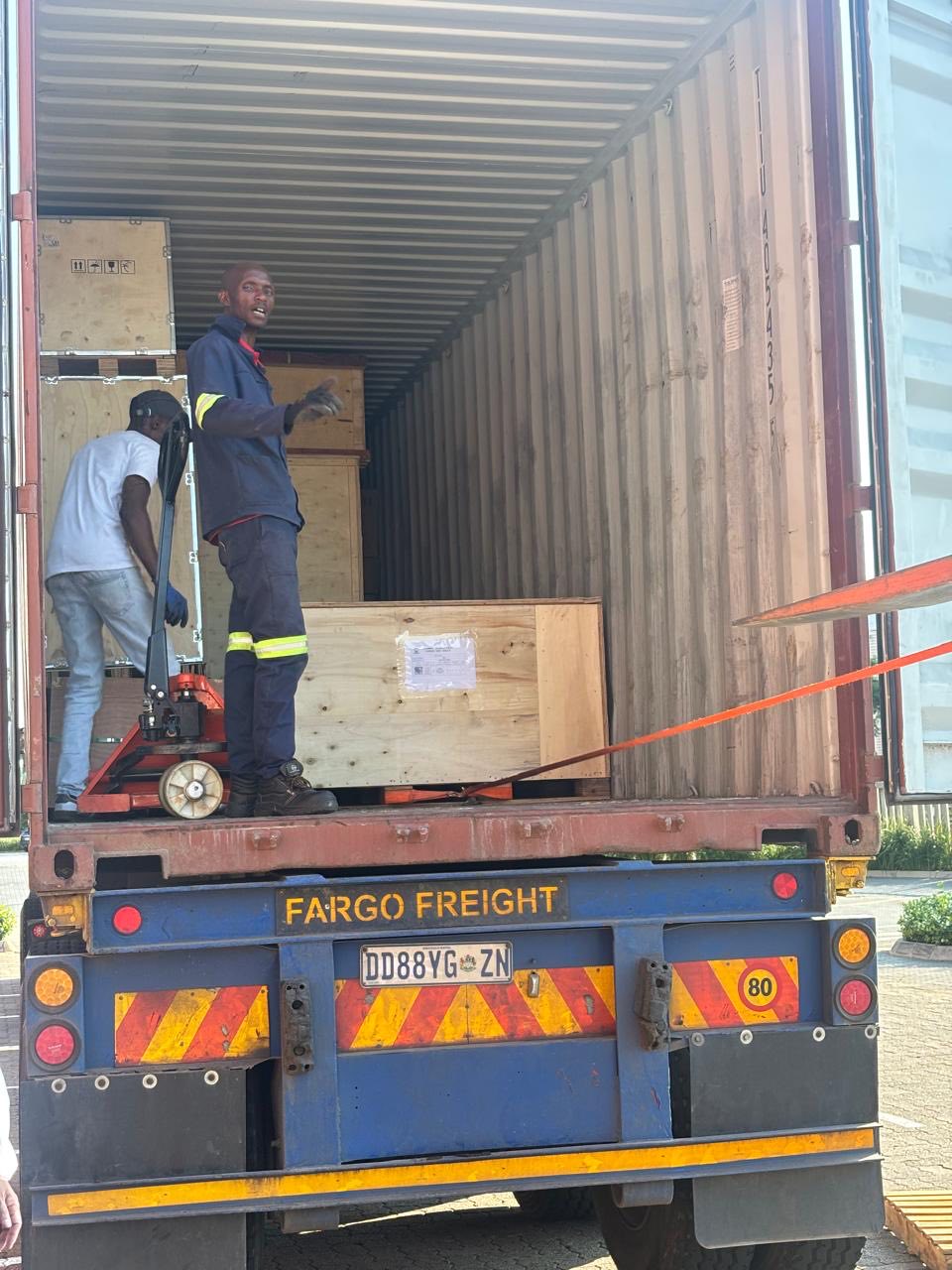
offloading
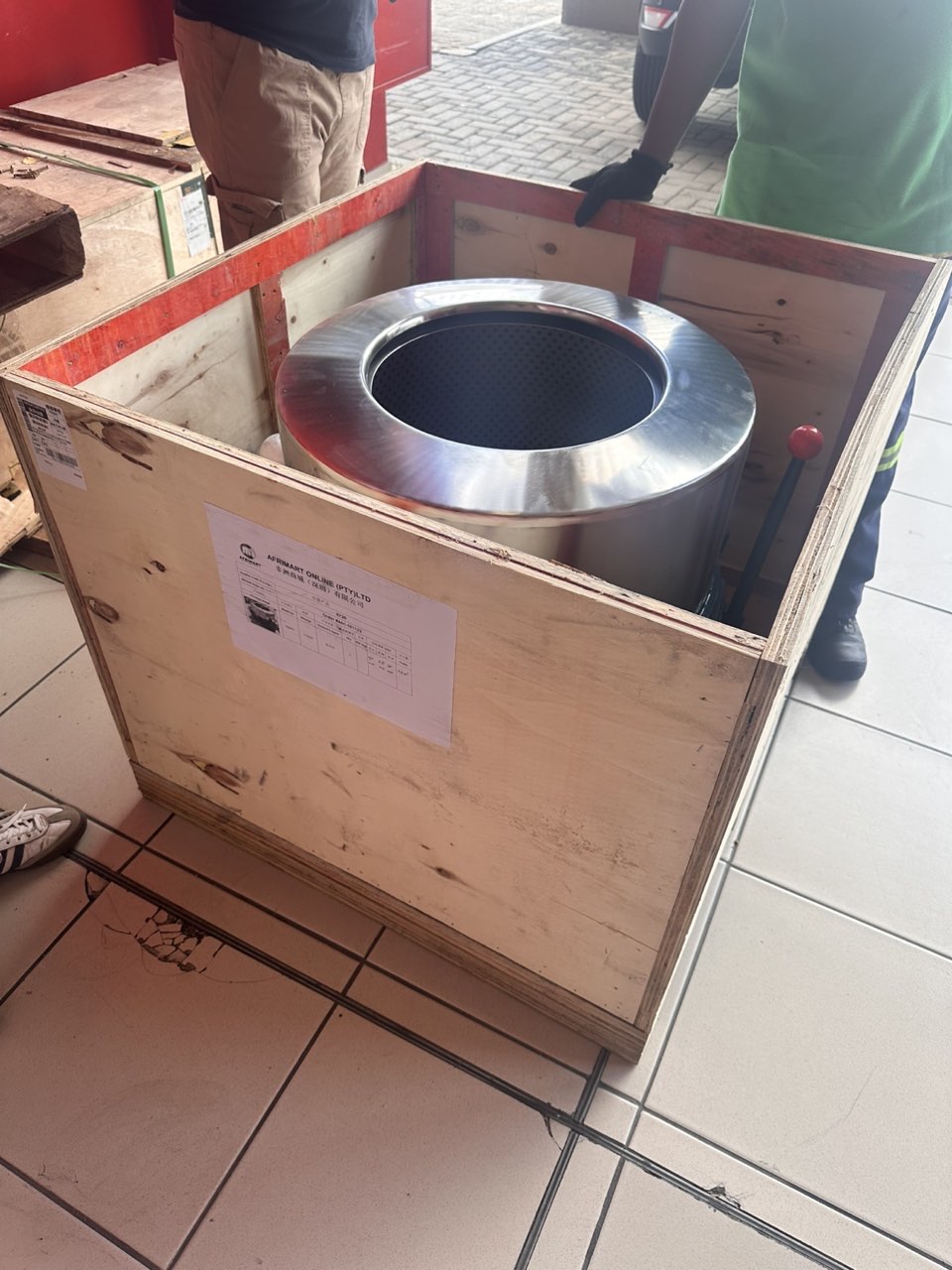
order success
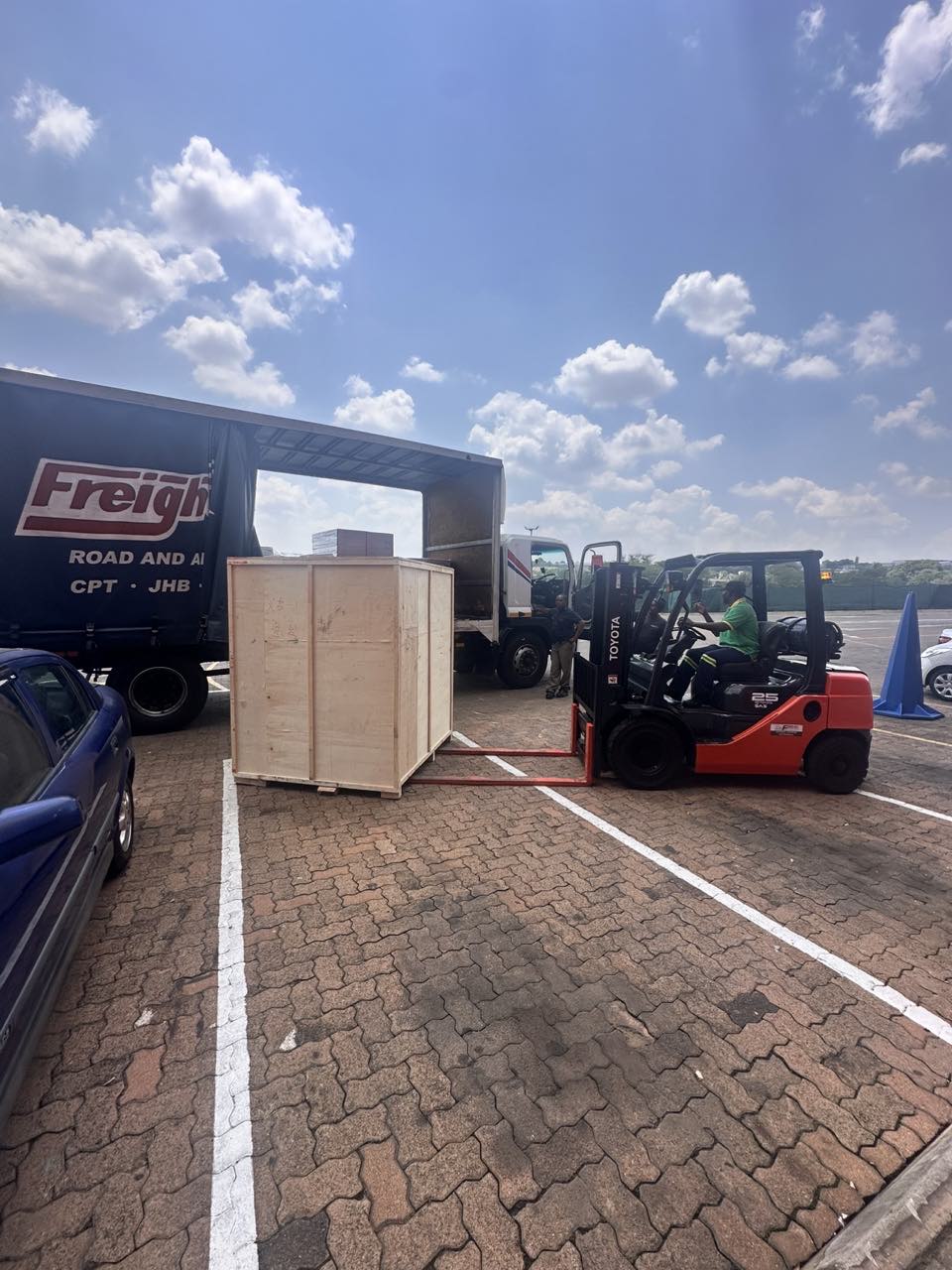
order collection
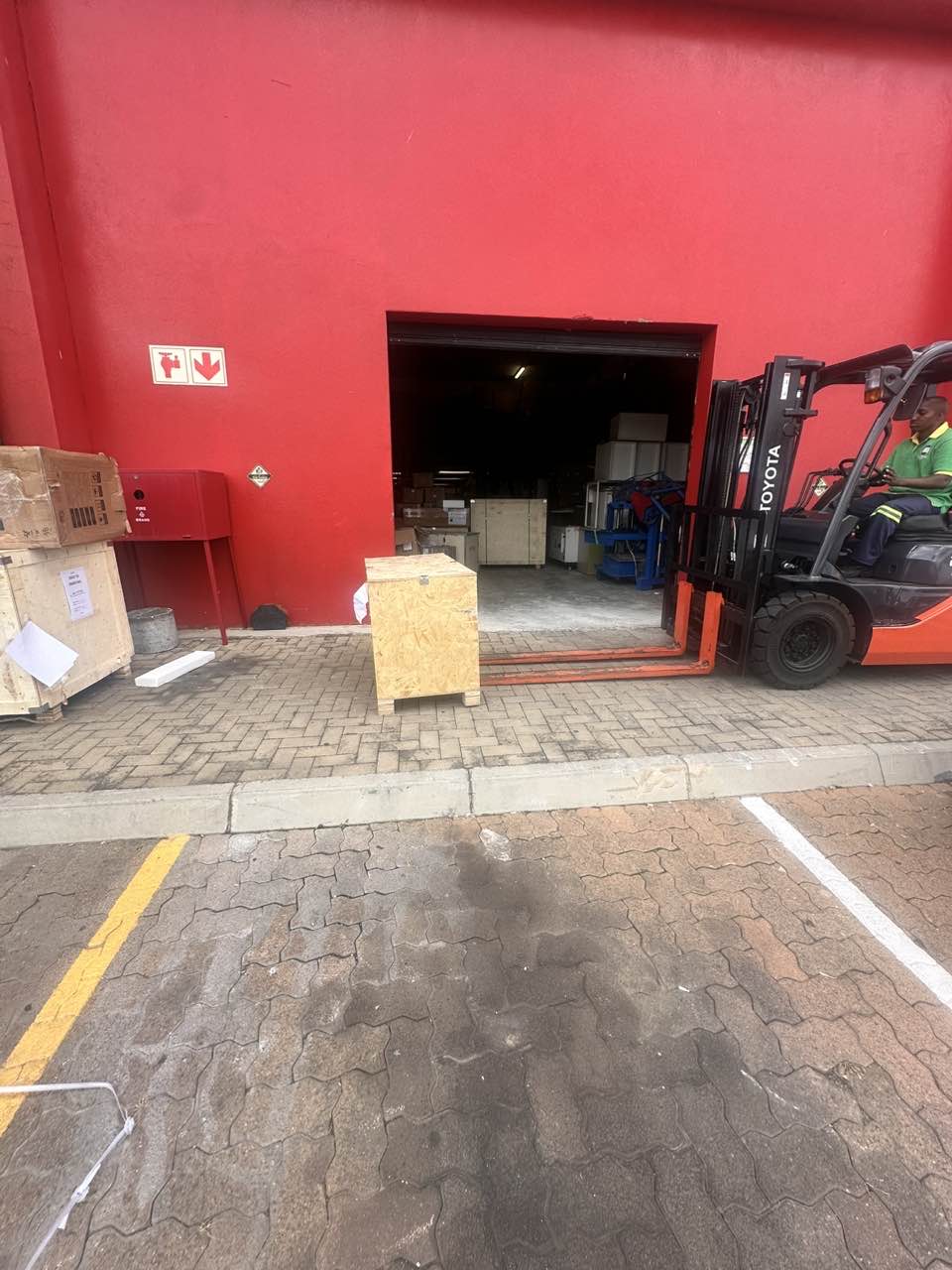
order offloading