B21, China Town Mall, Midrand


LTM Circular Seam Welding Robot – Advanced Automation for LPG Gas Cylinder Welding
Asset finance available
Do you want funding for this equipment?
Afrimart can connect you with trusted funding partners who specialise in asset finance for businesses like yours. Compare options and apply in minutes — final approval is subject to provider review.
Check funding options
Secure & no obligation

- Section : Machinery
- Category : Welding Equipment
- SKU : 1600058469782

- Shipping Timeframes: All orders are processed within 2-5 business days (excluding weekends and holidays). After your order has been processed, the estimated delivery time is before 04 Aug, 2026, depending on customs, Please note that due to high demand, some items may experience longer shipping times, which will be communicated at order confirmation email.
- Order Processing Time: Please allow 2-5 business days for us to process your order before it is shipped . Orders placed after 16:00 on Fridays, or during weekends and public holidays, will begin processing on the next business day. Processing times may be extended during peak seasons or sales events.
- Manufacturing Time: Some products needs manufacturing time, the manufacturing process will take approximately 10-30 business days depending on the product. This timeframe may vary depending on the complexity of the product and current demand. but this will be communicated with you during order confirmation.
- Returns and Exchanges: We offer a 30-day return policy for most items. If you are not completely satisfied with your purchase, you may return it within 30 days of receipt for a refund or exchange. Items must be unused, in their original packaging, and accompanied by proof of purchase. Return shipping costs are the responsibility of the customer, unless the item was damaged or defective upon arrival.
1. What is the production capacity of the LTM Circular Seam Welding Robot?
Each set is capable of welding up to 350 LPG cylinders per hour (approx. 360 pcs/8hrs per set as noted), with a single-pass MIG circumferential weld completed in about 60 seconds.
2. Which welding technology does the machine use?
The system uses high-speed pulse MIG welding (Panasonic welding sources such as YD-350GL4 and 500GS are used in various modules) with a single-pass seam welding configuration and seam-vision/video tracing for automatic tracking.
3. What wire diameter and duty cycle does the machine support?
The line is designed to run φ1.2 mm solid core welding wire and welding power units are rated for a 100% duty cycle at 350 A to support continuous high-demand operation.
4. Can the machine be customized to fit my facility requirements?
Yes. Dimensions, voltage, and certain configuration details can be customized to meet your site requirements and local electrical standards.
5. What automation features are included to ensure consistent handling and weld quality?
The system includes a double tracking system, conveyor and chain handling mechanisms, mechanical arms for conveying cylinder halves, and automatic seam-vision/video tracking for precise circumferential weld alignment.
6. Is the LTM line suitable only for LPG cylinders or other circular seam tasks?
Although optimized for LPG gas cylinder circular seams (socket, handle, base ring, circumference), the system can be applied to other industrial circular seam welding tasks that match the machine's size and process capabilities.
7. What site utilities and infrastructure are required for installation?
Typical requirements include appropriate three-phase electrical supply (customizable voltage), compressed air (0.4–0.8 MPa for some semi-auto machines), circulating cooling water systems for weld torches, adequate floor space and load-bearing foundation (machine set weight example: 40,000 kg), and safe material handling access.
8. Do you provide overseas installation and commissioning support?
Yes. The company provides overseas installation and commissioning services, sending skilled engineers to assist with on-site setup, calibration and to help the customer run the machine smoothly.
9. What are the primary consumables and typical maintenance needs?
Main consumables are welding wire (φ1.2 mm), shielding gas, contact tips/nozzles and coolant for water-cooled torches. Regular maintenance includes torch and tip replacement, wire feeder checks, cooling system maintenance, PLC/control backups, and routine lubrication and inspection per service schedule.
10. What safety and quality checks should be performed with the welded cylinders?
Follow applicable LPG cylinder standards and local regulations: visual inspection, dimensional checks, non-destructive testing (e.g., leak test, pressure test), and adherence to weld quality parameters. The automated vision tracing reduces human error but final testing is mandatory for safety compliance.
11. What control system and HMI are used on the full automatic machines?
Full-automatic modules use Mitsubishi PLC control units and Pro-face color touch screens for operator interface; welding sources and vision tracking are integrated for automated parameter control and seam following.
12. How does MIG welding performance compare to SAW for LPG cylinder production?
According to supplied comparisons, MIG delivers higher capacity (approx. 360 vs. 240 pcs/8hrs per set), single-pass welding (vs. two paths for SAW), and can save about 40% in power and wire consumption, plus MIG systems incorporate auto laser/video tracing which SAW lacks.
13. What training and after-sales support do you offer?
The supplier provides operator and maintenance training during commissioning, technical documentation, and after-sales support. Skilled engineers are available for overseas installation and troubleshooting to ensure timely ramp-up.
14. What is the lead time, spare parts availability and warranty?
Lead time depends on configuration and order size; because many parts are machined in-house the supplier aims for timely delivery. Standard warranty and spare parts policies vary—request specific terms at inquiry to get details on warranty duration, spare parts kits and service agreements.
15. What information should I provide to get a recommended machine configuration?
To recommend the proper machine, provide cylinder dimensions and technical drawings, desired daily/shift capacity, preferred voltage and local electrical specs, and any special process or regulatory requirements.
Latest Order Arrivals
Discover our latest orders
12 Heads Embroidery Machine
Toilet Paper Machine Machine
Order Collection
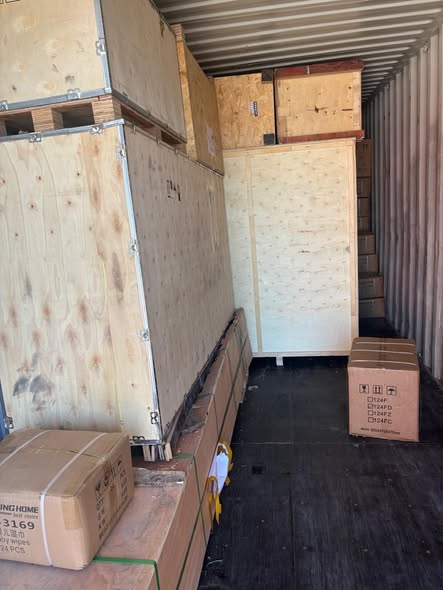
Cross Border Clients
Order cros border countries Collected
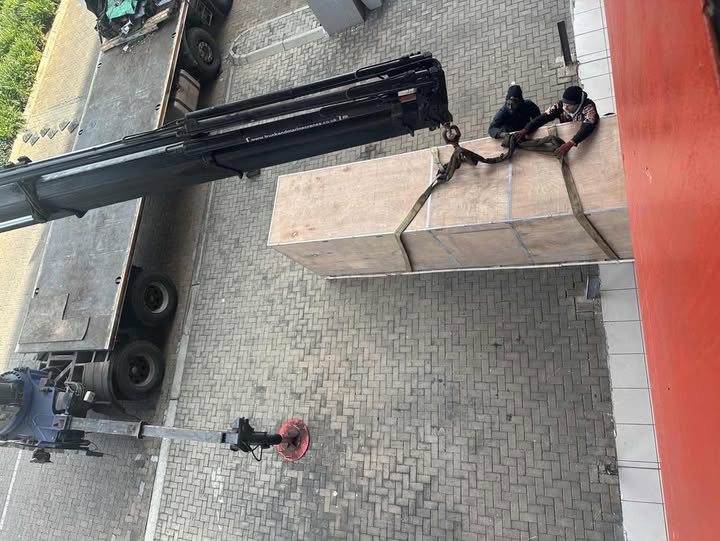
Industrial Machine Cllection
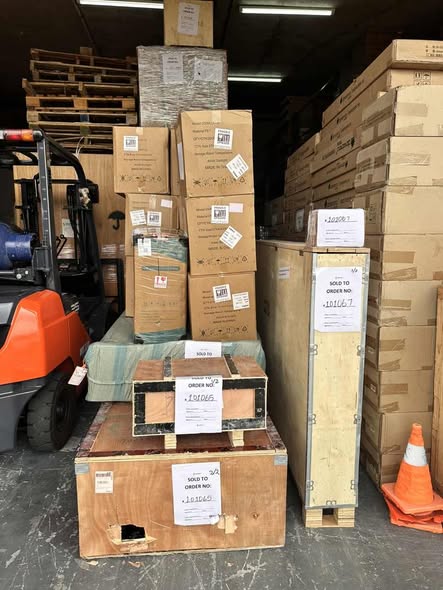
Agriculture Processing Machines
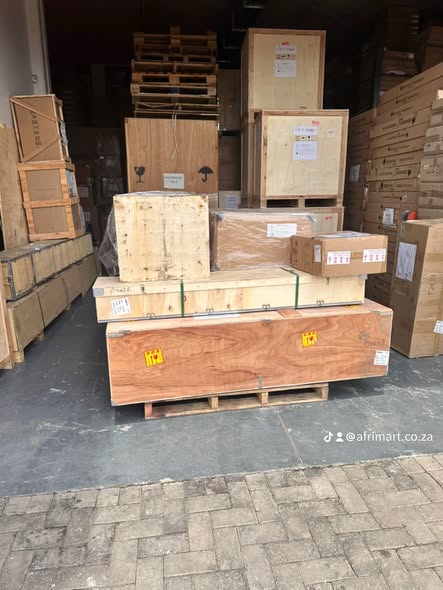
Ready for collection
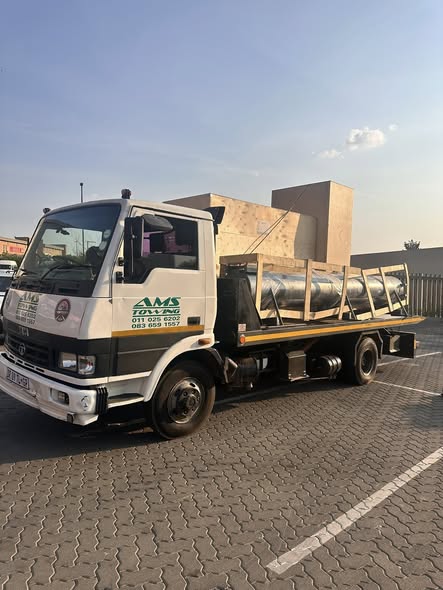
Water Pump Equipment
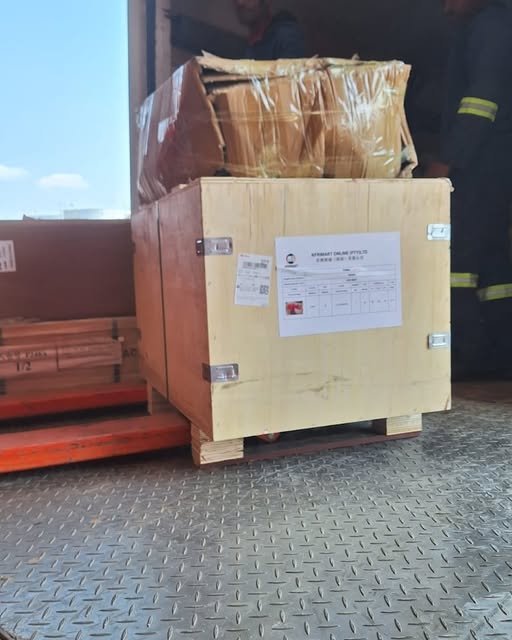
Packaging Machine and accessories
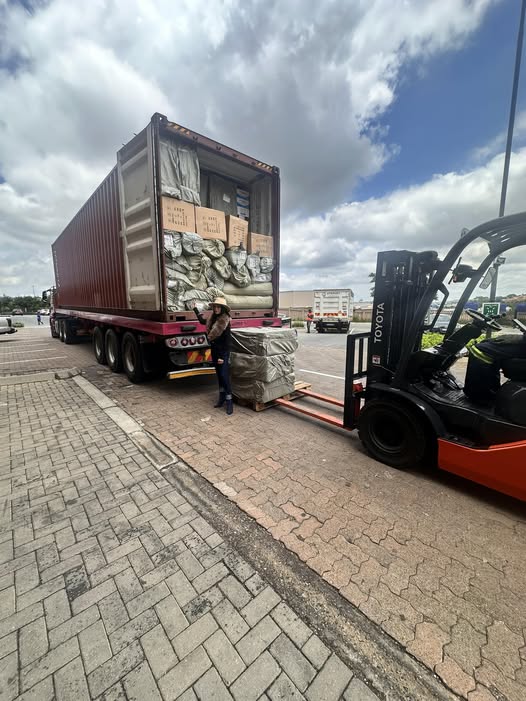
Fabrics Manufacturing Equipment
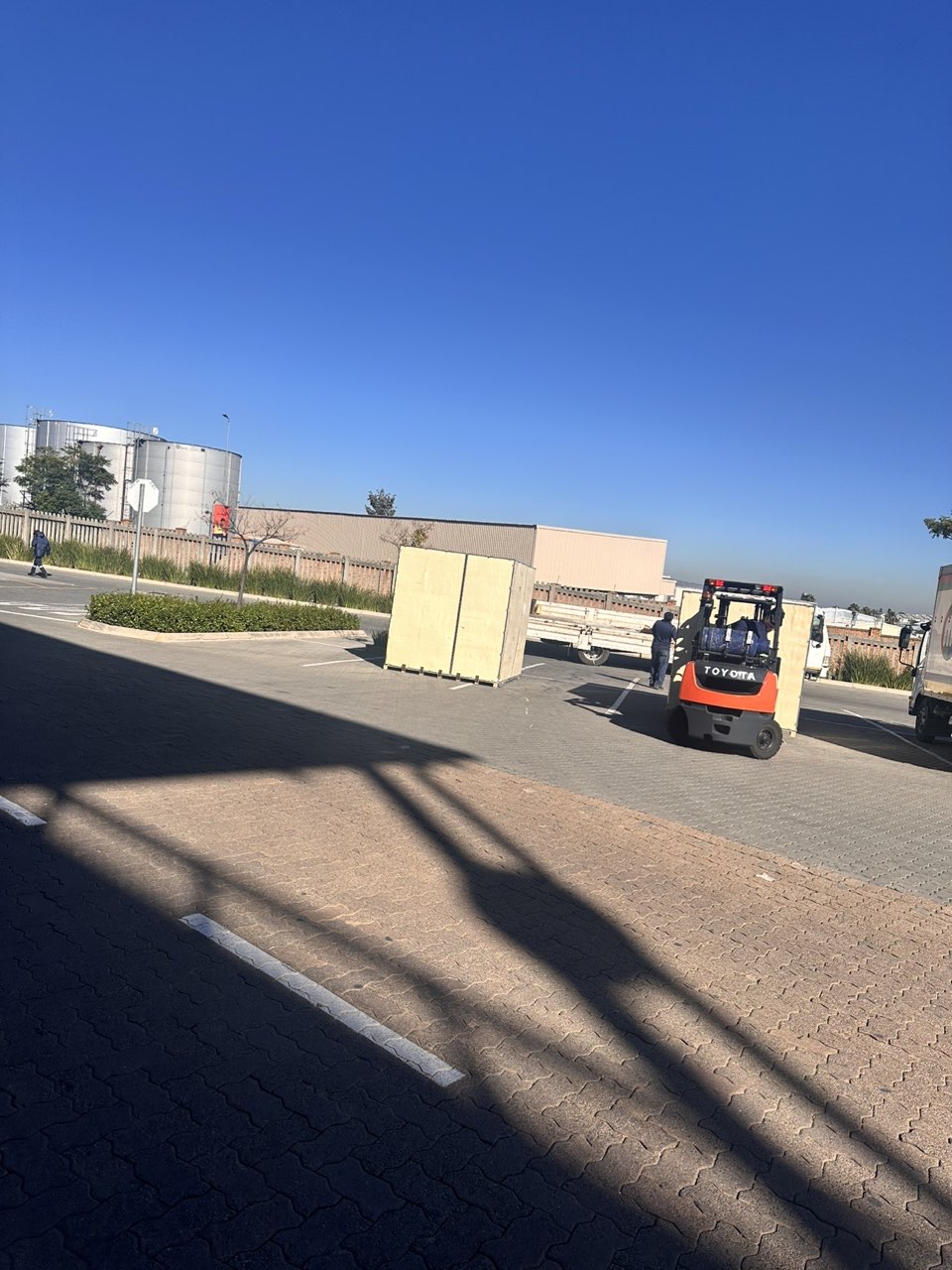
Mining Equipments
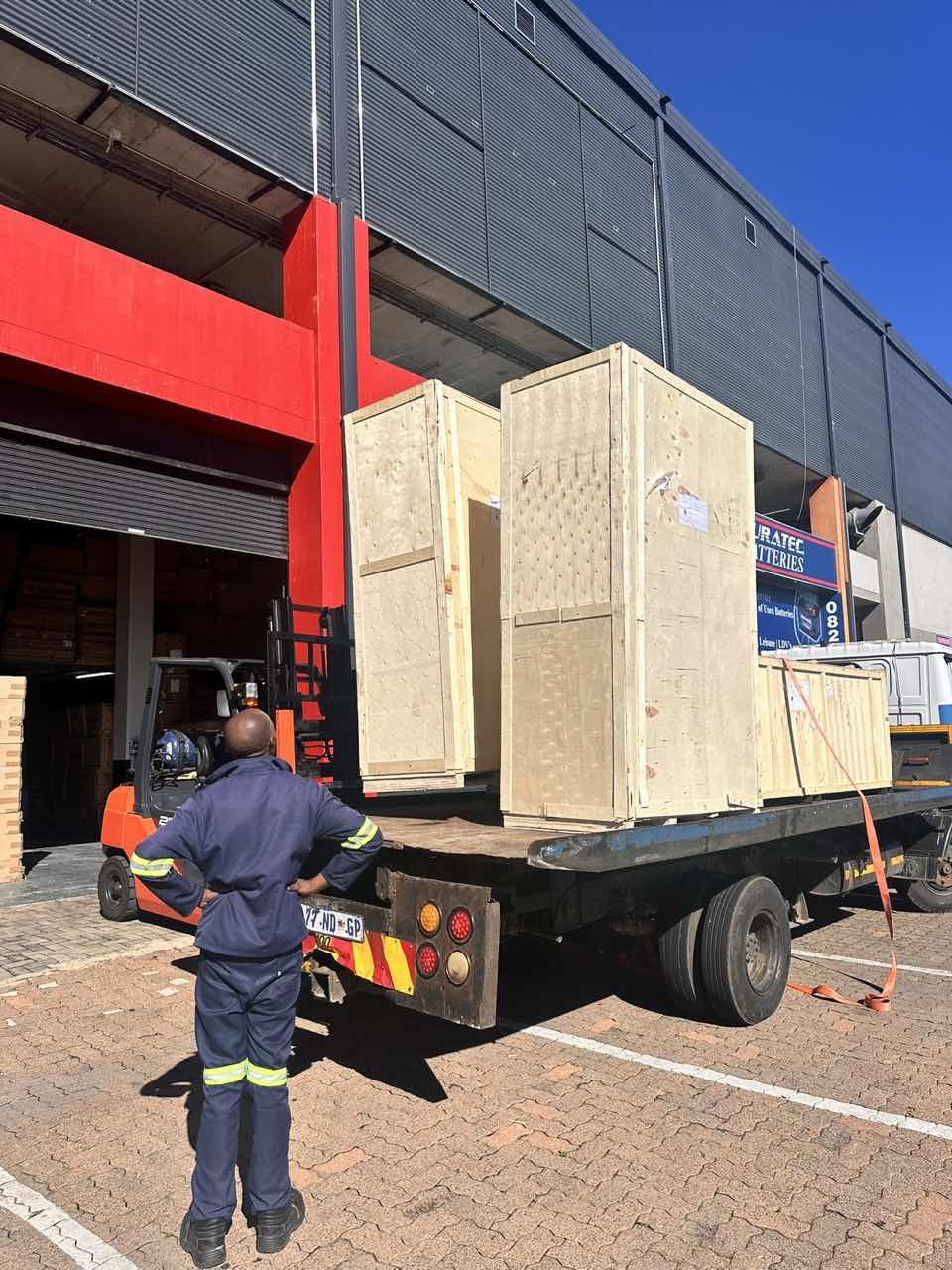
Food Processing Machine
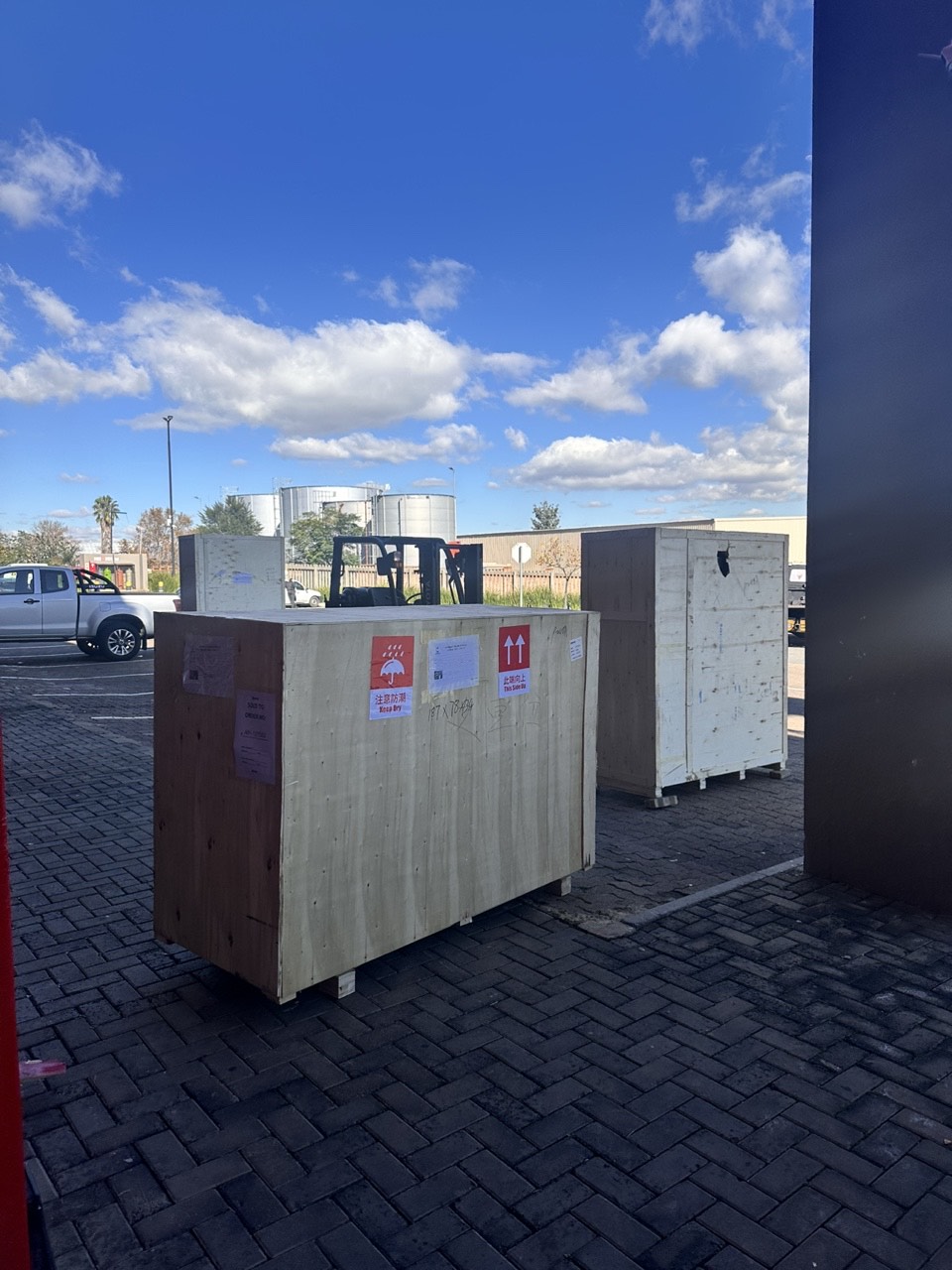
Batch of Orders
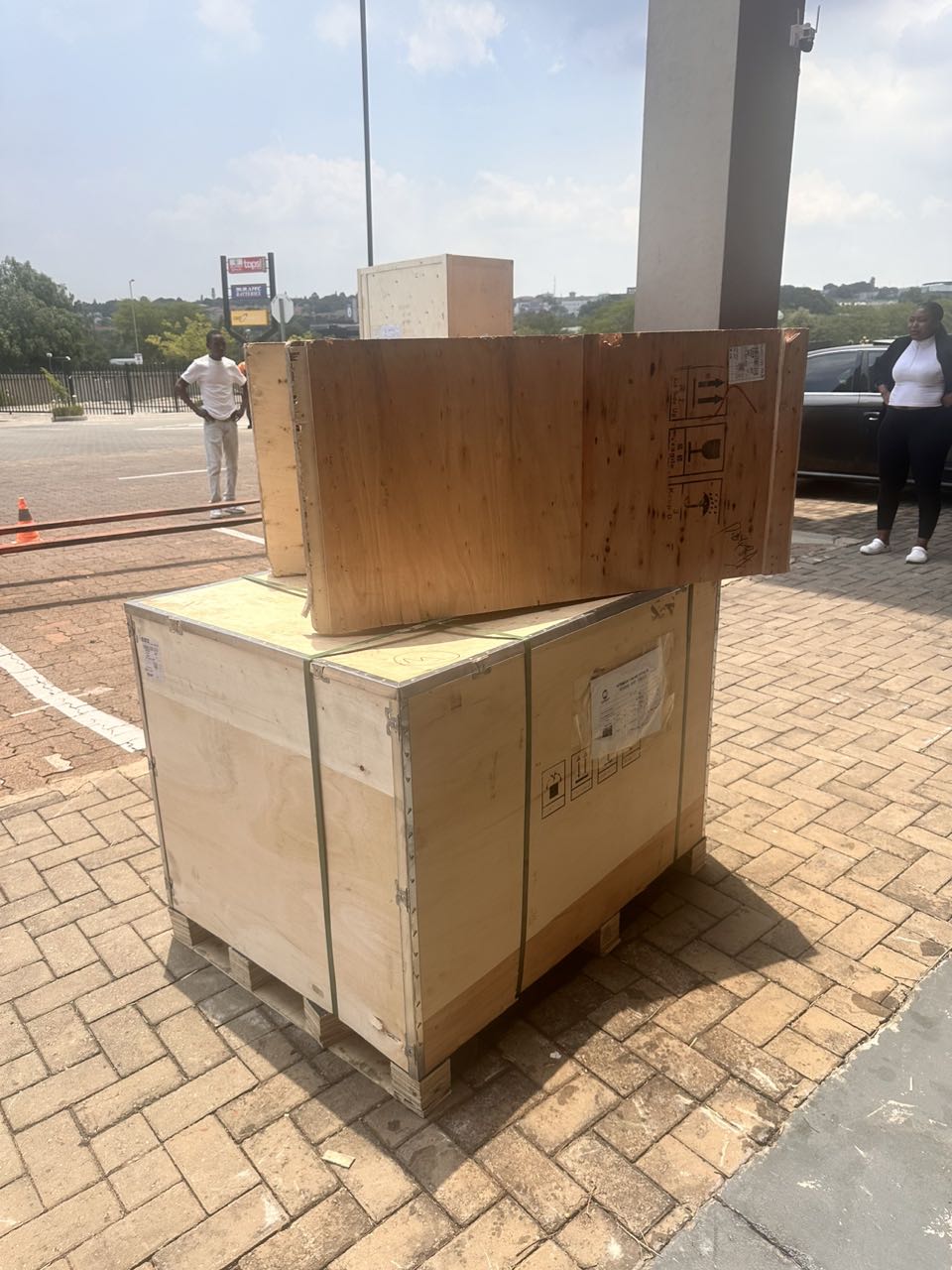
Batch of Orders
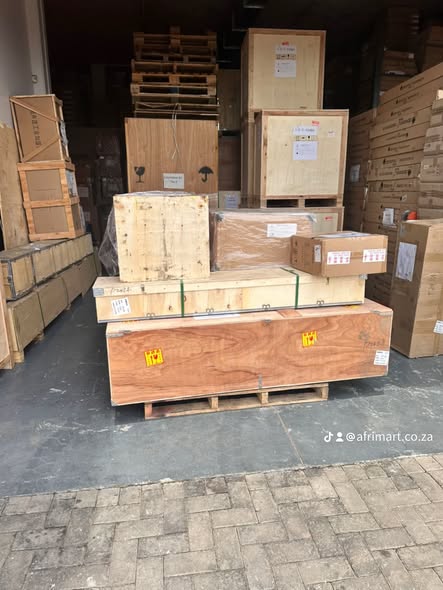
Latest Orders Labelled
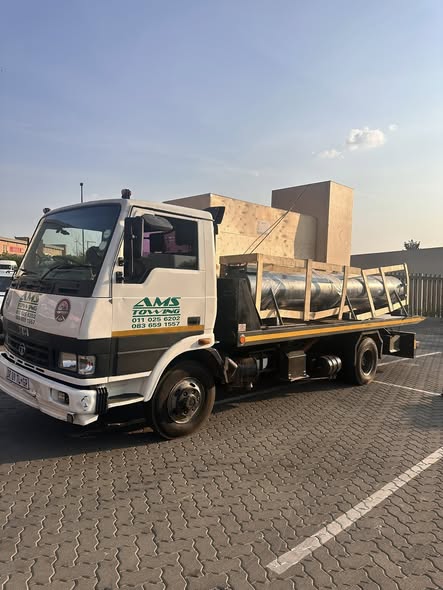
wheel alignment machines
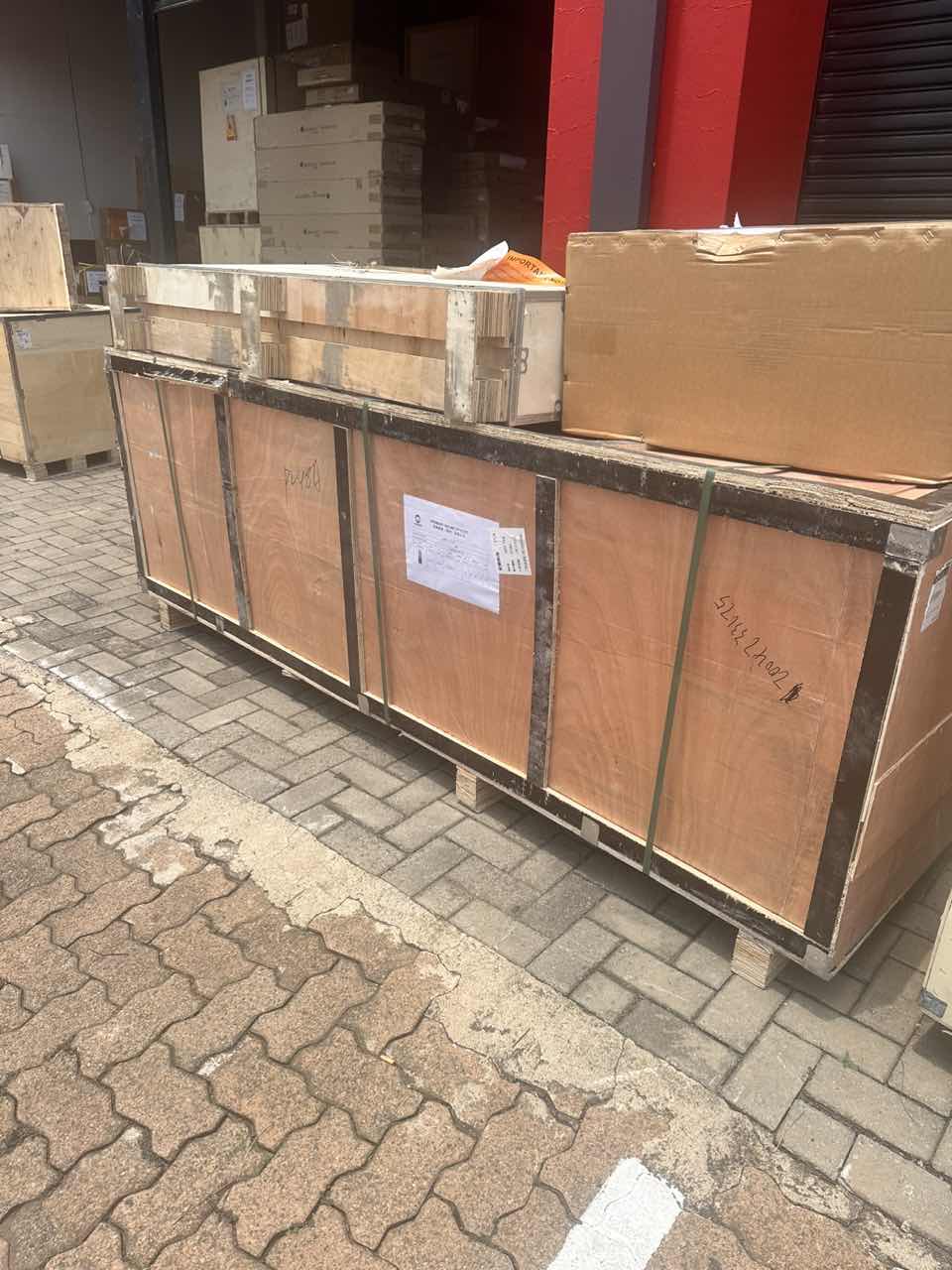
new arrivals
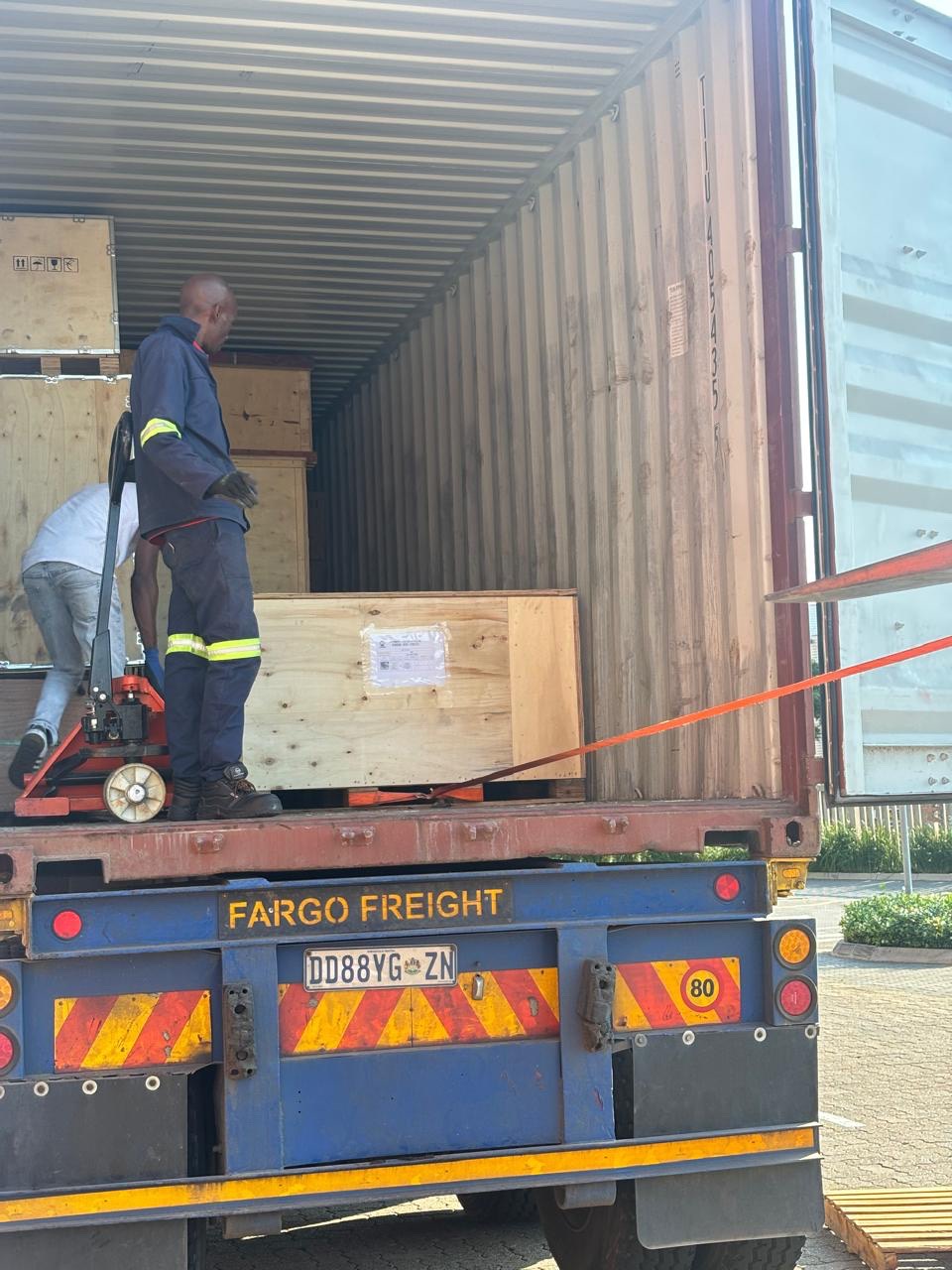
Pre Orders Offloading
Latest Arrivals
Latest Arrivals
Latest Arrivals
Loading
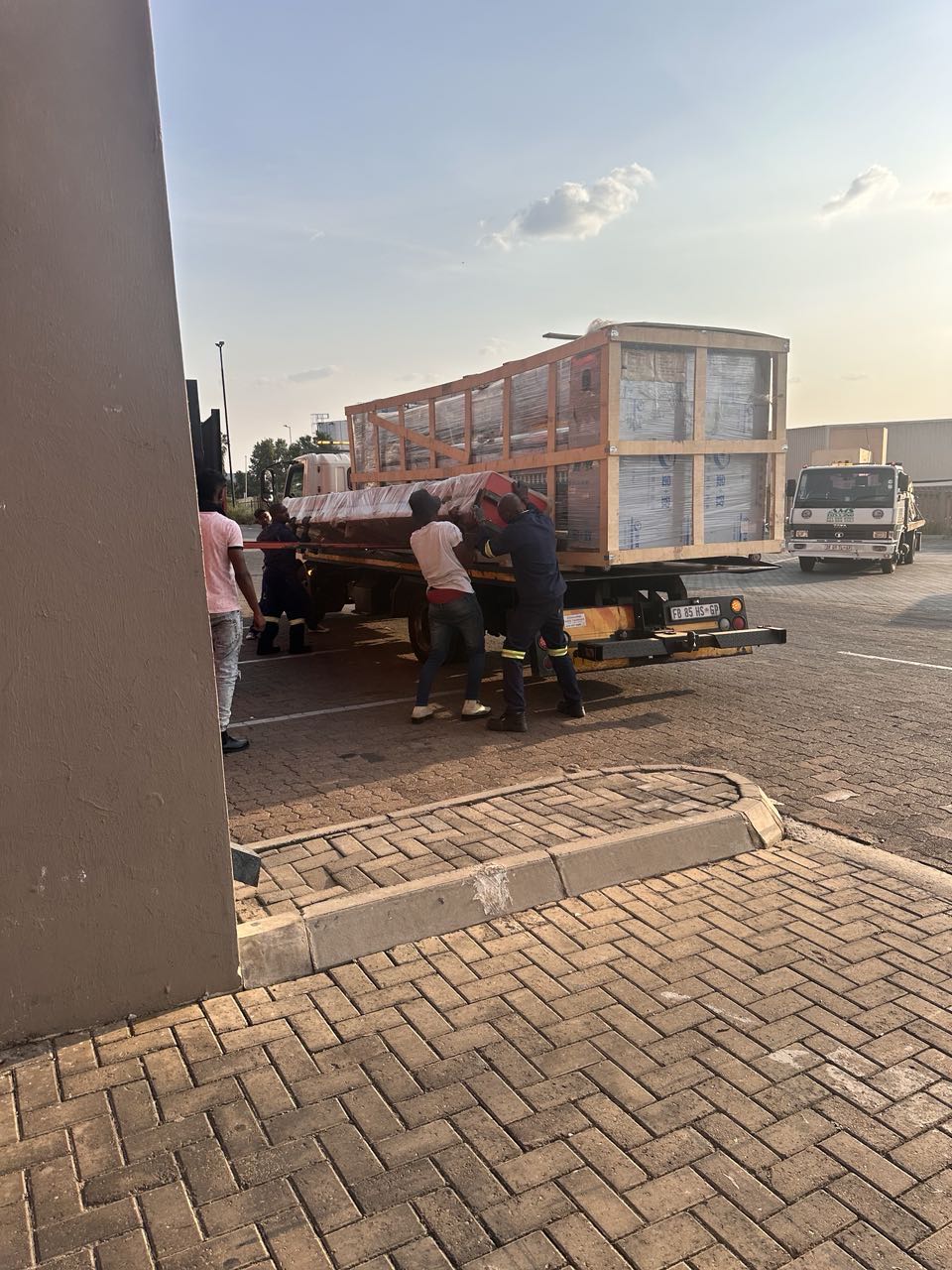
Toilet paper making machine
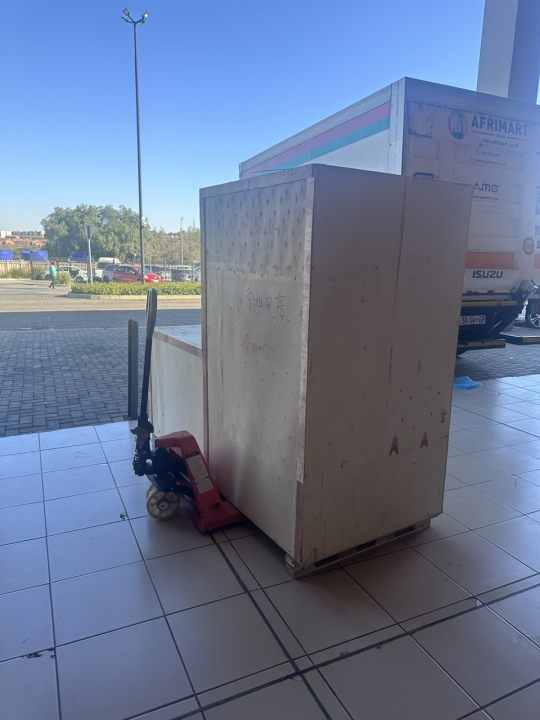
Toilet paper making machine
Toilet paper Rewinding Machine
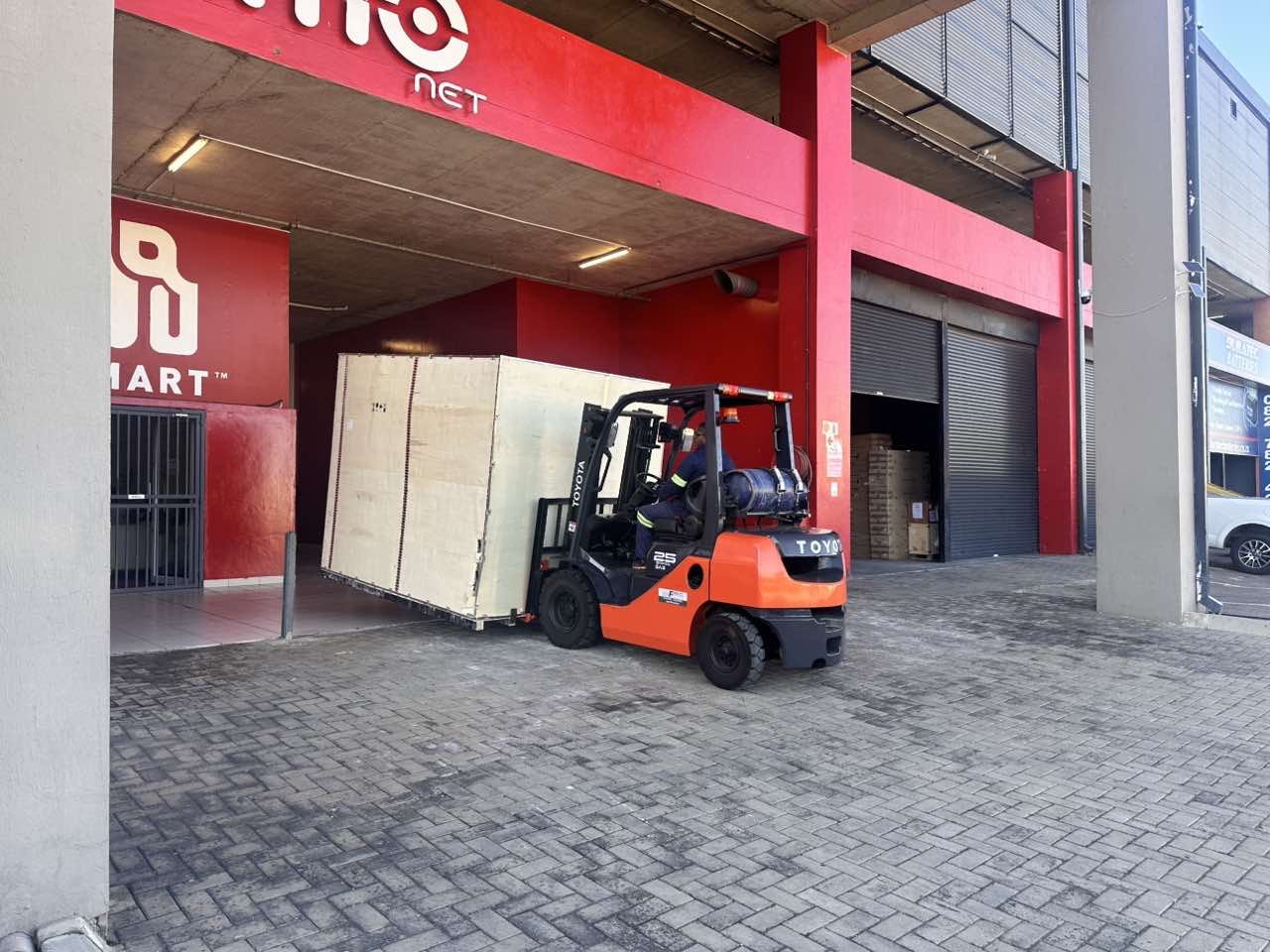
latest arrivals
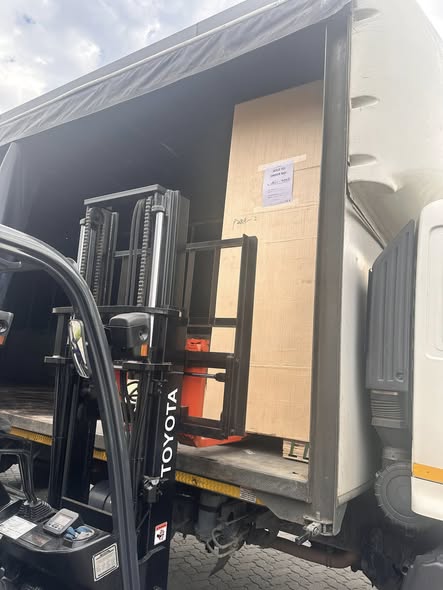
offloading
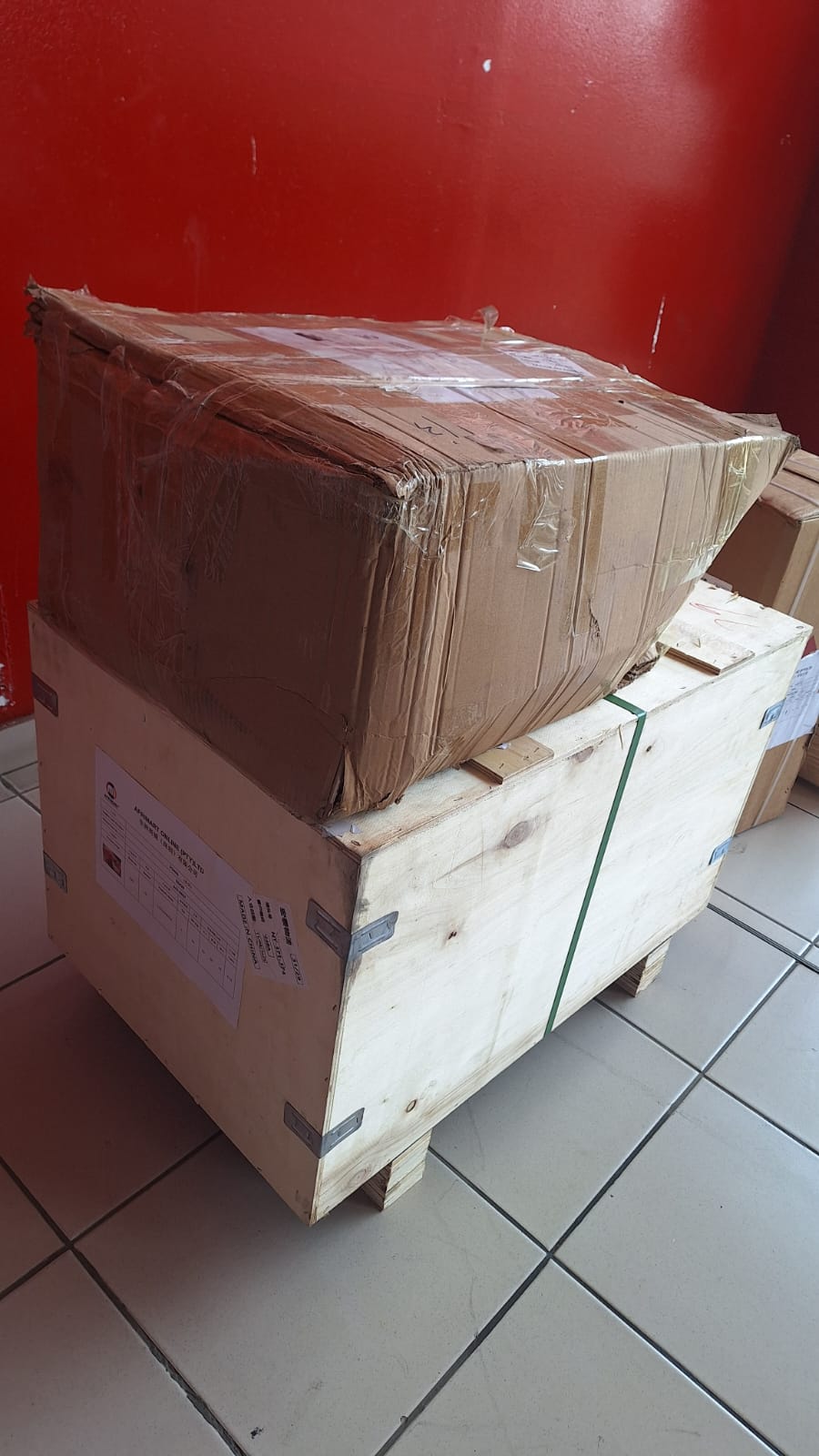
order success
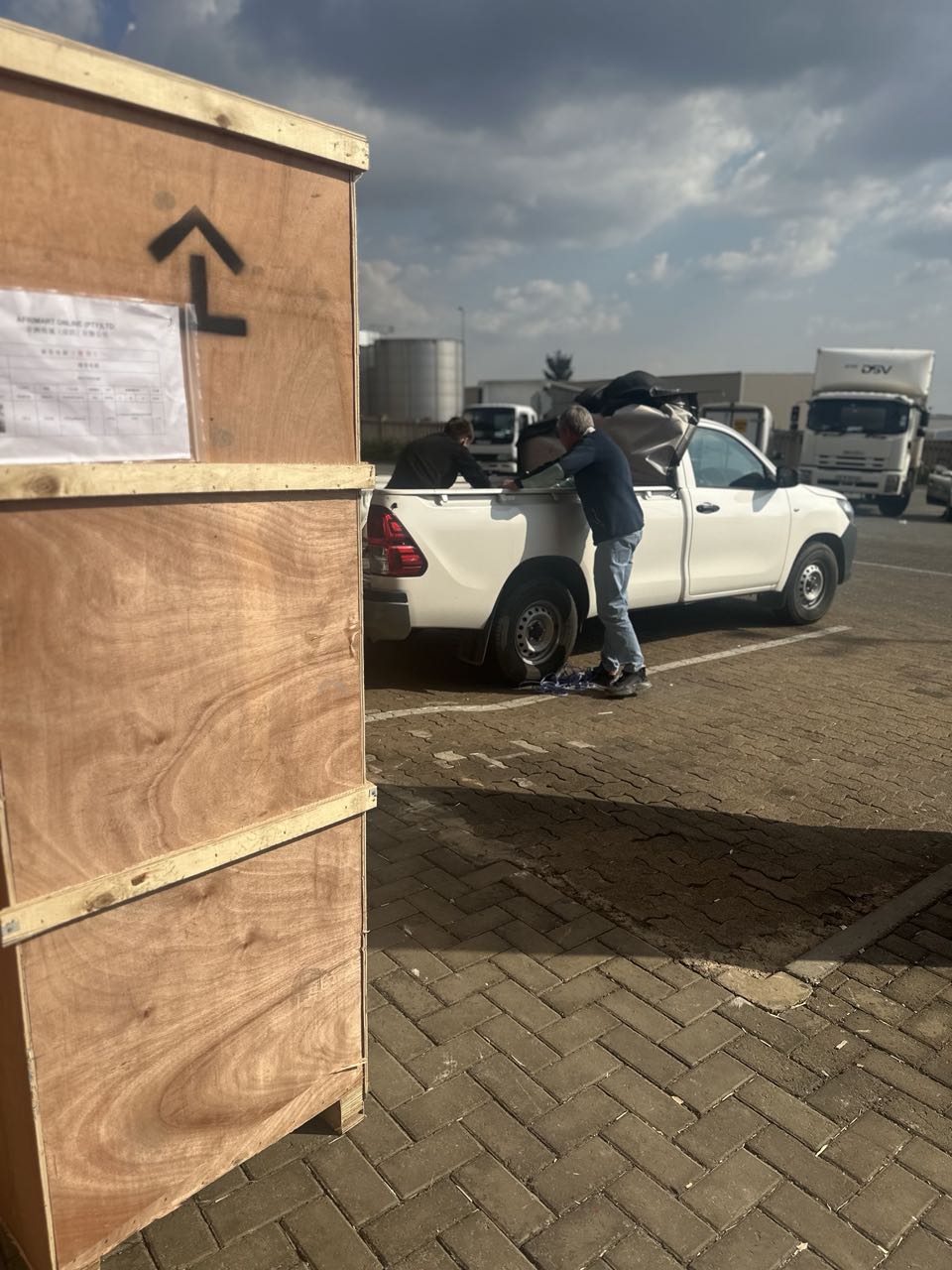
order collection
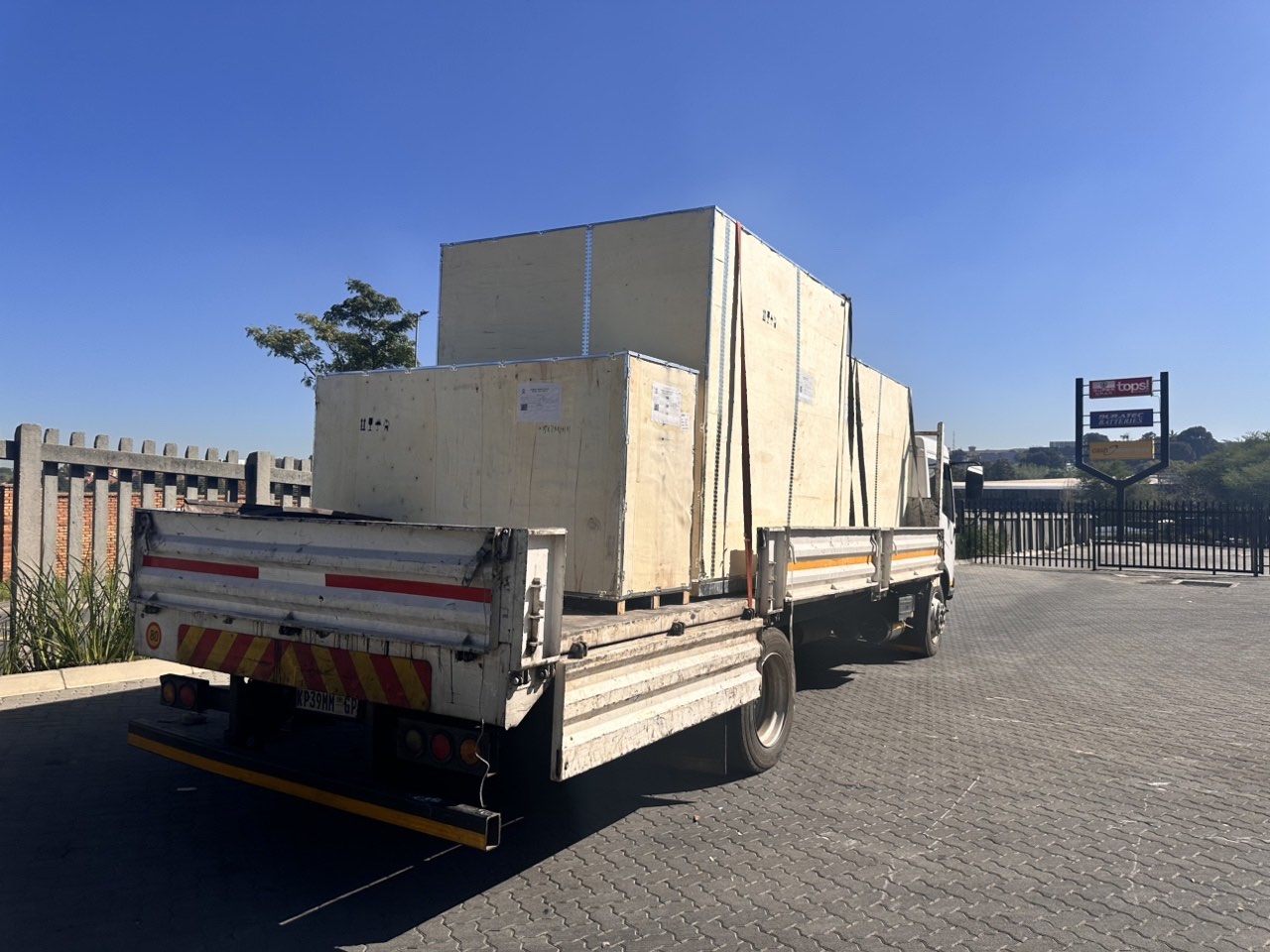
order offloading