B21, China Town Mall, Midrand

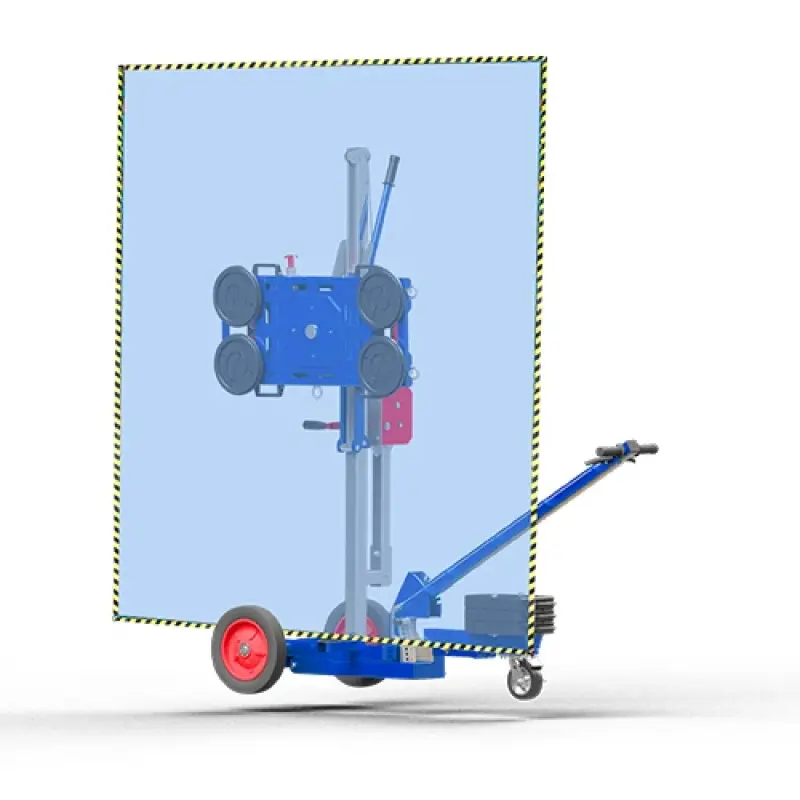
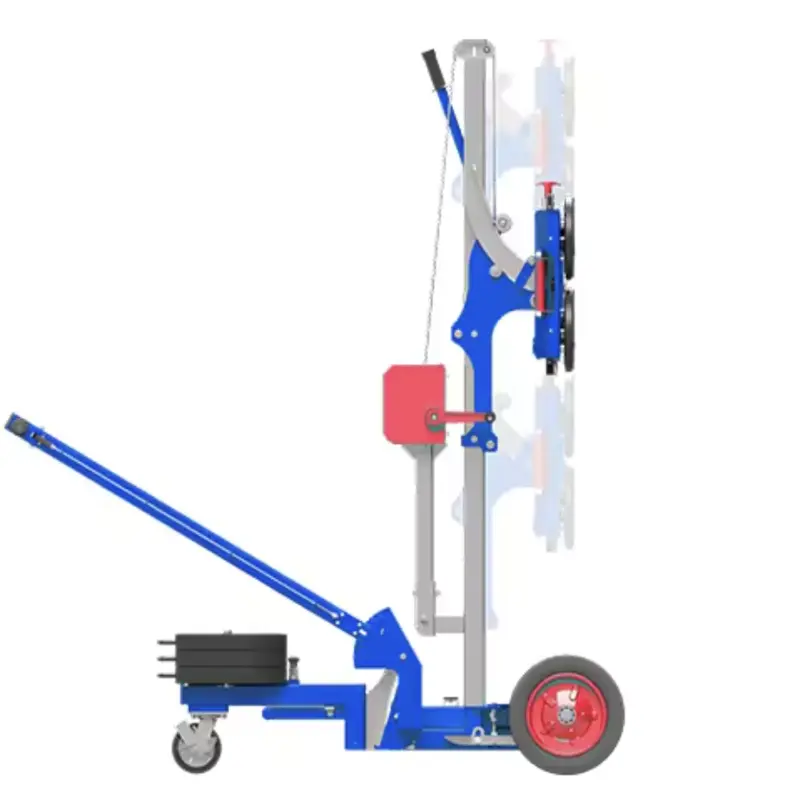
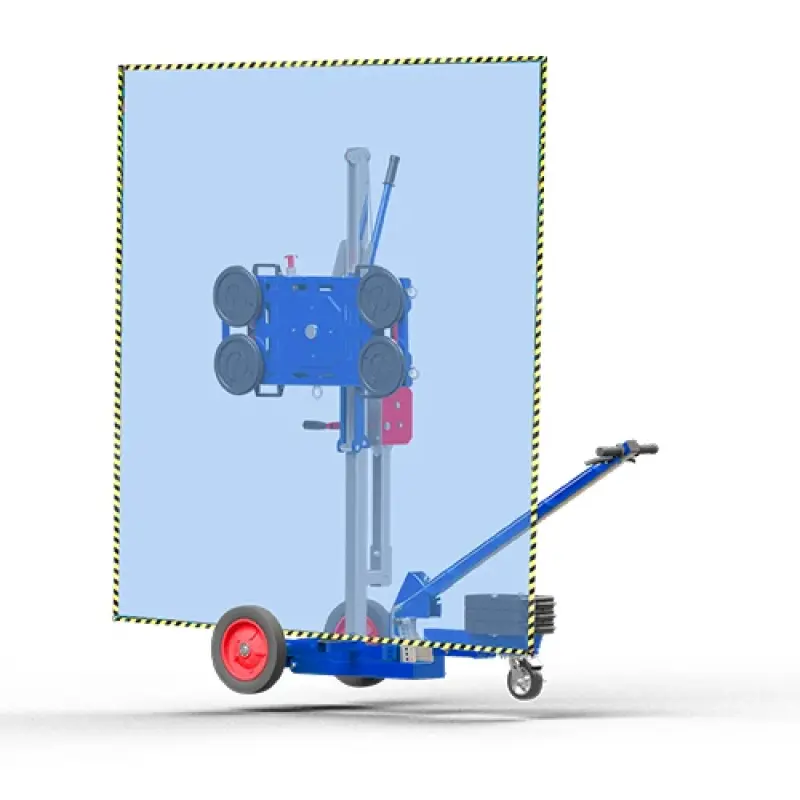
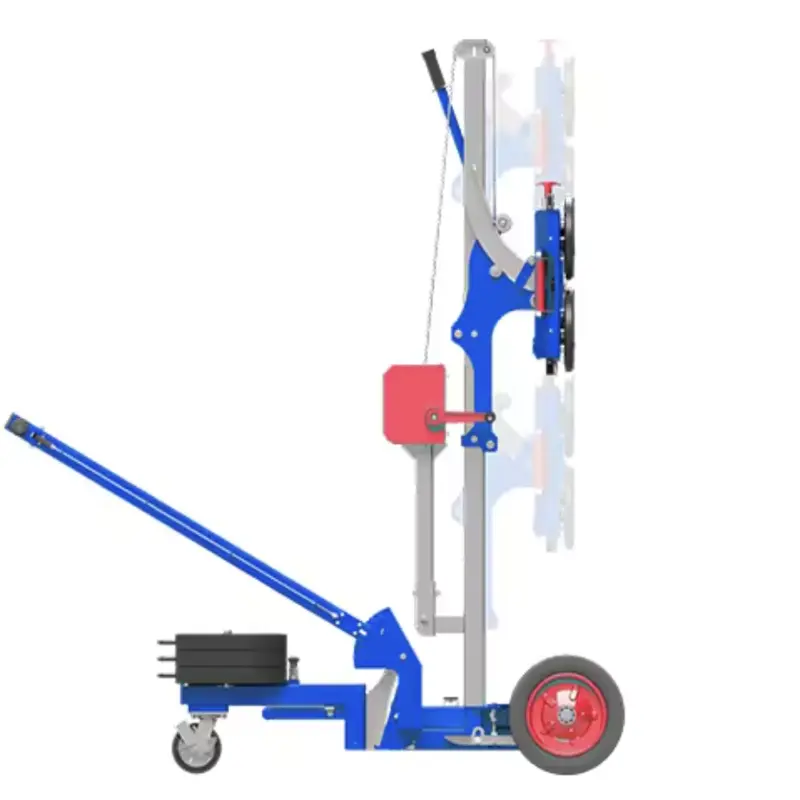
lowering the glass sheet up and down by hand-crank winch system.

- Section : Machinery
- Category : Lift Tables
- SKU : 10000002848602

lowering the glass sheet up and down by hand-crank winch system.
Designed for mounting and handling materials such as glass sheet, window or thin stone slabs easily and safely.

Company Information
- Shipping Timeframes: All orders are processed within 2-5 business days (excluding weekends and holidays). After your order has been processed, the estimated delivery time is before 03 Feb, 2026, depending on customs, Please note that due to high demand, some items may experience longer shipping times, which will be communicated at order confirmation email.
- Order Processing Time: Please allow 2-5 business days for us to process your order before it is shipped . Orders placed after 16:00 on Fridays, or during weekends and public holidays, will begin processing on the next business day. Processing times may be extended during peak seasons or sales events.
- Manufacturing Time: Some products needs manufacturing time, the manufacturing process will take approximately 10-30 business days depending on the product. This timeframe may vary depending on the complexity of the product and current demand. but this will be communicated with you during order confirmation.
- Returns and Exchanges: We offer a 30-day return policy for most items. If you are not completely satisfied with your purchase, you may return it within 30 days of receipt for a refund or exchange. Items must be unused, in their original packaging, and accompanied by proof of purchase. Return shipping costs are the responsibility of the customer, unless the item was damaged or defective upon arrival.
1. What is the "lowering the glass sheet up and down by hand-crank winch system"?
It is a manual winch and mounting system that raises, lowers and holds glass sheets, windows or thin stone slabs using a hand crank. It is designed to assist safe handling and precise positioning during installation, glazing or maintenance.
2. What materials can this system handle?
The system is intended for flat, rigid panels such as glass sheets, window units, mirror panels and thin stone slabs. Compatibility depends on panel size, thickness and edge condition; always confirm with the product specifications.
3. How do I operate the hand-crank winch?
Operation is manual: attach the panel using the recommended clamps or suction pads, engage the safety lock or ratchet, then turn the hand crank to raise or lower the load. Release the crank slowly and use the brake or locking mechanism to hold position. Follow the included operating instructions closely.
4. What is the load capacity and maximum lift height?
Load capacity and lift height vary by model and configuration. Please consult the product specification sheet or contact the supplier for exact ratings for the model you are considering. Never exceed the rated capacity.
5. How is the system mounted or installed?
Mounting options typically include fixed frames, overhead beams, scaffolding adapters or mobile stands. Some units are portable while others require permanent mounting. Installation requirements will be provided in the product manual and should be performed by qualified personnel.
6. What safety features does the winch system include?
Common safety features include mechanical brakes or ratchets, locking pawls, overload protection recommendations, secure clamps or suction fittings for the panel, and clear load-rating labels. Exact features depend on the model—verify before use.
7. Do I need special training to use this system?
Yes. Operators should receive training on safe lifting practices, correct securing of panels, hand-crank operation, load limits and emergency procedures. Training reduces the risk of injury and damage.
8. What personal protective equipment (PPE) is recommended?
At minimum: cut-resistant gloves, safety glasses, hard hat and steel-toe footwear. Additional PPE such as back support or eye protection for work at height may be required depending on the job site.
9. How do I maintain the winch system?
Perform regular inspections of cables/chains, hooks, clamps/suction pads, brakes and fasteners. Lubricate moving parts per the maintenance schedule, replace worn components immediately, and store the unit in a dry, protected area when not in use. Follow the manufacturer's maintenance guide.
10. Are replacement parts and consumables available?
Yes. Typical replacement parts include cables/chains, brake components, crank handles, mounting hardware and suction pads. Contact the supplier or company service department for part numbers and lead times.
11. Can the system be customized for specific panel sizes or jobsite conditions?
Many manufacturers offer customization options such as different mounting brackets, longer lifting lengths, higher-rated winches or specialized clamps to suit particular panel sizes and site requirements. Contact the company for custom solutions and quotations.
12. What are the recommended inspection intervals?
Inspection frequency depends on usage intensity. Perform a visual check before each use and a more thorough inspection monthly or per the manufacturer's schedule. Heavy or daily use may require more frequent inspections.
13. Is installation and onsite support available from the company?
Installation and onsite support services vary by supplier. Many companies provide installation, commissioning, operator training and technical support—ask your sales representative about available services.
14. Does the product come with a warranty and what does it cover?
Warranty terms differ between manufacturers. Typical warranties cover defects in materials and workmanship for a specified period; they do not cover normal wear, misuse, overloading or improper maintenance. Review the warranty documentation for details.
15. How do I order, request a quote or get more company information?
Contact the company's sales or customer service team via the phone number, email or website listed on their product literature. Provide panel dimensions, estimated weights and application details to receive an accurate quote or technical recommendation.
Latest Order Arrivals
Discover our latest orders
12 Heads Embroidery Machine
Dewatering Pump Machine
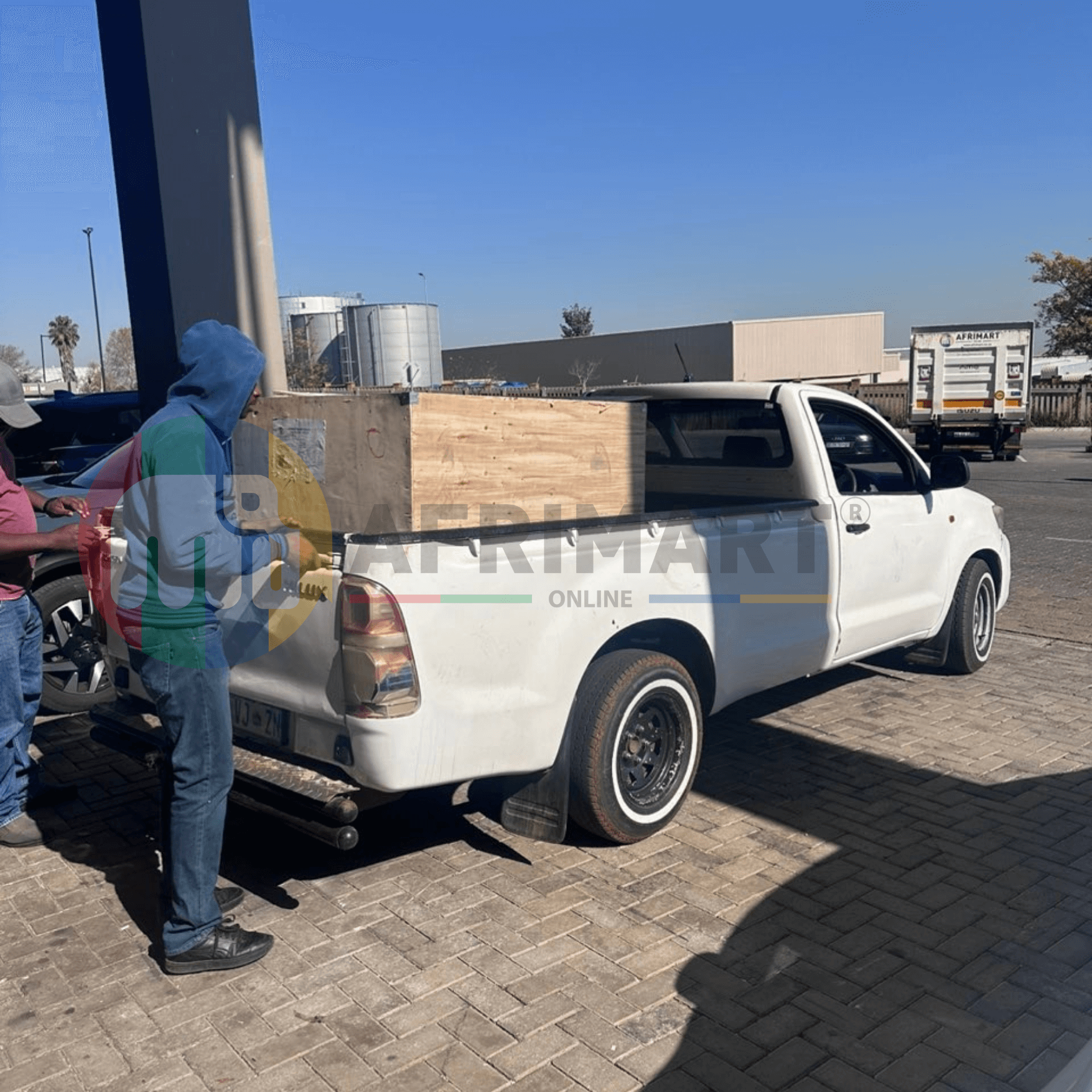
Order Collection
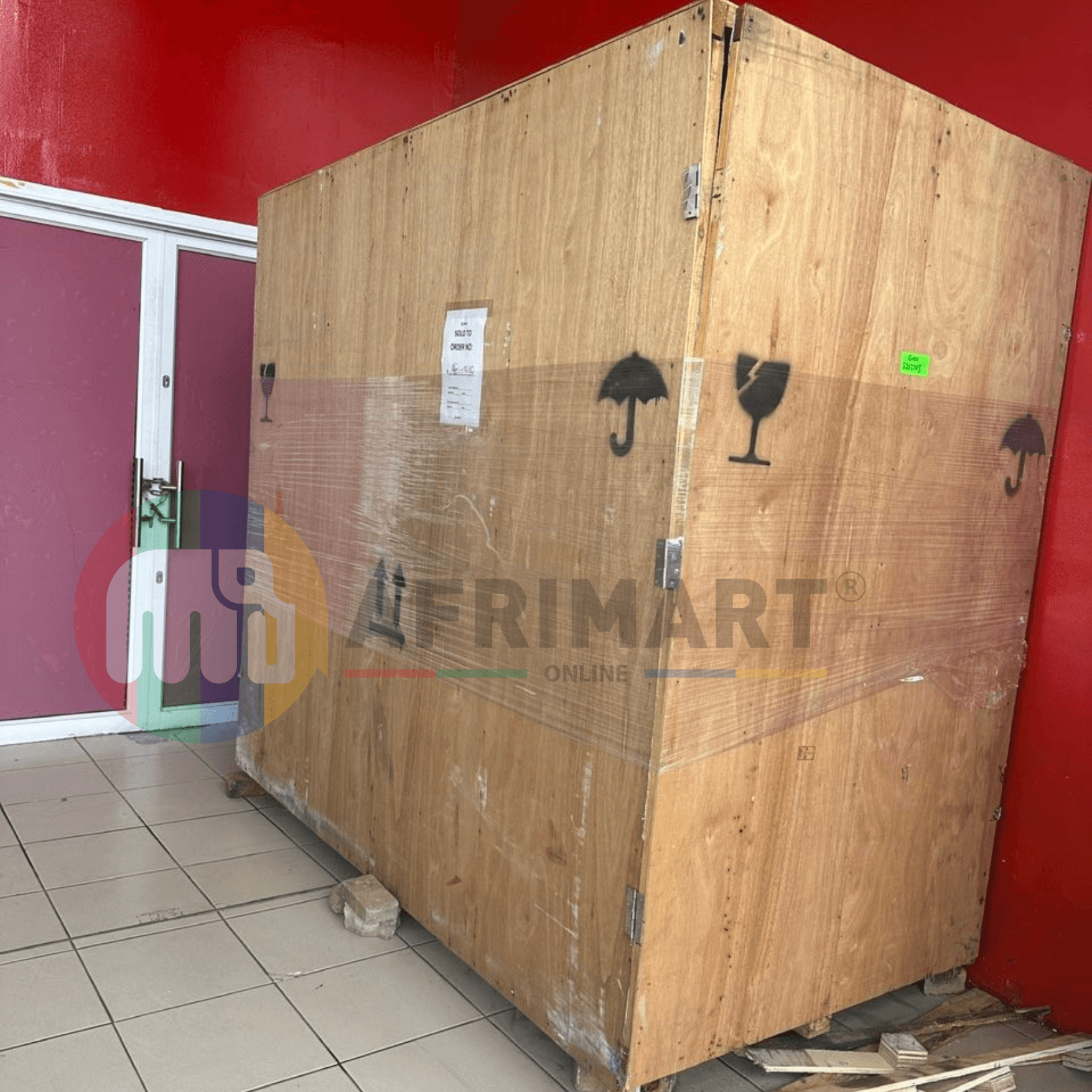
Portable Water Drilling Rig
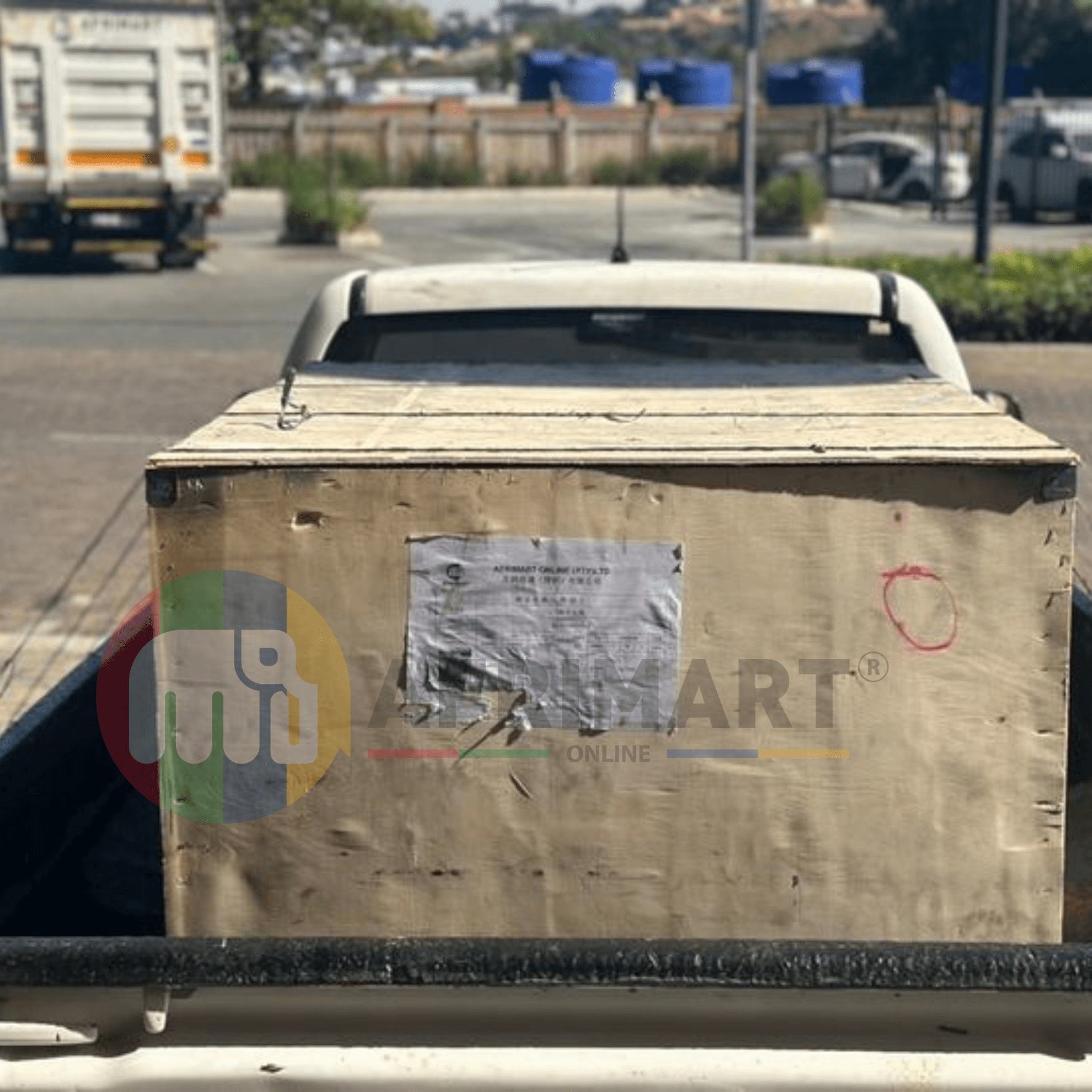
Order Usefully Collected
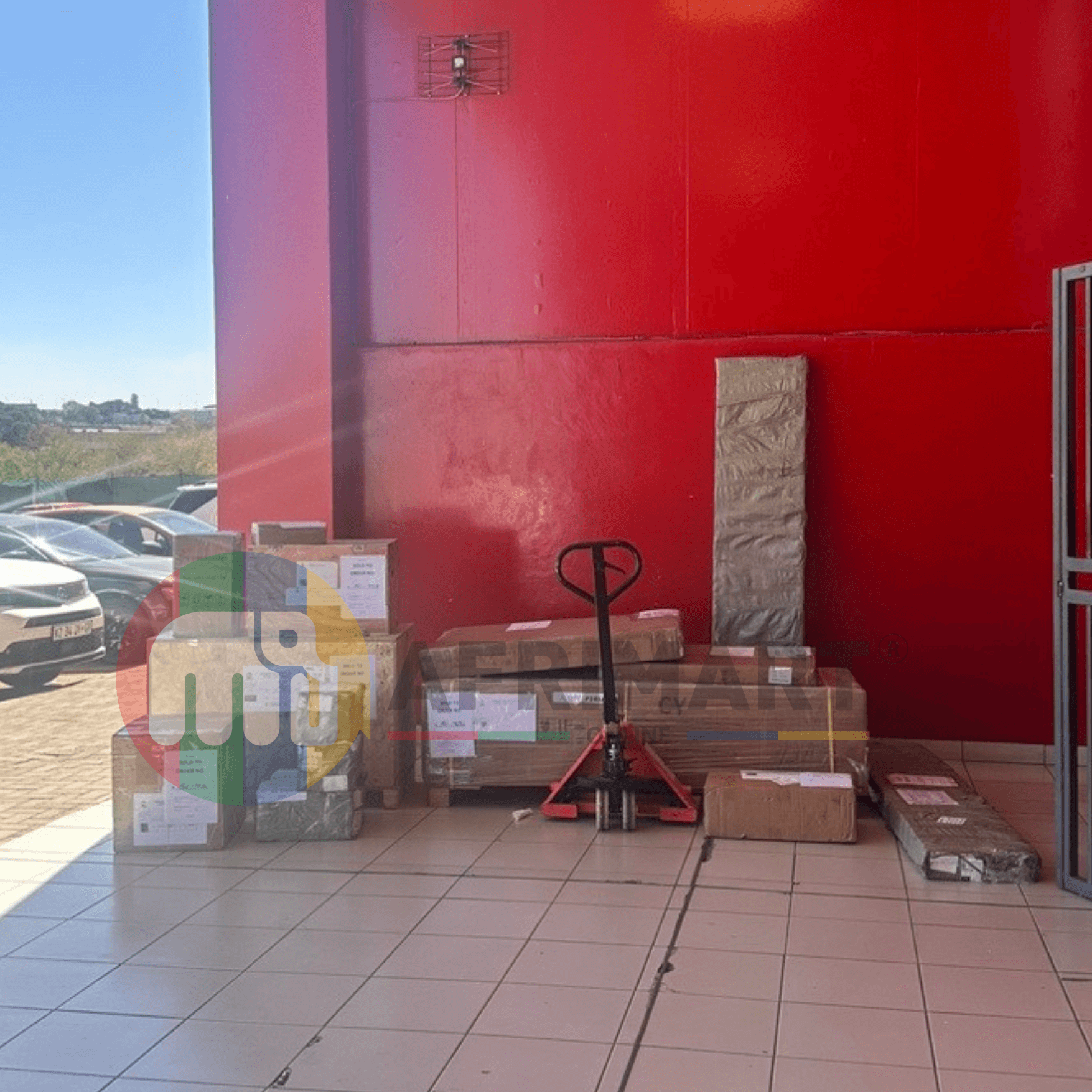
Batch of Orders
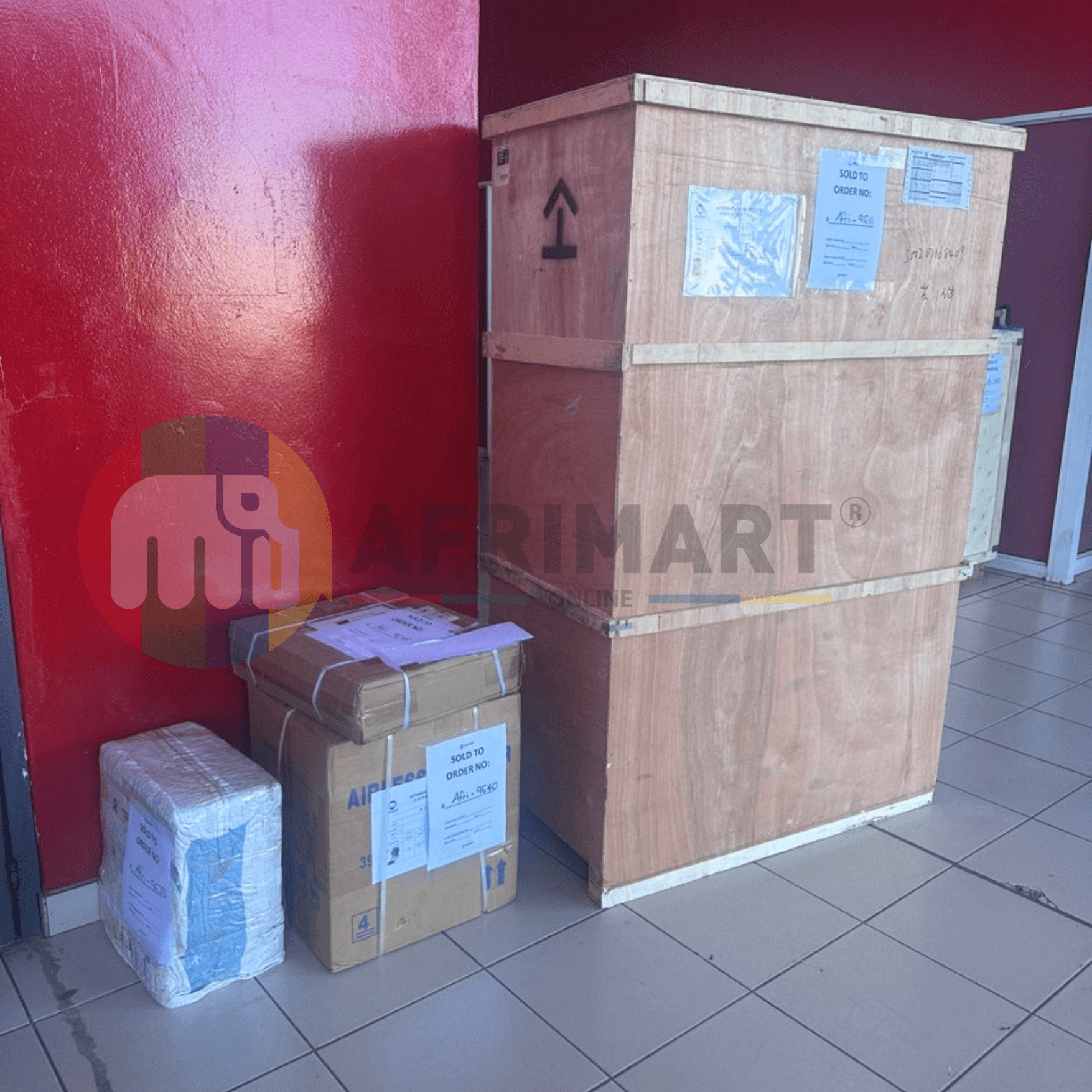
Agriculture Processing Machines
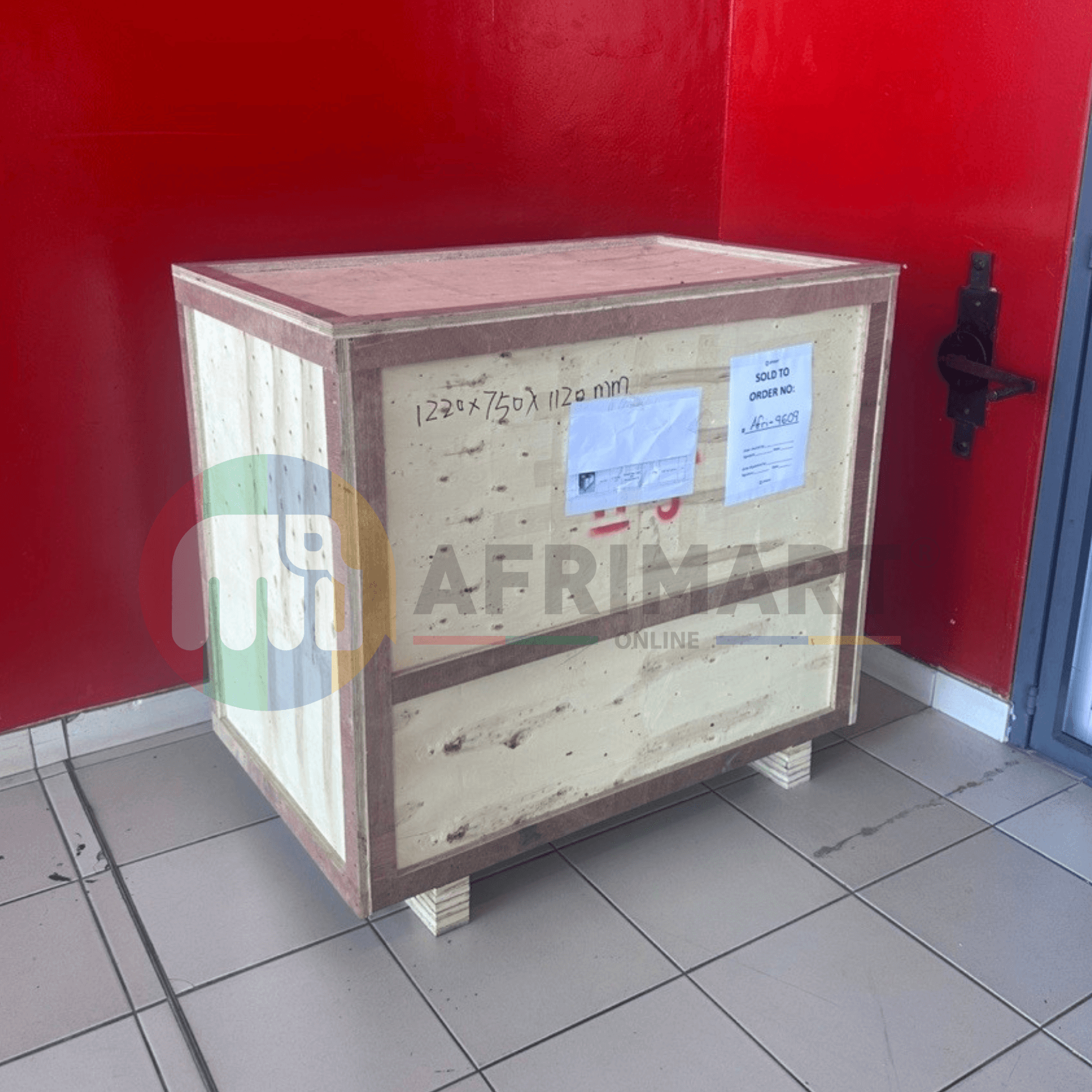
Meat Grinder Machine
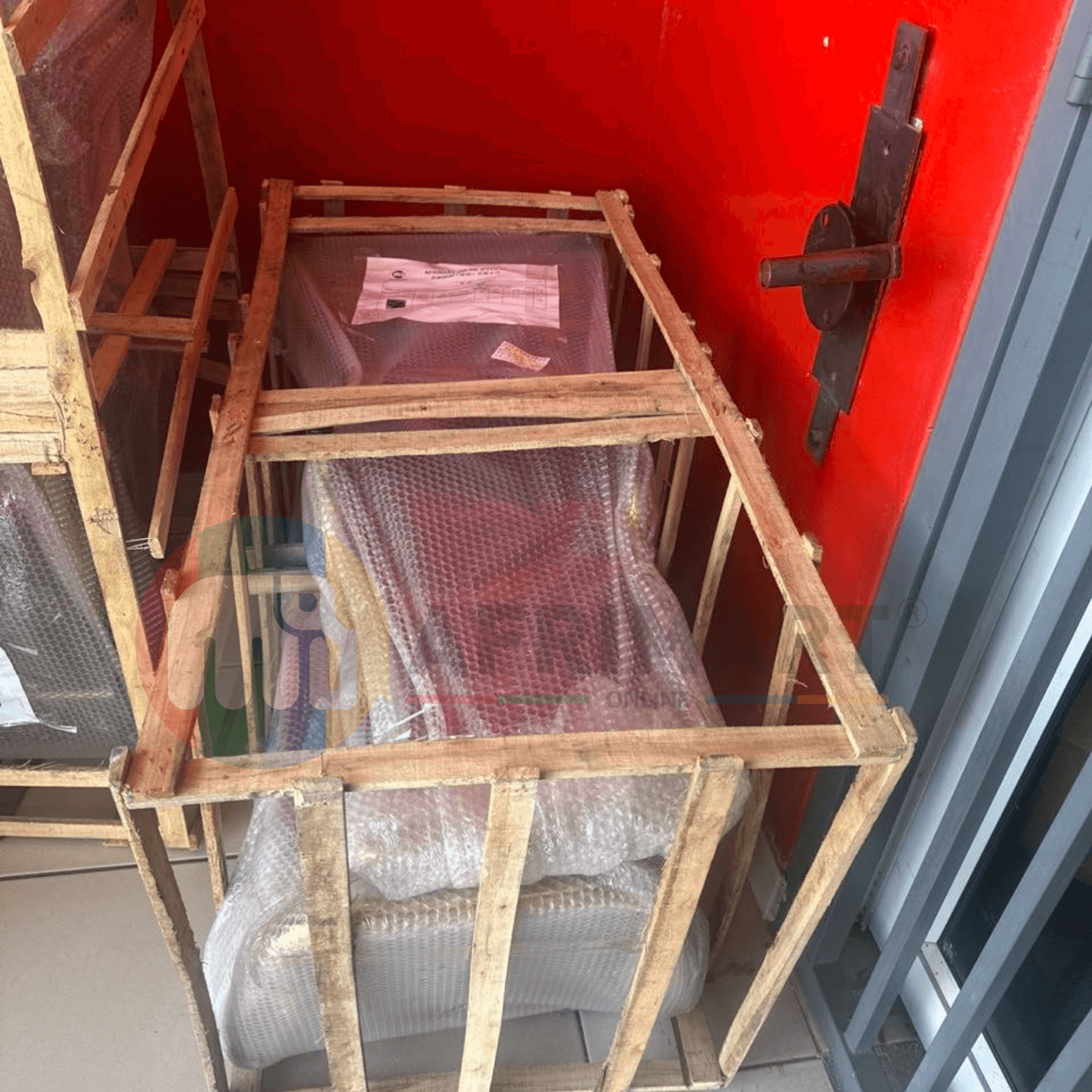
Water Pump Equipment
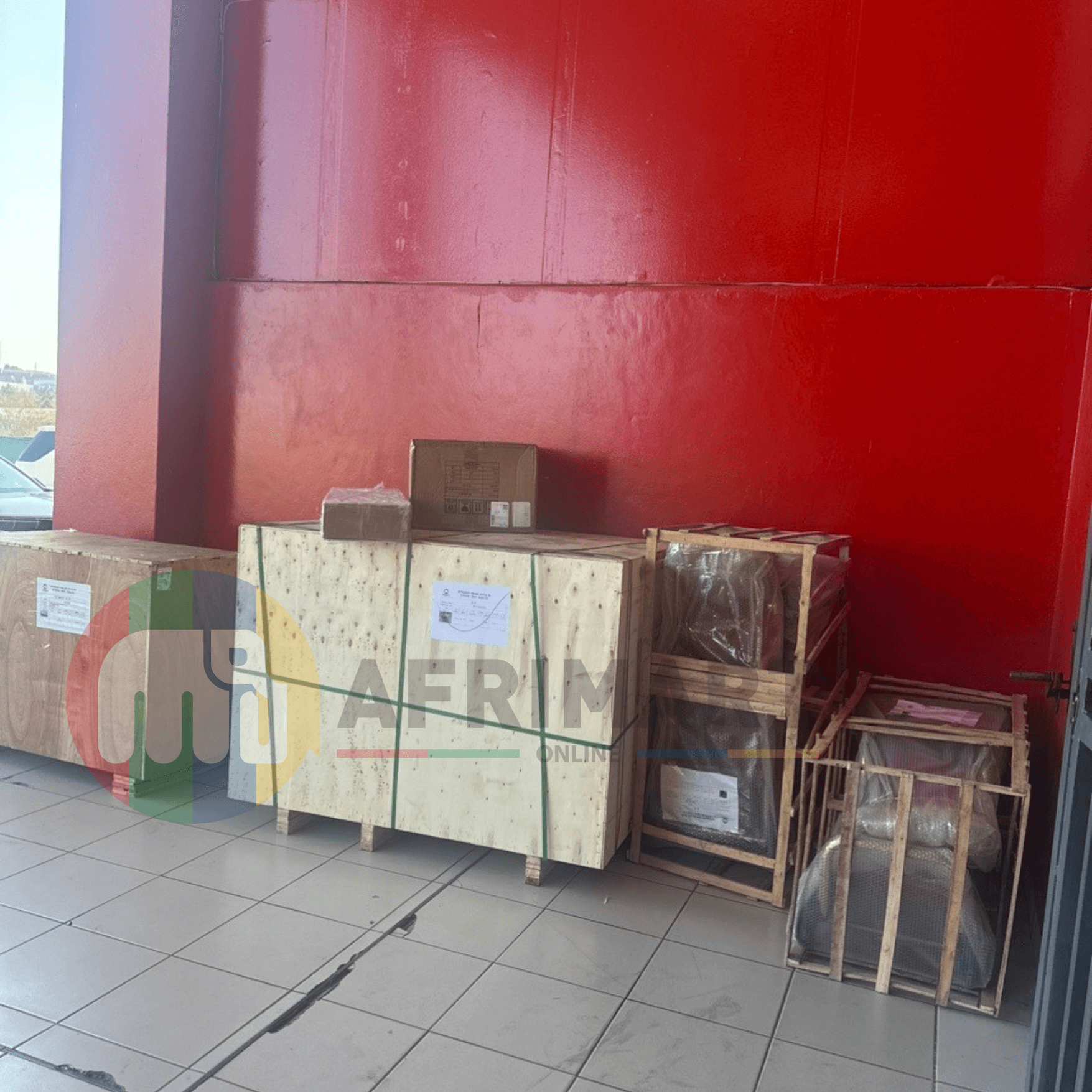
Packaging Machine and accessories
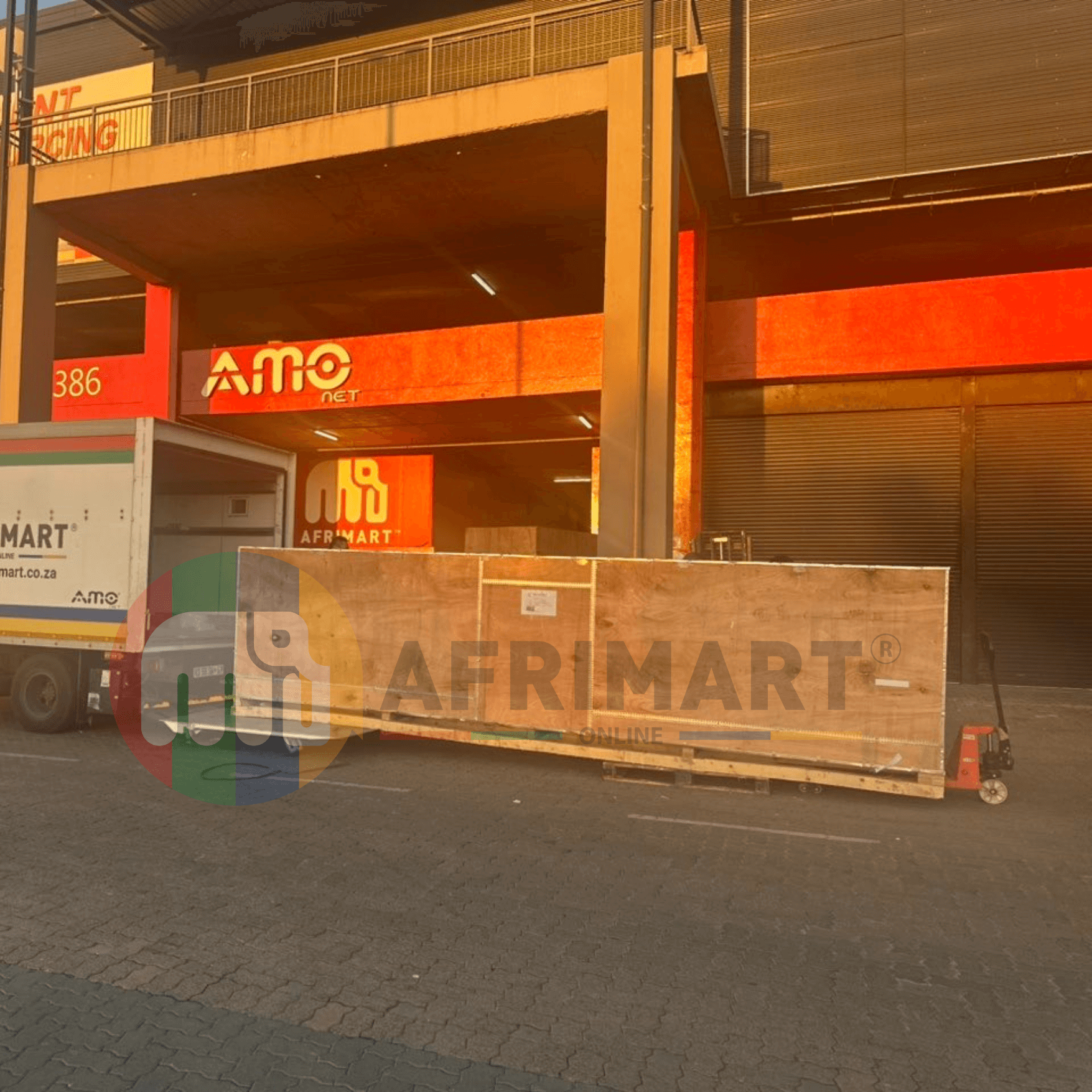
Fabrics Manufacturing Equipment
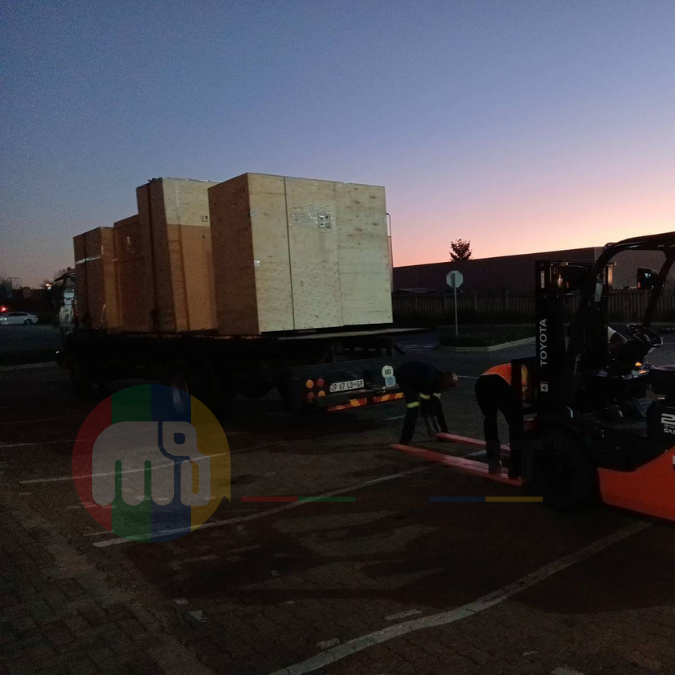
Mining Equipments
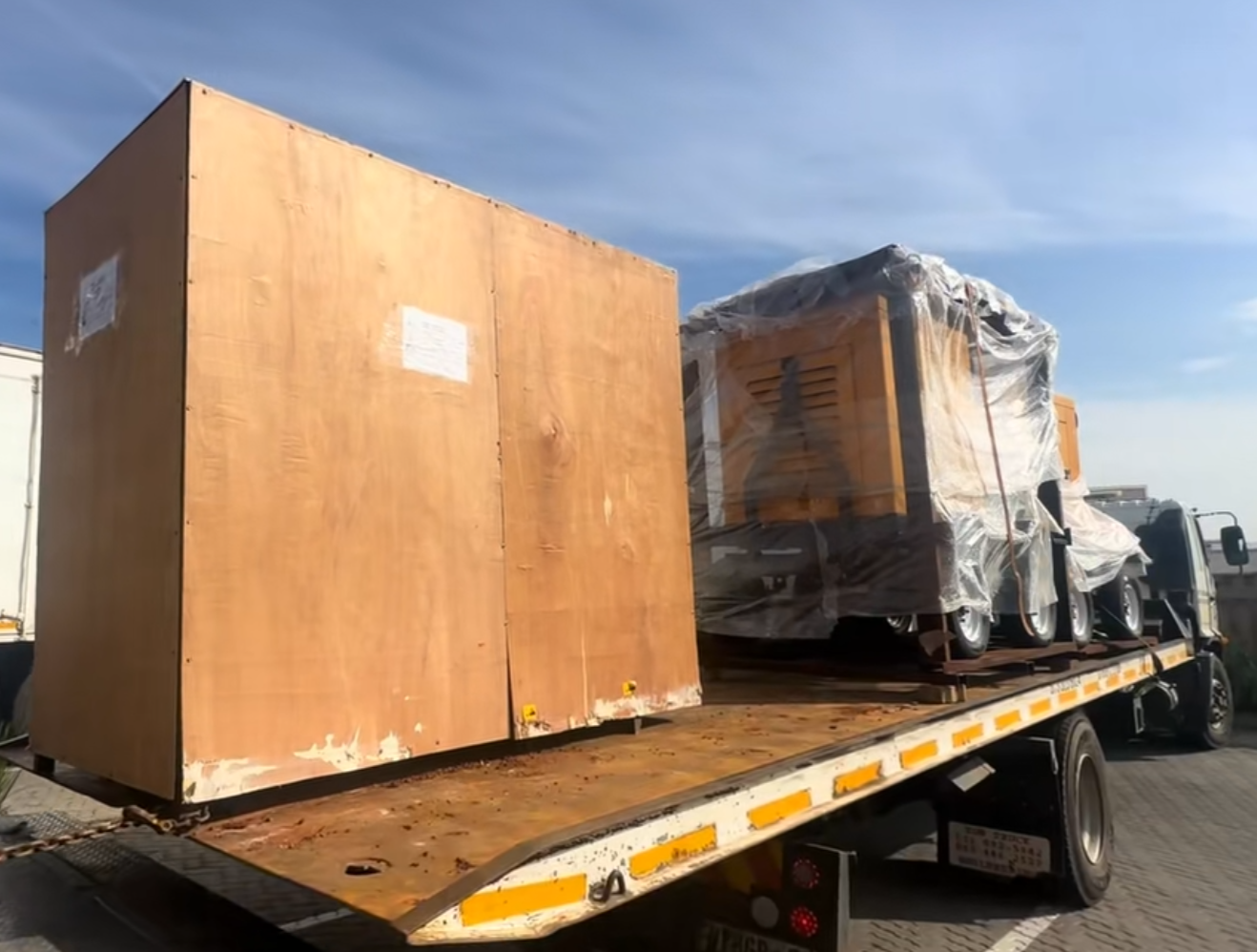
Food Processing Machine
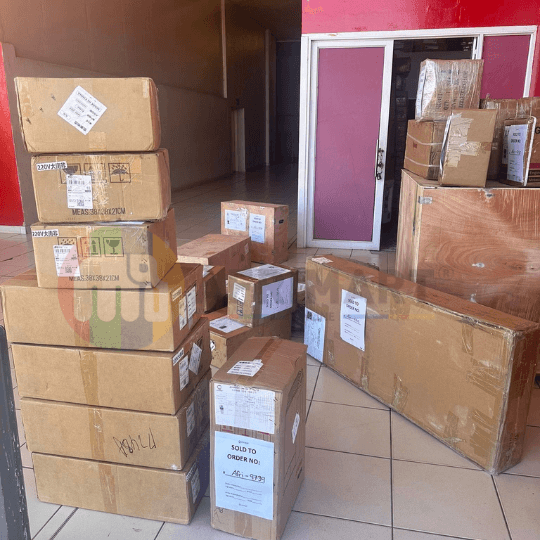
Batch of Orders
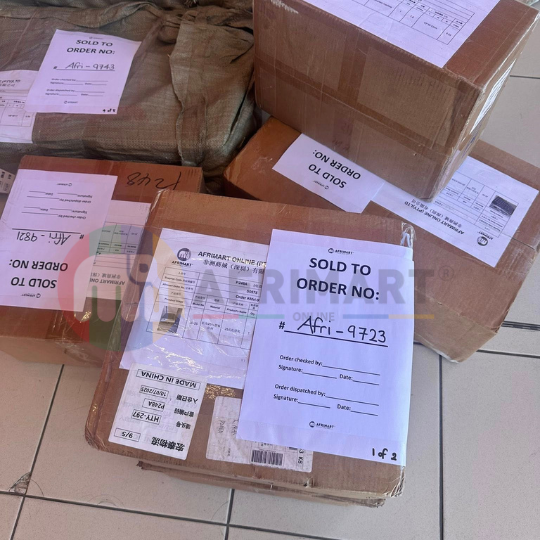
Batch of Orders
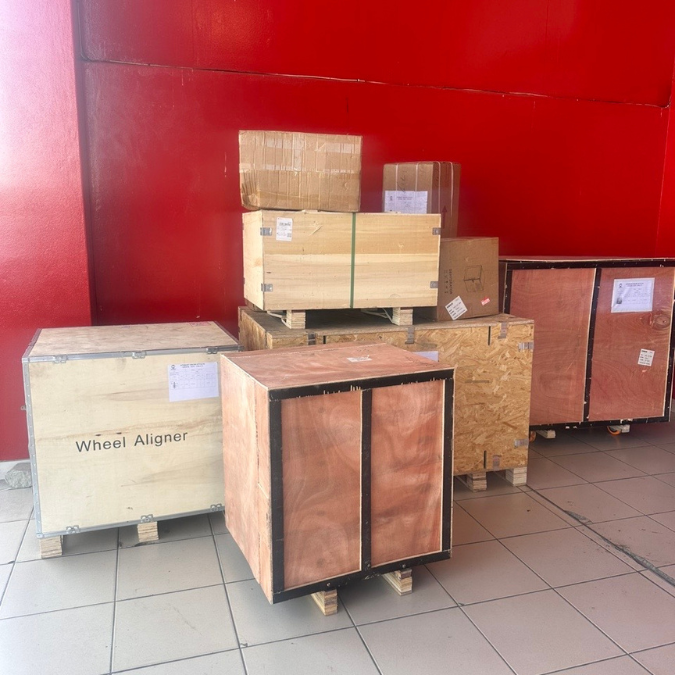
Latest Orders Labelled
wheel alignment machines
new arrivals
Pre Orders Offloading
Latest Arrivals
Latest Arrivals