B21, China Town Mall, Midrand

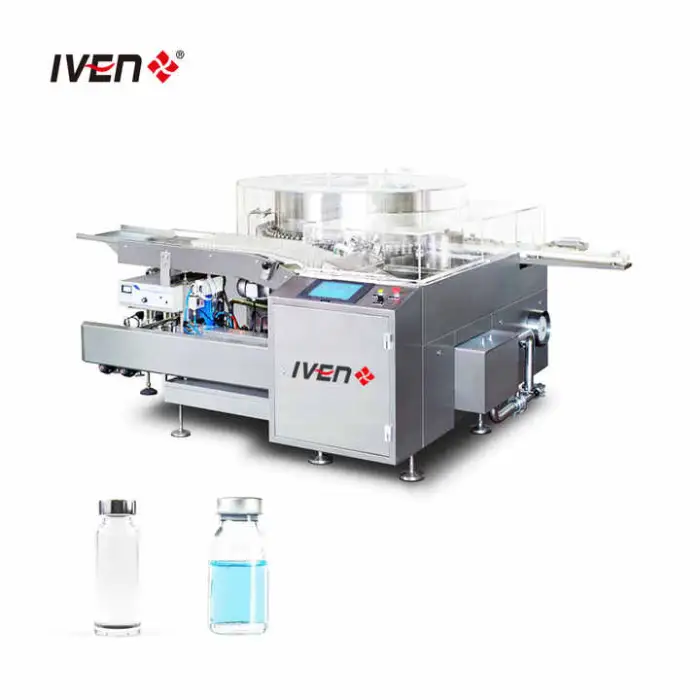
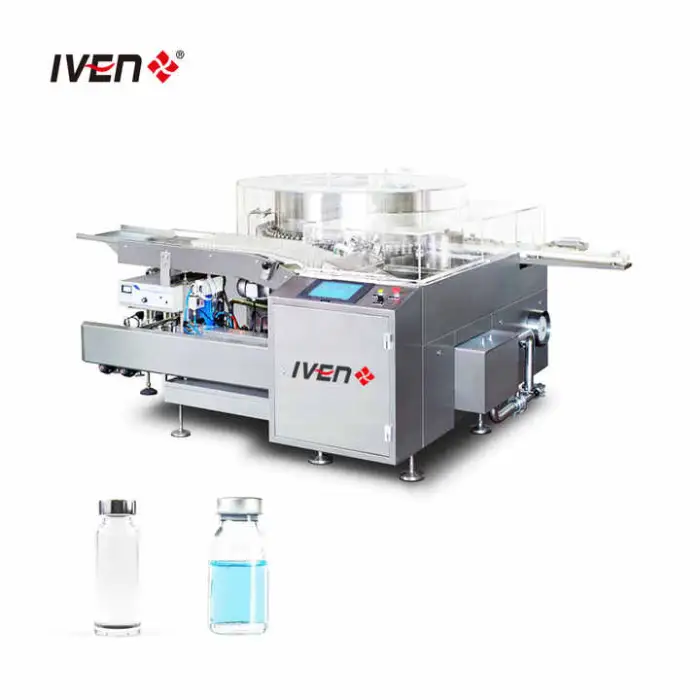
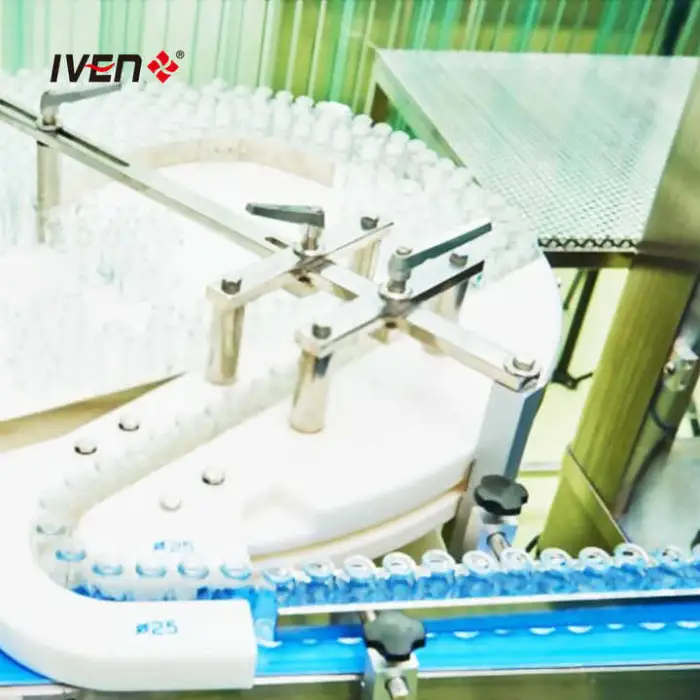
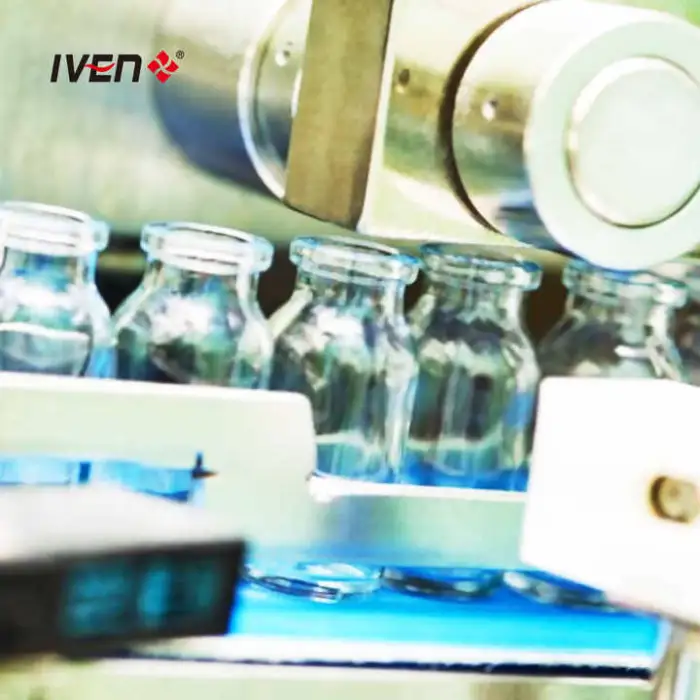
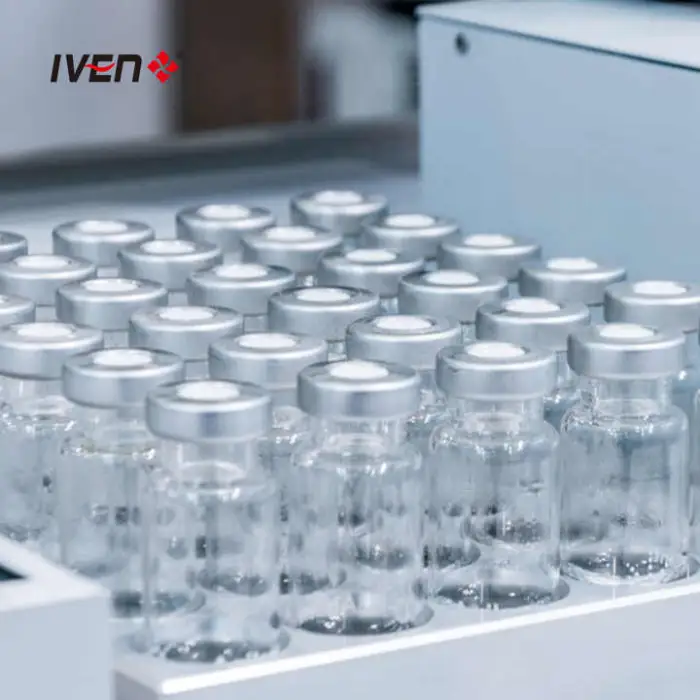
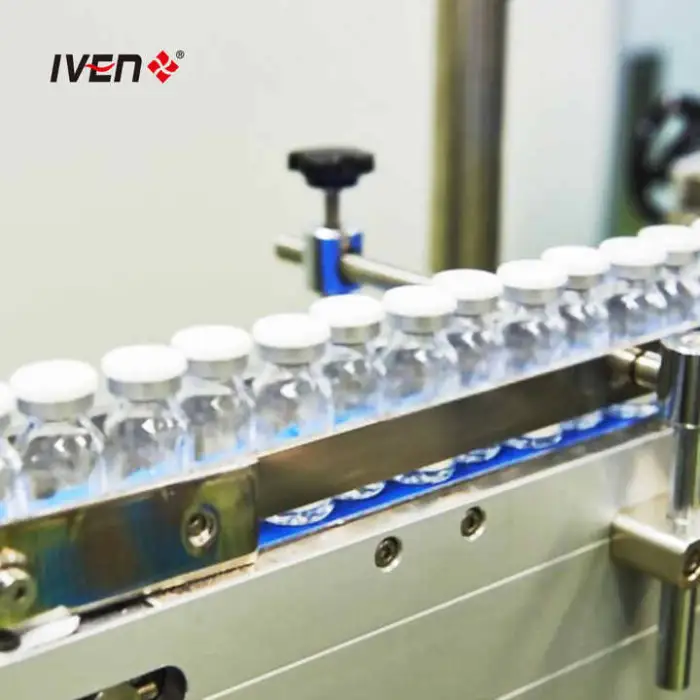
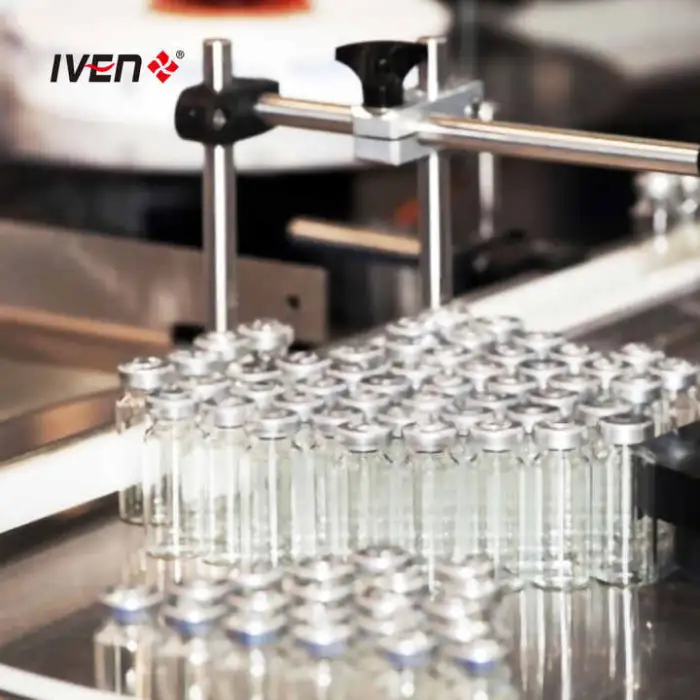
Long Service Life Automatic Glass Vial Liquid Powder Filling Sealing and Capping Machine
Asset finance available
Do you want funding for this equipment?
Afrimart can connect you with trusted funding partners who specialise in asset finance for businesses like yours. Compare options and apply in minutes — final approval is subject to provider review.
Check funding options
Secure & no obligation

- Section : Machinery
- Category : Packaging Machines
- SKU : 1600215183676

Long Service Life Automatic Glass Vial Liquid Powder Filling Sealing and Capping Machine
The Long Service Life Automatic Glass Vial Liquid Powder Filling Sealing and Capping Machine is designed for efficiency and reliability. This machine simplifies the process of filling, sealing, and capping glass vials, making it perfect for various industries. With its high-speed capabilities and automatic features, it will enhance your production line.
Specifications
| Attribute | Details |
|---|---|
| Driven Type | Electric |
| Packaging Type | Cartons |
| Voltage | 220 / 380 V |
| Automatic Grade | Automatic |
| Packaging Material | Wood |
| Max Speed | 18m/min, 25pcs/min, 80pcs/min, 140pcs/min, 45pcs/min, 14m/min, 60pcs/min, 20pcs/min, 130pcs/min, 70pcs/min |
| Dimensions (L x W x H) | 9930 x 2500 x 2340 mm |
| Core Components | PLC, Gear, Gearbox, Motor, Bearing, Engine, Pressure Vessel, Pump |
| Weight | 2700 Kg - 3000 Kg |
| Production Capacity | 2ml: 150 Vial/min ~ 400 Vial/min |
| Filling Head | 4 ~ 12 |
| Filling Error | 1% |
| Stoppering Rate | 99.9% |
Key Features
- Easy to operate, reducing training time.
- High-speed production with various speed options.
- Automatic filling, sealing, and capping for efficiency.
- Low filling error rate of 1% for accuracy.
- Durable design for a long service life.
Applications
- Chemical production.
- Pharmaceutical packaging.
- Food and beverage bottling.
- Cosmetic filling and sealing.
- Laboratory sample handling.
The Long Service Life Automatic Glass Vial Liquid Powder Filling Sealing and Capping Machine is a valuable addition to any production line. With its advanced features and reliable performance, it meets the needs of various industries. Get yours today to improve your production efficiency!
Product Info Gallery
- Shipping Timeframes: All orders are processed within 2-5 business days (excluding weekends and holidays). After your order has been processed, the estimated delivery time is before 07 Aug, 2026, depending on customs, Please note that due to high demand, some items may experience longer shipping times, which will be communicated at order confirmation email.
- Order Processing Time: Please allow 2-5 business days for us to process your order before it is shipped . Orders placed after 16:00 on Fridays, or during weekends and public holidays, will begin processing on the next business day. Processing times may be extended during peak seasons or sales events.
- Manufacturing Time: Some products needs manufacturing time, the manufacturing process will take approximately 10-30 business days depending on the product. This timeframe may vary depending on the complexity of the product and current demand. but this will be communicated with you during order confirmation.
- Returns and Exchanges: We offer a 30-day return policy for most items. If you are not completely satisfied with your purchase, you may return it within 30 days of receipt for a refund or exchange. Items must be unused, in their original packaging, and accompanied by proof of purchase. Return shipping costs are the responsibility of the customer, unless the item was damaged or defective upon arrival.
1. What is the Long Service Life Automatic Glass Vial Liquid Powder Filling Sealing and Capping Machine?
It is an automatic production machine that fills, seals (stoppering), and caps glass vials for liquid and powder products. It integrates filling, sealing and capping in one line to improve efficiency and reduce manual handling.
2. What types of products and industries is this machine suitable for?
Designed for pharmaceuticals, chemicals, food & beverage, cosmetics and laboratory sample handling. It can handle many liquid and powder formulations when configured appropriately.
3. What is the machine's production capacity and speed?
Production depends on configuration, vial size and product. The specification lists a 2 ml capacity of about 150–400 vials/min. Multiple selectable speed options are available and actual throughput varies by model and process parameters.
4. How many filling heads does the machine have and can this be changed?
Filling head configurations range from 4 to 12 heads. Models can be specified with different head counts to match desired throughput and vial sizes.
5. What is the filling accuracy and stoppering (sealing) performance?
Typical filling error is around 1%. The stoppering rate is specified at 99.9%, ensuring a high yield of properly sealed vials.
6. What are the electrical and physical specifications?
Voltage options are 220 V or 380 V (electric driven). Overall machine dimensions are approximately 9930 x 2500 x 2340 mm and the weight is in the 2700–3000 kg range.
7. What core components and controls are used?
The machine uses PLC control and includes gearboxes, motors, bearings, pumps and other industrial components. PLC-based control enables automated operation and integration with production lines.
8. Can the machine handle both liquids and powders on the same unit?
The machine is described for liquid and powder filling. In practice handling both typically requires specific modules and material handling setups (e.g., powder feeders). Confirm with the manufacturer which configuration supports both formats or whether separate modules are required.
9. What vial sizes and types are compatible?
The unit is designed for glass vials. Supported vial sizes depend on tooling and configuration; contact the supplier with your vial dimensions so they can recommend tooling and model options.
10. What are the packaging and output formats?
Finished vials can be packed into cartons. The machine supports packaging workflows compatible with wooden packaging materials for shipping; final packaging configuration depends on customer requirements.
11. What cleaning, validation and maintenance are required?
Regular cleaning and preventive maintenance are recommended (daily cleaning of product-contact parts, routine inspection of seals, pumps and bearings). Validation (e.g., IQ/OQ/PQ) and cleaning procedures should be established according to your product and regulatory requirements. Ask the supplier about CIP options and recommended maintenance schedules.
12. What safety features does the machine have?
Typical industrial machines include guards, emergency stop, interlocks and PLC safety logic. Exact safety features should be confirmed with the manufacturer and may be customized to meet local regulations.
13. Is the machine configurable or customizable?
Yes. Options commonly include different filling head counts, speed selections, modules for powder dosing, capping styles and packaging interfaces. Discuss your product, vial size and throughput needs with the supplier for a tailored configuration.
14. What after-sales support, spare parts and warranty are available?
The specification highlights long service life, but warranty terms, spare-parts supply and after-sales service vary by vendor. Request details on warranty length, spare-parts kits and service contracts when ordering.
15. How do I get pricing, lead time and order information?
Contact the manufacturer or authorized distributor with details about your required configuration (product type, vial size, desired throughput and any certifications required). They will provide model options, pricing and lead time estimates based on your requirements.
Latest Order Arrivals
Discover our latest orders
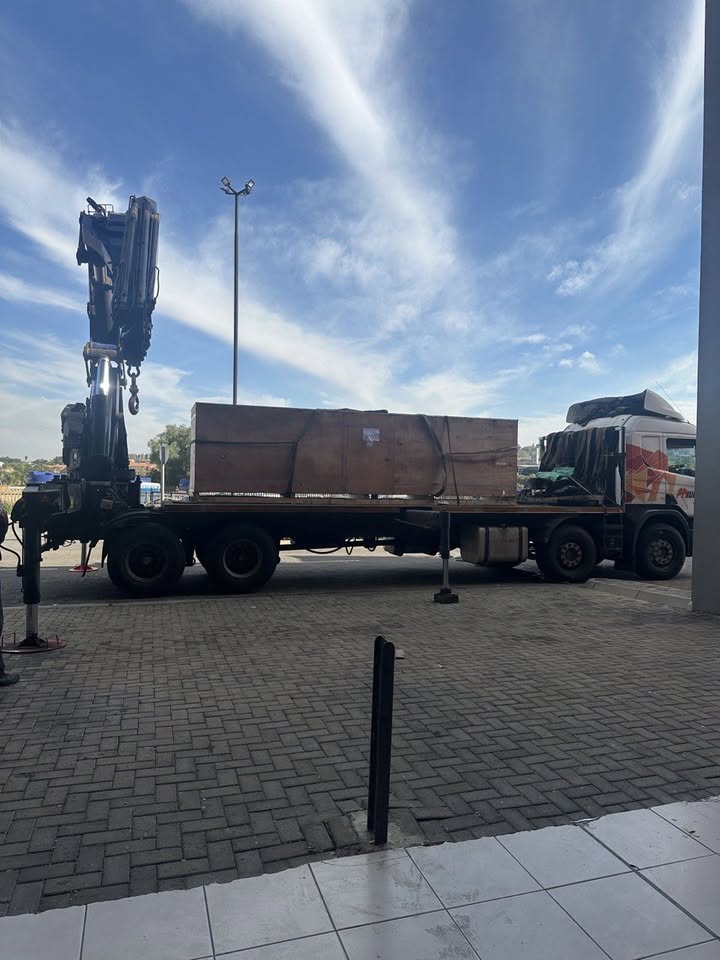
12 Heads Embroidery Machine
Toilet Paper Machine Machine
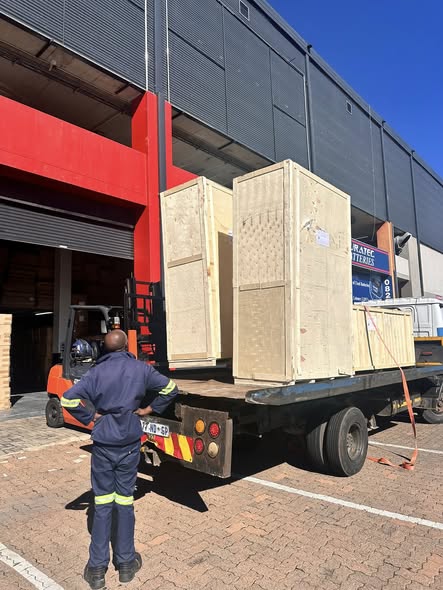
Order Collection
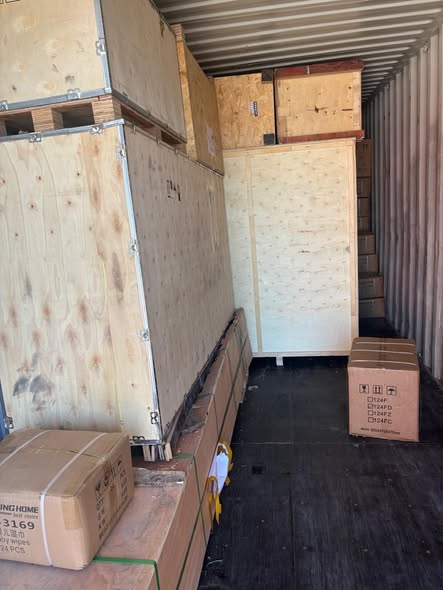
Cross Border Clients
Order cros border countries Collected
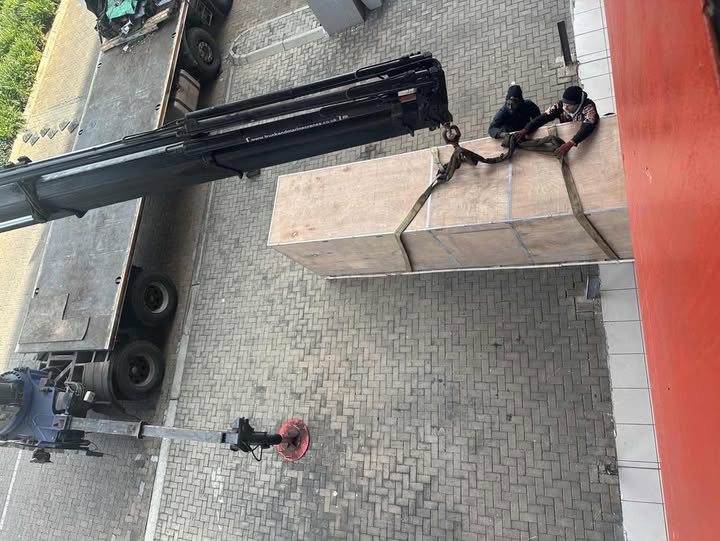
Industrial Machine Cllection
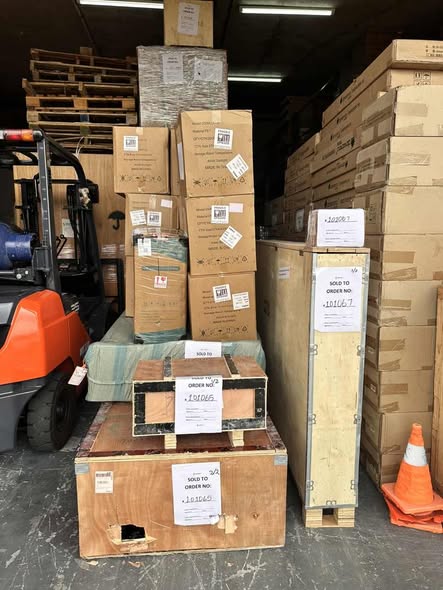
Agriculture Processing Machines
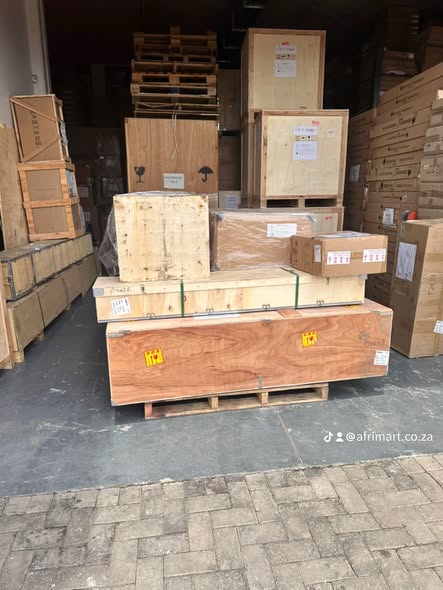
Ready for collection
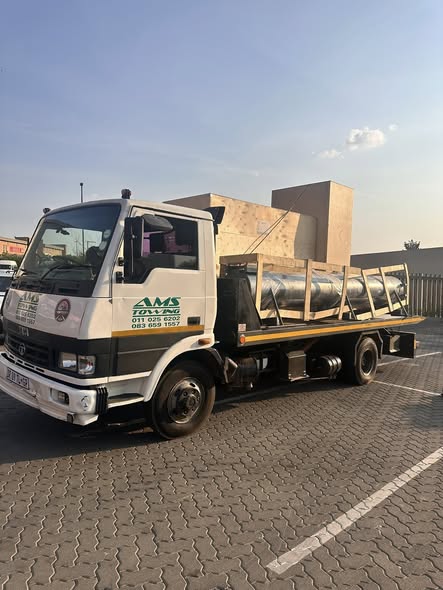
Water Pump Equipment
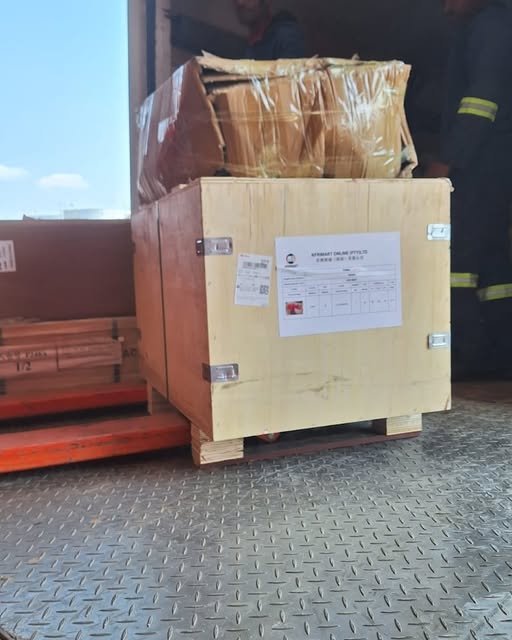
Packaging Machine and accessories
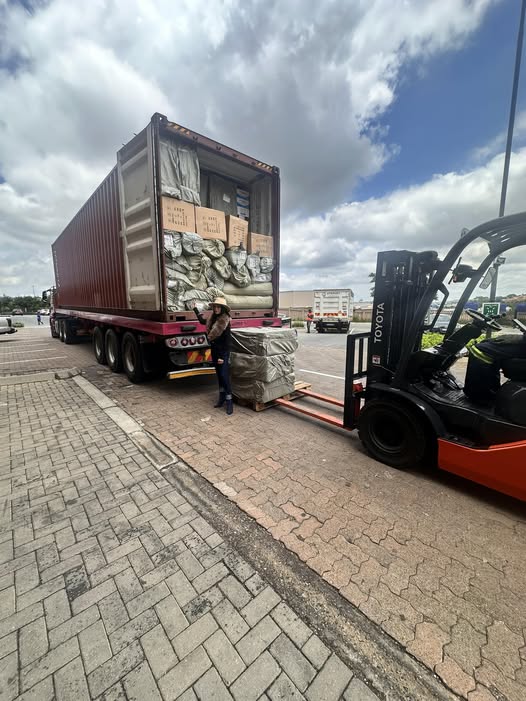
Fabrics Manufacturing Equipment
Mining Equipments
Food Processing Machine
Batch of Orders
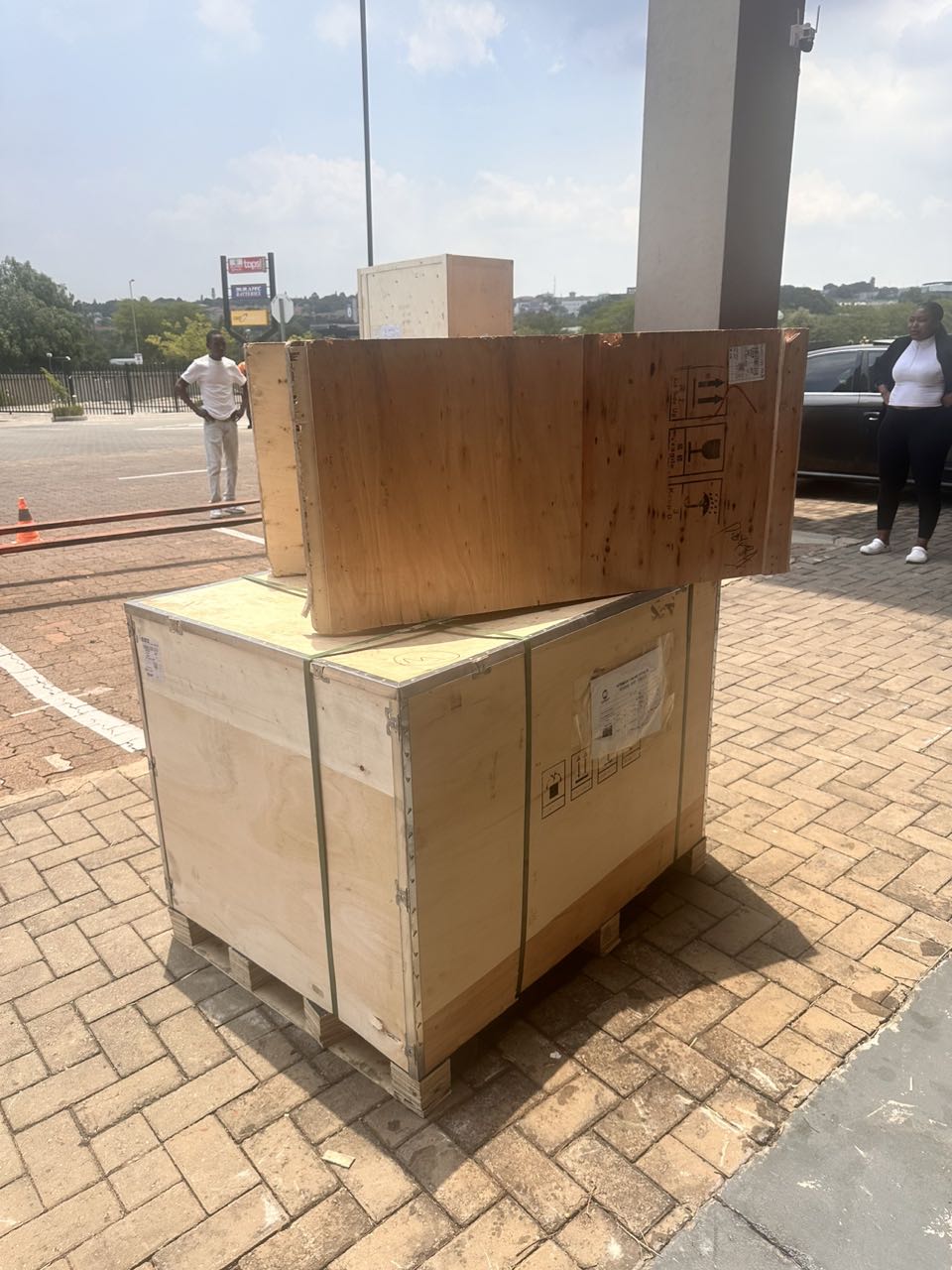
Batch of Orders
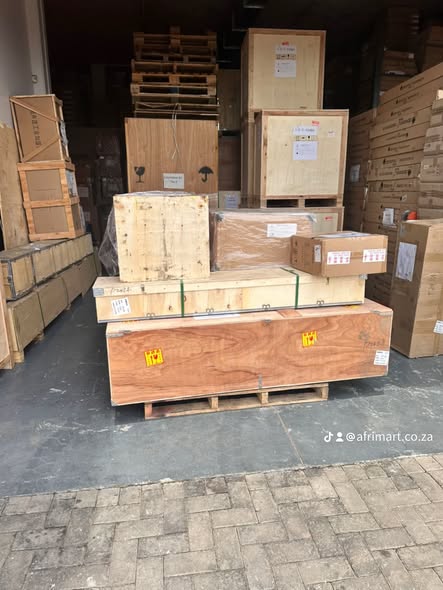
Latest Orders Labelled
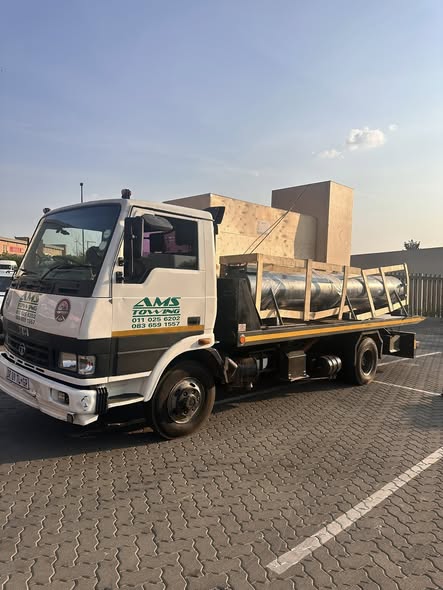
wheel alignment machines
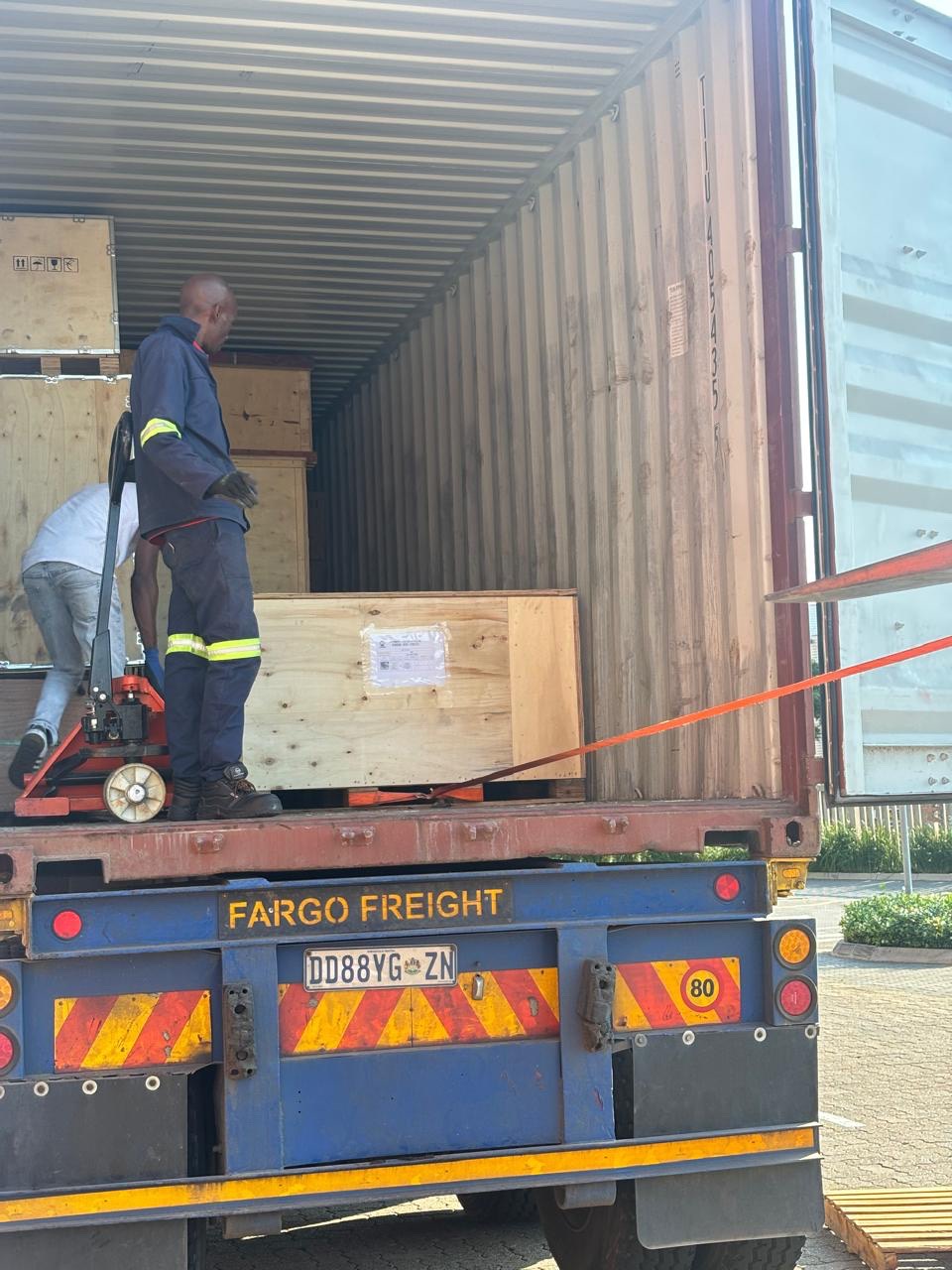
new arrivals
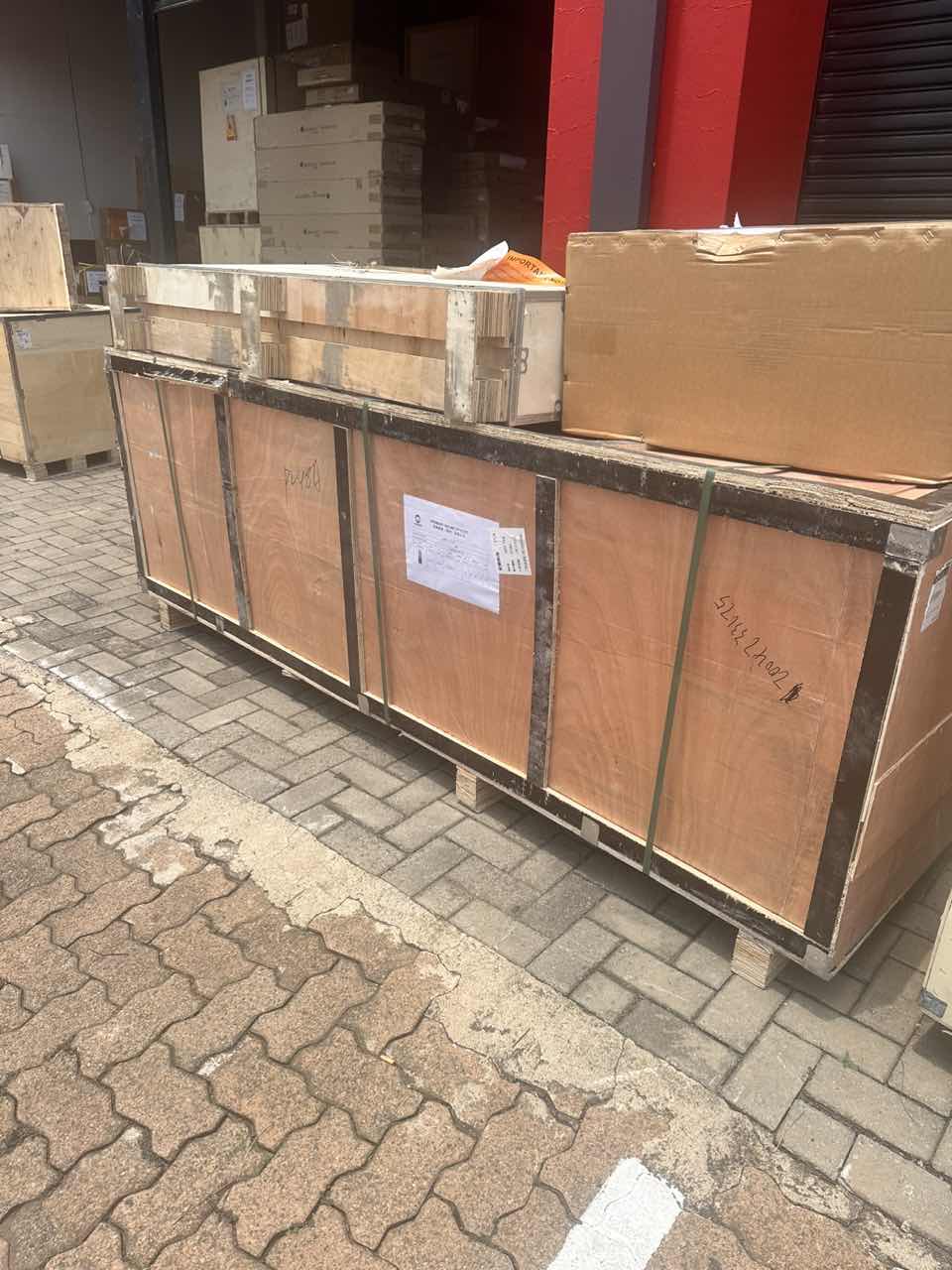
Pre Orders Offloading
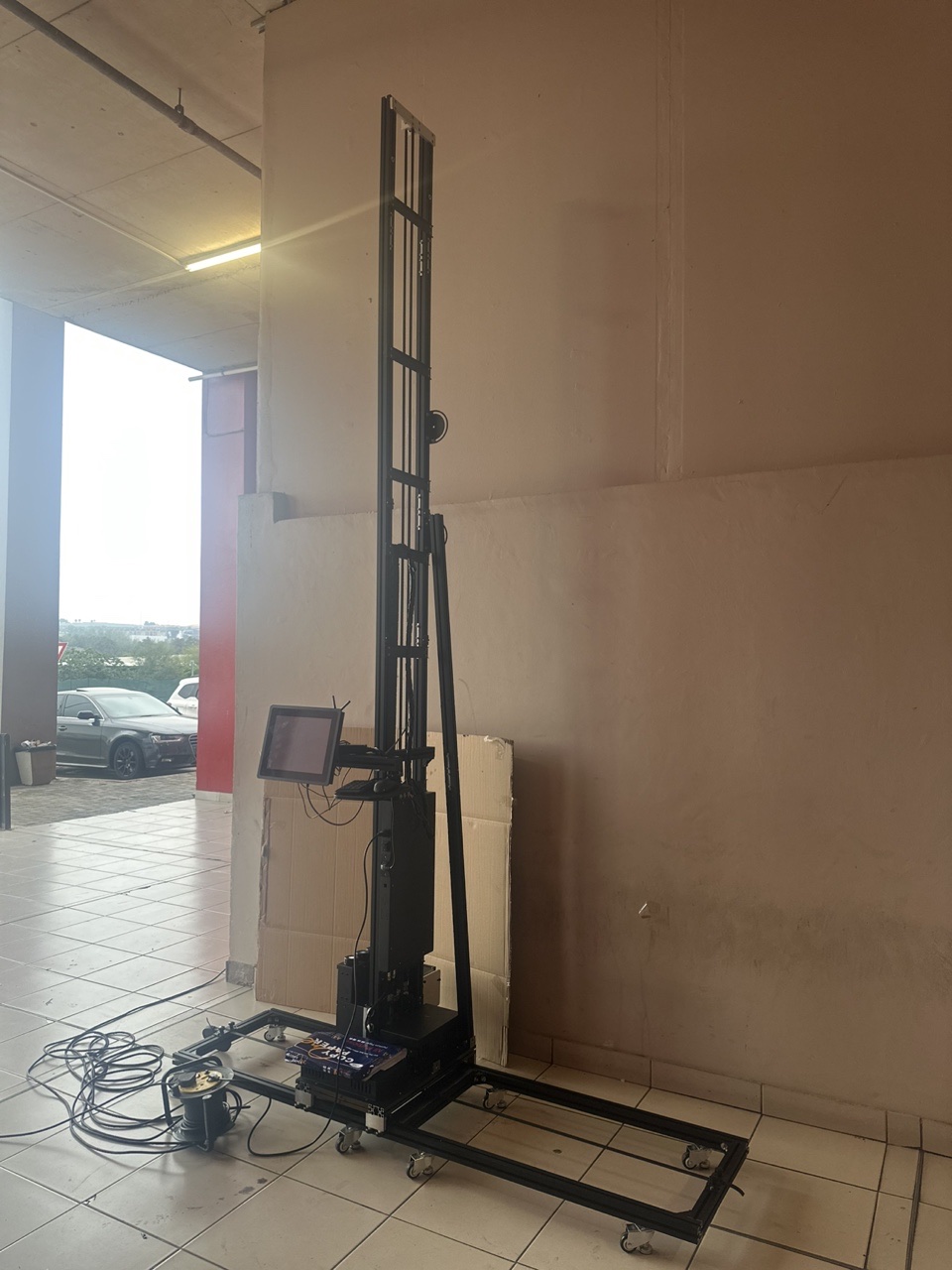
Latest Arrivals
Latest Arrivals
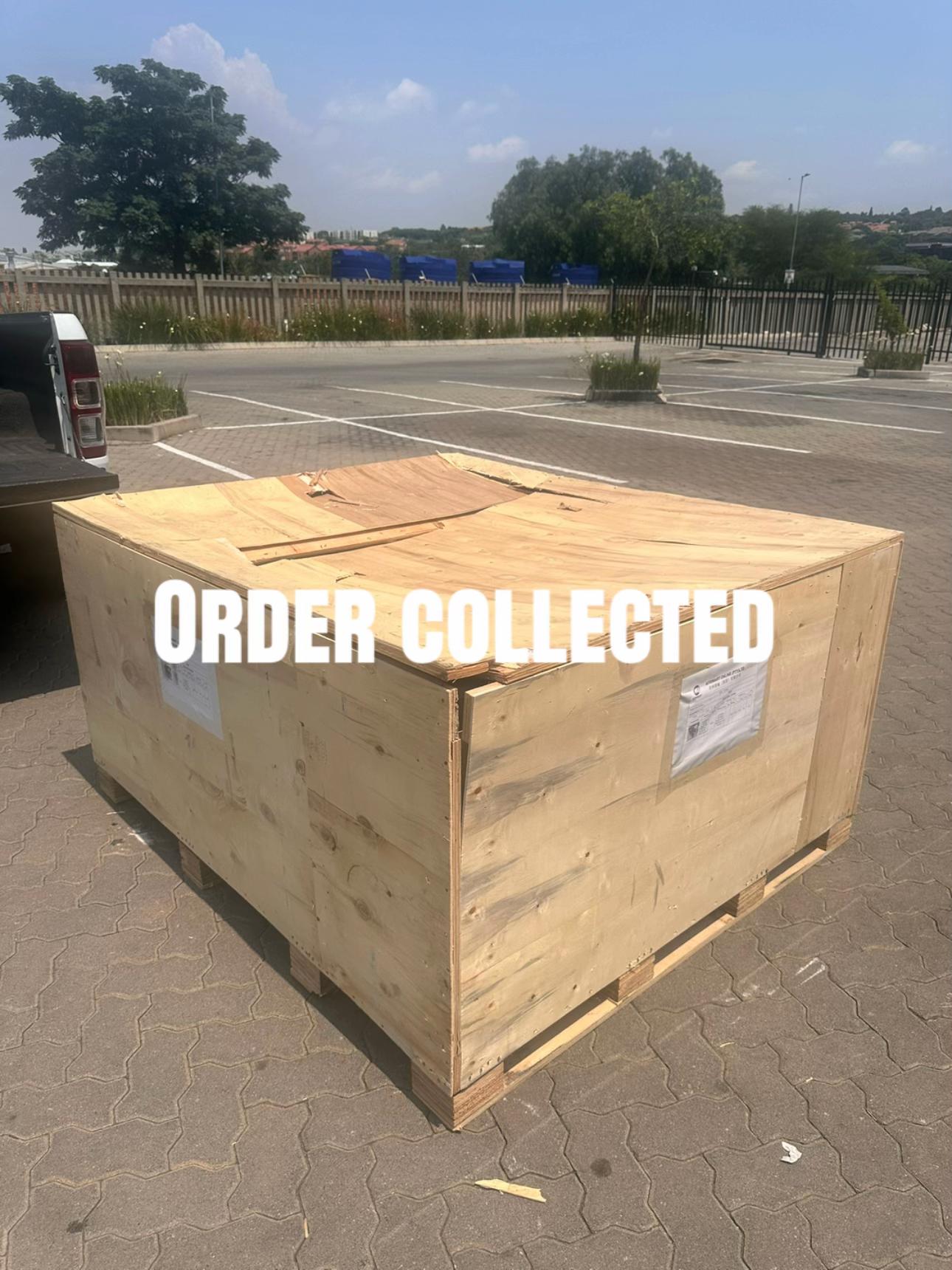
Latest Arrivals
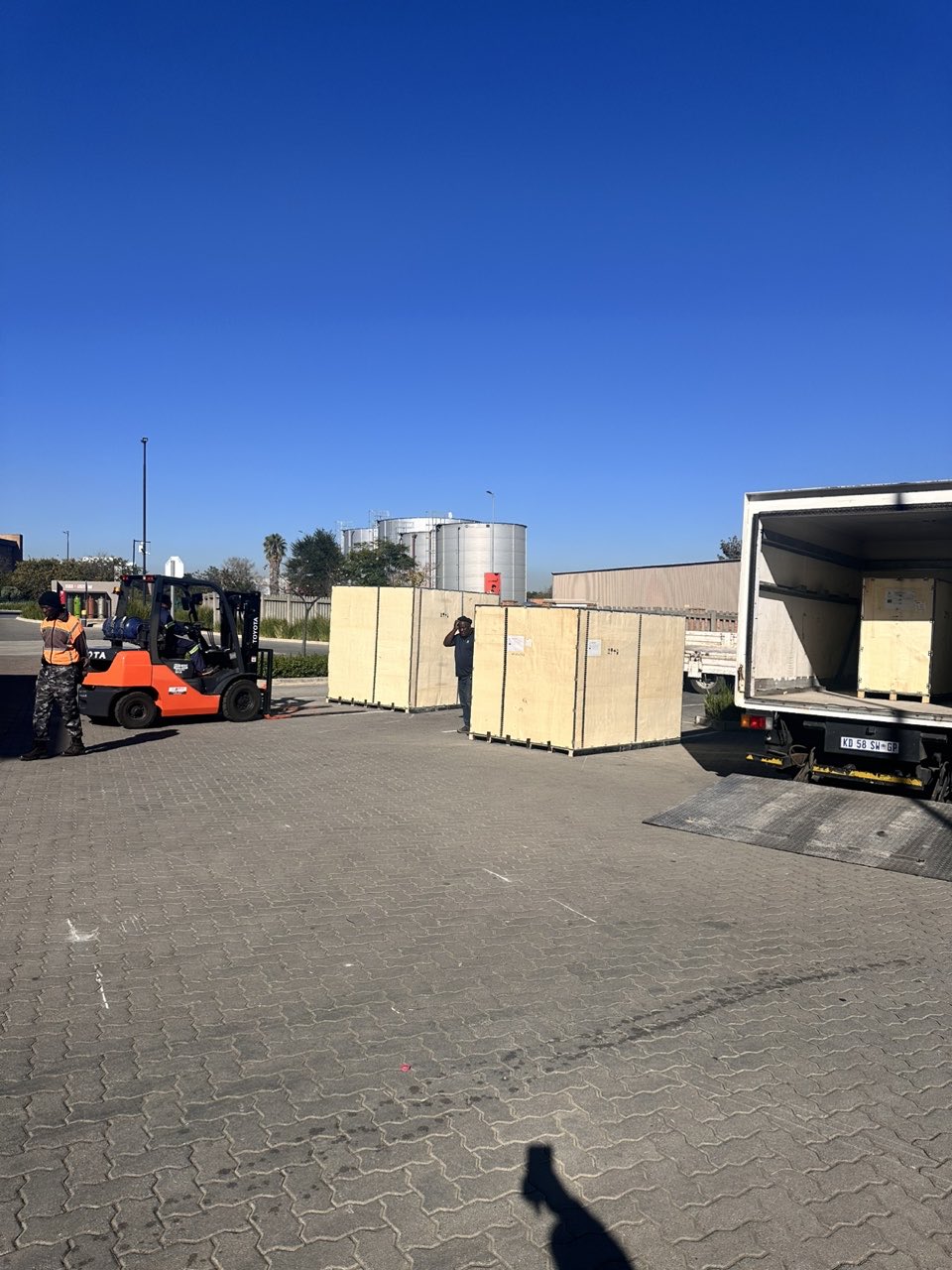
Loading
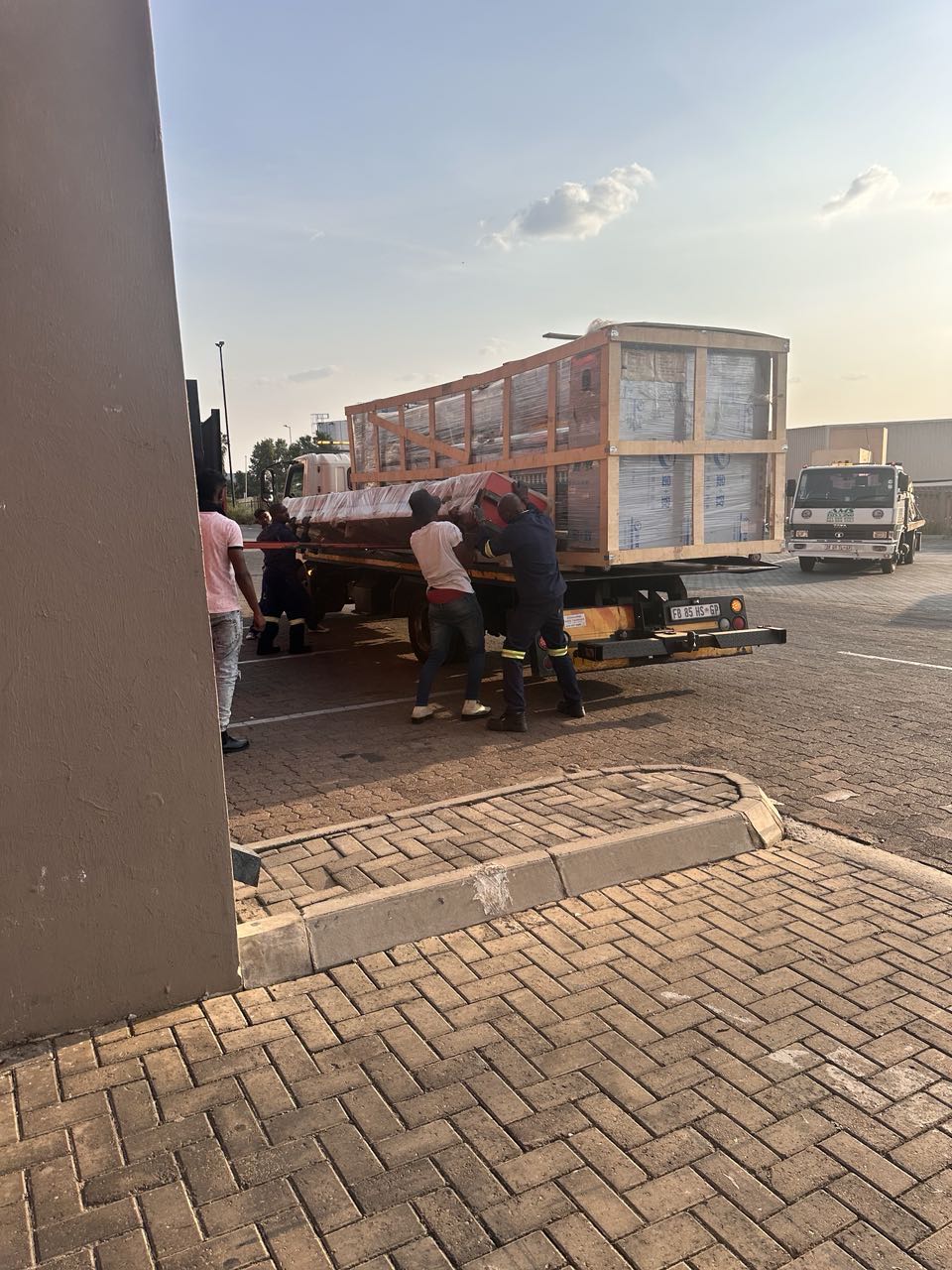
Toilet paper making machine
Toilet paper making machine
Toilet paper Rewinding Machine
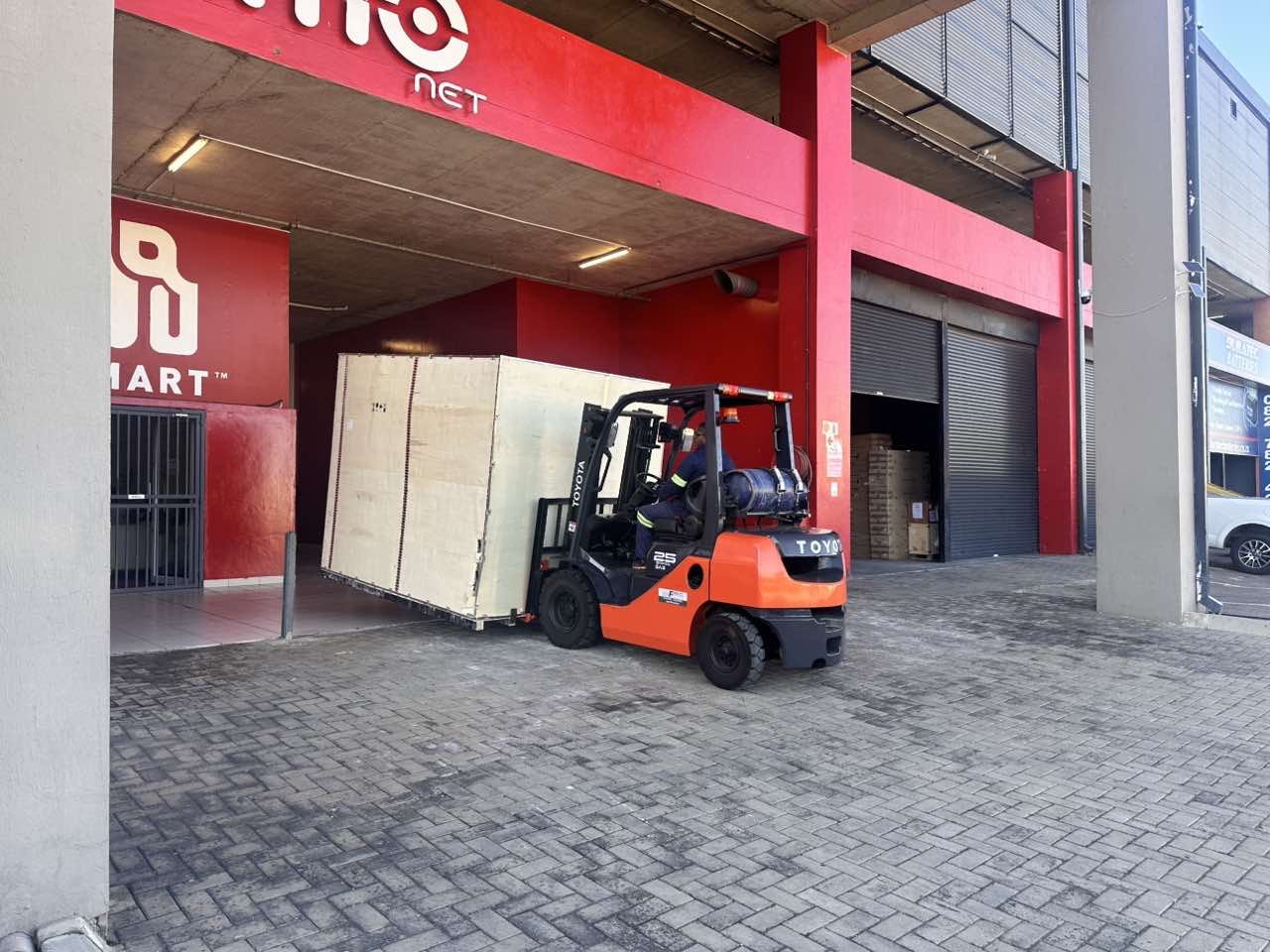
latest arrivals
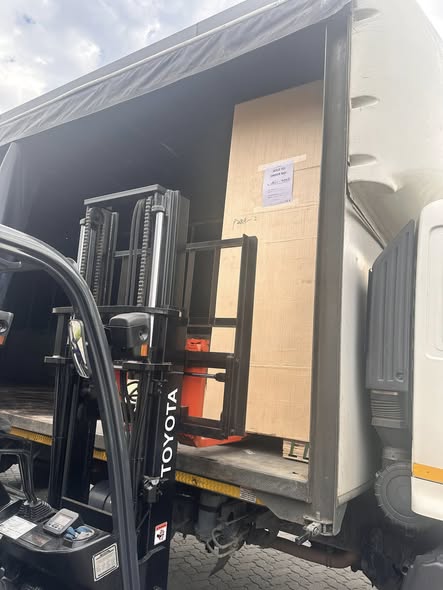
offloading
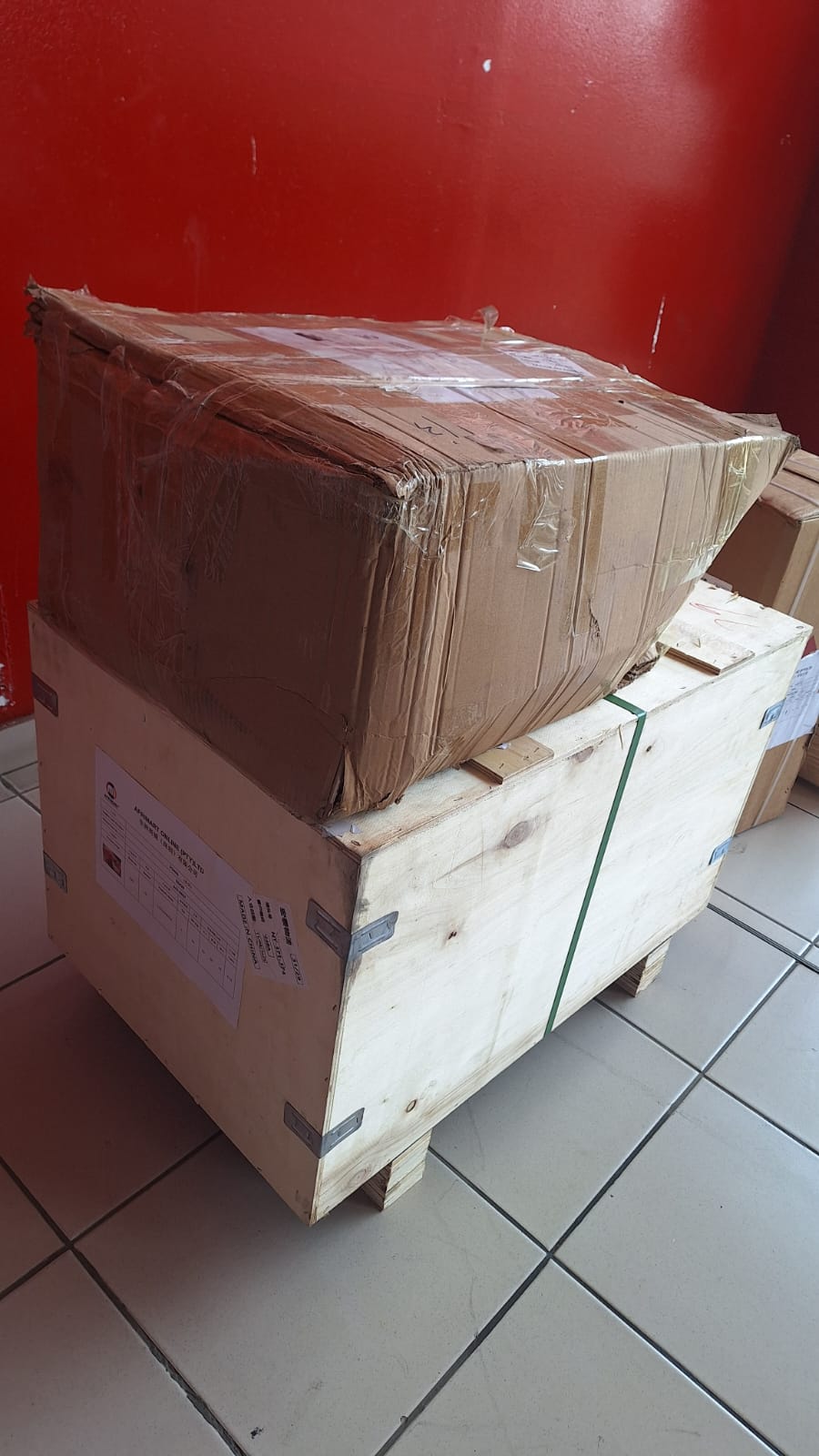
order success
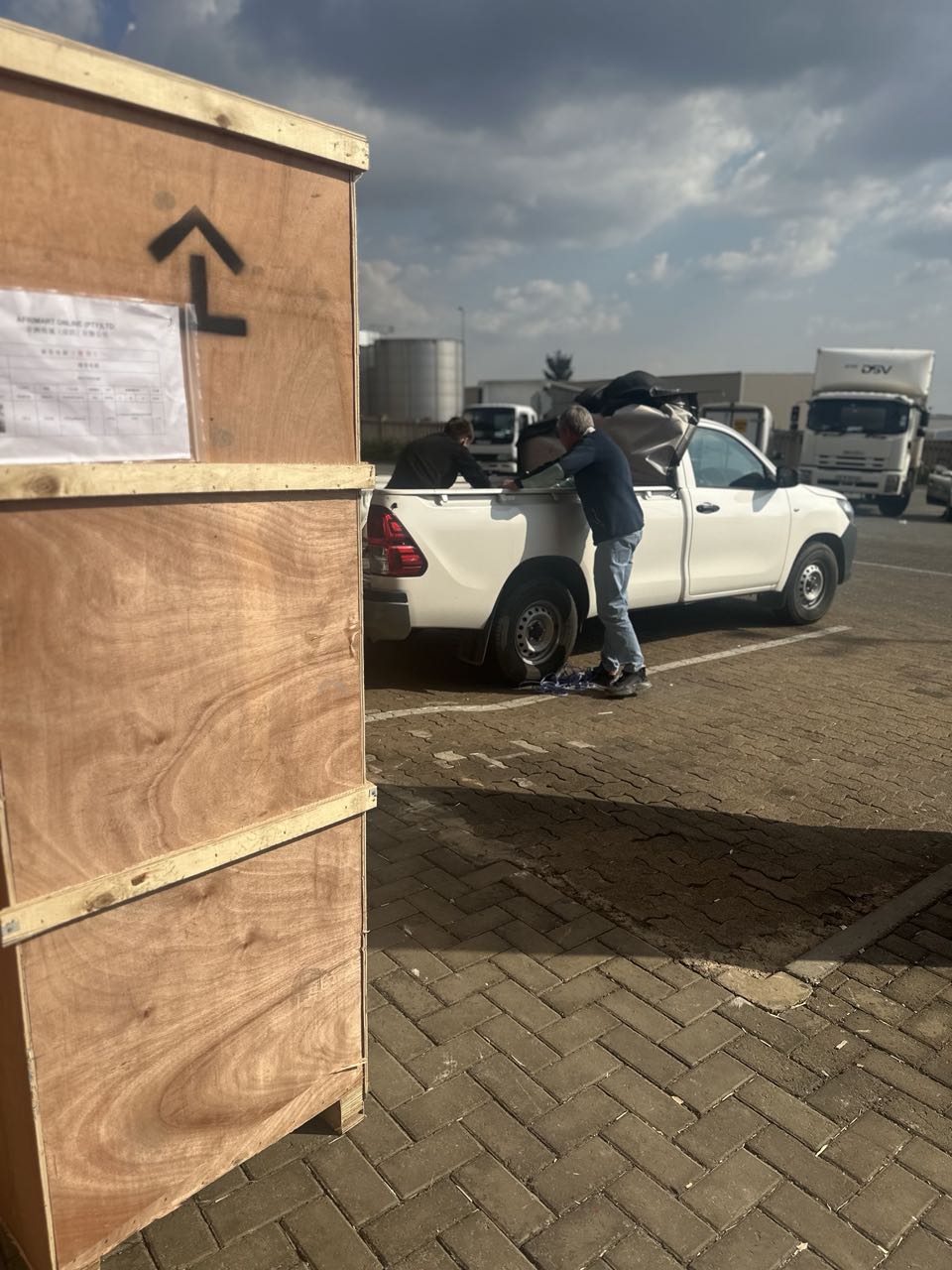
order collection
order offloading