B21, China Town Mall, Midrand

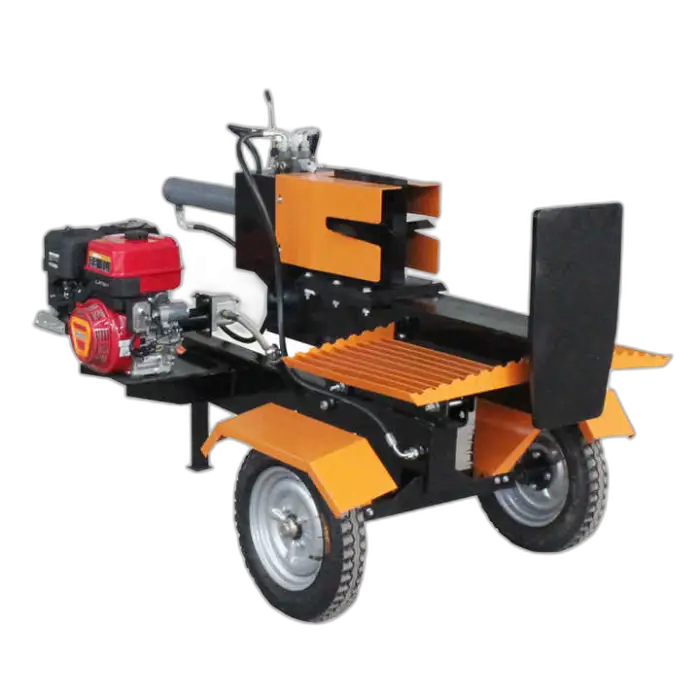
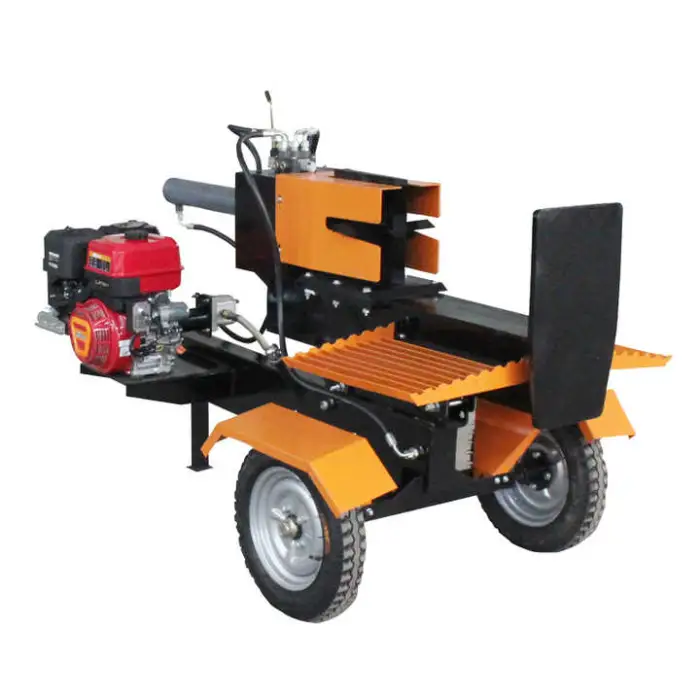
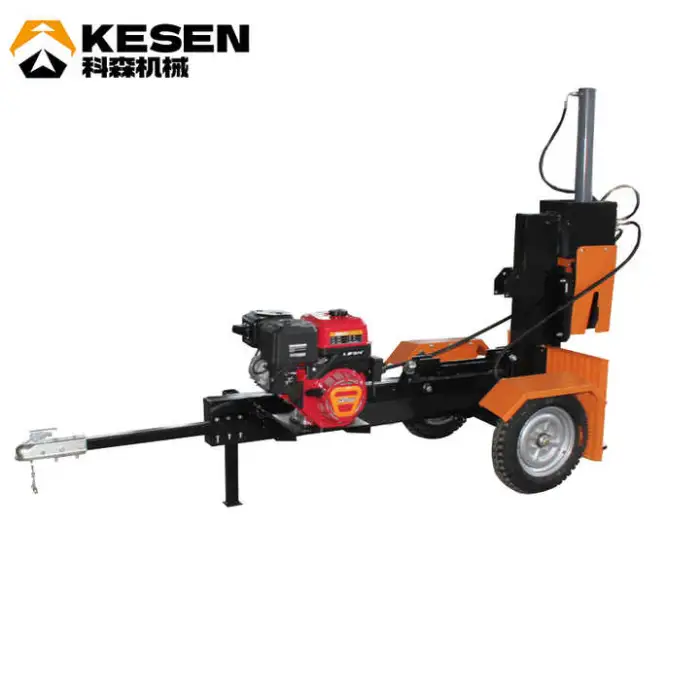
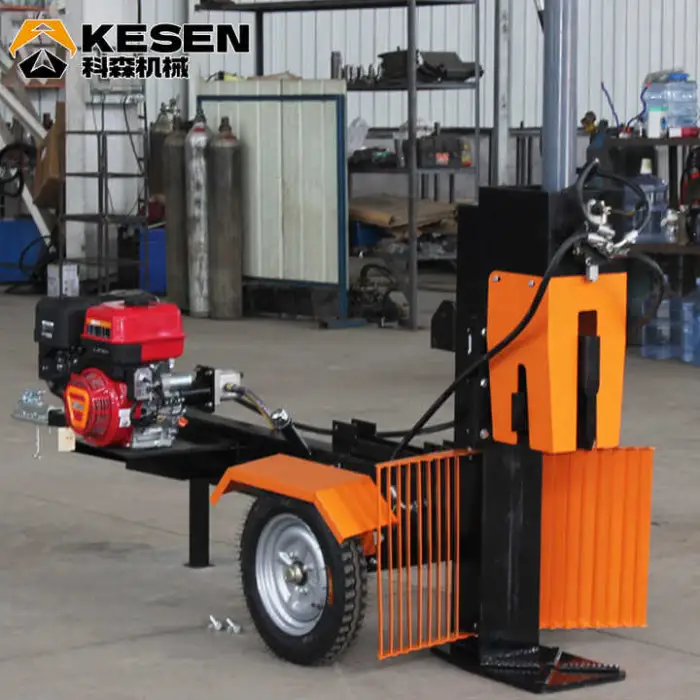
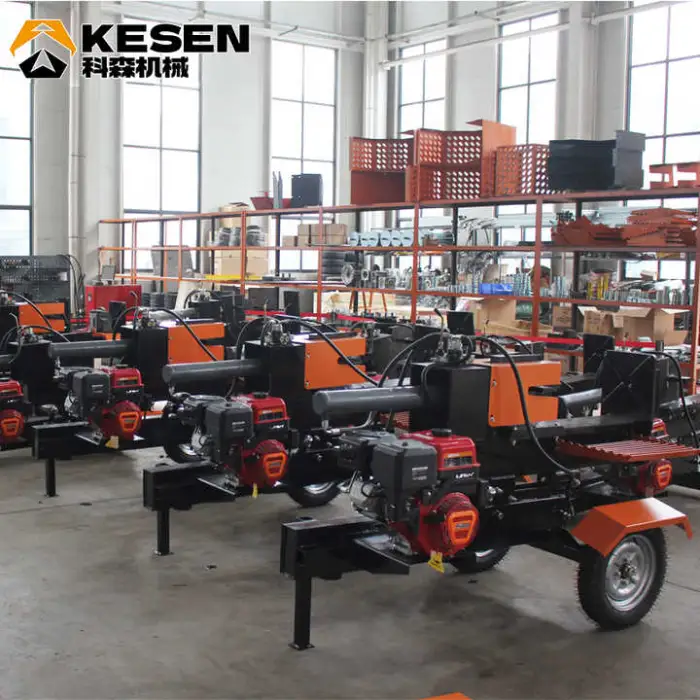
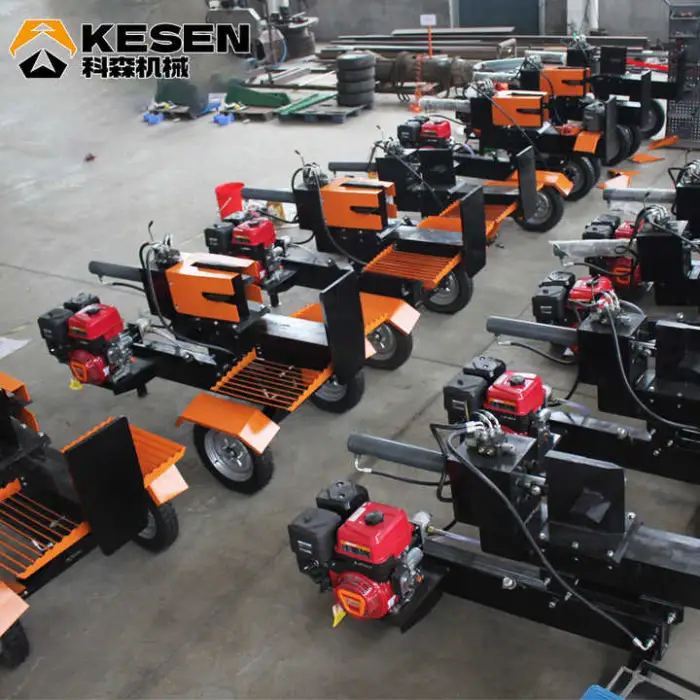
Log Splitter Forestry Machines Pto Driven Log Splitter With Log Lifter Wood Processor Machine

- Section : Machinery
- Category : Other Agricultural Equipment
- SKU : 1601223726547

Log Splitter Forestry Machines PTO Driven Log Splitter With Log Lifter Wood Processor Machine
The Log Splitter Forestry Machines PTO Driven Log Splitter is designed to make your wood processing tasks easier and more efficient. This powerful machine can handle tough logs effortlessly. Whether you are a professional in the forestry industry or a homeowner looking to prepare firewood, this log splitter is a reliable choice. It features a log lifter for added convenience and is powered by electric, diesel, or gasoline options to suit your needs.
Specifications
| Attribute | Details |
|---|---|
| Power Type | Electric, Diesel, Gasoline |
| Type | Log Splitter |
| Core Components | Motor |
| Inspections | Video Outgoing Inspection, Machinery Test Report |
Key Features
- PTO driven for high efficiency
- Includes a log lifter for easy log handling
- Available in electric, diesel, and gasoline models
- Built to handle tough logs with ease
- Video outgoing inspection ensures quality
- Comes with a machinery test report
Applications
- Ideal for professional wood processing
- Perfect for homeowners needing firewood
- Suitable for forestry workers
- Great for landscaping and garden maintenance
- Useful for creating wood chips and mulch
Product Info Gallery
- Shipping Timeframes: All orders are processed within 2-5 business days (excluding weekends and holidays). After your order has been processed, the estimated delivery time is before 14 Jul, 2026, depending on customs, Please note that due to high demand, some items may experience longer shipping times, which will be communicated at order confirmation email.
- Order Processing Time: Please allow 2-5 business days for us to process your order before it is shipped . Orders placed after 16:00 on Fridays, or during weekends and public holidays, will begin processing on the next business day. Processing times may be extended during peak seasons or sales events.
- Manufacturing Time: Some products needs manufacturing time, the manufacturing process will take approximately 10-30 business days depending on the product. This timeframe may vary depending on the complexity of the product and current demand. but this will be communicated with you during order confirmation.
- Returns and Exchanges: We offer a 30-day return policy for most items. If you are not completely satisfied with your purchase, you may return it within 30 days of receipt for a refund or exchange. Items must be unused, in their original packaging, and accompanied by proof of purchase. Return shipping costs are the responsibility of the customer, unless the item was damaged or defective upon arrival.
1. What does PTO driven mean and do you offer other power options?
PTO driven means the splitter can be powered by a tractor's Power Take-Off (PTO). We also offer self-contained models with electric motors, diesel engines, or gasoline engines for users who don't use a tractor.
2. What sizes and types of logs can this machine handle?
Capacity depends on the specific model. Common ranges are log lengths around 50–60 cm (20–24 in) and diameters up to 30–50 cm (12–20 in). Heavier-duty variants can handle larger, tougher logs. Check the model specification sheet for exact limits.
3. How much splitting force (tonnage) does the log splitter provide?
Splitting force varies by model. Typical machines range from about 10 tons for light-duty units up to 30+ tons for professional forestry models. Refer to the product specification for the exact tonnage of the model you are considering.
4. What is the cycle time for splitting a log?
Cycle time depends on the hydraulic system and model configuration; typical cycle times are in the range of 3–10 seconds per stroke. Faster cycle times are available on higher-specification units.
5. What is the purpose and capacity of the log lifter?
The log lifter assists with raising and positioning heavy logs onto the splitter, reducing manual lifting and improving safety. Lifter capacity varies by model—confirm the maximum single-log weight and dimensions in the product spec.
6. Is the machine portable and can it be moved between sites?
Portability depends on configuration. PTO-driven units are typically towed on a tractor or mounted on a trailer, while self-contained diesel/gasoline models may come on a chassis or trailer for easier transport. Electric models are more stationary unless fitted with transport options.
7. What safety features should I expect and what PPE is recommended?
Common safety features include guards, emergency stop, two-handed control or safety interlocks, and stabilizers. Always wear appropriate PPE: safety glasses, hearing protection, gloves, and steel-toed boots. Follow the operator manual and keep bystanders clear of the work area.
8. What routine maintenance is required?
Regular maintenance typically includes checking and topping up hydraulic oil, changing hydraulic fluid and filters per schedule, greasing pivot points, inspecting hoses and fittings for wear, tightening hardware, and servicing the motor/engine as recommended by the manufacturer.
9. Do you provide a machinery test report and video outgoing inspection?
Yes. The product includes a video outgoing inspection and a machinery test report to verify the unit was tested and inspected prior to shipping.
10. How do I connect a PTO-driven splitter to my tractor?
Connect the splitter's PTO shaft to the tractor's PTO output (commonly 540 RPM for standard models), secure safety guards and driveline shields, verify correct direction of rotation, and follow the operator manual for hydraulic and safety hookups. If unsure, have a qualified technician assist.
11. Are there optional attachments or accessories available?
Optional accessories commonly include different wedge types, conveyors or log infeed/outfeed tables, cradles, additional lifters, and chippers. Availability depends on the model—contact the supplier for compatible options.
12. What warranty and after-sales support do you offer?
Warranty terms vary by seller and model. Many suppliers offer limited warranties covering manufacturing defects and provide spare parts and technical support. Check the specific warranty document and after-sales policy before purchase.
13. What fuel, power, and operating costs can I expect?
Operating costs depend on the power option and usage. Electric models are generally cheaper to run and quieter, while diesel/gasoline engines provide mobility but incur fuel and engine maintenance costs. PTO models use tractor fuel/engine. Ask the seller for estimated fuel consumption and electrical requirements for your chosen model.
14. How is the machine shipped and what assembly is required on delivery?
Units are typically partially assembled for safe transport. Final assembly may include attaching the wedge, lifter, hydraulic lines, PTO shaft, and filling fluids. Detailed assembly instructions are provided—professional installation is recommended if you are not experienced with hydraulics and heavy machinery.
15. How do I get spare parts and service for this machine?
Spare parts and service are available through the manufacturer or authorized dealers. Provide your model and serial number when ordering parts. It's recommended to keep common wear parts (seals, hoses, wedges) on hand and schedule regular service through qualified technicians.
Latest Order Arrivals
Discover our latest orders
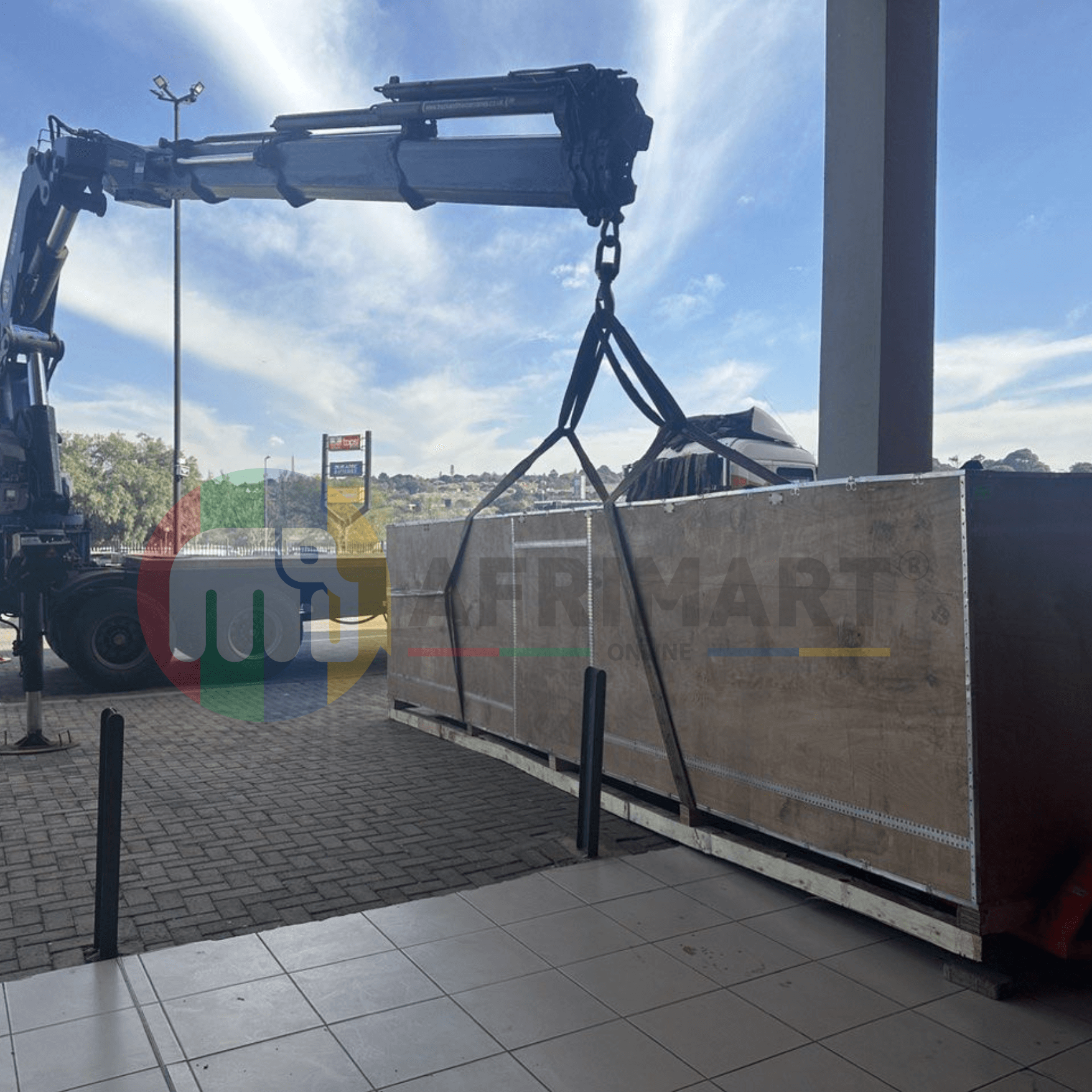
12 Heads Embroidery Machine
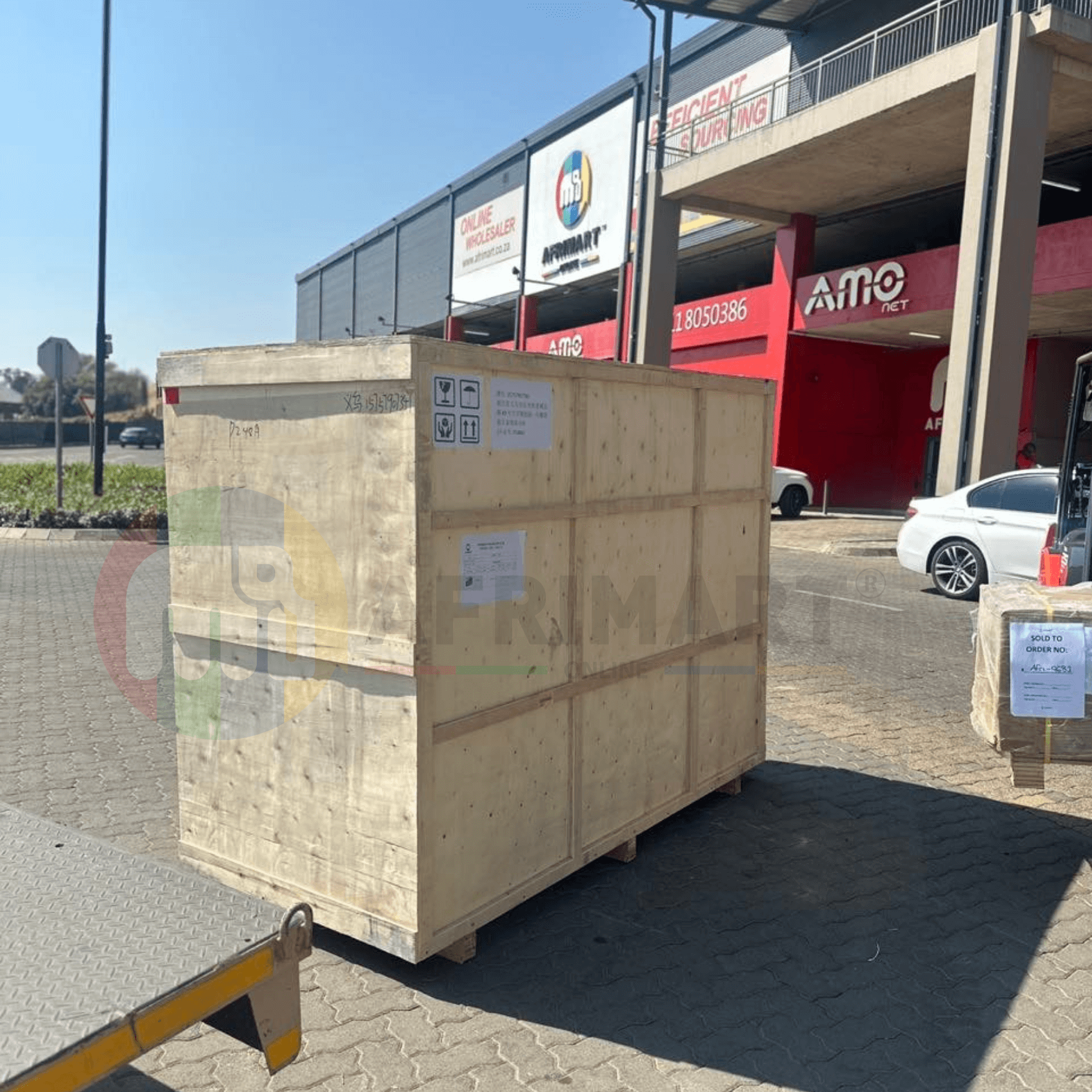
Dewatering Pump Machine
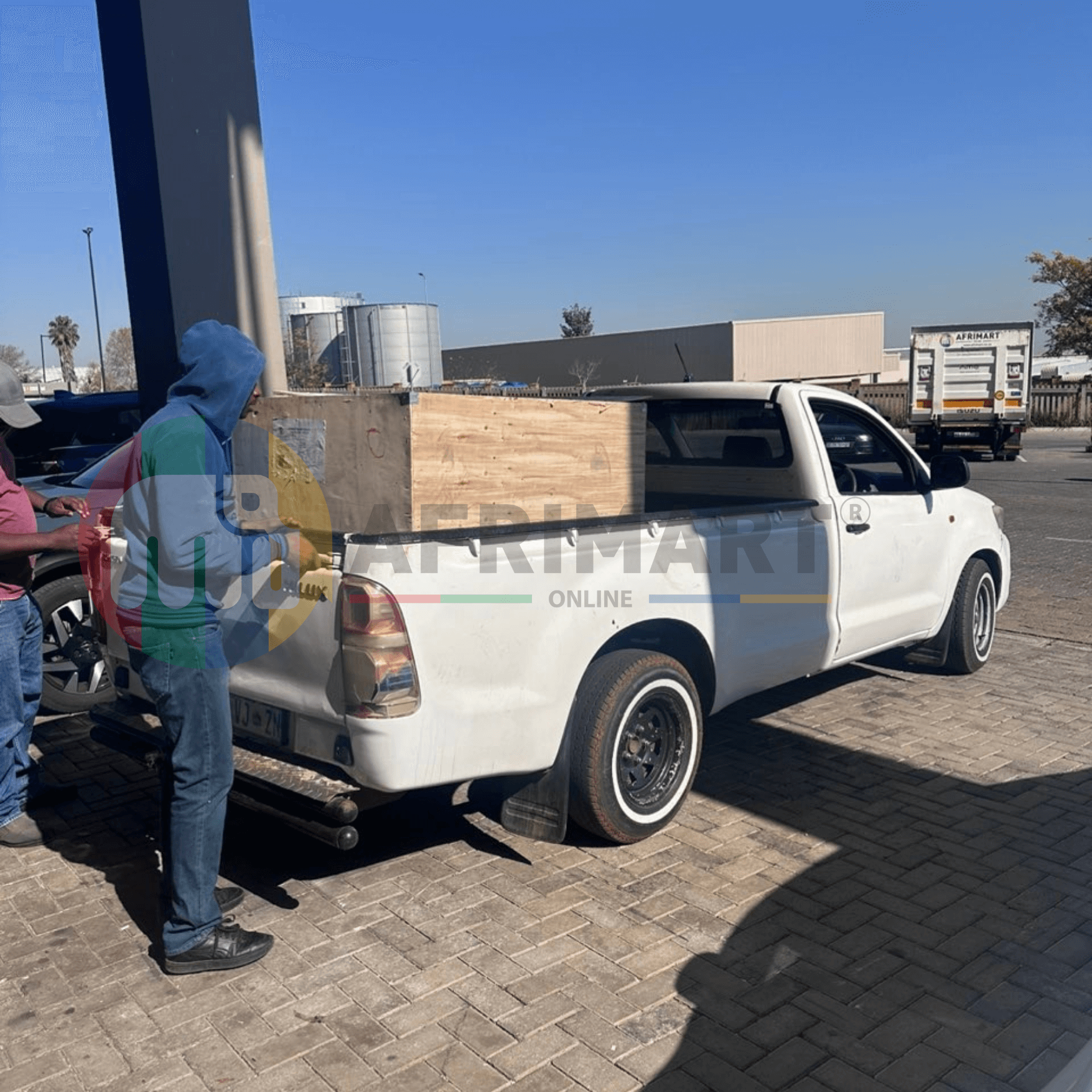
Order Collection
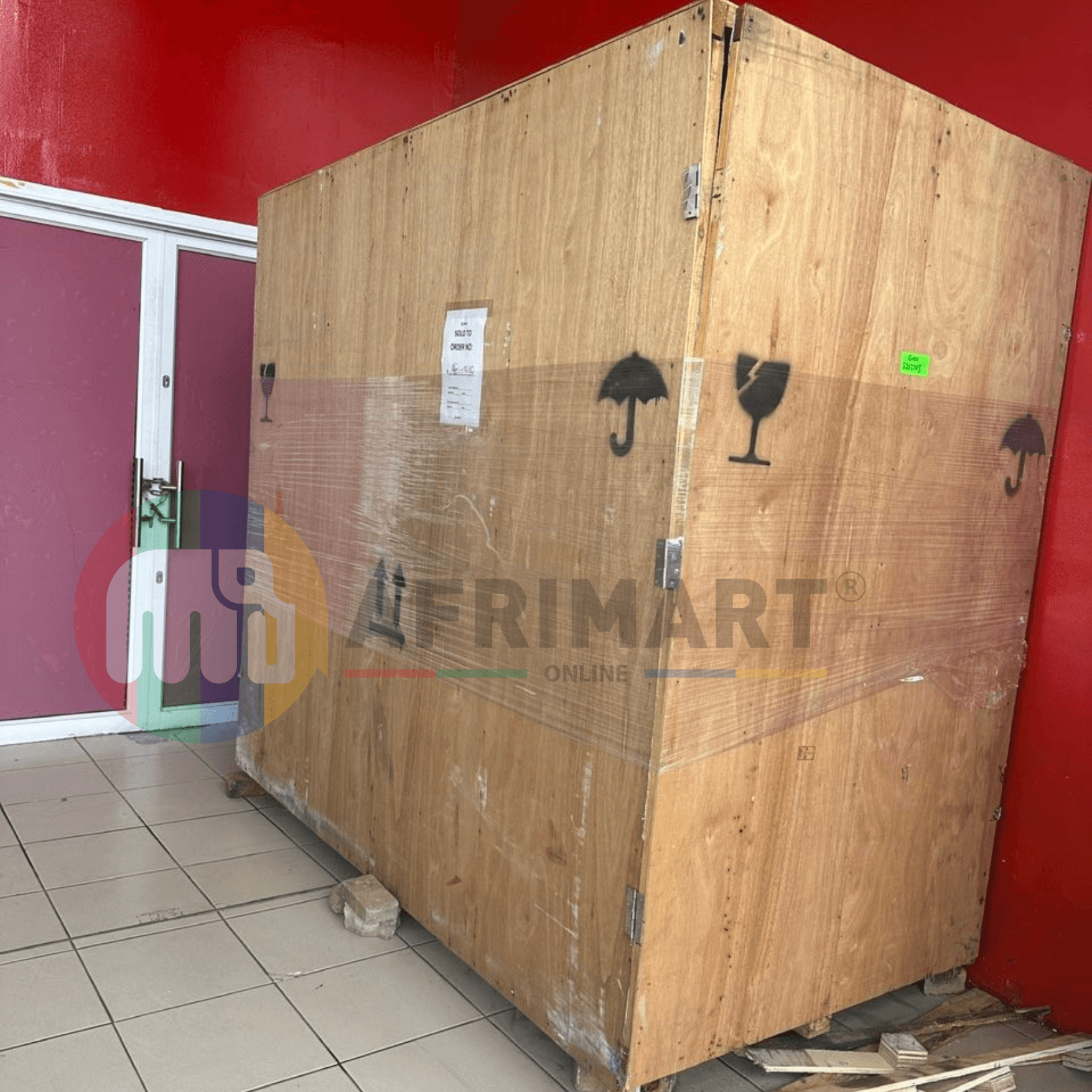
Portable Water Drilling Rig
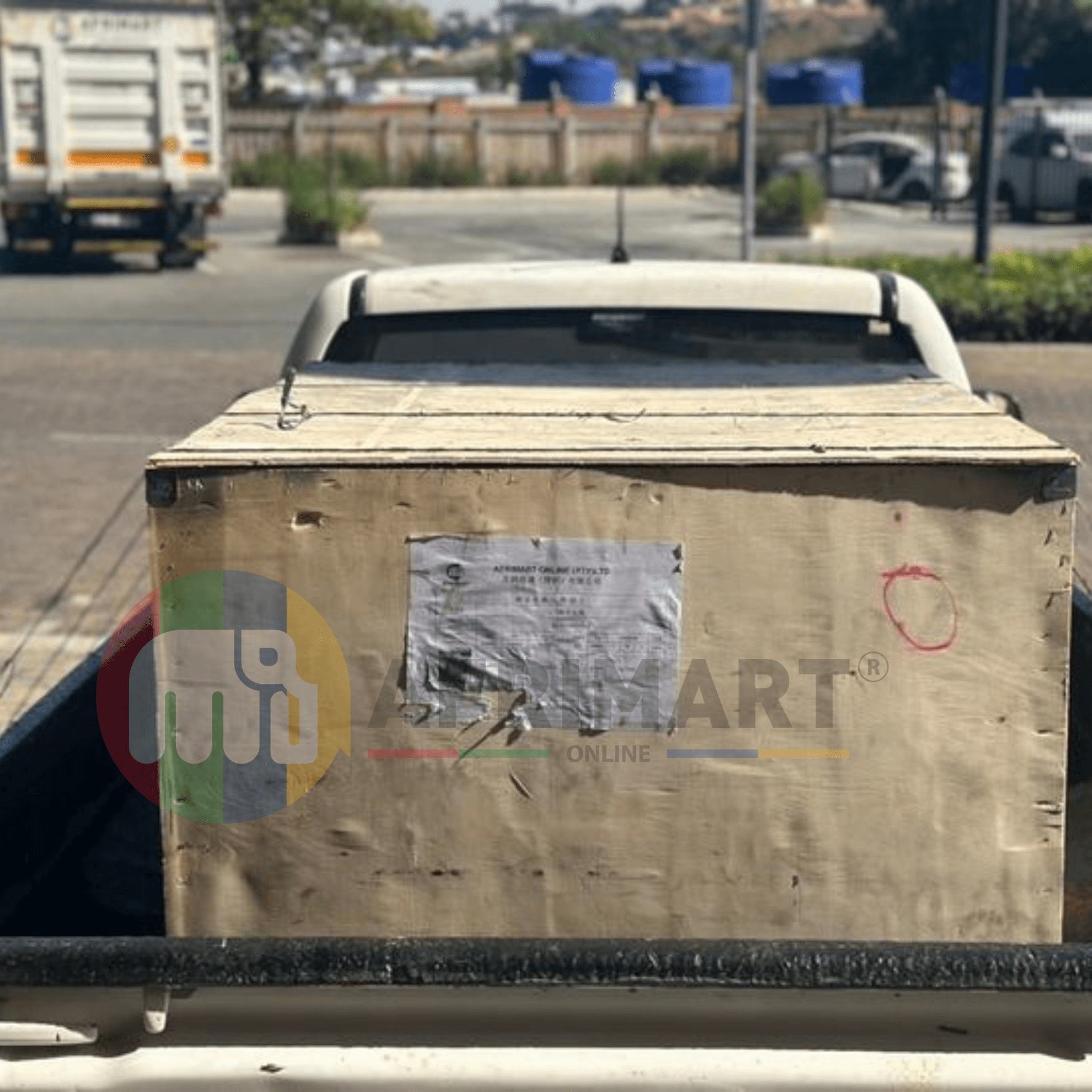
Order Usefully Collected
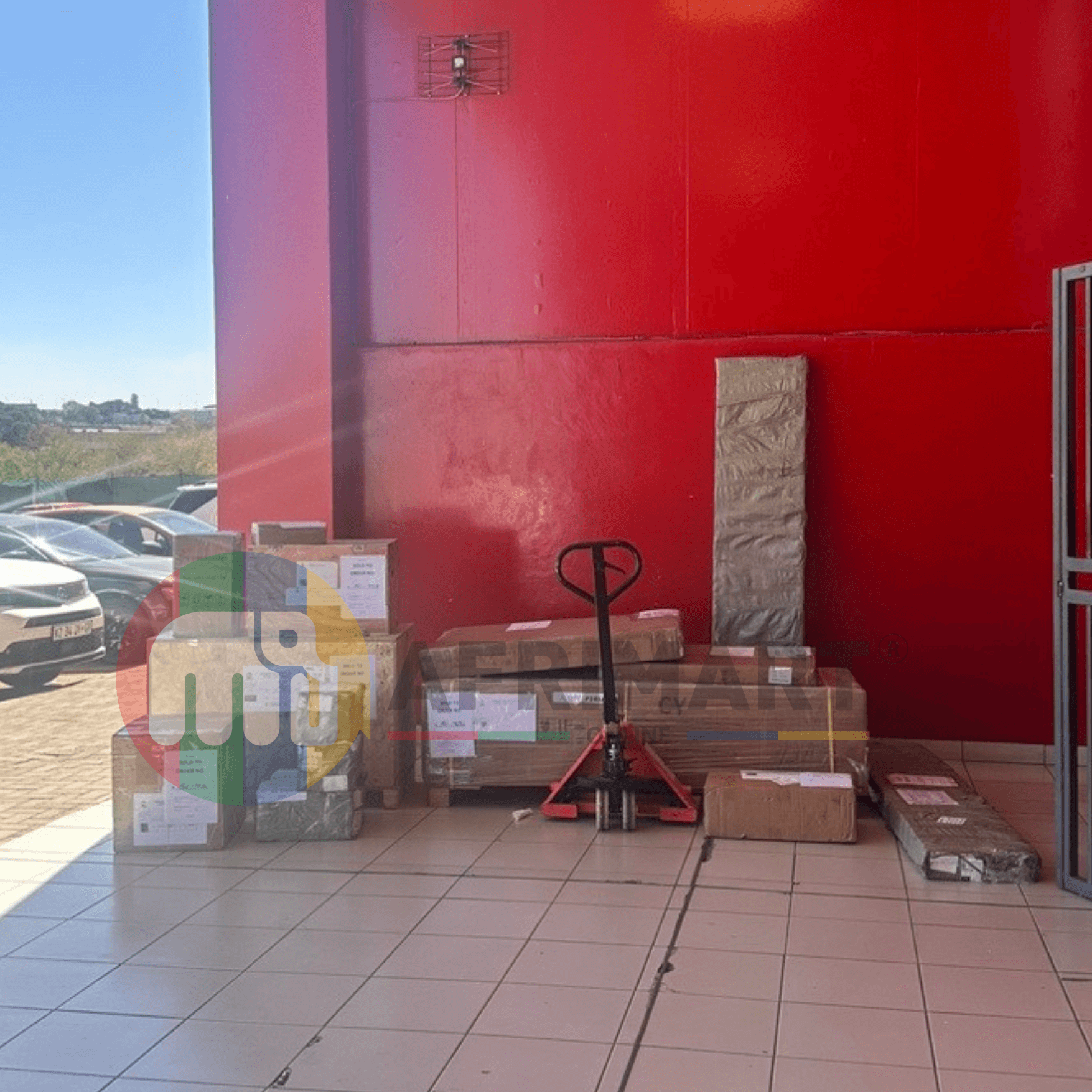
Batch of Orders
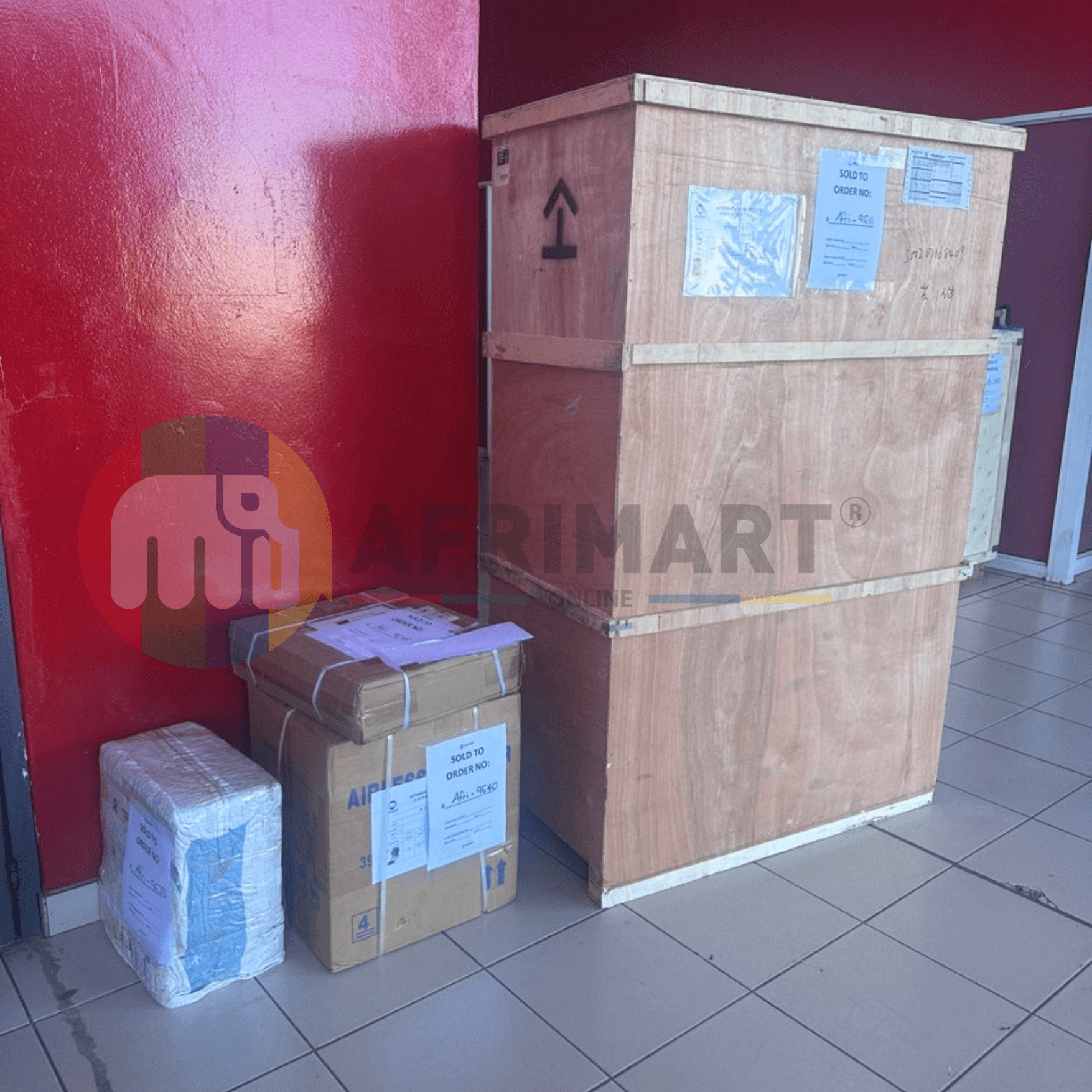
Agriculture Processing Machines
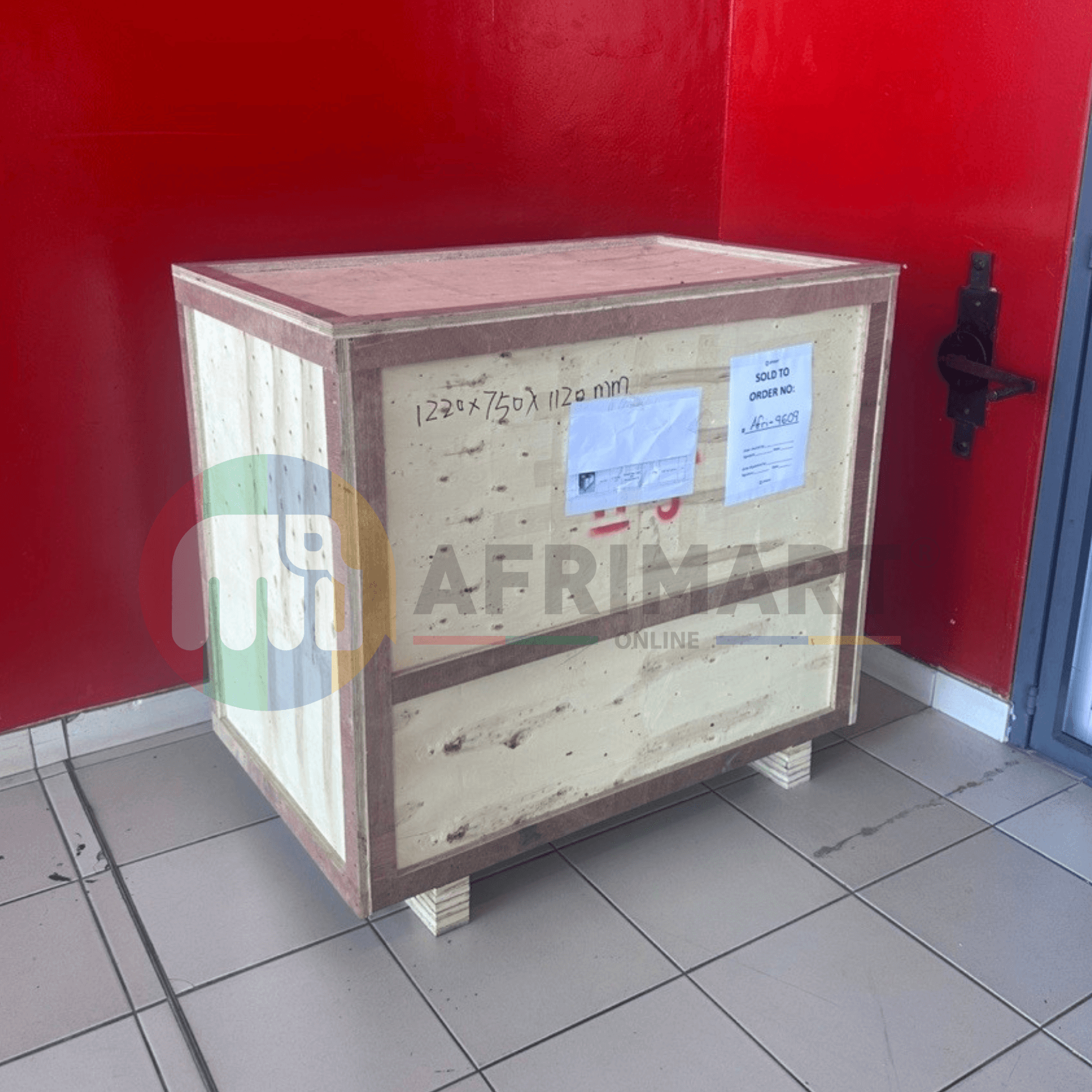
Meat Grinder Machine
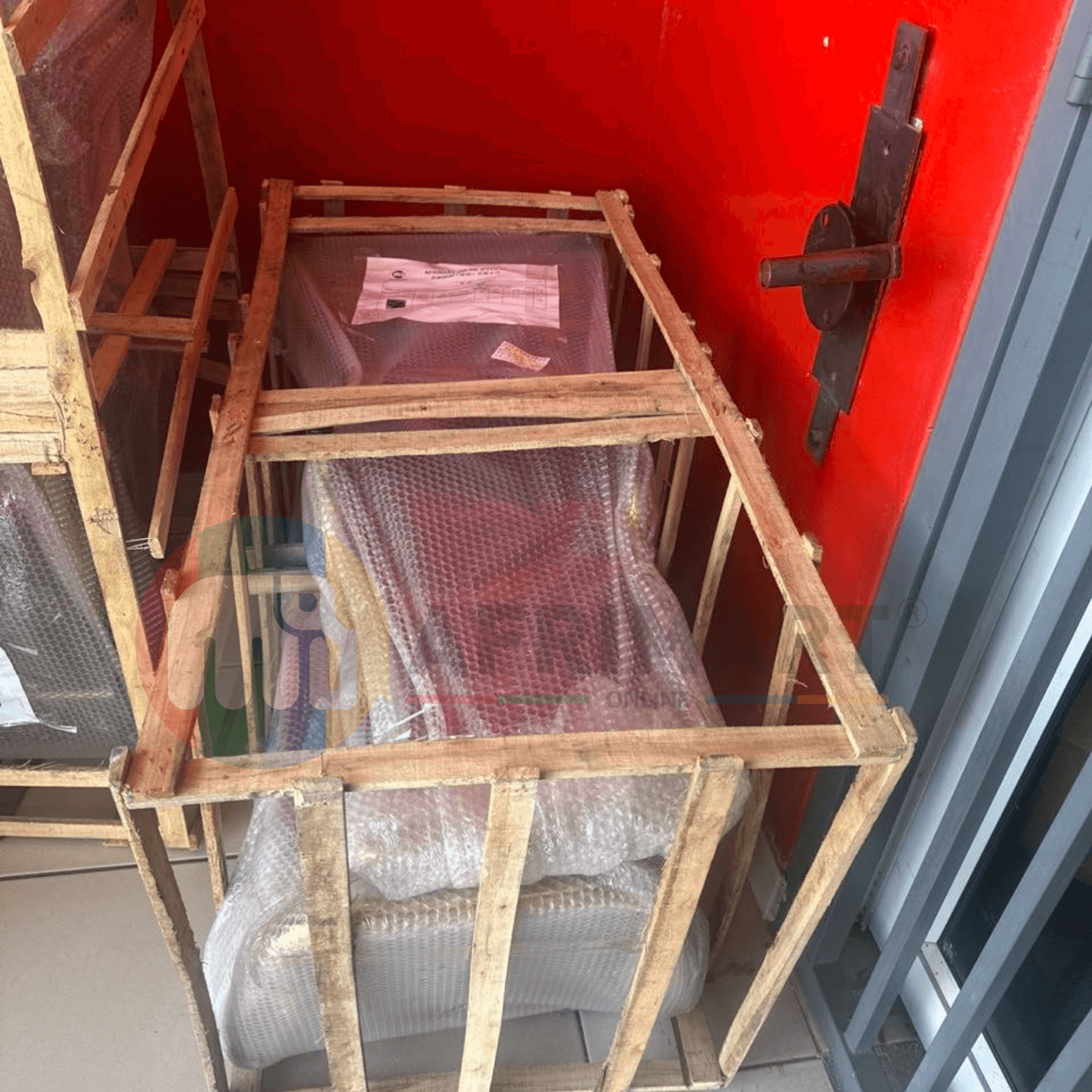
Water Pump Equipment
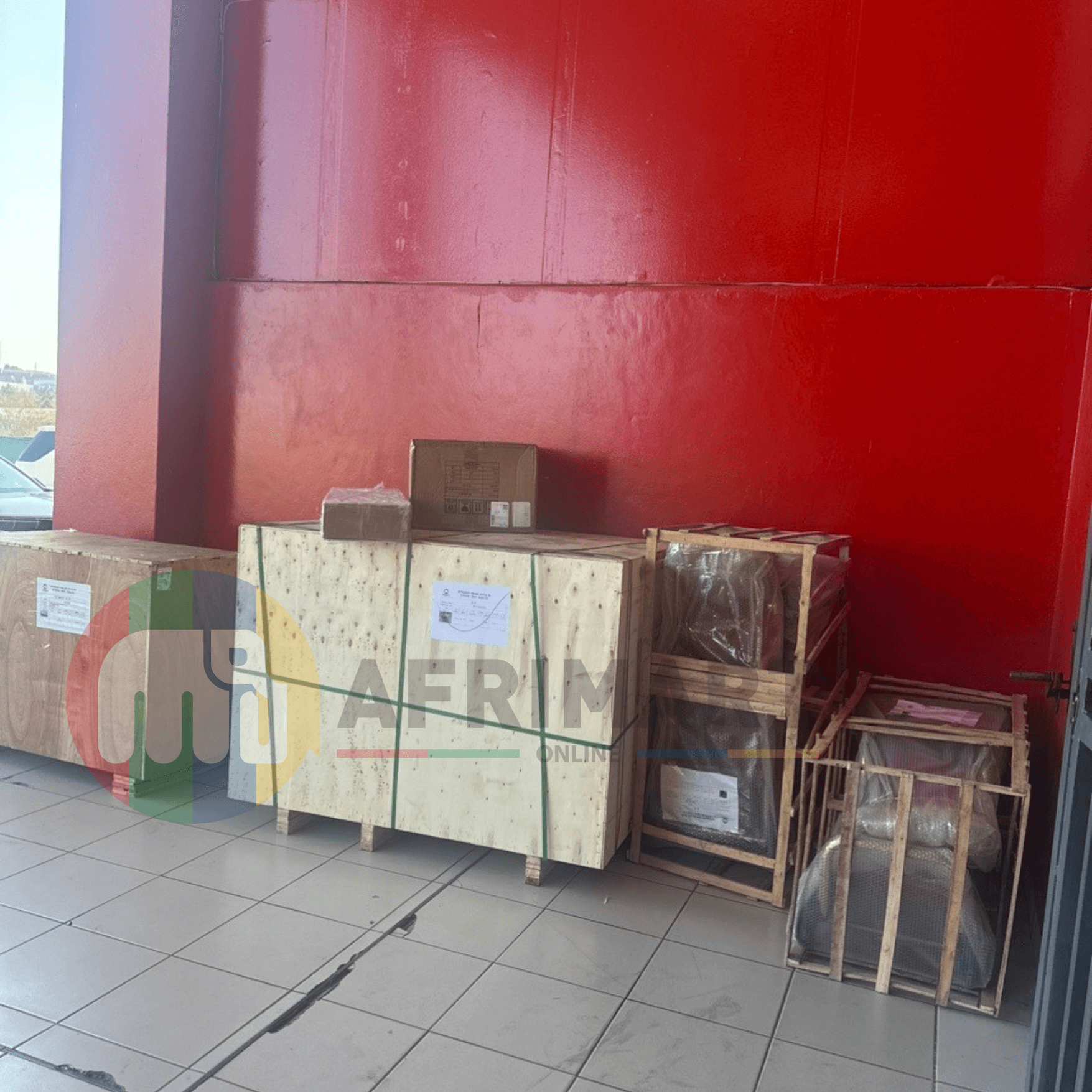
Packaging Machine and accessories
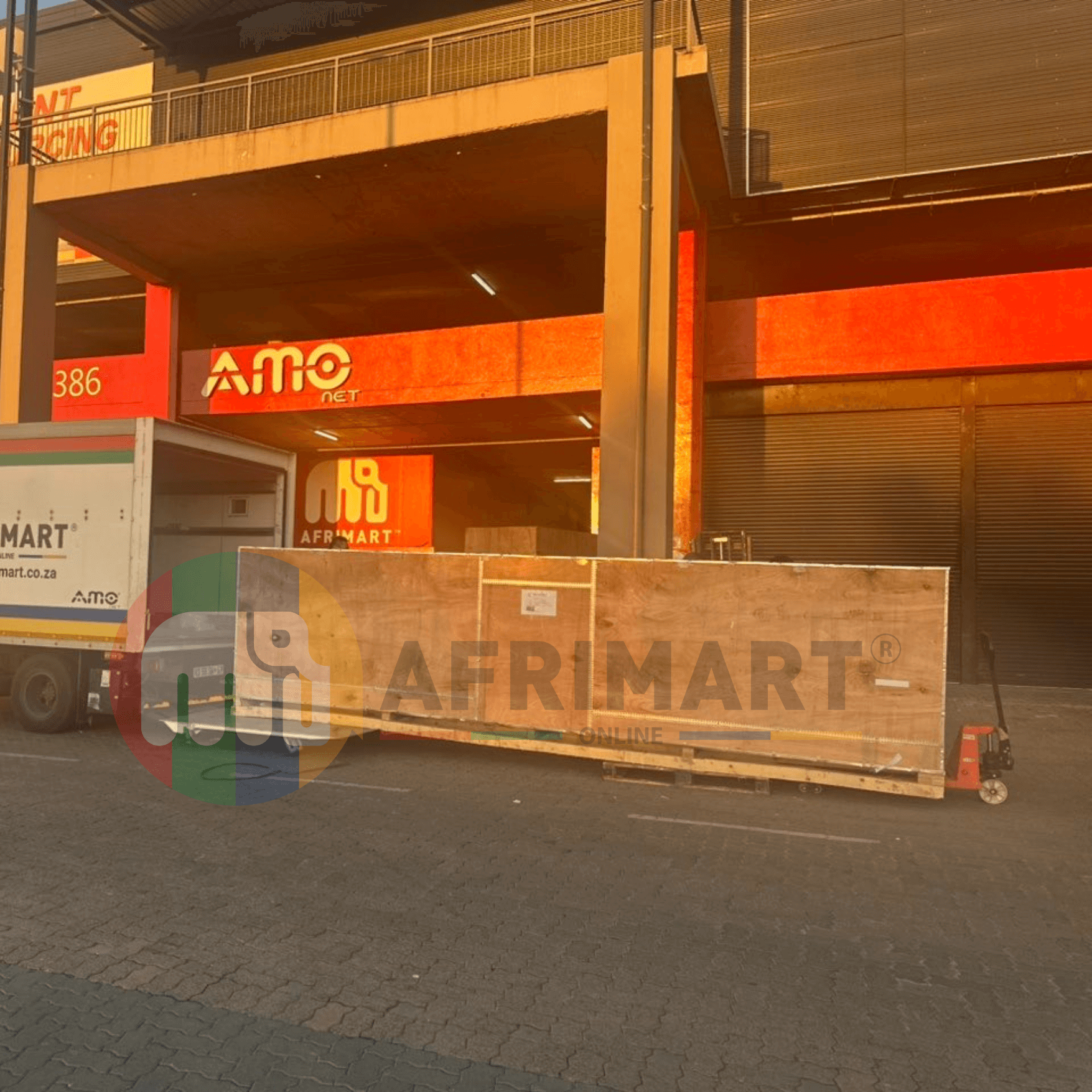
Fabrics Manufacturing Equipment
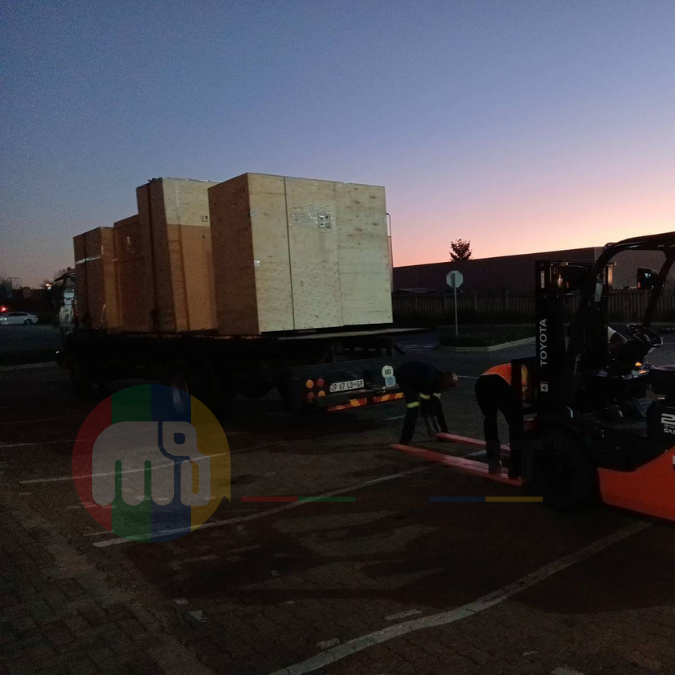
Mining Equipments
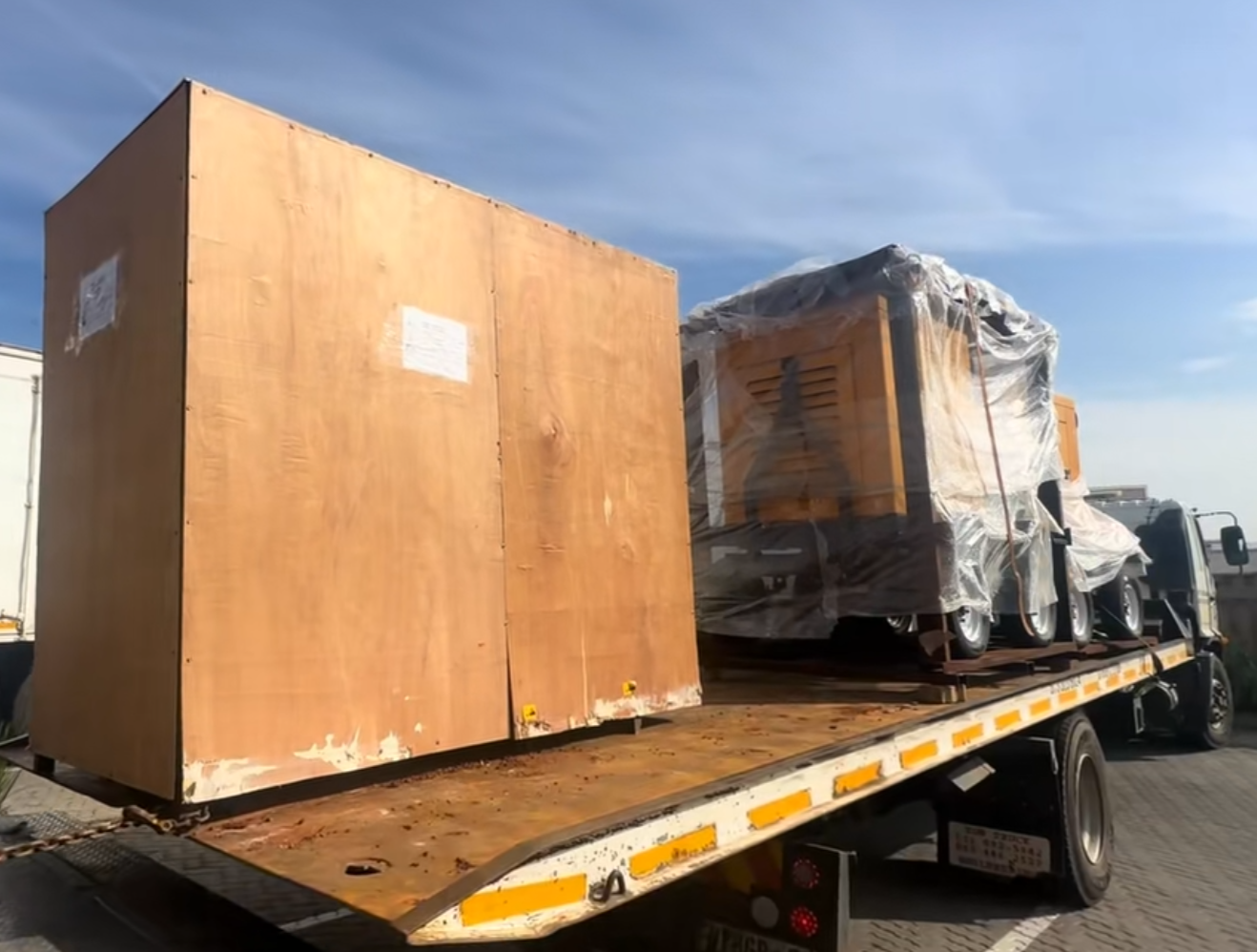
Food Processing Machine
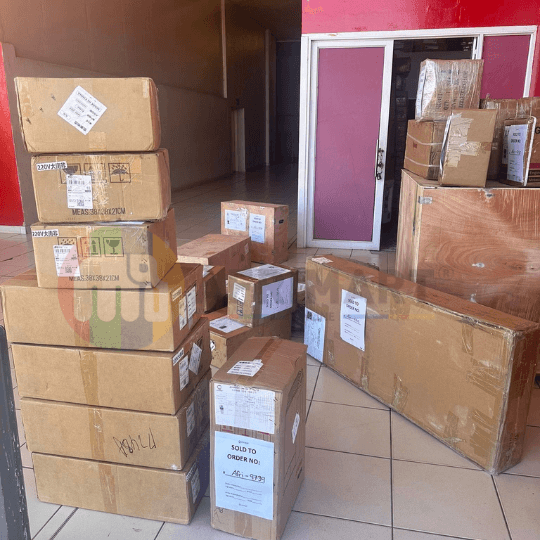
Batch of Orders
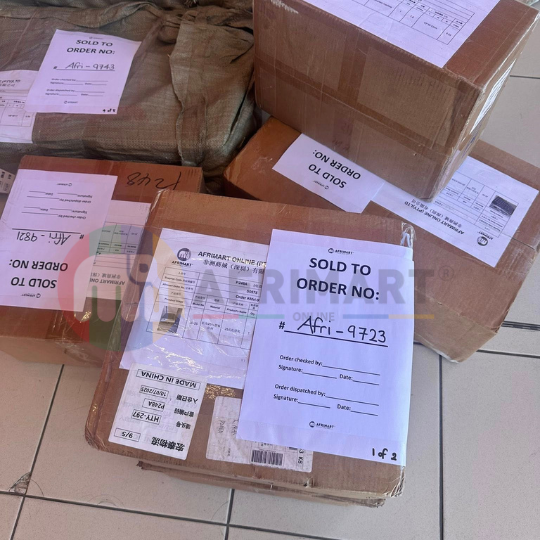
Batch of Orders
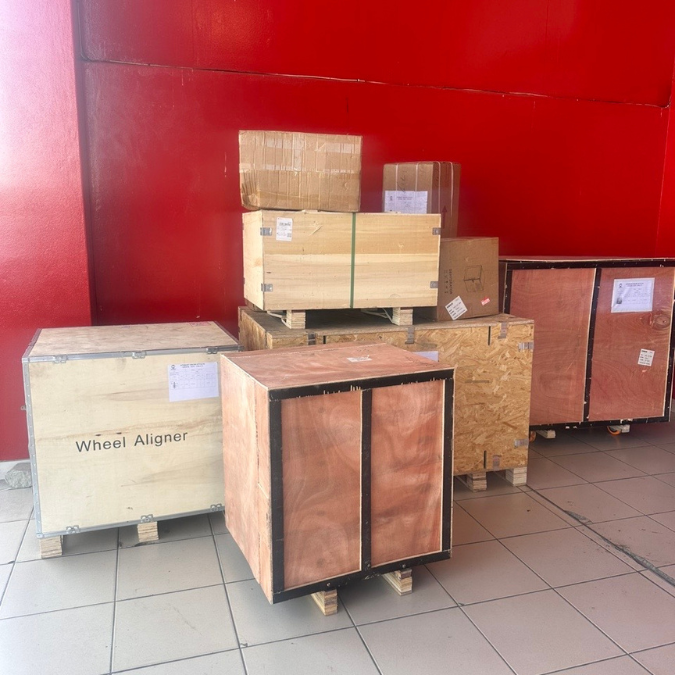
Latest Orders Labelled
wheel alignment machines
new arrivals
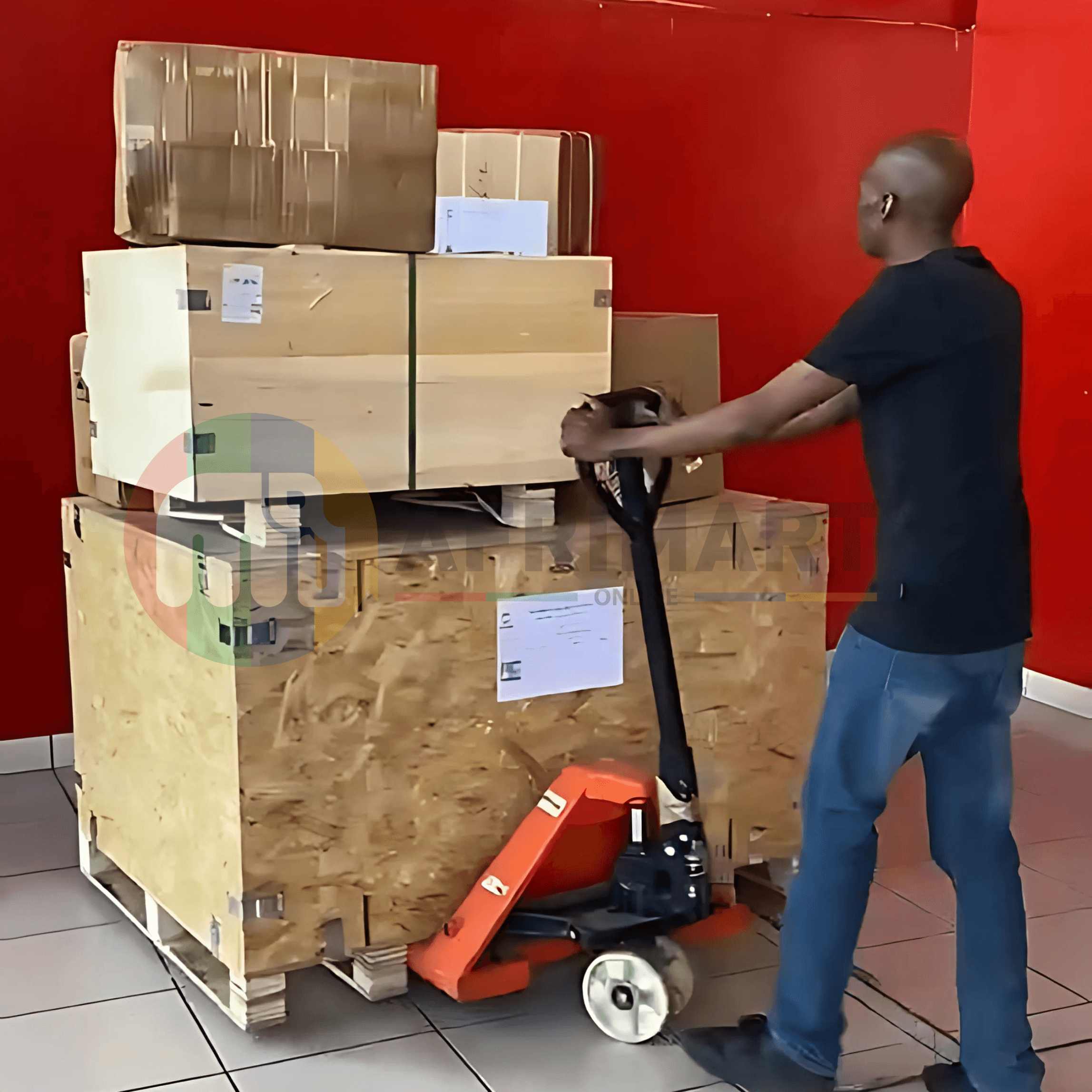
Pre Orders Offloading
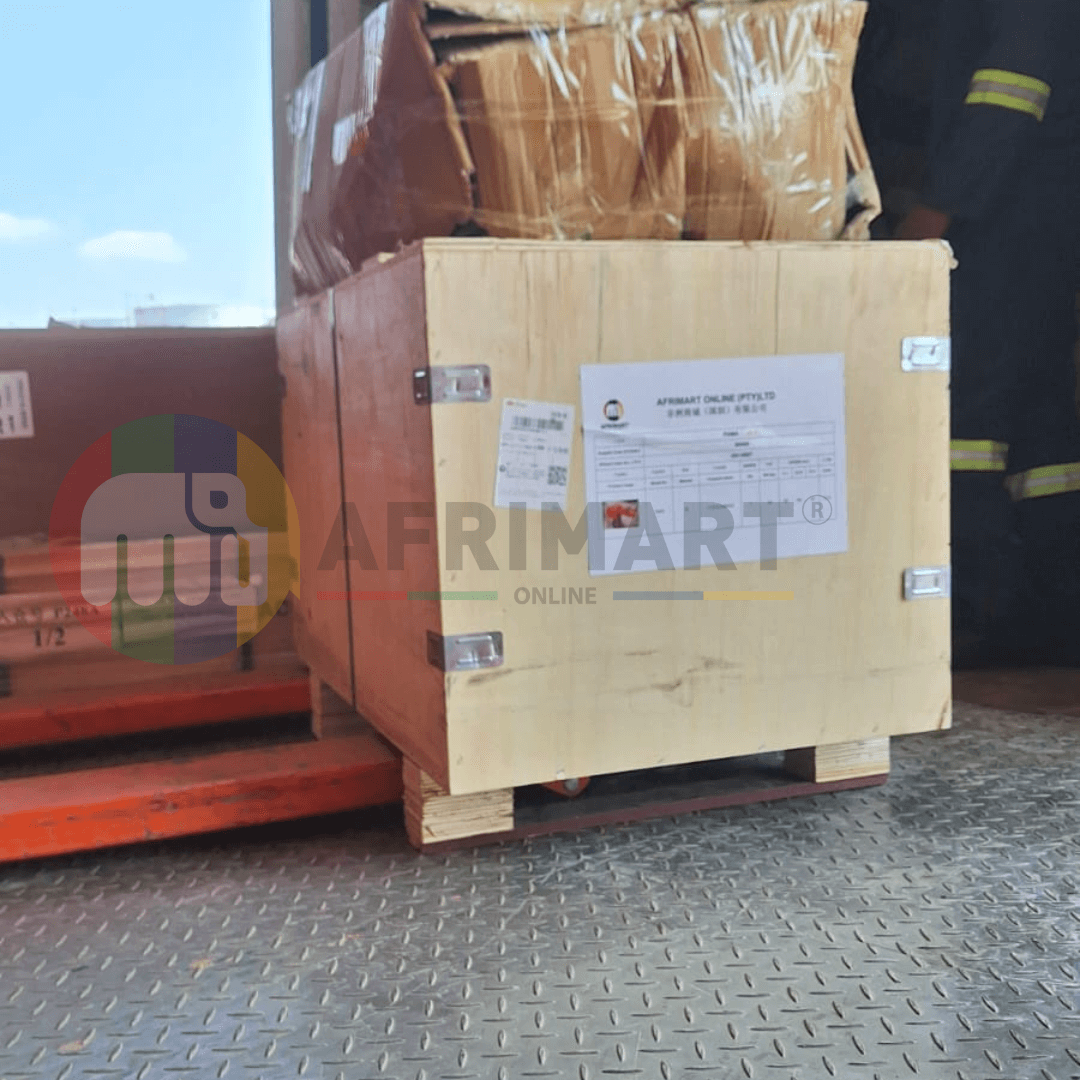
Latest Arrivals
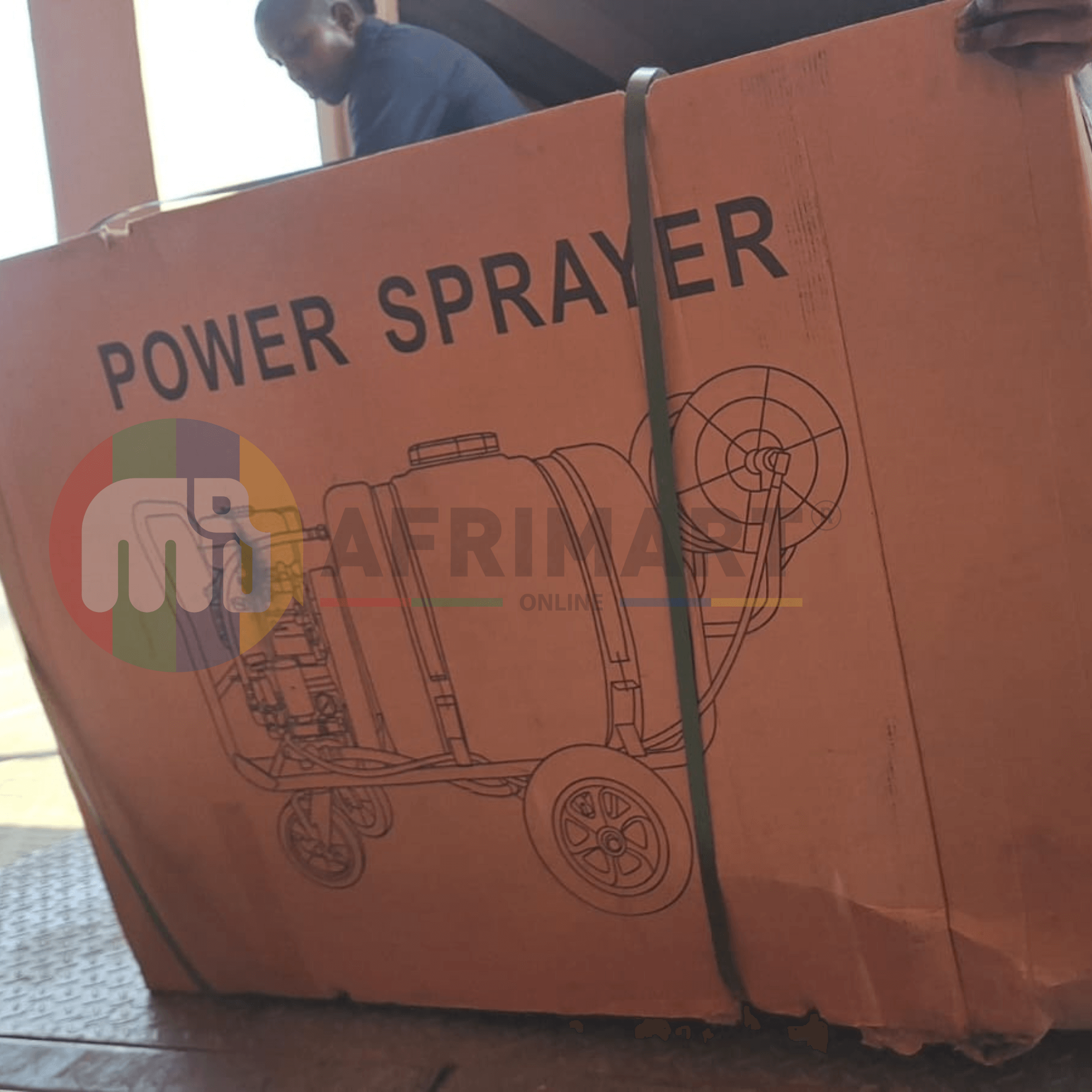
Latest Arrivals
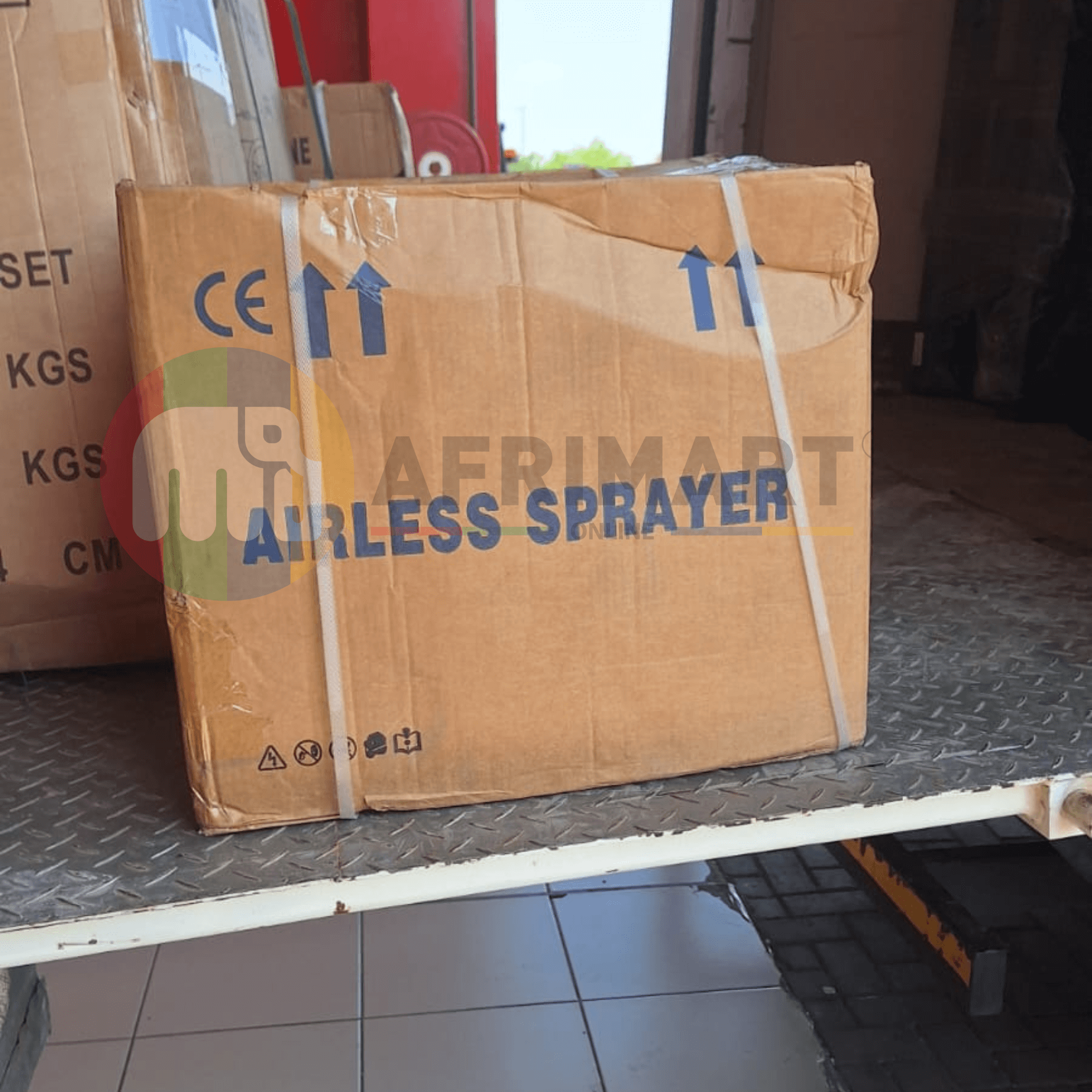
Latest Arrivals
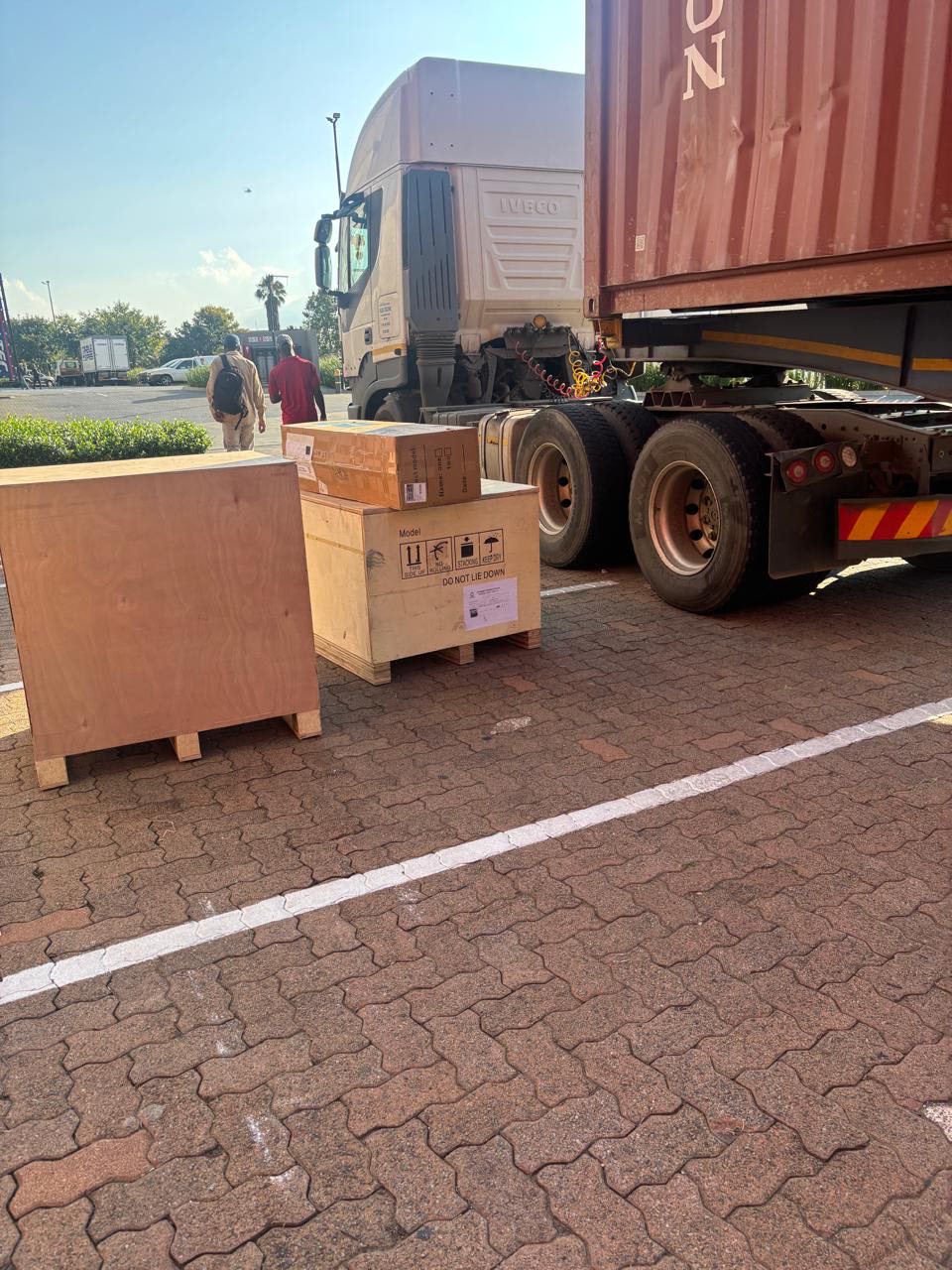
26 January 2026
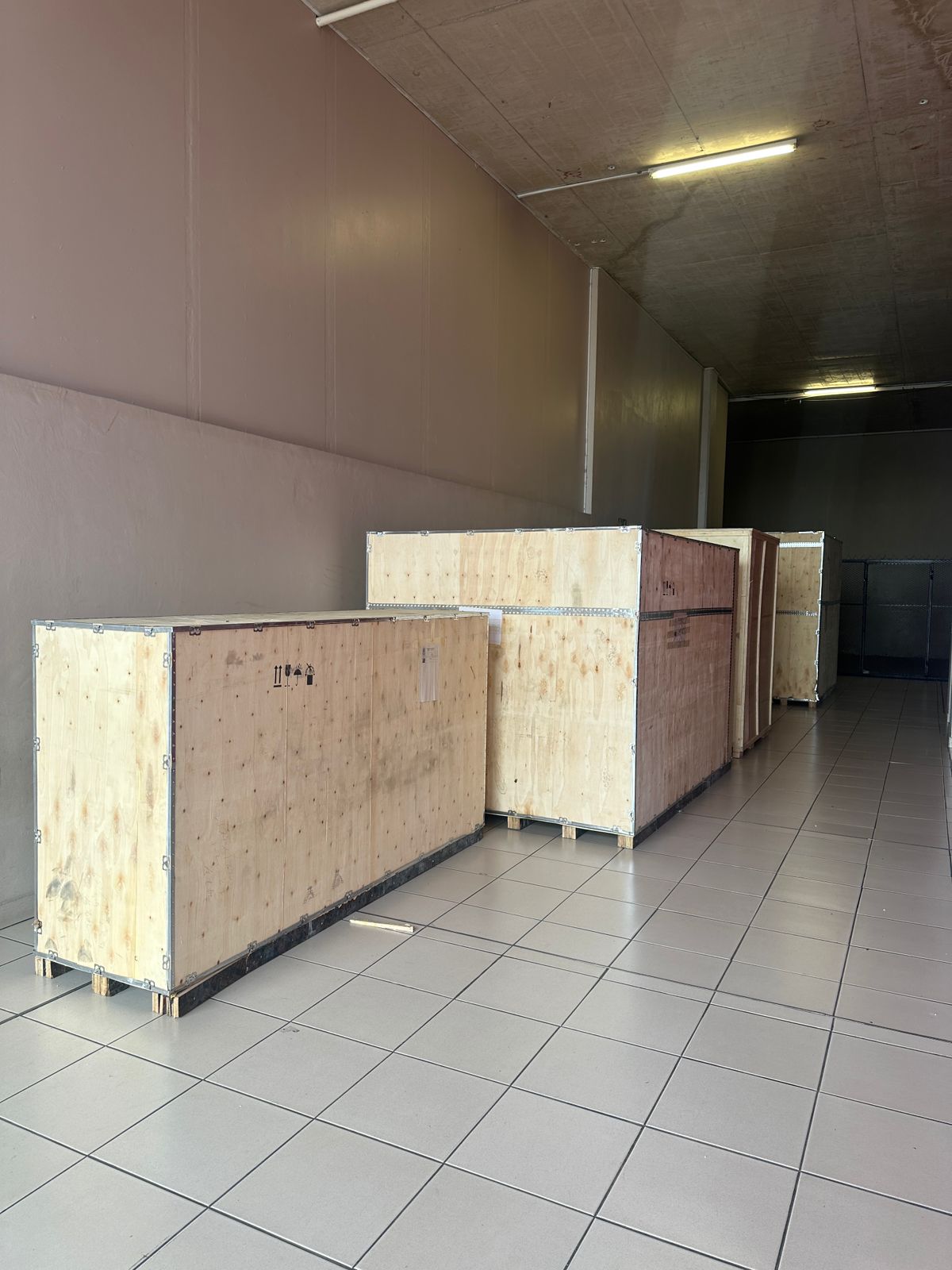
Toilet paper making machine
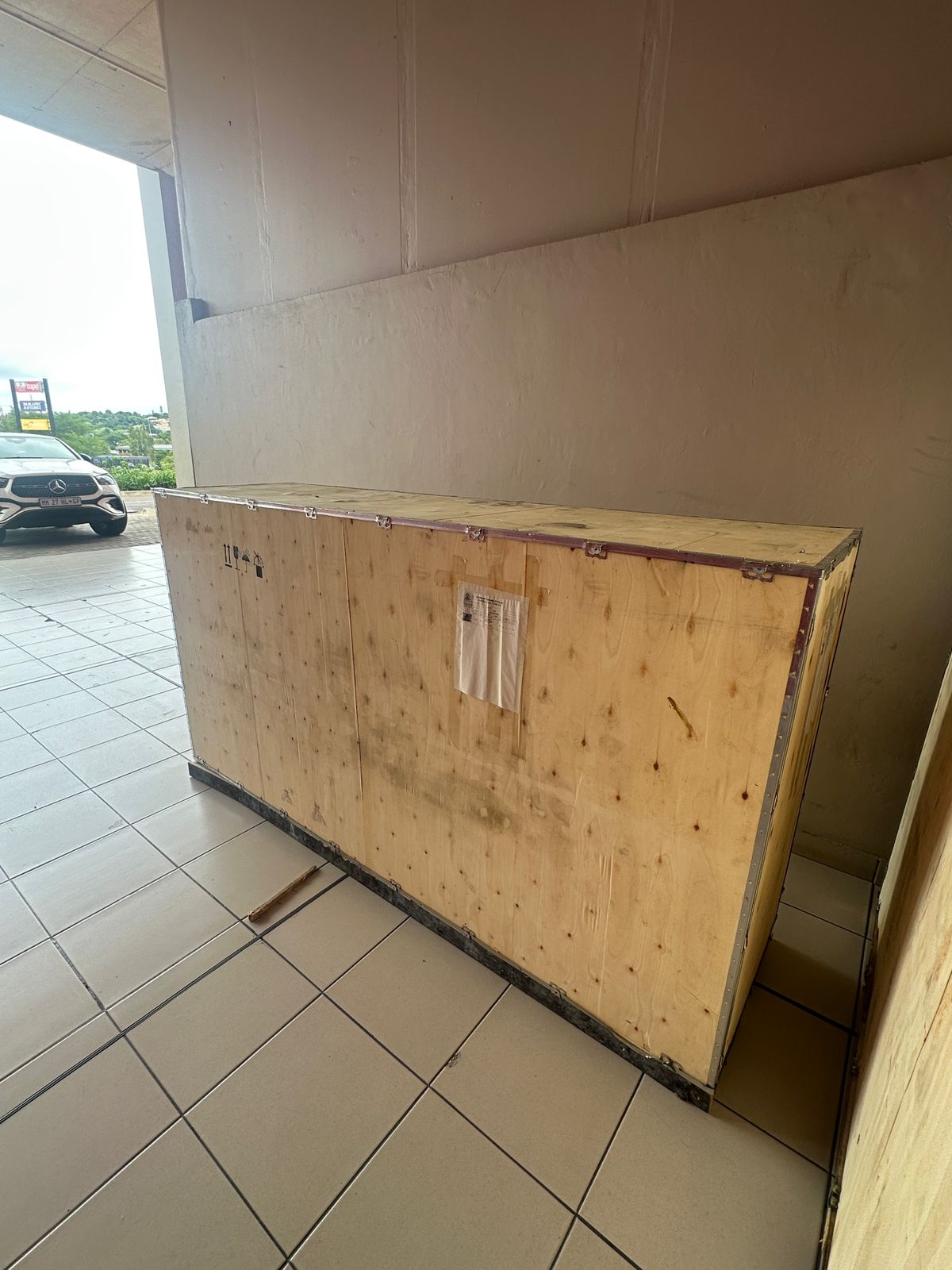
Toilet paper making machine
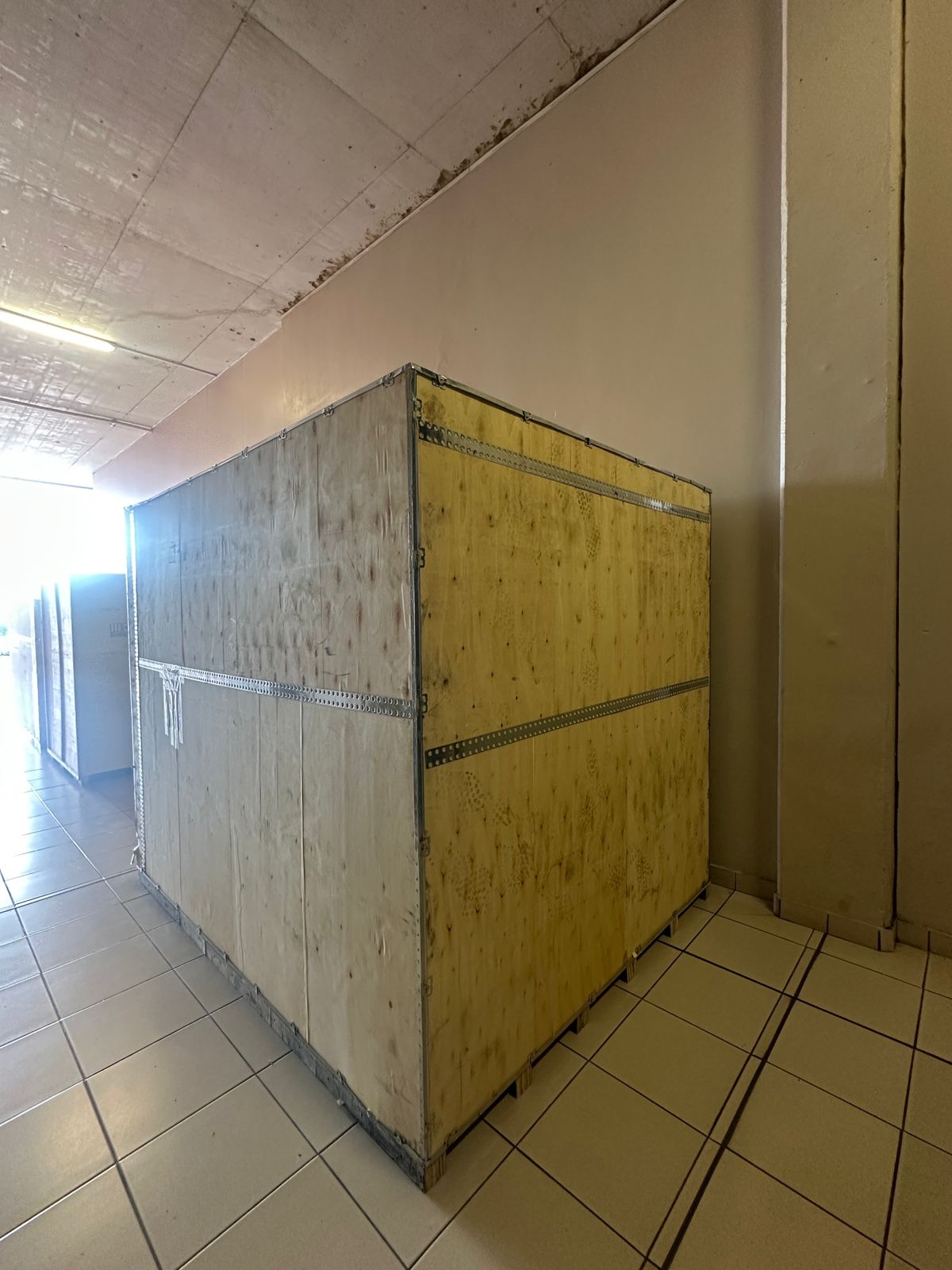
Toilet paper Rewinding Machine
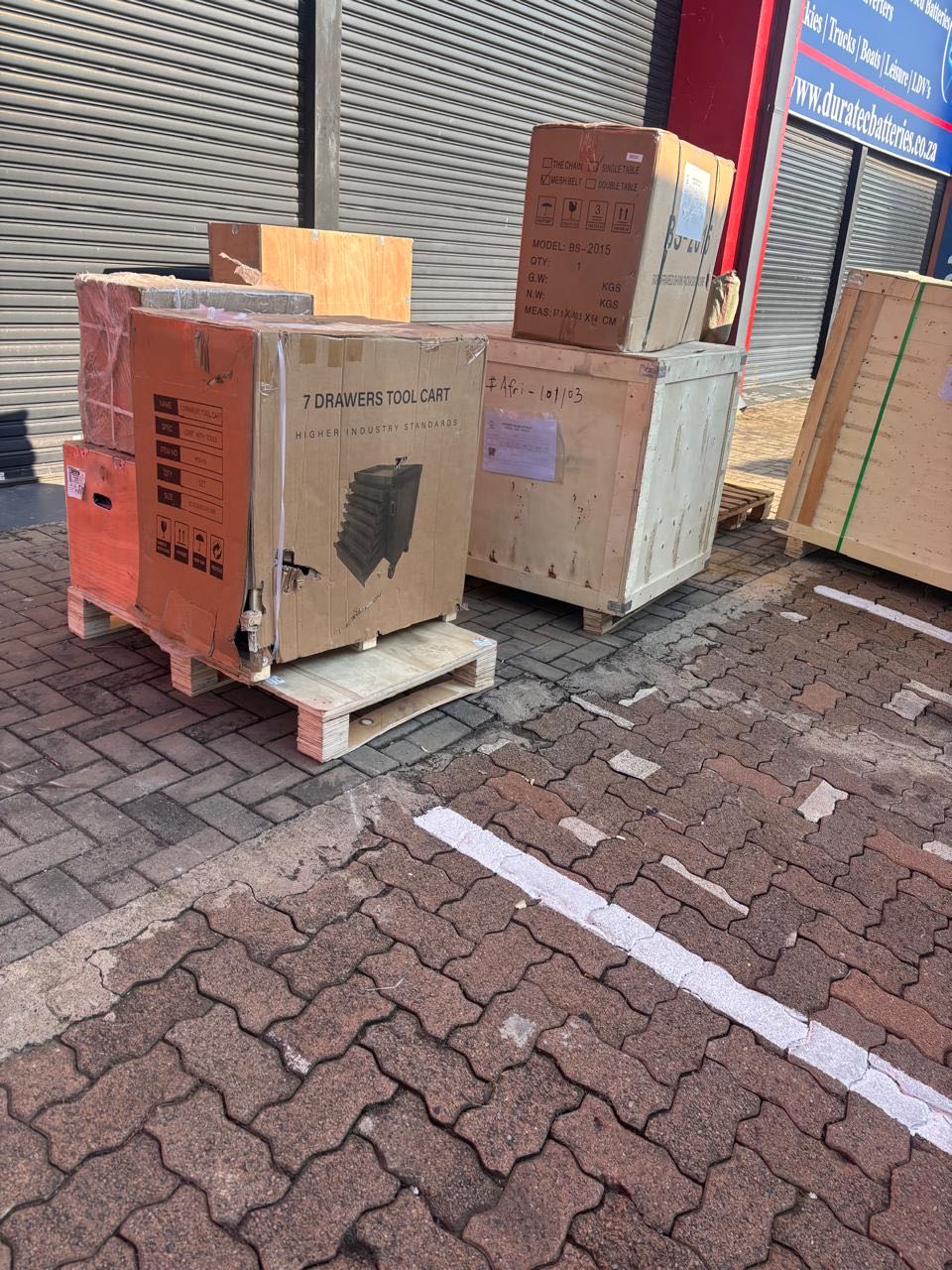
latest arrivals
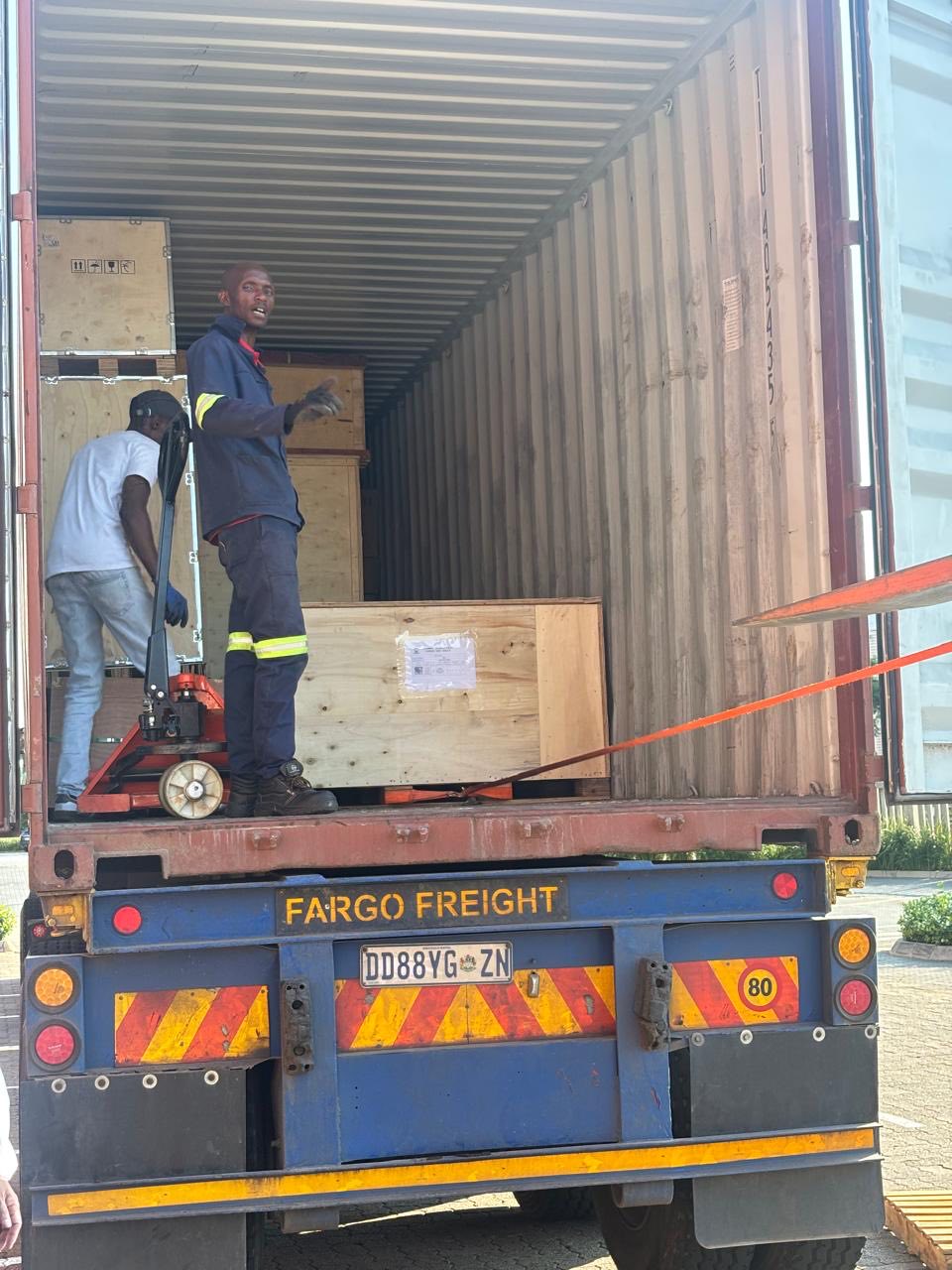
offloading
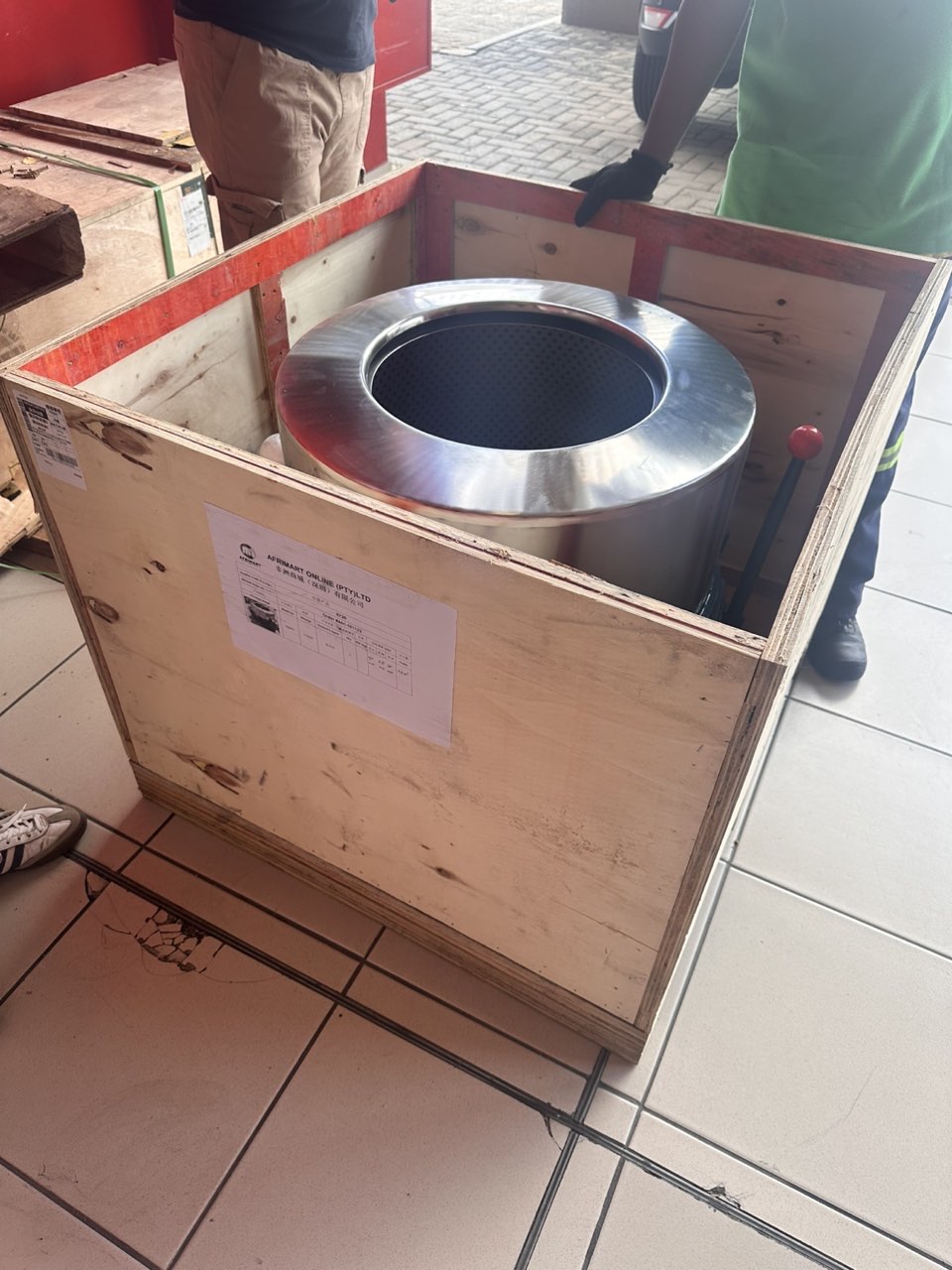
order success
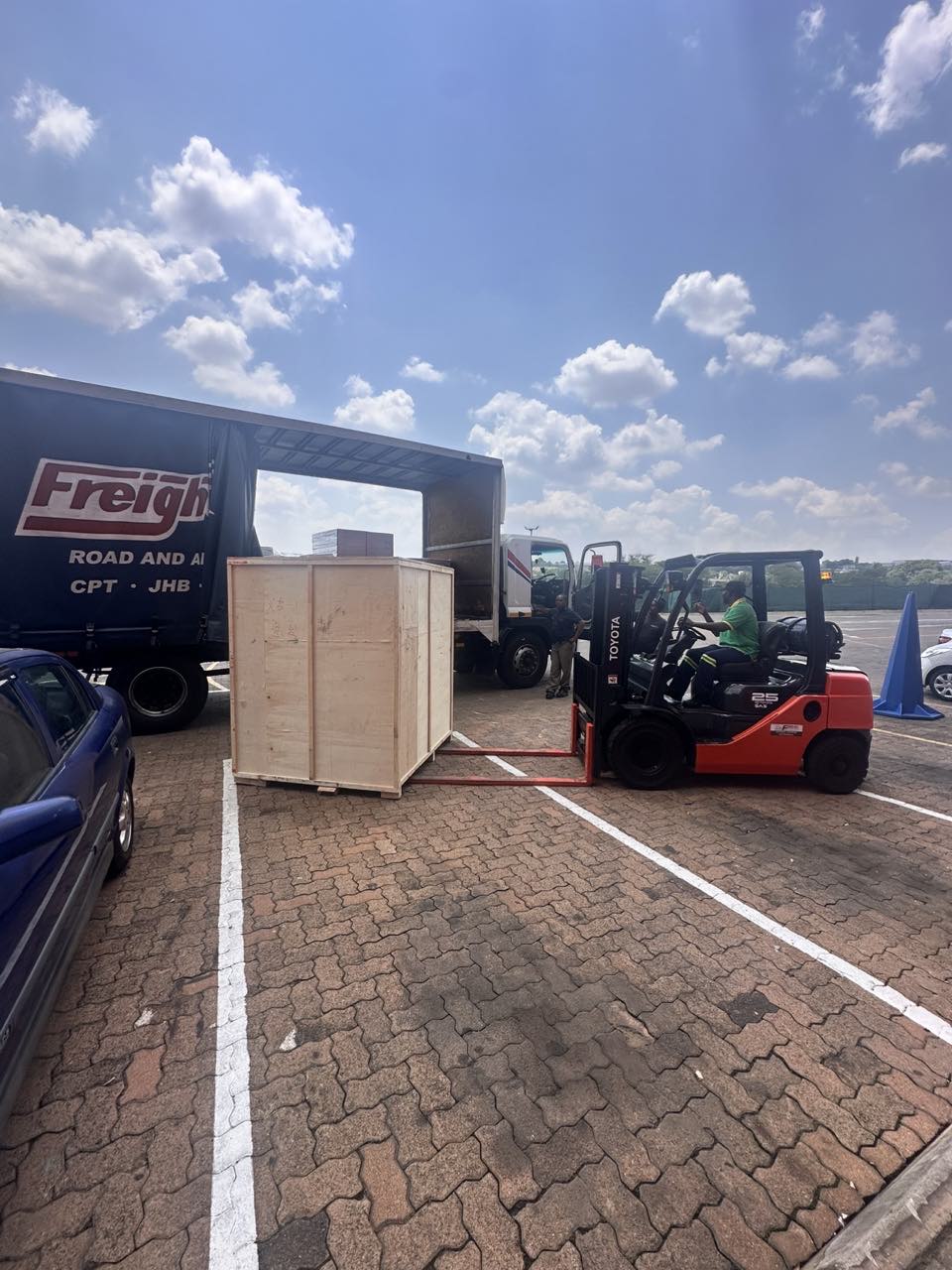
order collection
order offloading