B21, China Town Mall, Midrand

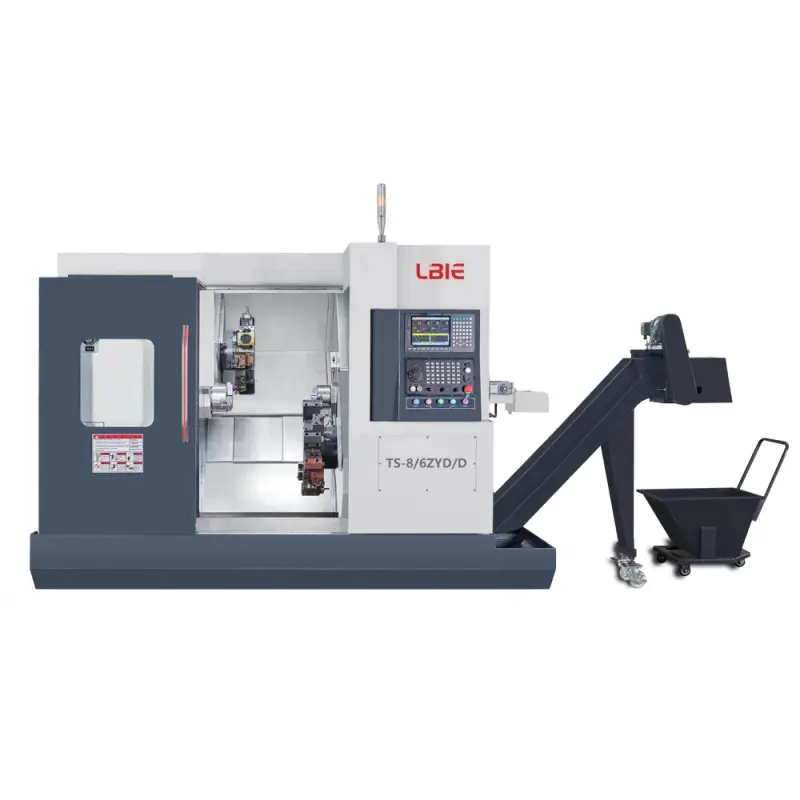
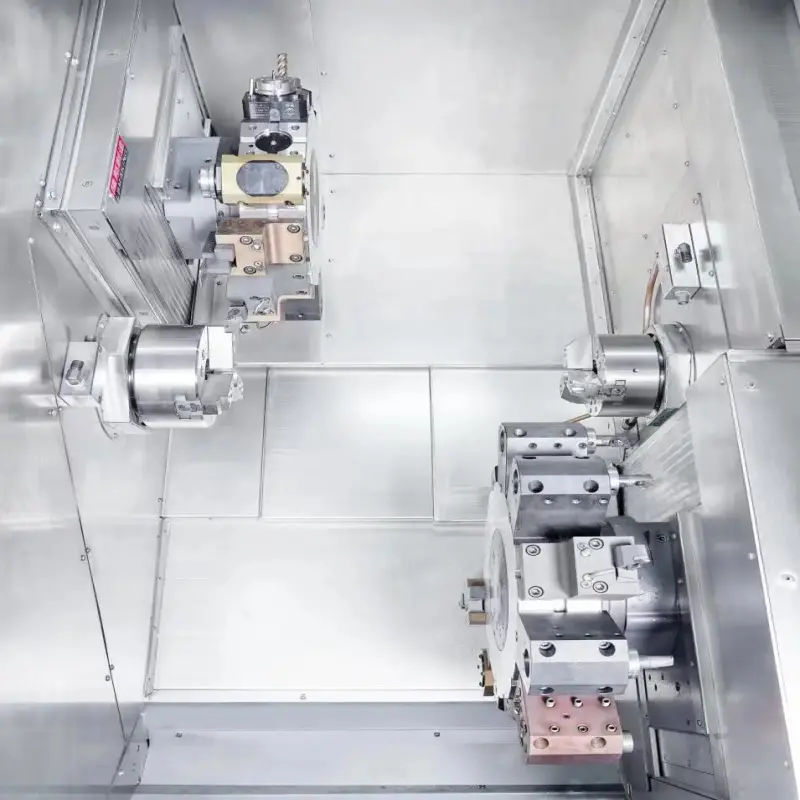
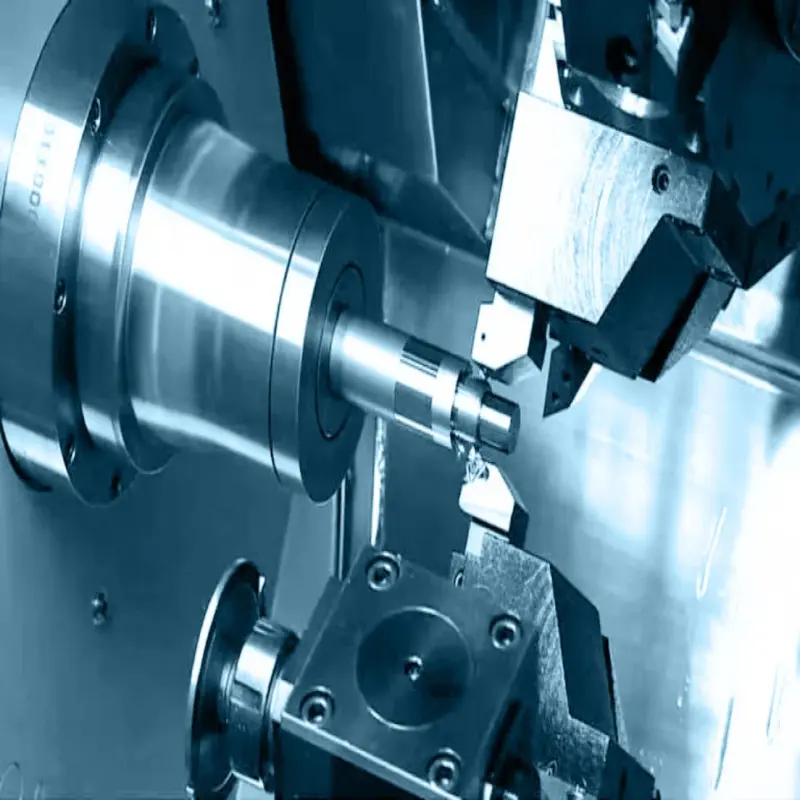
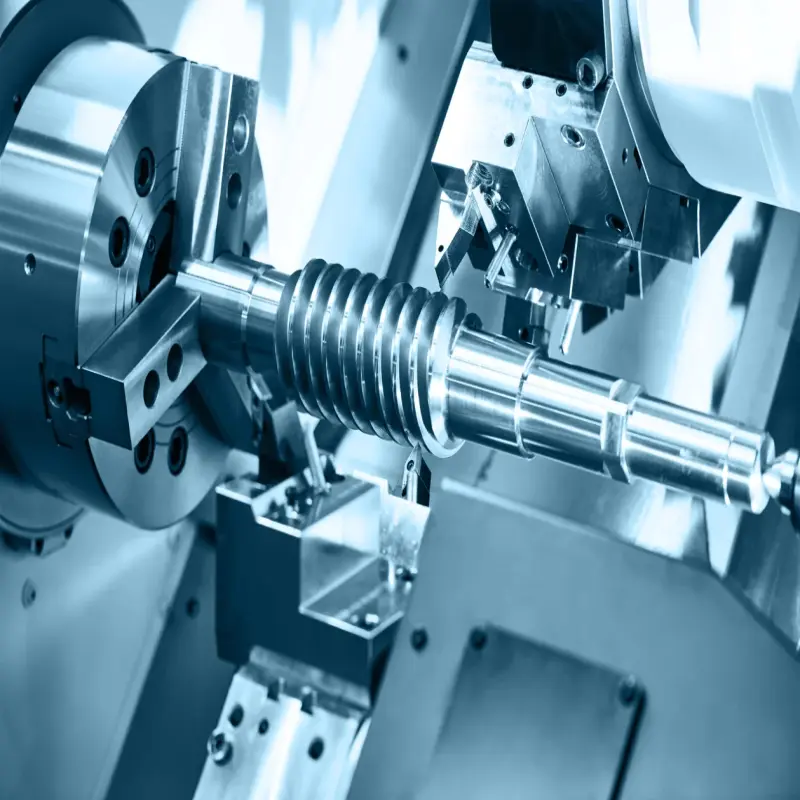
LBIE Double Spindle Dual-turret Turning and Milling Machine Tool CNC Lathe Multi Axis Linkage Assembly Live Tool

- Section : Machinery
- Category : Lathe
- SKU : 1600896019543-1712146052

LBIE Double Spindle Dual-turret Turning and Milling Machine Tool CNC Lathe Multi Axis Linkage Assembly Live Tool
Products Description


- Shipping Timeframes: All orders are processed within 2-5 business days (excluding weekends and holidays). After your order has been processed, the estimated delivery time is before 29 Mar, 2026, depending on customs, Please note that due to high demand, some items may experience longer shipping times, which will be communicated at order confirmation email.
- Order Processing Time: Please allow 2-5 business days for us to process your order before it is shipped . Orders placed after 16:00 on Fridays, or during weekends and public holidays, will begin processing on the next business day. Processing times may be extended during peak seasons or sales events.
- Manufacturing Time: Some products needs manufacturing time, the manufacturing process will take approximately 10-30 business days depending on the product. This timeframe may vary depending on the complexity of the product and current demand. but this will be communicated with you during order confirmation.
- Returns and Exchanges: We offer a 30-day return policy for most items. If you are not completely satisfied with your purchase, you may return it within 30 days of receipt for a refund or exchange. Items must be unused, in their original packaging, and accompanied by proof of purchase. Return shipping costs are the responsibility of the customer, unless the item was damaged or defective upon arrival.
1. What is the LBIE Double Spindle Dual-turret Turning and Milling Machine?
It is a CNC lathe featuring two spindles, two turrets and live milling/live tooling capability designed for multi-axis linkage machining and high-mix, high-productivity part manufacturing.
2. Which machining operations can this machine perform?
Turning, facing, drilling, tapping, milling, grooving and complex multi-task machining using simultaneous multi-axis linkage with live tools on the turrets and spindles.
3. What control systems are compatible with this machine?
The machine can be configured with major CNC controls such as Fanuc, Siemens or Mitsubishi. Final control selection is typically customer-specified.
4. How many axes does the machine support?
It supports multi-axis linkage; typical configurations include dual X/Z axes for each spindle plus C (rotary) and optional Y or B axes for live tooling and milling. Exact axis count depends on configuration.
5. What tooling interfaces are supported for the live tools and turrets?
The machine supports common tooling standards and live tool holders (for example BMT or VDI-style systems) depending on the chosen turret and tool-holder options.
6. Can the machine run simultaneous machining on both spindles/turrets?
Yes — it is designed for synchronous and independent machining on both spindles/turrets to enable complex assemblies and reduce cycle time, subject to the selected control and configuration.
7. Is it suitable for small batch and high-volume production?
Yes. The dual-spindle, dual-turret layout with live tooling is intended to increase throughput for both small-batch flexible manufacturing and high-volume production runs.
8. What kinds of workholding and bar feeding options are available?
Common options include hydraulic or pneumatic chucks, collet chucks, steady/rest devices and automatic bar feeders for lights-out operation. Specific workholding is selected per application.
9. What are the coolant and chip management features?
Typical systems include high-pressure coolant for live tools and milling, internal coolant through tools (optional), chip conveyors or chip augers, and splash guards. Exact features vary by model/options.
10. How do I program parts for this machine?
Programming is done via the CNC control using standard G-code. The machine is compatible with CAM/CAD software that outputs mill-turn programs and supports sub-spindles, live tooling and multi-axis cycles.
11. What installation requirements and utilities does the machine need?
Requirements include electrical supply (voltage and phase per configuration), compressed air, coolant supply and adequate foundation/space. Exact utility needs and footprint are provided on the machine specification sheet.
12. What kind of after-sales support and training is offered?
Manufacturers typically offer installation, commissioning, operator and programmer training, spare parts supply and technical support. Details and service contracts should be confirmed with the supplier.
13. What warranty and certification come with the machine?
Warranty terms and certifications (such as CE) vary by vendor and regional market. Ask the supplier for specific warranty length, coverage details and applicable safety/compliance certificates.
14. How can I get pricing, lead time, and customization options?
Price, lead time and available custom options depend on model, control, tooling package and optional features. Contact the supplier or sales representative with your part requirements so they can provide a tailored quote and delivery estimate.
Latest Order Arrivals
Discover our latest orders
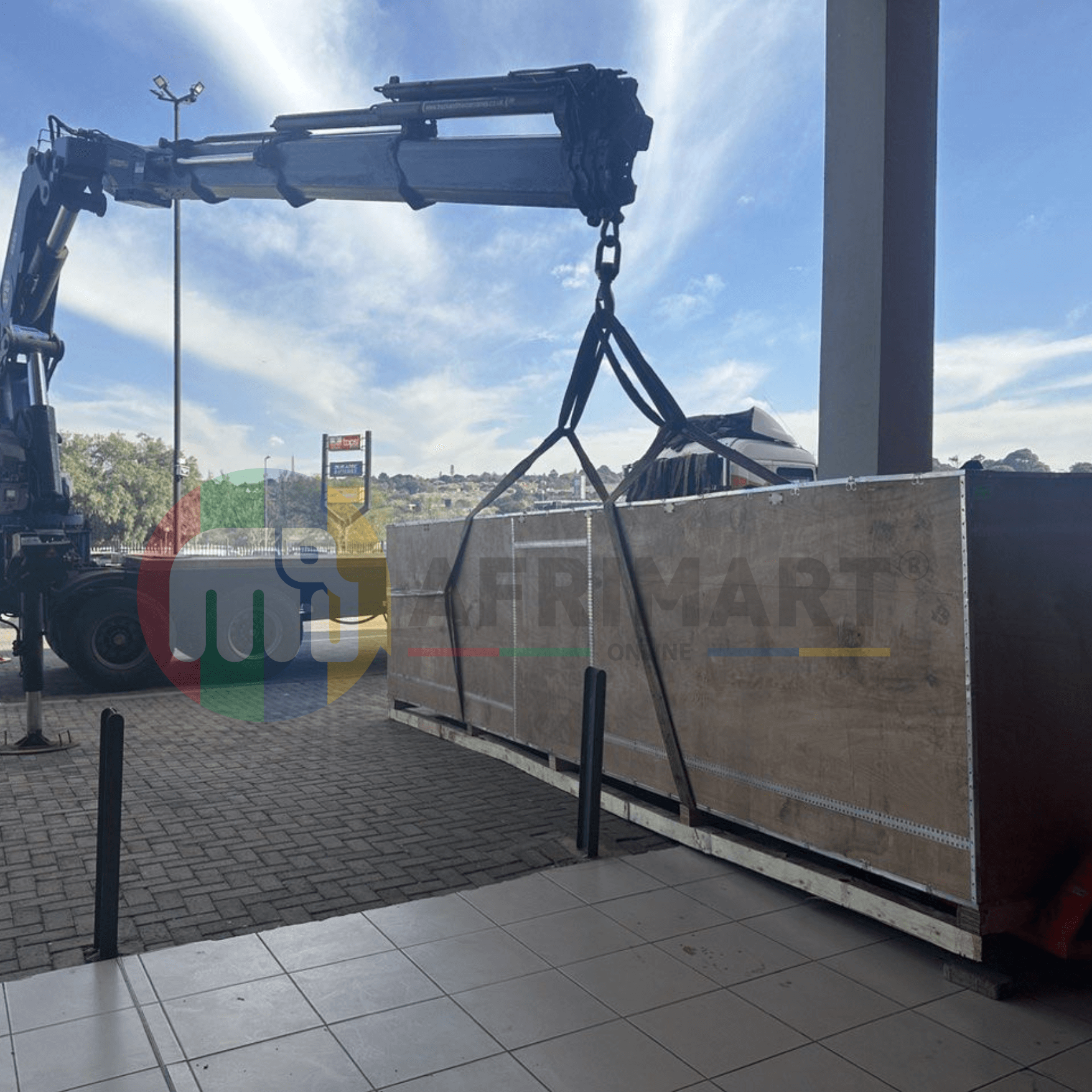
12 Heads Embroidery Machine
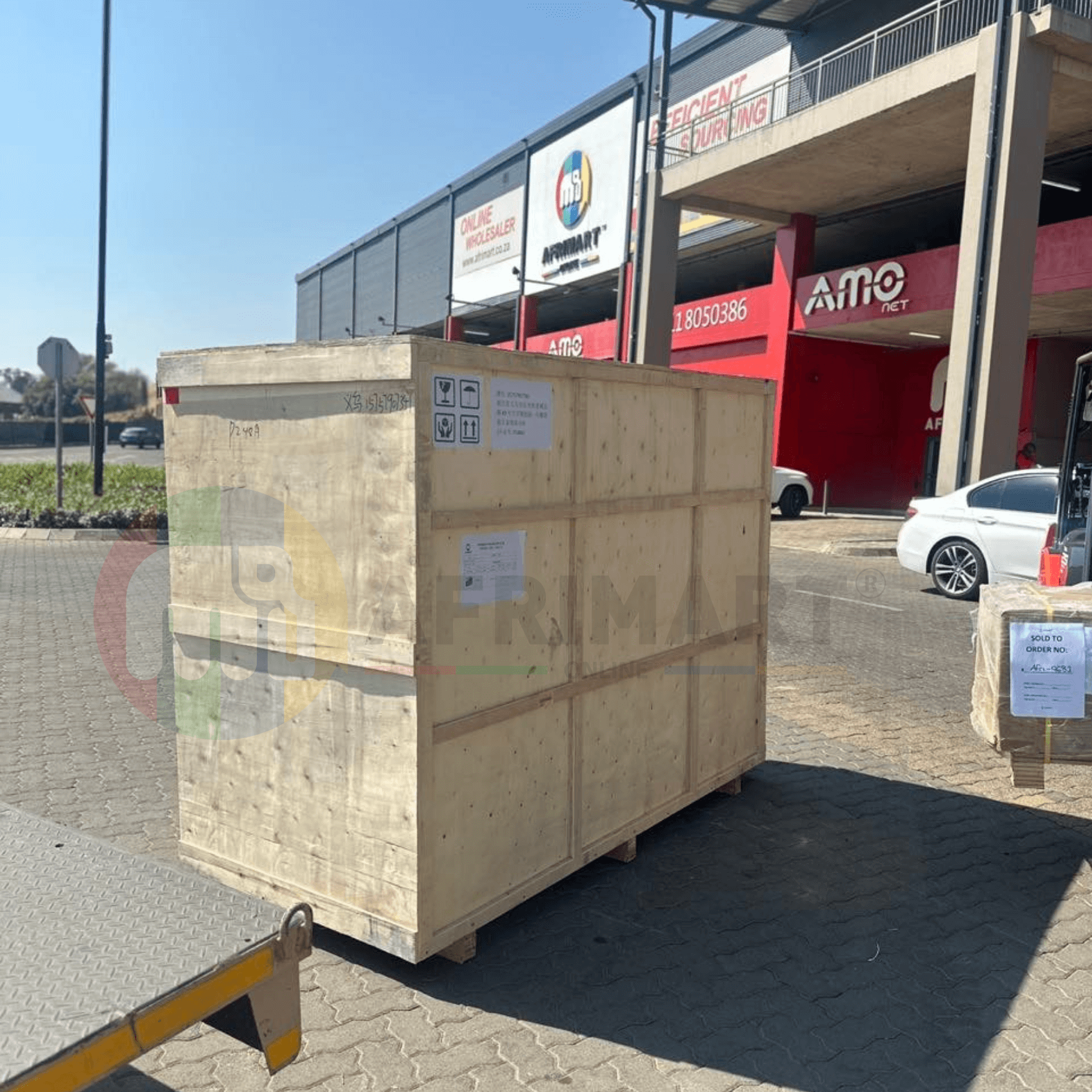
Dewatering Pump Machine
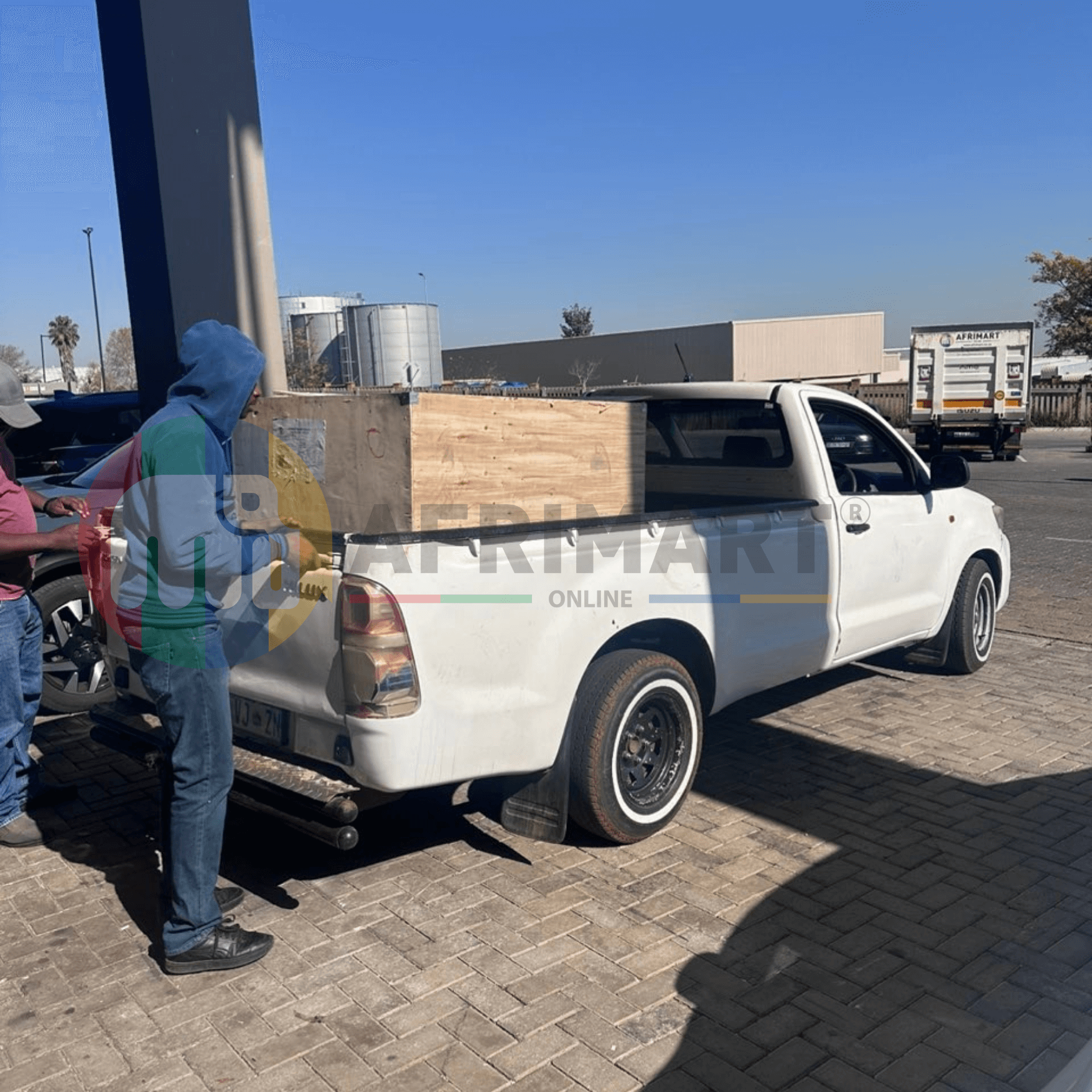
Order Collection
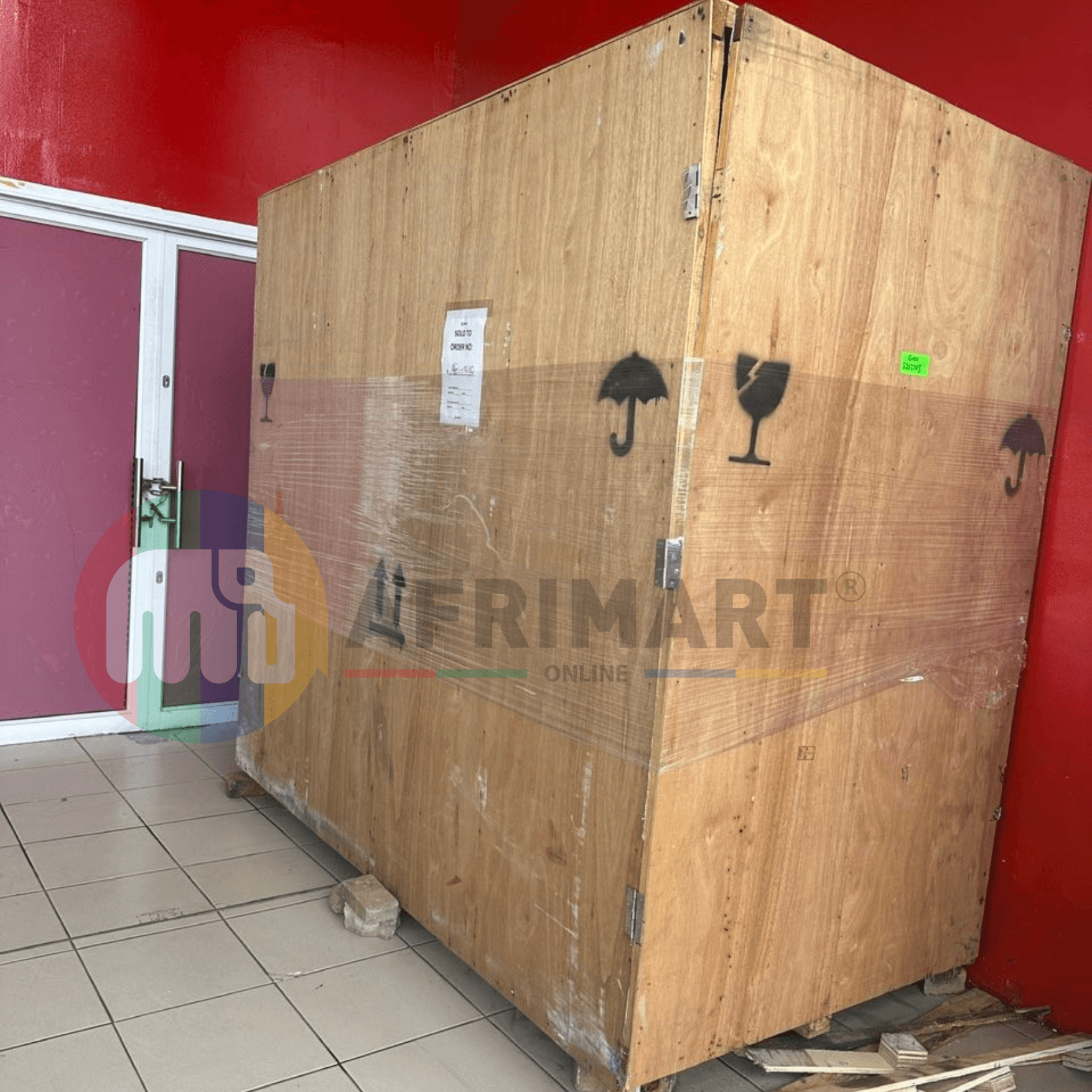
Portable Water Drilling Rig
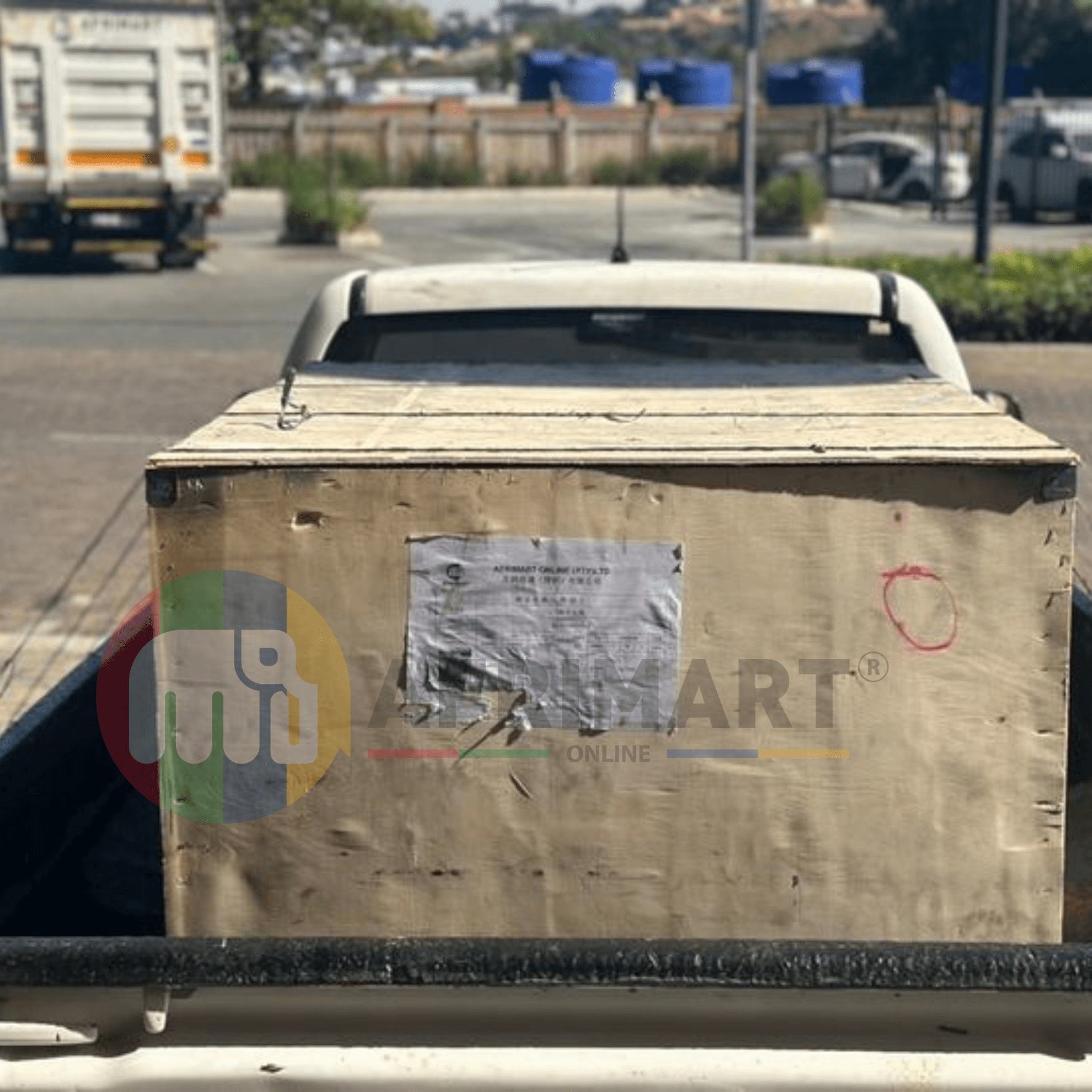
Order Usefully Collected
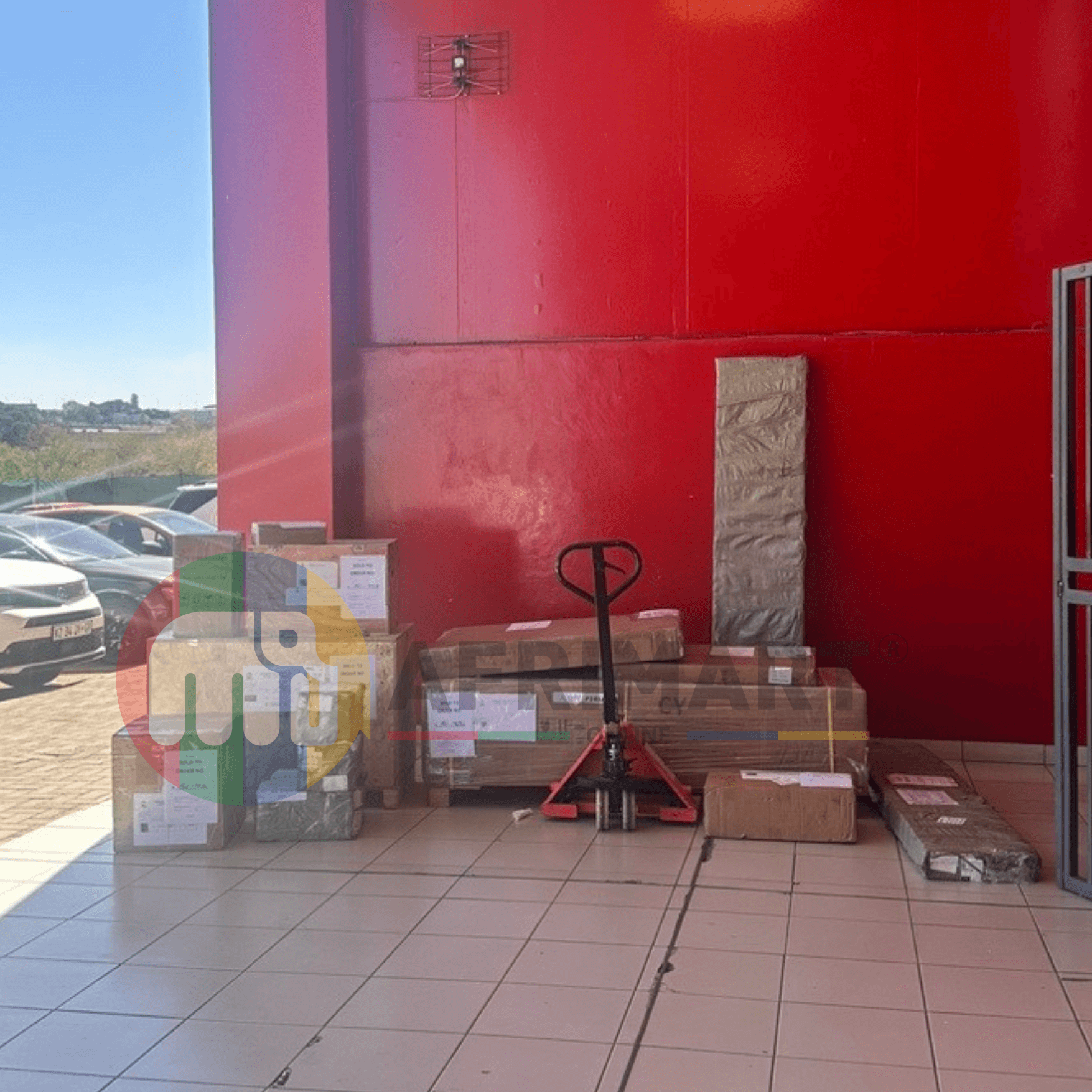
Batch of Orders
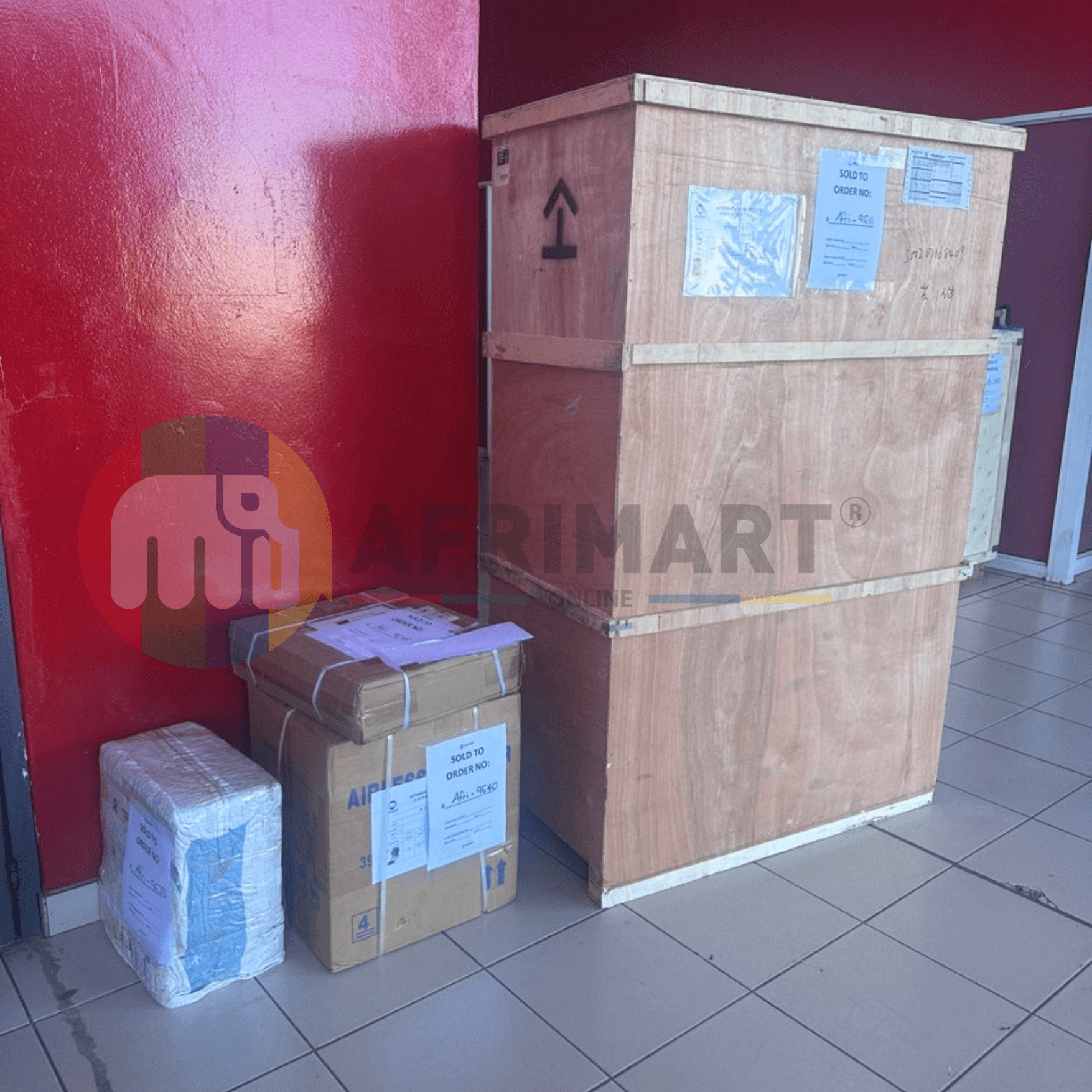
Agriculture Processing Machines
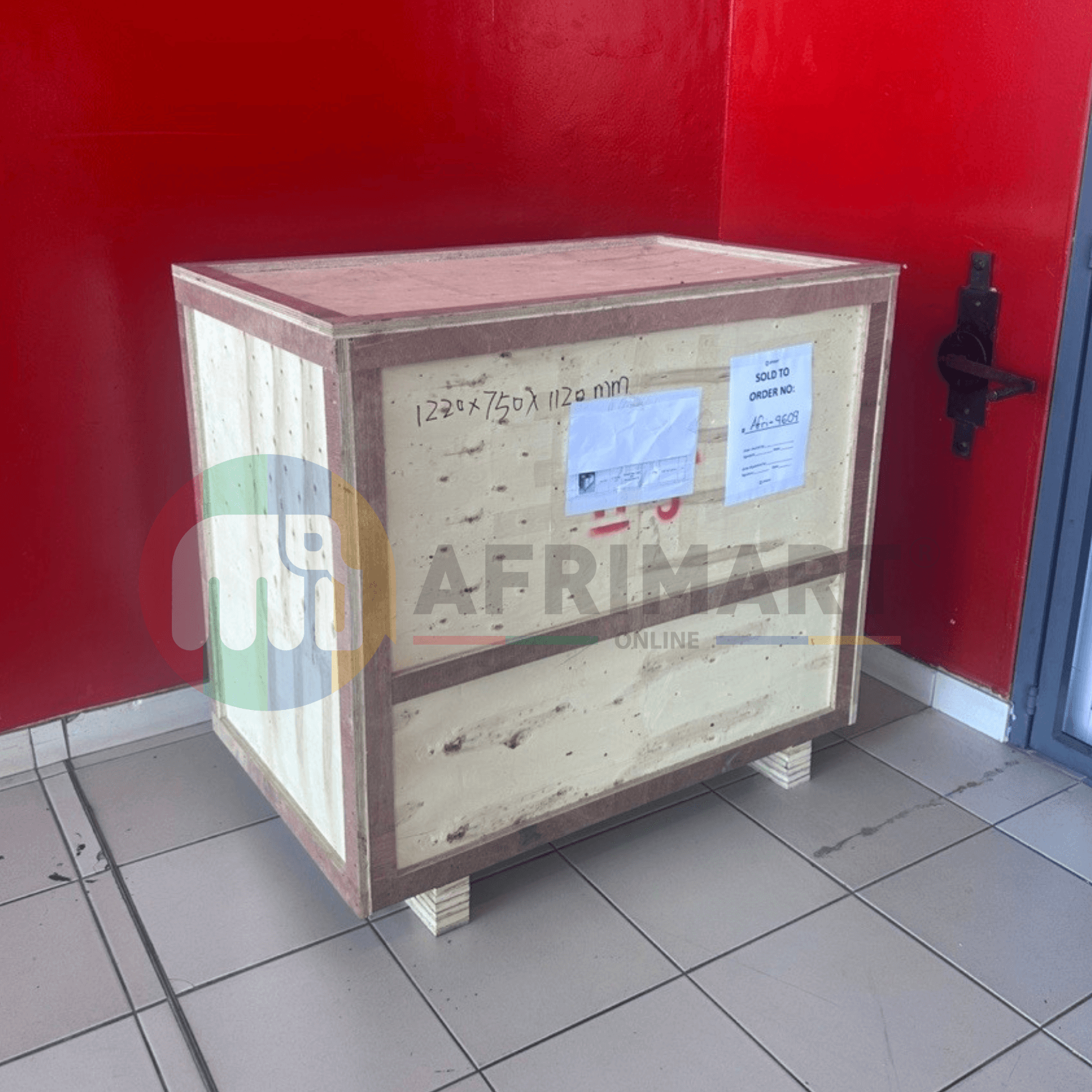
Meat Grinder Machine
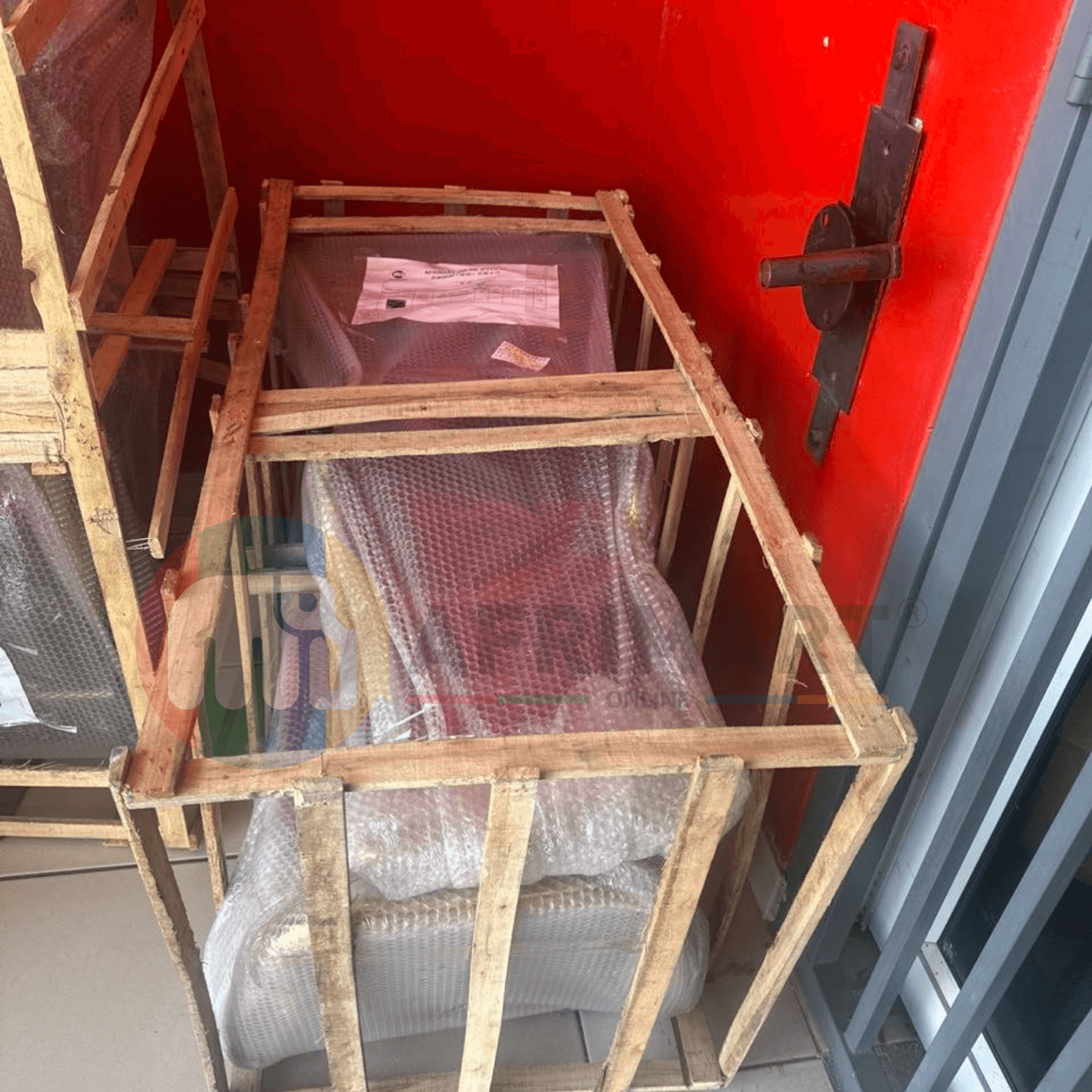
Water Pump Equipment
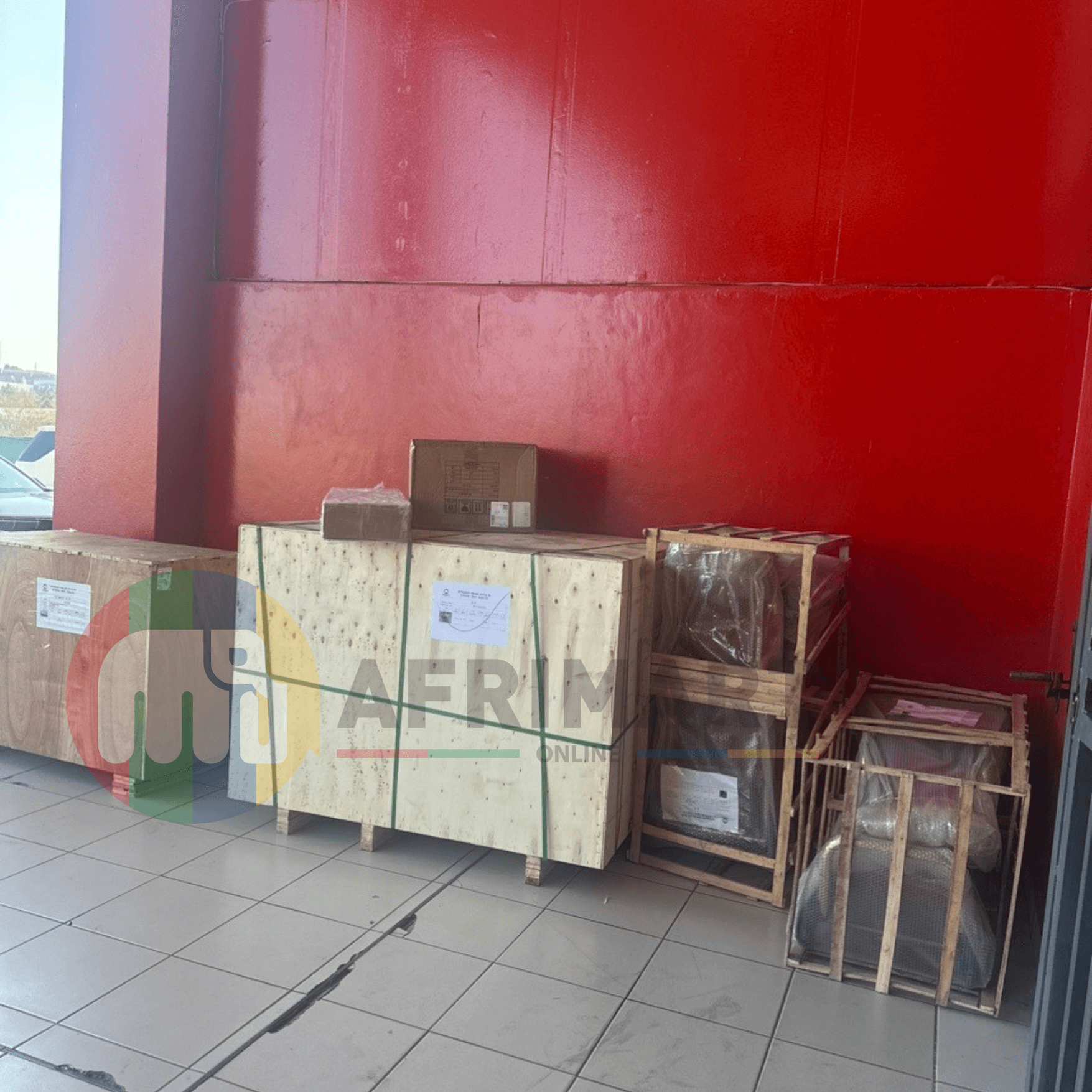
Packaging Machine and accessories
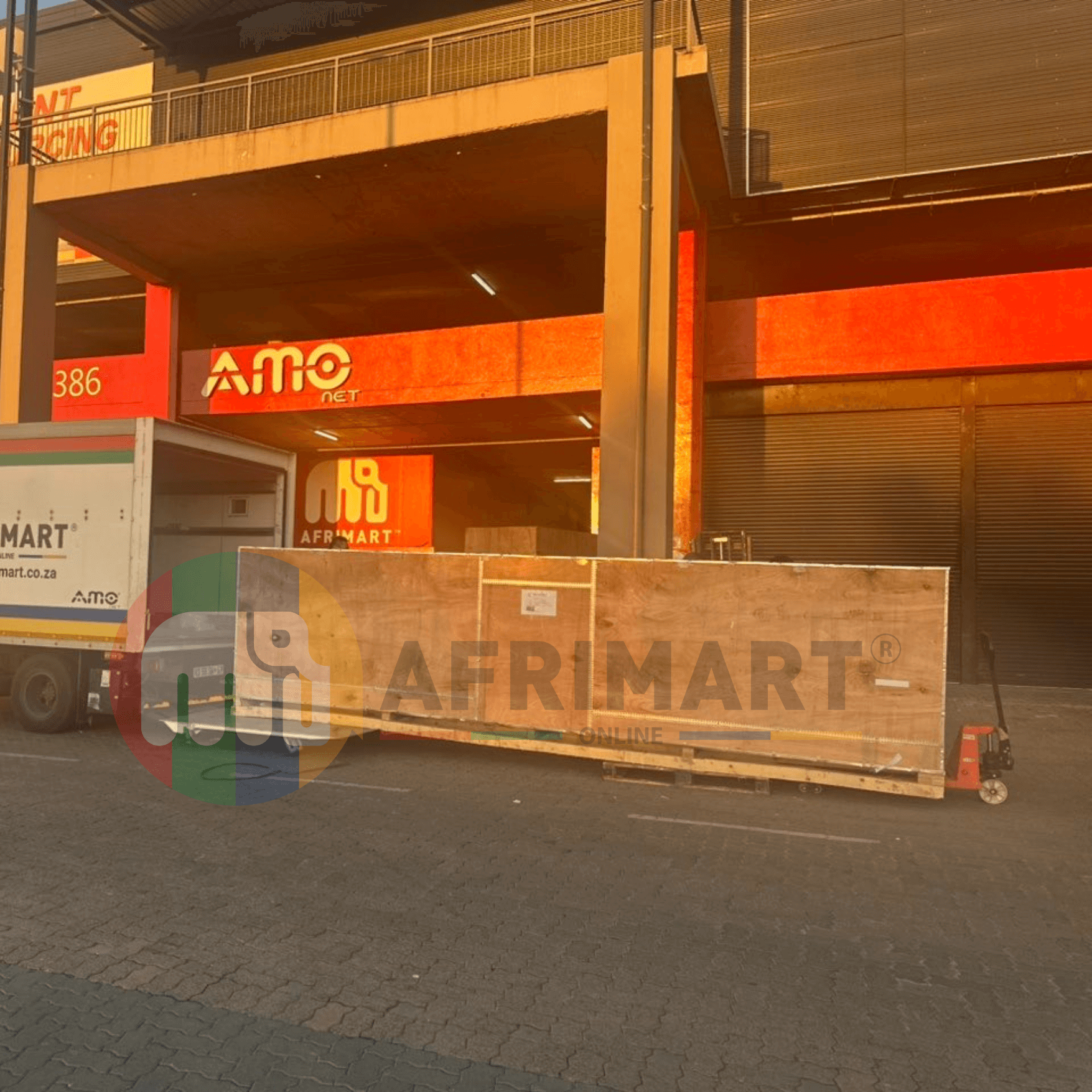
Fabrics Manufacturing Equipment
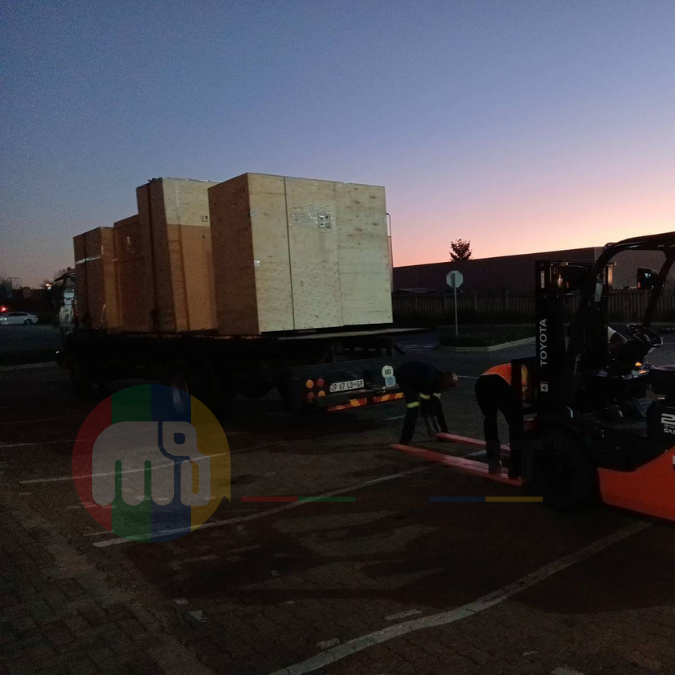
Mining Equipments
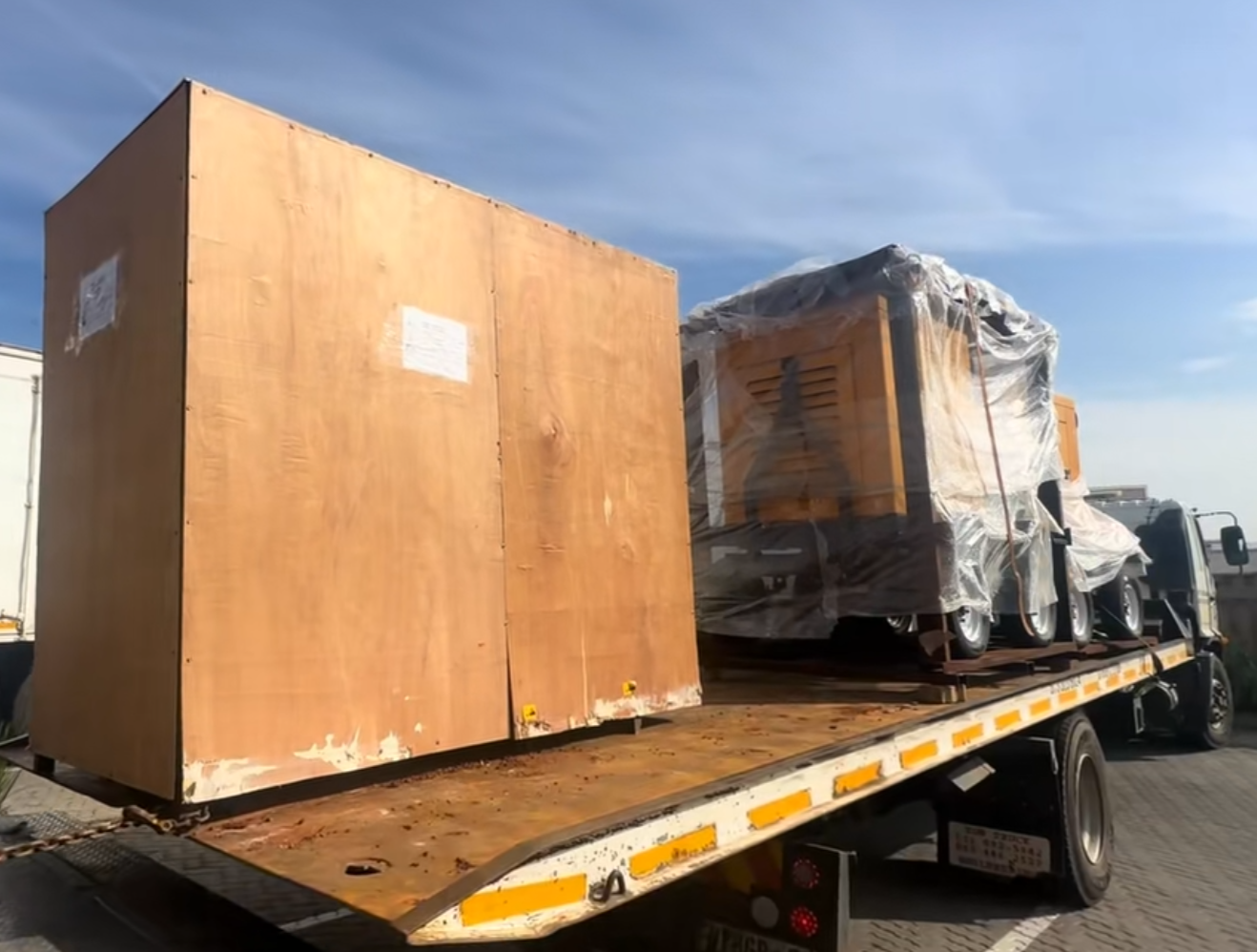
Food Processing Machine
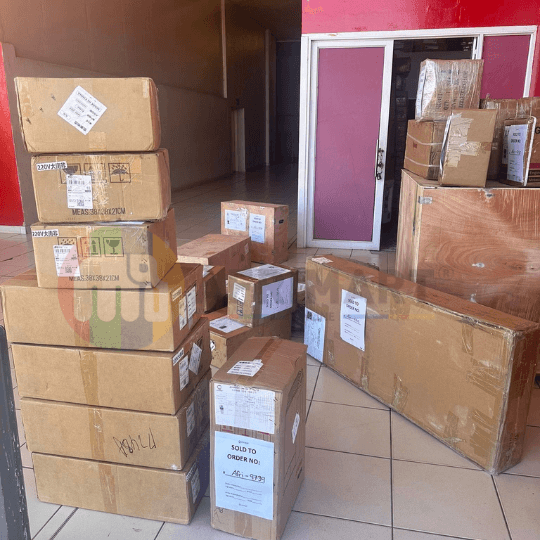
Batch of Orders
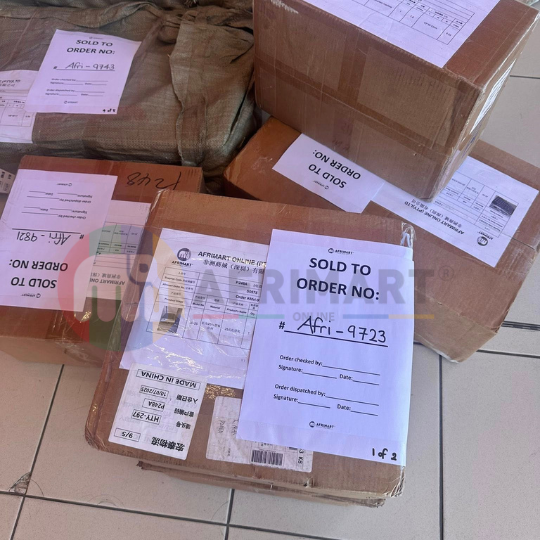
Batch of Orders
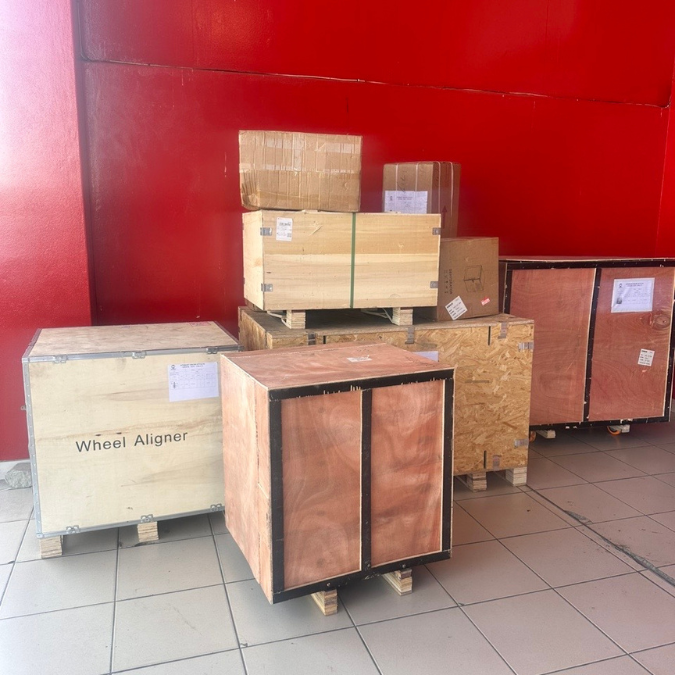
Latest Orders Labelled
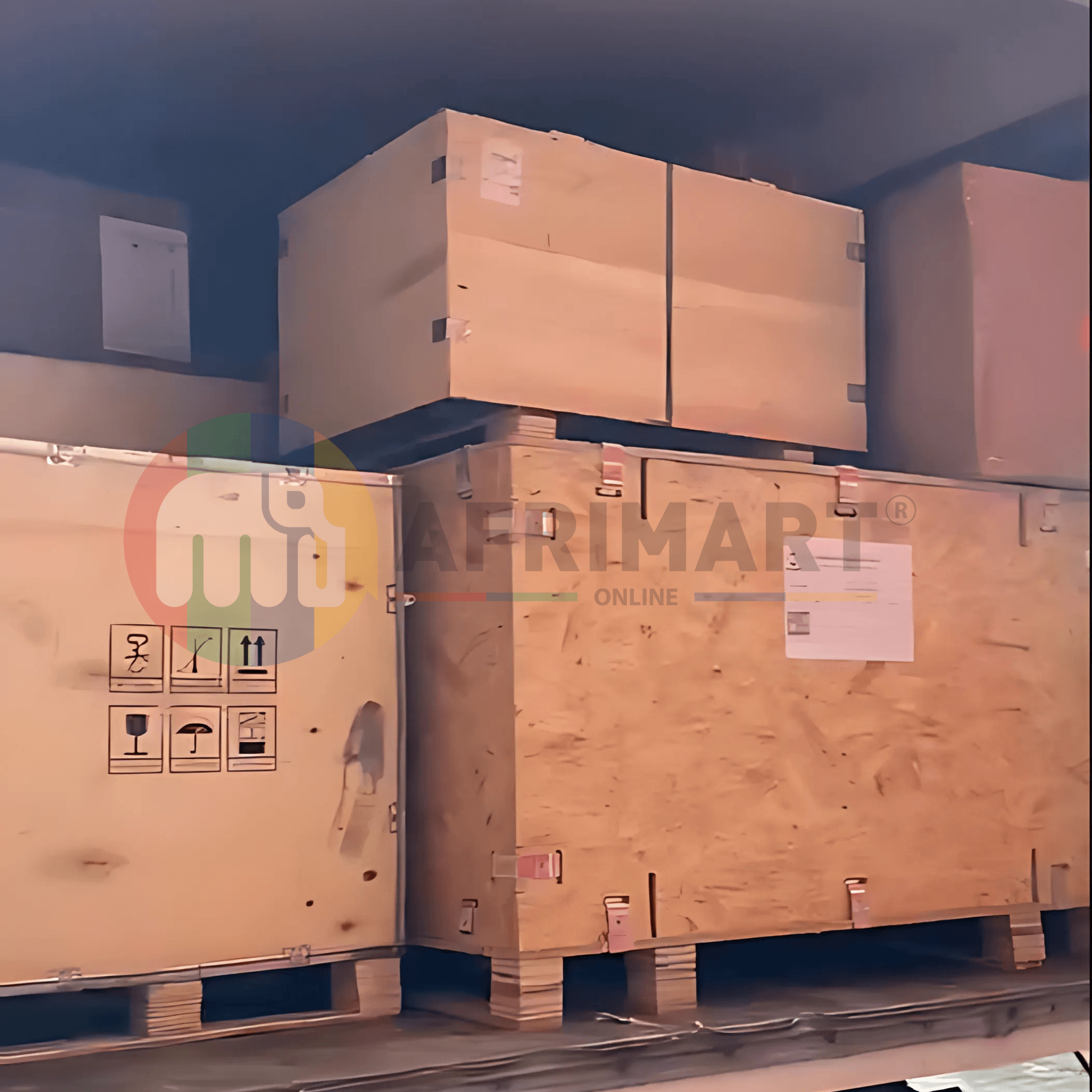
wheel alignment machines
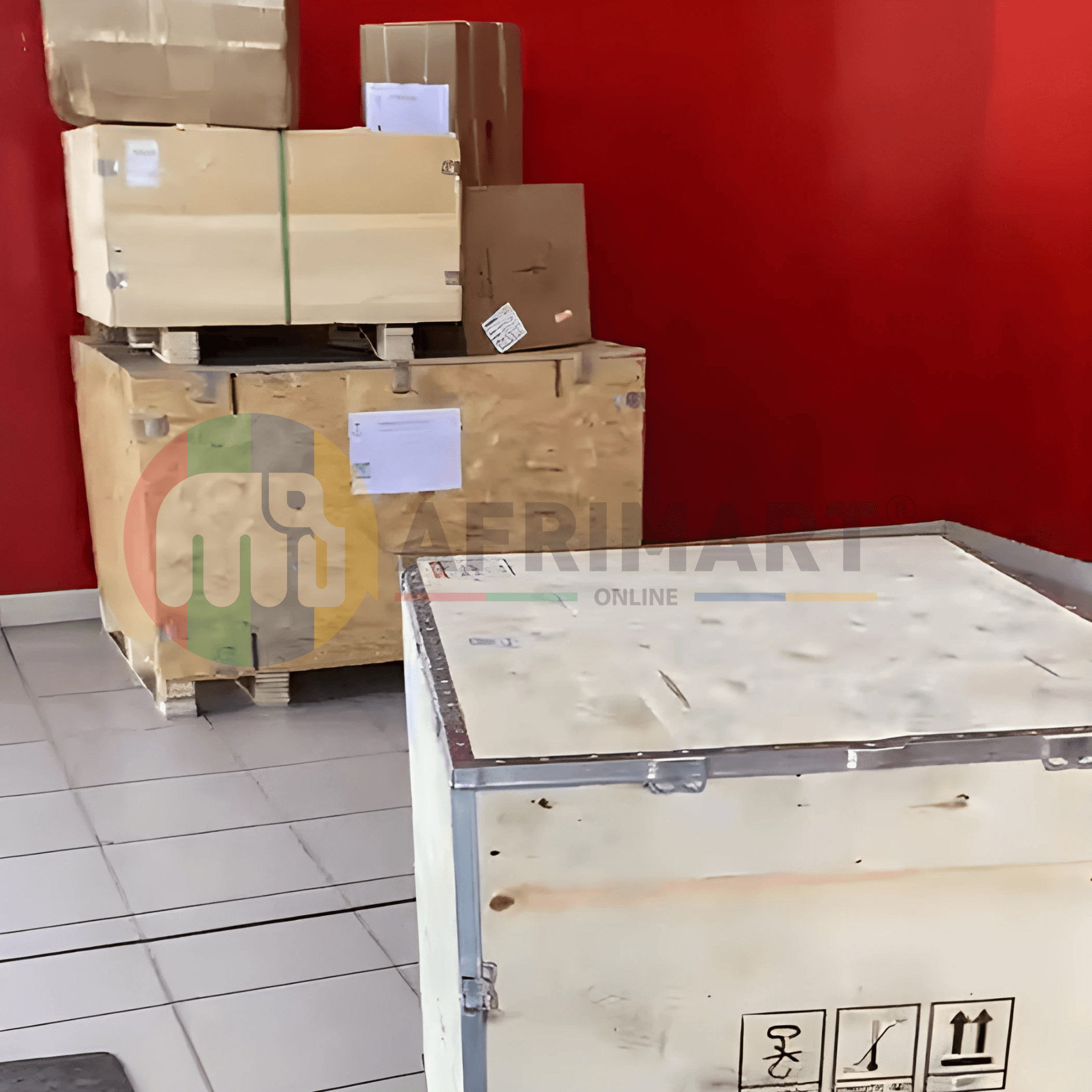
new arrivals
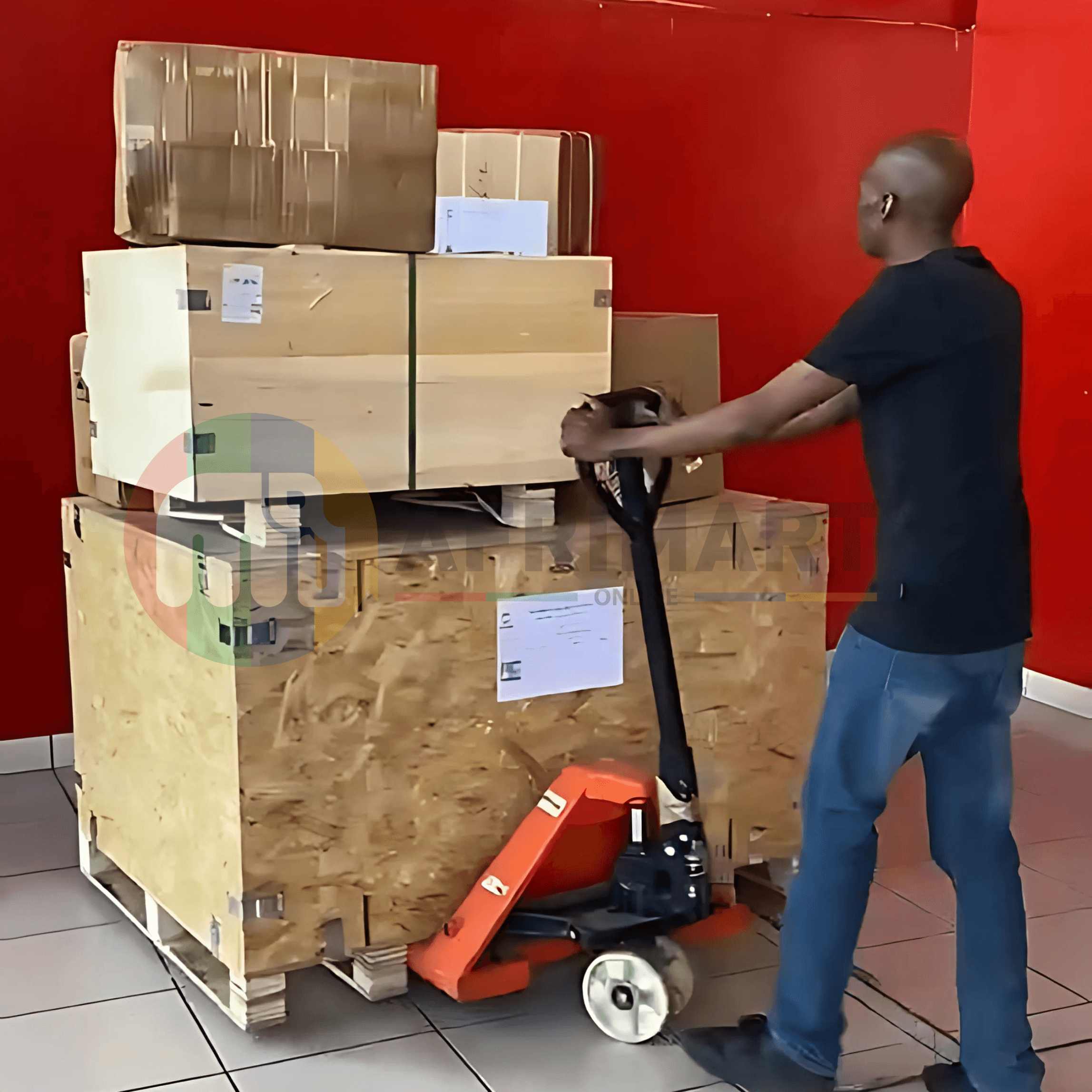
Pre Orders Offloading
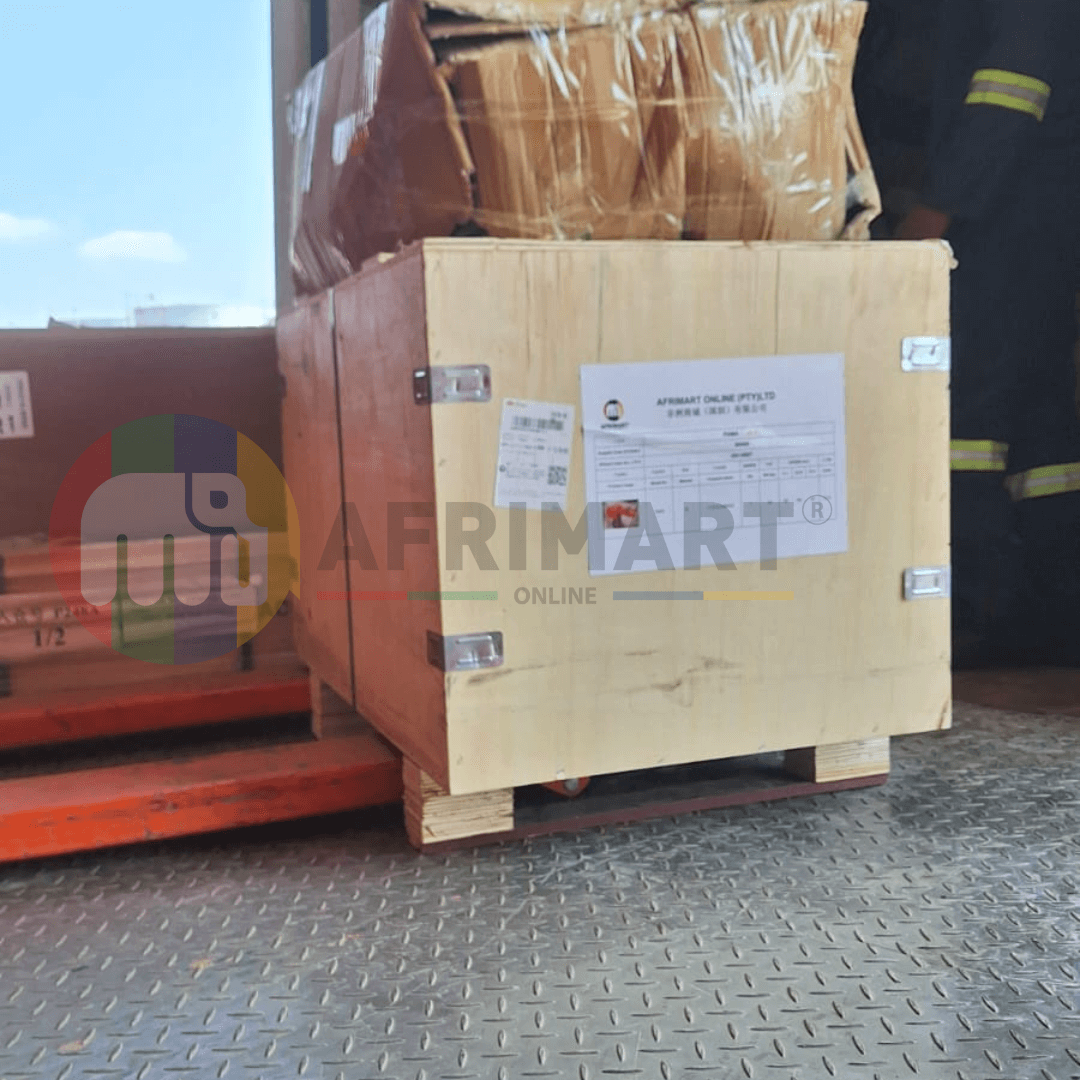
Latest Arrivals
Latest Arrivals
Latest Arrivals
26 January 2026
Toilet paper making machine
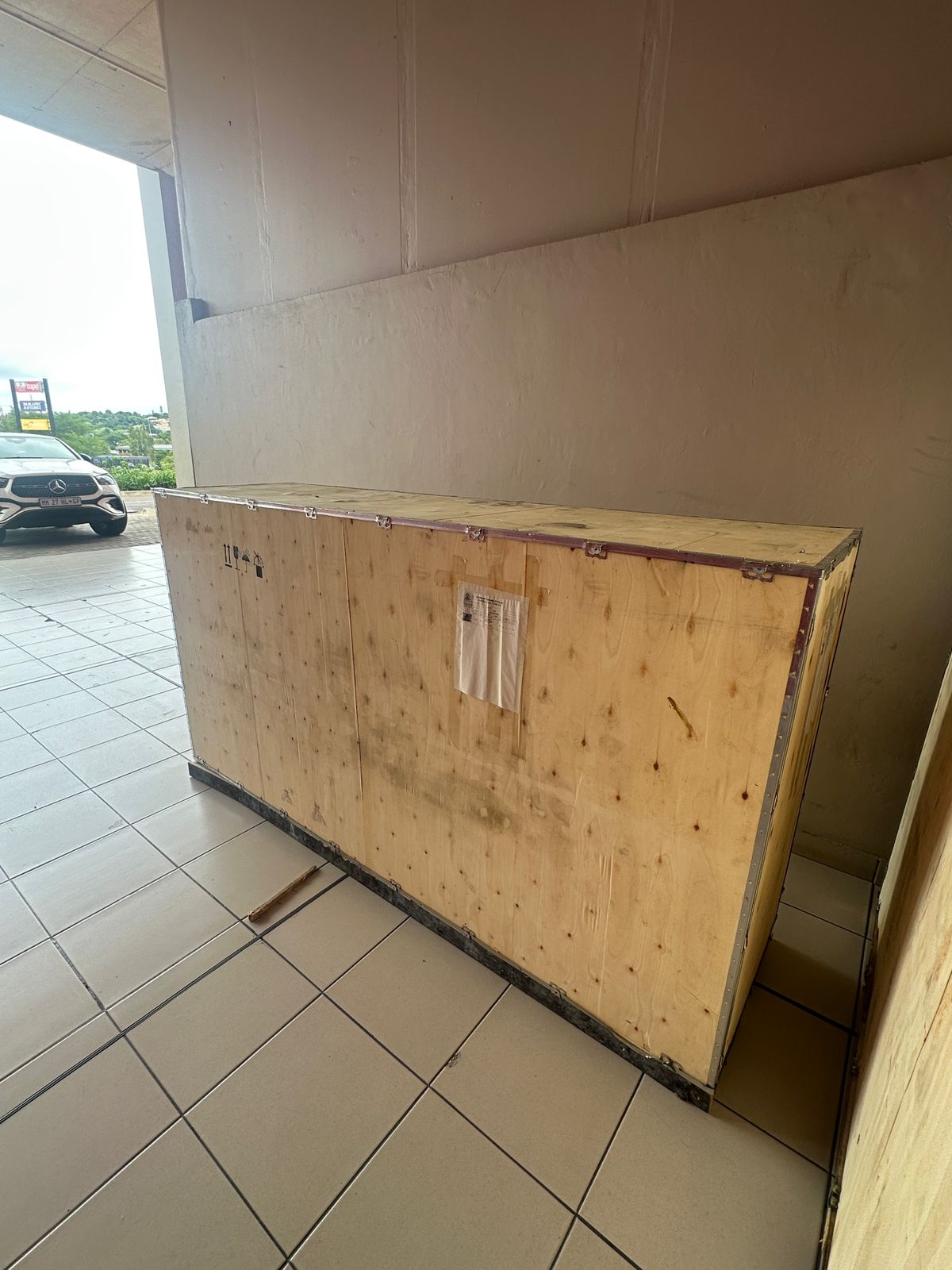
Toilet paper making machine
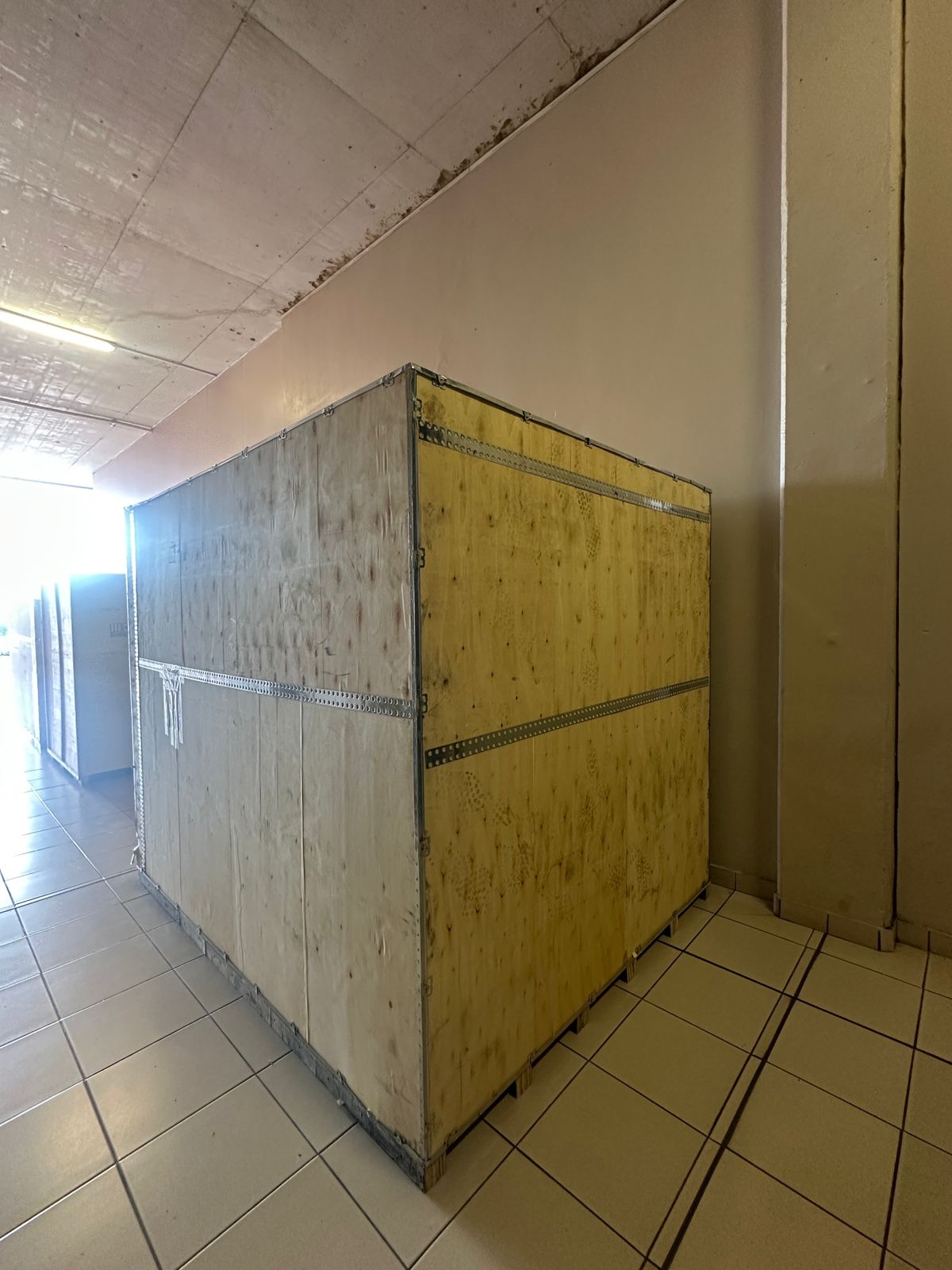
Toilet paper Rewinding Machine
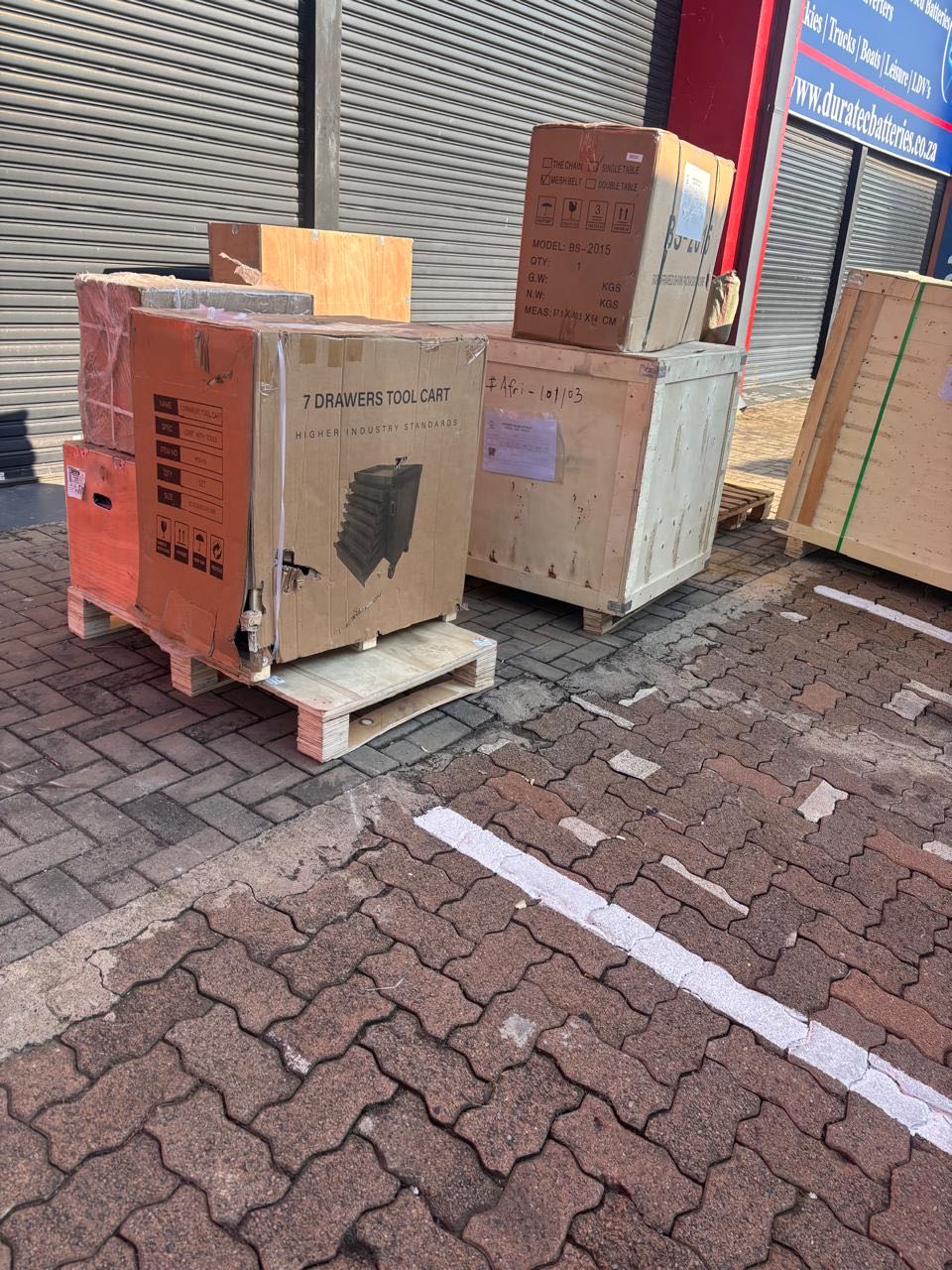
latest arrivals
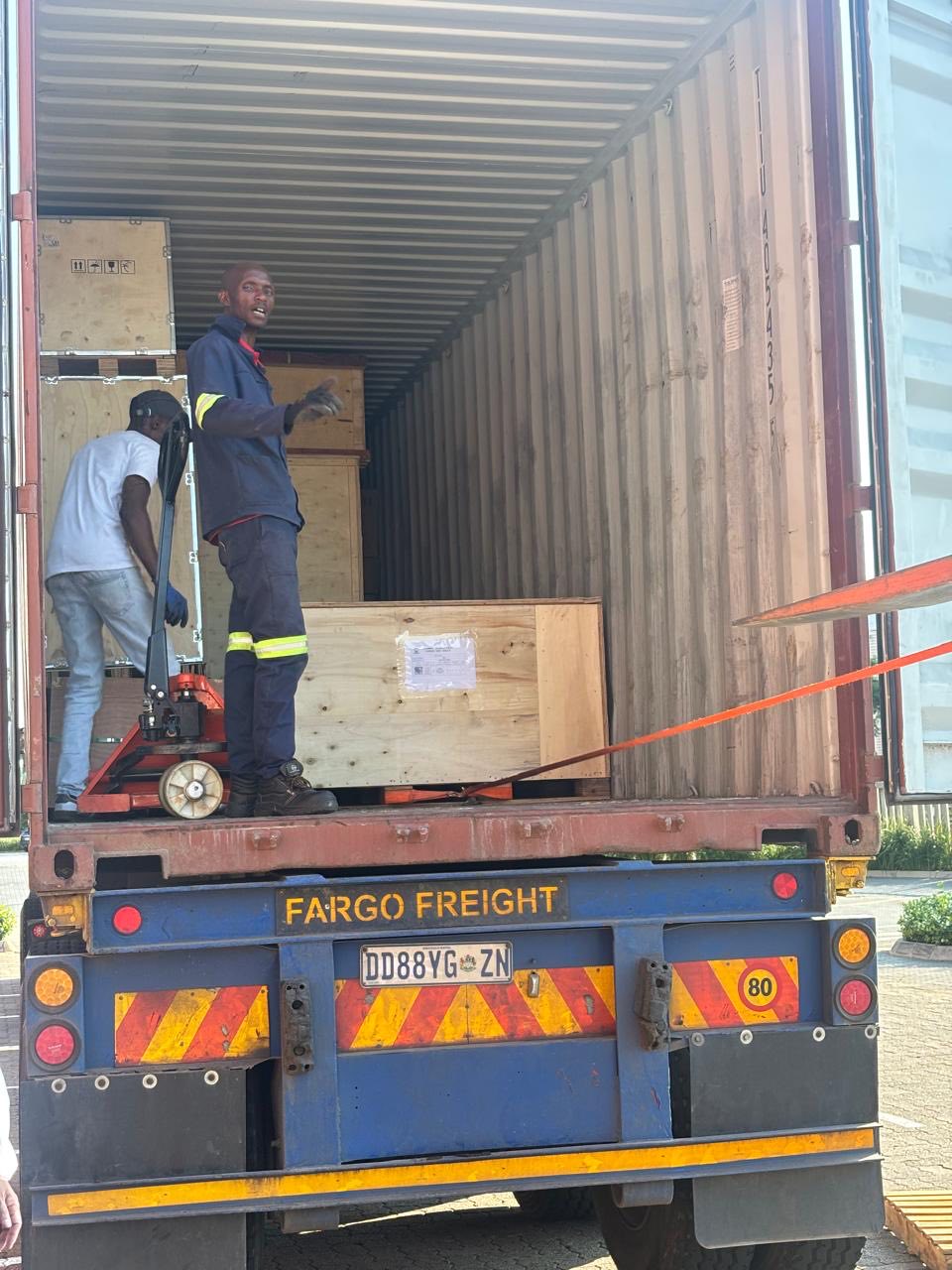
offloading
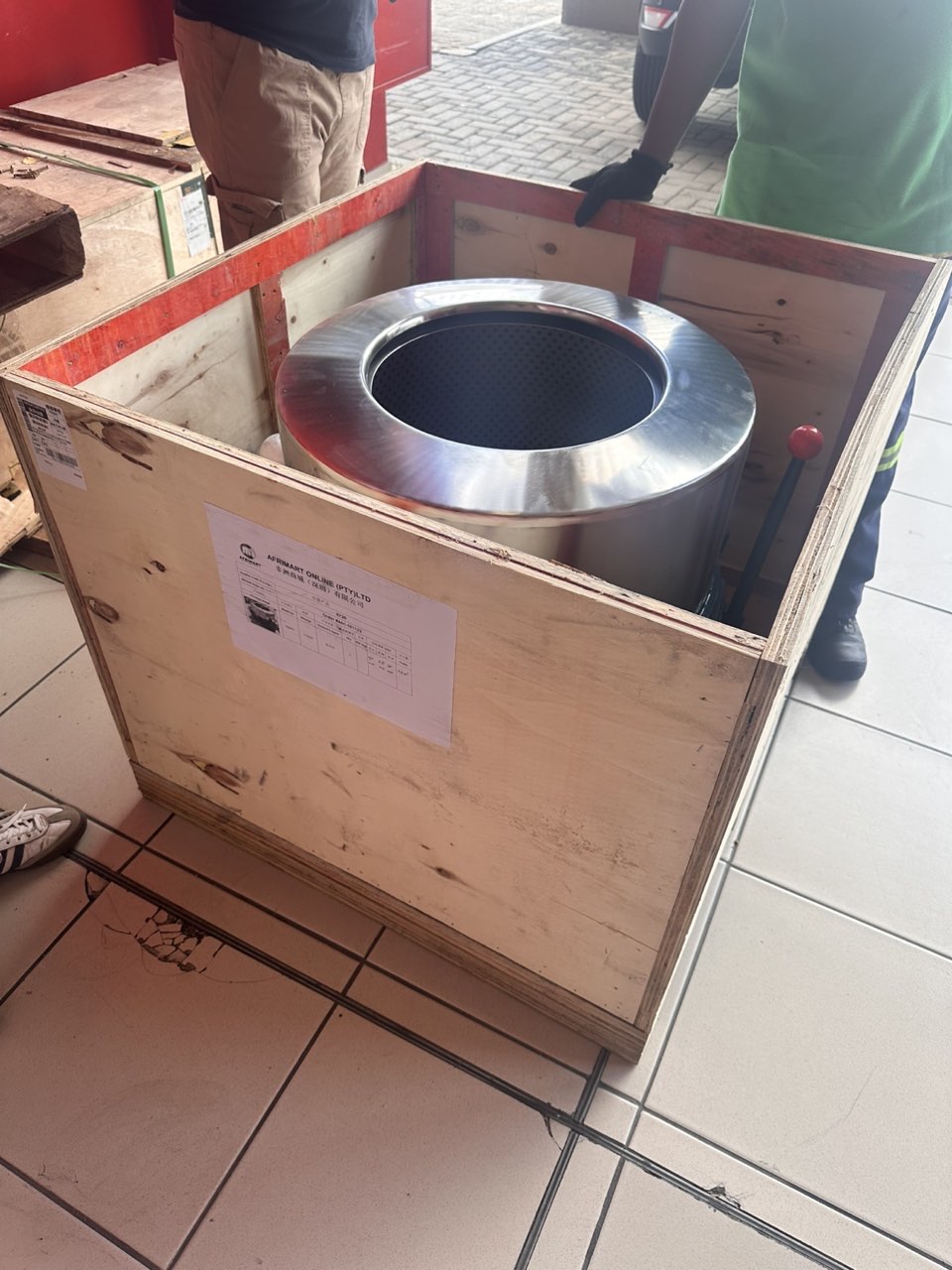
order success
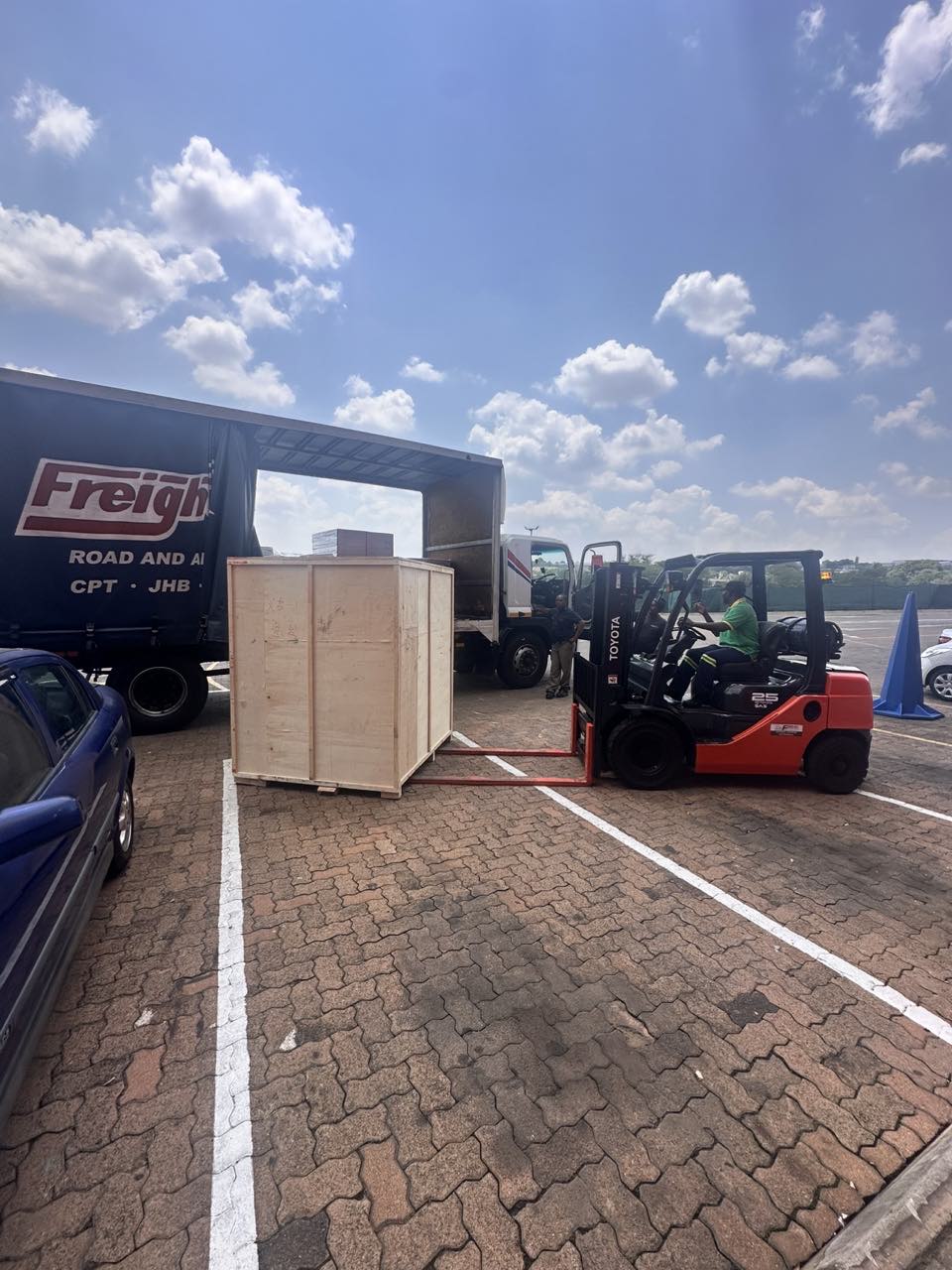
order collection
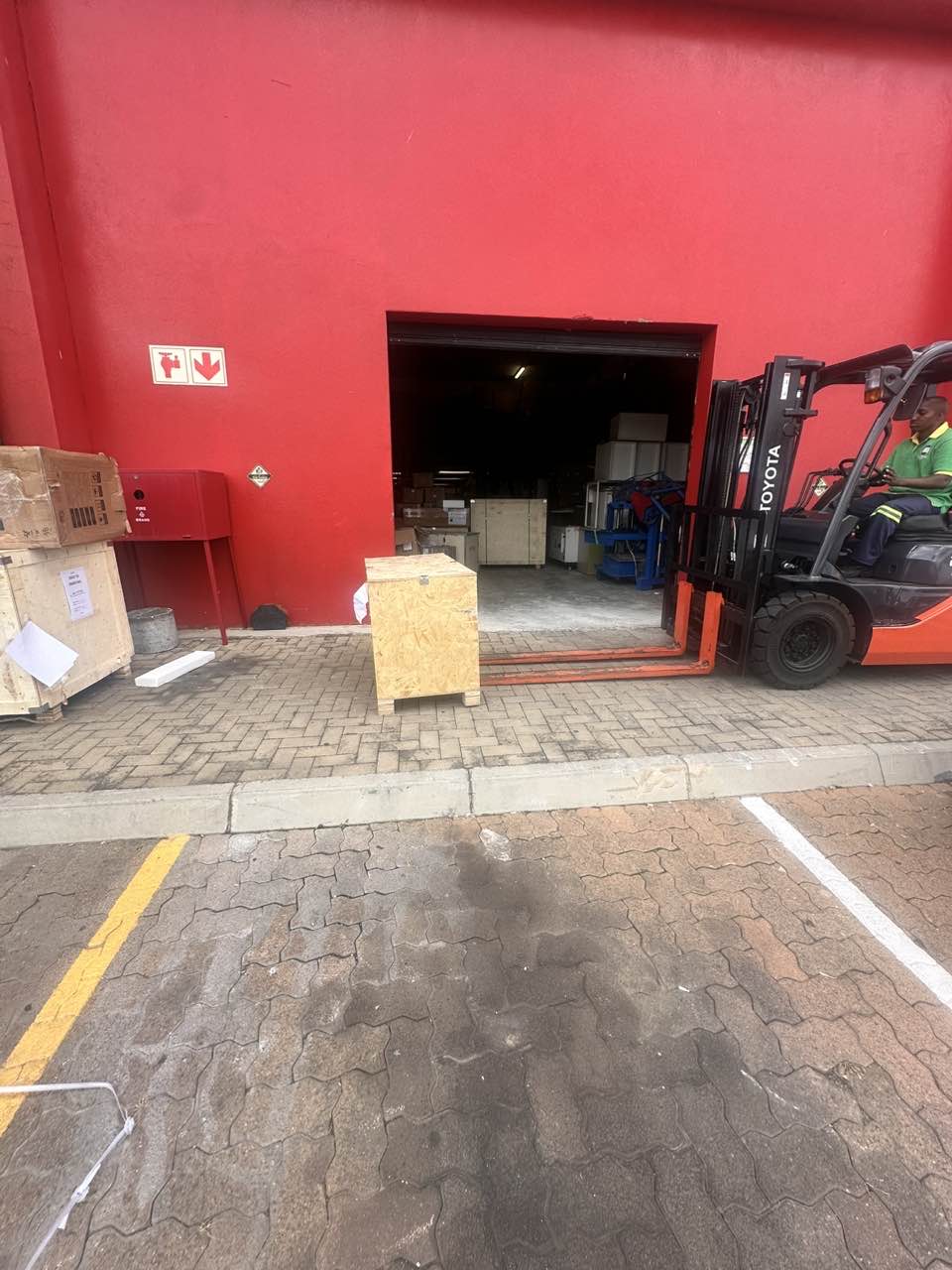
order offloading