B21, China Town Mall, Midrand

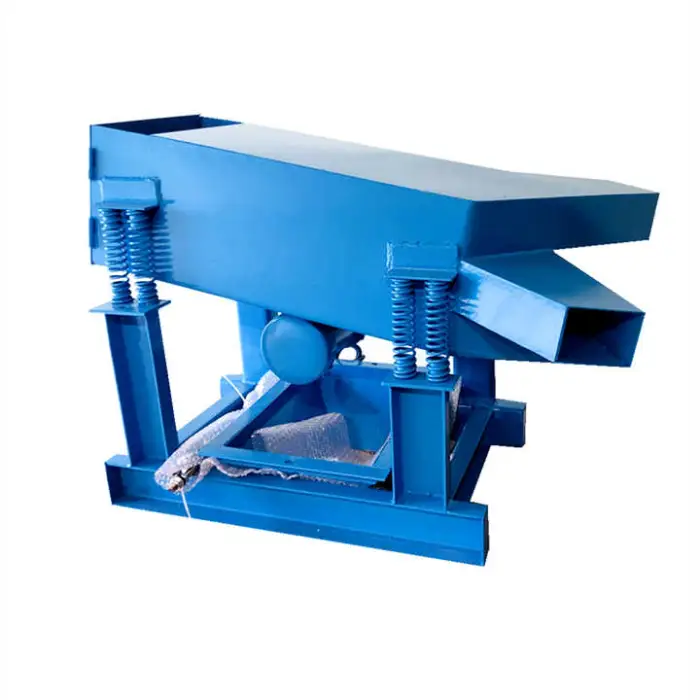
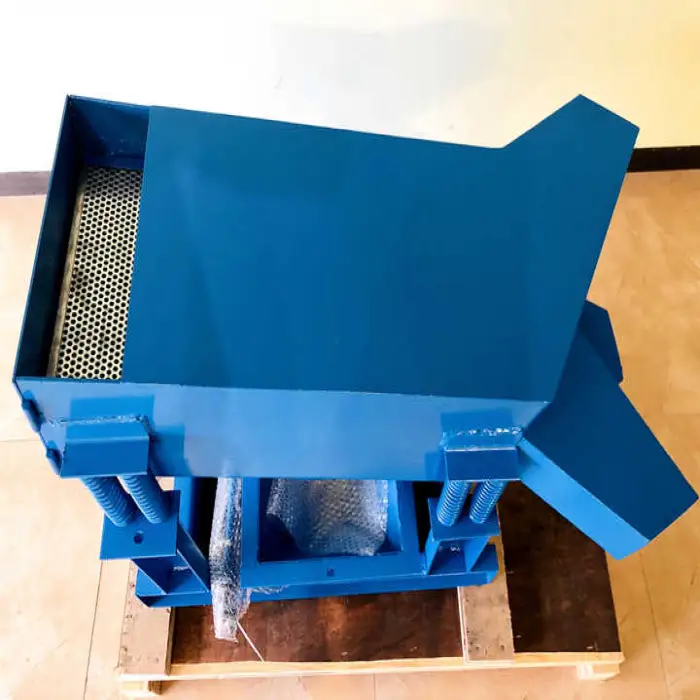
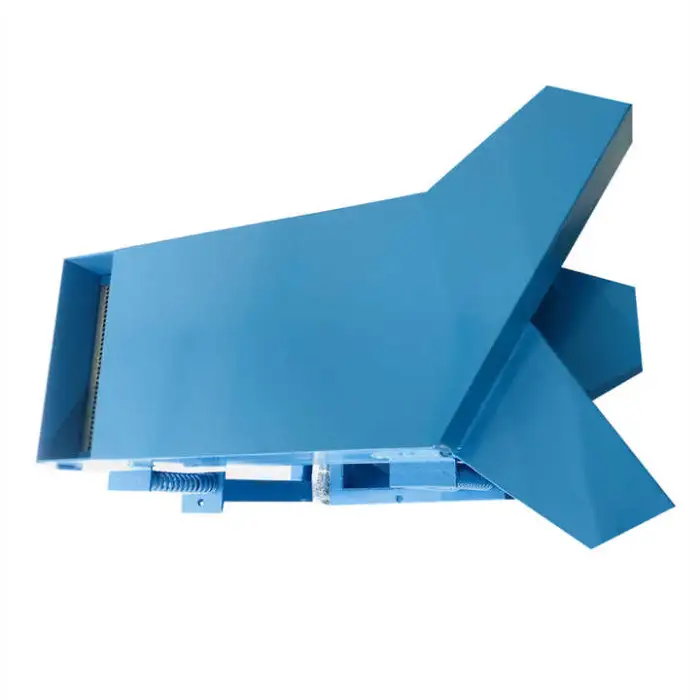
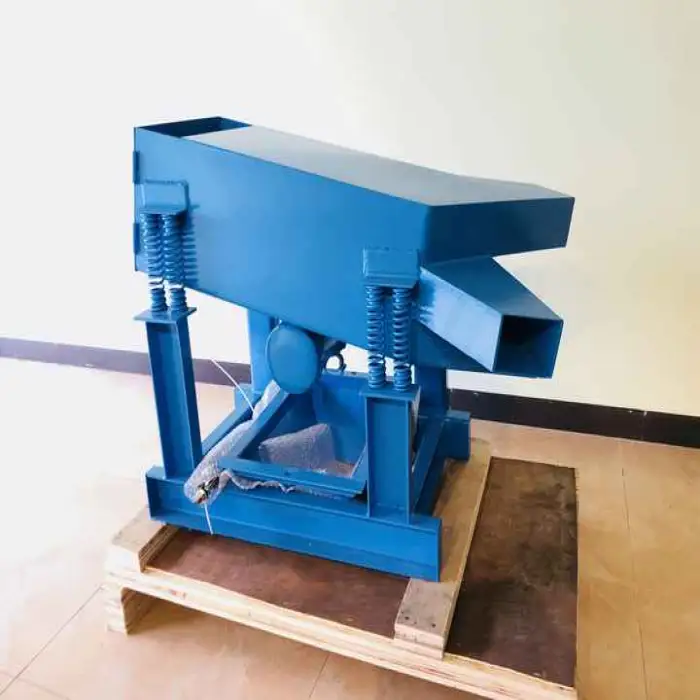
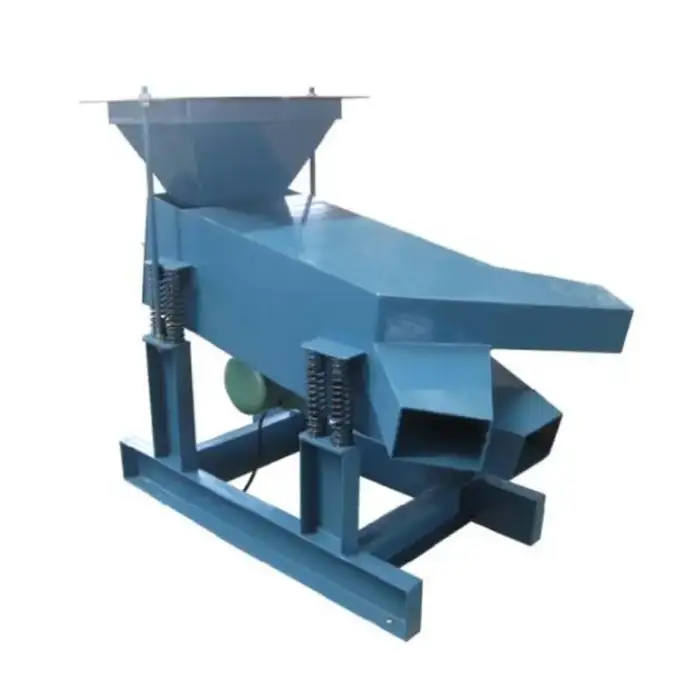
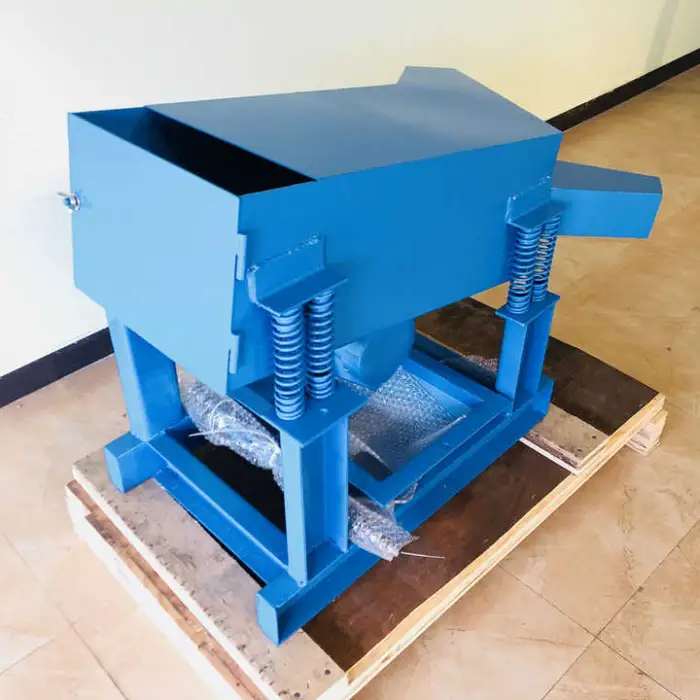
Laboratory Vibrating Screen with Double Layers Small Mineral Screening Machine

- Section : Machinery
- Category : Other Construction Machinery
- SKU : 1601354349015

Laboratory Vibrating Screen with Double Layers Small Mineral Screening Machine
The Laboratory Vibrating Screen with Double Layers is a high-quality small mineral screening machine designed for efficient ore separation. This machine is perfect for laboratories and small-scale operations. With its compact design and powerful features, it ensures reliable performance in mineral processing. It operates on 220V and is easy to use, making it an excellent choice for various screening tasks.
Specifications
| Attribute | Details |
|---|---|
| Type | Circular |
| Voltage | 220V |
| Core Components | Engine |
| Weight | 40 KG |
| Video Outgoing Inspection | Provided |
| Machinery Test Report | Not Available |
| Application | Ore |
| Brand Name | Aozhe |
| Dimension (L*W*H) | 170/66/79 cm |
| Selling Units | Single item |
Key Features
- Double-layer design for efficient screening.
- Compact size, easy to fit in small spaces.
- Reliable engine performance.
- Lightweight at only 40 KG.
- Easy to operate with 220V power supply.
Applications
- Ideal for mineral processing in laboratories.
- Used for ore separation tasks.
- Perfect for small-scale screening operations.
- Can be utilized in research and development projects.
- Suitable for educational purposes in geology or mining studies.
Product Info Gallery
- Shipping Timeframes: All orders are processed within 2-5 business days (excluding weekends and holidays). After your order has been processed, the estimated delivery time is before 14 Jul, 2026, depending on customs, Please note that due to high demand, some items may experience longer shipping times, which will be communicated at order confirmation email.
- Order Processing Time: Please allow 2-5 business days for us to process your order before it is shipped . Orders placed after 16:00 on Fridays, or during weekends and public holidays, will begin processing on the next business day. Processing times may be extended during peak seasons or sales events.
- Manufacturing Time: Some products needs manufacturing time, the manufacturing process will take approximately 10-30 business days depending on the product. This timeframe may vary depending on the complexity of the product and current demand. but this will be communicated with you during order confirmation.
- Returns and Exchanges: We offer a 30-day return policy for most items. If you are not completely satisfied with your purchase, you may return it within 30 days of receipt for a refund or exchange. Items must be unused, in their original packaging, and accompanied by proof of purchase. Return shipping costs are the responsibility of the customer, unless the item was damaged or defective upon arrival.
1. What is the Laboratory Vibrating Screen with Double Layers used for?
It's a small mineral screening machine for laboratories and small-scale operations, used for separating ore and mineral particles, R&D sampling, and educational demonstrations in geology or mining studies.
2. How many screening layers does this machine have?
It has a double-layer (two-layer) design, allowing two different mesh screens to be used simultaneously for multi-size separation.
3. What power supply does the machine require?
The unit operates on 220V. Verify local supply compatibility or use an appropriate transformer/adapter if your local mains differ.
4. What are the machine's dimensions and weight?
Dimensions are 170 x 66 x 79 cm (L x W x H) and the machine weighs 40 kg.
5. Which materials can be screened with this machine?
It is designed for ores and mineral samples commonly encountered in laboratory and small-scale mineral processing. For unusual or highly abrasive materials, consult the manufacturer.
6. What mesh sizes can I use on the double layers?
Specific supported mesh sizes are not listed in the product spec. The machine accepts laboratory-type screening meshes; contact the supplier with your desired particle size range to confirm compatibility.
7. Is the machine portable and easy to fit in small spaces?
Yes. Its compact design and 40 kg weight make it relatively easy to move and fit into small labs, though assistance may be needed for handling given the dimensions.
8. Is there an inspection report or video provided with the machine?
A video outgoing inspection is provided. A formal machinery test report is listed as not available—ask the seller if additional documentation can be supplied.
9. How do I clean and maintain the vibrating screen?
General maintenance includes: switch off and unplug before servicing, remove and clean mesh screens with soft brush or compressed air, avoid harsh chemicals unless specified, periodically check and tighten fasteners, and follow any lubrication and motor-care instructions in the user manual.
10. How do I change the screening meshes?
Power off and isolate the machine, remove the retaining clamps or fasteners securing the mesh, replace with the correct-size mesh, resecure the clamps evenly, and perform a test run to confirm proper operation. Refer to the user manual for step-by-step instructions.
11. What is the screening capacity or throughput?
Throughput is not specified in the available specs and depends on factors such as material type, mesh size, feed rate and sample preparation. Contact the manufacturer or supplier with details about your material and desired rates for an estimate.
12. How loud is the machine and does it produce strong vibration?
Vibrating screens generate vibration and operational noise typical for this equipment class. Exact decibel and vibration amplitude figures are not provided—use on a sturdy, well-supported bench and consider vibration isolation pads if noise or transmission is a concern.
13. What safety precautions should I follow when using this machine?
Basic precautions: ensure the machine is properly grounded and connected to the correct voltage, keep hands and loose clothing away from moving parts, power off before maintenance or mesh changes, secure the unit on a stable surface, and follow your lab's standard PPE requirements.
14. Are spare parts and warranty available for this product?
Spare parts and warranty details are not specified in the product listing. Contact the brand (Aozhe) or your supplier to confirm availability of replacement meshes, motors, and warranty terms.
15. How do I order, and what are the shipping and packaging details?
The product is sold as a single item. For ordering, shipping costs, packaging, lead time and any export or voltage adjustments, contact the supplier or distributor directly to obtain quotes and arrange delivery.
Latest Order Arrivals
Discover our latest orders
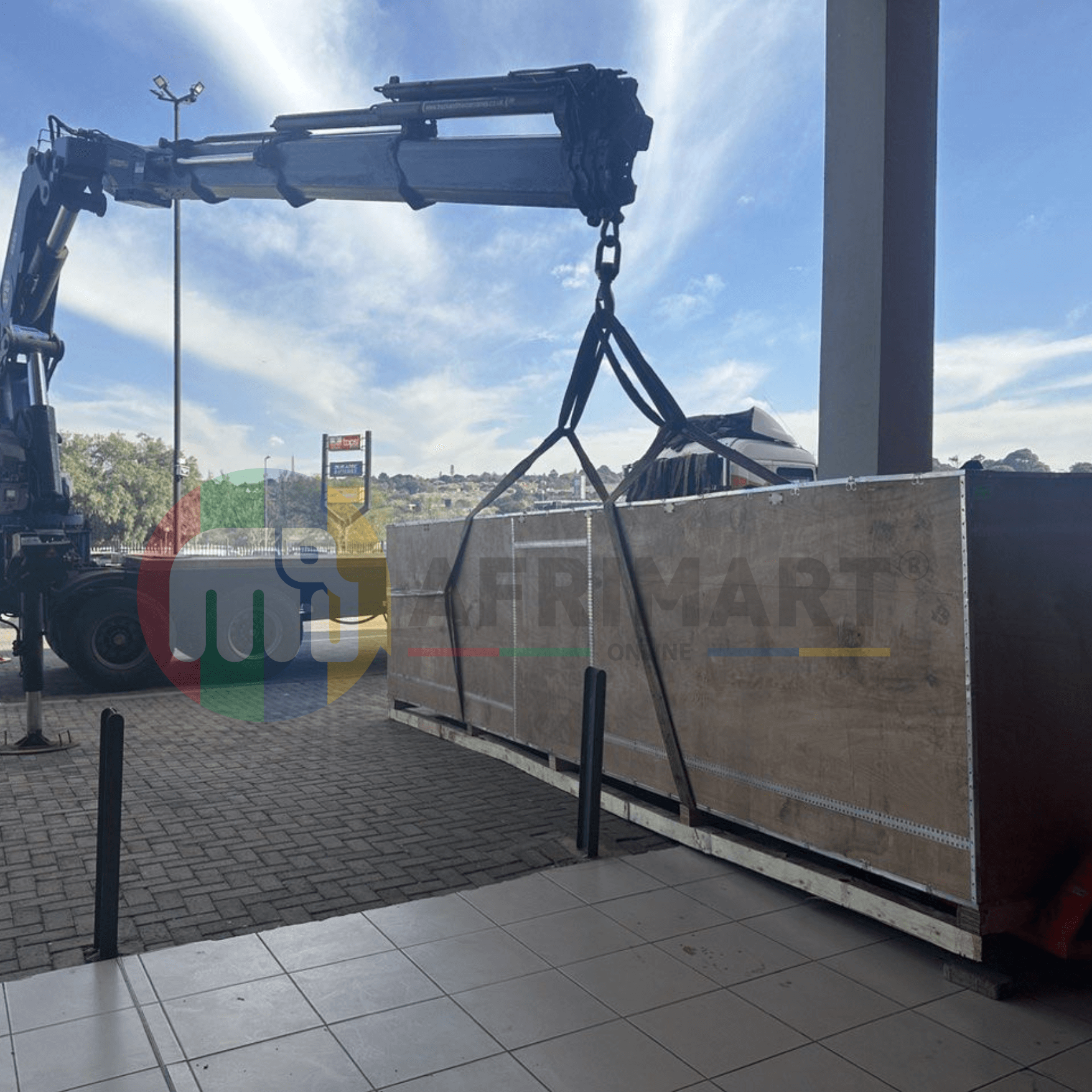
12 Heads Embroidery Machine
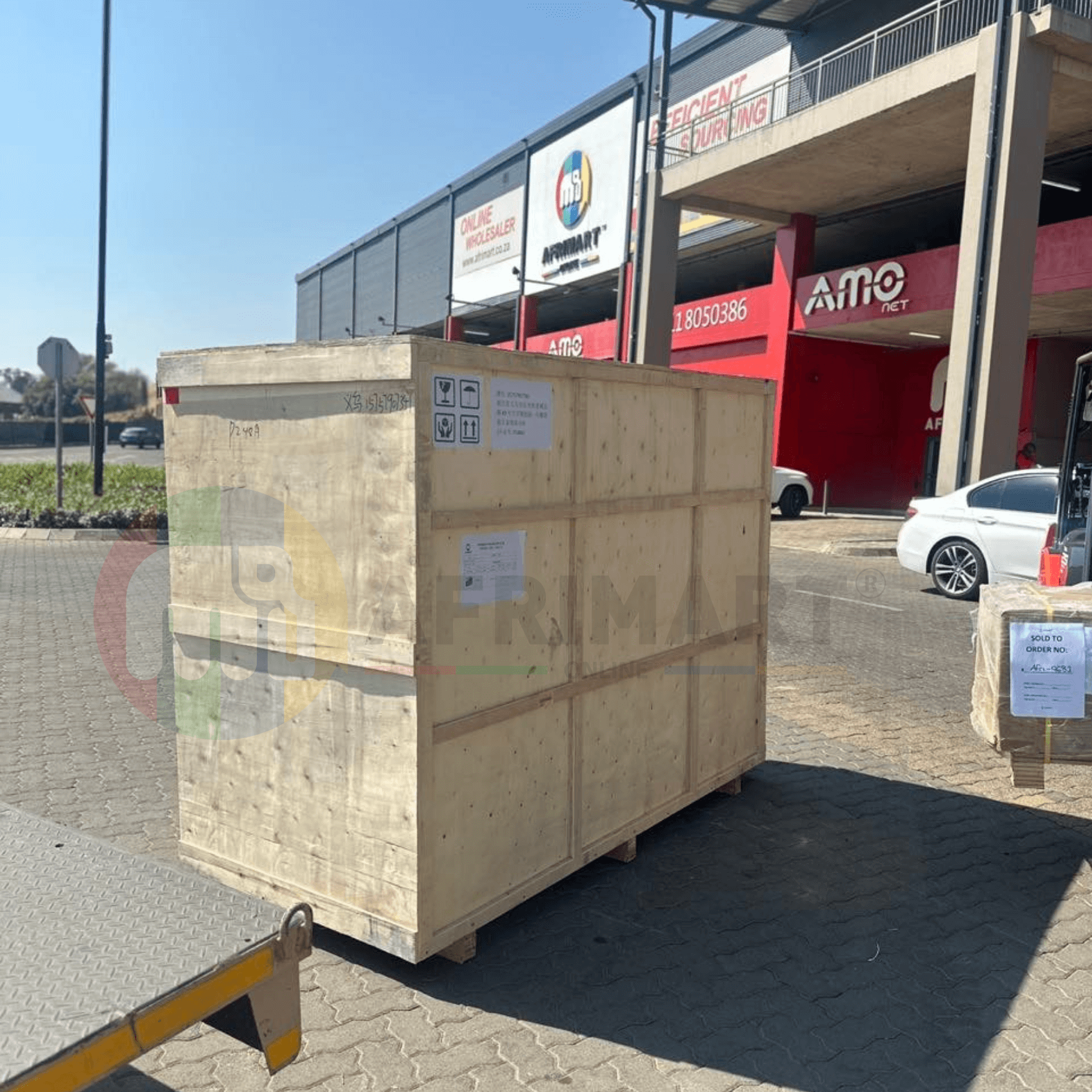
Dewatering Pump Machine
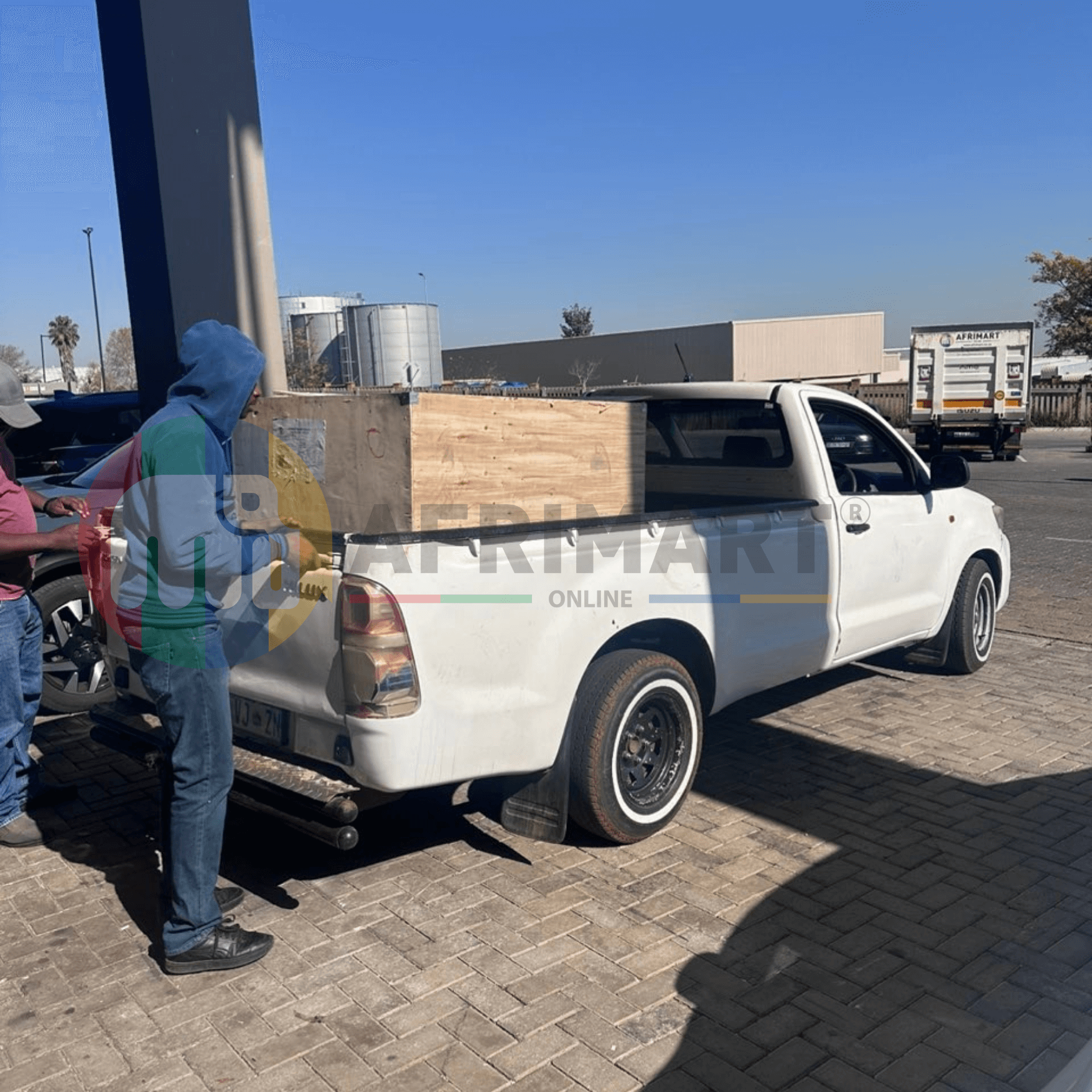
Order Collection
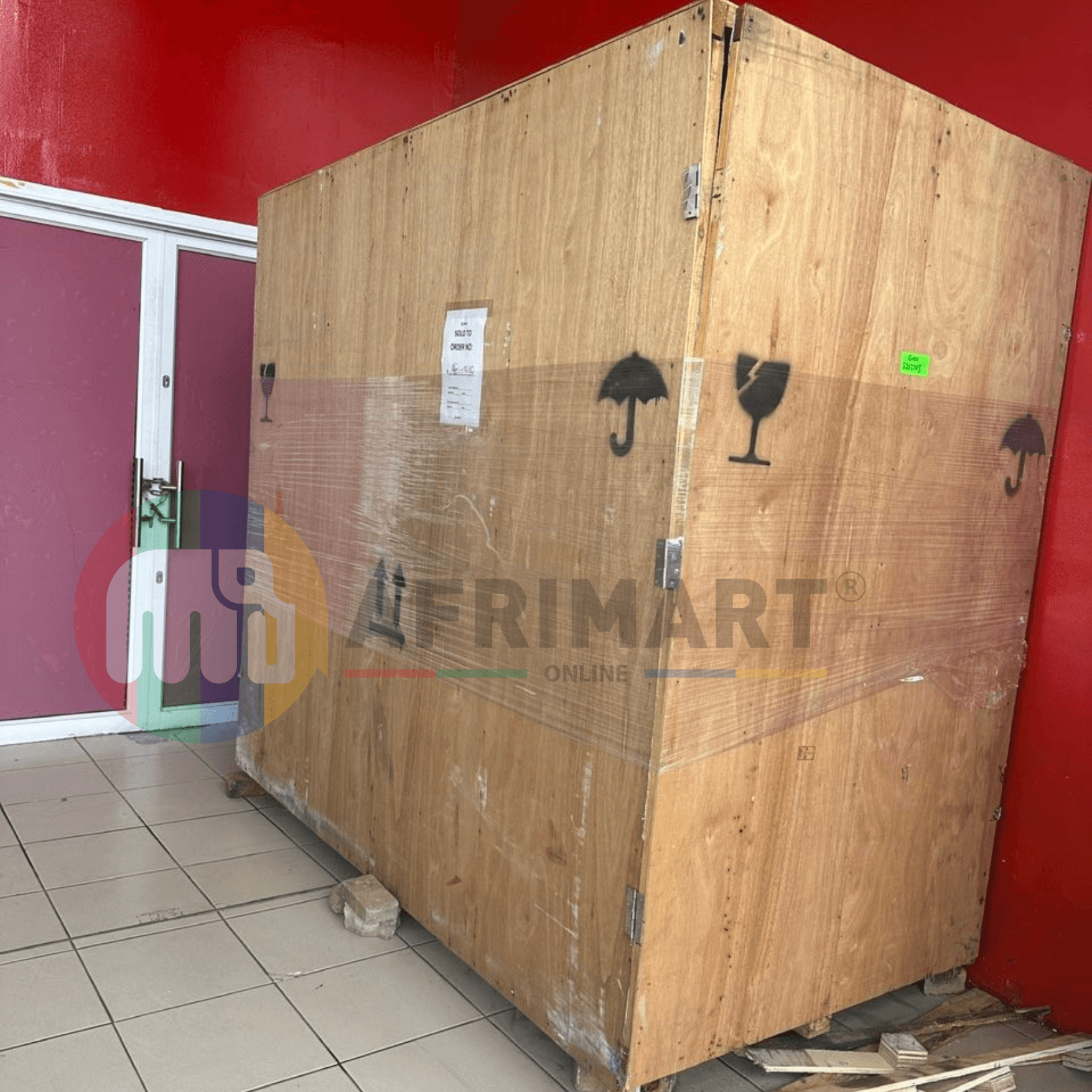
Portable Water Drilling Rig
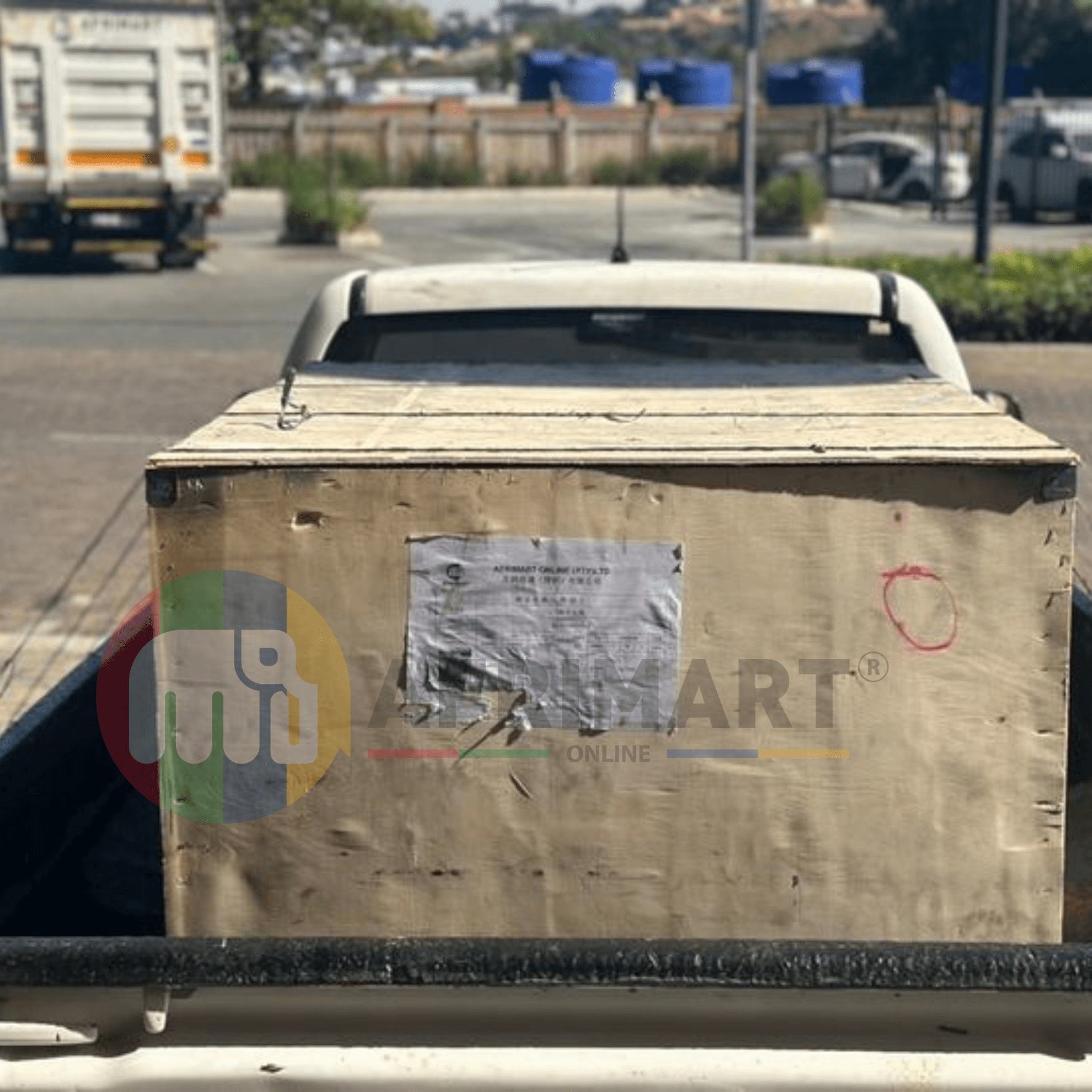
Order Usefully Collected
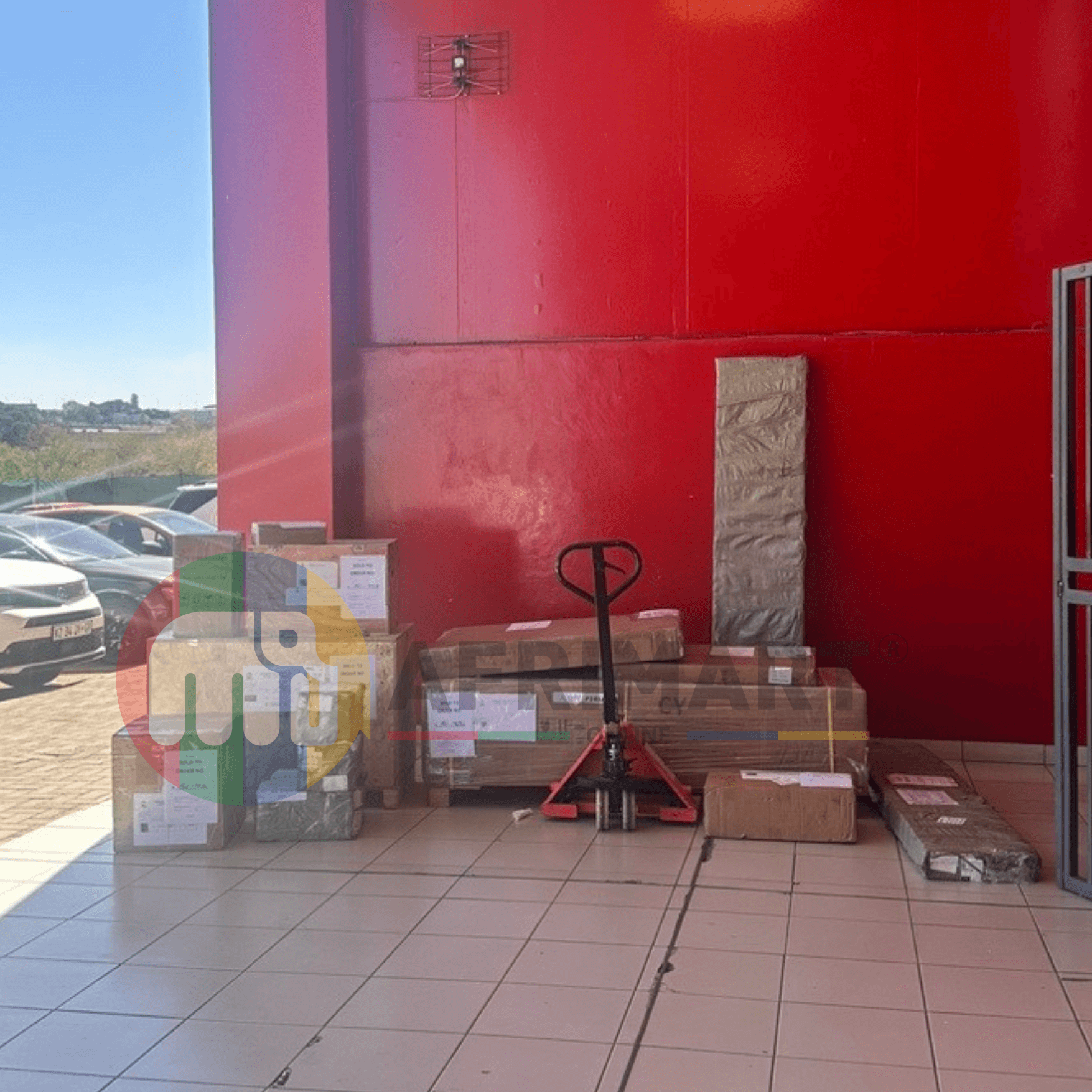
Batch of Orders
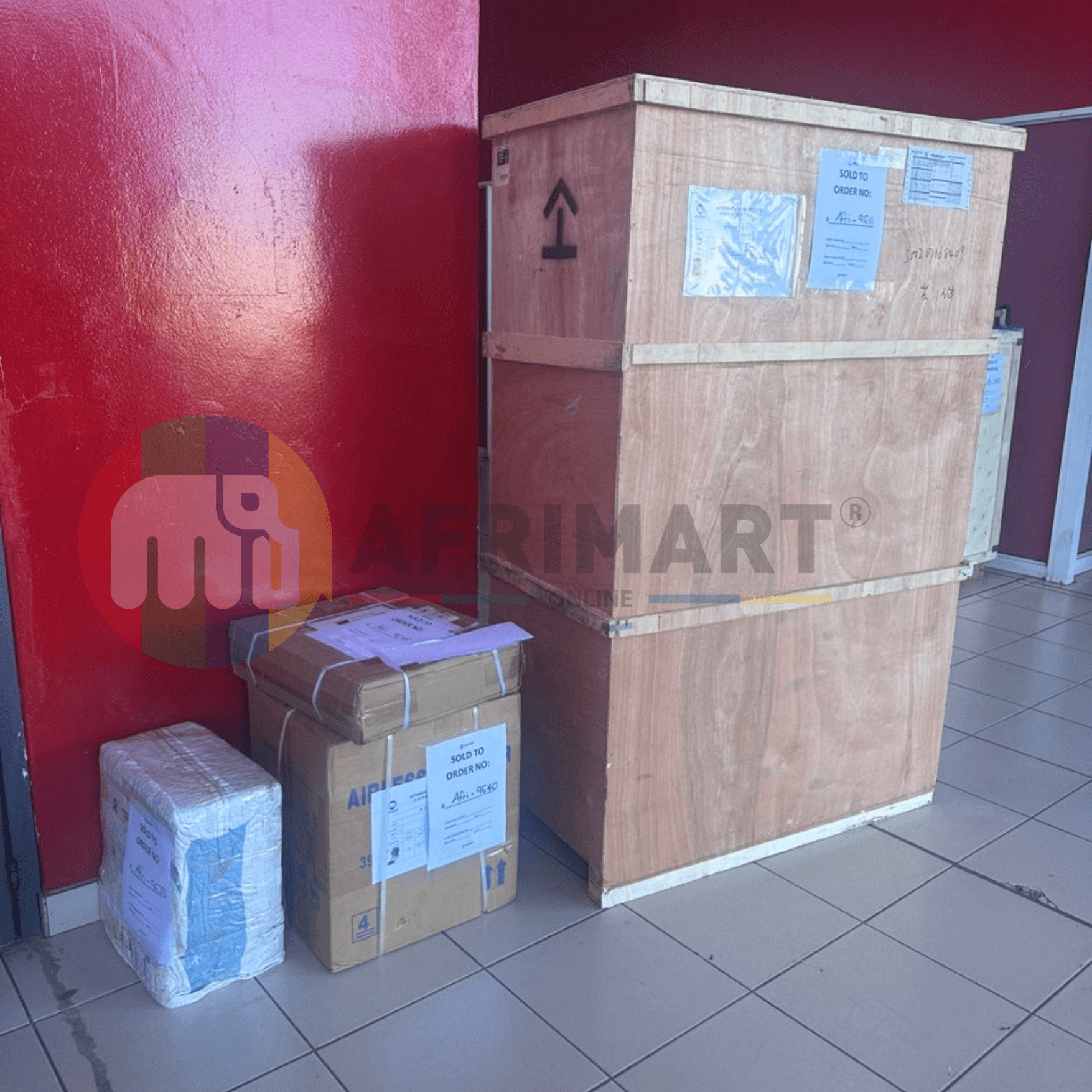
Agriculture Processing Machines
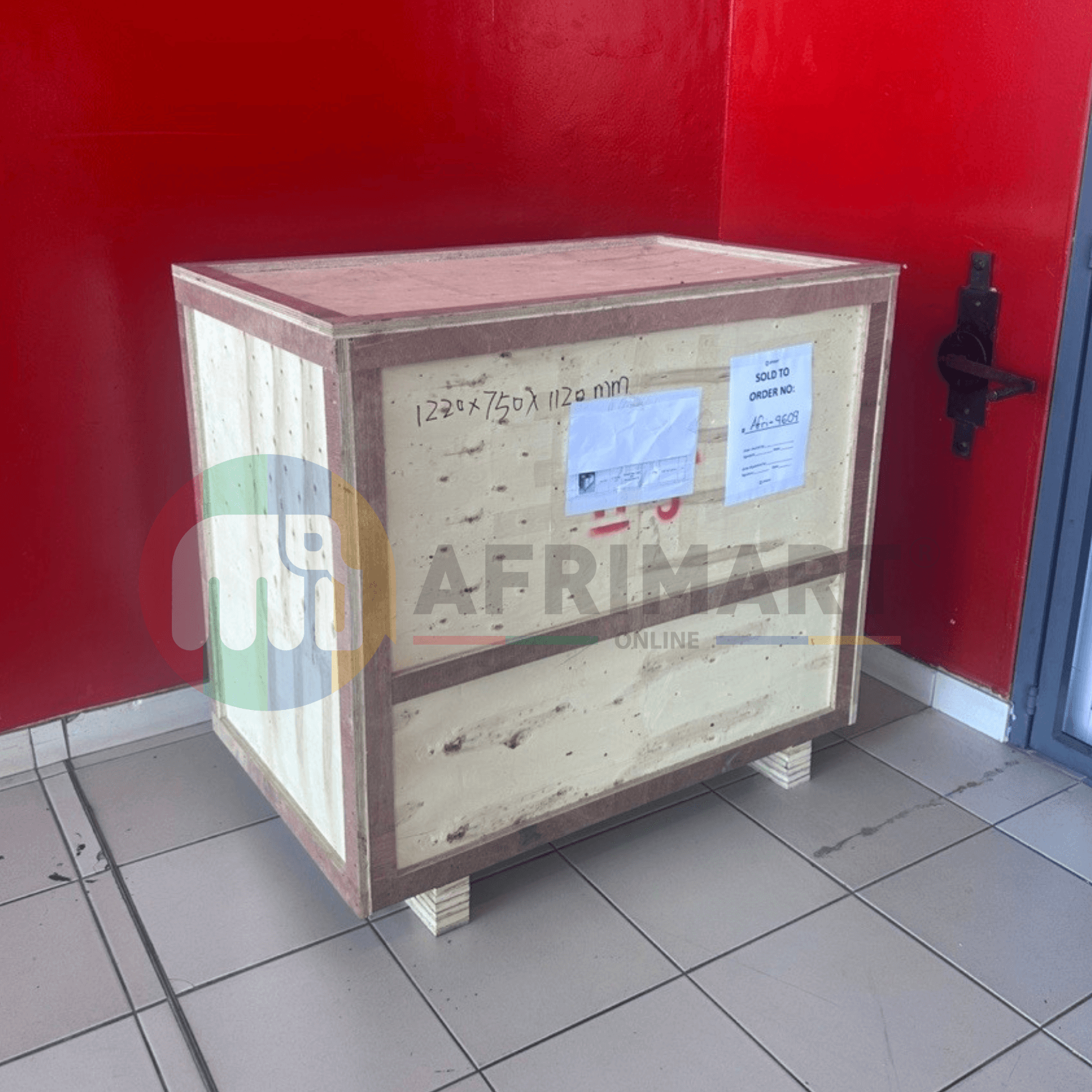
Meat Grinder Machine
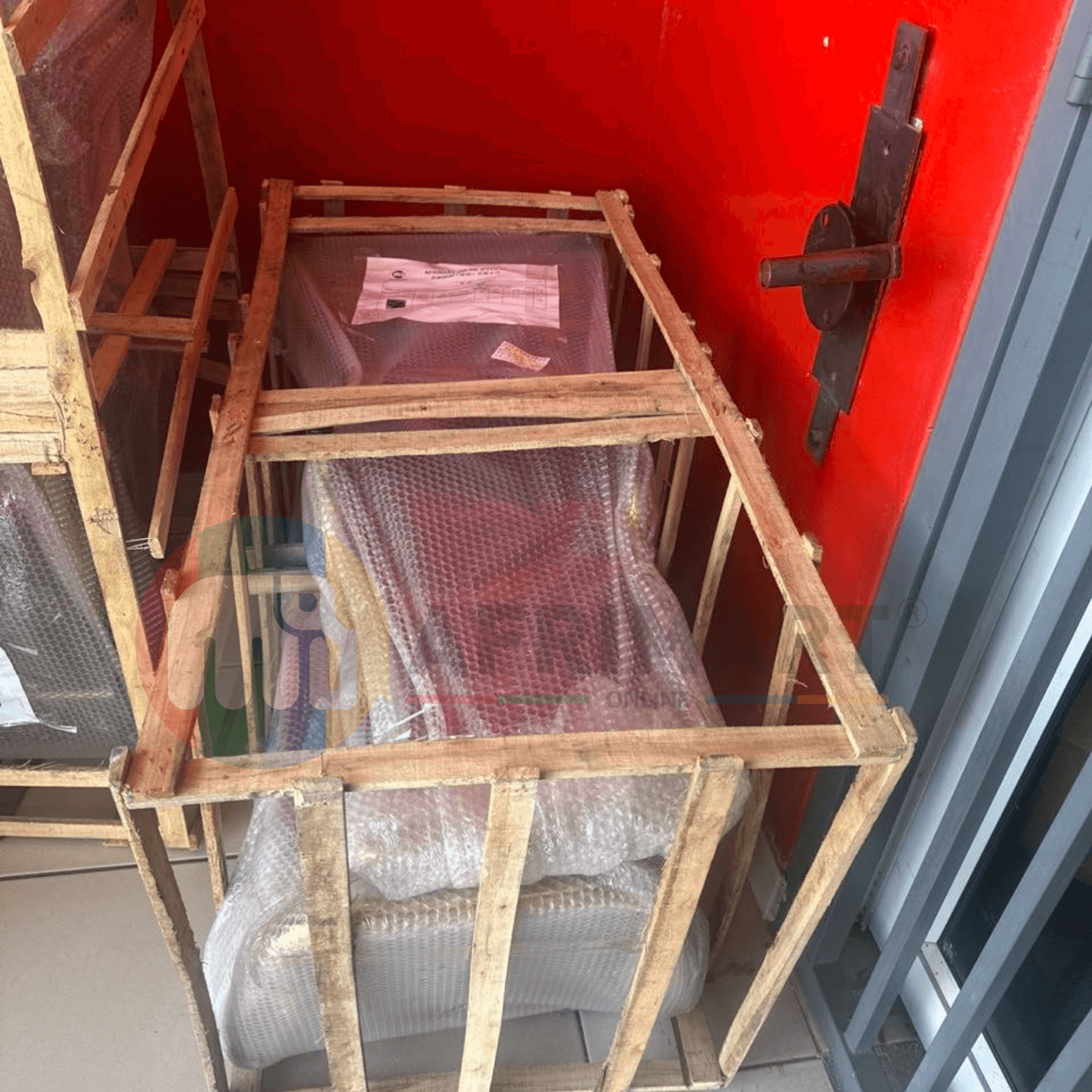
Water Pump Equipment
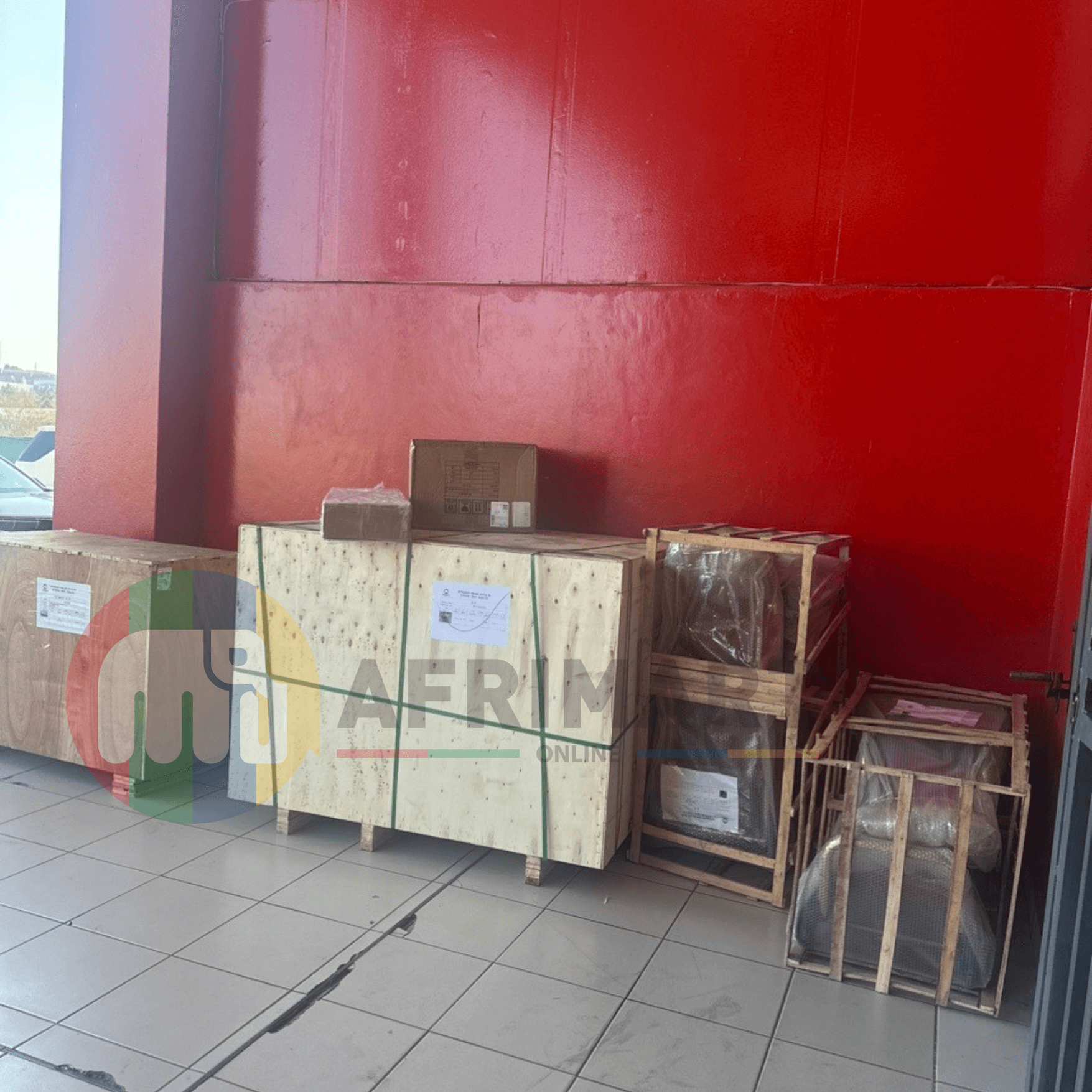
Packaging Machine and accessories
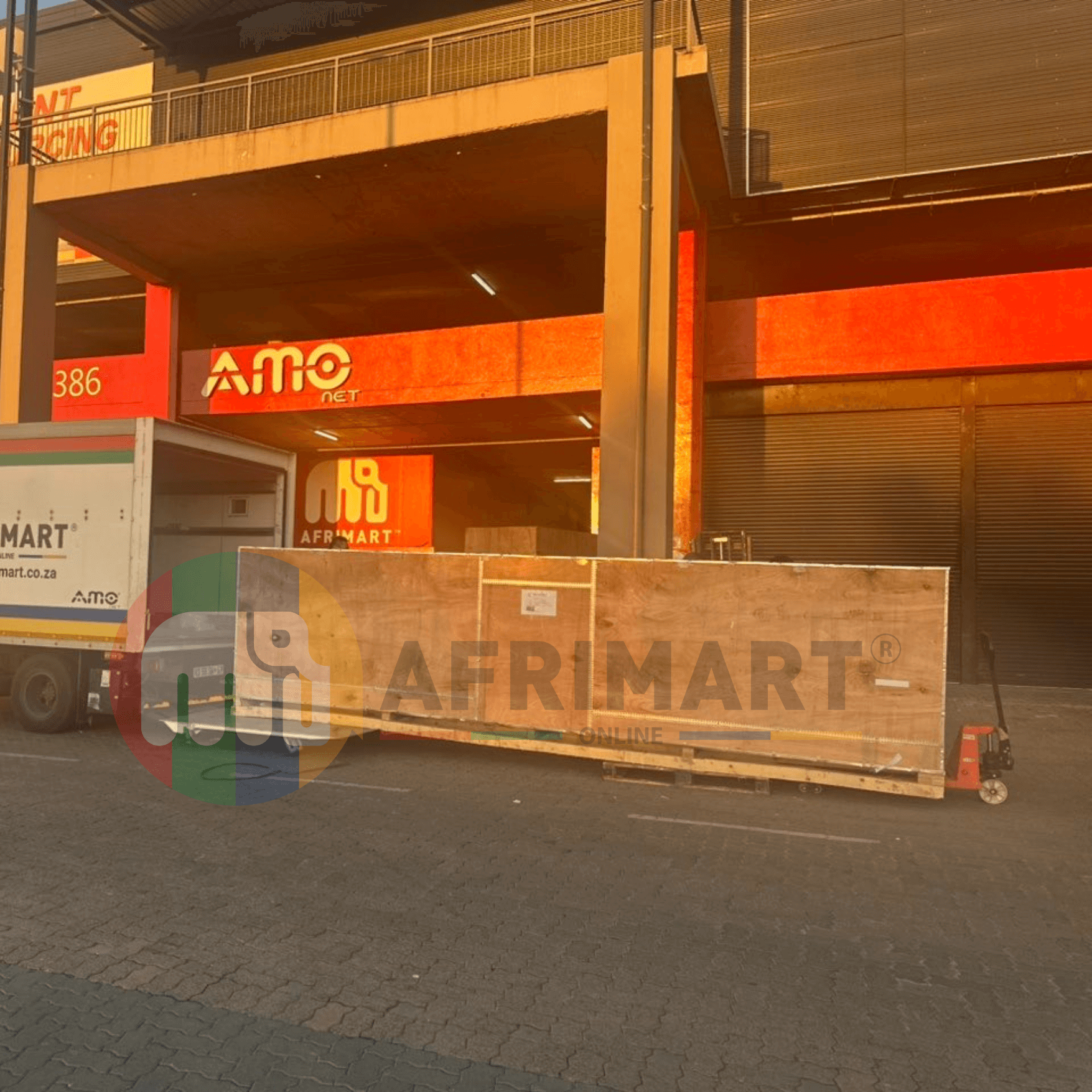
Fabrics Manufacturing Equipment
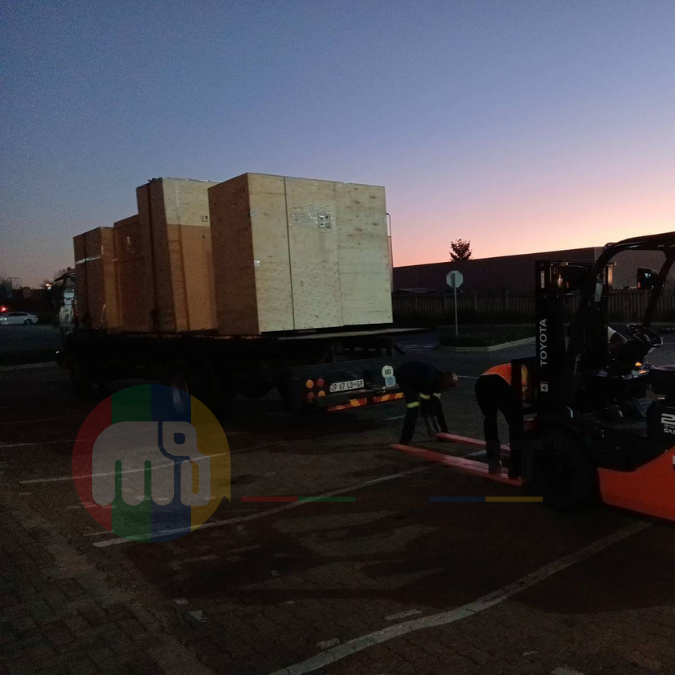
Mining Equipments
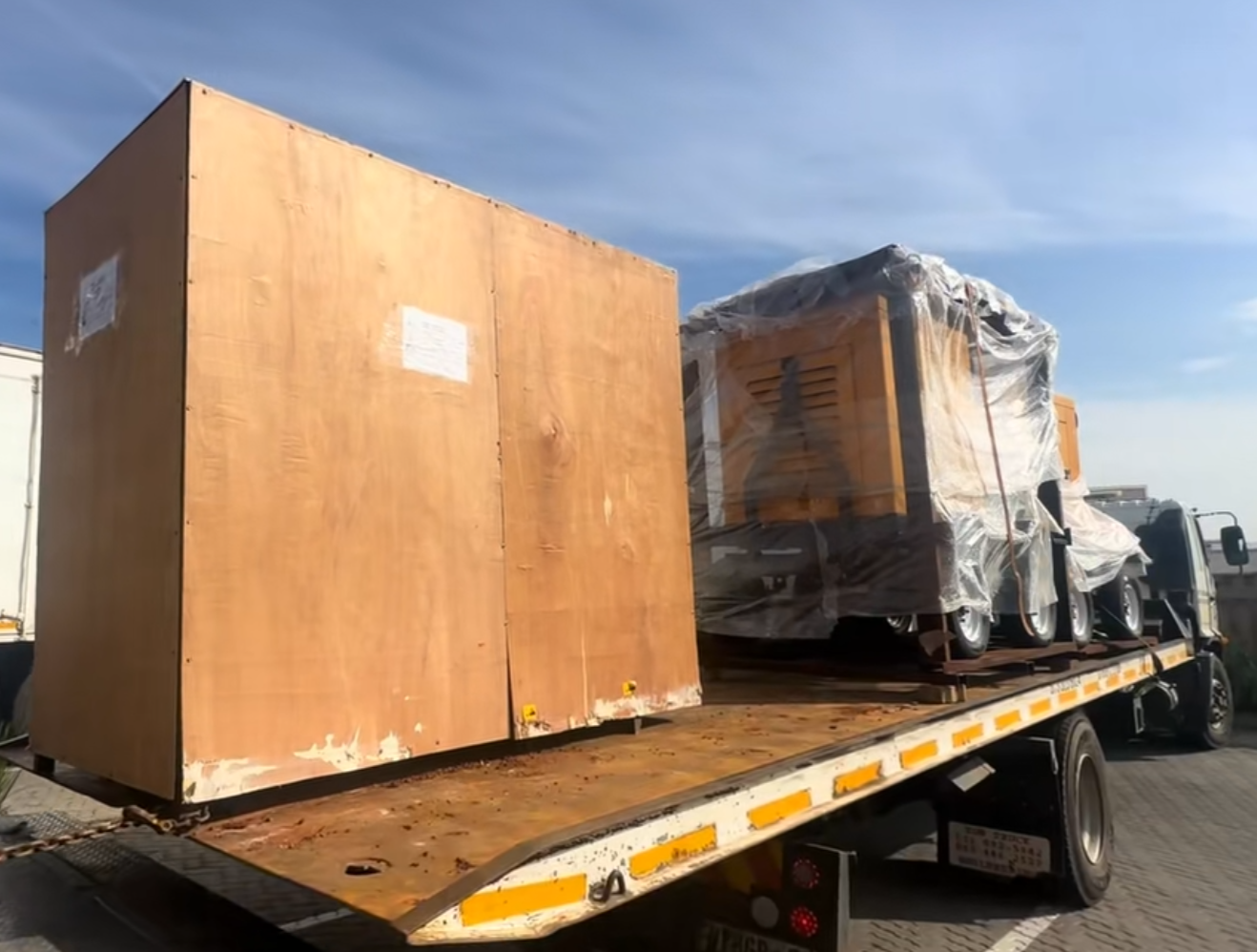
Food Processing Machine
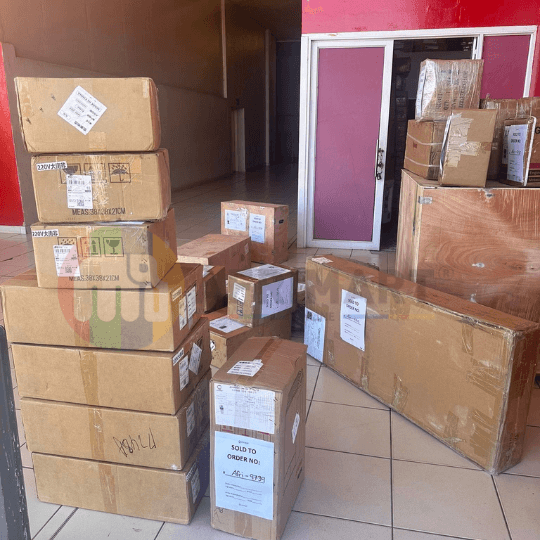
Batch of Orders
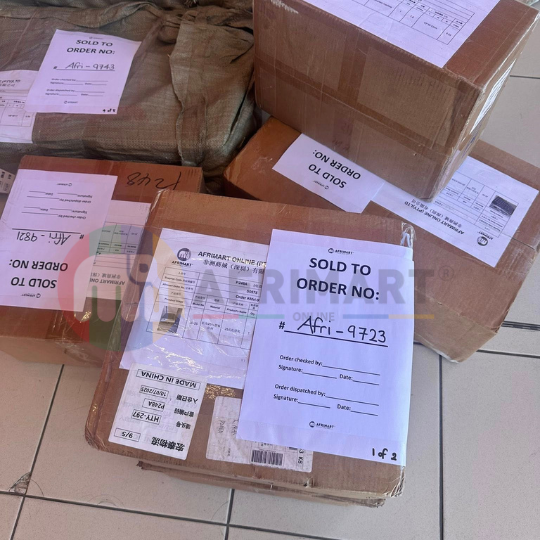
Batch of Orders
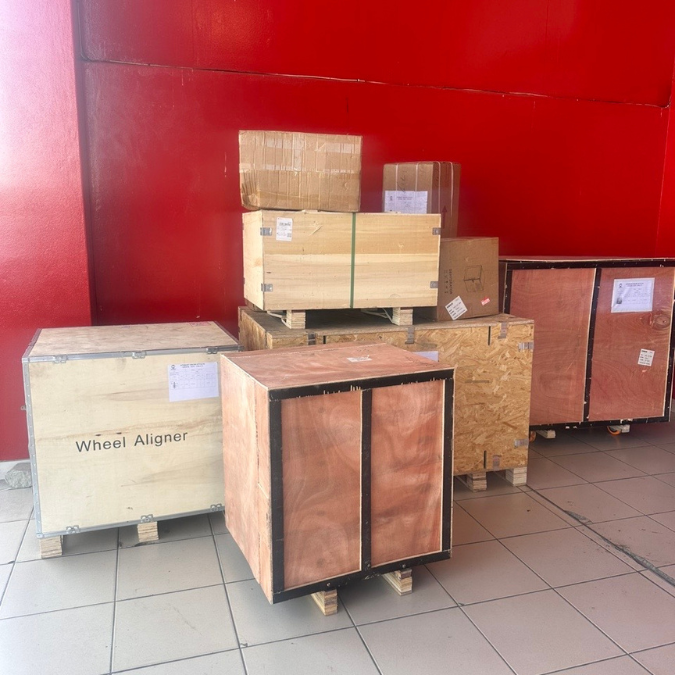
Latest Orders Labelled
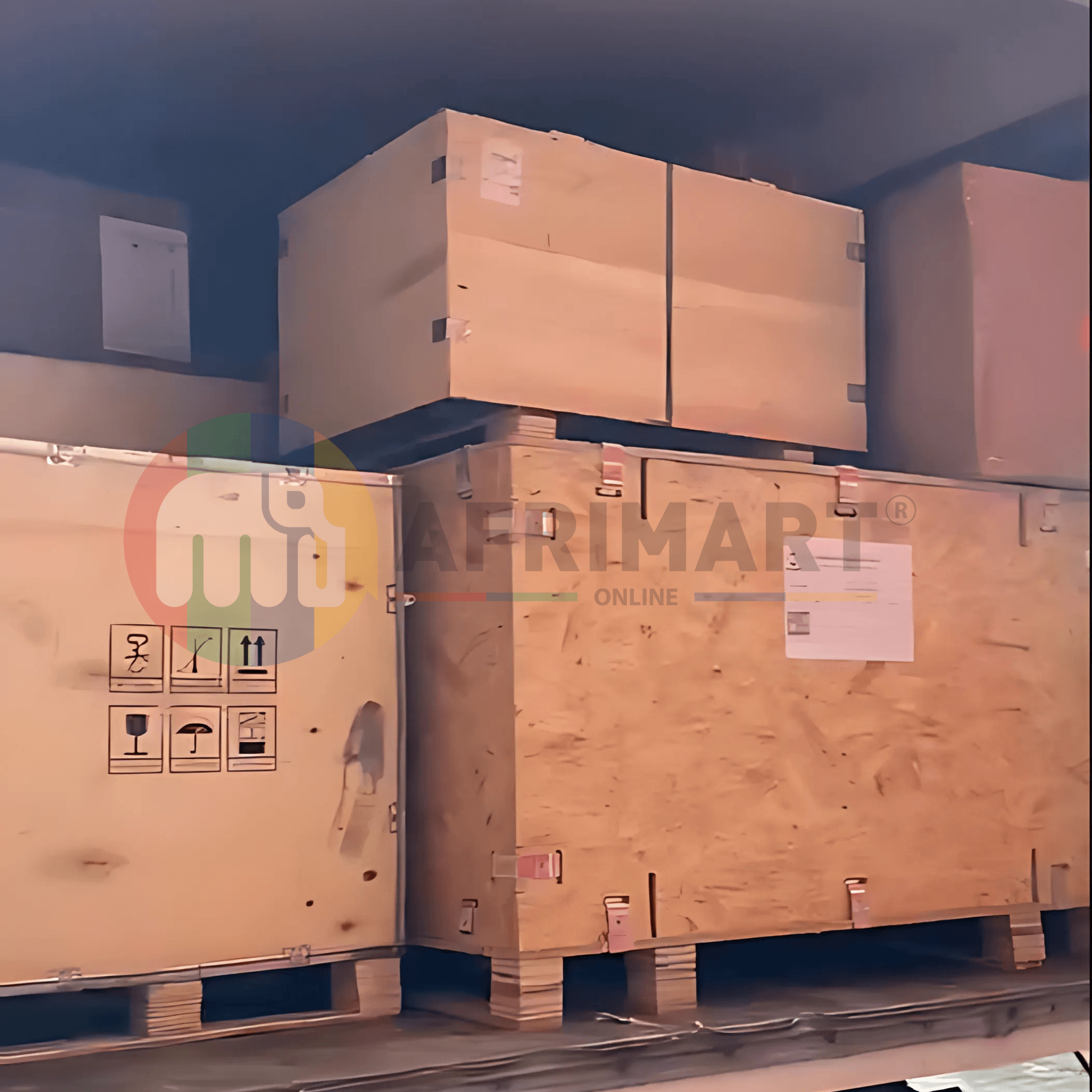
wheel alignment machines
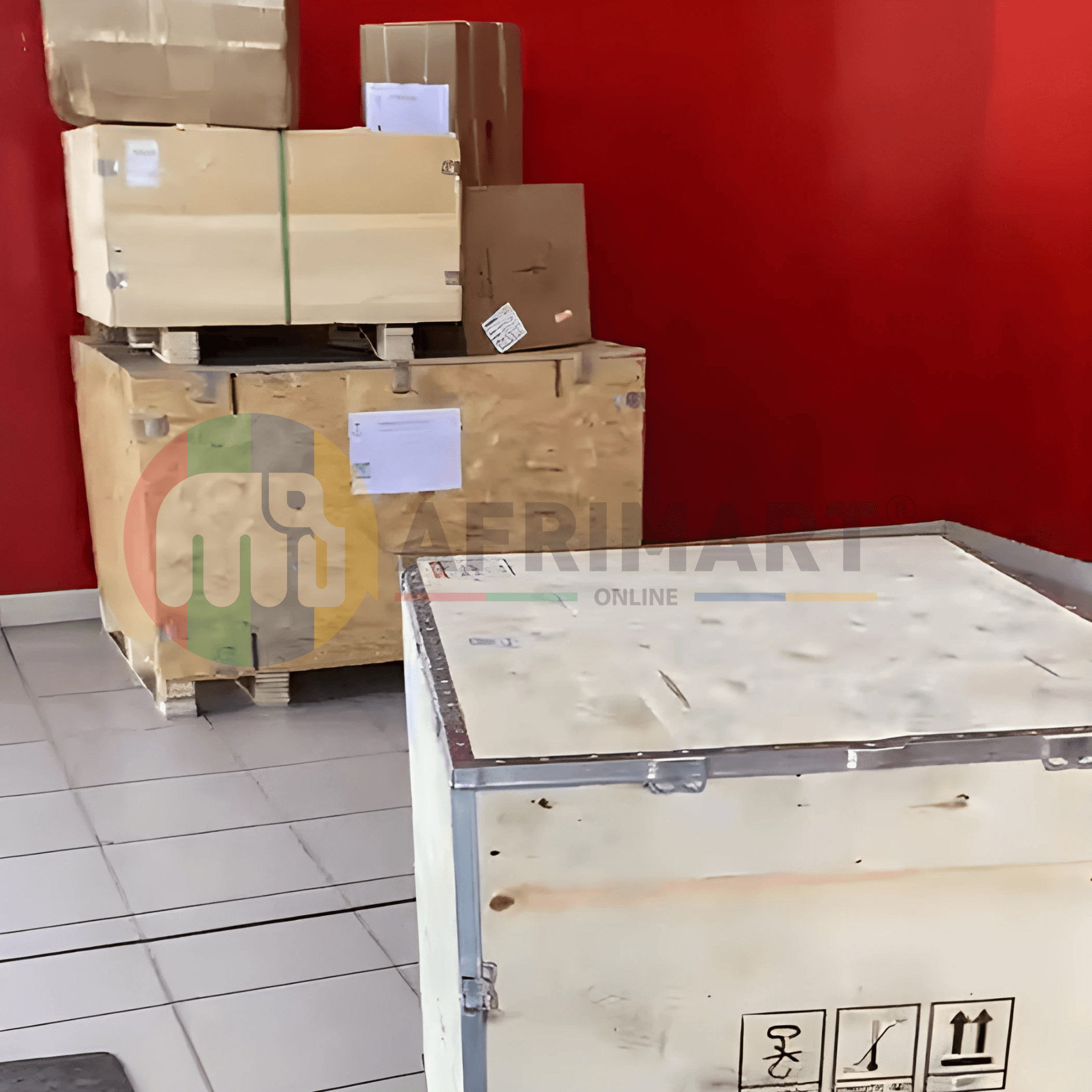
new arrivals
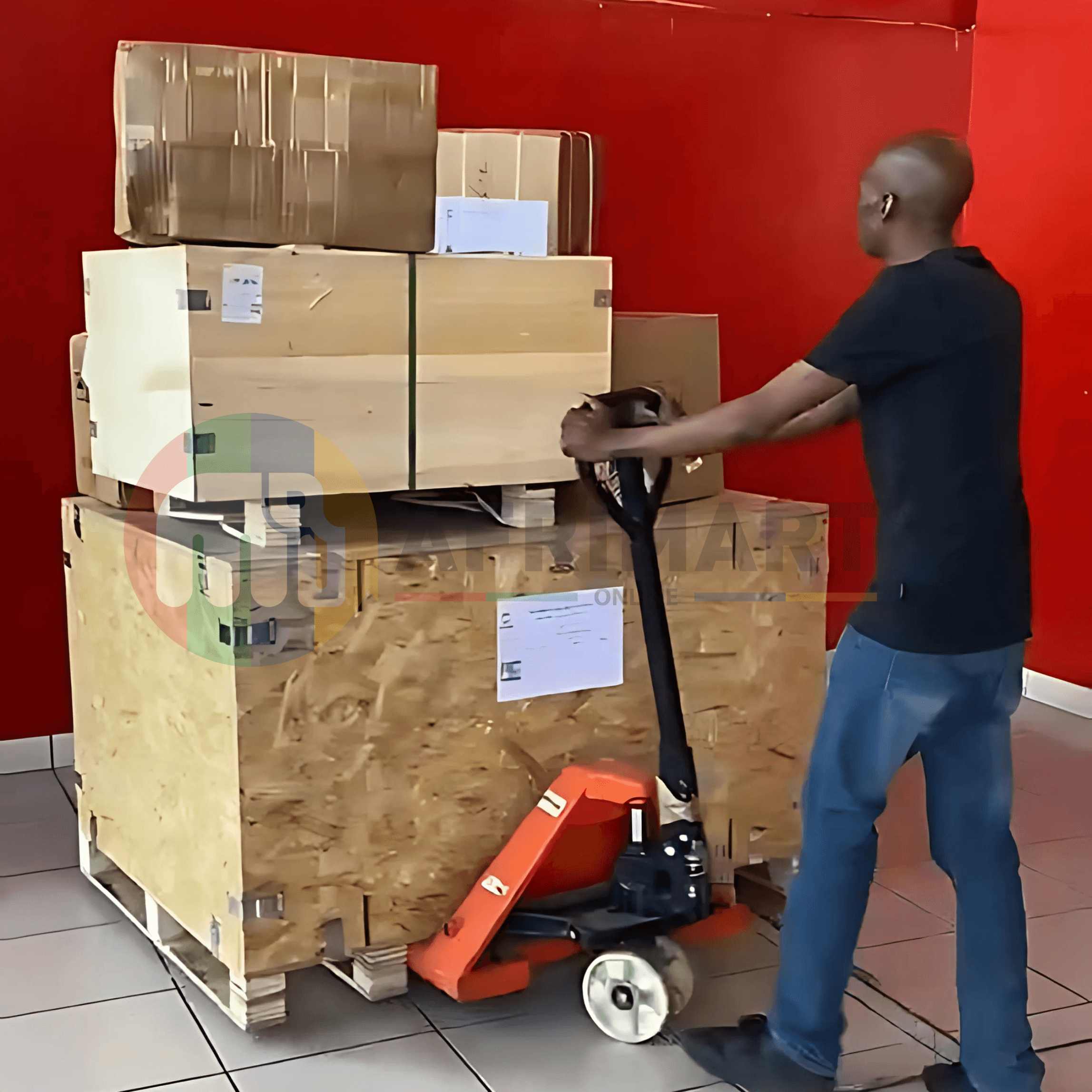
Pre Orders Offloading
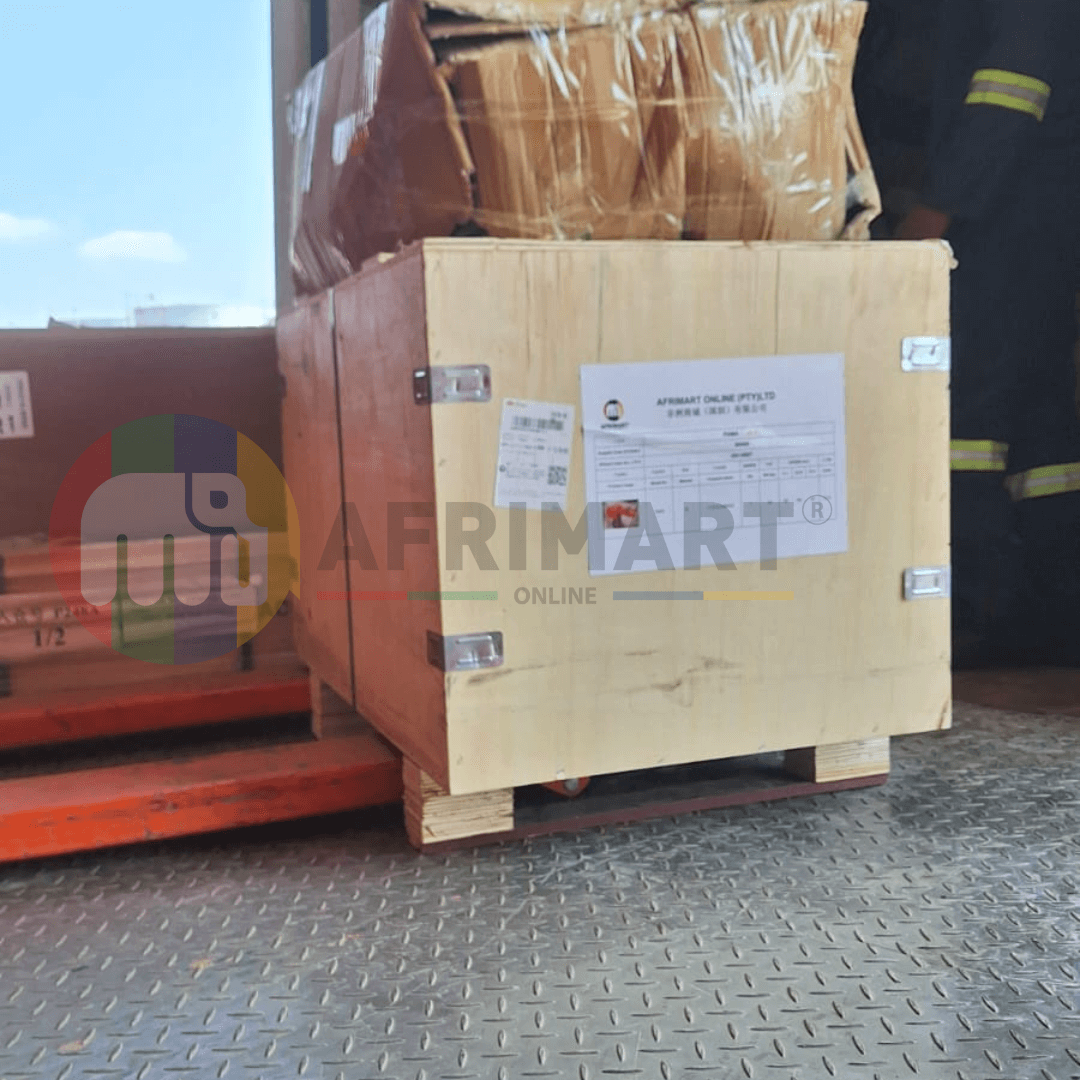
Latest Arrivals
Latest Arrivals
Latest Arrivals
26 January 2026
Toilet paper making machine
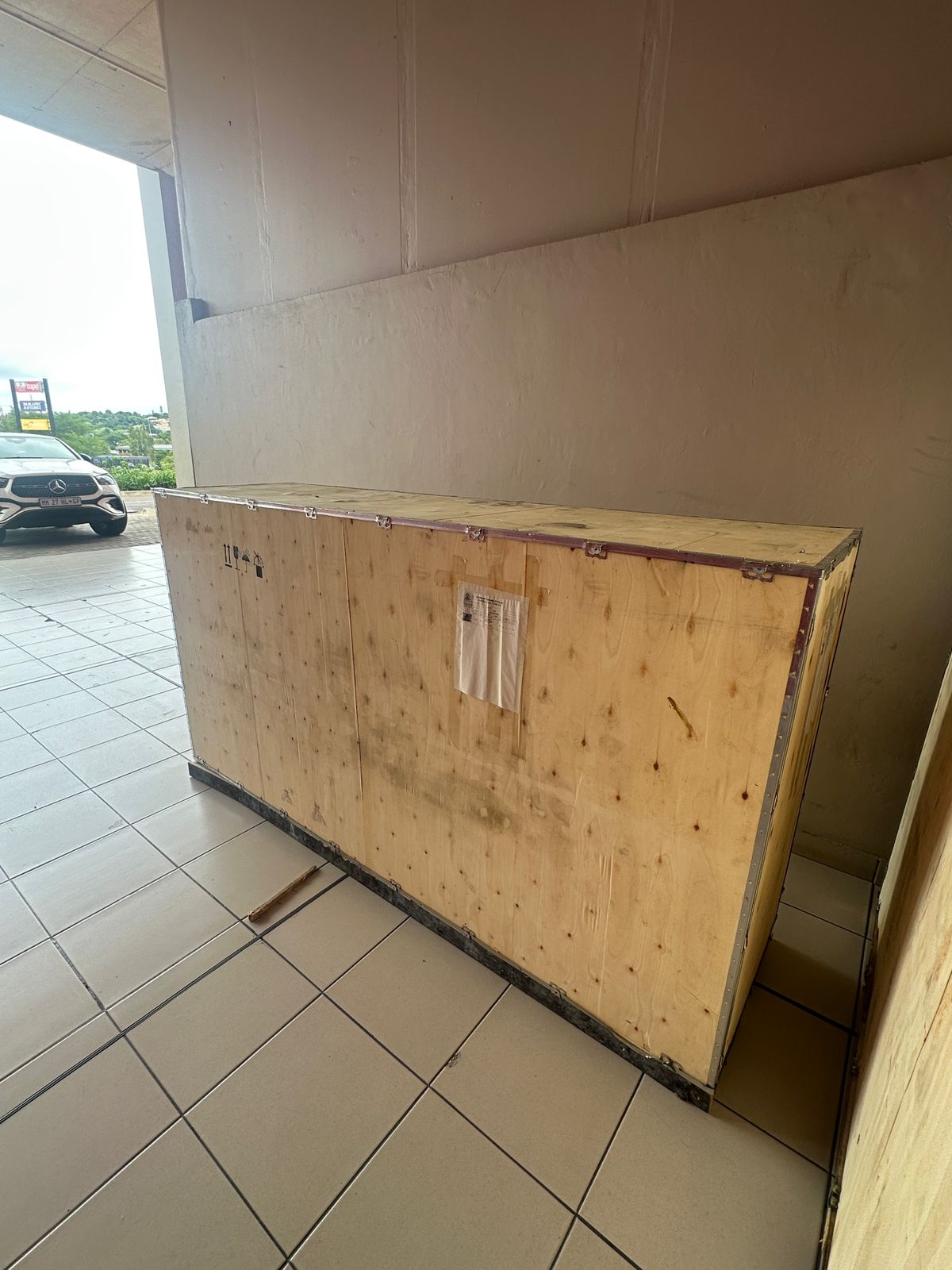
Toilet paper making machine
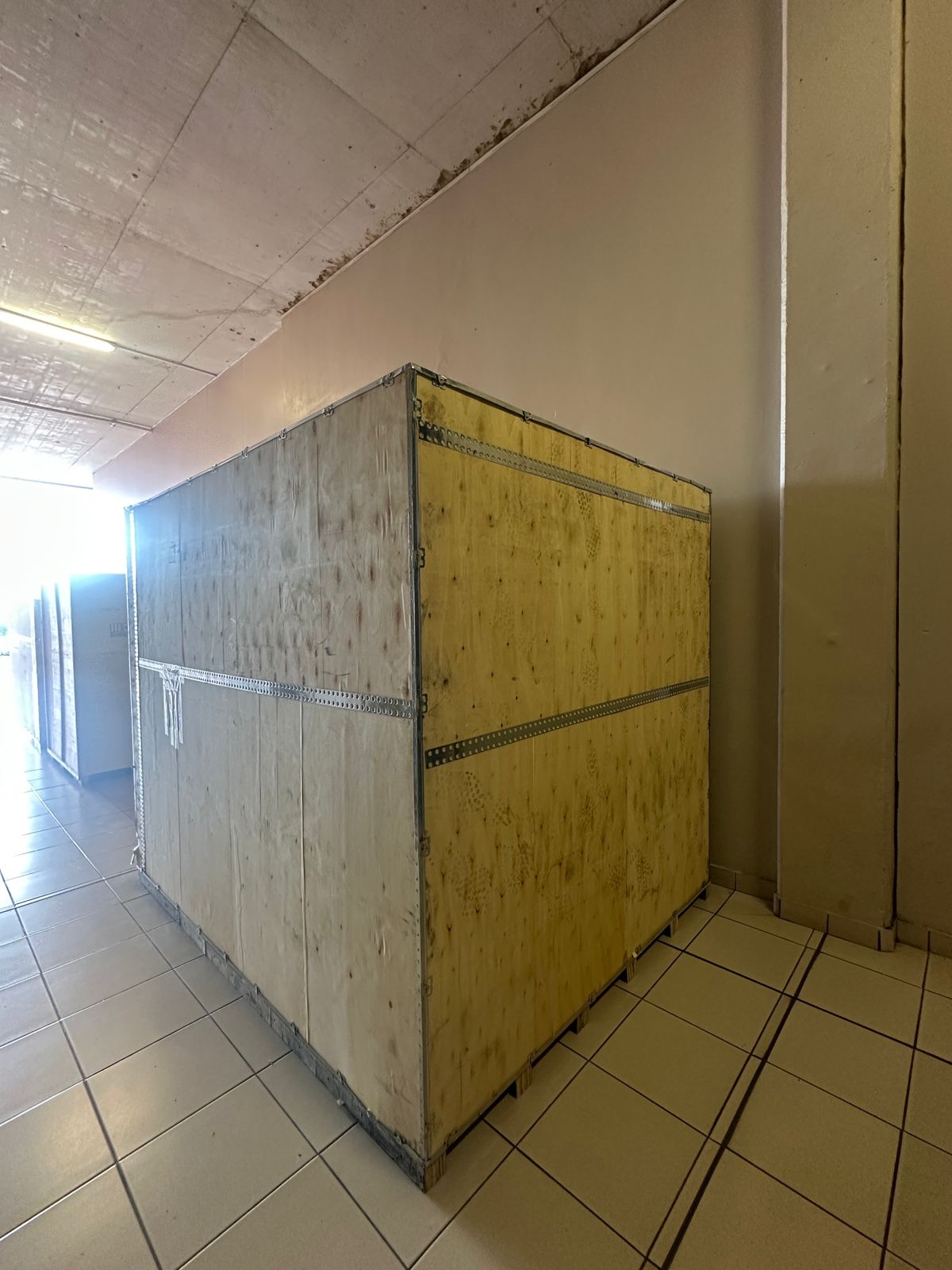
Toilet paper Rewinding Machine
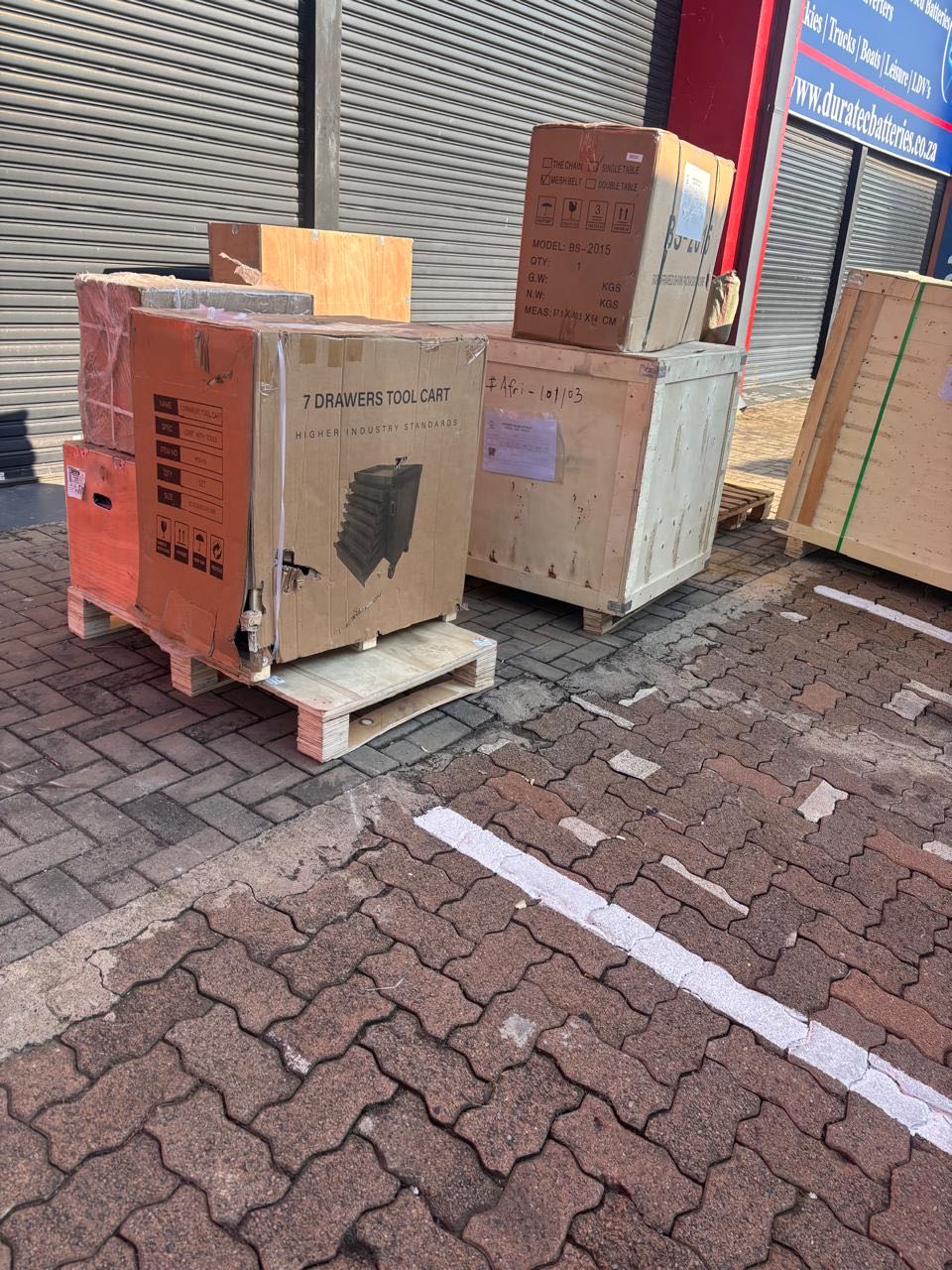
latest arrivals
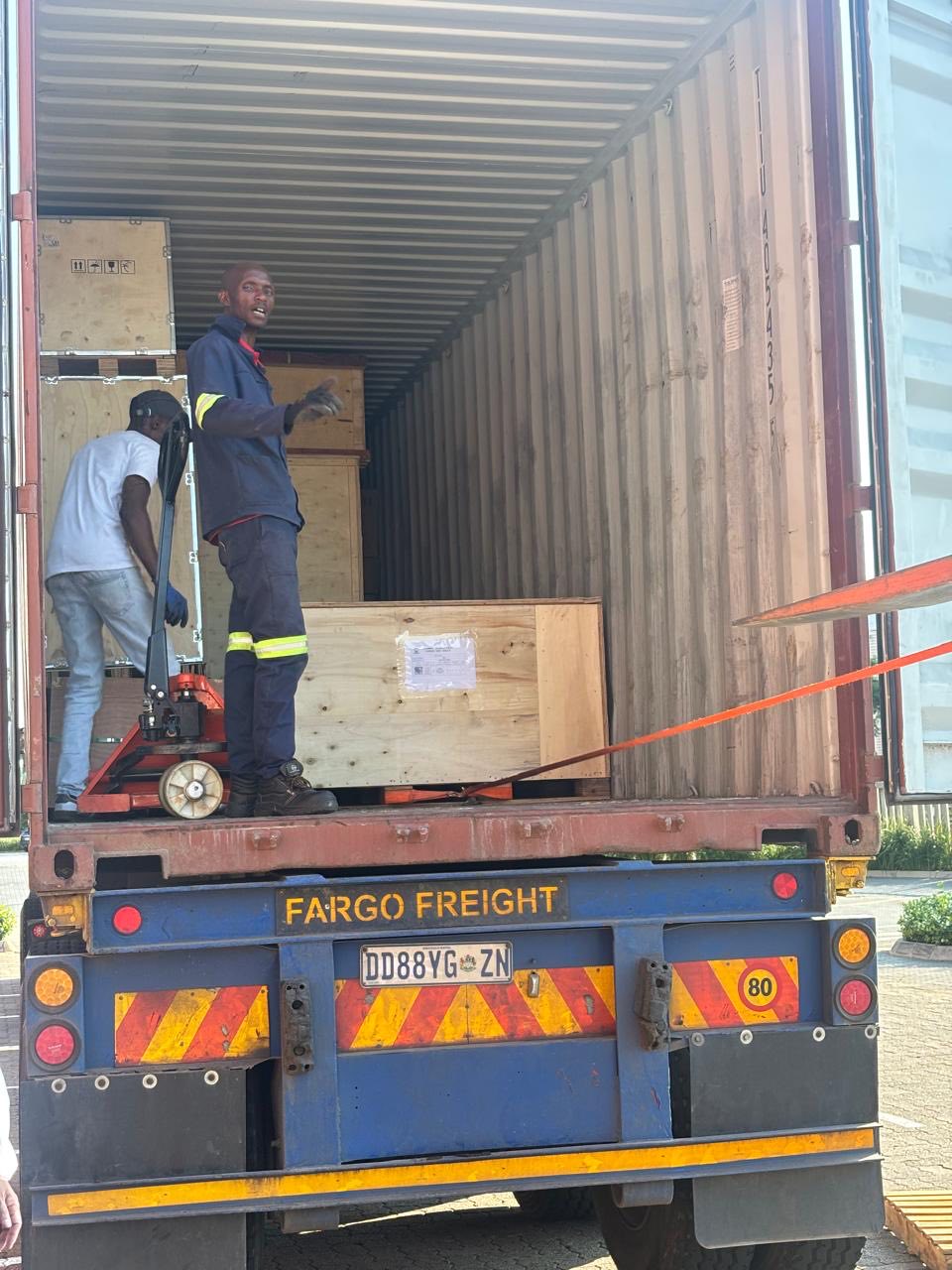
offloading
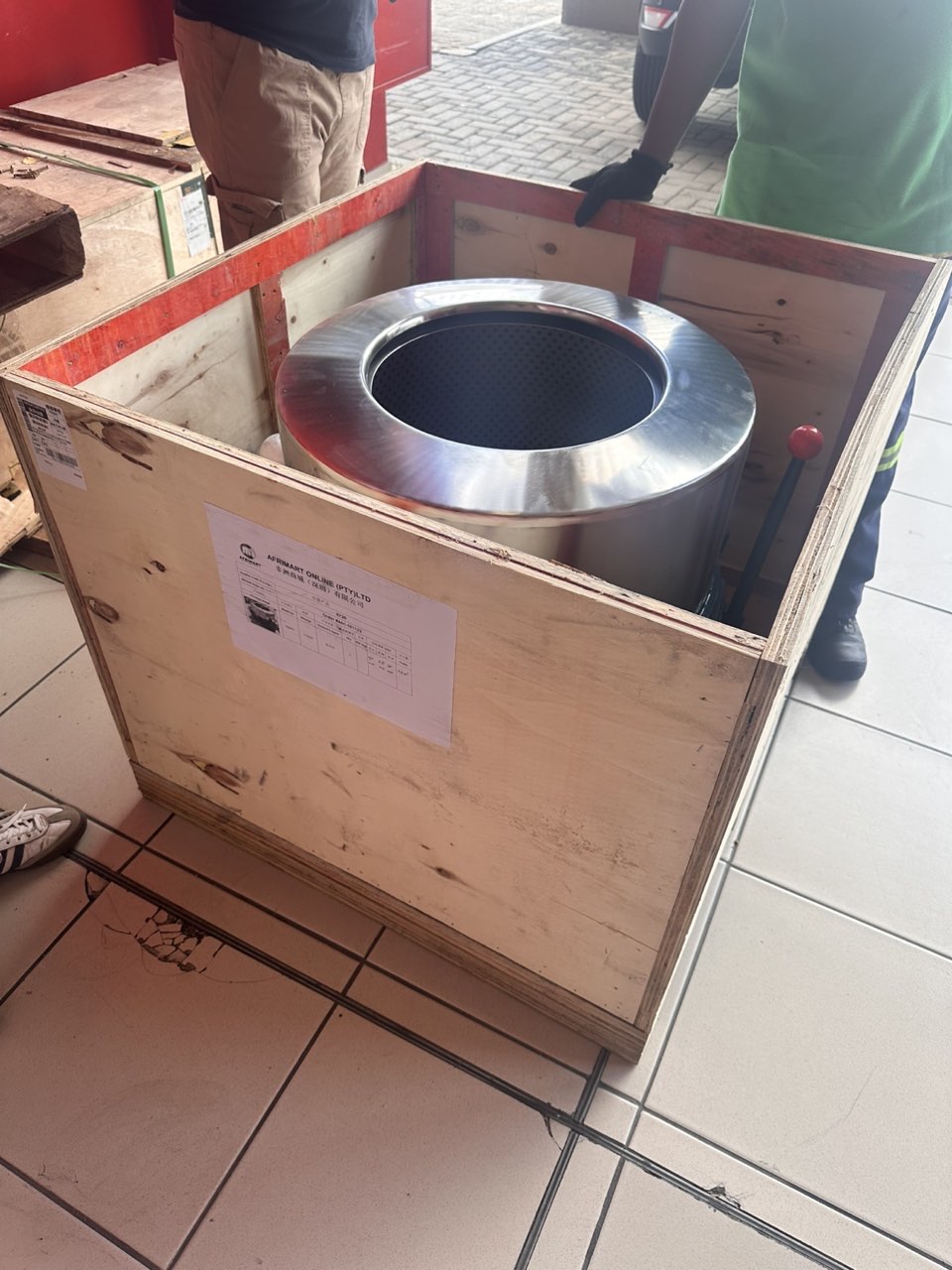
order success
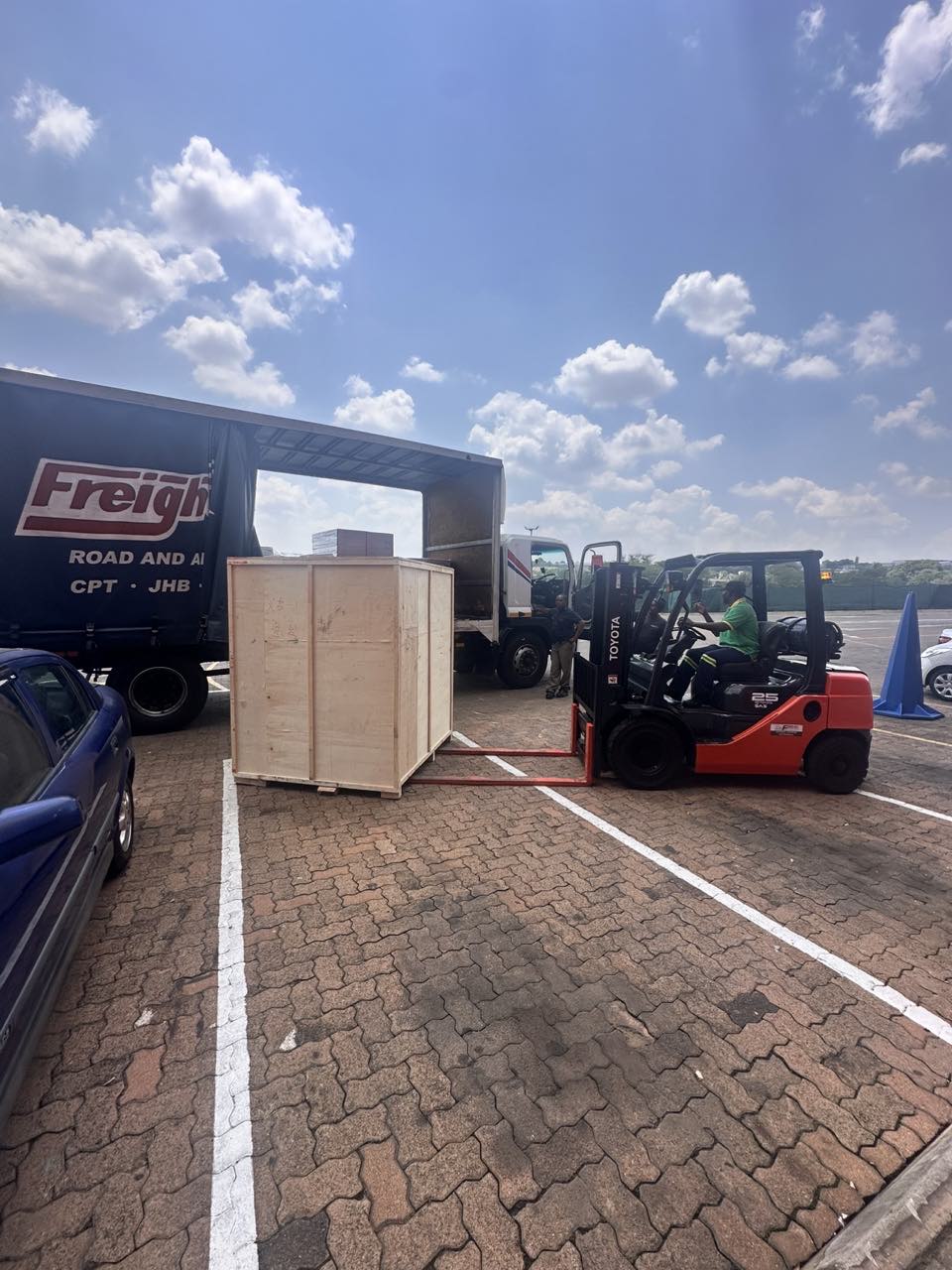
order collection
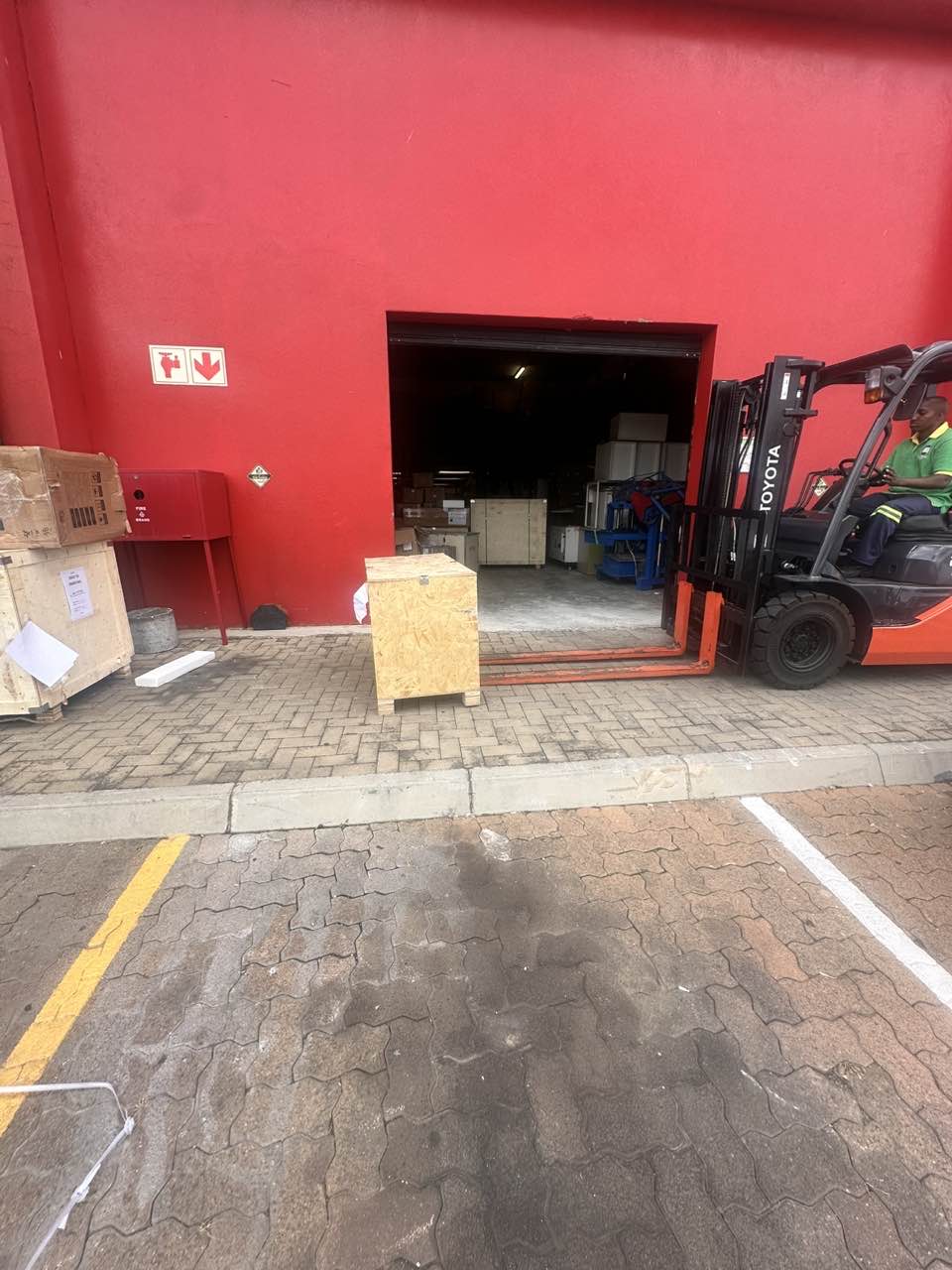
order offloading