B21, China Town Mall, Midrand


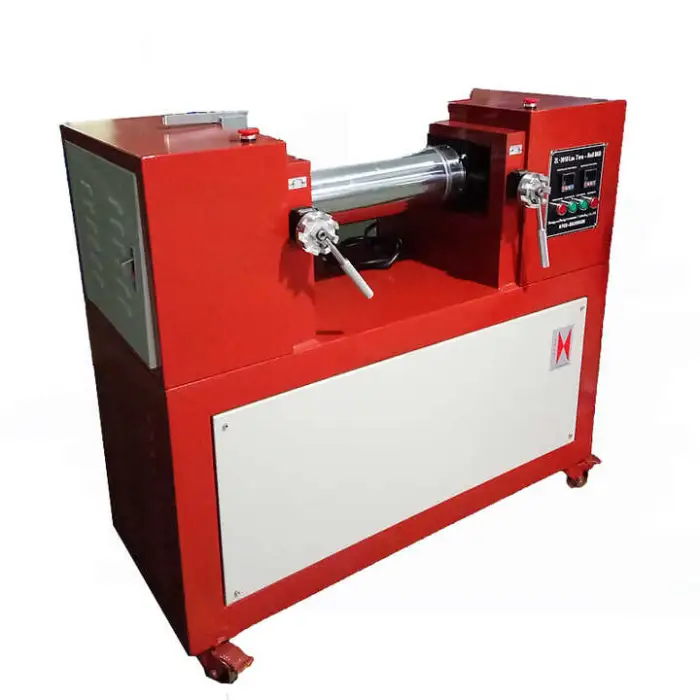
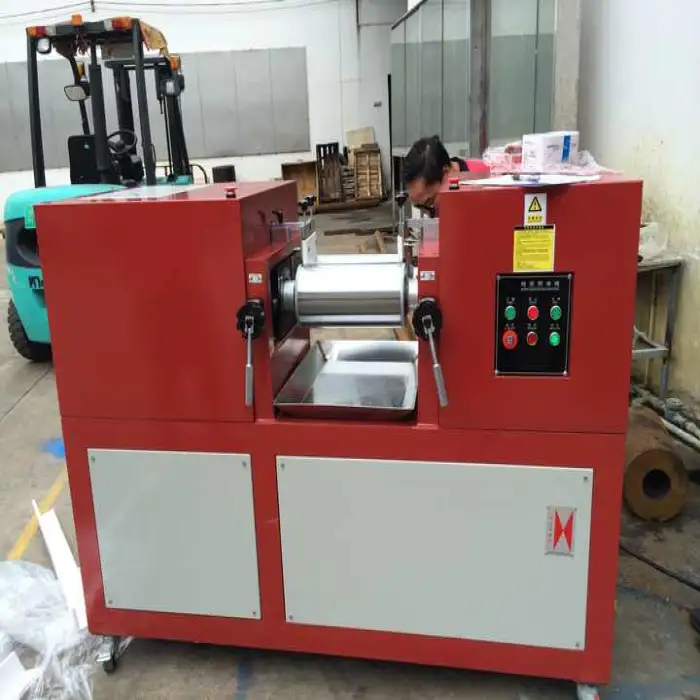
Laboratory Open Mill Electrical Heating Electric Open Roller Mixer Two Roll Mill
Asset finance available
Do you want funding for this equipment?
Afrimart can connect you with trusted funding partners who specialise in asset finance for businesses like yours. Compare options and apply in minutes — final approval is subject to provider review.
Check funding options
Secure & no obligation

- Section : Machinery
- Category : Metal & Metallurgy Machinery
- SKU : 1600945947842

Laboratory Open Mill Electrical Heating Electric Open Roller Mixer Two Roll Mill
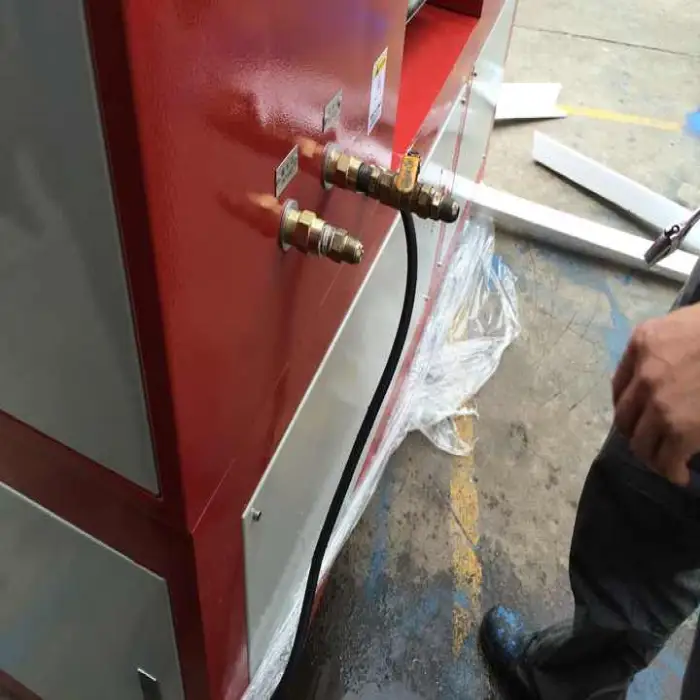
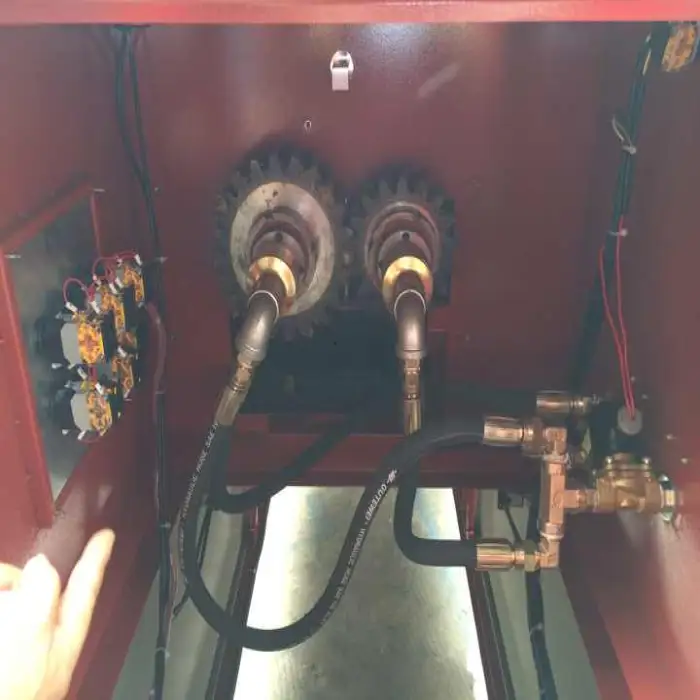
The Laboratory Open Mill Electrical Heating Electric Open Roller Mixer Two Roll Mill is a high-performance machine designed for mixing and processing materials in labs. This innovative equipment ensures high productivity and precise temperature control, making it ideal for various applications in research and development. With its durable construction and advanced features, this two-roll mill provides excellent results for your laboratory needs.
Specifications
| Attribute | Details |
|---|---|
| Voltage | 380V |
| Power | 2800W |
| Weight | 380 kg |
| Dimension (L*W*H) | 960*550*1150 mm |
| Mixed Capacity | 0.5-1kgs / 2-3kgs / 5-7kgs |
| Warm-up Time | Room temperature ~ 150 ℃ about 20 min |
| Temperature Range | Room temperature ~ 300 ℃ |
| Temperature Accuracy | ± 3 ℃ |
| Drum Revolutions Ratio | 1:1.25 |
| Roller Hardness | HRC 50 ~ 60 |
| Roller Dimensions | Diameter 3.9” * L13.7” |
| Power Source | AC380V, 15A |
| Warranty | 2 years |
Key Features
- High productivity with efficient mixing capabilities.
- Electrical heating for quick warm-up and precise temperature control.
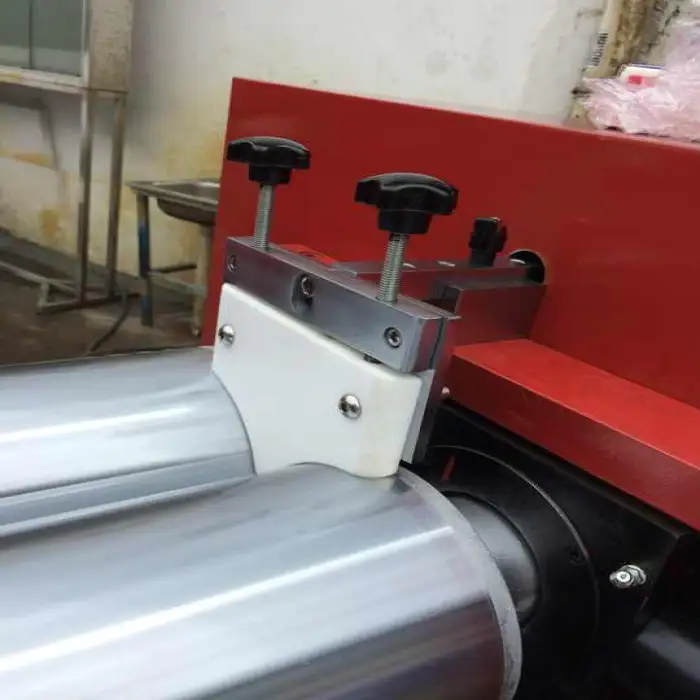
- Robust design with durable rollers for long-lasting use.
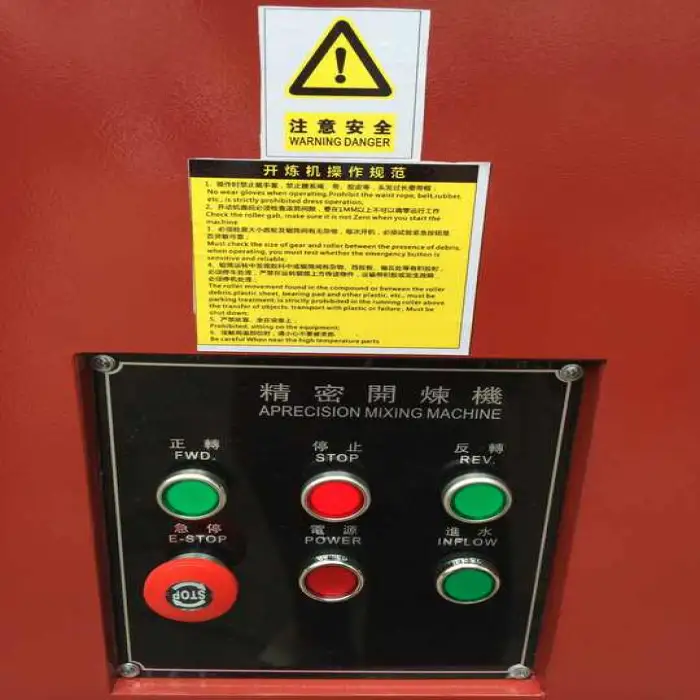
- Easy to operate with a user-friendly interface.
- Suitable for various lab applications.
Applications
- Mixing plastics and rubber materials.
- Research and development in material science.
- Quality control in manufacturing processes.
- Testing new formulations in laboratories.
- Production of small batches for prototyping.
Product Info Gallery
- Shipping Timeframes: All orders are processed within 2-5 business days (excluding weekends and holidays). After your order has been processed, the estimated delivery time is before 03 Aug, 2026, depending on customs, Please note that due to high demand, some items may experience longer shipping times, which will be communicated at order confirmation email.
- Order Processing Time: Please allow 2-5 business days for us to process your order before it is shipped . Orders placed after 16:00 on Fridays, or during weekends and public holidays, will begin processing on the next business day. Processing times may be extended during peak seasons or sales events.
- Manufacturing Time: Some products needs manufacturing time, the manufacturing process will take approximately 10-30 business days depending on the product. This timeframe may vary depending on the complexity of the product and current demand. but this will be communicated with you during order confirmation.
- Returns and Exchanges: We offer a 30-day return policy for most items. If you are not completely satisfied with your purchase, you may return it within 30 days of receipt for a refund or exchange. Items must be unused, in their original packaging, and accompanied by proof of purchase. Return shipping costs are the responsibility of the customer, unless the item was damaged or defective upon arrival.
1. What is the Laboratory Open Mill Electrical Heating Electric Open Roller Mixer Two Roll Mill used for?
It is designed for mixing, milling and processing small batches of plastics, rubbers and other formulation materials for research & development, quality control, prototyping and laboratory testing.
2. What mixing capacity options are available?
Three mixed capacity ranges are offered: 0.5–1 kg, 2–3 kg and 5–7 kg. Choose the range that best matches your typical batch/sample size.
3. What are the electrical and power requirements?
Power rating is 2800 W and the unit requires AC 380 V supply with a 15 A circuit. Confirm your facility has the appropriate three-phase supply and circuit protection before installation.
4. What is the temperature range and accuracy?
The heating system covers room temperature up to 300 °C with a temperature accuracy of ±3 °C.
5. How long does it take to warm up?
Typical warm-up time from room temperature to about 150 °C is approximately 20 minutes (actual time may vary with ambient conditions and load).
6. What are the roller dimensions and hardness?
Rollers are 3.9 inches in diameter and 13.7 inches in length. Roller hardness is HRC 50–60 for durable performance in mixing operations.
7. What is the drum/roller revolution ratio?
The drum (roller) revolutions ratio is 1 : 1.25.
8. What are the machine dimensions and weight?
Overall dimensions are 960 × 550 × 1150 mm (L × W × H) and the unit weight is approximately 380 kg. Ensure your workspace and floor loading can accommodate the machine.
9. Is the machine easy to operate? Is training required?
The mill features a user-friendly interface for straightforward operation. Operators should receive training on safe operation, temperature control, and sample handling—either from your lab’s experienced personnel or the supplier/installer.
10. What safety precautions should I follow when using this mill?
Follow the user manual and general lab safety practices: wear appropriate PPE (heat-resistant gloves, eye protection), avoid contact with hot surfaces and rotating rollers, provide adequate ventilation, isolate power before maintenance, and confirm electrical supply protections. Check with the supplier for machine-specific safety features (emergency stop, thermal cutouts).
11. What routine maintenance is recommended?
Regularly inspect rollers for wear or damage, keep roller surfaces clean and free of cured material, check electrical connections and cables, monitor heating performance, and replace worn parts as needed. Schedule periodic calibration of the temperature control system and have qualified service personnel perform major maintenance.
12. How should I clean the rollers and mill?
Allow the unit and rollers to cool before cleaning. Remove bulk residues mechanically (scraping) and, where appropriate, use manufacturer-recommended solvents or cleaning agents safe for the roller surface. Avoid high-pressure washing and follow all chemical safety guidance. Refer to the manual for specific cleaning procedures.
13. Are spare parts and consumables available?
Common service parts typically include rollers, heating elements, temperature sensors, and electrical components. Contact the supplier or manufacturer to order genuine spare parts and to confirm availability.
14. Is this mill suitable for production or only laboratory work?
It is optimized for laboratory use, R&D and small-batch prototyping or quality control. It can handle small-scale production runs, but it is not intended for large-scale industrial continuous production.
15. What are the installation and site requirements?
Install on a stable, level surface with sufficient clearance for operation and maintenance. Ensure access to the required AC 380 V three-phase power (15 A) and appropriate circuit protection. Allow for ventilation around the unit, and confirm floor loading capacity for a 380 kg machine. Supplier installation and electrical hookup by qualified personnel is recommended.
Latest Order Arrivals
Discover our latest orders
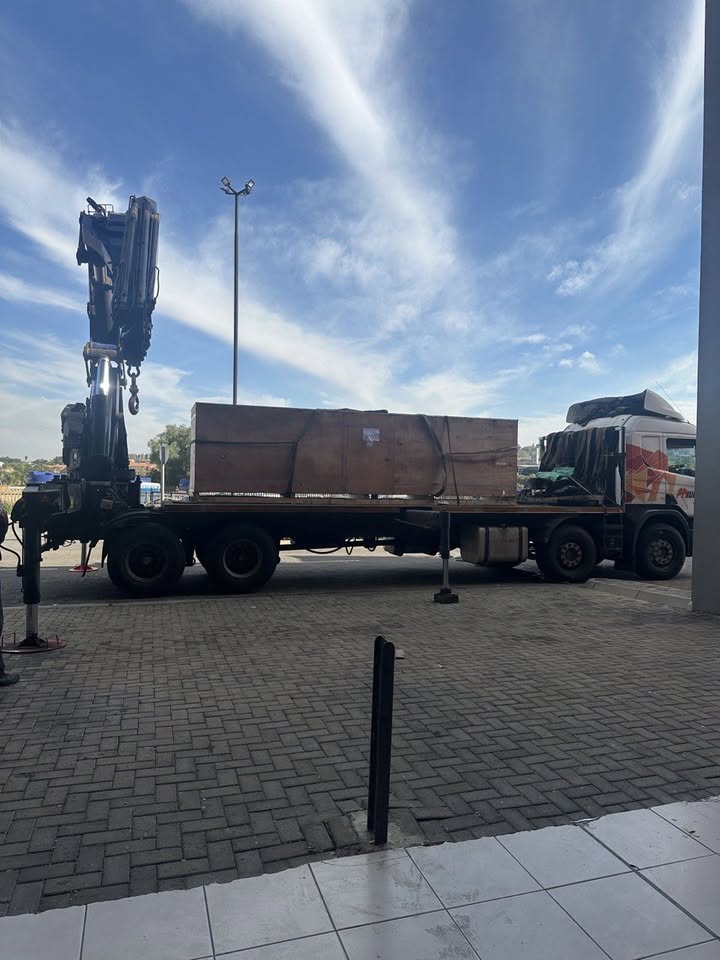
12 Heads Embroidery Machine
Toilet Paper Machine Machine
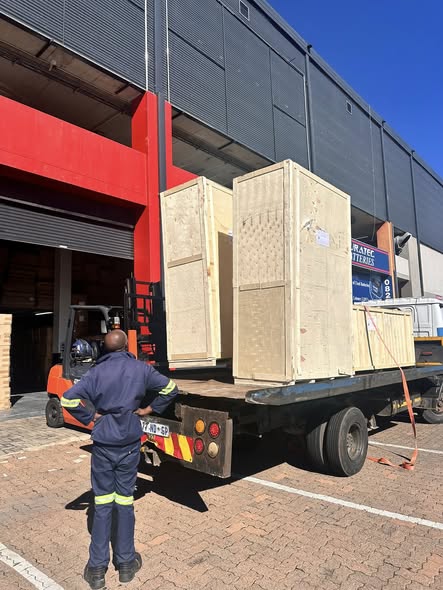
Order Collection
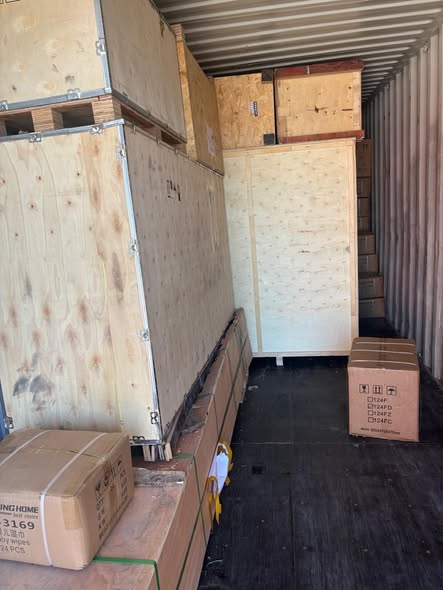
Cross Border Clients
Order cros border countries Collected
Industrial Machine Cllection
Agriculture Processing Machines
Ready for collection
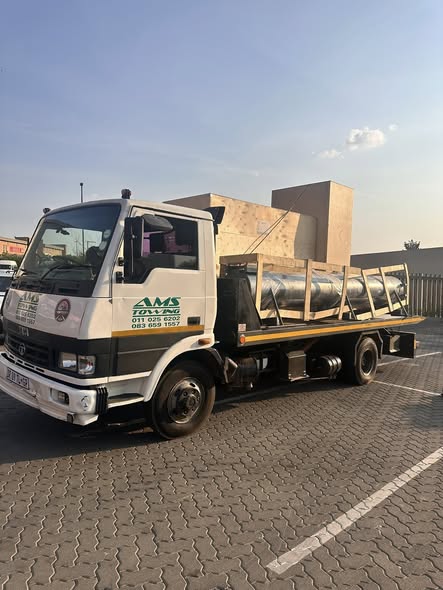
Water Pump Equipment
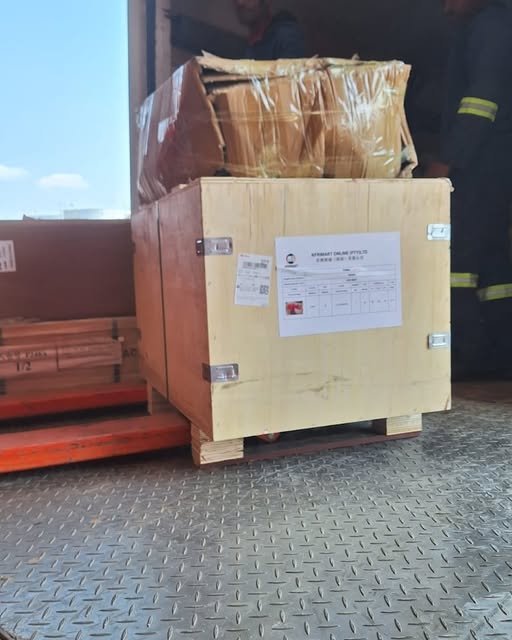
Packaging Machine and accessories
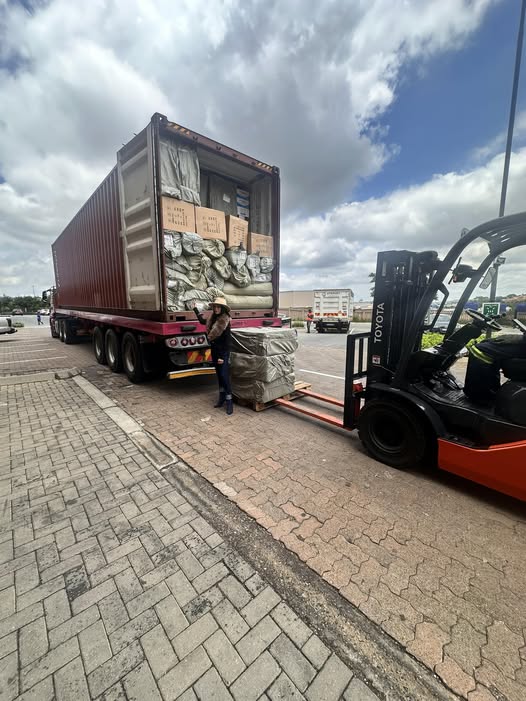
Fabrics Manufacturing Equipment
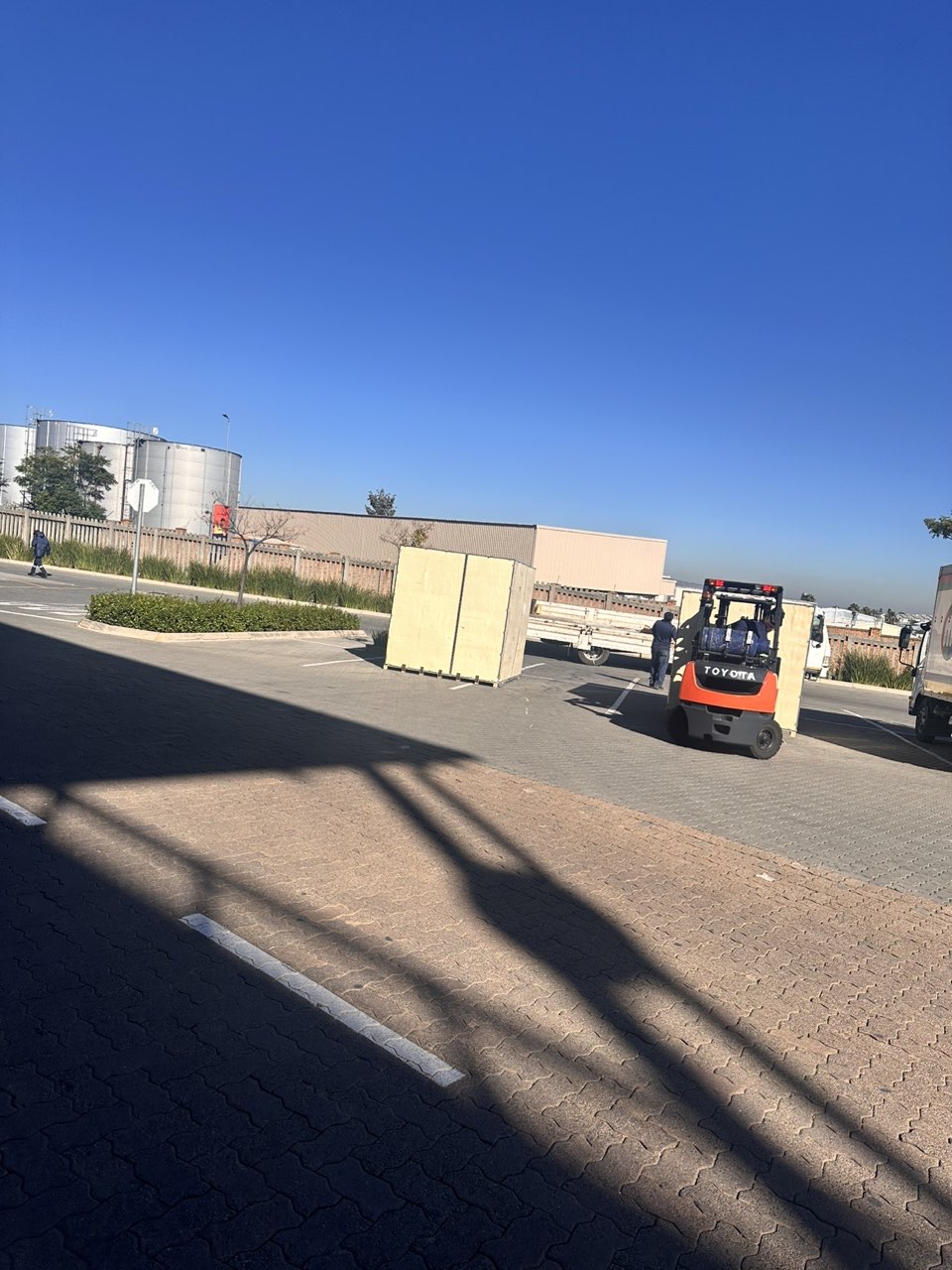
Mining Equipments
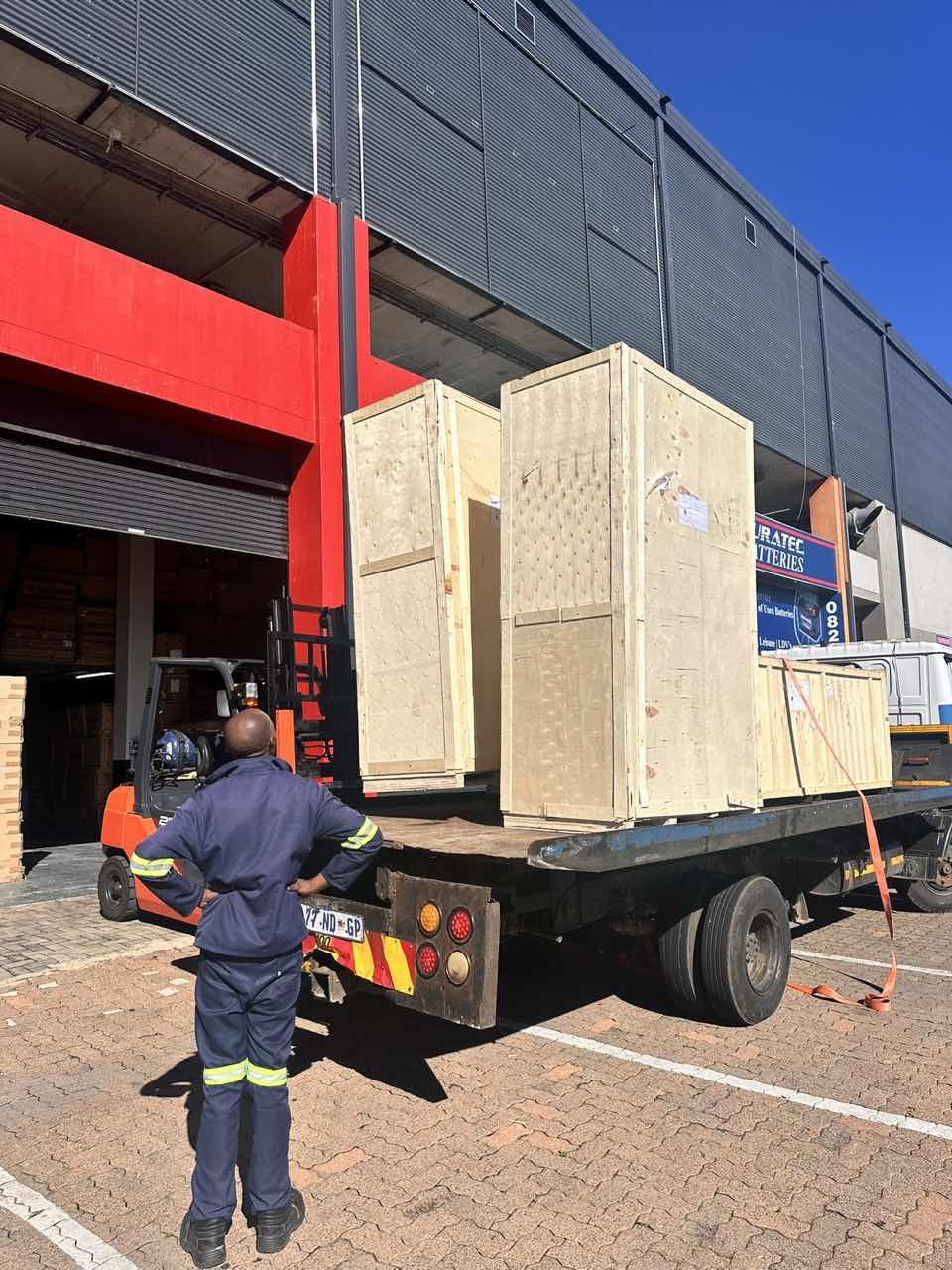
Food Processing Machine
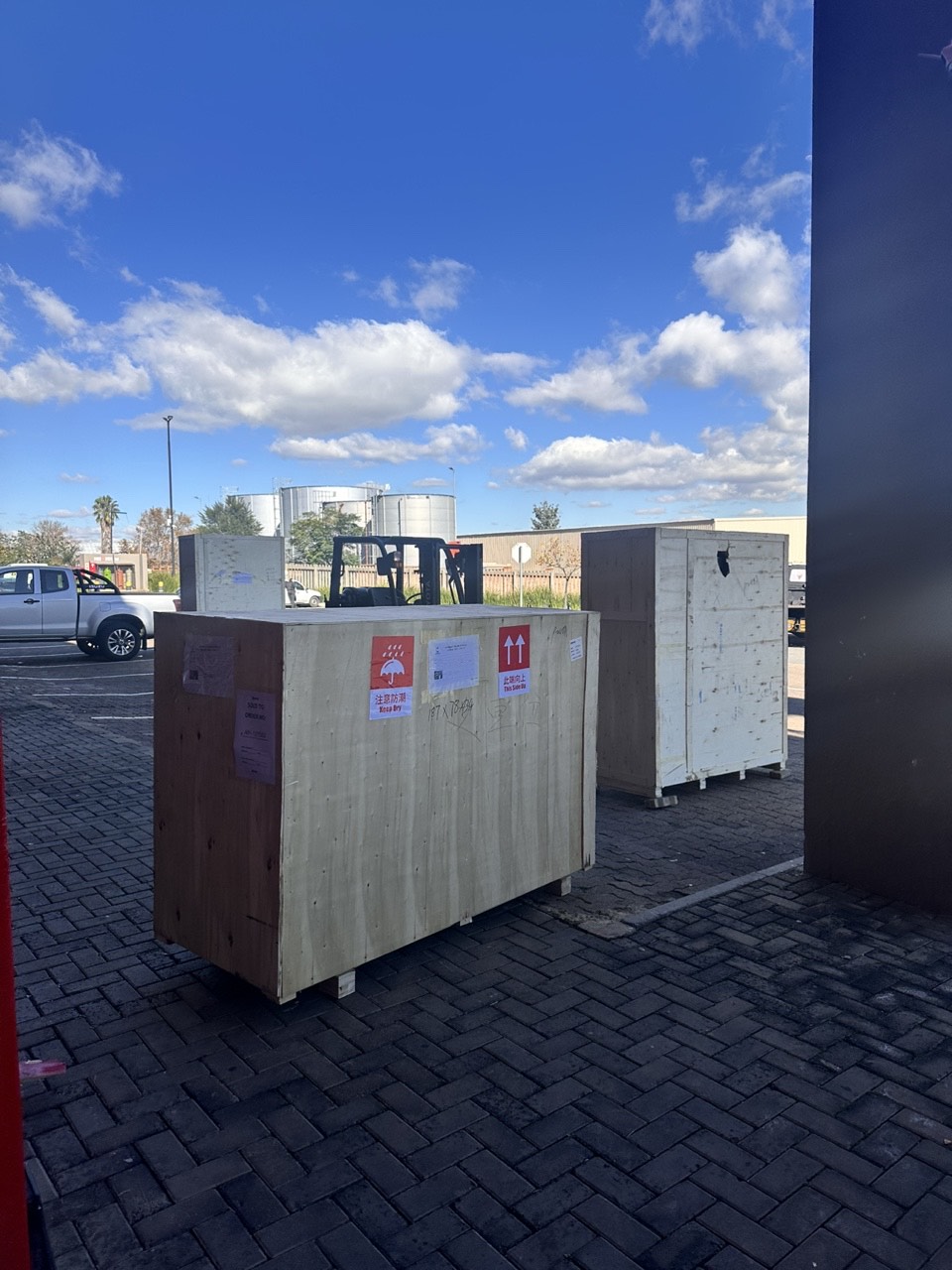
Batch of Orders
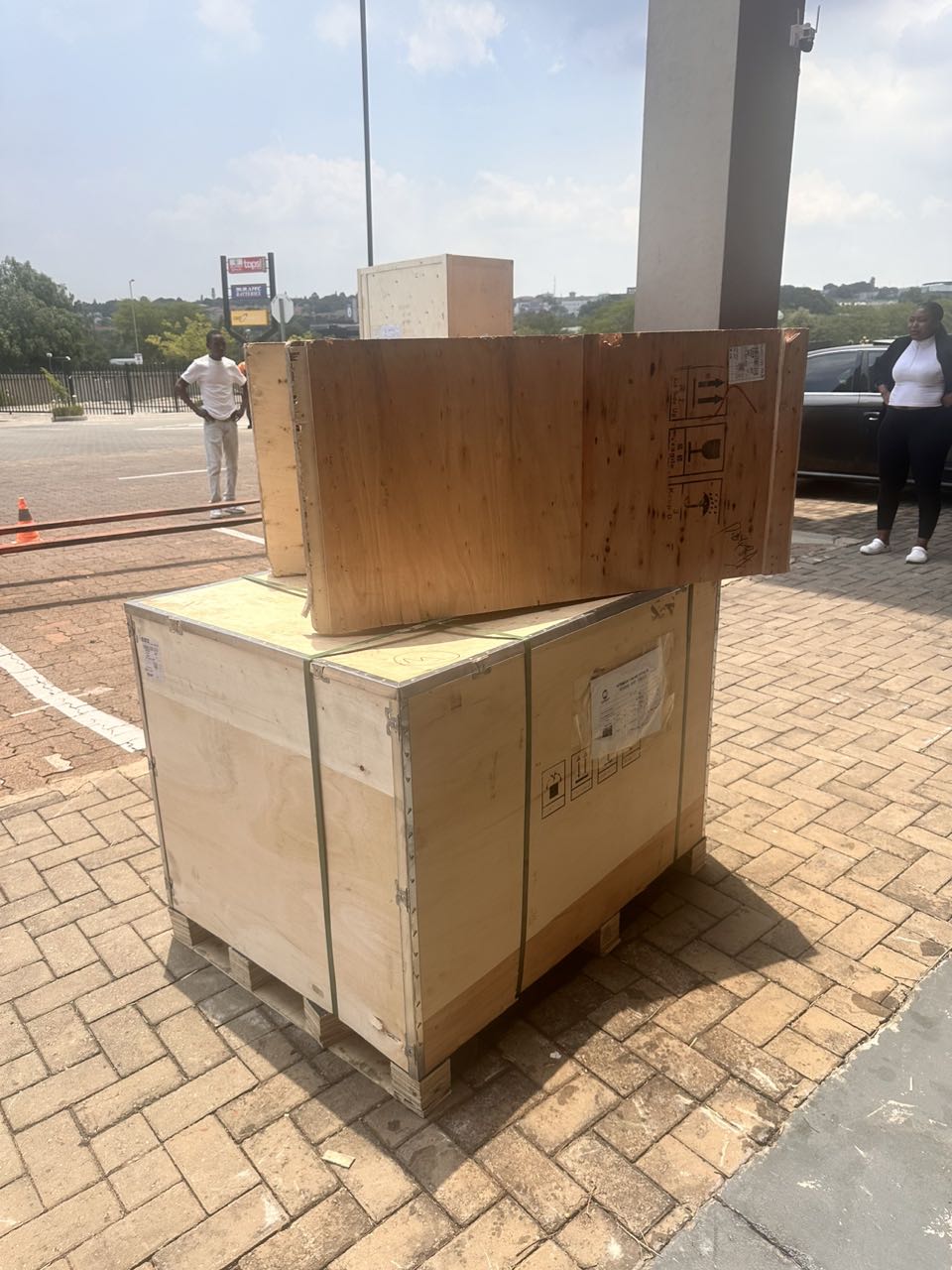
Batch of Orders
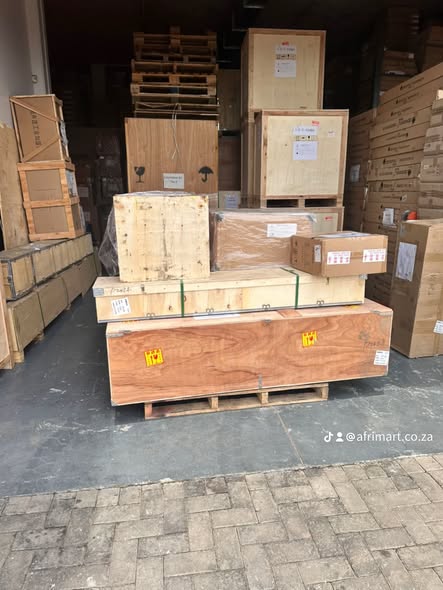
Latest Orders Labelled
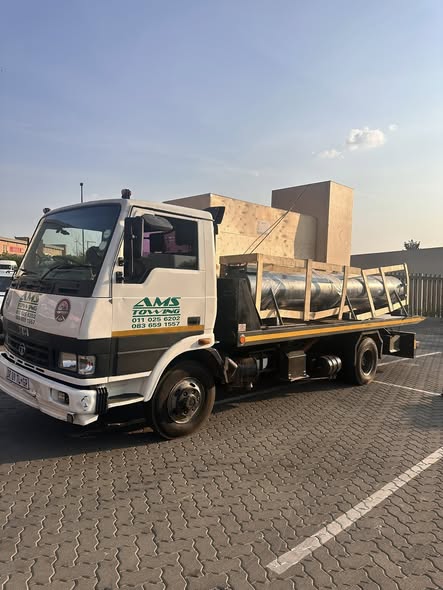
wheel alignment machines
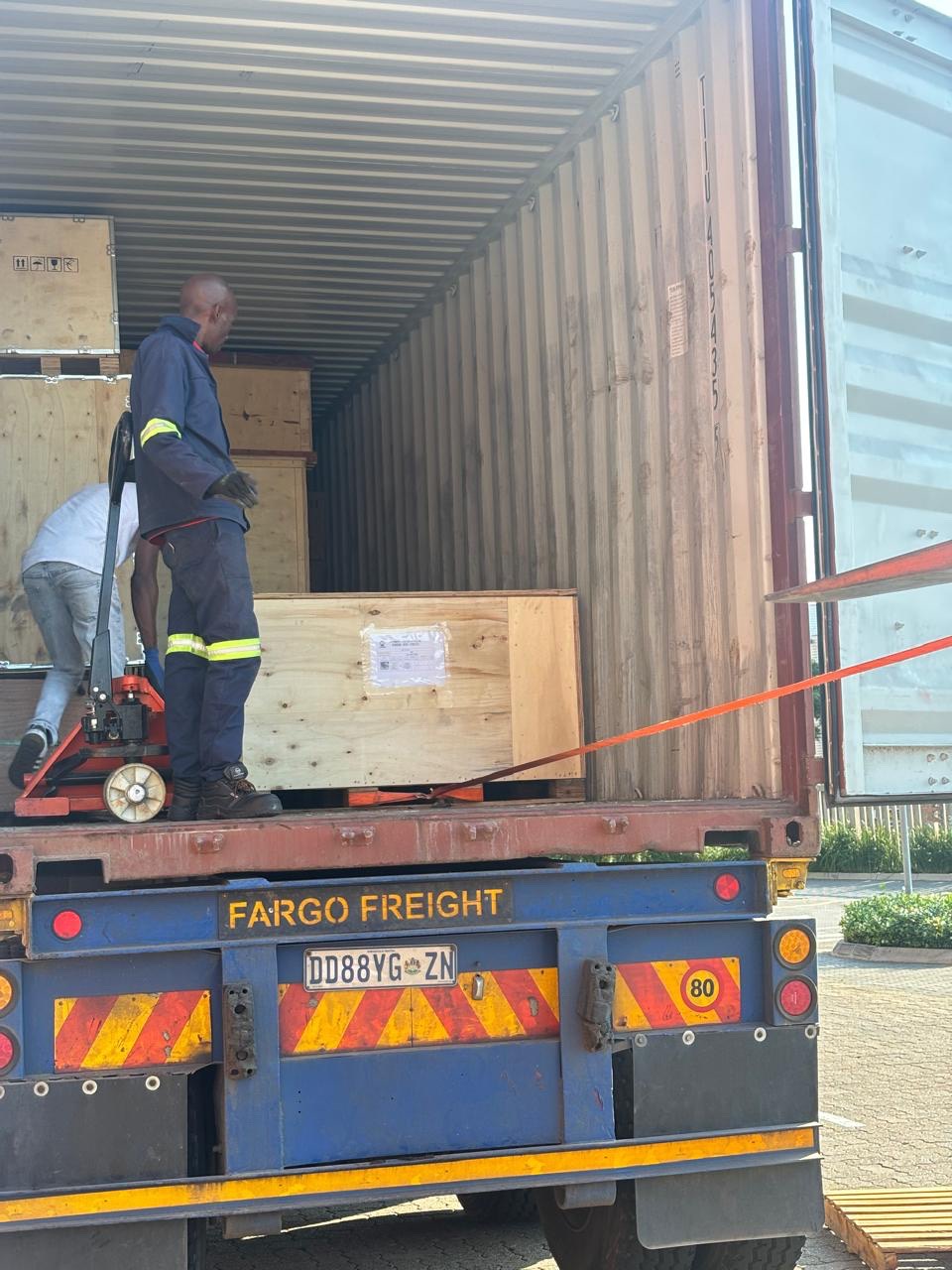
new arrivals
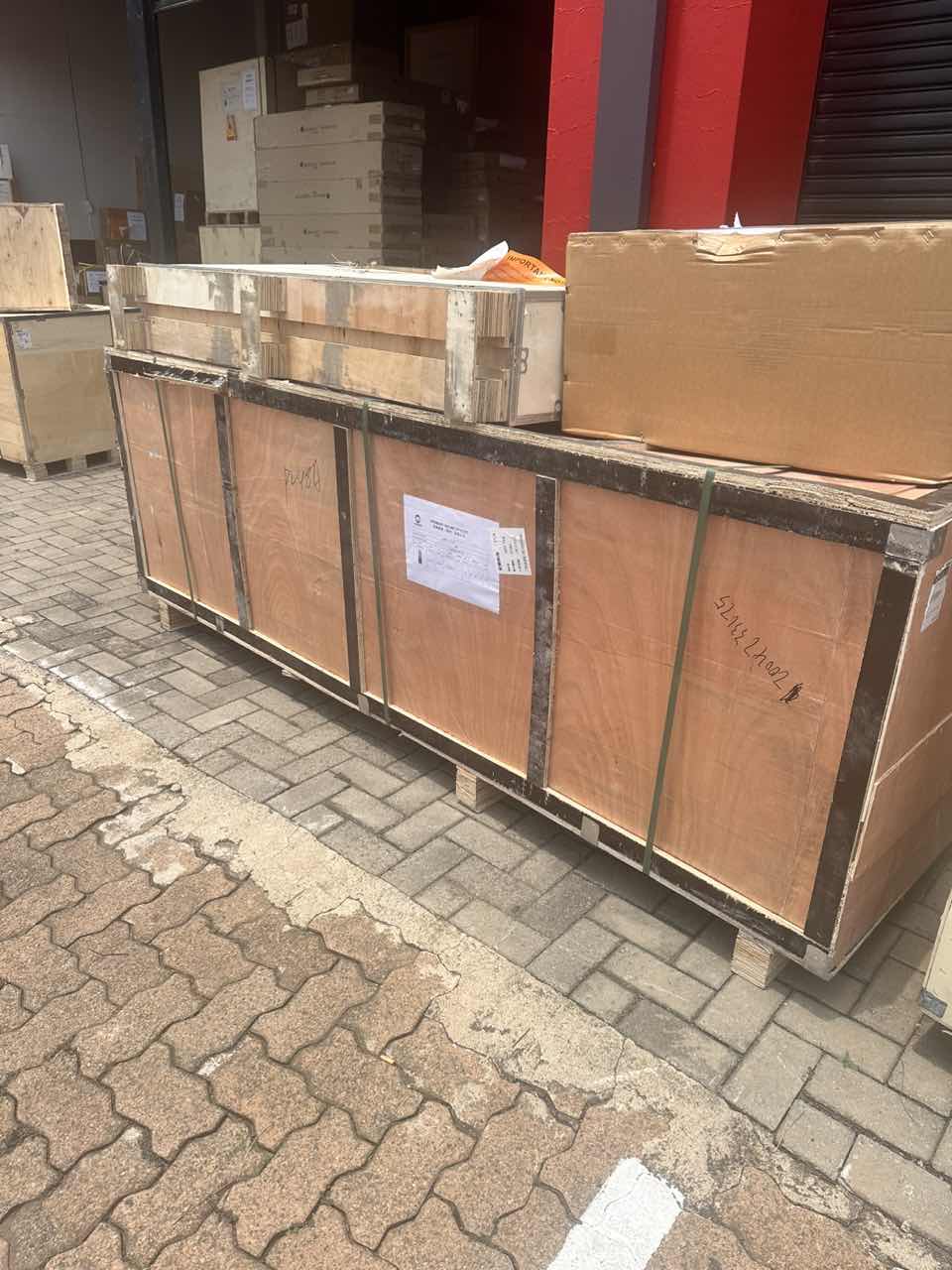
Pre Orders Offloading
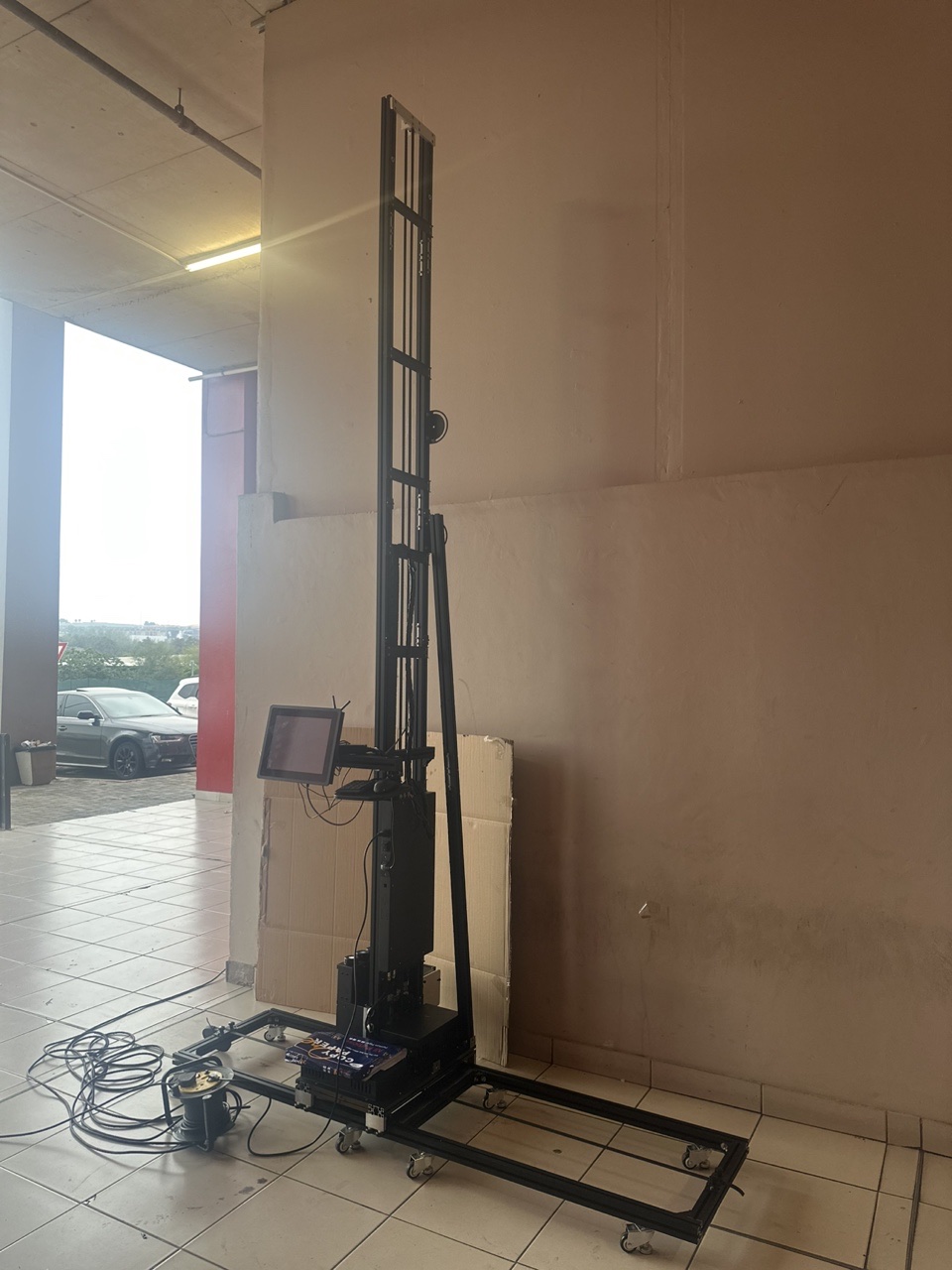
Latest Arrivals
Latest Arrivals
Latest Arrivals
Loading
Toilet paper making machine
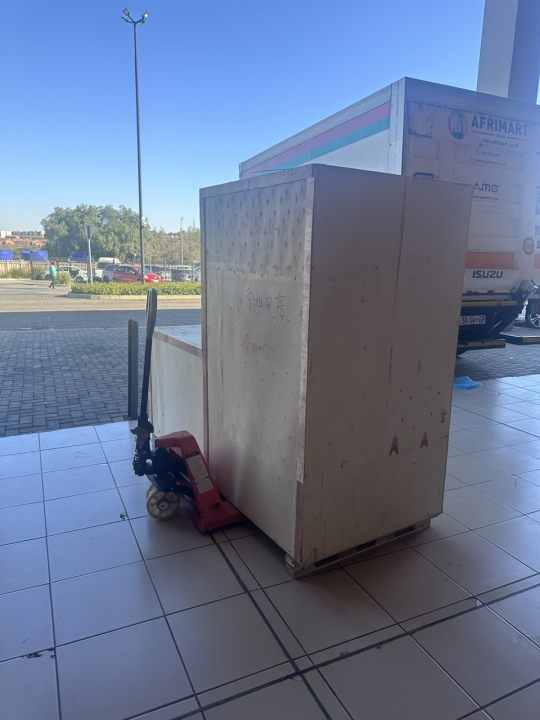
Toilet paper making machine
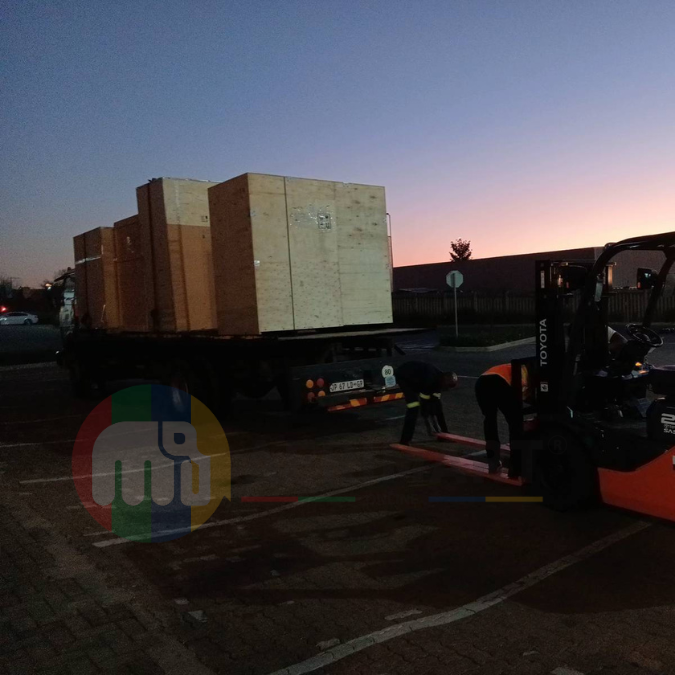
Toilet paper Rewinding Machine
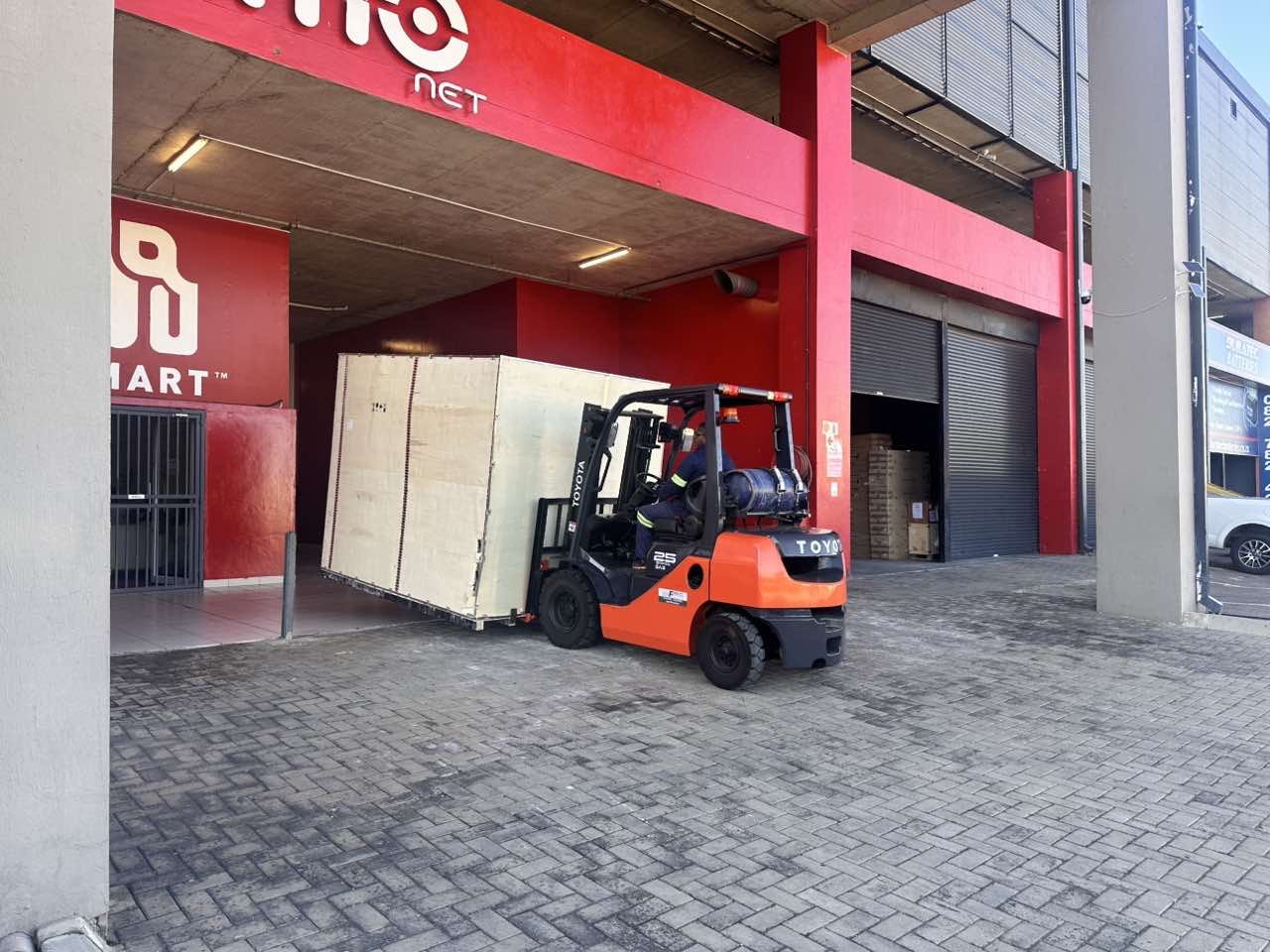
latest arrivals
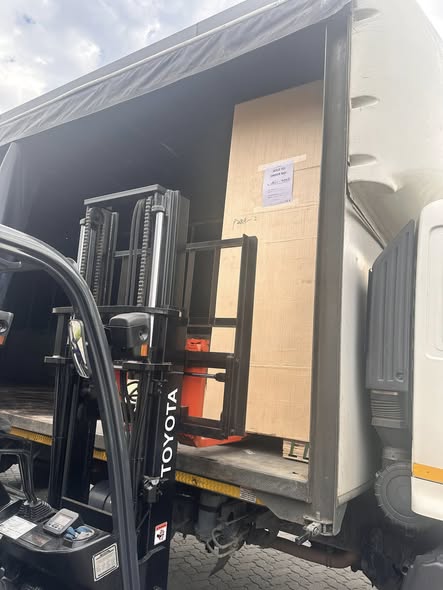
offloading
order success
order collection
order offloading